
From Kabul to Charlotte, they’ve found refuge. ‘Home’ is much harder.
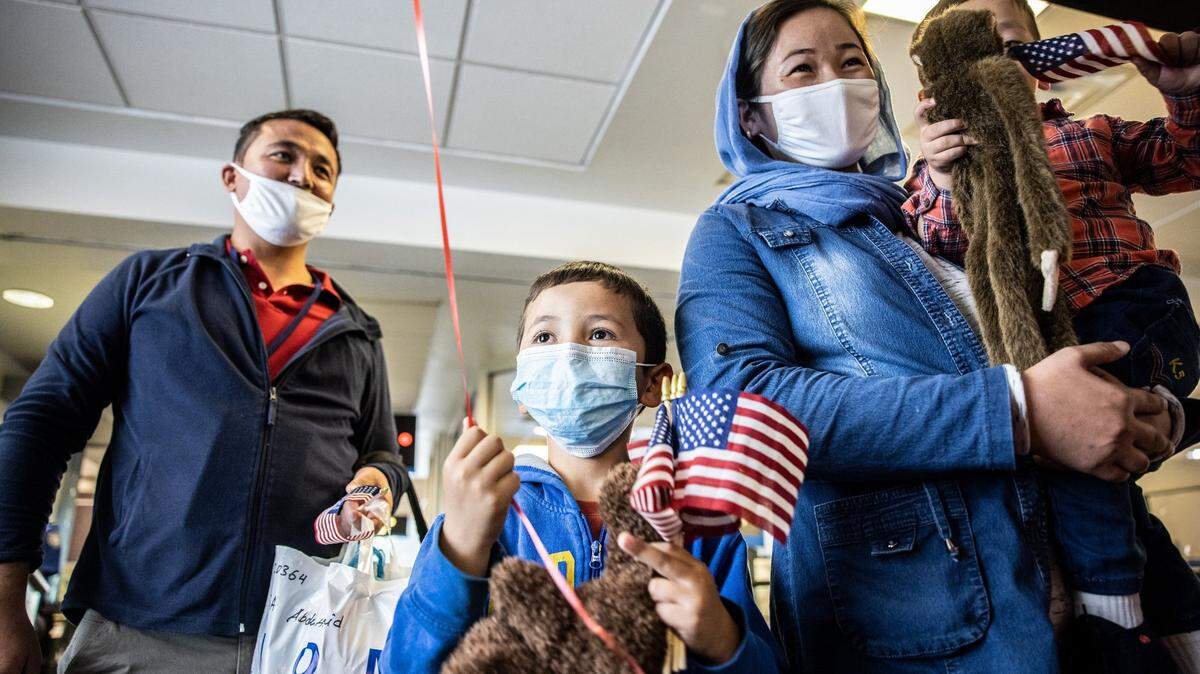
After a harrowing escape through the Kabul airport, traveling 7,000 miles and waiting more than two months on a U.S. military base, Hamid and his family were almost home.
Almost, but not quite.
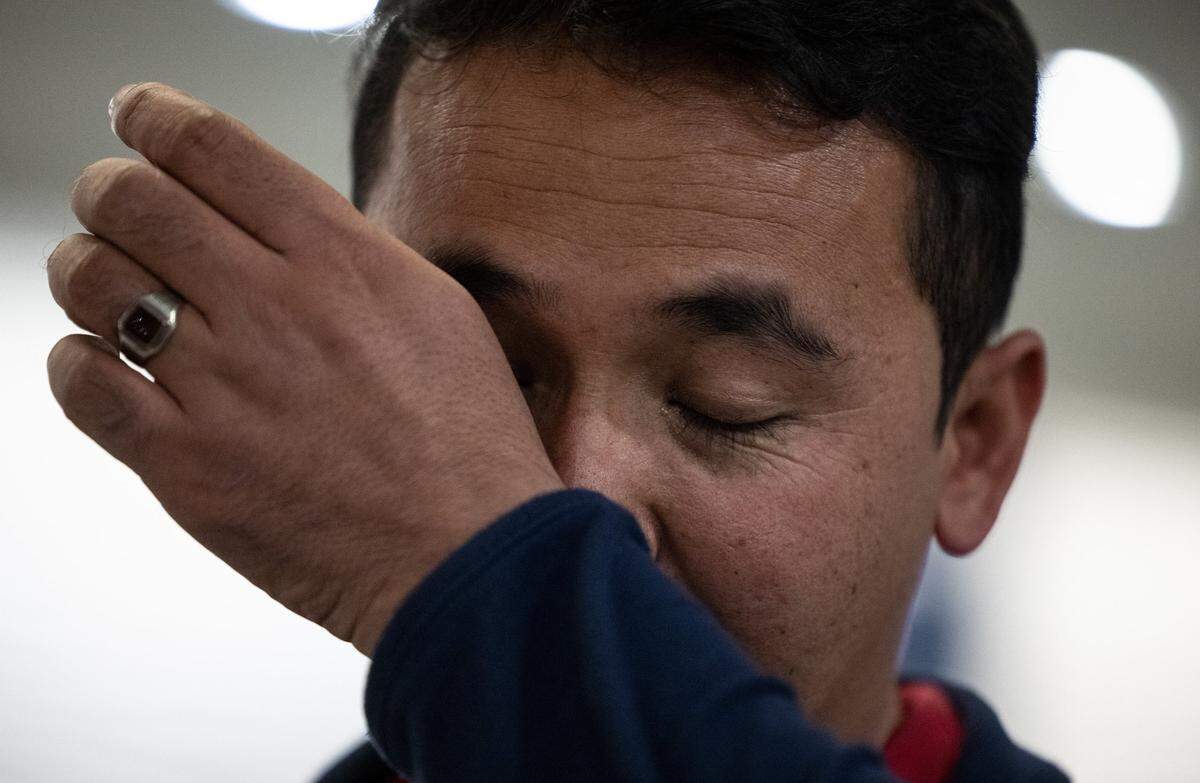
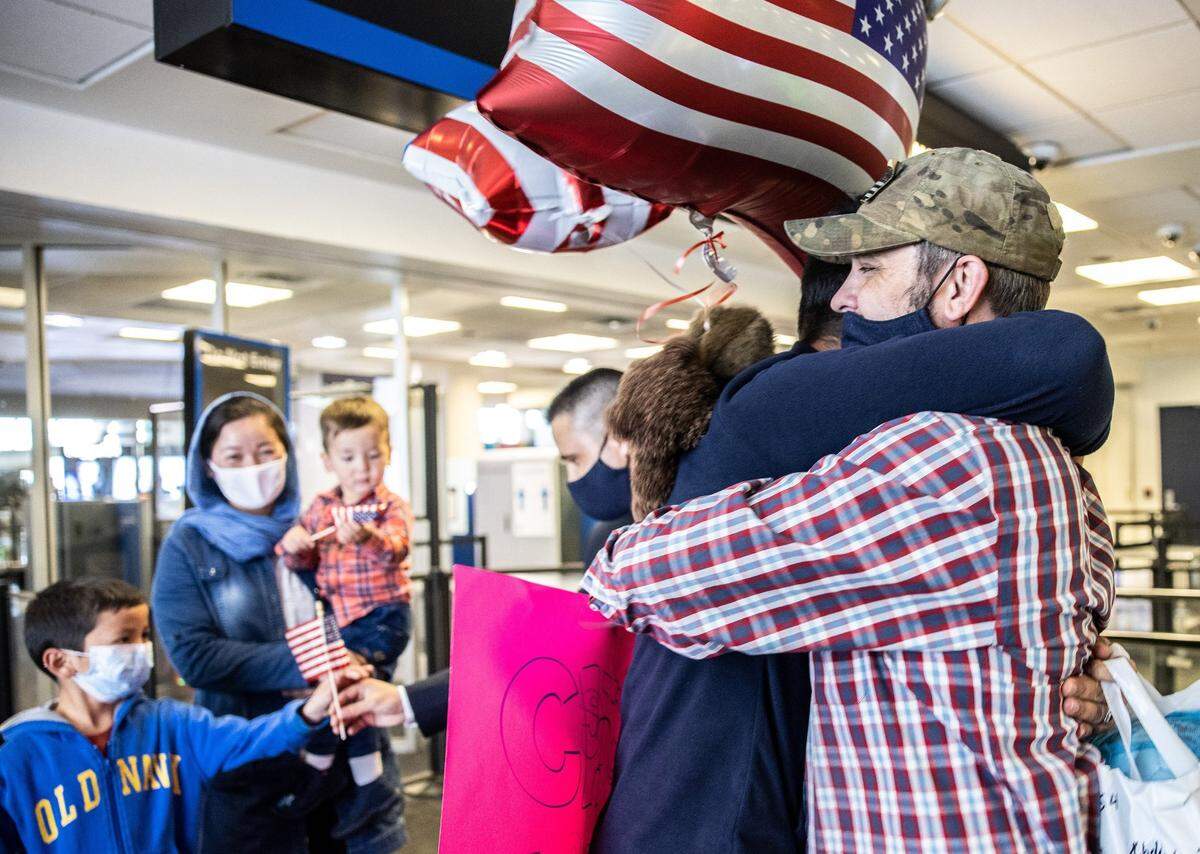
Hamid, 34, an Afghan interpreter who previously worked with the U.S. military and fled Kabul in August, arrived in Charlotte on Tuesday evening with his wife, Shukria, and their two young sons.
They spent their first night in a small, two-bedroom Airbnb listing on a quiet street in west Charlotte, but the family has one more big hurdle before putting down roots: finding a permanent home.
They are among the latest Afghans to arrive in Charlotte, four of the tens of thousands arriving in the United States in recent months to escape Taliban violence.
Hamid’s work with U.S. Army made him a target. The Observer is using only the family’s first names due to safety concerns for relatives still in Afghanistan.
A small welcoming party bearing signs, American flags and a bouquet of flowers greeted the family at Charlotte-Douglas International Airport, their last flight after several months of travel and waiting.
The family’s connection throughout was Sean Kilbane, who deployed twice to Afghanistan with the Army Reserves and now works with Charlotte-based Interpreting Freedom Foundation. The nonprofit helps interpreters, linguists and translators resettle.
The Airbnb is yet another pit stop before something permanent.
The house had the essentials for their first night in their new hometown: Takeout kebabs and rice in the refrigerator, Chef Boyardee in the cabinet. A new cell phone for Shukria and a tablet for the boys.
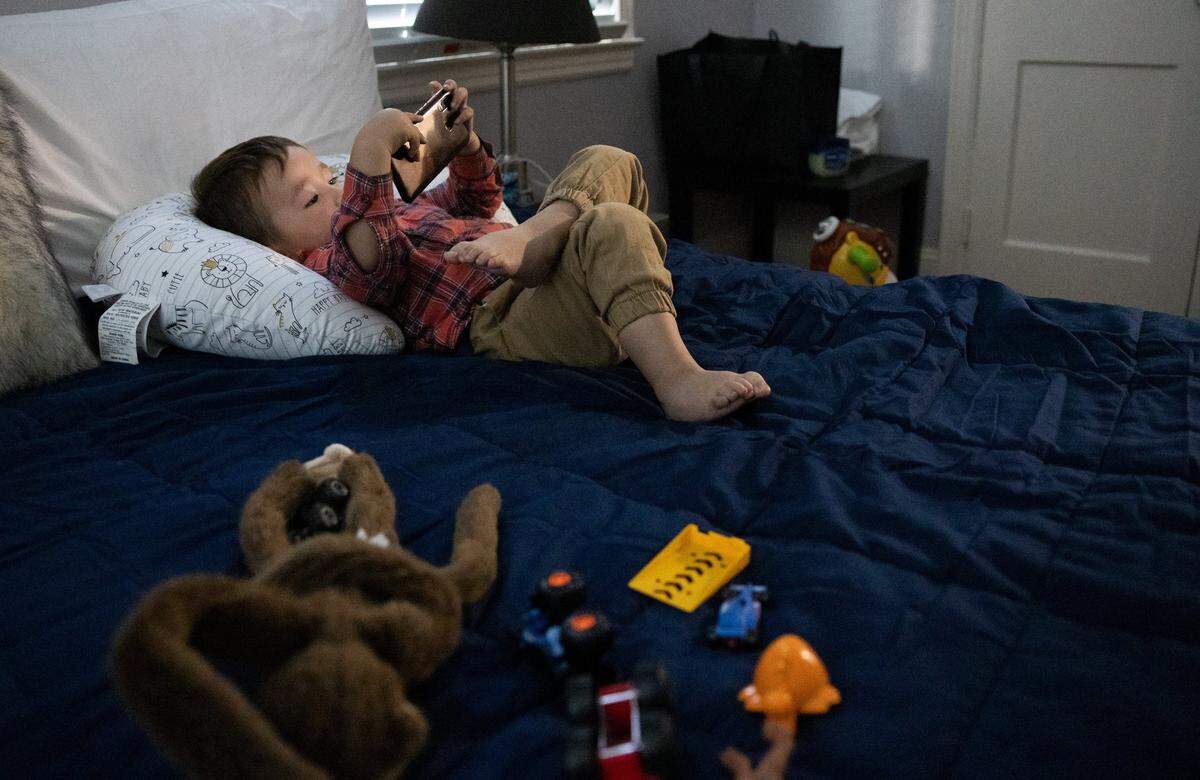
The youngest, 2 1/2-year-old Samim, immediately sprawled out on the living room couch and fell asleep, shoes still on, while his parents explored the house. Sameer, who turns 7 this month, was drawn to the pile of toys and books waiting for him in the children’s bedroom.
Coming days would be filled with appointments and errands, including grocery shopping and intake appointments with a local resettlement agency.
But despite the hectic schedule, their first night was peaceful, Hamid said. For the first time in many months, it was quiet.
“It’s so quiet here,” he said. “After two and a half months, we can now be relaxed here.”
Looking for home
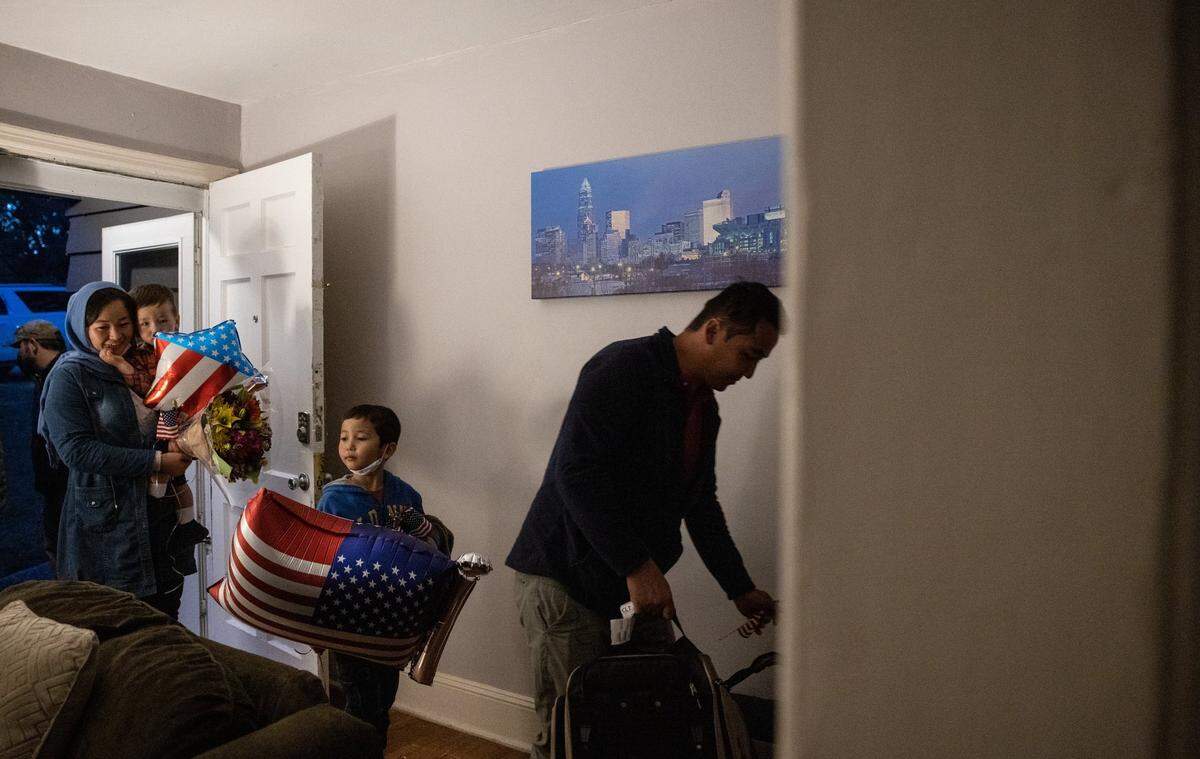
Kilbane hopes they’ll be in the Airbnb only a few weeks, but finding permanent housing has been a challenge.
Some barriers are structural and expected. Afghans arrive without American credit reports or rental history, and often will wait weeks or months to receive a Social Security card, common requirements for leasing an apartment or home.
Then there’s the cost.
Kilbane said he is looking for housing under $1,000 per month and within a 30-minute drive of his own home in south Charlotte, knowing he will be making regular trips to visit the family.
While those arriving are authorized to work, their budgets are small. Assistance from the U.S. government and help from resettlement organizations still struggle to match an increasingly expensive Charlotte rental market.
But other roadblocks are harder to stomach.
Kilbane said he routinely gets rejected by landlords, despite offers to co-sign the lease and the backing of local nonprofits that are committed to supporting the family.
“It has taken me longer to find them housing in Charlotte than to get them past Taliban bombs and checkpoints,” Kilbane said.
Charlotte refugee resettlement agencies and related nonprofits have raised concerns about the lack of affordable housing that awaits arriving evacuees.
Affordable housing in Charlotte is already critically scarce for those who have established ties and employment here. But for arriving Afghans it’s even more difficult after an abrupt and traumatic evacuation from their home country.
Carolina Refugee Resettlement Agency is working with 57 Afghans who have already arrived of the expected 100. It’s been difficult, said Marsha Hirsch, the executive director, when two-bedroom units are around $1,110.
“It’s a slow process,” she said. “It wasn’t this way a year ago.”
At Catholic Charities Diocese of Charlotte, 76 people are already in the city. Another 14 are expected by the weekend, followed by 110 more soon. Only four households have secured permanent housing, according to the agency, with the rest in hotels or other temporary situations.
Kilbane said they are searching all over the Charlotte area, including surrounding counties, not only for Hamid’s new home but for others who haven’t arrived yet. Most are coming in family groups, and need homes with two or three bedrooms.
“I have lost count of the amount I’ve talked to,” he said of prospective landlords. “It takes the wind out of your sails, constant rejection.”
He’s hoping to build a roster of interested property owners.
Families arrive with essentially nothing. Hamid and his family waited at baggage claim to collect the sum total of their belongings in four pieces of luggage— one of them a child’s small pink suitcase — and a backpack. Only the backpack came with them from Afghanistan. The rest came from donations once they arrived in Virginia, where they waited with thousands of others.
There wasn’t time or room for much else, as they left home within minutes of getting the go-ahead to go to the Kabul airport.
That means they’ll need furniture, household appliances, clothing and cleaning products. And while foundation leaders said they are grateful for donations, housing needs to come first.
Hamid said he is eager to get his driver’s license and eventually wants to be a truck driver, or pursue ways to use the physics degree he earned in Afghanistan. Shukria, too, wants to explore further education and learn to drive.
Hamid said he worries about the heavy stuff of starting over and finding housing, a job and becoming stable. In the meantime, there are many firsts to experience with their children. Trips around Charlotte, to the ocean or a museum.
“At least I know I am safe here,” he said.
Refugee resettlement agencies in Charlotte are seeking leads on rental housing options for a variety of family sizes, as well as financial donations for incoming families.
More information is available at the Catholic Charities website or by calling 704-370-3262. Reach Carolina Refugee Resettlement Agency at its website or by calling 704-535-8803.
More information about the Interpreting Freedom Foundation is available at interpretingfreedom.org.
This story was originally published November 11, 2021 at 6:00 AM.
%20Cropped.jpg)