Snow and ice may be coming to Charlotte this weekend. Here’s how to get ready
.JPG "People scrape away snow and ice outside St. Peter Catholic Church in uptown Charlotte before the 9 a.m. Mass on Sunday. Many other churches around Charlotte canceled services after inches of snow fell in the region.")
READ MORE
Winter weather in Charlotte
The latest weather news and how to prepare.
Expand All
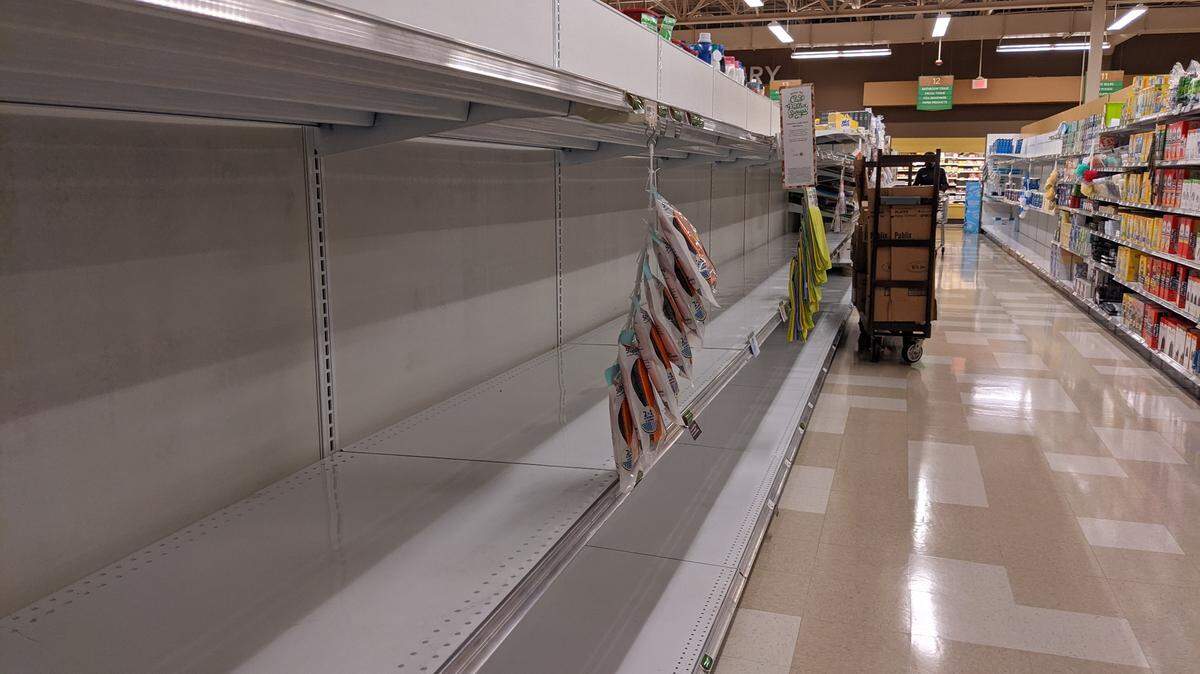
As the chance of snow in the Charlotte area this weekend grows, many are raiding the shelves of grocery stores for food, toiletries and other necessities to brace for a possible storm.
At one local Target, sections where paper towels and toilet paper would usually be plentiful, were nearly barren as customers stock up on supplies in anticipation.
Inside the Northcrest Shopping Center Target, however, the threat of severe winter weather has not impacted inventory.
“Business has been pretty normal as of right now,” a store employee told The Charlotte Observer.
While it may be tough to find some items over the next few days, the National Weather Service recommends buying things that will be useful in case of an emergency.
“You want to buy things that will last in case there is a power outage,” said meteorologist Clay Chaney, adding that the expectation for some snowfall is growing. “It’s just a matter of how much snow and ice there will be.”
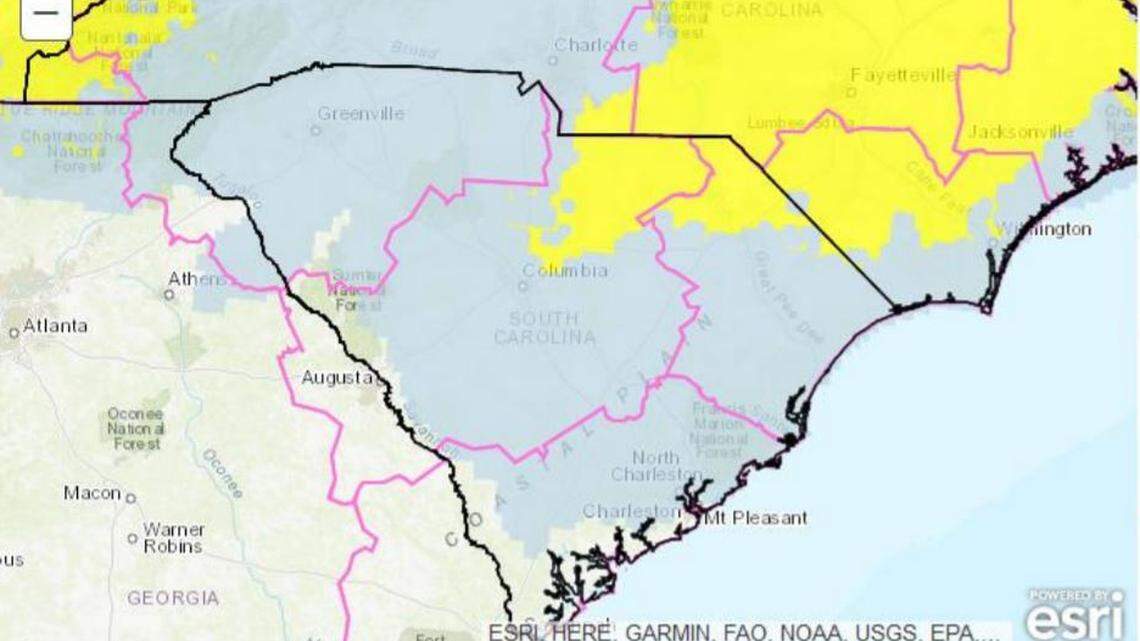
As of Wednesday, there is a 30 to 50% chance of “significant snow and ice accumulation” in the Charlotte area this weekend, Chaney said. Snow and ice accumulation maps will be posted Thursday on the NWS website.
Preparing for severe weather
These supplies can help during a power outage, according to the National Weather Service:
Flashlight and extra batteries.
Battery-powered NOAA Weather Radio and portable radio to receive emergency information.
Extra food and water such a dried fruit, nuts, granola bars and other food that requires no cooking or refrigeration.
Extra prescription medicine.
Baby items such a diapers and formula.
First-aid supplies.
Emergency heat source, like a fireplace, wood stove or space heater.
Fire extinguisher.
Extra pet food and warm shelter for pets.
Forecasters also recommend testing smoke alarms and carbon monoxide detectors, and reviewing generator safety.
Winterizing your home
In addition to buying useful supplies, winterizing your home can also be helpful to prepare for winter weather. Here are some tips to winterize, according to Ready NC:
Insulating walls and attics.
Caulking and weather-stripping doors and windows.
Installing storm windows or covers with plastic.
Clearing rain gutters.
Fixing roof leaks and cutting away tree branches that could fall on a house or any other structure during a storm.
Cleaning heating equipment and chimneys.
Insulate pipes and allow faucets to drip to prevent pipes from freezing.
Venting all fuel-burning equipment to the outside.
Learning how to shut off water valves in case a pipe bursts.
Insulating your home by installing storm windows.
Hiring a skilled contractor to check the structural ability of the roof in case of snow or water accumulation.
How to stay safe during a storm
During a winter storm and extreme cold, Ready NC suggests:
Staying indoors.
Walking carefully on snowy or icy walkways.
Stretching before shoveling snow to avoid overexertion.
Staying dry and changing wet clothing to prevent a loss of body heat.
Wearing layers of thin clothing to stay warmer.
Watching for signs of frostbite and hypothermia.
Removing insulation from pipes if they freeze.
Keeping the area aired when using kerosene heaters.
Conserving fuel, if necessary, by keeping your home cooler than normal.
Leaving the heat on if you plan to leave your home during cold weather.
Generator safety
The risk of carbon monoxide poisoning increases when temperatures drop and home heating systems run for longer than usual, according to Kidde. Though many rely on portable generators and other alternative power sources, the engines can emit as much carbon monoxide as 100 cars.
Here are some tips to keep you safe when using a generator, according to Kidde Fire Safety Educator Sharon Cooksey:
Only use generators outdoors in a well-ventilated area.
Never refuel a generator while it is still running.
Have appliances checked regularly to ensure they are properly installed and not malfunctioning.
Install carbon monoxide alarms throughout your home.
Replace alarms after 7-10 years, depending on the model.
Cooksey also recommends learning the signs of carbon monoxide poisoning, which include:
Headaches
Dizziness
Weakness
Vomiting
Chest pain
Nausea
Confusion
If you suspect carbon monoxide is in your home, evacuate immediately and call 911, Cooksey says.
Driving in winter weather
Ready NC recommends driving only if it is absolutely necessary. Filling up on gas may be necessary, as gas stations may not be accessible during a storm, Chaney said.
If you must travel, the NC Highway Patrol recommends the following:
Reduce your speed. Driving at the regular speed limit still lower your chances to control the car if it begins to slide.
Leave plenty of room between you and other vehicles.
Approach bridges and overpasses with caution and do not use your brakes while driving on them.
If you do begin to slide, take your foot off the gas and turn the steering wheel in the direction of the slide. Do not push the brakes, as that will cause further loss of control of the car.
If you become trapped in your car:
Pull off the highway and stay inside your vehicle. At night, turn on lights inside of your car, so work and rescue crews can see you.
Set your directional lights to “flashing” and hang a cloth or distress flag outside of your window
In a rural area, put a large cloth over the snow to get rescue crews who may be looking at the area by airplane to see you.
Do not leave your vehicle unless you see a building close by where you can take shelter.
If you run the engine to keep warm, crack a window to avoid carbon monoxide poisoning.
Exercise or huddle with other passengers to keep body heat.
This story was originally published January 12, 2022 at 2:51 PM.