Winter weather is in Charlotte. How to heat and power your home safely
READ MORE
Winter weather in Charlotte
The latest weather news and how to prepare.
Expand All
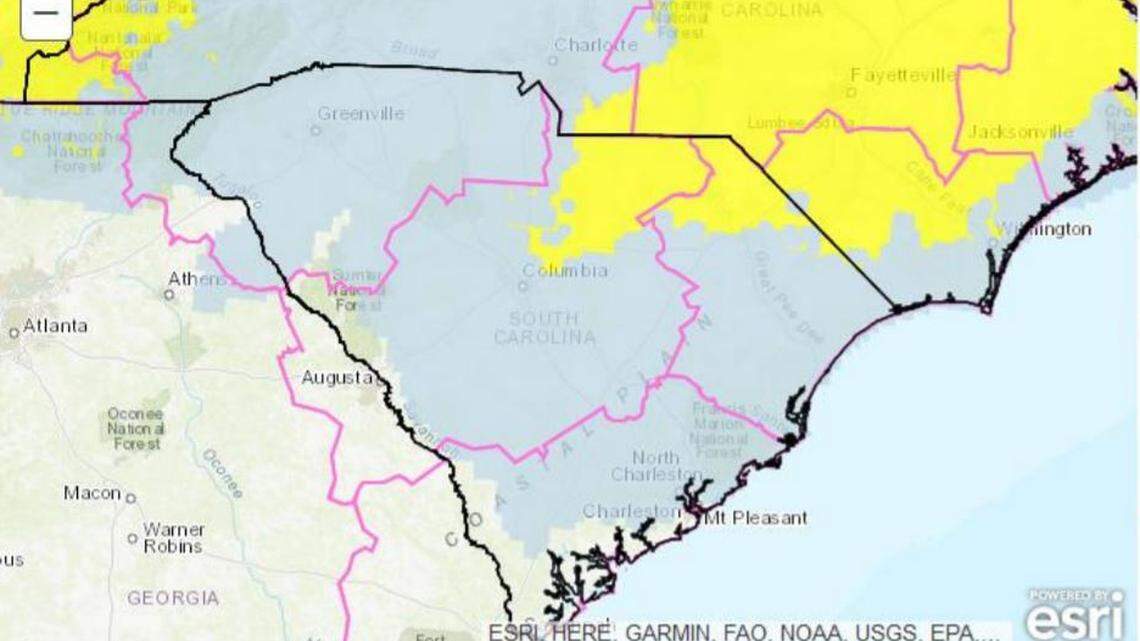
With a winter storm system expected to bring snow, ice and freezing temperatures to the Charlotte area, folks will be looking to stay warm, even if they lose power or their home doesn’t have a heating system.
But items such as portable heaters, generators and even candles can pose a safety risk, especially if not used properly.
Here are some important safety tips to follow if you’re using alternative methods to heat or light your home:
How to safely use a portable heater
Portable heaters can provide warmth if your home doesn’t have a heating system, but they can also create a fire risk, the Federal Emergency Management Agency cautions.
Heaters should always be plugged “directly into wall outlets,” FEMA advises, and you should check both the cord and outlet to make sure both are in good condition before using the heater.
You should keep heaters at least 3 feet away from anything that could catch on fire, such as blankets or curtains.
When shopping for a portable heater, FEMA recommends looking for one that has automatic shut-off.
How to safely use a fuel-powered generator
“Portable generators can be used to help temporarily restore power to a few key appliances such as refrigerators, lights and fans,” the Environmental Protection Agency advises, but there are precautions you’ll need to take to avoid the risk of fire or exposure to toxic fumes.
Fuel-powered generators - which typically run on gas, natural gas or kerosene - should only be used outside and away from buildings (20 feet from all homes, the EPA recommends). Never use a fuel-powered generator inside, even in a garage, and don’t keep them “on balconies or near doors, vents or windows.”
Are battery-powered generators safe?
Battery-powered generators can be “a practical choice to power small appliances, lights and fans during a power outage,” according to the EPA, because they “do not generate toxic fumes, and so they can be used in indoor spaces, on balconies, or near doors, vents and windows.”
How to safely heat your home in a power outage
There are a number of things you shouldn’t do to try to heat your home if the power goes out, according to the EPA.
You should never run your car or truck in an attached garage, “even if you leave the door open.”
Trying to use a gas-powered stove, oven, grill or dryer to heat your home is also dangerous, especially “in a poorly vented or closed room, or where you are sleeping.”
A vented fireplace can be a good option for heat if used properly. Make sure to open your fireplace damper before lighting a fire and leave it open until all the ashes are completely cooled. And never use charcoal or any kind of accelerant, such as gasoline or lighter fluid, in a fireplace.
You should “have flues and chimneys inspected before each heating season for leakage and blockage by creosote or debris” and always keep “a screen or glass enclosure around a fireplace to prevent sparks or embers from igniting flammable materials”
You can also help keep your home warm by keeping windows and doors closed, with the blinds open during the day to let light in but closed at night to conserve heat.
How to safely light your home in a power outage
Battery-powered flashlights or lanterns are your safest options for lighting if your power goes out, the EPA advises.
If you do light candles, you should only do so in well-ventilated areas away from flammable objects. And lit candles should not be left unattended.
This story was originally published January 14, 2022 at 1:49 PM.