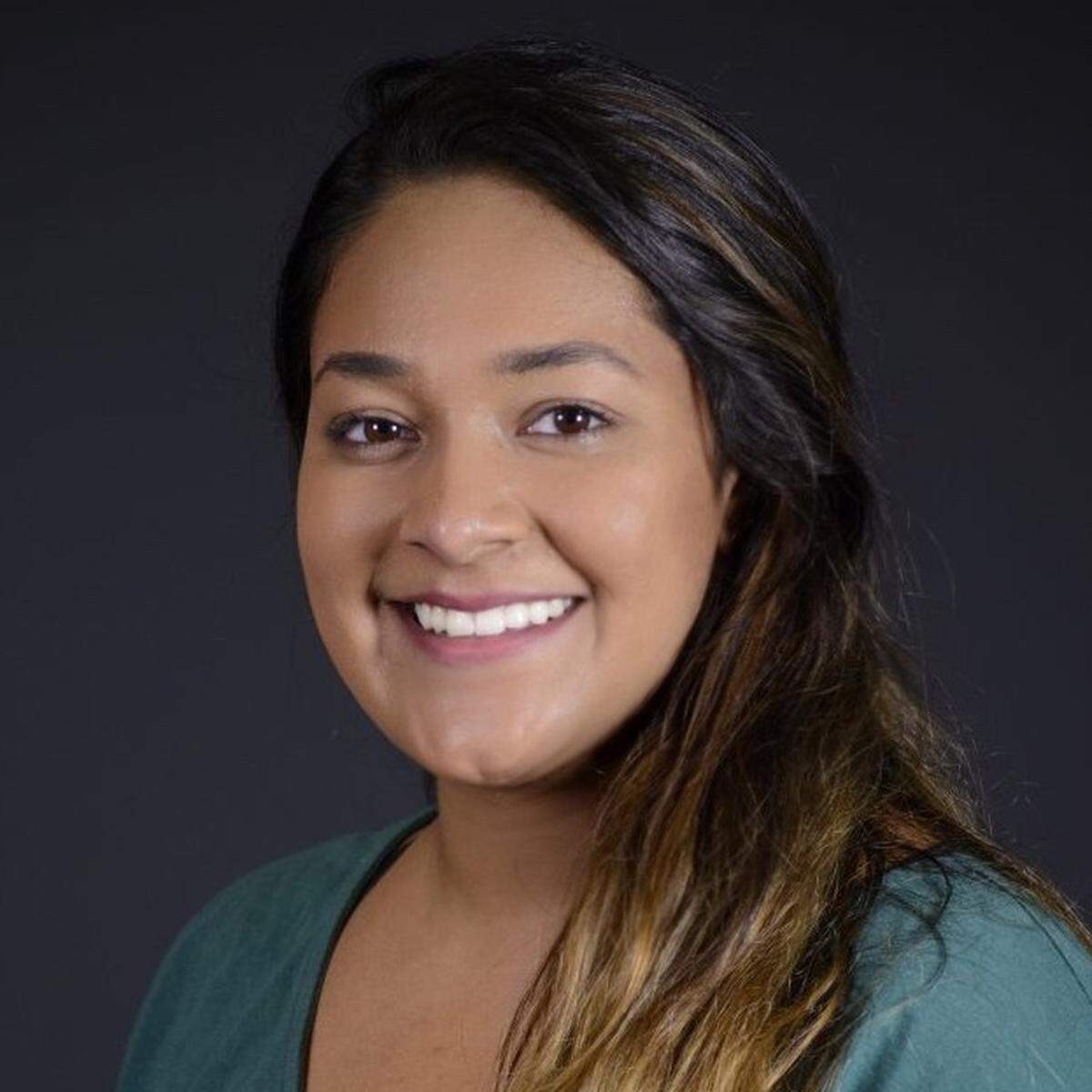
‘We lost Javarrus to murder.’ His story, a twist of fate, ends in Charlotte’s violence
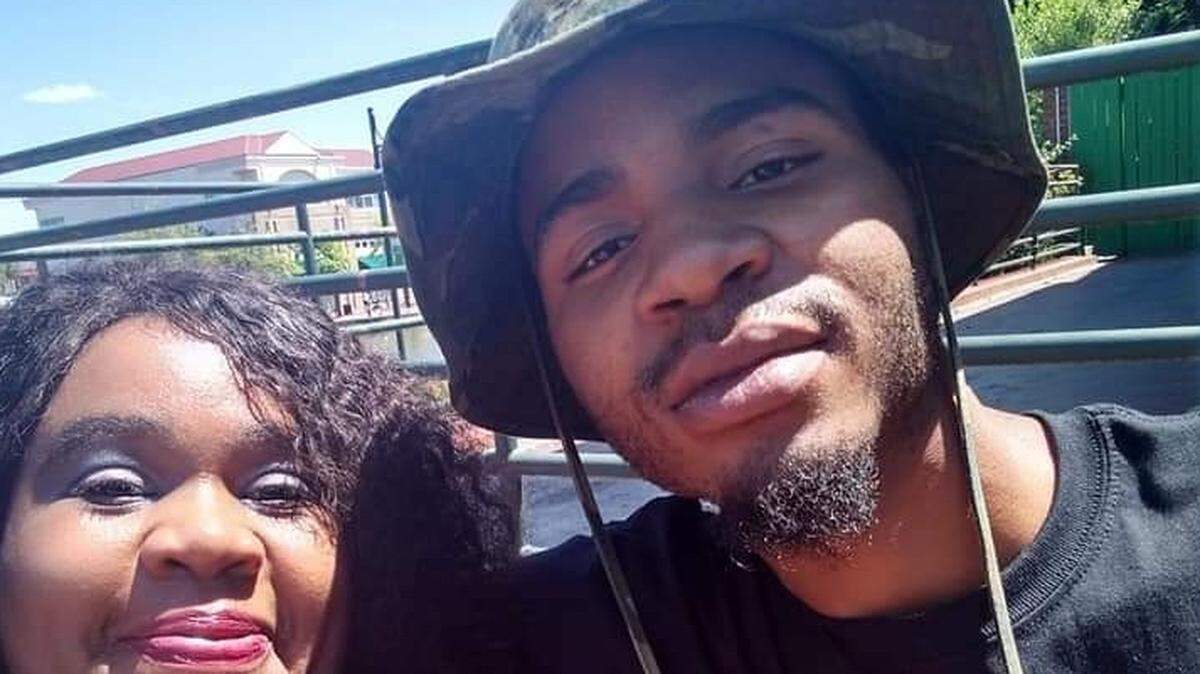
“ ... We lost Javarrus to murder ...”
I didn’t see the text until late Sunday night, hours after it came in.
I’d just settled in to bed, about to turn off my bedroom lights, when I remembered to look at the notification that had buzzed my phone as I’d been folding a load of laundry.
My eyes widened reading the message from Kenny Robinson.
“I wanted to let you know we lost Javarrus to murder,” he wrote. “We are all deeply saddened by this loss of life.”
I read his text again and glanced back at the photo. Kenny had attached a screenshot of a story from another outlet showing Javarrus’ mugshot from two years ago.
For some, the headline of a killing, punctuated with the mugshot would be all they see.
But I saw a soft-spoken young man who was taking advantage of a new lease on life, a young man who had never really been given a fair shot.
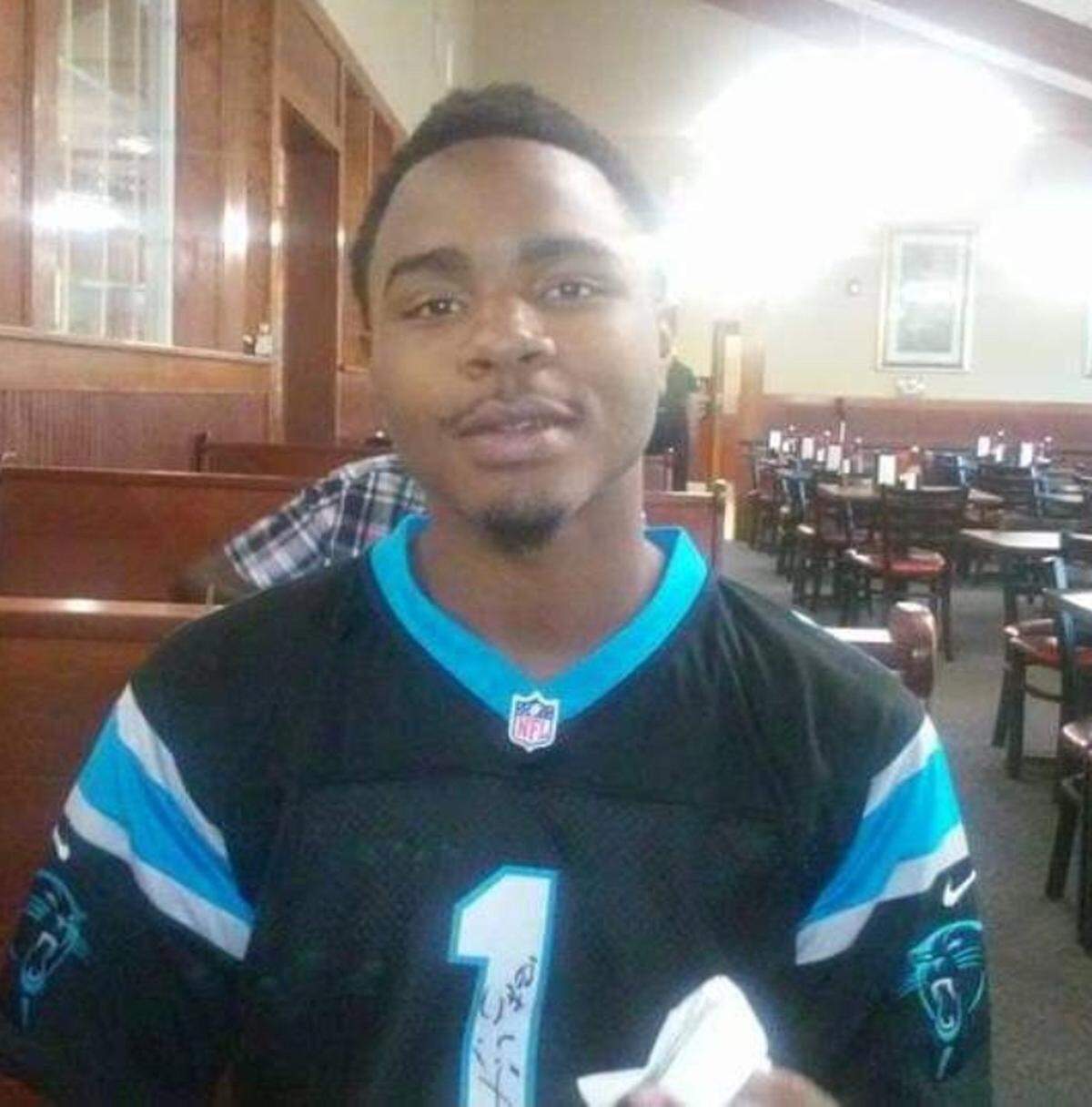
I got to know Javarrus in the fall. Kenny, a community advocate who specializes in providing reentry services for formerly incarcerated people returning to the community, connected me.
My editor and I had noticed a Facebook video Kenny posted outside the courthouse in uptown Charlotte, highlighting part of Javarrus’ journey.
Instead of handing down jail time for a robbery Javarrus committed in the middle of a mental health crisis, a judge saw Javarrus’ community of supporters, gathered by Kenny and Javarrus’ mom — and his potential. Javarrus was sentenced to two years probation.
That day last October, he was shocked and grateful for another chance to prove himself.
“I feel more free,” he said back in November. “I think they’re going to take off this ankle monitor soon. Then I can go off to different places, like Myrtle Beach or something like that, you know?”
“That sounds great,” I replied, smiling at the idea of Javarrus on a beach, without a care in the world.
But now it feels like his second chance was stolen.
His body was found Friday morning in Brookhill, just outside South End. Police have ruled his death a homicide but details of what happened aren’t clear and no one yet has been charged. He had been missing for about a week, according to Kenny.
It’s a painfully sharp loss in a city where young Black men are dying at alarming rates.
Doing the right thing
When I saw in the police department’s release from Sunday about an update in a homicide investigation saying Javarrus’ “next of kin” had been notified, my mind turned to his mother, Latonya.
Javarrus had a mother whose love knew no bounds — a mother who’s already lost one of her children and fought hard to keep her eldest from the same fate.
When I interviewed Latonya Littlejohn last November, I asked her when she thought of her son, what words came to mind.
“Passionate, humble, quiet,” she said then. “Sometimes you don’t even know he’s in the house because he’s so quiet and laid back, in his room.
“And he’s very loving.”
I spoke to Javarrus and his mother several times over the phone and through video calls to write the story last year.
Most of my journalism career has been spent talking to people about some of the most vulnerable parts of their lives. Still, I’d never interviewed someone as shy and nervous as Javarrus.
Voice hushed and eyes downturned for much of our first interview, Javarrus was so unnerved by the thought of taking a photo for the story, the only way I got him to budge a little was when I suggested taking it in front of the Panthers stadium. He lit up at the idea.
Later, though, he changed his mind. His mom instead sent us family photos to use in the story.
But conversation by conversation, he slowly opened up.
We talked about being eldest siblings and shared a deep love of family. He talked about his interest in technology and cryptocurrency, proudly described his new, steady gig making wood pallets and a new passion to help other young men in his community and help them get their “coins up.”
“I always try to tell the young kids… to do the right thing and think before they do a lot of stuff,” he said.
‘Such great hope’
When Black men are born in America, they are born into danger.
Of the 98 people who were killed last year in Charlotte, nearly half were young Black men between the ages of 18 and 36.
Black men living in America are at higher risk of dying from homicide than a stroke, according to government data, and have a lower life expectancy than their white counterparts.
It’s a problem well-documented in Charlotte, and there are many folks in our community trying to improve outcomes for young Black men who live here, like Kenny, who rallied a village of folks to help keep Javarrus from going to jail.
But there are limits to what lone individuals can accomplish without community partnerships and reckoning with the racist systems that put Black Americans in danger, Kenny points out.
There have been 33 homicides in Charlotte in 2022 so far. About three-fourths have resulted in a loss of Black life. Javarrus was the 33rd homicide victim and at least the 25th Black person killed in Charlotte this year.
Kenny has established a fund to help pay for Javarrus’ funeral expenses.
When detectives notified his mom that he was dead, she called Kenny right away, crying.
“That is a great, great fear among Black mothers in Charlotte... that detectives are going to come knocking on the door before the children come home,” Kenny told me this week.
His first reaction was shock — then guilt.
“You always wish that there’s something more that could have been done,” he said. “You’re trying to find ways to comfort the mom, and there are pretty much none you can come up with.”
It’s the second phone call like this Kenny has gotten since starting his organization, Freedom Fighting Missionaries, two years ago. He says Javarrus’ death was “senseless,” and fears the violence was spurred by an ever-widening gap between those who can afford to continue to live in Charlotte, and those who can’t.
“People are so desperate that they’re killing for a little bit of nothing,” he said. “Charlotte is a dangerous place after dark.”
Javarrus who had cashed his Blaze Pizza paycheck that weekend likely had cash on him, he said.
He grieves for the young man with impeccable manners. The young man who “needed big brother kind of help,” as he puts it. The young man he had such great hope for.
“Javarrus spent personal time with me,” Kenny shares. “My daughter knew him, because he was in the car with us a lot.
“I feel like I’ve lost my own son.”
Waiting up
Jeter and I were born a few months apart. That’s all I could think about every time we talked. He would have been 24 in September.
Still, for the first few times we talked, he kept calling me ma’am. I told him again and again — “Javarrus, we’re the same age!” It took him weeks to break the habit.
Truth be told, my feature story on what happened two years ago with the robbery and last year in court was one of the hardest I’ve had to write while at The Charlotte Observer. It was a complicated series of events to untangle and took patience, a trait I’m not exactly known for.
When I first pitched the story idea to Javarrus, he asked, “What good will this do for me?”
It was a valid question. I knew our coverage would probably put a spotlight on him, something that made him uncomfortable.
But I also knew that his story was important, one that uniquely captured how our country’s health care and legal systems fail Black people.
I told him as much, and let him make up his mind. And despite his fears, he agreed, excited over the prospect of being on the front page.
I have thought about him often in the months since. But this week, I can’t stop thinking about Latonya.
Last year she’d told me about how when Javarrus was arrested for the robbery in 2020, she hadn’t known where he was but she knew something wasn’t right.
It was strange that Javarrus, who his mother described as a homebody, would be out so late at night. Finally, she searched his name online, and the arrest report popped up.
I can’t help but wonder how many nights this past week Latonya stayed up late, like she had two summers ago, hoping her son would walk through the door. I can’t help but wonder how many more mothers will have to do the same.
This story was originally published May 17, 2022 at 1:33 PM.