Transforming transit: Where Charlotte plans to add bus, light rail, bike lane extensions
Charlotte could be a “transit-oriented city” by 2040 if all goes according to plan.
The city’s Strategic Mobility Plan to expand public transit and bicycle infrastructure is expected to be adopted Monday night. The plan seeks to add connectivity through the city, eliminate traffic fatalities and ease congestion.
Mayor Pro Tem Julie Eiselt, who also chairs the city’s transportation and planning committee, told The Charlotte Observer she plans to support the plan. She described it as a “north star” vision for the future of Charlotte’s mobility investments.
“It is a much-needed effort to bring together the various mobility plans that the council has approved in the past,” Eiselt said.
Safety makes up a good chunk of the plan, with the goal of “vision zero.” This means the city hopes to reduce traffic fatalities and serious injuries to zero.
“The Strategic Mobility Plan is a critical step in implementing safer, equitable and sustainable neighborhoods,” Councilwoman Dimple Ajmera said.
Here’s a breakdown of the plan’s four areas — transit, bicycles, pedestrians and streets:
Public transit plans
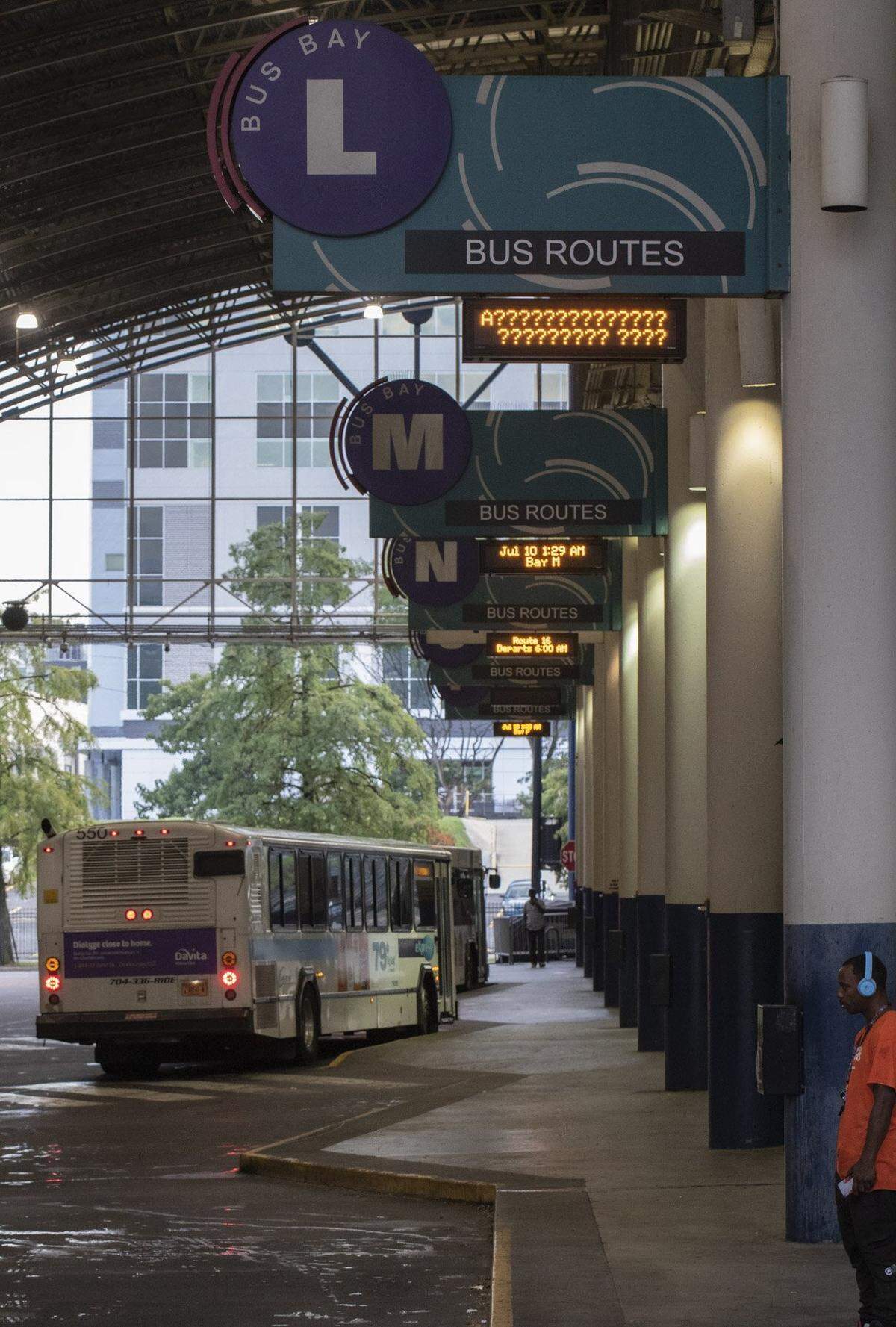
Charlotte is far from being the transit-oriented city the Strategic Mobility Plan hopes for. According to the plan documents, 76.6% of Charlotte workers drive alone to work. Only 3.4% of Charlotte’s workers use public transit, with the remaining people working from home, carpooling, biking or walking.
The Strategic Mobility Plan blames Charlotte’s car dependency on sprawling growth after World War II and the city’s historic under-investment in walking, biking and public transportation infrastructure.
In an effort to change this, the plan’s transit goal includes adding 25 miles of commuter rail, 37.8 miles of streetcar and light rail and 27.4 miles of bus transit. Specific completion dates aren’t attached to individual extensions.
The rapid transit corridors — two which don’t exist today — include:
LYNX Silver Line — a 26.6-mile light rail corridor that would run from Belmont to the Central Piedmont Community College Levine Campus in Matthews, passing Charlotte Douglas International Airport on its way. An extension to Gaston County and Union County will require regional support, the plan says.
LYNX Red Line — a 25-mile commuter rail corridor with 10 stations and nine park and rides in north Mecklenburg County. An extension into Iredell County would require regional support.
MetroRapid Interstate 77 Bus Rapid Transit — a 27.4-mile bus corridor in I-77 express lanes with four new park and rides.
CityLYNX Gold Line extension — extending Charlotte’s streetcar 6 miles with 20 additional stops from the Rosa Parks Transit Center on Beatties Ford Road to the former Eastland Mall.
LYNX Blue Line extension - a 5.5-mile light rail extension with five new stations through Pineville and Ballantyne.
Buses make up 60% of CATS ridership — and it’s only growing.
The North Mecklenburg Express line had 3,546 riders this May, up from 315 in May 2021 — a jump of more than 1,025%. The growth is occurring while CATS is experiencing driver shortages resulting in service delays.
The Strategic Mobility Plan includes CATS’ plan to reshape its bus system, including investing in “focus corridors” which have the worst system performance. The plan says investment will be tailored to each corridor. It could include traffic signals that communicate with approaching buses or dedicated bus lanes.
Those corridors are:
Route 7 — Beatties Ford Road from Northlake Mall to uptown
Route 34 — Freedom Drive from Mt. Holly Road and Paw Creek Shopping Center to uptown
Route 2 — Ashley Road from Freedom Drive and I-85 to the Blue Line Scaleybark Station.
Route 16 — South Tryon from CMC Steelcroft/Rivergate to uptown
Route 9 — Central Avenue from Albemarle Park and Ride to uptown
Route 27 — Monroe Road from Presbyterian Hospital in Matthews to uptown
Vernetta Mitchell, chair of Charlotte’s Far East neighborhood coalition, said she wishes the plan included more connectivity for her side of the city and planned for development she expects to continue expanding out of uptown.
“The Silver Line completely misses any connectivity to the far east,” Mitchell told the Observer. “This strategic mobility plan has to be forward thinking.”
Bike plans
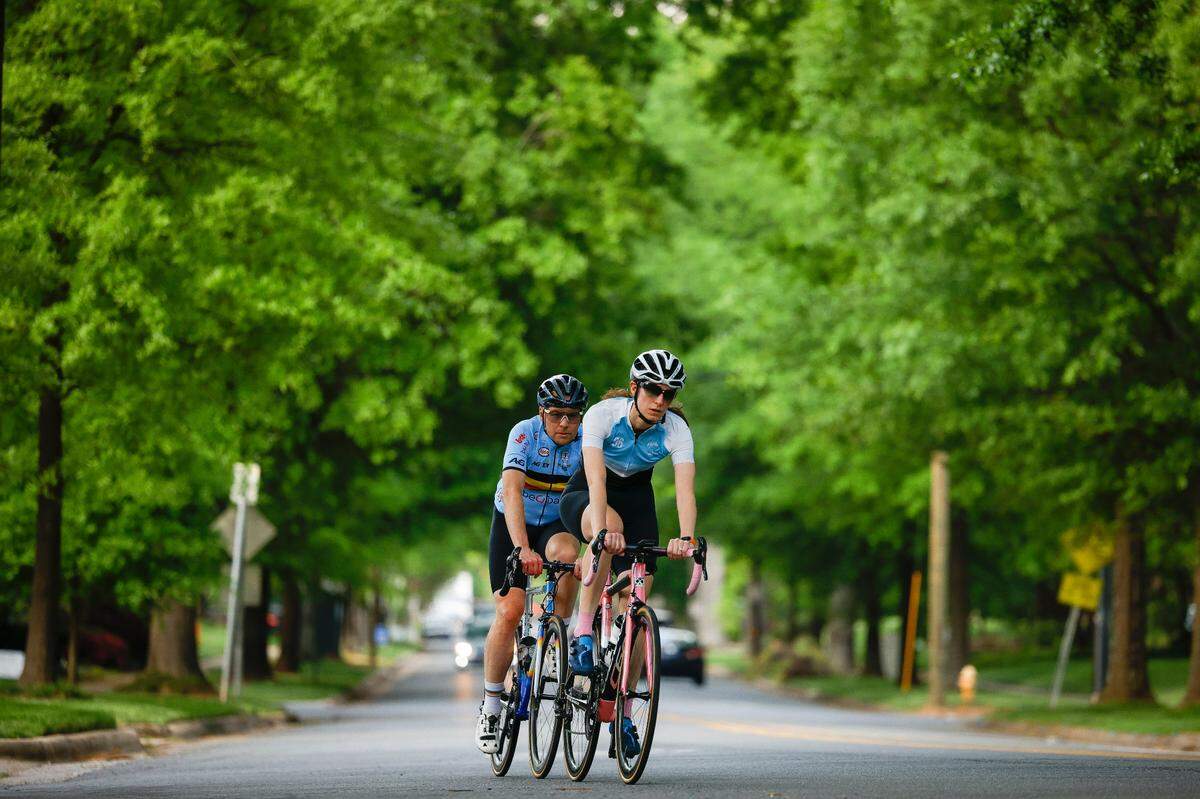
Within the Strategic Mobility Plan, Charlotte hopes to expand existing bikeways and greenways from 111 miles to 270 miles.
This includes the proposed Silver Line Rail Trail and the Cross Charlotte Trail.
The Silver Line Rail Trail would add a bike lane east to west along the proposed light rail route from I-485 along Wilkinson Boulevard, through uptown and finishing in Matthews.
The Cross Charlotte Trail would add 110 miles of greenway north to south, connecting Cabarrus and York counties.
Here are future bike infrastructure projects included in the plan:
The Belk Trail — This southeastern leg of Uptown CycleLink would connect midtown, Pearl Park and the Little Sugar Greenway.
The Rail Trail Pedestrian Bridge — This pedestrian bridge over Interstate 277 would connect uptown and South End. The city is two years away from the project’s construction, according to Center City Partners CEO Michael Smith.
College Street and MLK Boulevard corridor — This project would connect the Rail Trail Pedestrian Bridge to the existing Rail Trail and MLK Boulevard Cycle Track.
North Davidson corridor — This project would connect the existing Davidson Street Cycle Track to the 6th Street Cycle Track.
South Mint and Pine streets corridor — This project would connect the existing 6th Street Cycle Track to South End’s Gold District, where Bank of America stadium is.
Angela Stoyanovitch, member of the city’s Bicycle Advisory Committee, said she loves the idea of added bike lanes and wants to ensure they’re maintained and that fatalities and accidents on each bikeway are tracked.
Maureen Gilewski, co-chair of community group CharlotteEAST’s transportation committee, praised the City Council for its investment in transportation, but she wants to make sure it occurs by 2040 as intended. Otherwise, the plan will remain “aspirational,” Gilewski said.
“Ongoing aggressive funding coupled with strategic decision making and policy intent will be needed to move to meet the Strategic Mobility Plan and the goal of safe and equitable mobility,” Gilewski said.
Pedestrian plans
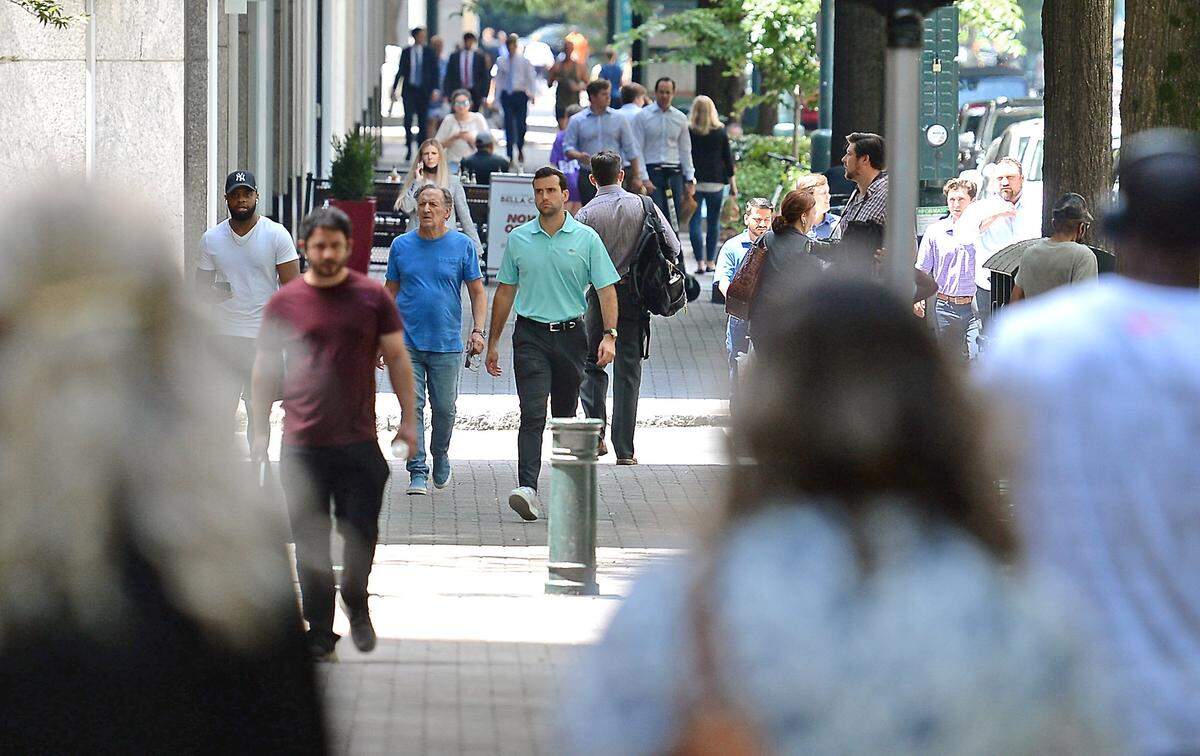
The plan’s pedestrian framework includes building sidewalks, shared-use paths, painted crosswalks, raised crosswalks and streetlights.
Charlotte has more than 250 miles of streets that lack sidewalks on at least one side of the street, according to city documents. Large sidewalk gaps are often filled by larger capital investment projects that build or complete streets.
In fiscal year 2023 which begins this week, the city identified nine unlit thoroughfares to add streetlights to, ranked by priority:
South Tryon Street from Carowinds Boulevard to city limits
Brookshire Boulevard from Mount-Holly Huntersville Road to Long Creek
WT Harris Boulevard from Old Concord Road to the Plaza
North Tryon Street from Institute Circle to Wednesbury Boulevard
University City Boulevard from North Tryon Street to W.T. Harris Boulevard
University City Boulevard from Old Concord Road to city limits
Brookshire Boulevard from Idaho Drive to Interstate 77
Brookshire Boulevard from Rozzelles Ferry Road to city limits
Brookshire Boulevard from Bellhaven Boulevard to Fred D Alexander Boulevard
Street plans
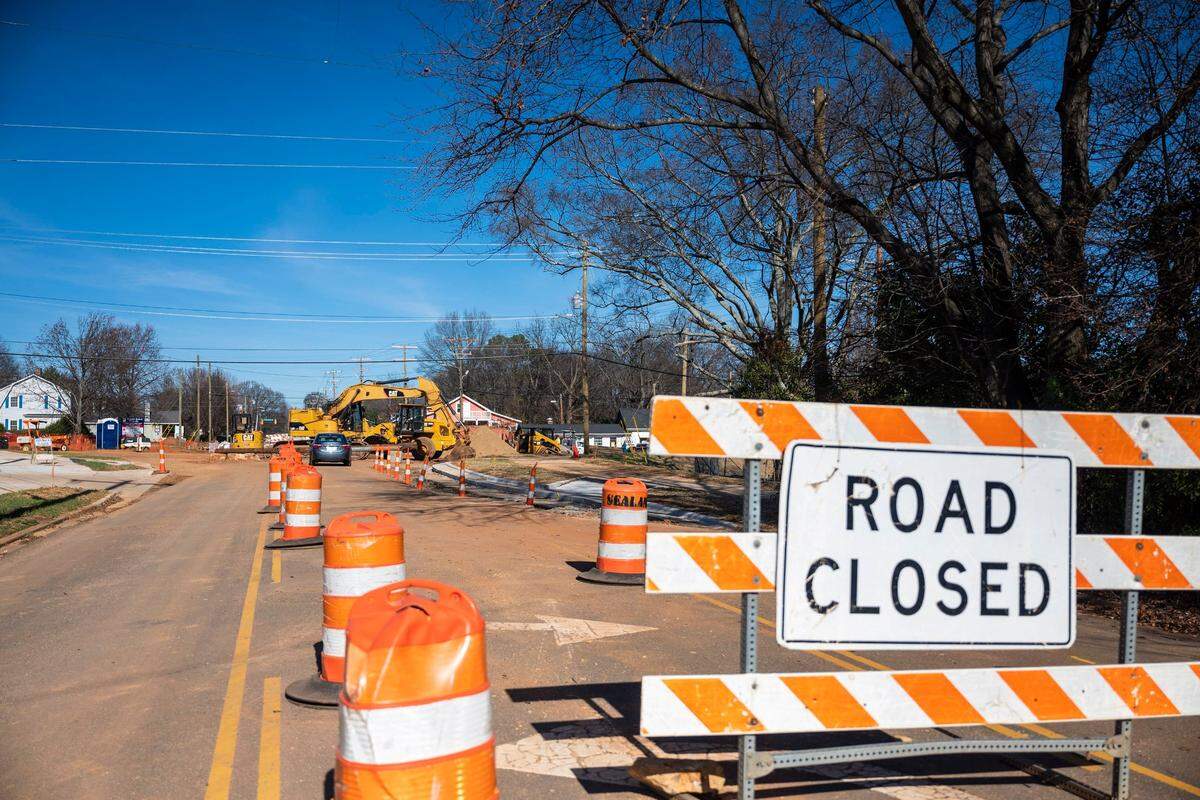
The Strategic Mobility Plan’s street framework expands and builds dozens of streets to repair connectivity between neighborhoods and districts.
Some of the big road projects coming up in the next fiscal year are:
Rea Road widening: This project will extend a third southbound through lane from the I-485 off-ramp to Williams Pond Lane; extend the northbound lane between Ballantyne Commons Parkway and I-485; and add left and right turn lanes at key intersections.
Bryant Farms Road extension: The extension to Ardrey Kell Road will provide an alternative east-west route.
Hickory Grove area: The city will add 2.65 miles of landscaped medians, curb and gutter, a multi-use path, planting strips and some pedestrian refuge islands to Robinson Church Road between WT Harris Boulevard to Hood Road. A roundabout is planned for the intersection with Plott Road.
Eastway and Shamrock drives: The intersection of Eastway and Shamrock sees a high number of wrecks involving significant injuries. This project would add a multi-use path along Eastway Drive, buffered bike lanes, sidewalks and a planting strip on Shamrock Drive. Left-turn lanes at the intersection will be removed, replaced by cross streets added to the north and south.
- Ashley Road, Tuckaseegee Road and Freedom Drive: This project extends turn lanes, adds pedestrian refuge islands, widens sidewalks and adds bicycle lanes in effort to improve safety and traffic flow.
Those who wish to comment on the plan before the council votes can sign up to speak online or by calling the city clerk’s office at 704-336-2248. The deadline to sign up is 9 a.m. Monday for virtual speakers and 4 p.m. Monday for in-person speakers.
Charlotte City Council meets at 4 p.m. Monday at 600 E. 4th Street.
This story was originally published June 27, 2022 at 6:00 AM.