Hidden Valley neighbors fought for change. Will community growth be at their expense?
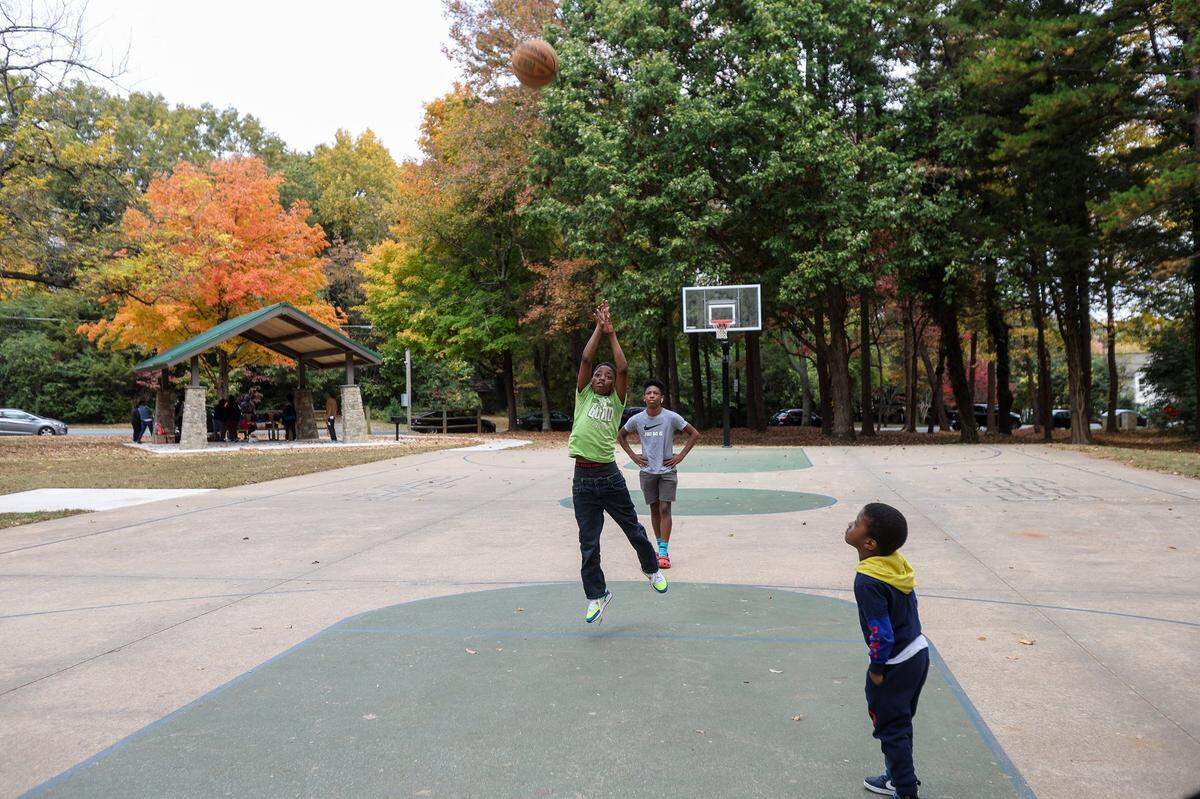
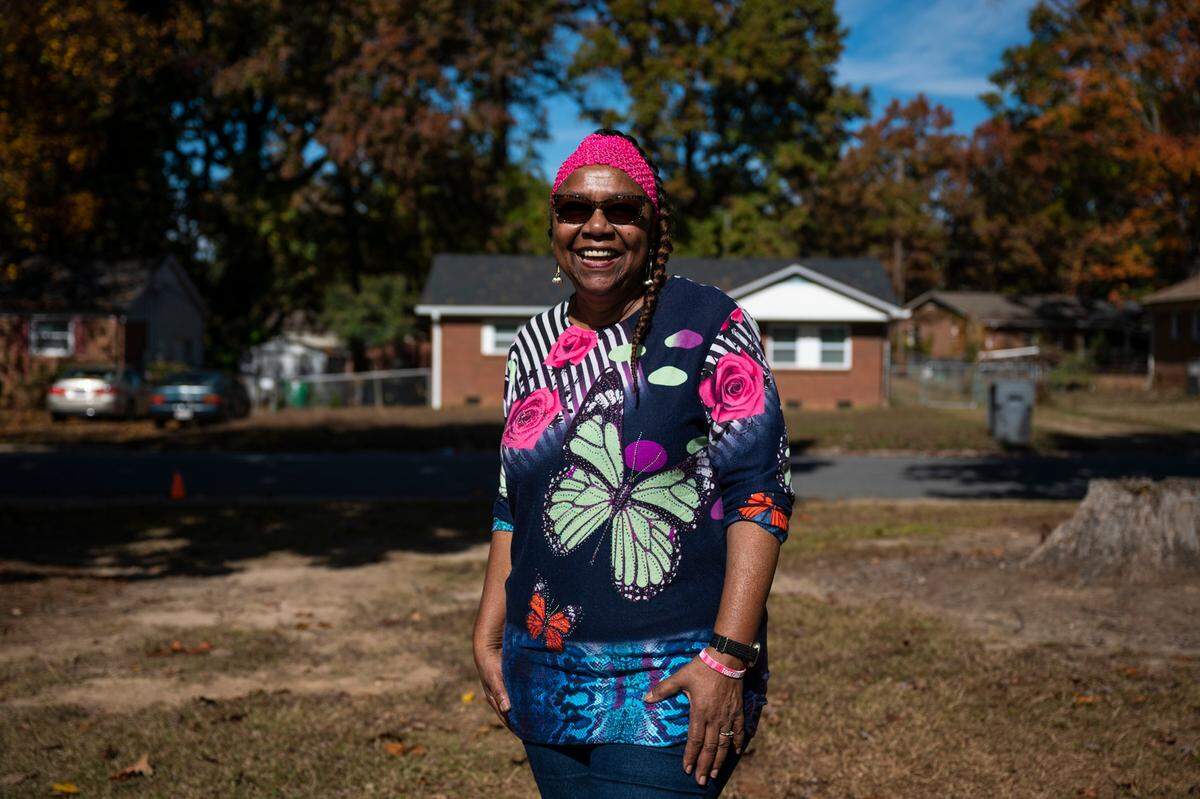
On a cool afternoon in late October, Charlene Henderson walked through Tom Hunter Park in Hidden Valley and considered its landscape.
The trails in the only public park within this northeast Charlotte neighborhood recently were cleared of fallen debris and trees after residents pushed to see the park restored. Pausing to sit on a bench, Henderson shared with a reporter fond memories of the neighborhood she grew up in.
Decades ago, children walked together to Hidden Valley Elementary and could see the love neighbors shared for one another every day, she said.
“You had children playing in the streets, and neighbors looking out for each other,” Henderson, 54, said. “Family, that’s what I remember.”
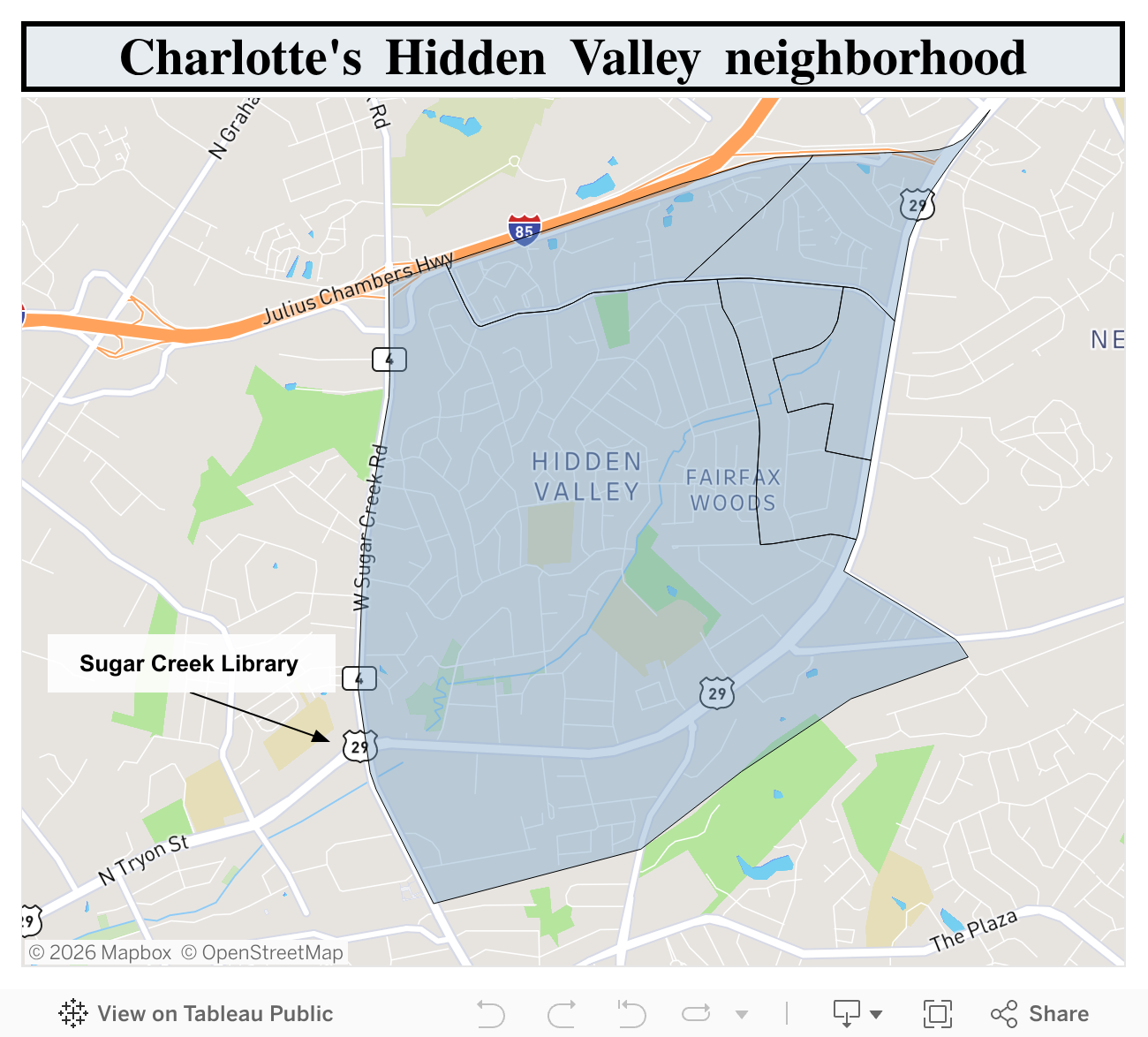
In some ways, Henderson’s cherished memories still ring true for Hidden Valley. In the predominantly Black neighborhood, within the loose boundaries of Tom Hunter and Sugar Creek roads, and North Tryon Street, there are a little more than 12,000 residents, according to data from ZeroDown.com and Niche.com, some who say they still experience this.
The population includes a mix of young families and older residents who arrived in the 1970s. Anchored by two neighborhood public schools and many churches, such as Charlotte Northeast Seventh-day Adventist Church, where monthly community meetings are held, residents are bracing for change.
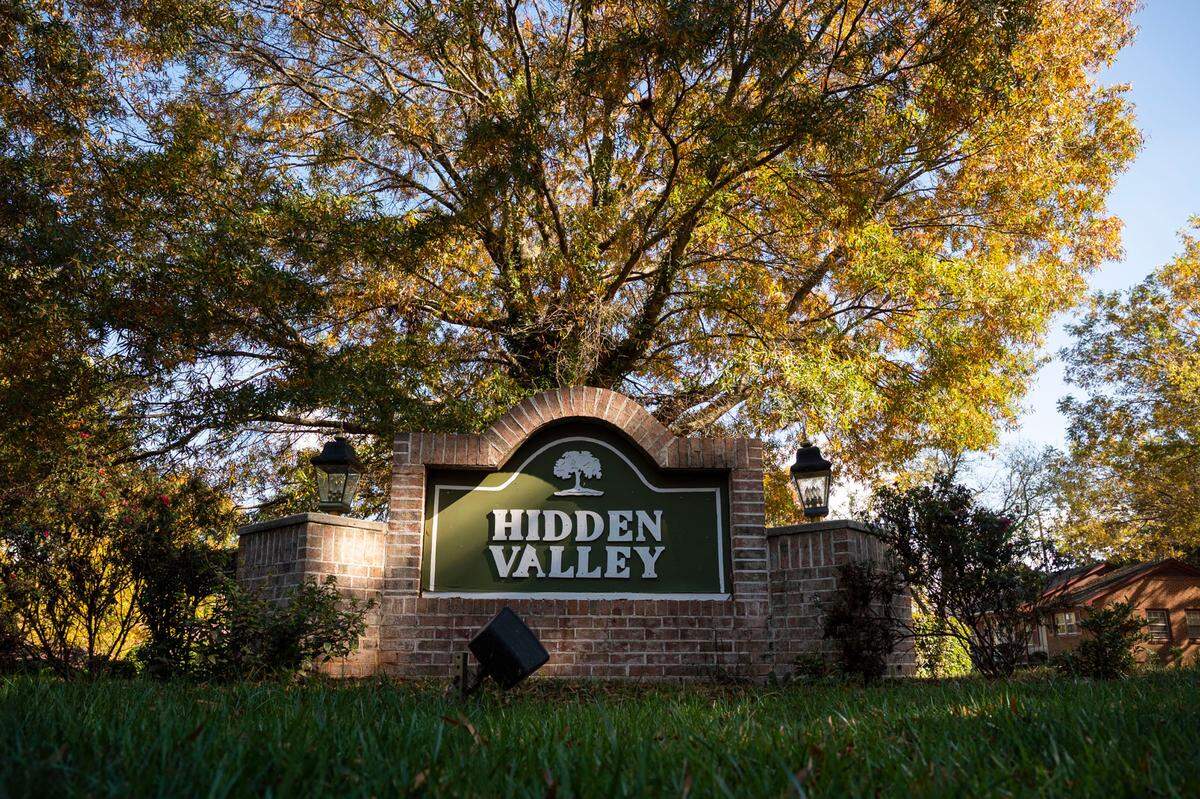
Roughly five miles from uptown, minutes away from NoDa and University of North Carolina, Charlotte, traffic has become dangerous, residents say. Investors have turned their eyes to the neighborhood, and long time residents feel they are forced to combat an unfair reputation that their neighborhood is unsafe.
“We don’t want to lose the historic value that comes along with a neighborhood such as Hidden Valley,” Henderson said. “I don’t want it to get left behind simply because we don’t have enough positive attention on it.”
Women make up the majority of Hidden Valley’s population and the median age of residents is 35. Over a quarter of the neighborhood is occupied by families with children.
Henderson said safe crossings for families and the elderly are desperately needed. Hidden Valley can also feel like it’s within a desert when it comes to accessible grocery stores, coffee shops, or other amenities, she added.
This difference in resources is noticeable when the neighborhood is compared to others, for example, Eastover and Cotswold, which are southeast of uptown Charlotte.
“I don’t think that’s fair to us,” she said. “To be in a wonderful community, and yet and still we’re so far behind.”
Fighting a stigma
Marjorie Parker, the Hidden Valley Community Association president, has watched the changes in Hidden Valley since moving to the neighborhood in the 1970s.
Parker was among the first wave of Black residents to move to what was then a predominantly white neighborhood. The association she now heads was formed to deal with white flight as more Black residents moved in, she said.
“The neighborhood has gone through many changes,” Parker said.
As the neighborhood shifted to a more Black population, she said residents felt they weren’t getting the police protection they needed. During the 1990s the neighborhood became associated with the Hidden Valley Kings — the Charlotte gang whose reputation and public perception have left a stain on the neighborhood to this day.
The time period also mirrors the slow response from the city occurring today, according to Parker.
In the Sugar Creek corridor, outside of Hidden Valley, there are an array of motels. Sex and drug trafficking occur openly in the area, she said. While it’s not Hidden Valley residents are worried the lack of a measured response from the city is intentional.
“The number one way to get people out of a neighborhood is crime,” Parker said.
The unfavorable reputation attached to Hidden Valley from the Kings and from what occurs today on Sugar Creek is widespread, residents say. But this reputation overlooks the good work others are doing inside and outside the community, neighbors told the Charlotte Observer.
This reputation doesn’t consider the neighborhood’s deep history, Charles Robinson, a longtime Hidden Valley resident, said. From former Mayor Harvey Gantt, to Carolina Panthers interim head coach Steve Wilks, many prominent figures have called the neighborhood home at some point, he said.
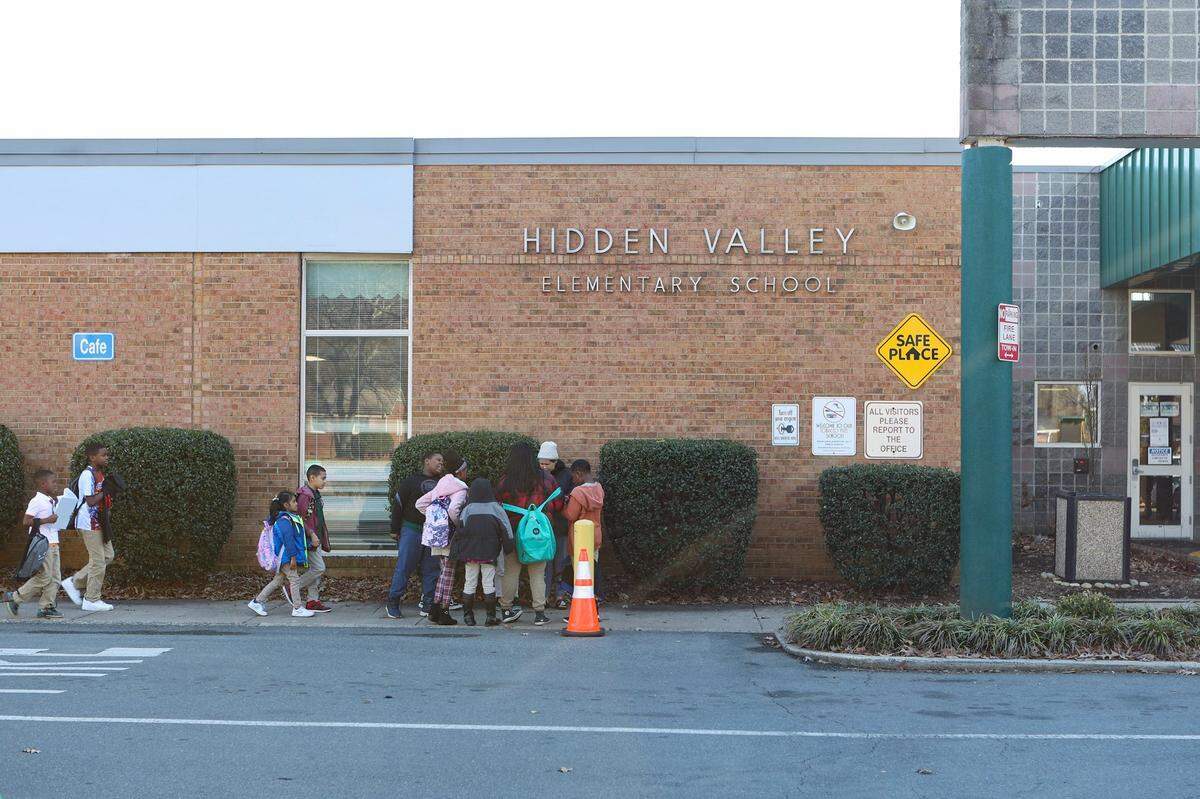
When Robinson was a child, his family moved to Hidden Valley in 1981 from Charlotte west side.
“Everyone wanted to live in this community,” Robinson said. “We were filled with homeowners, swimming pools, basketball courts and tennis courts. It was a great space to live in.”
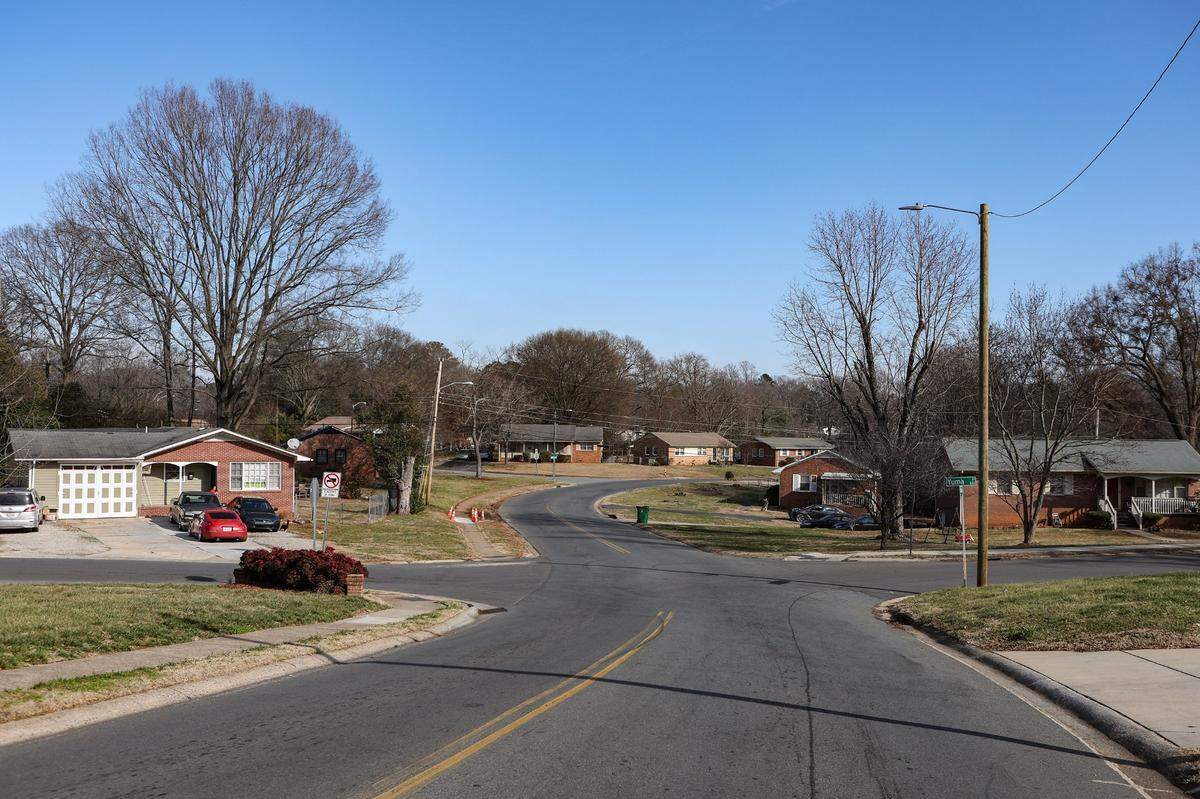
But as gentrification creeps in, traffic has become a major concern, Robinson said. Hidden Valley is the 89th most walkable neighborhood in Charlotte and is considered a car-dependent neighborhood, according to Walk Score.
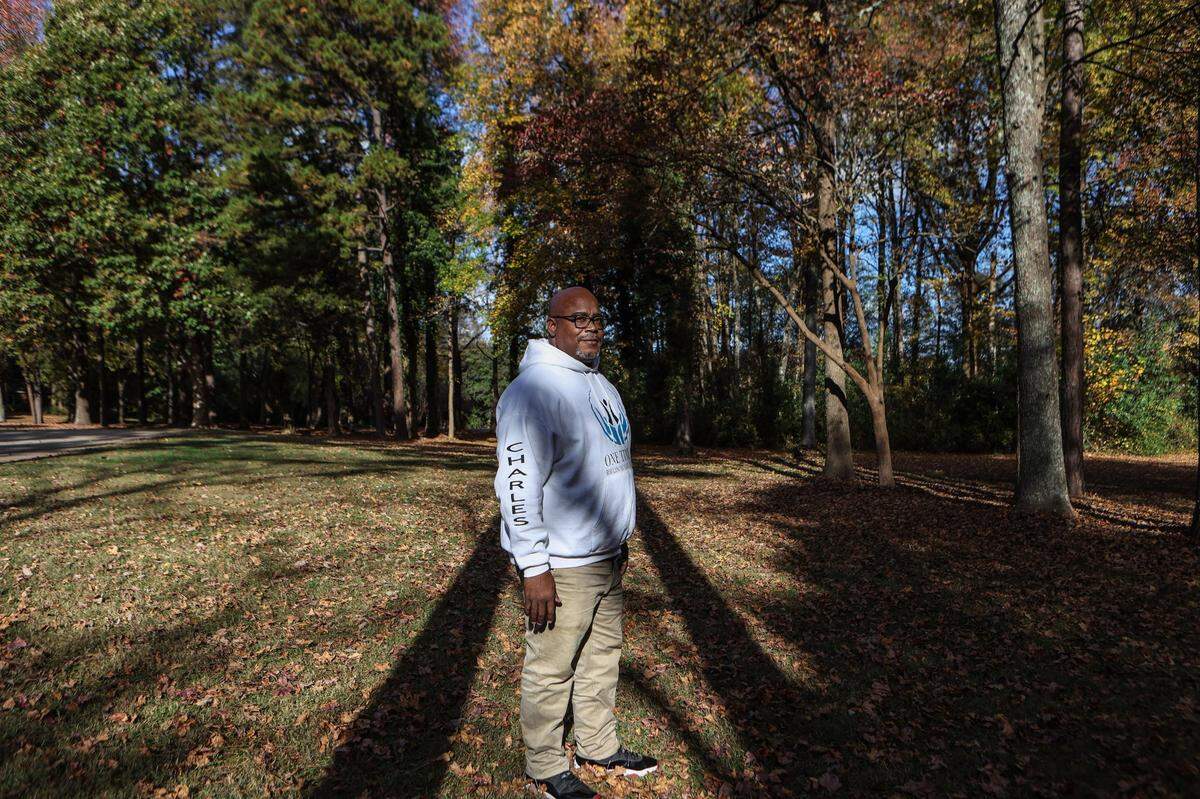
Reagan Drive and Tom Hunter Road already have high amounts of vehicle accidents, Robinson said. To alleviate other areas with high traffic volume, the Charlotte Department of Transportation placed a new traffic signal at West Sugar Creek Road in October.
CDOT declined to comment on whether the intersection signal was installed in response to traffic accidents.
But the neighborhood’s proximity to University City and NoDa still attracts investors, Robinson said.
The lack of resources as gentrification comes in the neighborhood feels familiar to some residents. Robinson said there are many families in the neighborhood who used to live in Brooklyn, a historic Black community erased by urban renewal in the 1960s, including some of his relatives.
Thousands of the Brooklyn neighborhood’s residents were displaced. After settling in Hidden Valley, former residents are worried gentrification could repeat what happened to Brooklyn residents, , Robinson said.
“They’re going through the same process again now that they’re reaching their parents age,” he said. “The discouragement among our seniors is tough to see.”
‘We’re still Hidden Valley strong’
Last October, three nonprofits collaborated to bring resources to around 200 people without housing on Sugar Creek, which is the community adjacent to Hidden Valley. One of the nonprofits is Hearts for the Invisible Charlotte Coalition, headed by Jessica Lefkowitz, a Hidden Valley resident.
Lefkowitz, a Black woman and former bartender, said seeing people who look like her without housing was enough motivation to get actively involved.
But she is just as worried about the growing effects of gentrification on her neighborhood.
“That’s the part that bothers me,” she said. “Seeing folks who look like me not being able to stay in the neighborhoods they once lived in.”
Lefkowitz said knowing other neighborhoods have easy access to transportation, while families with less are pushed further and further out is also worrisome.
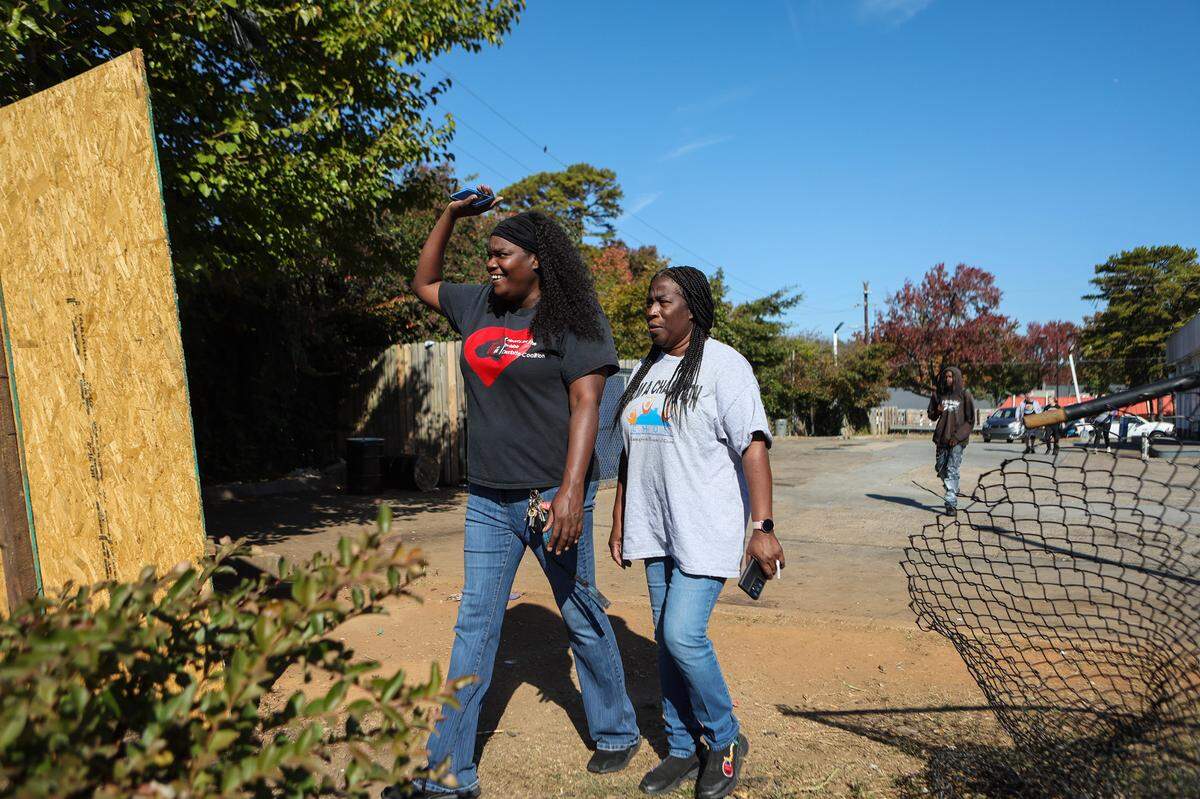
This push even comes on neighborhoods like Hidden Valley, where residents have long had to fight against an unfair stigma, she said.
“We’re losing Black ownership in these neighborhoods that were once considered undesirable,” Lefkowtiz said.
A younger generation is working to ensure the community’s spirit remains strong. At a recent Hope to Heal prayer walk, Akya Canada said the neighborhood has its up and downs like any other community.
Canada started the walk two years ago to honor Amani Barringer, a 5-year-old Hidden Valley Elementary student who was killed in 2020. The gathering aims to inspire the unity she saw herself as a kid growing up in Hidden Valley, she said.
“This is a prestigious community,” Canada, 38, said. “You will never know the jewels in this community unless you got out into the community.”
Robinson echoed similar sentiments
“We all still love Hidden Valley,” he said. “We’re still Hidden Valley strong.”
Have a story idea you want to submit? Please use the form below:
This story was originally published January 13, 2023 at 6:00 AM.