Charlotte fatal construction tragedy highlights dangers Latino workers face in NC
READ MORE
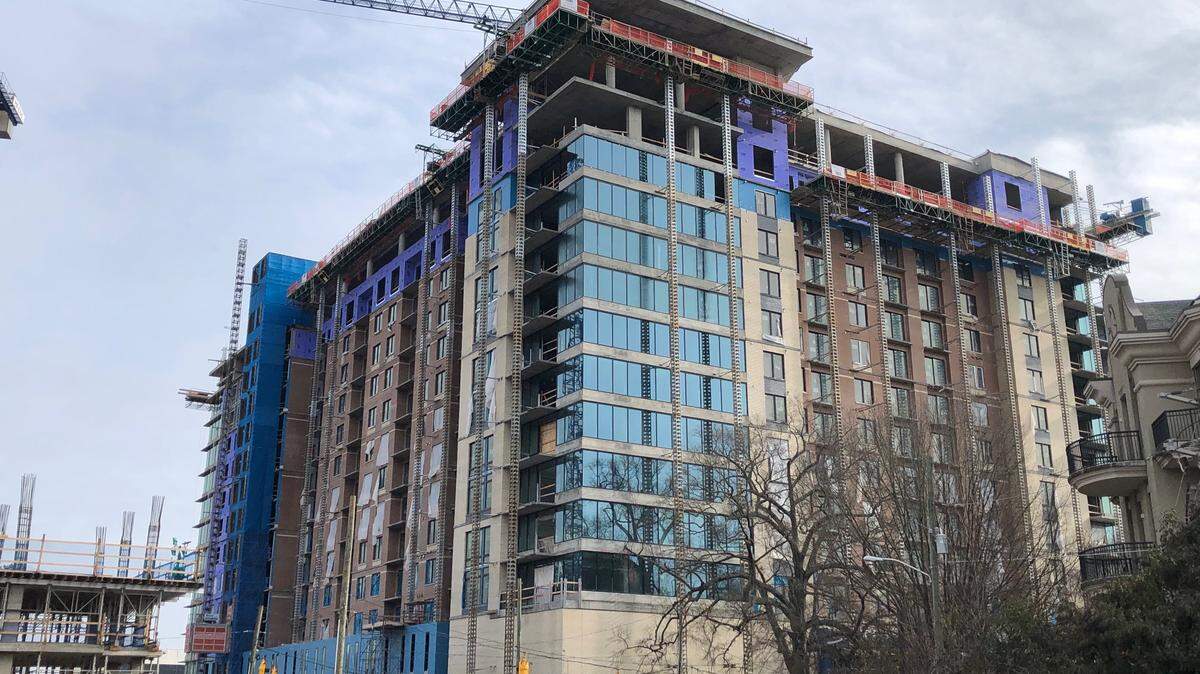
Charlotte Scaffolding Collapse
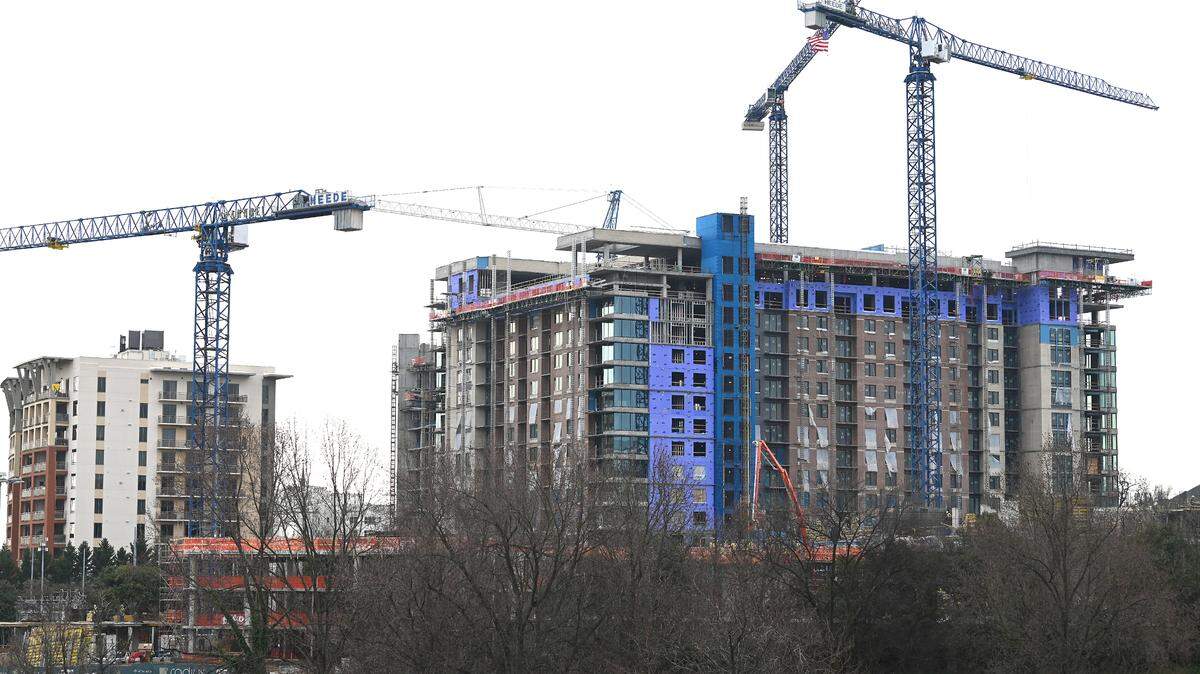
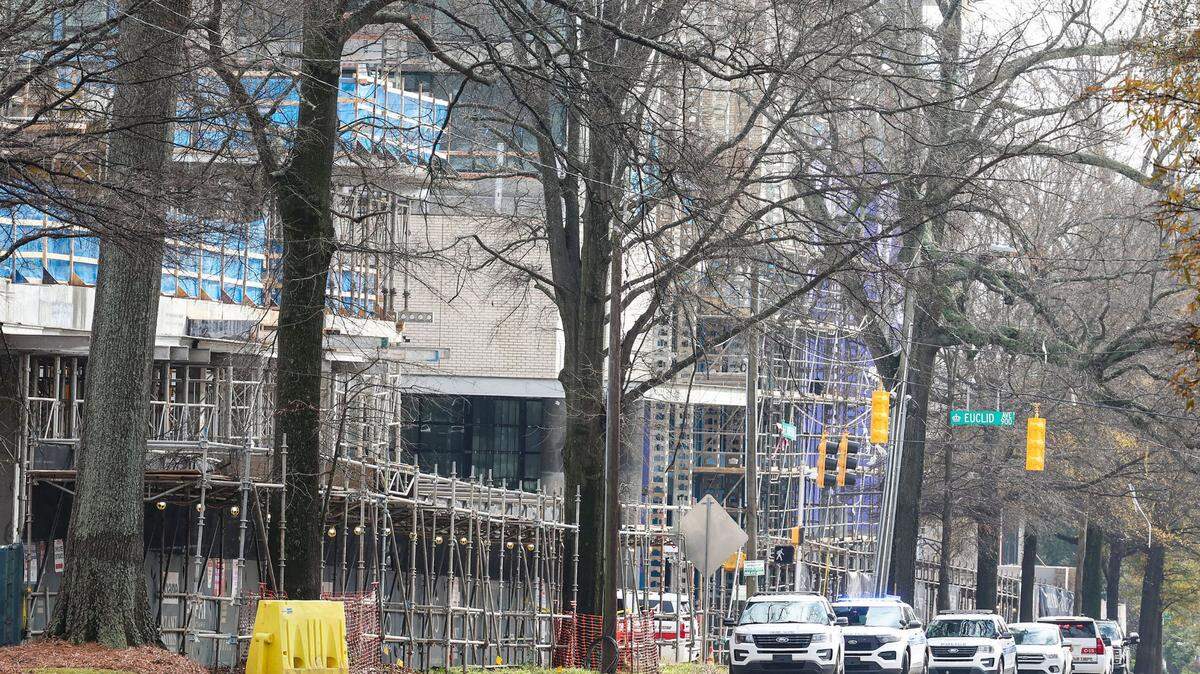
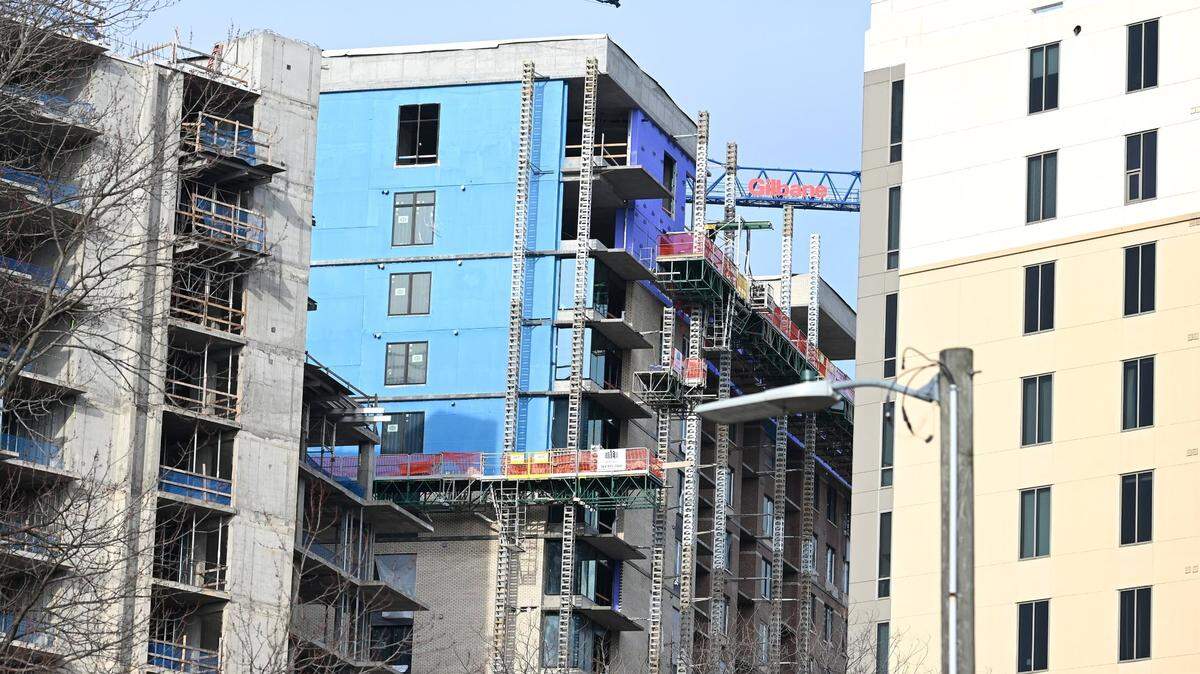
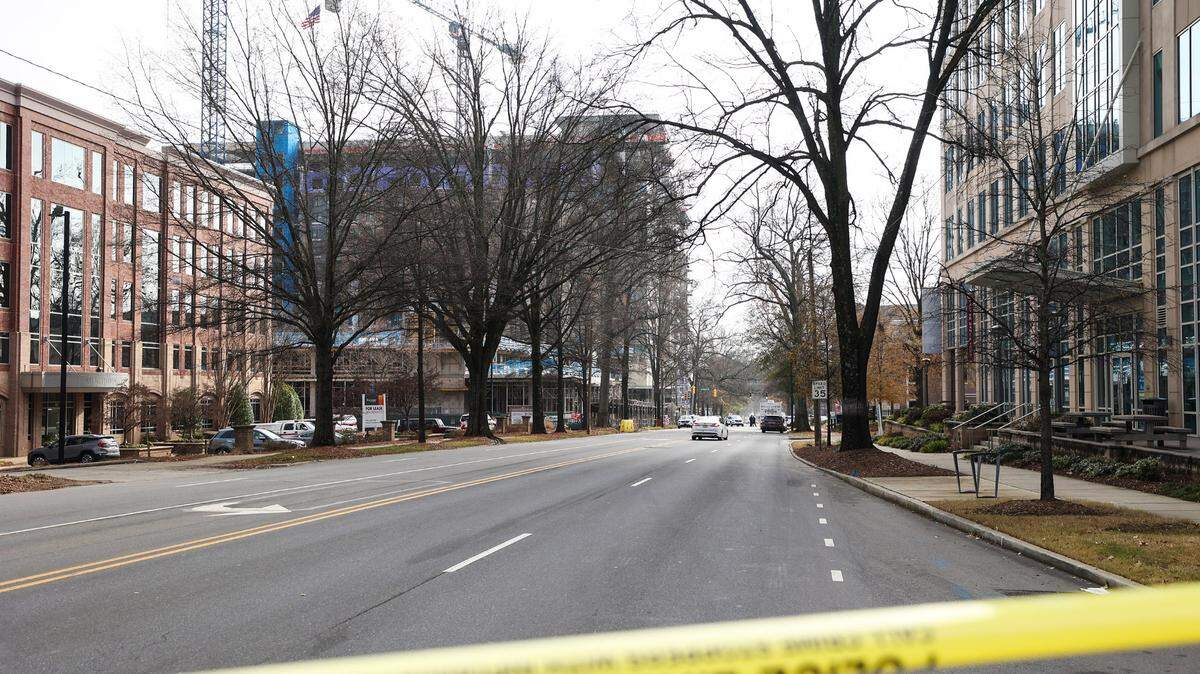
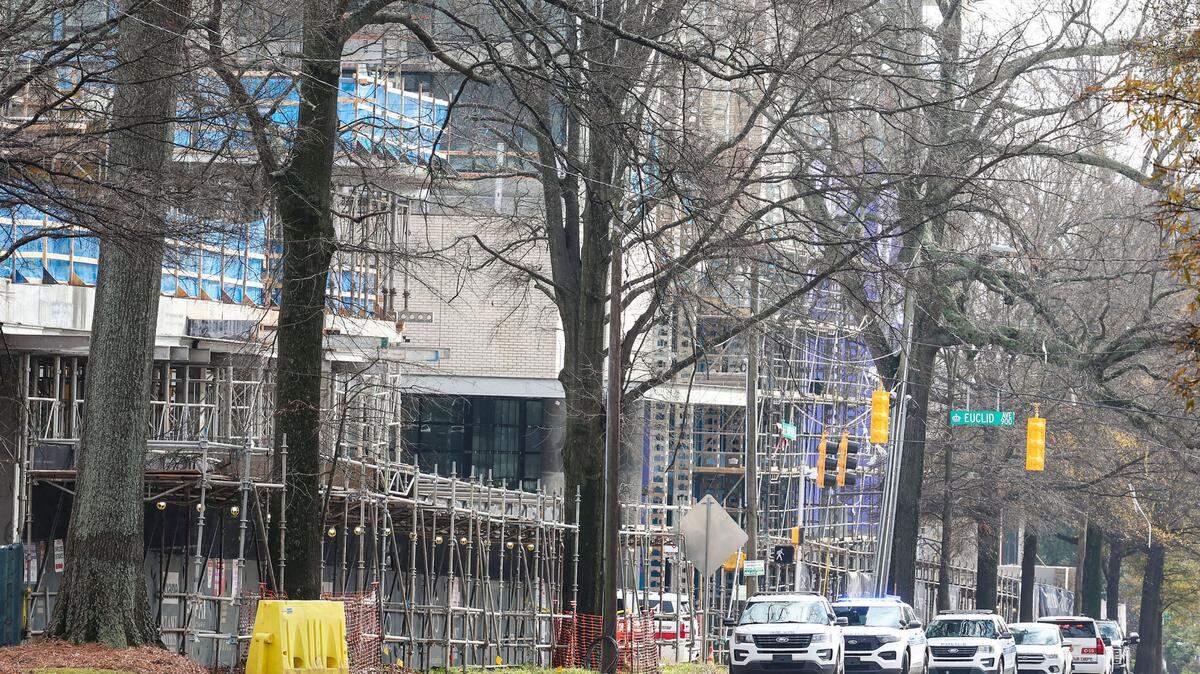
On Jan. 2, 2023, scaffolding collapsed at a construction site in Charlotte, killing three workers.
Expand All
A fatal Charlotte construction accident Monday that killed three Latino workers has placed a spotlight on occupational deaths among Latinos — a rate higher than other groups — with many calling for more safety regulations on construction sites.
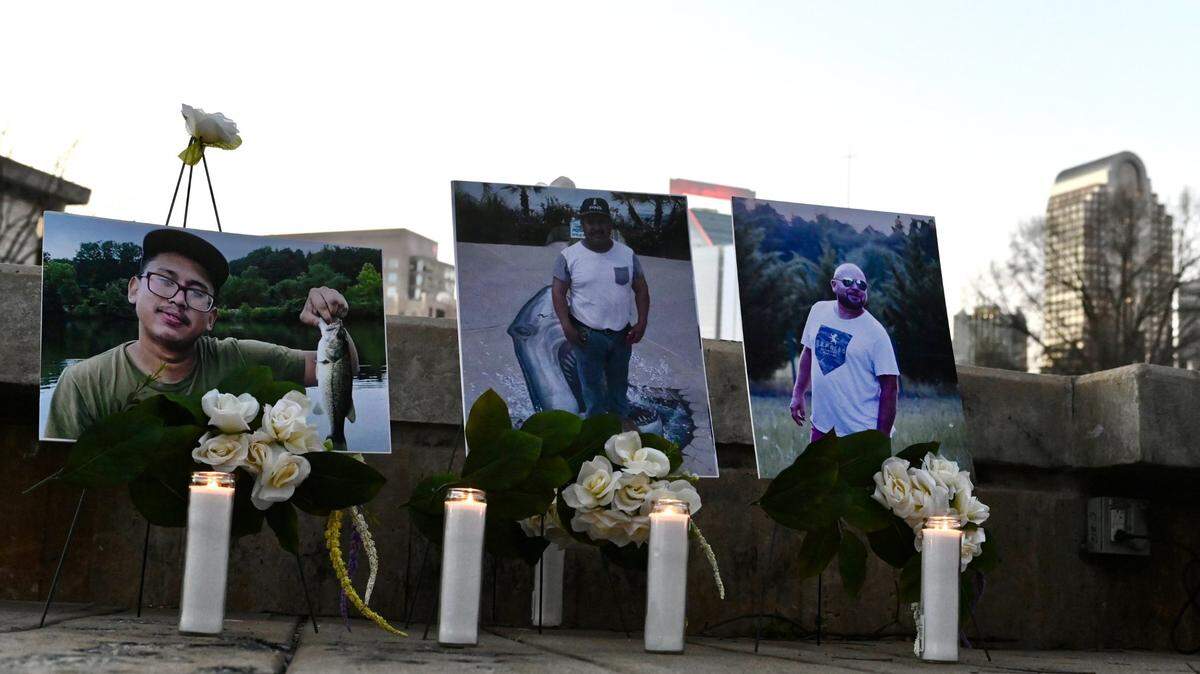
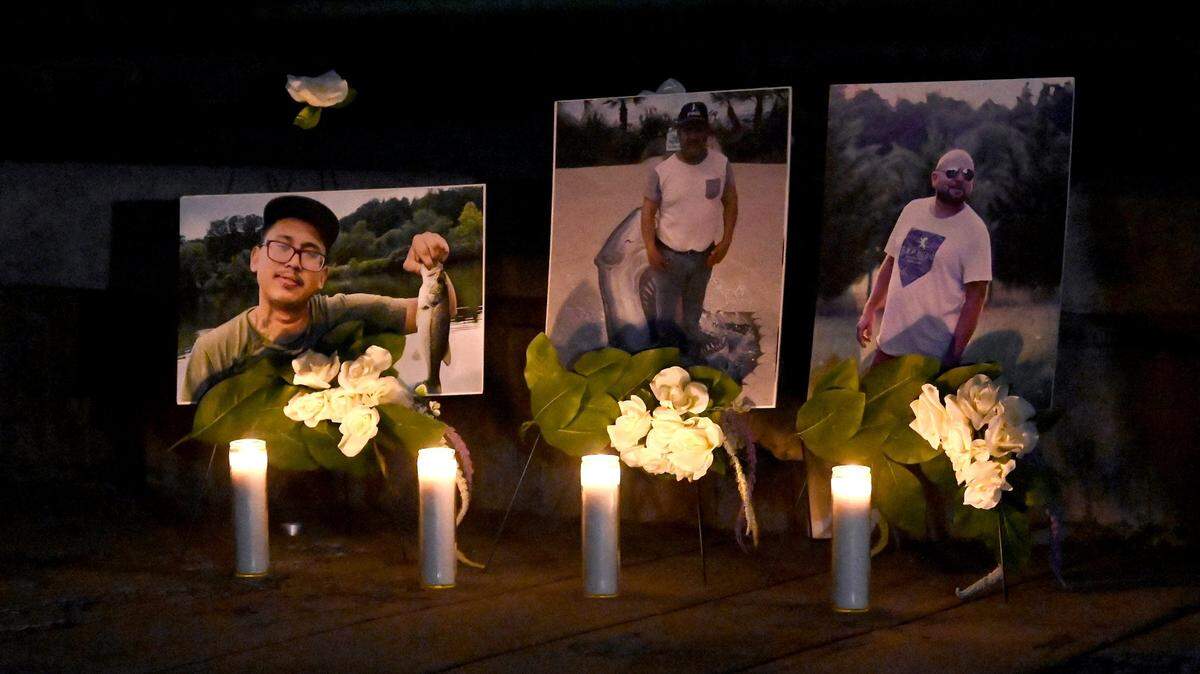
The three people who died after the scaffolding collapsed at 711 E. Morehead St. are Jose Canaca, Gilberto Monico Fernández and Jesus “Chuy” Olivares, family members shared.
Charlotte-Mecklenburg Police Department and the state Department of Labor’s Occupational Safety and Health Division continue to investigate what caused the accident. Texas-based Hanover Company is building multi-family housing at that site, the Charlotte Observer previously reported.
The tragedy is another reminder the dangers construction workers face in general, and what Latino construction workers have faced specifically.
But community advocates say the moment also marks a worrying trend.
“There needs to be more oversight, more security and more safety measures,” Héctor Vaca, immigrant justice director at Action NC, told the Observer. “And in conversations I’ve had within the community, they’ve noticed that these type of things companies let slide when they have a predominantly immigrant community working for them.”
A study published last year in the American Journal of Industrial Medicine showed between 2000 and 2017, with the exception of one year, Latino workers experienced the highest rate of occupational death of any racial and ethnic group in North Carolina.
More than 250 Latino workers have died of workplace injuries in the state since the year 2000, the study said. The majority of fatal occupational injuries were among Latino men employed in construction and agriculture, the study said.
And foreign born Latinos can often fare worse, according to a study by the Bureau of Labor Statistics.
“That’s the reality when it comes to being from an immigrant community,” Vaca said. “You work hard at these jobs and you don’t always get the same consideration.”
More safety regulations are needed
There has long been a need for more safety regulations across constructions sites large and small, said Lissette Velez, executive director at Hispanic Contractors Association of the Carolinas. The nonprofit provides routine safety courses in Spanish and English throughout the year in addition to its work to empower Hispanic contractors in construction, she said.
“Last year (North Carolina was) ranked fifth for fatalities in construction,” Velez said. “It’s definitely an issue that needs to be discussed more.”
There are a lot of regulations in place to protect workers, but they can be overlooked if workers are pushed to rush and complete projects, Velez said.
Commercial projects tend to involve federal money so there are more regulations, she said. But this often means smaller construction projects without federal money are more dangerous due to less oversight, she added.
And immigrant workers’ legal status may lead to them being unwilling to report unsafe conditions for fear of repercussions, Velez said.
“Companies have to be able to provide a safe environment and to make sure their workers are getting home safe everyday to their families,” she said.
The tragedy is especially troubling considering the continued impact the immigrant community has had on Charlotte, according to Vaca.
“These are the people that built this city,” he said. “In their home countries they could be doctors or lawyers.”
A needs assessment study by the Camino Research Institute published last year showed 54% of immigrants surveyed continue in professional careers after moving to the United States, down from 79% in their country of origin.
Many immigrants work in jobs like construction to ensure they’re able to still provide for their families, Vaca said.
Organizations such as the Occupational Safety and Health Administration will need to allocate more resources, like safety inspectors, to help avert future tragedies, Vaca said. Policies need to be set to also ensure families of workers who die of occupational injuries are not left in a bad financial state .
“As always with these kind of things it shines a spotlight on what needs to get changed, but what’s lacking is the will of policymakers to do something about it,” Vaca said.
This story was originally published January 6, 2023 at 3:16 PM.