Your dog or your home? Some Charlotte dog owners forced to make a tough choice
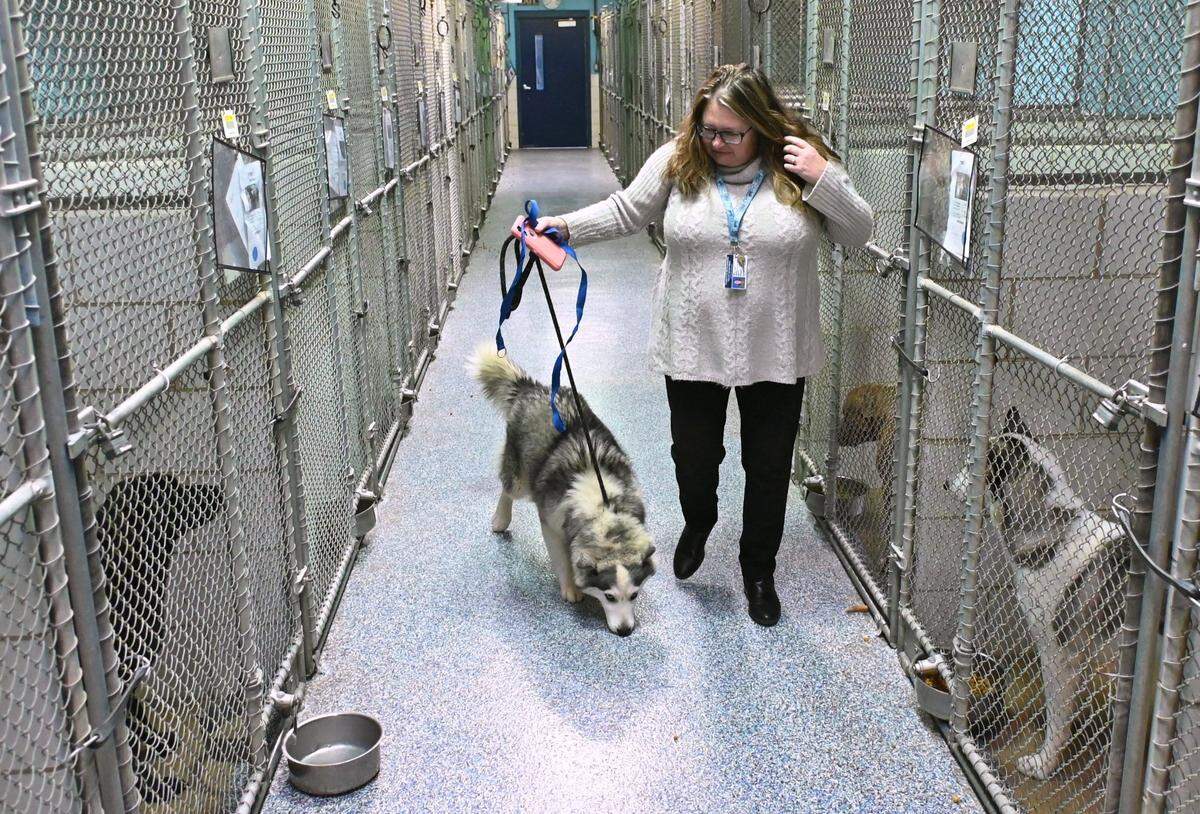
Melissa Knicely has been in the Charlotte area for nearly 16 years, and in that time, the spokesperson for Charlotte-Mecklenburg Police Animal Care & Control has watched the city grow exponentially. People have moved to the area, and apartments, condos and houses have been built. But lately, she says she’s noticed a troubling trend.
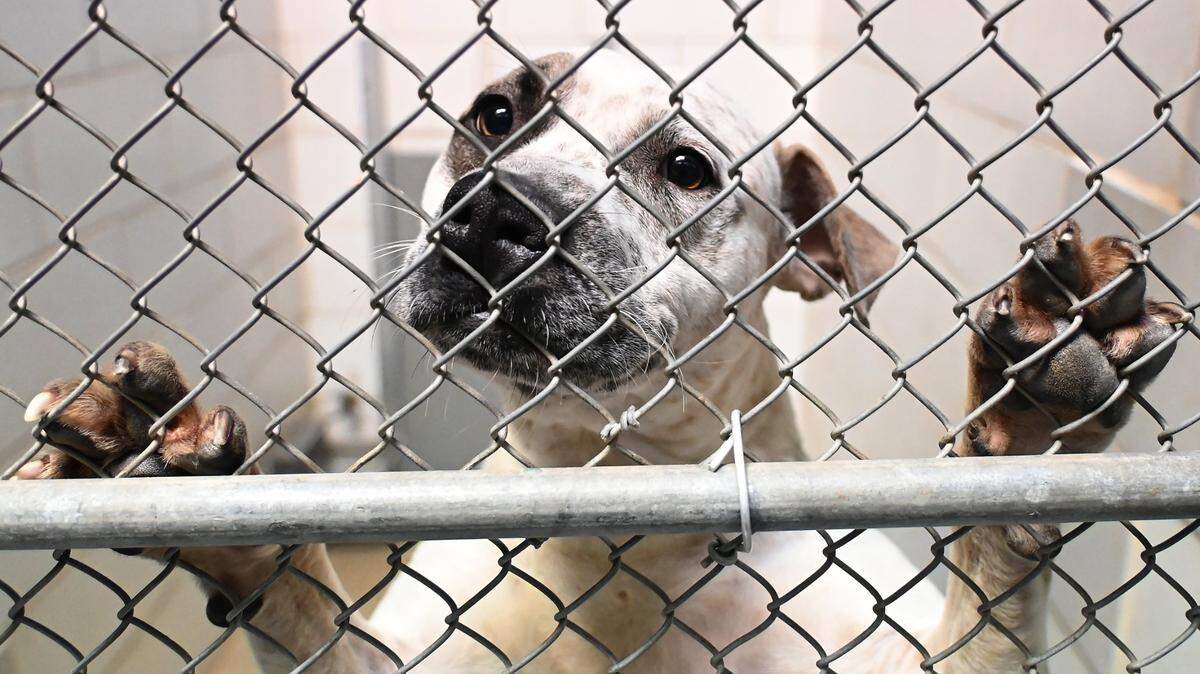
If you have a dog like a pit bull, it’s more difficult to find housing for you and your pup. Sometimes, that means a difficult choice: Your home or your dog.
“Even with all of the housing that’s going up across Charlotte, especially the condos, townhomes, that sort of thing, the high rises, it’s definitely more predominant now that most of them have a breed restriction,” Knicely said.
Tighter restrictions from landlords, insurance companies and homeowners associations on aggressive dog breeds may be contributing to local animal shelters’ capacity crisis, according to animal shelter officials.
The city and county’s animal shelter, CMPD Animal Care & Control, has been over capacity for months. The animal shelter uses a graphic online to show capacity, with a bar graph ranging from green (good) to red (full). The current graphic shows a fractured notation to the outer edge of red — to indicate the shelter is well beyond capacity.
Shelter officials with CMPD and the Humane Society of Charlotte say this may be caused, in part, by a lack of housing for so-called aggressive breeds. These breeds make up a majority of owner surrenders at the Humane Society, and a majority of all dogs at CMPD’s shelter.
Approximately 70% of dogs in CMPD’s shelter are pit bulls, or a mix of pit bull and another breed, making them increasingly difficult to find housing for, CMPD Animal Care’s Knicely said.
What’s an ‘aggressive breed’?
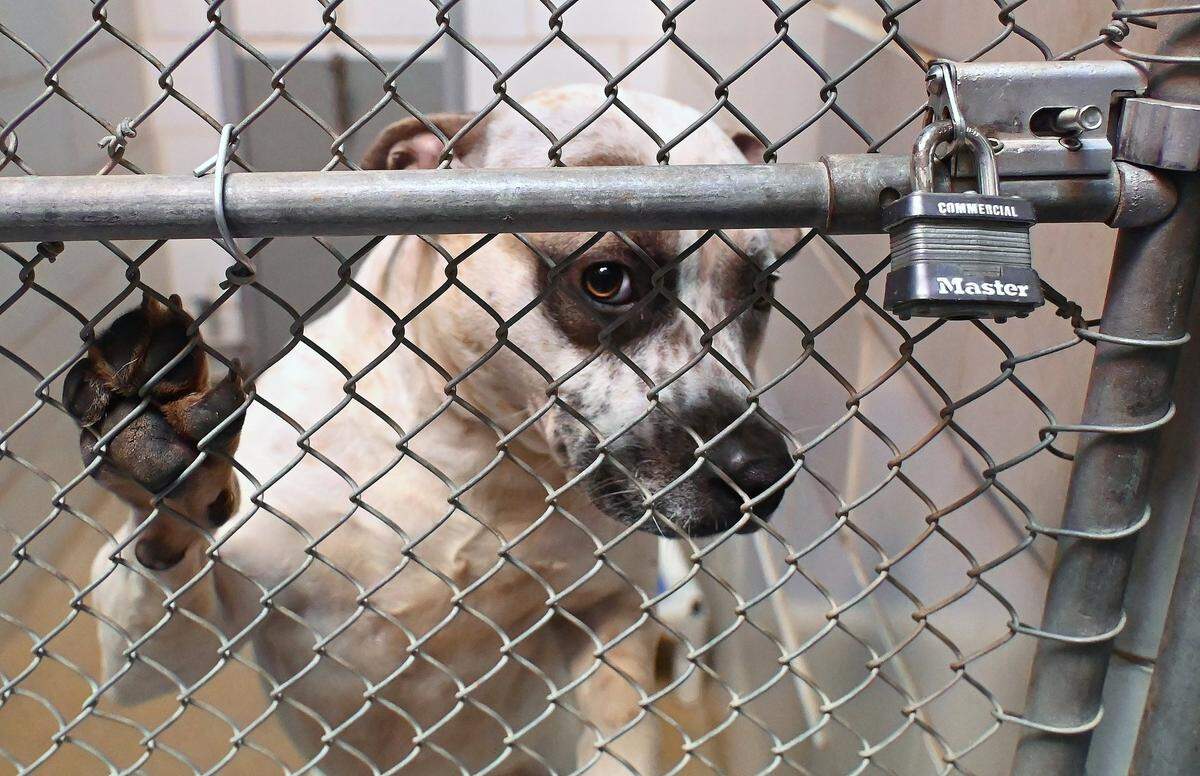
Lists provided by insurance companies and landlords can vary on what constitutes an aggressive breed, but most include: pit bull terriers, German shepherds, Rottweilers, Staffordshire terriers, Akitas and mastiffs.
It isn’t always easy to find a pet-friendly apartment in Charlotte, and can be close to a miracle to find an apartment that allows these breeds deemed aggressive, or even simply bigger dogs. Apartment Finder, one popular tool for finding rentals in Charlotte, shows that out of 14,655 rentals only 1,142 label themselves as pet friendly.
But even many apartments that call themselves “pet friendly” restrict the breeds and size of dogs allowed. A common weight maximum for dogs allowed is 35 pounds.
Landlords say that higher insurance premiums for dog breeds labeled aggressive force them to not allow the breeds as a matter of policy. The average cost of a dog bite claim is about $49,000, according to Insurance Information Institute. Some insurance companies will not insure homeowners who own certain breeds of dogs, such as pit bulls, in an effort to rein in costs.
That’s why the issue of finding a home for you and your pet isn’t restricted to renters. Some homeowners associations also forbid aggressive and larger breed dogs, according to officials with CMPD’s Animal Care and Control shelter.
Insurance claims due to dog bites cost insurance companies millions of dollars per year, according to an analysis by Forbes.
And according to DogsBite.org, a national dog bite victims’ group, from 2005 to 2019, dogs killed 521 Americans — and pit bulls contributed to 66% (346) of these deaths. Combined, pit bulls and rottweilers contributed to 76% of the total recorded deaths.
Pit bull bans on the rise
Bri-Marie Ealy, rehoming coordinator for the Humane Society of Charlotte, says in the past year the agency’s No. 1 request for rehoming was due to housing problems.
“A lot of people are having to rehome their pet or find homes for them because they physically can’t take them with them,” Ealy said.
Ealy said she especially saw an increase of rehoming requests due to housing in the last two months of 2022.
“A lot of it was renewals of leases, and landlords either instituting new policies about specific breeds not being allowed in the home anymore, or landlords just straight saying ‘no animals allowed’ just to avoid the whole thing,” Ealy said.
Knicely said some landlords, HOAs and insurance companies fear liability and lawsuits so much that they would rather ban entire breeds, than allow them.
This prejudice is based on what Knicely calls unfair bite statistics in a decades-old study provided by the Centers for Disease Control and Prevention and other organizations, she said.
She said these statistics don’t truly show the aggressiveness of any particular breed, instead they account for the number of people who go to the hospital after a bite. It makes sense, then, that bigger dogs will account for a majority of hospital visits because it is rare for anyone to seek treatment for a bite from a small breed such as a chihuahua.
A study by the American Veterinary Medical Association, concluded that breeds do not play a significant factor in determining the aggressiveness of a dog. Instead abuse, training, and environment are more important factors.
A statement from the ASPCA on its policy and position on pit bulls says, in part: “While a dog’s genetics may predispose it to behave in certain ways, genetics do not exist in a vacuum. Rather, behavior develops through a complex interaction between environment and genetics.”
What can be done?
Knicely said the housing restrictions create a “heartbreaking” situation.
“There’s a lot of homes in our community that want dogs. And the simple barrier is that these wonderful dogs are on someone’s breed discrimination list,” Knicely said.
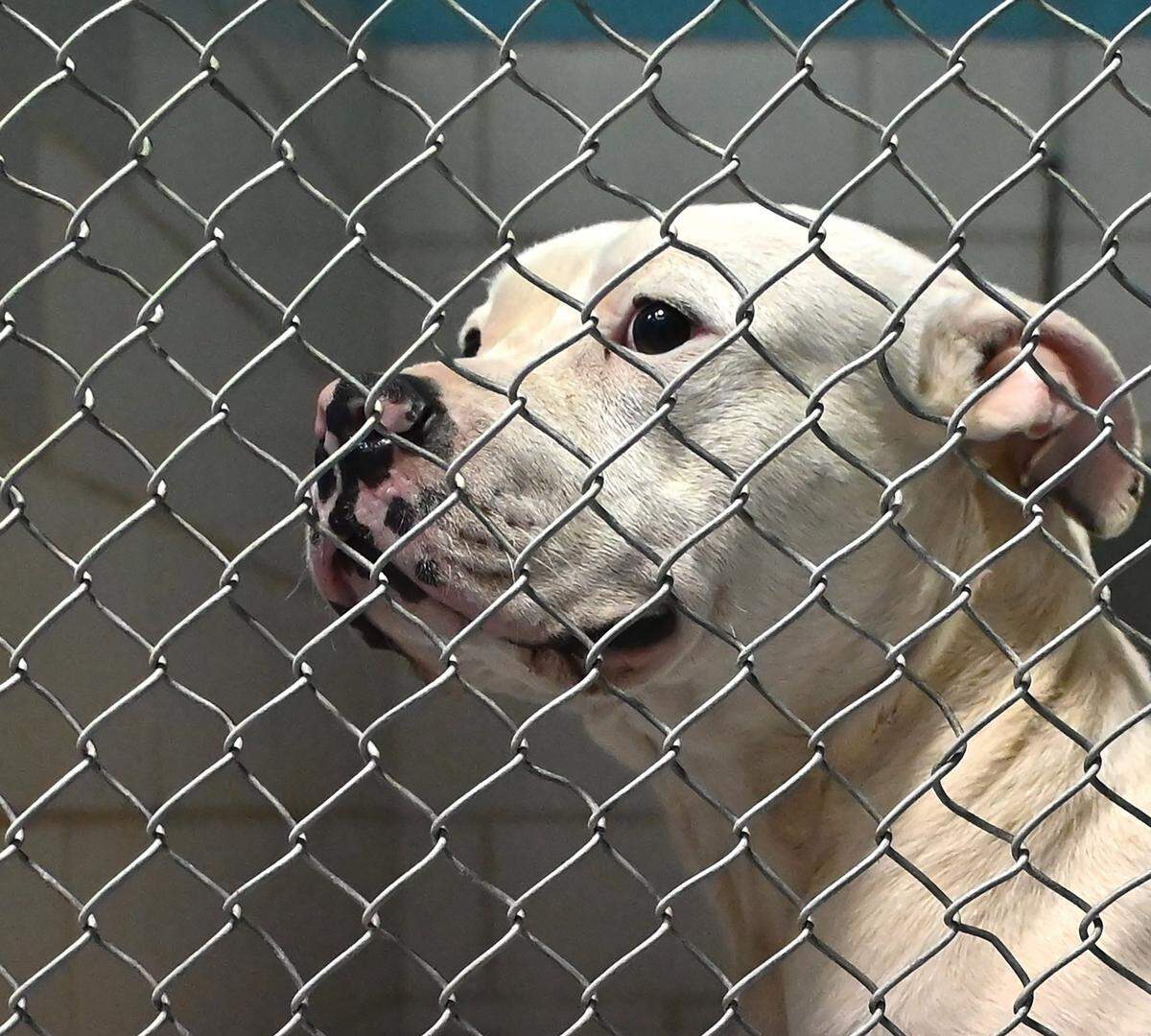
Approximately 1,003 dogs and puppies were euthanized by CMPD in 2022. This is in large part because of overcrowding in the shelter. A total of 843 dogs and 10 puppies were euthanized last year in a category called “shelter euthanasia” which means it was not owner requested, according to the shelter’s year-end statistics. About 62% of those dogs that were euthanized were pit bulls or pit bull mixes.
The ASPCA’s position statement on pit bulls says: “We can effectively address the danger posed by these dogs by supporting the passage and vigorous enforcement of laws that focus, not on breed, but on people’s responsibility for their dogs’ behavior, including measures that hold owners of all breeds accountable for properly housing, supervising and controlling their dogs.”
The city of Charlotte did not respond to requests for comment on this story, and would not comment on whether or not they have considered offering incentives for landlords to allow restricted breeds.
Knicely said one thing the city could do, would be to allow dogs such as pit bulls in public and affordable housing.
A bill introduced in the U.S. House of Representatives in 2021 would do just that, but it remains stalled in committee.
This story was originally published January 19, 2023 at 6:00 AM.