‘A sense of pride’: New generation of Black Hidden Valley homeowners continue legacy
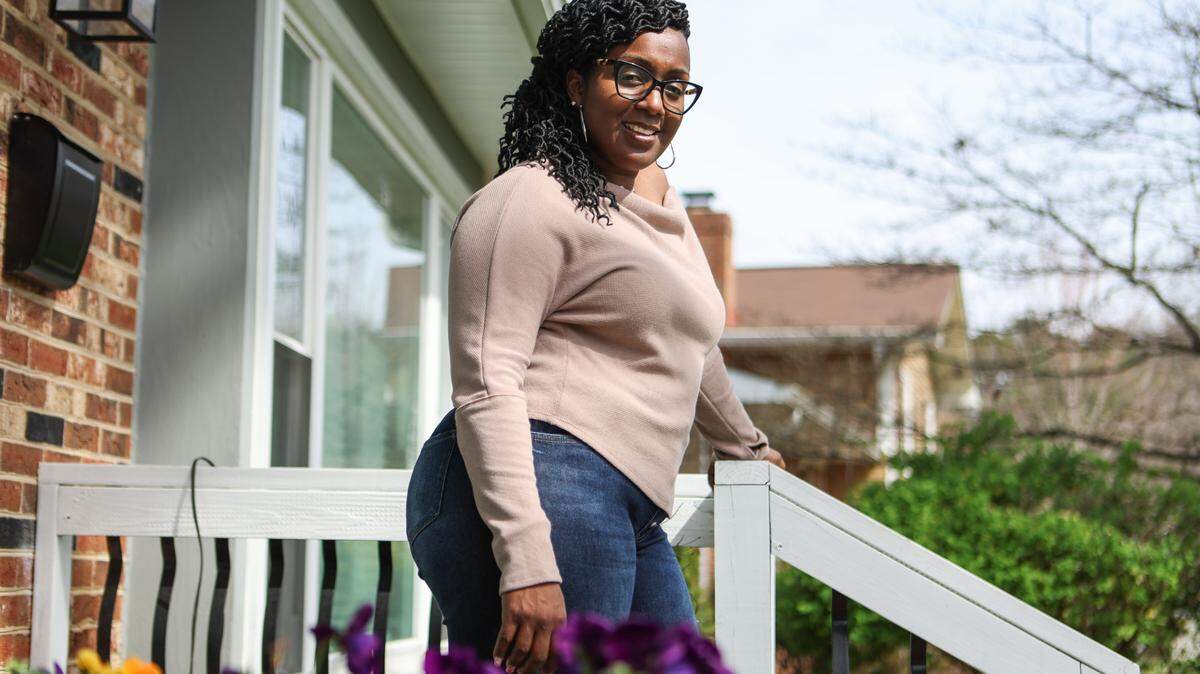
Svenya Nimmons can name her neighbors living along Spring Garden Lane in every direction and their impact on her.
One taught her how to garden when she moved back to Hidden Valley in 2020. Another makes sure her mail is delivered while she’s out. And when a light was left on while she was out of town, a neighbor contacted her on Facebook to make sure everything was OK.
It’s that sense of community that’s drawn natives from the sleepy northeast Charlotte neighborhood like Nimmons back to their roots. In the past decade, a generation of Hidden Valley’s sons and daughters have returned to the neighborhood to carry on its legacy of Black homeownership.
Growing up in a middle class Black neighborhood there was a beautiful diversity of Black people, said Ingrid Hoover, who lives next to her parents home on Hidden Forest Drive. The sense of camaraderie between neighbors was what she loved most.
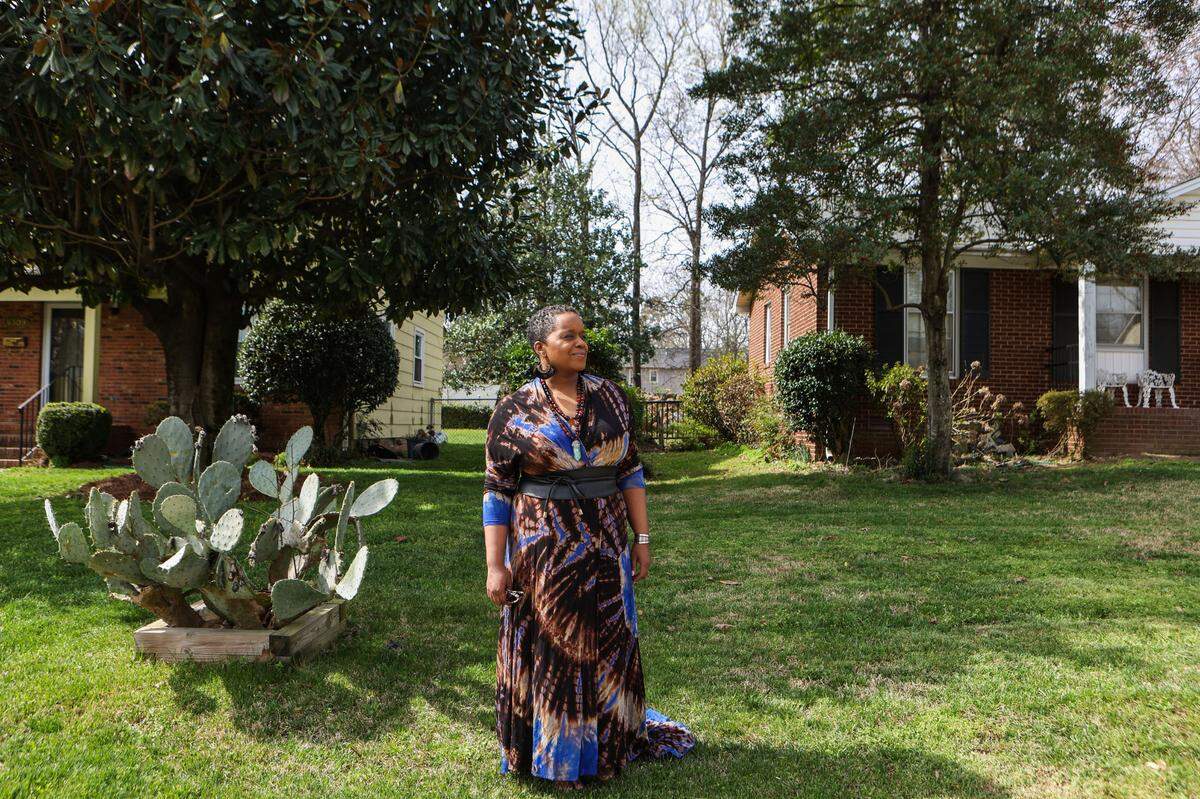
“There’s a sense of pride in having a home here,” Nimmons said. “Homeownership is everything.”
Nimmons’ father bought the home she now lives in the 1970s after being discharged from the military. Her mom became the owner after her parents split when she was young.
She still remembers her walks to Hidden Valley Elementary. Other fond memories include the community pool kids played in, now the site of Charlotte Northeast Seventh-Day Adventist Church.
Nimmons left the Valley after high school. A career in advertising took her from Chicago to Los Angeles. But when her mother died of cancer in 2020, she moved back to her childhood home.
“A home particularly in Hidden Valley is important for those who came before and worked so hard to own their homes,” she said.
It’s also an effective means of wealth building for families, studies say. In 2019, Black homeowners had a median household wealth of $113,130, more than 60 times that of Black renters, according to the Joint Center for Housing Studies of Harvard University.
The likelihood of a child becoming a homeowner increases 8.4% if their parents are homeowners, according to a study by the Urban Institute.
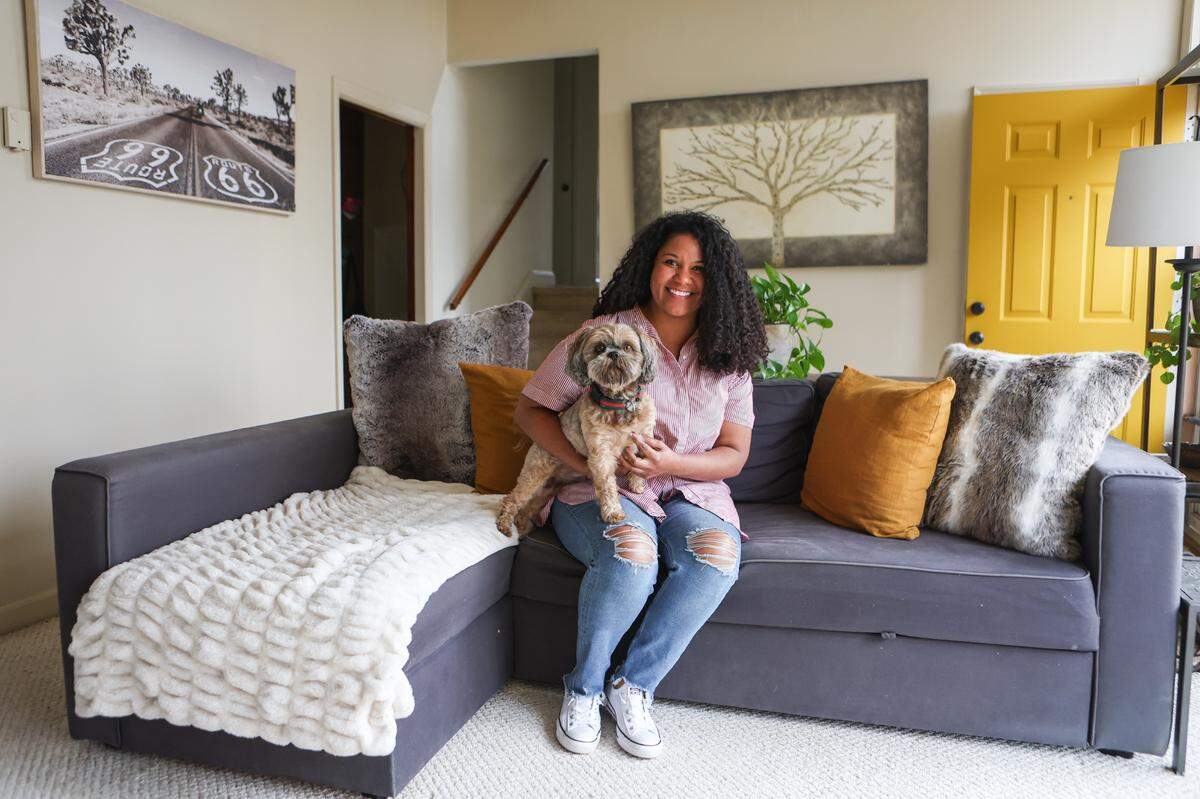
Chris Grate, a 40-year-old Hidden Valley native, said homeownership is important but natives should strive to buy back in their childhood neighborhood.
“You should own a piece of your neighborhood,” he said. “It’s your history.”
Grate lives in the home formerly owned by his grandfather on Heatherbrook Avenue — where he was raised until he was 14. After college, he moved to Florida, staying for 12 years before returning to Charlotte in 2012. He and his wife lived in an apartment near Northlake Mall while they looked for a home to purchase.
In 2018, he went back to his grandfather’s house, now owned by his aunt. She offered it to him and he stayed there rent free. Over the next four years, he rehabbed the home and then brought from his aunt in 2022 .
Grate said living in his childhood home is a different experience. He has all of his neighbor’s numbers unlike when he lived in Tallahassee, Florida, he said. Neighbors call him over to fix a plate of sweet potatoes, and he cuts the yard for seniors on his street.
“These are the people who have known me my whole life,” he said. “It’s a different kind of relationship.”
Grate said he hopes to see more Hidden Valley natives return, even if it’s not to stay. Buying back into the neighborhood will secure its future, he said.
“The more ownership you get back in the neighborhood the more pride you’ll see,” Grate said.
‘We’re all in this together.’
Ingrid Hoover lives next to her parents, two educators known throughout the community. But her home still held a personal connection for her.
The homestead at one time belonged to her neighbor Marion Manigault, she said. Growing up, Manigault was a close family friend and even taught her mother ballet in Charleston, South Carolina. Long lasting relationships between neighbors shaped the community, Hoover said.
It’s what also drew her back to Charlotte after living in Orlando, Florida for years.
“We’re all in this together,” Hoover, 48, said of the neighborhood.
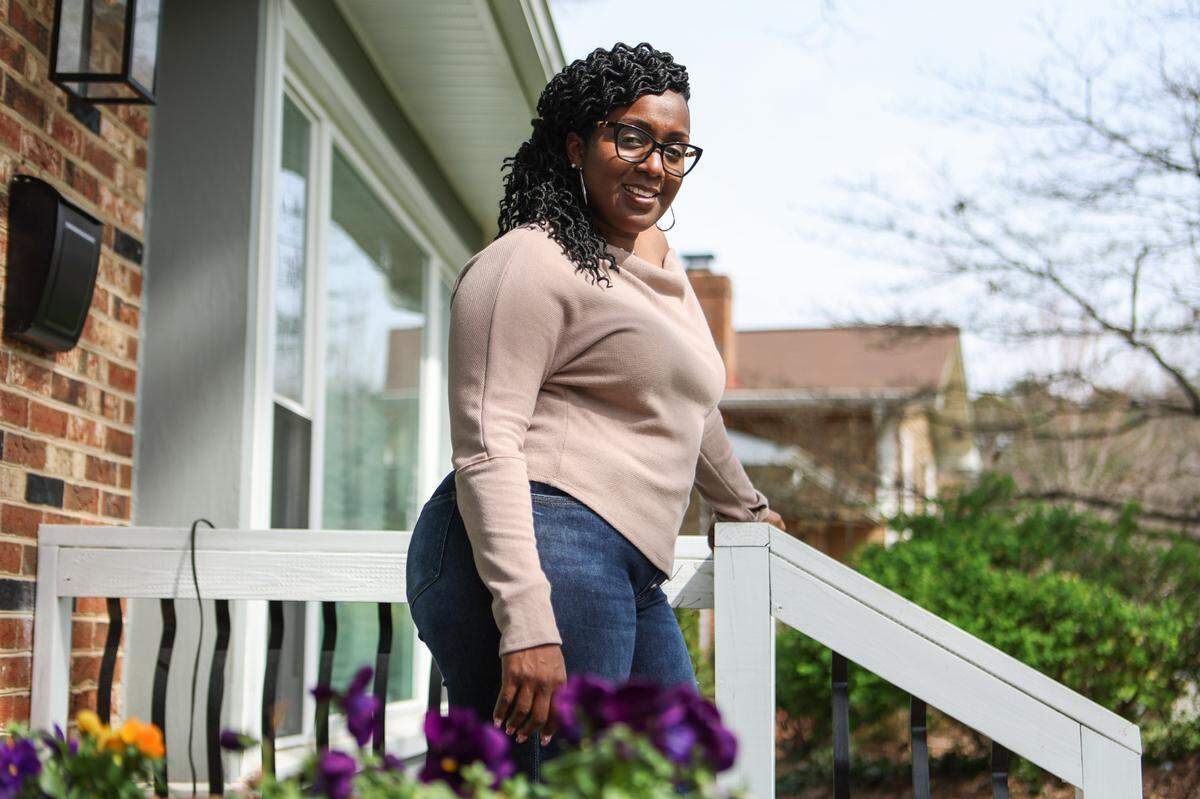
Hoover had been searching for a home in the neighborhood for years. Houses had long been undervalued in the neighborhood, she said. But the Charlotte Light Rail had brought heightened attention to the area. Soon prices for homes started to rise, Hoover said.
A growing concern for many Hidden Valley natives is they may be priced out as investors buy homes in the neighborhood.
But in 2019 she received a call from her father. Her childhood neighbor offered to sell her house. This was the same home she would stop at if she drove from Florida to visit her parents and was locked out.
“My promise to her was that I was not going to buy this house and flip it,” Hoover said.
Preserving history
Preserving the legacy of those who shaped Hidden Valley in the 1970s was important, Nakia Alexander, a Hidden Valley native, said.
She grew up on Edgerton Drive and eventually moved out to Lake Wylie, South Carolina as an adult. In 2019, she bought her uncle Ronald Hare’s home on Log Cabin Road. It was a house that held a lot of memories for her, she said.
“As a little girl I always told them I was going to buy their house one day,” Alexander, 48, said. “We would visit often and I Ioved the layout.”
Alexander said she hopes to see more families return to the neighborhood and not become priced out like what happened in neighborhoods like Wilmore, she said.
“You don’t have to complain about gentrification — buy back,” Alexander said. “We have options.”
It also was important to maintain the neighborhood’s history, she said.
Her uncle was one of the founders for the Optimist Club. To this day he bleeds Hidden Valley, she said. It’s why she felt it was important to keep the home in the family.
“I take pride in being able to live in the home they lived in,” she said.
This story was originally published March 3, 2023 at 7:00 AM.