How Charlotte’s light rail sped up a ‘takeover’ of historically-Black neighborhoods
READ MORE
North Carolina 2020 census data
Expand All
When James Atkinson looks out his kitchen window at his home in Optimist Park, he sees plainly what new census data reveals: There are a whole lot more white people living here than there used to be.
Since 2010, more than 1,000 new white residents have flocked to this area — a former mill village just northeast of uptown Charlotte. Starting in the 80s, Optimist Park was an almost entirely-Black neighborhood. More recently, developers — capitalizing on the interest of young, mostly-white transplants to Charlotte who want close-in living options — have put up apartments and renovated older properties now home to hip restaurants.
The surge in white growth has occurred in many neighborhoods near uptown and along Charlotte’s light rail, which attracted developers and young professionals alike. It also left longer-term residents like Atkinson nervous and marveling at the speed of change.
“There is fear,” he said. “It’s like a great oppression that you can’t see that is coming, but you can feel it. That’s how it feels about the light rail.”
He saw it in the areas south of uptown, which saw a massive transformation — including an influx of white residents — in the years after the light rail first opened in 2007.
“Everybody remembers Wilmore,” he said, referring to a neighborhood south of uptown around Tryon Street and West Boulevard. “It was just like a takeover. I mean, it was just like wildfire.”
From 2010 to 2020, the number of white residents in Wilmore increased more than 220%, census data show. The number of Black residents dropped 40%.
Optimist Park saw its white population increase by 461% over the past decade, while Black residents living there increased by just 21%. The light rail extension, which runs through Optimist Park and connects uptown to University City, opened in 2018.
“When I saw the light rail being tested (in Optimist Park),” Atkinson said, “the hair on my arm stood up.”
Neighborhoods across Charlotte that have undergone considerable demographic and wealth change in a short amount of time have notoriously been the epicenters of gentrification and displacement of longtime residents, disproportionately Black or Hispanic residents. A dramatic rise of the white population in a concentrated area of the city tends to indicate gentrification has taken place or is in progress.
Communities in almost every direction of center city hold stories of senior homeowners who are burdened by skyrocketing property tax bills after other homes on their block begin to sell for higher dollar amounts, driving up the value of land assessed at tax time. In many popular neighborhoods, investors buy modest single-family homes to rent them out, and rising rent costs displace residents who can’t afford to keep up.
A changing population
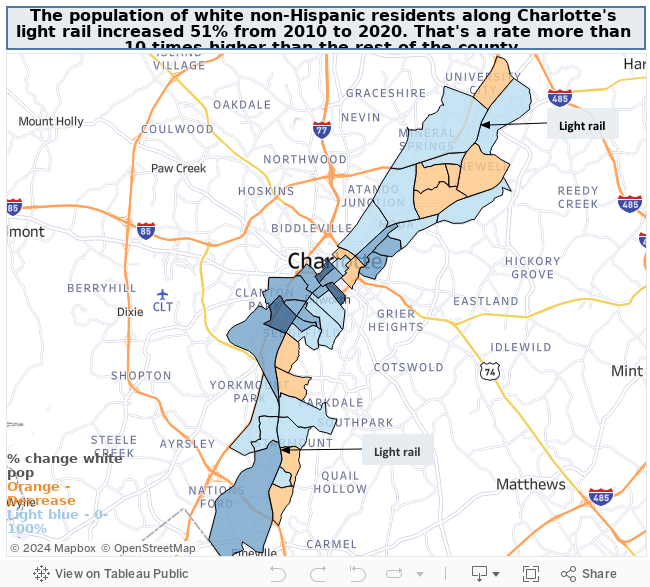
The Charlotte Observer analyzed newly released U.S. Census Bureau data, showing population and demographic changes between 2010 and 2020. The analysis zeroed in on 41 census tracts — small areas that often cross over recognizable neighborhood boundaries — that border Charlotte’s Blue Line light rail, running north-south.
In those areas, the non-Hispanic white population increased 51% over the last decade.
The rest of the county saw its non-Hispanic white population increase by just 4%.
The light rail tract with the biggest increase in white residents was the area between Remount and Camden roads, just west of South Boulevard. The number of non-Hispanic white residents there increased more than 3,000%, data show.
That’s near the Blue Line’s New Bern stop. Previous reports from The Charlotte Observer have focused on how new development along the light rail has taken over and drastically changed historically-Black and historically-low-income neighborhoods nearby, such as Brookhill.
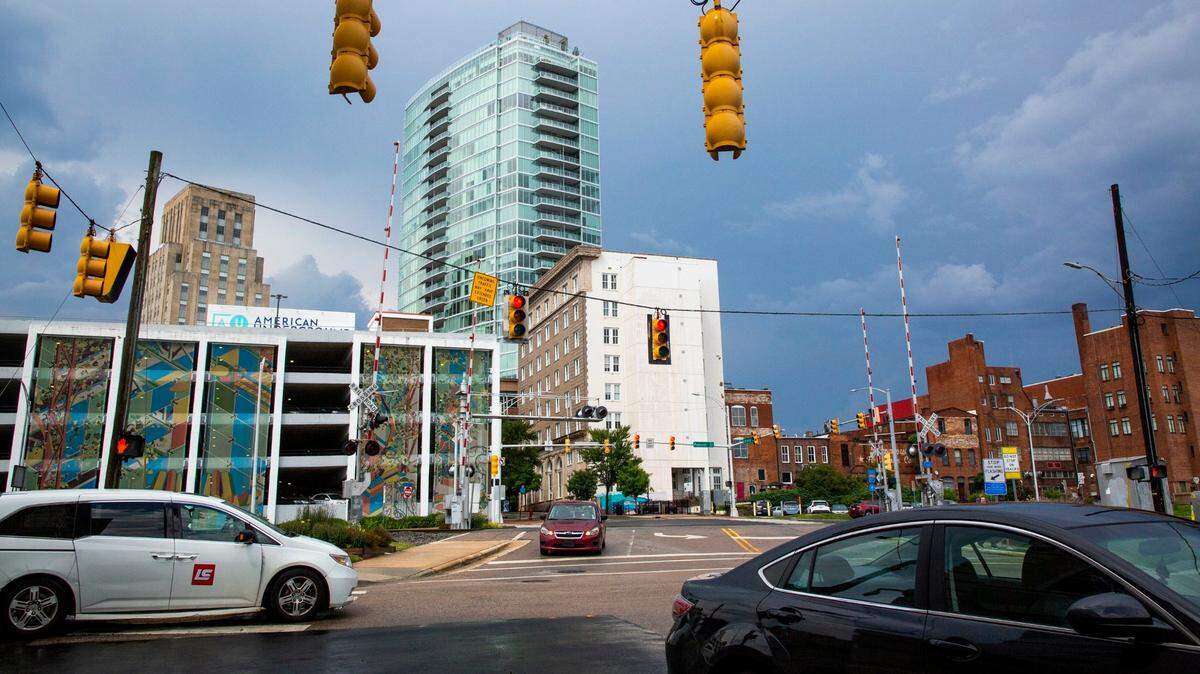
Further north, near South Boulevard and Morehead Street, the white population increased more than 600%, data show. There are four light rail stops within walking distance of this part of South End, which rapidly became one of the most popular places to live in Charlotte and lately has attracted more companies locating offices there.
Specifically, census tracts along the original Blue Line — which runs from uptown to the Pineville area — saw a 61% increase in white residents. Charlotte neighborhoods along the line’s new extension are seeing similar effects, though not as drastically.
Neighborhoods along the Blue Line extension saw a 35% increase in non-Hispanic white residents. The census covers a 10-year stretch, of which the Blue Line extension had been open just 2 of those years.
Meanwhile, there was a 6% drop in Black residents in census tracts along the entire light rail, from 2010 to 2020. In neighborhoods across Charlotte that do not border the line, the Black population increased 20%.
Seeing it firsthand
Atkinson said he remembers the first time he knew that Optimist Park was poised for irreversible change. It was about 2009, and Atkinson watched a young, white female jogger pass by a corner where a handful of Black men were standing. She nodded at them as she passed, and they returned the gesture.
“That right there was the first time that I knew this was going to happen,” he said. “It was too late then. I never had seen a white girl jog down here — ever.”
From Atkinson’s kitchen window he can see the new apartment buildings that have populated Parkwood Avenue. He’s watched as new, expensive homes replace older ones, and watched as his neighbors are increasingly white.
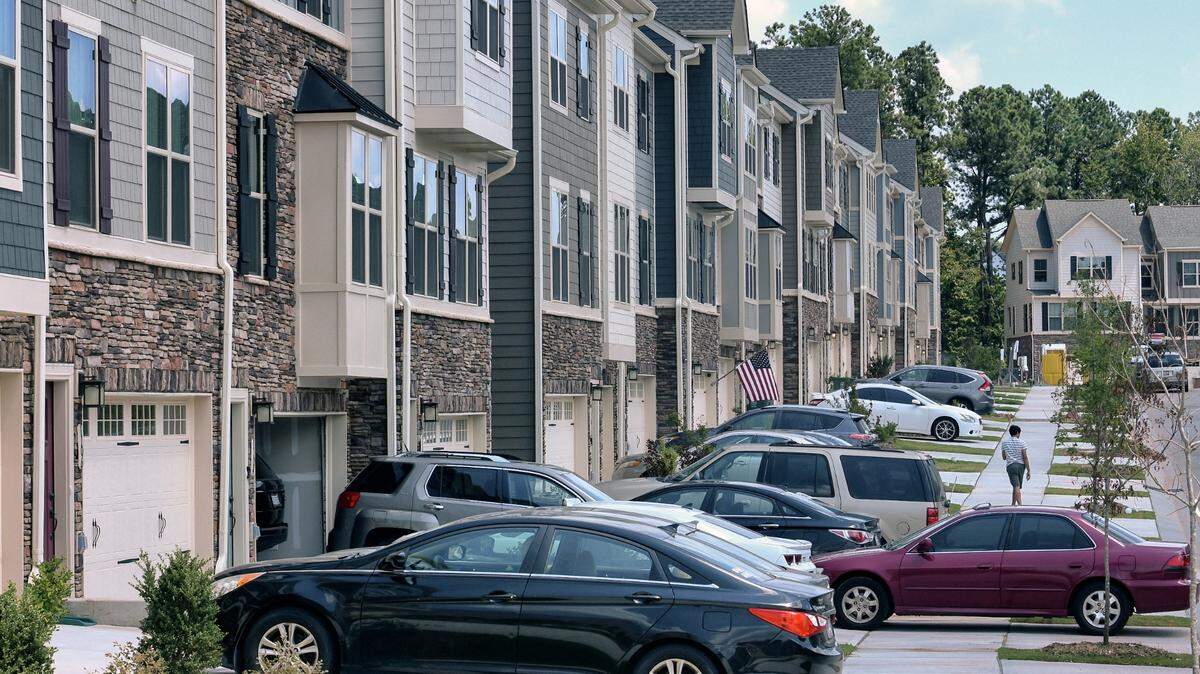
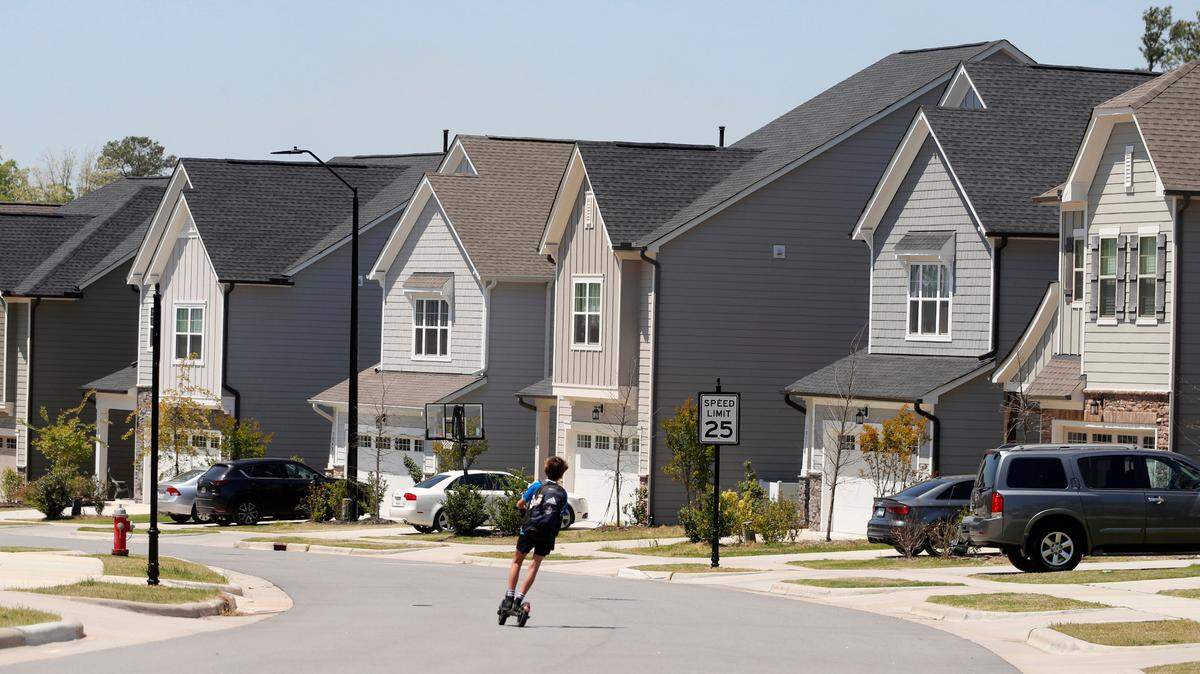
The striking demographic changes revealed by the census data are plainly obvious in neighborhoods all along the light rail, particularly those closer to uptown. New cul de sacs, new homes and new apartment buildings — often occupied by younger, white residents — stand adjacent to older homes owned or rented by people who have been there for a decade or longer.
“I keep getting people wanting to buy the house, but I’m not selling,” said Chris Bennett, a truck driver in Optimist Park who has lived there for about 20 years.
Bennett grew up near Double Oaks, a neighborhood near the light rail that saw an 800% increase in the number of white residents over the past decade.
“It’s not like it used to be over there,” Bennett said, adding that his old neighborhood was “completely gone.”
His property taxes have quadrupled in the 20 years that he’s lived in Optimist Park, he said. Most of the property tax sticker shock for Charlotte residents who live in rapidly changing neighborhoods has come in the last decade.
Role of the light rail
Elizabeth Delmelle, an associate professor of geography at UNC Charlotte, said it is unclear how much impact the light rail has really had on the growth of white residents in these neighborhoods.
“That’s probably one factor,” she said, “but there’s so much demand for living close to the center city — that’s really the number one factor.”
Areas in and around uptown, not just along the light rail, had some of the highest percentage gains in white residents, census data shows.
“It’s not that every single neighborhood along the light rail has seen the same increases in white population,” she added. “If it was just the train, we would expect that all along the rail.”
While the closeness to city center is the main priority for people moving to these neighborhoods, the light rail can act as a beacon for developers who are trying to find the best place to build new condos and other housing, she said.
Another big factor for neighborhoods close to uptown was their proximity to NoDa, said Delmelle, who has worked on modeling projects to research the growth of uptown-adjacent neighborhoods.
The models mirrored those in other cities, particularly where white population increases tend to happen.
NoDa, which long ago so its white population spike, signaled to developers that the neighborhoods adjacent to it were likely to be profitable.
“That’s kind of the way the dominoes fall,” she said.
In the kinds of people buying mortgages over the past several years, Delmelle said her team has seen a big change in the racial makeup, but not a less significant change in income, which could signal a younger population as well as one that is more white.
Where to next?
As neighborhoods along the light rail becoming increasingly white, Atkinson, who is the president of the Optimist Park Community Association, said he has spent time trying to convince Black residents that rapid change was coming.
He pointed to neighborhoods south of uptown, which also saw large increases of white people and declining Black populations. As those neighborhoods shifted in demographics, he knew Optimist Park was just a matter of time.
Although he knew change was coming, he said a neighborhood can change more quickly than almost anyone would expect. Not every change from the increase in white residents is bad — new stores are likely to pop up, which can provide goods closer than were previously available — but the shift is generally unpopular among Black residents, he said.
“It’s like a humid, hot day — you can feel it,” he said. “And that comes from unknown fear of tomorrow. That’s what it feels like, it’s an uncertainty.”
Atkinson said he isn’t sure how long he’ll stay in Optimist Park, and that many of his neighbors feel the same. Where they’ll go, though — and where the majority of Black residents from these neighborhoods have gone already — is the next big question.
“I probably would not drive down the street to see here no more,” he said. “It would be too painful.”
This story was originally published August 20, 2021 at 10:35 AM.

.jpg)