Fast-growing Hispanic population helps drive Charlotte-area growth, new census data show
READ MORE
North Carolina 2020 census data
Expand All
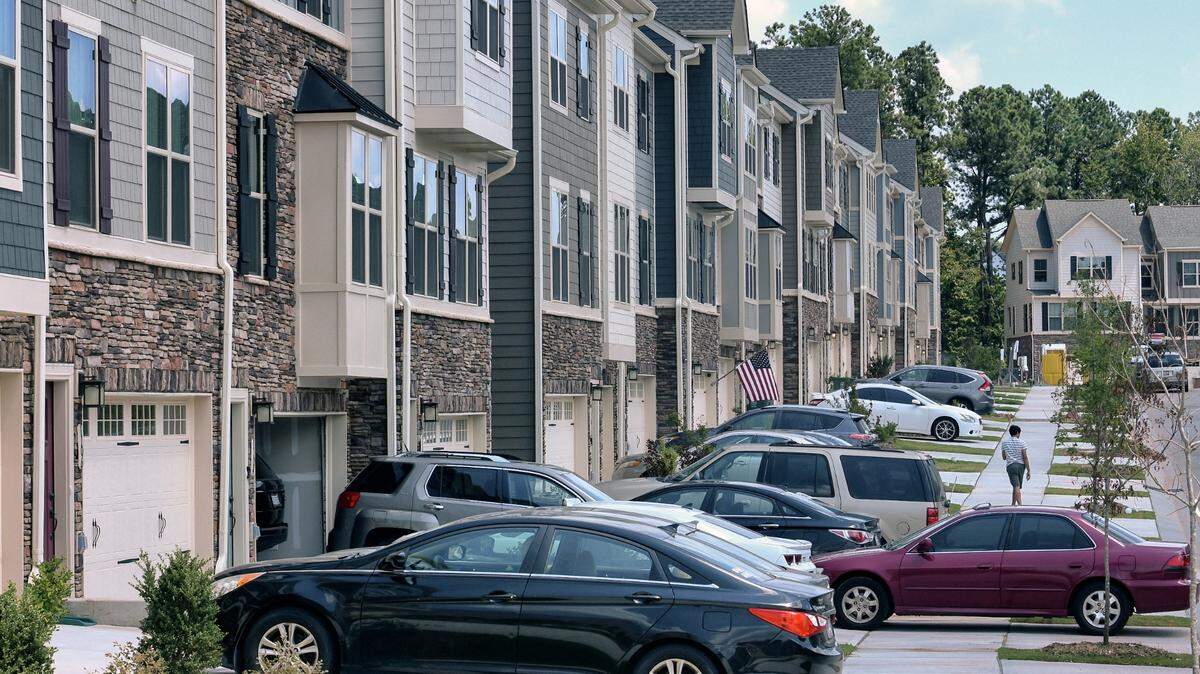
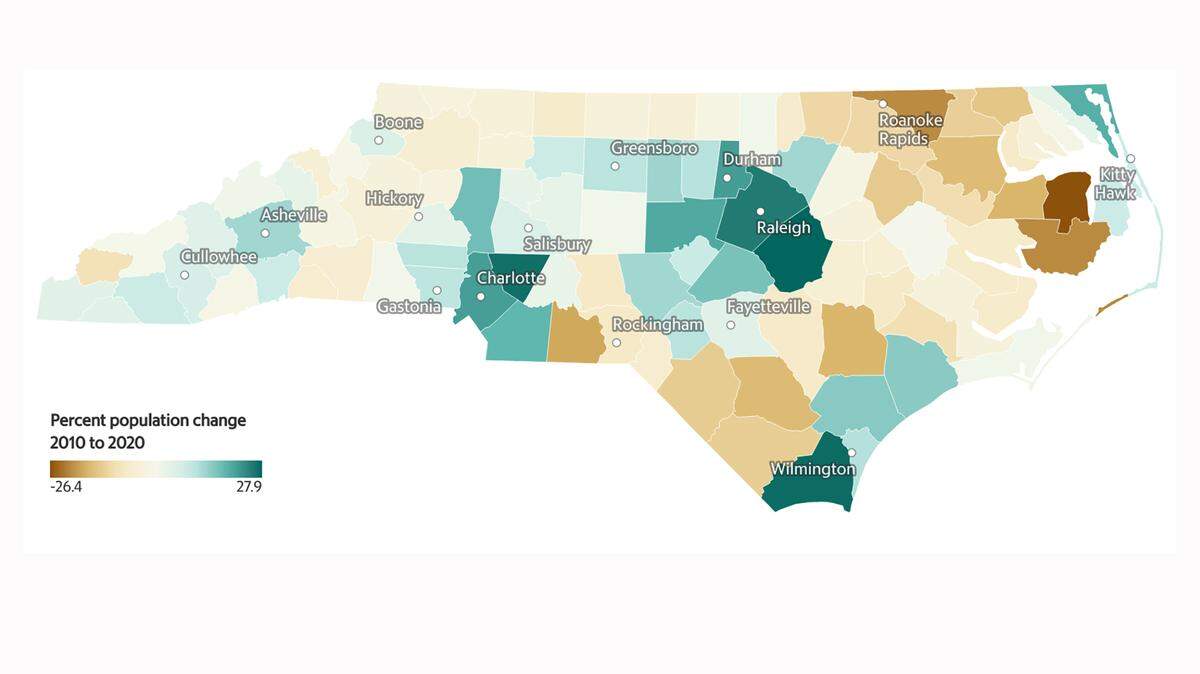
Counties around the Charlotte region saw robust growth in the past decade, fueled in part by big increases in their Hispanic population, according to the first data released Thursday as part of the 2020 Census.
Mecklenburg’s population grew by 21% from 2010 to last year, and now stands at 1,115,482. Charlotte grew by nearly 20% and neared 875,000 residents.
Cabarrus was the fastest growing county in the region, and its 27% growth rate was third greatest in the state, behind only Johnston and Brunswick counties, data show. What’s more, Concord is now the state’s 10th most populous city.
Meanwhile, Mecklenburg, Cabarrus, Gaston and Rowan all saw increases from 50% to 64% in their Hispanic population since 2010.
The once-a-decade census is meant to count the nation’s population, providing a trove of data used for everything from congressional reapportionment to government and business funding and resources decisions.
Thursday’s data also provide a detailed look into how counties, cities and even neighborhoods have changed over the years, both in population and the race and ethnicity of those who live there.
Katie Zager, a research associate at the UNC Charlotte Urban Institute, said the initial data for the Charlotte region mirrors national trends — that large-scale growth centers around cities.
“The divergence between metro areas and everywhere else,” she said, “was just really, really stark.”
Population gains, losses in Mecklenburg
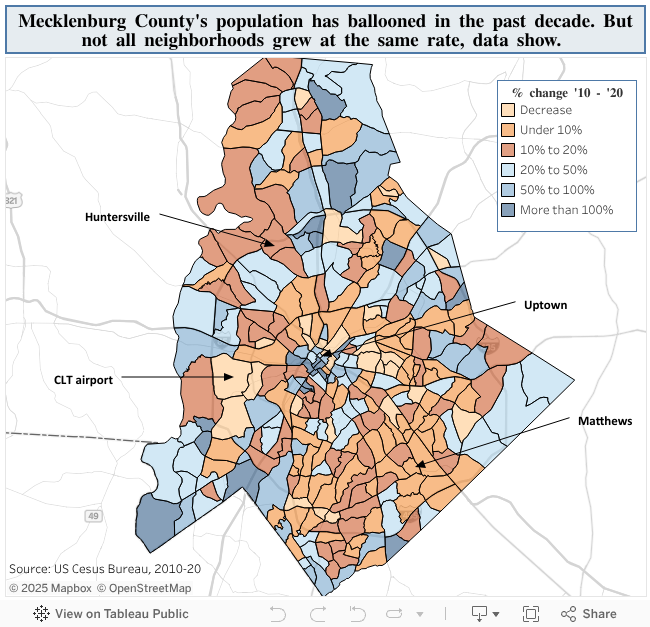
In Mecklenburg, the population in some neighborhoods ballooned while in others, it dwindled, a new Charlotte Observer analysis found.
Nearly 30 neighborhood census tracts lost population, with some losing as many as 15% of their total residents since 2010.
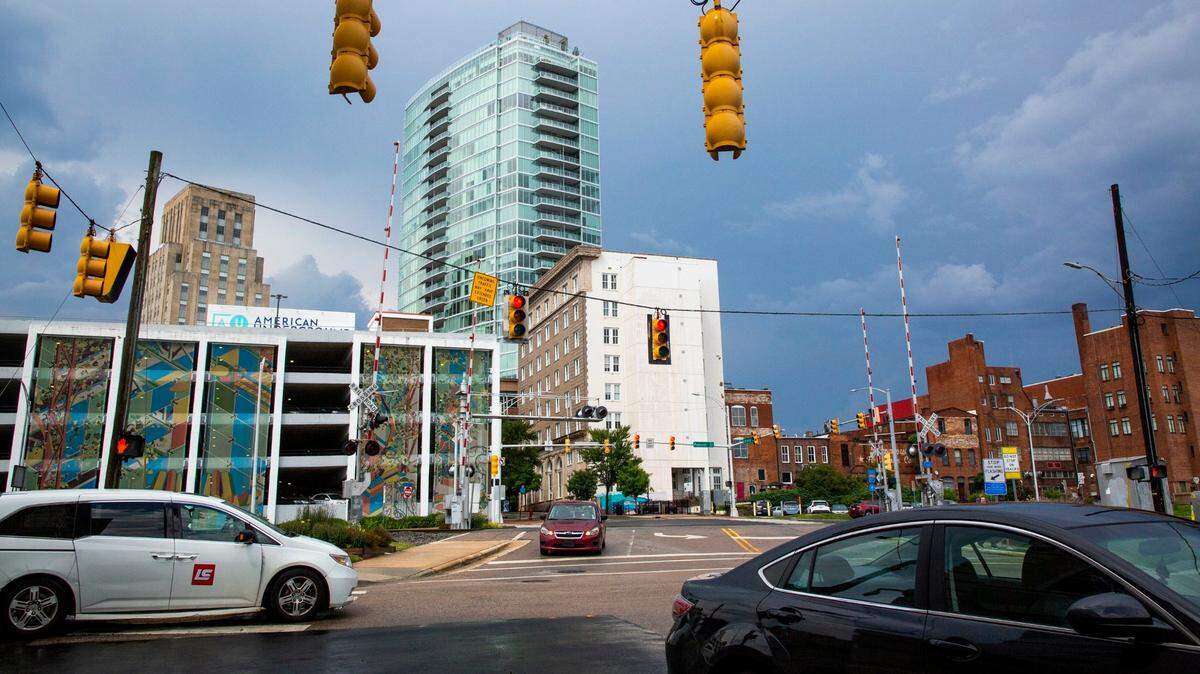
Several neighborhoods that saw losses were just north of uptown, in Mecklenburg’s crescent — a curved area that runs west to east and includes many of Charlotte’s low-income communities.
The Biddleville area just northwest of uptown near the Brookshire Freeway, for instance, lost 17% of its residents.
But other parts of the county had amazing growth, data show.
Some 21 neighborhoods — several of which were just south of uptown — doubled their population. Four neighborhoods increased by 500% or more. A small area just south of uptown along Little Sugar Creek grew by 1,000%. And a neighborhood north of Steele Creek grew by more than 800%.
Growth spilled across the border as well, where York and Lancaster counties in South Carolina each grew by 25% over the past decade.
Hispanic population booms
Mecklenburg’s Hispanic population, which stands at 169,922, saw substantial gains.
Hispanics increased 52% from 2010 to 2020, far outpacing the increase of Blacks (17%) and whites (7%). Asian residents, who account for 6.4% of the county’s total population, grew by 70%.
“Latino communities have really anchored a lot of population growth across the country,” said Yurij Rudensky, a redistricting attorney at the Brennan Center for Justice in New York. Political implications will follow that growth, he said, particularly as Republican legislatures like North Carolina’s turn to the task of redistricting with this new data.
The redrawing of maps “has a really significant racial component that really can’t be overlooked,” Rudensky said.
Local Hispanic population growth was fueled largely by the neighborhoods in west Charlotte — along Wilkinson Boulevard, Tuckaseegee Road and Remount Road, for instance — and in the Steele Creek area. An area along Lake Wylie had its Hispanic population increase more than 500%.
Zager, with the Urban Institute, said the Hispanic growth matches preliminary data over the past decade. “We’ve been kind of considered a Hispanic/Latino hypergrowth metro area in years past,” she said.
The last census, in 2010, showed for the first time that non-Hispanic white people dropped below 50% of Charlotte’s population in an official census count.
Hispanic population gains around the state likely come largely from second- and third-generation children rather than new immigration, said Rebecca Tippett, director of Carolina Demography at the Carolina Population Center at UNC Chapel Hill.
Bob Coats, the governor’s census liaison, said part of the Hispanic growth can also be attributed to a more vigorous effort by the Census Bureau and local census workers to make sure that non-white populations were accurately counted.
Counting everyone in the nation is challenging under the best of circumstances, and still yields an under-count of certain groups. This census was especially challenging, taking place in the middle of the coronavirus pandemic and during heightened concerns of whether there would be a citizenship question. (No such question was in the census.)
How Charlotte and area towns fared
Like Mecklenburg, Charlotte and most of its surrounding towns grew. Charlotte’s population hit 874,579 last year. It gained some 143,000 residents in the past decade, and was one of just 14 cities around the country that gained 100,000 people or more.
Charlotte also remains North Carolina’s largest city. Raleigh is a distant second, with 467,665 people.
Concord grew by 33% to 105,240 residents, and skipped past Greenville and Asheville to take the 10th spot for the state’s biggest cities and towns.
Elsewhere around the Charlotte region, some towns grew much faster than others, mirroring a statewide trend of uneven growth.
The biggest growth came in places like Waxhaw (108% increase), Harrisburg (65%) and Troutman (55%). Others, such as Matthews, Lincolnton and Monroe, grew at a rate slower than the state’s average of 9.5%.
Growth beyond Charlotte
Areas outside of Charlotte are no stranger to rapid growth either.
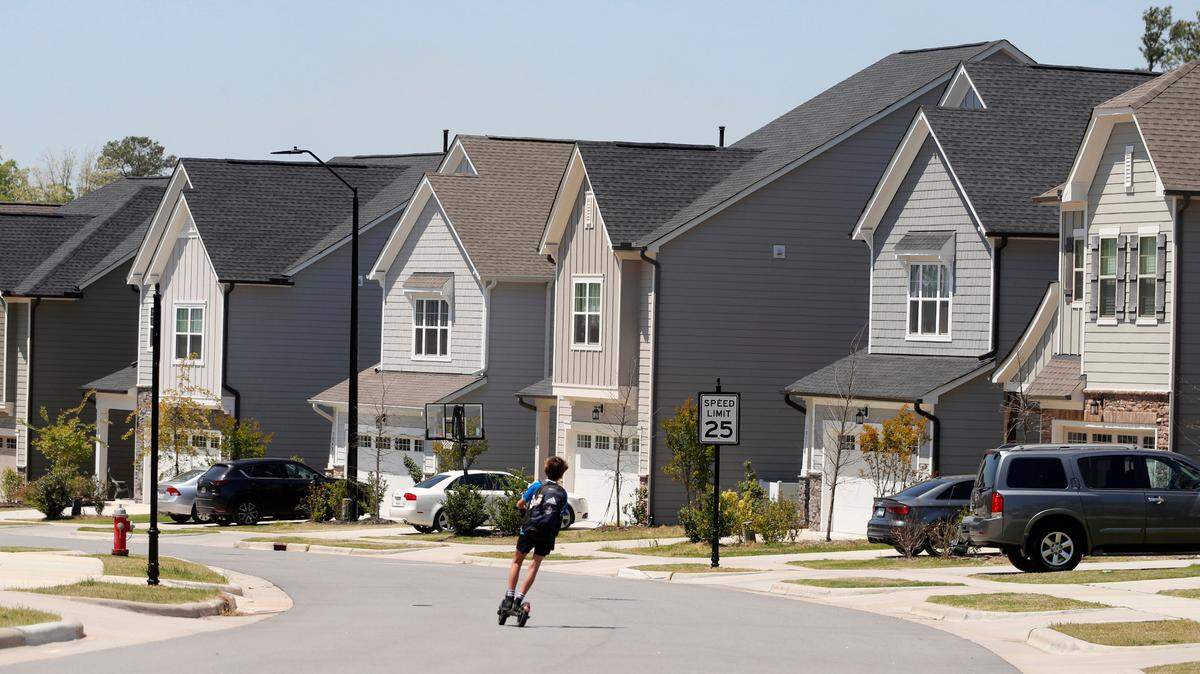
Huntersville, for instance, is still riding a wave of explosive growth that began at least 30 years ago. It grew by 31% over the past decade.
Four of the state’s 10 most populous counties are in the Charlotte region: Mecklenburg, Union, Gaston and Cabarrus.
Last census, Union County grew more than any other in the state. Its suburban towns were also the fastest growing of any in the Charlotte area. The county has grown by 18% since 2010.
Both Indian Trail in Union County and Mooresville in Iredell County eclipsed the populations of their county seats, displaying remarkable growth from the turn of the century to 2010. Indian Trail has grown by nearly 20% since 2010, and Mooresville grew by 53%.
The data released Thursday will play a major role in state-level funding, and how local governments plan for the future. Those decisions will impact both rural areas trying to stem population loss along with the Charlotte area where officials continue to grapple with rapid growth.
Coats said the region’s growth, both among Hispanics and the overall population, also occurred in part because “the economy for the state in general and definitely for the Charlotte area is strong, and you’re seeing that raise a lot of boats.”
Observer editor Adam Bell contributed to this report
This story was originally published August 12, 2021 at 2:29 PM.