New census data will help shape elections, reveal who North Carolina is becoming
READ MORE
North Carolina 2020 census data
Expand All
The first detailed numbers from the 2020 Census are due out this week, and they’ll help determine how political power is divvied up in North Carolina in the coming decade.
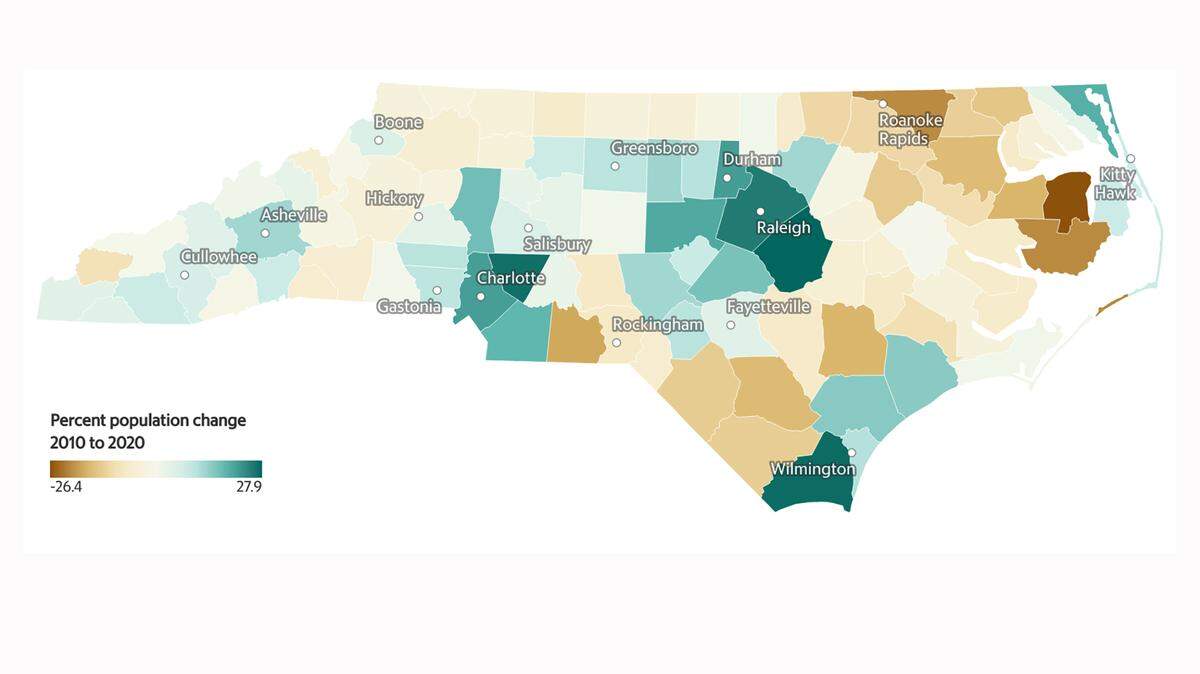
On Thursday, the U.S. Census Bureau will release population numbers for North Carolina cities, towns and counties, down to the census tract level. The data will show which places are booming or shrinking and how the state’s racial and ethnic profile is changing.
In the last decade, North Carolina grew by more than 900,000 people, or 9.5%. With nearly 10.5 million residents, the state remains the ninth biggest in the country after Georgia. We already knew that. But new data coming Thursday will tell us exactly where all that growth did or didn’t happen.
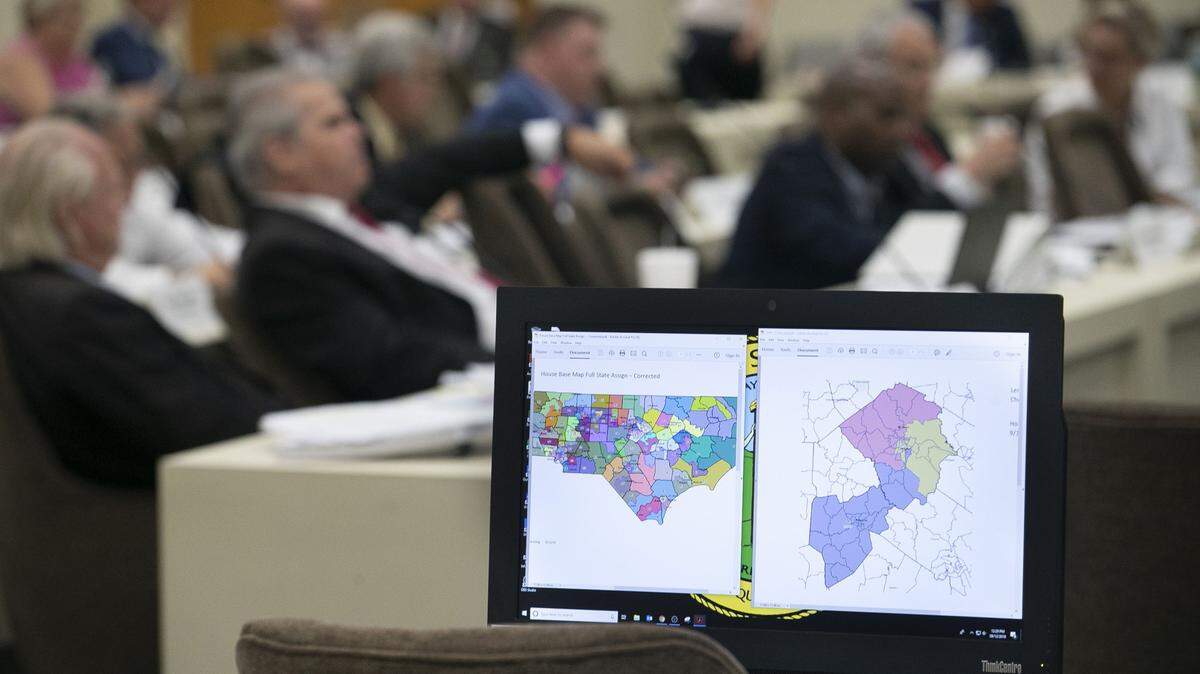
The information is key to politicians in the General Assembly, who this fall will draw the new districts used to elect not only themselves but also the state’s U.S. House delegation.
North Carolina learned in May that it had grown enough, compared to the rest of the country, to gain an extra seat in Congress. The state’s U.S. House delegation will expand from 13 to 14 seats, with the additional member to be elected in November 2022 and enter Congress the following January.
Where will that new Congressional district go? And how could the balance of power in the state legislature shift? State lawmakers say they expect to produce new legislative districts by the end of November.
Most precise population numbers in 10 years
The census bureau conducts surveys every year that it uses to make estimates on population and topics such as income and education. But the decennial census, completed every decade since 1790, aims to reach every household in the country. That produces the most complete data on population, race, ethnicity and housing.
Thursday’s census bureau release will include only the data lawmakers across the country will need to redraw legislative districts, including overall population and the voting age population by race and ethnicity. More detailed data from the 2020 decennial census, including residents’ age and the makeup of households, will be released down the road, the bureau says.
Still, there will be enough data released this week to reveal growth patterns across the Triangle, the Charlotte region and other metro areas. Here are some questions we may be able to answer in the coming days.
▪ What areas are growing fastest? Which are shrinking? The new data should let us dig down not just by county or city but down to census tracts, areas about the size of neighborhoods. We can compare differences between downtown Durham and Southpoint, for example, or North Raleigh and Southeast Raleigh, or Charlotte’s Noda and Uptown districts.
▪ Not just where, but how have we grown? With local-level data on race and ethnicity, we can spot trends or add to the reporting we’ve already done on issues such as the rising political influence of Asian-Americans or racial changes among residents of parts of Raleigh, Durham and Charlotte.
▪ What do changes mean politically? Democrats are hoping for data showing that the big cities and their suburbs are growing substantially more than rural areas. But there are also many rural areas with large Black populations, which lean Democratic. If the number of people in those places shrink, could that help Republicans solidify their growing political hold on Eastern North Carolina, making up for recent losses in suburbia?
▪ Who gets that new seat in Congress? That question will ultimately be up to state lawmakers, and likely for judges to review in lawsuits that are all but guaranteed. But since every district must have the same size population, we can look at which areas of the state have gained or lost the most people, to explore where that new district could make sense — or where it definitely will not.
For more North Carolina government and politics news, listen to the Under the Dome politics podcast from The News & Observer and the NC Insider. You can find it at link.chtbl.com/underthedomenc or wherever you get your podcasts.
This story was originally published August 10, 2021 at 10:00 AM with the headline "New census data will help shape elections, reveal who North Carolina is becoming."