Here are 10 ways you can help wild bird populations survive
READ MORE
Read more stories about birds
From hummingbirds to cardinals, bird feeders to bird flu — here are more stories about the winged creatures we love to see in our backyards (and beyond).
Expand All
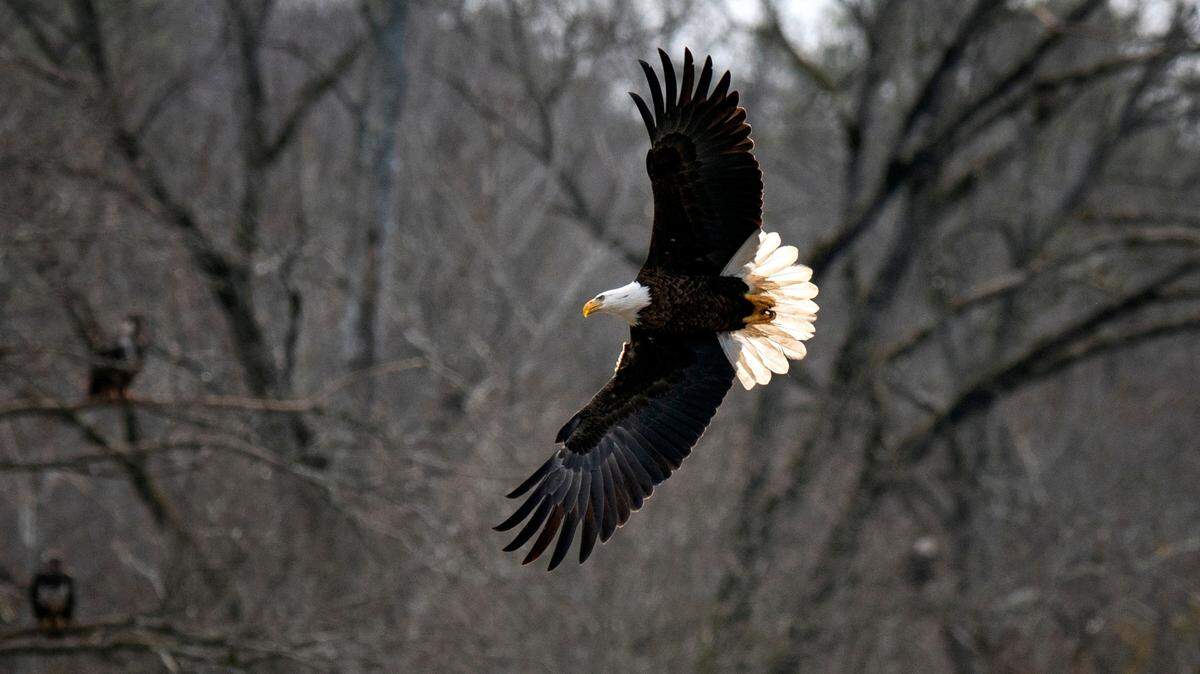
The number of wild birds in North America dropped by nearly a third between 1970 and 2018. Researchers are looking for causes and solutions.
But in the meantime, here are 10 things Cornell University’s Lab of Ornithology, the American Bird Conservancy and the U.S. Fish & Wildlife Service suggest as ways to help support the birds we have.
1. Free-ranging domestic cats are the single largest cause of human-connected death for wild birds, killing an estimated 2.4 billion birds per year just in the U.S., according to the American Bird Conservancy. The group asks cat owners to keep their pets inside, enriching their environments with toys and activities to keep them happy. It also suggests ways that cats can be allowed outside safely, including cat patios and fencing.
2. Collisions with buildings, including crashing into windows, is the second-leading known cause of bird deaths in the U.S., with up to a billion birds dying each year, experts say. The American Bird Conservancy suggests turning off lights at night to keep from attracting migratory birds, and marking windows with soap, paint or decals that will break up the reflection birds see. Window screens can soften the landing for a bird that does fly into a window.
3. If you’re a coffee drinker, drink a brew that is certified bird-friendly by the Smithsonian Migratory Bird Center. The certification means the coffee is organic and is produced using fair trade practices and conditions that maintain quality bird habitat.
4. Bird experts say insecticides, including those used around homes and in gardens, harm entire food chains and cause cumulative effects in birds. Even if you don’t apply pesticides, you may unknowingly buy seedlings or plants that have been treated with them. Conservationists are pressing retailers to stop using pesticides and in the meantime, to label those that have been treated with them.
5. Cornell’s bird experts encourage property owners to reduce the amount of grass and nonnative species in the landscape, and to plant more natives that attract the insects birds need to eat. This helps support birds especially during spring and fall migration; draws more birds and a greater variety; and prevents the spread of invasive plant species.
6. Habitat conservation is crucial for supporting bird populations. If you have land that serves — or could serve — as bird habitat, consider working with a conservation trust to keep it out of development through acquisition or easement.
7. Help researchers gather data on where birds are by downloading the ebird app or using ebird.org to identify the birds you see or hear and to upload photos or birdsong recordings. The app and website also can be used to help birdwatchers tally sightings of different species.
8. Buy a $27 Federal Duck Stamp or e-stamp to support wildlife habitat conservation. Migratory bird hunters must have the stamps to hunt legally, but collectors also love the stamps for their art and because 98% of the money is used to buy habitat or acquire easements for it. The program is the longest running, single-themed stamp in the world, and each year’s design is chosen through the U.S. government’s only open juried art competition. The stamps are sold through 28 states’ wildlife resources departments and online. (www.fws.gov/service/buy-duck-stamp-or-e-stamp)
9. Plastic can be deadly to birds, whether they ingest it or get entangled in it, according to the American Bird Conservancy. And though it resists decomposition, only 9% of all the plastic ever made has been recycled. Cut down on buying and using plastic, substituting reusable materials. Pick up plastic where you see it has been discarded to keep a bird from eating it.
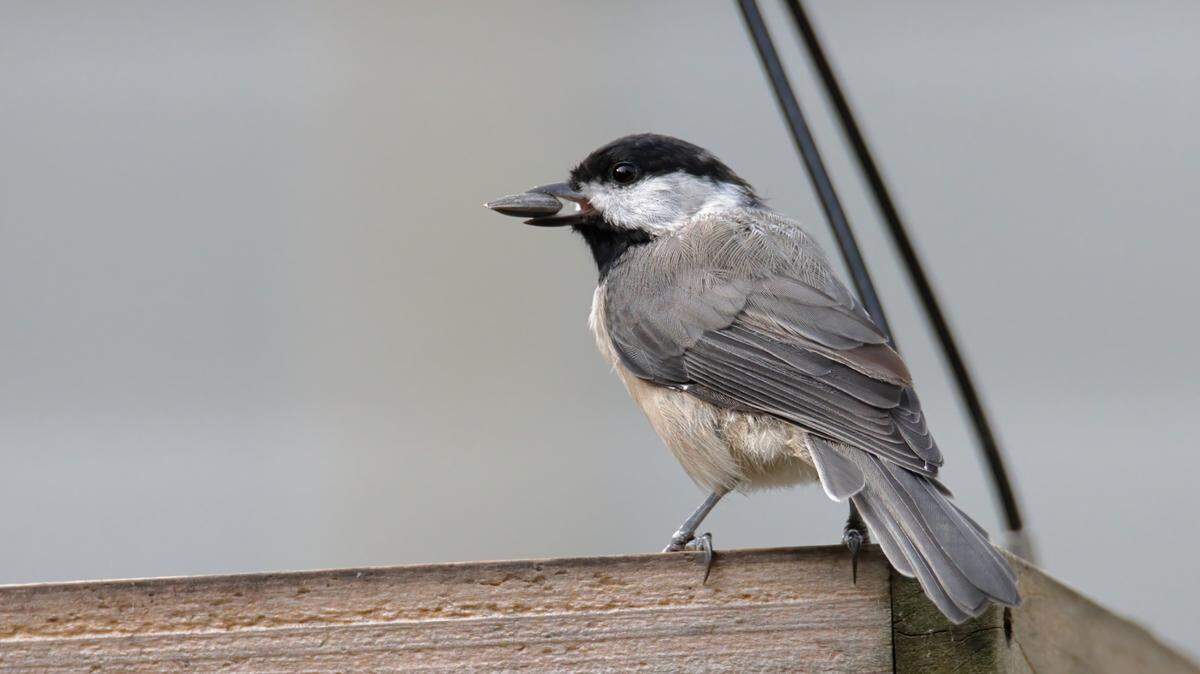
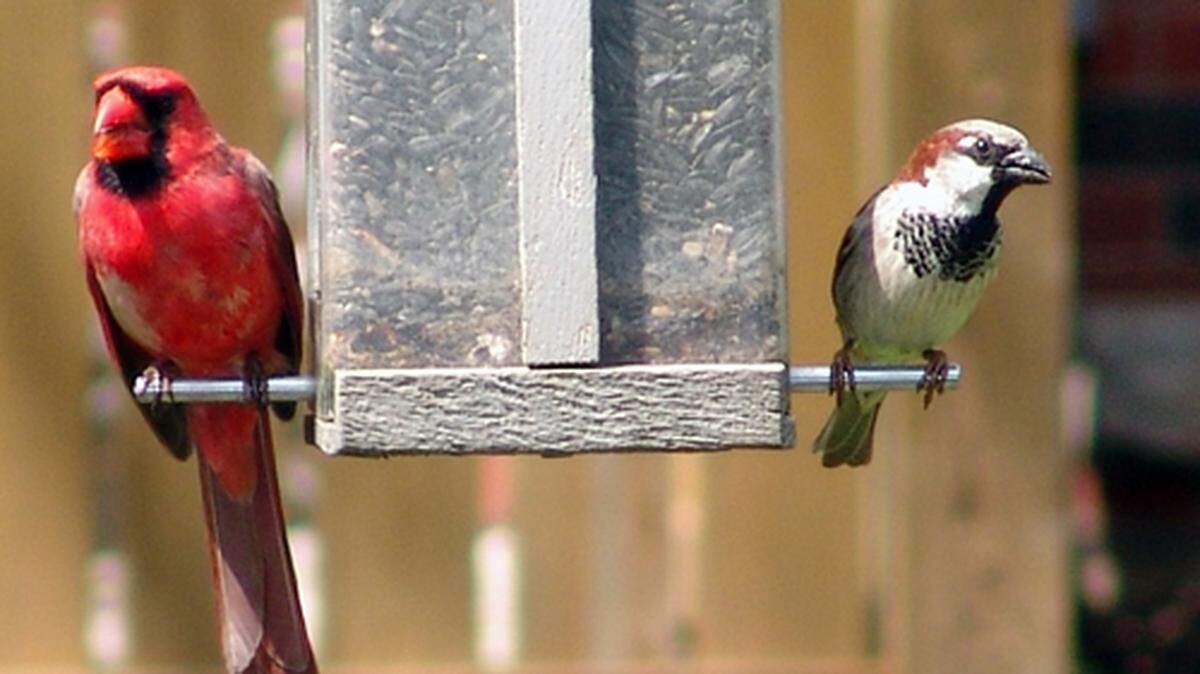
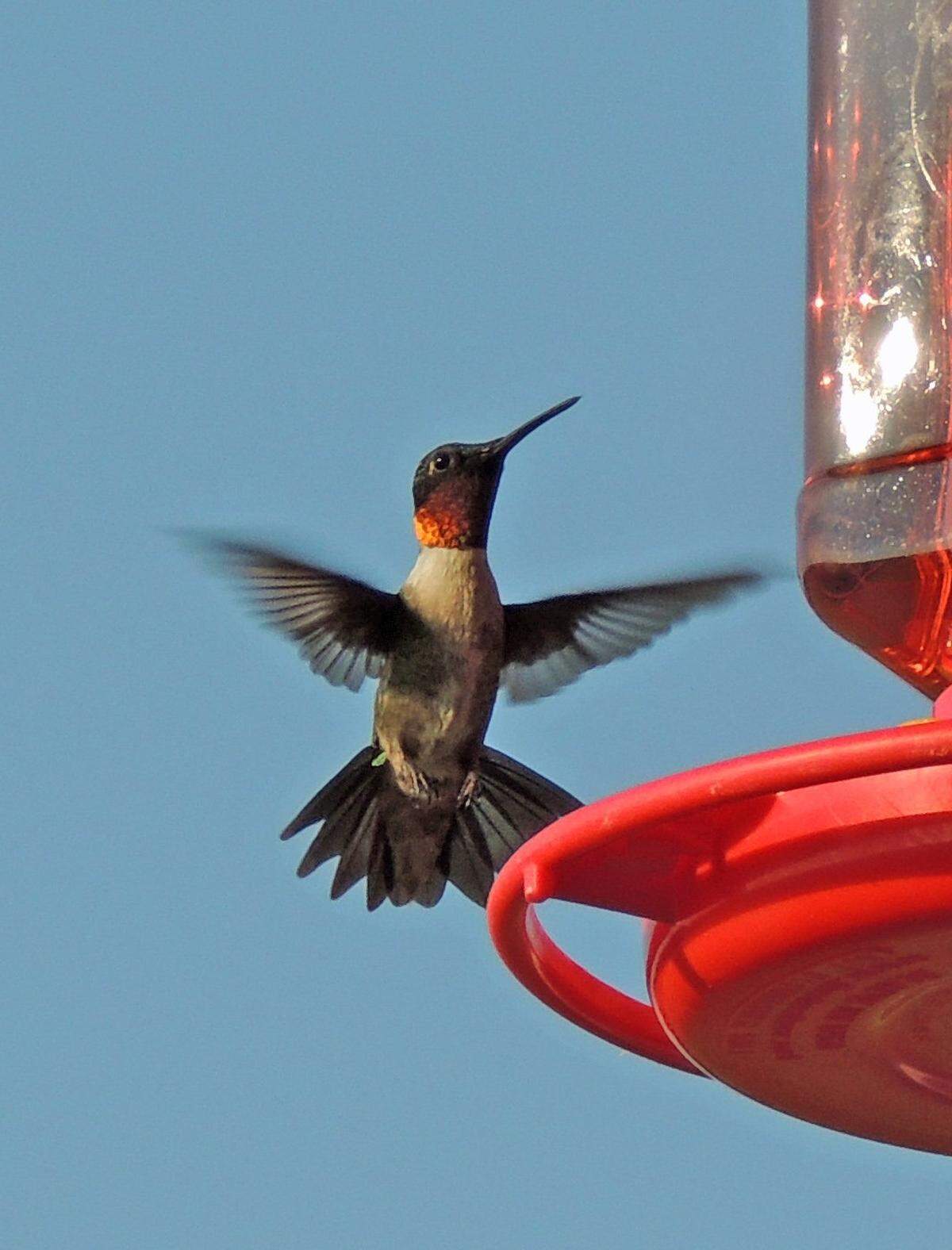
10. Birders and researchers disagree over whether it’s beneficial to feed wild birds. You decide what’s best for you. If you elect to feed, U.S. Fish & Wildlife asks that you:
▪ reduce disease by cleaning your feeder with a weak bleach solution at least every two weeks (hummingbird feeders every 3 to 5 days).
▪ sweep up seed that birds have discarded and dispose of it.
▪ take your feeder down temporarily if you see sickly birds around it.
▪ if you have outdoor cats, don’t put up a feeder.
▪ place feeders within 3 feet of reflective windows or cover the glass with paint or decals so birds won’t fly into it.
This story was originally published May 5, 2023 at 6:00 AM with the headline "Here are 10 ways you can help wild bird populations survive."