How Charlotte could win its fight against homelessness: people, prevention and housing
After nine months of work, the Charlotte-Mecklenburg plan to make homelessness rare and brief has three starting points: people, prevention and more housing.
The United Way of Greater Charlotte on Tuesday released a plan to jump-start the countywide initiative titled “A Home For All.” The United Way, which was picked to lead the effort, calls itself the plan’s quarterback, but its success will rely on support from government officials and private individuals alike, the agency’s leaders say. Hundreds of people contributed to the plan from across Mecklenburg County.
There are about 3,162 homeless people in the county, according to the Charlotte-Mecklenburg Housing and Homelessness dashboard. Of those, most are single individuals rather than people in families; 164 are unaccompanied youth.
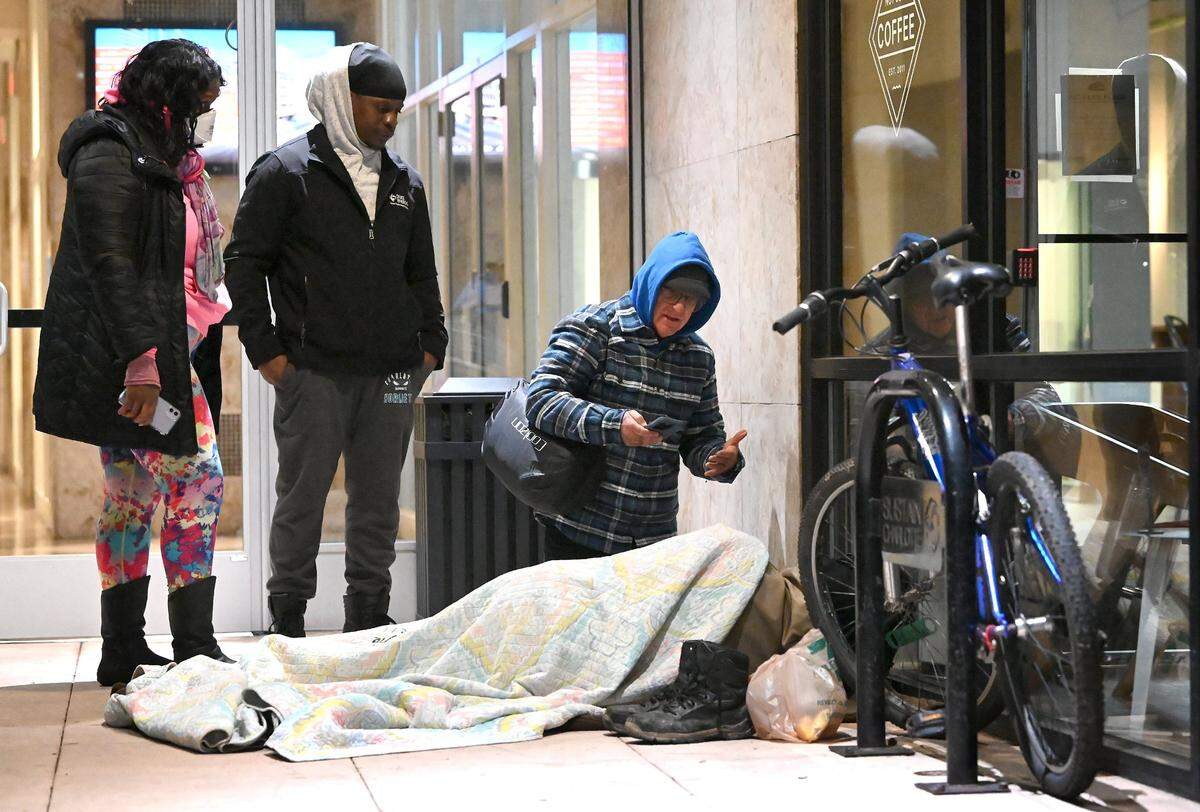
The plan’s key tasks include providing navigators, some of whom have experienced homelessness, to help people cruise through a web of programs; rental and home repair money for those in need; spawning more government and private money; and boosting the housing supply.
United Way President and CEO Laura Yates Clark said Charlotte is lucky to be a growing city, but that comes with challenges. And homelessness is hitting closer to home than ever for people, Clark said. The plan’s creation and a commitment to move it forward “demonstrate the power and potential of strong public-private partnerships,” she said.
It’s a “community-wide issue which requires a community-wide response,” City Manager Marcus Jones said in a news release.
Next, the United Way will use city and county “seed funding” to create an emergency rental assistance program and solicit a nonprofit to run a program that pitches landlords or developers to accept subsidies or a voucher for short-term rentals.
A Home for All
The “implementation plan” released Tuesday is part two of the countywide effort called “A Home For All” that dates back to 2021. But it’s part of a broader, decades-long debate about how to address a problem that’s vexed local leaders — including a 10-year plan to end and prevent homelessness that first passed the City Council in 2007.
United Way Chief Impact Officer Kathryn Firmin-Sellers says A Home For All doesn’t reinvent the wheel or make a better one. Instead, the United Way and community groups hope to put existing pieces together in a way that works for those who need help and “build on the backs of the plans before it.”
A Home For All’s stated goal isn’t necessarily to eliminate homelessness. Instead it’s to “create a community where homelessness is rare, brief and nonrecurring.” In five to 10 years, Clark says she hopes they “make a dent in the issue.”
There’s still work to do.
While teams of people will prevent those experiencing homelessness from navigating “a dizzying mix of services” themselves, the exact composition of those groups isn’t decided. They’ll be groups of professionals and people who have since found housing who will make sure someone in crisis doesn’t have to relive trauma each time they visit a new agency for help, Firmin-Sellers said.
People experiencing homelessness will have “one person that they can get connected to that supports them on their journey,” she said. That person will have access to money to help during transitions out of homelessness and a database to track outcomes for individuals and evaluate success of different projects.
Prevention
Stopping people from losing their homes in the first place is cheaper than helping people who are already experiencing homelessness, Firmin-Sellers said. It avoids “forcing people into a worse situation when we know the problem is coming,” she said.
Prevention-specific recommendations include:
▪ Using COVID-19 assistance as a model for an emergency rental help fund that will start with $1.5 million in city and county money.
▪ Using $400,000 in other seed money to pay for eviction protection
▪ For Charlotte and Mecklenburg County to “scale up” money available for people to repair their homes.
▪ Create a “strike fund” that can be used to buy hotels, houses and multi-family developments that can be used as shelters.
The plan’s recommendations don’t offer specific prescriptions for how city and county government should raise more money to fight homelessness. In an interview on Monday, Clark and Firmin-Sellers also avoided offering a specific prescription.
The plan also asks local leaders to advocate for changes to local and state policies, including:
▪ Making sure Medicaid expansion guidelines match with the goals of A Home For All
▪ More money for affordable housing from the legislature, including reinstating state low-income housing tax credits
▪ Universal access to legal representation in evictions
More housing
The plan calls out Charlotte’s Housing Trust Fund, which the city allocates $50 million to every two years if voters approve in bond referendums. All have passed in recent history with 70% or more of the vote.
Council members have expressed a need to expand that funding source, but Charlotte’s capital investment plan includes no increase through 2028, despite inflation driving up costs of materials and labor. The city has funded fewer affordable housing projects from the trust fund thanks to those construction prices soaring, city housing staff told the council.
In November, the city drained the remaining $9.2 million in the housing fund before it was replenished in February from the affordable housing bonds passed by voters in the 2022 election. Paired with $6.6 million in federal COVID relief, that move by council is expected to keep 632 units in Charlotte affordable for 15 to 60 years.
A Home For All’s plan asks the county to pitch in, too.
That support doesn’t yet have a dollar figure attached, but it could build service-enriched housing, which includes people that provide help, not just the bricks and sticks.
Firmin-Sellers and Clark said it’s not clear whether the county’s support would come in the form of regular bond referendums like the city of Charlotte, a sales tax or something else. But Clark said she expects the county to provide support — mostly because it was among the plan’s creators.
“Mecklenburg County is committed to finding ways to end and prevent homelessness,” County Manager Dena Diorio said in a news release. A Home For All’s strategy is an enduring structure to achieve this critical goal for our community.”
The county didn’t respond to a request for comment asking for more specific details about its plans.
Another way to drive part of supply will be recruiting landlords and developers to help expand the number of affordable homes and accept payments regardless of the source of income — vouchers or otherwise. Ideas listed in the plan include staffing and a pool of money to provide landlords with incentives to accept housing vouchers.
“Fundamentally a lot of these things boil down to what are steps that the community can take to increase the stock of affordable housing units,” said Charlotte Housing and Neighborhood Services Director Shawn Heath.
Charlotte Observer reporter Genna Contino and intern Terry Benjamin contributed to this story.
This story was originally published June 27, 2023 at 10:05 AM.