
Here’s how Charlotte’s Renaissance West project has evolved
READ MORE
Renaissance West: A slow rebirth
A decade ago, Charlotte’s civic leaders and neighborhood activists created the Renaissance West Community Initiative with the vision of revitalizing a west Charlotte neighborhood through an education village approach. This initiative is part of a national movement — and represents one of Charlotte’s most ambitious efforts to break the cycle of poverty.
Expand All
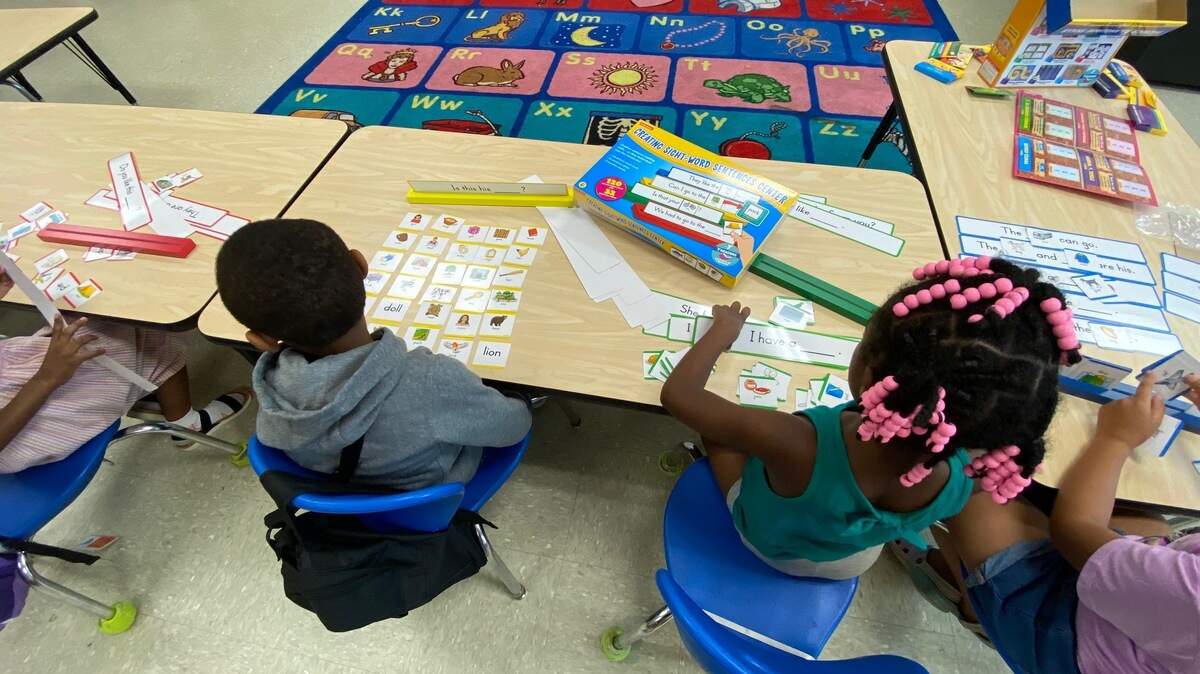
After a decade, Charlotte’s vision for an education village inches toward its goals
Here’s how Charlotte’s Renaissance West project has evolved
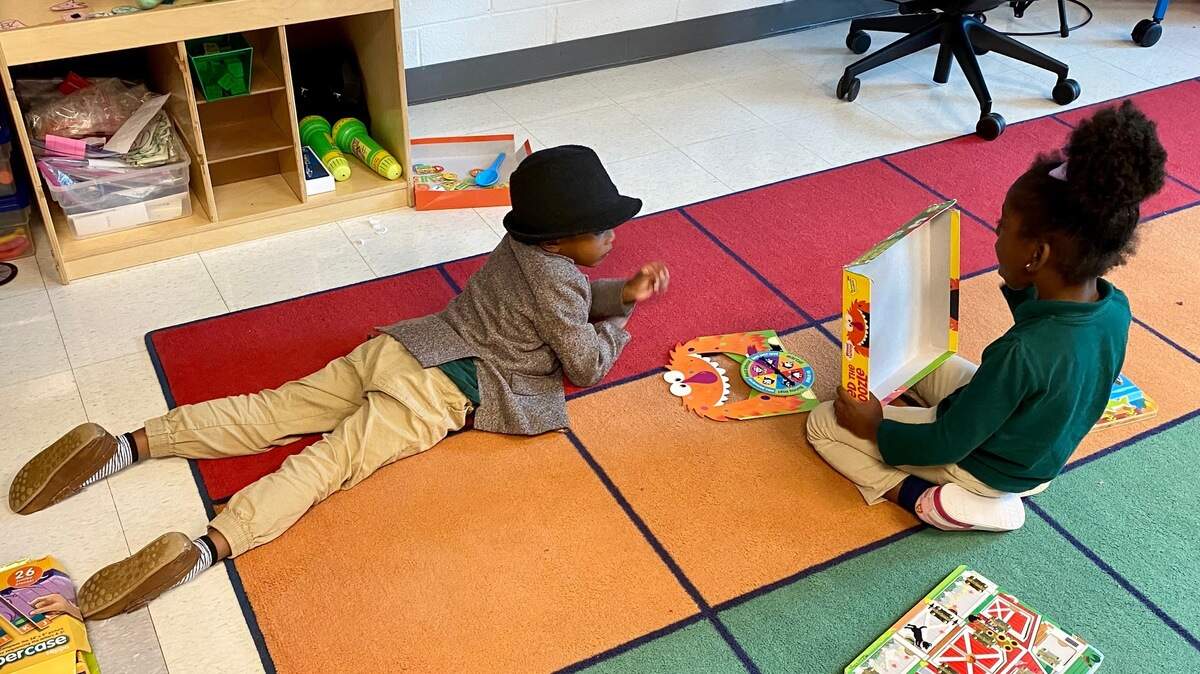
In Atlanta, a neighborhood, a golf course and a charter school inspire Charlotte’s work
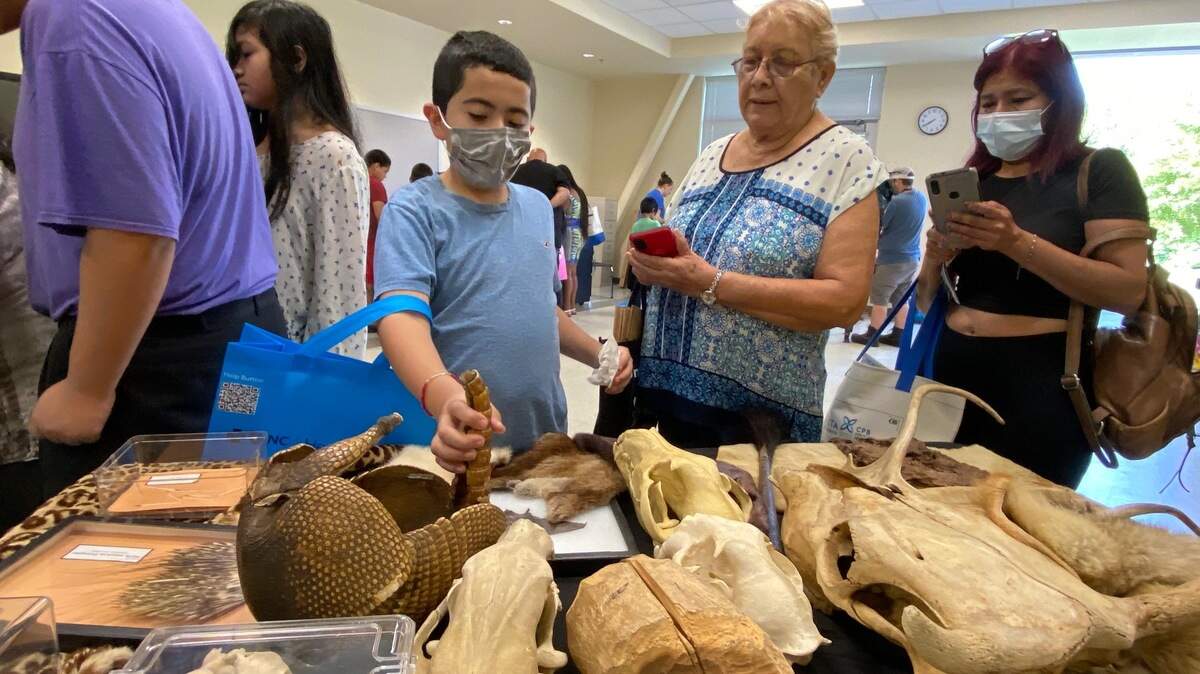
Gains on NC test scores could invigorate Renaissance West’s education village
A timeline of the Renaissance West project:
1970
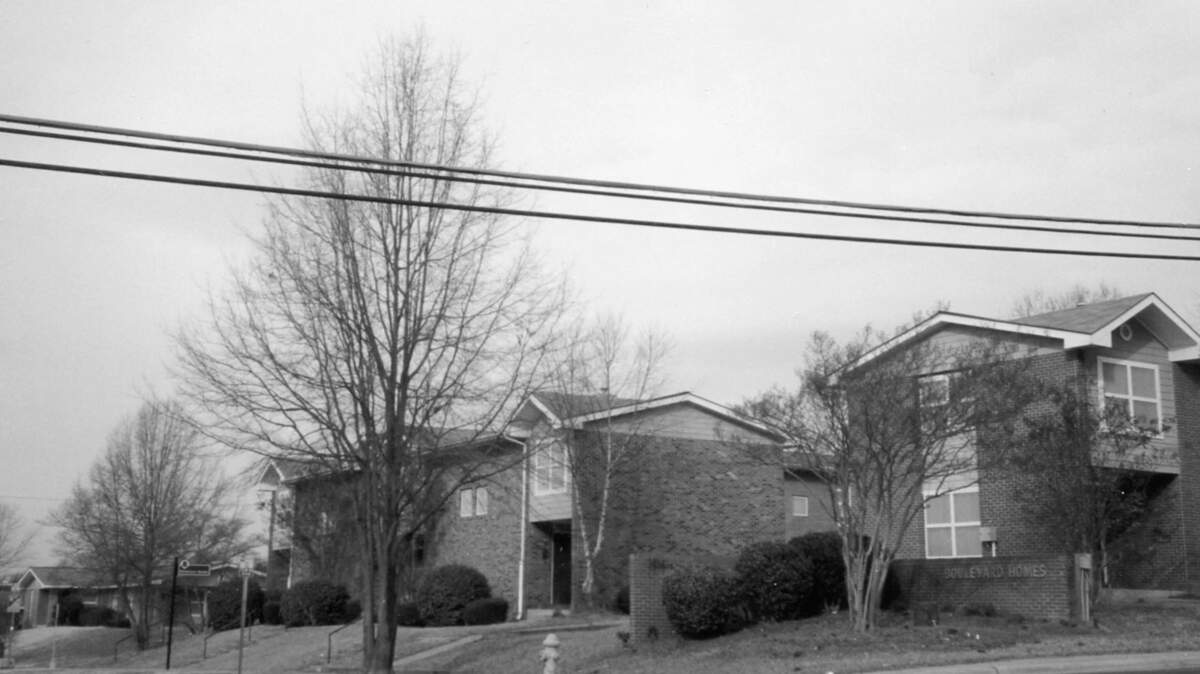
Boulevard Homes public housing opens on West Boulevard, just east of Charlotte’s airport.
2007
Charlotte Housing Authority (now Inlivian) identifies Boulevard Homes as its most dilapidated and troubled property.
2009
Citing conditions that are beyond repair and dragging down the neighborhood, the Housing Authority applies for a grant from the federal Department of Housing and Urban Development to tear down Boulevard Homes and replace it with mixed income housing and a cradle-to-career support system.
HUD approves demolition of Boulevard Homes. Residents are given the option to move to other public housing or to receive Section 8 vouchers for subsidized rentals elsewhere.
The Charlotte-Mecklenburg school board votes to build a new K-8 school on West Boulevard to be part of the Boulevard Homes replacement project.
2010
HUD awards the Housing Authority a $20.9 million Hope VI grant for a project that includes mixed-income housing and an education village.
2012
Construction begins on Renaissance West housing for senior citizens.
The Housing Authority creates an advisory board to discuss the education aspects of the plan.
2013
Renaissance West Community Initiative is incorporated and hires Laura Yates Clark as CEO.
Renaissance West Community Initiative becomes part of the Atlanta-based Purpose Built Communities network.
Residents begin moving into senior housing.
Construction begins on mixed-income housing for families.
Voters approve a Charlotte-Mecklenburg Schools bond package that includes $30 million for a school at Renaissance West.
2014
Residents begin moving into mixed-income housing.
2016
Mixed-income housing is completed.
William “Mack” McDonald is hired as Renaissance West Community Initiative’s second CEO.
2017
Charlotte-Mecklenburg Schools opens Renaissance West STEAM Academy, a preK-8 school.
United Way of Greater Charlotte, now headed by Laura Yates Clark, launches a United Neighborhoods program that will provide long-term funding and support to Renaissance West and other neighborhood-based revitalization projects.
2018
Howard Levine Child Development Center opens at Renaissance West.
Renaissance West STEAM Academy gets its first school performance grade. Based on student test scores it’s rated F and put on the state’s low-performing list.
2019
Renaissance West STEAM Academy is again rated F and low performing.
2020
COVID-19 pandemic forces schools into remote learning; North Carolina suspends testing and school performance grades.
Howard Levine Child Development Center closes temporarily.
2021
Child Development Center reopens under new management.
In-person classes and state testing resume but the state issues no performance grades.
2022
North Carolina resumes performance grades. Renaissance West gets an F based on low proficiency but is removed from the low-performing list because of significant growth.
2023
CMS unveils plans to turn Renaissance West STEAM Academy into a middle school and relocate the preK-5 students at an unspecified date.
This story was produced by WFAE with support from the Charlotte Journalism Collaborative. WFAE and The Charlotte Observer are part of the Charlotte Journalism Collaborative (CJC), launched by the Solutions Journalism Network with funding from the Knight Foundation. The CJC strengthens the local news ecosystem and increases opportunities for engagement. It is supported by a combination of local and national grants and sponsorships. For more information, visit charlottejournalism.org.
This story was originally published August 28, 2023 at 3:04 PM.