The latest historic landmark in Charlotte is... a luxury apartment building?
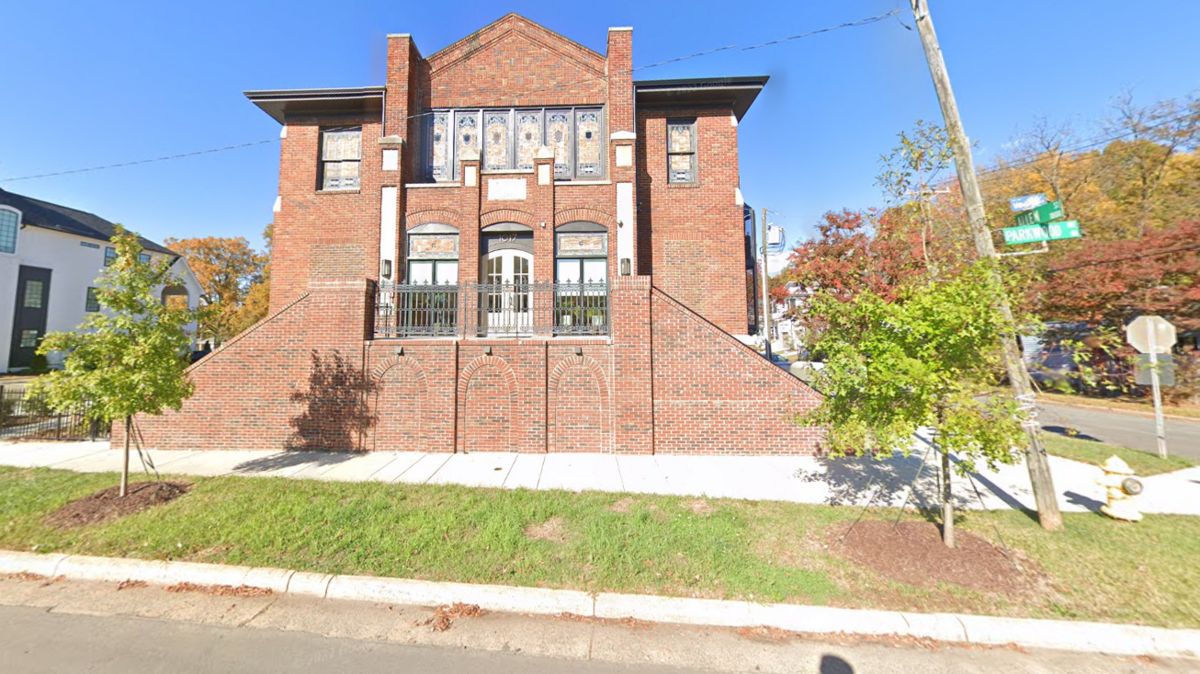
A 1920s-era Charlotte church that was converted into apartments received local historic landmark designation Monday.
Charlotte City Council unanimously approved Monday the designation for the Parkwood Avenue Associate Reformed Presbyterian Church in the Villa Heights neighborhood.
The church, now a luxury apartment complex called The Church on Parkwood, opened in January 1929 and “was and remains the most architecturally significant church building in the Villa Heights neighborhood,” the Charlotte-Mecklenburg Historic Landmarks Commission said in its endorsement of the designation.
“The church draws special significance from its place within a collection of imposing church buildings,” the commission said.
History of Parkwood Avenue Associate Reformed Presbyterian Church
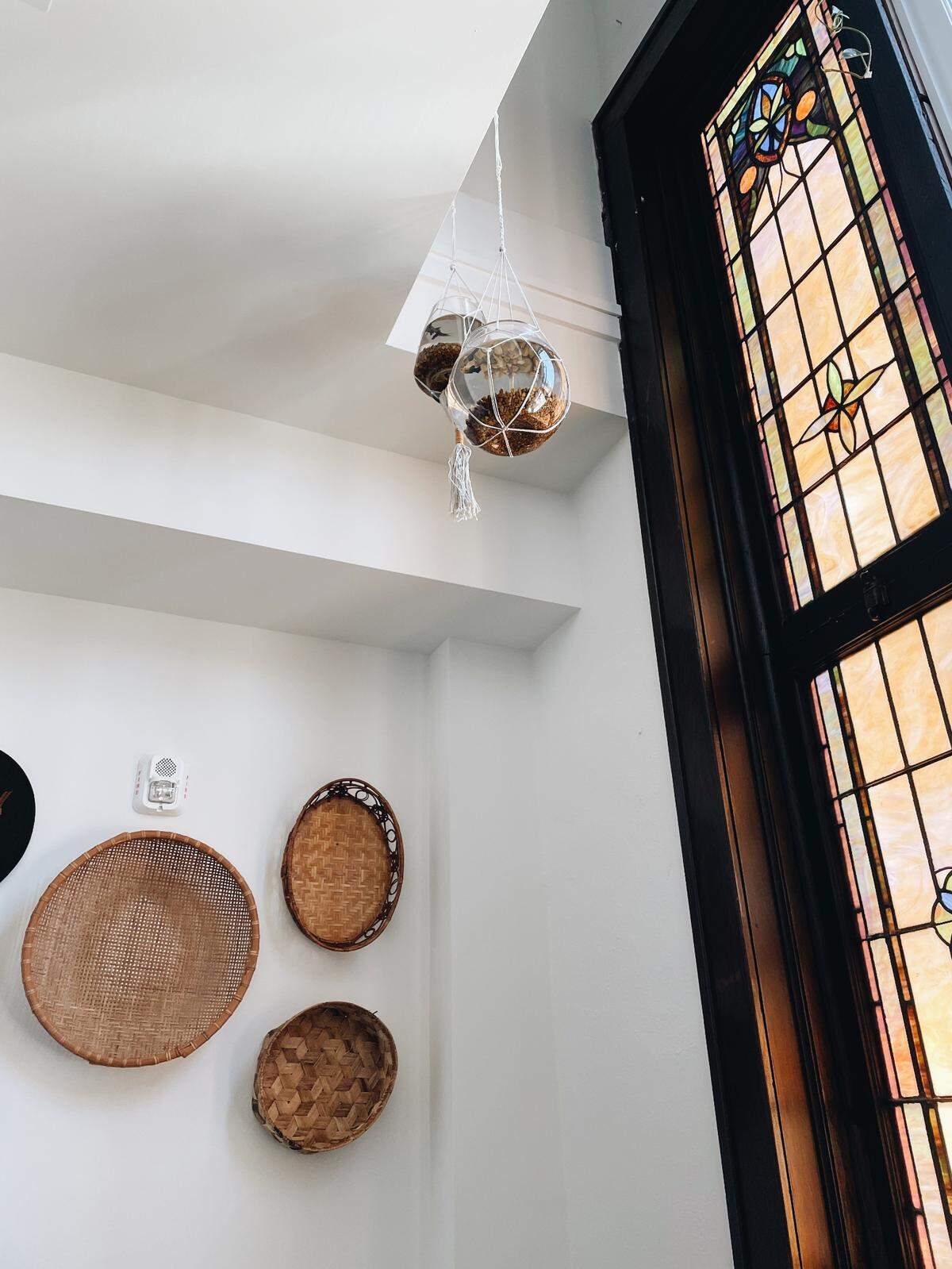
The church was known as Villa Heights Associate Reformed Presbyterian Church when it first opened in 1929, part of a collection of churches erected by Association Reformed Presbyterian faith congregations in Charlotte in the first half of the 20th century.
Villa Heights was “one of several Charlotte suburbs that came into existence in the early 1900s.”
“The history of the Parkwood Avenue Associate Reformed Presbyterian Church is intimately bound up with the process of suburbanization that occurred in Charlotte in the first half of the twentieth century,” the commission said.
The Christian Institutional Methodist Episcopal Church acquired the property in 1968, something described by the commission as “a fundamental cultural shift.”
“Thereafter, the sanctuary became primarily a place of worship for African Americans until 2015, when the sanctuary was abandoned,” it said.
The building was sold to a developer in 2017, leading to its conversion into multi-family housing.
The architect behind the church is also a significant figure in local history, the commission noted in its endorsement.
Louis Asbury, Sr. — a Charlotte native and Neoclassical and Gothic designer — was the first North Carolinian to belong to the American Institute of Architects.
This story was originally published April 22, 2024 at 10:03 PM.