
‘Nowhere for them to go’: Asheville church paying bills for people facing eviction
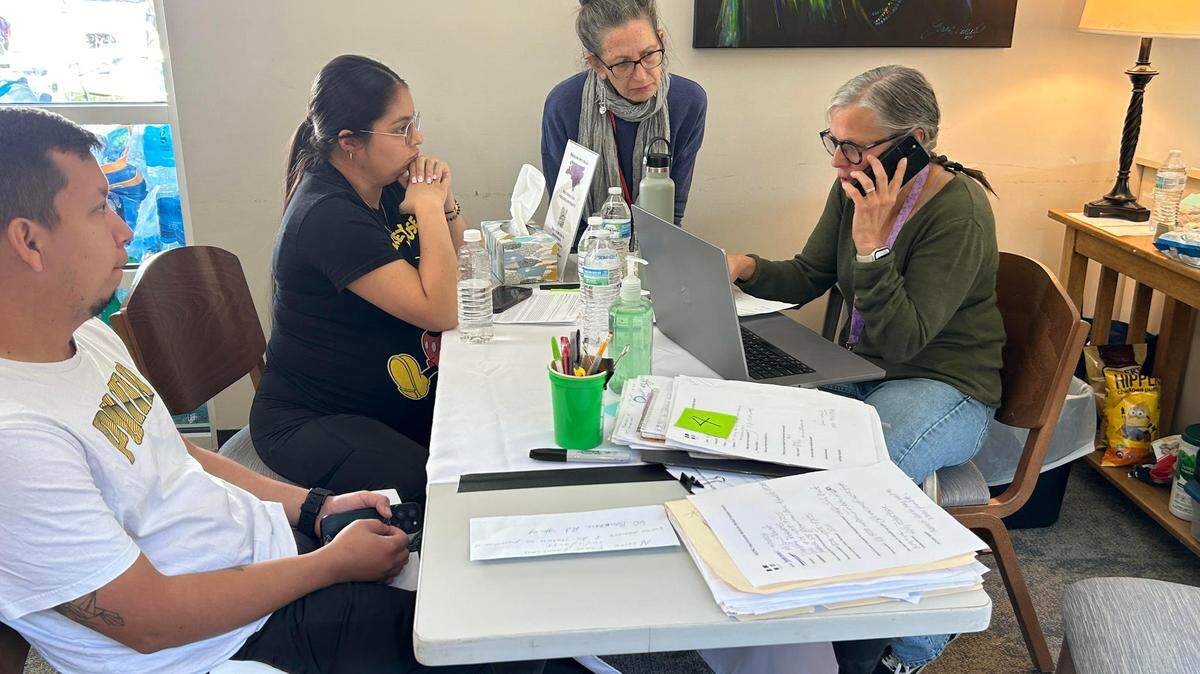
An Asheville church and its pastor have been paying rent and other bills for people facing eviction after Hurricane Helene.
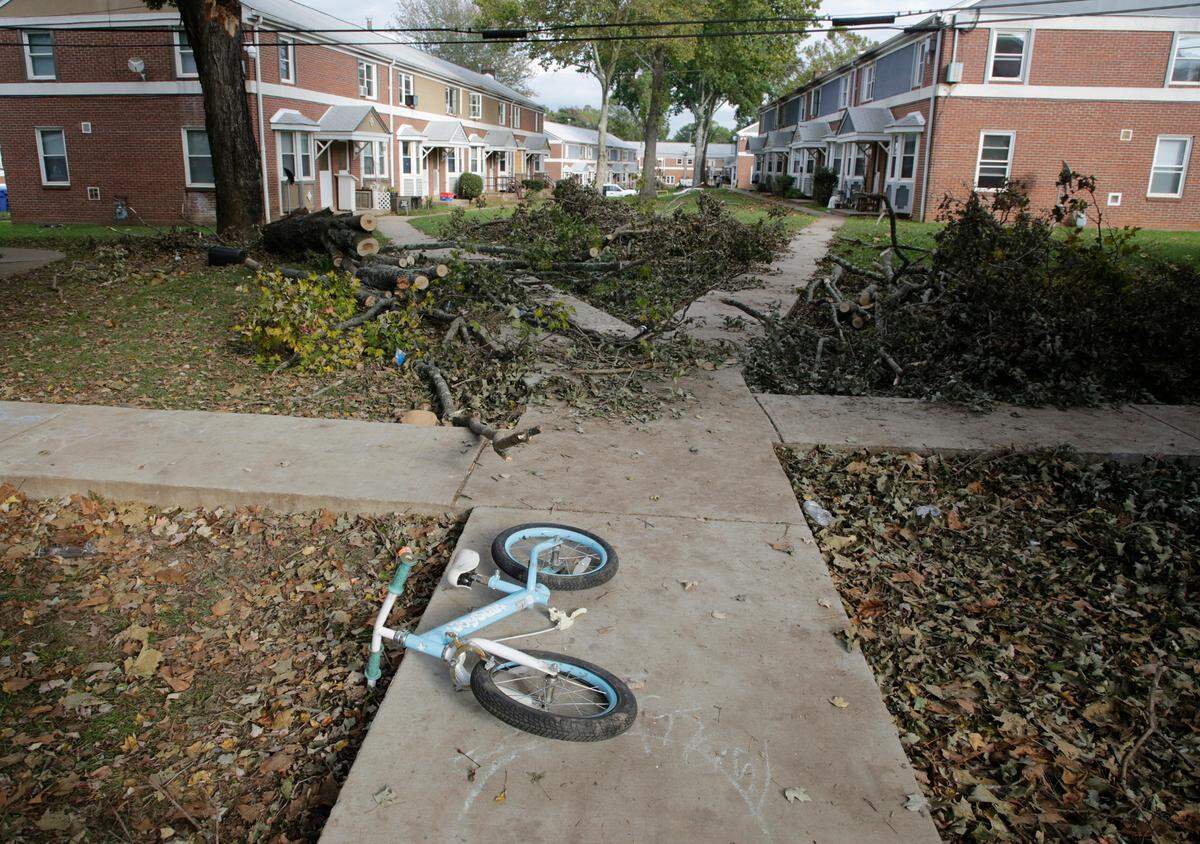
Helene destroyed much of Western North Carolina and its infrastructure as a tropical storm in September, leaving many without jobs.
“I spend a lot of my time, every day, talking to landlords,” Grace Covenant Presbyterian Church Pastor Marcia Mount Shoop said in an interview. “I’m talking to them as humans who are also scared and trying to keep businesses open and trying to make things work. Some of them are being great. Some of them are not so great.”
Grace Covenant has paid more than a million dollars in rent and energy bills, Mount Shoop said Nov. 26. Buncombe County has joined the effort and allocated $300,000 to the church for rent assistance.
It started when Grace Covenant opened a relief site days after the storm hit Sept. 27. Donations from around the country poured in.
Many of the people who’ve come to the church for help only speak Spanish, the pastor said. One such person rented a room in someone’s trailer for $1,500 a month. They had been in the country for only three months.
“They were doing work in a restaurant, and that work is gone for now,” Mount Shoop said.
She said she got on the phone with the landlord and convinced him to give the tenant some more time. Meanwhile, Grace Covenant footed the bill.
“That’s kind of a success story, but it was very stressful and very scary for this person who speaks no English,” Mount Shoop said.
Legislators from Asheville have asked the state to put a rent, foreclosure or eviction moratorium in place. The legislature and Gov. Roy Cooper have not answered that call.
“There’s a big fear among constituents and those of us that live in Western North Carolina that we’re going to be forgotten about,” state Rep. Lindsey Prather, a Democrat from Asheville, told The Charlotte Observer in October, shortly before a relief bill passed.
Lawmakers from the region said that the bill didn’t do enough. Mount Shoop has also appealed to the state for help.
“It’s too expensive to live here for most people that work here, and we already have a crisis of folks unhoused. This is before the storm,” she said. “We don’t have adequate shelter. We don’t have adequate, affordable housing. If we infuse hundreds — maybe even thousands more people — into that already taxed system, we literally have a humanitarian disaster on our hands.”
And more immediately: “There’s nowhere for them to go.”
Ryan Oehrli covers criminal justice in the Charlotte region for The Charlotte Observer. His work is produced with financial support from the nonprofit The Just Trust. The Observer maintains full editorial control of its journalism.
This story was originally published December 3, 2024 at 5:00 AM.