Western NC lawmakers want a pause on evictions after Helene. What state leaders are saying

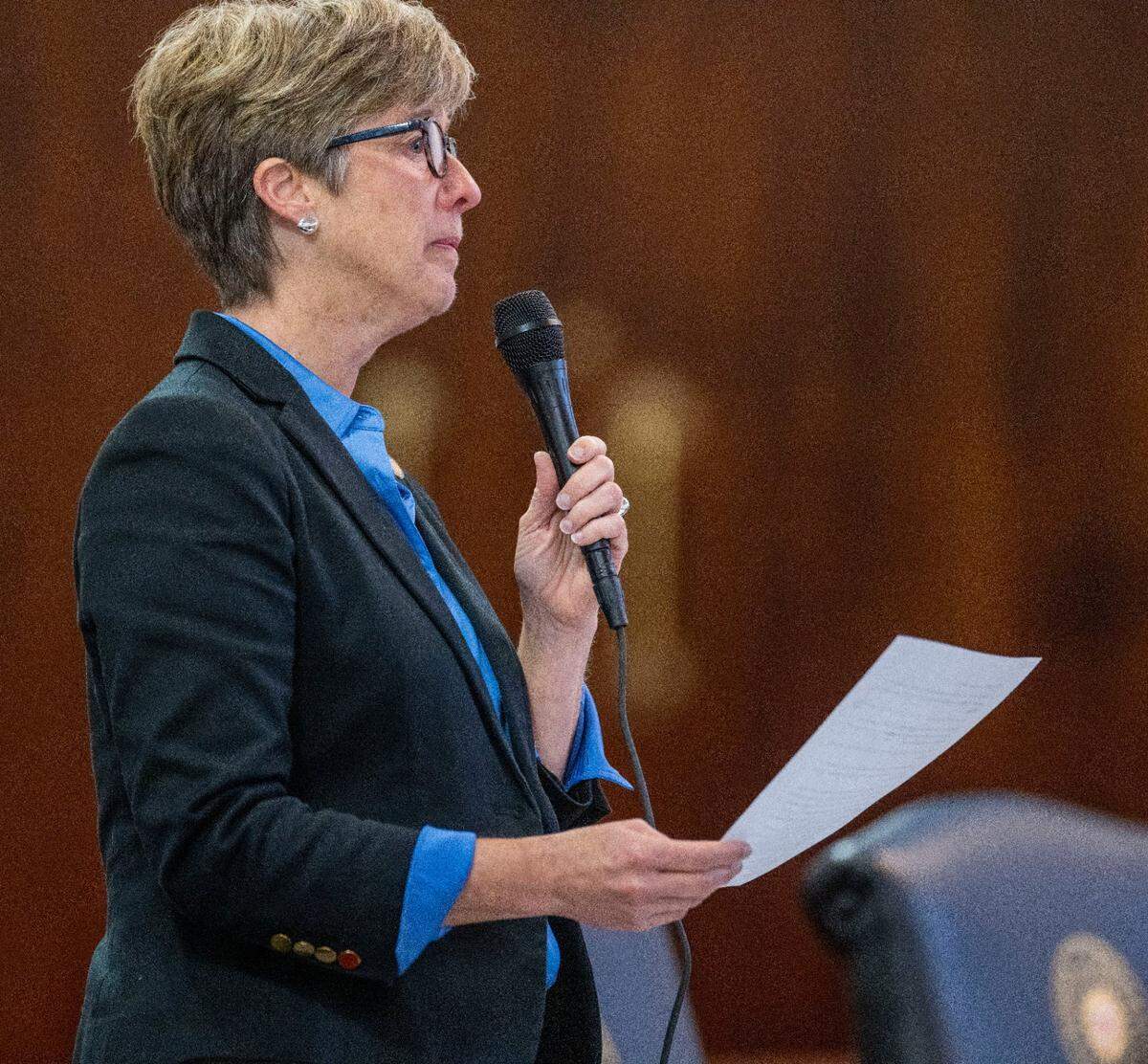
Two state lawmakers from Western North Carolina say they want a pause on evictions after Helene devastated the region.
“People need to know that they’re safe in their house, at least for the time being, until we can get things back on track,” said state Rep. Lindsey Prather, a Democrat from Buncombe County.
Prather and another Buncombe County Democrat, state Sen. Julie Mayfield, said in interviews they asked fellow legislators for a rent and foreclosure moratorium. When that faced legislative opposition, they called for a moratorium on evictions.
“Otherwise, we’ll have lots and lots and lots of people getting kicked out,” Mayfield said. “That’ll just exacerbate an already very difficult situation.”
Tenants, organizers and a law firm have asked for the same help. But Democratic Gov. Roy Cooper, Chief Justice Paul Newby and the General Assembly’s Republican leadership have been mostly silent.

A spokesperson for the governor didn’t directly answer when asked about the request last week, but said Cooper would “constantly review the need for additional executive action.” Cooper has signed executive orders granting relief, and the legislature on Thursday convened to pass an additional $604 million for Helene disaster relief.
“I don’t have any new updates for you on this,” Newby’s spokesperson, Graham Wilson, said in an email Tuesday, adding that the chief justice is aware of calls for a moratorium.
House Speaker Tim Moore said he’s skeptical.
“I’d need to look at it,” the Cleveland County Republican said Thursday, talking to reporters on the House floor after session. “I certainly wouldn’t want to commit to that. I think there’s a lot of considerations that have to be balanced. But it’s — short answer is, I don’t know. I think there’s going to be a lot of things that come up that we just... don’t know about yet.”
What lawmakers and advocates are asking for
Helene’s flooding destroyed towns, left thousands without power or running water and shut down much of the region.
In touristy cities like Asheville, restaurants and other businesses closed for weeks, leaving many unemployed. About 70% to 80% of the arts buildings in the popular River Arts District were damaged or destroyed.
Last week tenants from across Western North Carolina met outside the Buncombe County courthouse and demanded a moratorium on foreclosures and evictions. Small claims court and other courts have reopened.
Some landlords are already sending eviction notices after Helene, said Jen Hampton with the WNC Tenants Network, a group that advocates for renters.
One woman who faced eviction had to spend her rent money on medication, Hampton said.
“She literally had to buy this medication to not die, and doesn’t have her rent money,” she said. “So, she’s terrified.”
Pisgah Legal Services represents low-income people across the region who face eviction. There’s been an influx of calls for help, said Madeline Offen, an attorney there and a co-director of the nonprofit’s homeless prevention program.
Callers ask: How can they get their landlord to make repairs so they are safe? Do they still have to pay rent when they don’t have drinking water? All the while, it’s “business as usual,” Offen said. Landlords are sending notices to pay rent or vacate. Eviction judgments are being filed.
“We understand that a lot of landlords are going to still have to pay their mortgages,” Offen said of the calls for a moratorium. “We understand that tenants are still going to be required to pay their rent. But we also know that there is a housing shortage that has been drastically increased by Helene, which is the greatest natural disaster that Western North Carolina has ever seen.”
Discussions among lawmakers
Even though they represent the hard-hit western region of the state, Prather and Mayfield were largely out of the loop on conversations leading up to Thursday’s bill, they said.
That’s typical, Prather said.
Republicans have a supermajority in the legislature, making them veto-proof.

But being left out of conversations after Helene has been “very frustrating” with needs that are both urgent and more long-term, she said.
“We know that this is going to be months and years of rebuilding,” said Prather. “There’s a big fear among constituents and those of us that live in Western North Carolina that we’re going to be forgotten about.”
Asked by reporters Thursday about House Democrats being involved in the bill drafting, Moore said that Republican leadership had “received input from members on both sides of the aisle, but in terms of having members sitting in a room working through it, that really didn’t happen much. It was a very much staff-driven process.”
He added that most Republican House members had only seen the bill the night before.
During the Senate debate Thursday, Mayfield said the bill didn’t do enough, and “speed matters.” In addition to the moratorium on evictions Mayfield, said she wanted small-business grants, as opposed to the small-business loans in the bill.
News & Observer staff writer Dawn Baumgartner Vaughan contributed to this story.
Ryan Oehrli covers criminal justice in the Charlotte region for The Charlotte Observer. His work is produced with financial support from the nonprofit The Just Trust. The Observer maintains full editorial control of its journalism.