NC passes $604M more in Helene relief. What’s in it and why it’s less than Cooper asked
READ MORE
Hurricane Helene Aftermath
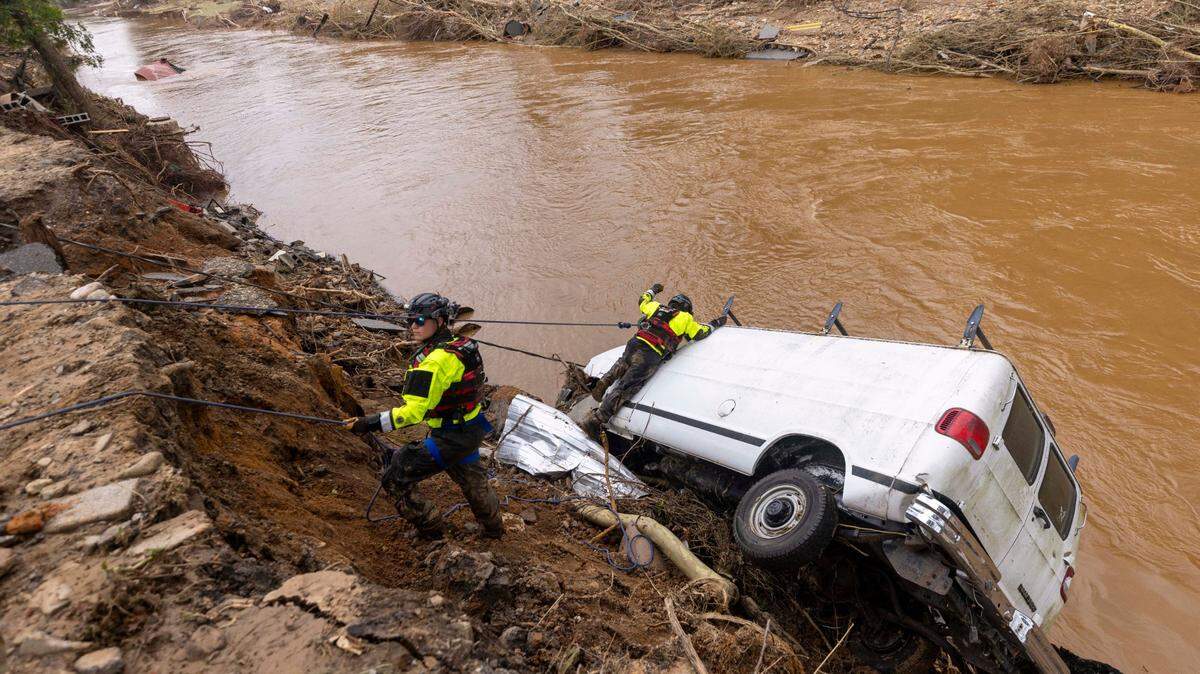
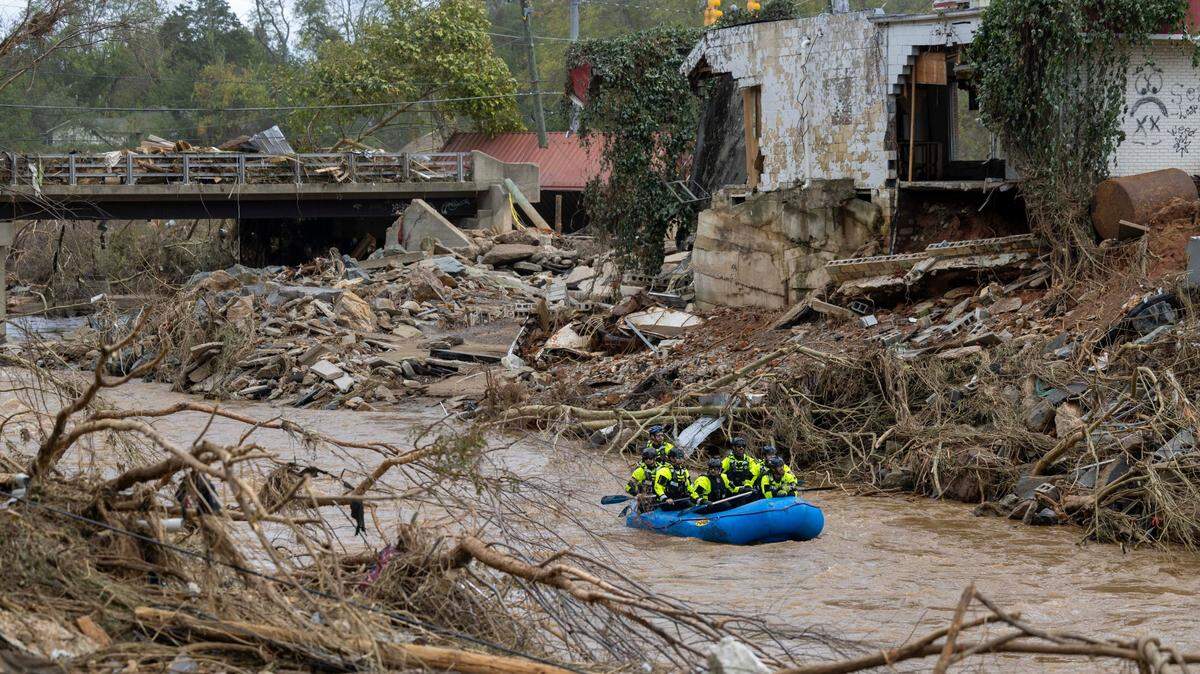
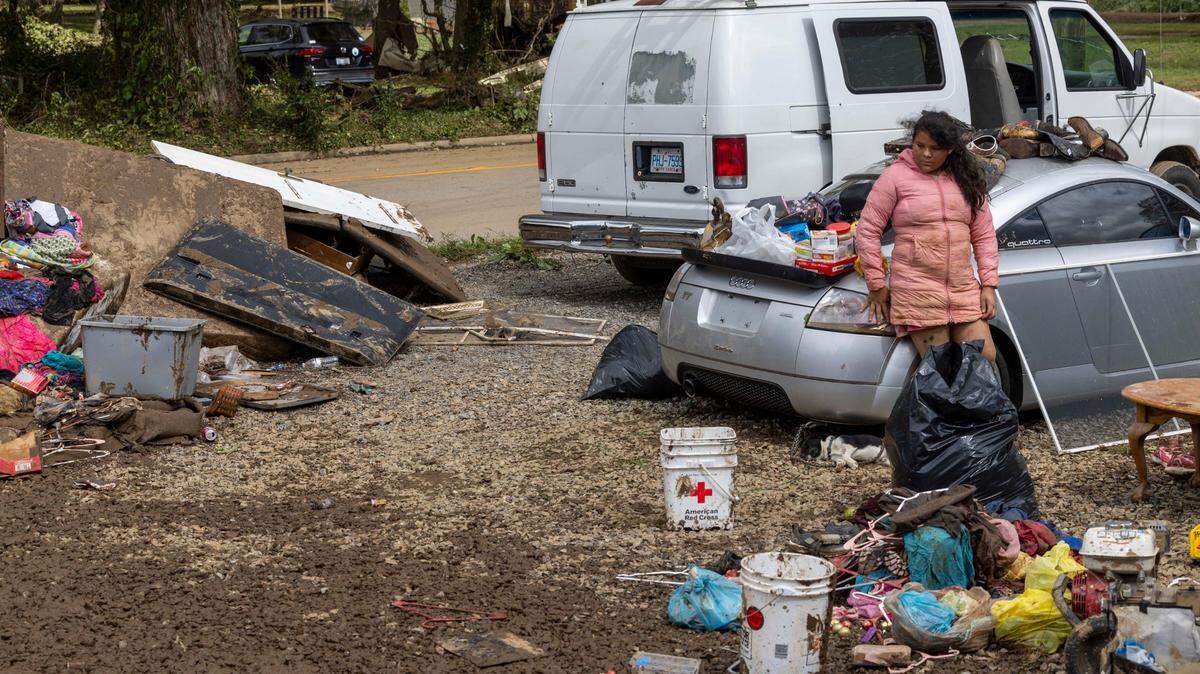
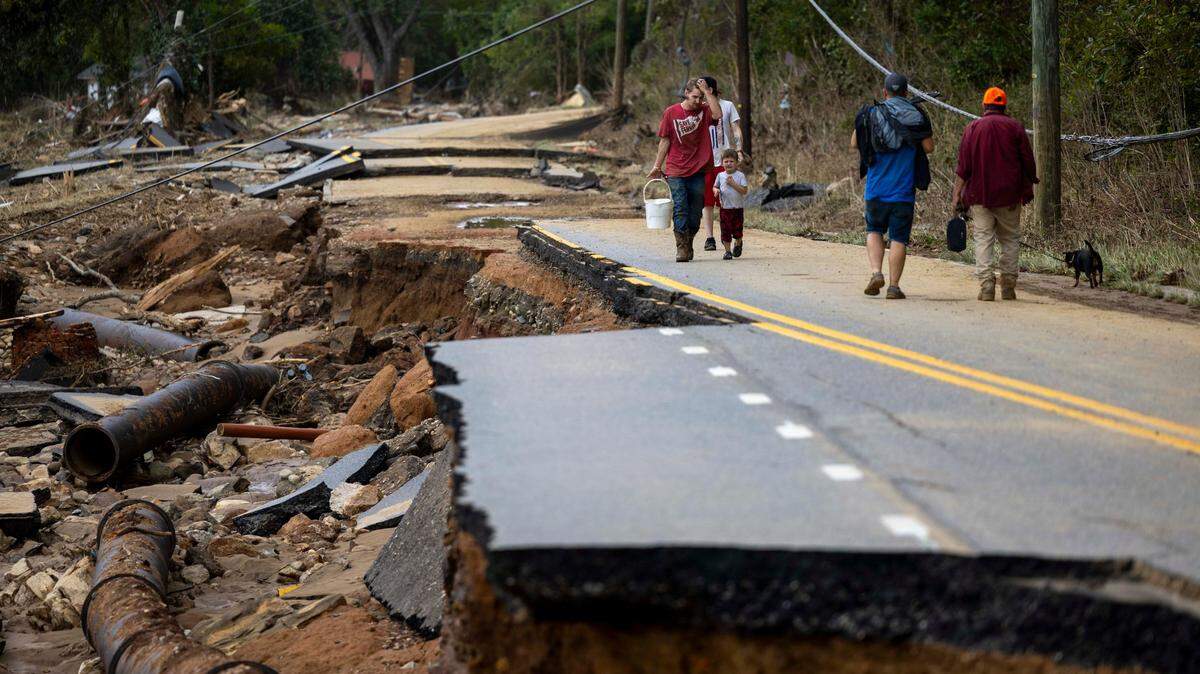
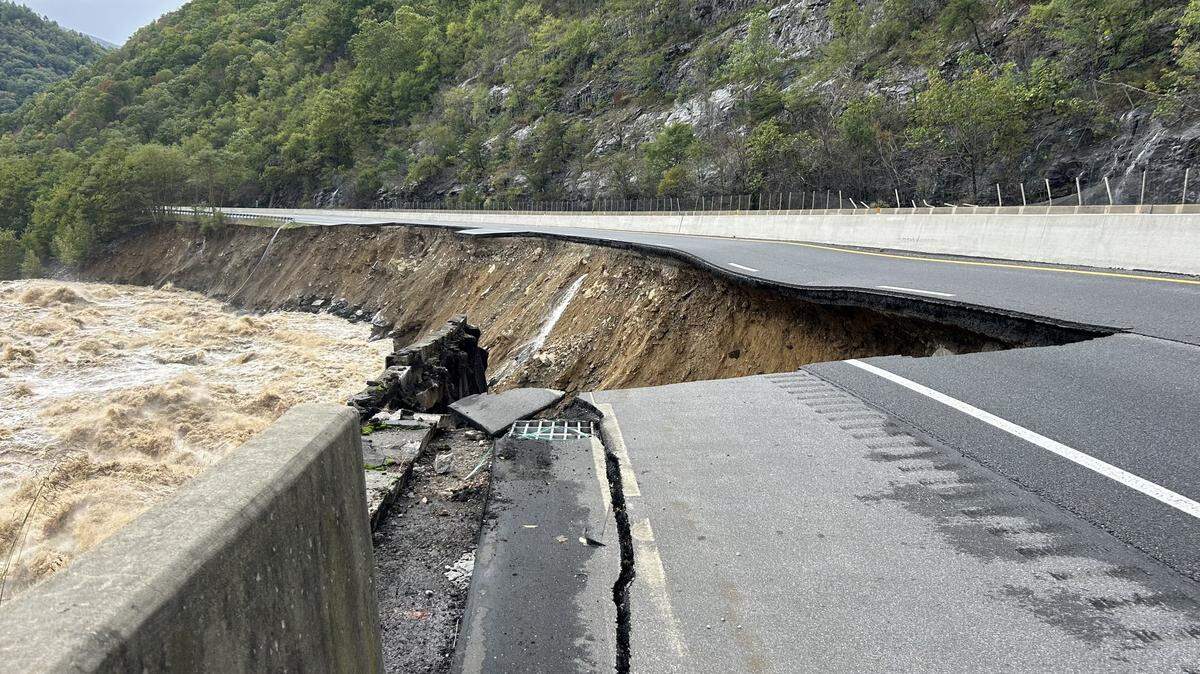
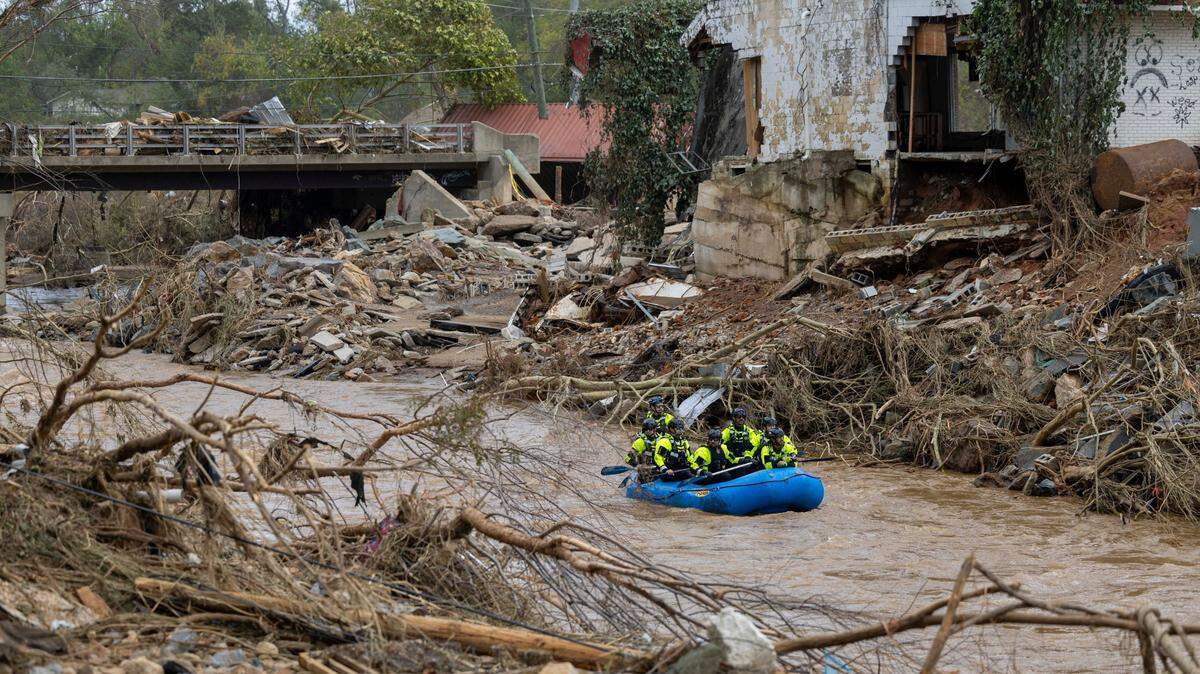
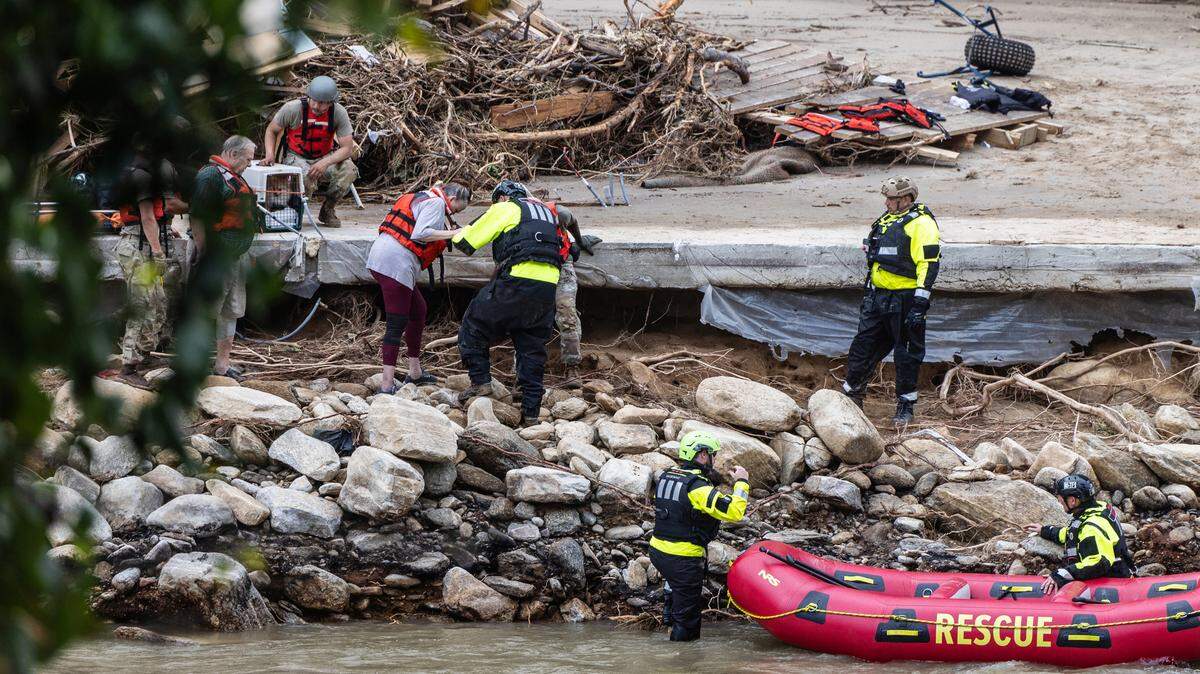
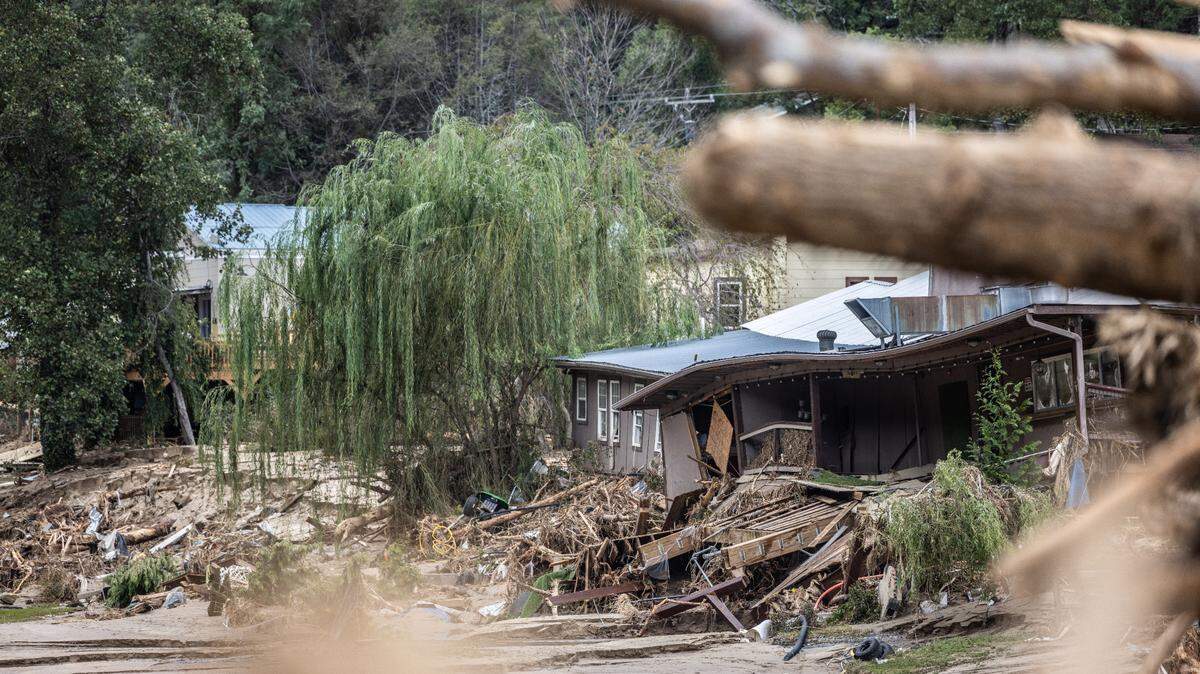
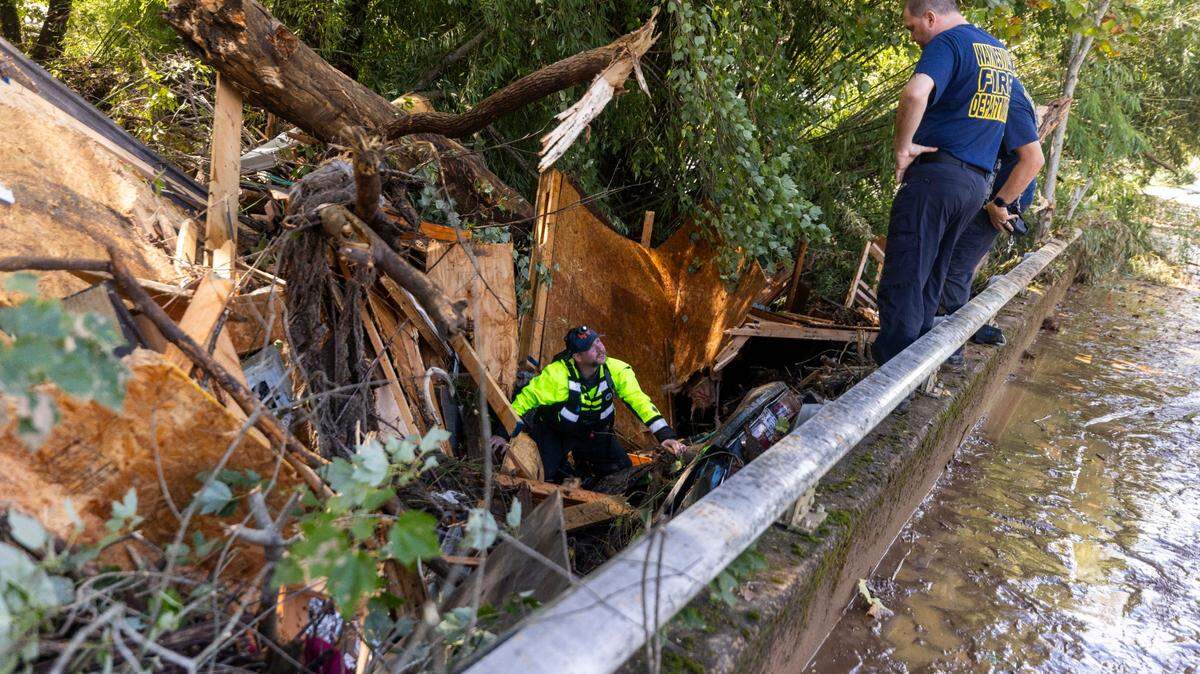
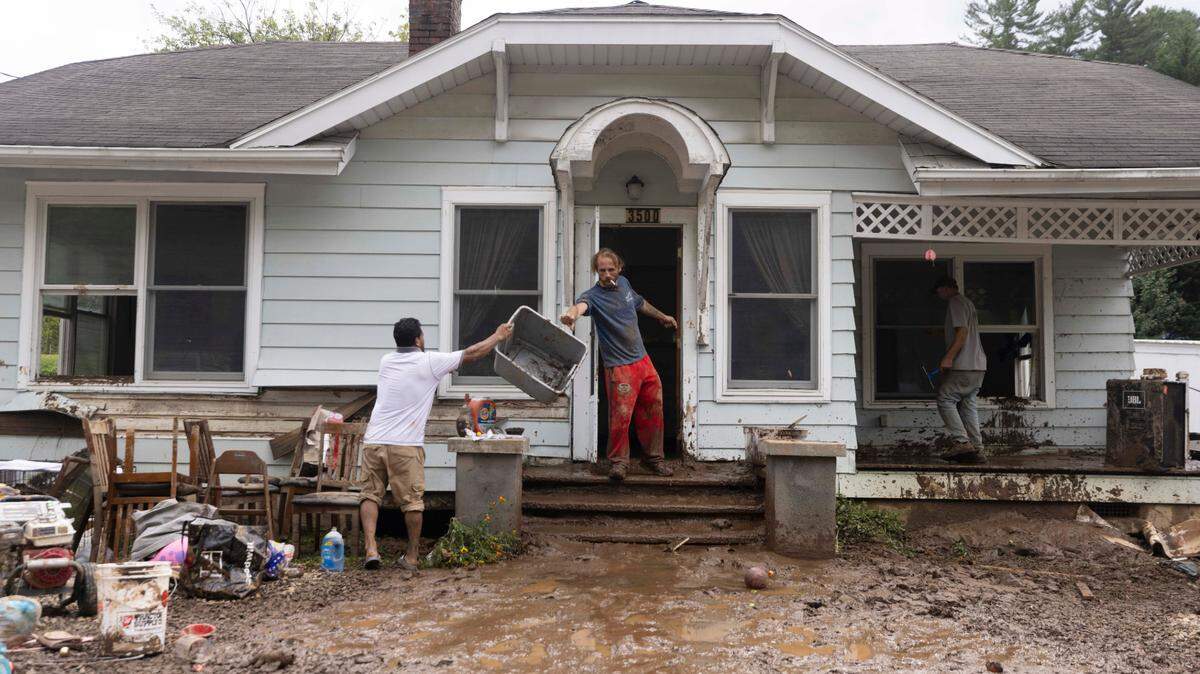
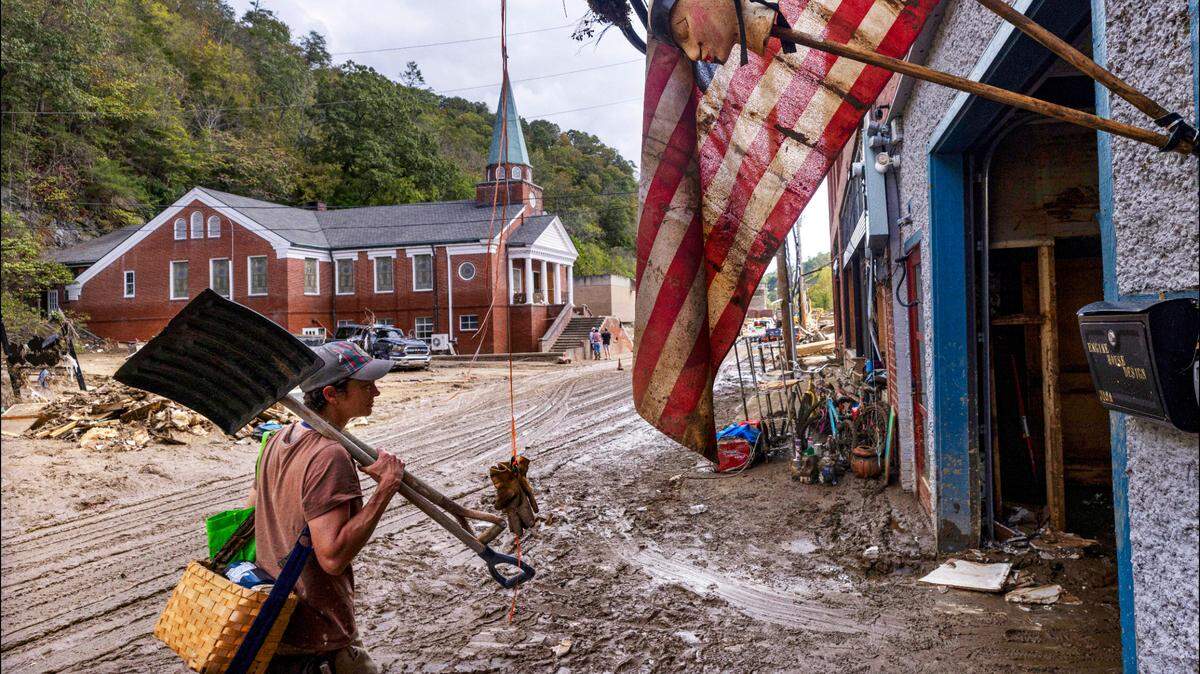
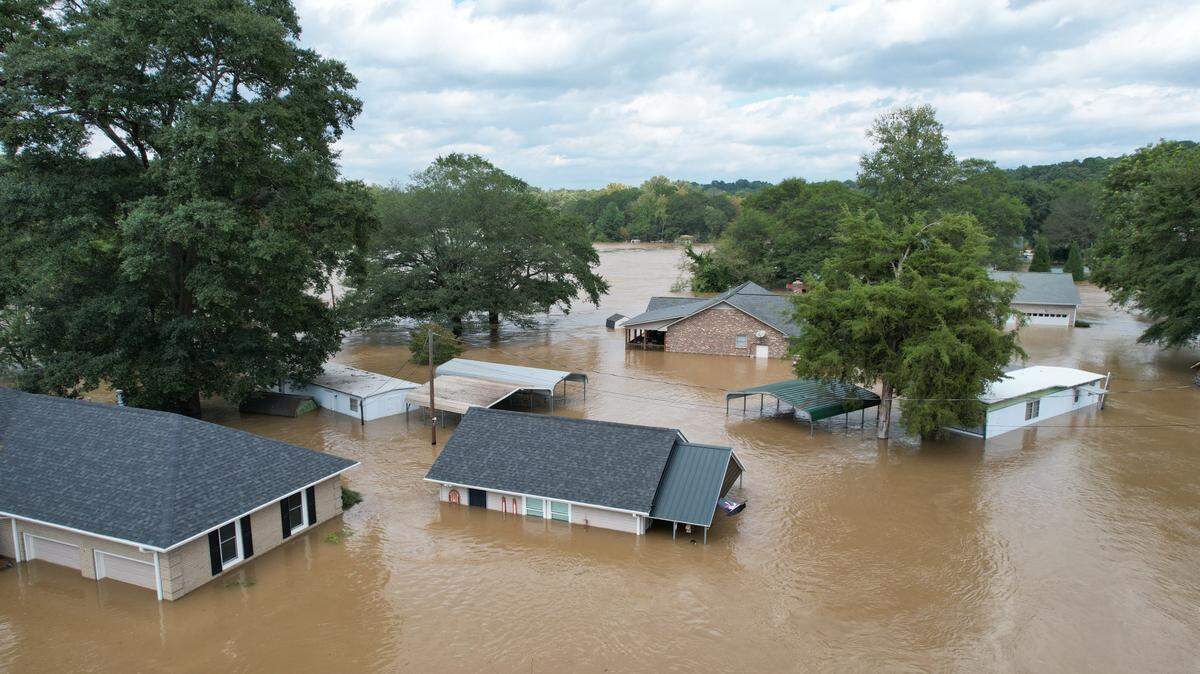
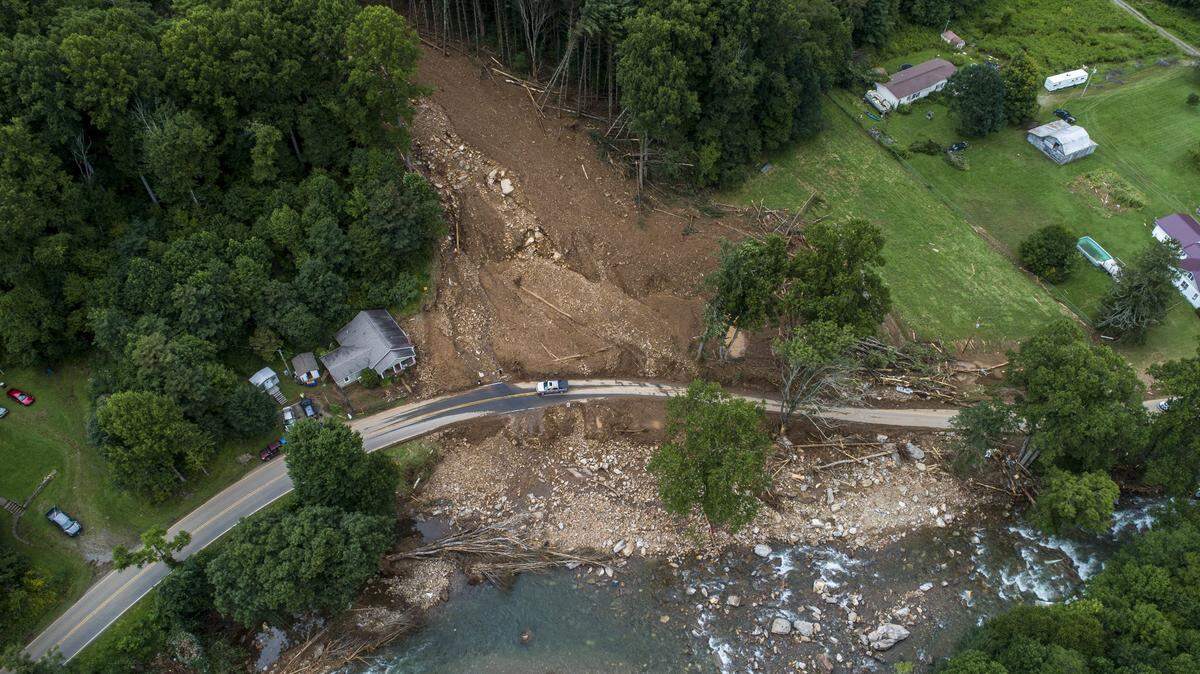
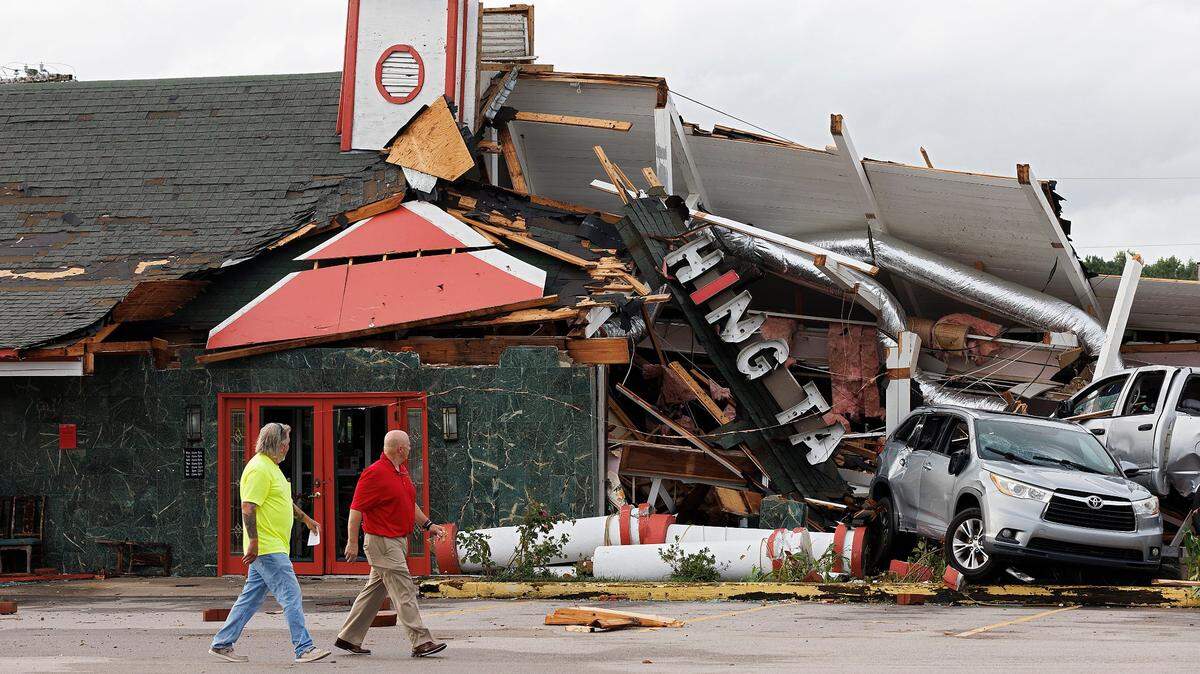
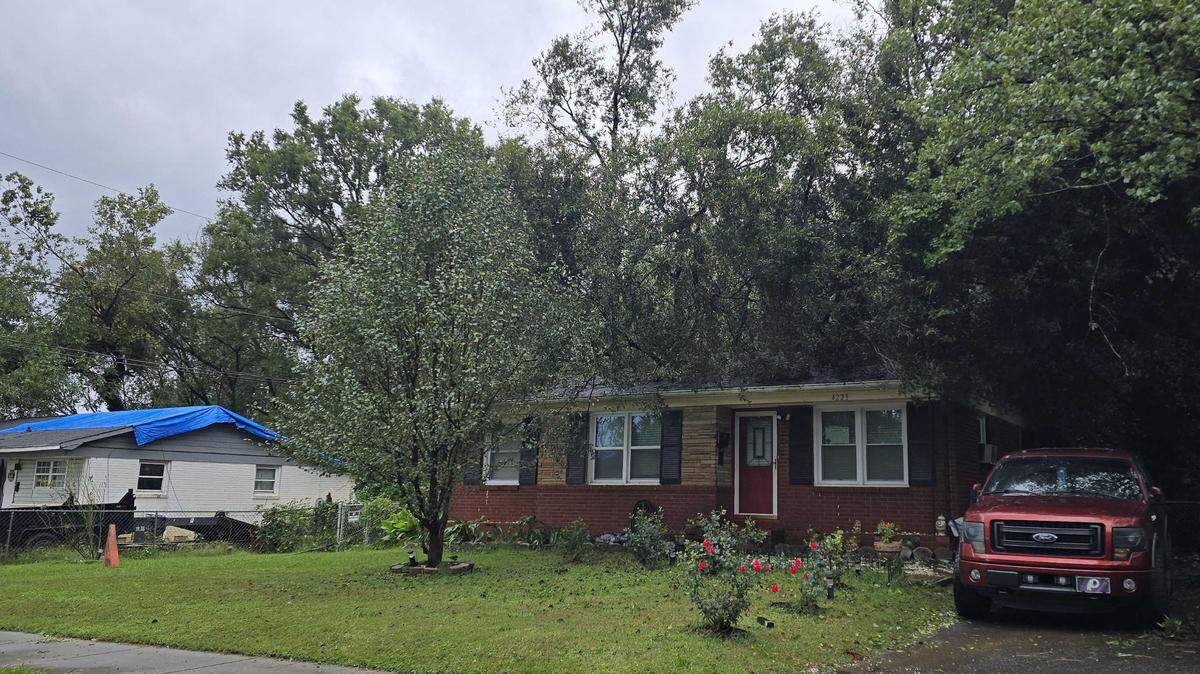
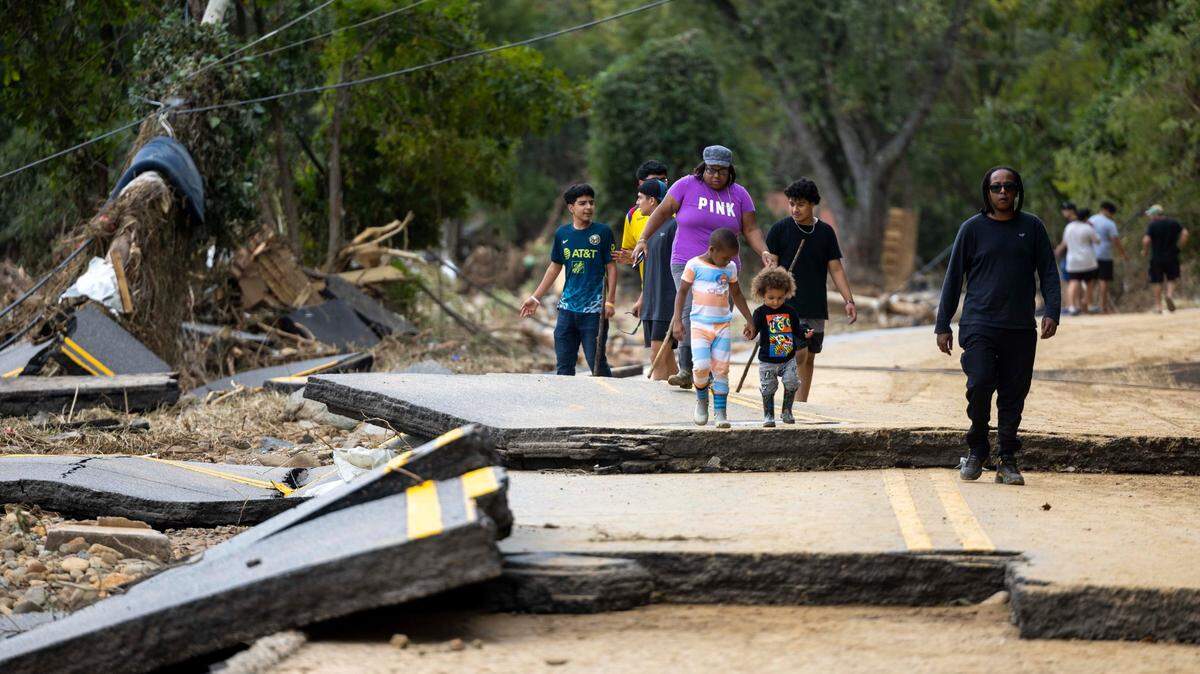
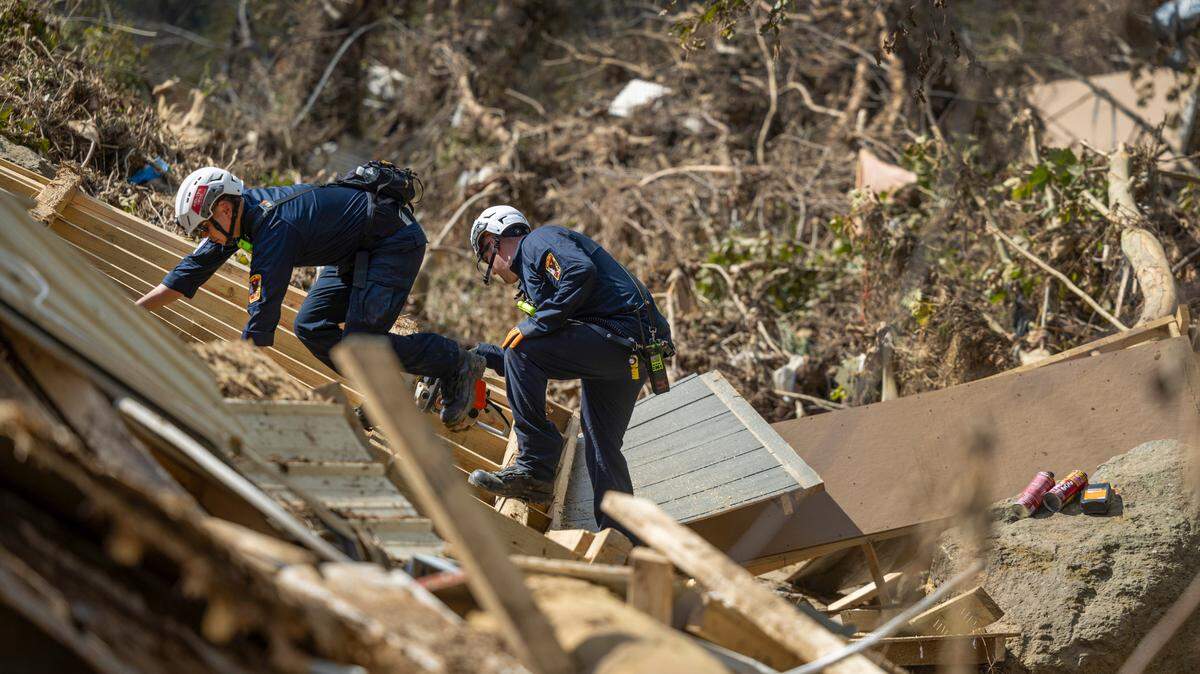
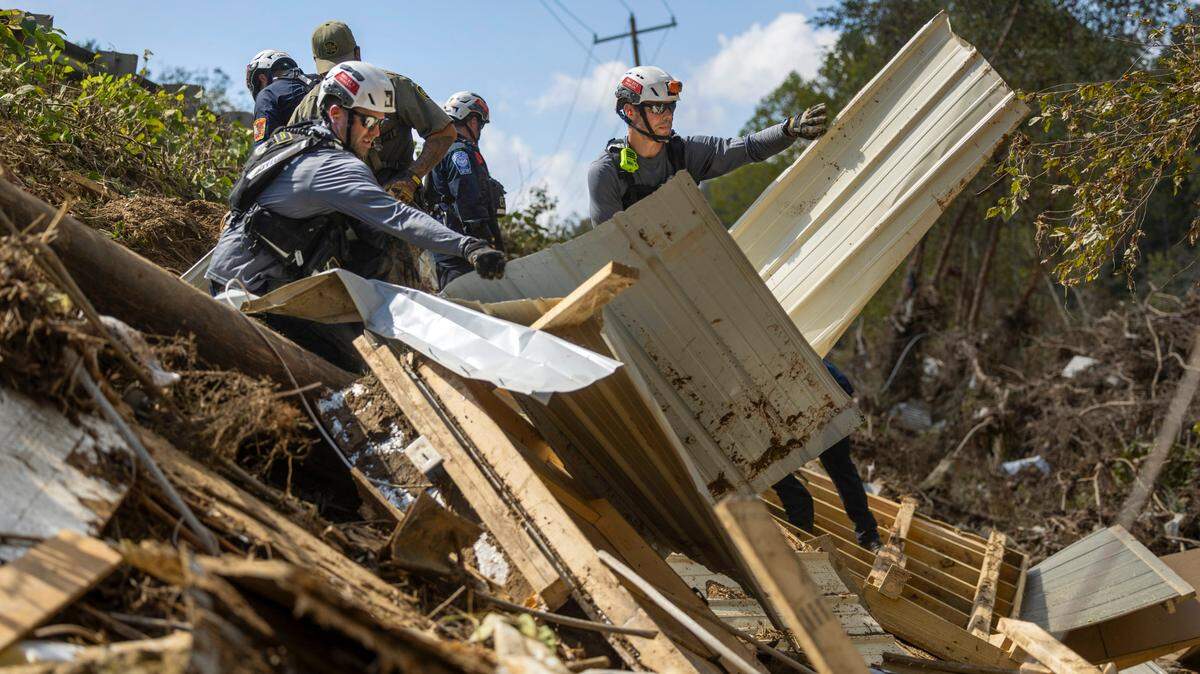
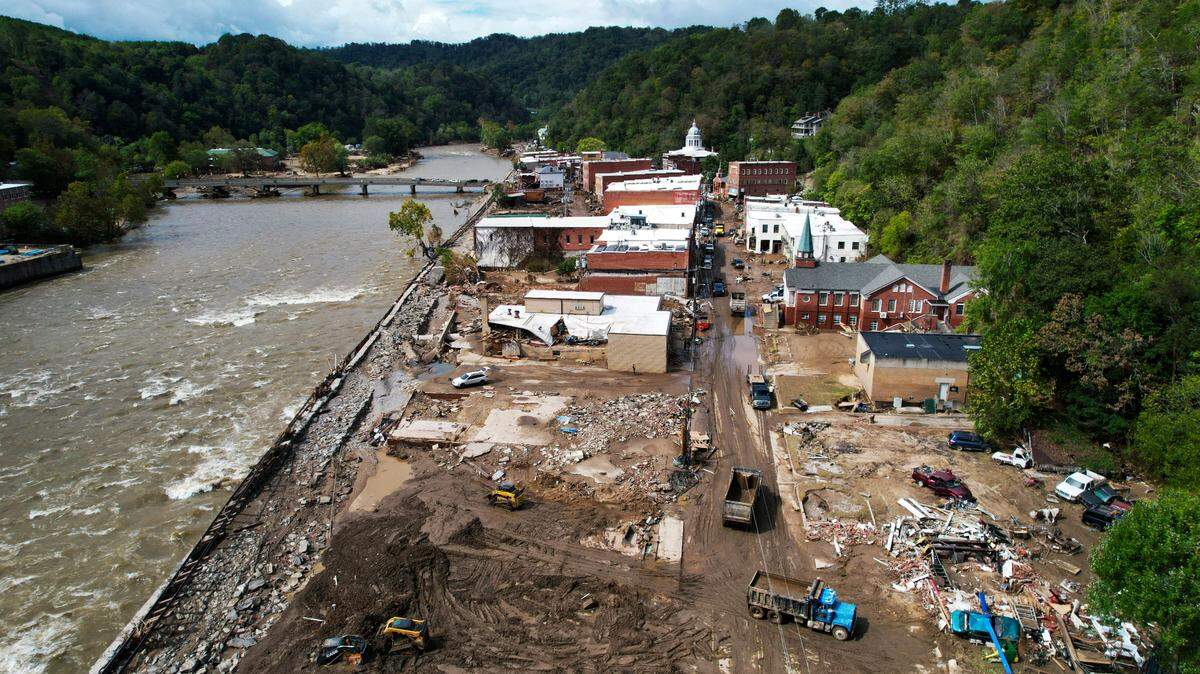
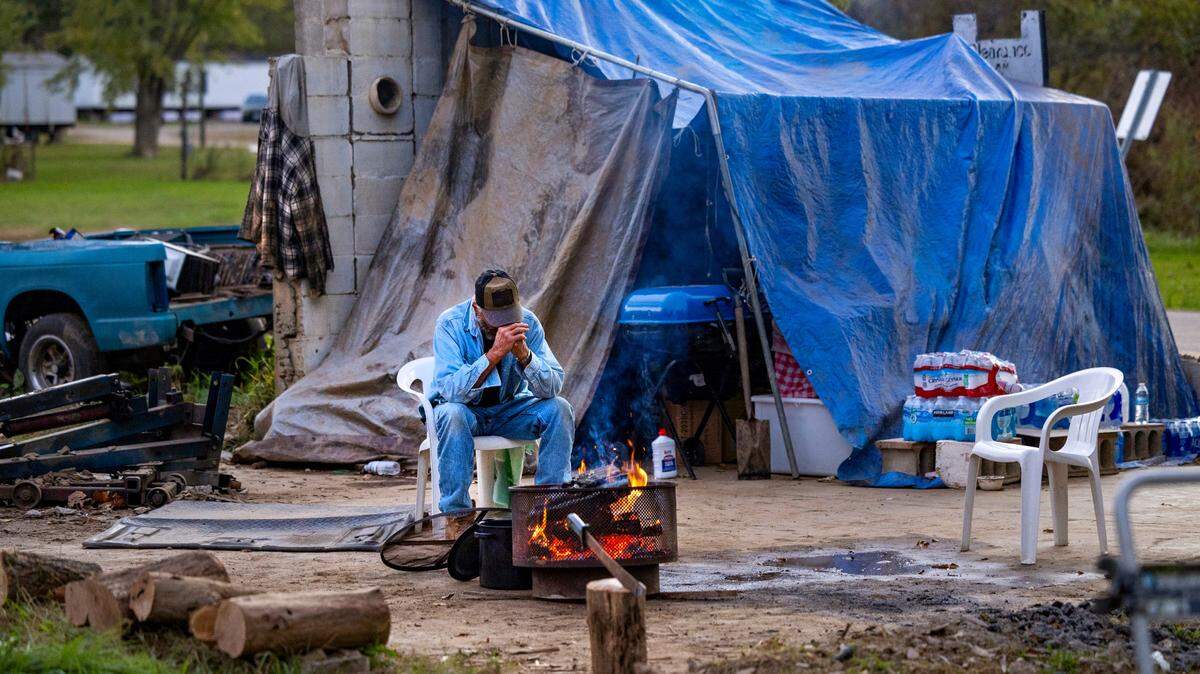
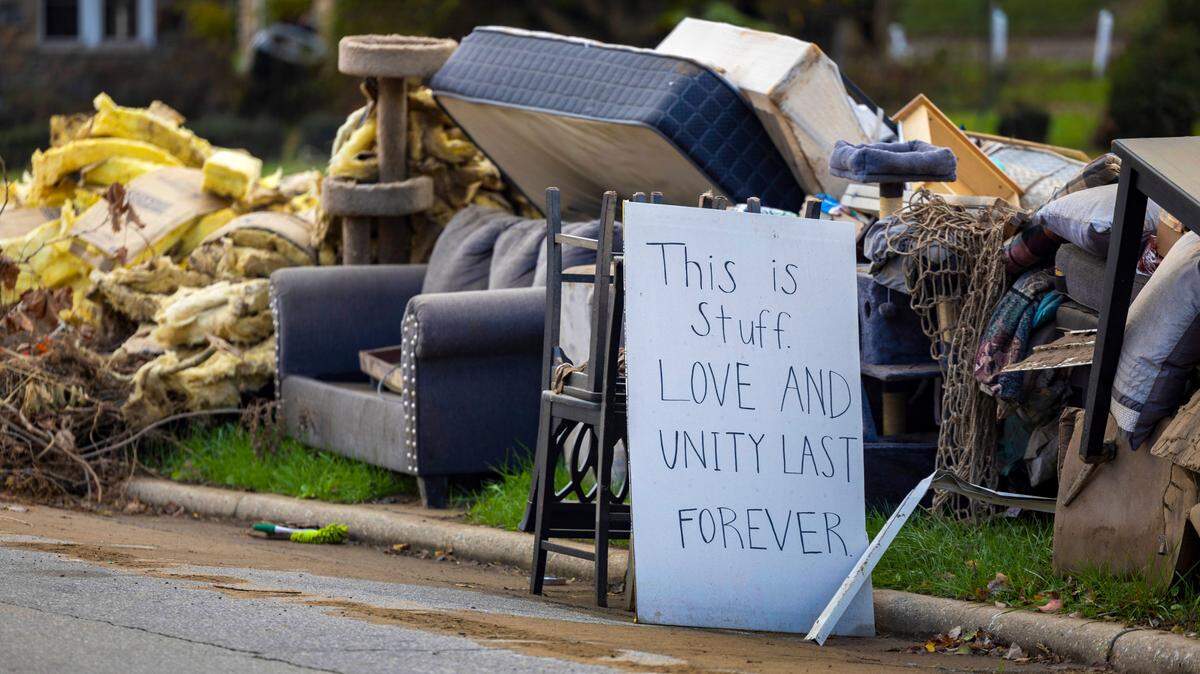
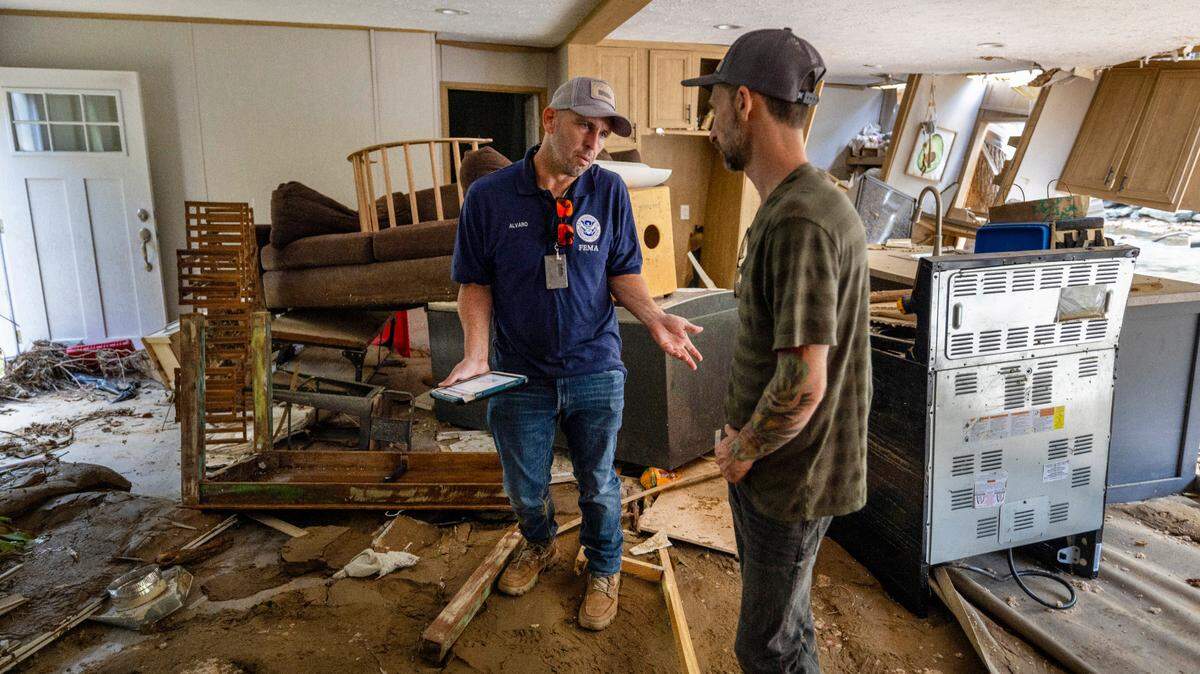
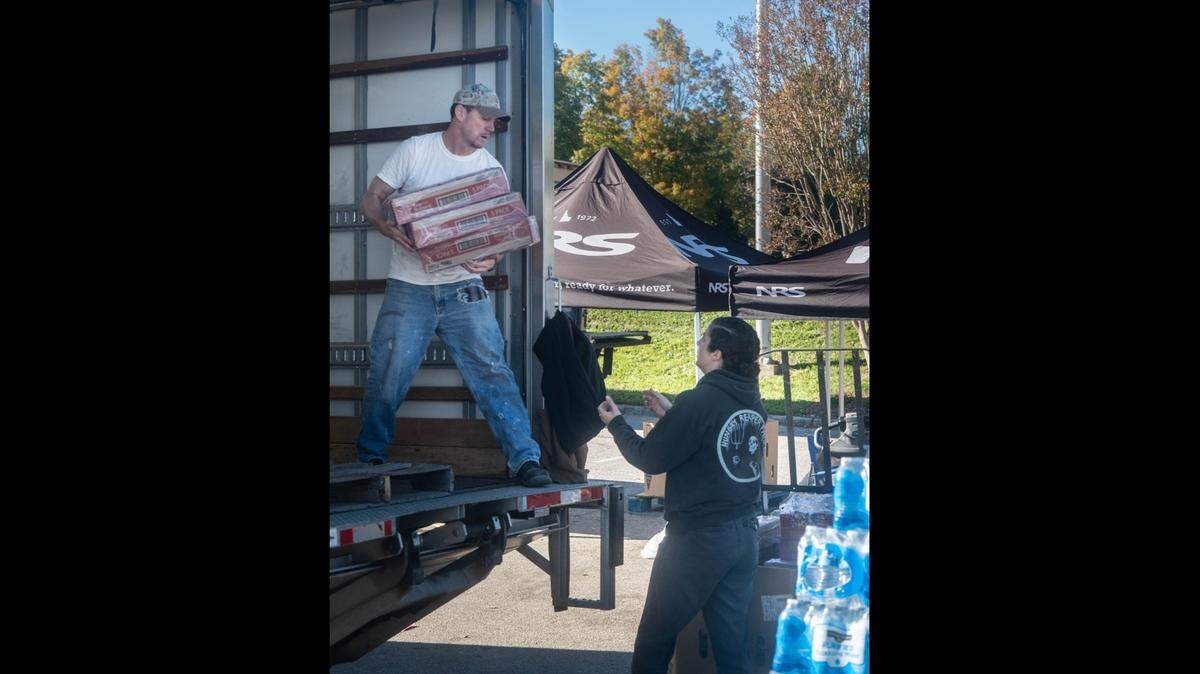
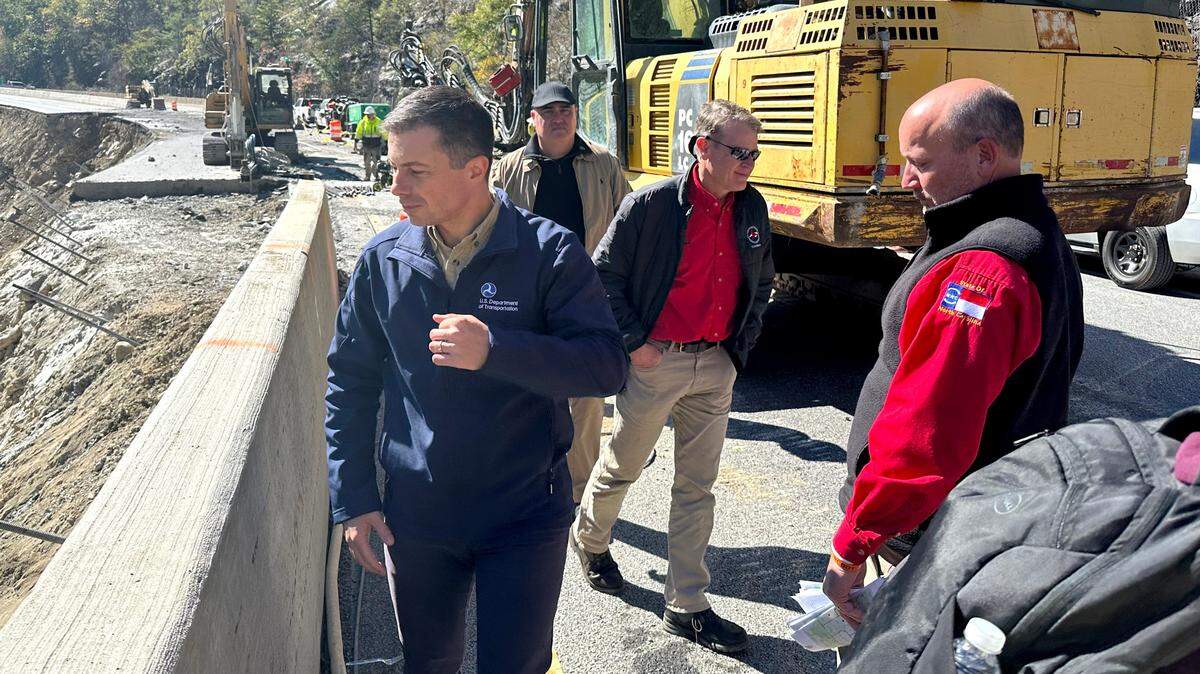
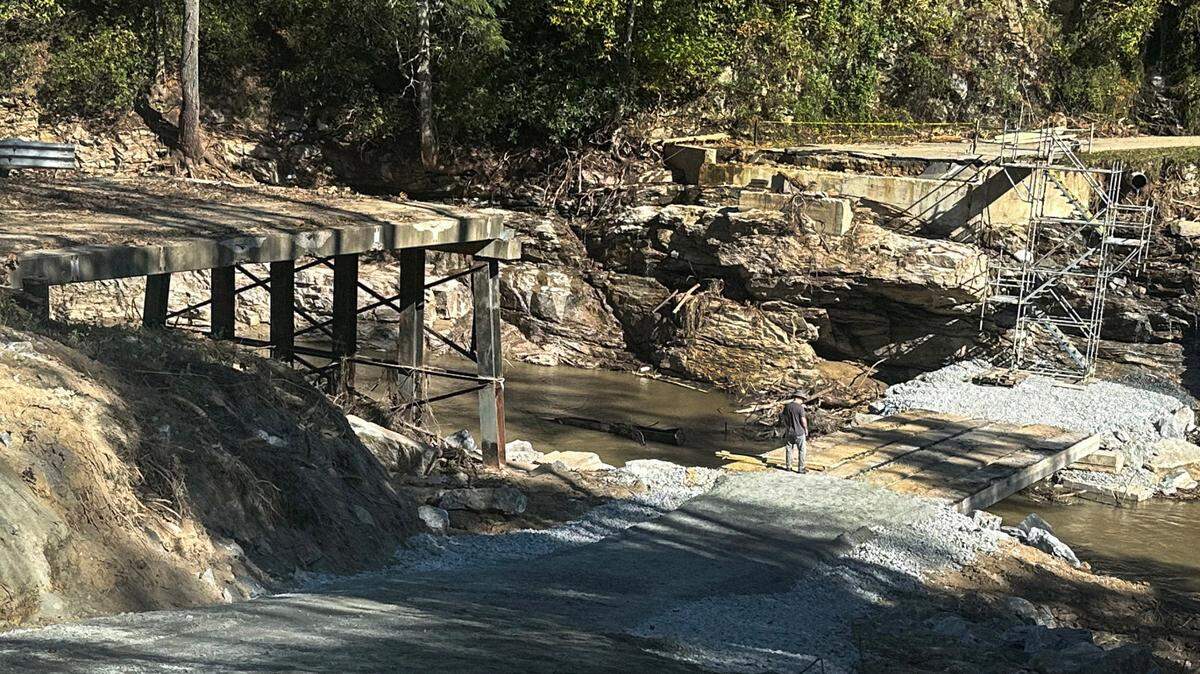
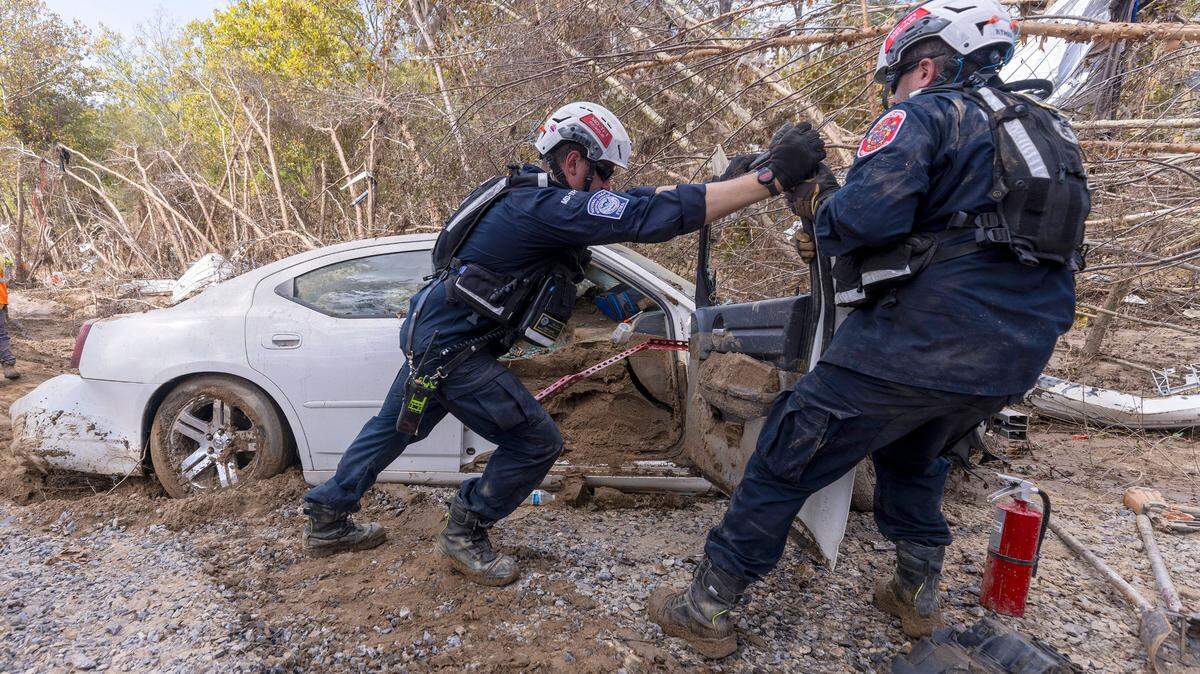
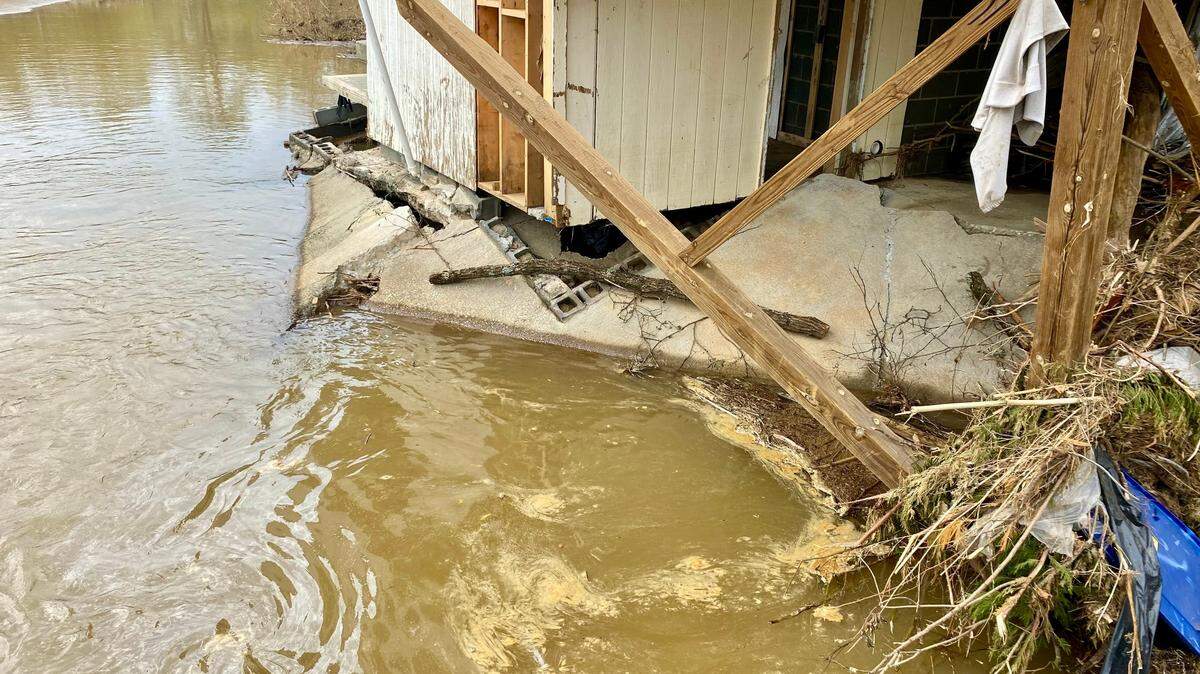
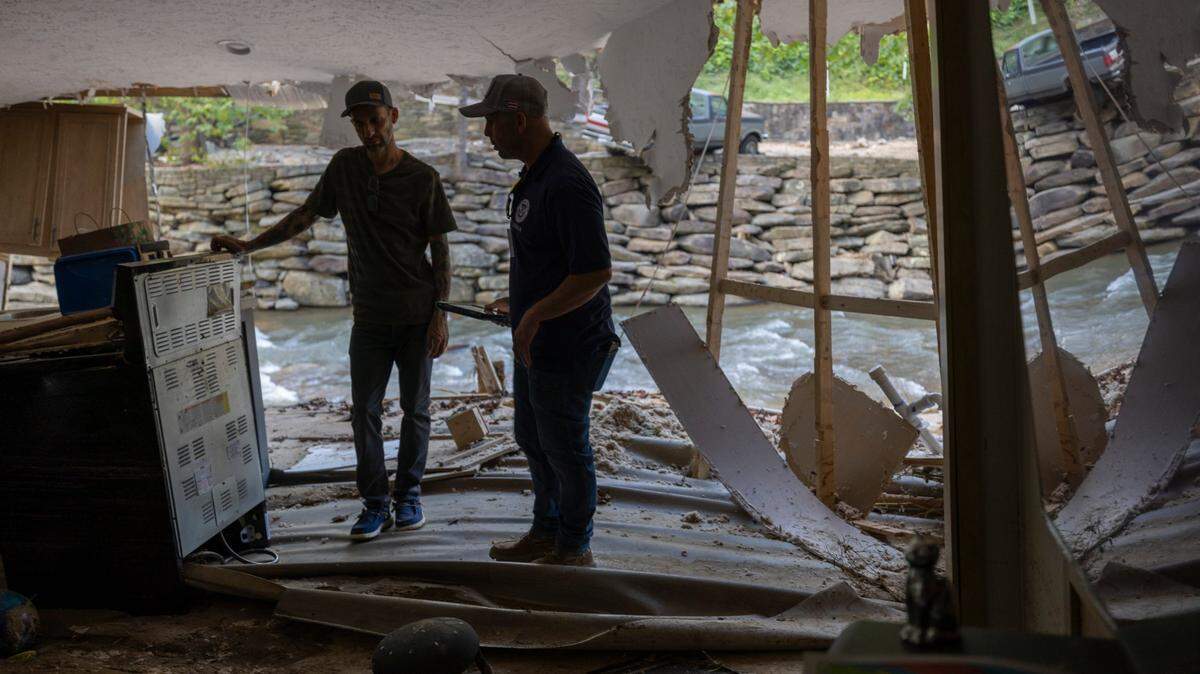
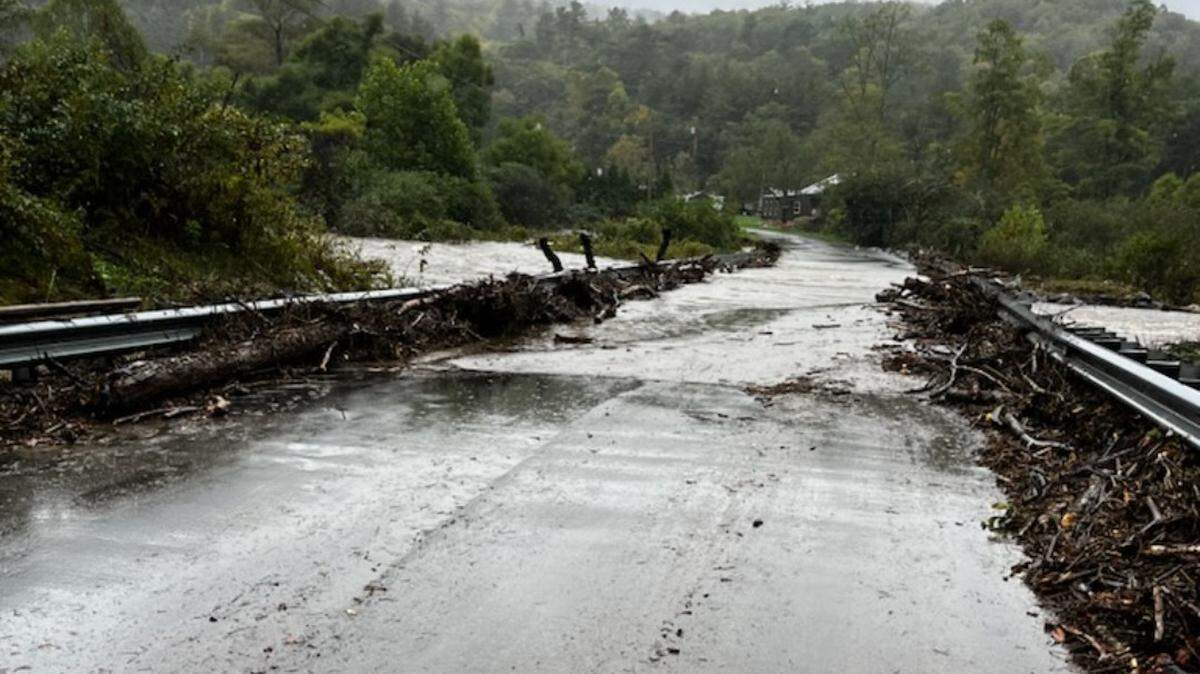
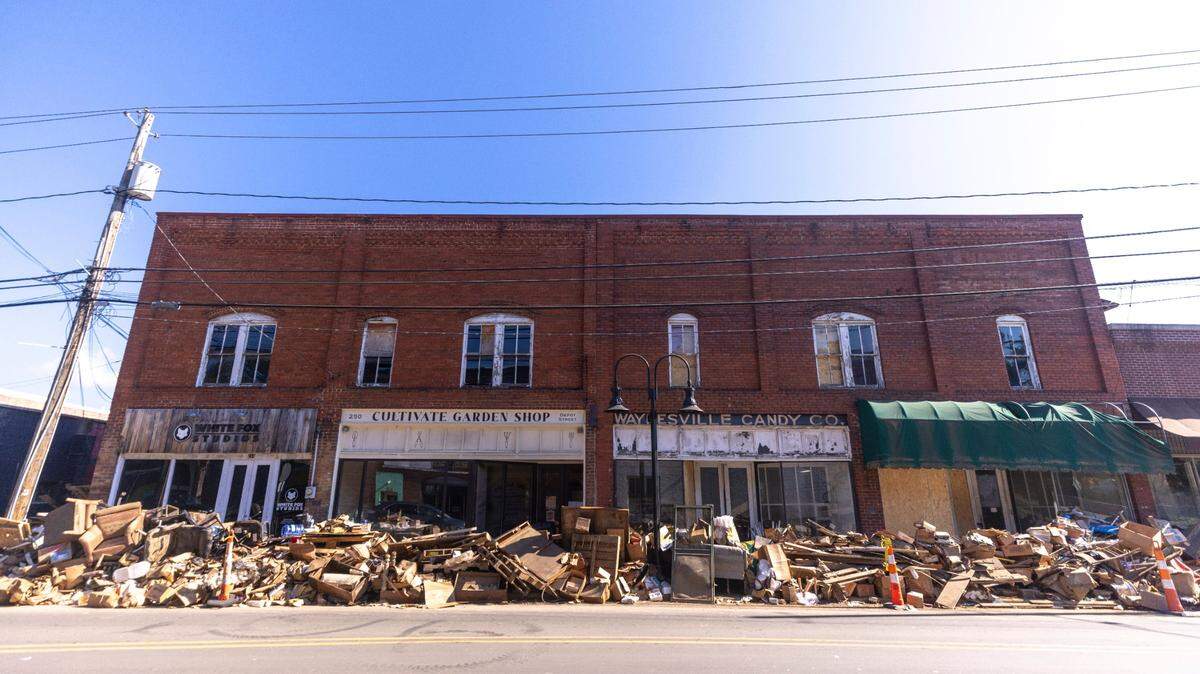
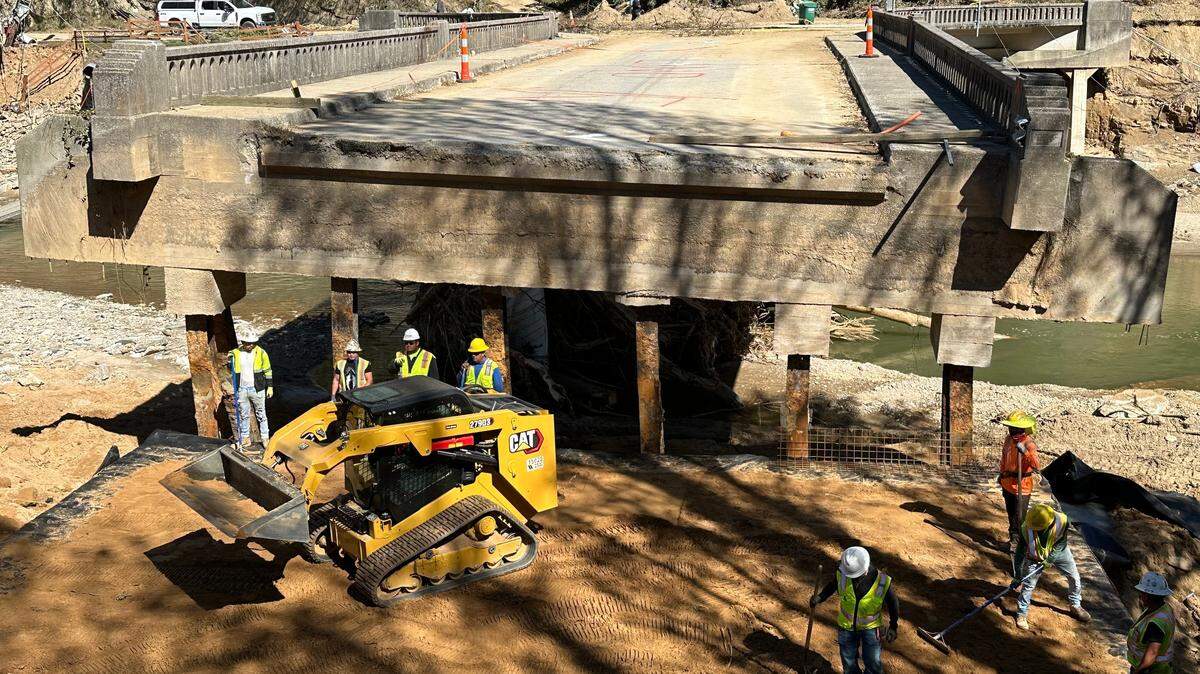
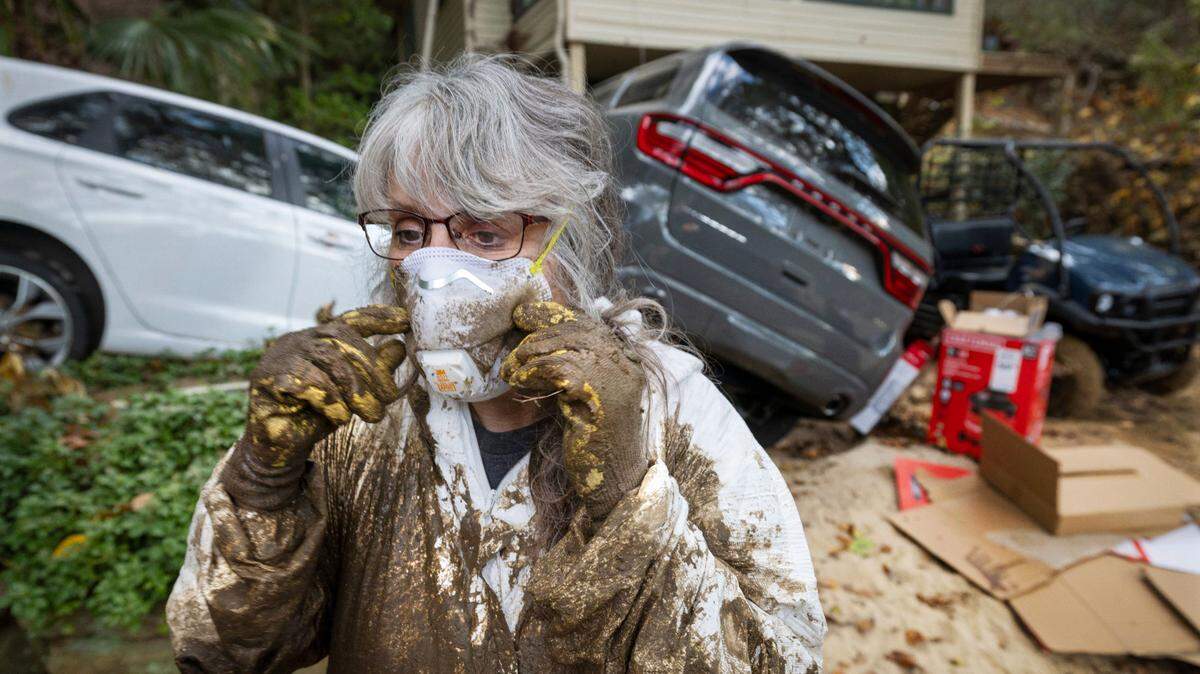
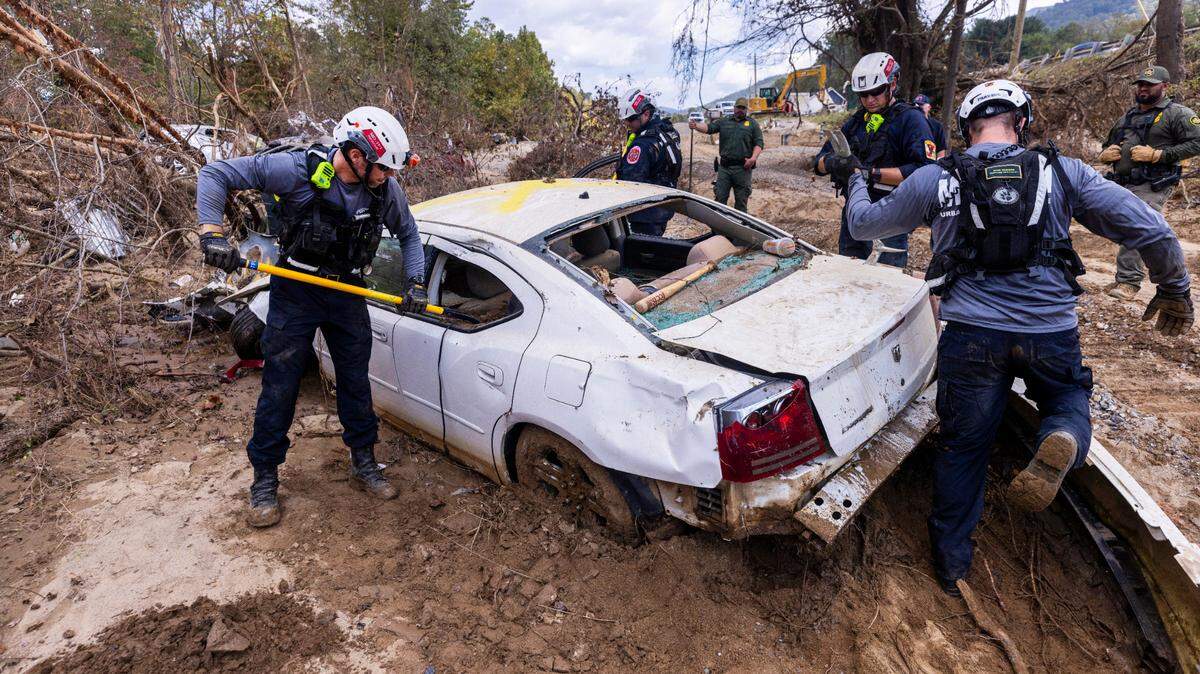
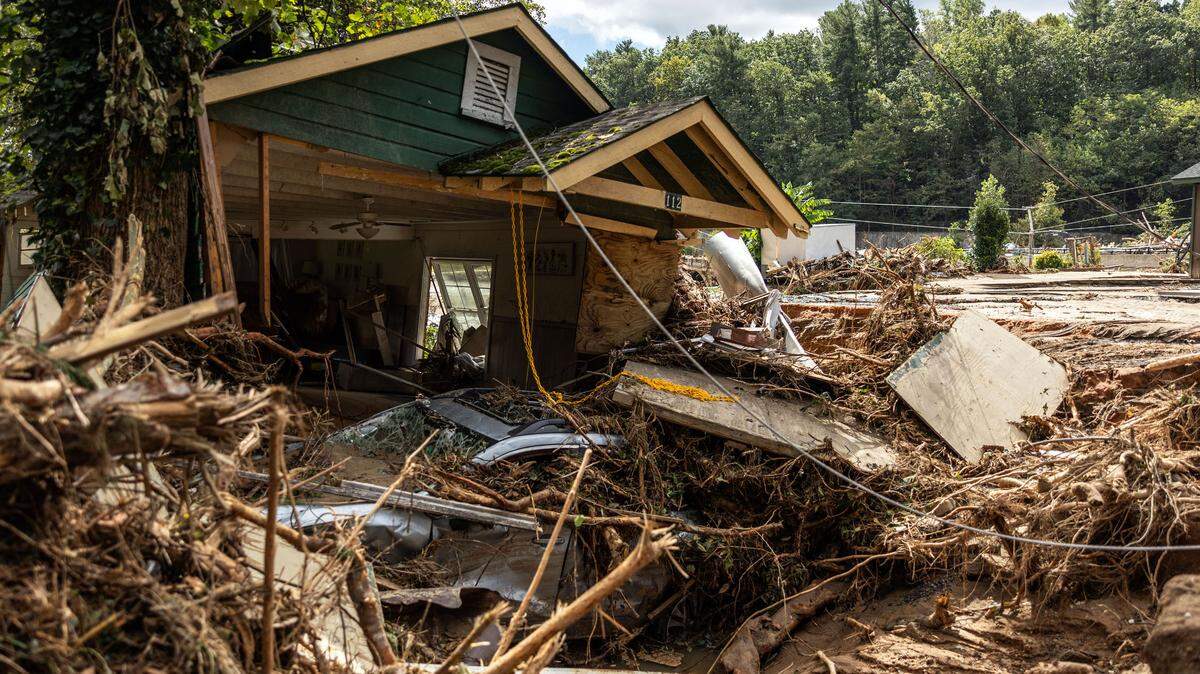
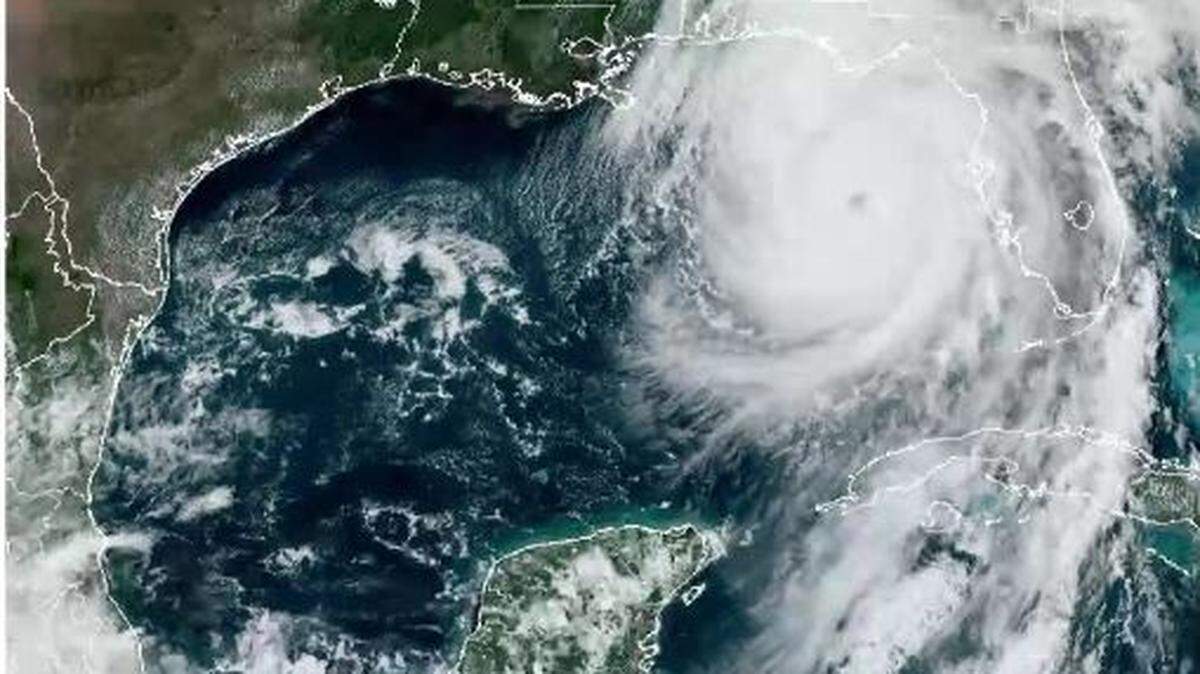
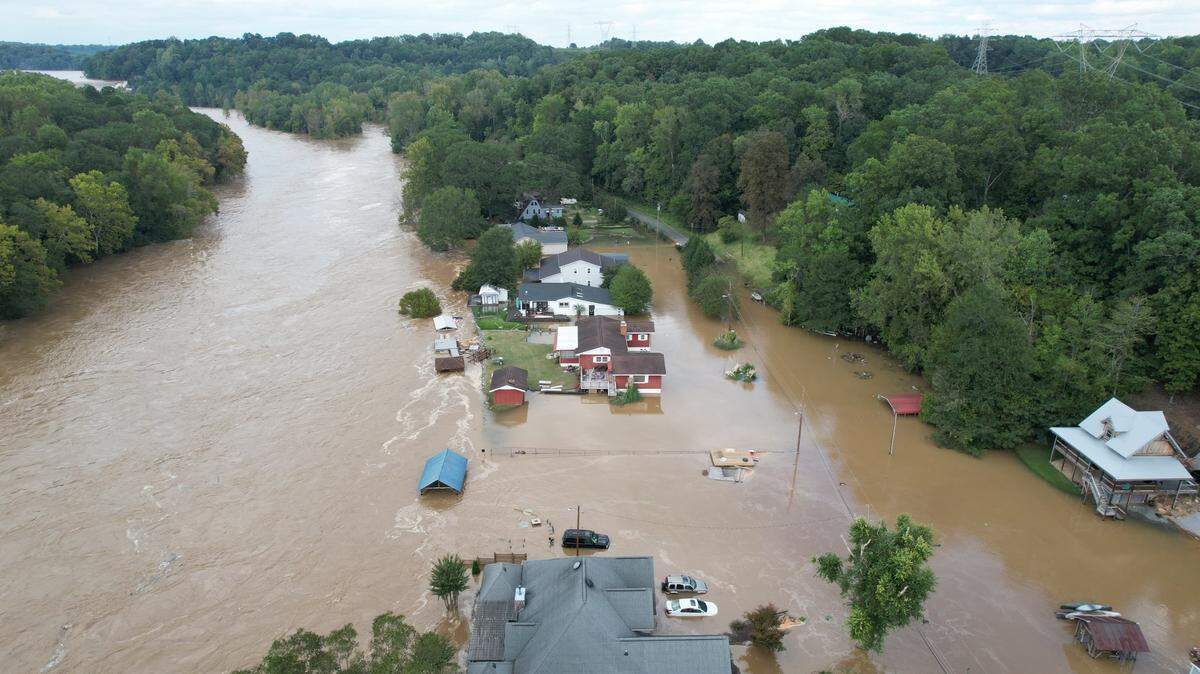
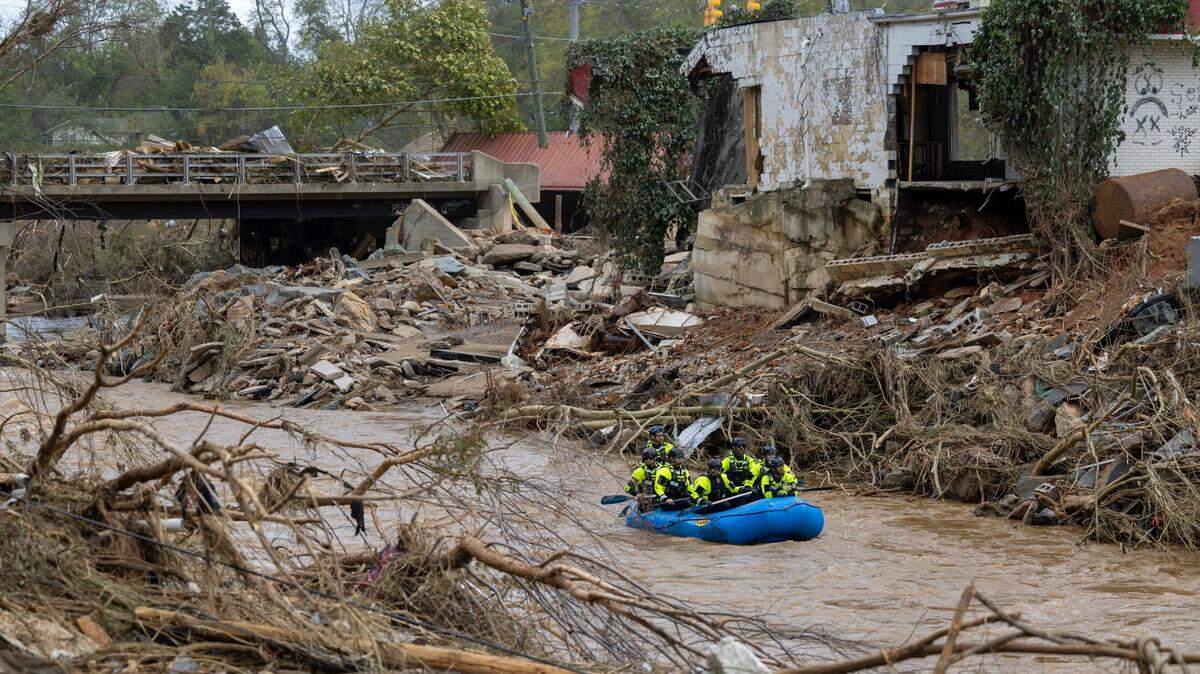
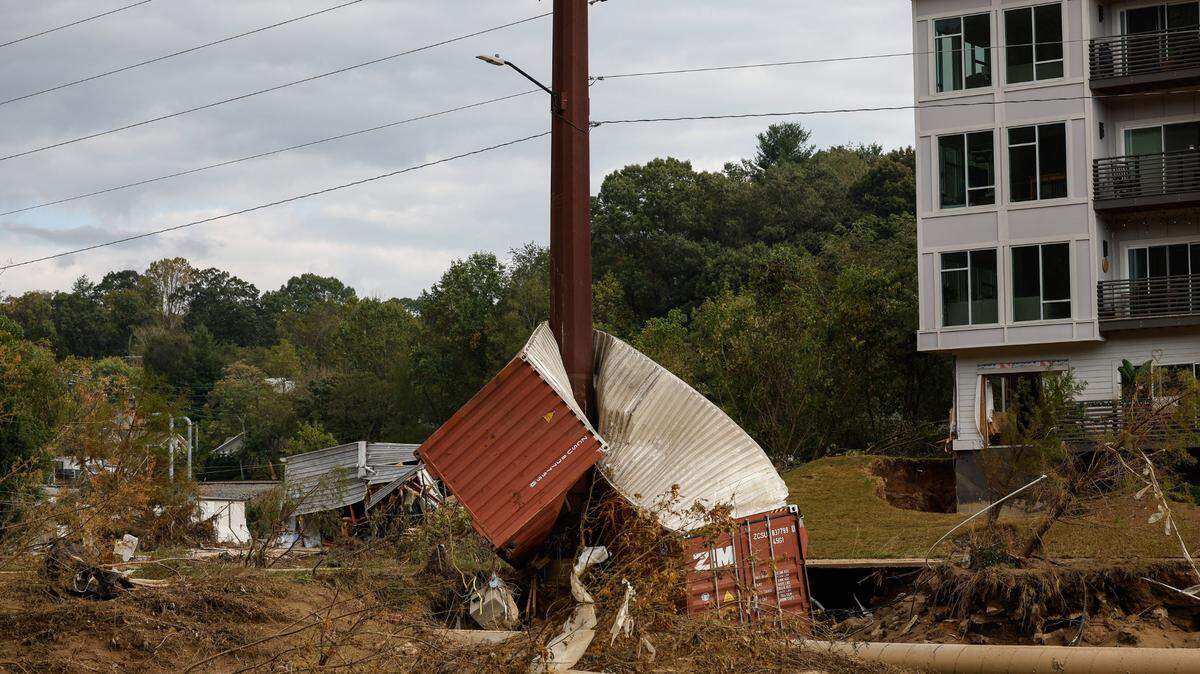
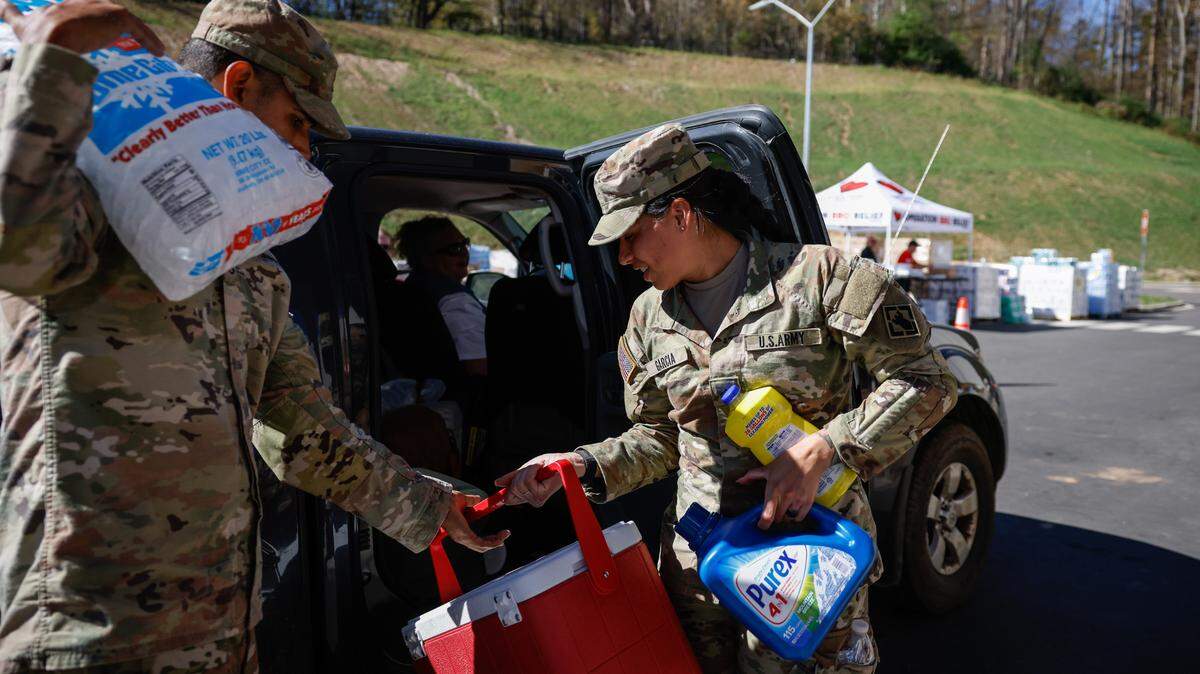
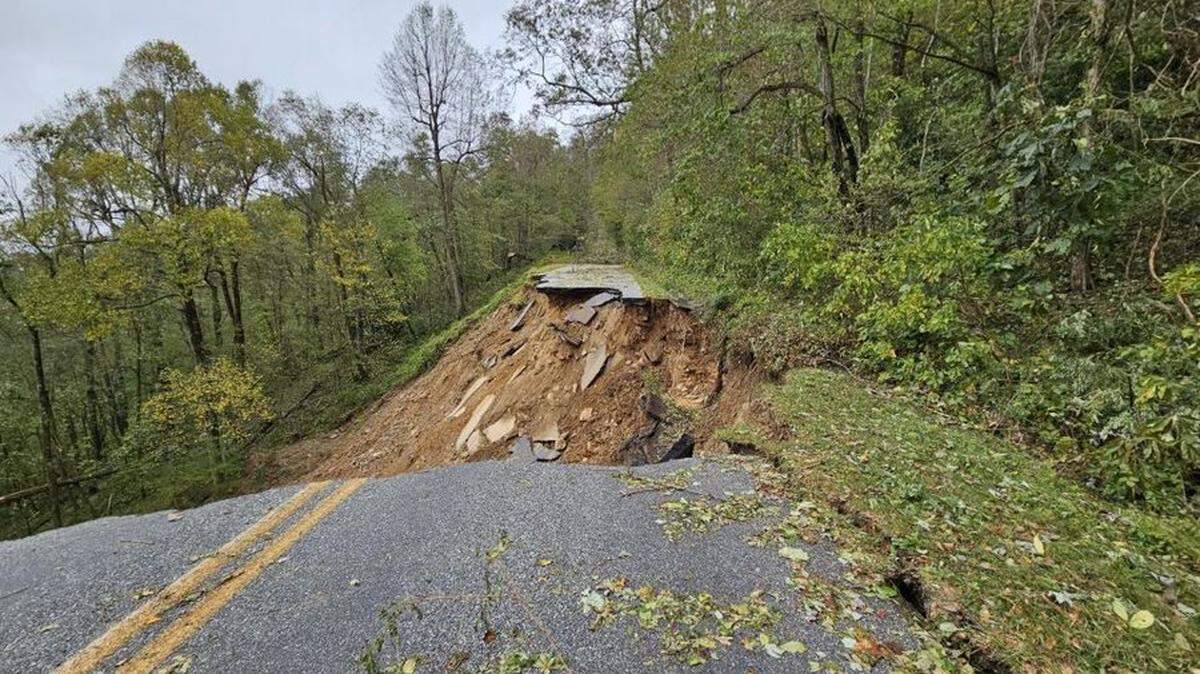
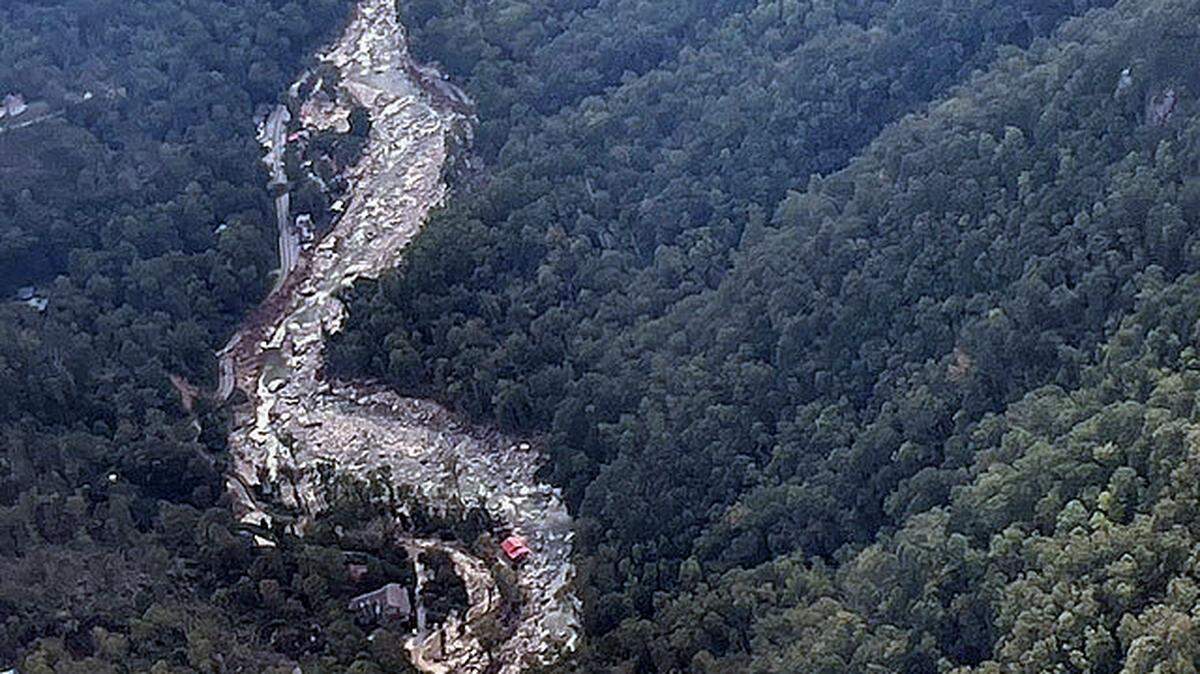
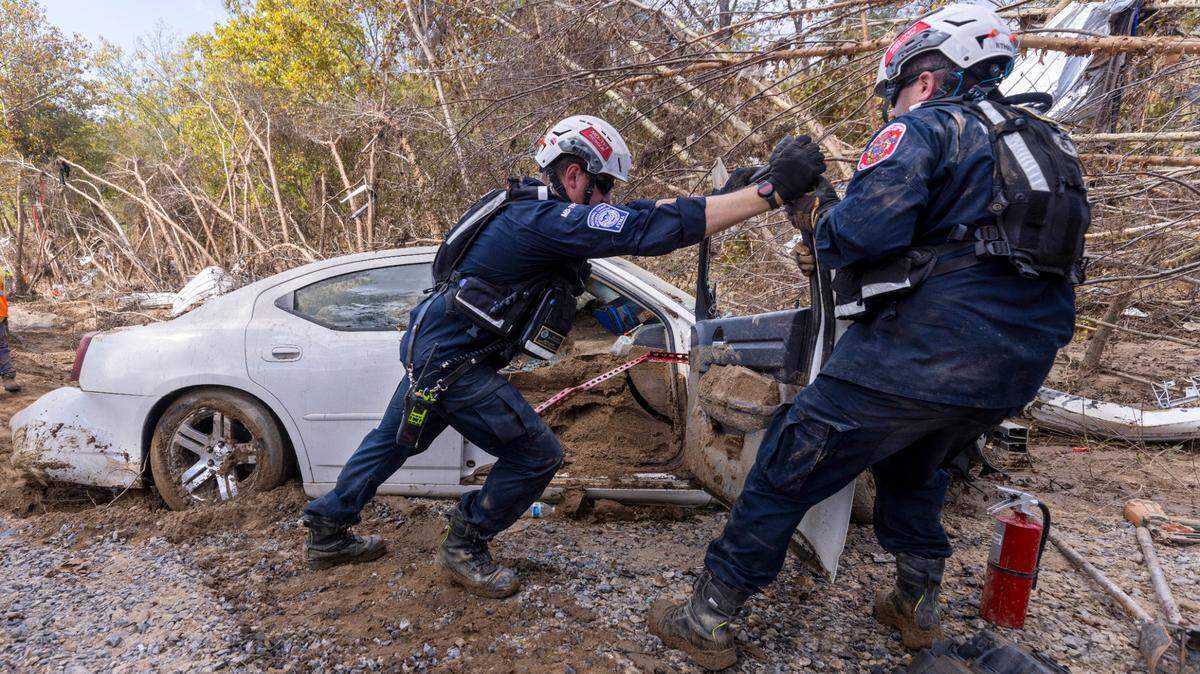
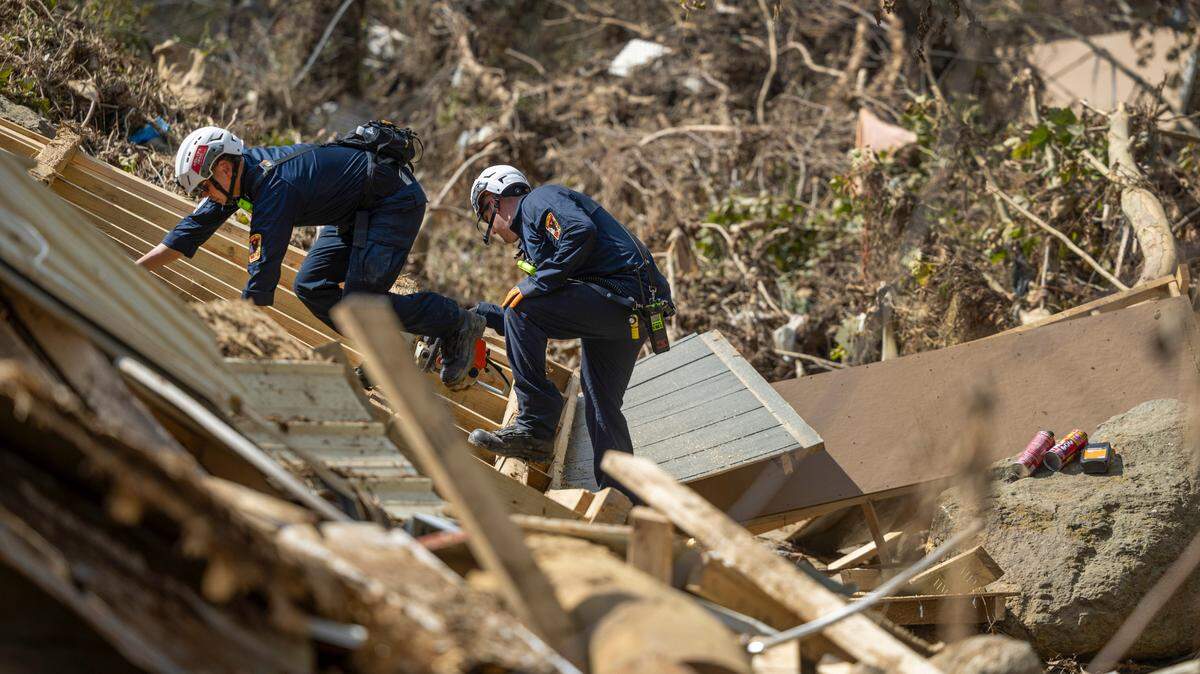
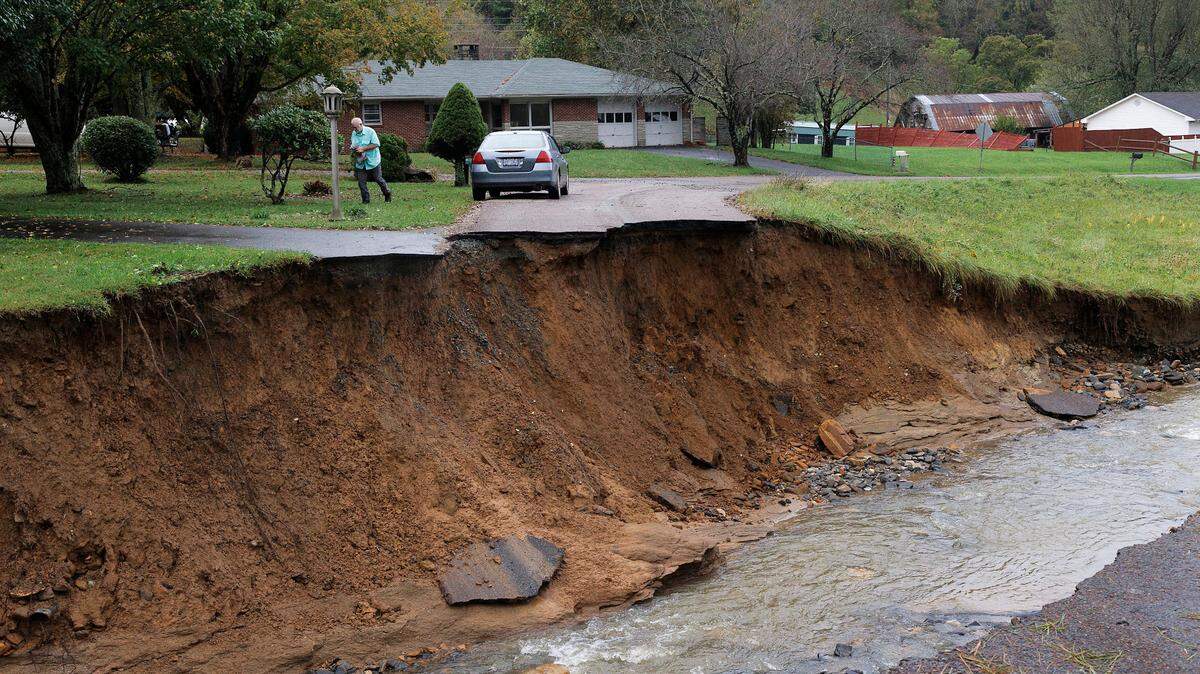
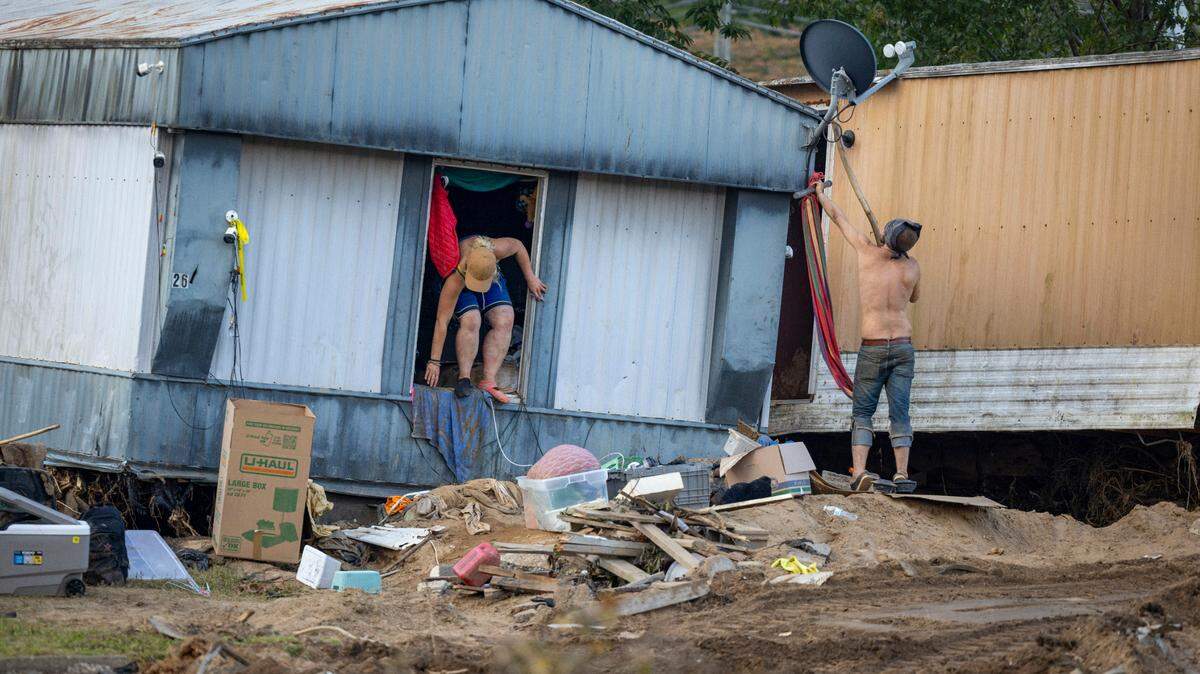
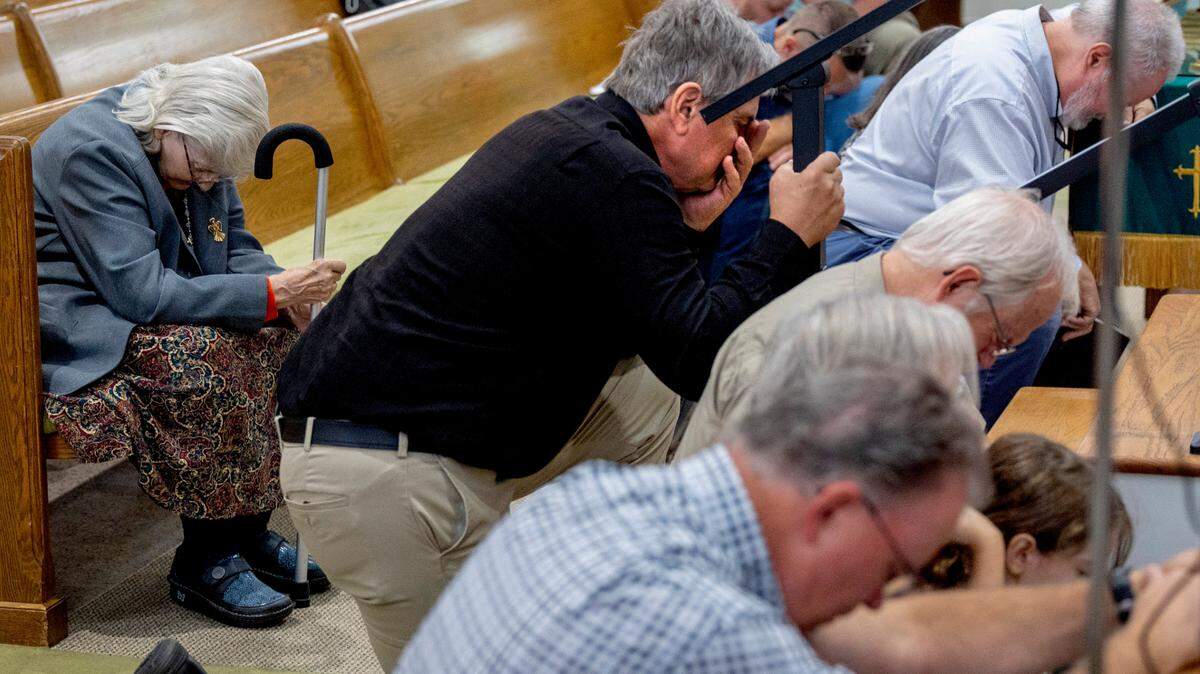
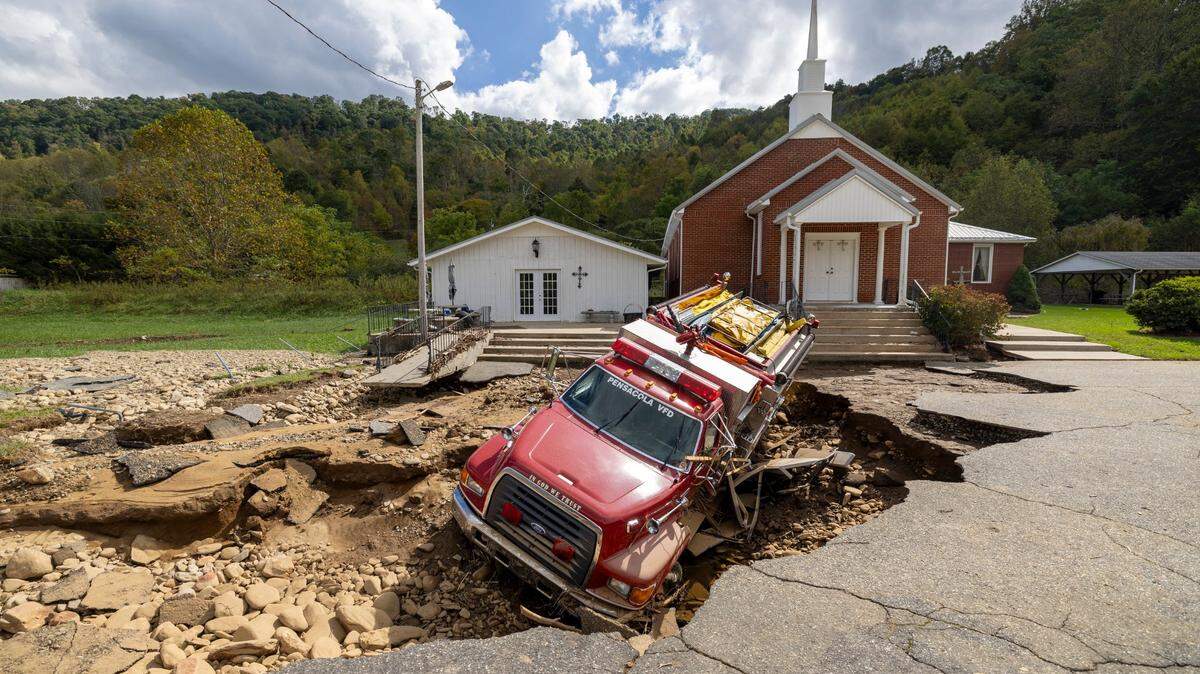
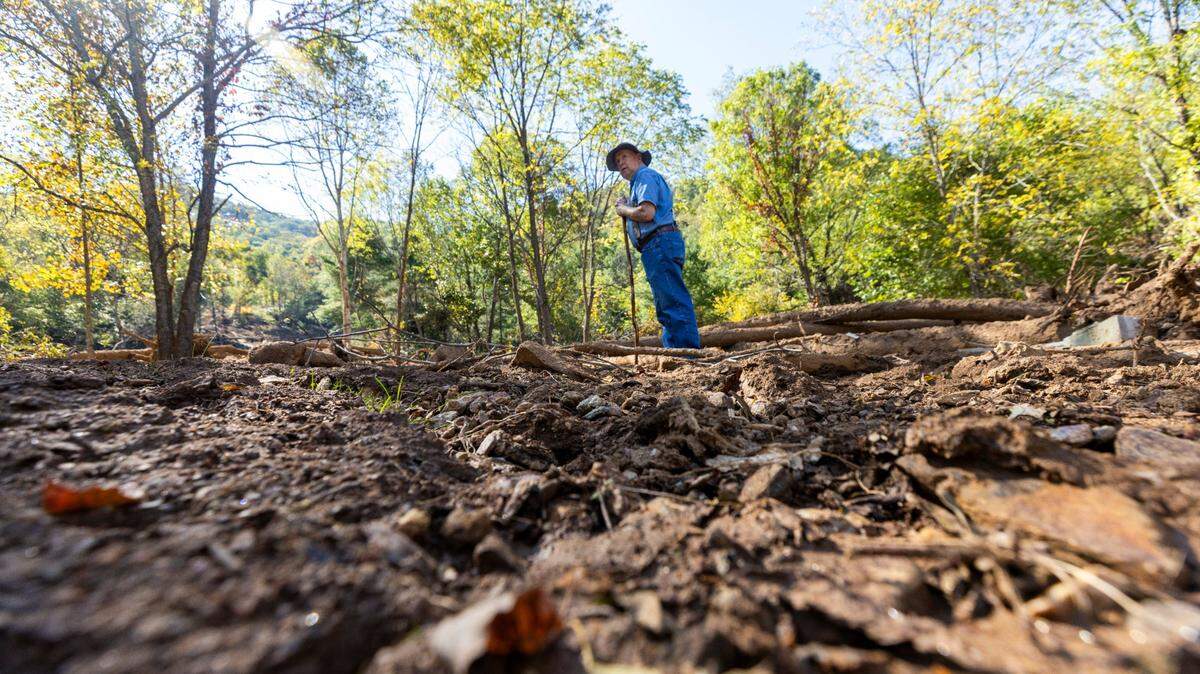
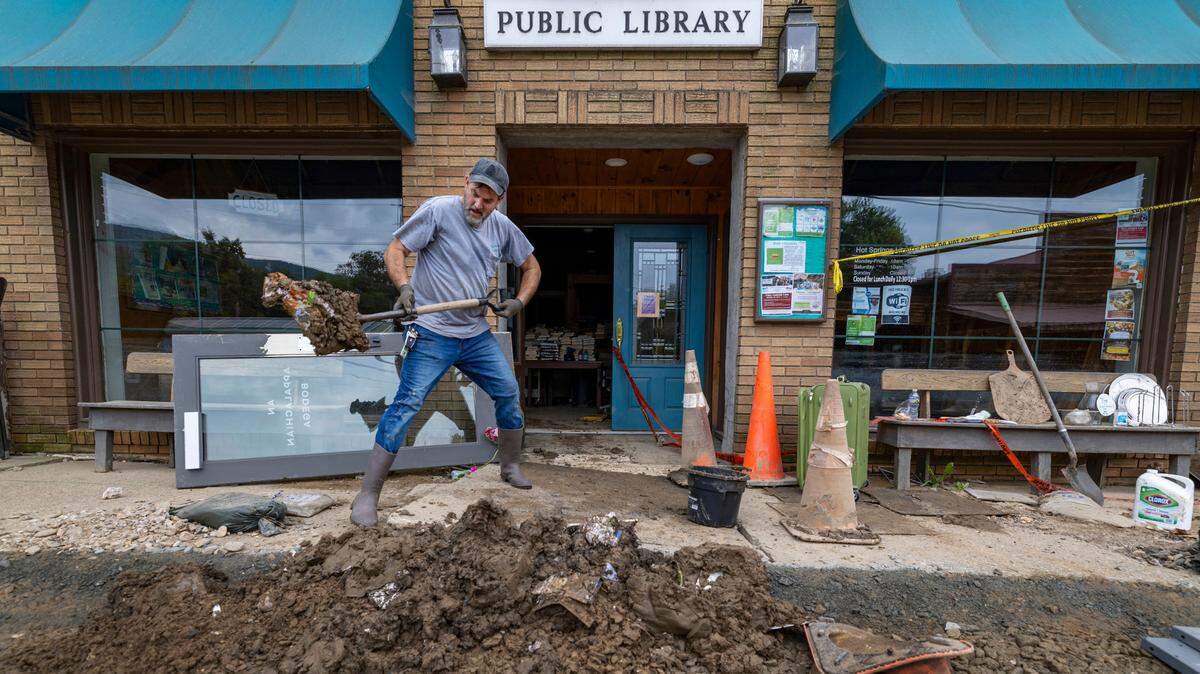
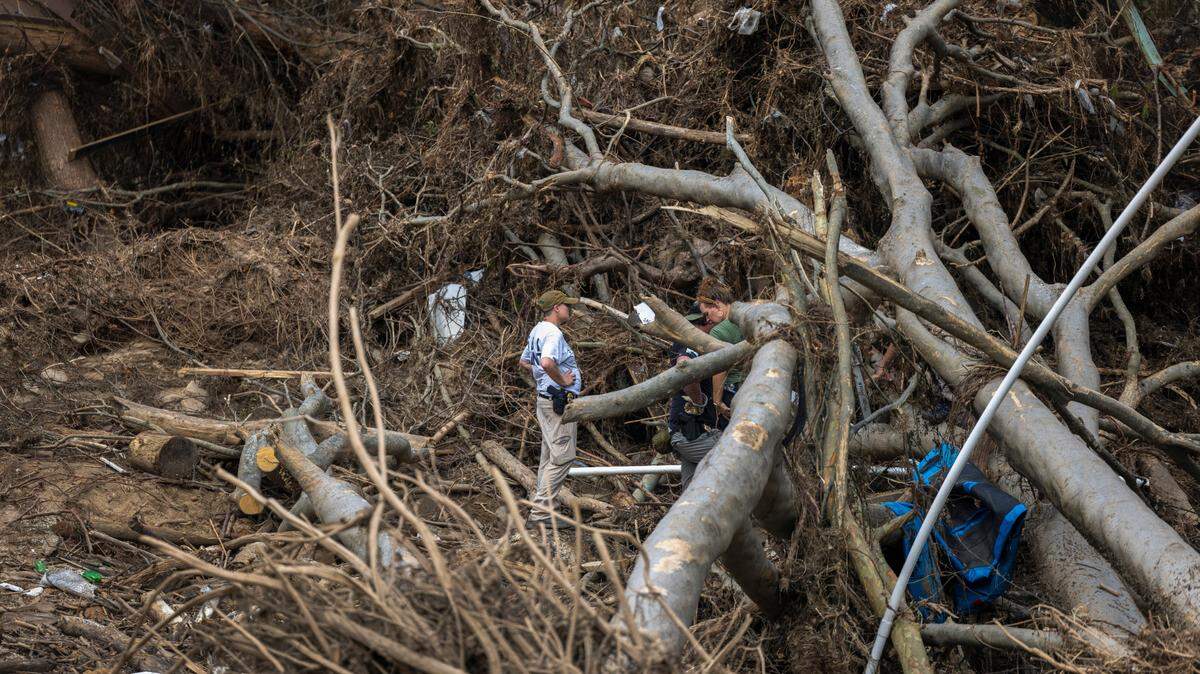
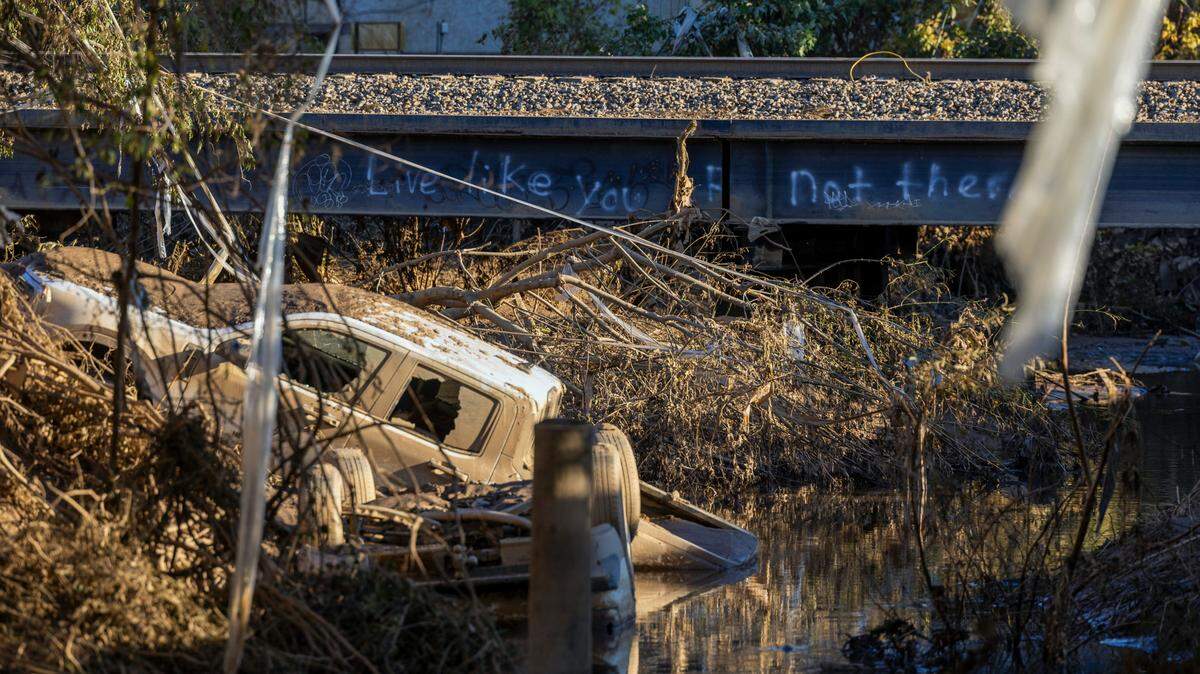
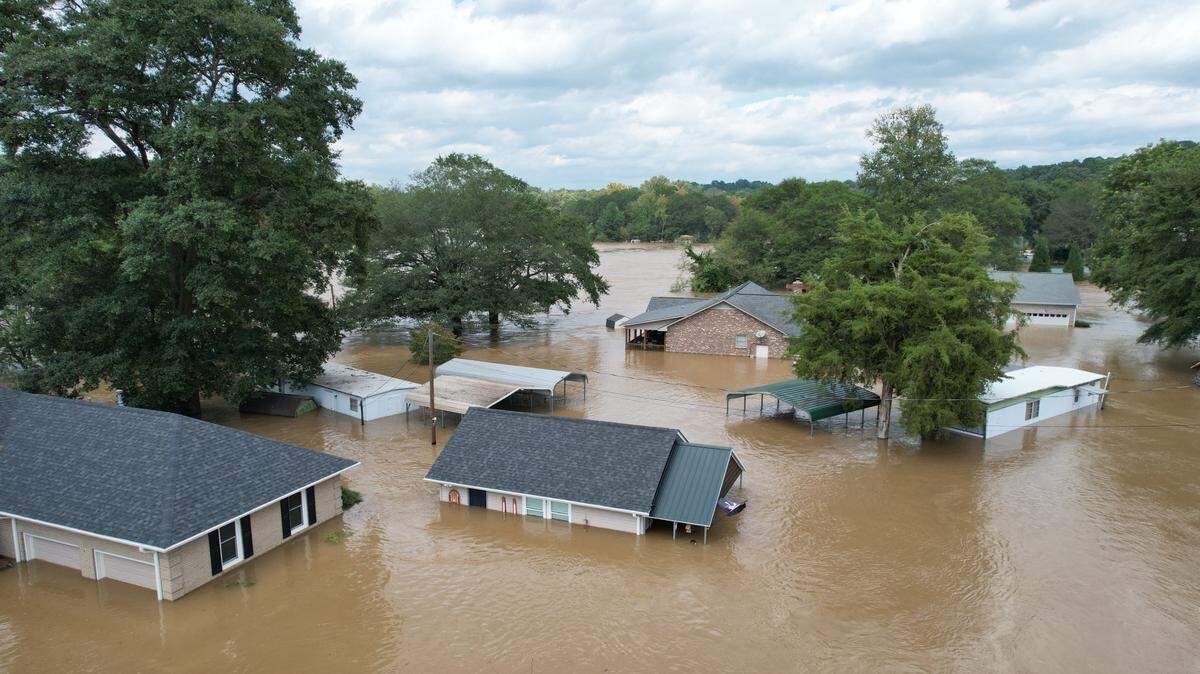
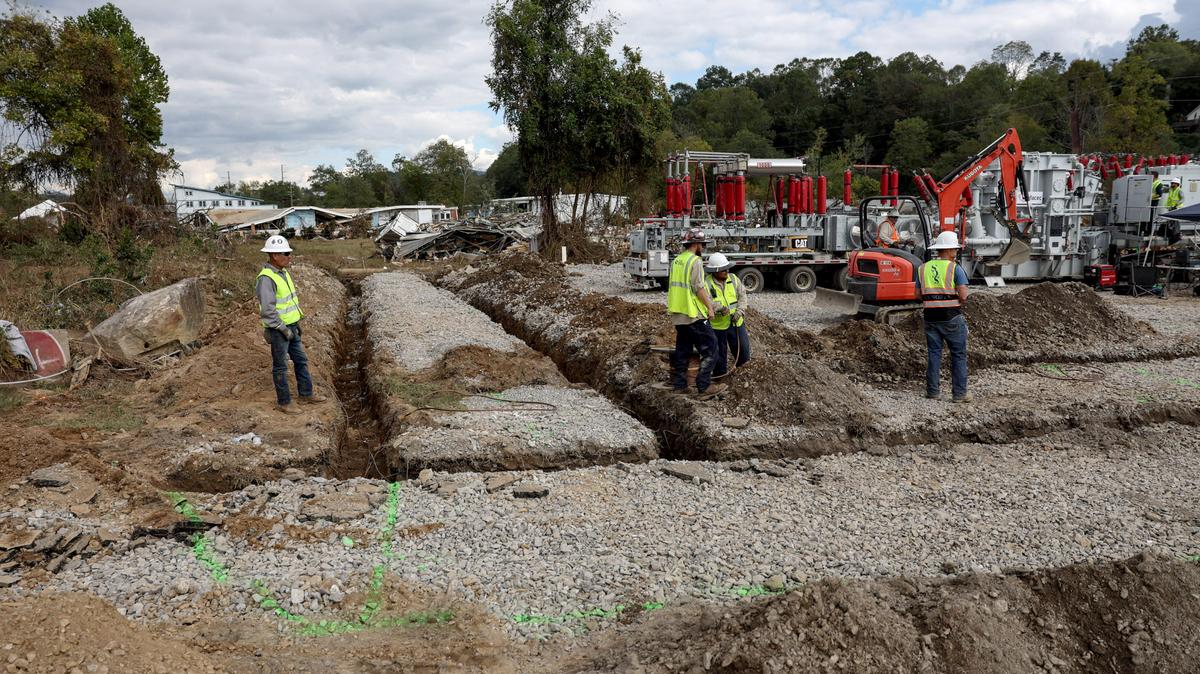
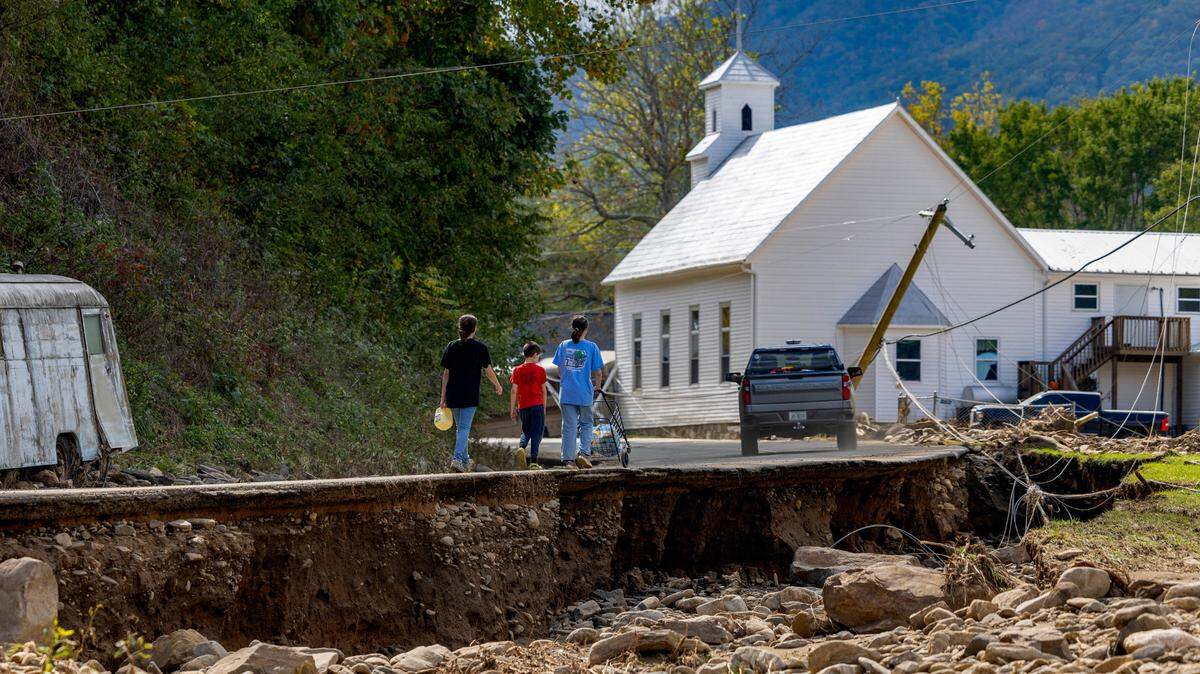
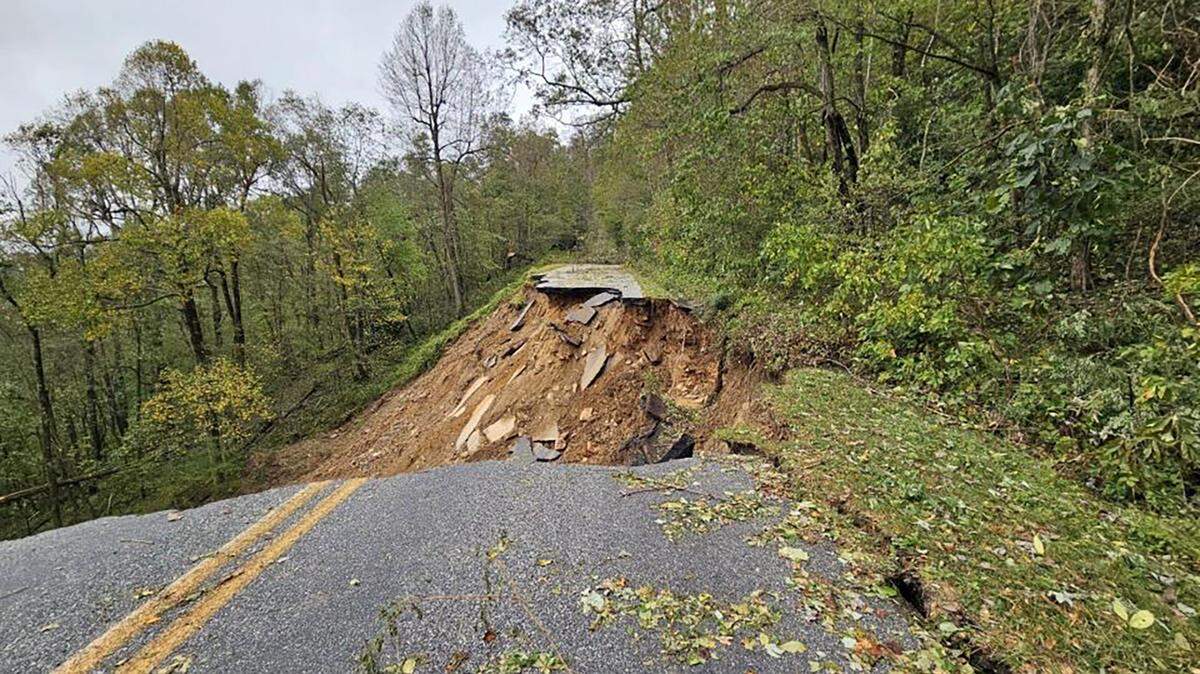
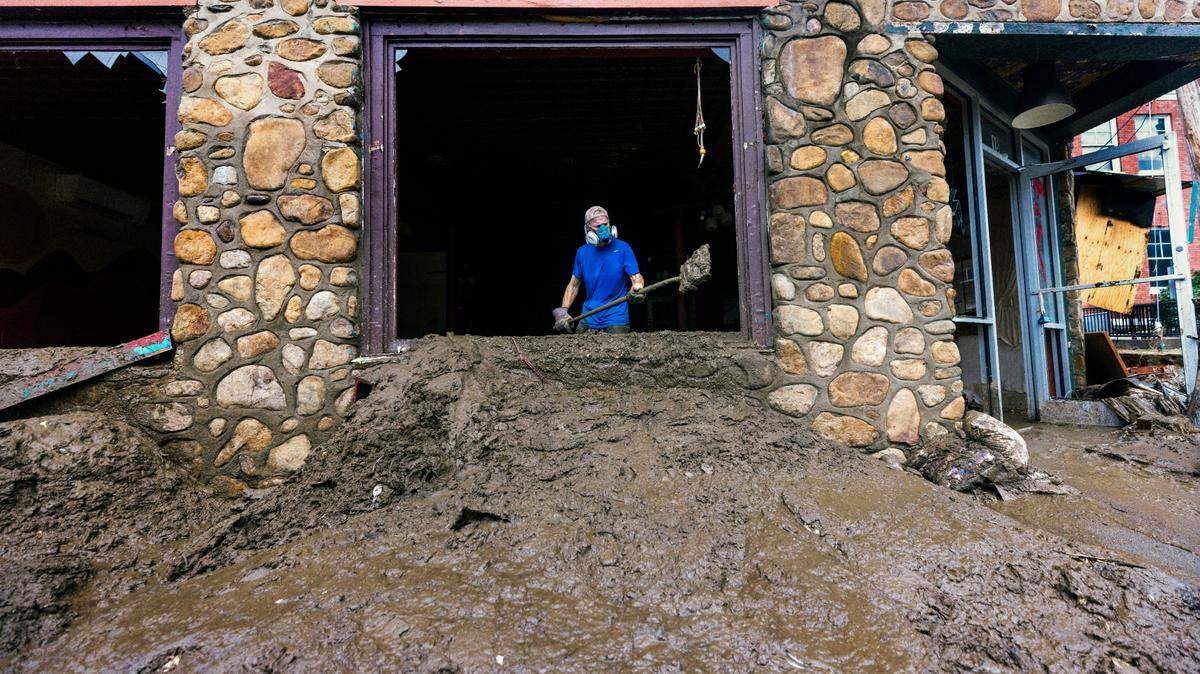
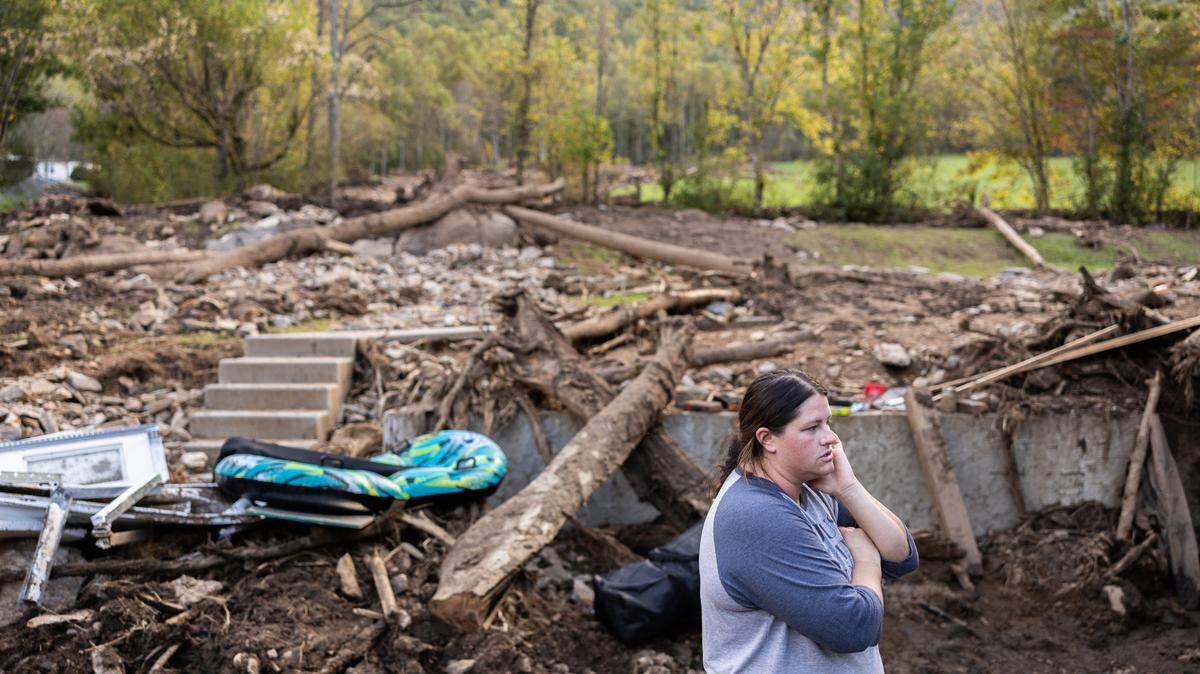
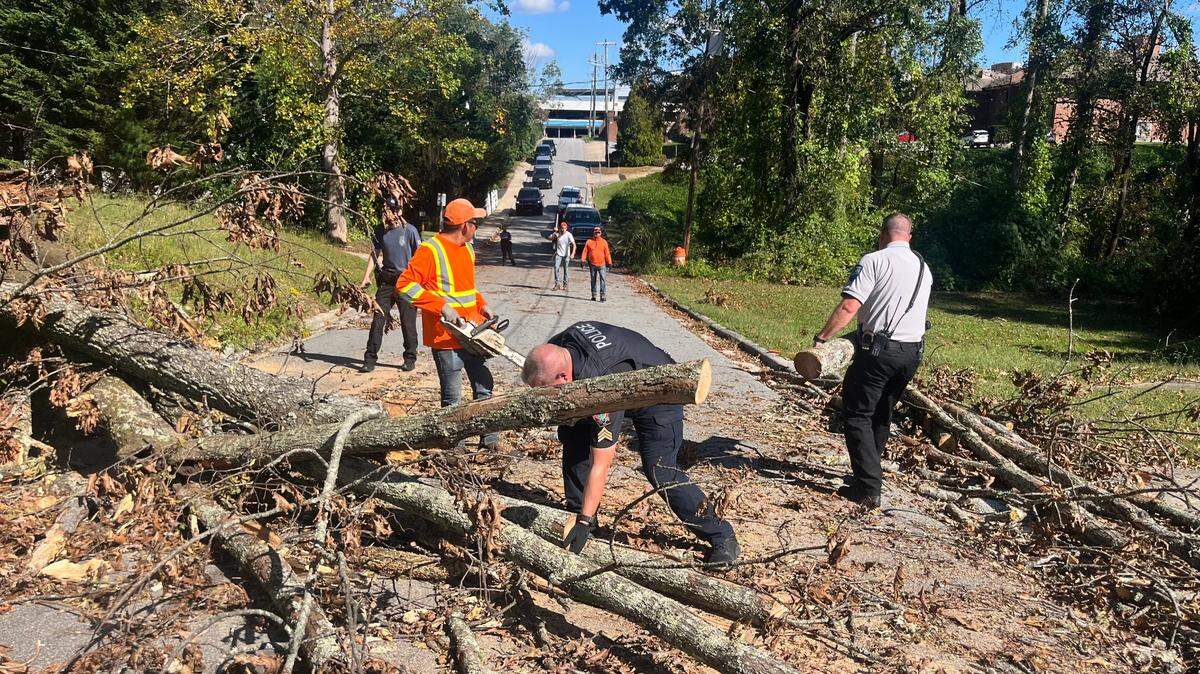
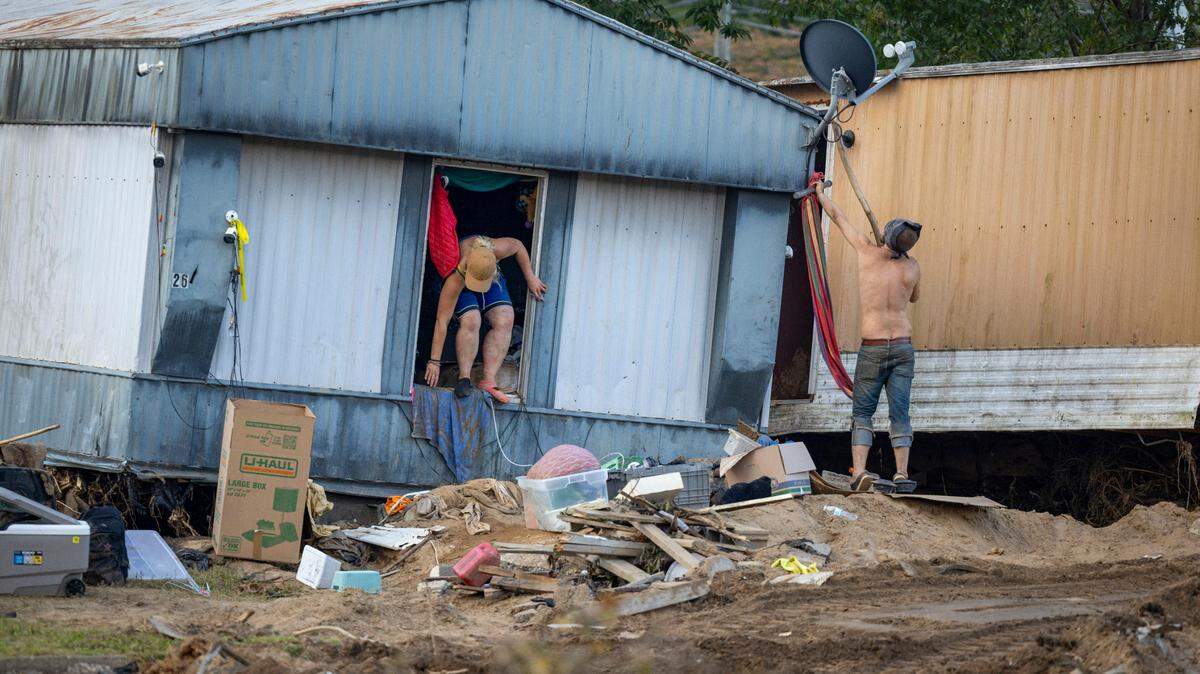
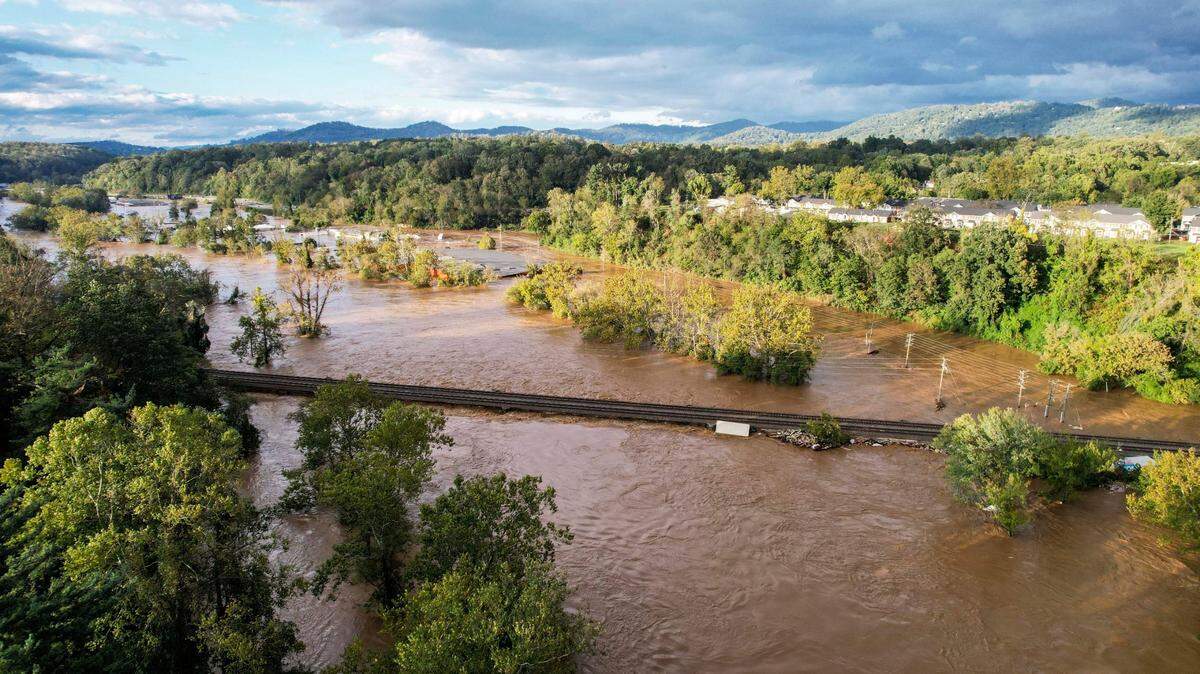
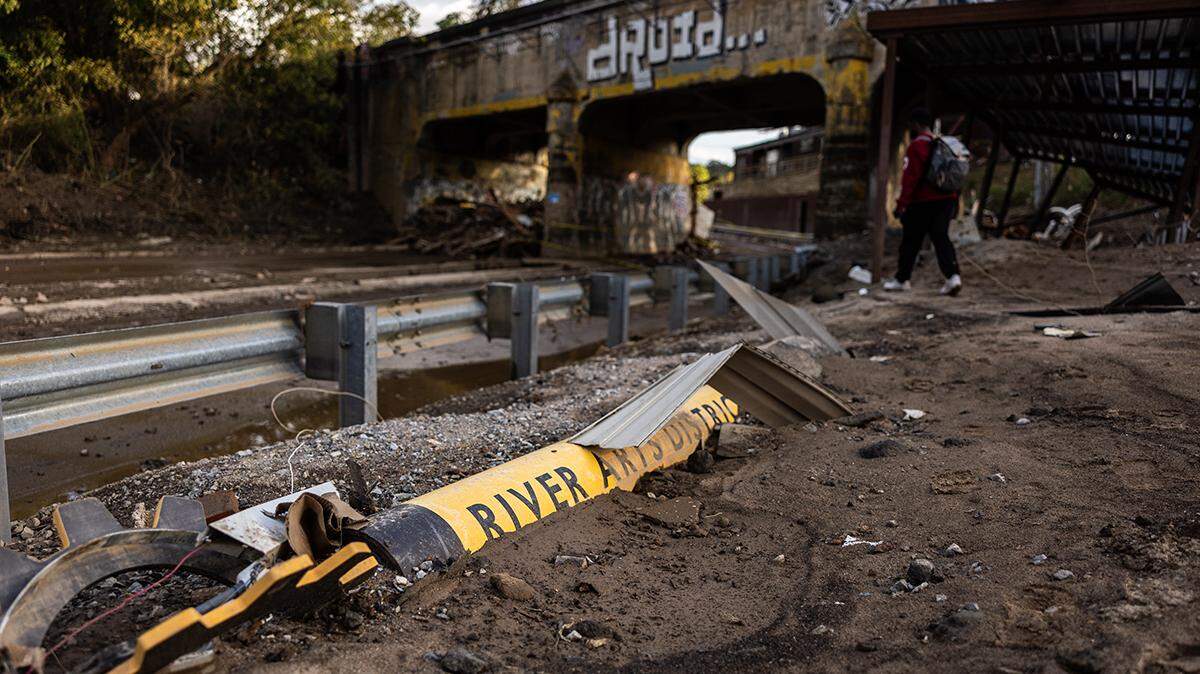
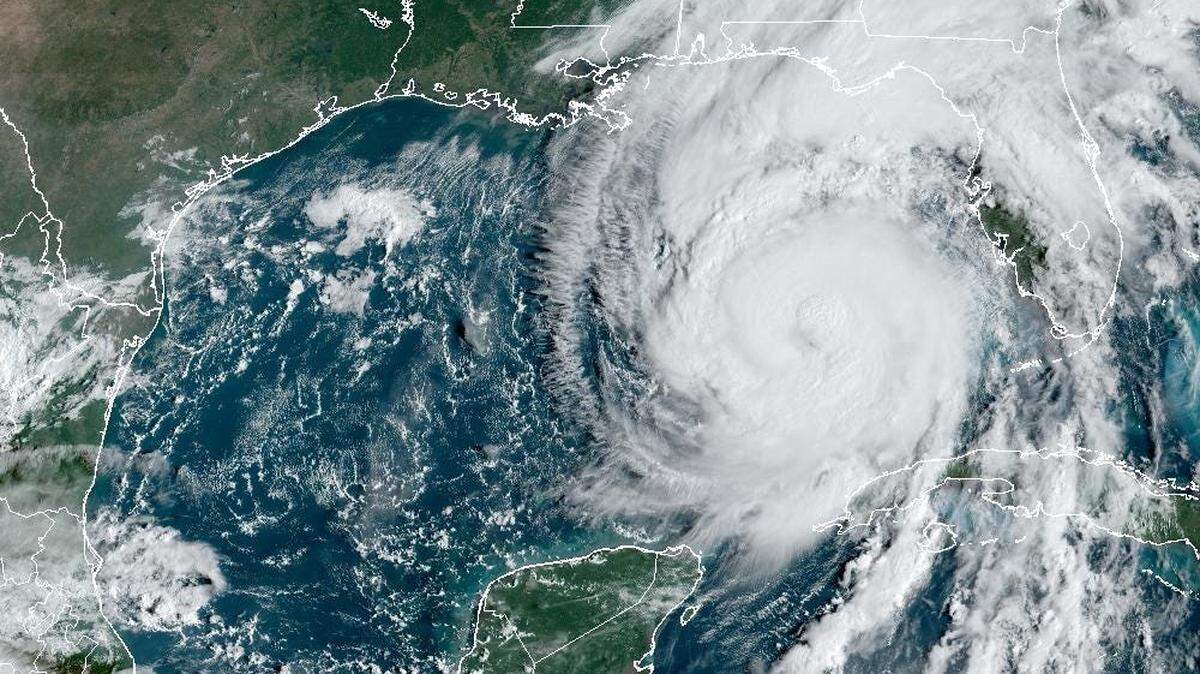
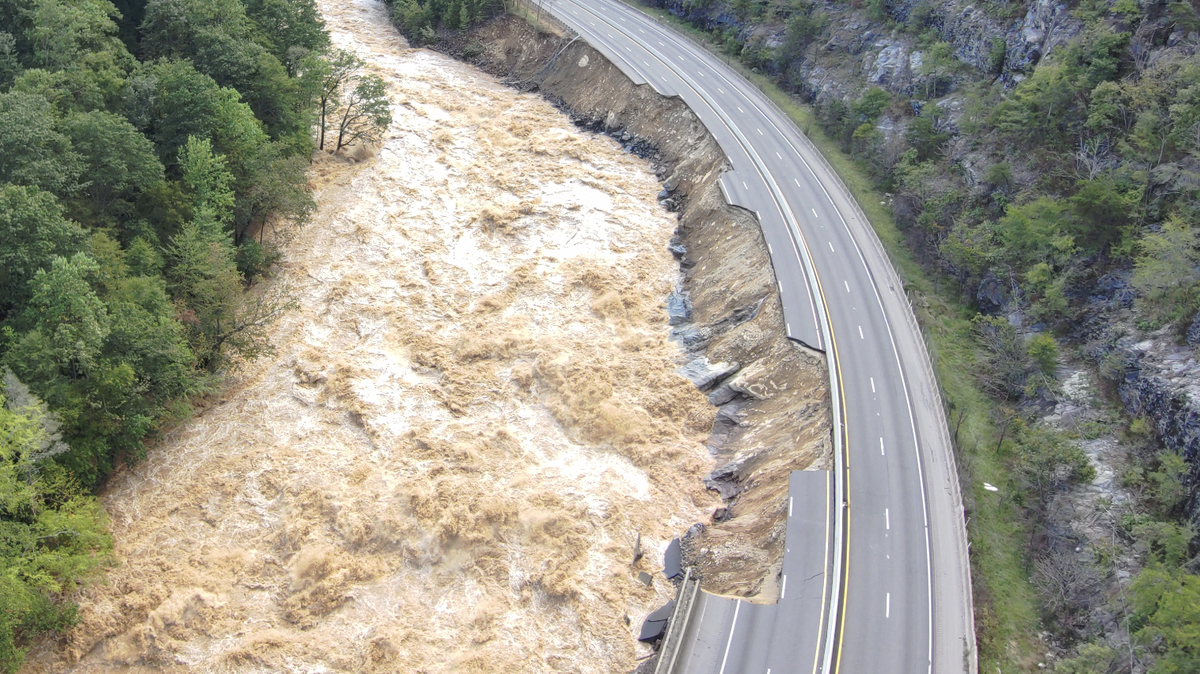
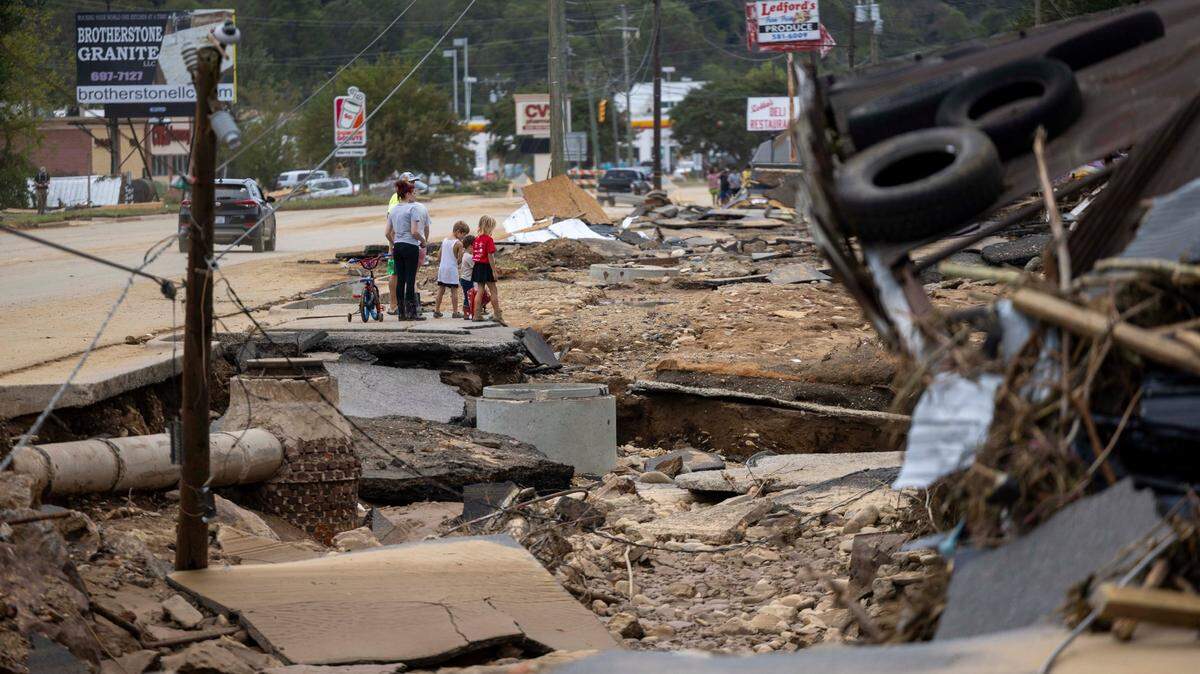
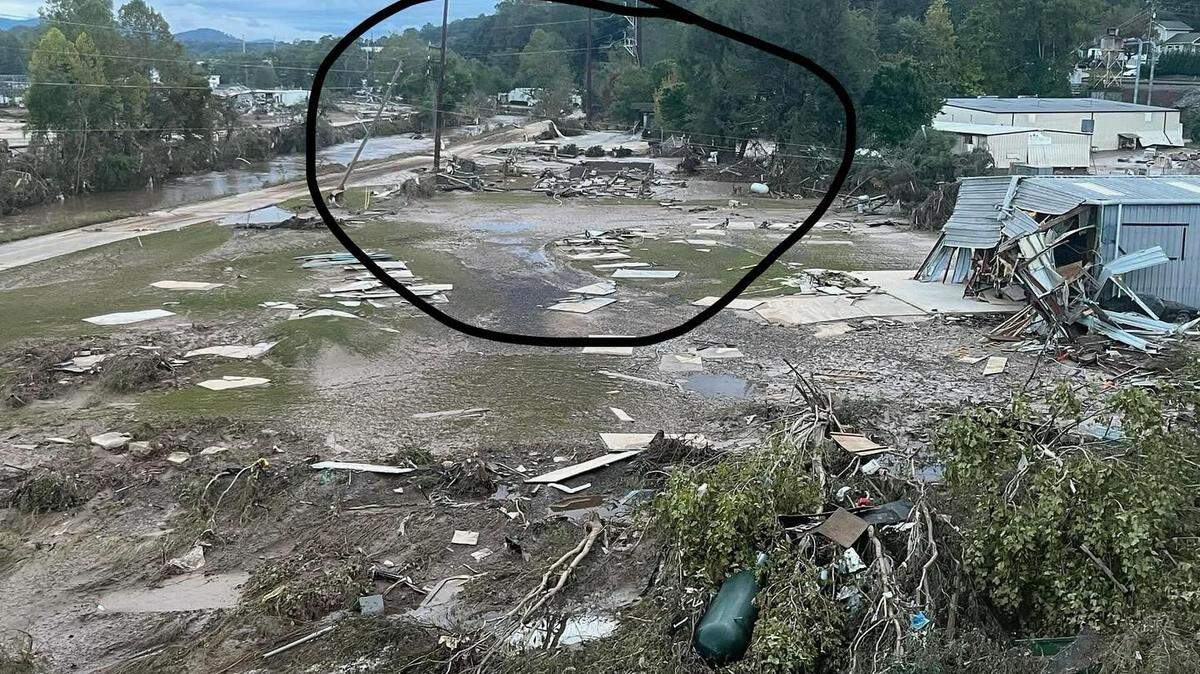
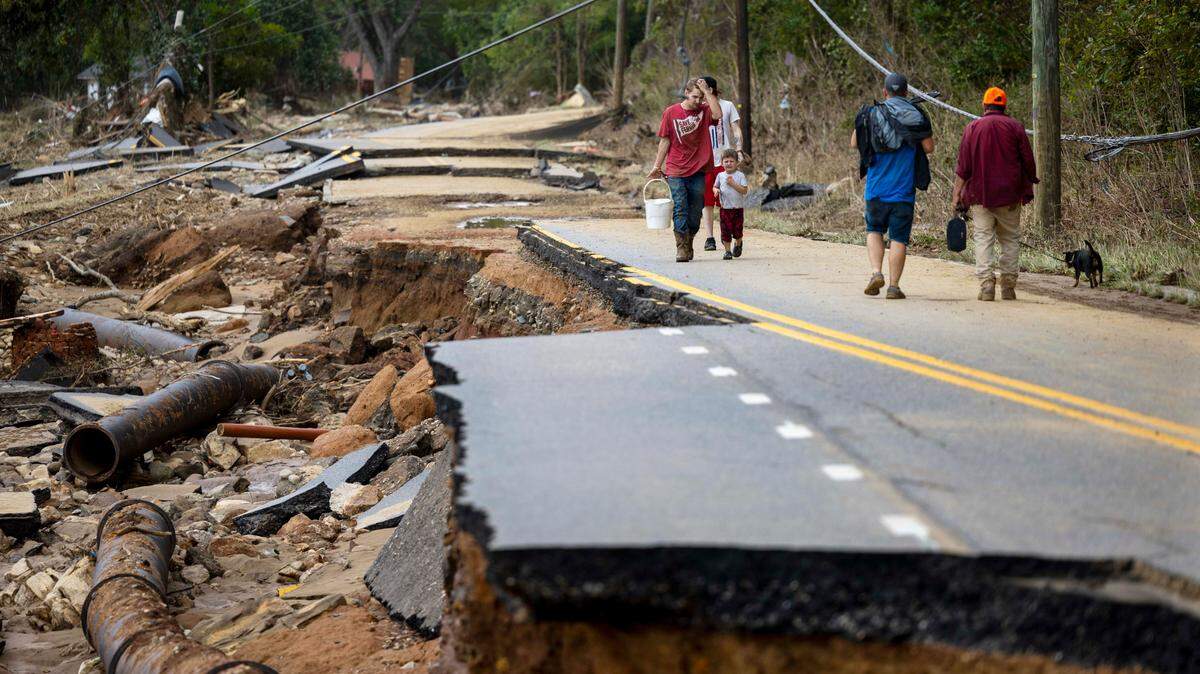
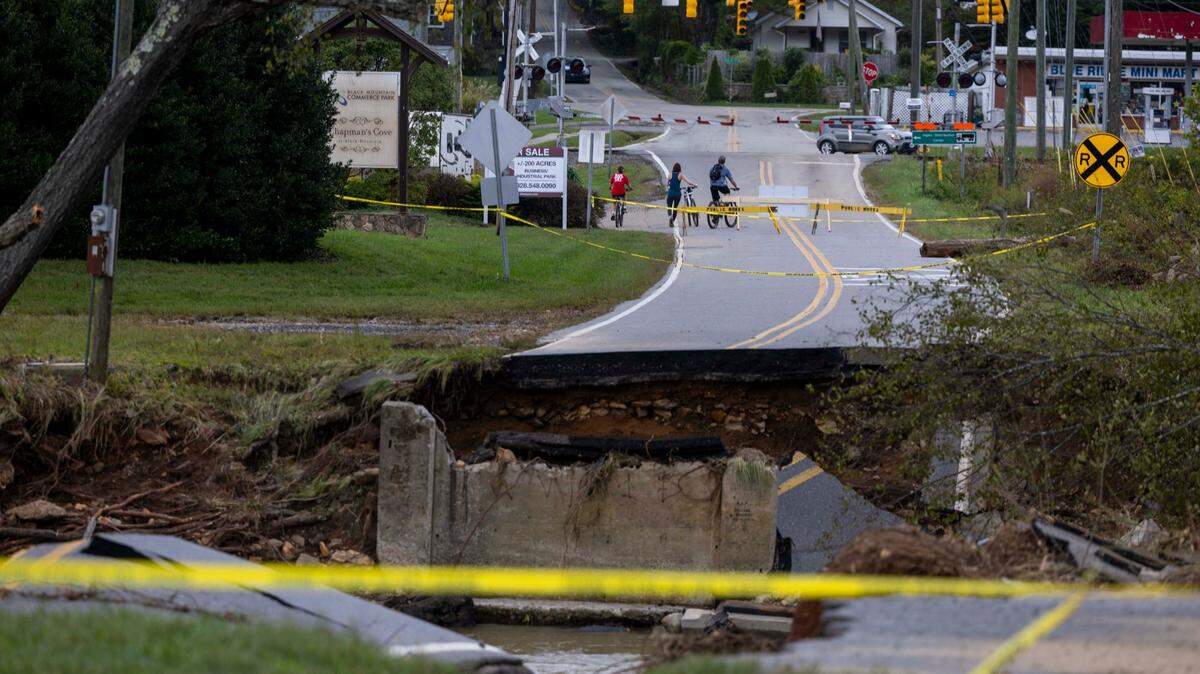
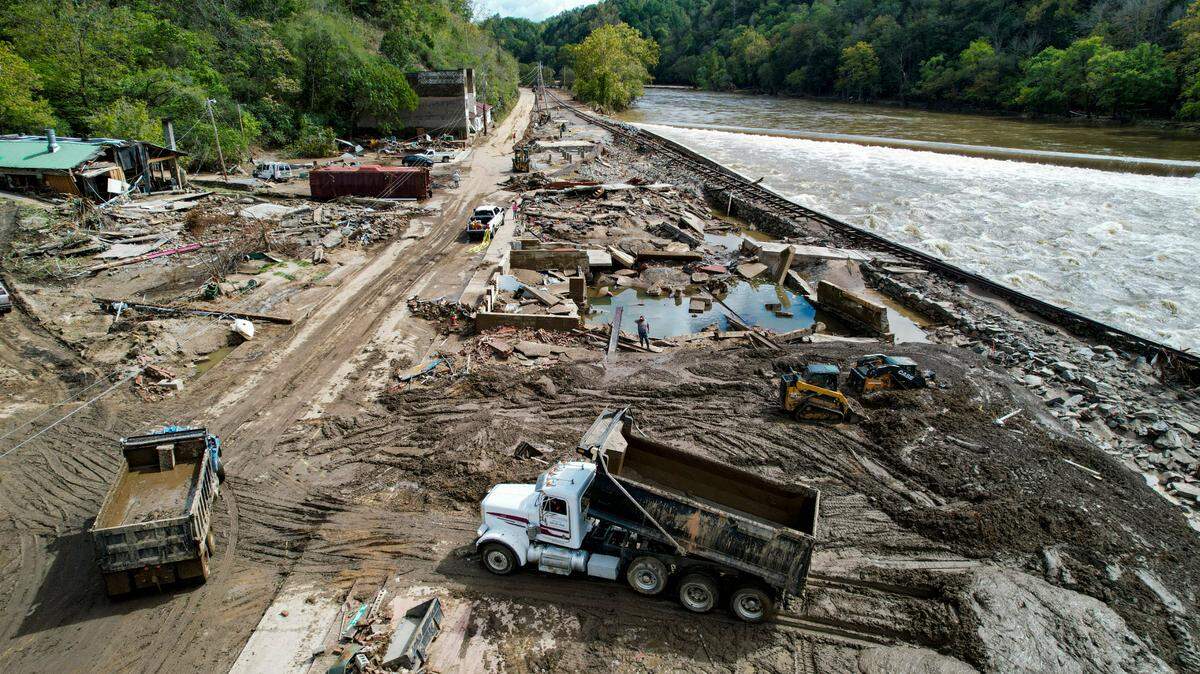
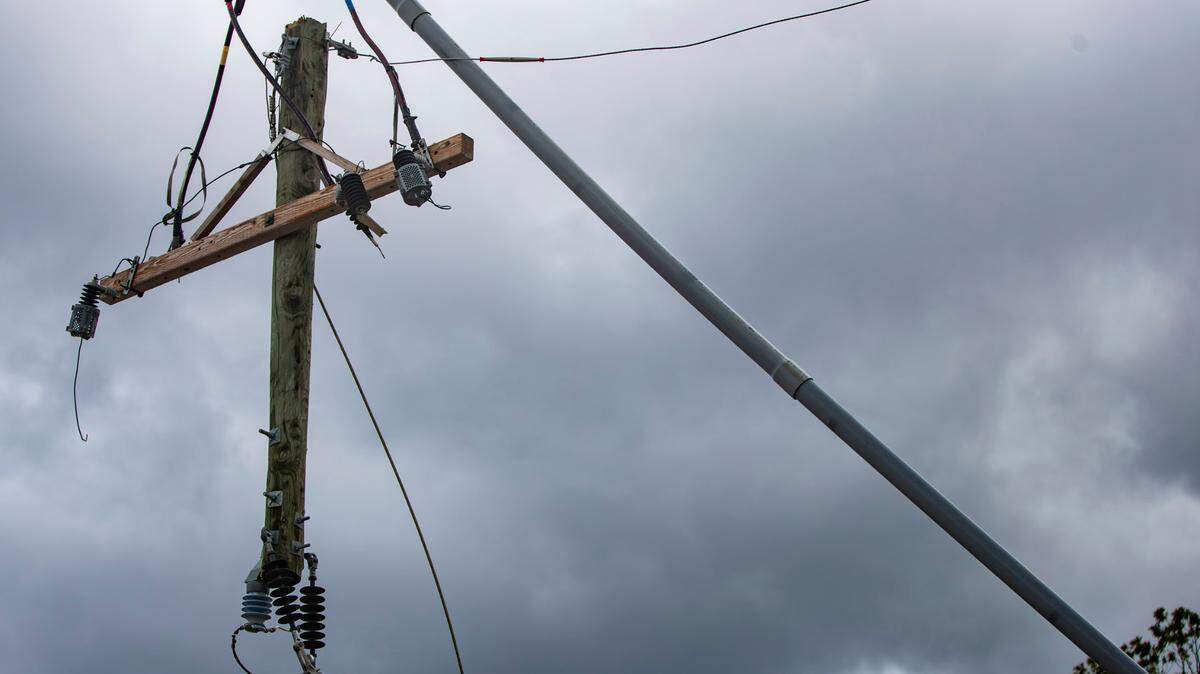
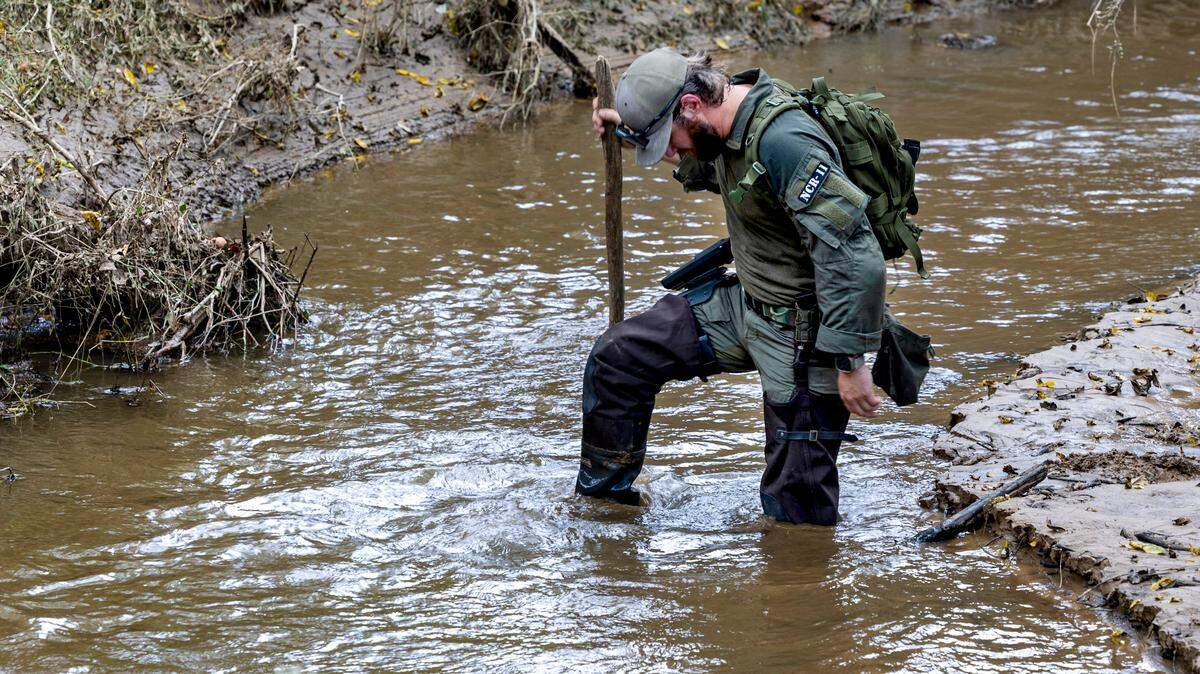
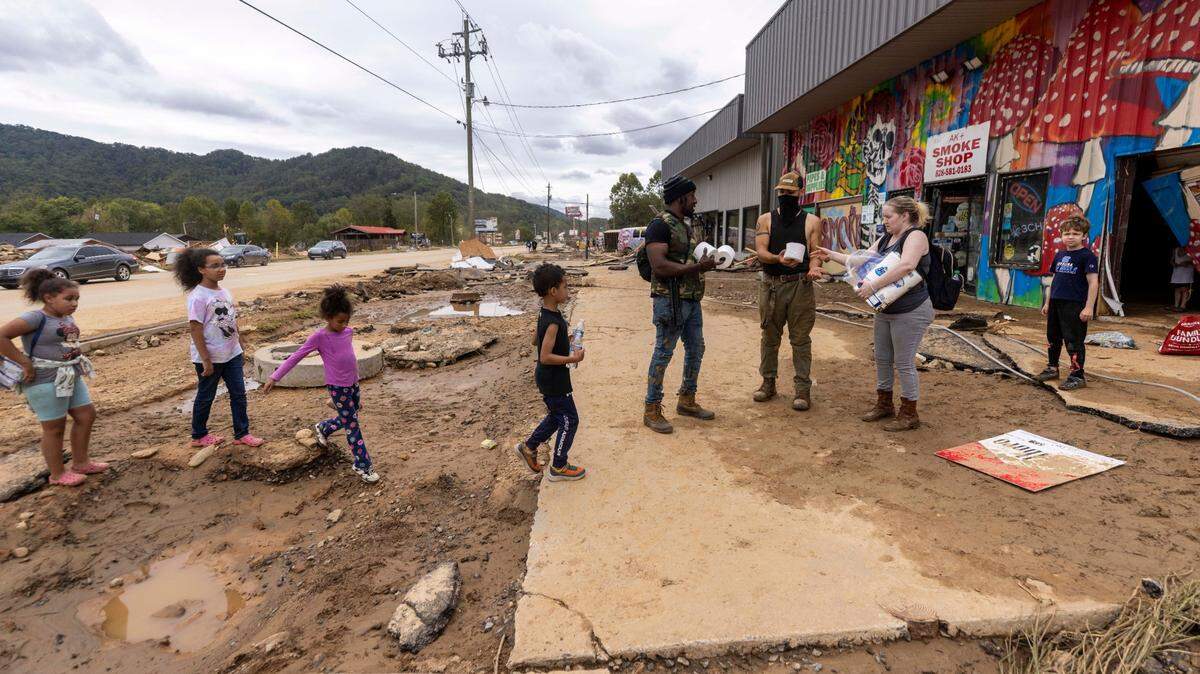
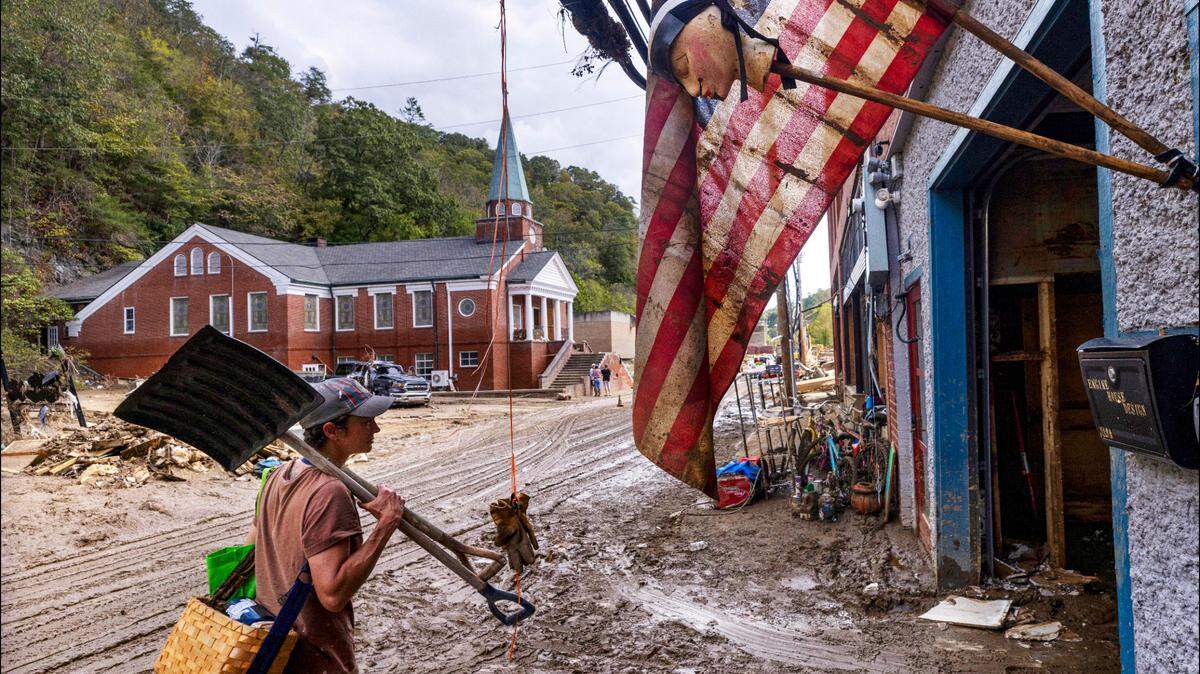
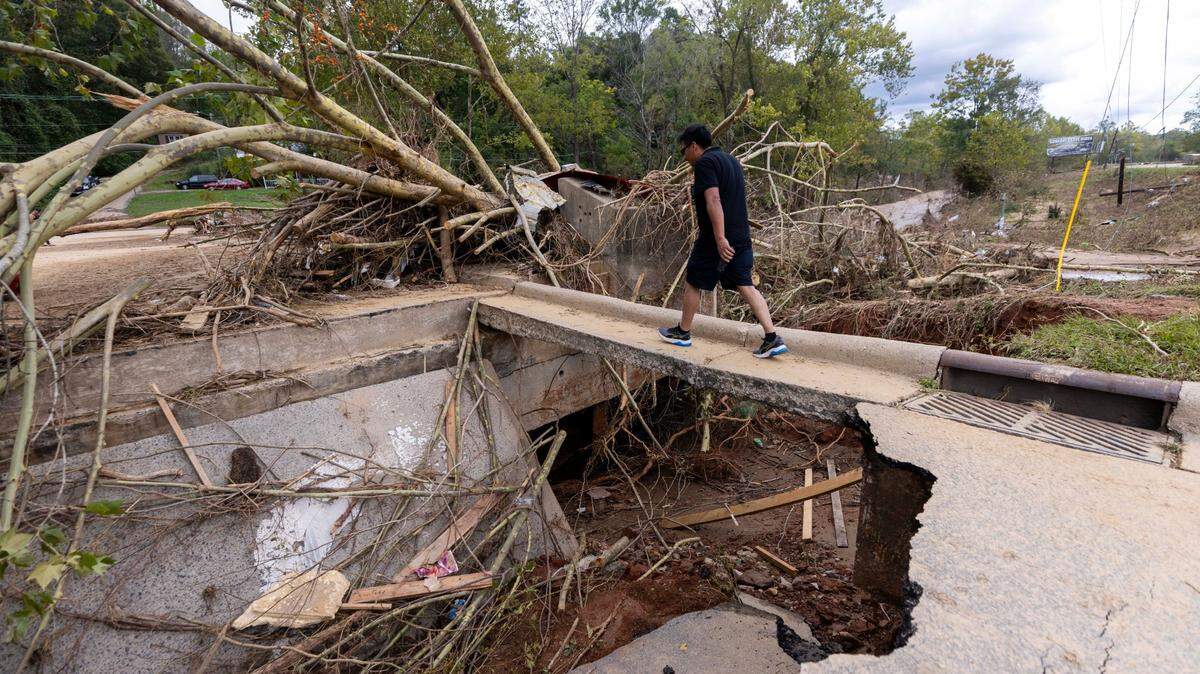
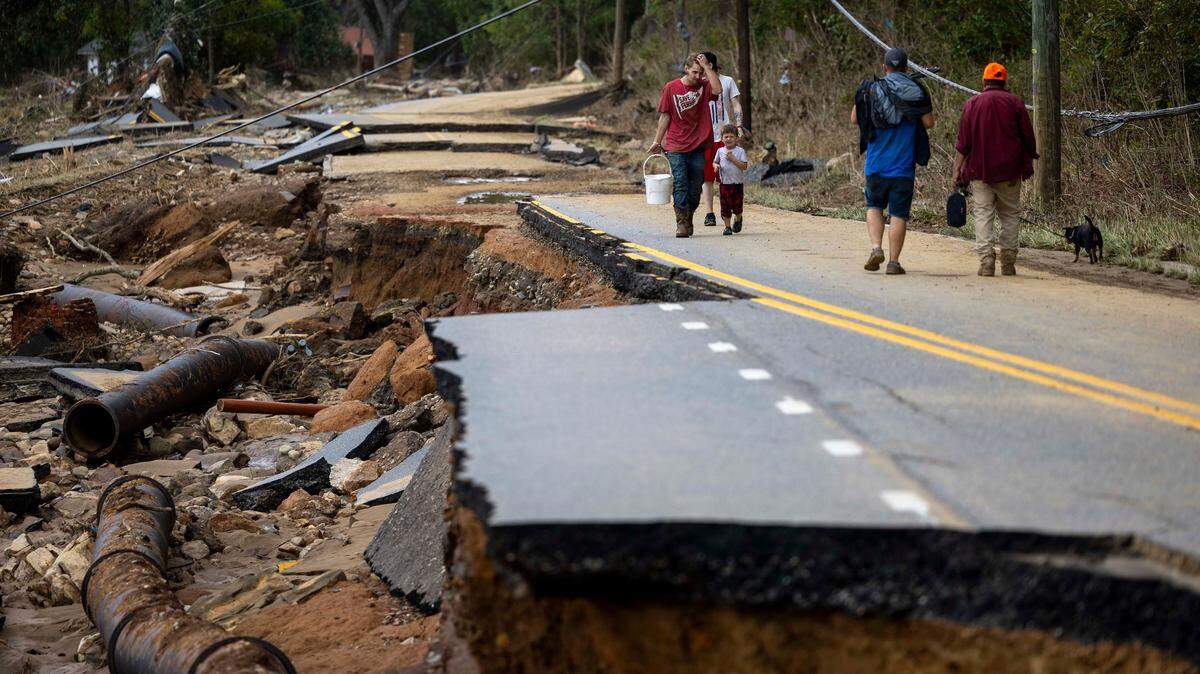
Hurricane Helene swept across the Southeast, causing major flooding and destruction throughout North Carolina. Here is ongoing coverage from The News & Observer and The Charlotte Observer about Hurricane Helene and the aftermath, particularly in Western North Carolina.
Expand All
North Carolina lawmakers returned to Raleigh for one day to pass $604 million more for Hurricane Helene disaster relief on Thursday. Gov. Roy Cooper signed their relief bill into law a day later.
The legislation known as the Disaster Recovery Act of 2024 Part II passed the House and Senate unanimously, two weeks after the first wave of relief was passed on Oct. 10 and was also quickly signed by Cooper.
House Speaker Tim Moore told The News & Observer on Thursday, ahead of expected votes in both chambers, that the $604 million in the bill, plus the $273 million earlier in October, is still “preliminary.”
“We’re talking nearly $900 million at this point that General Assembly has put in. And the reality is we’re going to be back Nov. 19 (for another session). We’re gonna deal with this,” Moore said.
“And everything right now is so preliminary. For example, we don’t know what percentage of the damages are going to be covered by insurance. We don’t know exactly how the federal match is going to work,” he said, and so lawmakers want to wait to spend more than already planned this week.
“If the state goes ahead and just front loads a bunch of money, and were to drain the account, you could actually forfeit the ability to get some of the federal match,” Moore said.
He expects the total cost to the state in the billions.
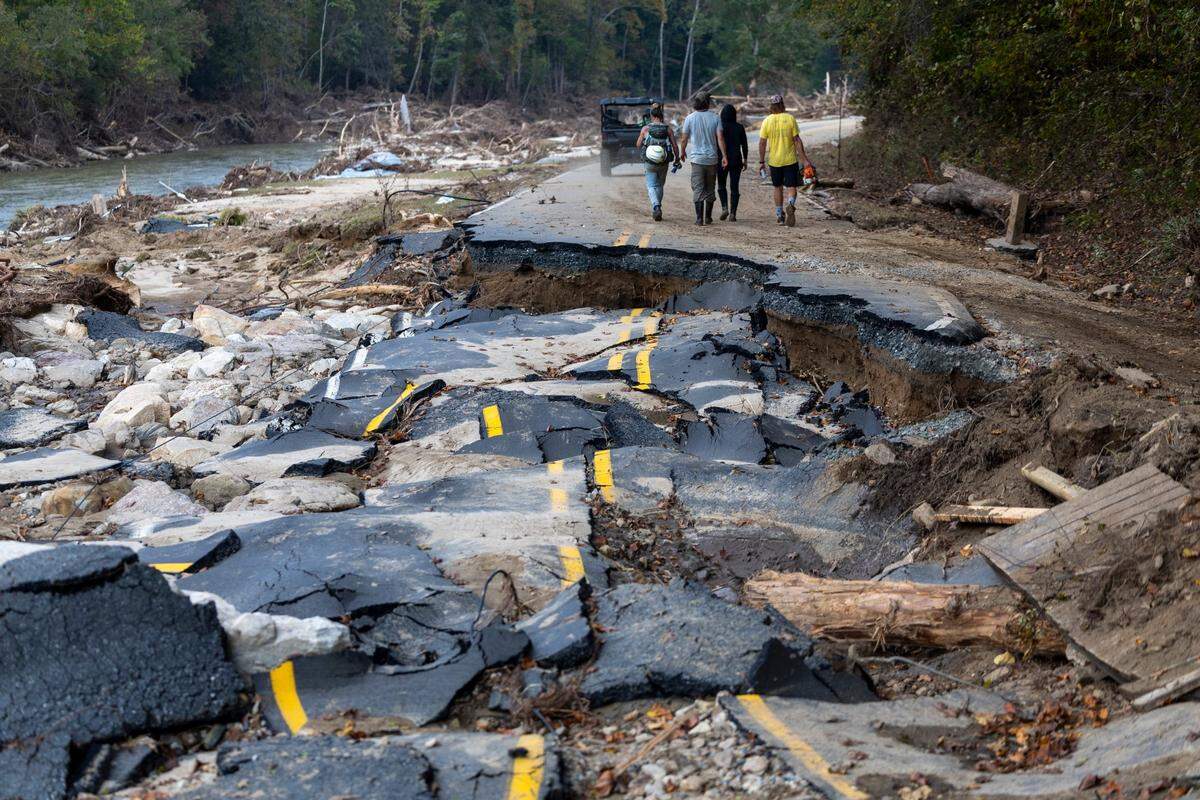
Cooper, a Democrat, made his pitch on Wednesday for the second bill, proposing $3.9 billion in relief. The Office of State Budget and Management estimates the total cost of Helene in devastated Western North Carolina to be $53 billion.
When he signed the bill into law Friday, Cooper said in a statement that it was “the worst storm our state has ever seen.”
“Legislators have taken a small step here and should follow it with a more comprehensive package to help families, businesses and communities build back stronger,” he said.
Moore said that although the latest Republican-written bill has much less than what Cooper requested, that doesn’t mean the governor’s proposal won’t be considered in the next bill, which is expected during the November legislative session. He said there could be Helene relief legislation in December, too.
Moore, who is expected to win his race for Congress, said he wants to work on making sure federal money comes to Western North Carolina next year.
House Democratic Leader Robert Reives, of Chatham County, criticized Republicans for leaving Democrats out of the bill drafting process.
“This second disaster relief package for Western North Carolina is sorely needed. However, I am disappointed that House Democrats were not directly involved in writing this legislation. This is once again a missed opportunity for a bipartisan approach to lawmaking. I hope that our next round of disaster relief funding is more robust and includes more than just a small handful of people drafting it,” Reives said in a statement.

Asked by reporters about Democratic involvement, Moore said Republican leaders “received input from members on both sides of the aisle,” but that staff were more involved than lawmakers themselves in deciding on details. Most Republican House members had only seen the bill the night before, he said.
Helene relief will be ‘major theme’ of 2025 state budget
The Senate passed the bill by a vote of 46-0. It passed the House shortly after, 108-0.
During the Senate debate, Democratic Sen. Julie Mayfield said the bill doesn’t do enough, and “speed matters.”
Mayfield represents hard-hit Buncombe County, and said she had wanted two things the bill doesn’t have: a moratorium on evictions, and small-business grants, as opposed to the small-business loans in the bill.
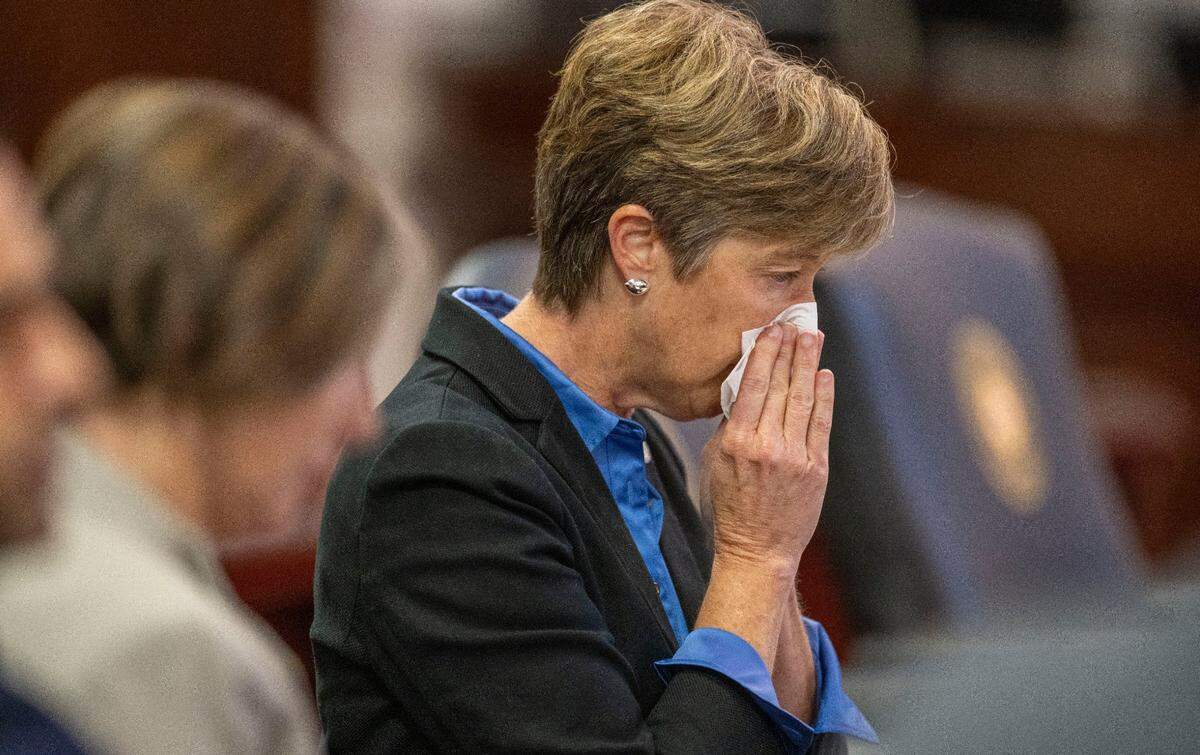
Sen. Michael Lee, a Wilmington Republican, said that even with passing the second round of funding in less than a month since Helene hit the state, there will be “a lot of folks who say we didn’t do enough. But we’re getting the process started.”
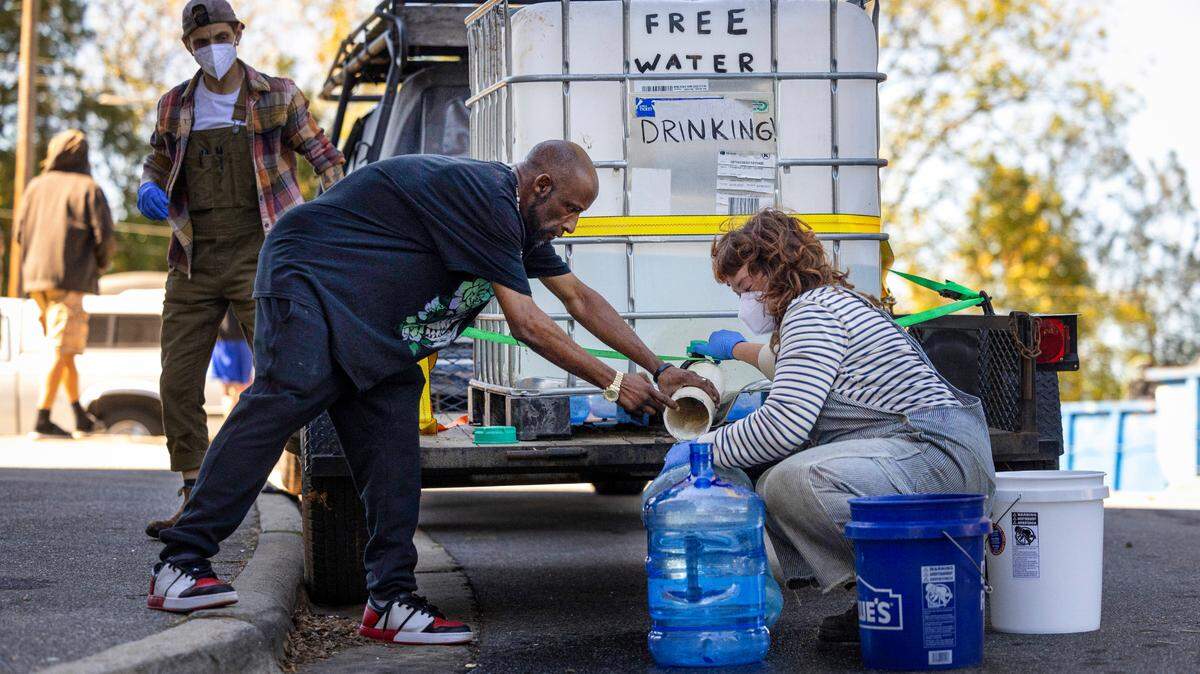
Sen. Ralph Hise, a Spruce Pine Republican, said that in his area, there are still immediate needs like clean drinking water and electricity.
“We’re still in kind of an assessment mode,” he said. Hise said that the state can’t be the only solution to the $53 billion in Helene damage estimated by Cooper.
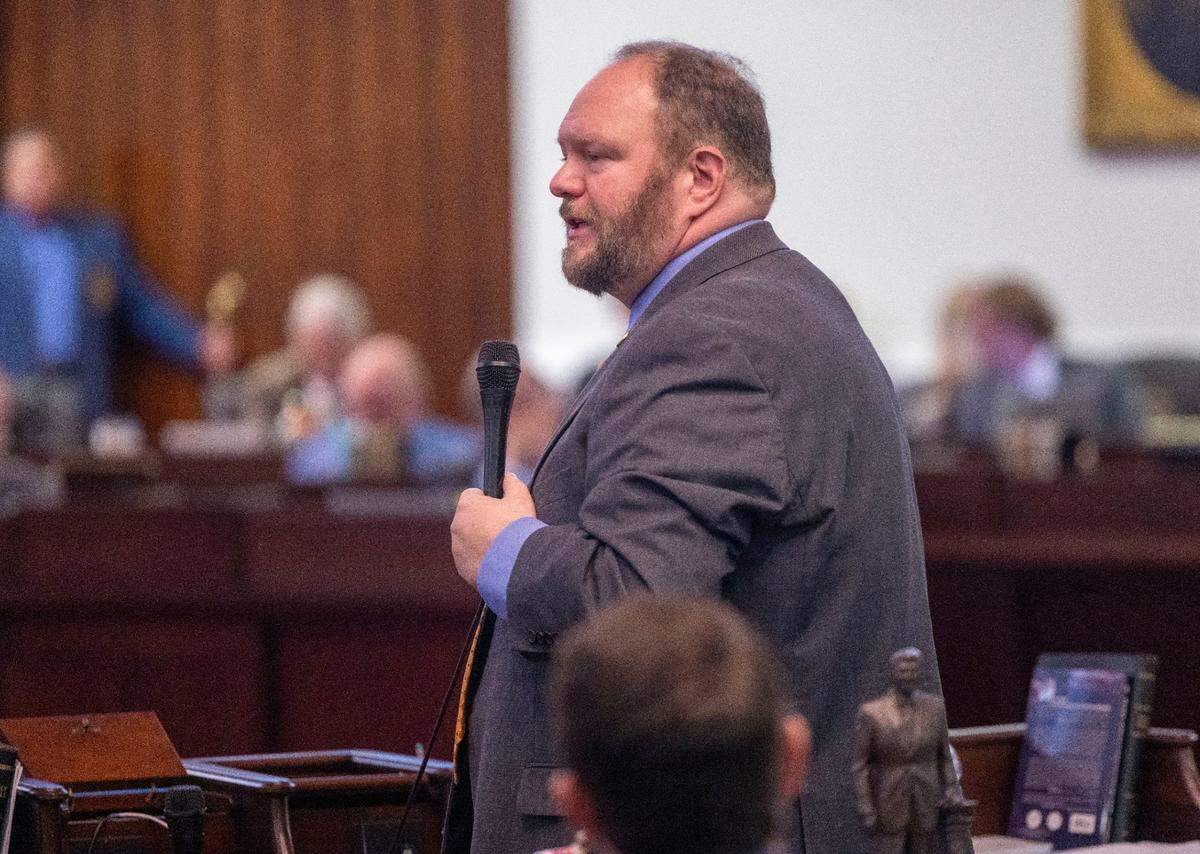
“We’re going to have to bring in a federal partnership,” Hise said, and the legislation is “meeting the current needs on the ground.”
Hise said “this is a long-term problem” without short-term fixes in the current bill. He also said that Helene relief will be a major theme of the 2025 state budget. Hise is a top Senate budget writer.
Senate Democratic Whip Jay Chaudhuri called the bill “a good relief package because the General Assembly had the wisdom to establish a rainy day fund,” and because it helps with education and health care needs. He also urged his fellow lawmakers to do more.
What’s in the bill
Republicans revealed the bill Thursday morning, a few hours before they passed it. Here’s the breakdown of the $604 million in the Helene Fund:
▪ $16.7 million for the North Carolina Community College System
▪ $65 million for the Department of Public Instruction
▪ $20 million for the University of North Carolina
▪ $71.4 million to the N.C. Department of Health and Human Services
▪ $56 million to the Department of Commerce
▪ $139 million to the Department of Environmental Quality
▪ $130 million to the Department of Public Safety
▪ $106 million to general government, including the Office of State Budget and Management and the Treasurer.
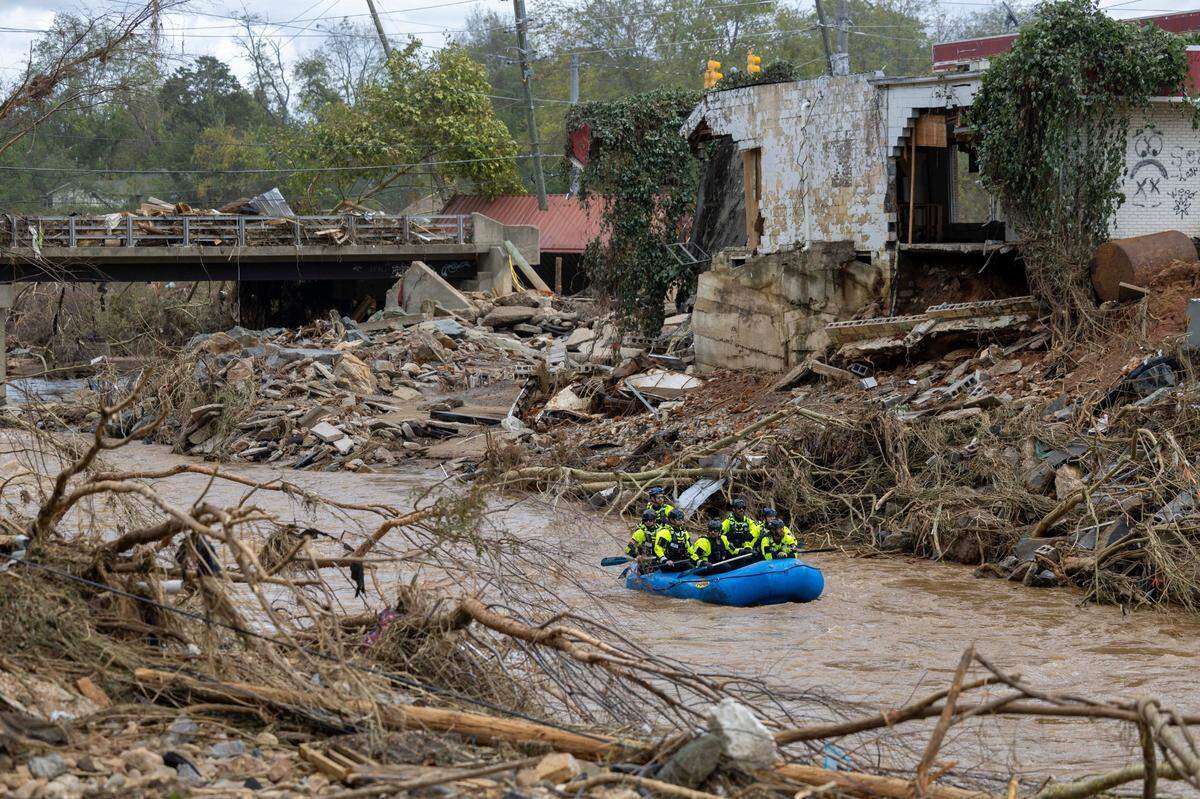
Help for colleges, universities now
The relief bill aims to assist students attending colleges and universities that were impacted by the storm.
The North Carolina Community College System will receive $5 million to establish a grant program that will cover the cost of tuition and fees for eligible students in the upcoming spring semester. The colleges eligible to participate in the program are:
▪ Asheville-Buncombe Technical Community College
▪ Blue Ridge Community College
▪ Haywood Community College
▪ Mayland Community College
▪ McDowell Technical Community College
▪ Western Piedmont Community College.
The UNC System will receive $5.5 million to establish a similar grant program at UNC Asheville. That program will cover the cost of tuition, but not fees, for eligible in-state students in the spring semester. In-state tuition for the current academic year is about $4,100.
UNC Asheville has been closed for nearly a month as a result of the storm. Classes are set to resume Oct. 28 but will remain virtual for the remainder of fall semester.
The bill also establishes a “Hurricane Helene Emergency Grant Program for Postsecondary Students” that will be available to students at a host of community colleges and public and private four-year universities, including UNCA, Appalachian State University and Western Carolina University. The program will allow students “who have suffered financial hardship due to the damage and destruction” from Helene to receive scholarship grants of up to $2,500. The funds can be used on textbooks, tuition, fees, living expenses and any other expenses “that support a student’s continued enrollment.”
Per the bill, schools that are part of the emergency grant program must start taking applications for funds from students by Nov. 15. Schools must distribute the money to students within two weeks “or as soon as otherwise practicable.”
The UNC System will receive $5 million for the emergency grant program to administer to its universities. The system will receive an additional $1 million to allocate to the seven private universities eligible for the program. The North Carolina Community College System will receive $10.5 million for the program.
The bill also provides funds for additional need-based scholarships.
What Cooper wants
Cooper’s proposal includes more than $3 billion more, which could end up in the November round of relief. Here’s what he wants:
▪ $650 million for the economy, most of which — $475 million — would go to a Helene Business Recovery Grant program.
▪ $650 million for housing, with half of it going to a Homeowner Recovery Program.
▪ $578 million for utilities and natural resources, $289 million of which is to match federal money, with other money going toward water, parks, storm abatement and stormwater projects.
▪ $422 million for agriculture, with more than half going to the Helene Agriculture Disaster Farmer Recovery Program.
▪ $55 million for transportation, mostly for private roads and bridges to be repaired or replaced.
▪ $594 million for government and recovery operations.
▪ $282 million for education, with $100 million of that going to buildings.
▪ $252 million for Health and Human Services.
▪ A yet to be determined amount to assist tribal and federal lands in the state.
‘More immediate things’
Senate leader Phil Berger told reporters after the Senate session that Cooper’s request only came on Tuesday afternoon, two days before session, though certain departments and others had submitted requests earlier. The assessment of what needs to be done is still in progress, he said. There wasn’t anything in Cooper’s proposal that received an immediate “no,” he said.
“There are a lot more things that as we go forward are going to need to be done. As far as the amount is concerned, I think what we’ve done is deploy an adequate amount of resources at this time to deal with some of the more immediate things that have some time sensitivity,” Berger said.
“And it’s our feeling that the amount that we’ve put out there will handle that. It’s more than we’ve ever done in in hurricanes this quickly, in the past. Granted, the storm is, from a damage standpoint, larger than the ones we’ve seen, but we put more dollars out there faster than have been done in the past,” he said.
Berger said he has not made a final judgment on Cooper’s request, but also that they don’t want to fully deplete the rainy day fund. He said it would be irresponsible to spend that amount so quickly.
The state’s Savings Reserve, also known as the rainy day fund, has $4.47 billion in it as of Oct. 18, according to the Office of State Budget and Management.
On the question of small business grants versus small business loans, Berger said they haven’t done grants before with state money, but rather with federal money during the COVID-19 pandemic. He added that the state would need more conversations with the federal government on funding.
This story was originally published October 24, 2024 at 1:14 PM with the headline "NC passes $604M more in Helene relief. What’s in it and why it’s less than Cooper asked."
.jpg)








.jpg)


.jpeg)

.JPG)























.JPG)