When you are both a journalist and a firefighter, which comes first when a hurricane hits?
READ MORE
Hurricane Helene Aftermath
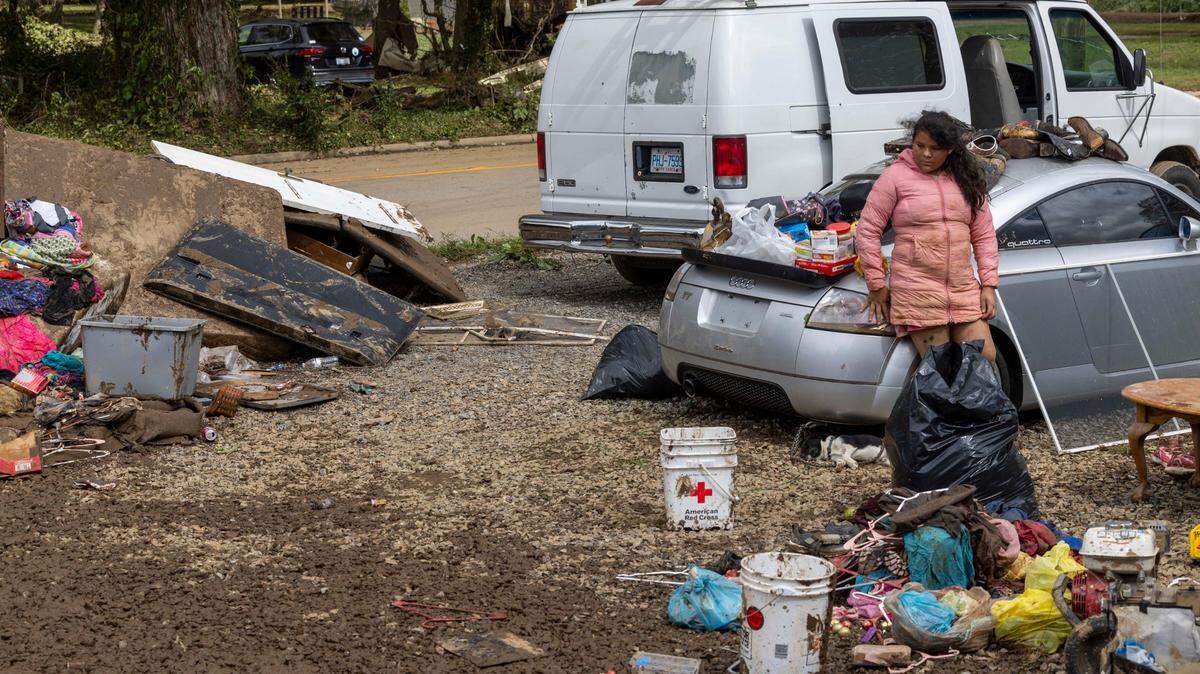
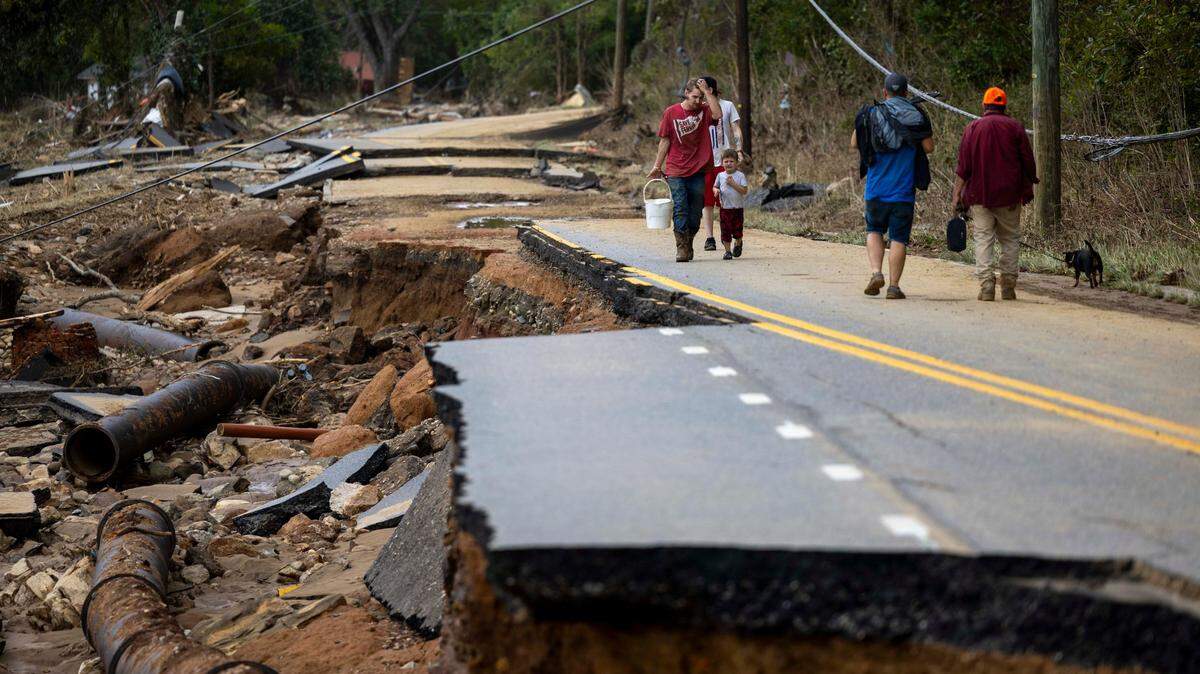
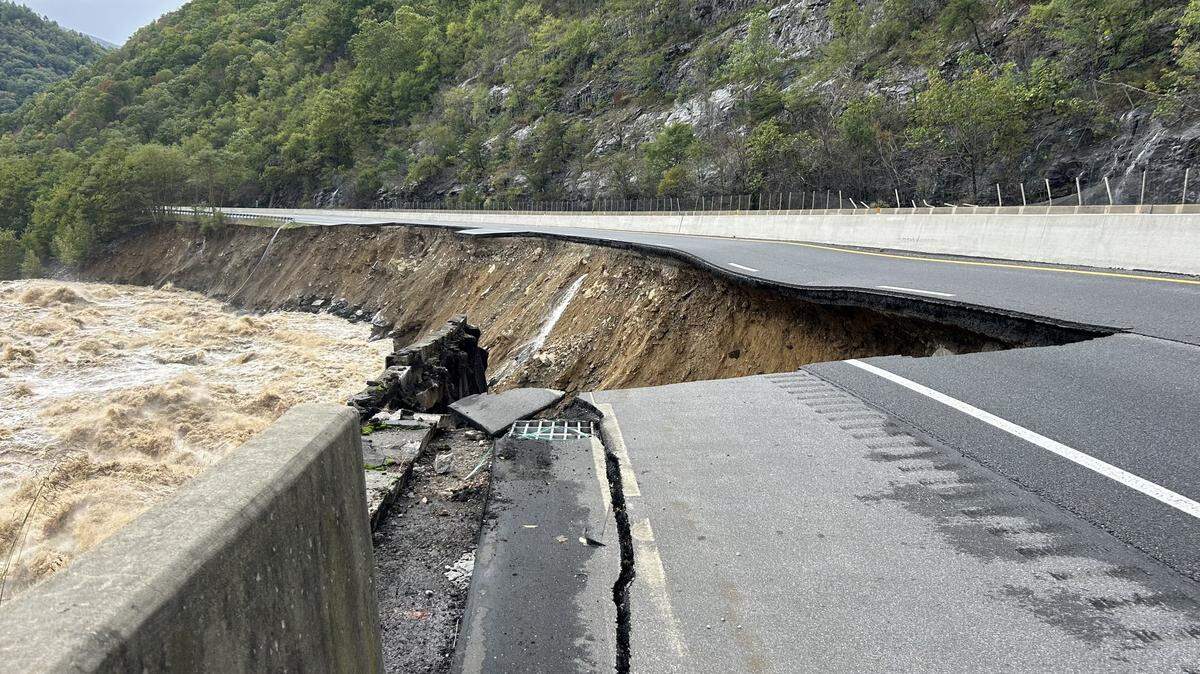
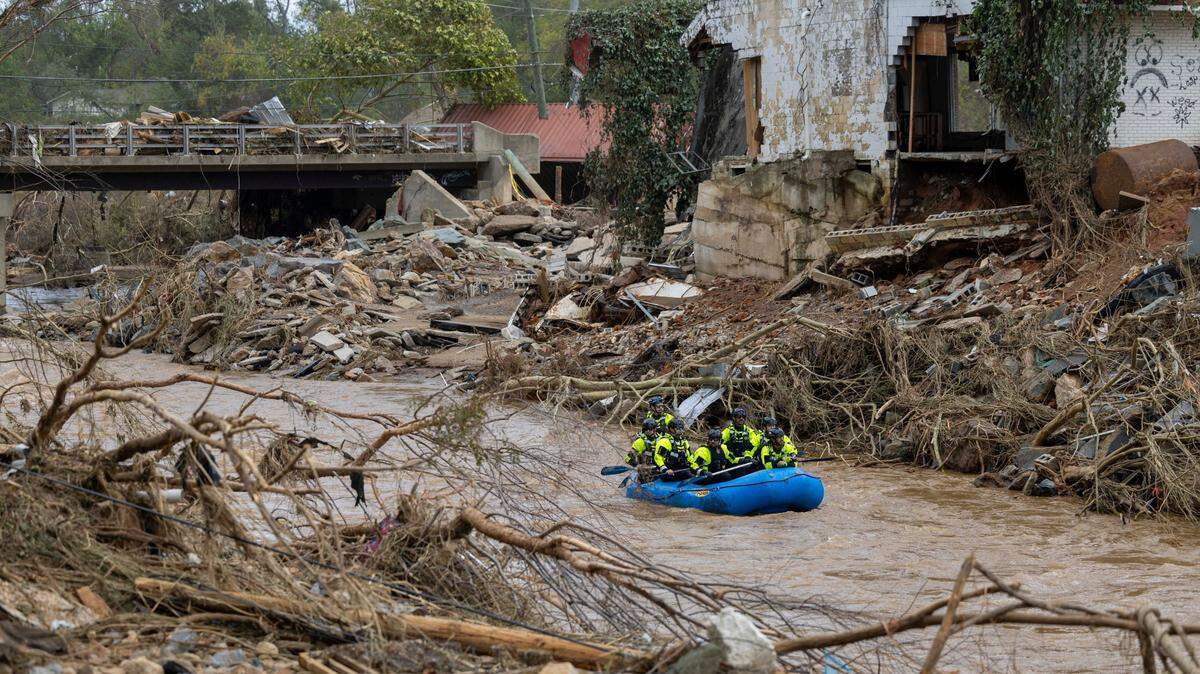
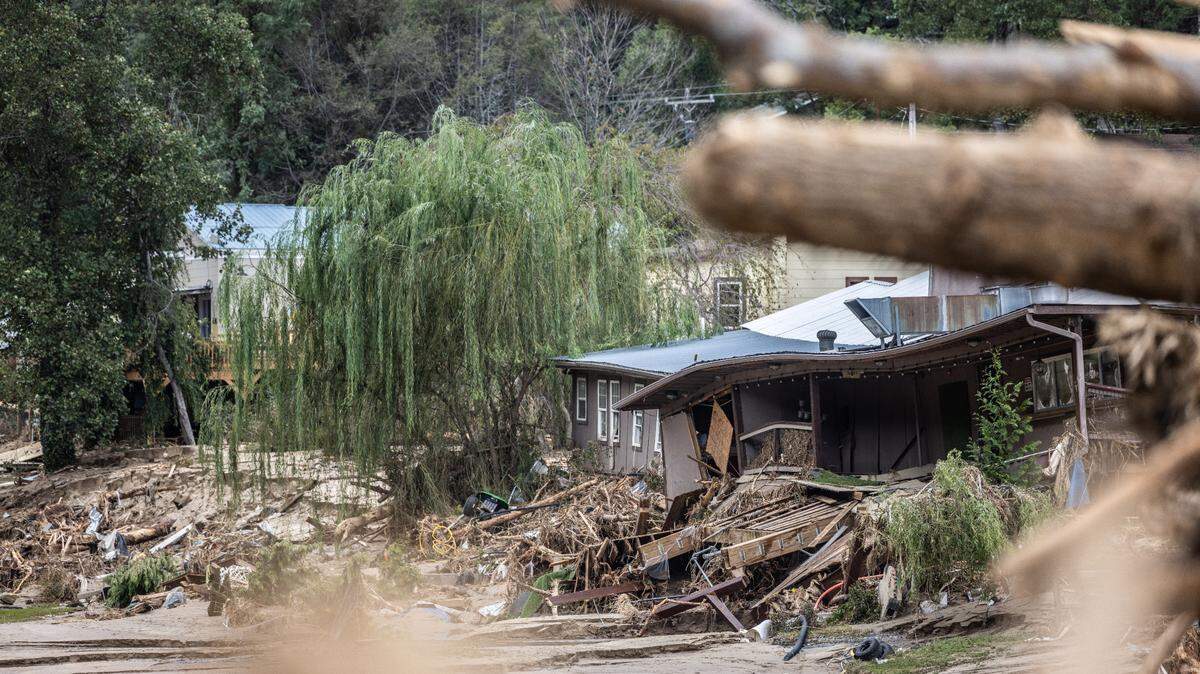
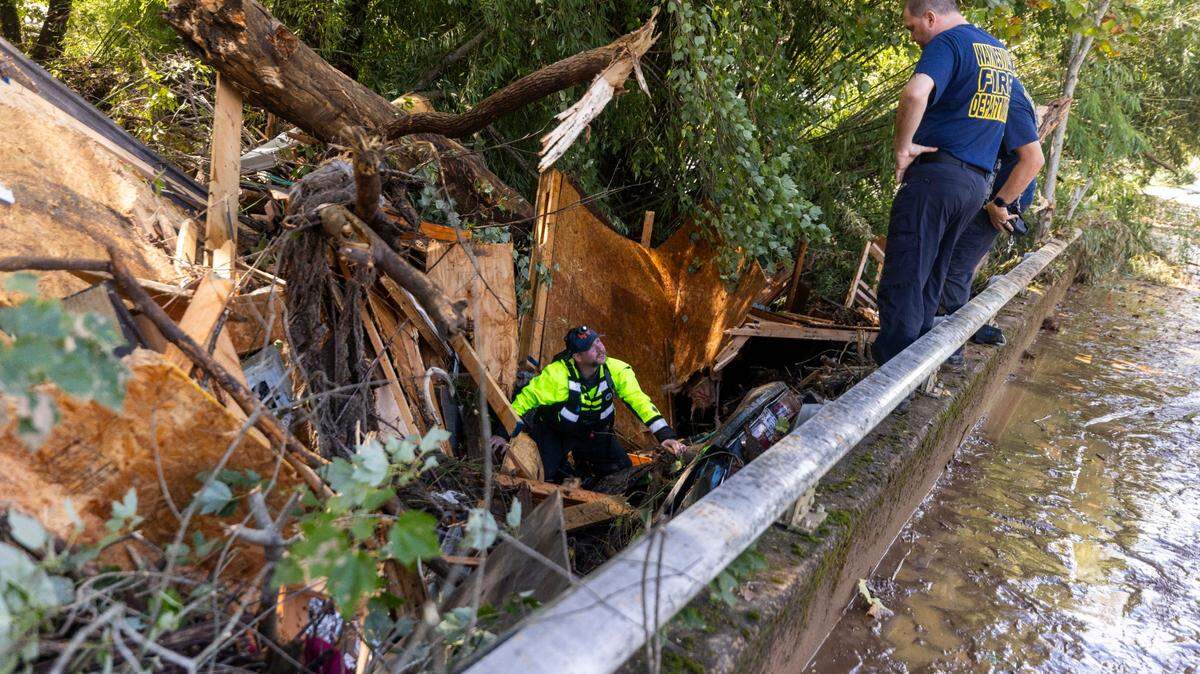
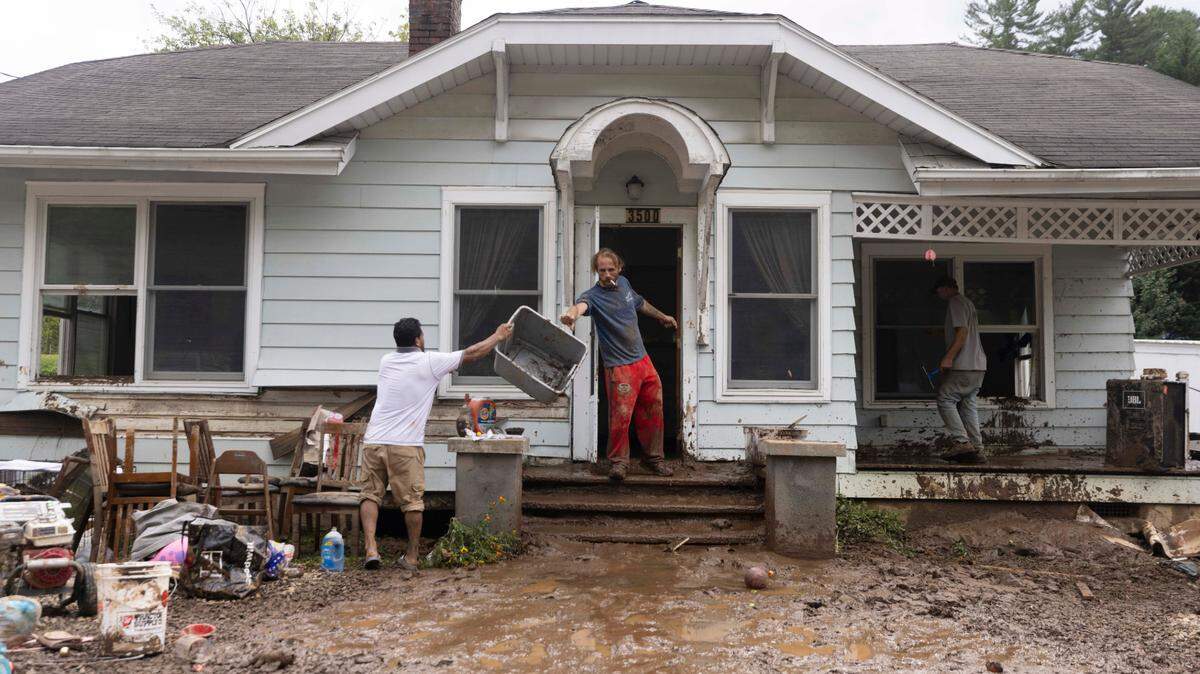
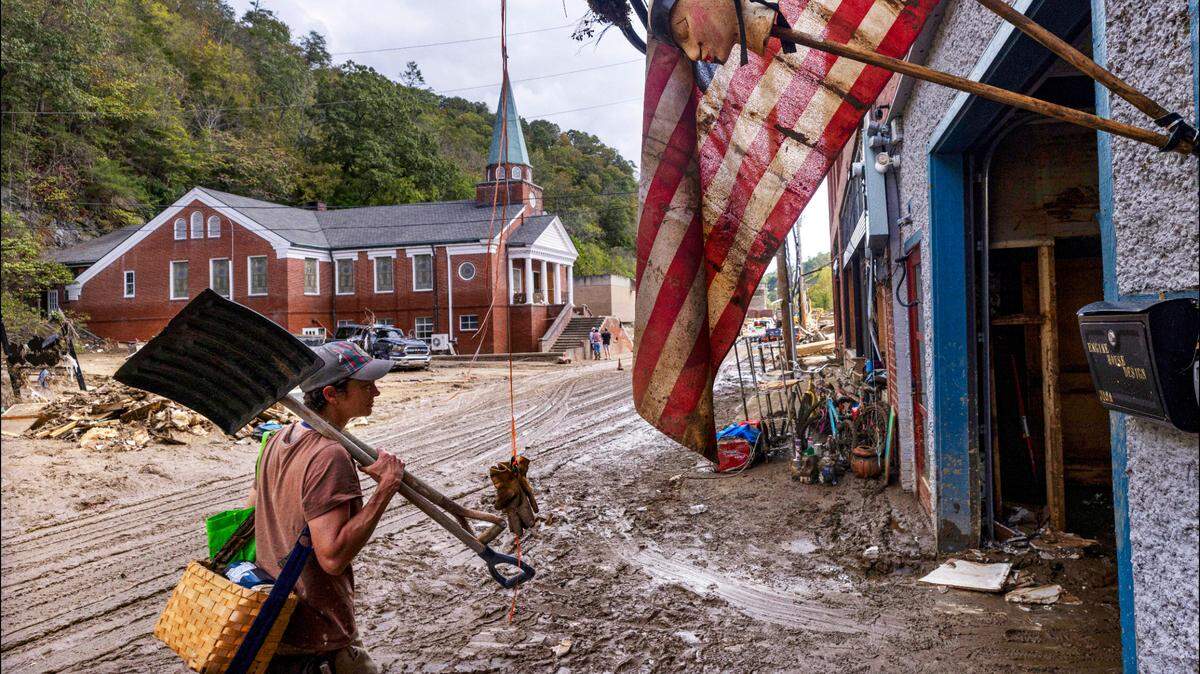
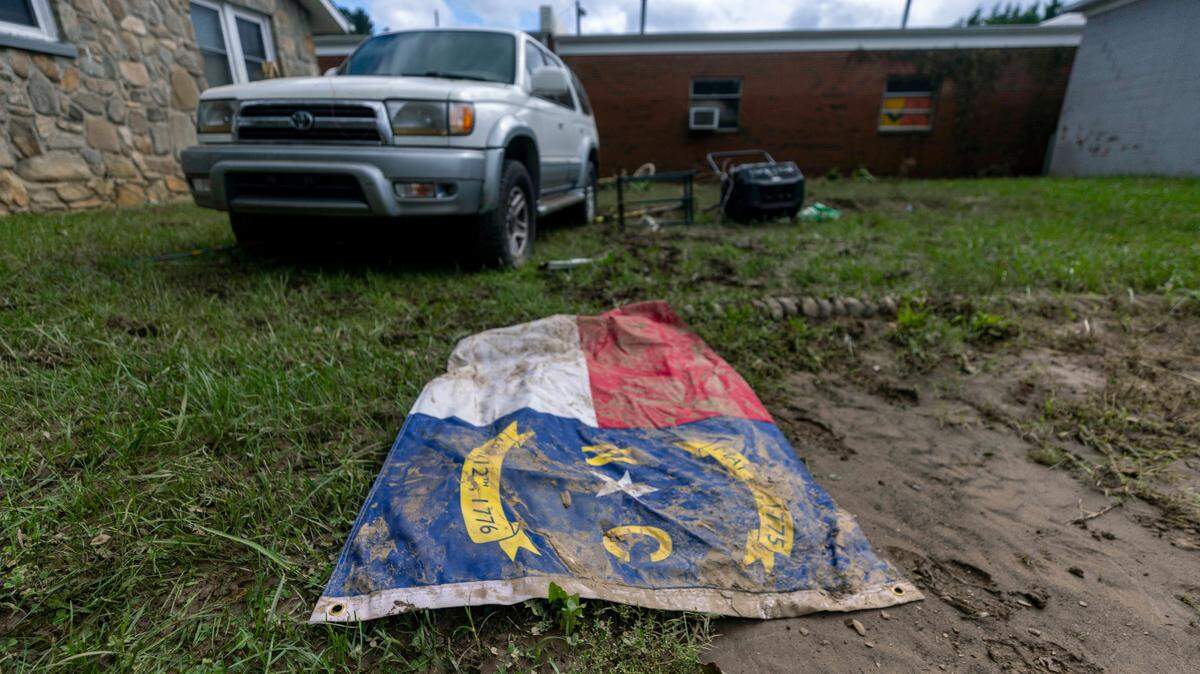
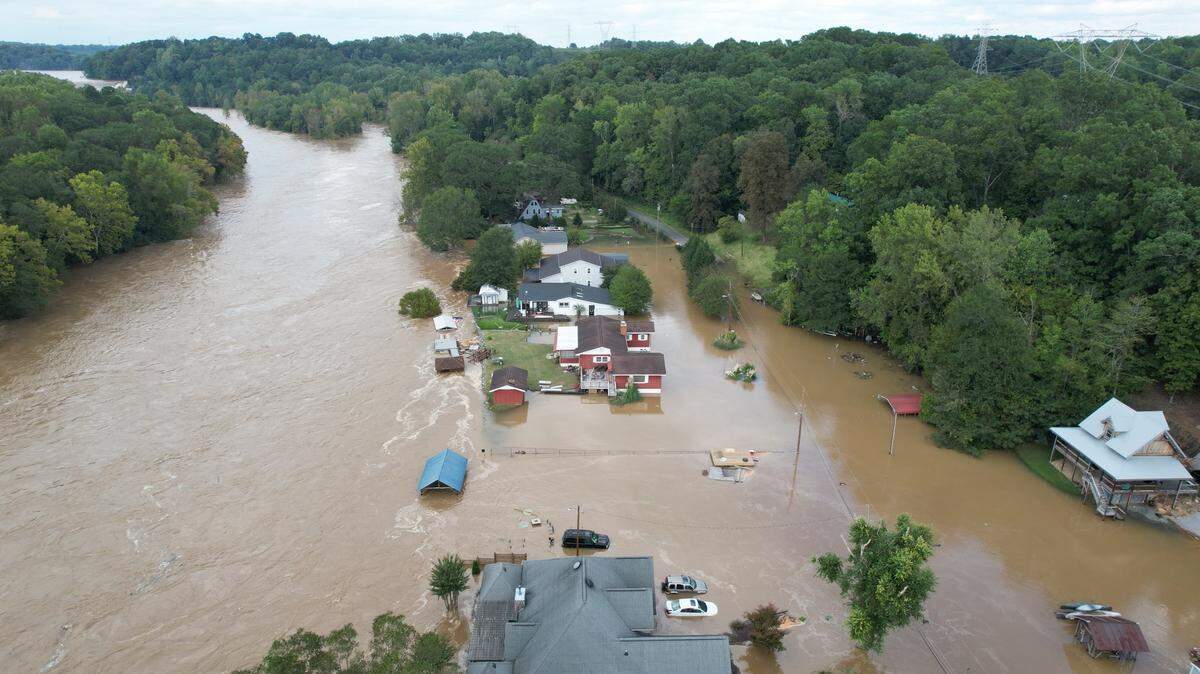
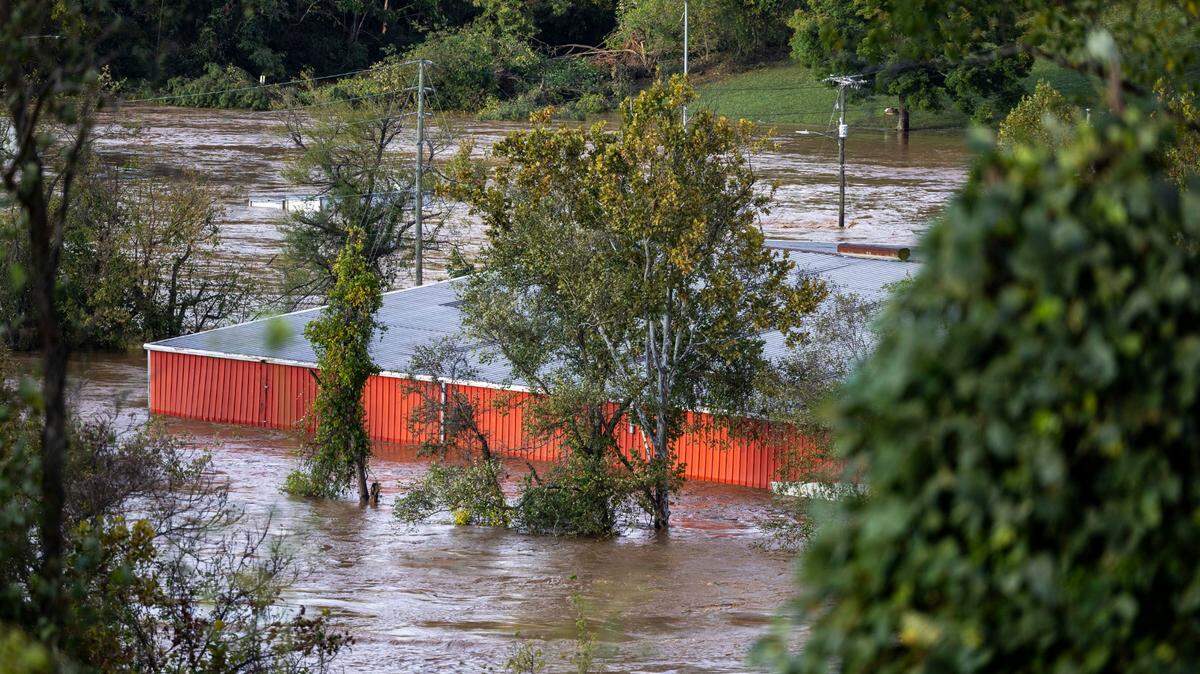
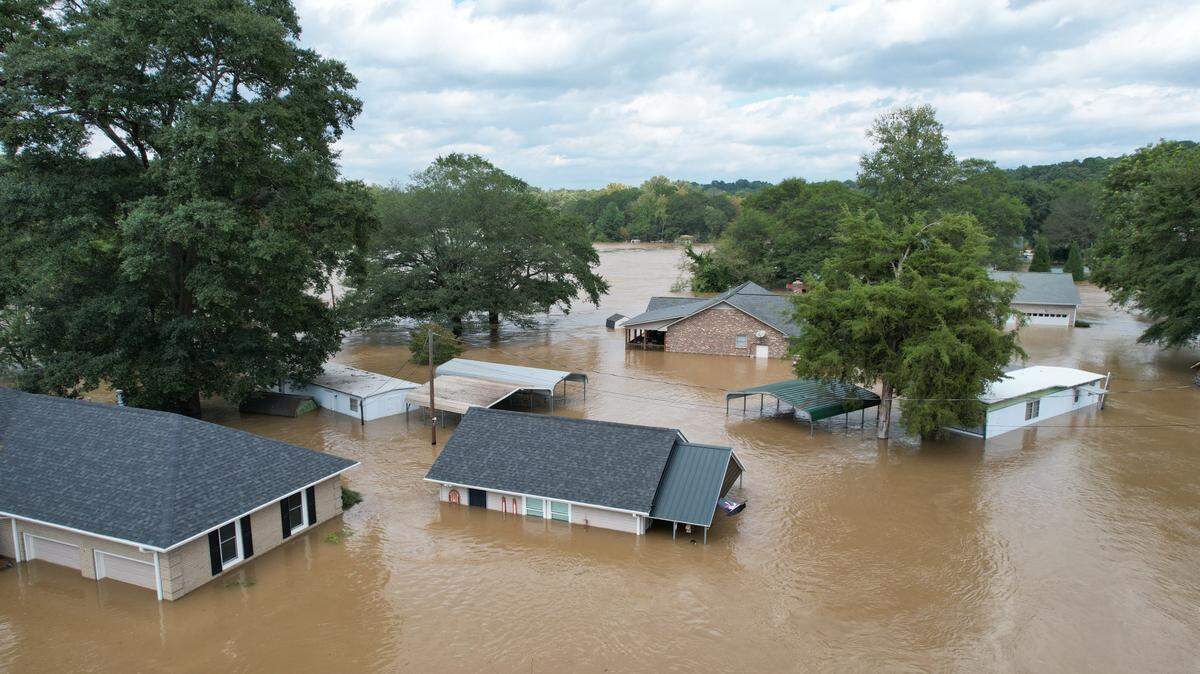
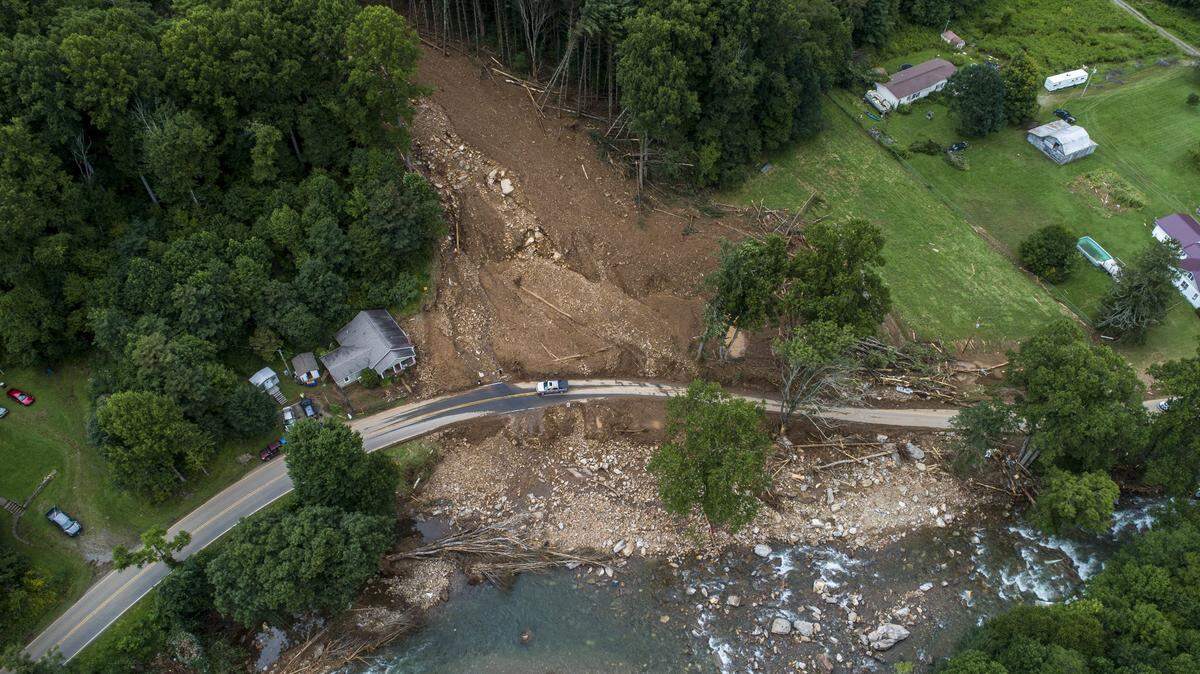
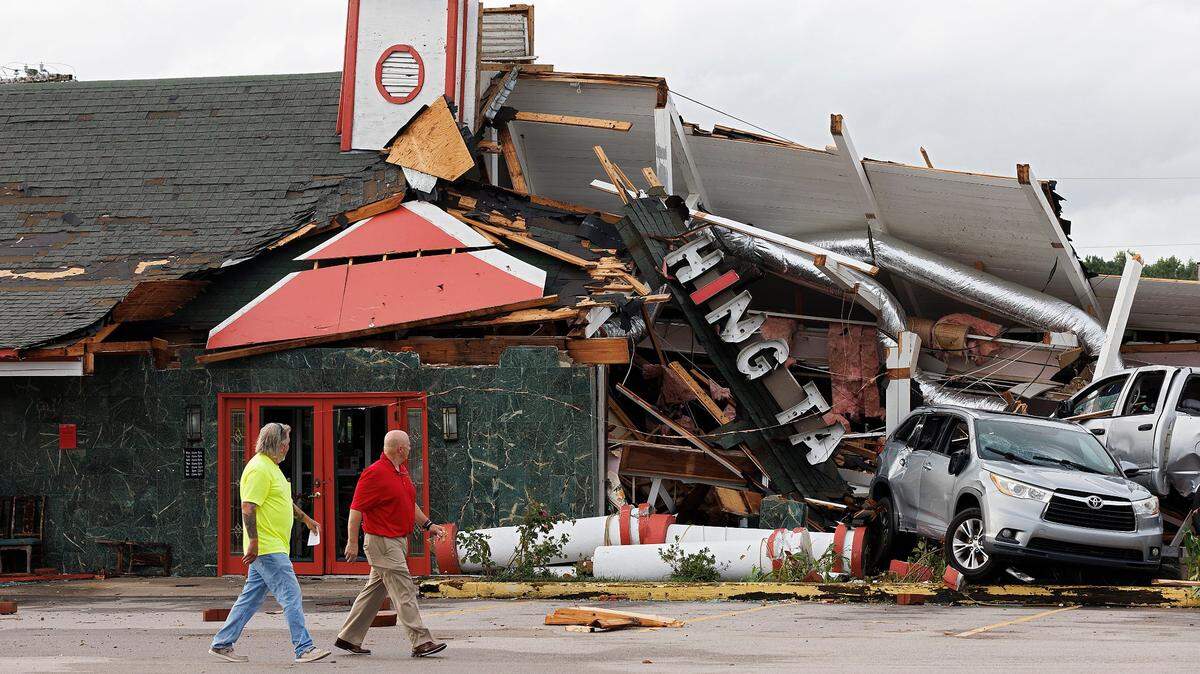
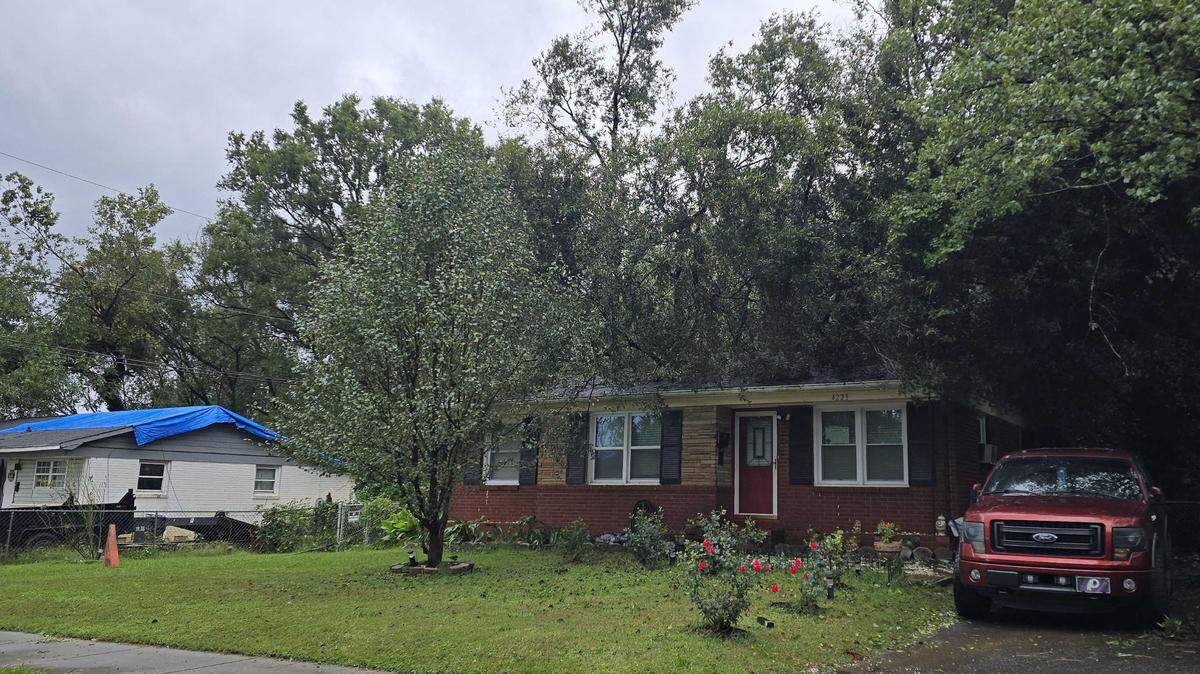
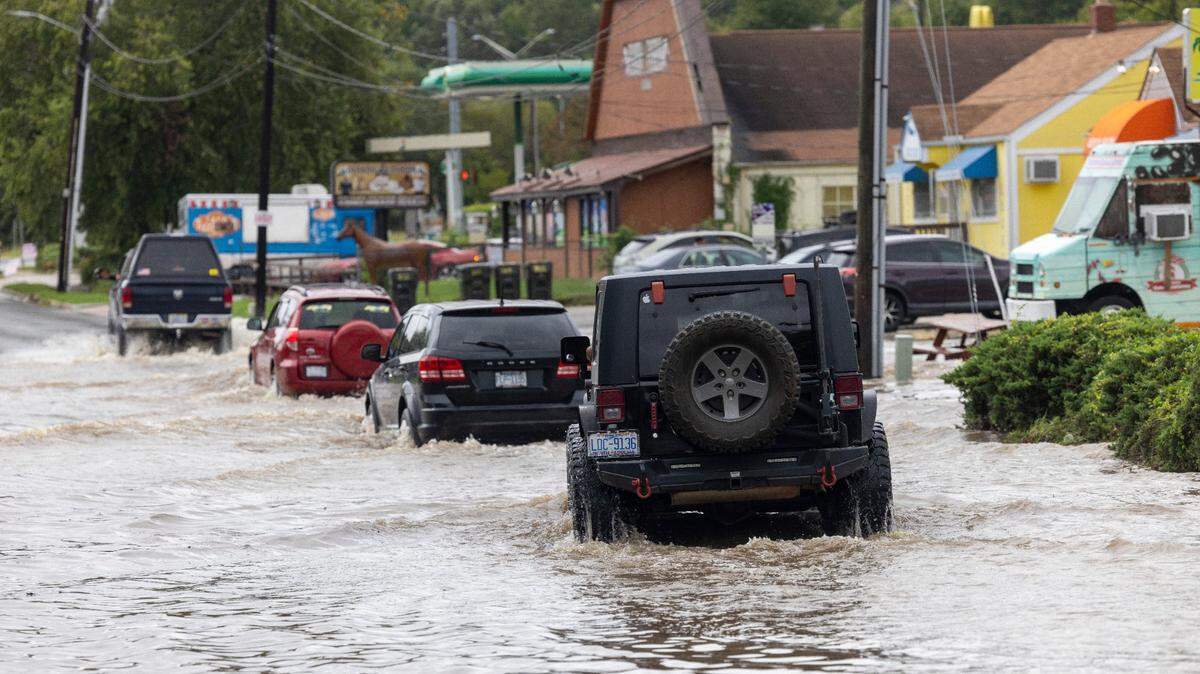
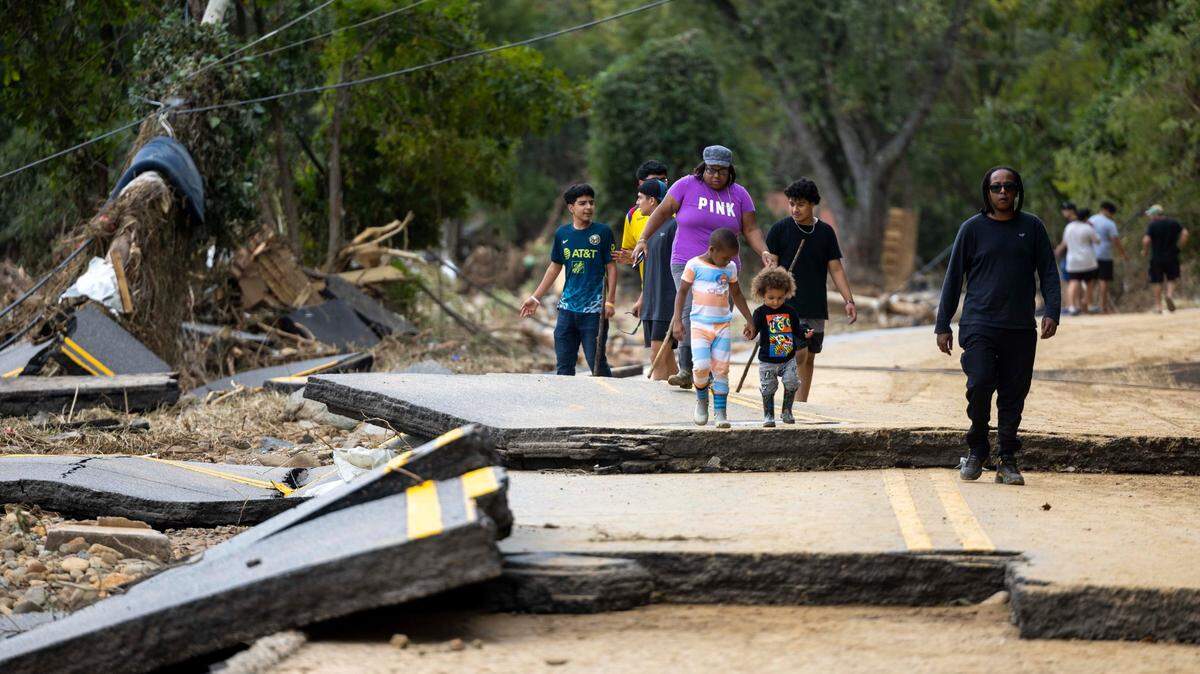
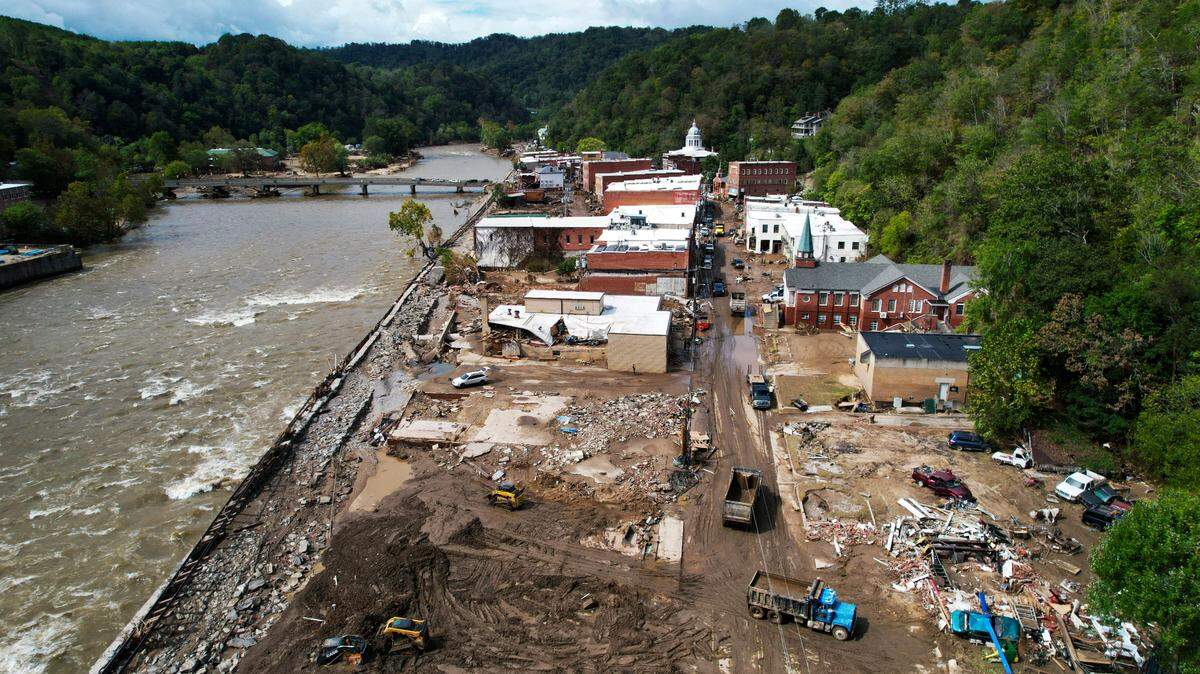
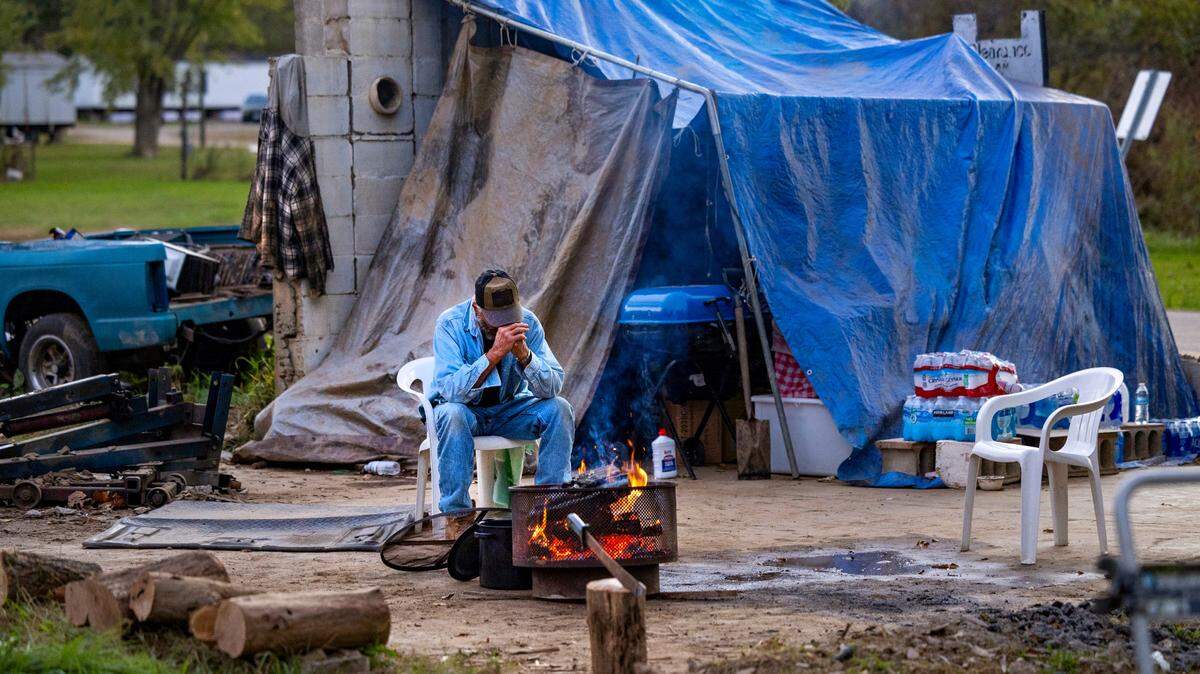
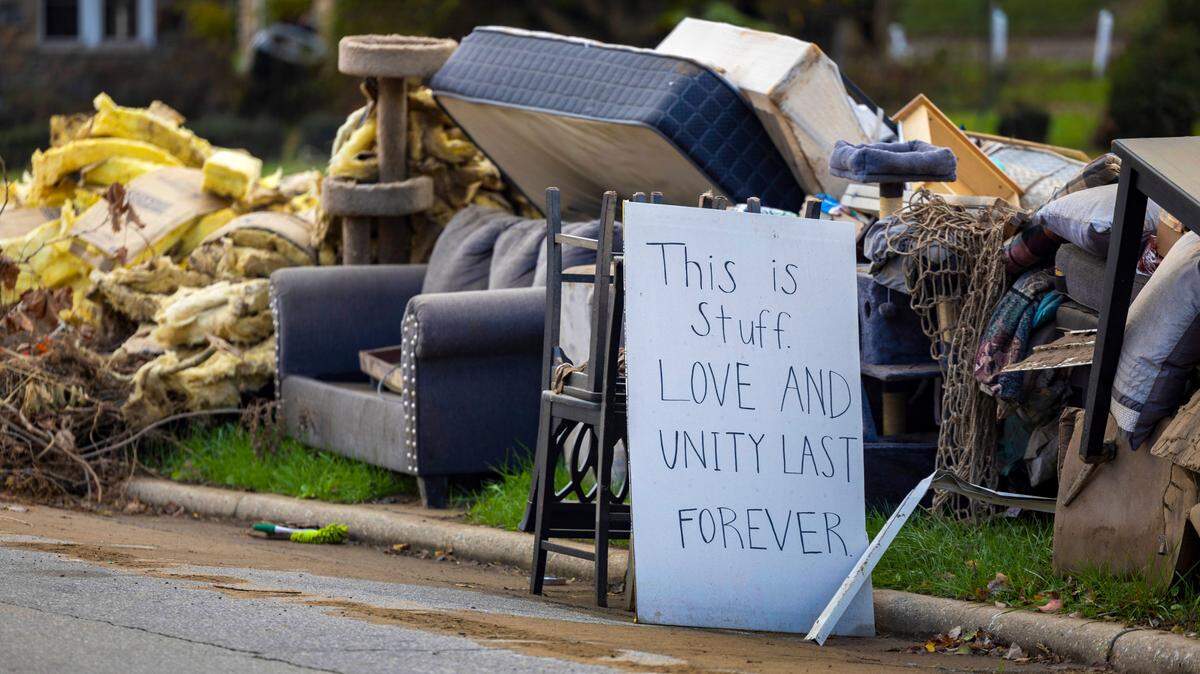
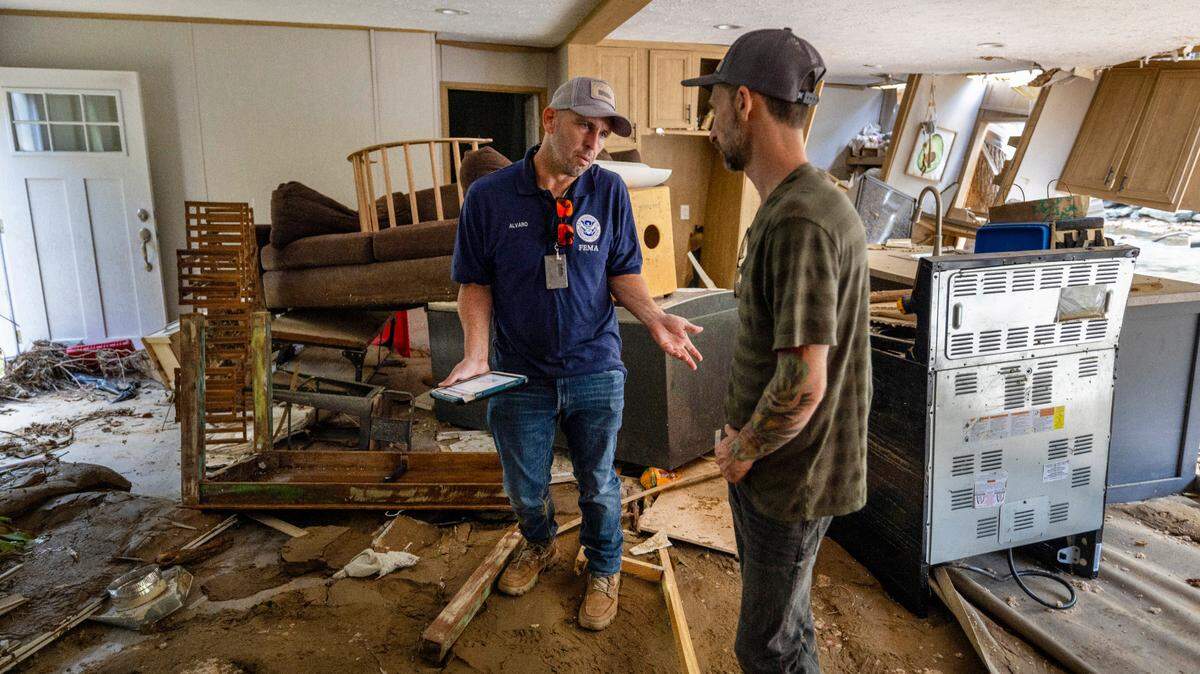
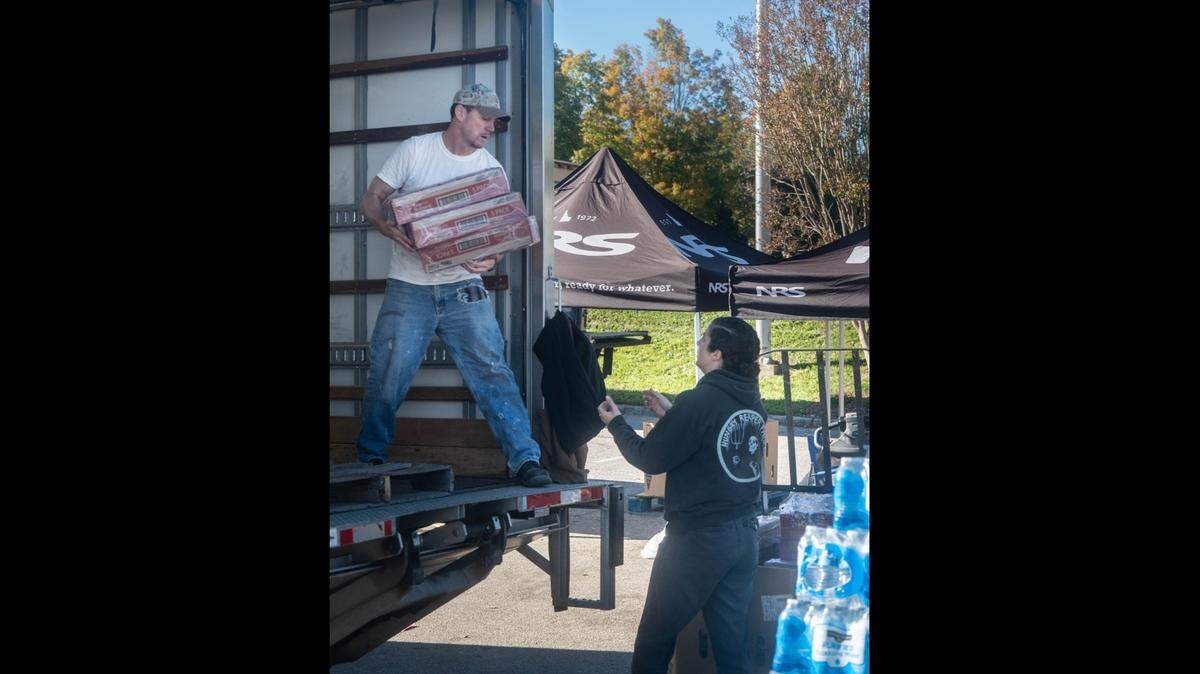
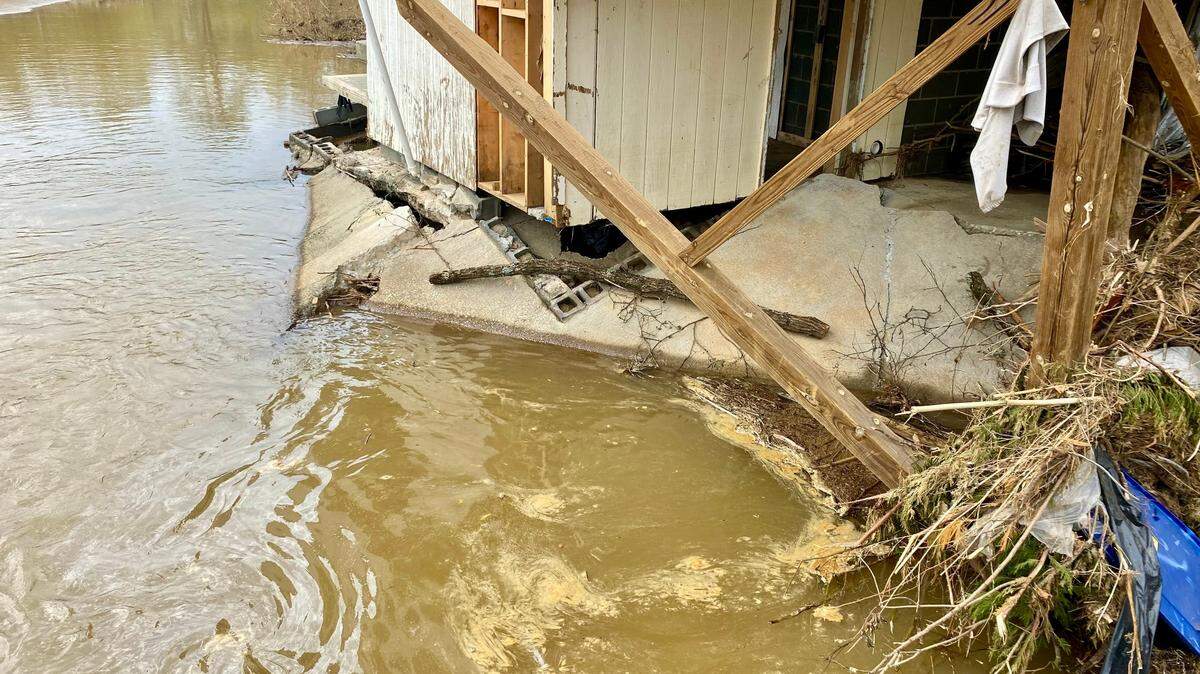
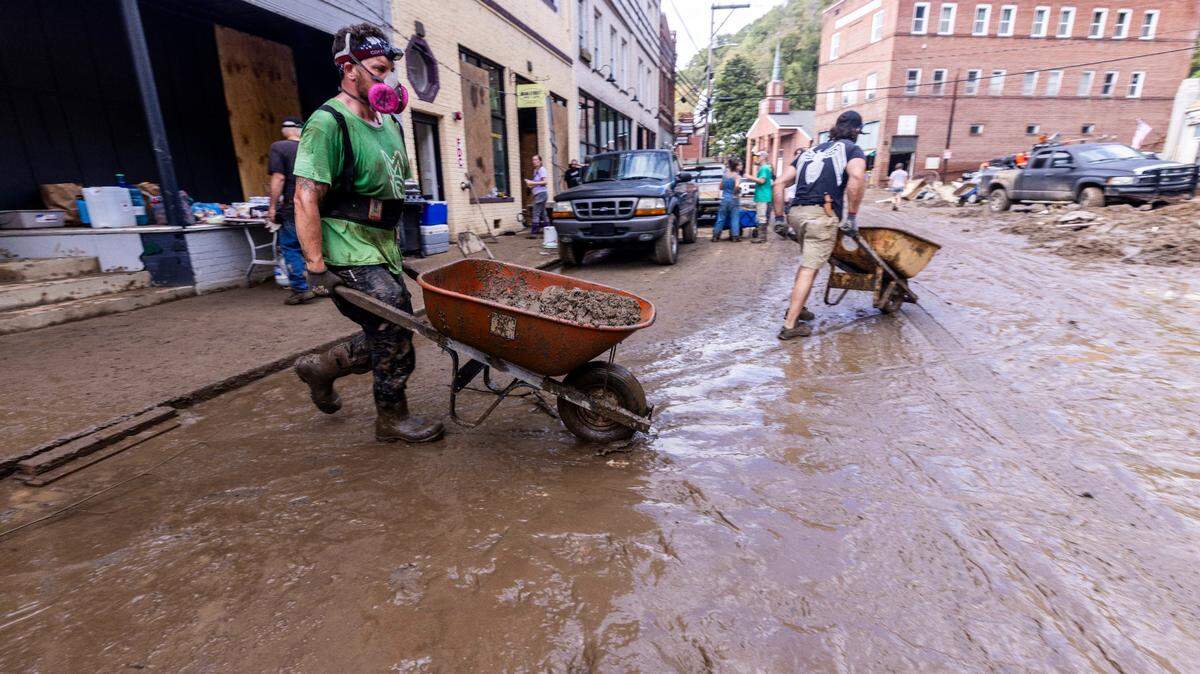
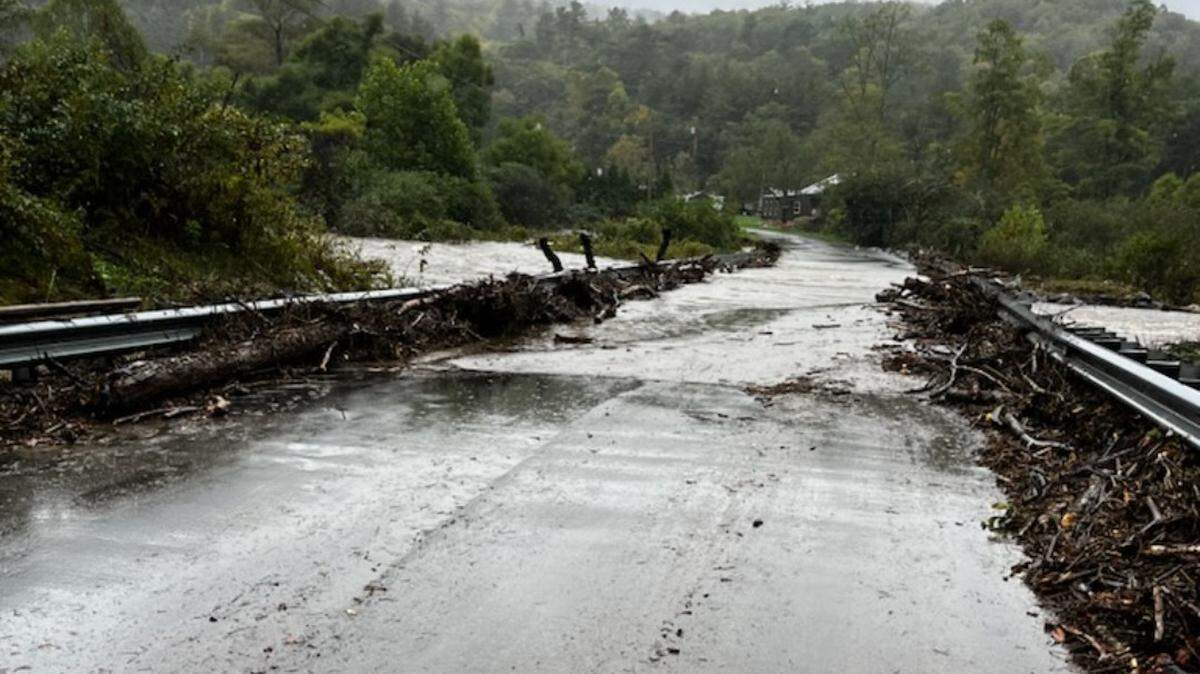
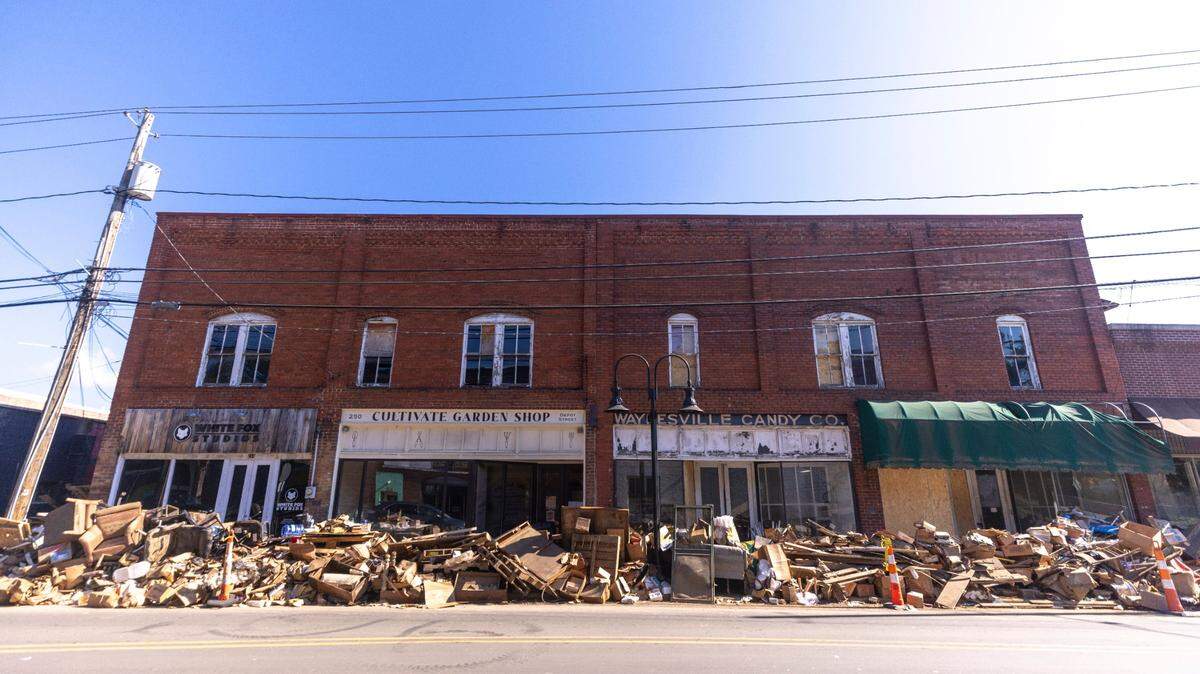
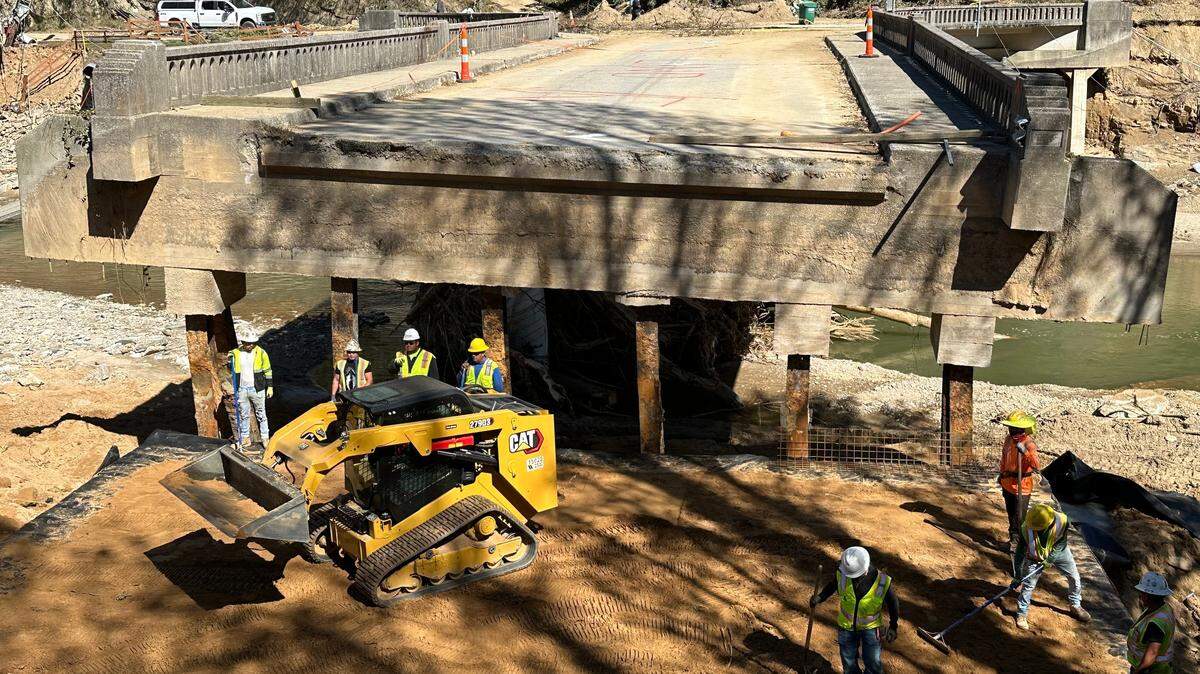
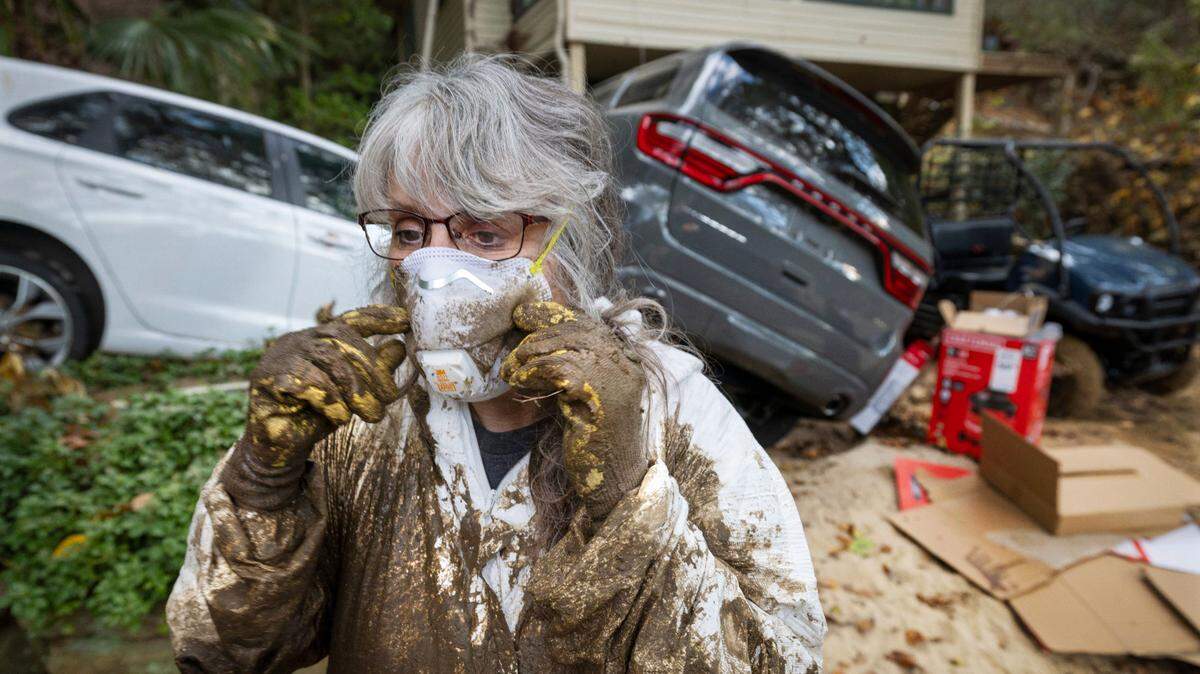
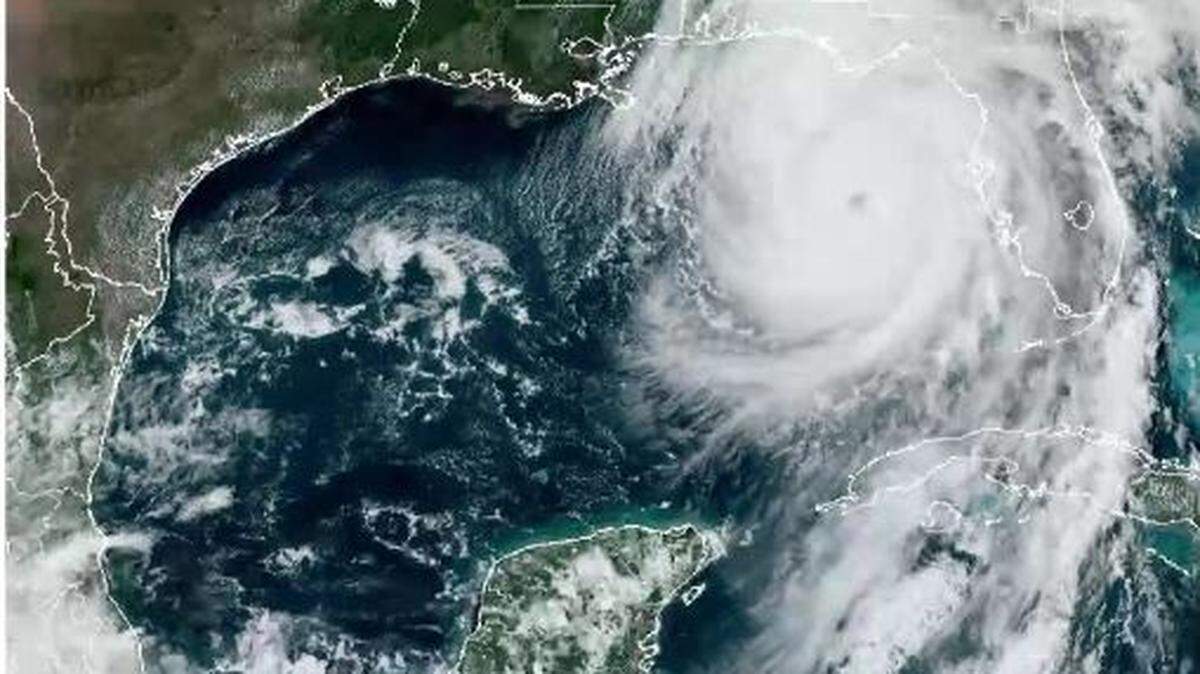
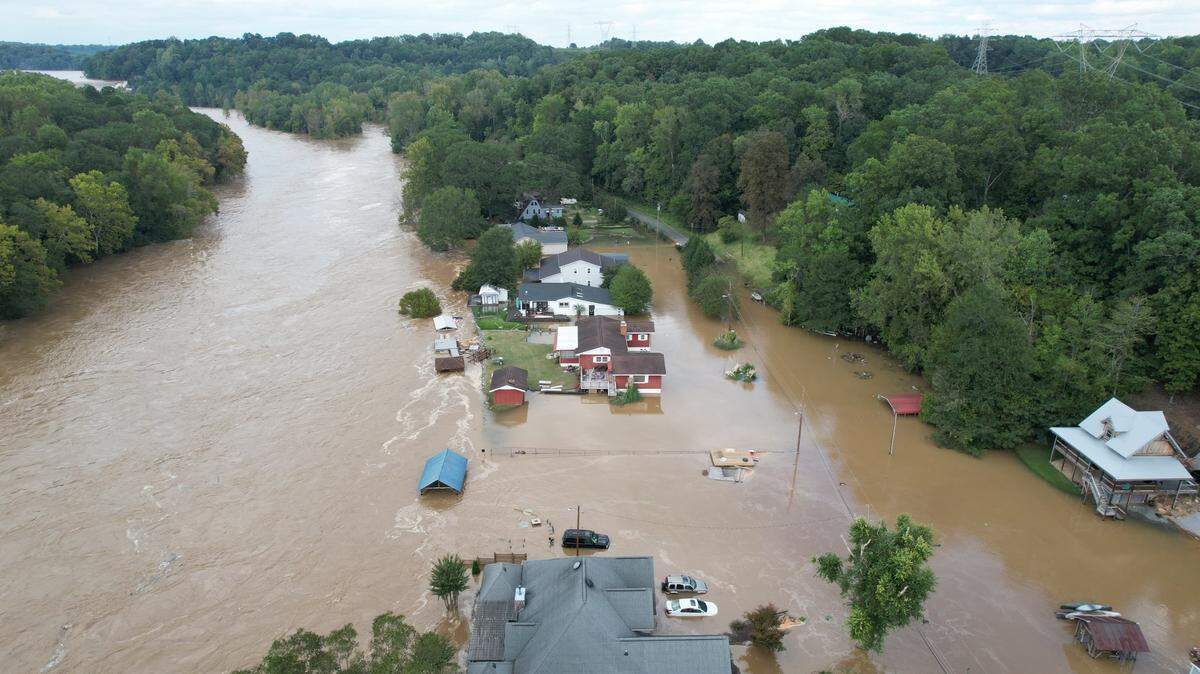
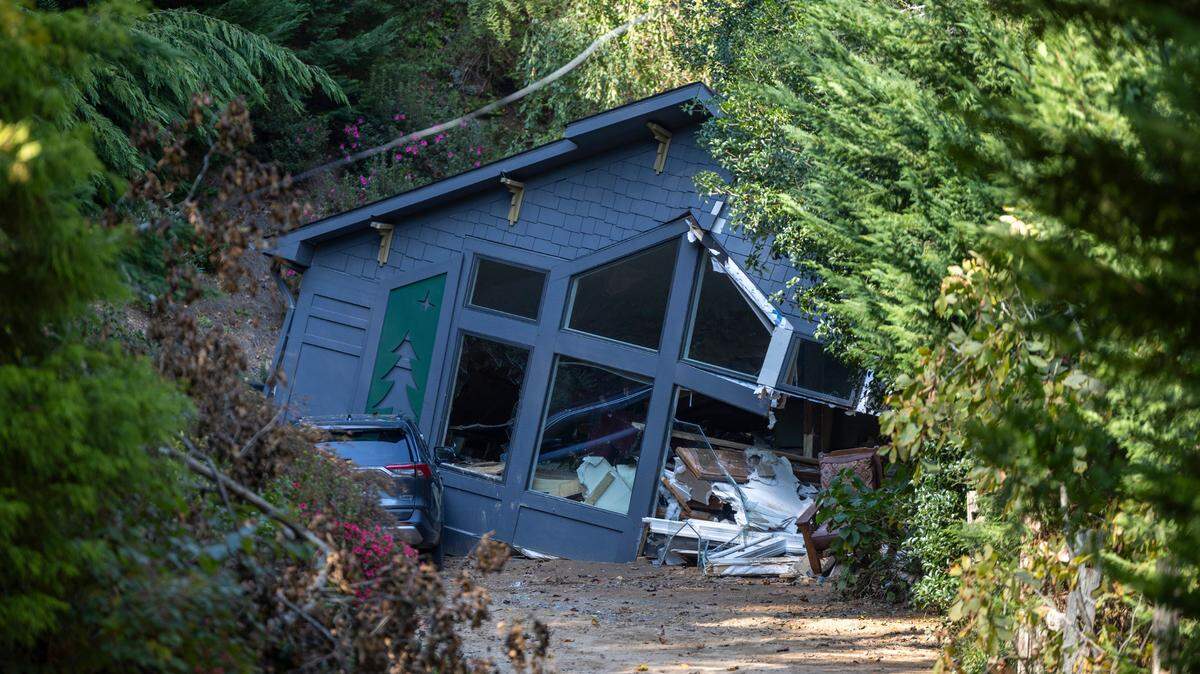
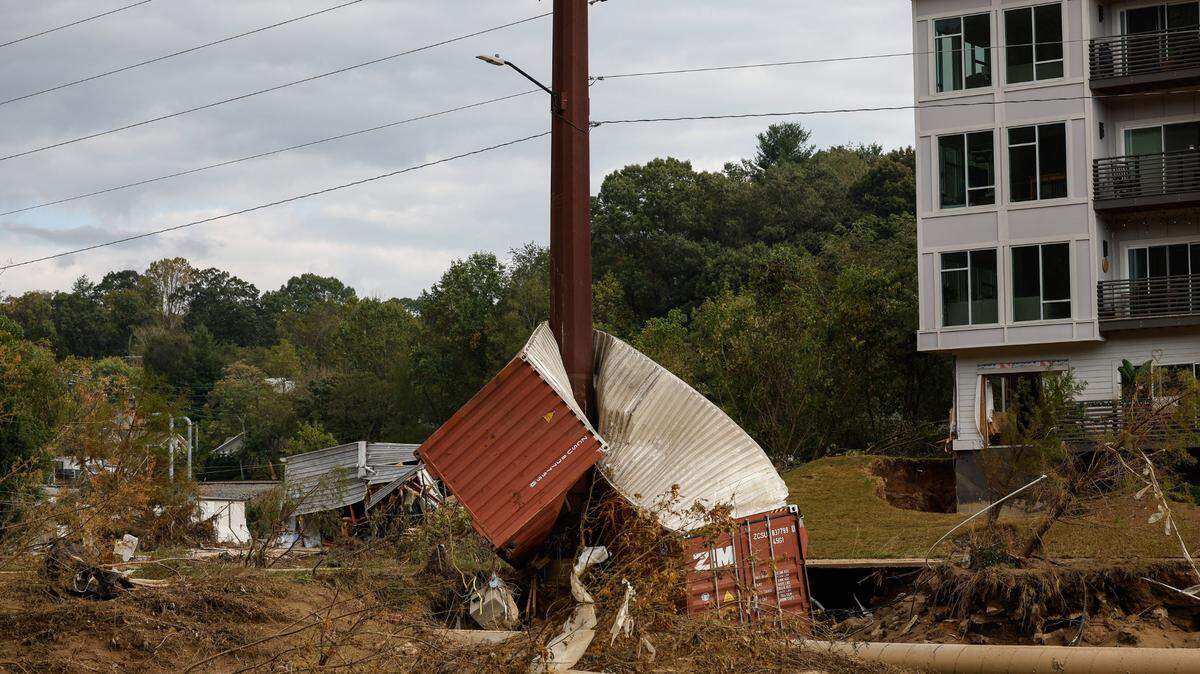
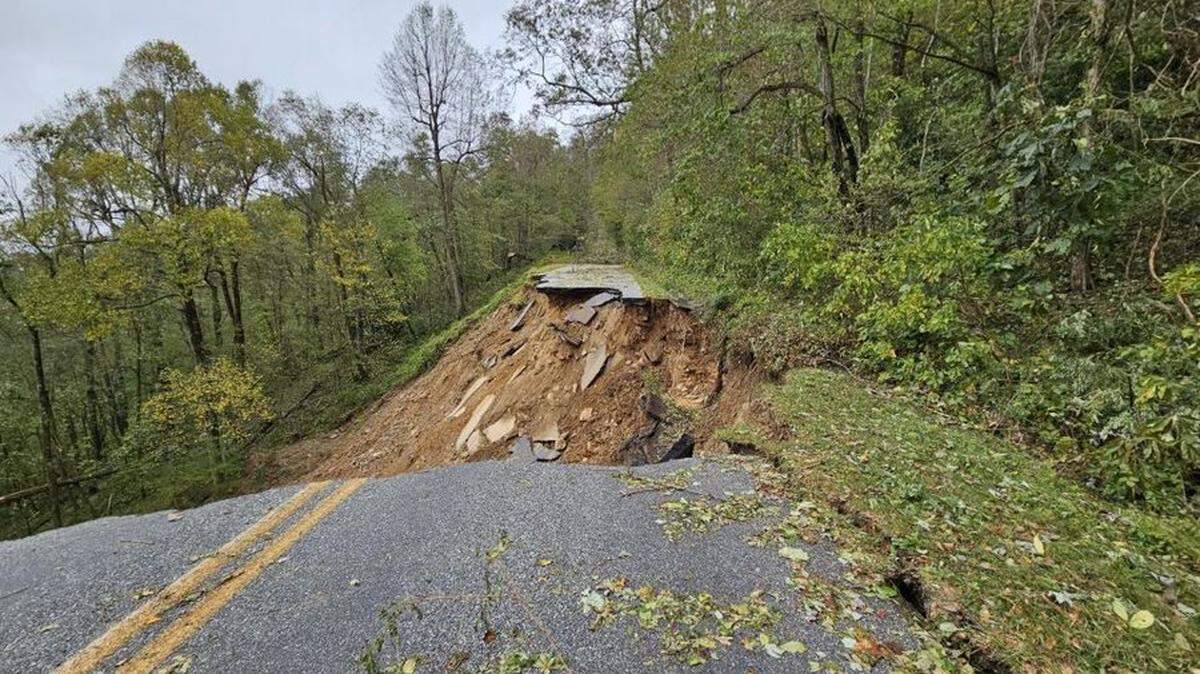
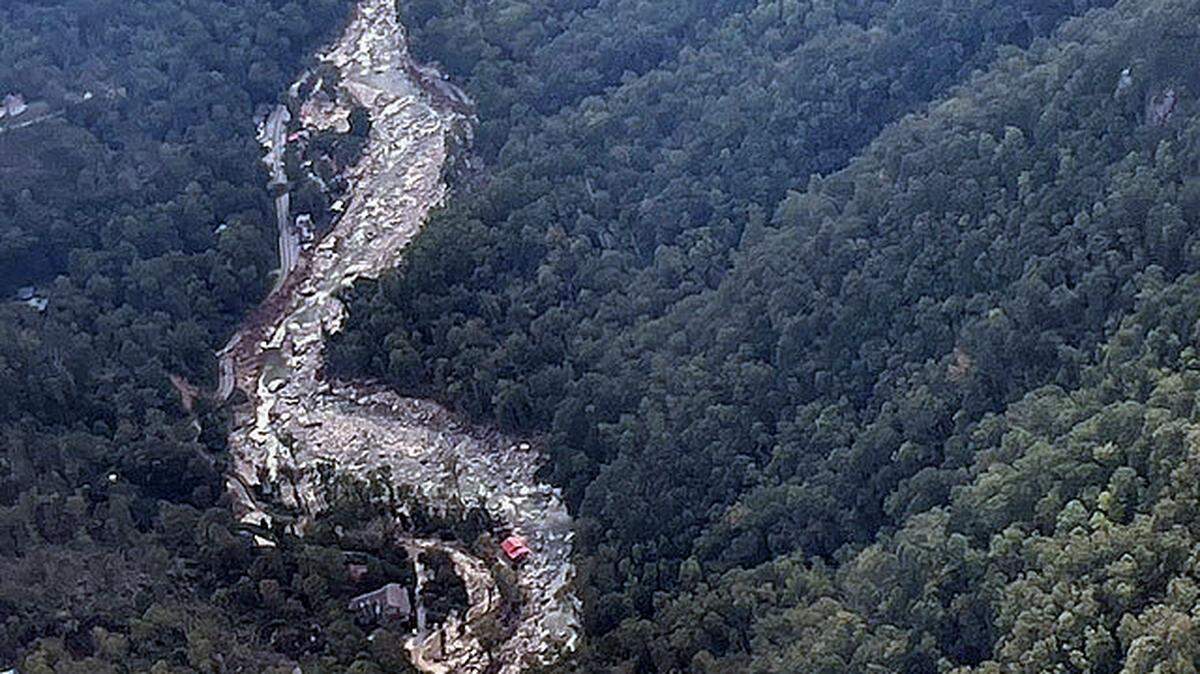
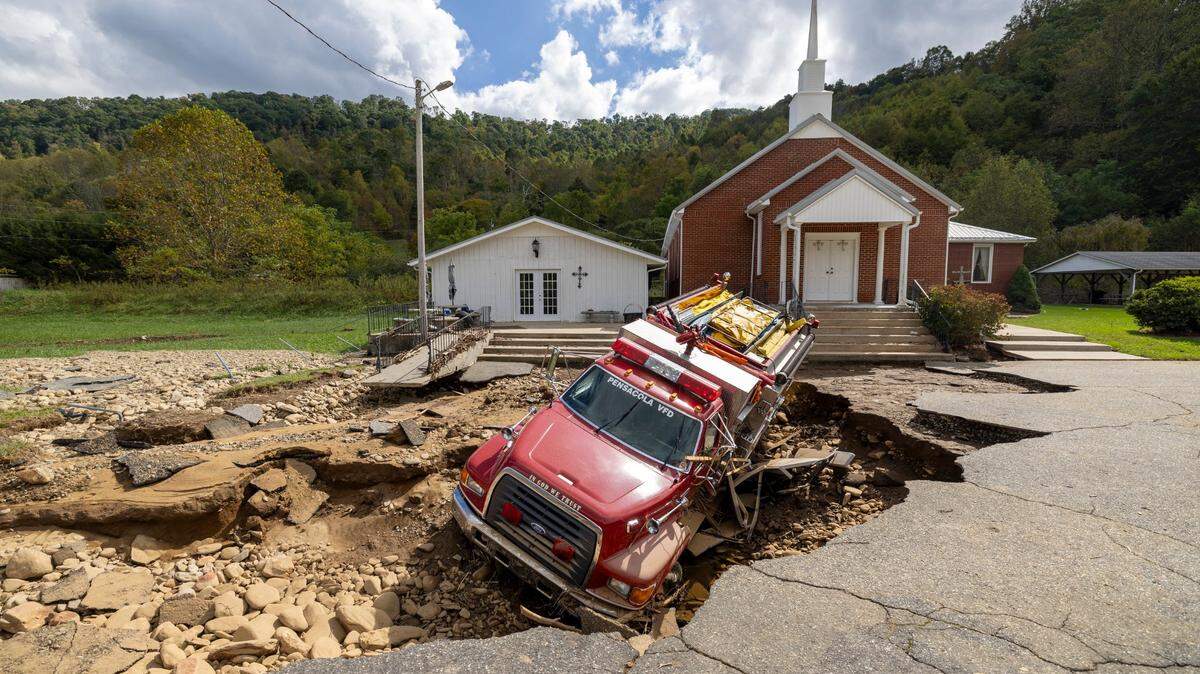
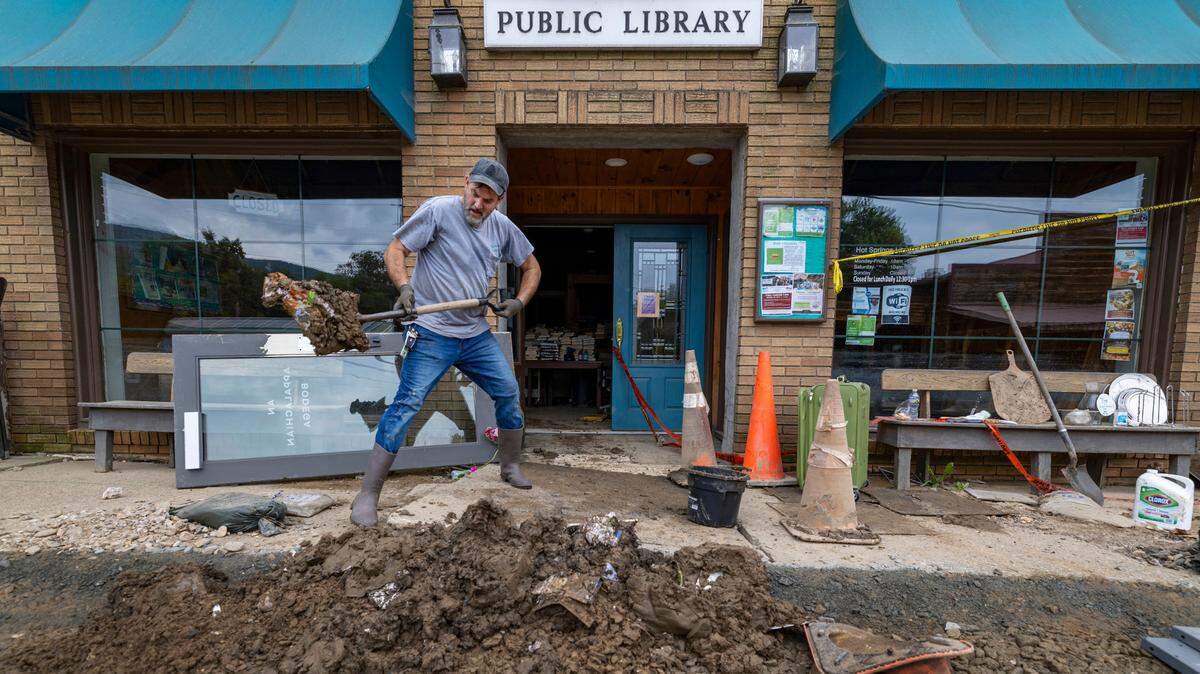
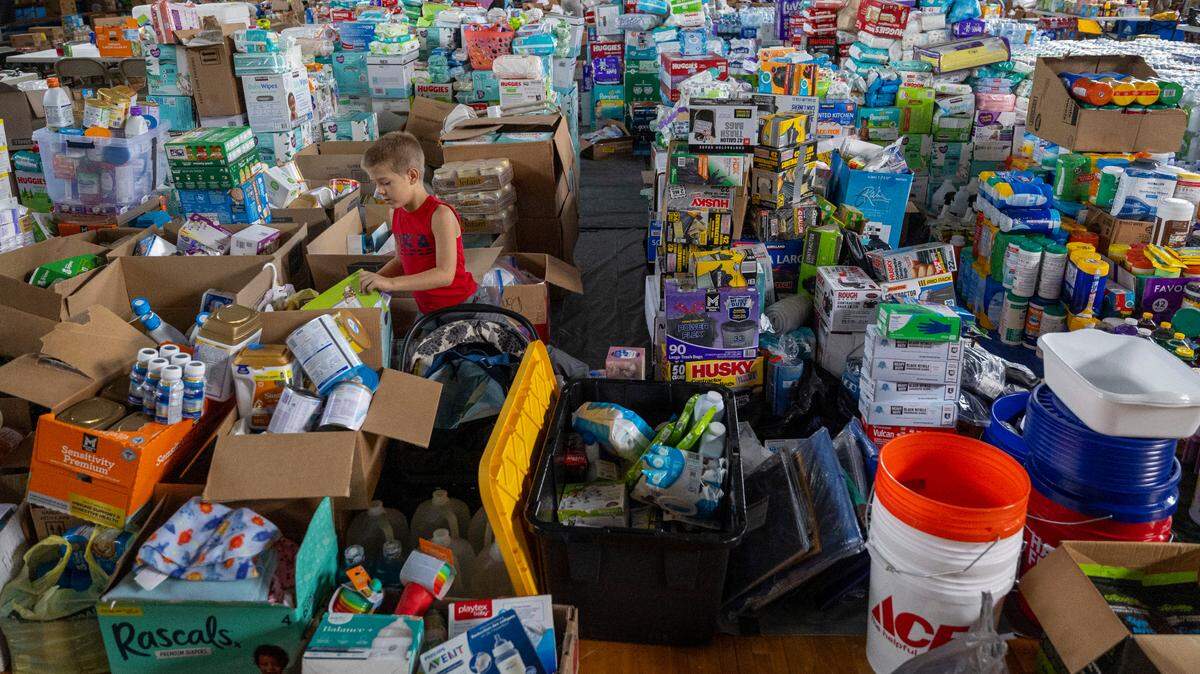
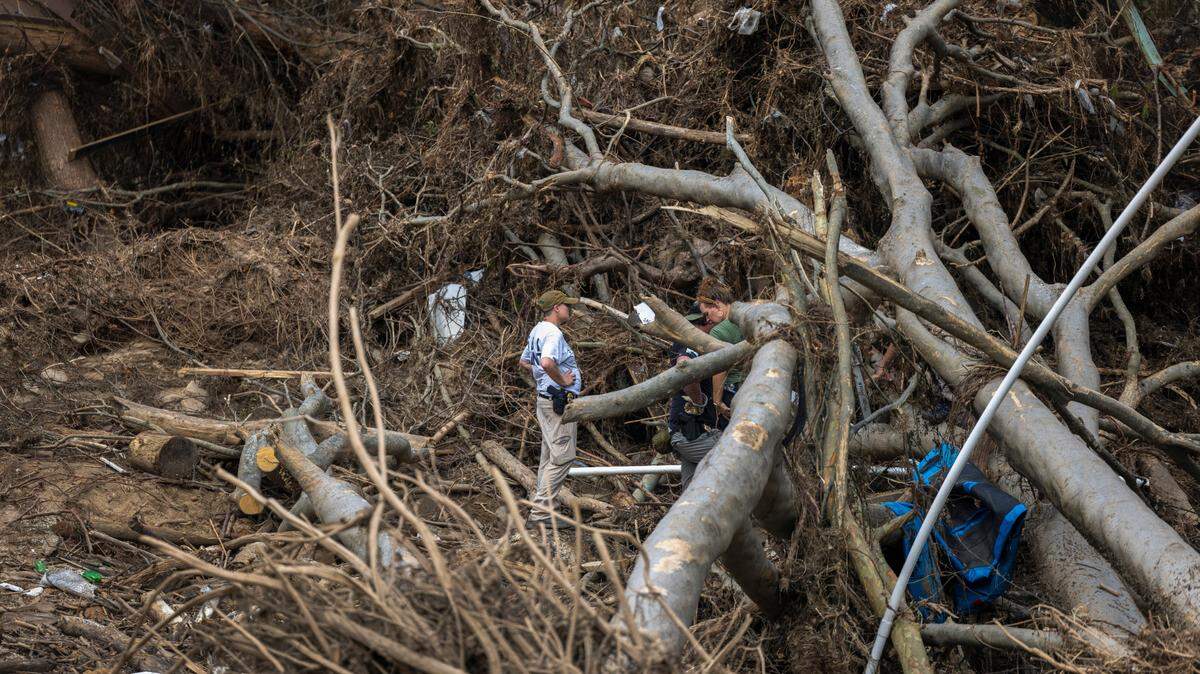
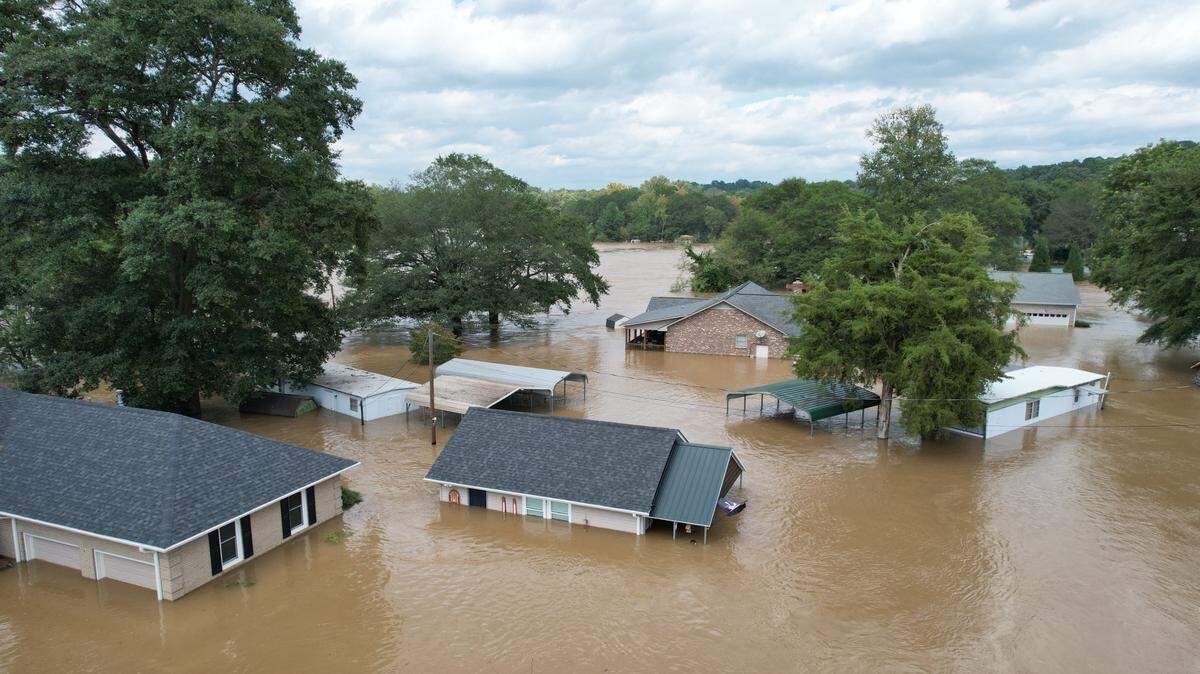
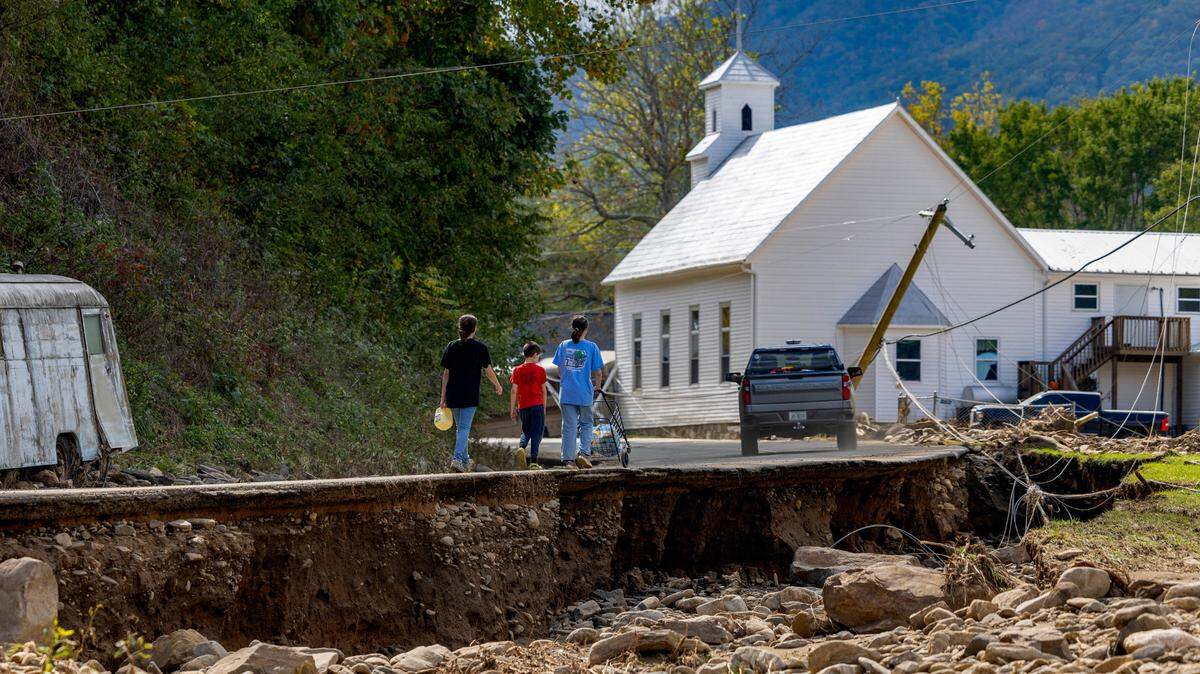
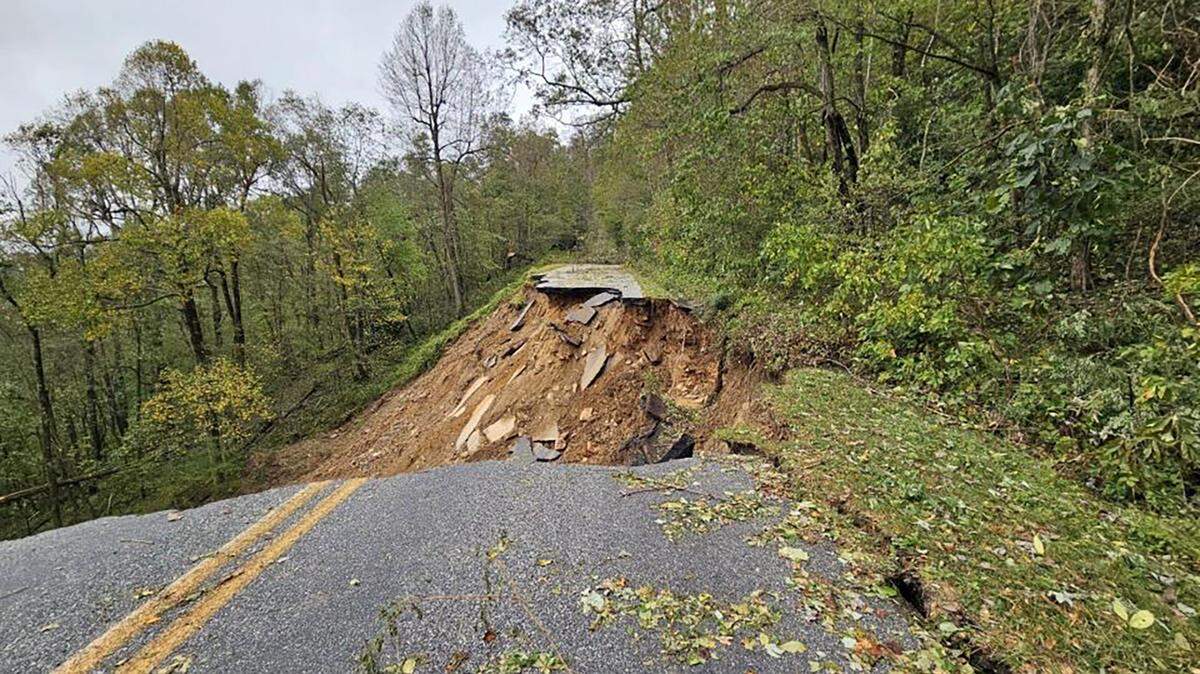
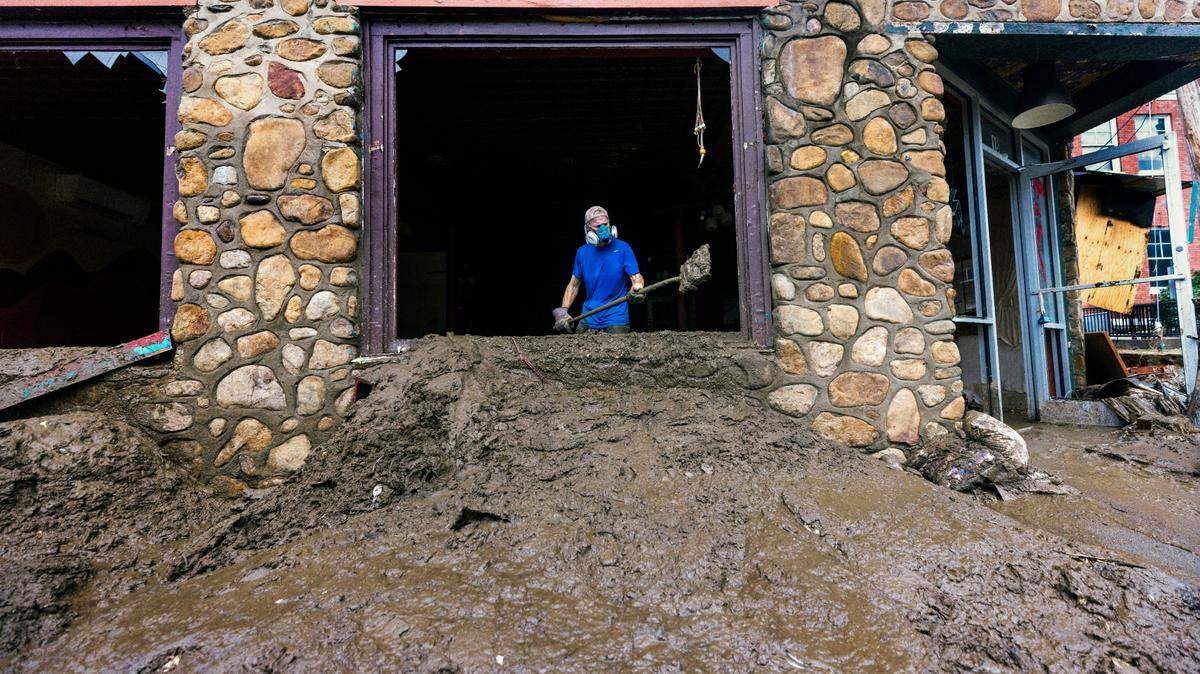
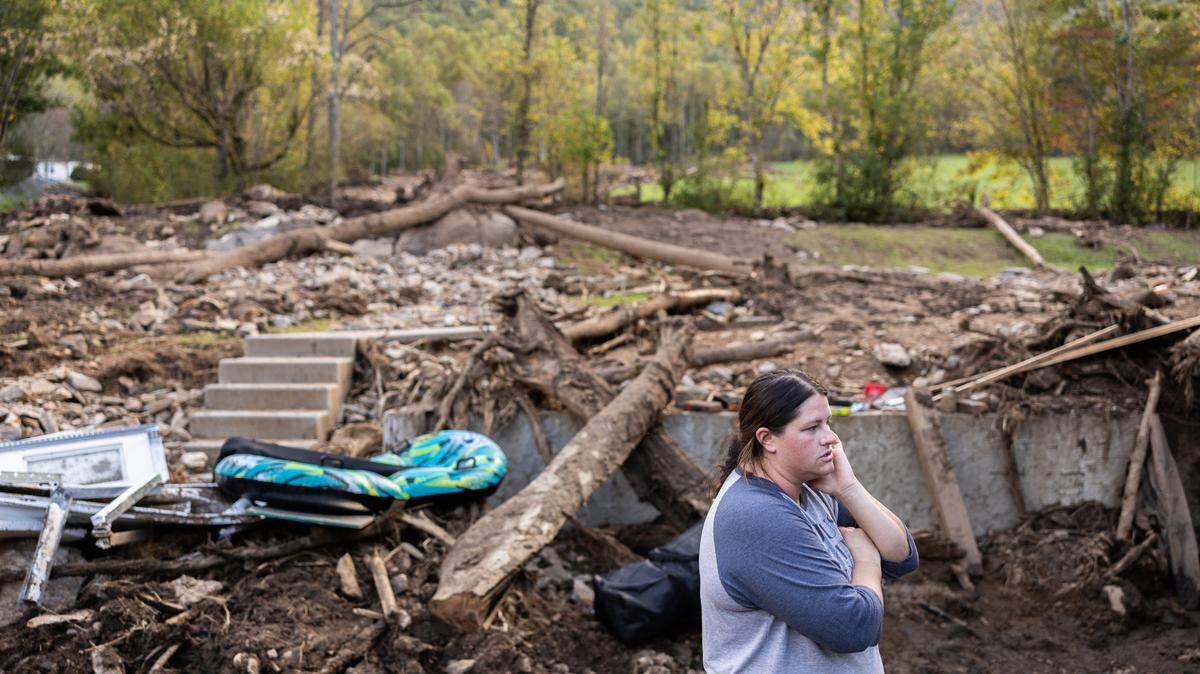
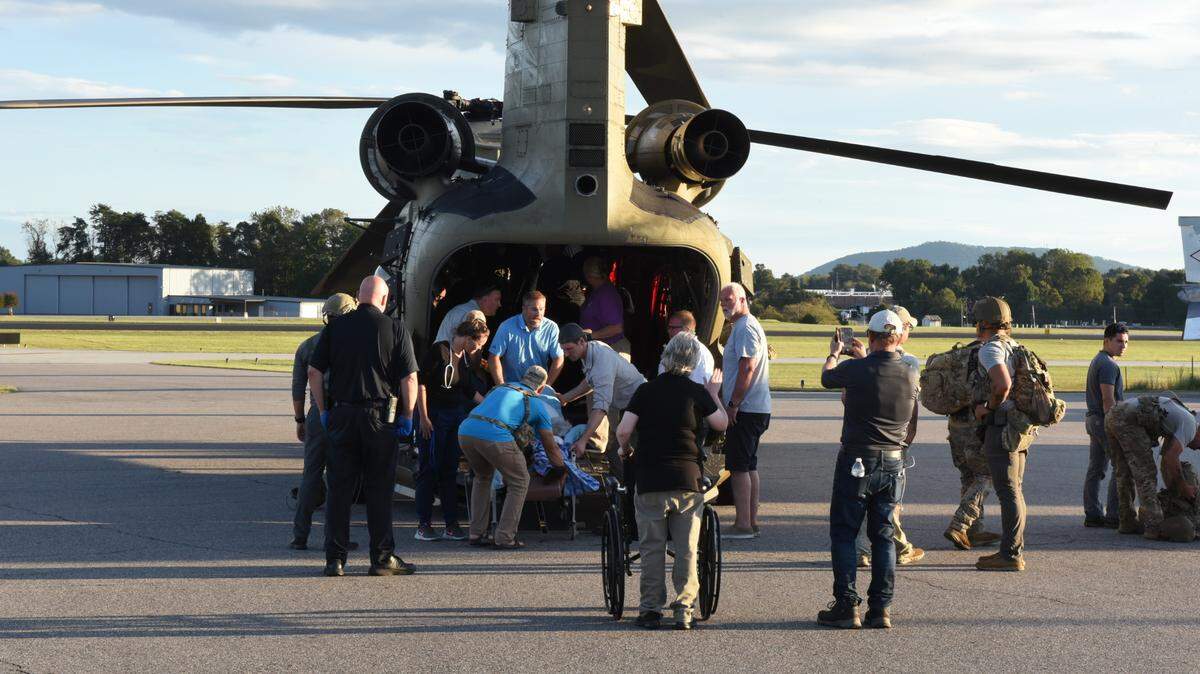
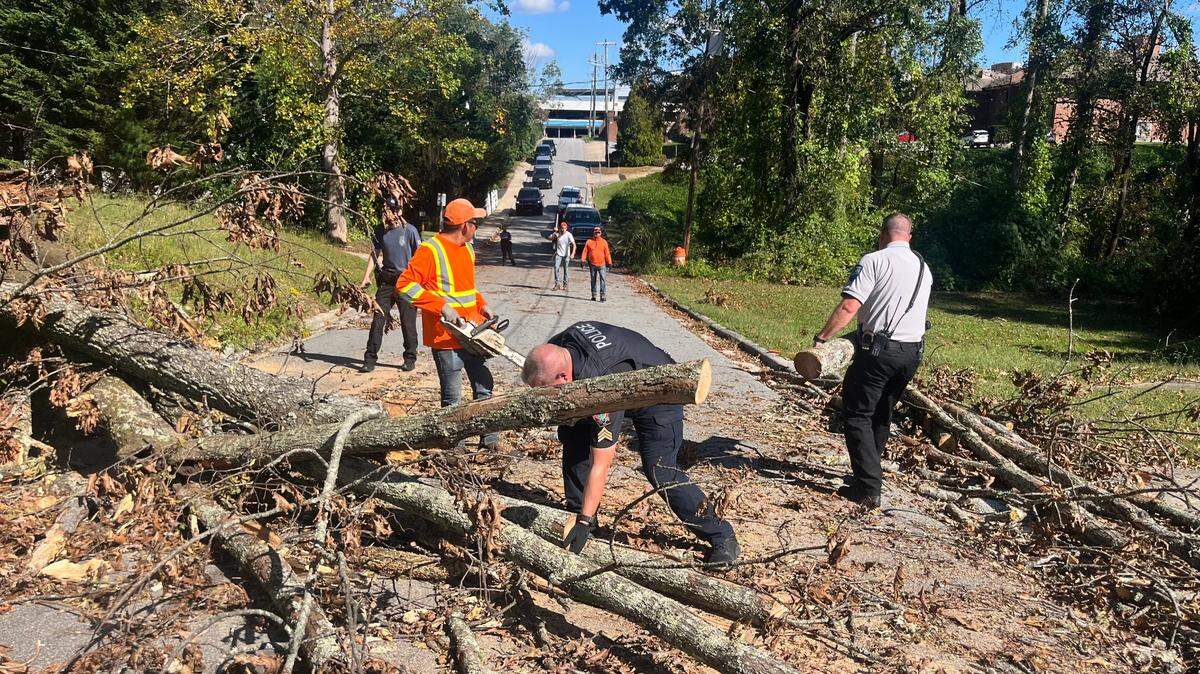
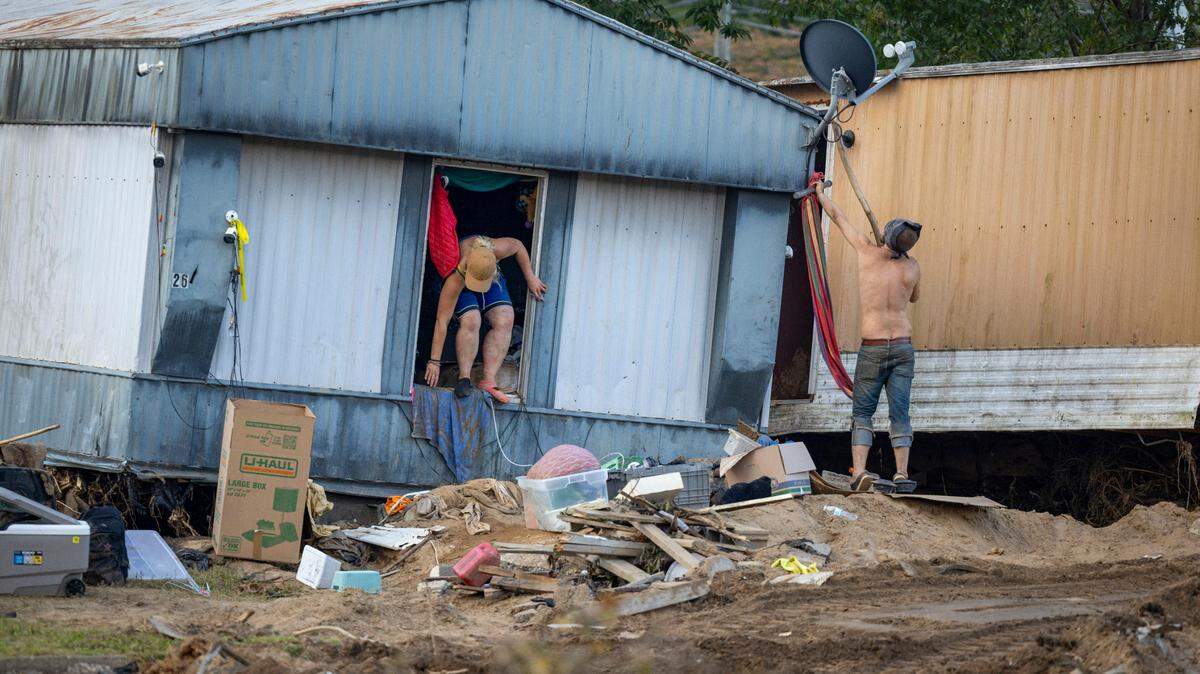
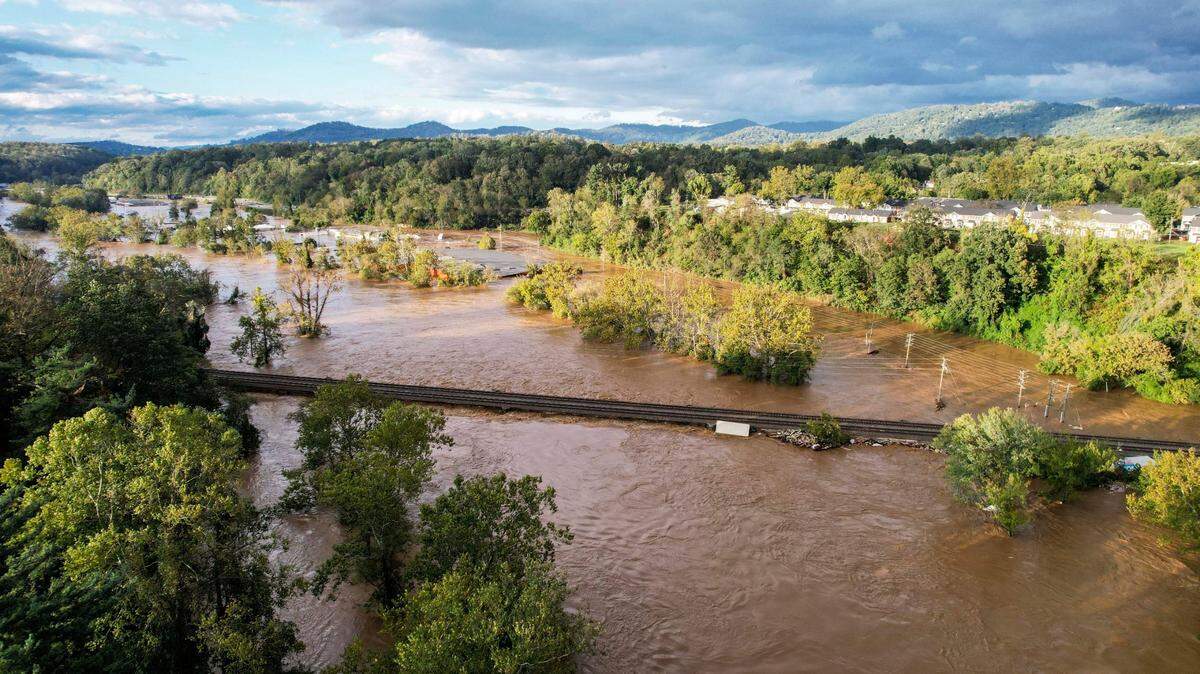
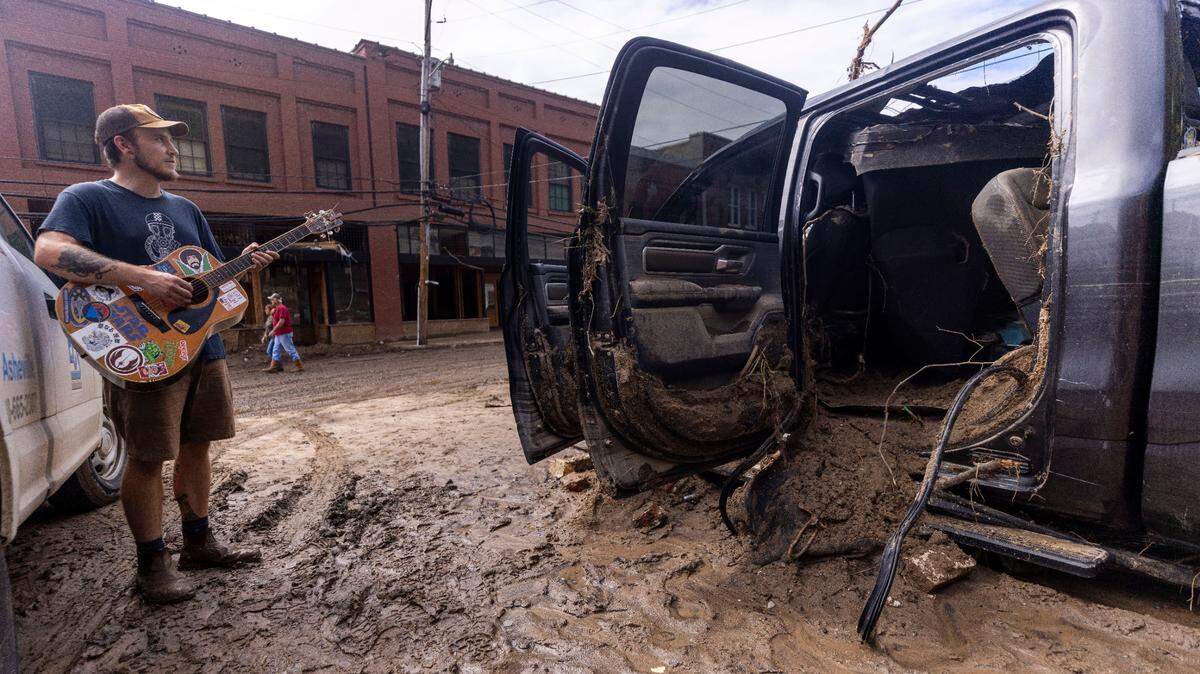
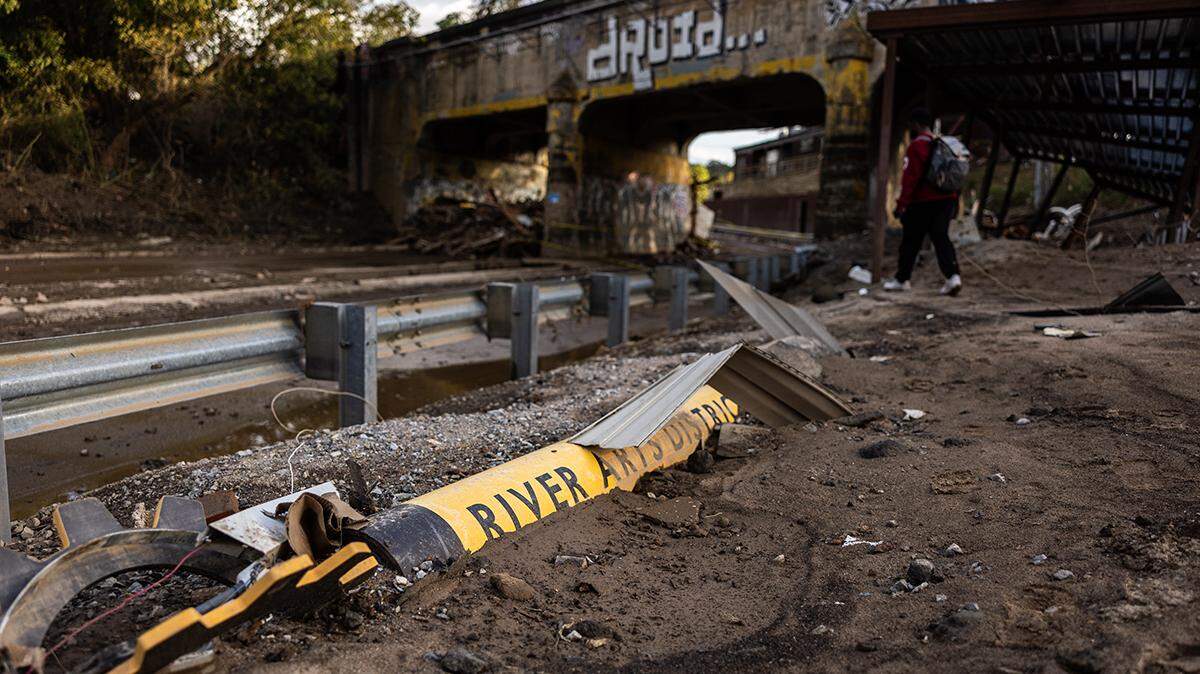
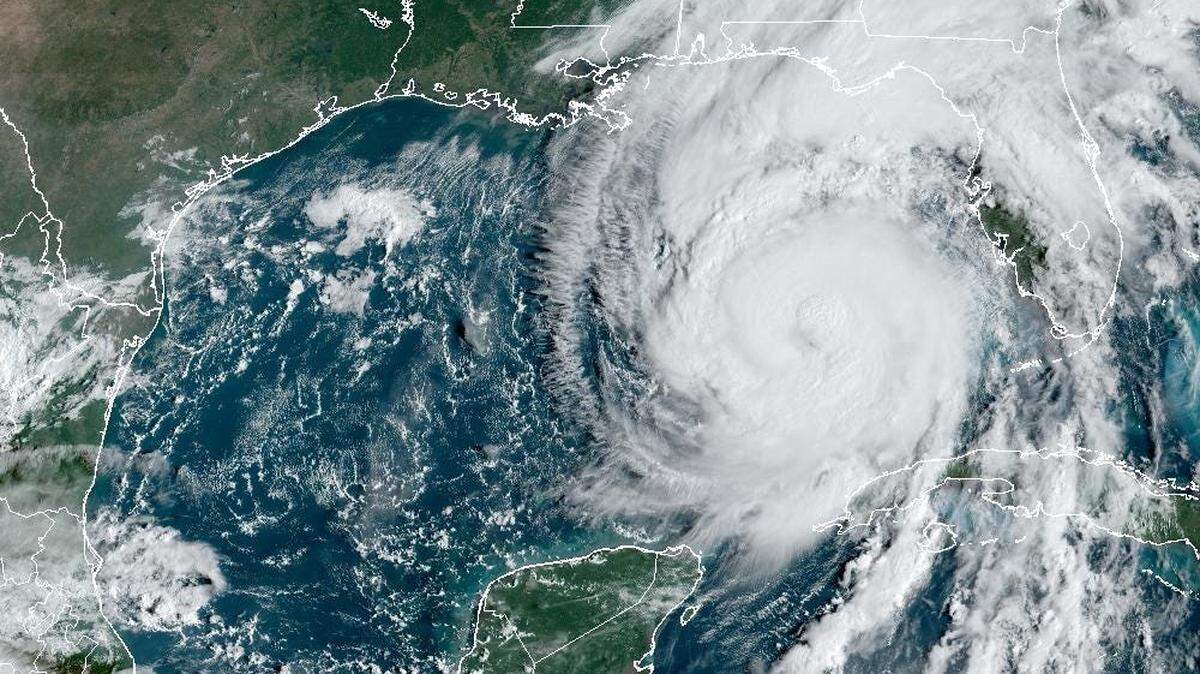
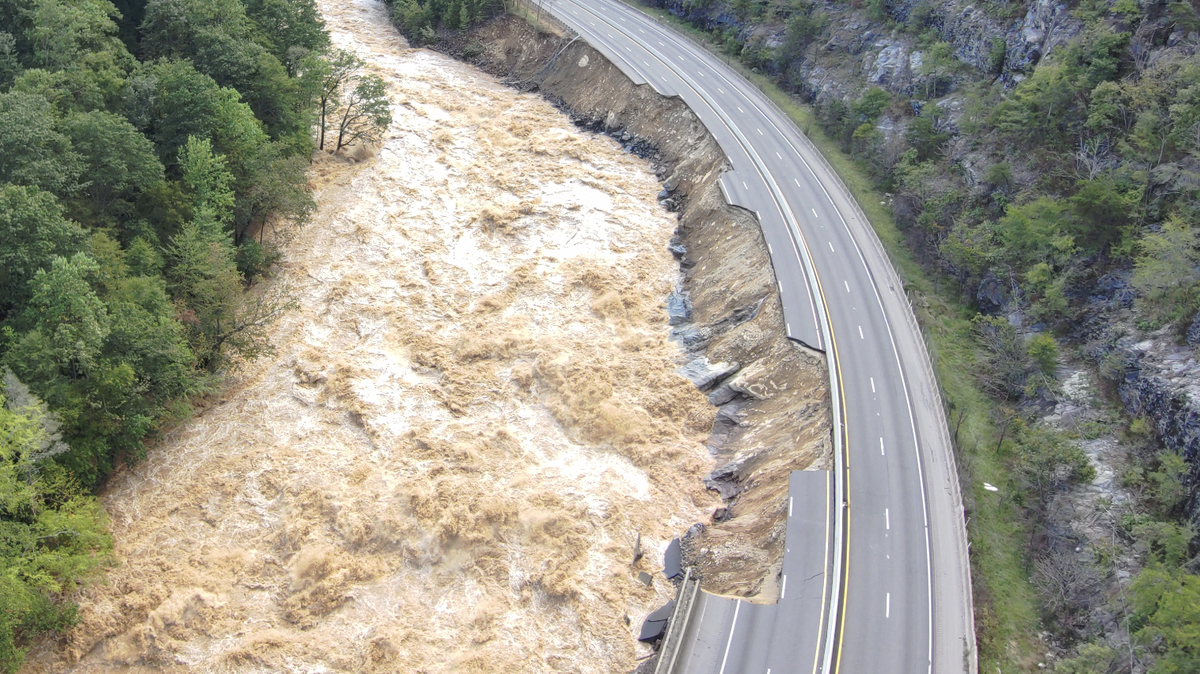
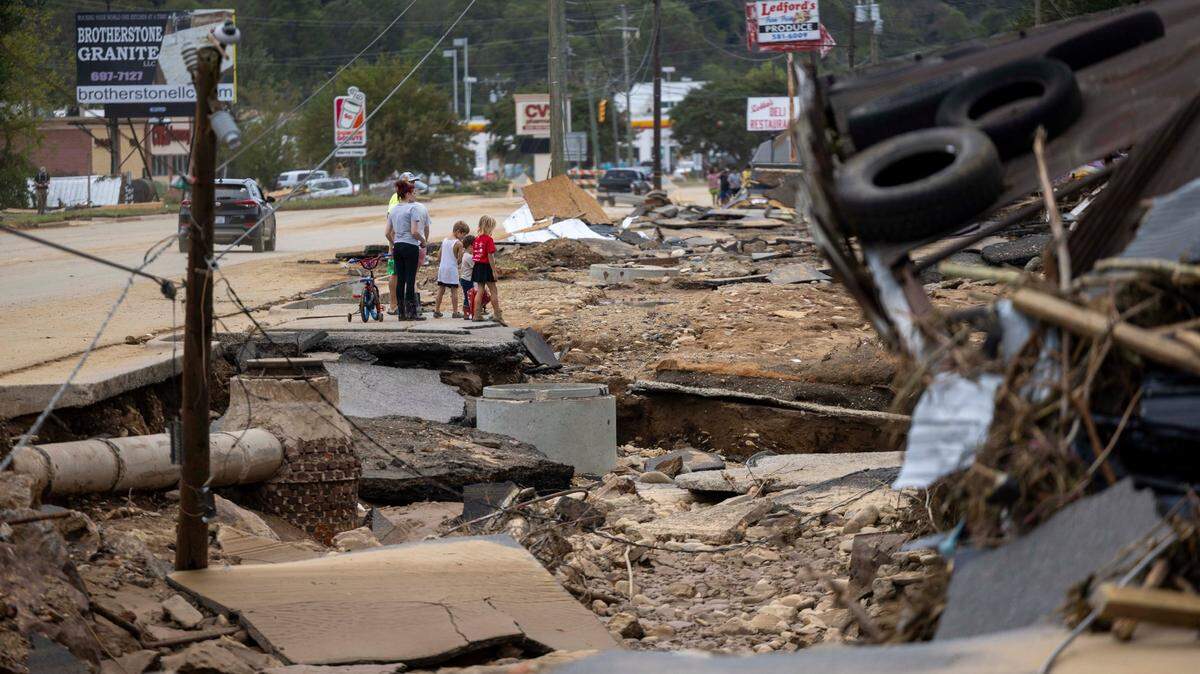
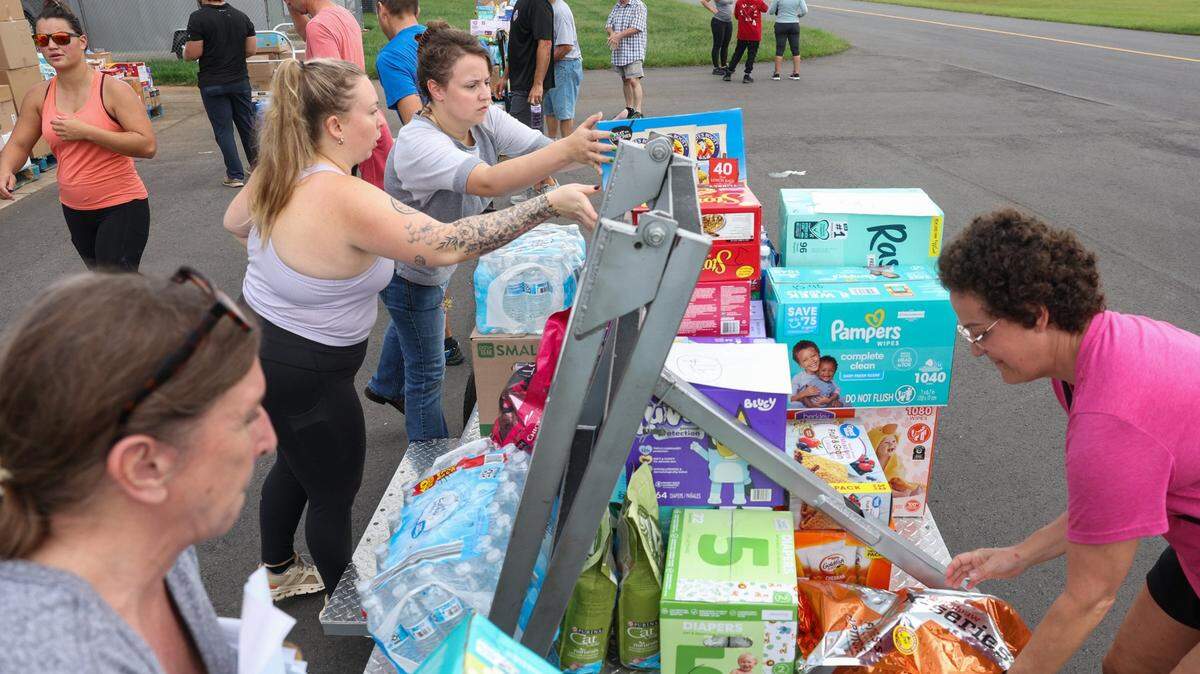
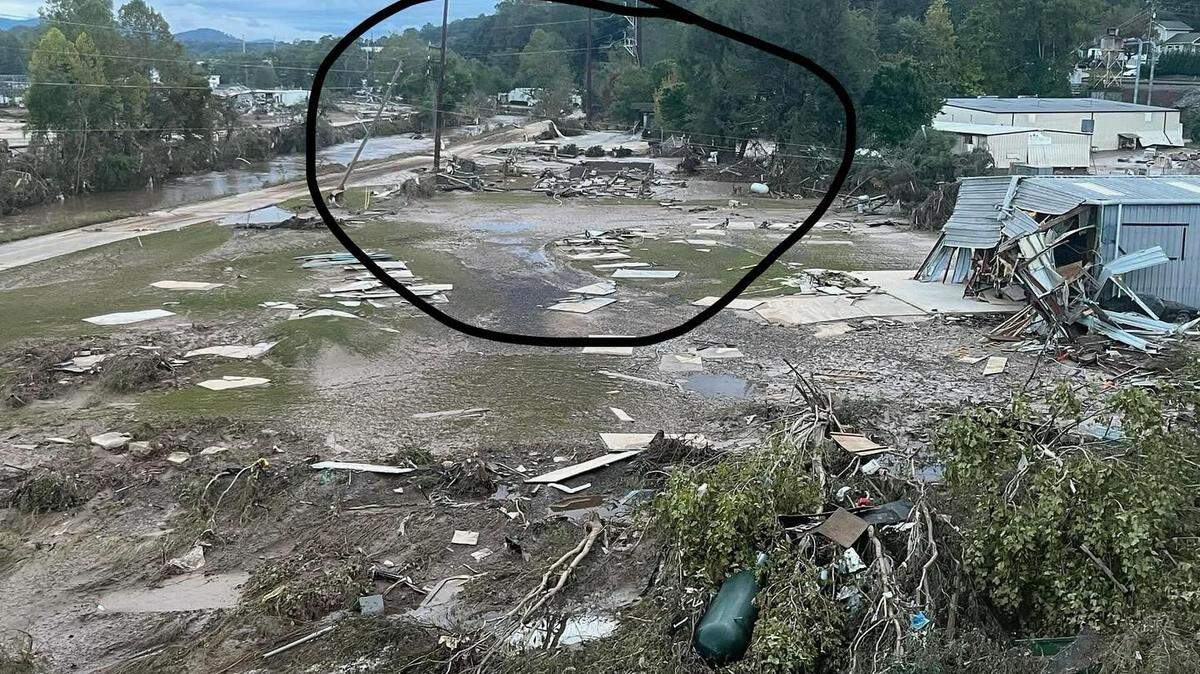
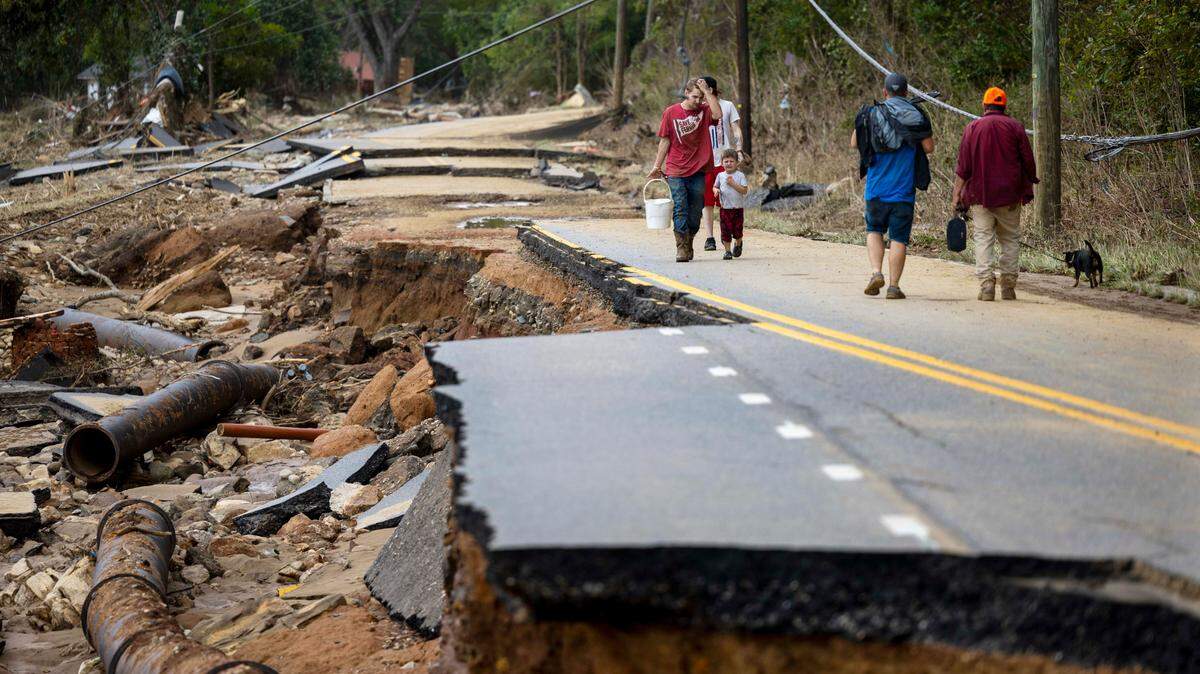
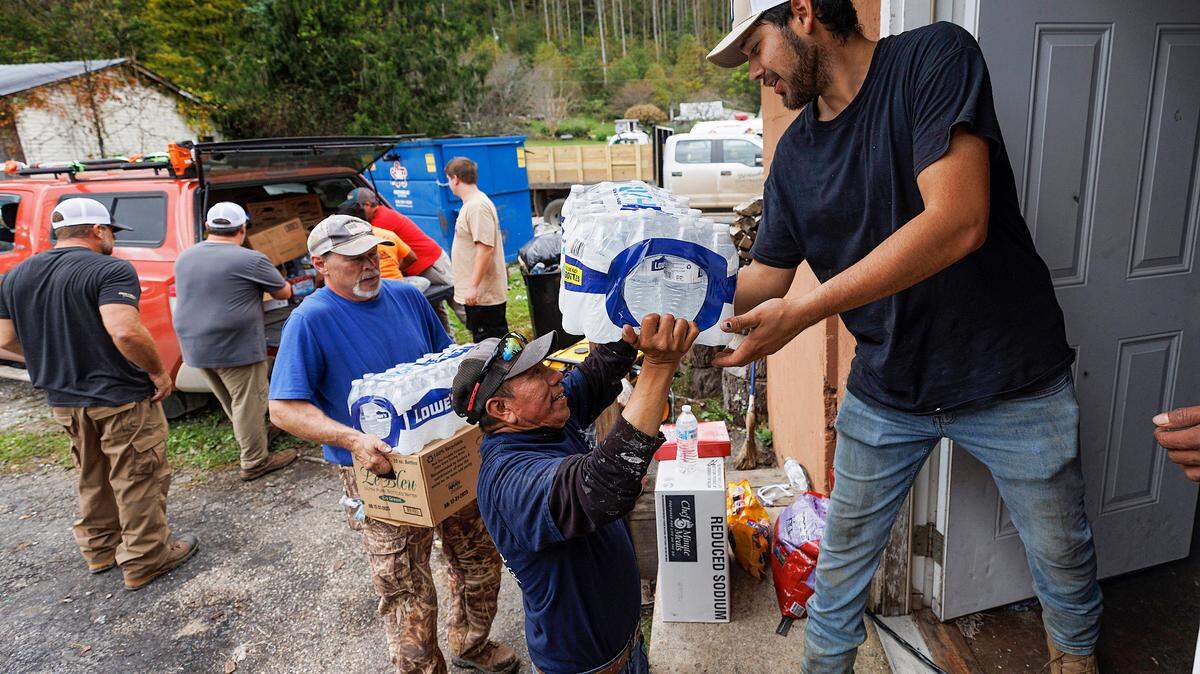
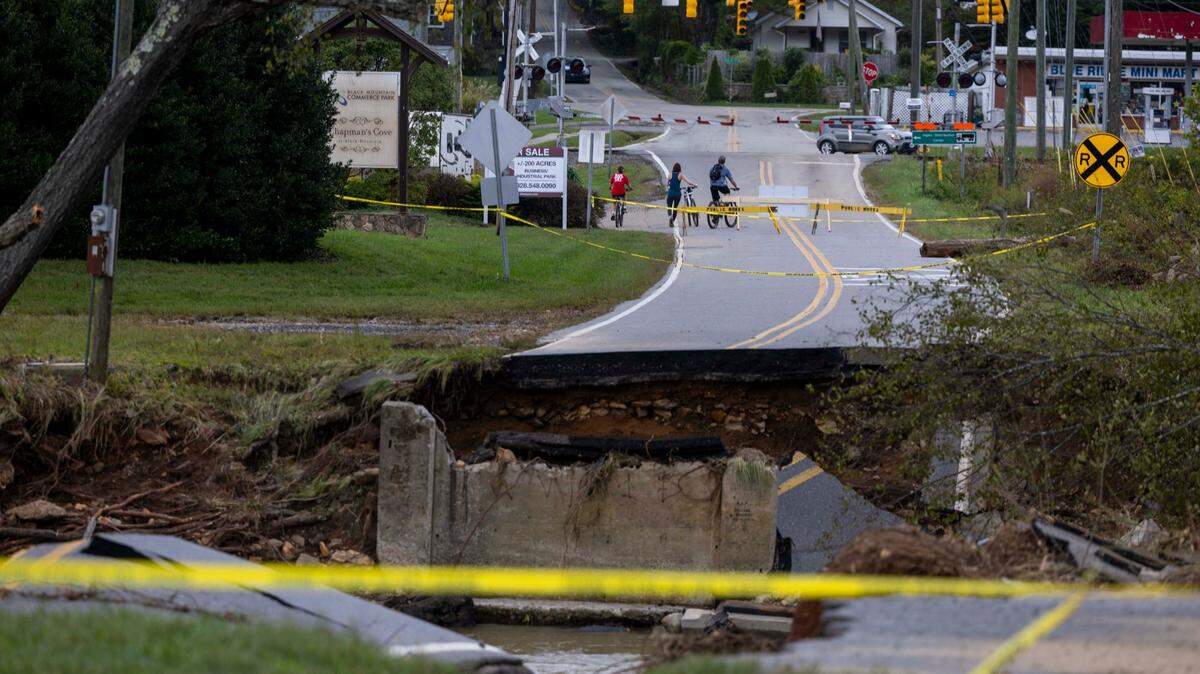
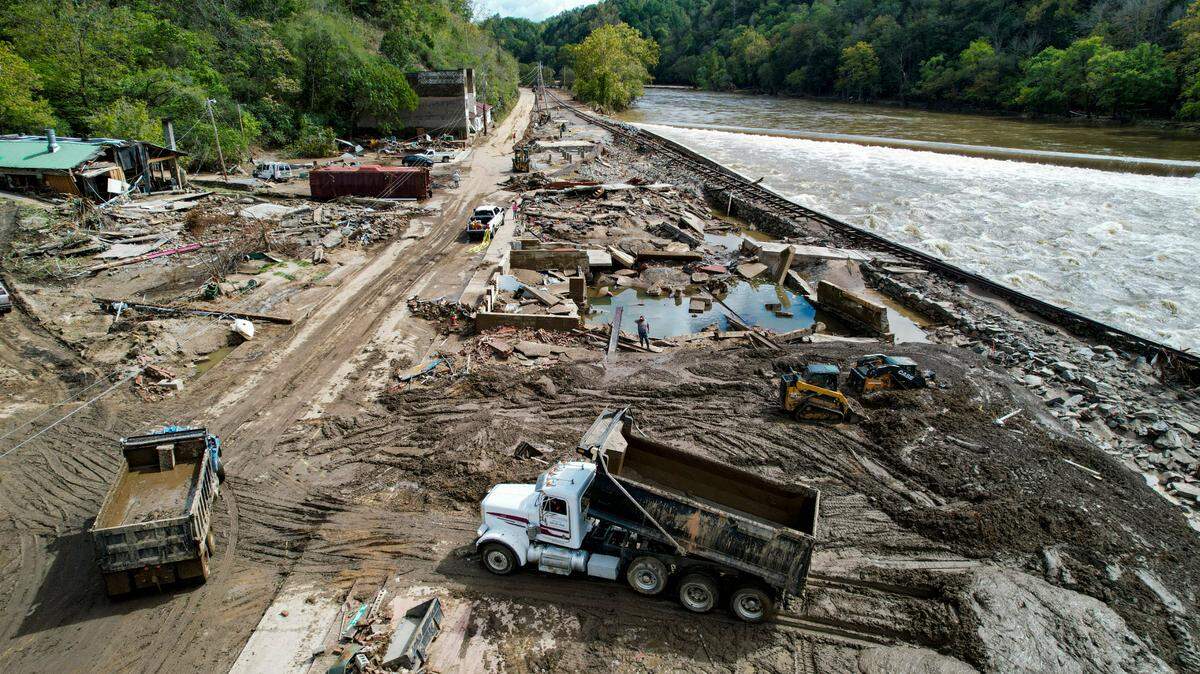
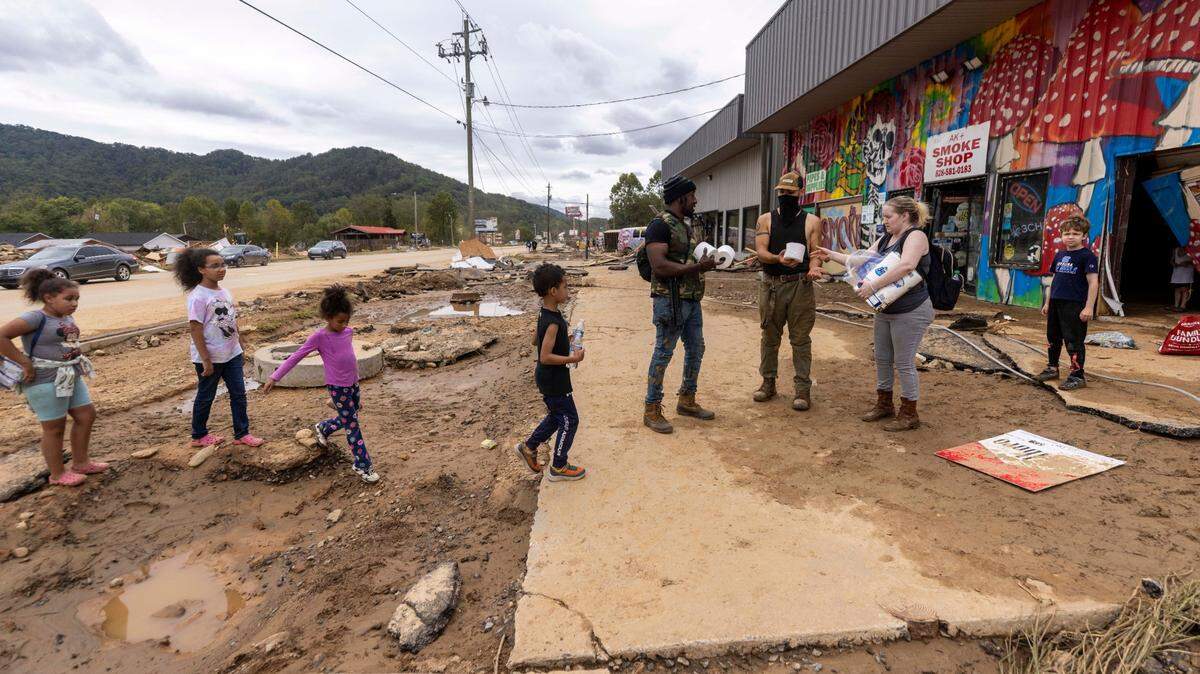
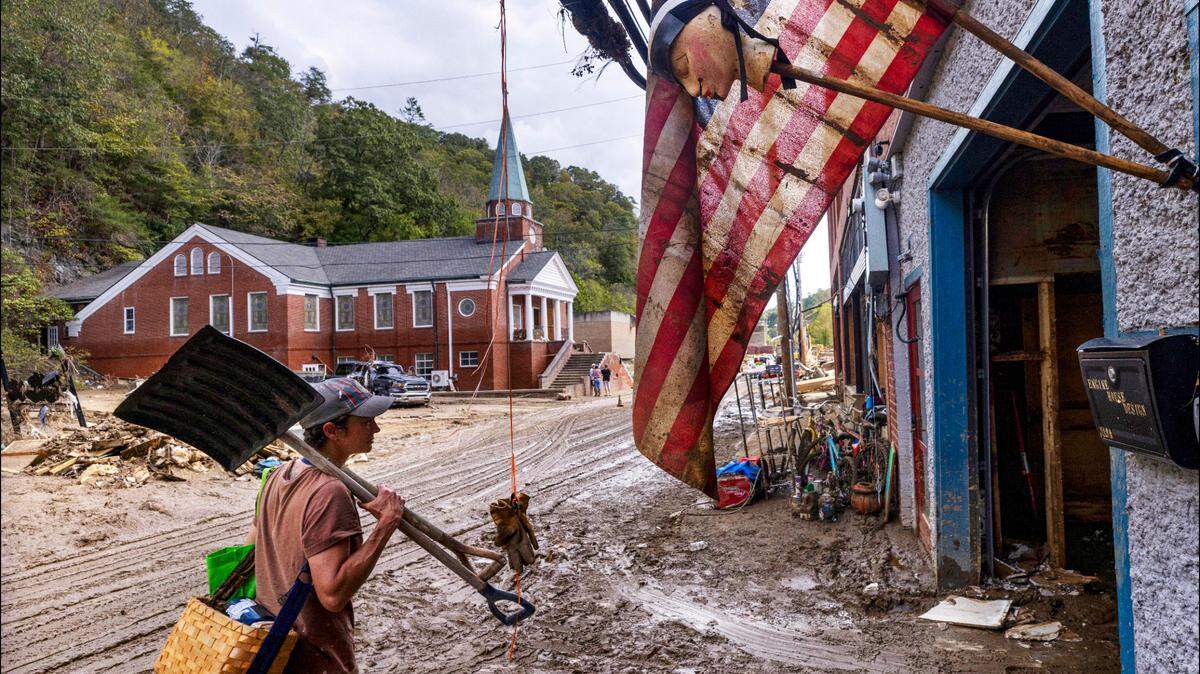
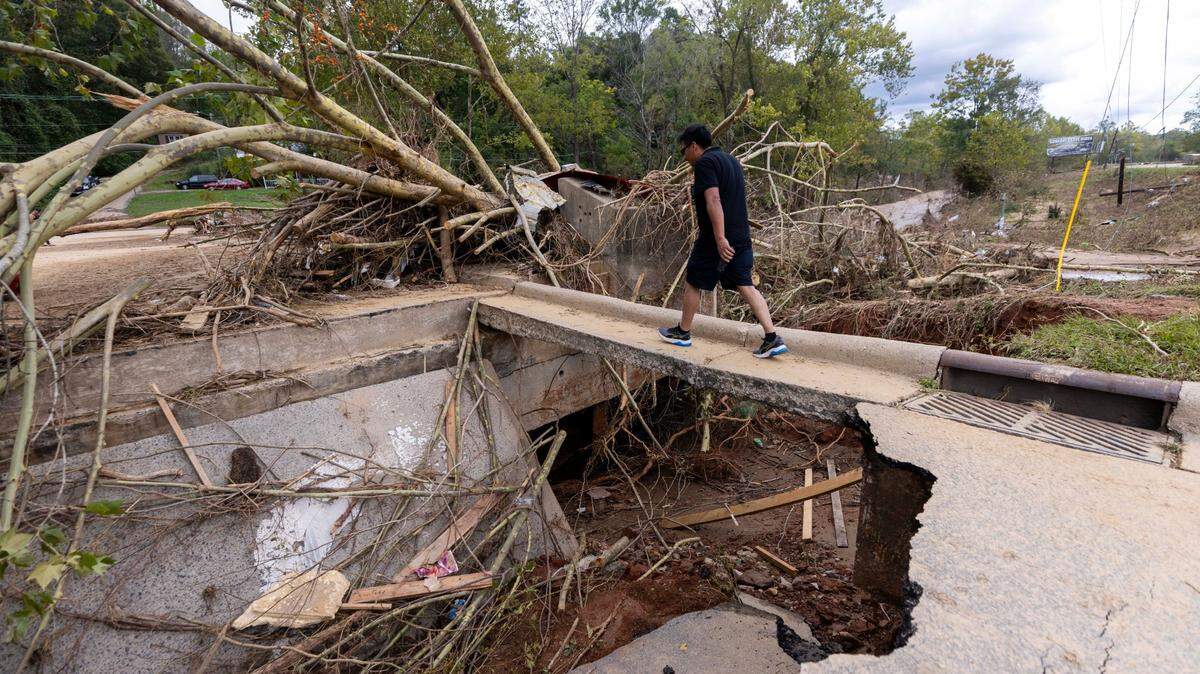
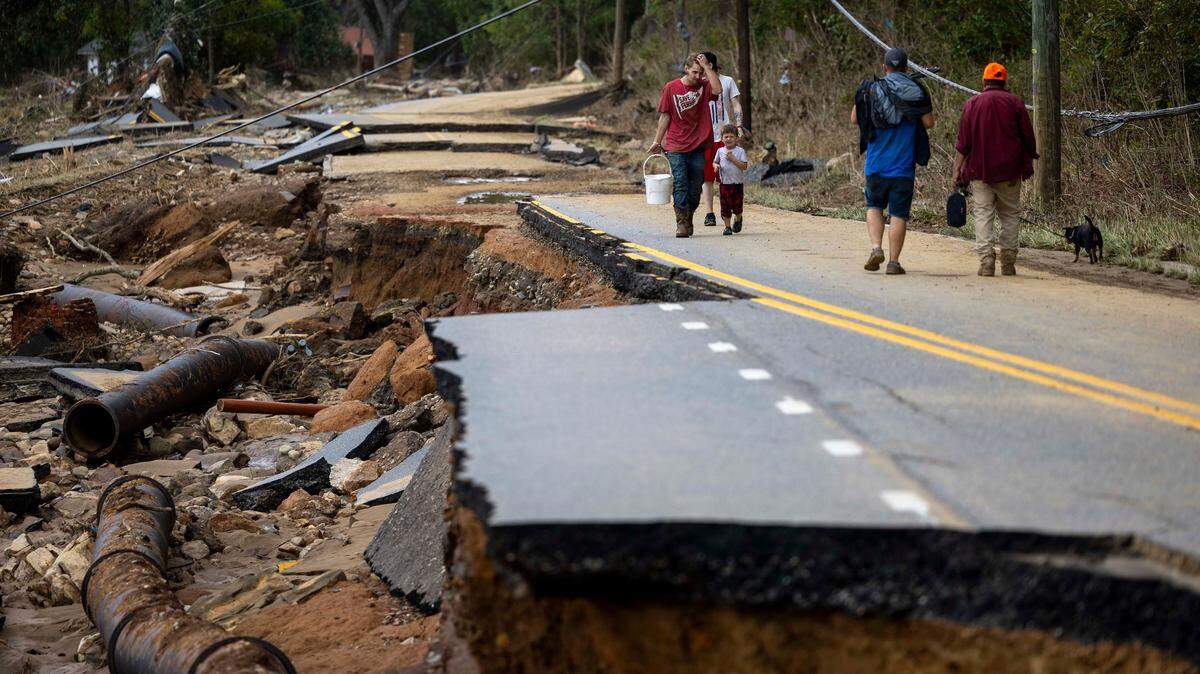
Hurricane Helene swept across the Southeast, causing major flooding and destruction throughout North Carolina. Here is ongoing coverage from The News & Observer and The Charlotte Observer about Hurricane Helene and the aftermath, particularly in Western North Carolina.
Expand All
Many journalists have covered the damage that Hurricane Helene wrought in Western North Carolina when it devastated much of the area in late September.
Very few of them, though, have had to make the same sorts of choices that 25-year-old Moss Brennan has.
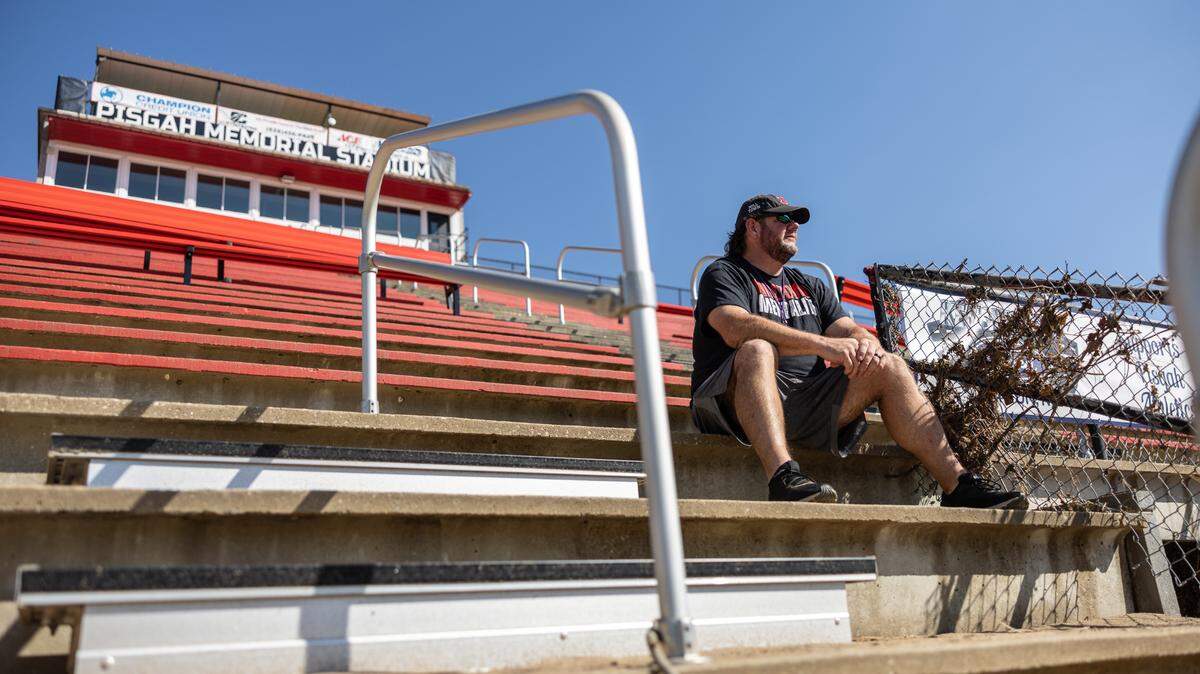
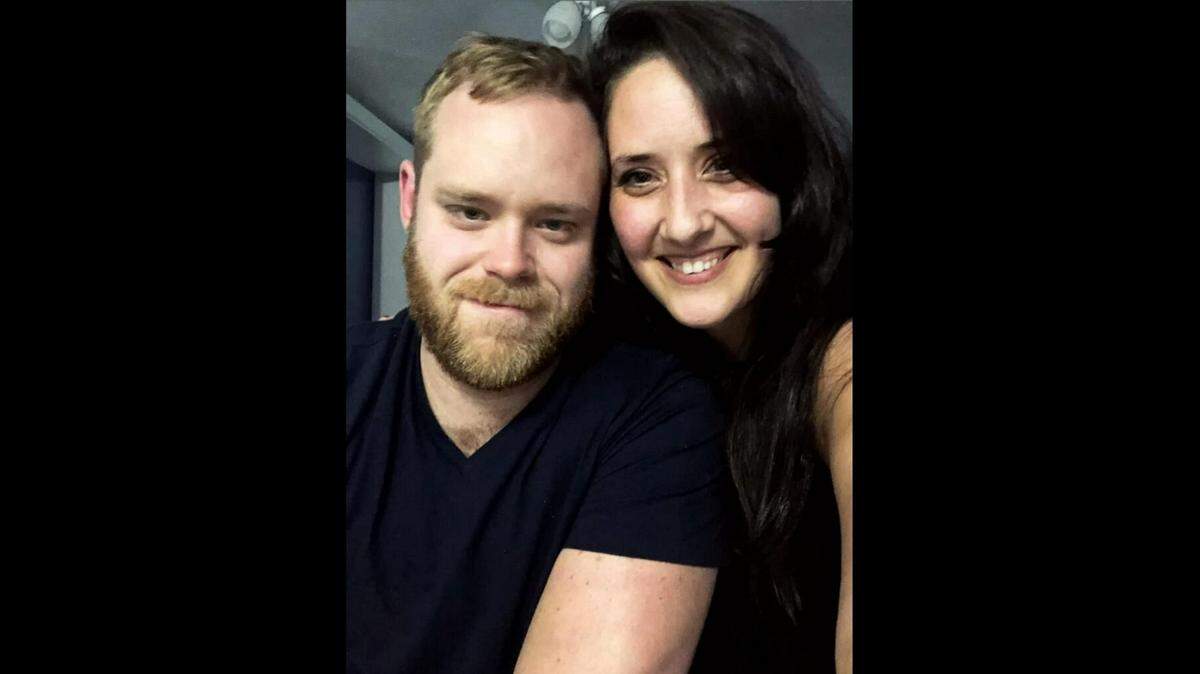
Brennan is the editor of the Watauga Democrat in Boone, where he supervises three other staff writers and several freelance photographers and also helps oversee the publication of four other neighboring community newspapers.
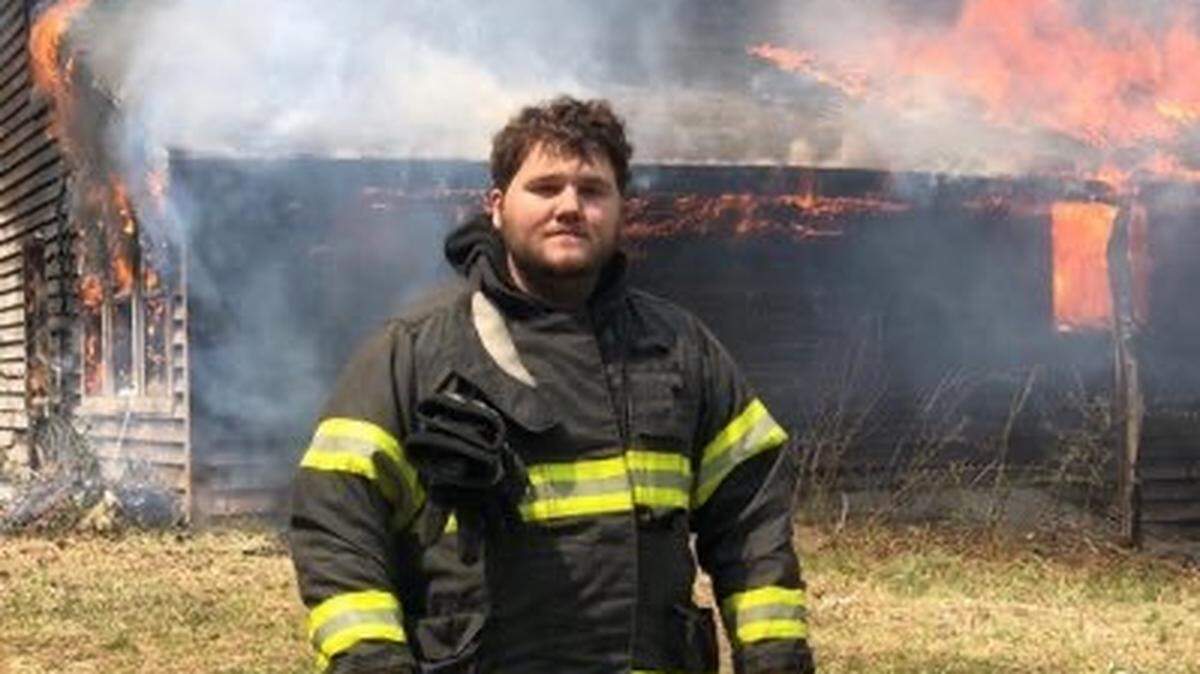
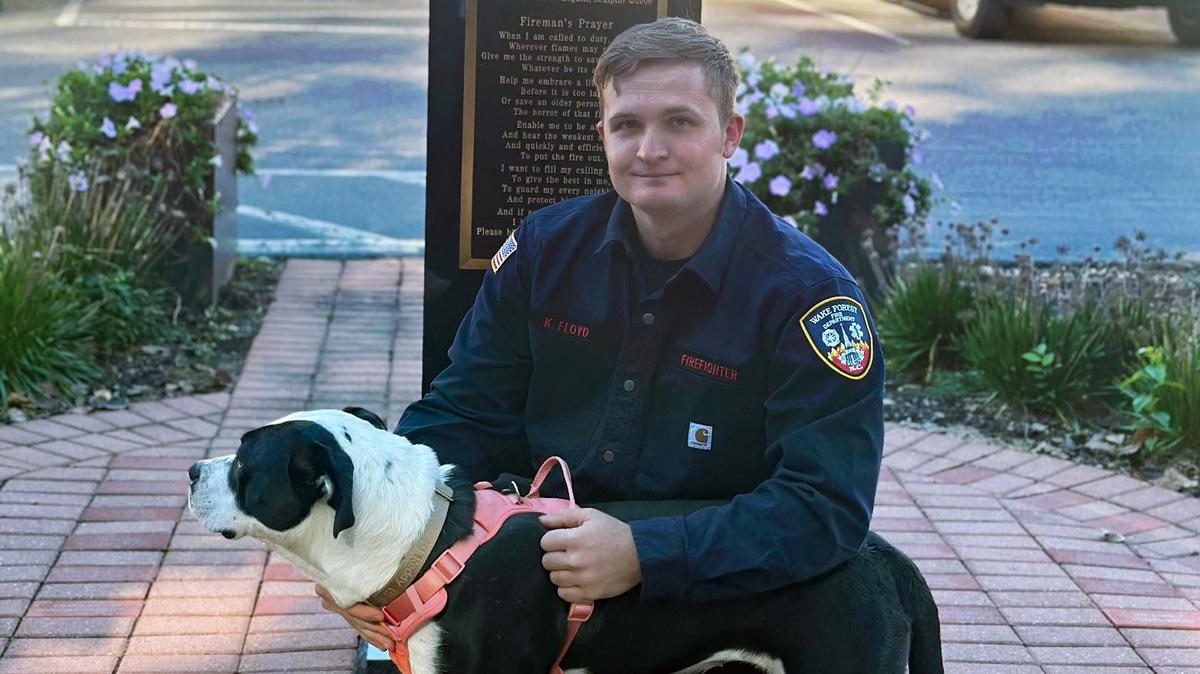
Meanwhile, Brennan also serves as a volunteer firefighter for two local rescue units in the Boone area — the Deep Gap Fire Department and the Watauga County Rescue Squad.
“I have my rescue hat and my journalism hat,” Brennan, a 2021 graduate of Appalachian State, said in a phone interview. “And I try to keep them as separate as possible.”
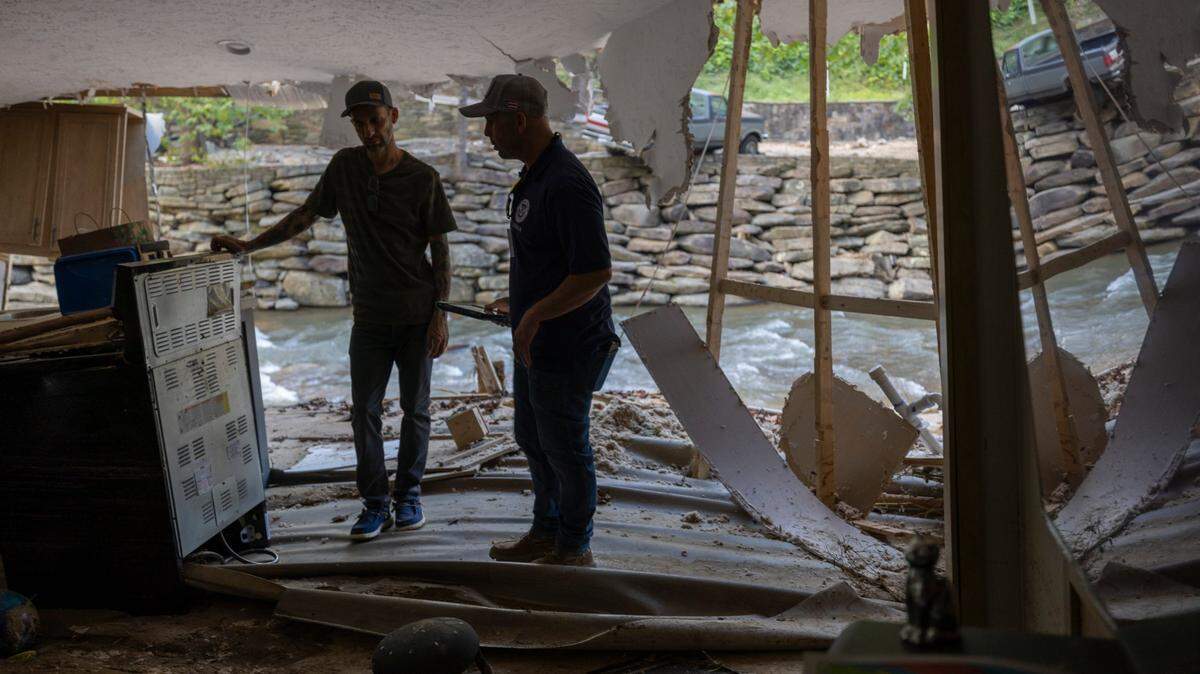
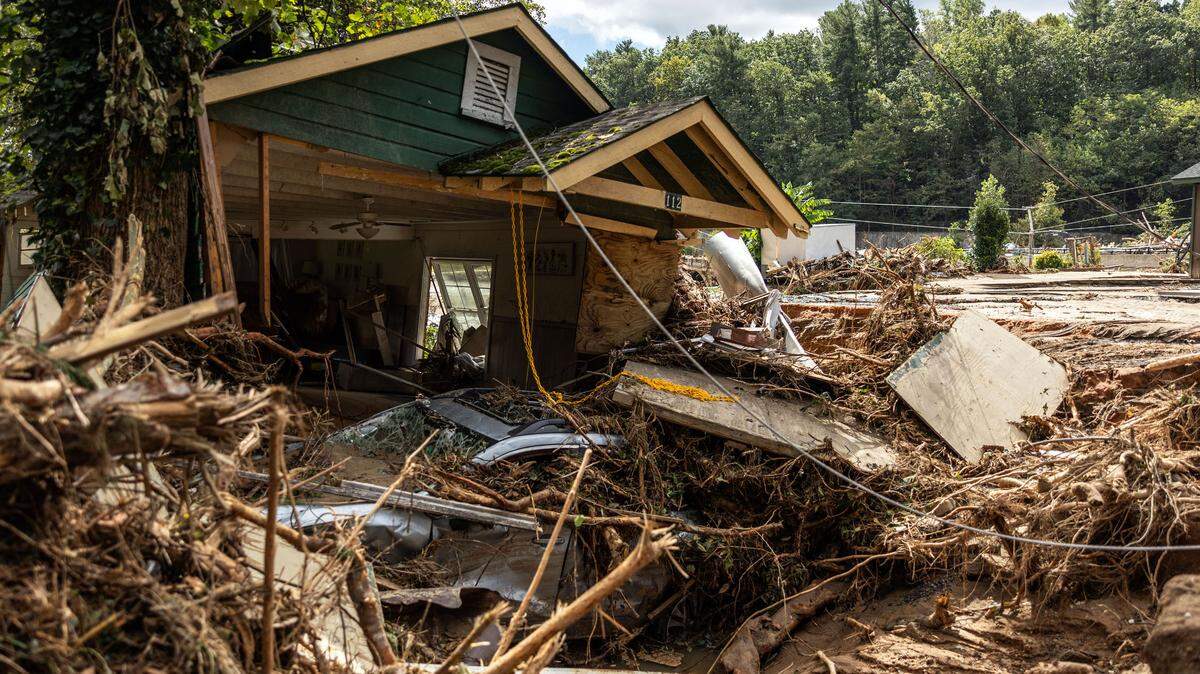
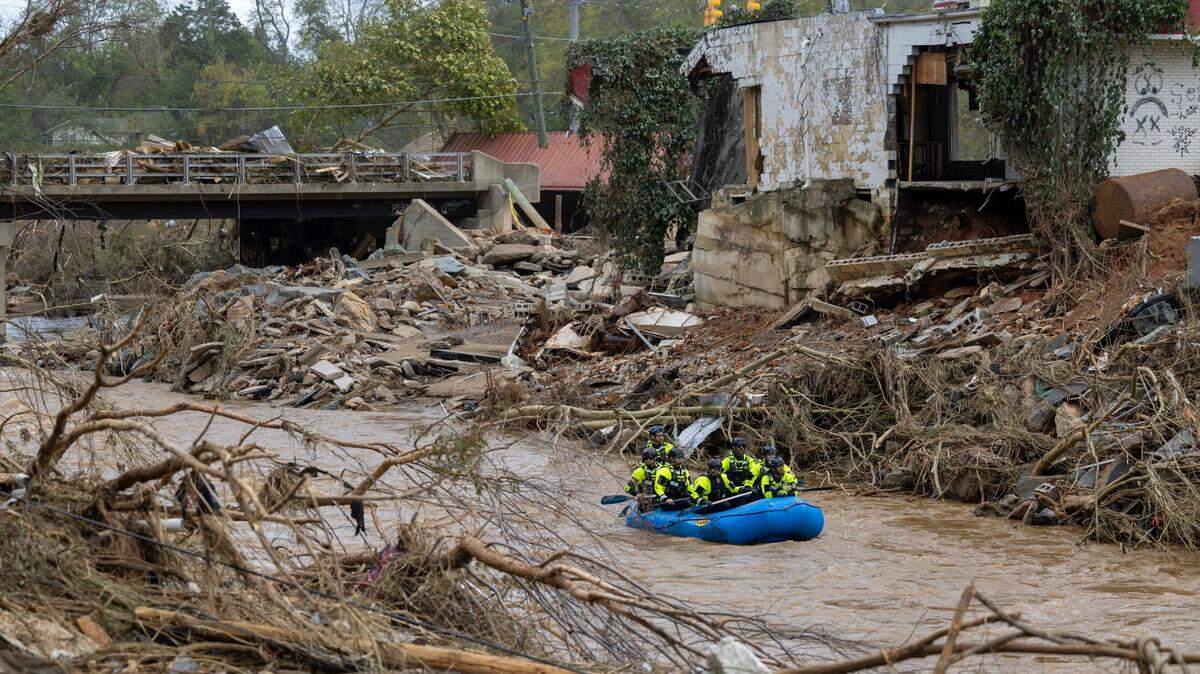
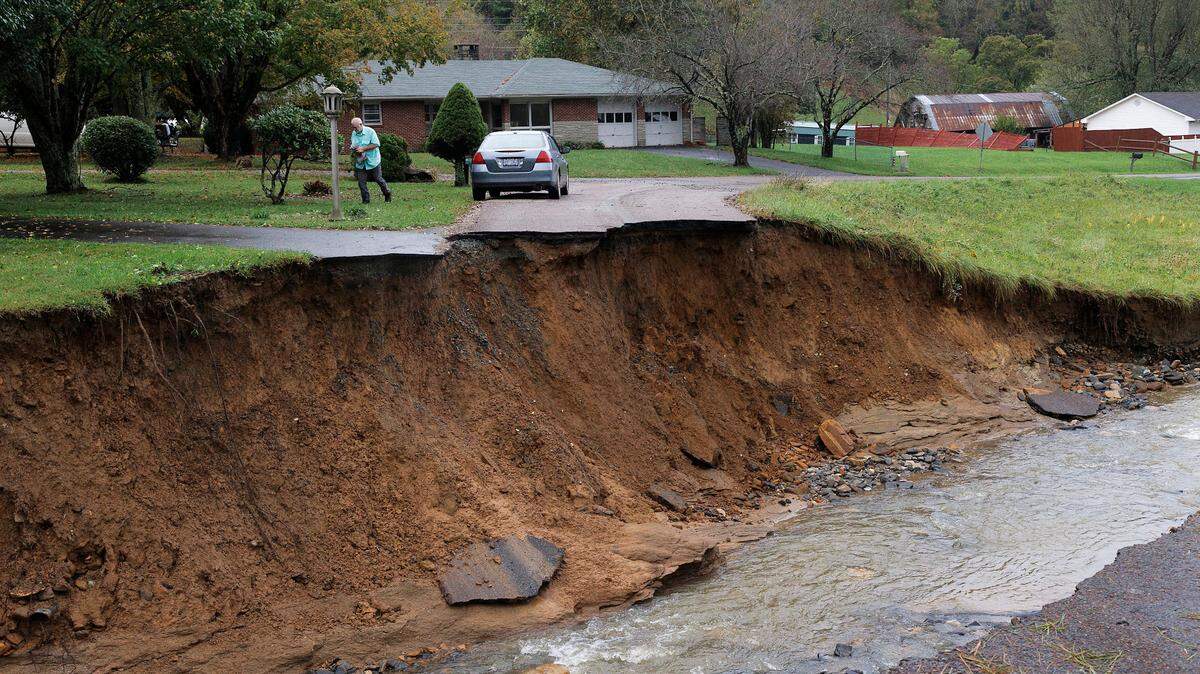
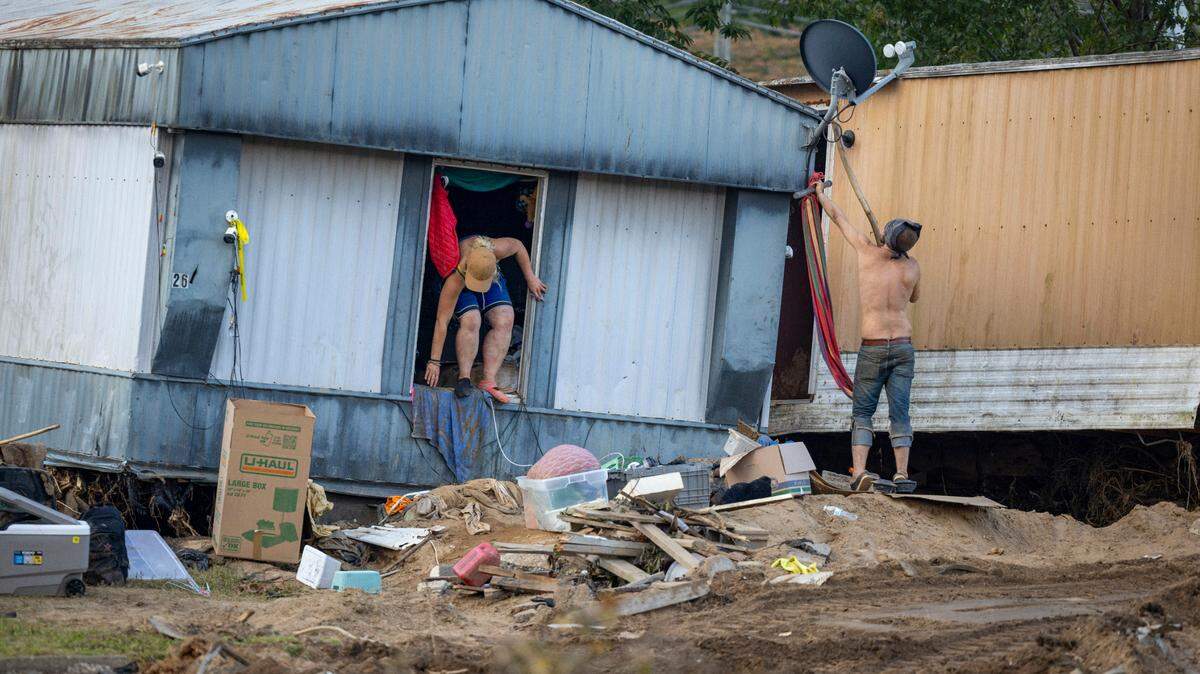
That has proved challenging over the past couple of weeks. Hurricane Helene caused mayhem all over Western North Carolina. Brennan found himself wanting to help in two disparate ways — getting important information to the public through the newspaper and its various social media platforms and literally helping to save lives as a first responder.
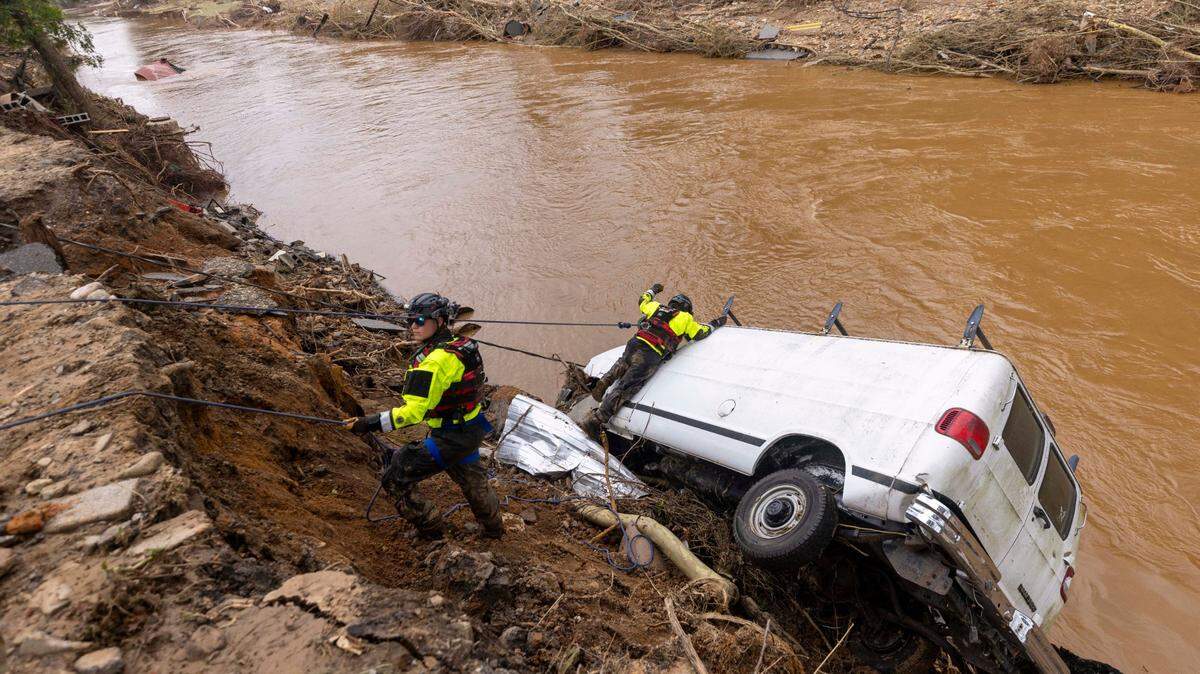
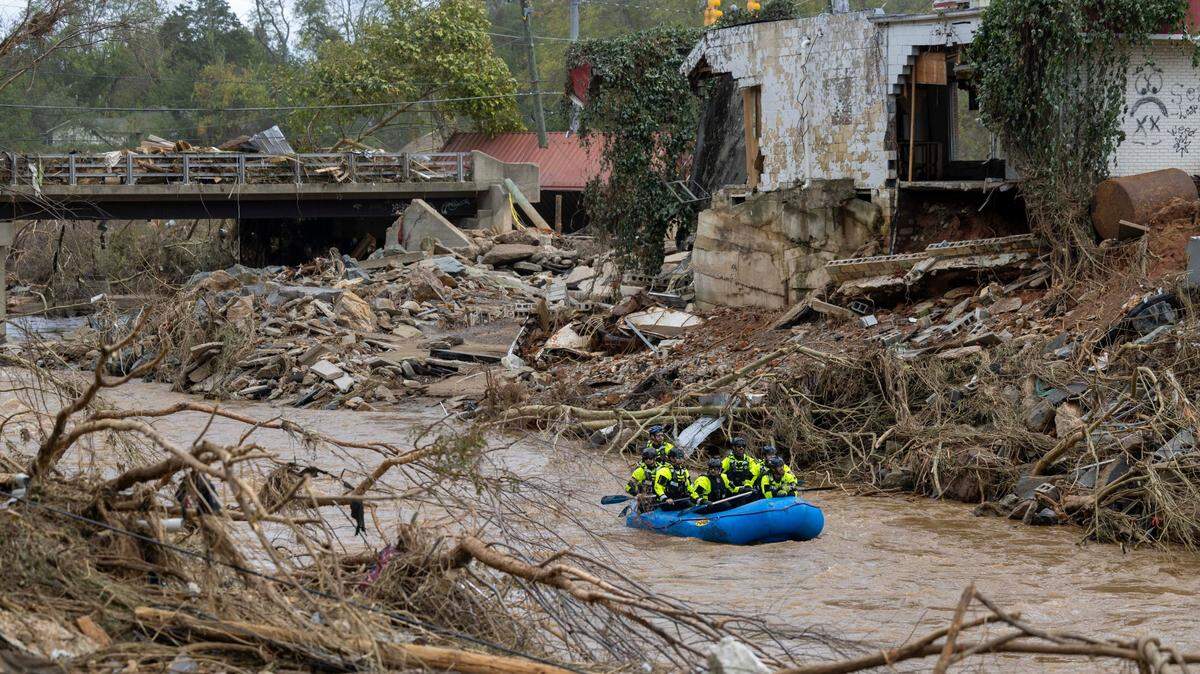
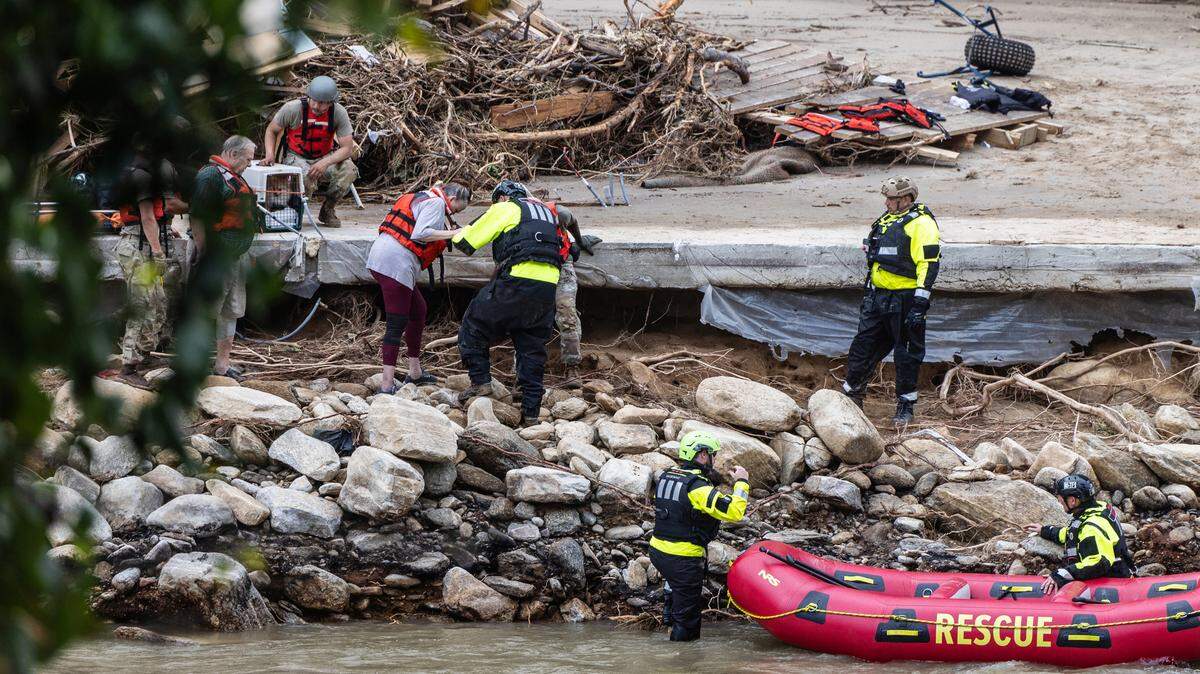
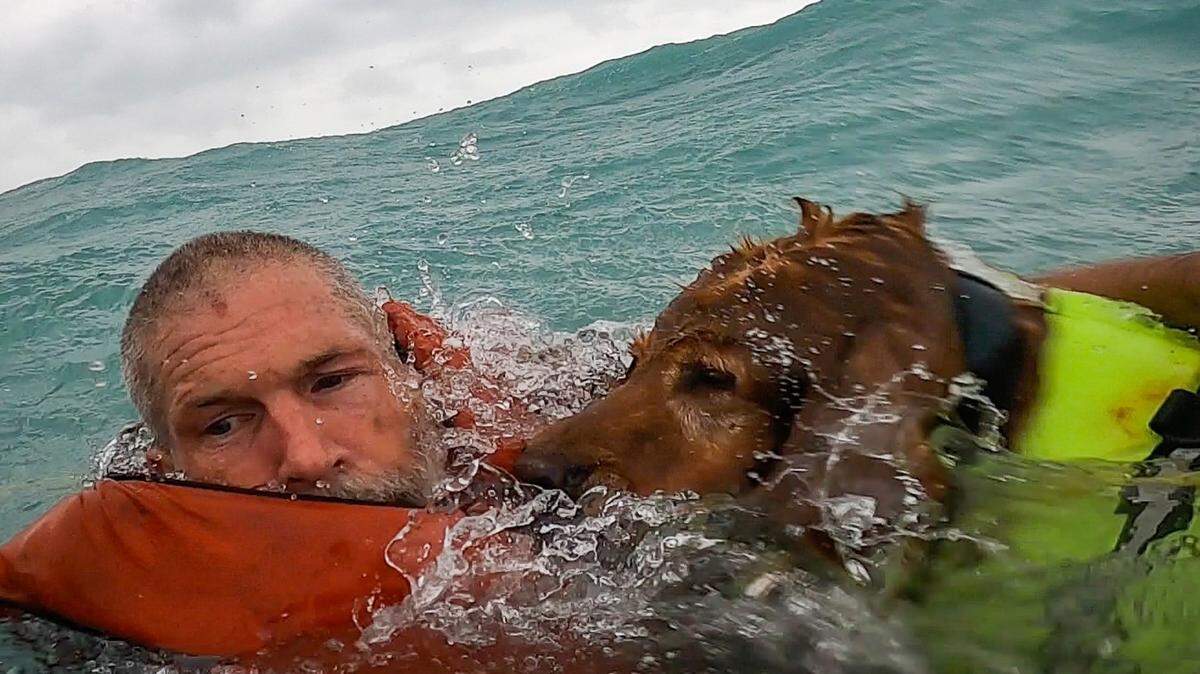
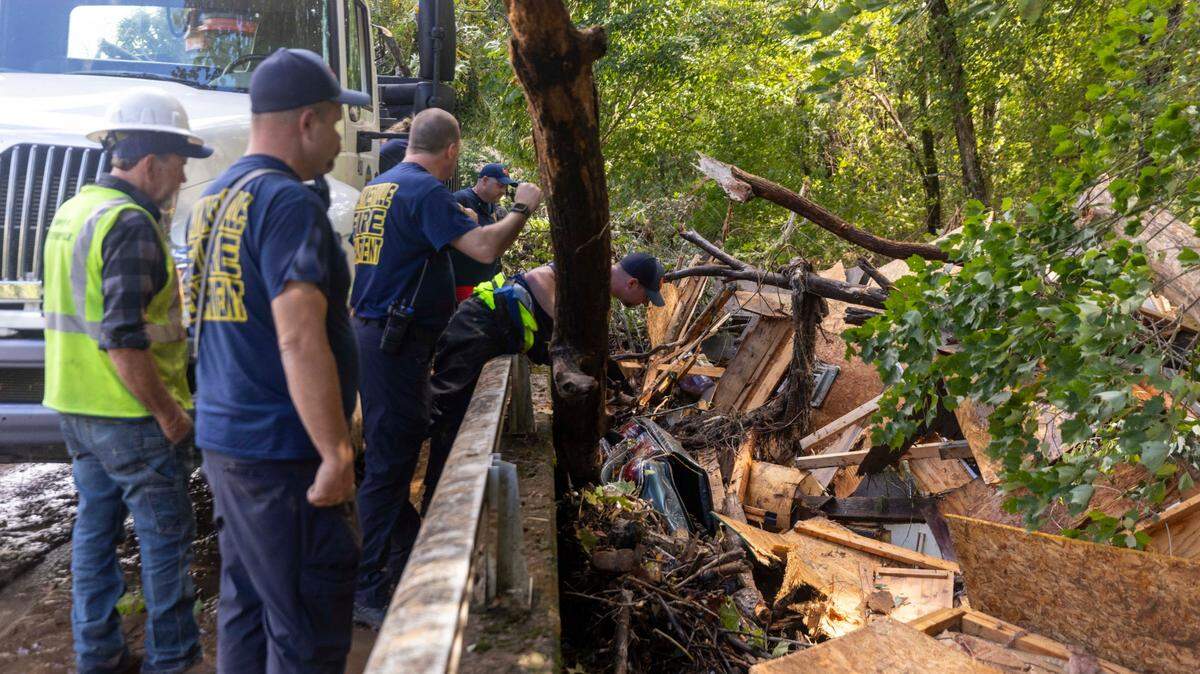
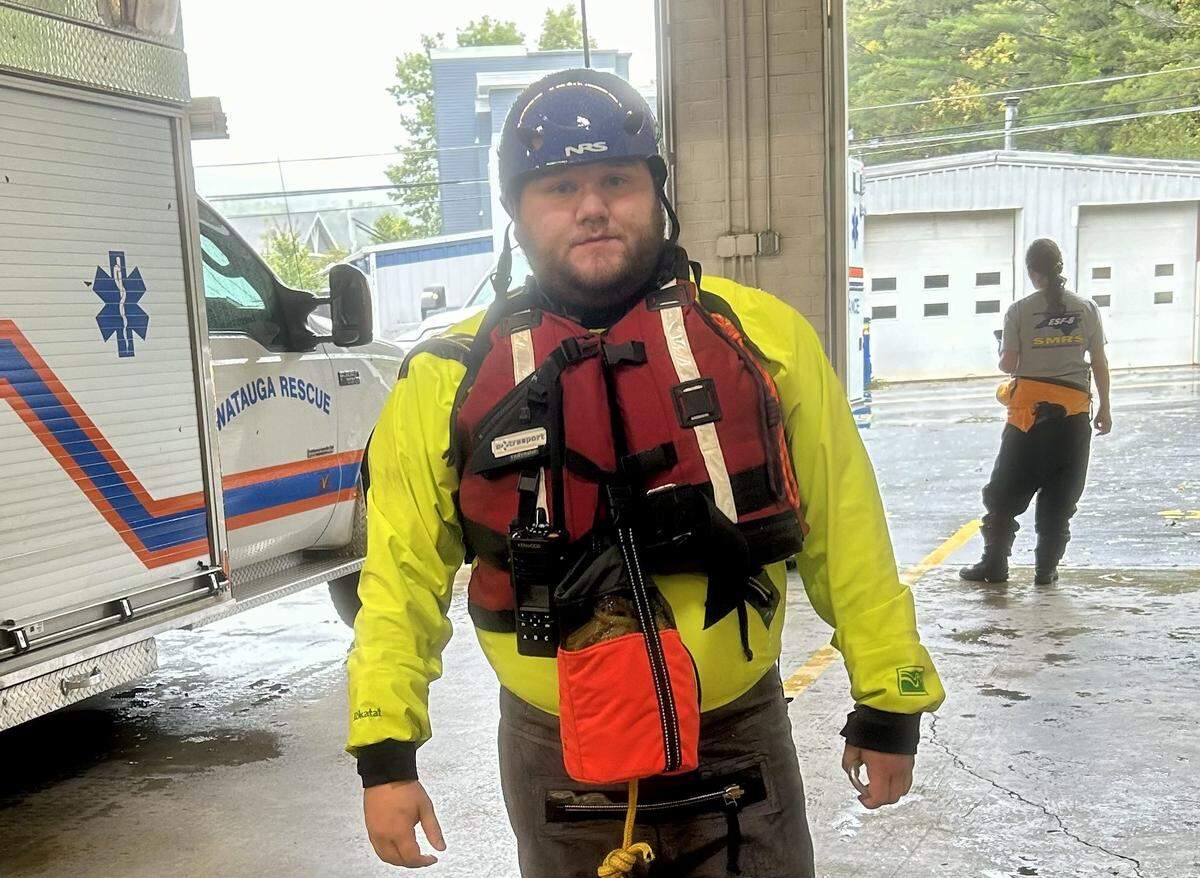
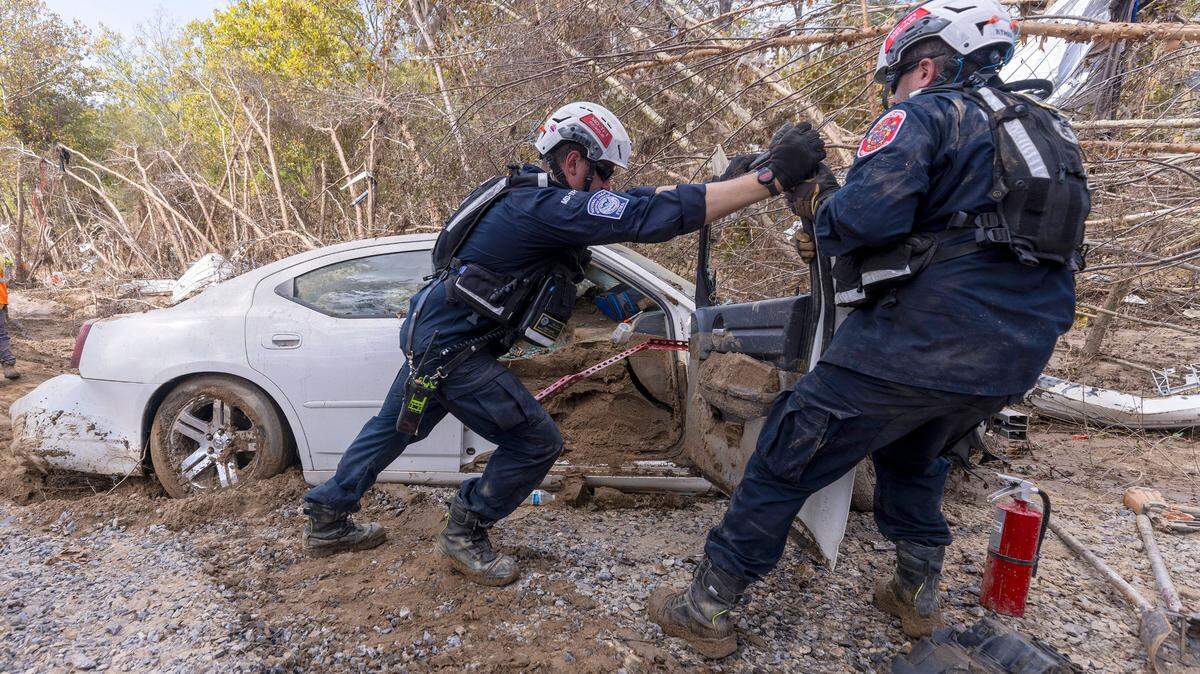
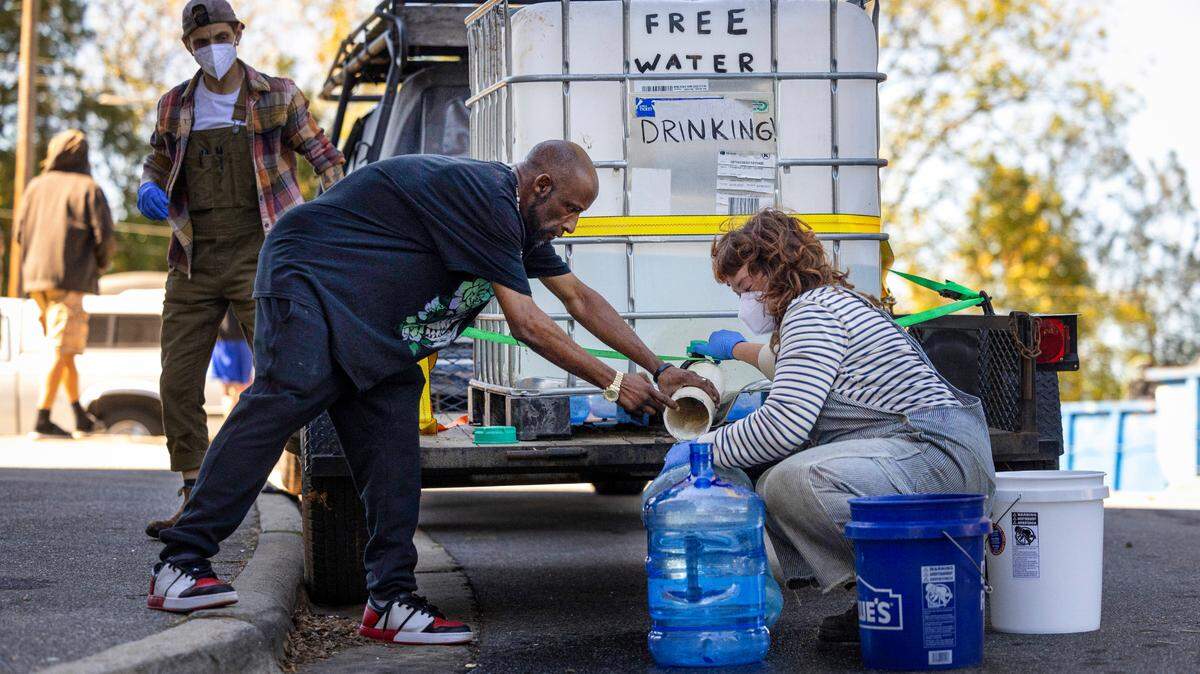
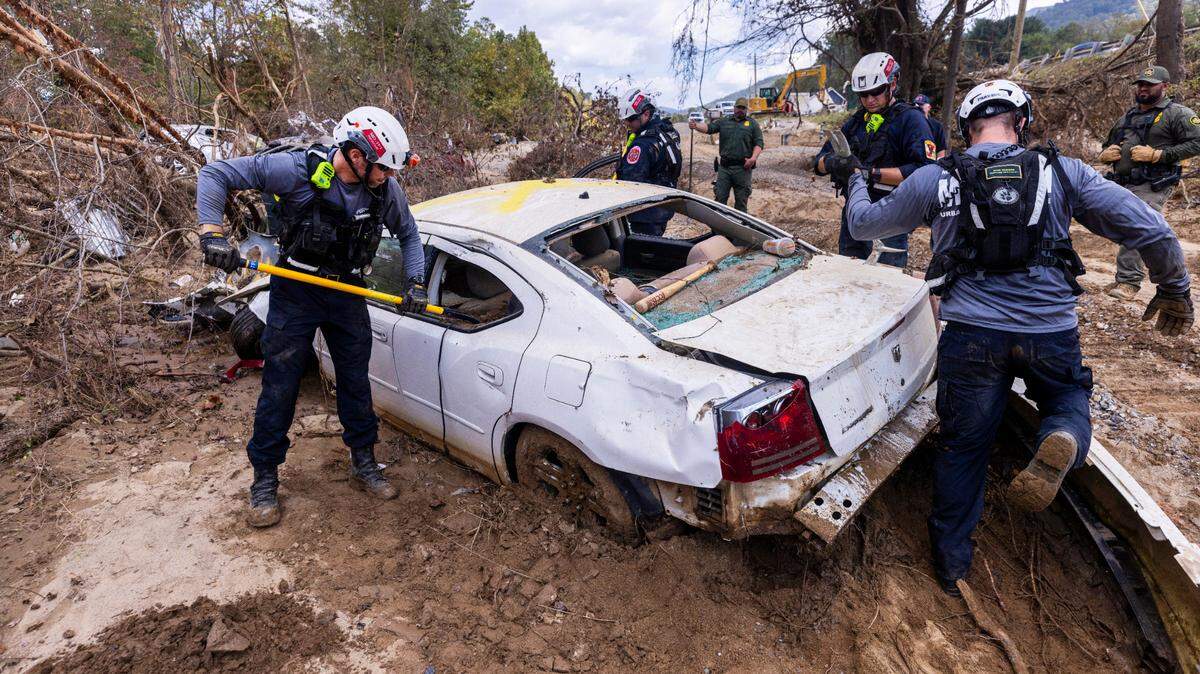
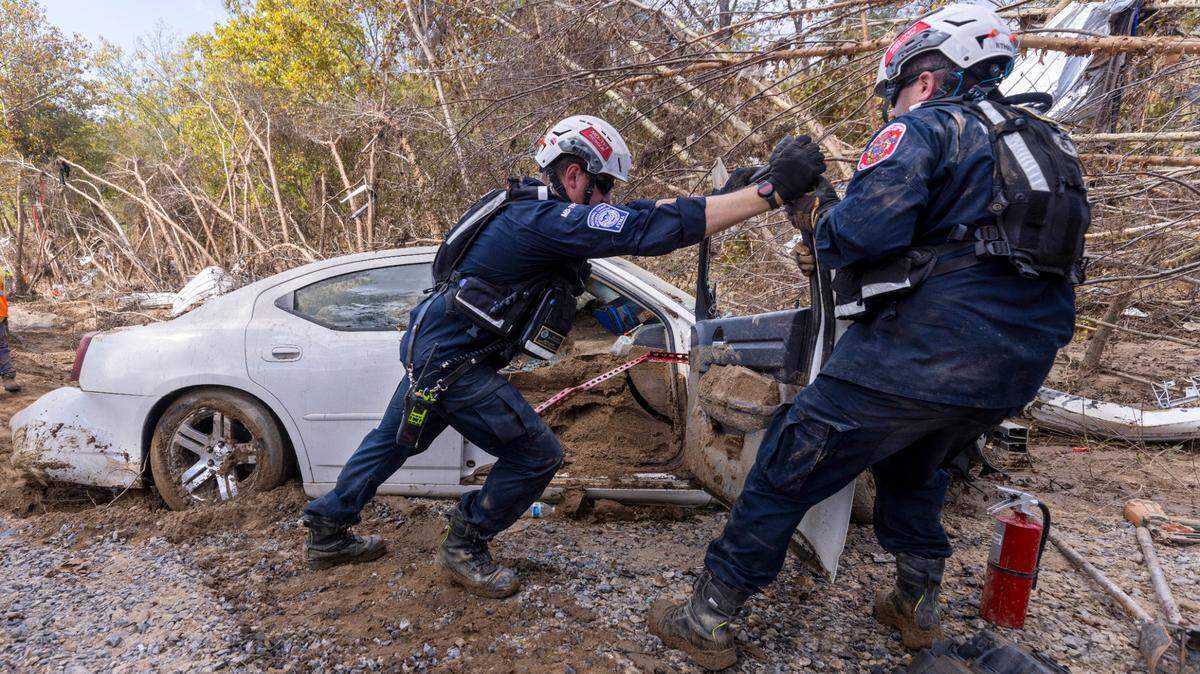
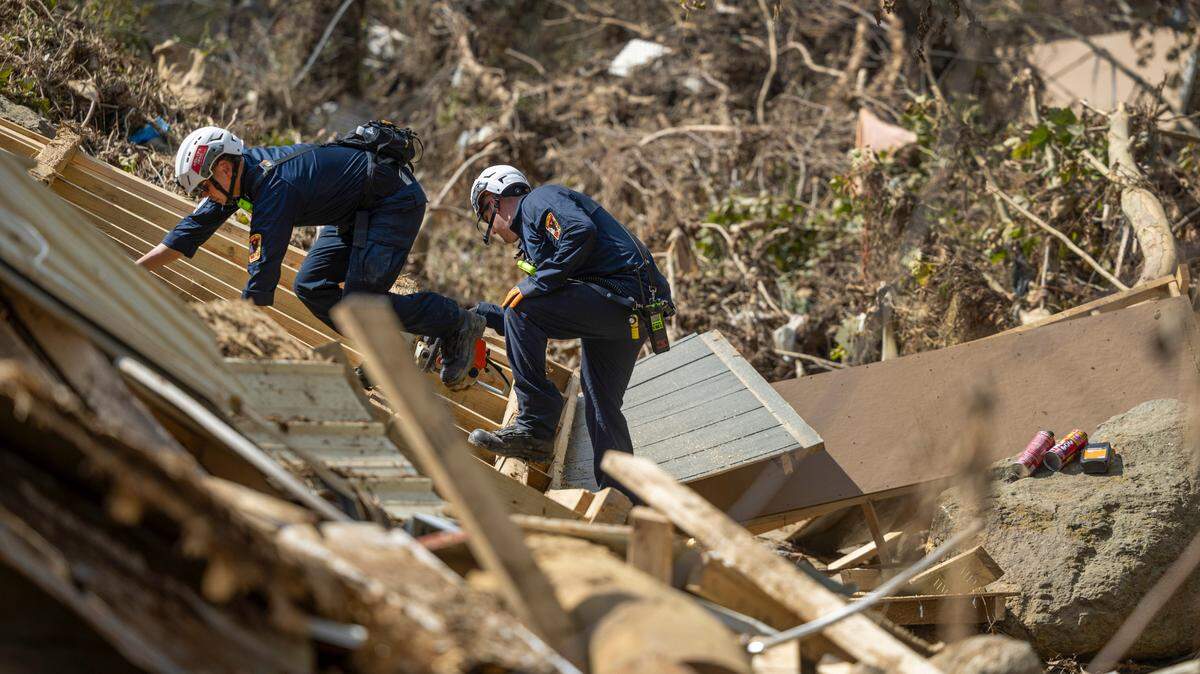
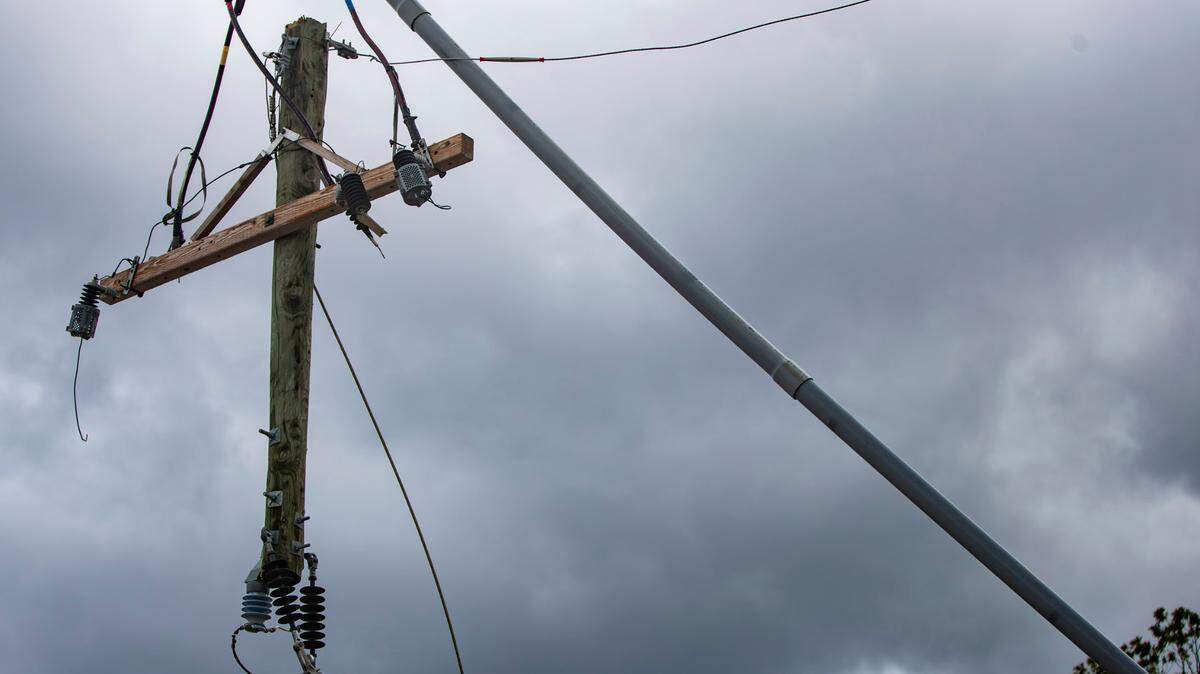
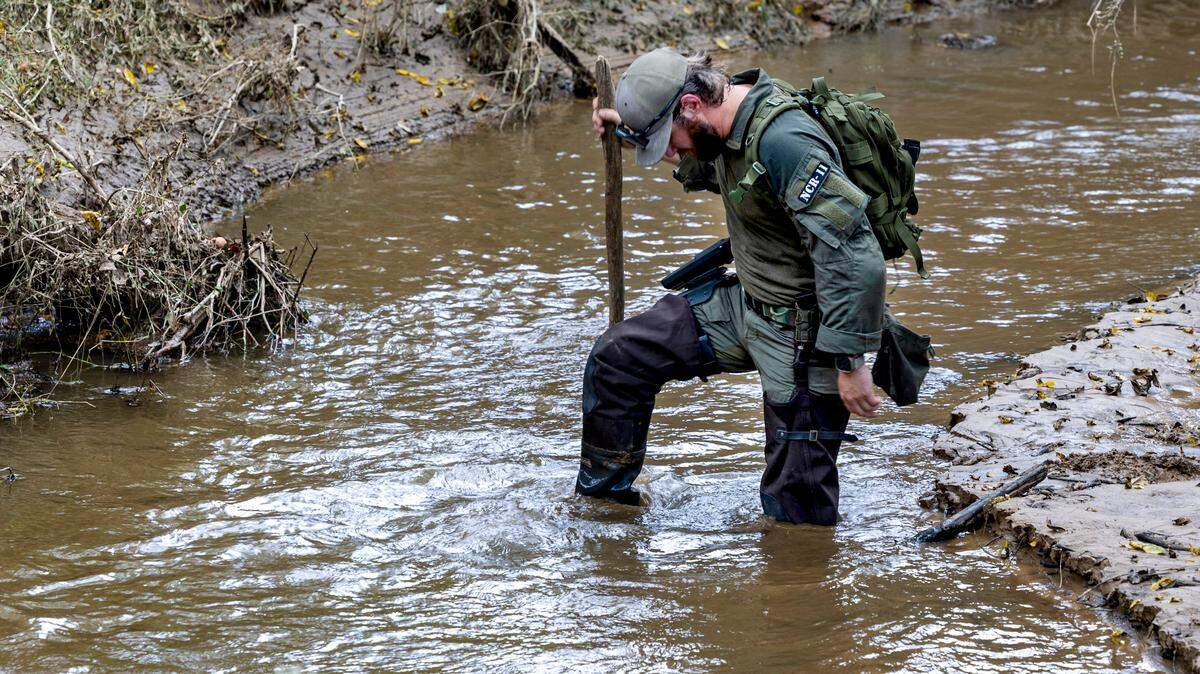
In the first few hours and days of the storm, as Helene downed trees, flooded rivers, provoked landslides, knocked out power and caused dozens of deaths in Western North Carolina, Brennan stuck mostly with his volunteer work on the rescue units. He participated in several swift-water rescues, helping get people and animals out of cars that were stuck in floodwaters or out of houses where the water had risen too high for a safe exit.
“On those swift-water calls,” Brennan said, “I was part of rescuing 11 people and three dogs.”
Then it came time to put out the newspaper — or actually multiple newspapers, since Brennan is also the executive editor of Mountain Times Publications. The company owns community newspapers in neighboring counties like Ashe and Avery, too. All of the publications combined — there are five of them altogether — have a staff of nine full-time journalists. Most of those reporters are in their 20s, Brennan said.
Brennan is most closely associated with the Watauga Democrat, which he reports for and edits each week and which prints once a week on Wednesdays. For the Oct. 2 edition, the first after Helene, Brennan wrote the top story on the front page and also took the 1A centerpiece photo.
The headline was stark: “DEVASTATION.”
The newspaper decided to print close to a thousand extra copies of that edition, since so many places were without power and Wi-Fi. Brennan and the staff dropped off free copies of the newspapers at central distribution areas like community centers and fire departments.
“I went to one fire department and they said, ‘This is the first news we’ve had since Friday (five days before),’” Brennan said. “It just goes to show you that local journalism — and the printed paper — can still be very important.”
Brennan grew up in Durham and attended high school at the Durham School of the Arts. He traveled 200 miles west across North Carolina to go to college at Appalachian State, where he majored in journalism and at one point was editor-in-chief of The Appalachian, the student newspaper.
Before he had even finished college, the Watauga Democrat had offered him a full-time job as a reporter. Brennan jumped at it — this was during the COVID era and almost all of his classes were online. When the editor job at the newspaper came open, Brennan was first appointed as interim editor and then got the job permanently — at age 22 and only three months after his college graduation.
Shortly after that, Brennan had to report on a spate of fires in Deep Gap, which is an unincorporated area in Watauga County. He grew somewhat interested in the process of fighting fires during this reporting, as well as the people who do it.
“I had always been interested in helping people anyway,” Brennan said. “That’s kind of why I got into journalism, too — to tell people’s stories and hopefully help them. And then the Deep Gap fire chief was like, ‘Hey, if you want to come to one of our trainings, we have one on Tuesday night.’”
Curious, Brennan stopped by and was enthralled by the work. He lived only 10 minutes from the station. So he joined Deep Gap as a volunteer firefighter in January 2022. A few months later, he got trained as an emergency medical technician (EMT). By February 2023, he had also joined the Watauga County Rescue Squad, also as a volunteer. Since he was volunteering, Brennan could mostly pick and choose what calls he assisted on and make sure he had time for his reporting and editing.
“My journalism job is flexible enough that if I’m not in the middle of an interview or a deadline, I can typically leave work if it’s a serious enough call,” Brennan said. “I probably go on a couple of calls a week. The majority of calls are medical, but there is the occasional car crash or fire.”
With input from his bosses, Brennan said he decided early on that he shouldn’t and couldn’t report on calls that he was working on as a first responder. Compartmentalization would be key.
As for Brennan himself, he was fortunate. He lost power for only three hours during Hurricane Helene. Wi-Fi has been a thornier issue. Brennan has filed some stories from McDonald’s (this is an age-old reporting trick, since McDonald’s are often open late and generally have reliable Wi-Fi).
As the rescue calls have slowed and Western North Carolina concentrates on recovery, Brennan has been more focused on the reporting side of his life lately. As for his long-term plans, he said: “I really don’t know what the future holds. I just know that I love what I do right now — both the rescue side and the journalism side.”
This story was originally published October 16, 2024 at 5:00 AM.



.jpg)
.jpeg)
.JPG)





.JPG)