In NC’s tiny ‘Dogtown,’ Hurricane Helene’s fury left these close cousins worlds apart
READ MORE
Hurricane Helene Aftermath
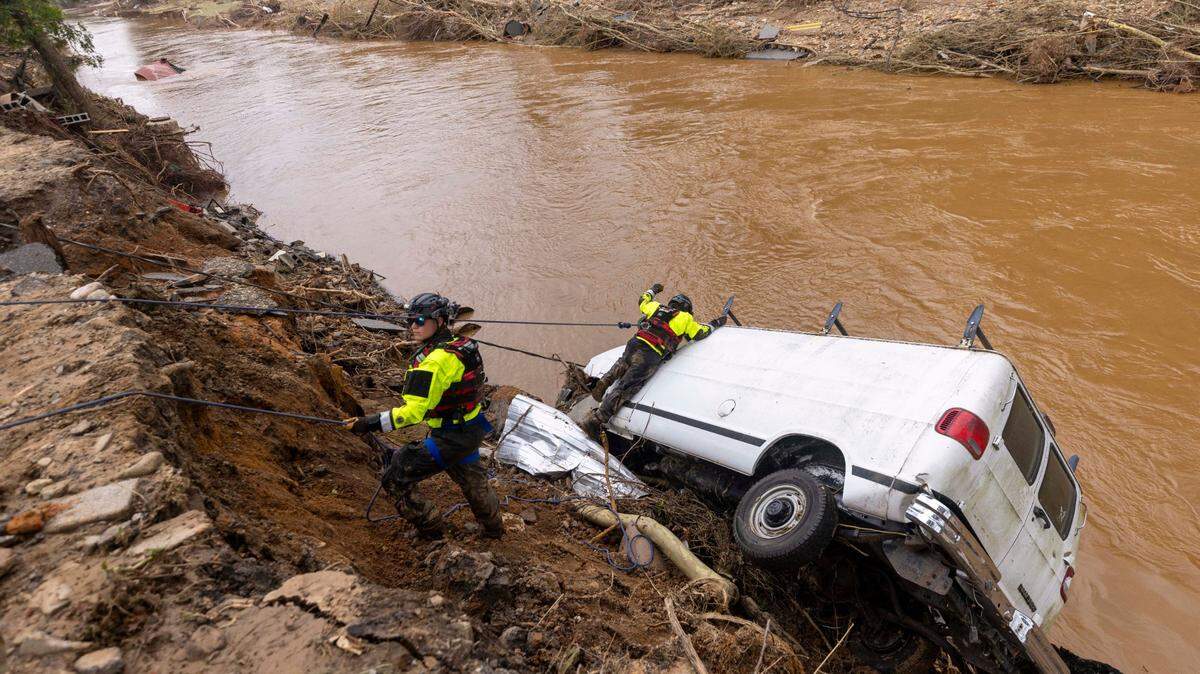
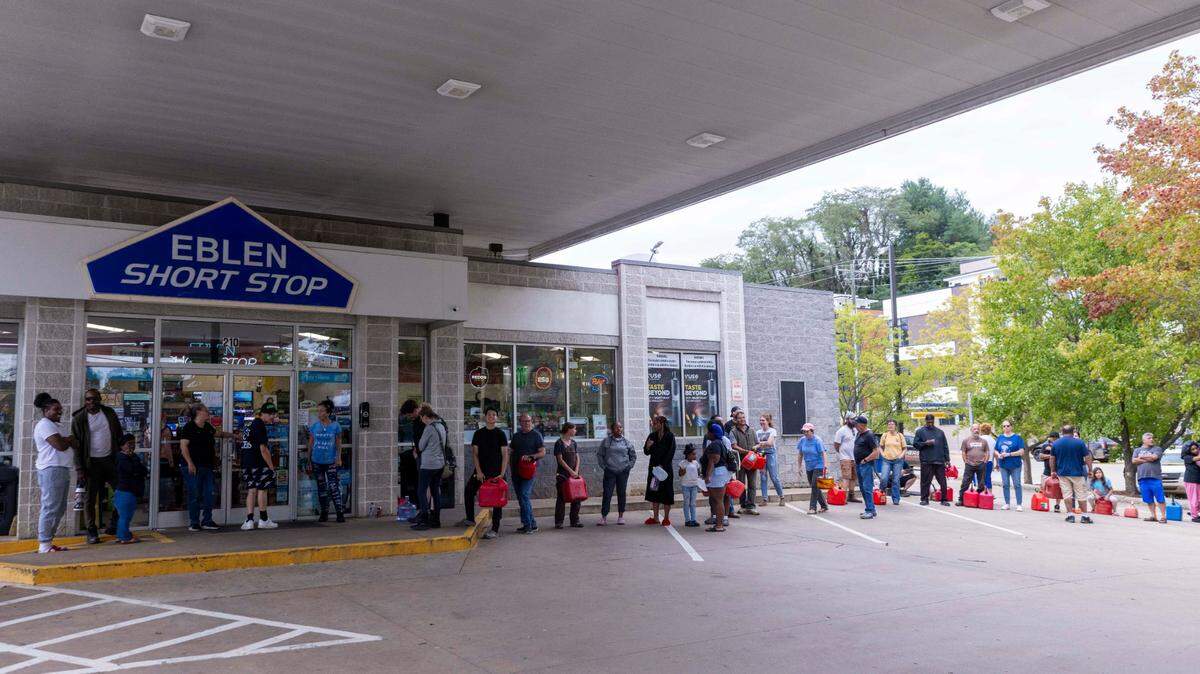
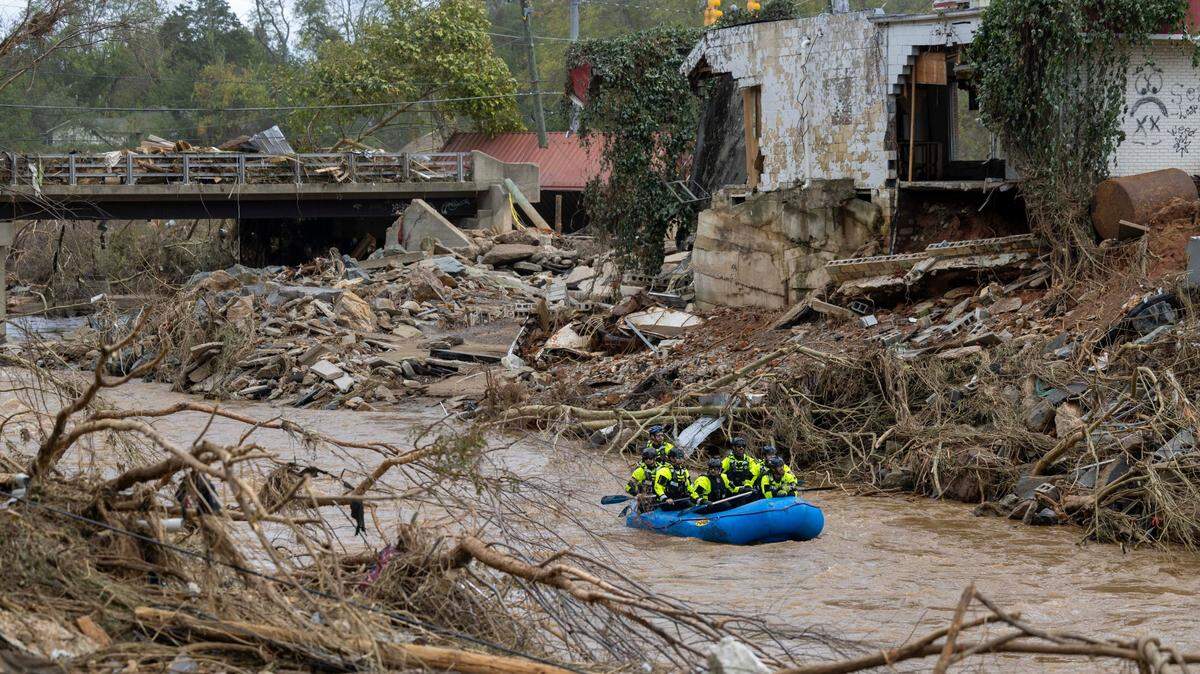
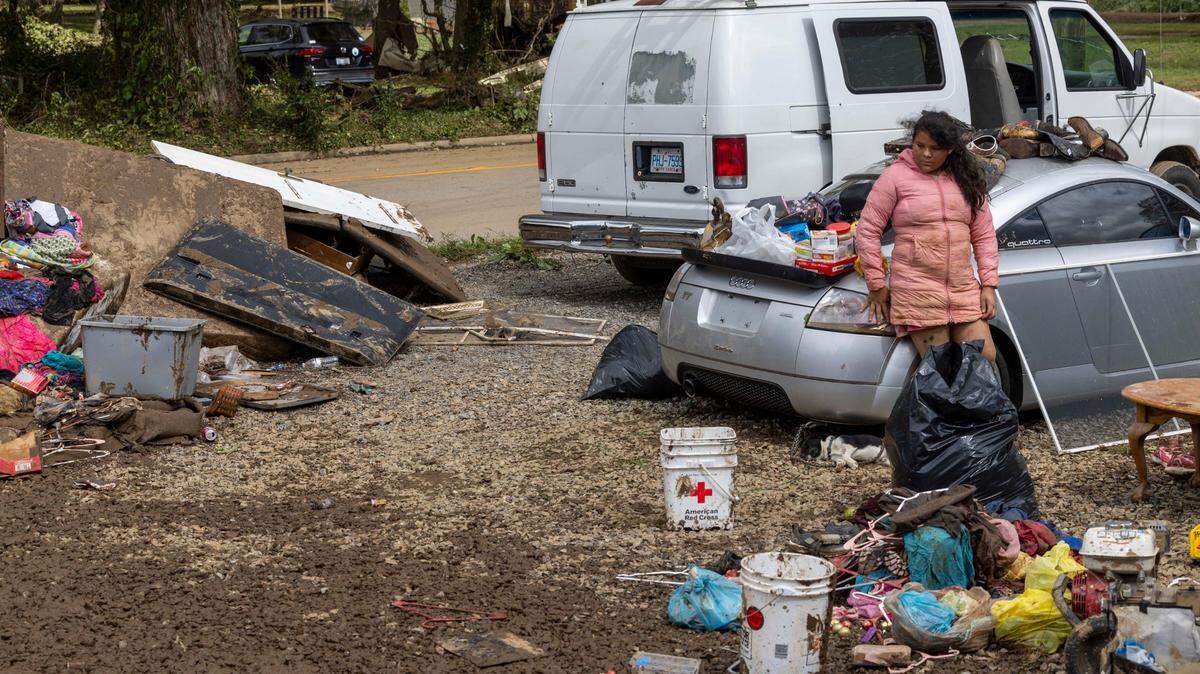
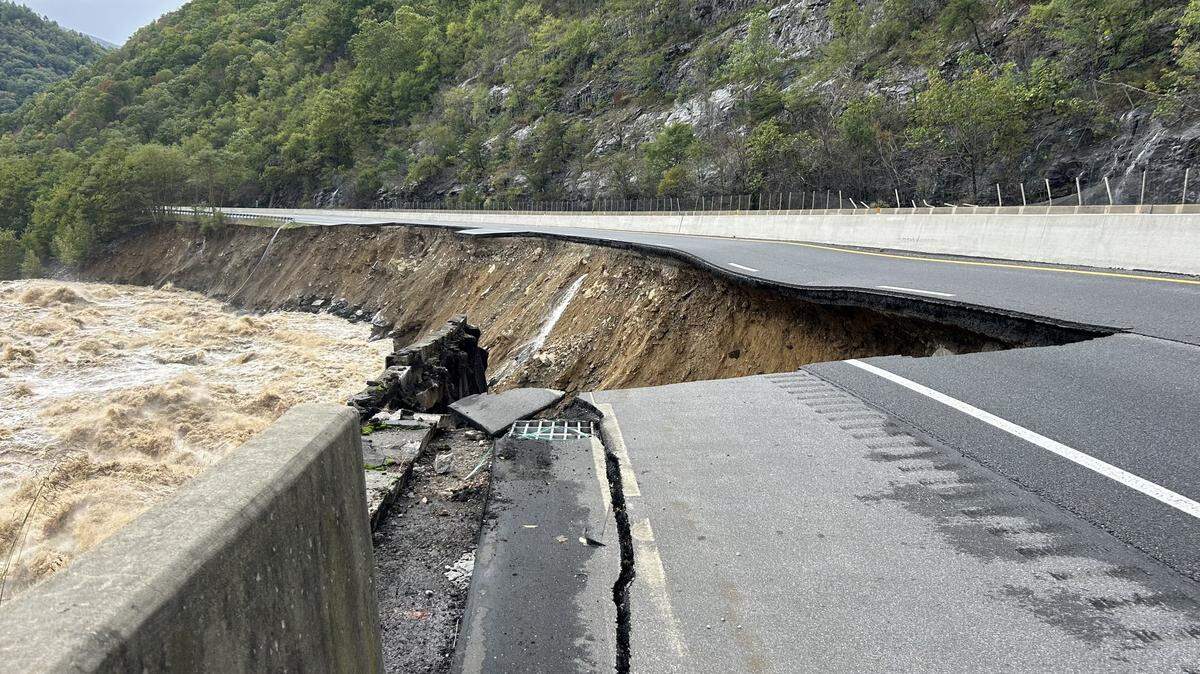
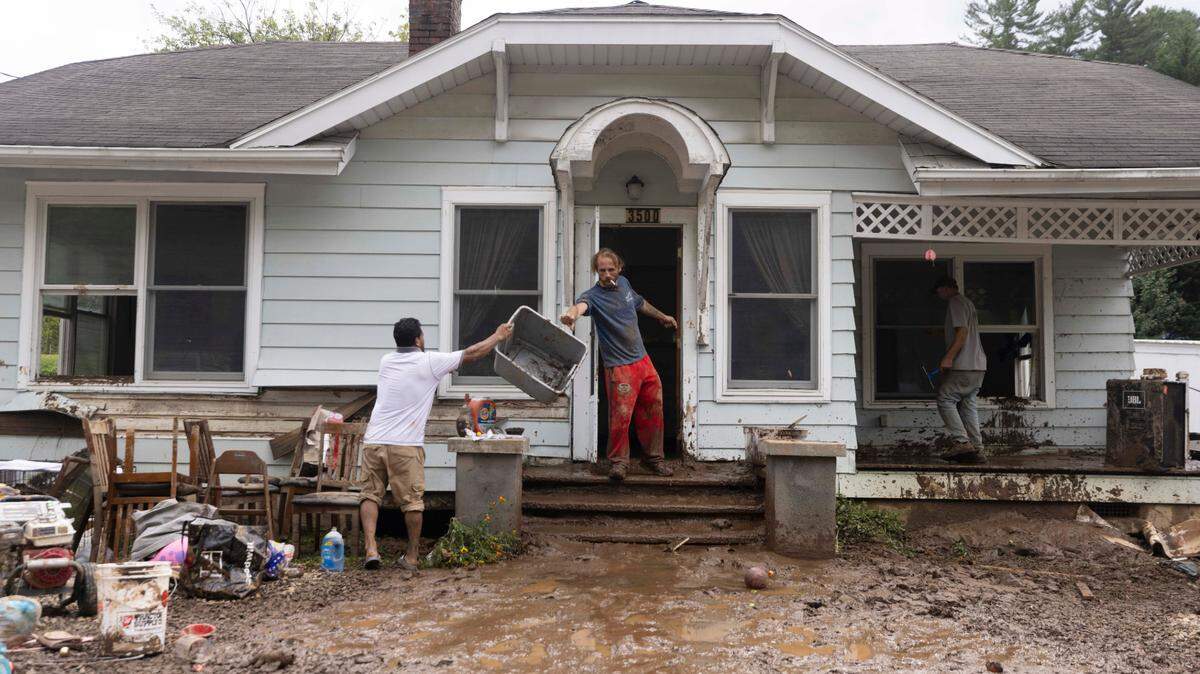
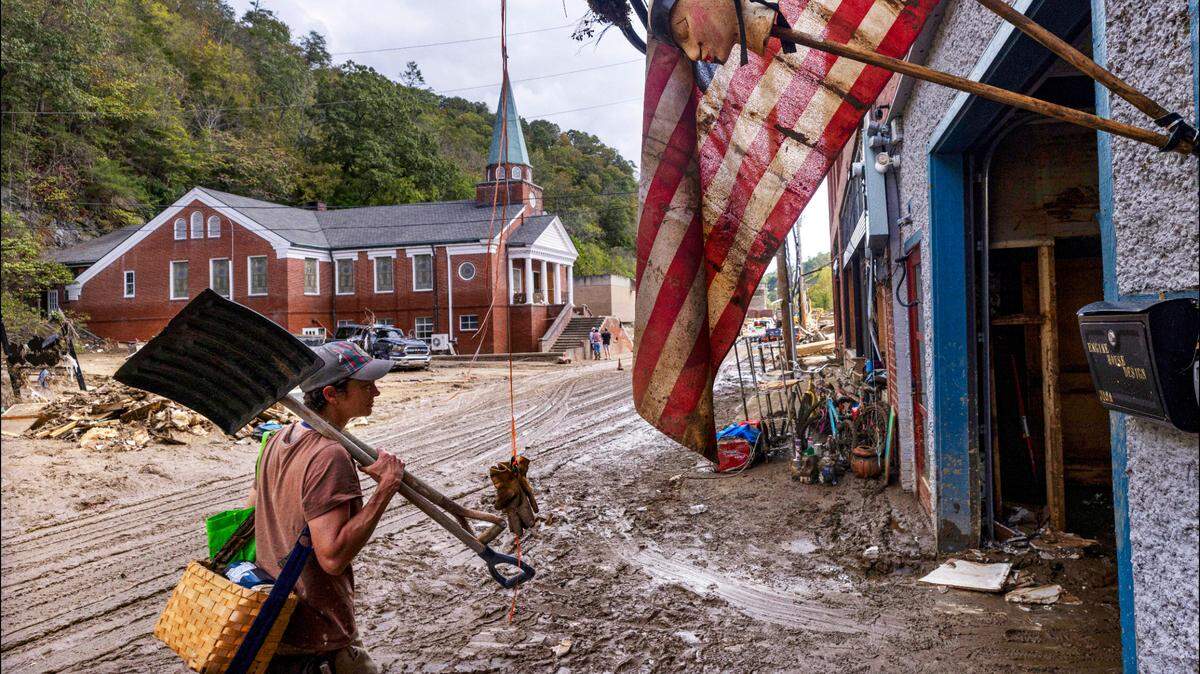
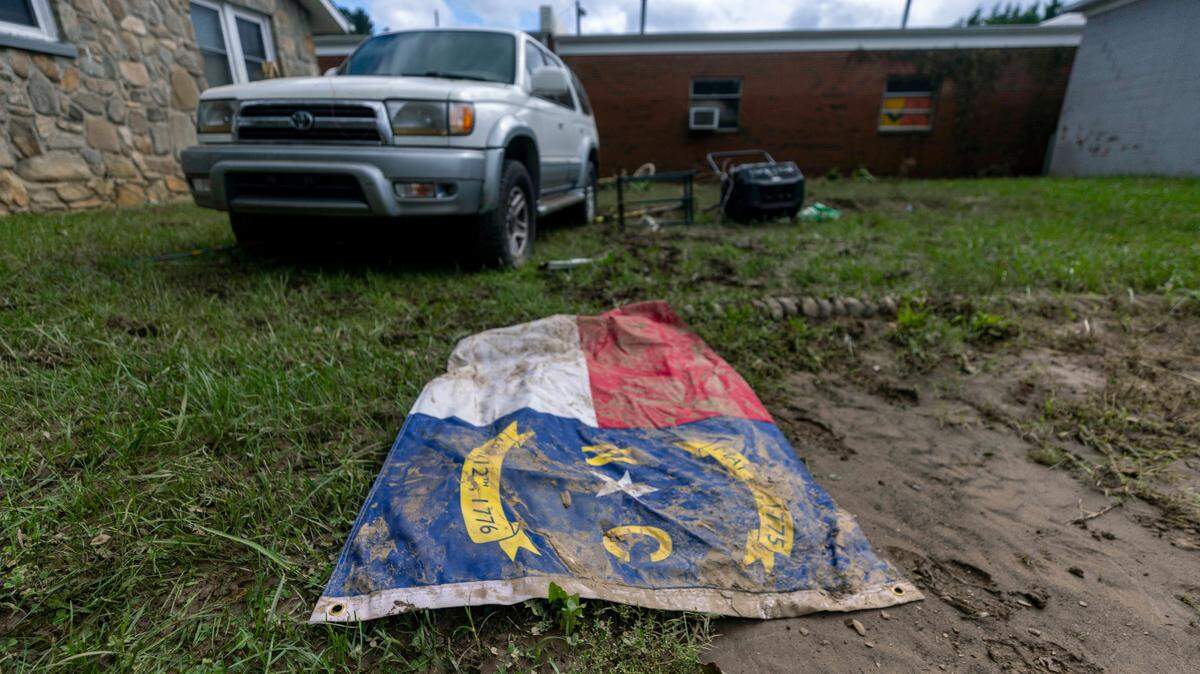
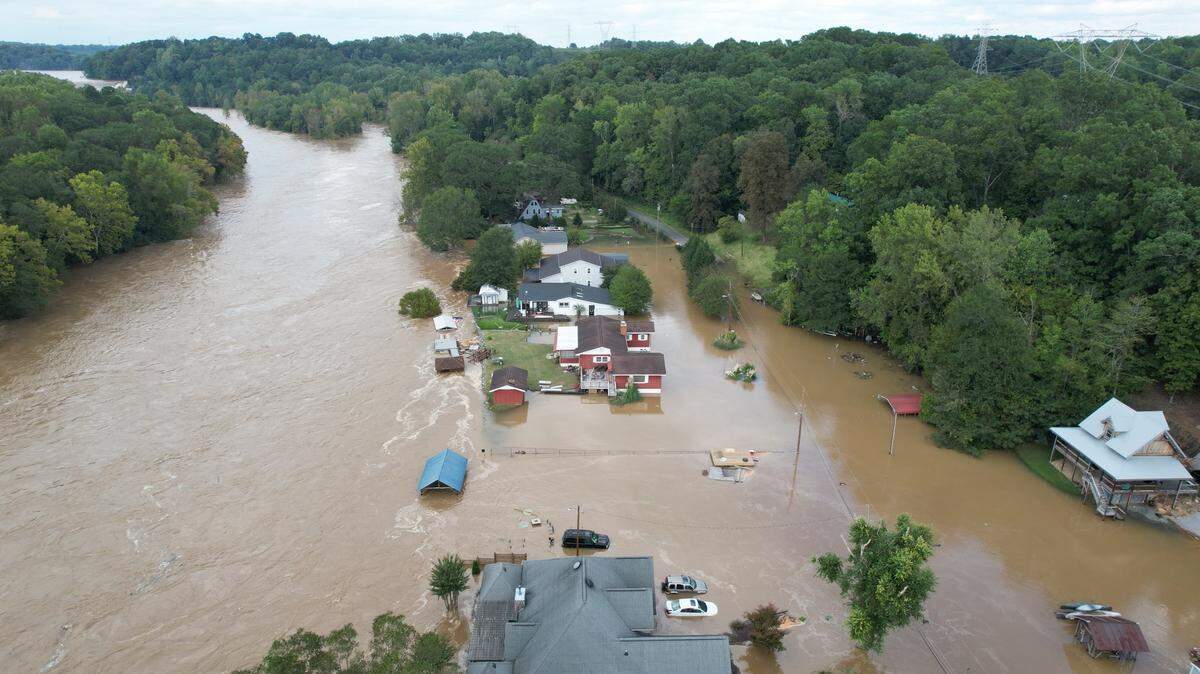
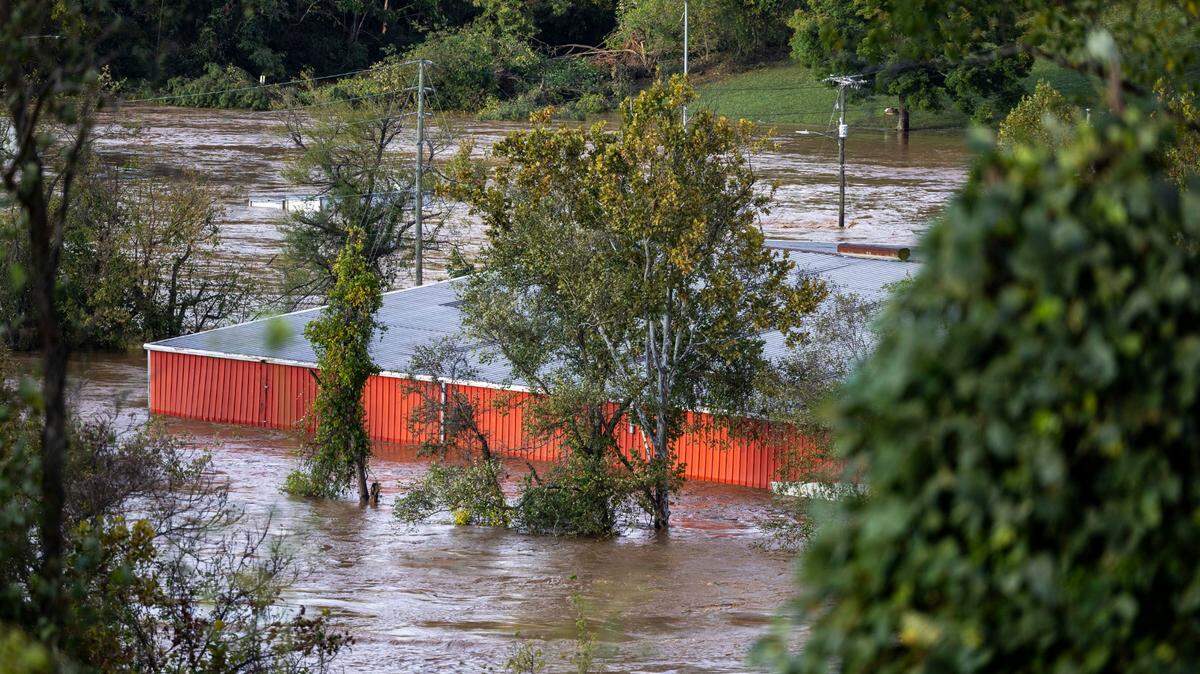
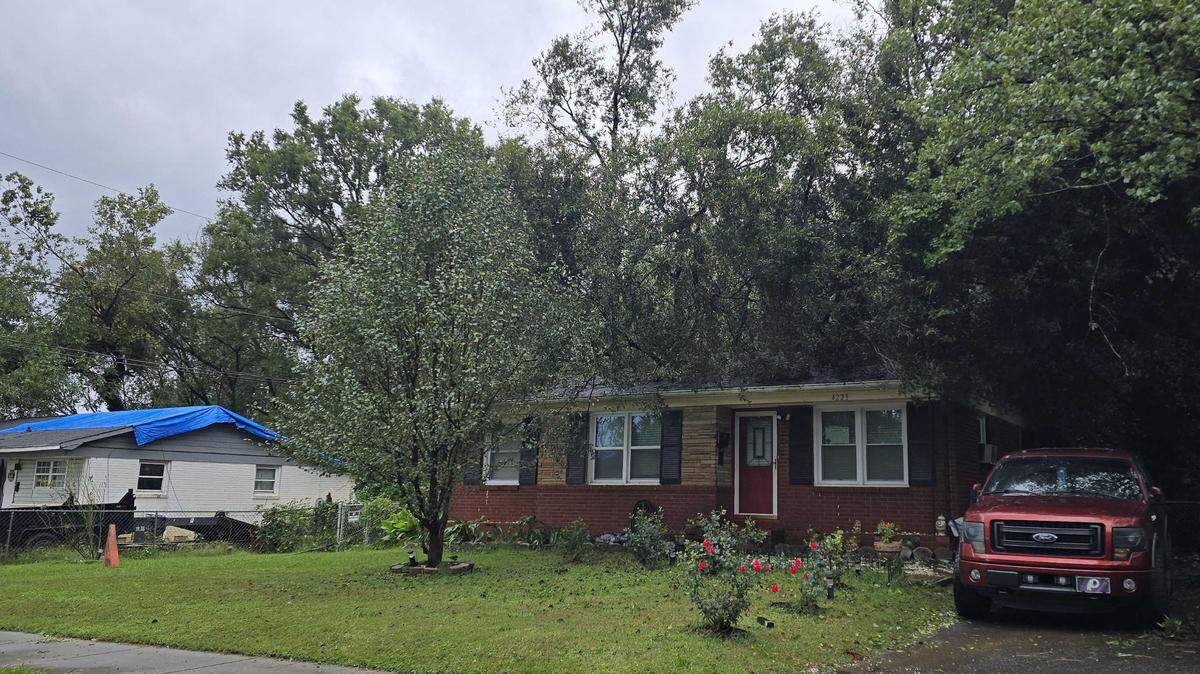
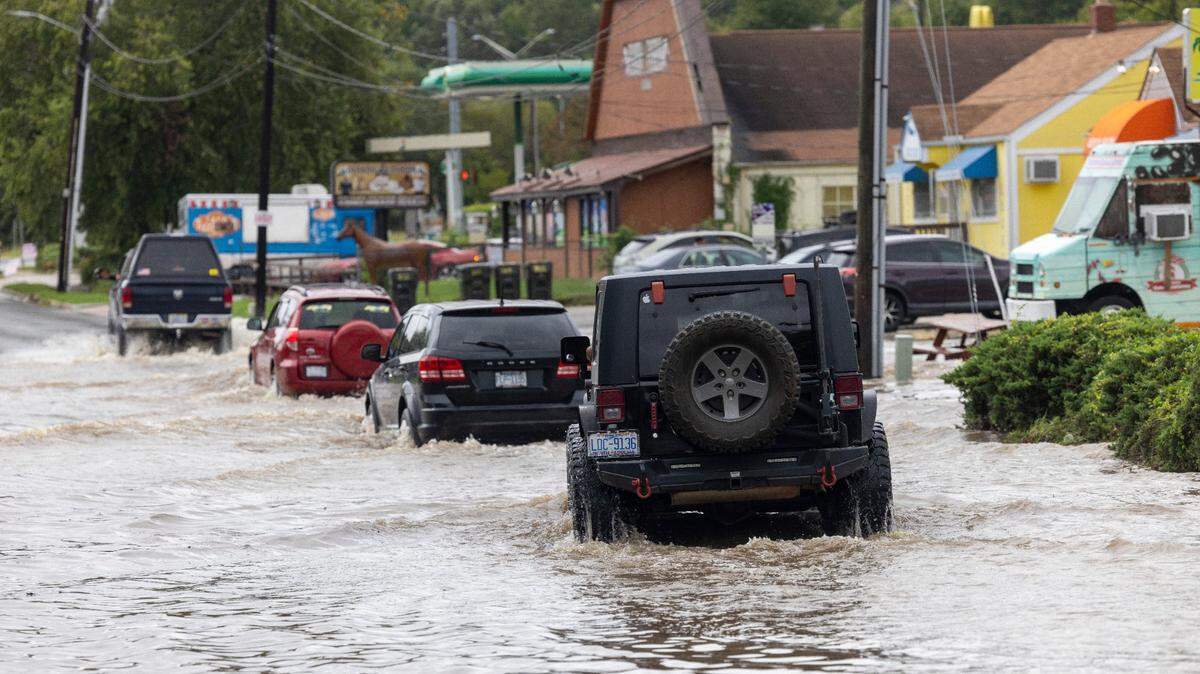
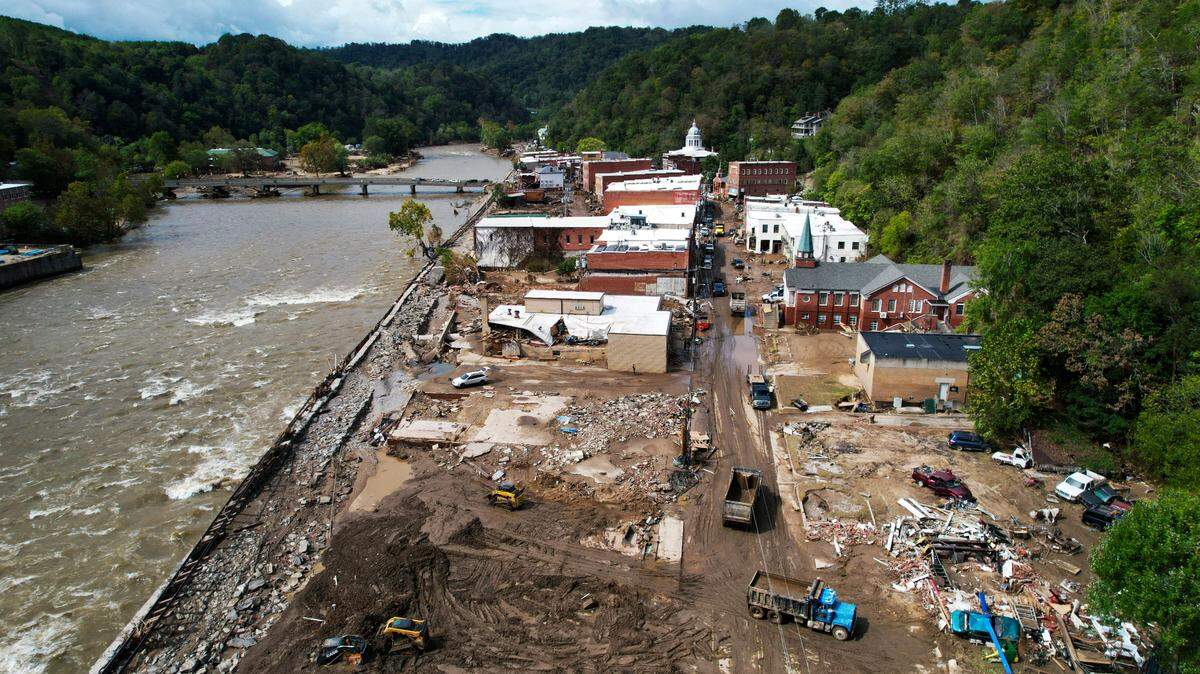
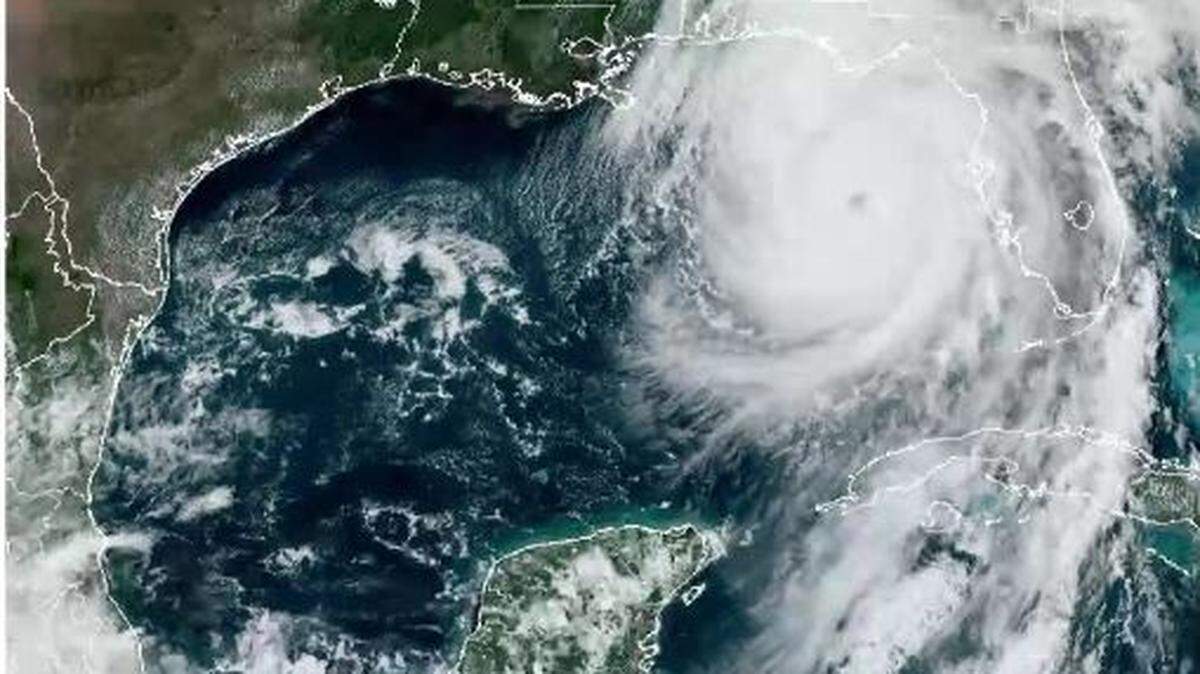
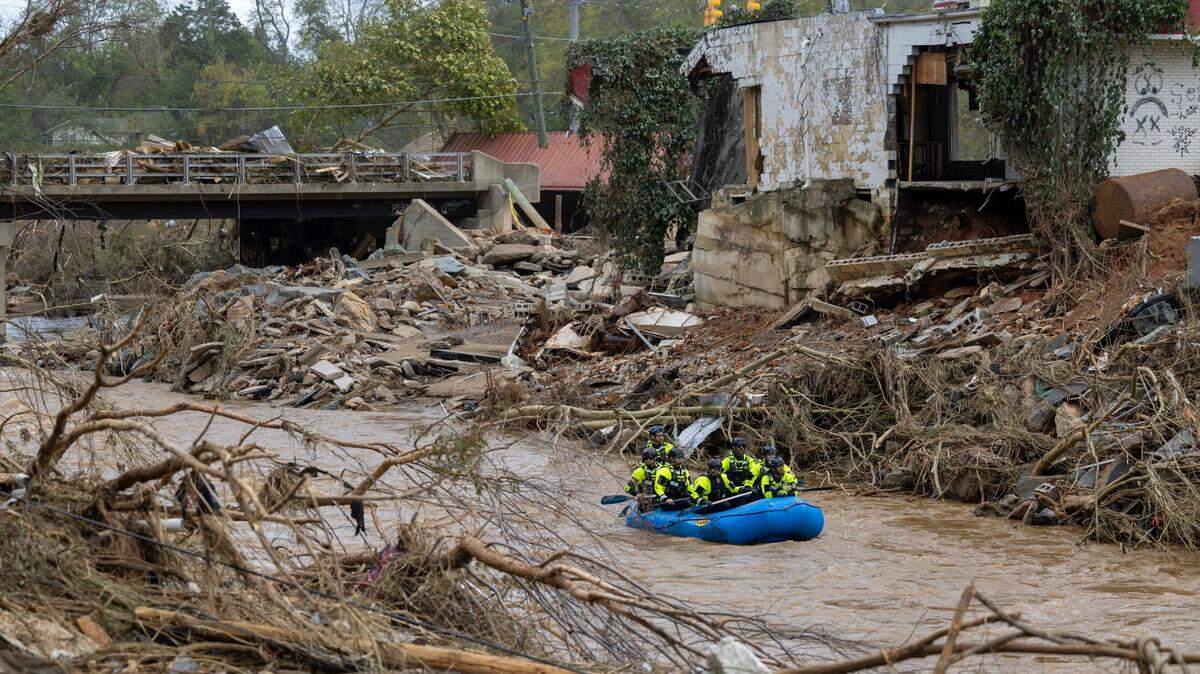
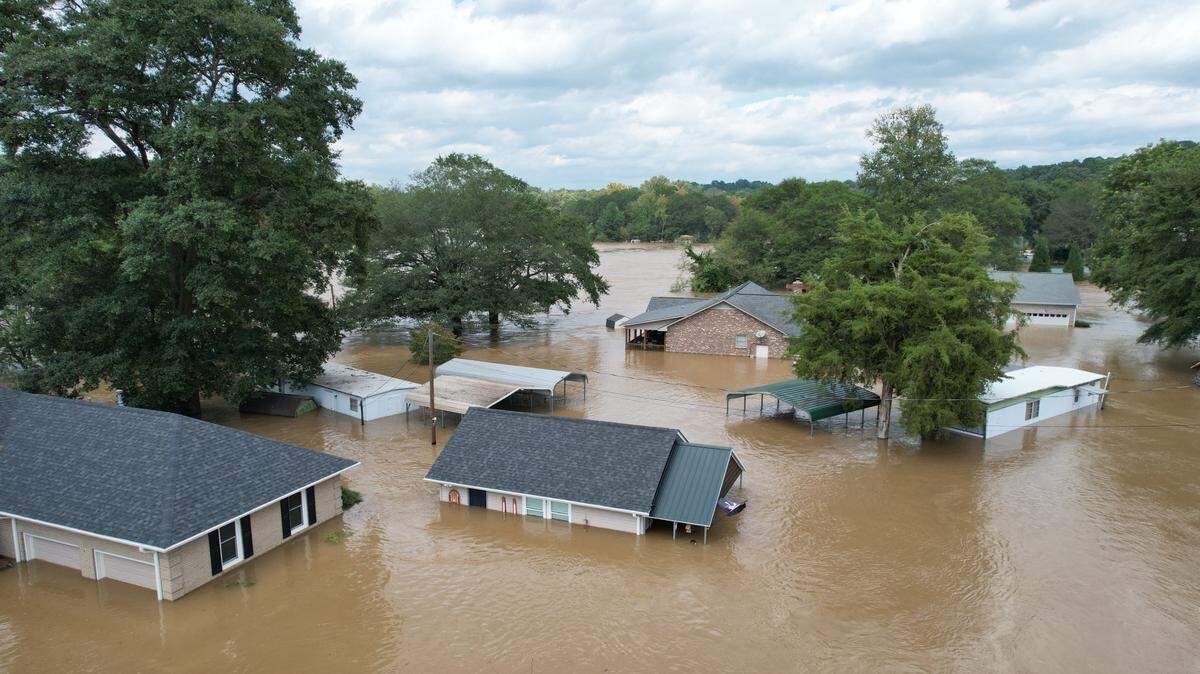
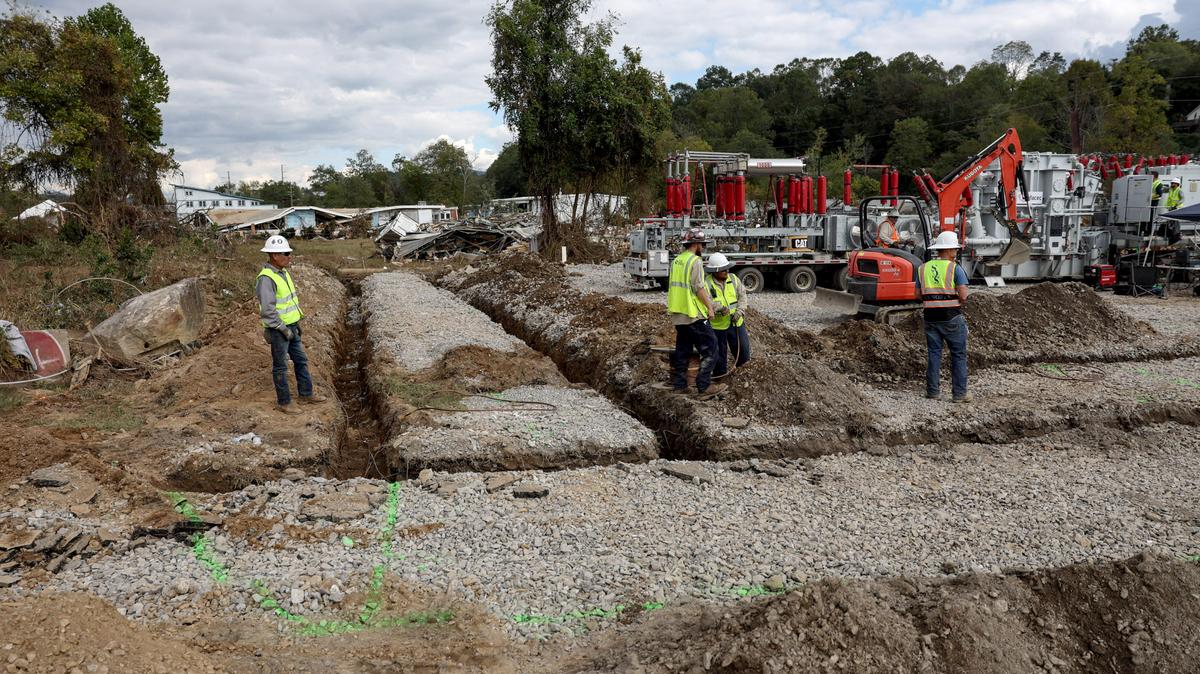
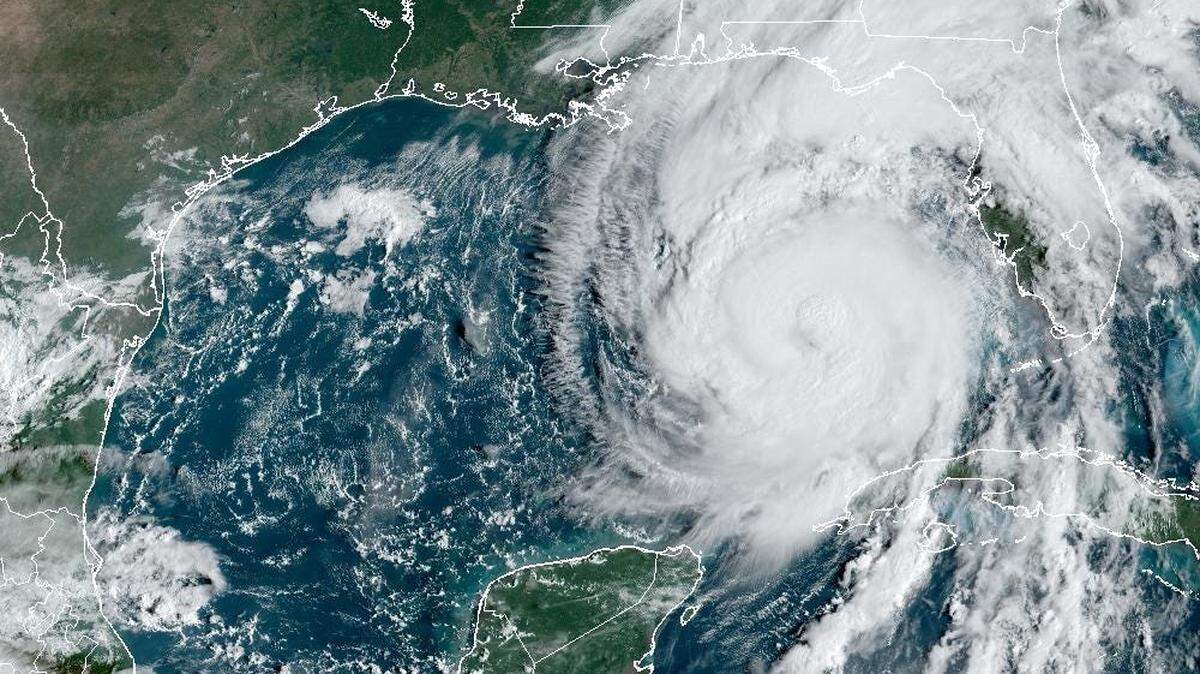
Hurricane Helene swept across the Southeast, causing major flooding and destruction throughout North Carolina. Here is ongoing coverage from The News & Observer and The Charlotte Observer about Hurricane Helene and the aftermath, particularly in Western North Carolina.
Expand All
As Penny Turner lay safe in her bed early Sunday morning in Charlotte, all she could think about was her sister Jeannette and her cousin Jo Anne, whom she kept picturing in varying degrees of peril — or, most chillingly ...
She shivered. She tried not to even go there.
But by then, the 65-year-old grandmother of eight hadn’t heard a word from either of them in more than 48 hours, since before Hurricane Helene started ravaging western North Carolina cities and towns like the one in Avery County where all three of them had owned second homes for years.
What worried her most about Jeannette was her health. At 72, Penny’s sister had advanced heart failure and advanced lung disease, and relied on electricity to power medical devices, including a heart monitor, a CPAP machine and an oxygen concentrator.
What worried her most about her 70-year-old cousin Jo Anne, meanwhile, was the fact that she was alone in a house barely 75 feet from the edge of the North Toe River. She imagined it was threatening to sweep away Jo Anne’s home, if it hadn’t already.
Overnight, she got a text from someone telling her the roads from Newland — a slightly larger but still tiny town about five miles east of Minneapolis, where she and her husband Craig also had a vacation home — were finally clear.
She and Craig were on the road by 6:30, Penny with a pit in her stomach.
“I just didn’t —” she paused as she recounted the story on Monday. “I was scared for what I was going to find.”
‘The river has become an animal’
Jo Anne Biser — alone in the riverside Minneapolis house that once served as her parents’ second home — was trying to remain calm as Helene moved into position.
She had been successful at it on Thursday, mostly because the forecasts weren’t predicting the apocalypse. So she thought she was doing her due diligence by baking muffins and bread, pulling up water from the well, getting out all the batteries and the lamps she owned, and securing outdoor things that could blow away.
She was still calm after she lost power early Friday morning, and only slightly unsettled by cellphone service faltering.
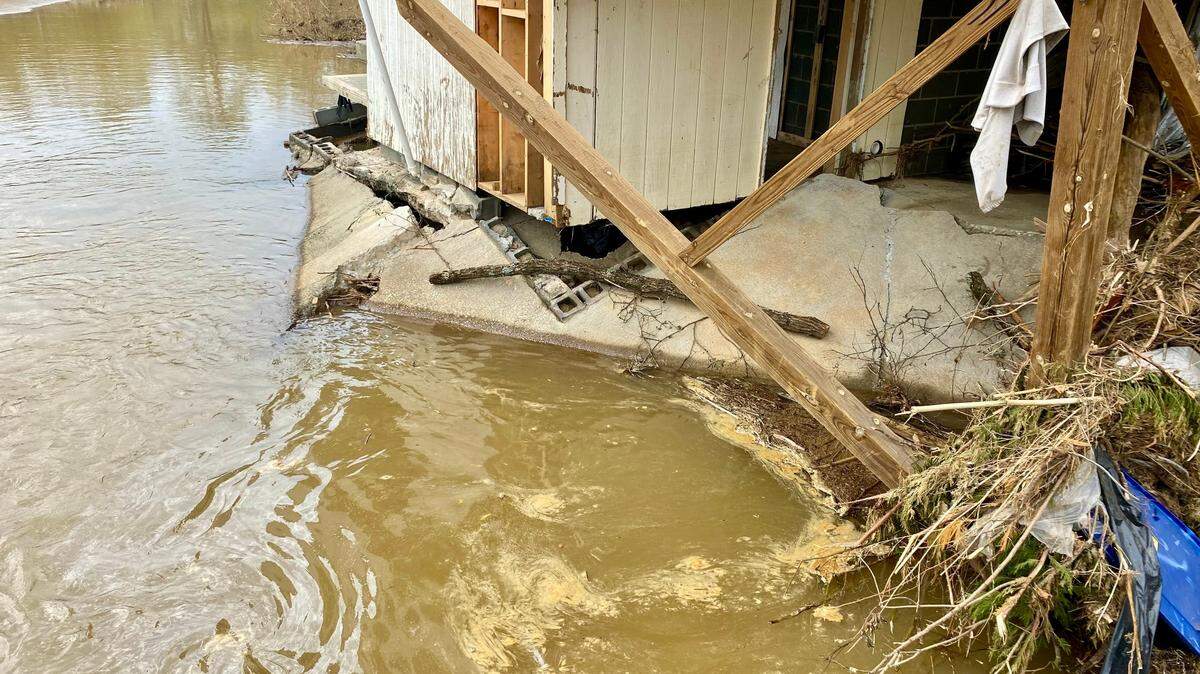
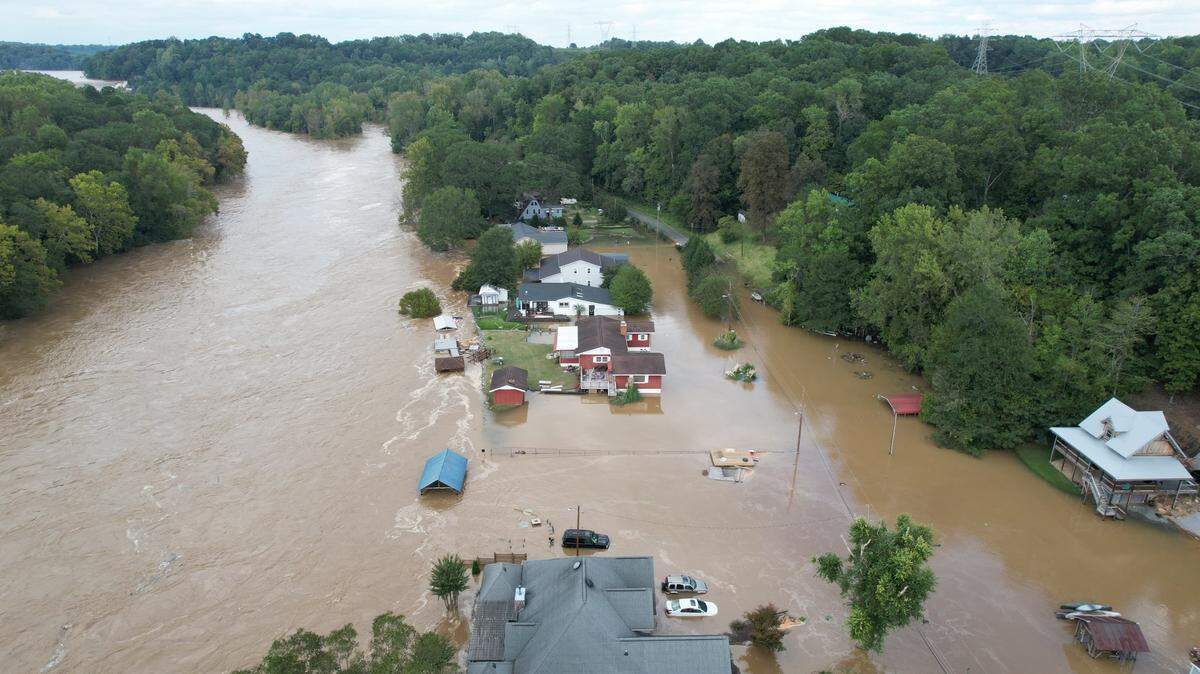
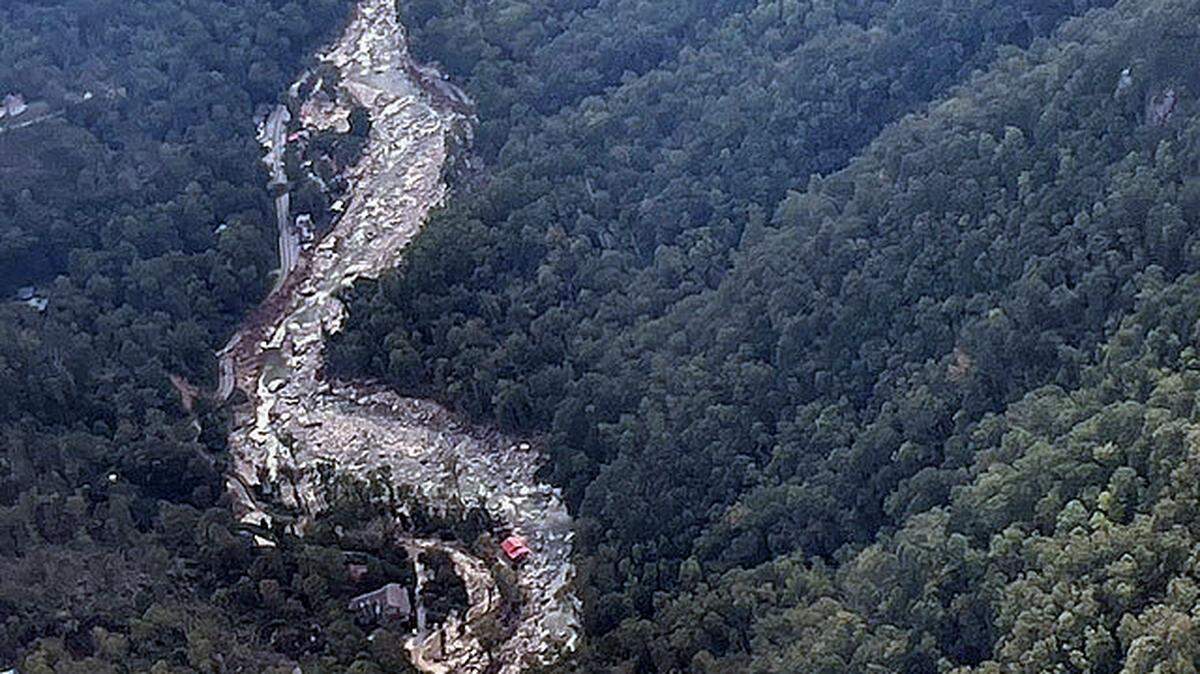
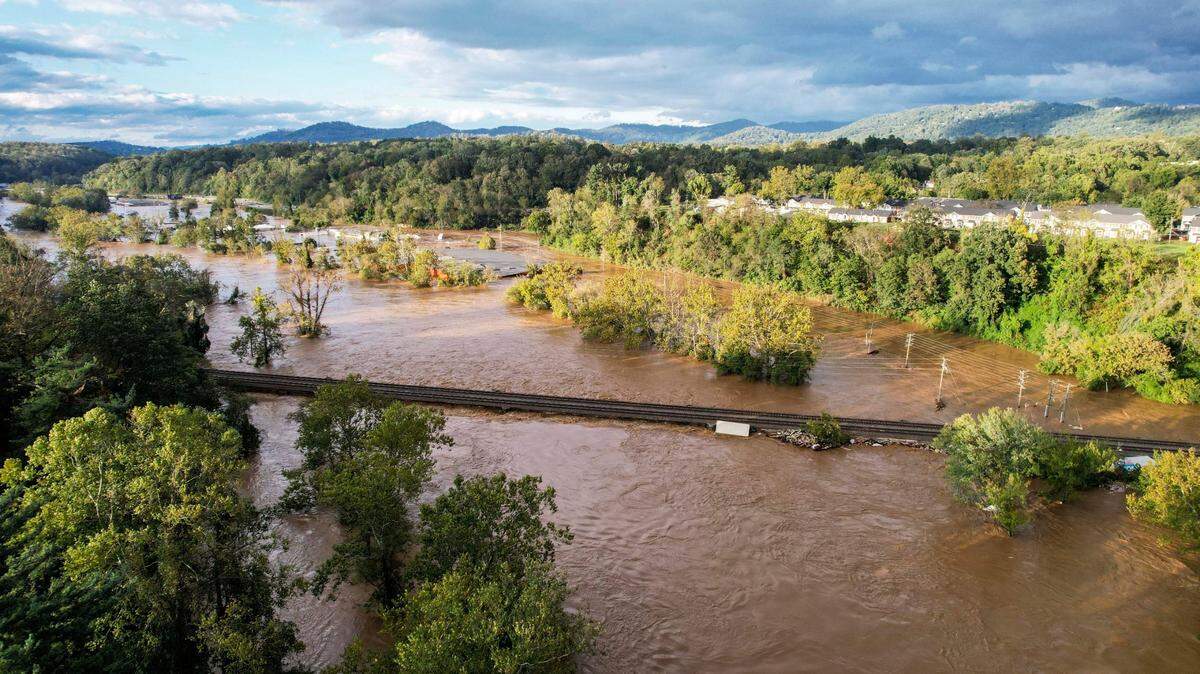
But the rain kept falling, the wind kept blowing, and the North Toe River’s edge went from 75 feet from her doorstep to 50 to 25 to, eventually, zero.
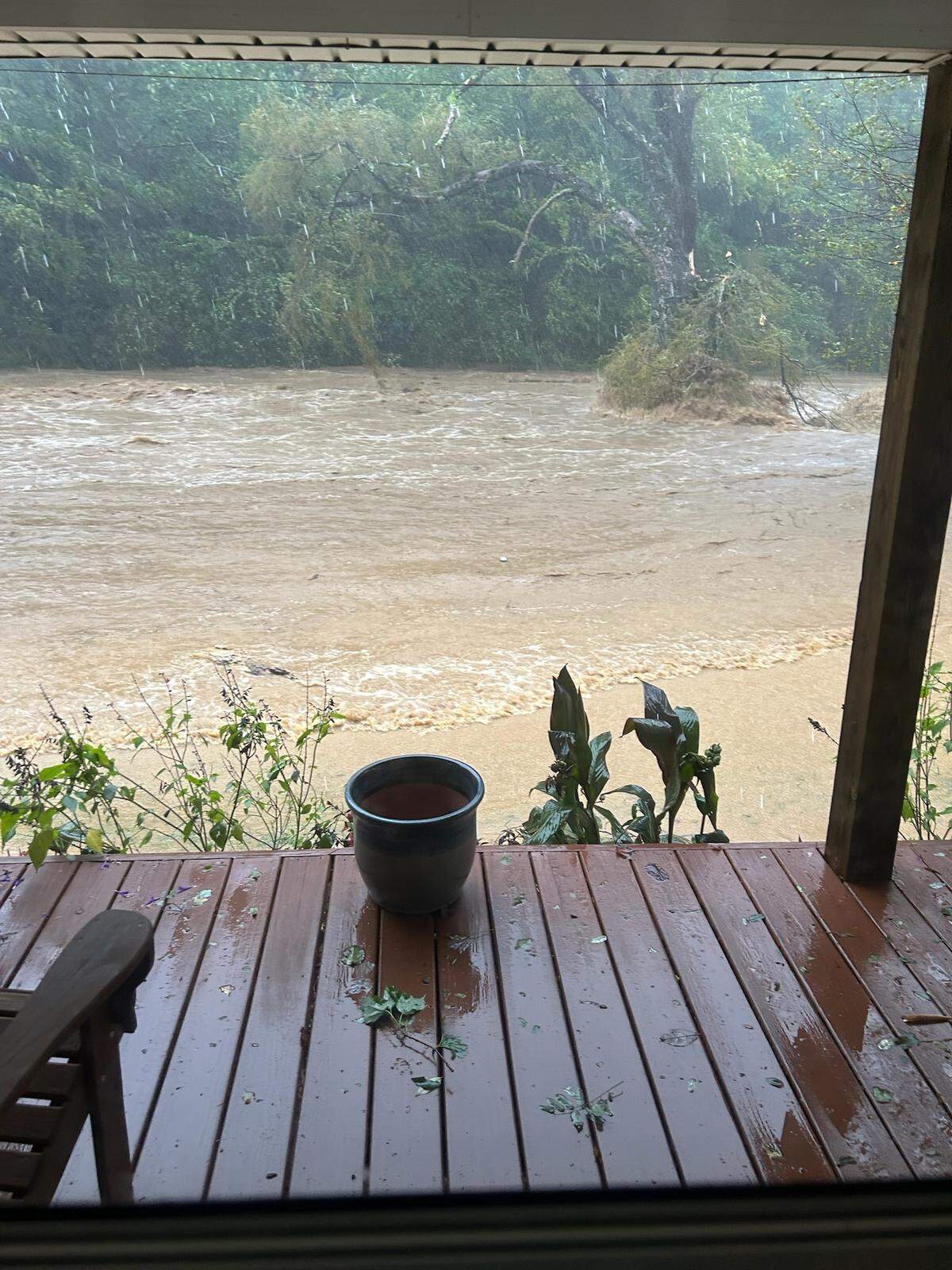
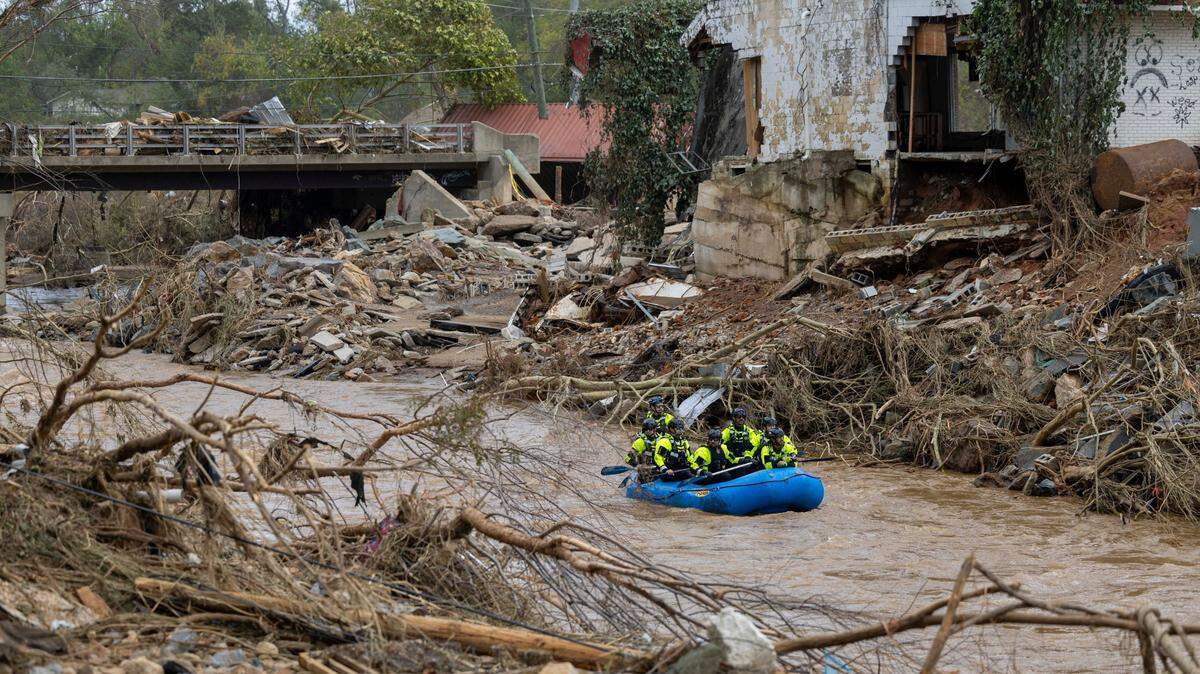
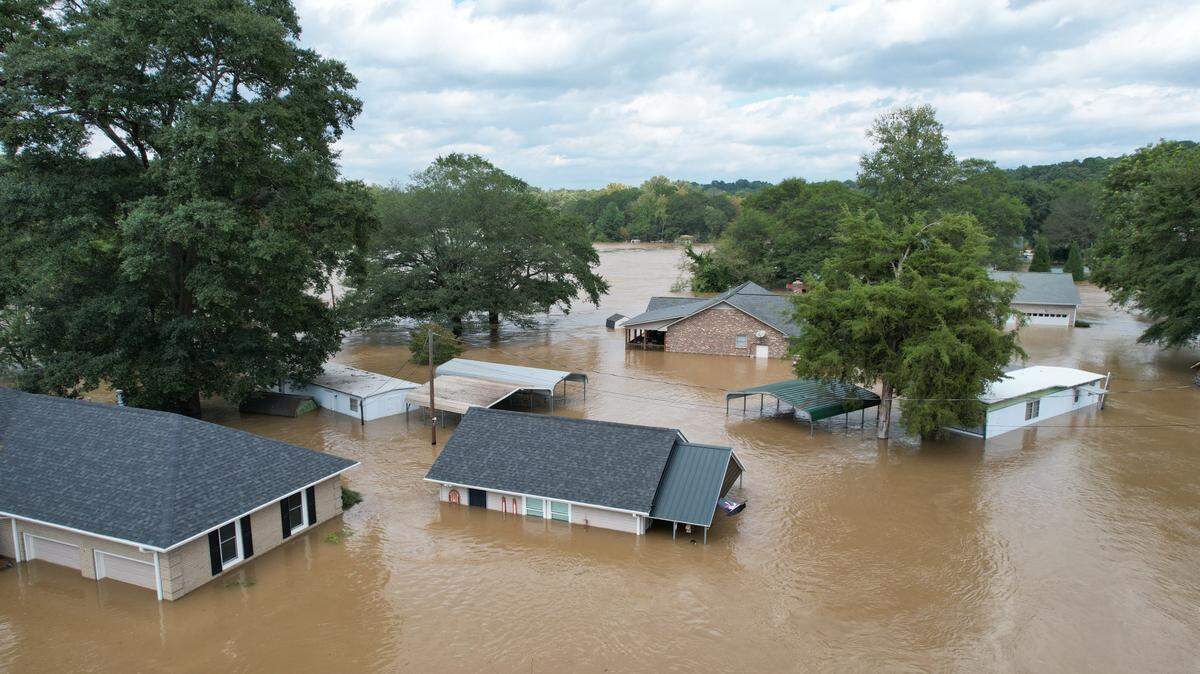
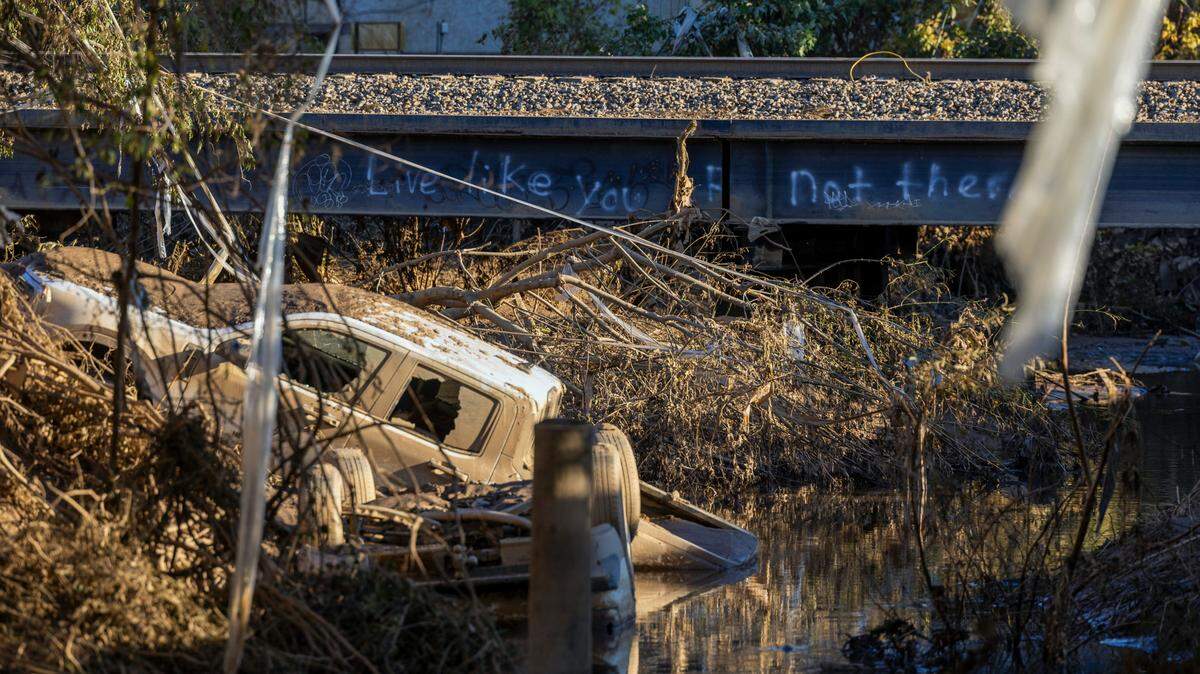
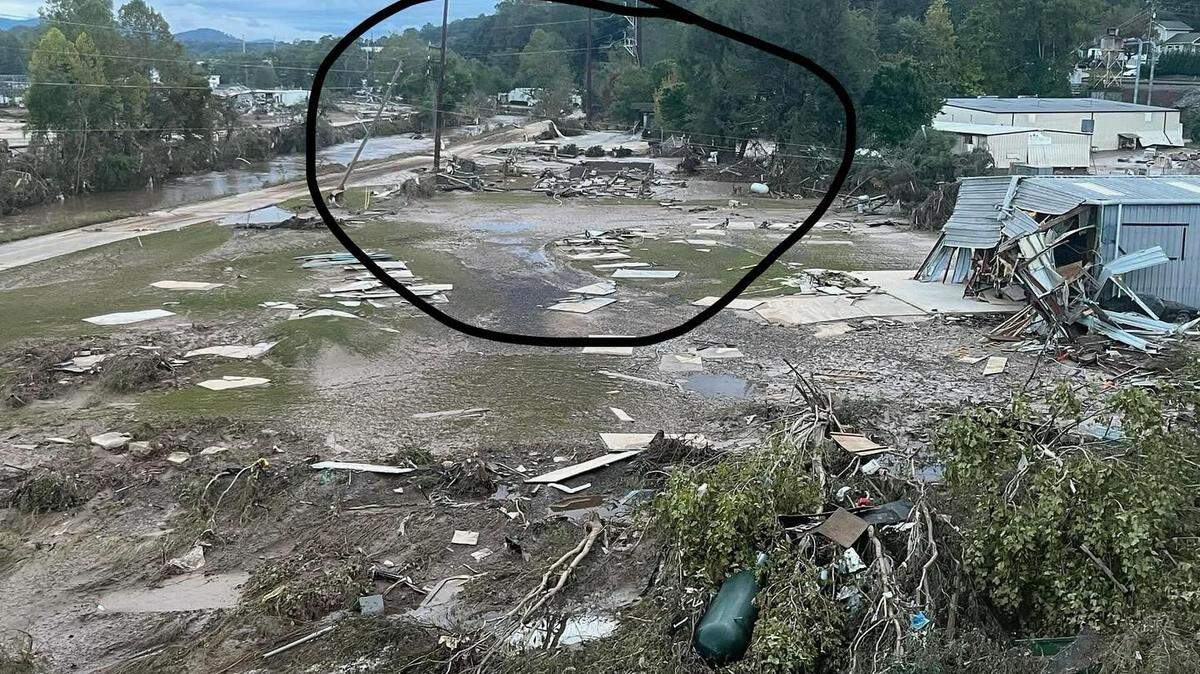
At one point mid-morning, she looked out her window and noticed the two gigantic old willow trees were gone. Not long after that, she saw a 500-gallon propane tank float by. Then a fence. Then a shed. Then a roof. A little later, she realized her neighbors’ house — just upriver on the opposite bank — simply wasn’t there anymore.
By midday, the water was starting to seep through her front door. Jo Anne’s efforts to remain calm were starting to fail her.
The river has become an animal, Jo Anne thought to herself, and it’s eating up everything.
Finally, around 2 p.m., she got scared enough to call 911.
The operator told her to get to an upstairs room, which Jo Anne did, despite her fear that the one remaining big tree in the front yard might topple over and punish the second floor.
She wished she could just jump in her truck and drive the five hours back home to her main residence in the southeastern N.C. town of Hallsboro, near Lake Waccamaw. She’d only come up, earlier in the week, to do a little prep work for some renovations planned for the place.
But the raging river wasn’t even going to let her out of the driveway.
She also wished she could hike the hundred yards up the hill separating her home on Carter Lane from Old Toe River Road. If she could, she might be able to reach her cousin Jeannette and Jeannette’s husband John — whose own house was less than a thousand feet away.
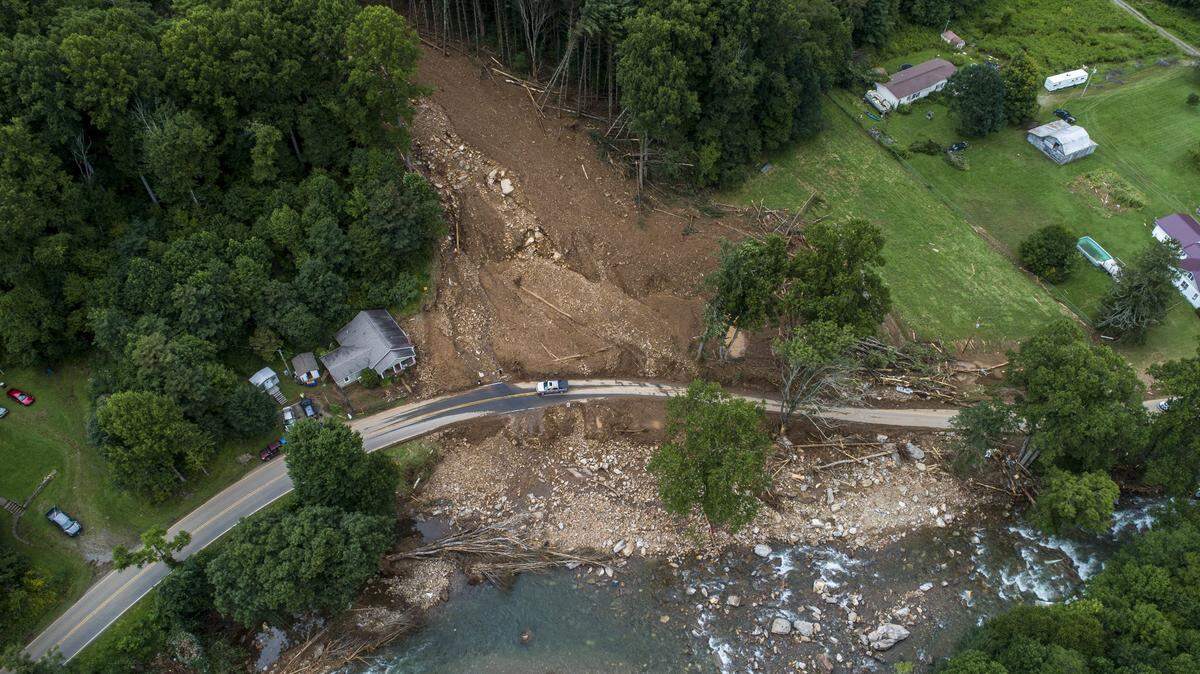
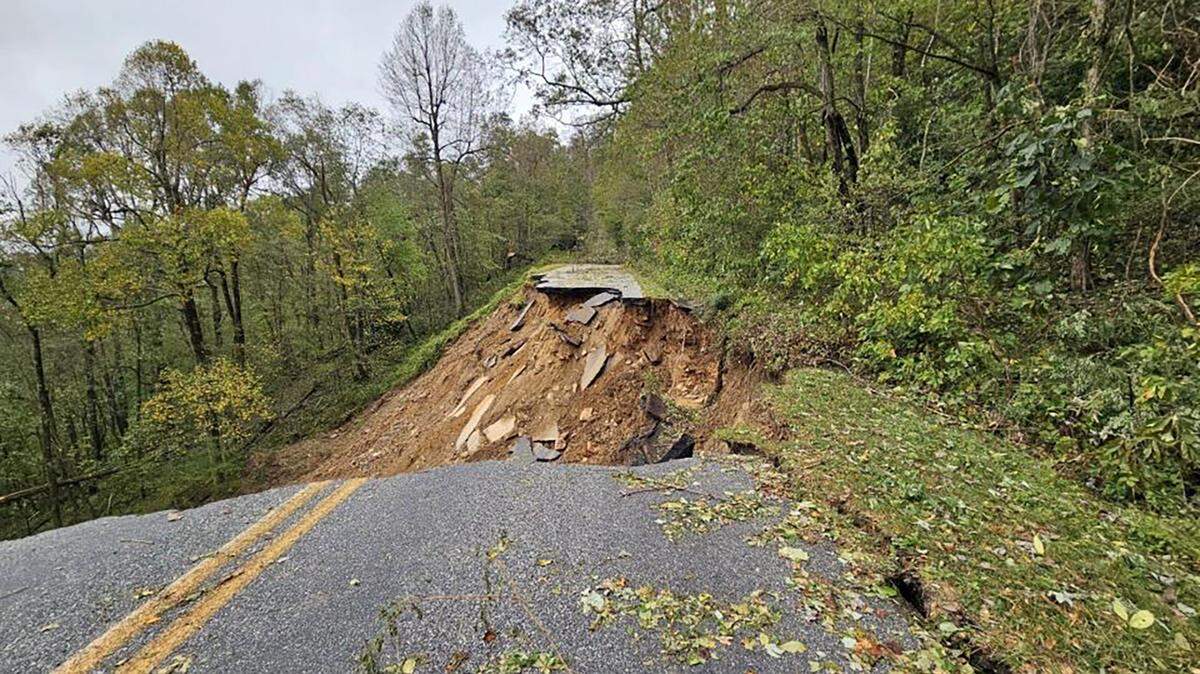
But that hill was essentially a mudslide now.
And as Jo Anne waited upstairs to see what the water would do next, she could only wonder: Were Jeannette and John OK?
Cut off from the outside world
John Bledsoe has a law firm in Hartsville, S.C., but he’s only there three days a week now. The rest of the time, he and his wife Jeannette are 4-1/2 hours to the northwest, in the mountain house they’ve owned for the past 25 years now.
Penny and Jo Anne in particular are anomalies in these parts, in that Minneapolis is not tourist-driven like nearby Banner Elk and Grandfather Mountain. Minneapolis consists of three churches, a post office and an inn. That’s about it. According to Census data, the entire population could fit inside a Cracker Barrel. In fact, Minneapolis’ nickname — “Dogtown” — was bestowed on it because back in the 1930s residents estimated there were more dogs living in the community than people.
The Bledsoes live much higher above the North Toe’s banks, but the deluge that pounded the mountain behind them overnight Thursday to Friday sent waves of runoff down onto their property.
Enough of their driveway washed away that they couldn’t get a car out. The roof of their tobacco shed collapsed onto their tractor — which otherwise might have been able to carry them to safety — and onto their generator — rendering it incapable of supplying the backup power needed to keep her medical devices running.
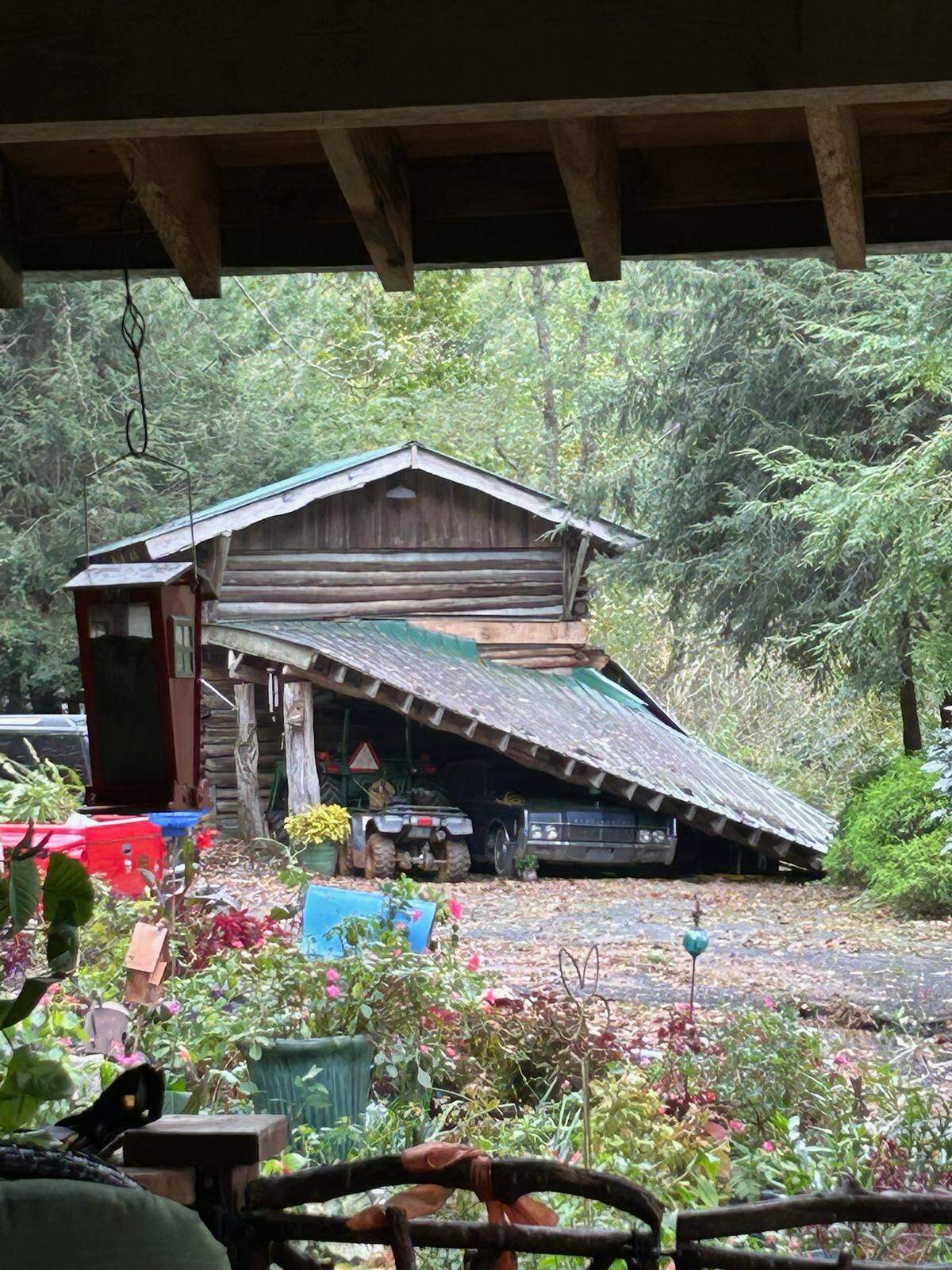
Jeannette spoke with Jo Anne on Thursday. By Friday morning, though, all forms of communication were cut off.
Unlike Jo Anne, 911 didn’t work for Jeannette. She and John even tried their car’s OnStar Crisis Mode, which was designed for scenarios like this. After several failed attempts, they finally got through to an operator who tried unsuccessfully to put a call through for them.
But Jeannette wasn’t worried about her own well-being. She’d been living with her health problems for a while, and was resigned to whatever fate might be in store for her. Her primary concern was Jo Anne, who was so close both literally (she was not even a quarter-mile away) and figuratively (since they were little girls, they’d behaved like sisters).
By Saturday morning, with still no power and no line of communication, John set out to try to hike down to check on her.
He only made it a couple hundred feet before sinking so deep into a patch of pluff mud that he couldn’t get himself out. A neighbor passing on foot was able to free him, but John quickly realized there was no safe way to get to Jo Anne’s.
When he walked back through the door, Jeannette’s heart sank.
Getting a sense of the bigger picture
The water had begun receding not long after Jo Anne had called 911. But she couldn’t safely venture out yet.
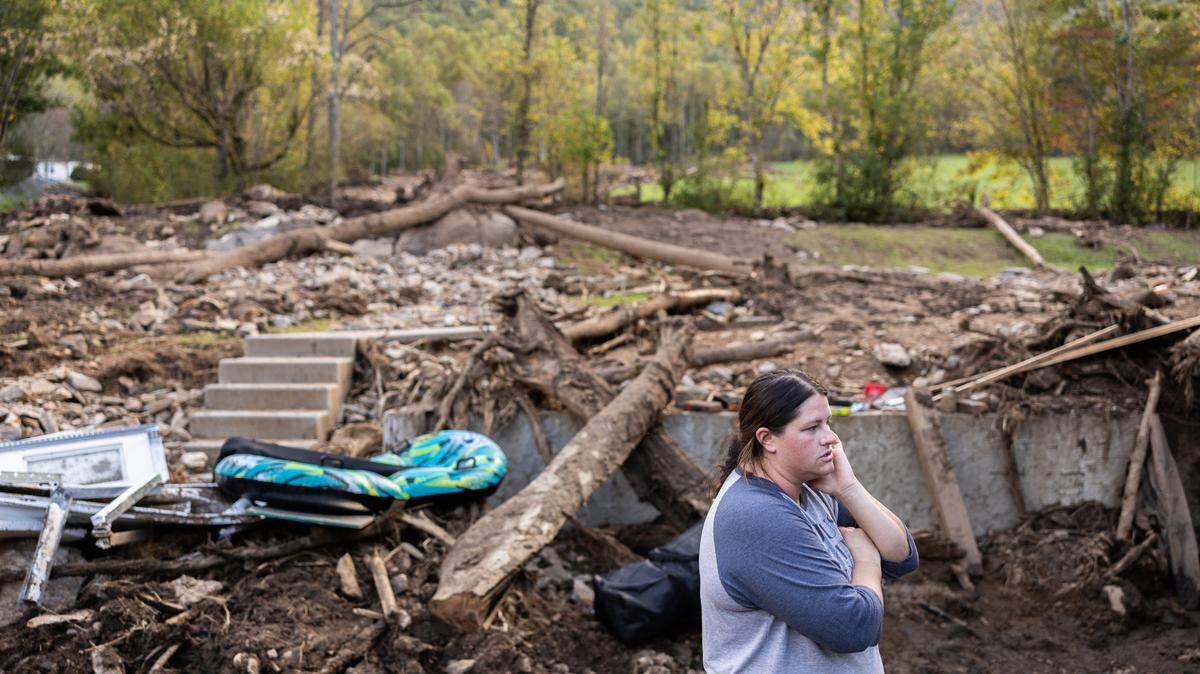
So she spent an exceedingly dark, unbearably lonely Friday night, then woke up to another shock: Much of her yard was gone, turned into a massive swath of rocks and sand that reminded her of a North Carolina beach.
The good news was that the coast was clear enough for her to walk down Carter Lane to try to reestablish contact with — someone. Anyone.
Jo Anne made it to the home of a friend who received her with a hug and a cup of coffee produced by electricity from her friend’s generator. The friend’s grandson was there, and he shared reports he’d heard of deaths, missing persons and many others stranded in and around the area.
It was the first time she had any sense of the scope of the hell Helene had wrought.
In the afternoon, she said goodbye and headed back to begin doing some post-storm cleanup. With these fresh horror stories now swirling around in her head, Jo Anne was as worried as she could get about Jeannette; but the steep hill that separated their houses was still far too messy to navigate.
She spent another night alone, in the dark, not knowing when she might see anyone in her family.
But help was on the way.
‘I’m going to check on my people’
Penny and Craig Turner parked along the side of Highway 19E near the base of Old Toe River Road.
From that spot, they could have hit their own house with a pitching wedge. But when Penny had asked Craig if he wanted to go check on their place first, he replied, matter-of-factly: “No. I’m going to check on my people.”
With that, they started heading southeast down the gravel road on foot.
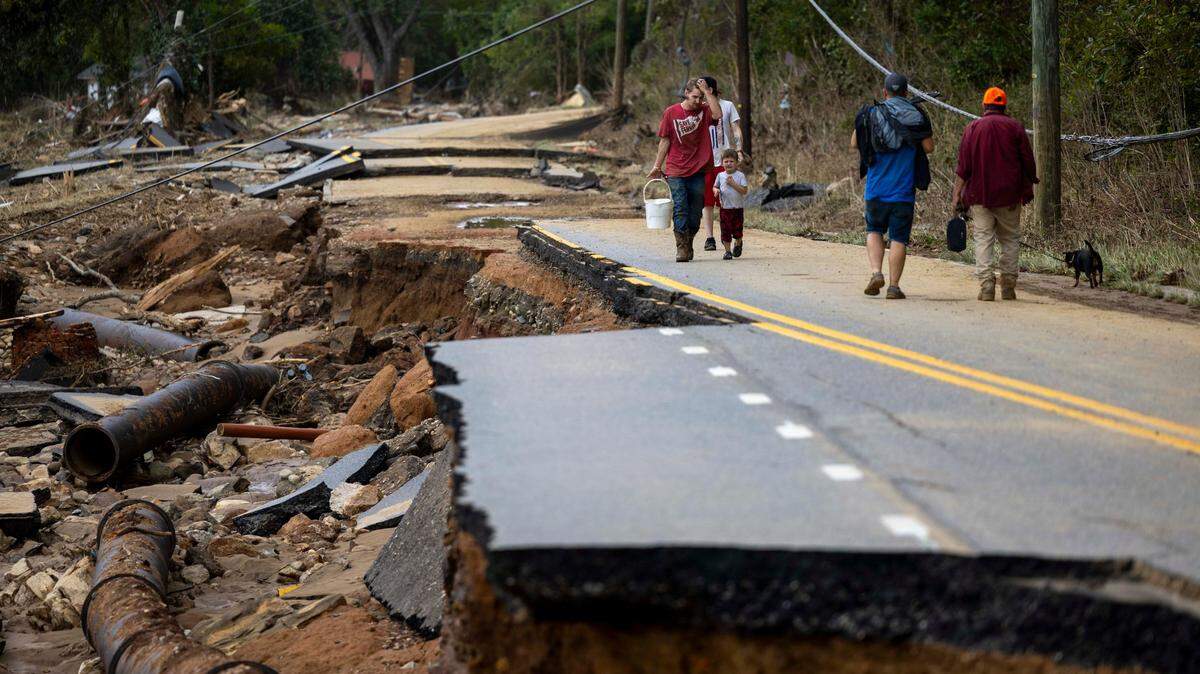
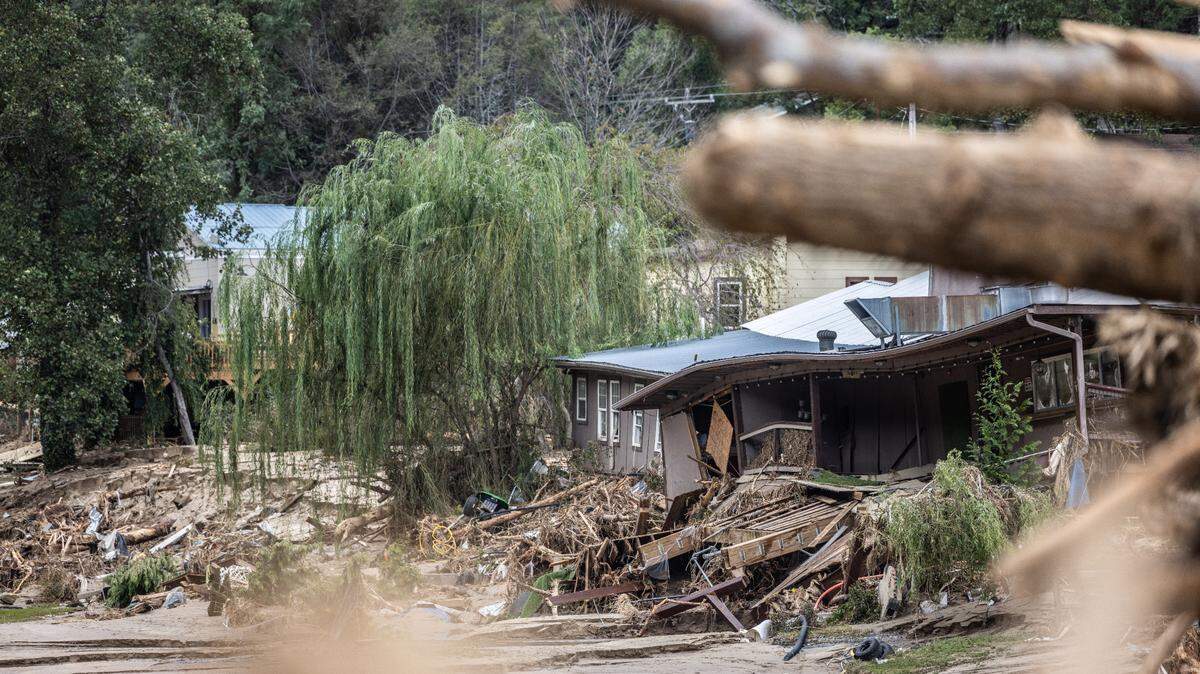
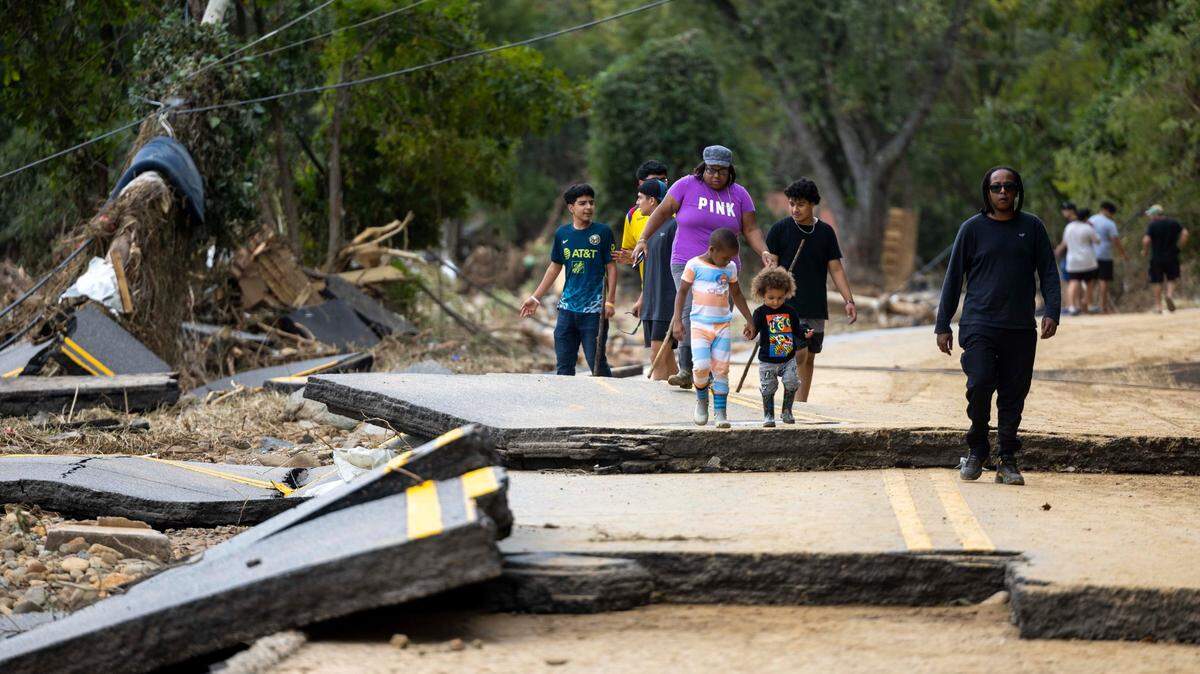
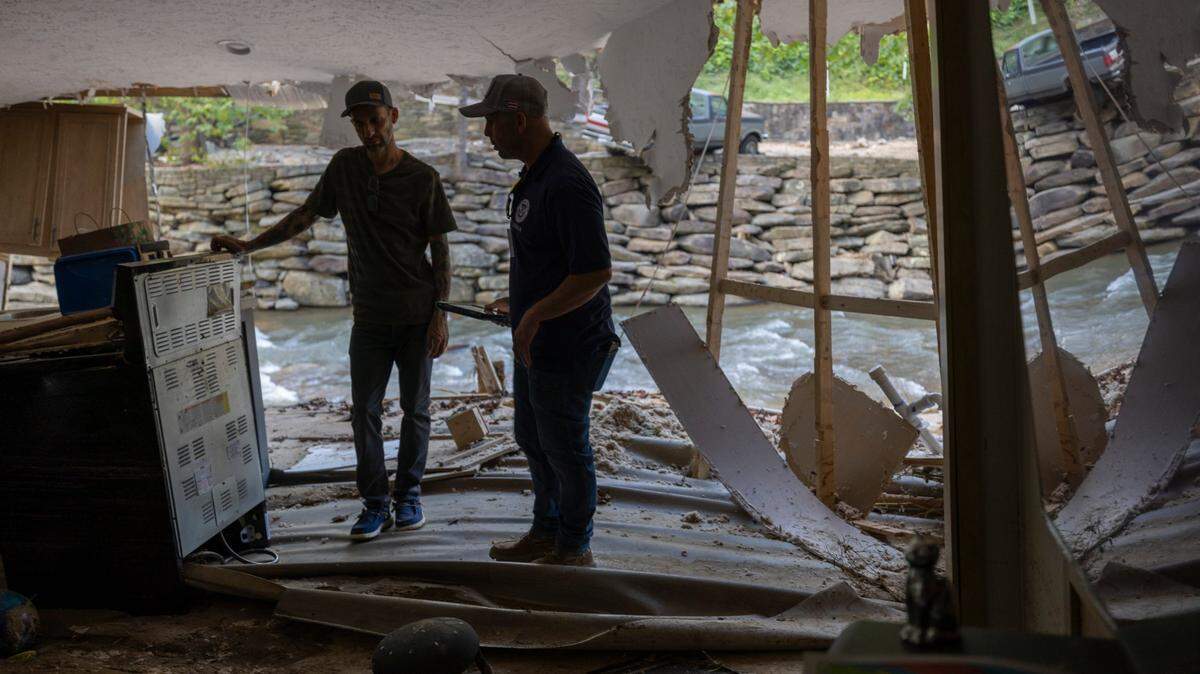
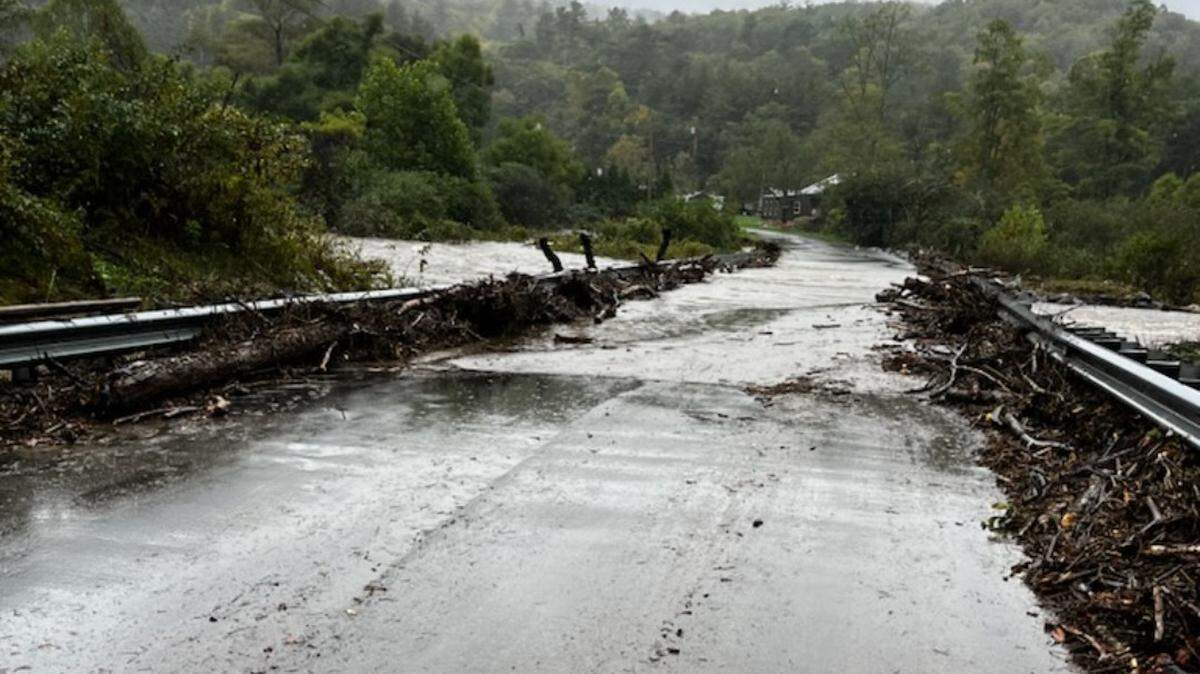
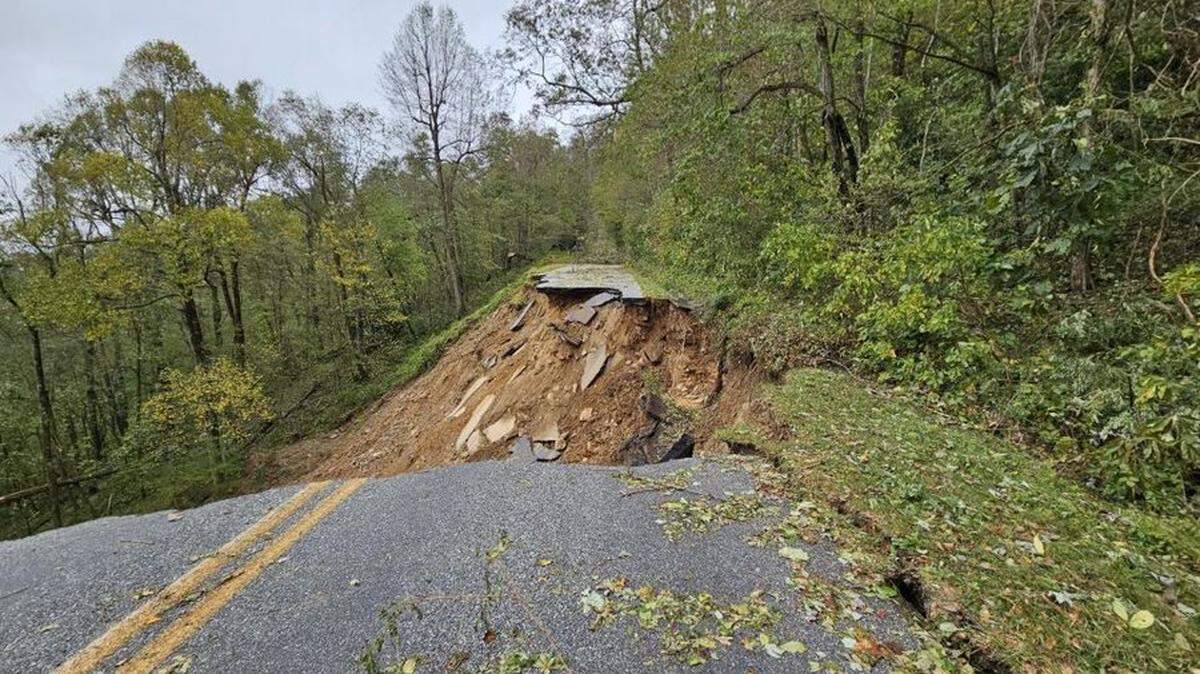
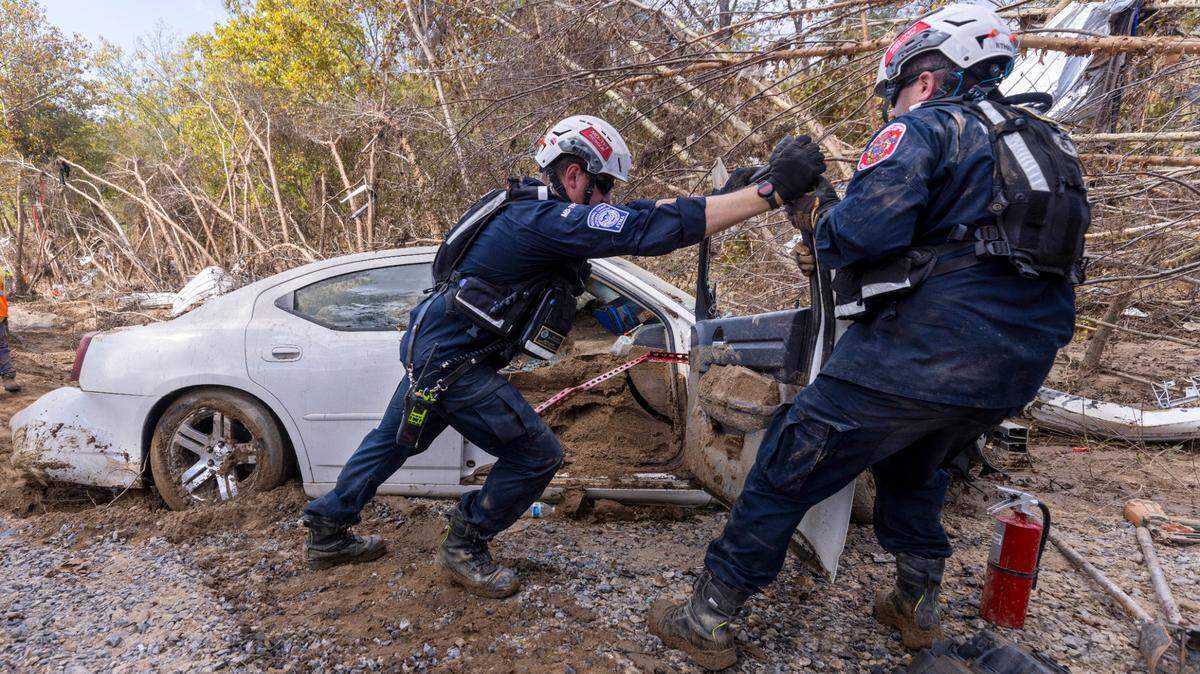
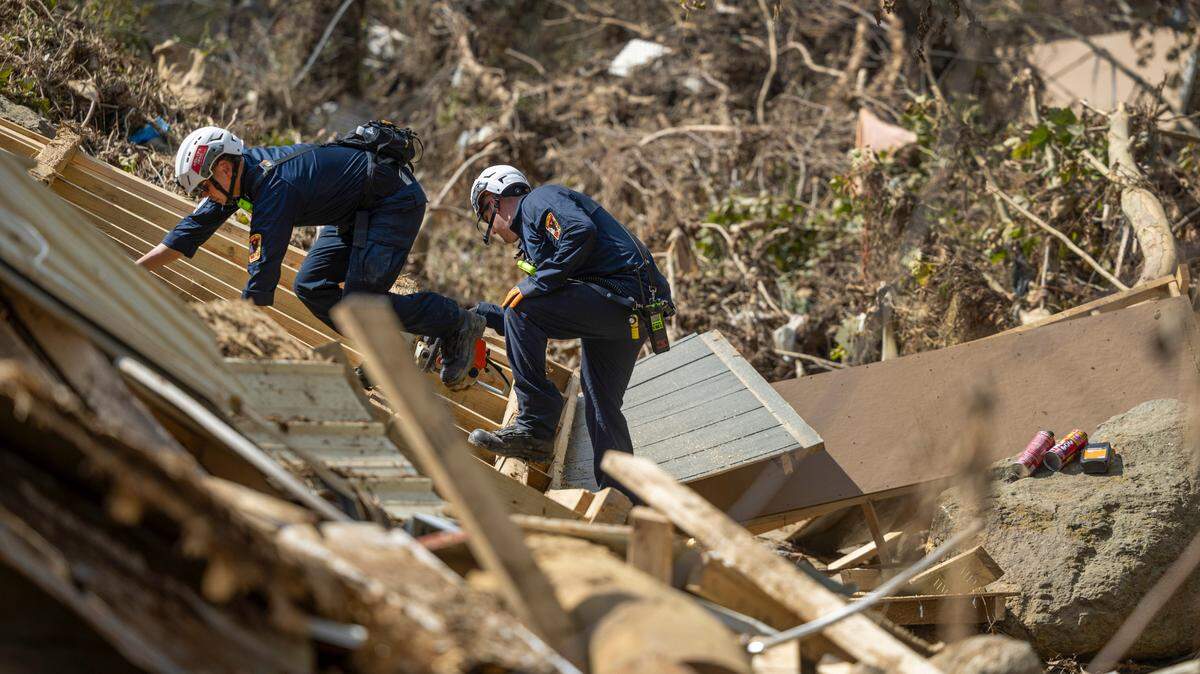
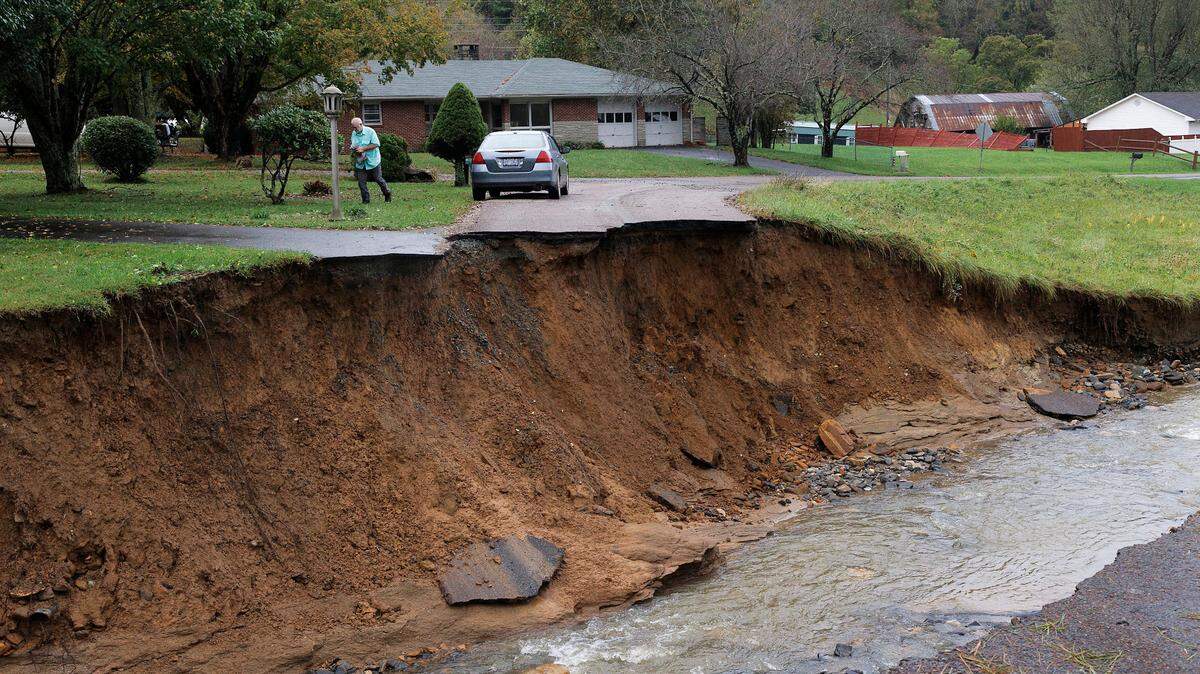
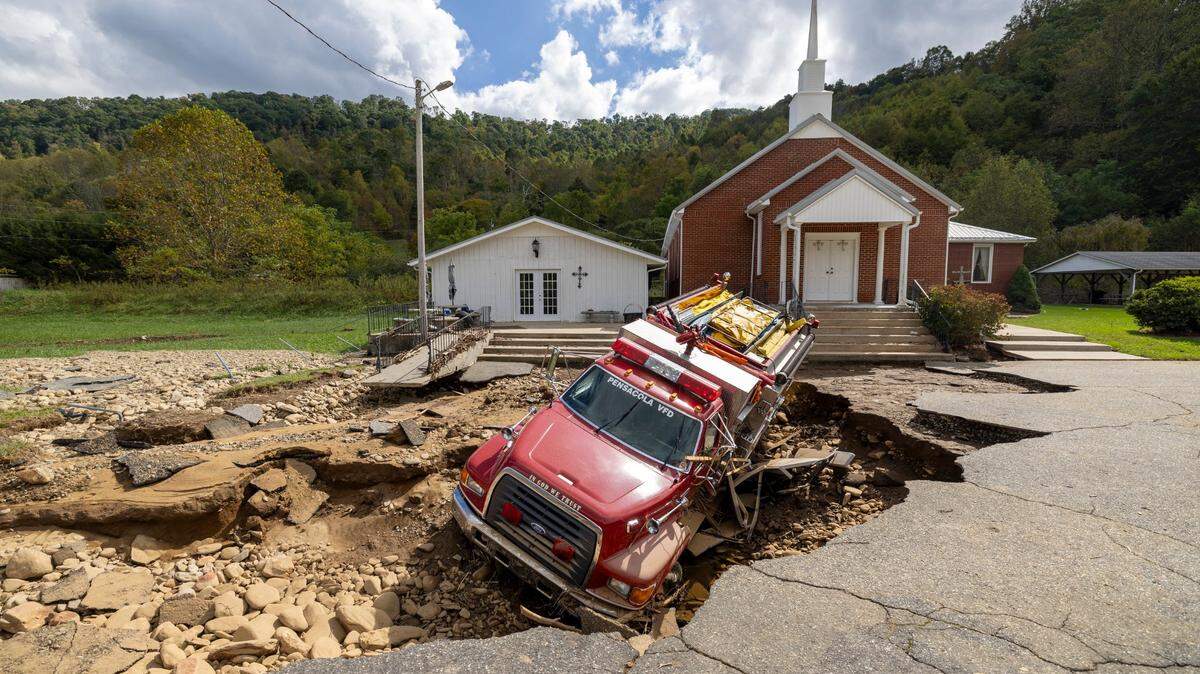
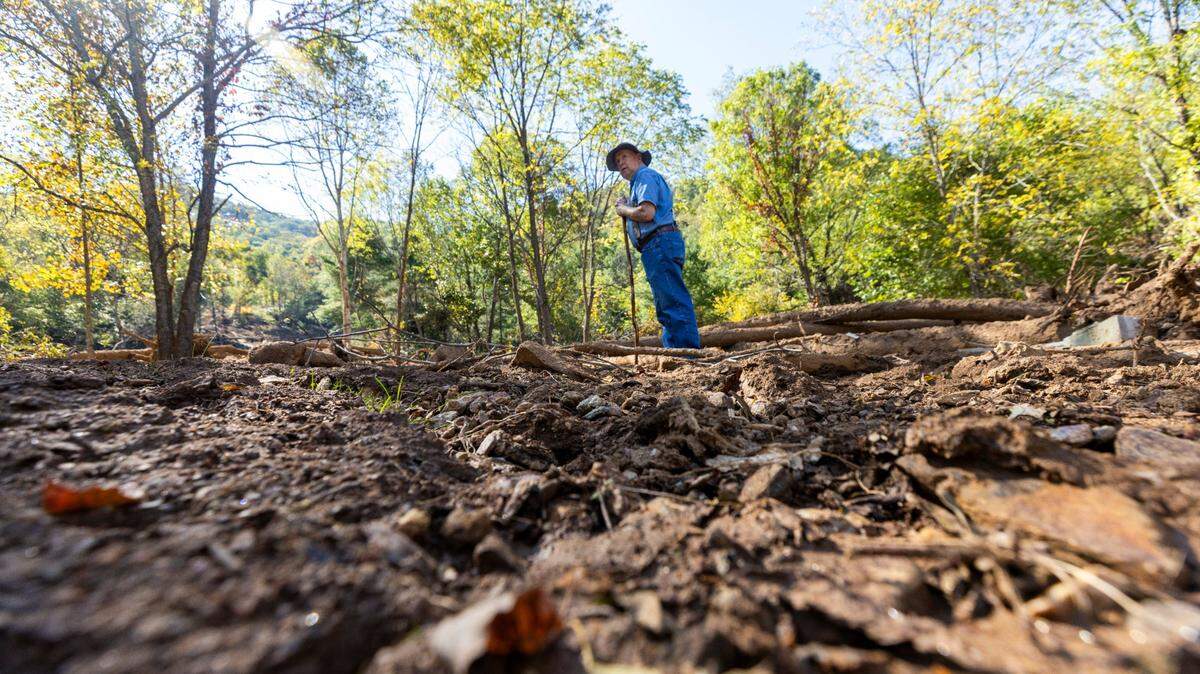
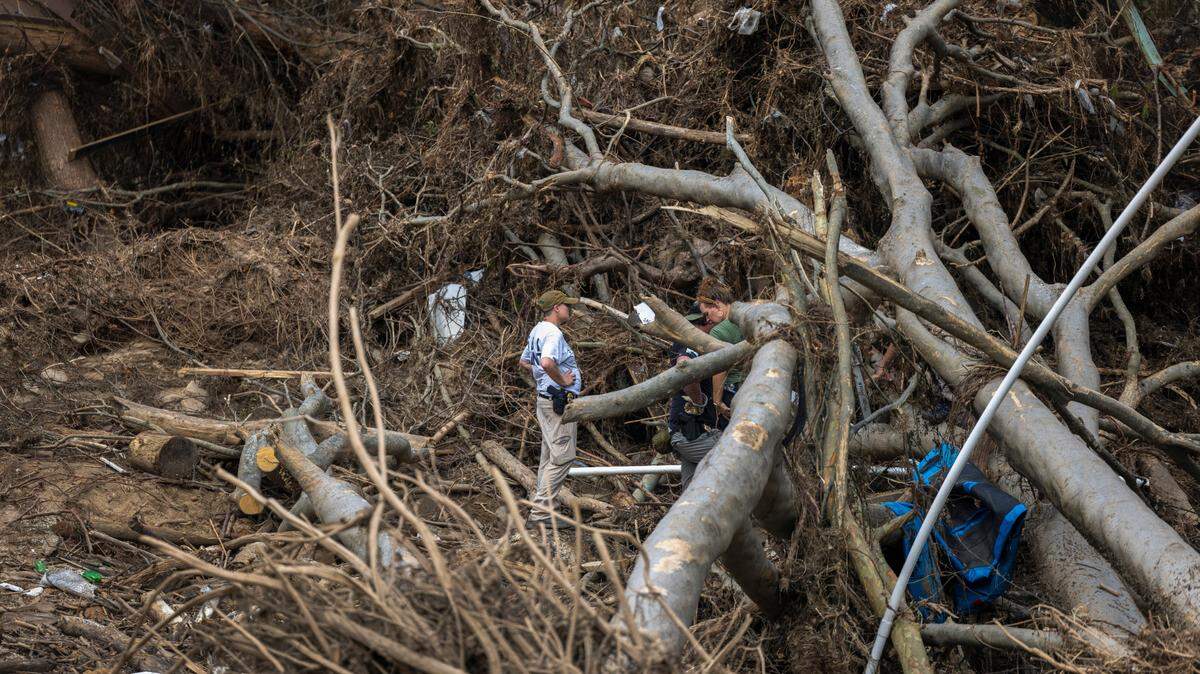
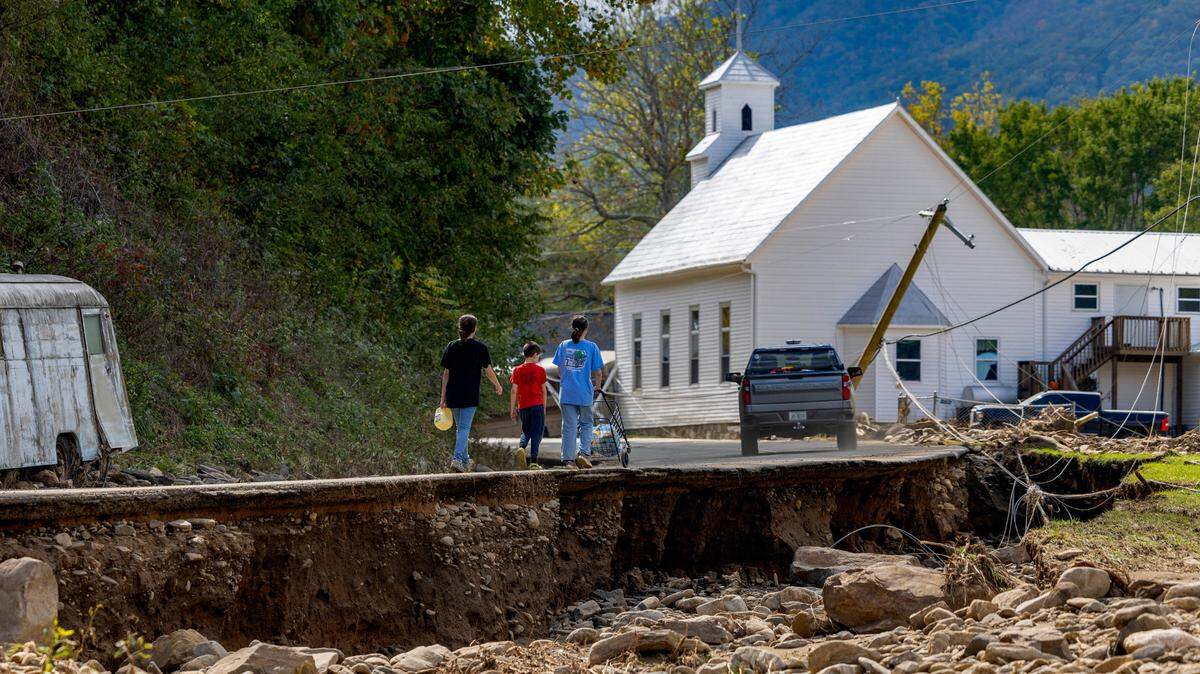
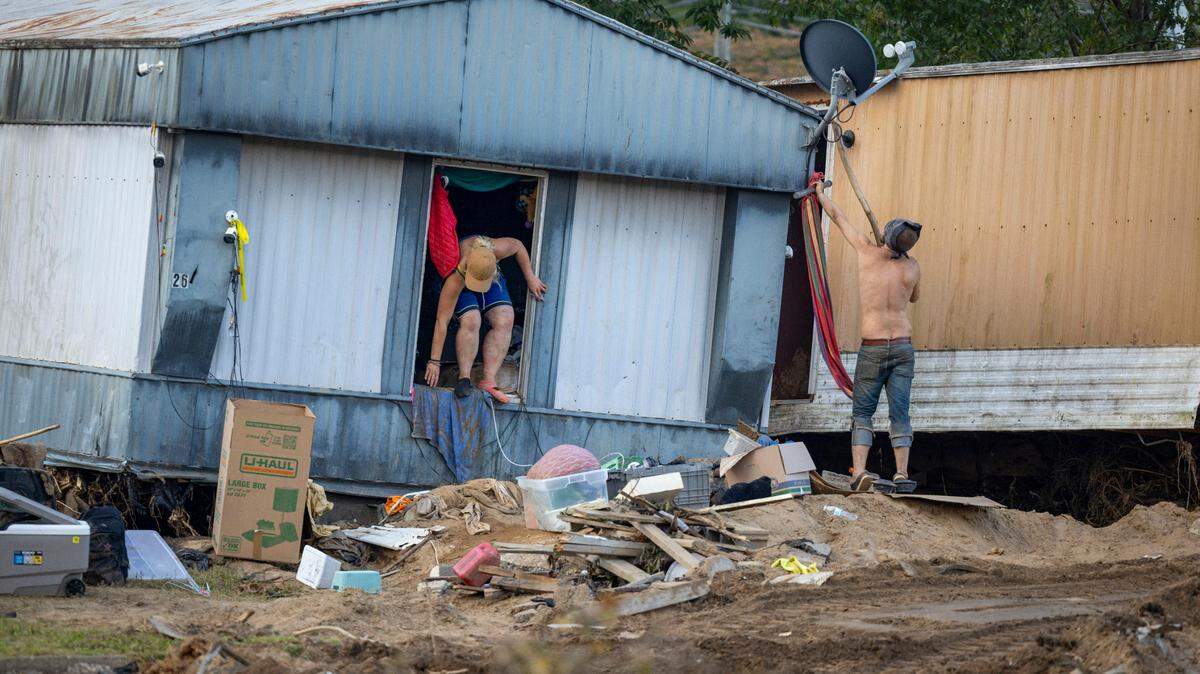
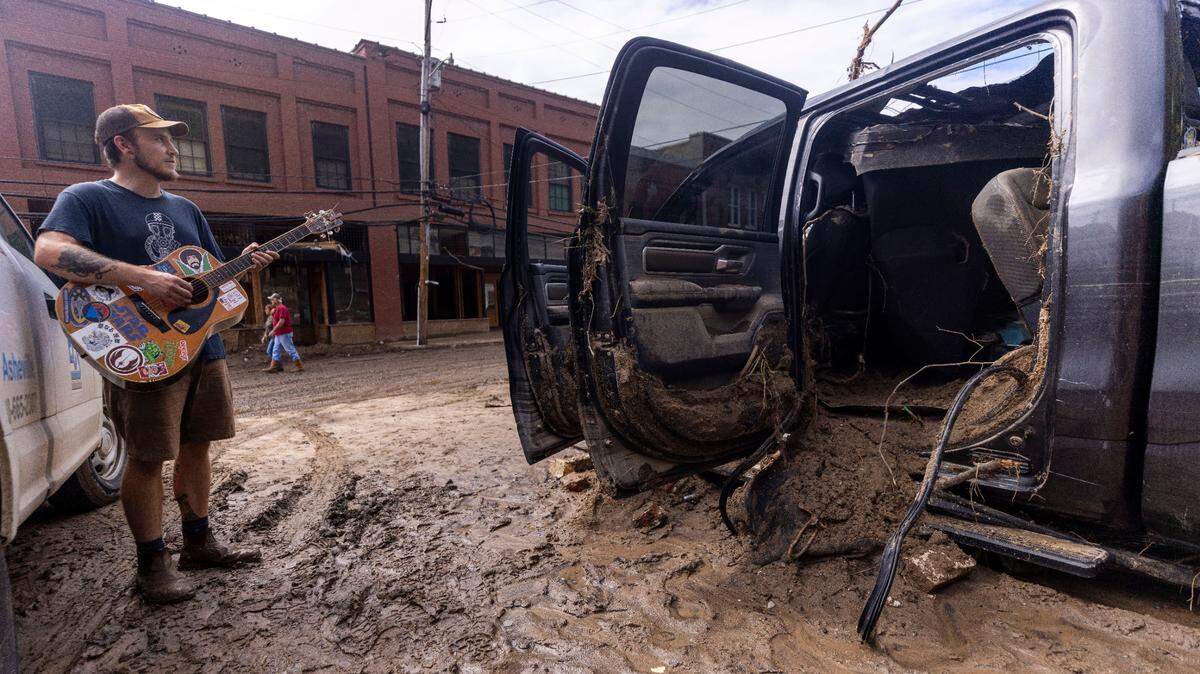
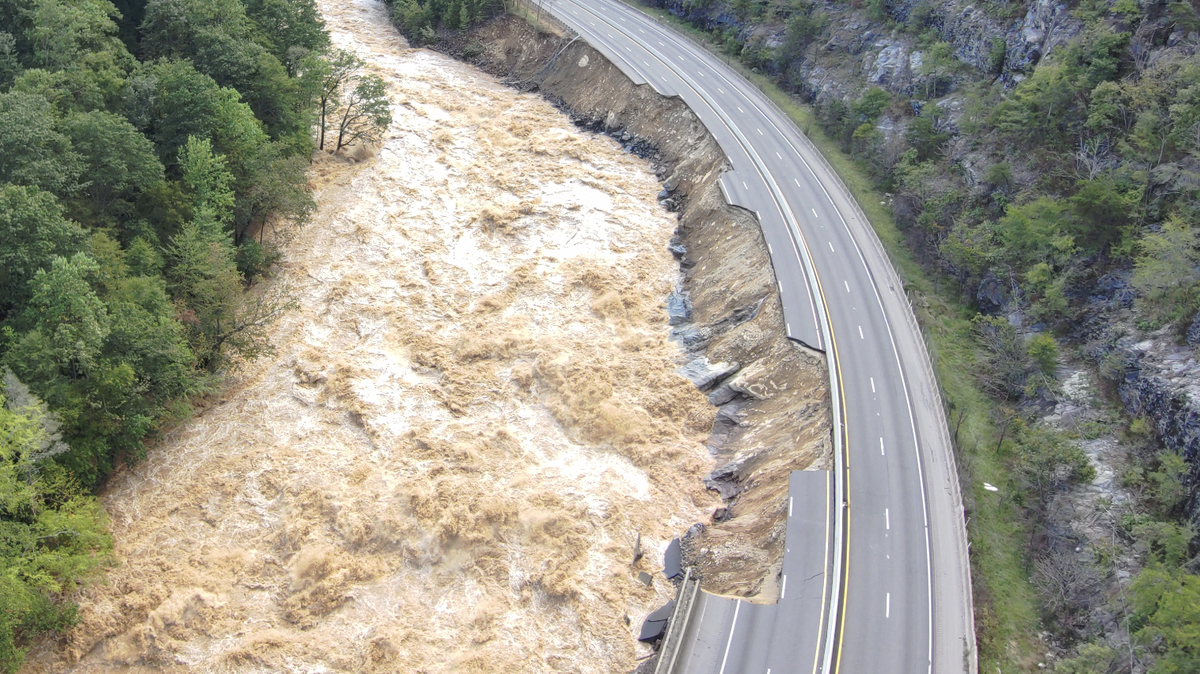
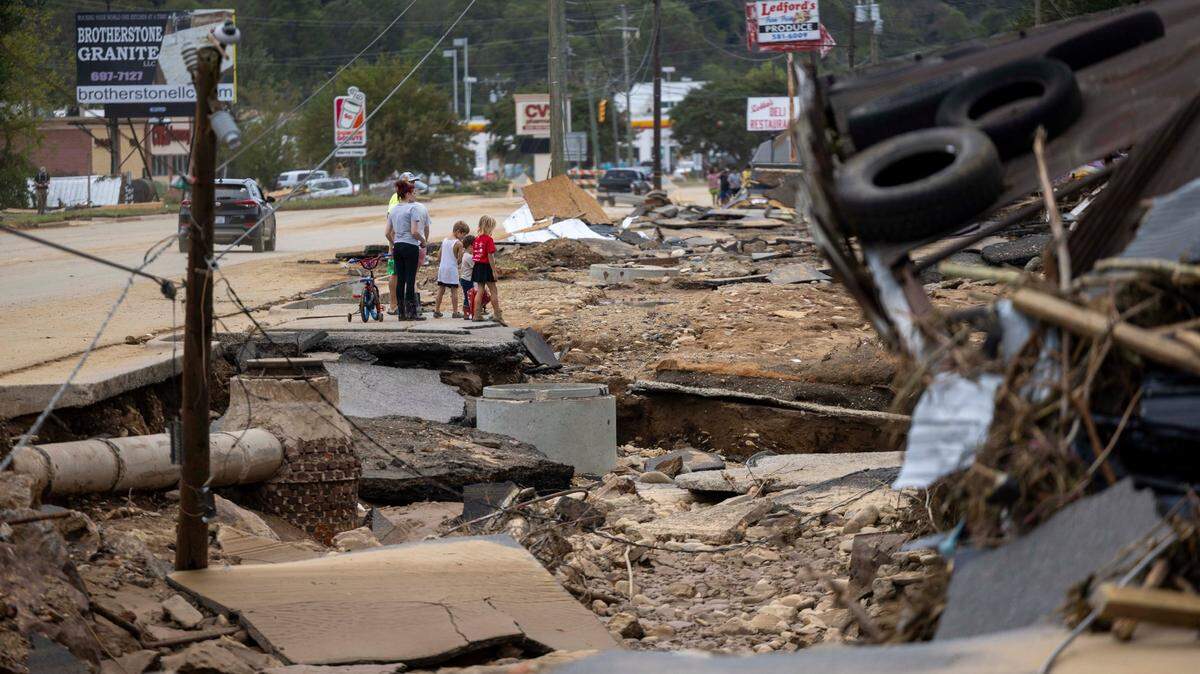
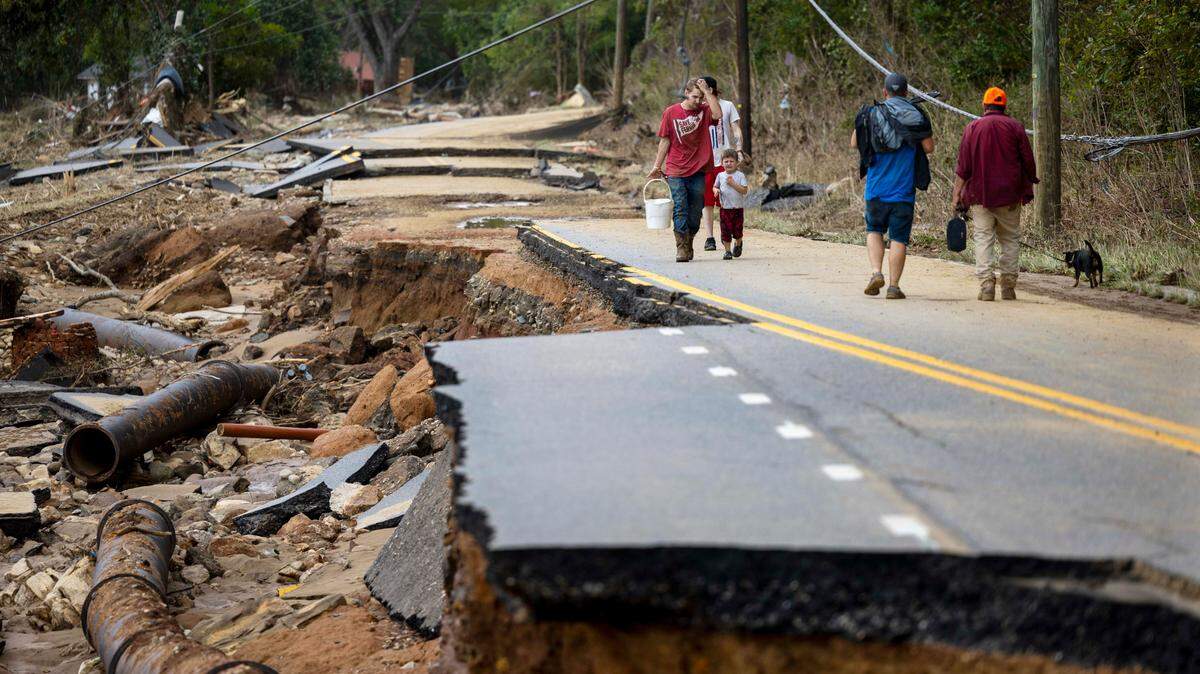
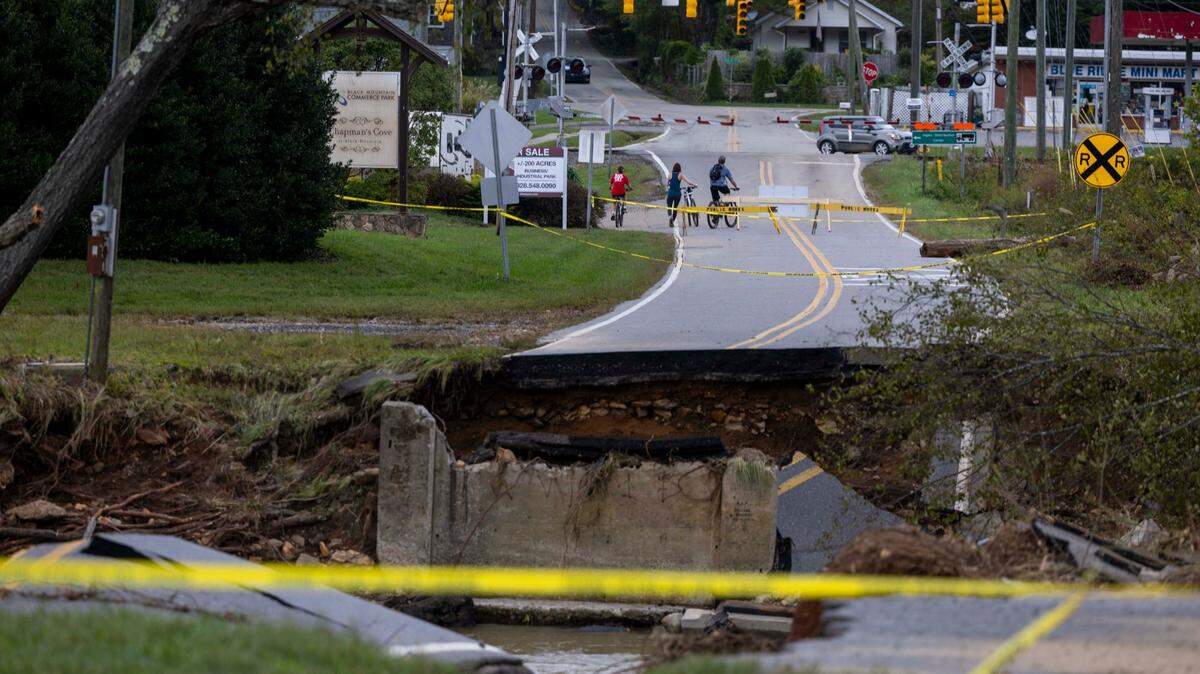
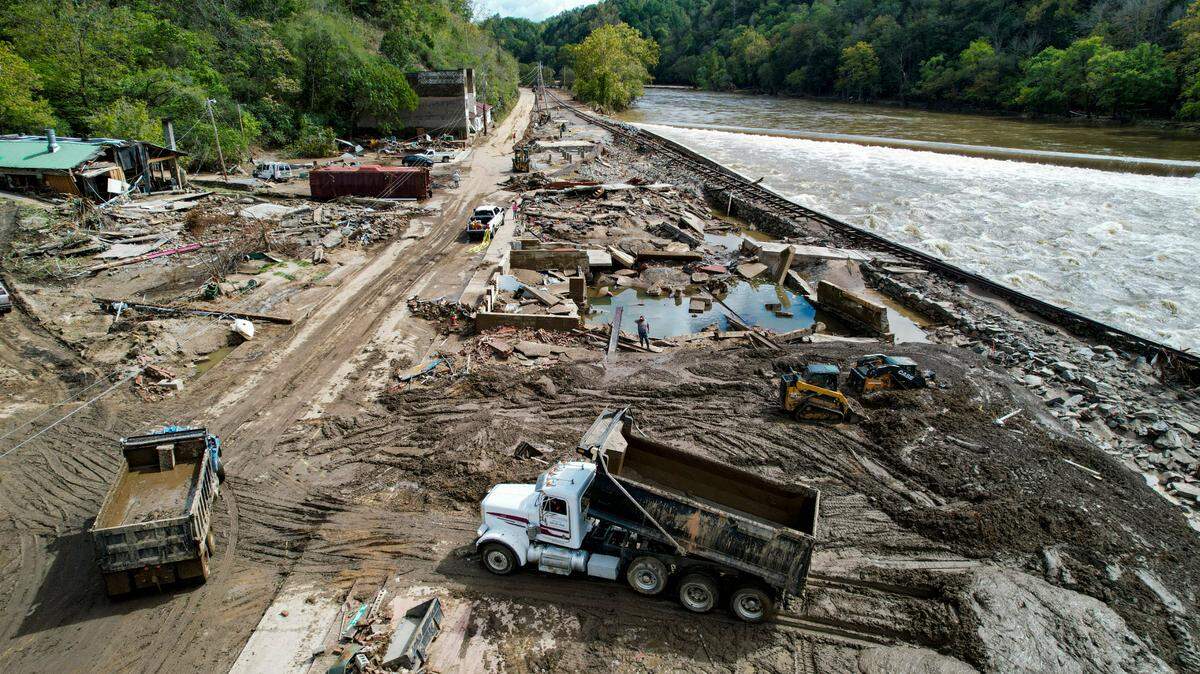
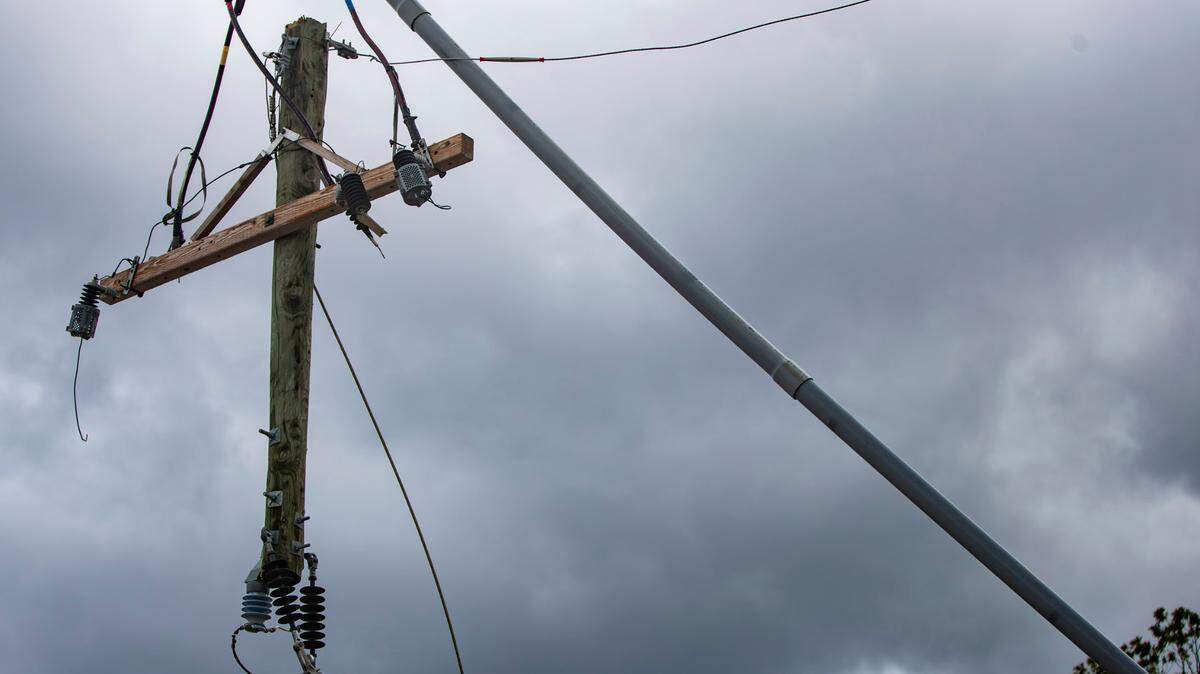
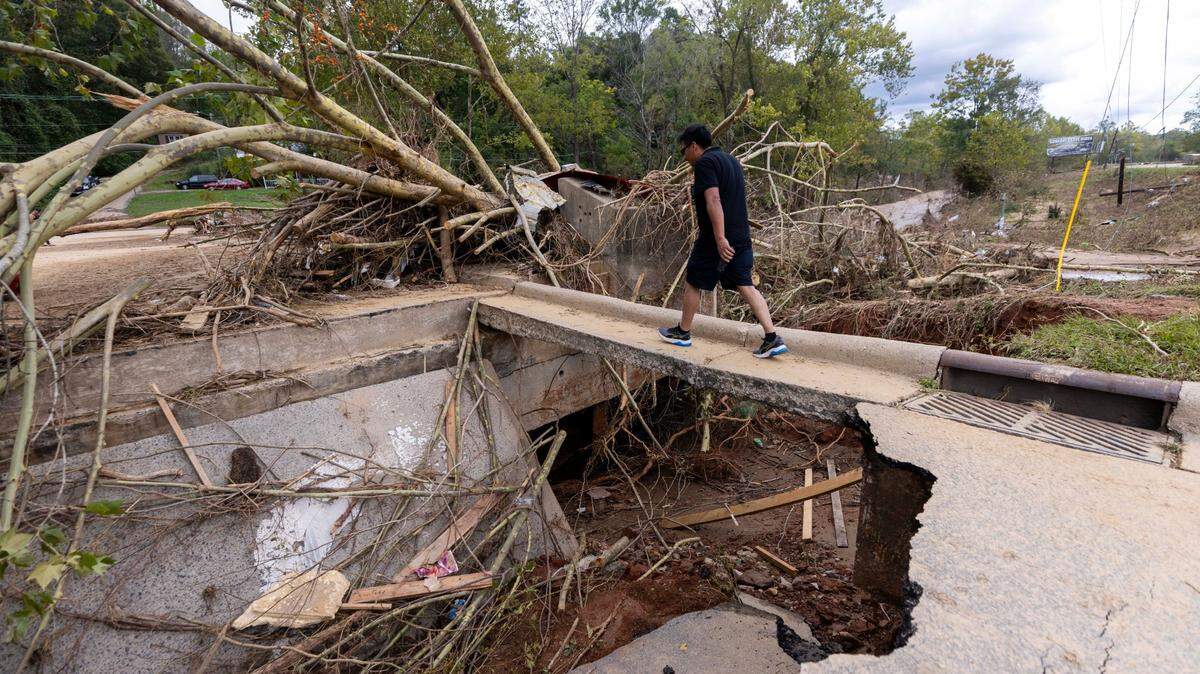
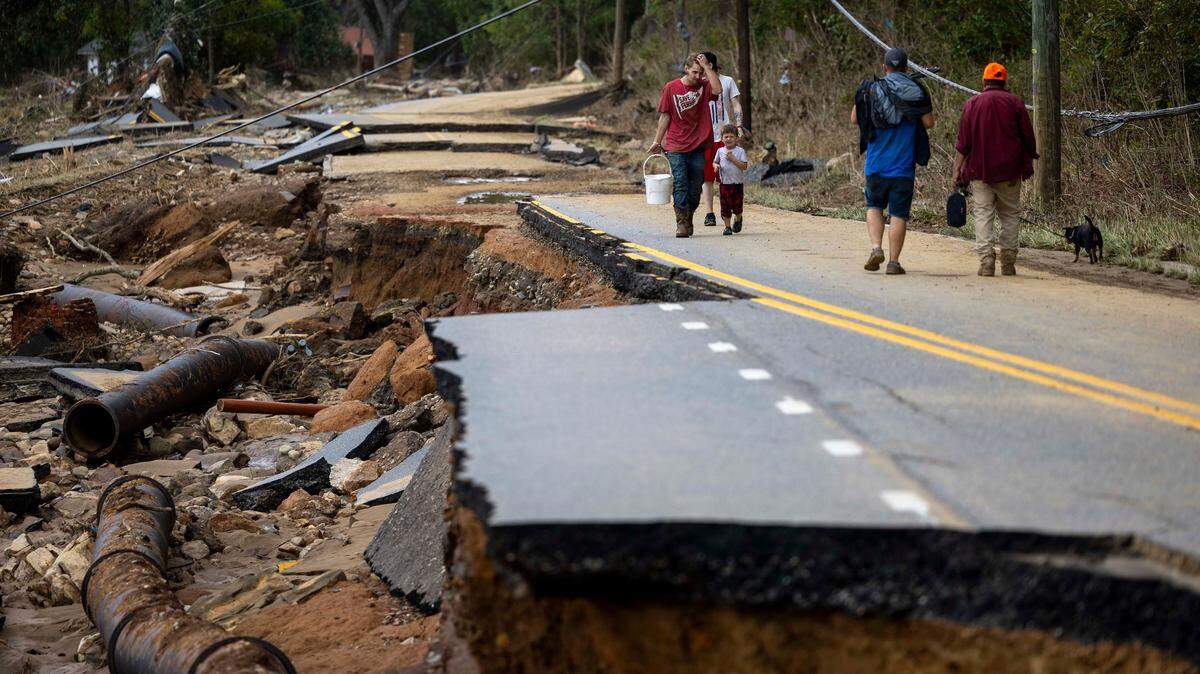
Although they didn’t see much damage for the first few minutes, within a few hundreds yards, they encountered all kinds of destruction: downed trees, downed power lines, landslides, mudslides, crevasses. It was like a tornado had picked up half the mountain and vomited the remains back out onto the road.
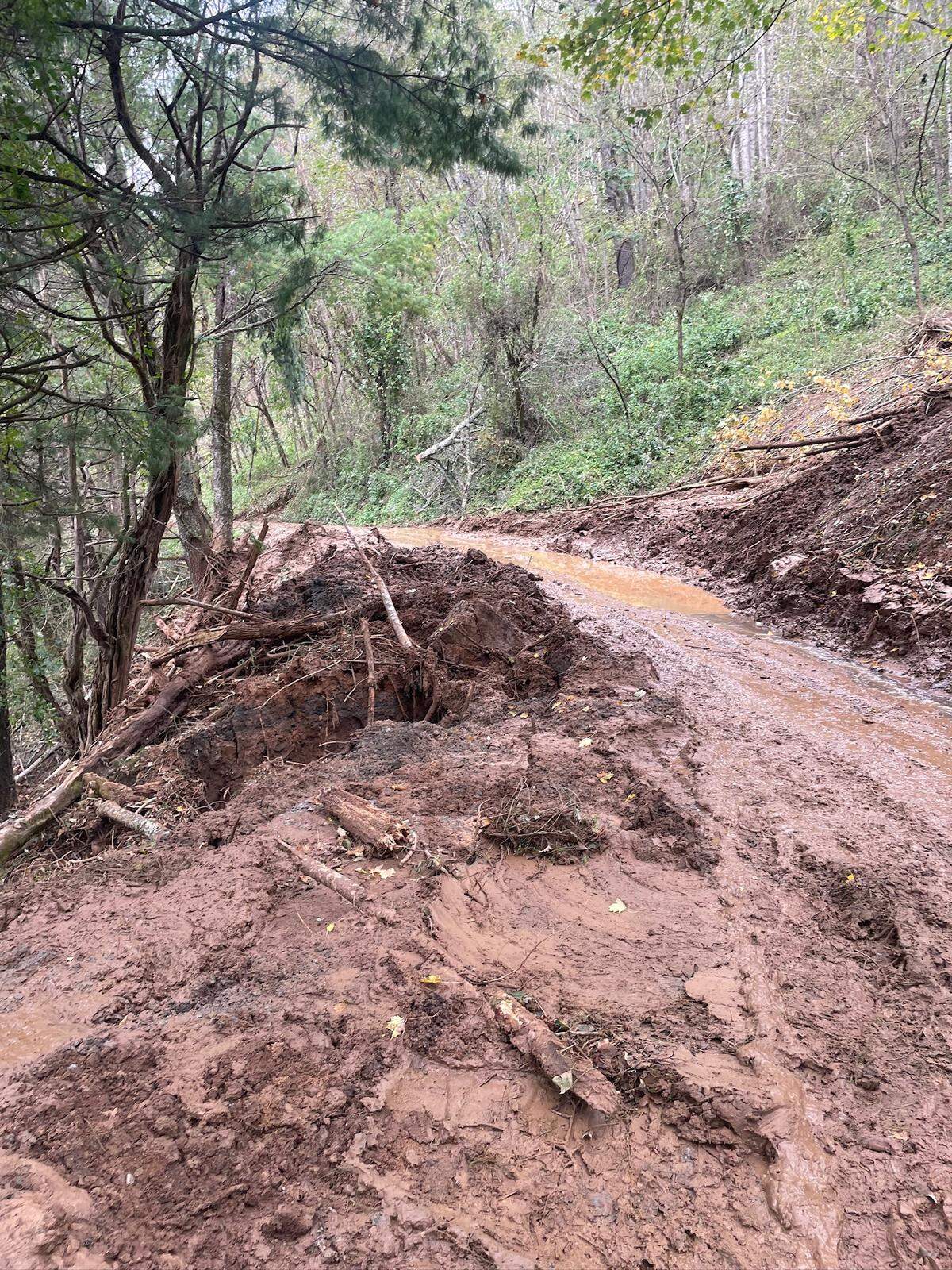
When they finally reached Jeannette’s house, they saw the gutted driveway, the tobacco shed’s collapsed roof. No sound of a generator purring.
Penny had been thinking it all along, but now it was really hitting her: I hope she’s not dead.
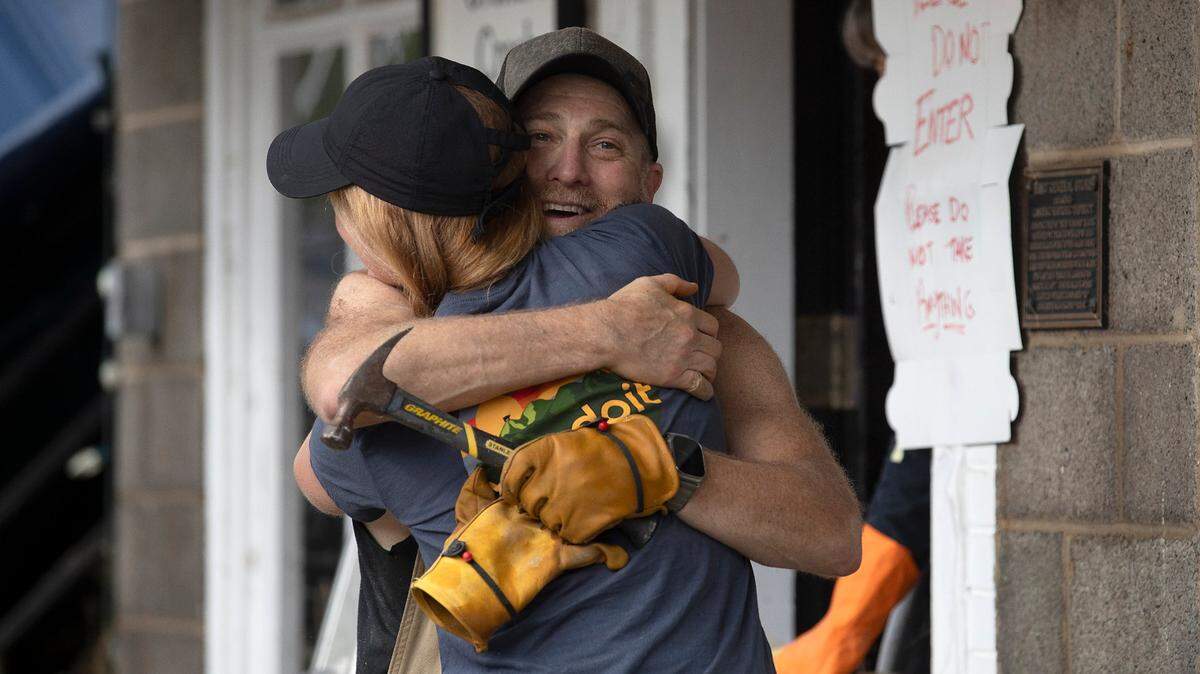
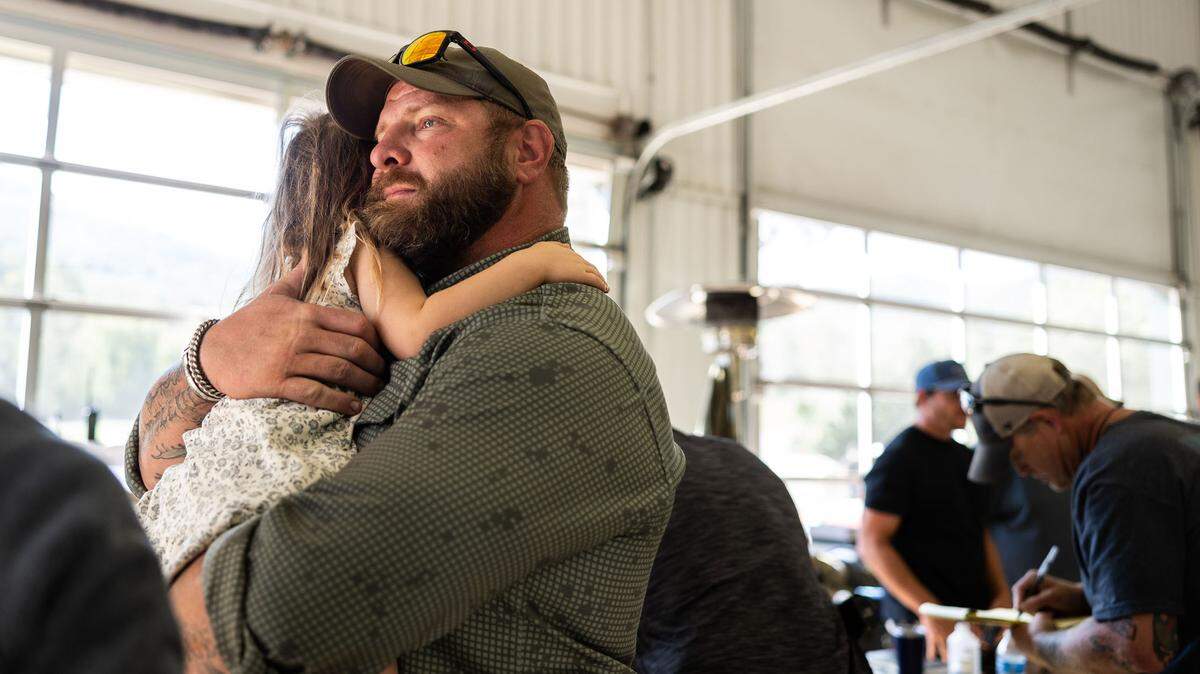
But she and Craig walked through the door and they all felt a wave of joy and relief. Penny and Jeannette wrapped each other in a warm hug, then Penny told her to get dressed and start packing.
Craig didn’t stay long. Within a few minutes, he was winding his way down the hill and dodging mud on his way to Jo Anne’s.
When he reached the house, she was trying to clean up the mud and debris that had collected in the vestibule. She started sobbing as soon as she saw him, and collapsed into his arms. At first, Jo Anne said she couldn’t leave the house. Craig looked at her sternly. “If you don’t come, you’re gonna have the wrath of all of your children and my wife on you.
“So load it up — we’re going.”
A celebration — along with some survivor’s guilt
Craig helped Jo Anne up the hill to Old Toe River Road, then guided her through the gauntlet back toward his and Penny’s car on 19E.
Once they got through the mess to the short stretch that was in good shape, they ran into some locals — two men on a four-wheeler, and a third in a truck. “Okay, what needs to be done here?,” one of them asked.
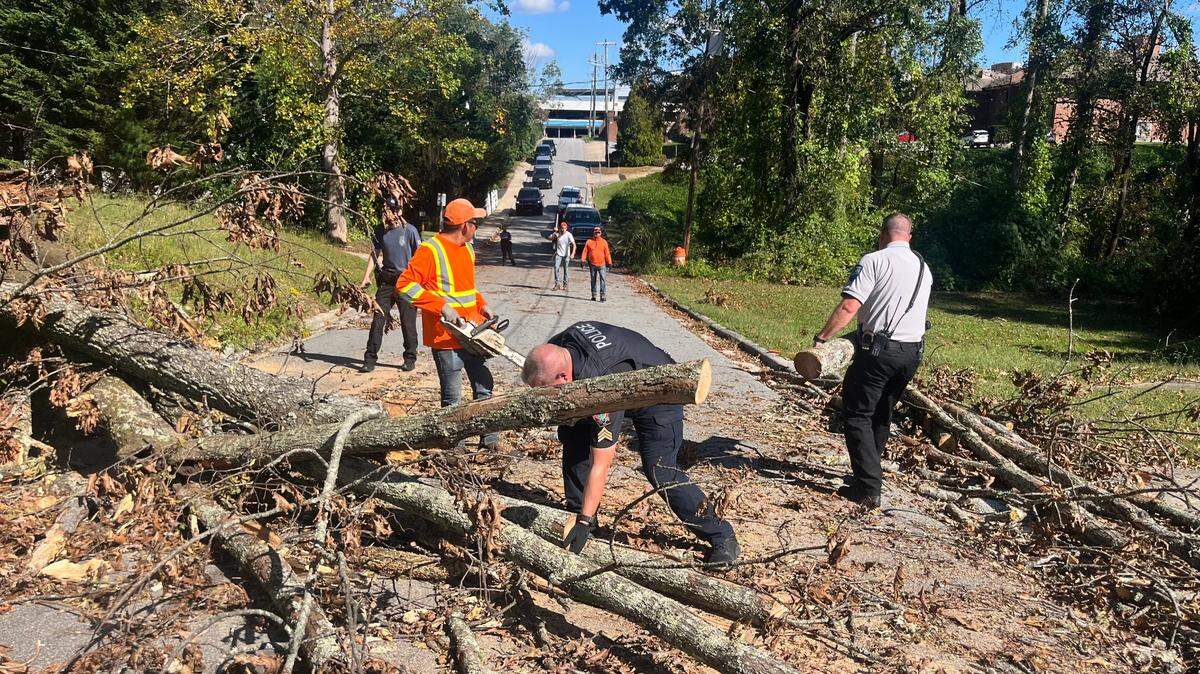
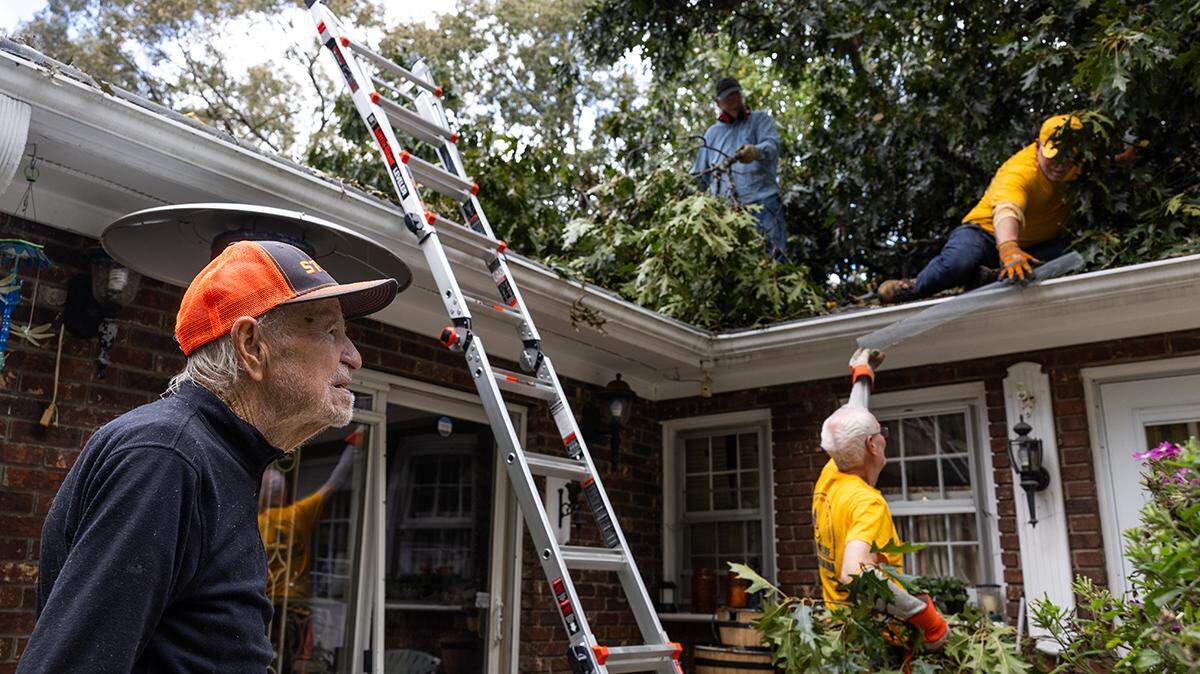
The guy in the truck offered to drive Jo Anne out so Craig could hurry back to retrieve the others. The pair on the four-wheeler set off to remove trees and limbs from the road. “It wasn’t like the Department of Transportation or anything,” Jo Anne said by phone from Hallsboro on Monday. “You hadn’t seen them. These were just locals with the biggest hearts of all and coming in (and saying), ‘We’ll get it done.’”
Meanwhile, Craig retraced his steps and found Penny, John, Jeannette and the couple’s Golden retriever Posey back at the Bledsoe house, ready to roll.
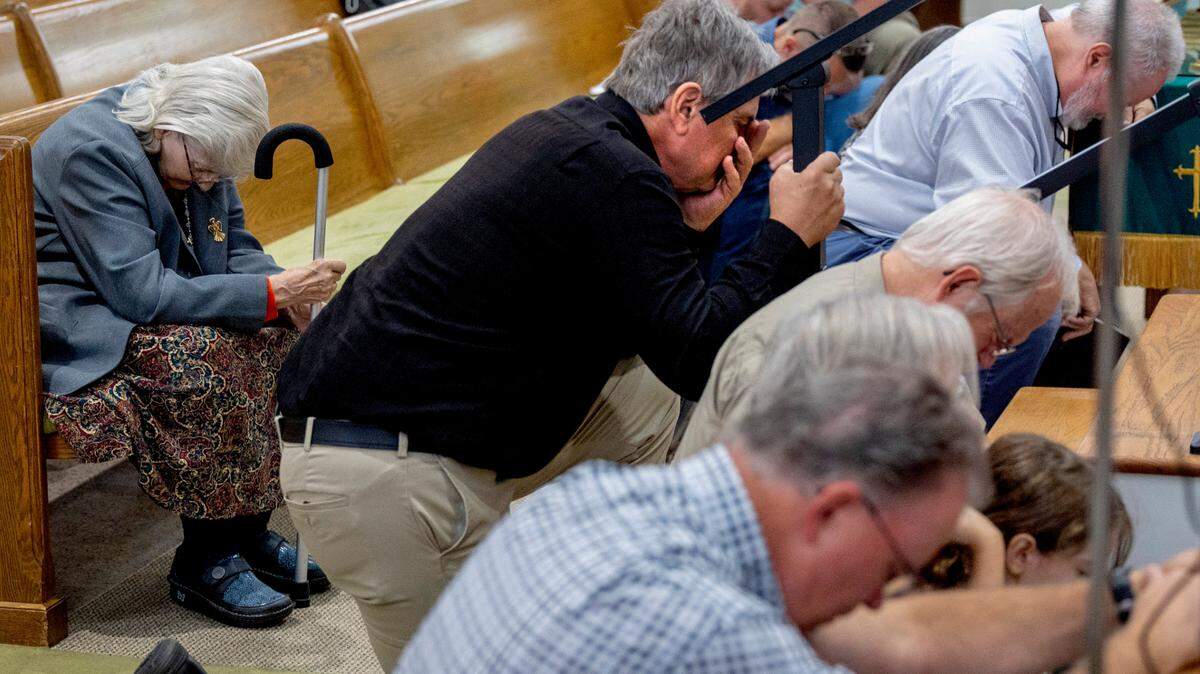
Given Jeannette’s assorted ailments, they knew it wasn’t going to be easy to guide her to safety. But “she held my hand so tight,” Penny recalled Monday, her voice shaking, “and I felt the Holy Spirit wash over us. ... This beam of sunlight shone through the leaves — the canopy of the leaves — and I knew we were going to be OK.”
They took it slowly. Off the road, up the mountain, through the mud, over the trees, around the power lines. Jeannette had to stop several times.
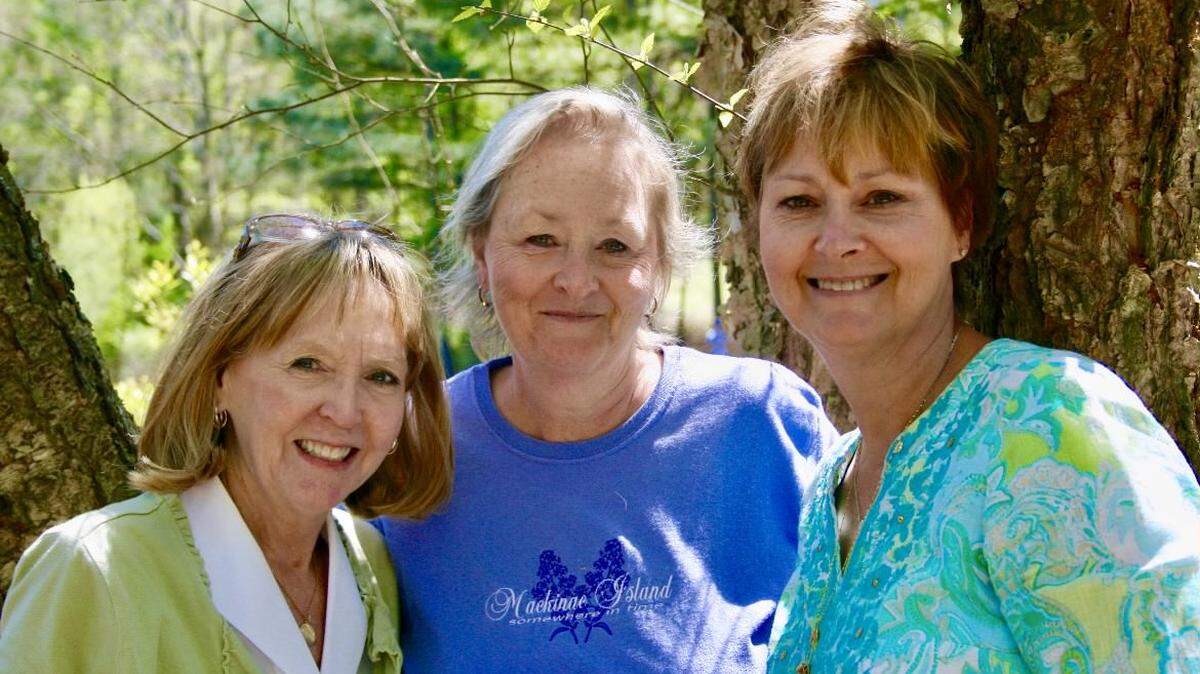
More than an hour later, Jeannette, Jo Anne and Penny were safe, sound, and successfully reunited.
On the drive back to Charlotte, they saw miles and miles of devastation from Avery County down to Morganton. Their phones finally found a working cell tower again shortly after that, meaning they could finally get word to friends and other family that they were out of danger.
In Hickory, they stopped at Burger King — “probably the best thing they’ve ever eaten,” Penny said, laughing — and received a hero’s welcome back in Charlotte, along with a party at which champagne was served.
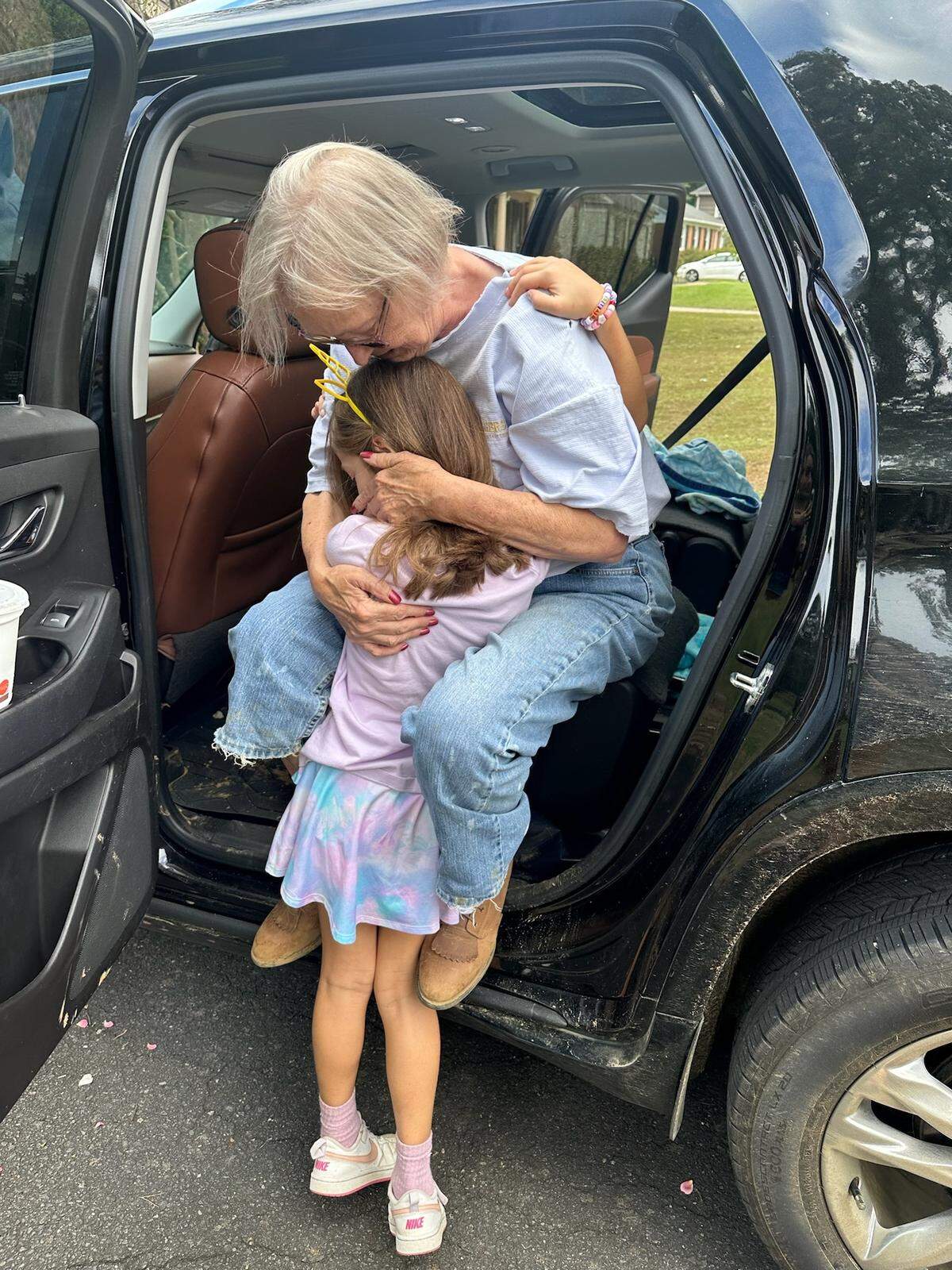
But it was twinged, they say, with what felt like survivor’s guilt.
By then, Jo Anne and Jeannette had seen news coverage that had given them a fuller picture of Hurricane Helene’s brutality. And while leading their own little rescue operation in Minneapolis, Penny and Craig had come across plenty of suffering that they knew was still ongoing as they hugged their loved ones and raised glasses for toasts.
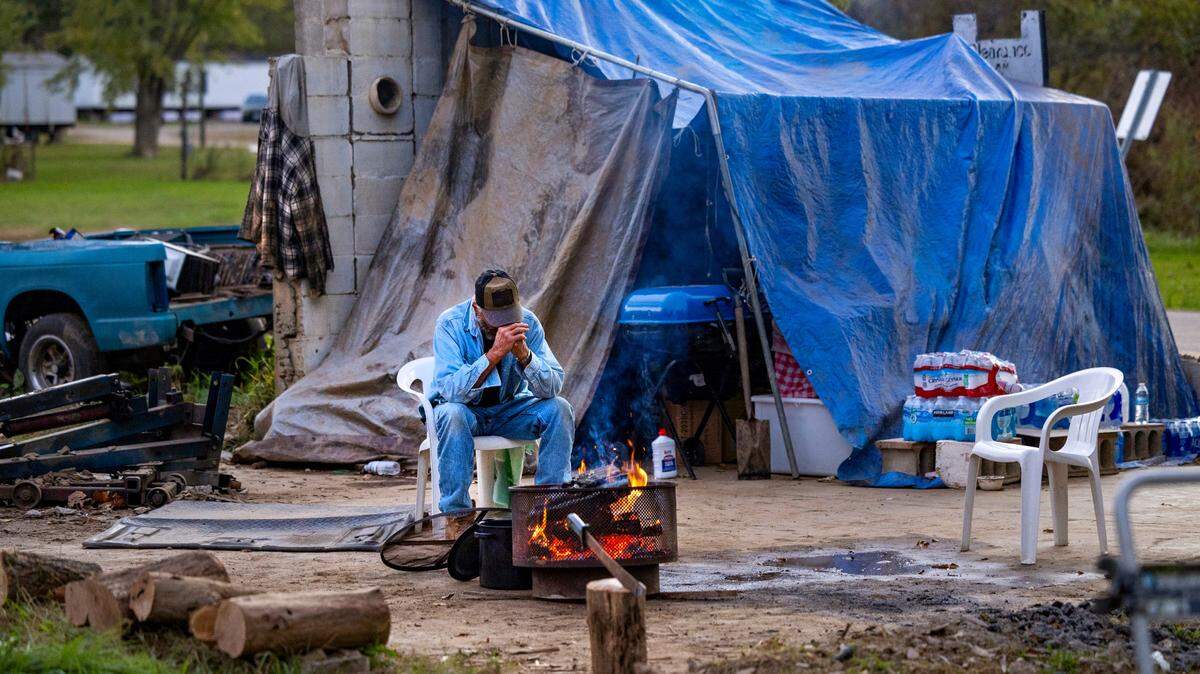
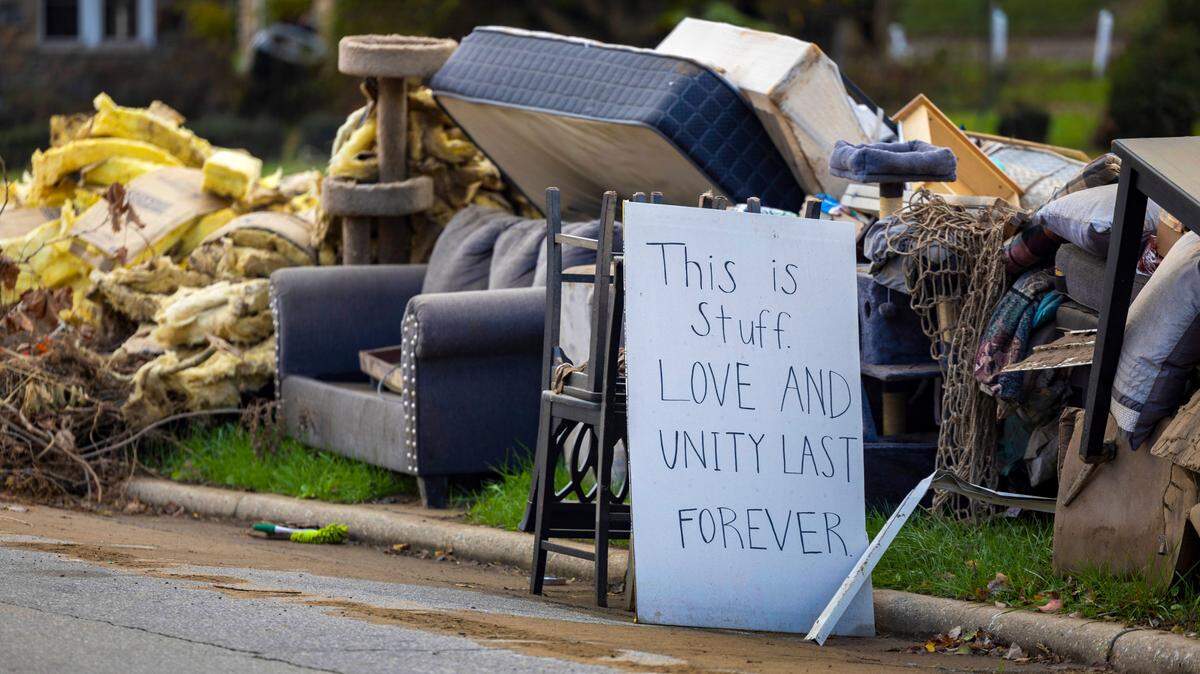
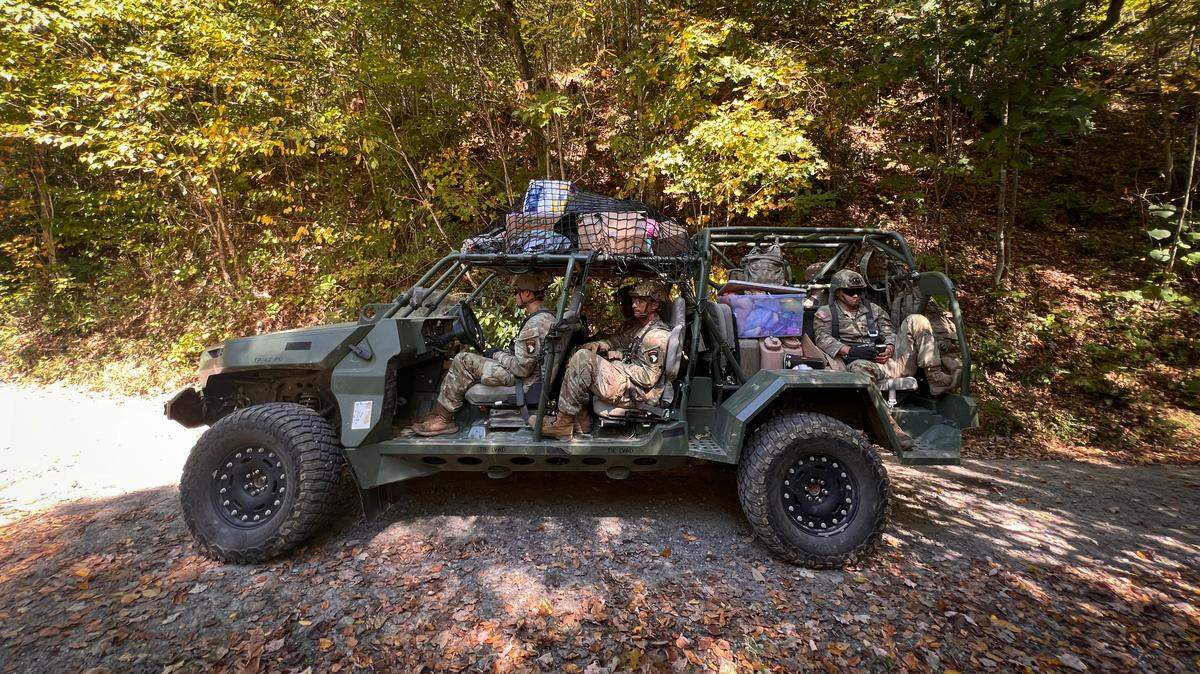
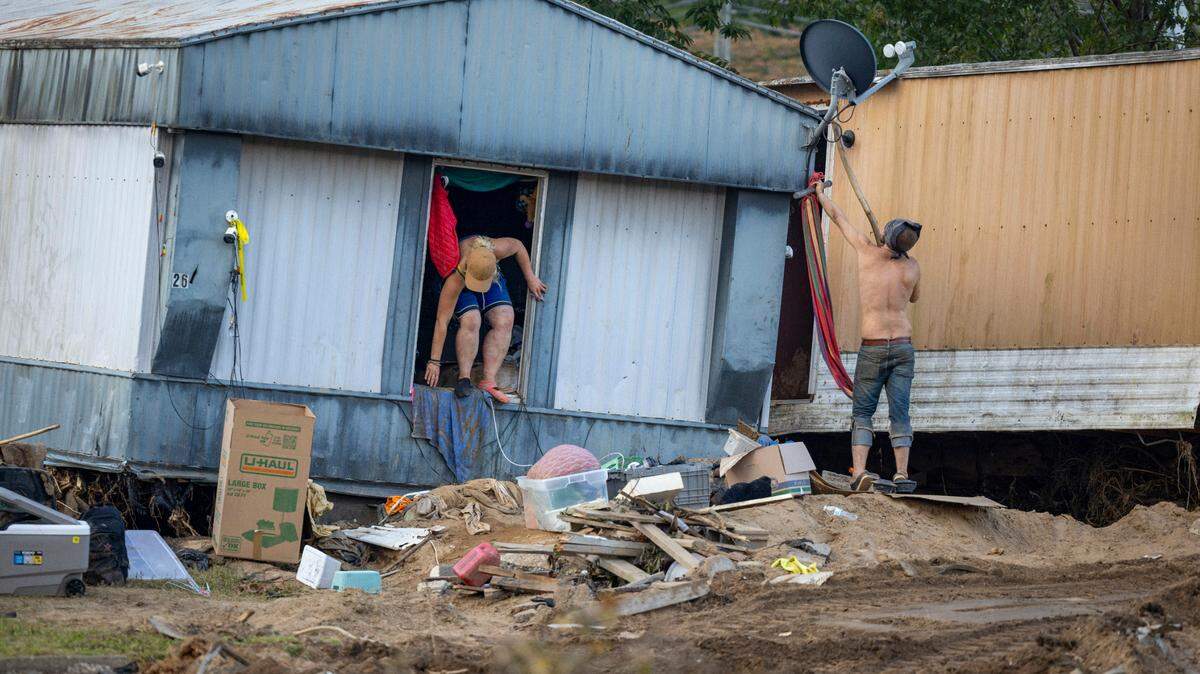
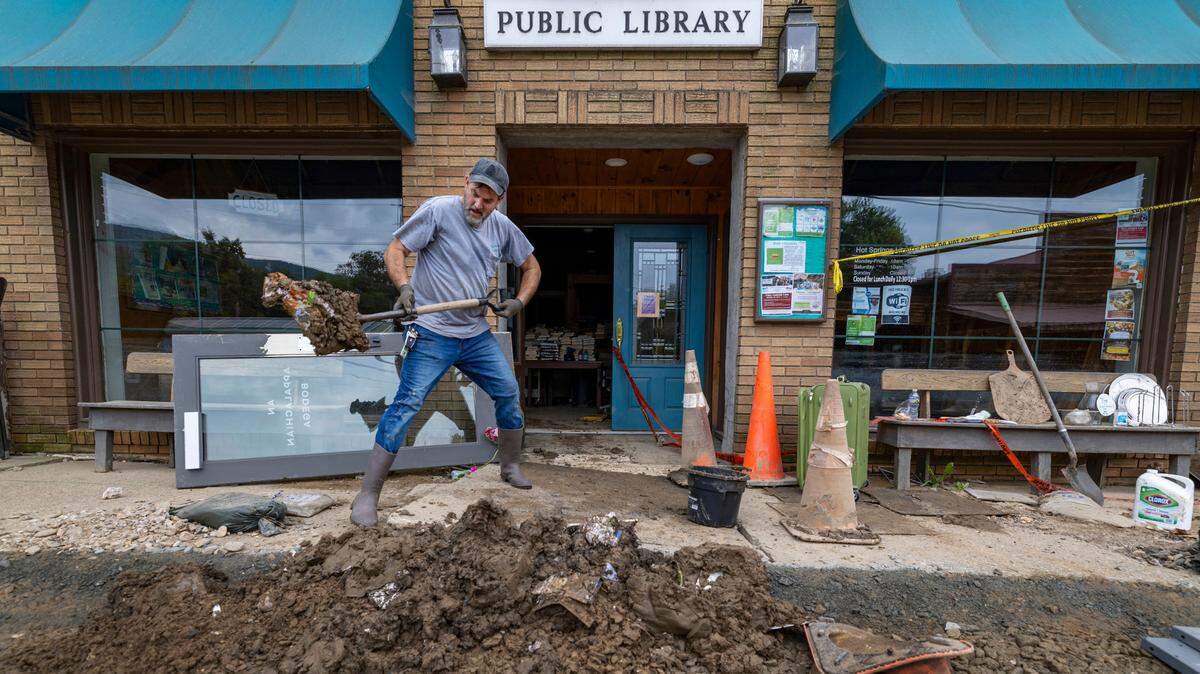
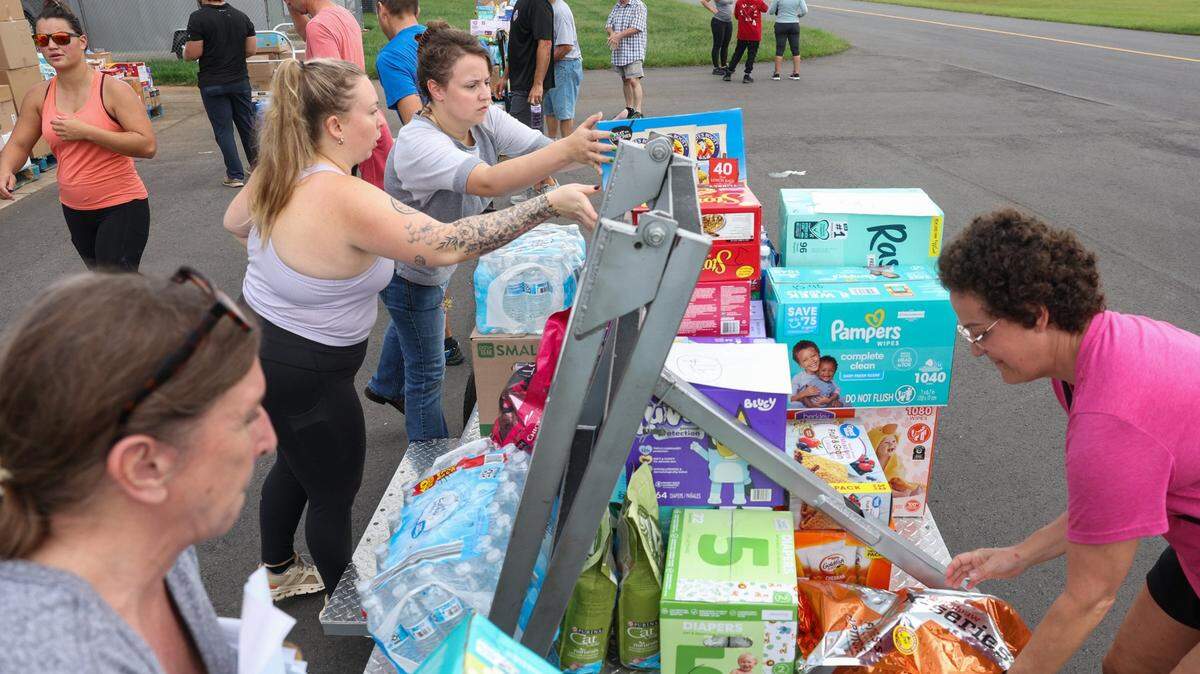
Several days removed from the storm, Facebook remains flooded with western North Carolinians looking for lost friends and family, pleading for help as food and water runs low, wondering how, or if, they’ll ever be able to rebuild and recover.
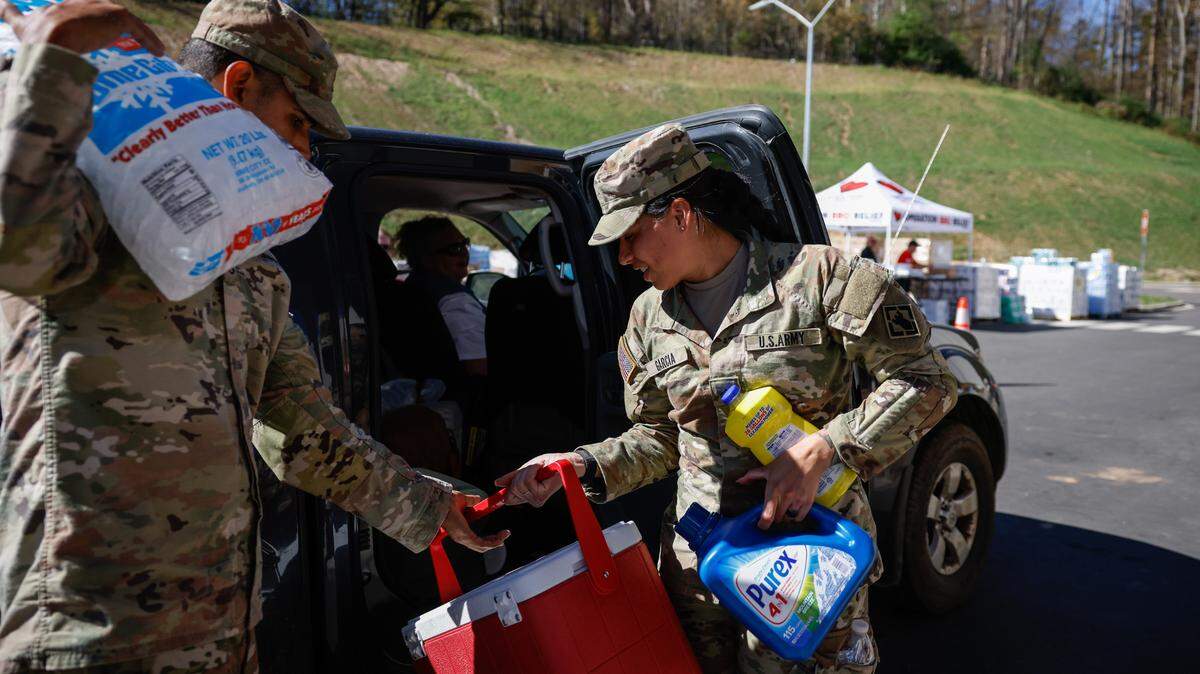
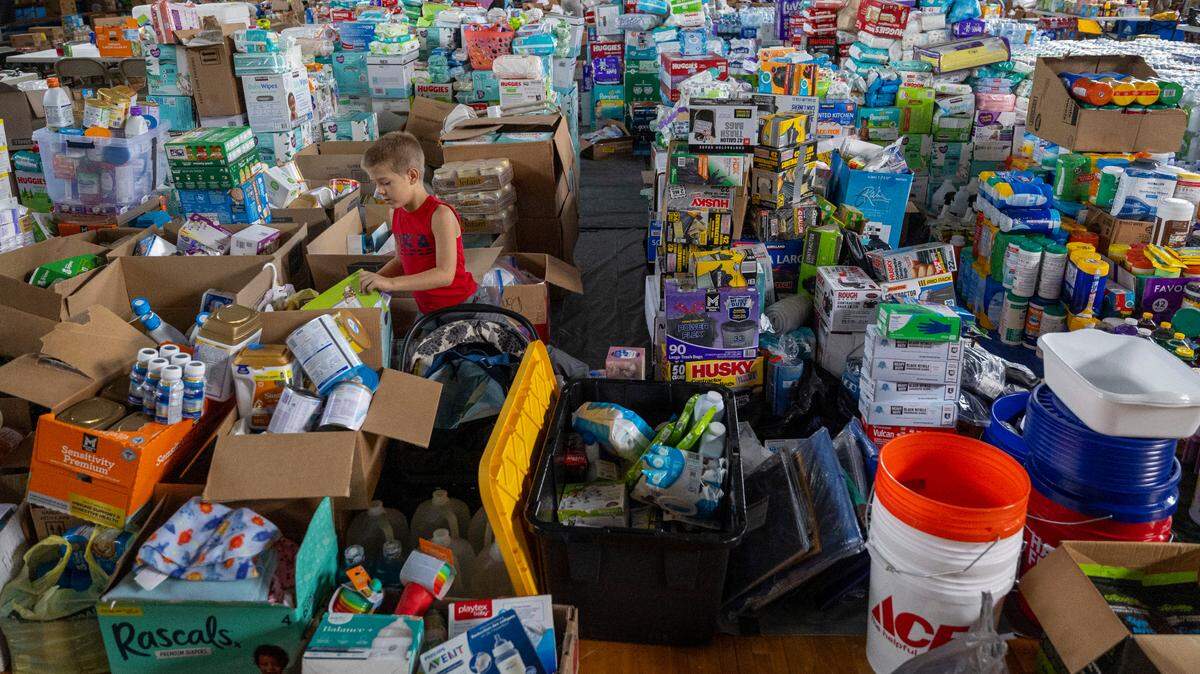
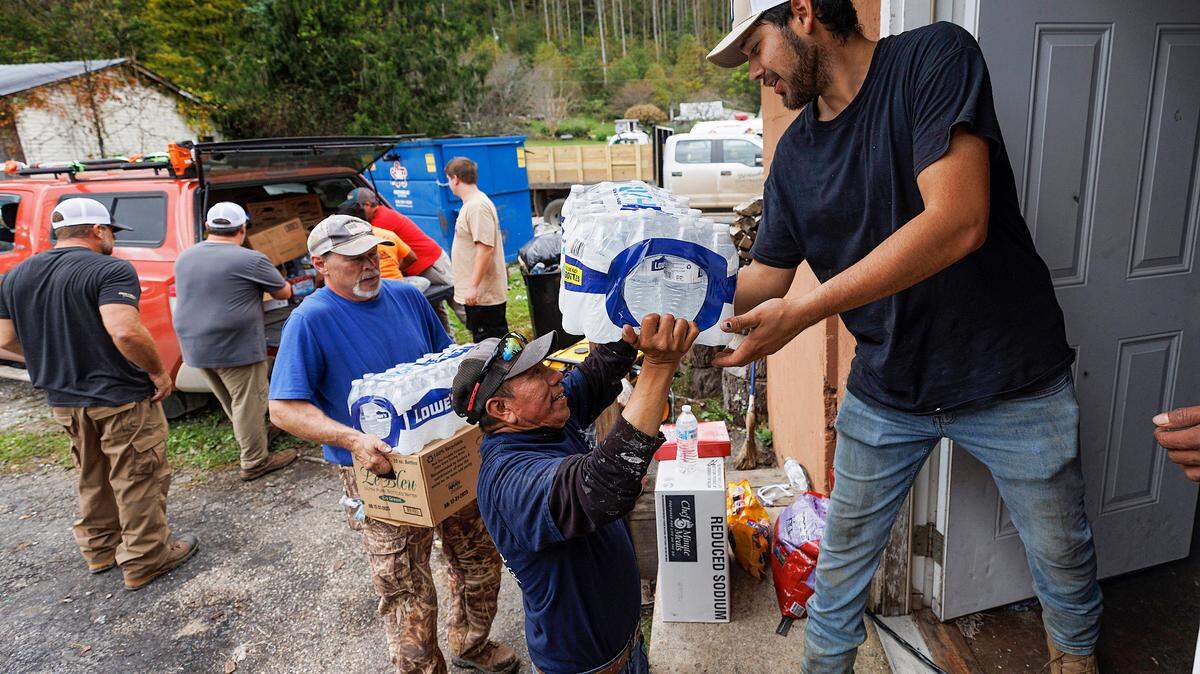
“The people up there need food,” Jo Anne said. “Food and water, paper goods, cleaning stuff. ... And they need it sooner rather than later. ... I had thought we would see help quicker.”
“I’ve left all of these people that I care so much about,” Jeannette said, “and I’ve gone (home), and I can turn on the Braves. That feels horrible.”
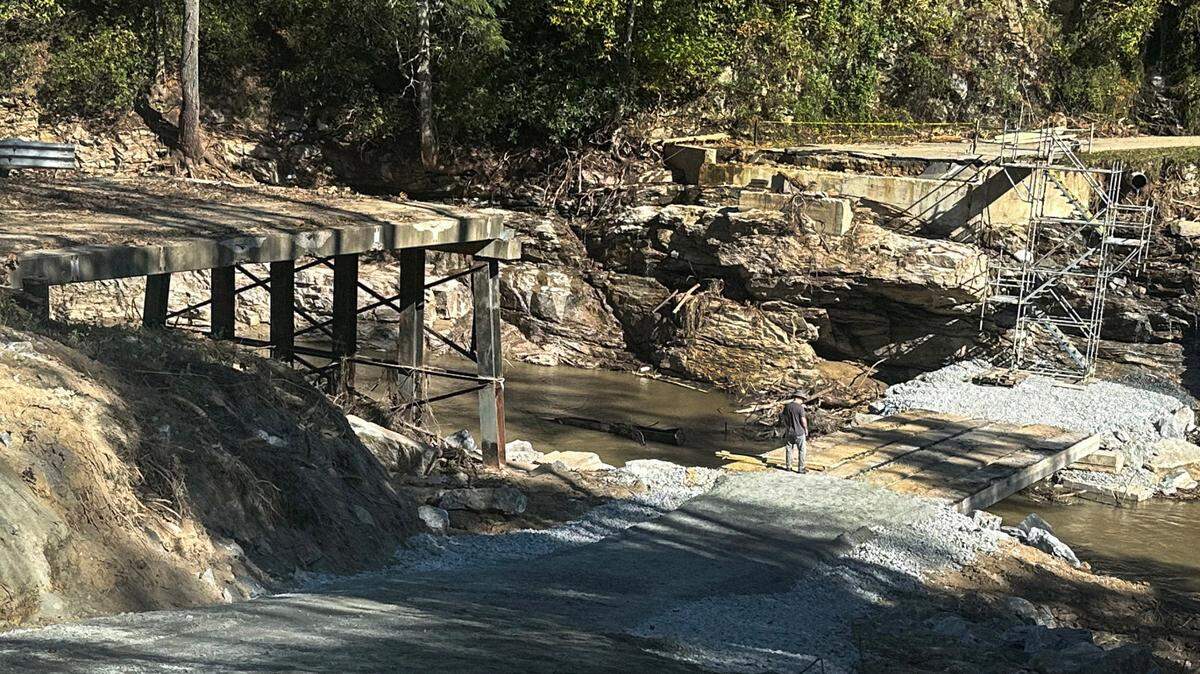
“That community is just in dire need,” Penny said, as she fought back tears. “I mean, it was so hard leaving all those people behind. ... There’s so many people that are isolated because there’s so many creeks and rivers, and all the bridges are gone.”
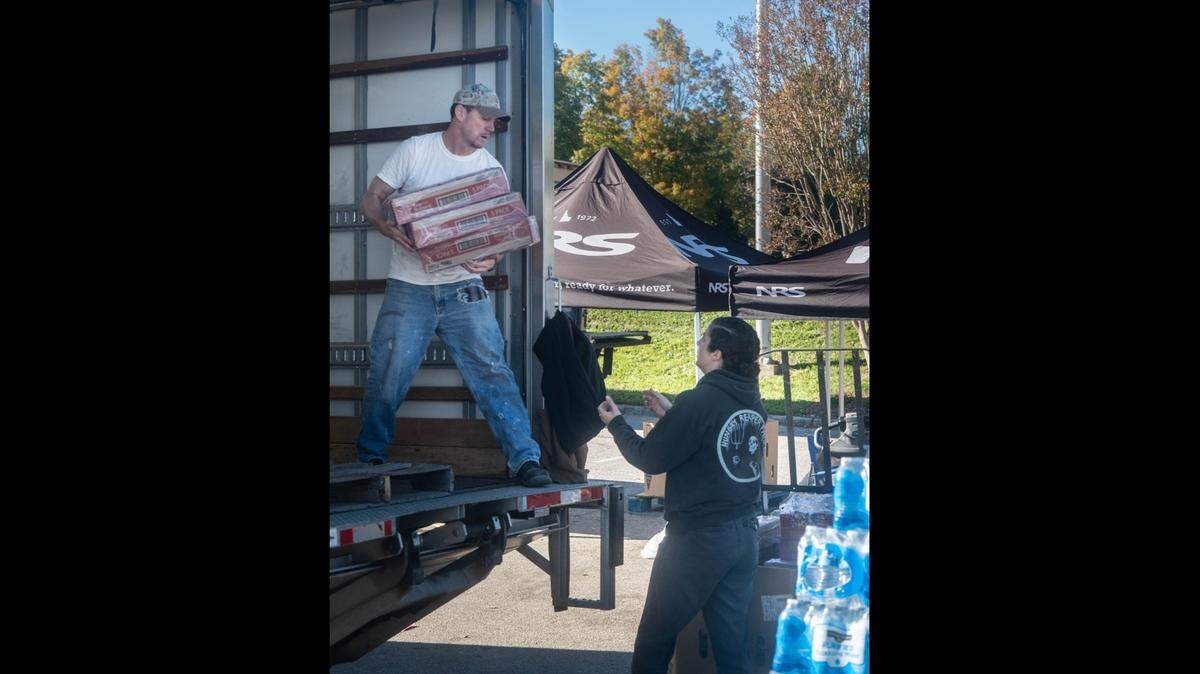
On Monday, she said her family was willing to do whatever it could to help. In fact, she said, Craig was already back in Avery County, driving around the Minneapolis area with a car that had left Charlotte full of food, water and supplies.
She fully expected it would return home empty.
This story was originally published October 2, 2024 at 6:00 AM.




.jpg)
.jpeg)
.JPG)








.JPG)