After Helene, Western NC NPR station did more than report news. It opened doors for others
READ MORE
Hurricane Helene Aftermath
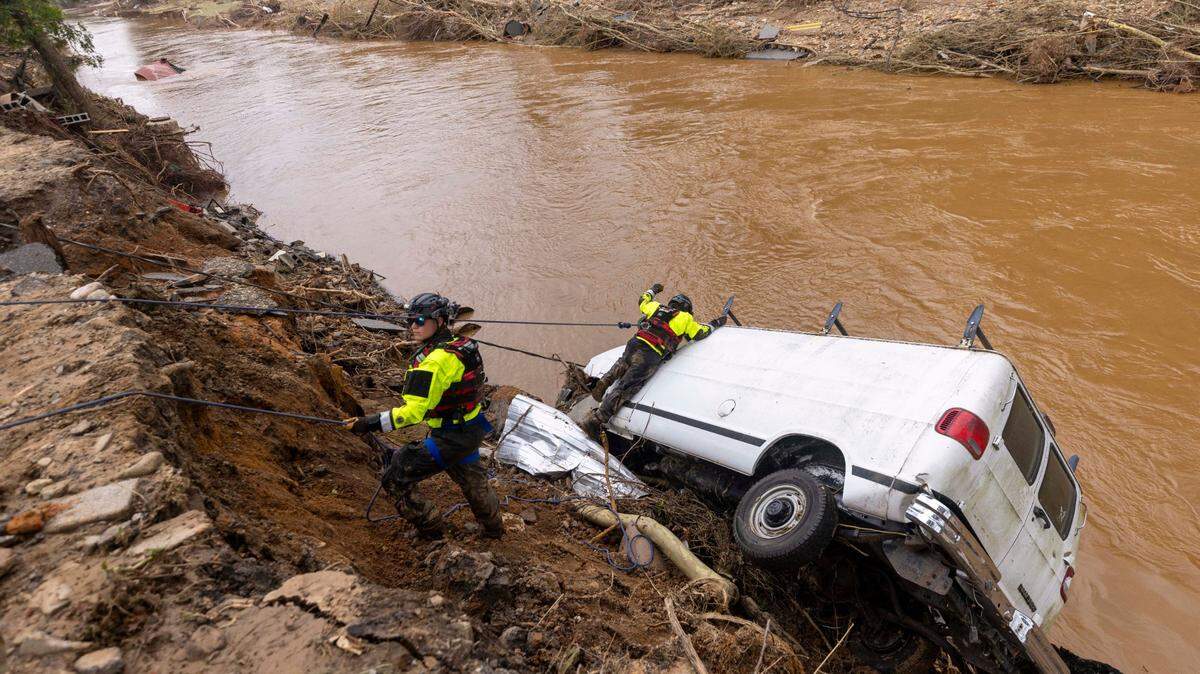
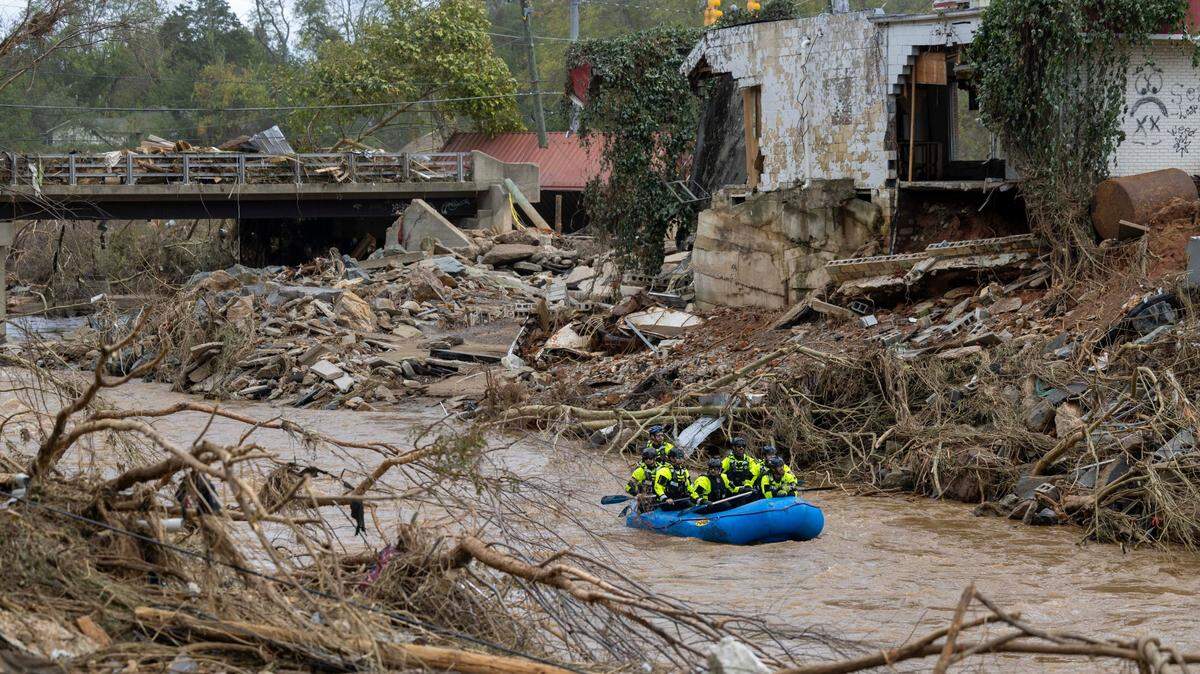
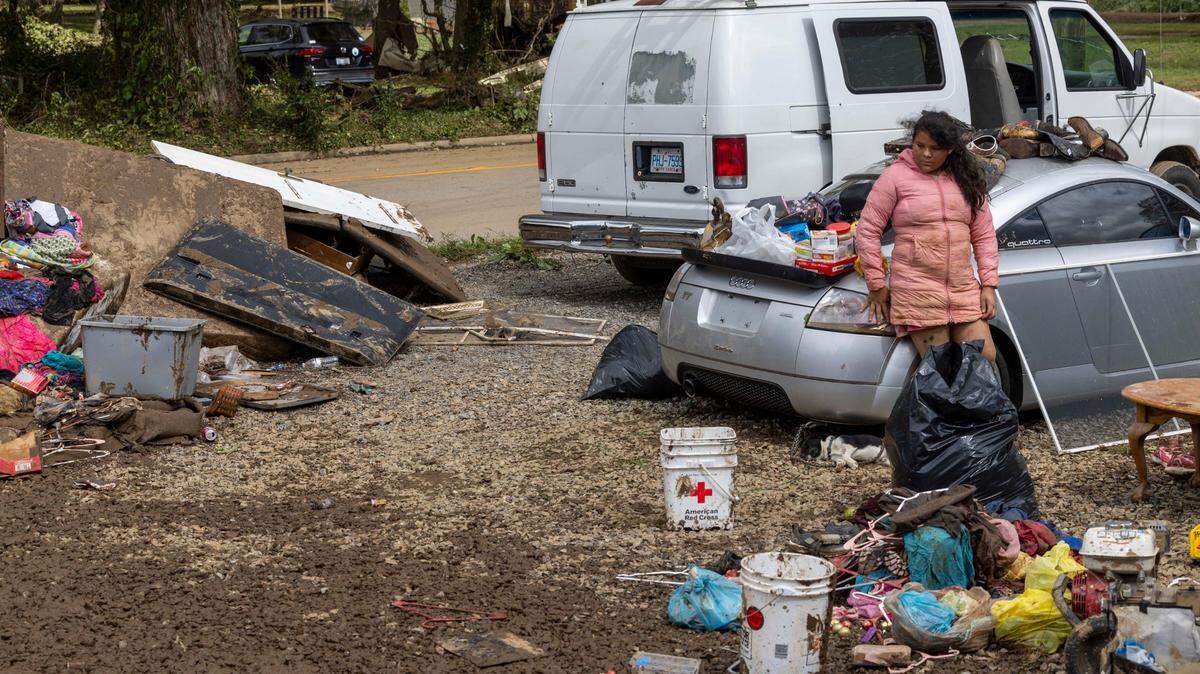
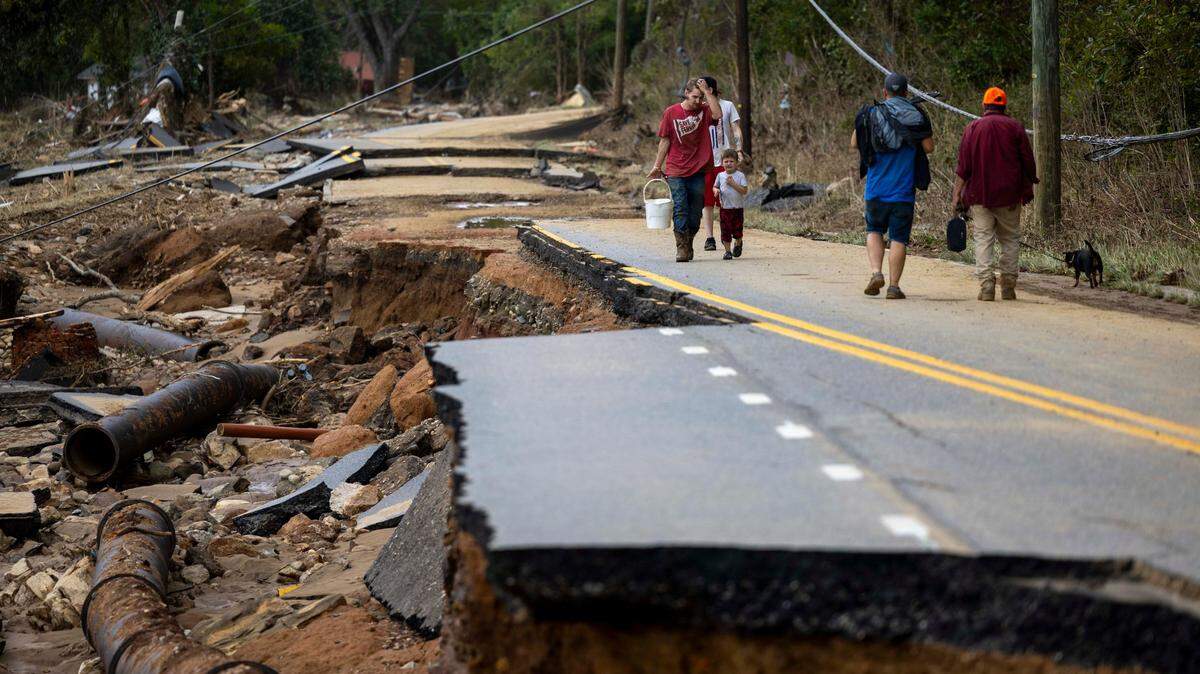
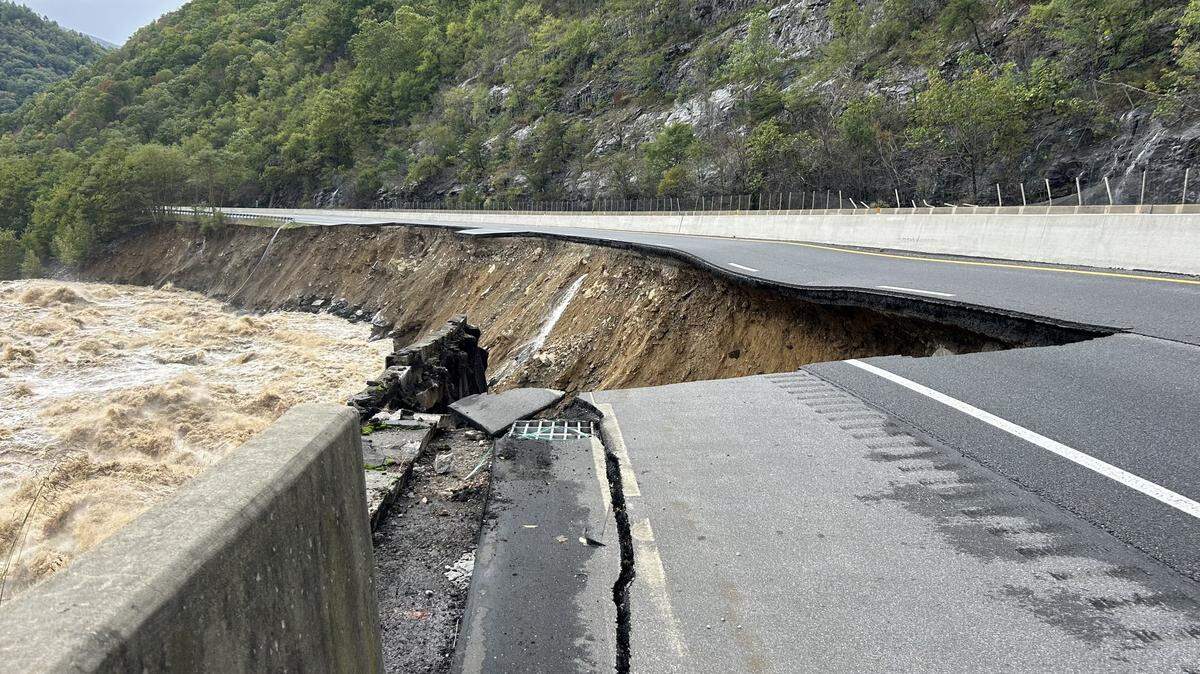
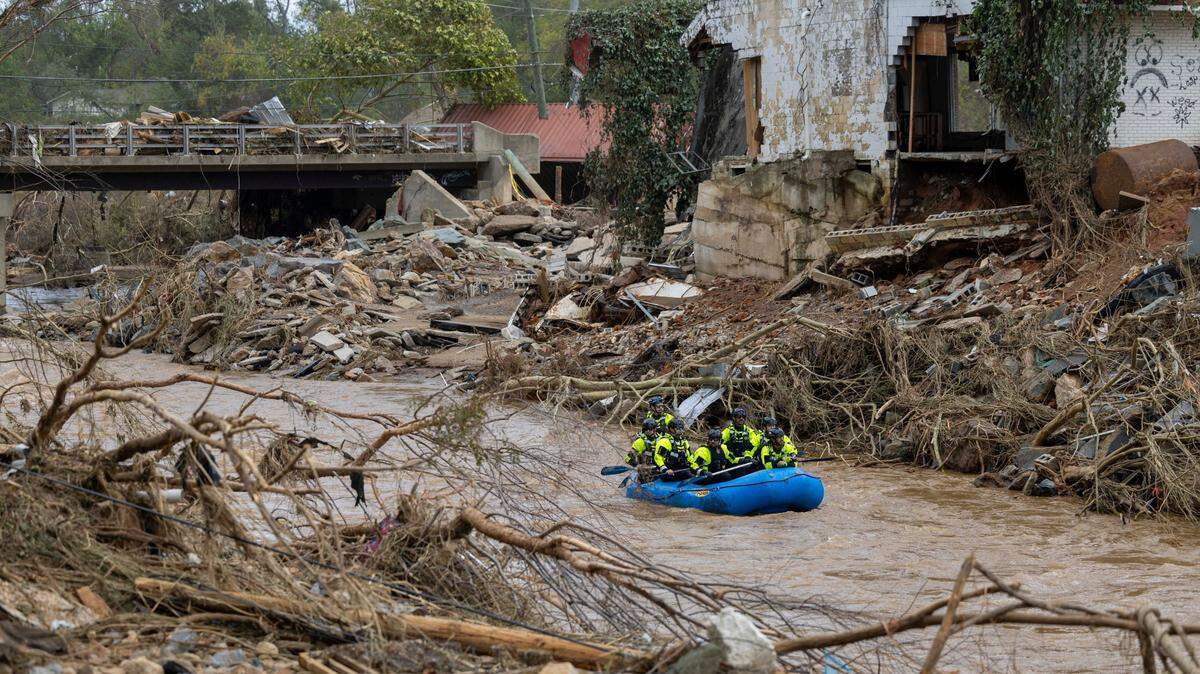
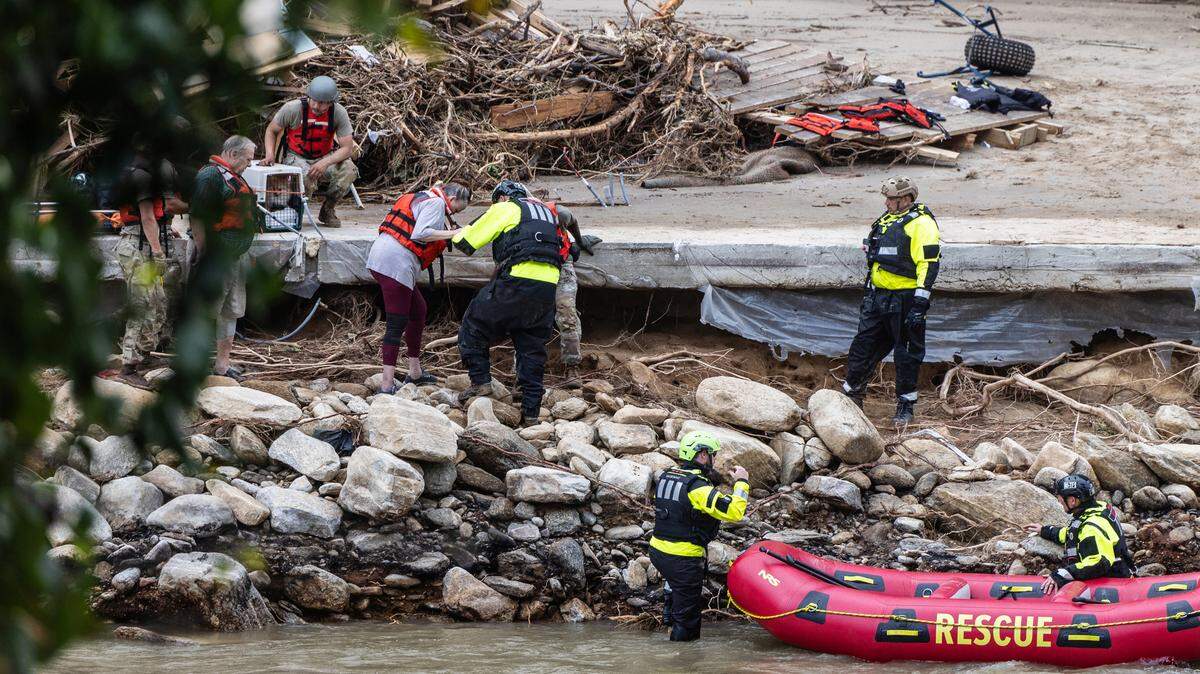
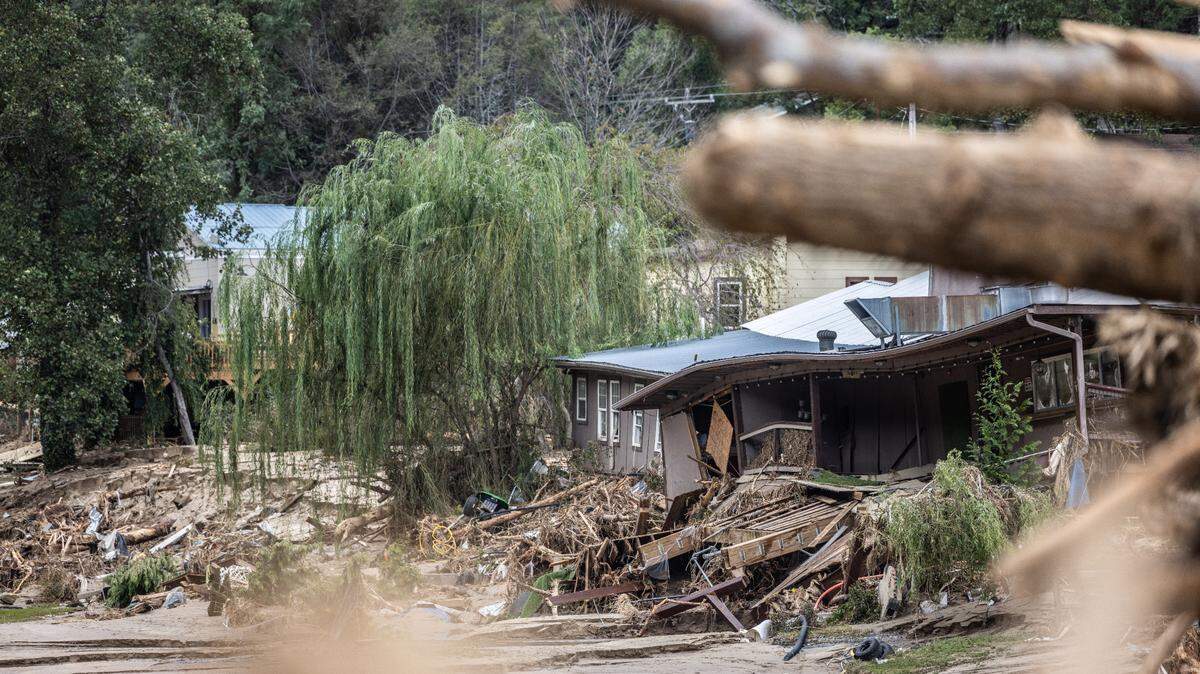
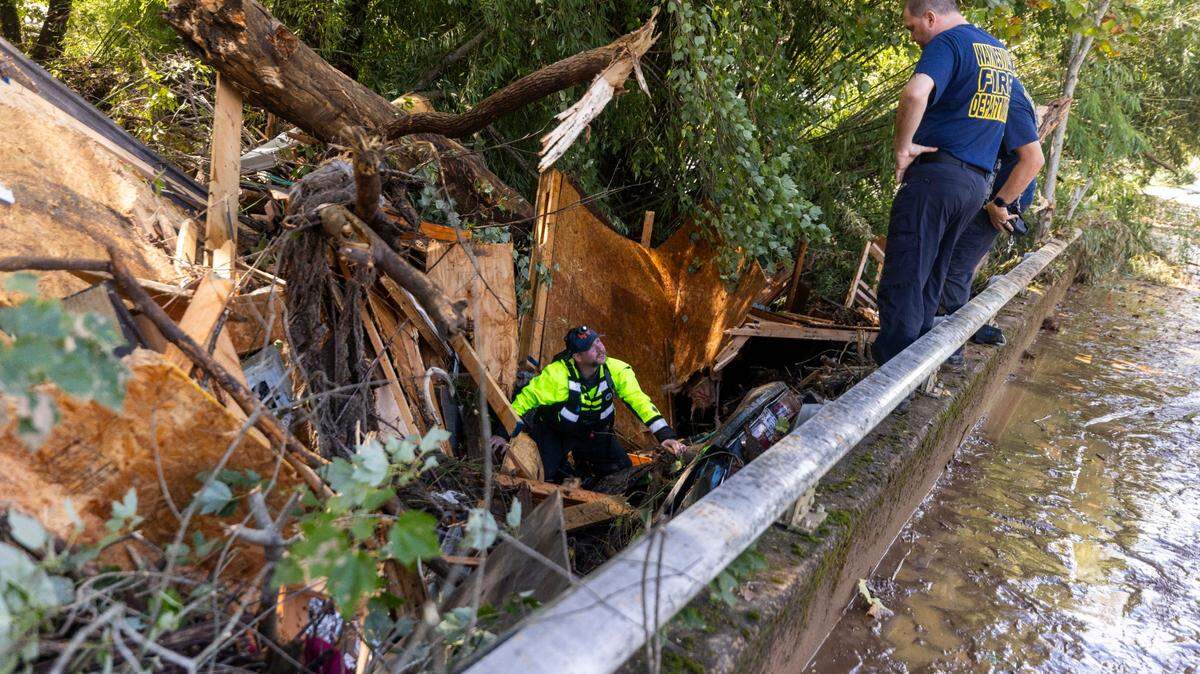
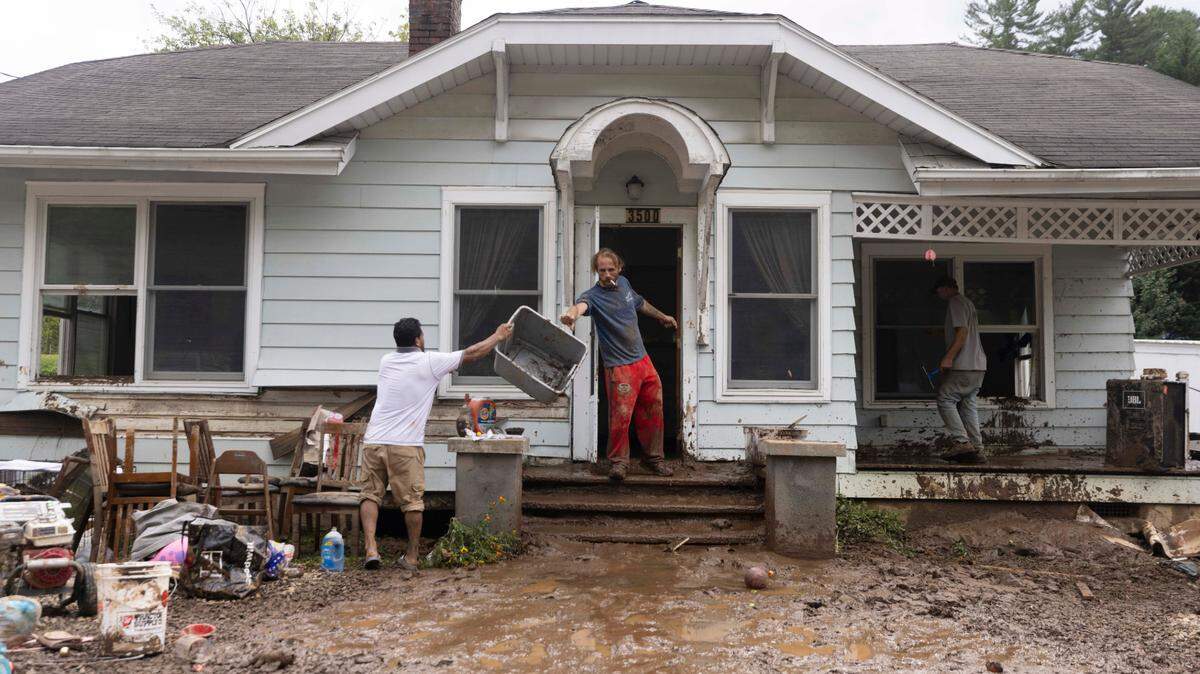
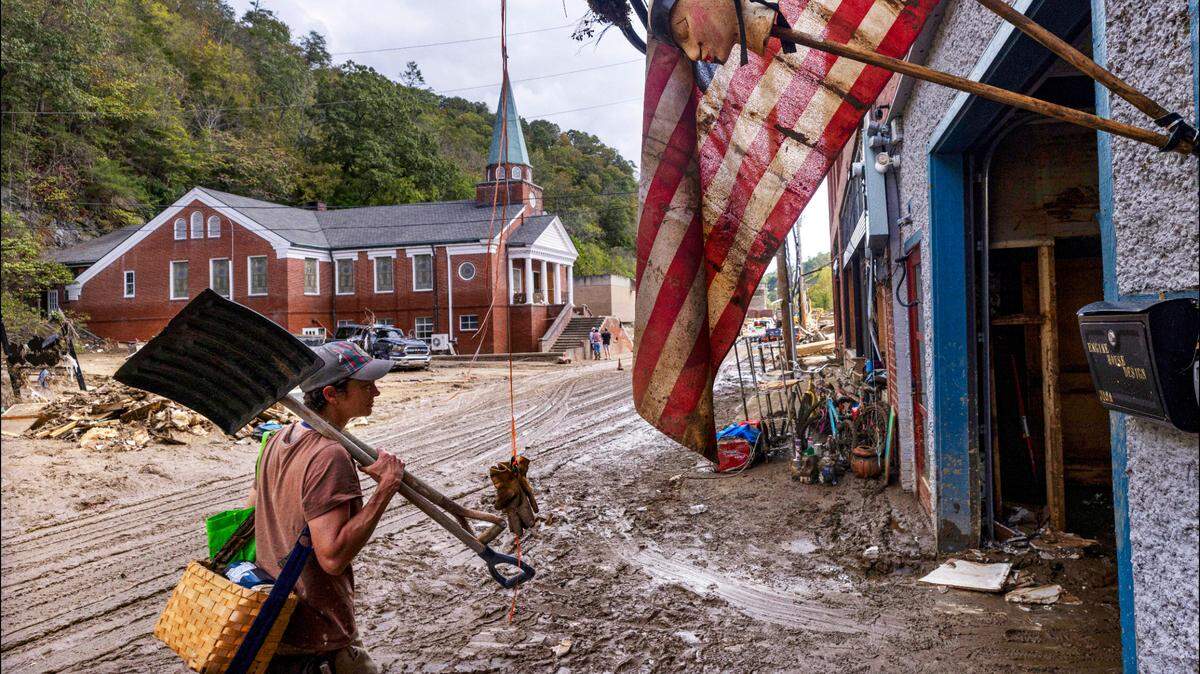
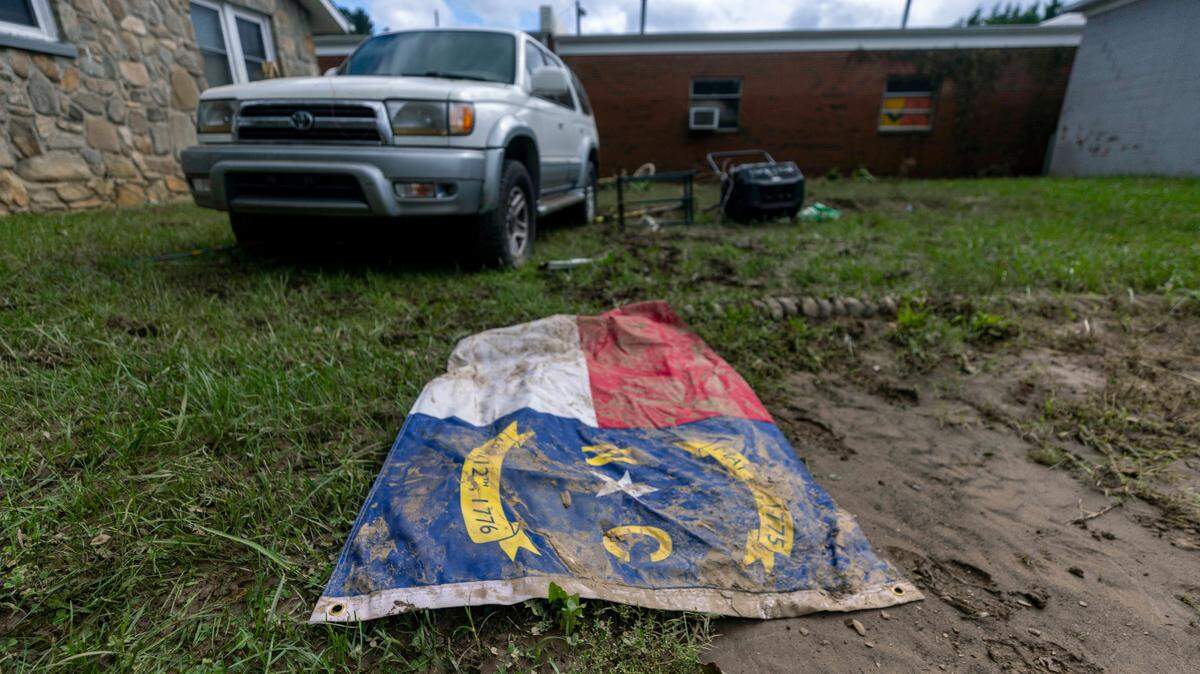
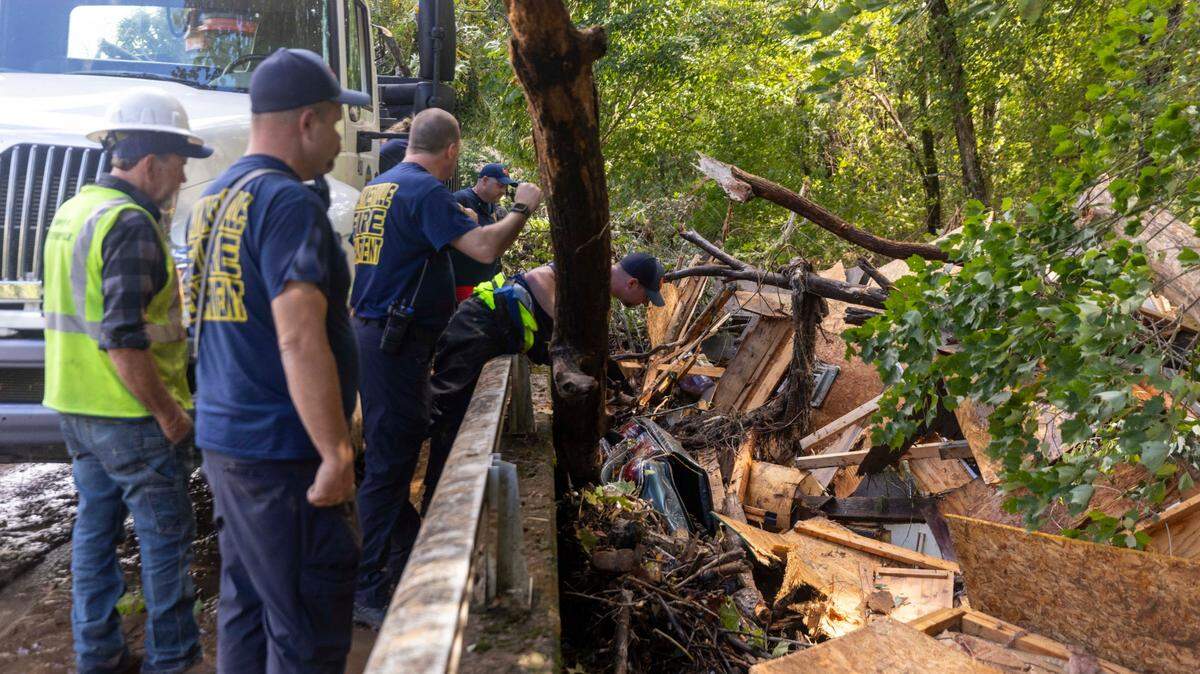
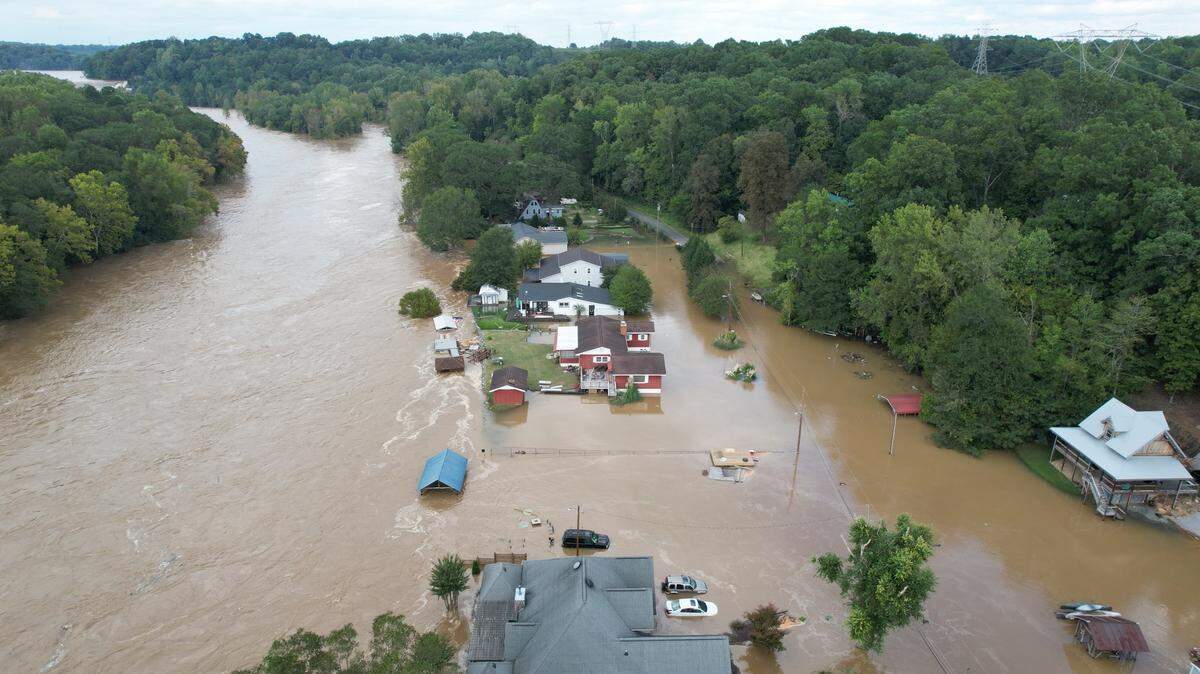
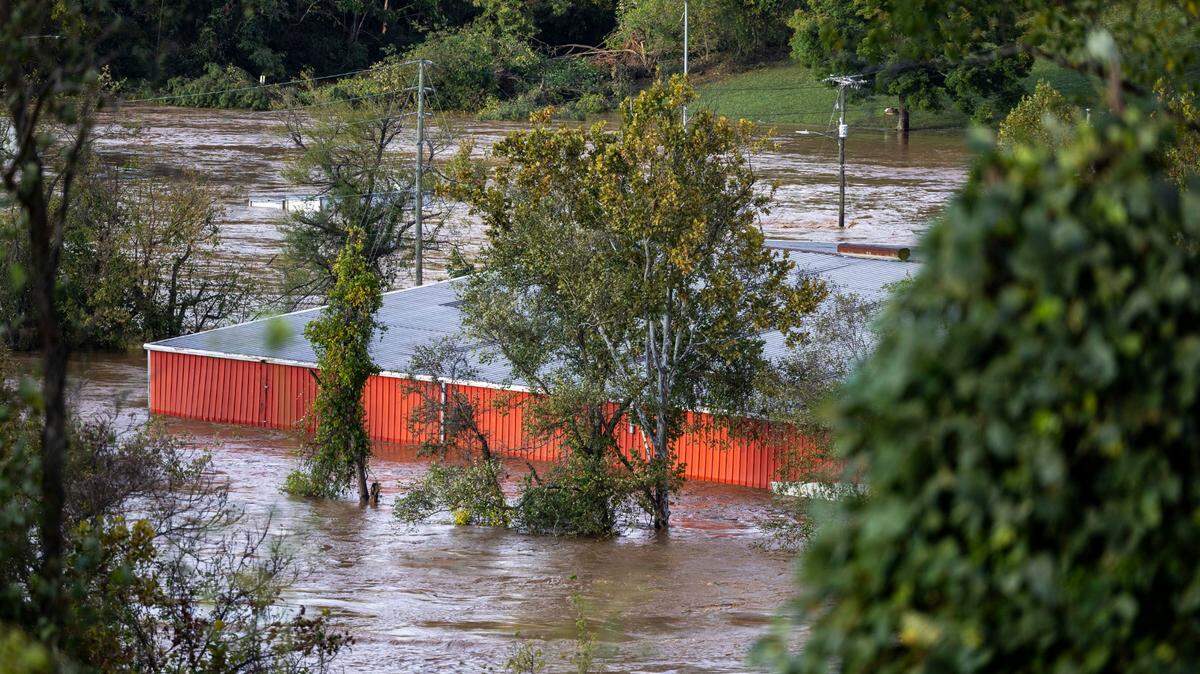
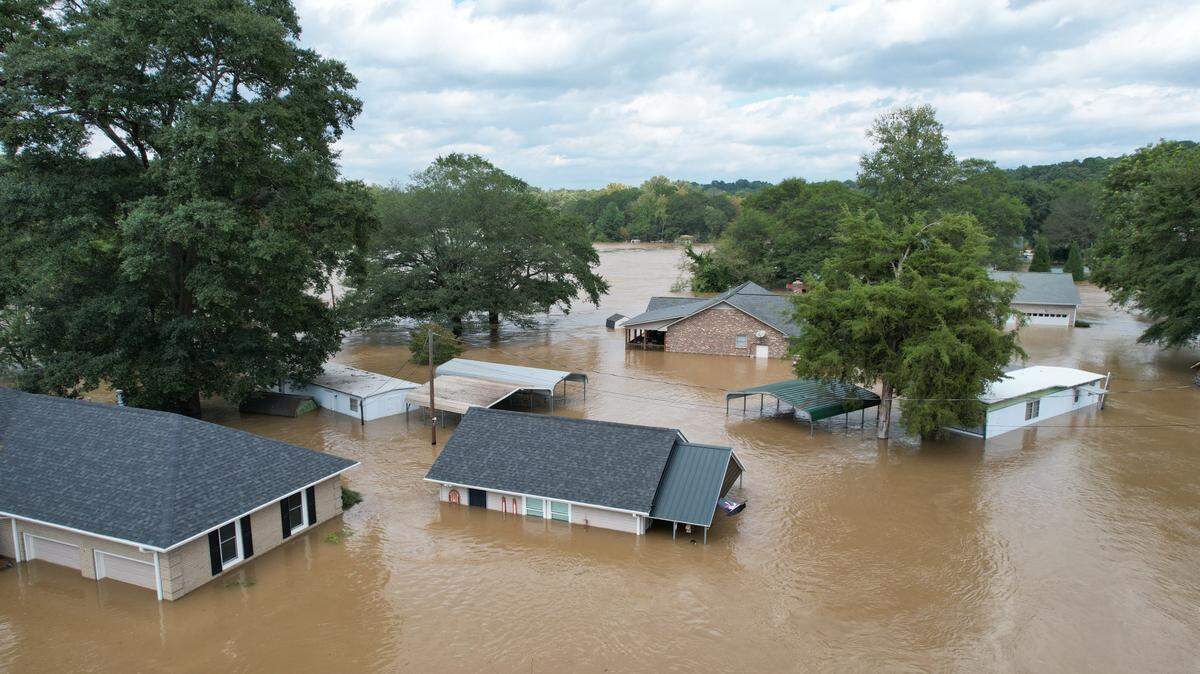
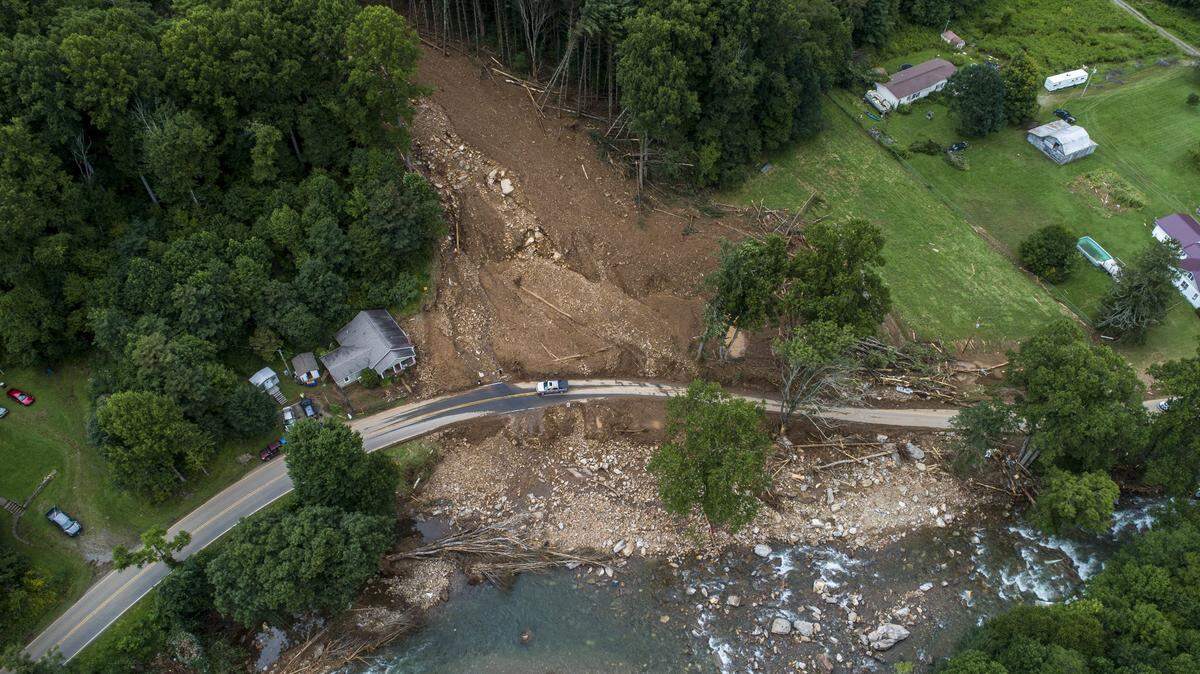
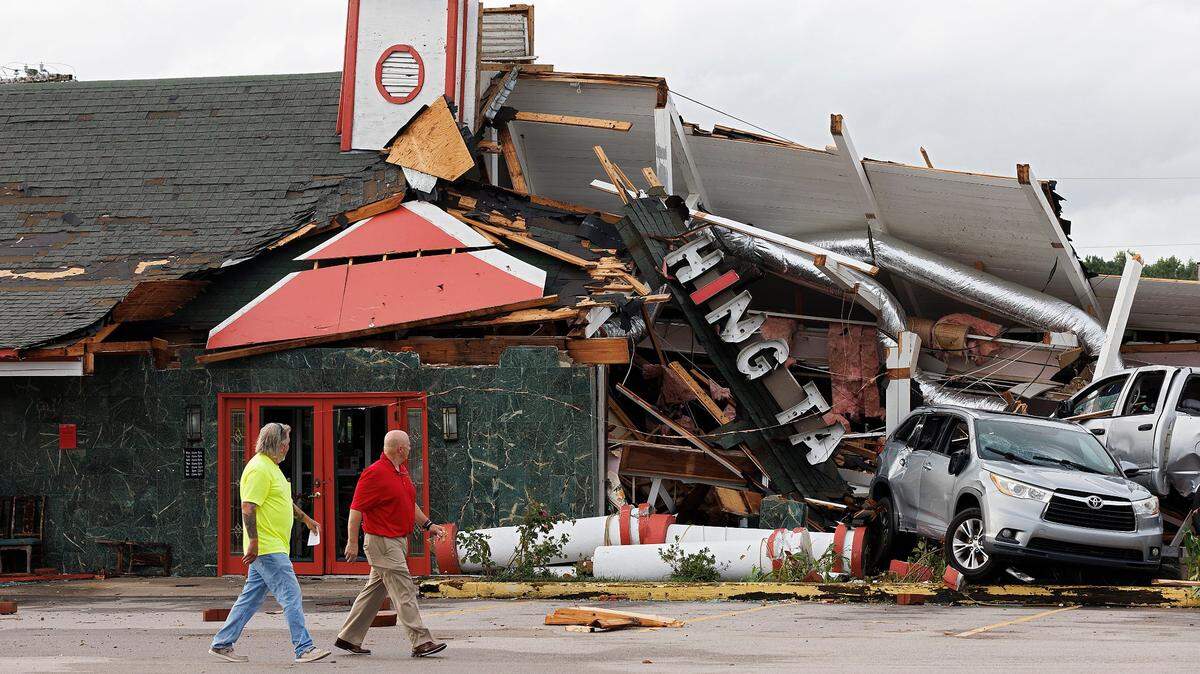
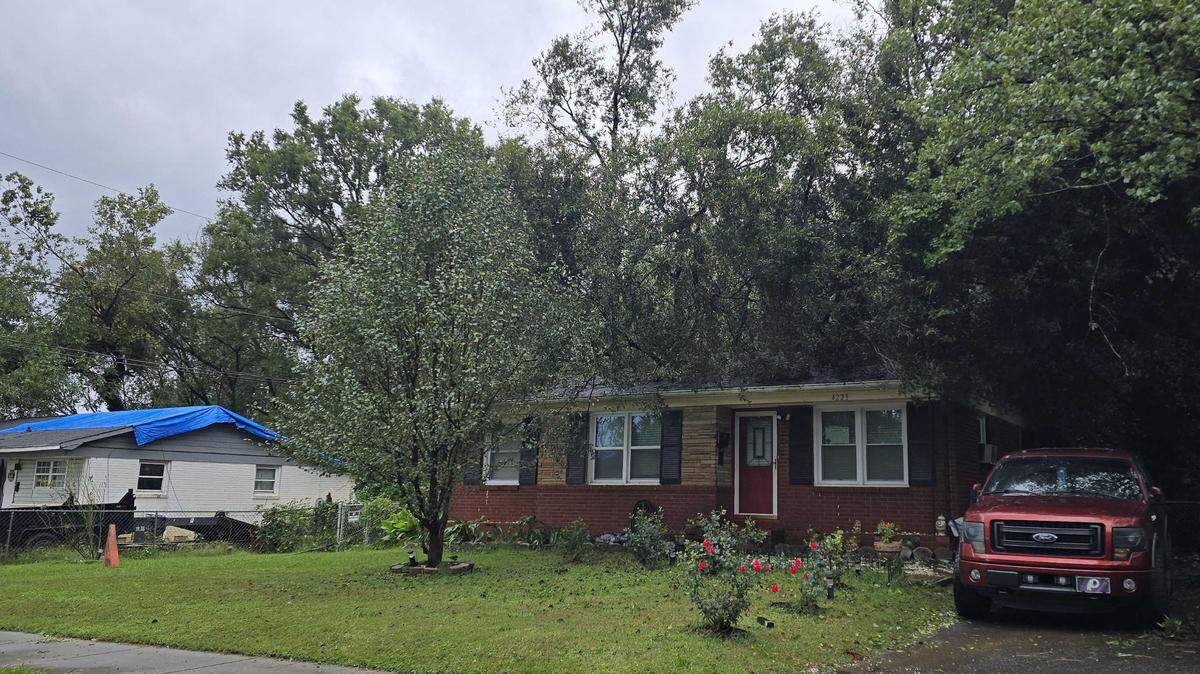
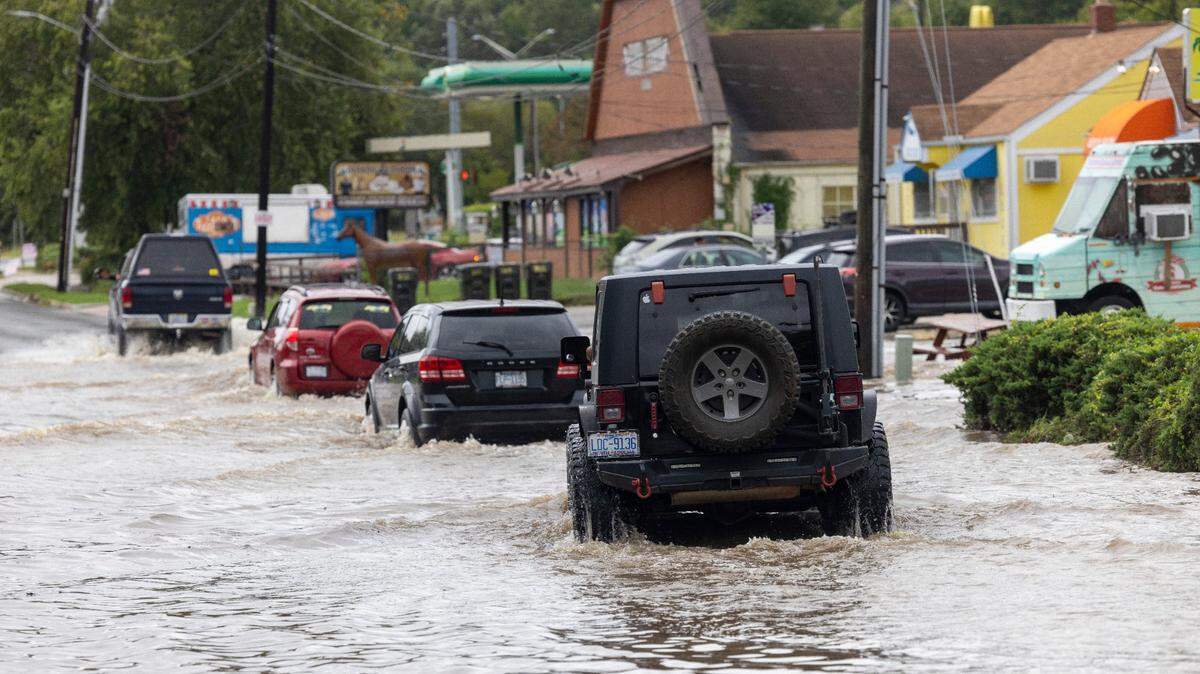
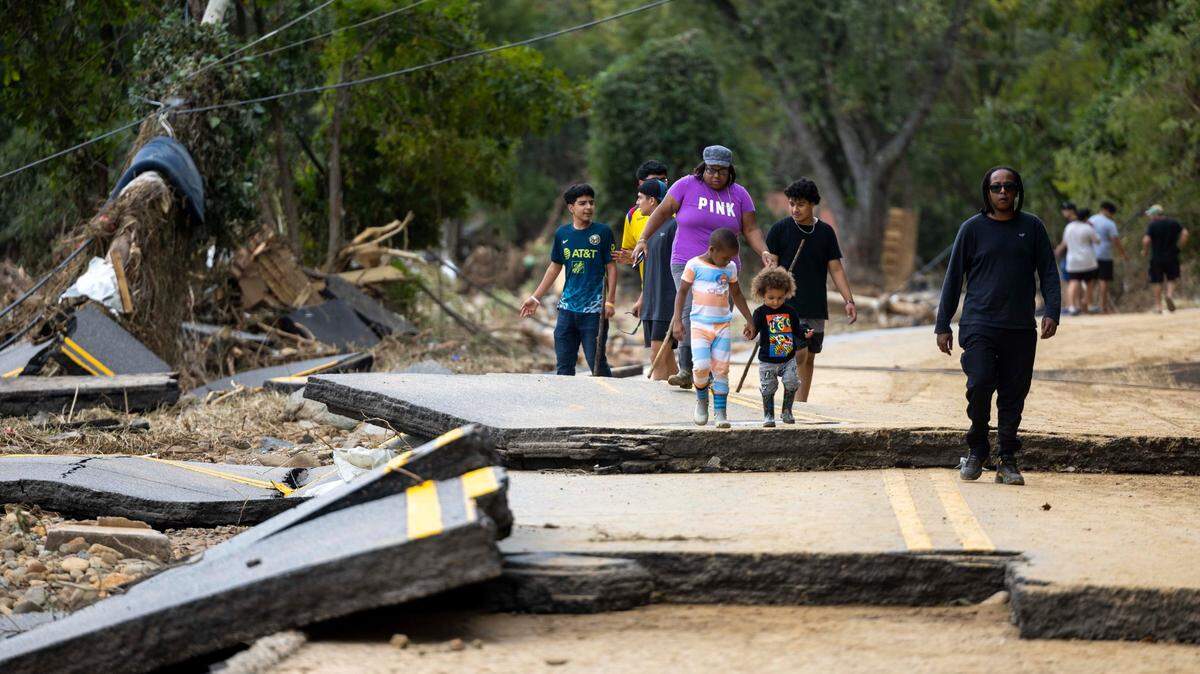
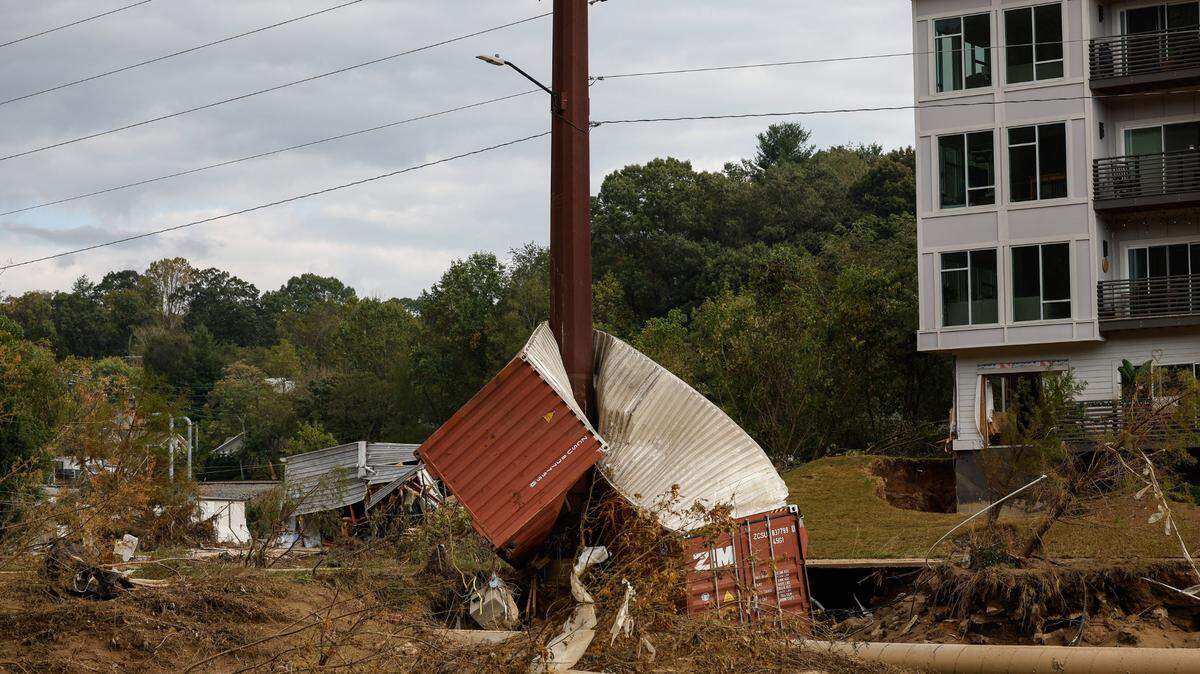
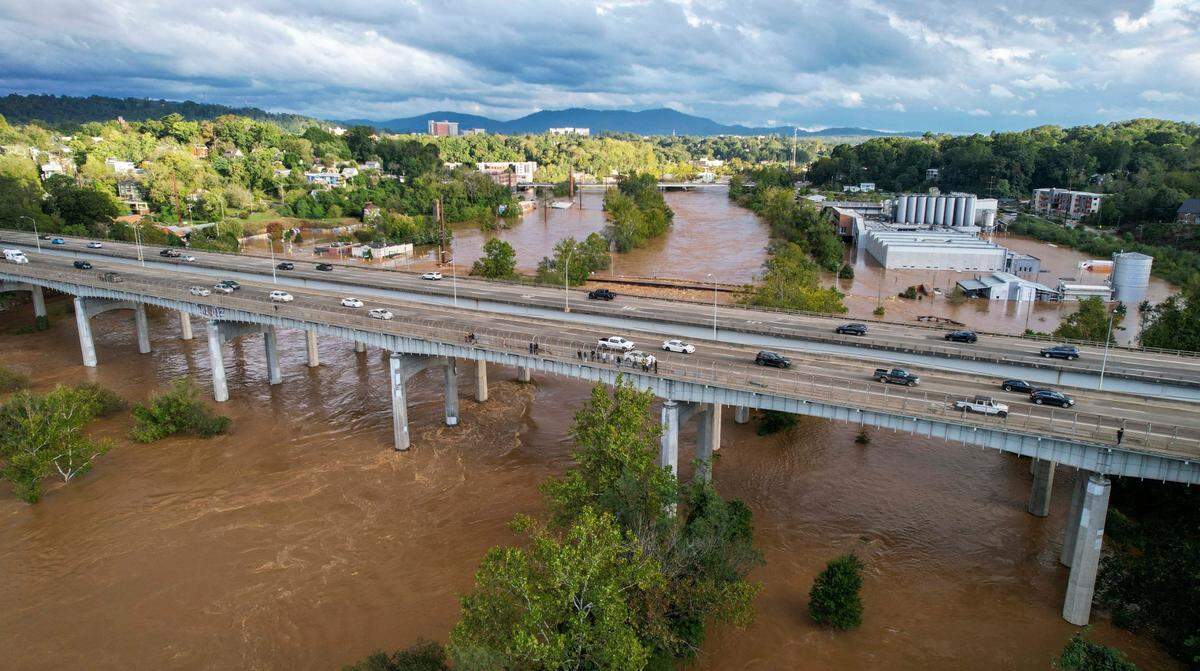
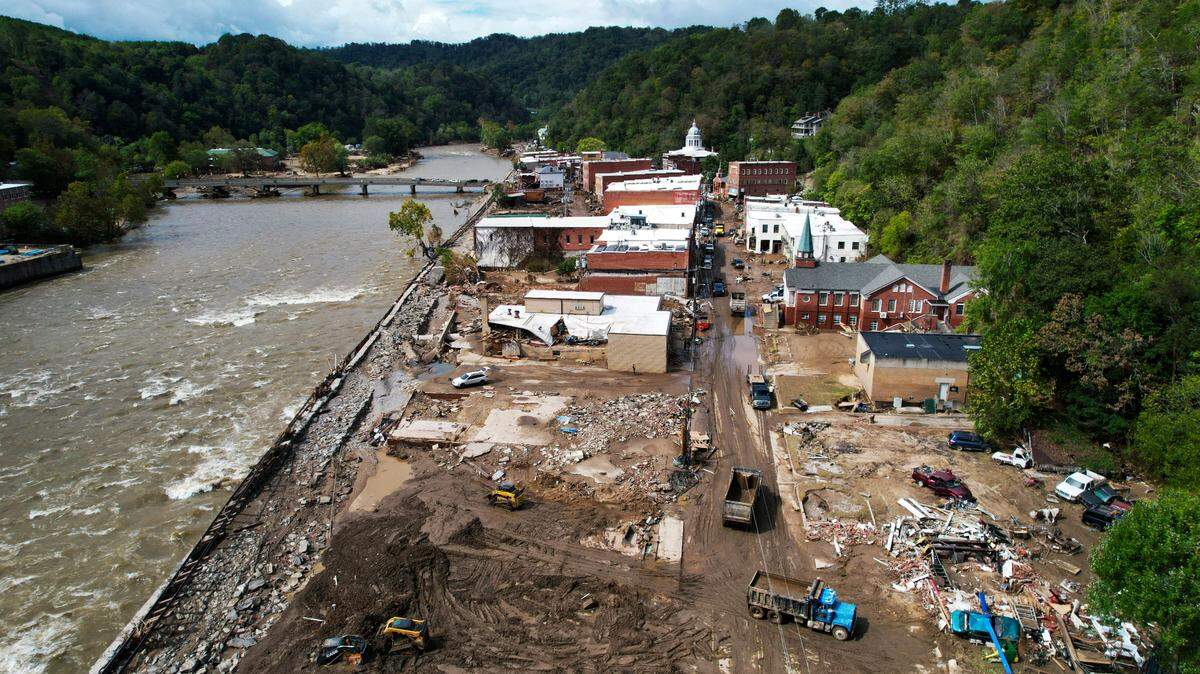
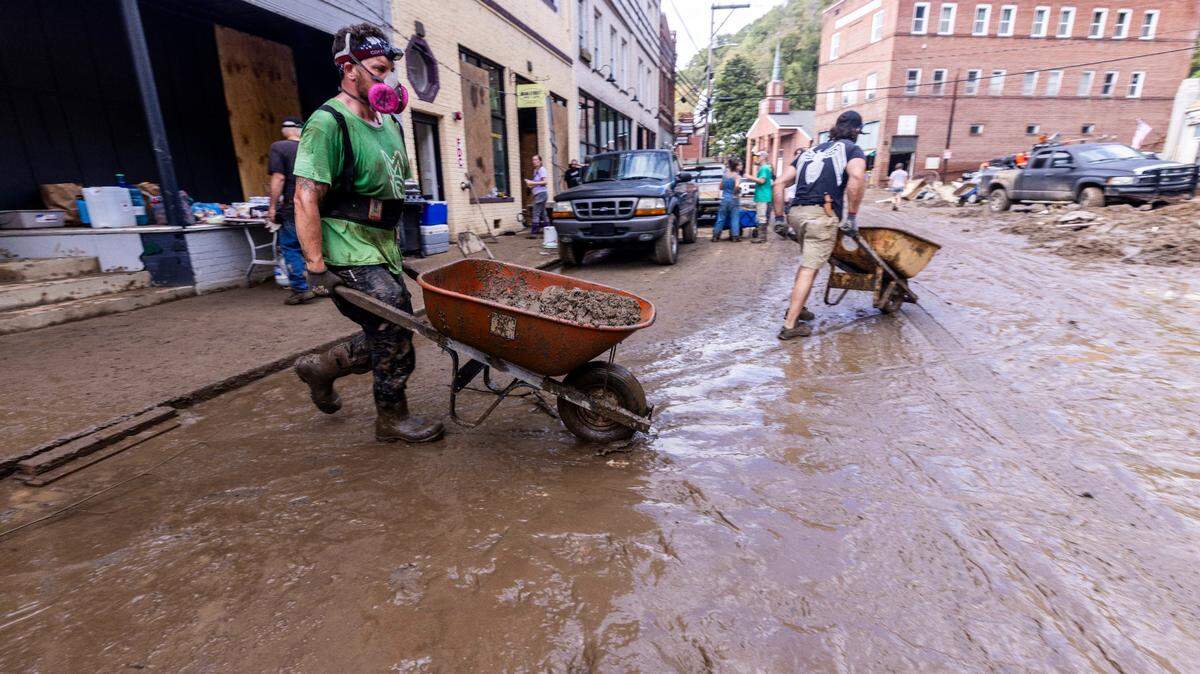
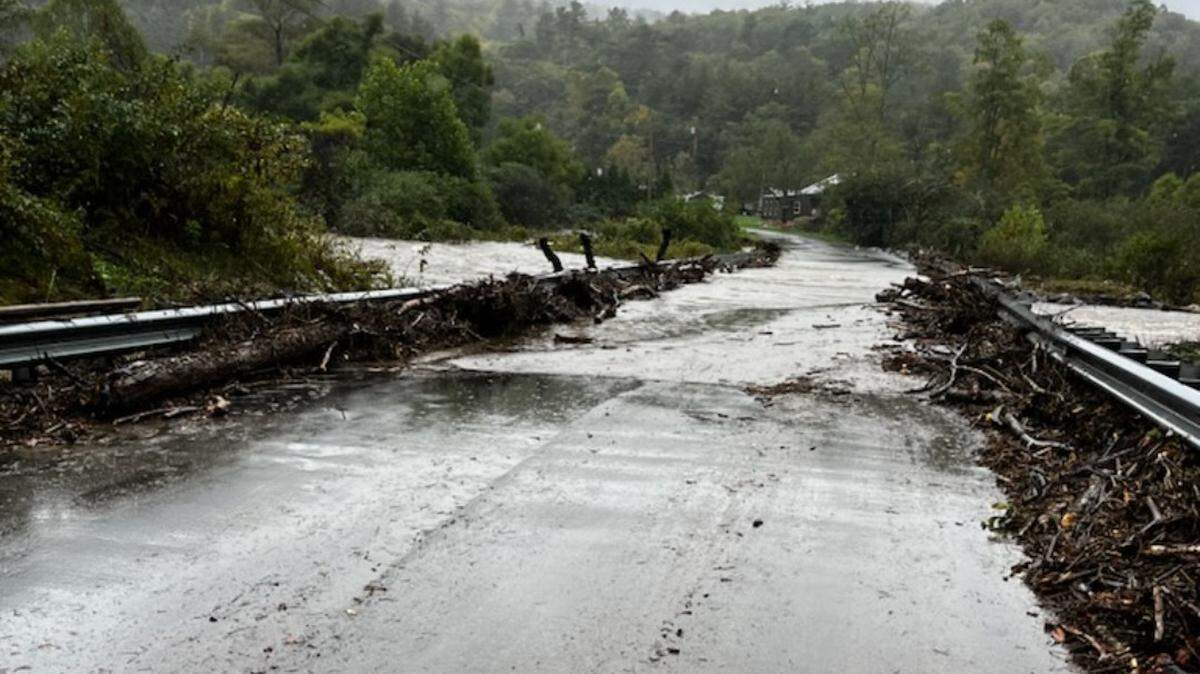
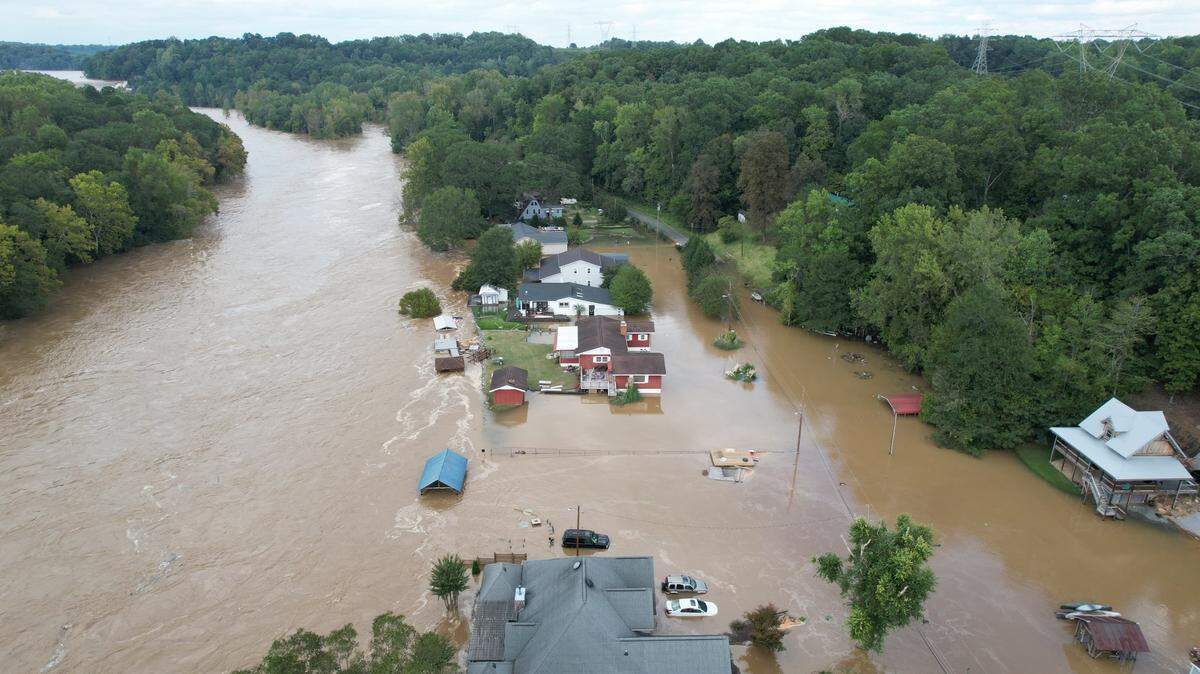
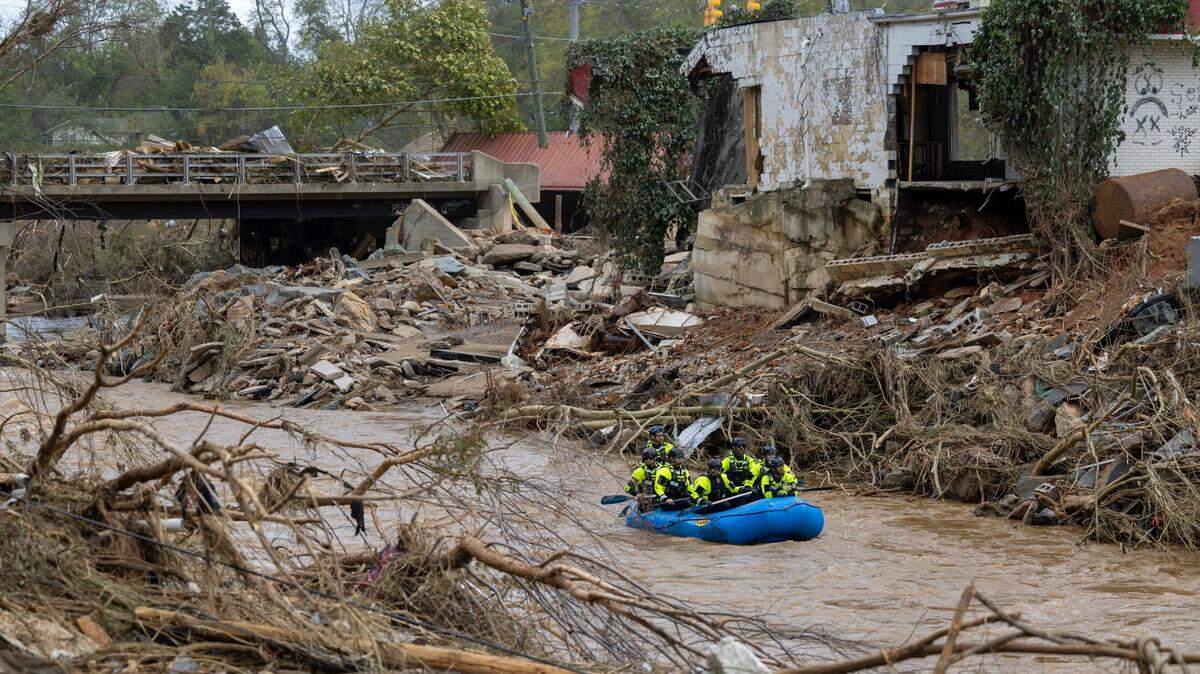
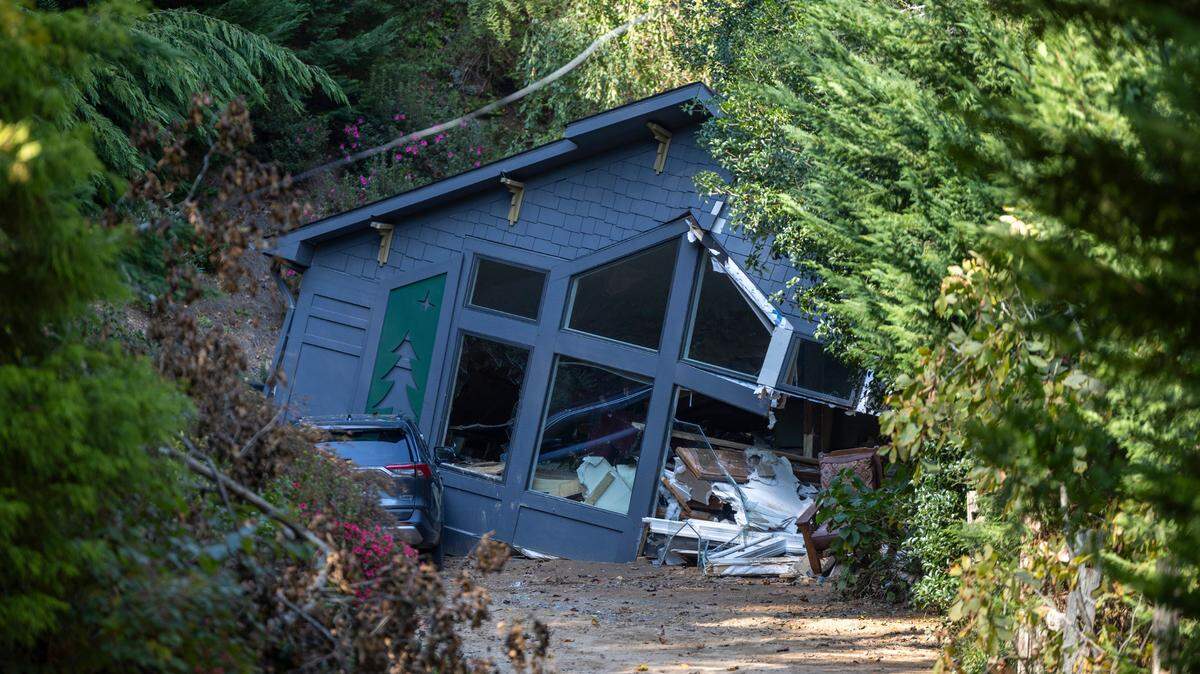
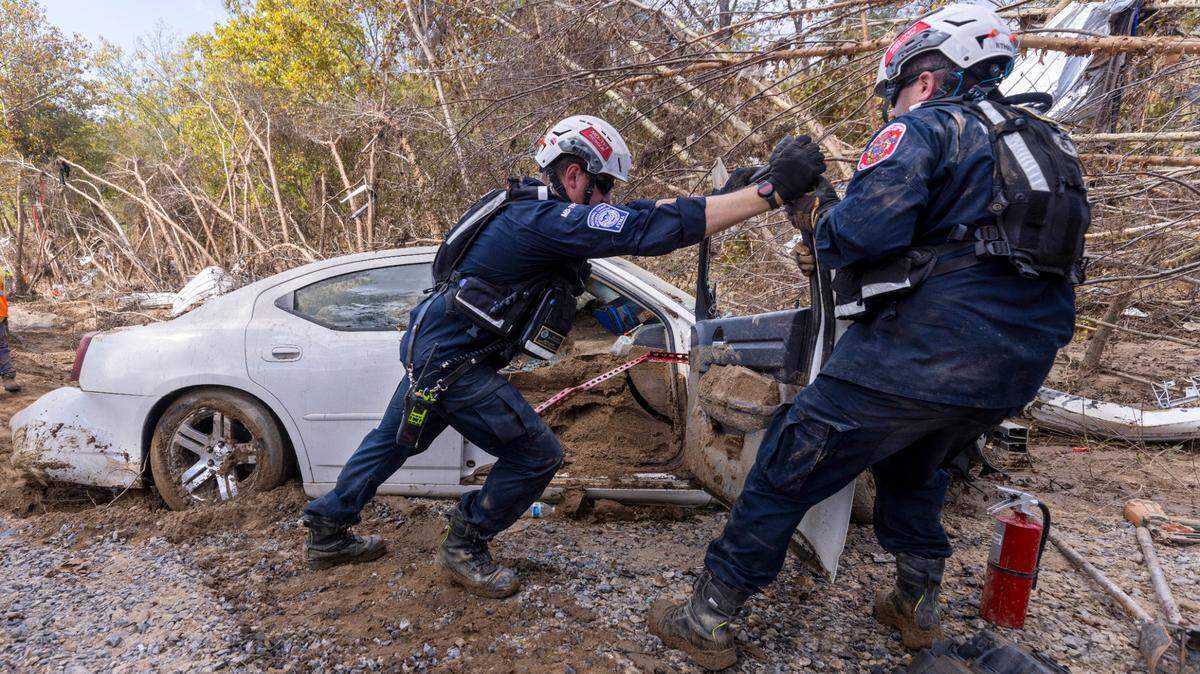
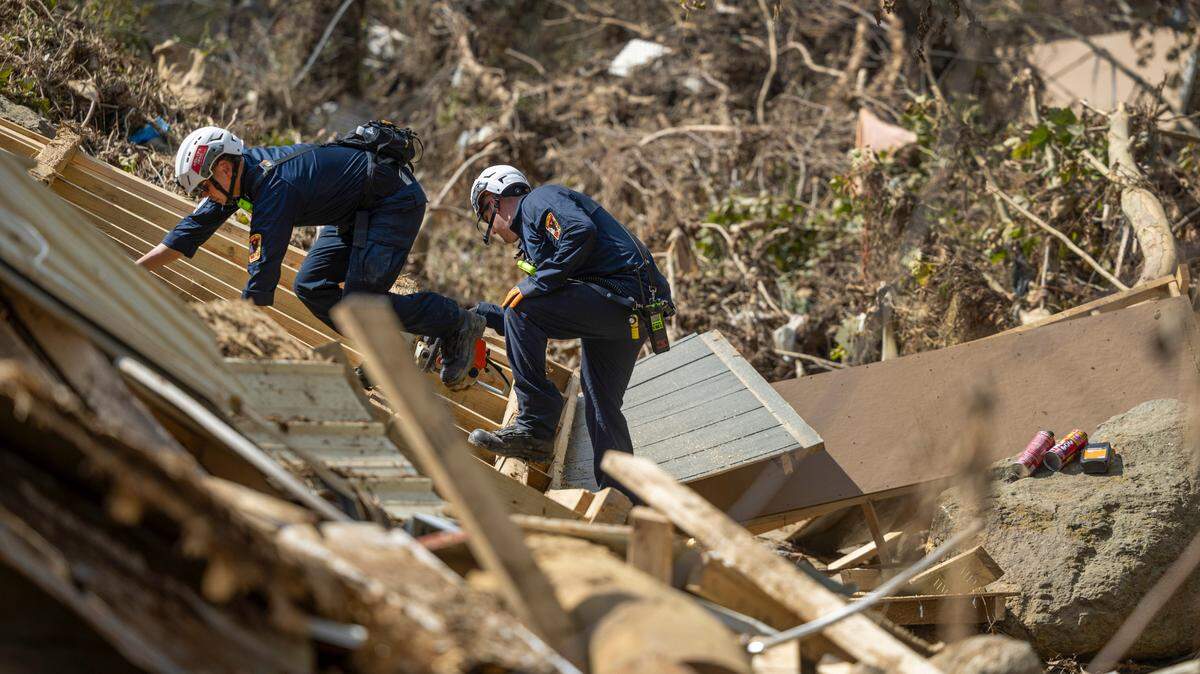
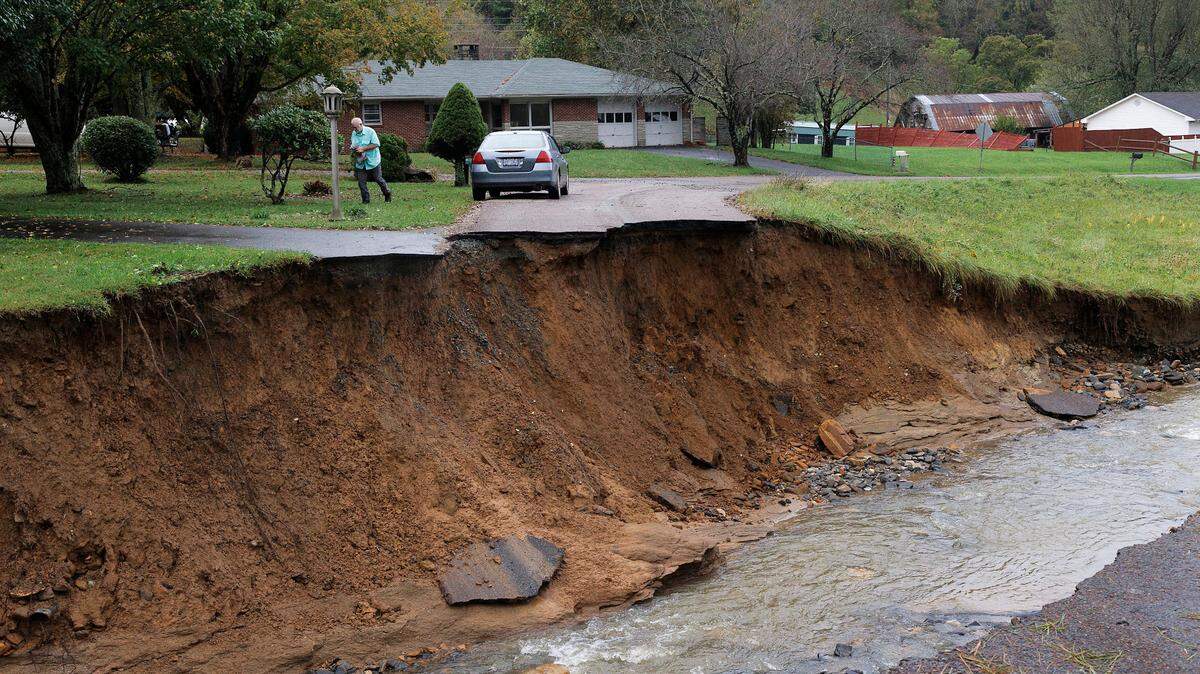
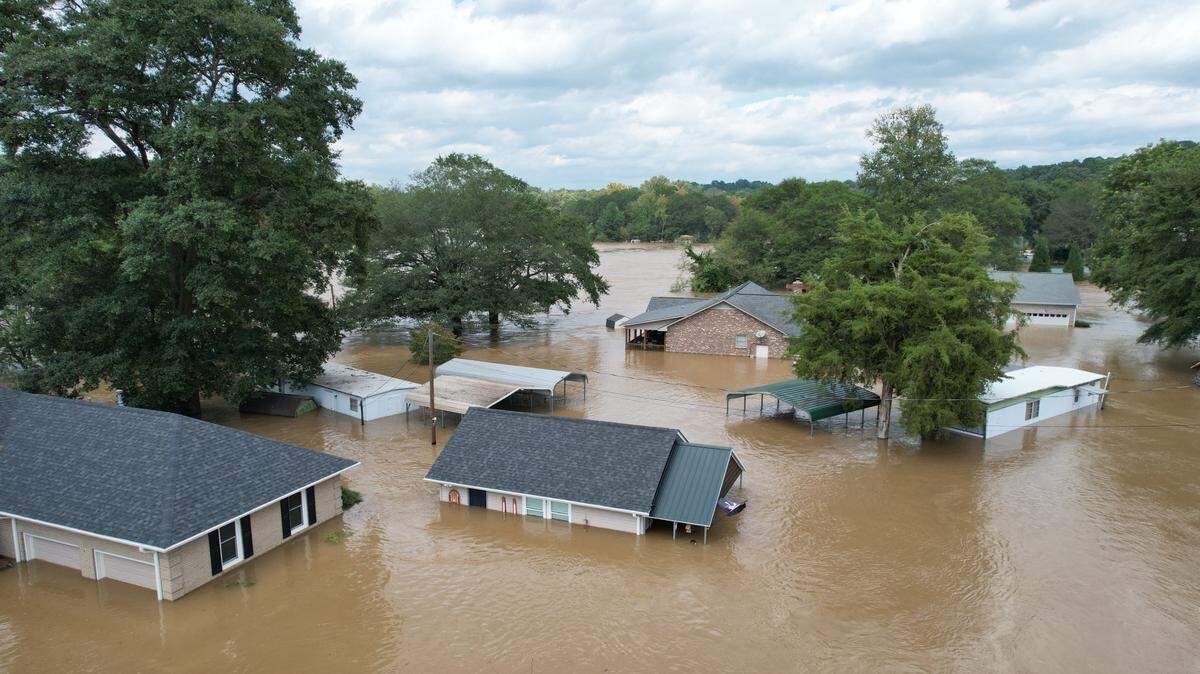
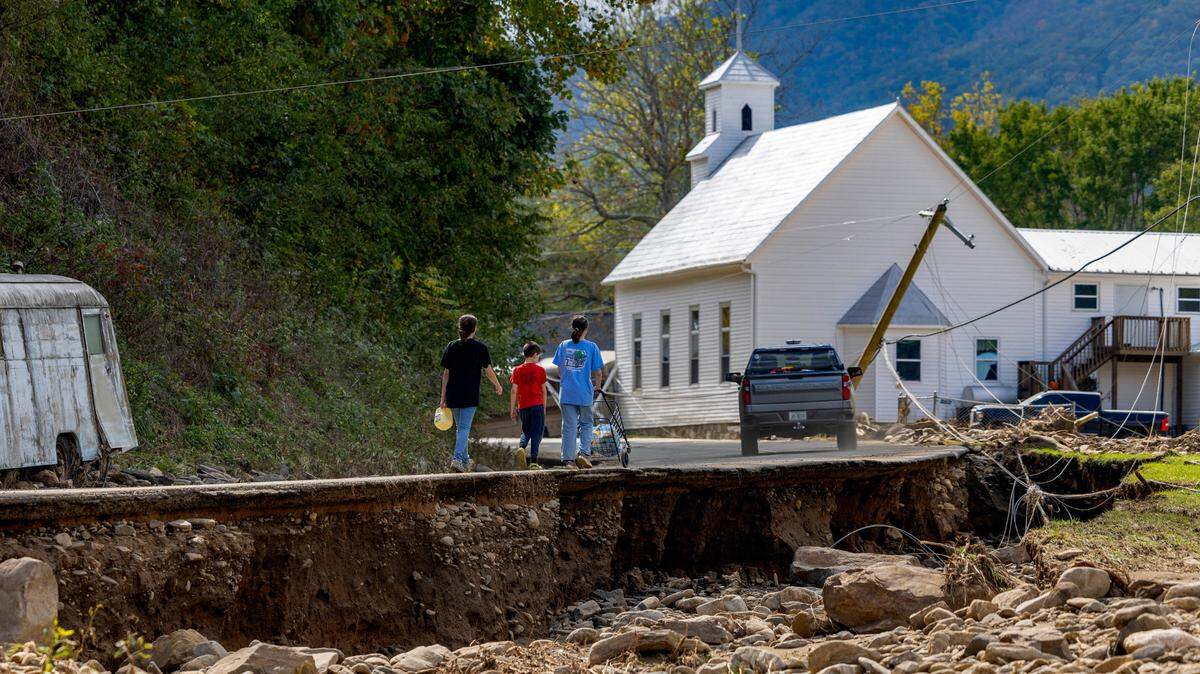
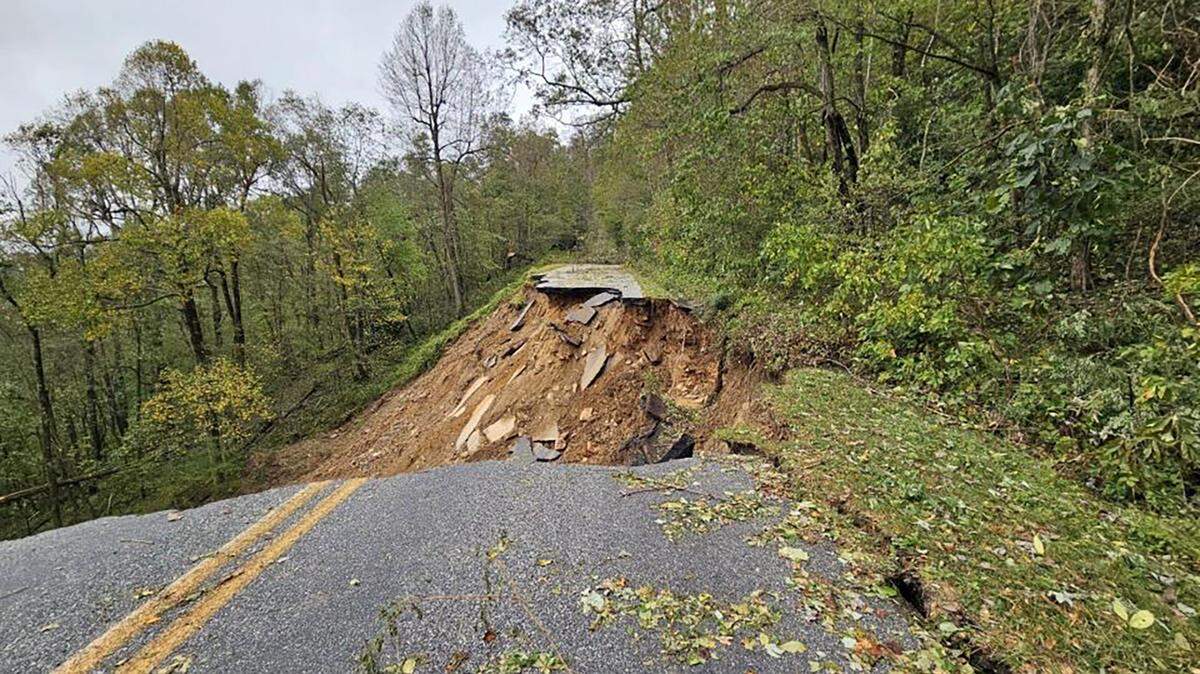
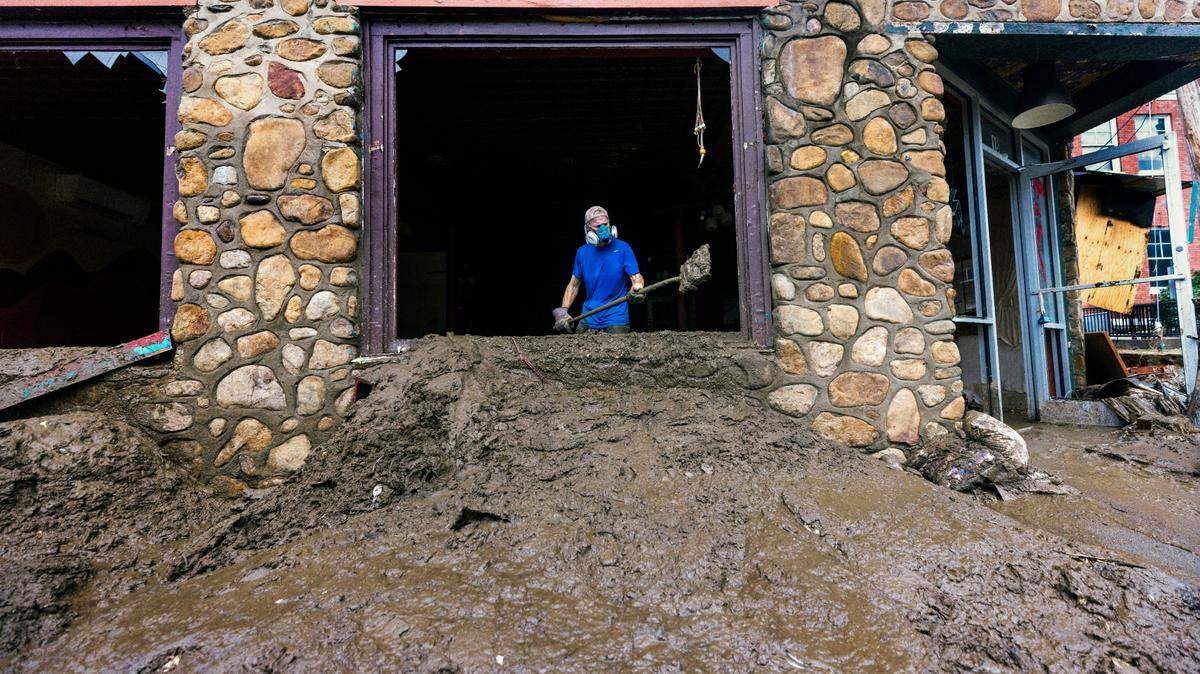
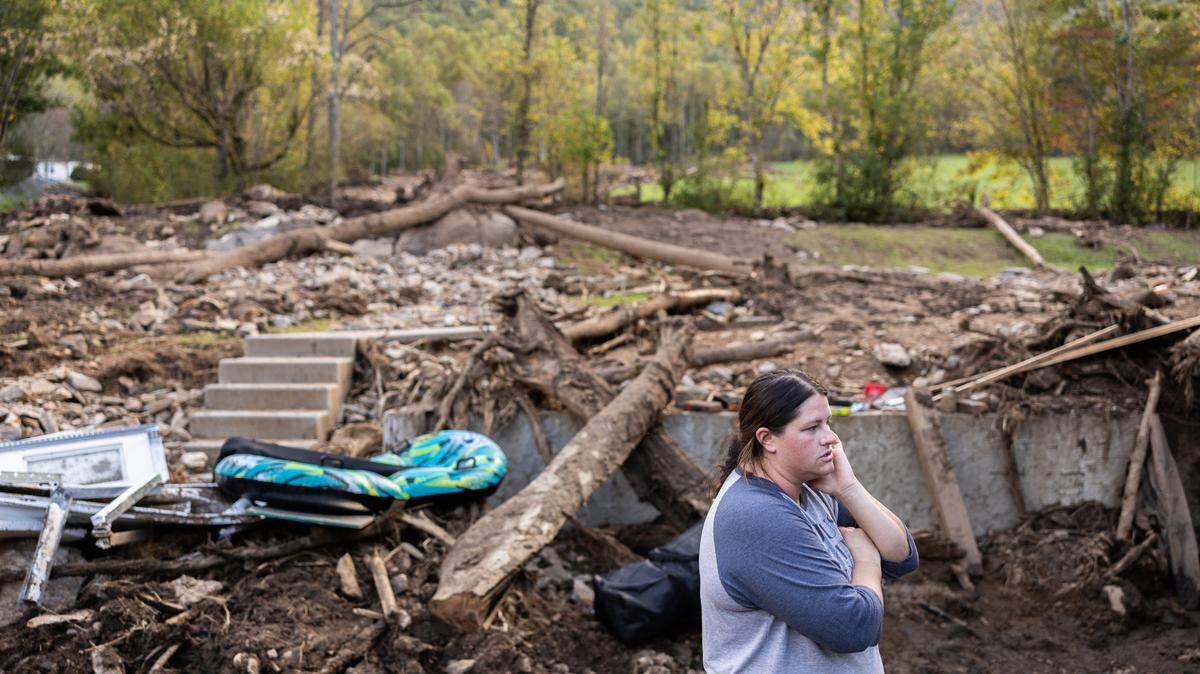
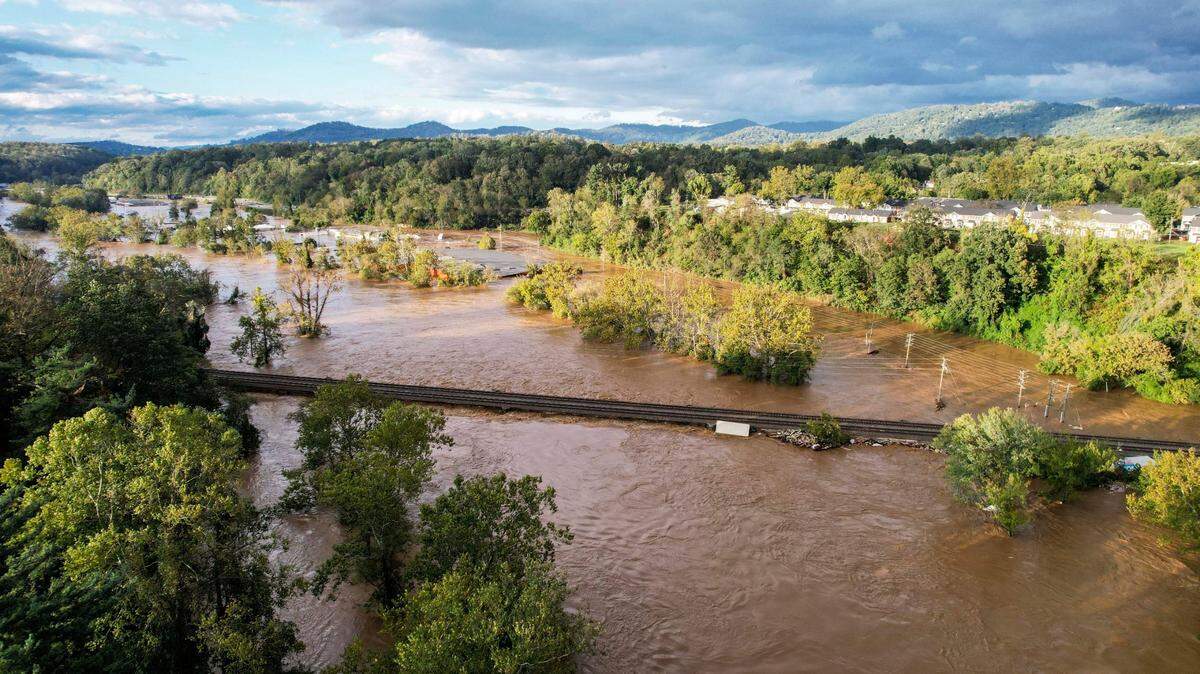
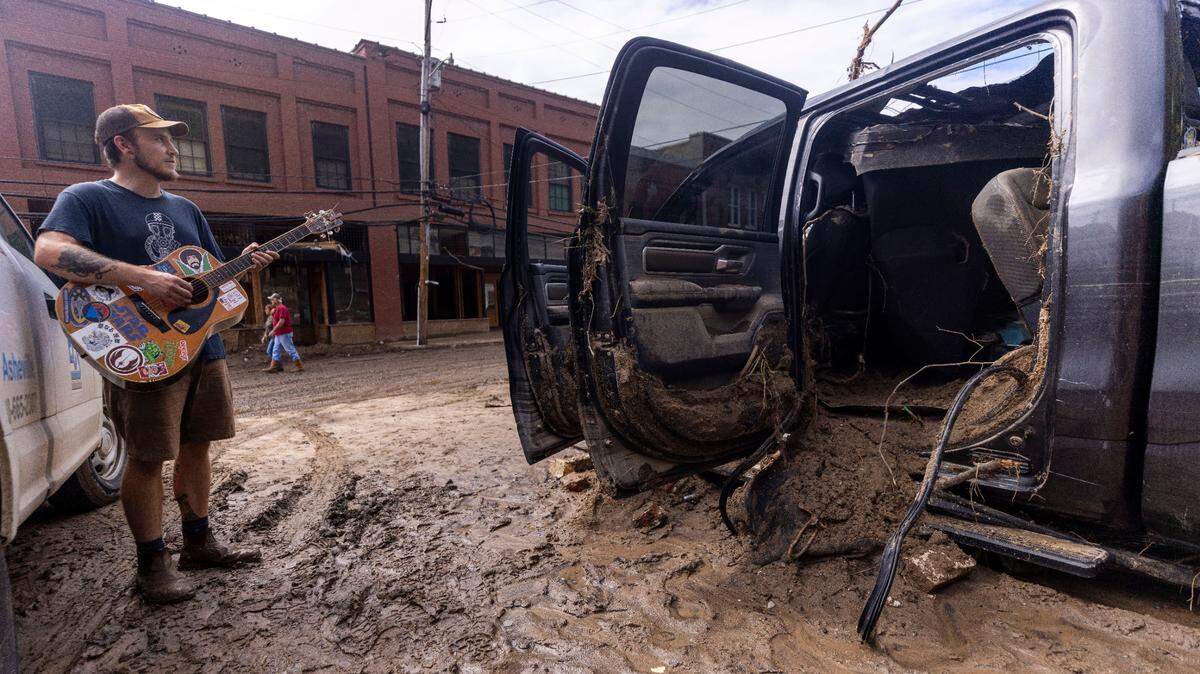
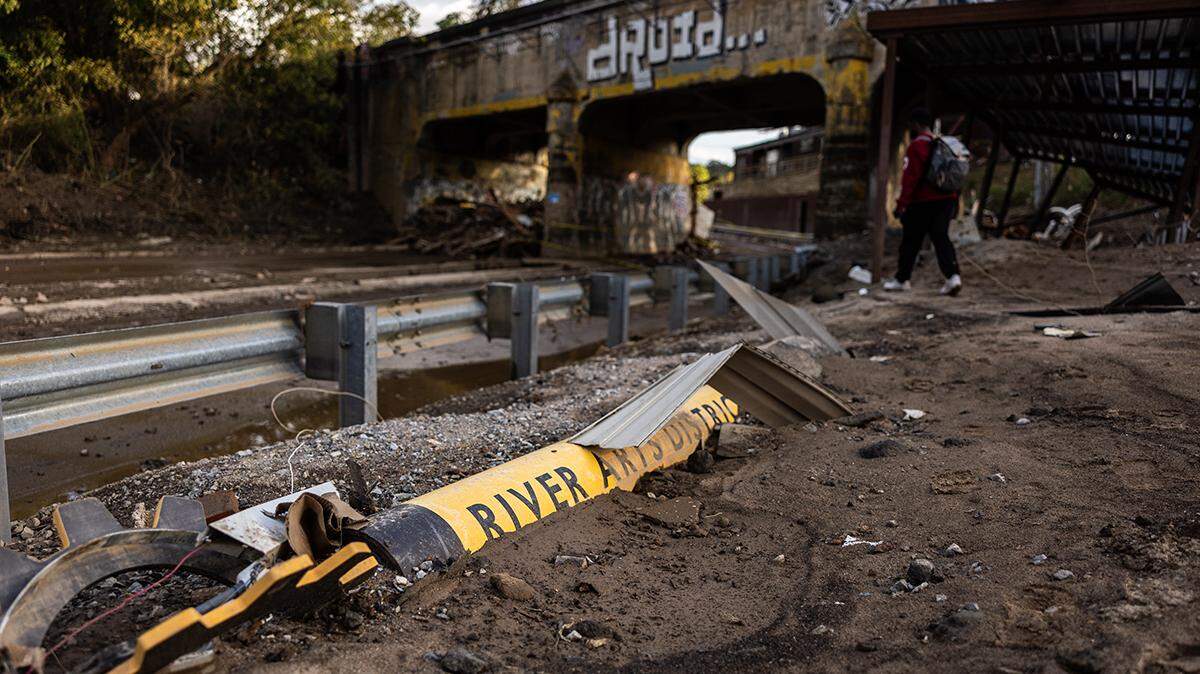
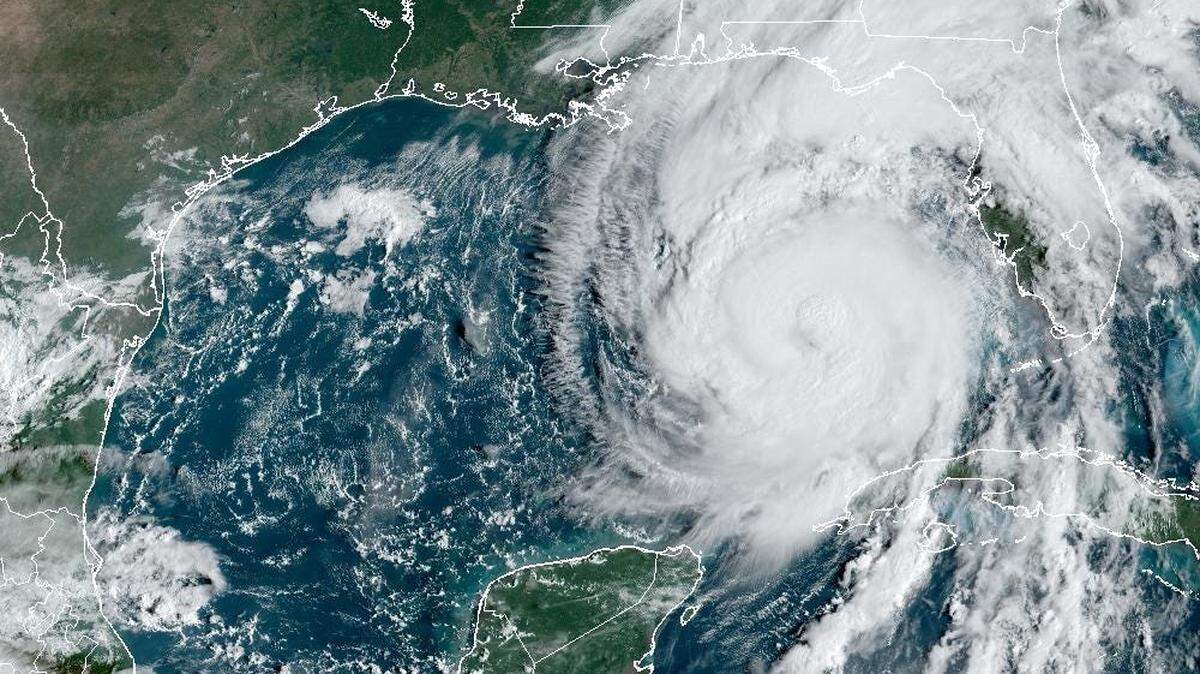
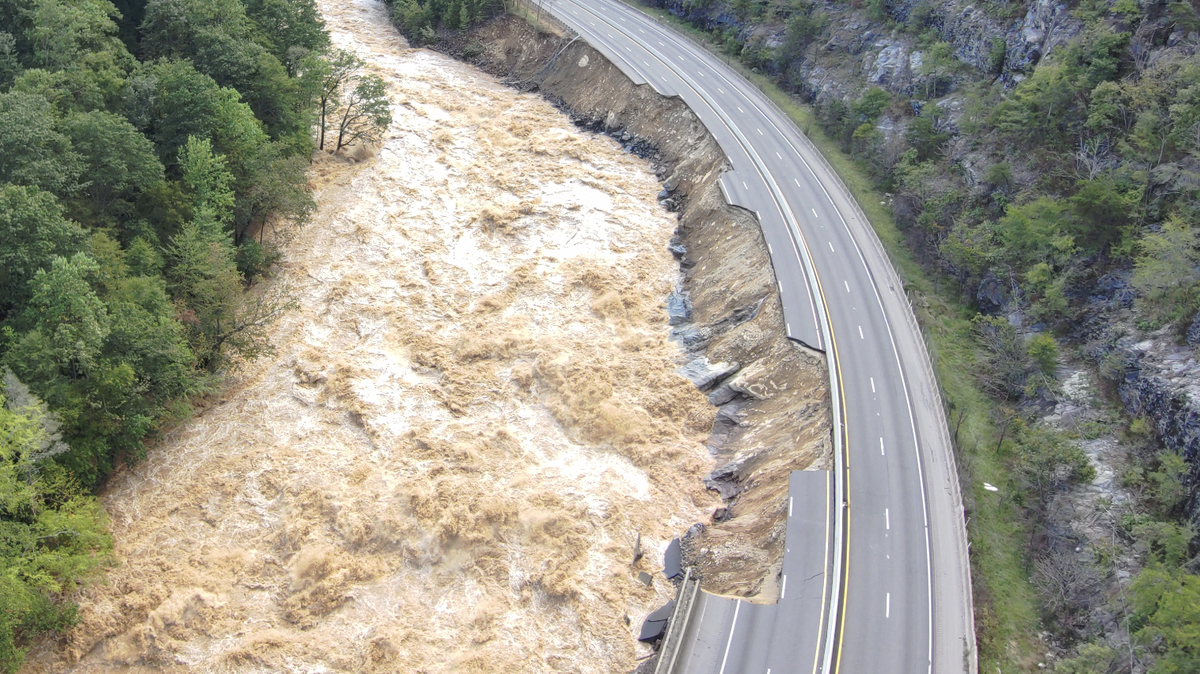
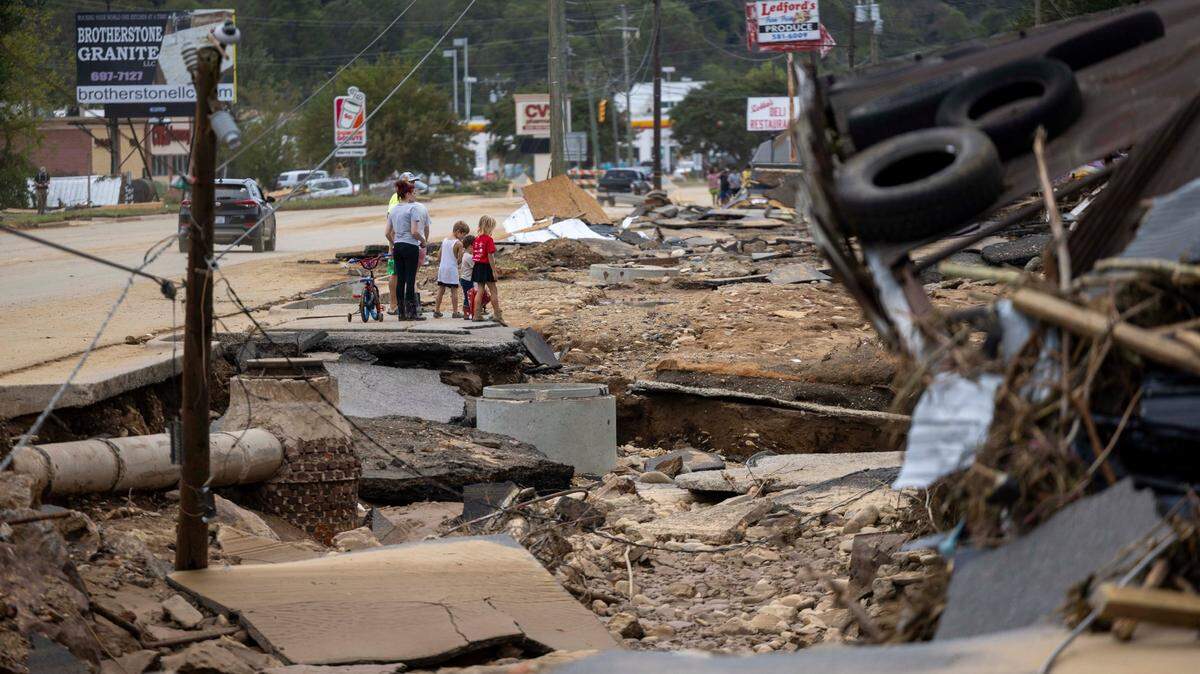
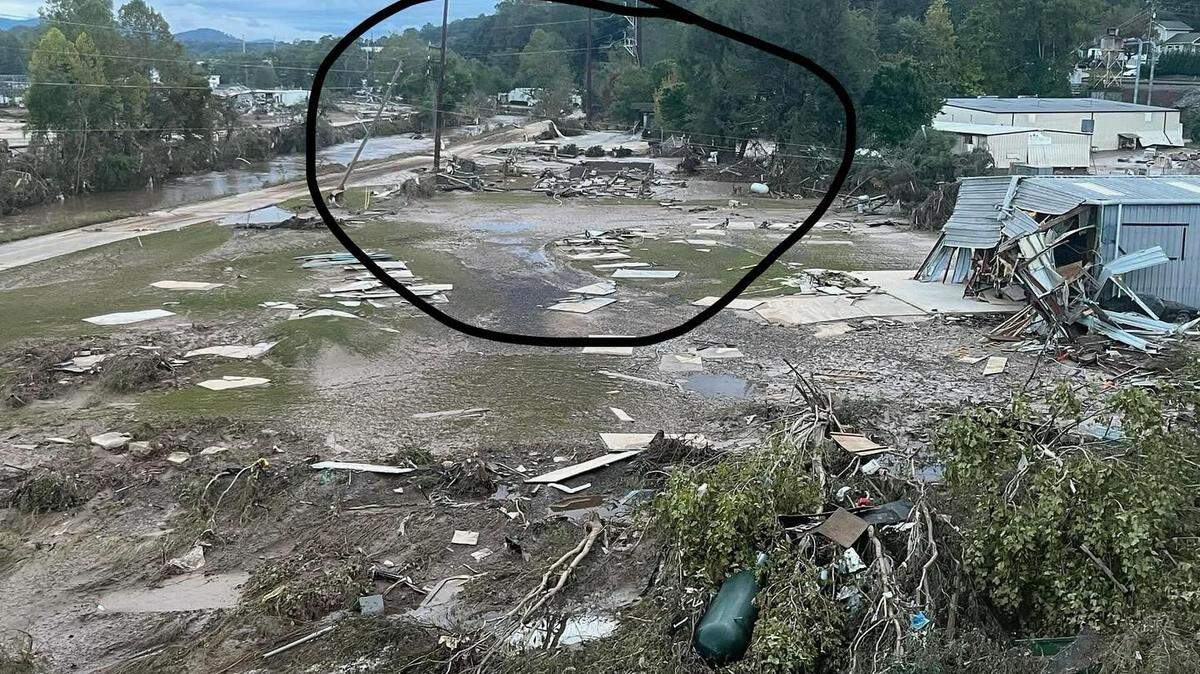
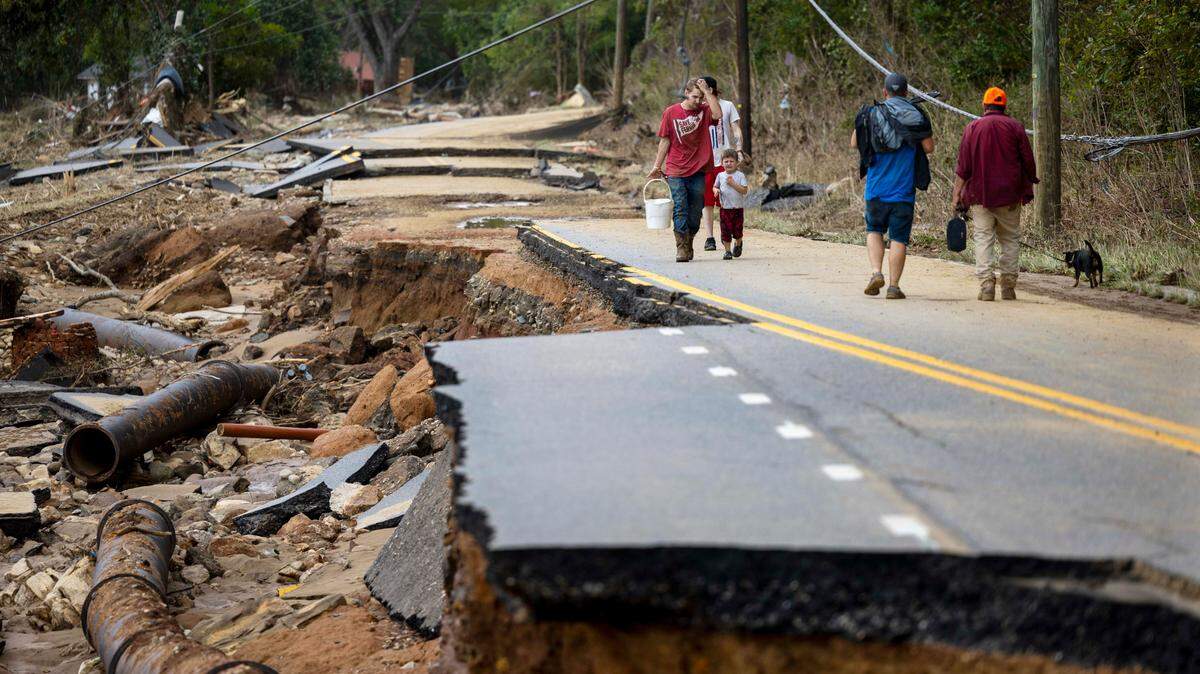
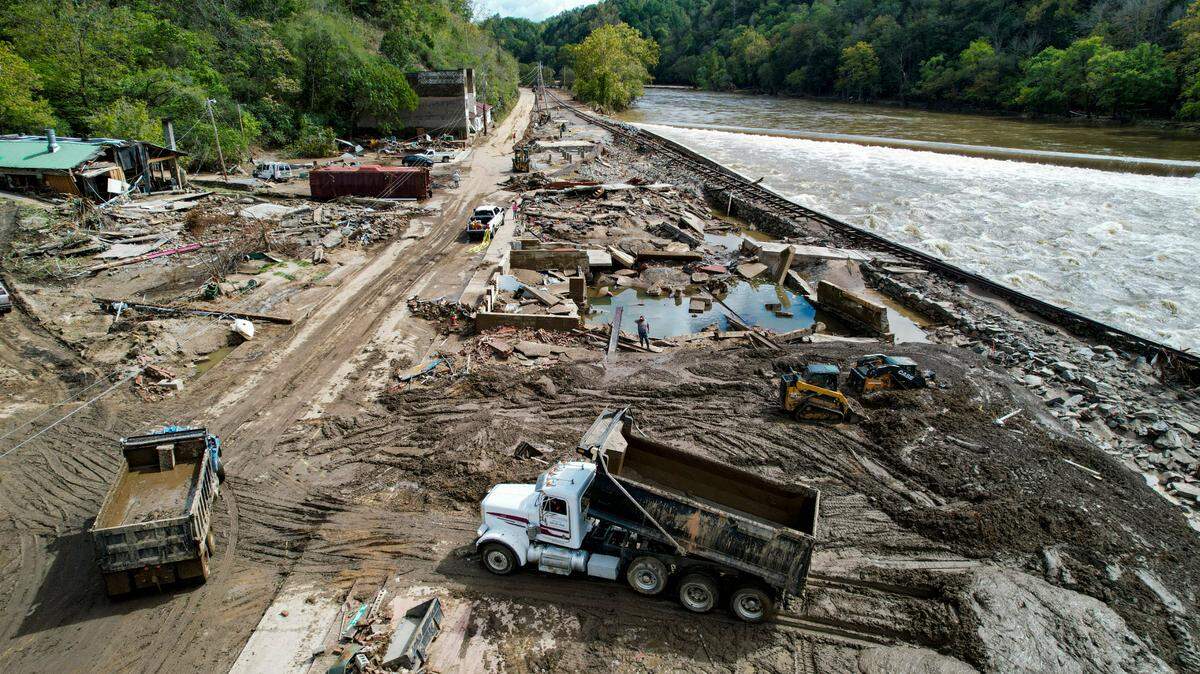
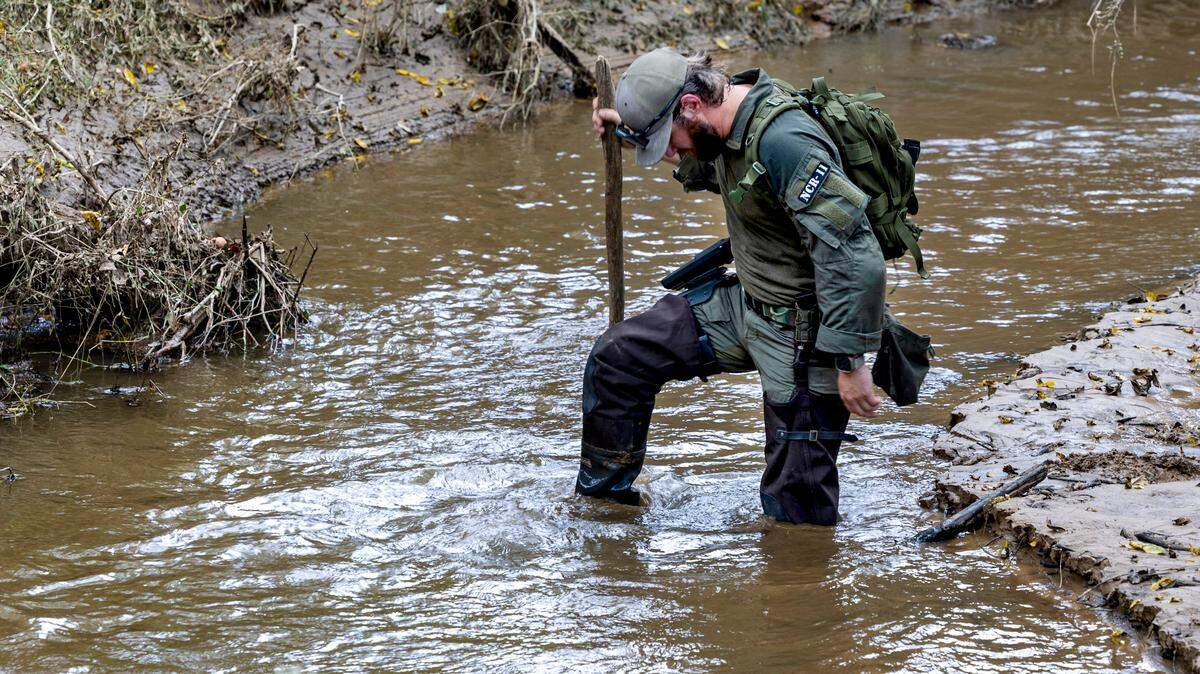
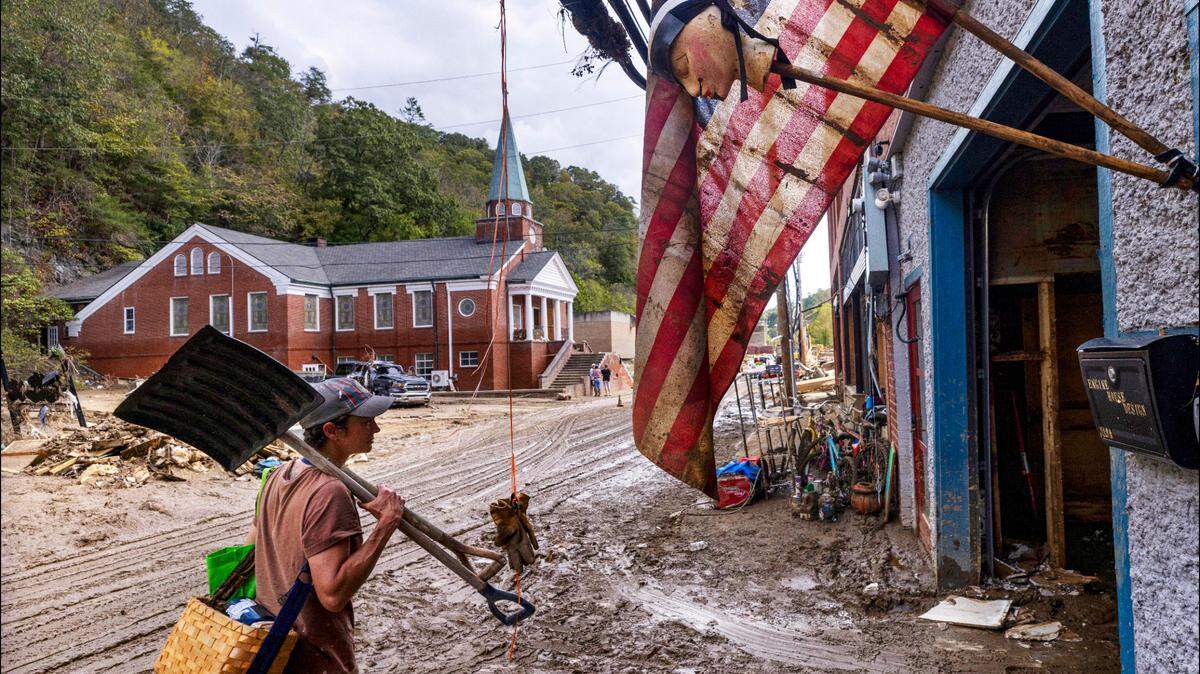
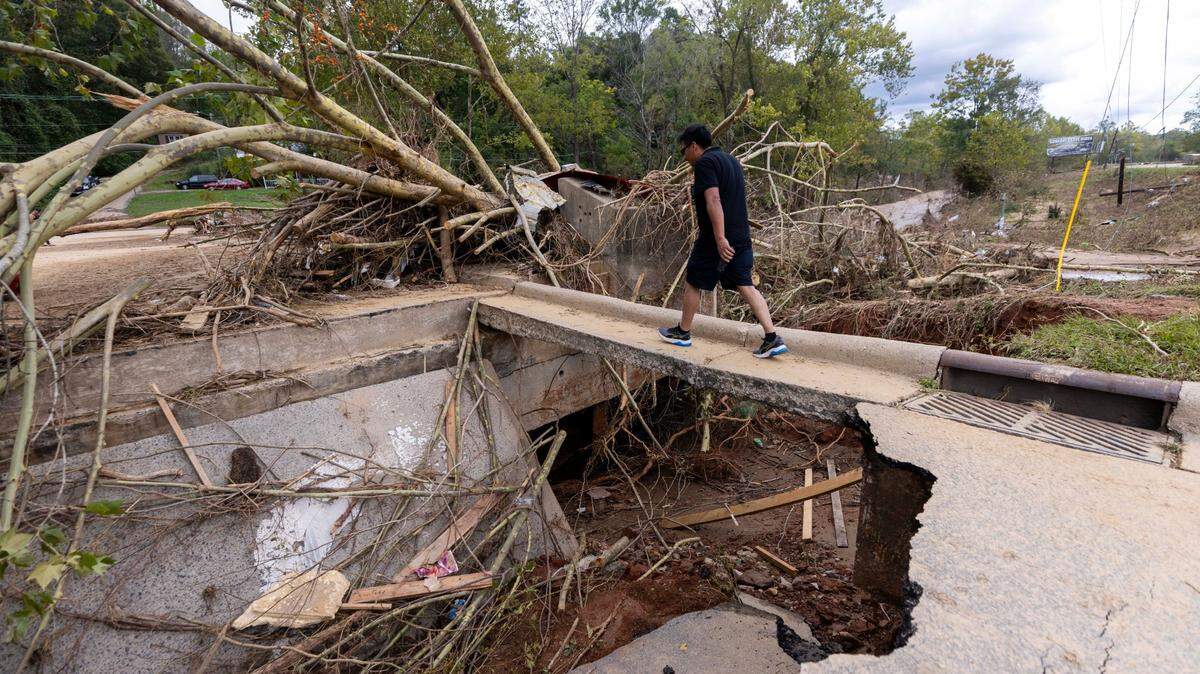
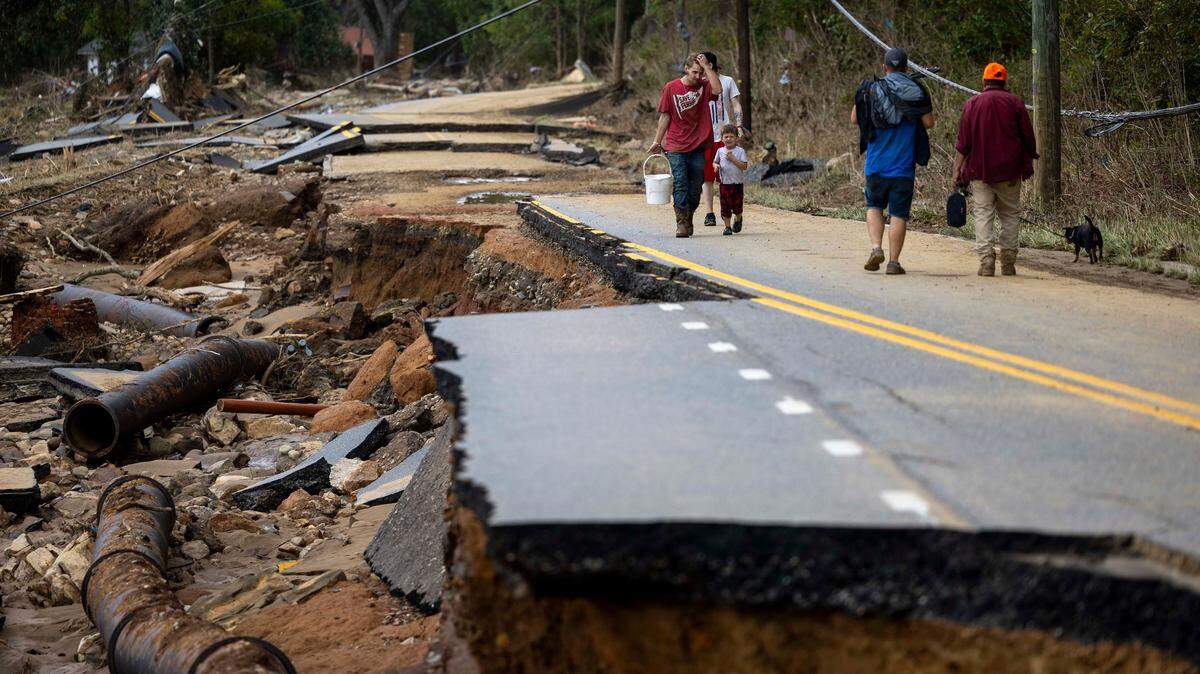
Hurricane Helene swept across the Southeast, causing major flooding and destruction throughout North Carolina. Here is ongoing coverage from The News & Observer and The Charlotte Observer about Hurricane Helene and the aftermath, particularly in Western North Carolina.
Expand All
Blue Ridge Public Radio has provided not just for its own staff — but for journalists from across North Carolina and the country — as reporters descended on Asheville after Helene’s hit.
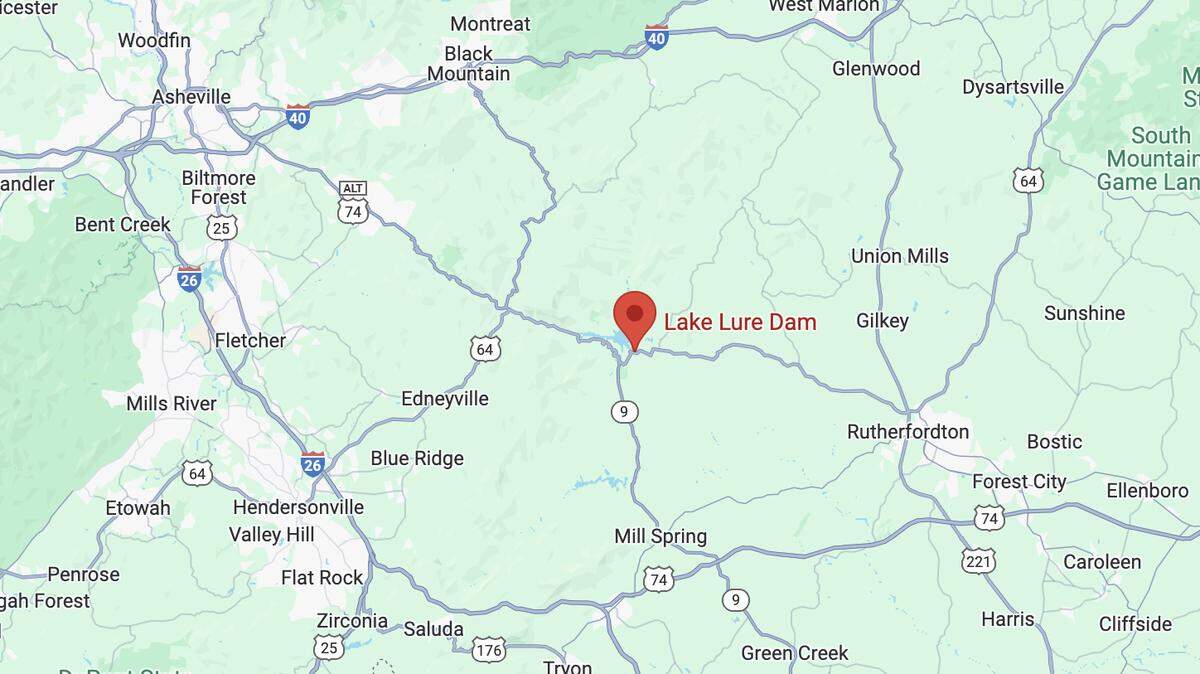
Western North Carolina’s National Public Radio affiliate remains on the air amid ongoing power and water outages in Asheville, where the station is based. Staff are working extended shifts and have expanded the station’s services since the storm hit to bring critical news to a wider audience.
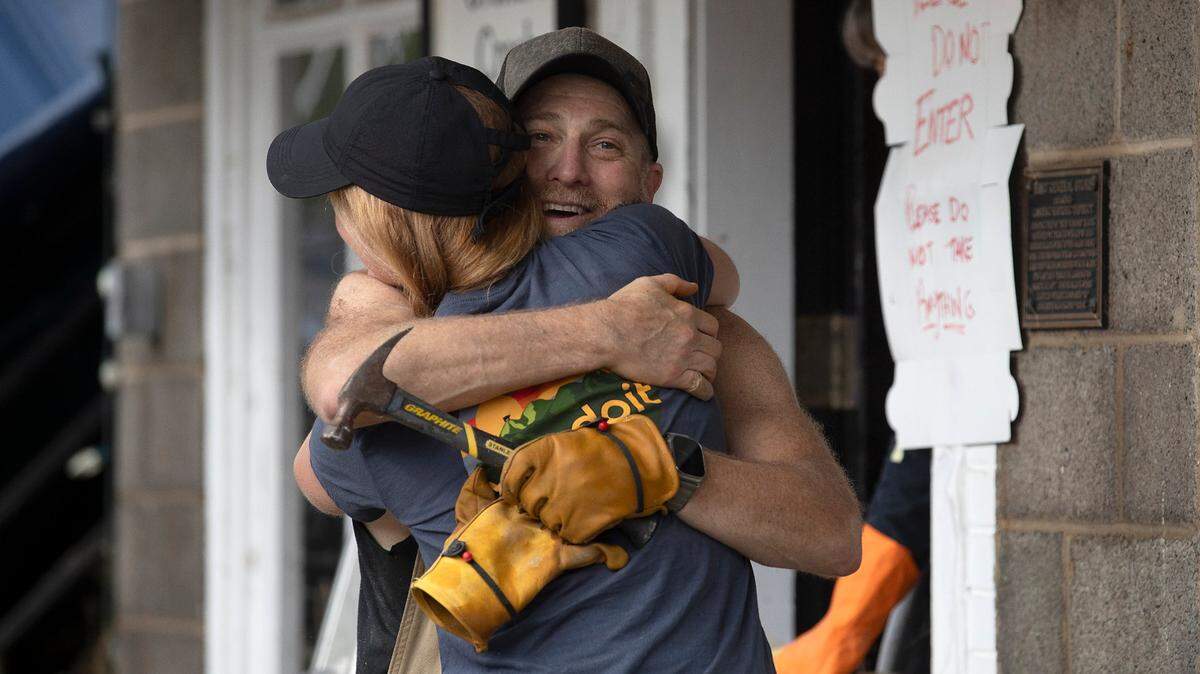
The station also opened the doors to its downtown Asheville office to journalists from other news outlets who need a safe place and a stable internet connection to file their own stories about the devastation. Outside reporters, photographers and editors simply ring the building’s doorbell, and they’re greeted by BPR staff and ushered to whatever workspace is currently available.
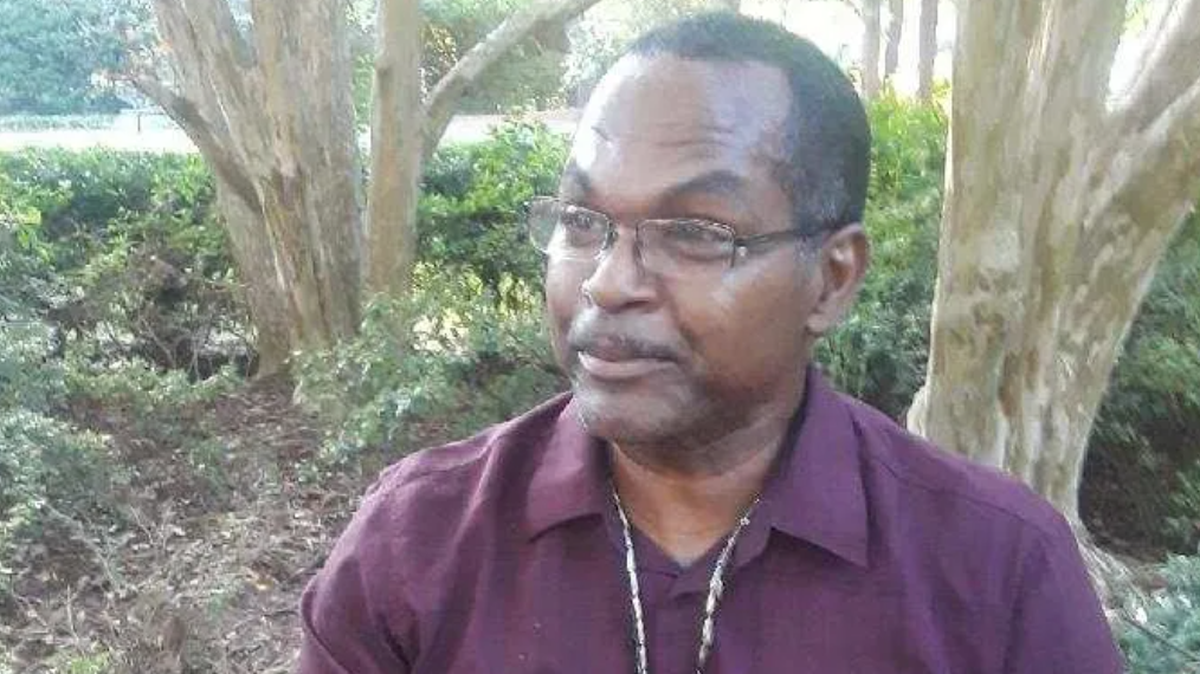
“We’re a little sub-community,” said Laura Lee, BPR’s news director. “... And like many communities, you sort of band together and open your doors in whatever ways you can.”
Opening the doors
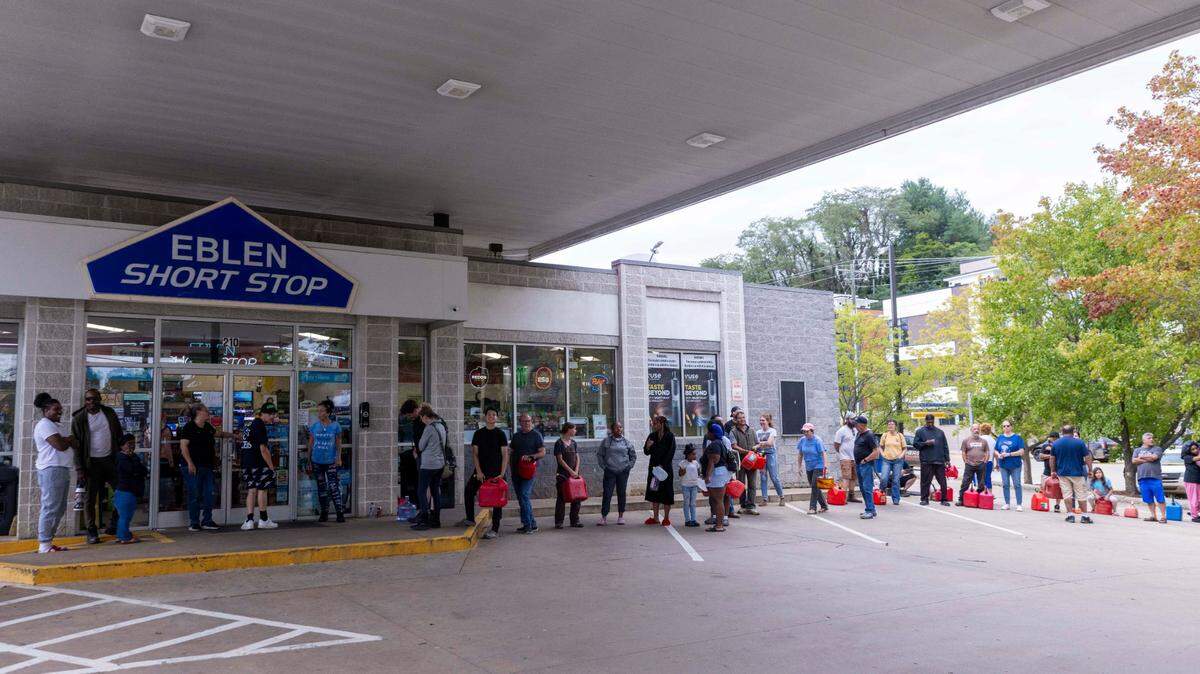
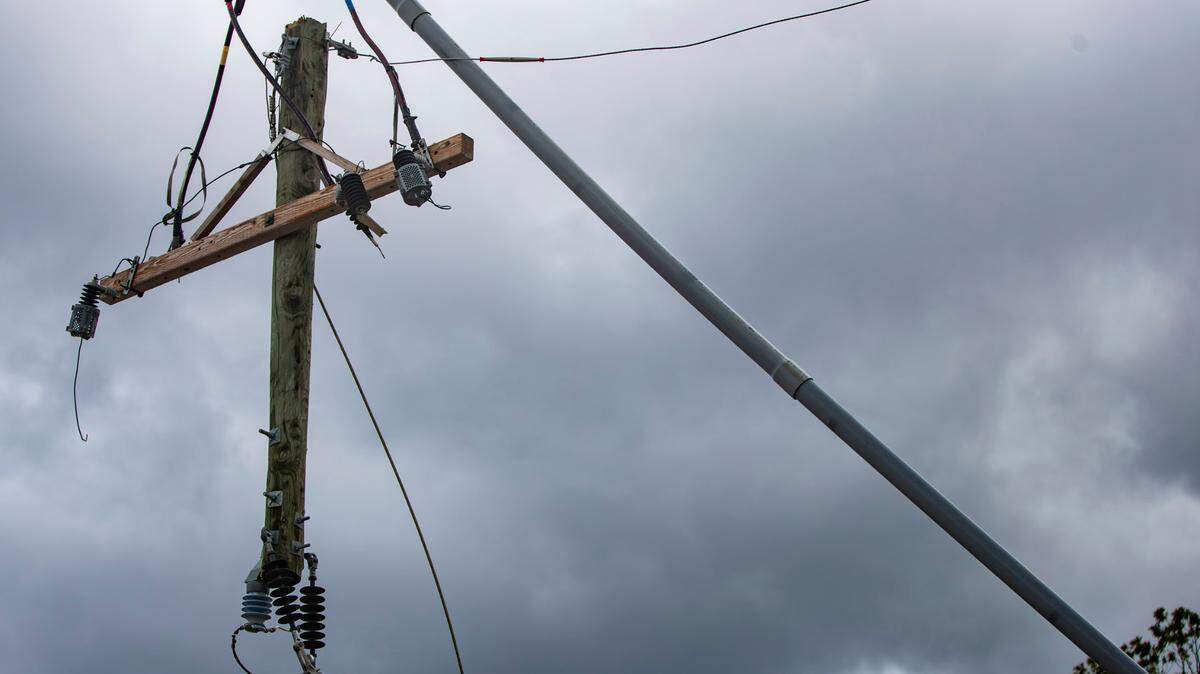
The station ran on a generator initially when power went out, Lee said. But with a central location, the building got power and internet back relatively quickly. That was particularly beneficial journalists traveling to the area still afflicted by hundreds of thousands of power outages.
“It just seemed to make sense to extend that benefit to other media,” Lee said.
The open-door policy has brought in “a blend of familiar faces and new people,” Lee said. Other local news organizations such as Asheville Watchdog have been frequent visitors, and other guests have included The Charlotte Observer and The New York Times.
The program is “a natural extension” of collegiality among North Carolina media, Lee said.
“This isn’t to say we’re not competitive with each other — of course we are in some circumstances. But I think generally, there’s just more of a collaborative spirit in journalism now,” she said.
Helene news
The first days after Helene hit were “pretty nerve-wracking,” Lee said, as she and other leadership tried to track the staff’s whereabouts. It took about 24 hours to reach one reporter, and almost 72 hours to make contact with another.
“We’re feeling good now in terms of being able to account for each other every day and sort of working around some of the communication barriers that we had before,” she said Tuesday.
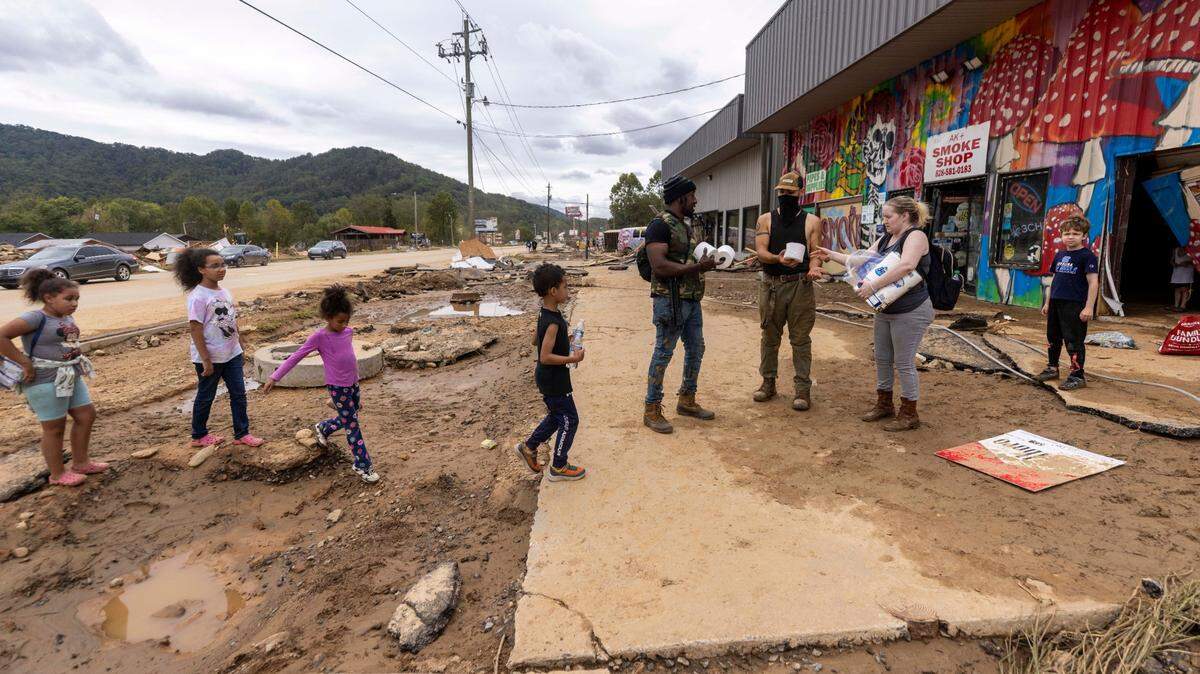
Coverage has focused on the most vital information and updates across the station’s typical 14-county coverage area and beyond. The station has regularly carried live updates from officials. For some still without power or internet access, the radio is their only source of news about where to get water, food and other essential aid.
“It just became apparent how valuable and how critical that was for people who were completely blocked off from other access to other information,” Lee said.
The station also launched a text-only version of its website at text.bpr.org, making it easier for folks with slow or limited internet access to load articles. BPR also expanded its Spanish-language coverage.
What’s next for Blue Ridge Public Radio?
“It’s really hard,” Lee said, to know what comes next for BPR as the station and the community move out from the immediate aftermath of Helene.
“Even though we’re not, you know, a day or two out of the storm, we are still without water. The vast majority of Asheville .. is still without power. So in some ways, it doesn’t feel like we have hit a recovery place yet,” she said.
This story was originally published October 10, 2024 at 6:00 AM.





.jpg)
.jpeg)

.JPG)













.JPG)