Did NC’s Ted Budd and Dan Bishop vote against disaster relief? We explain.
READ MORE
Hurricane Helene Aftermath
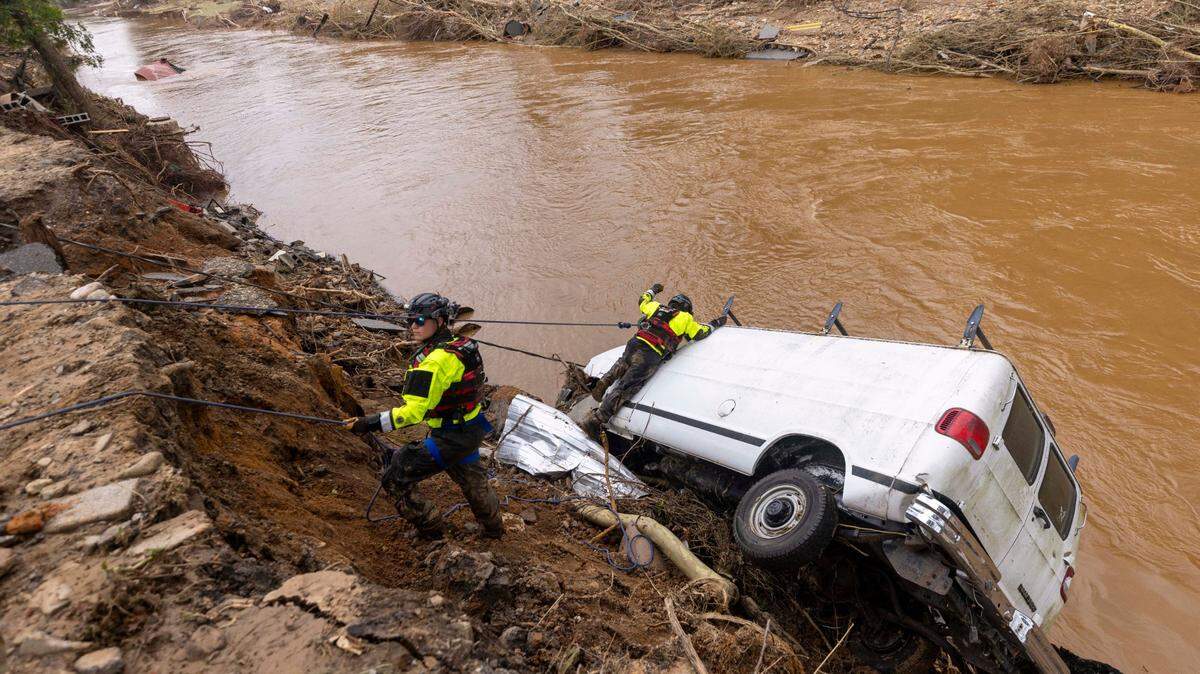
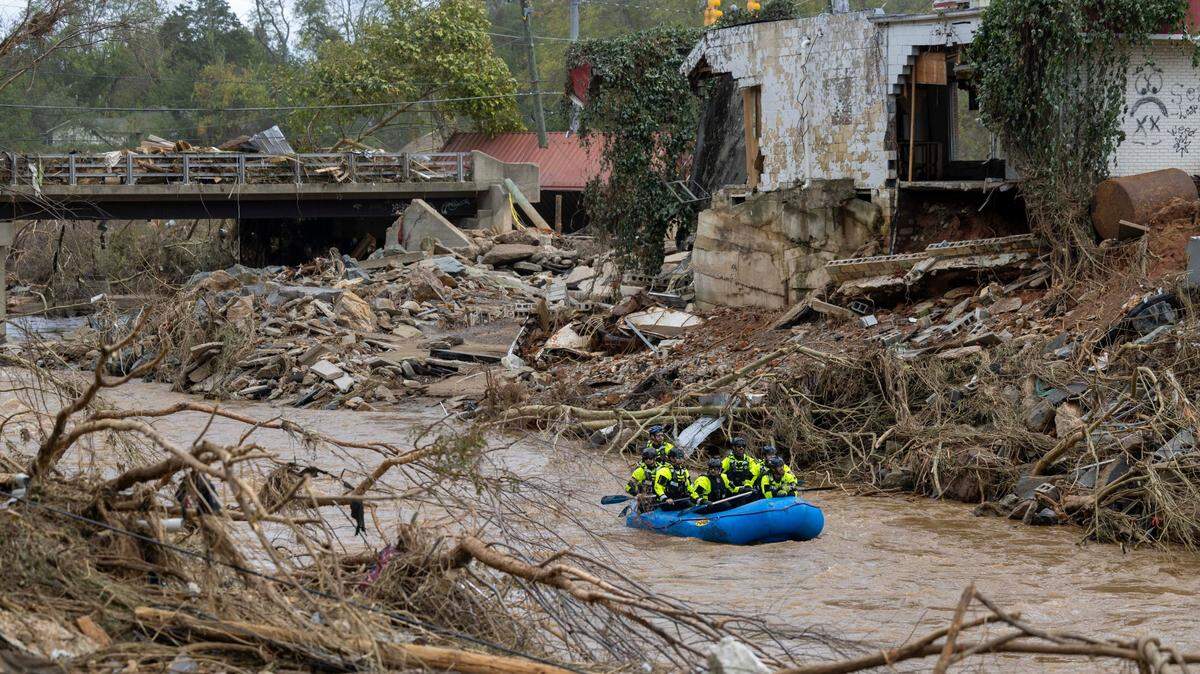
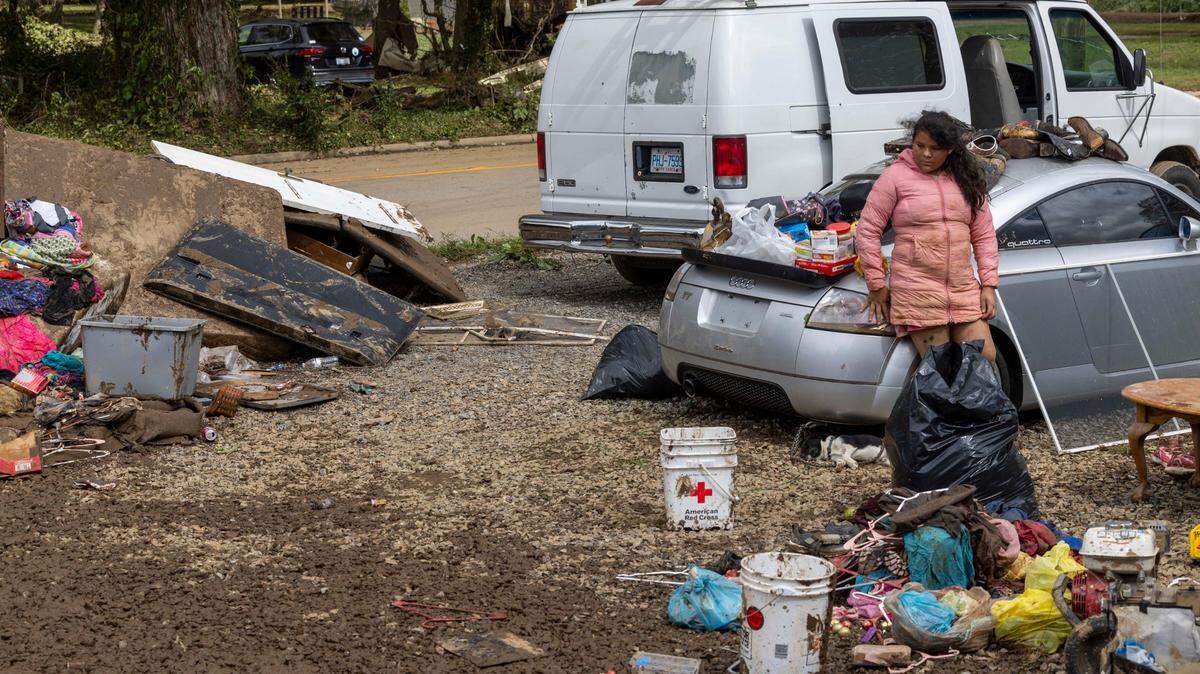
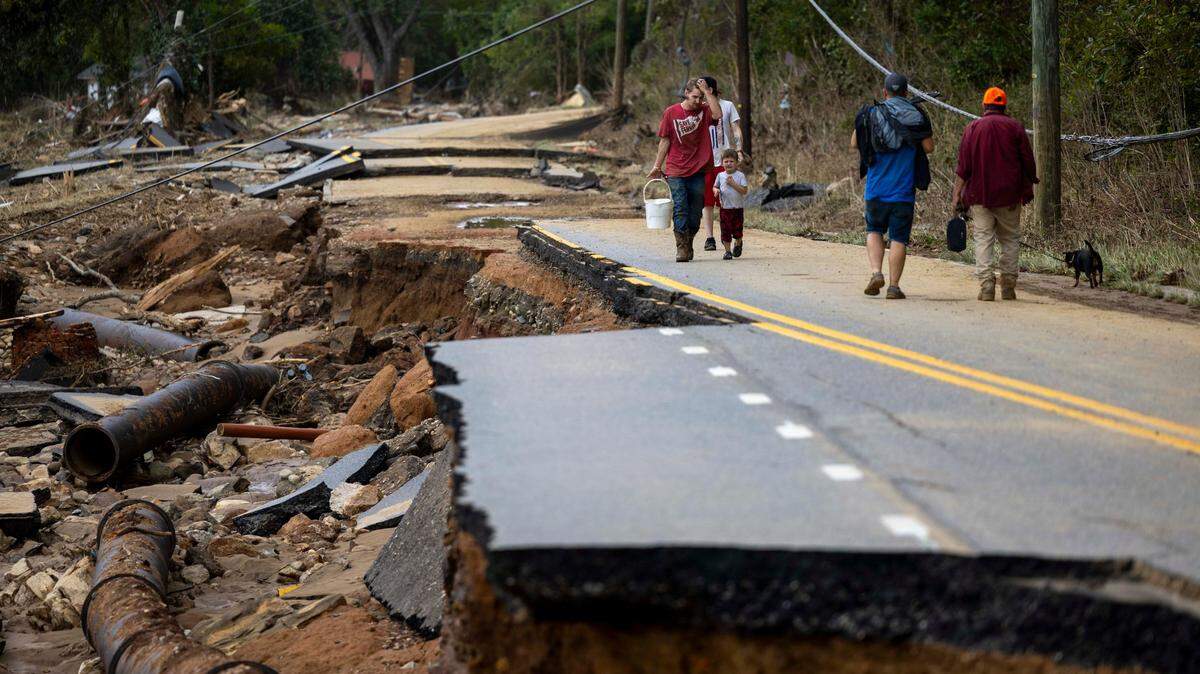
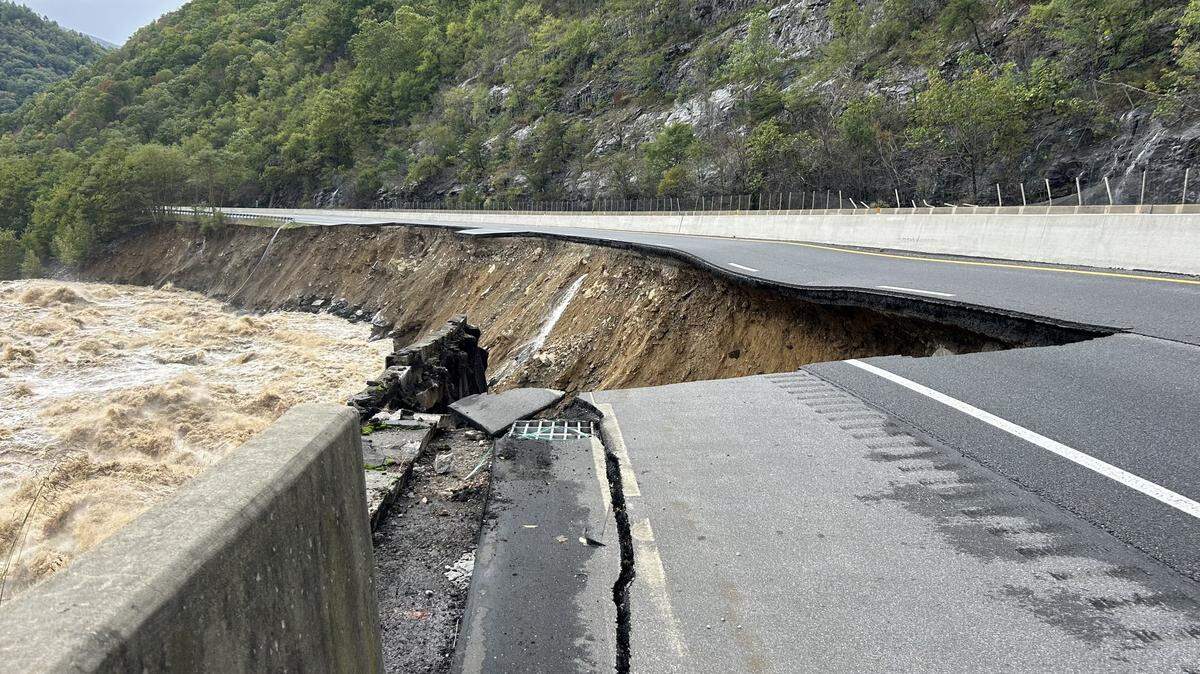
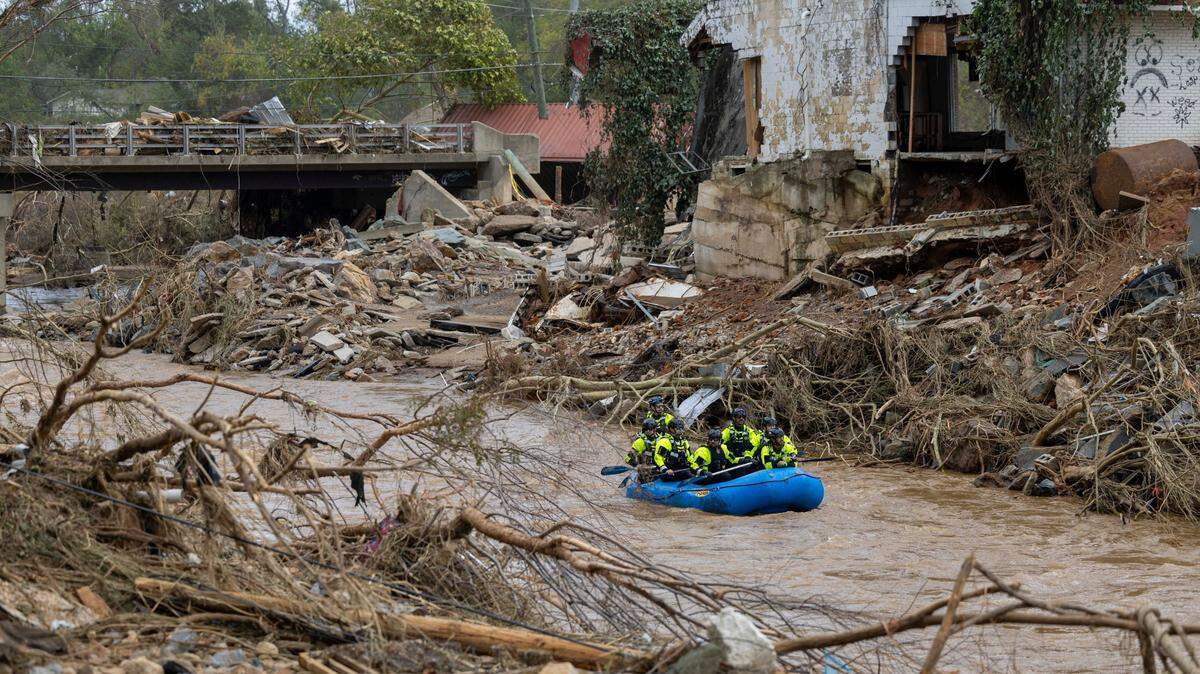
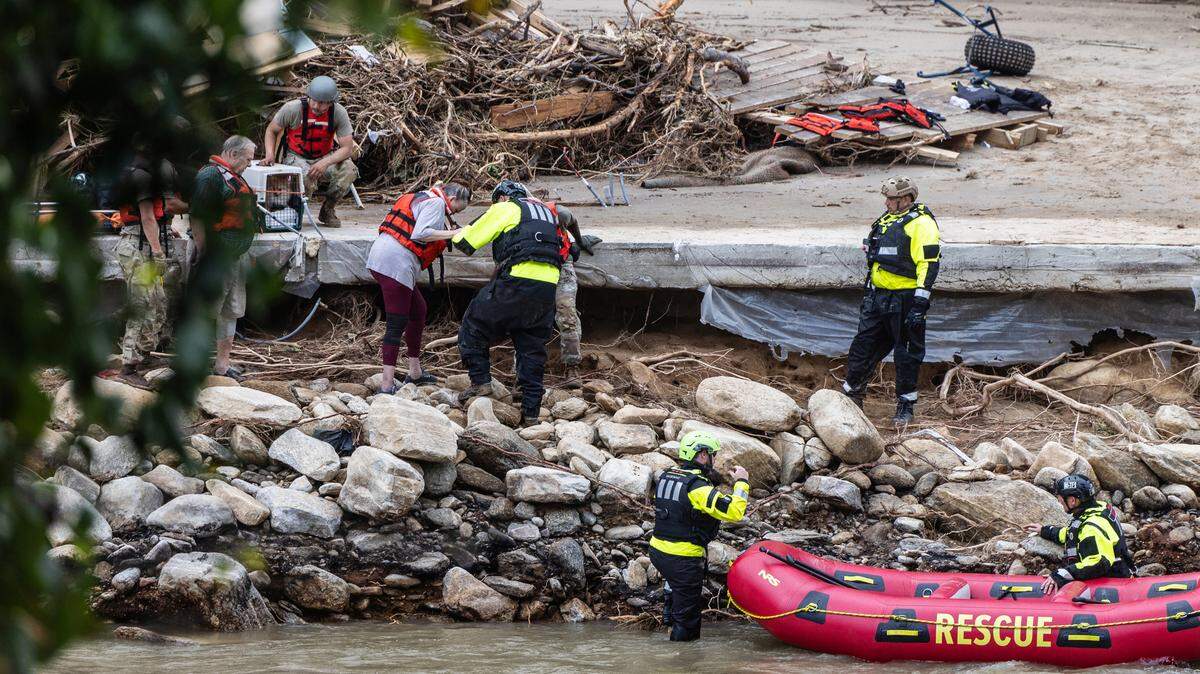
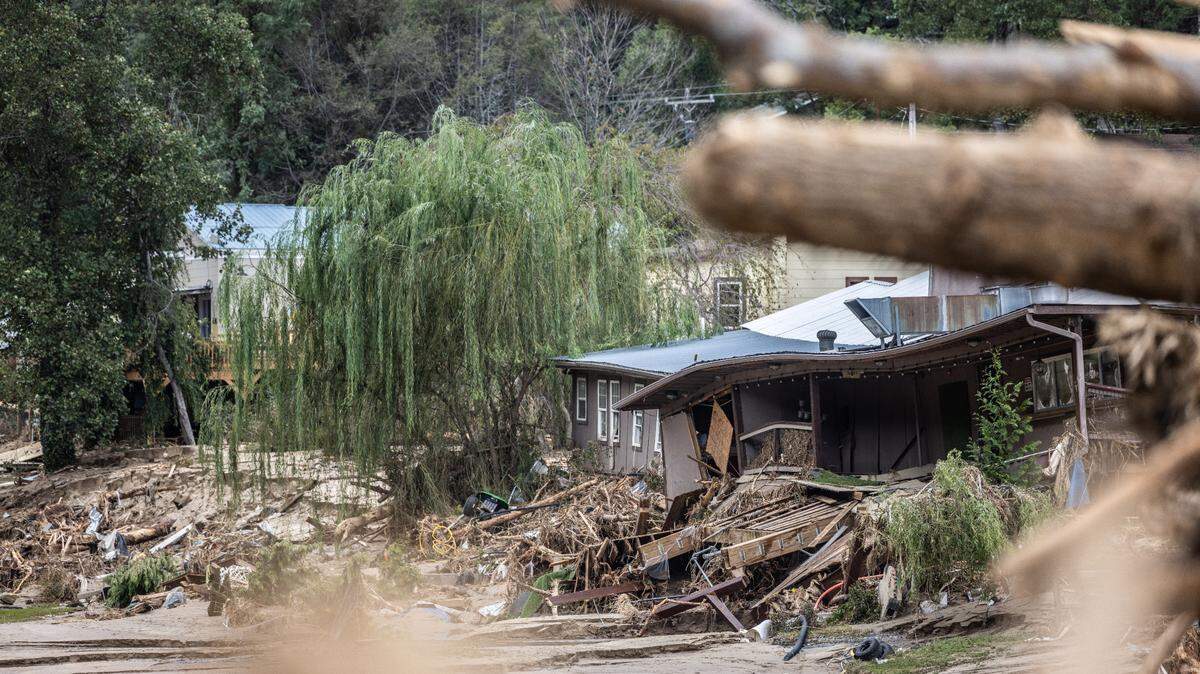
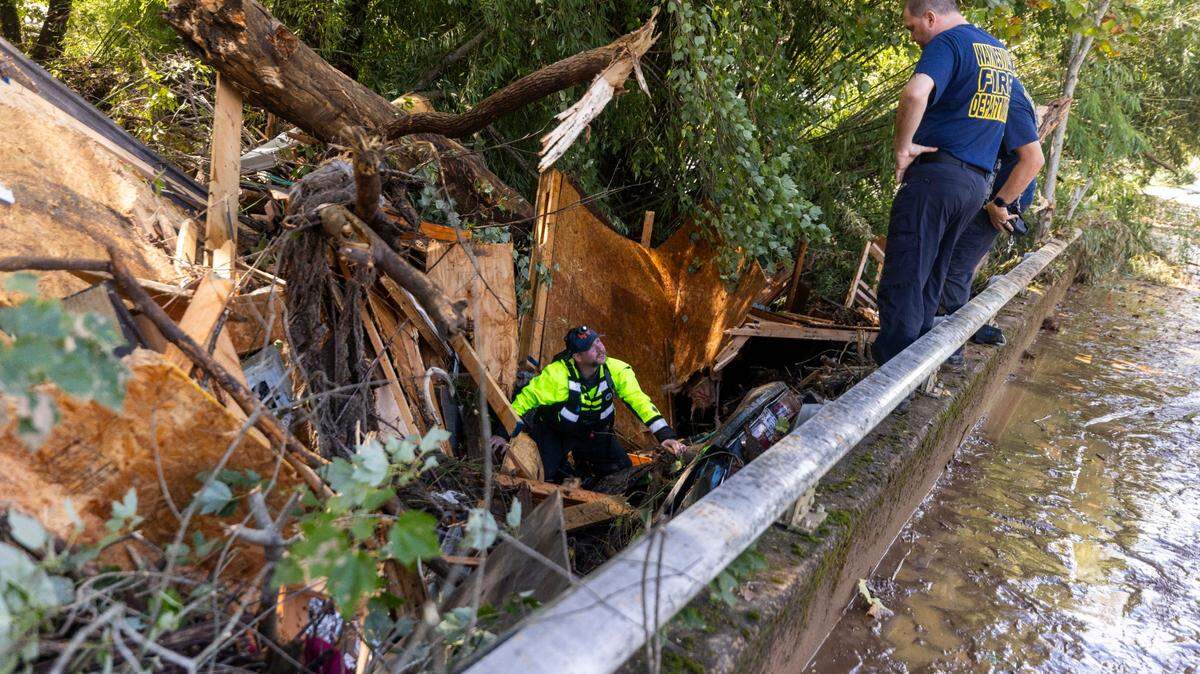
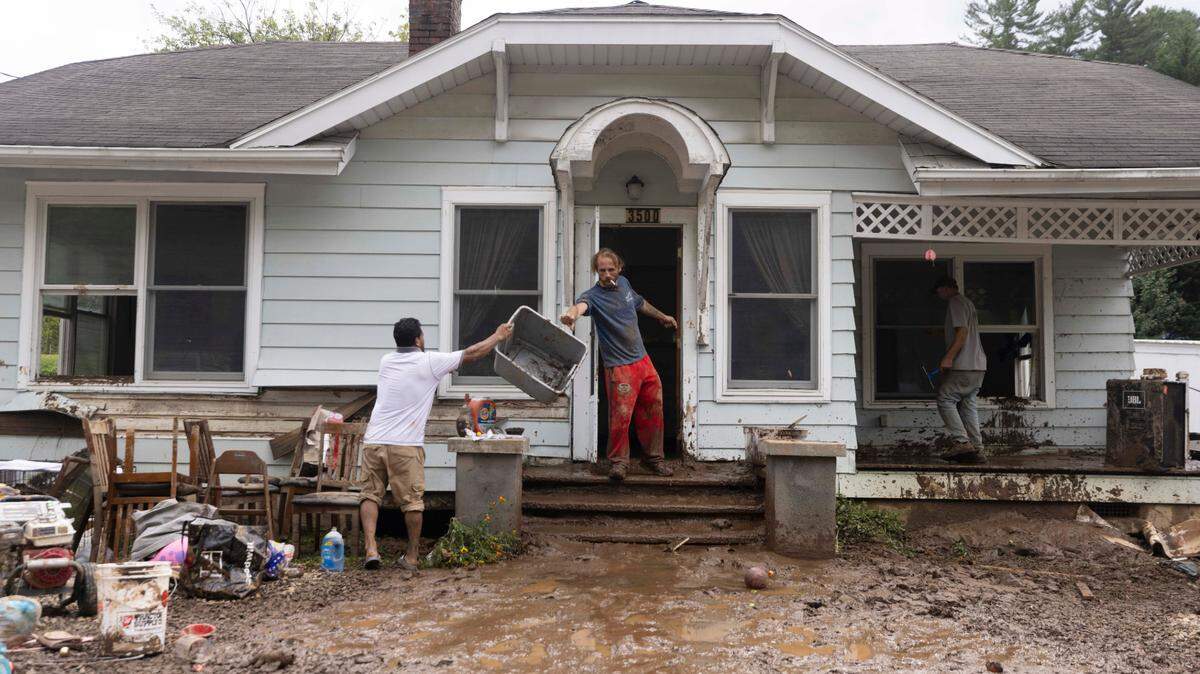
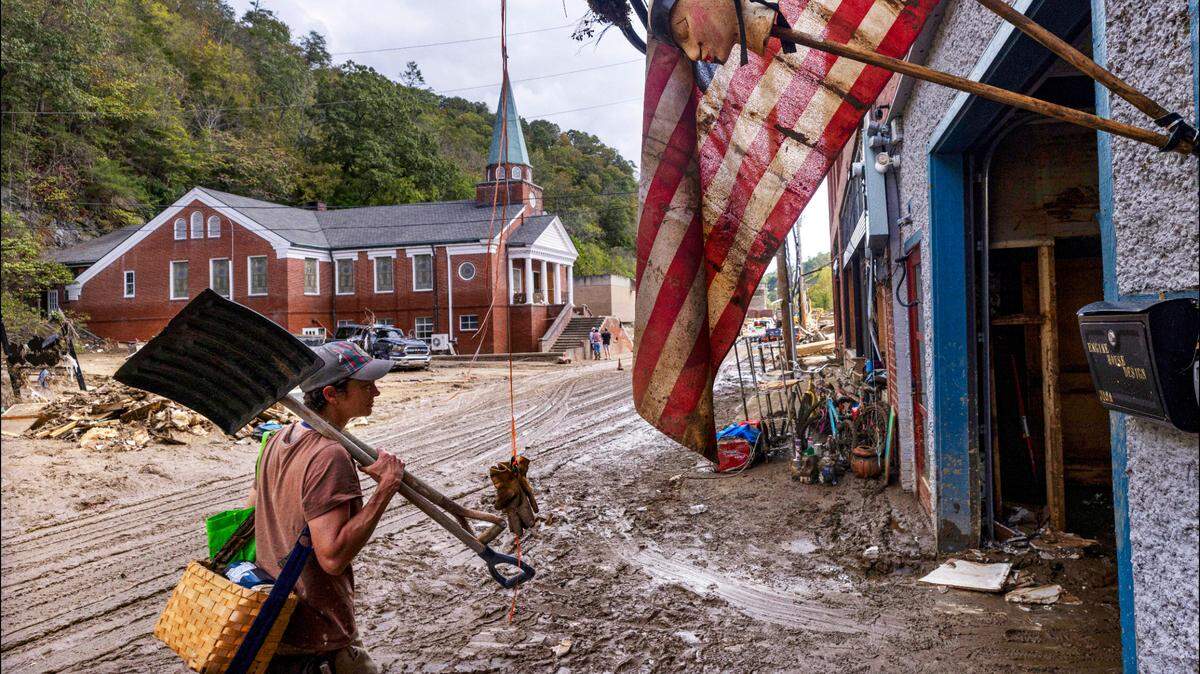
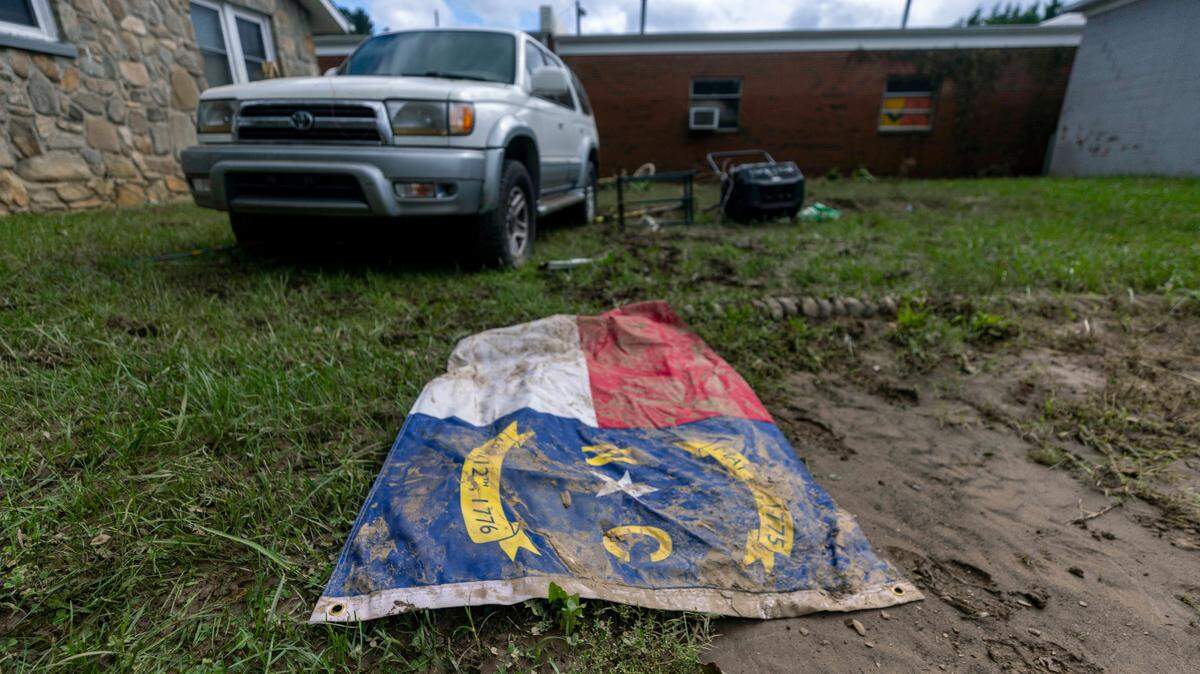
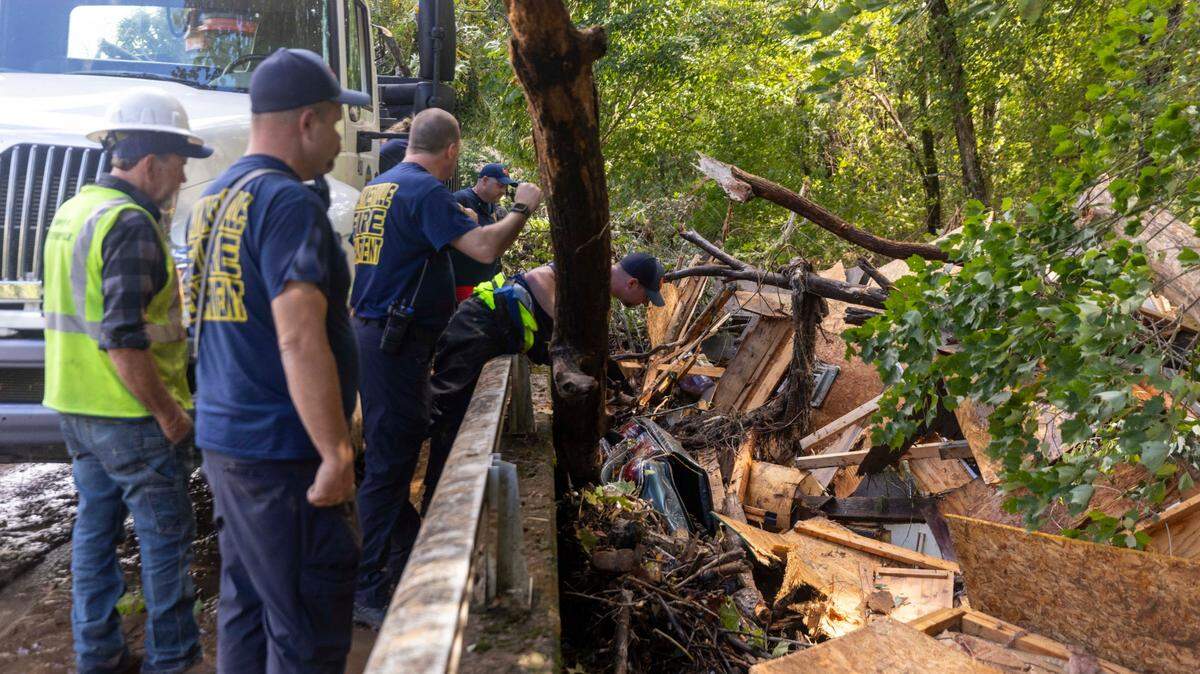
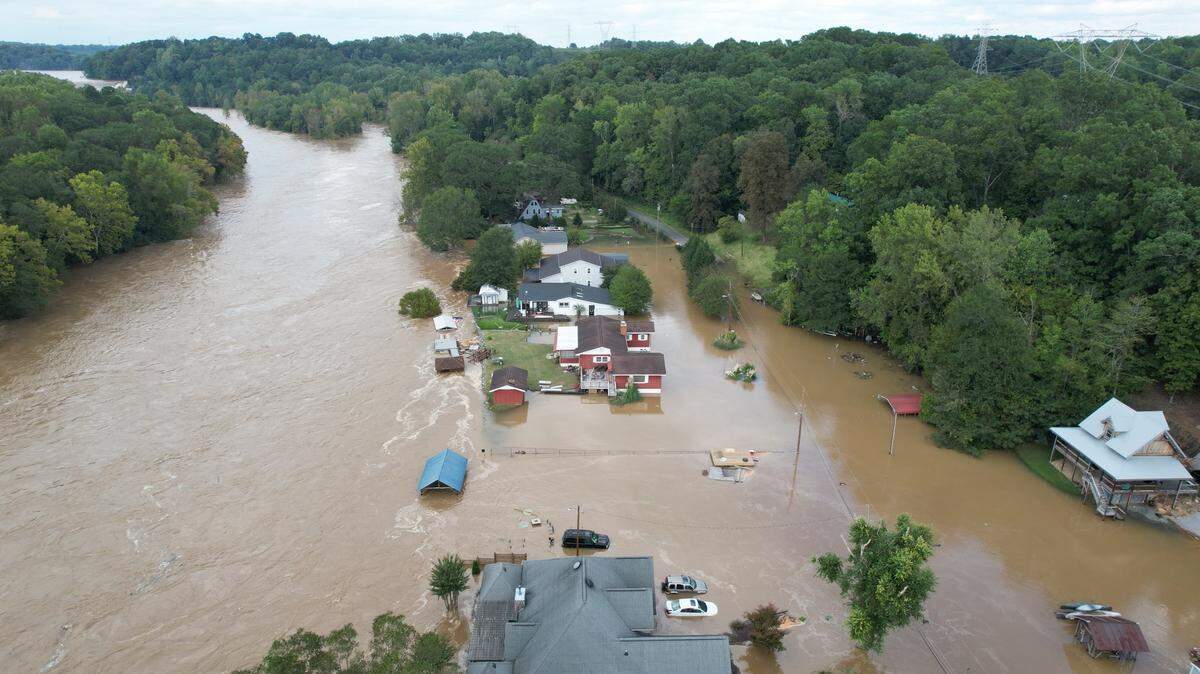
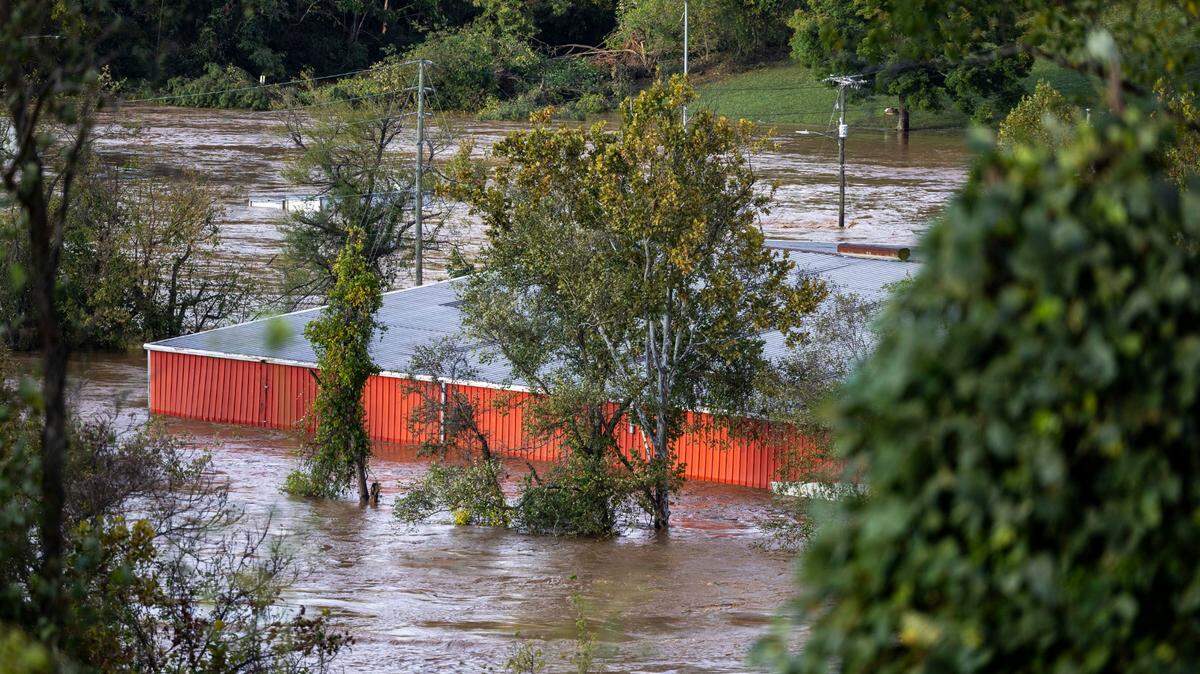
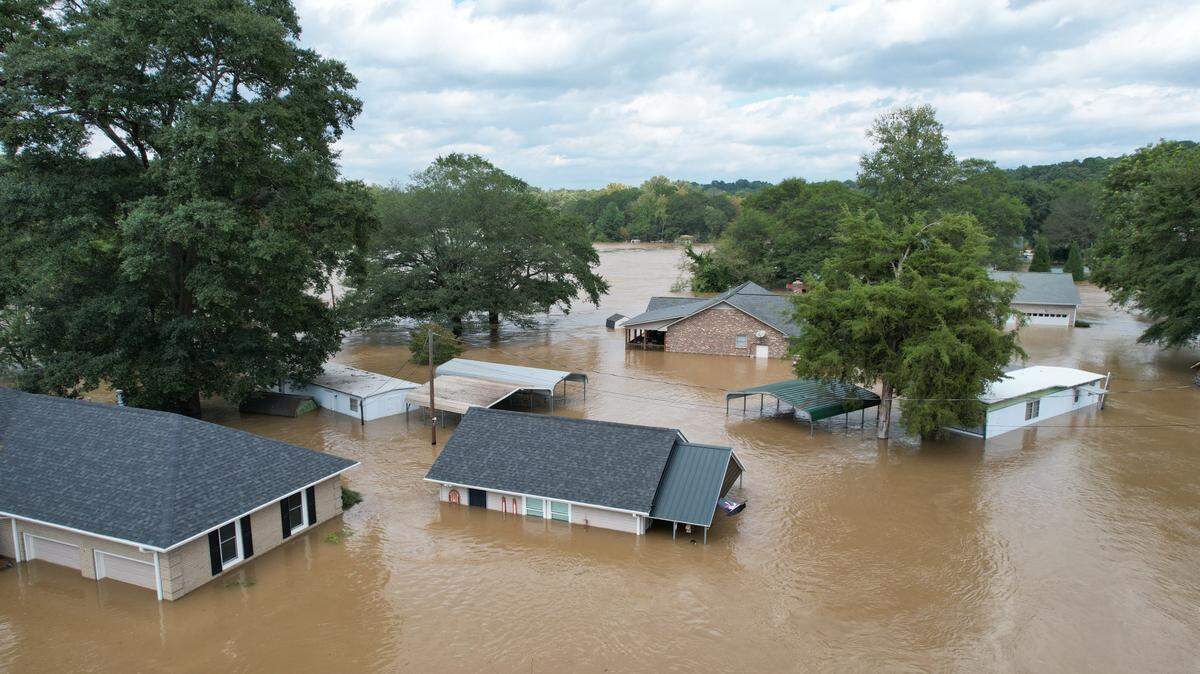
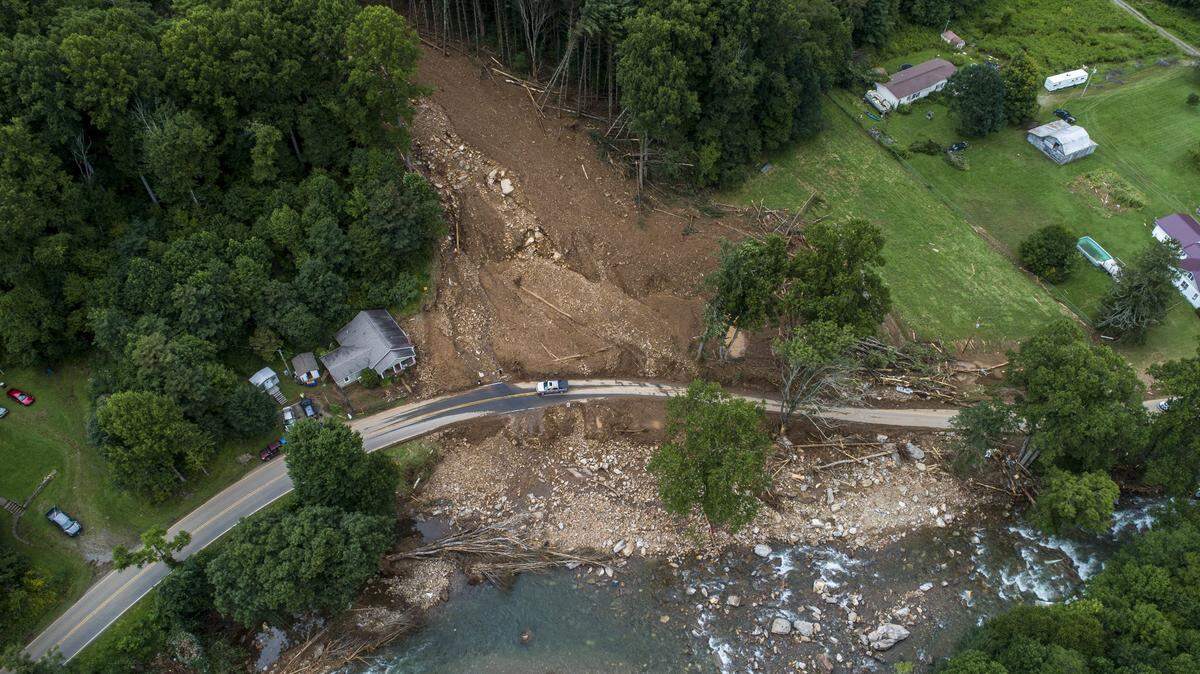
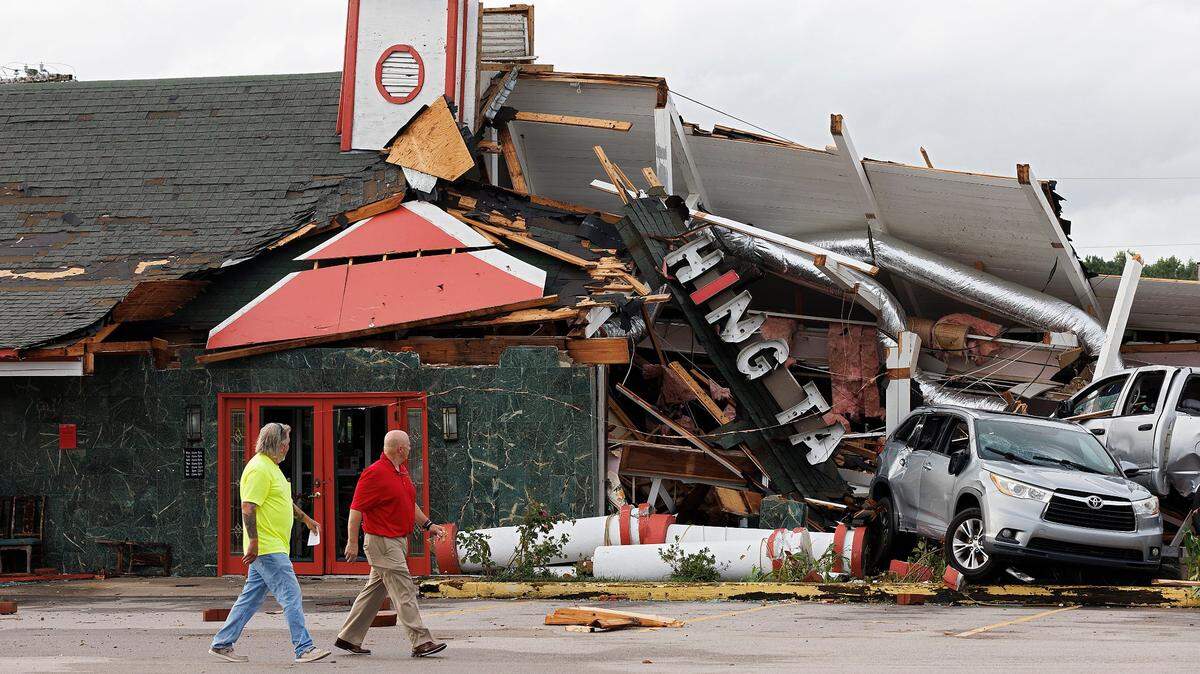
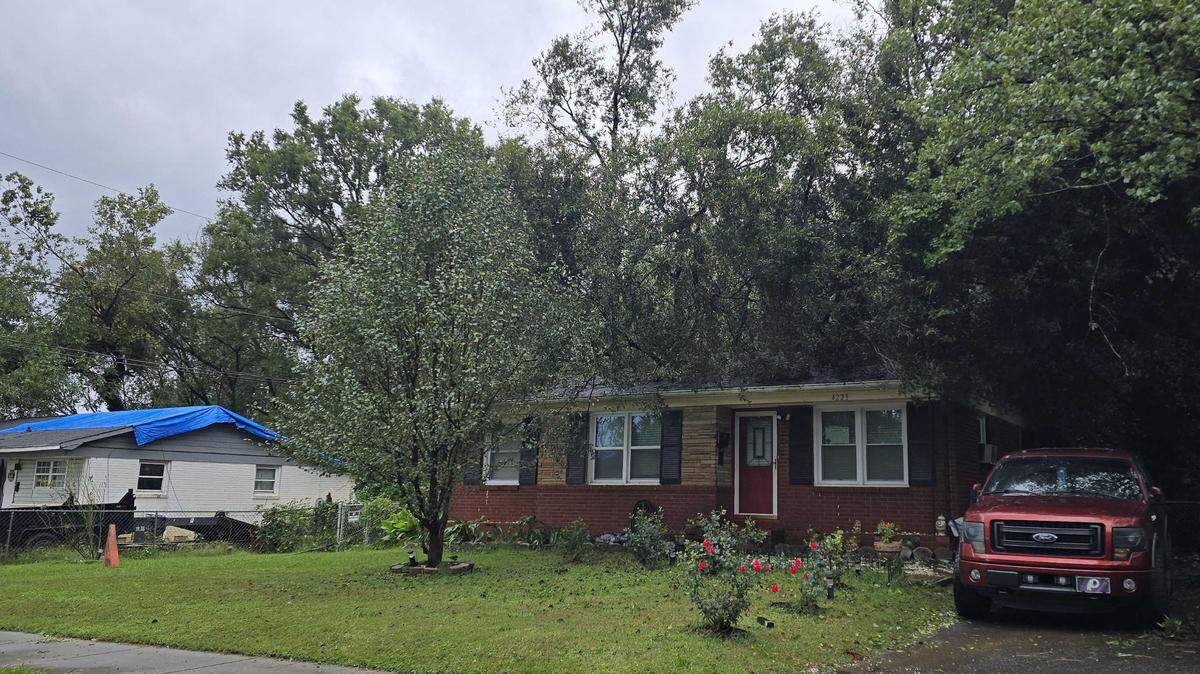
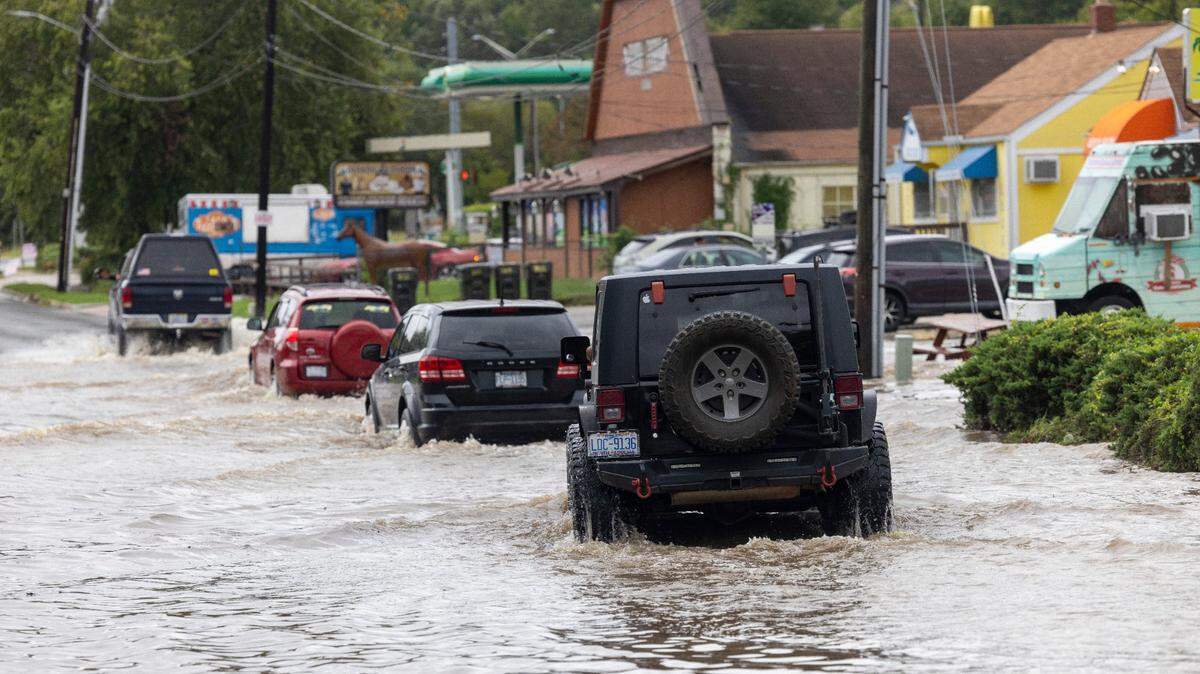
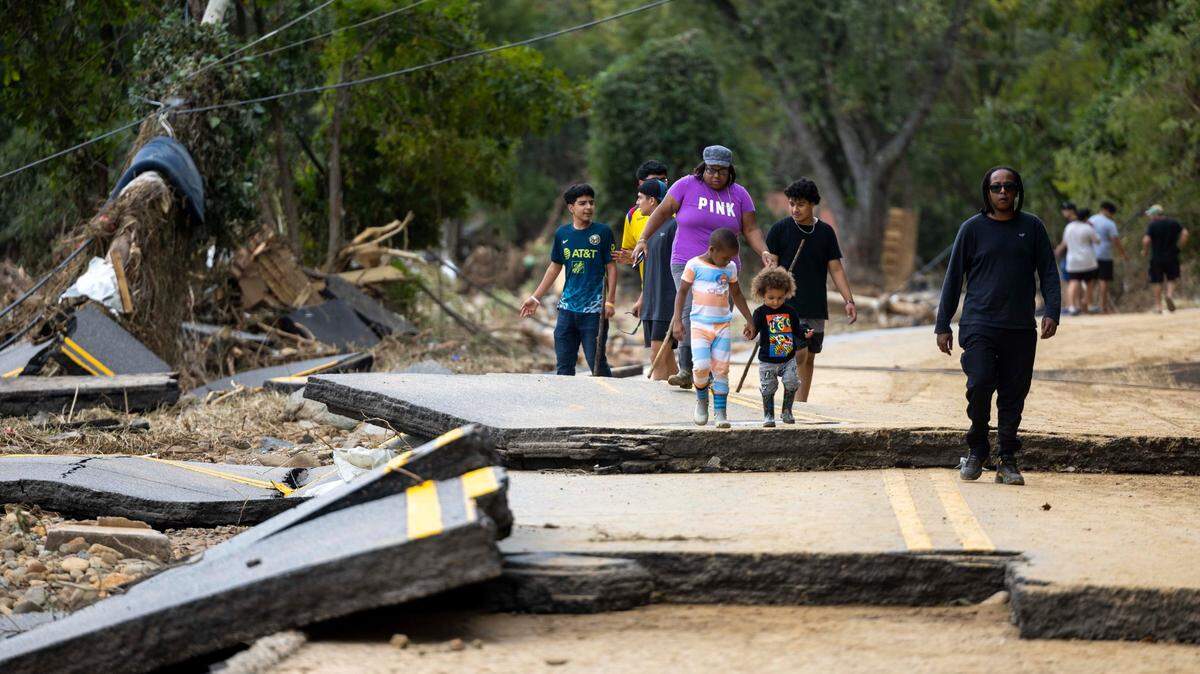
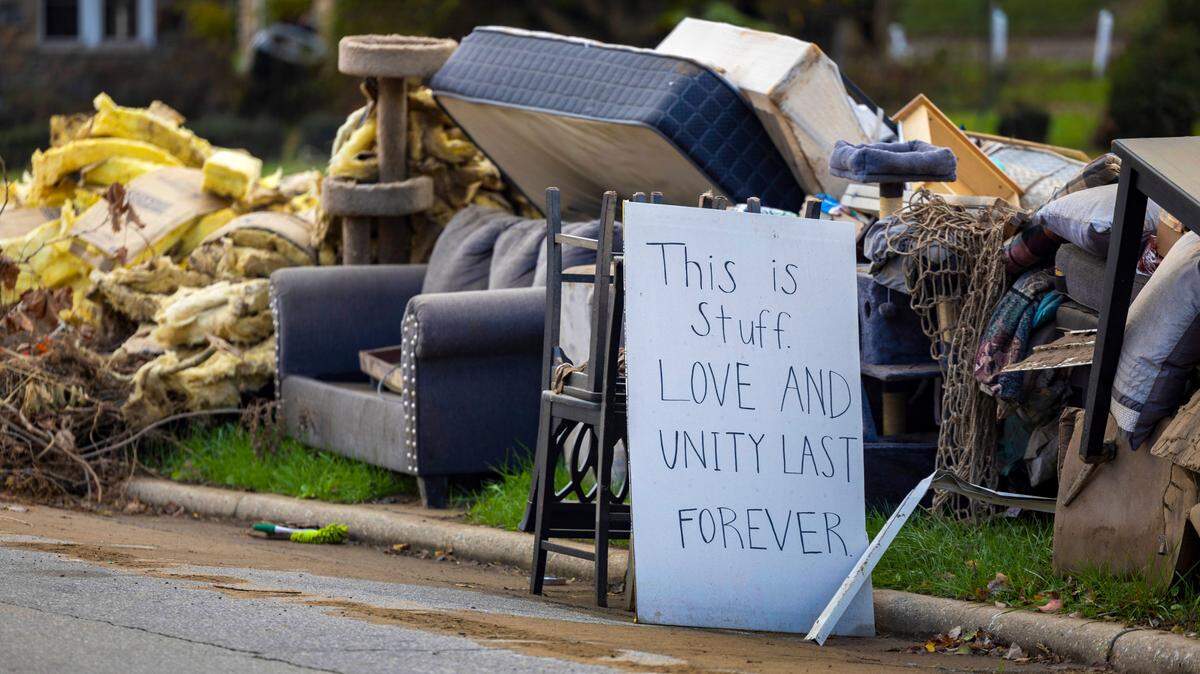
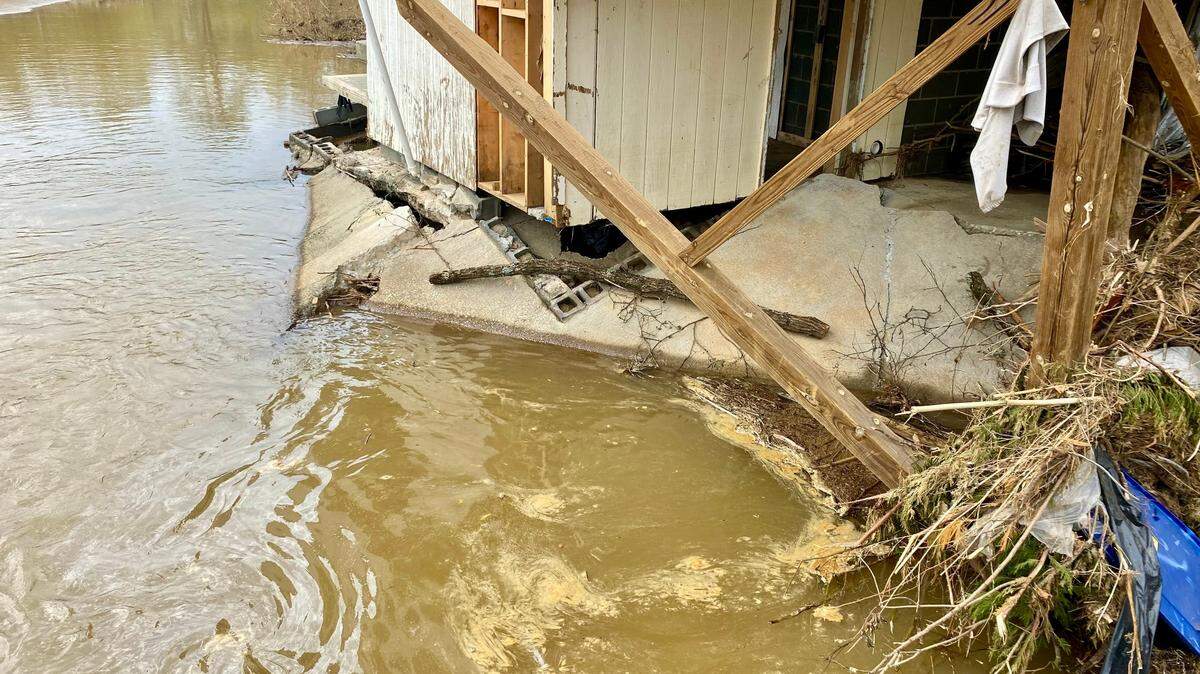
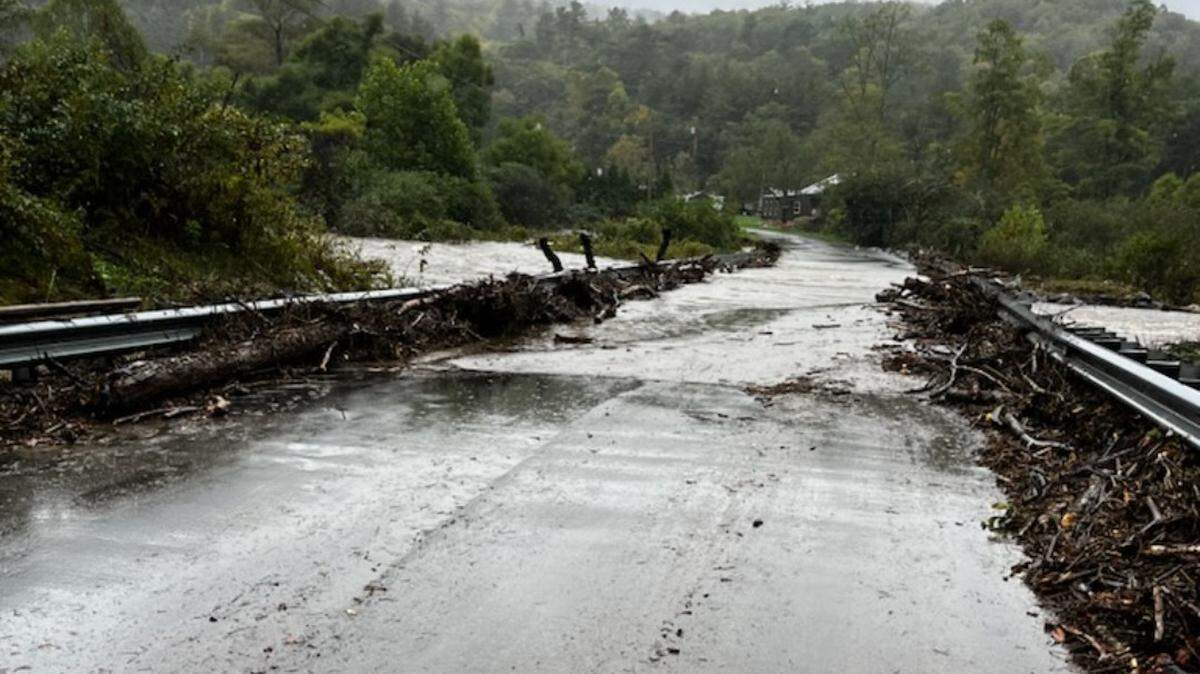
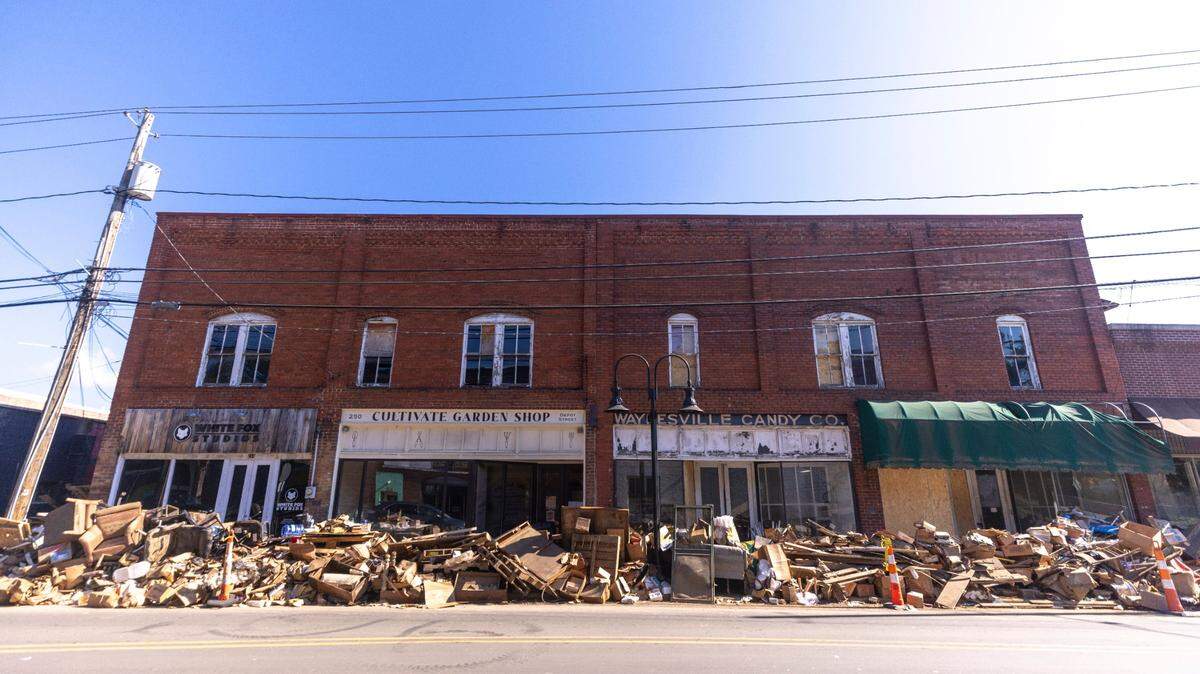
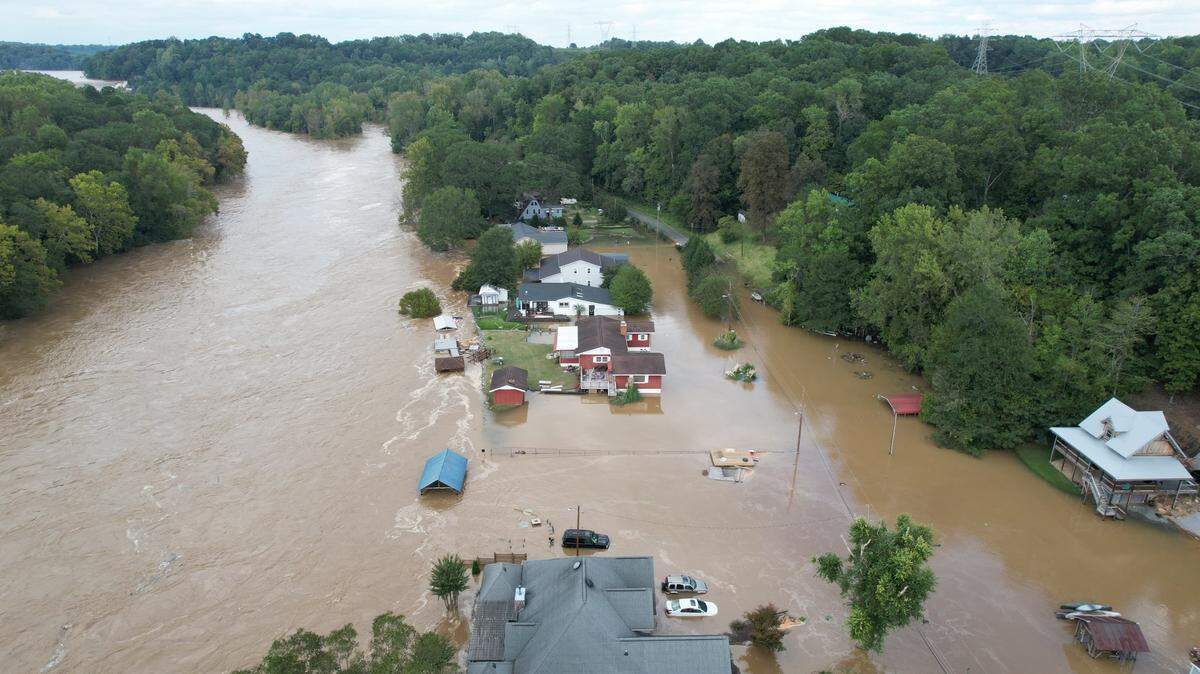
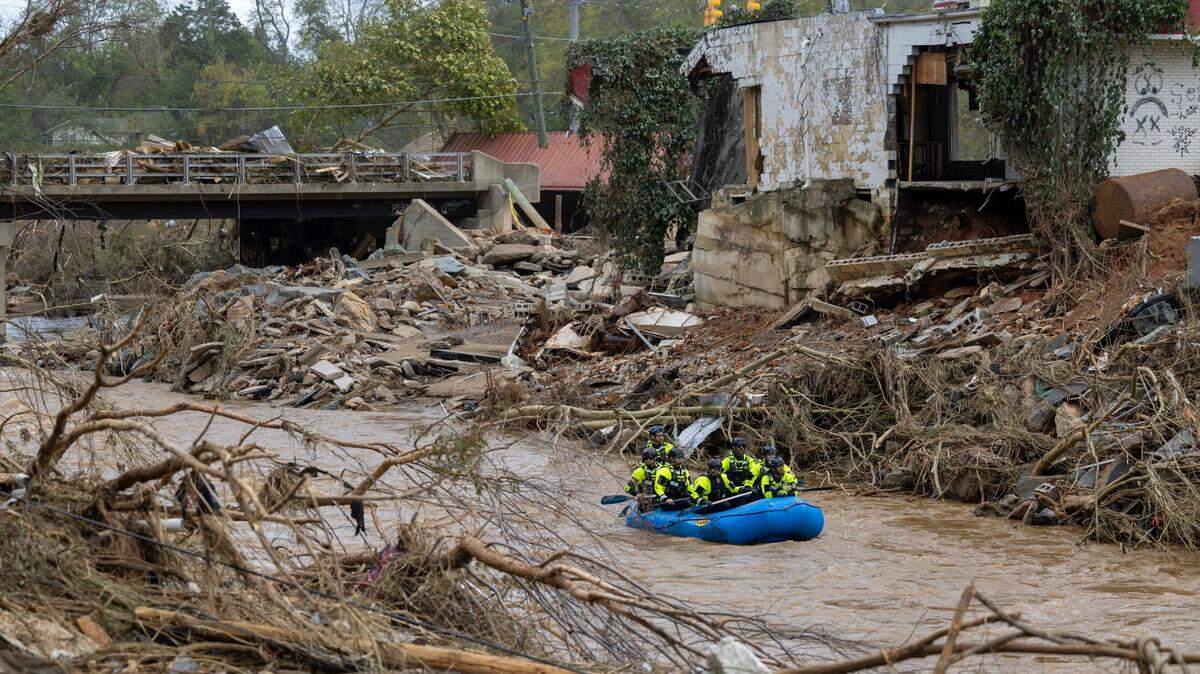
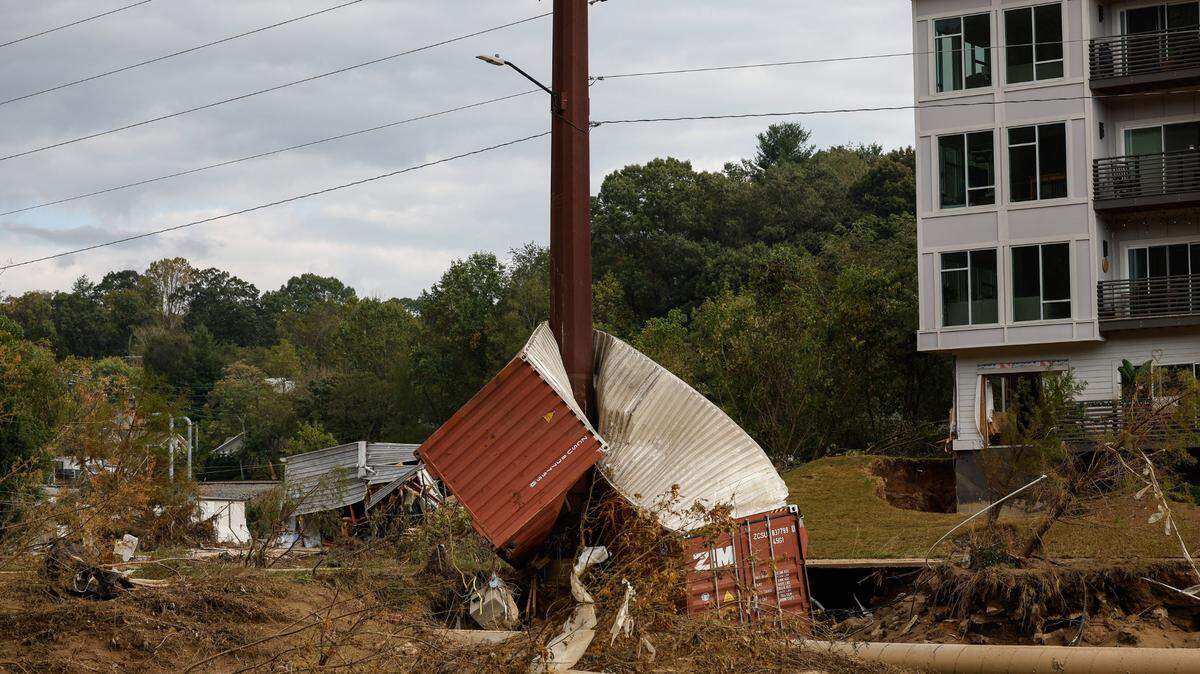
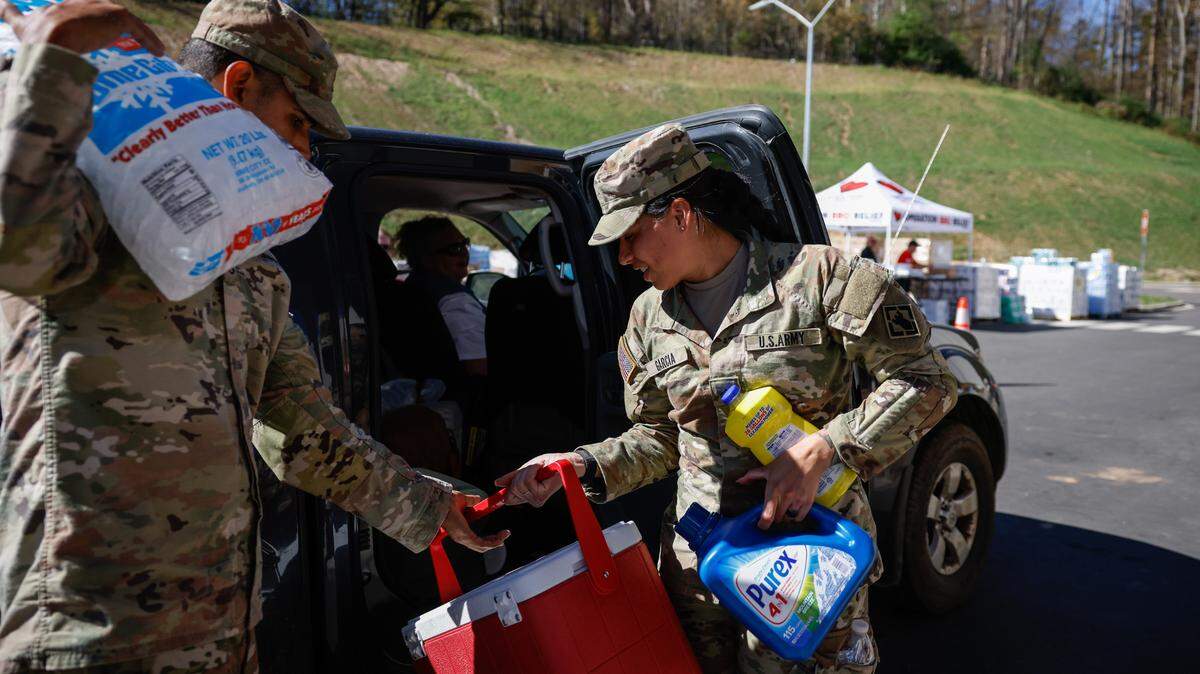
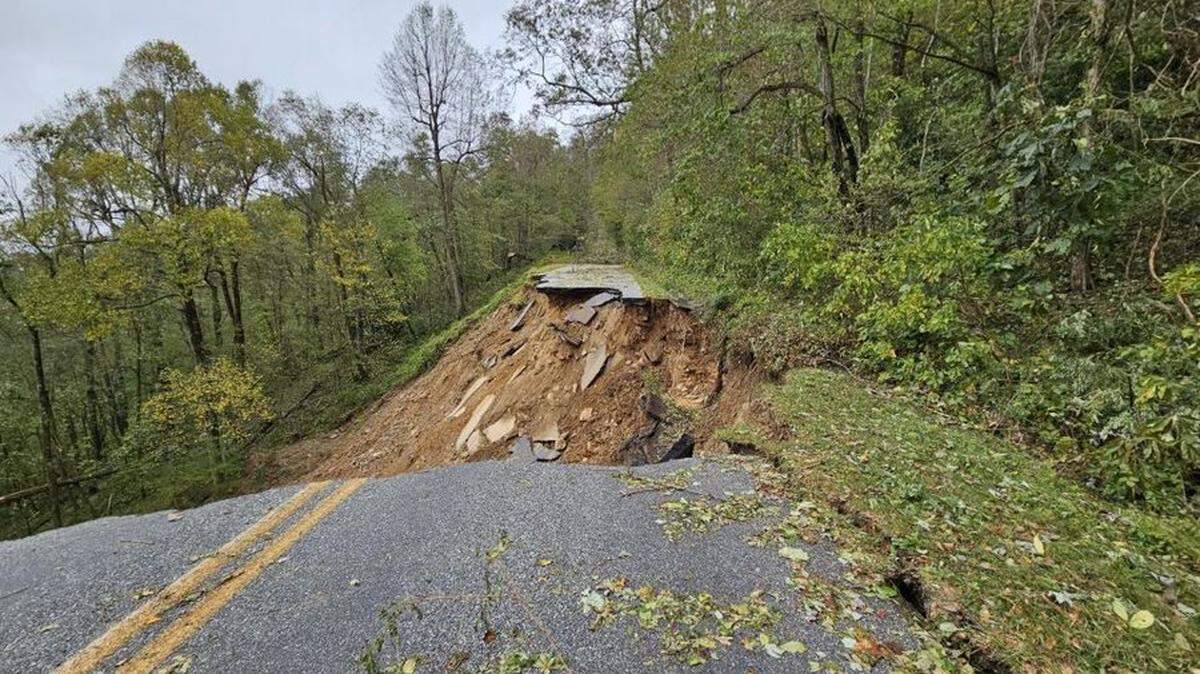
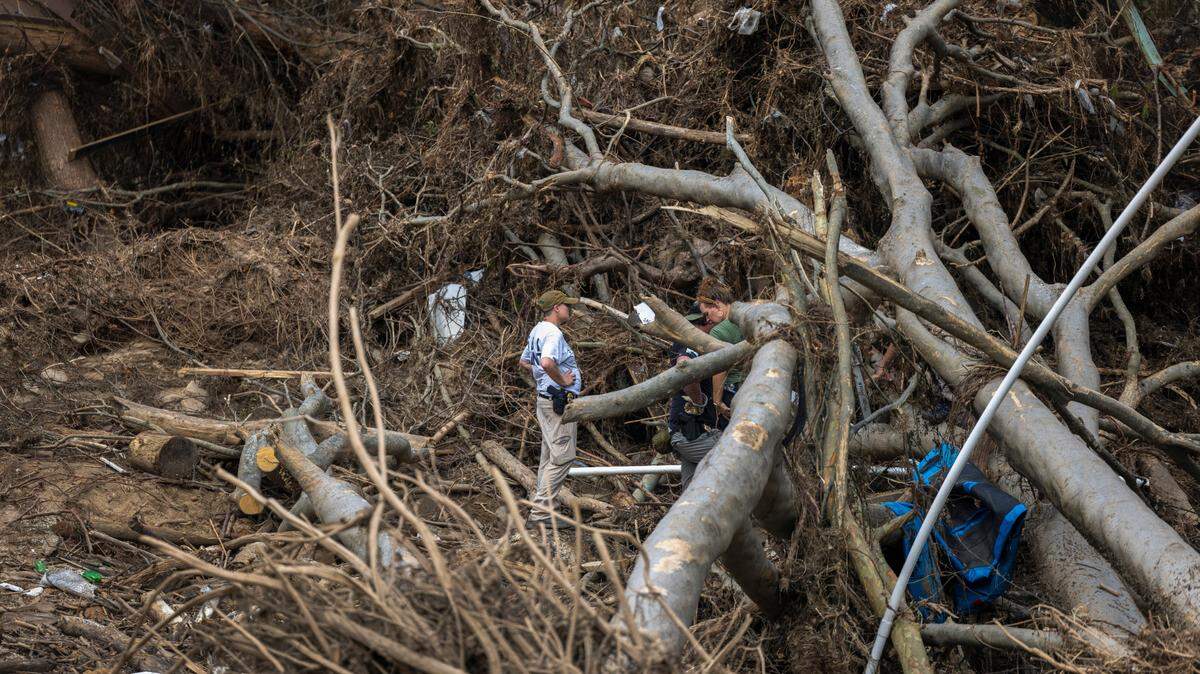
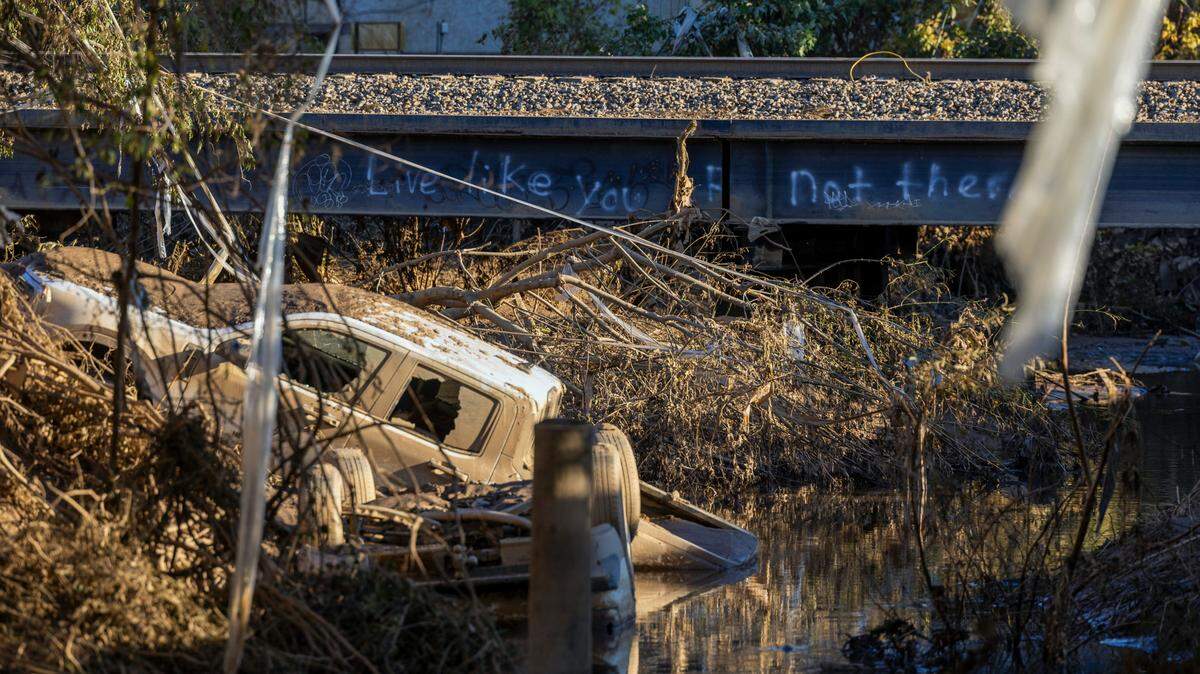
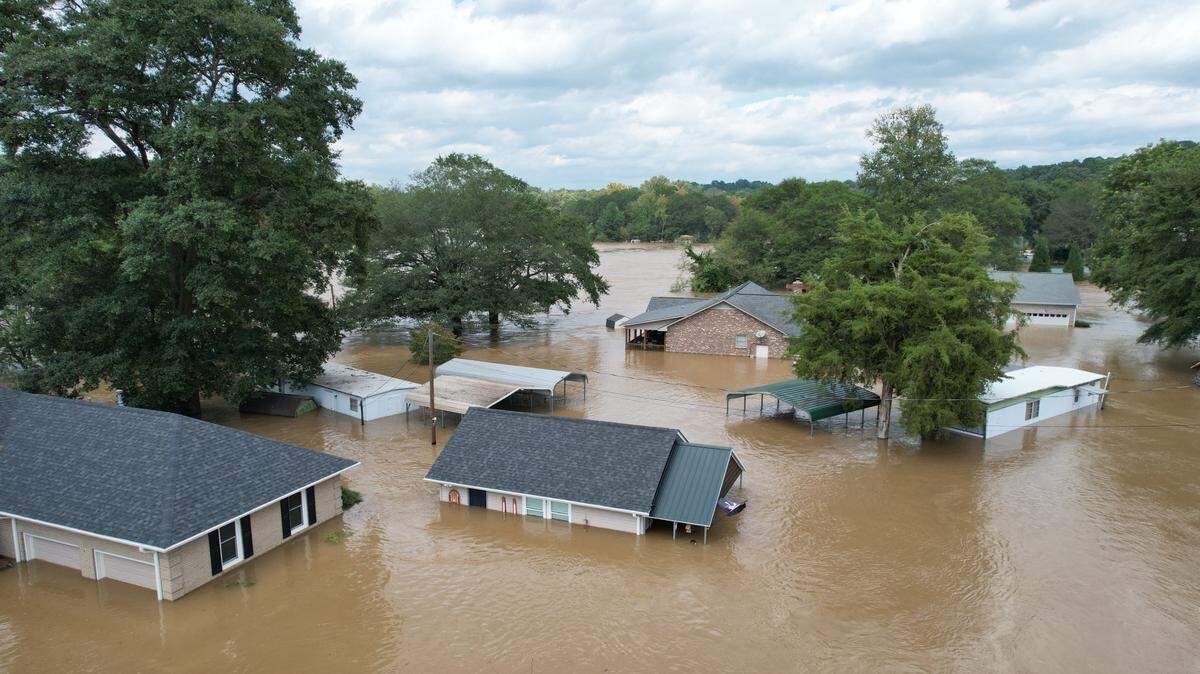
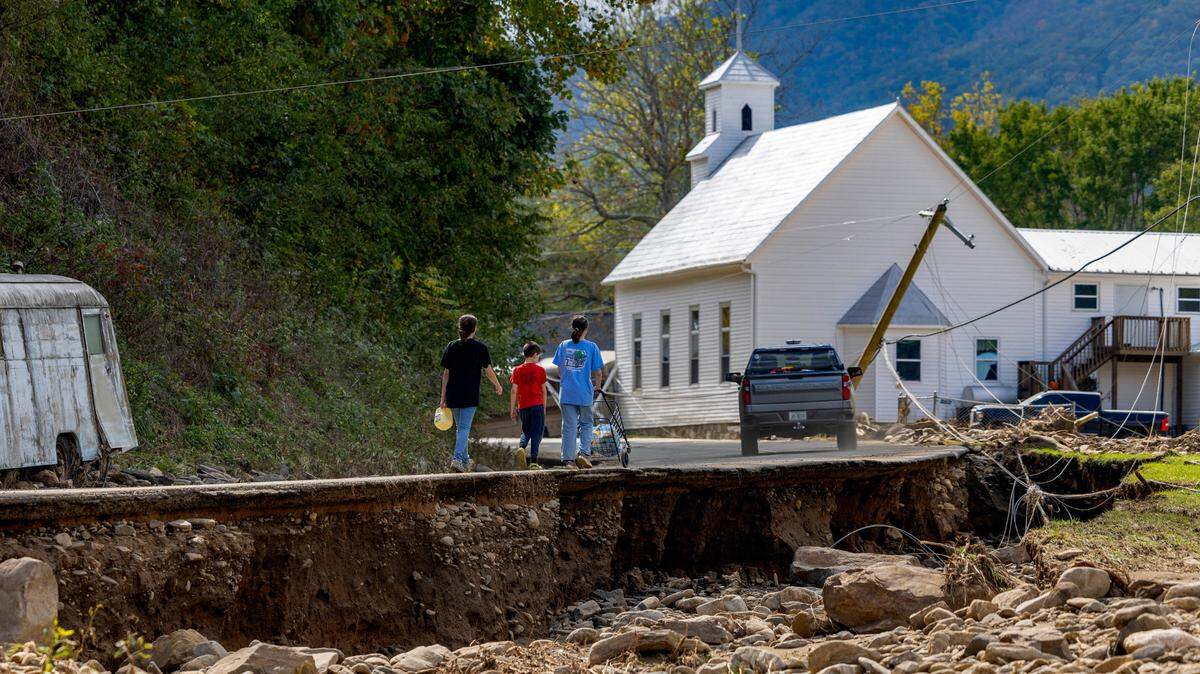
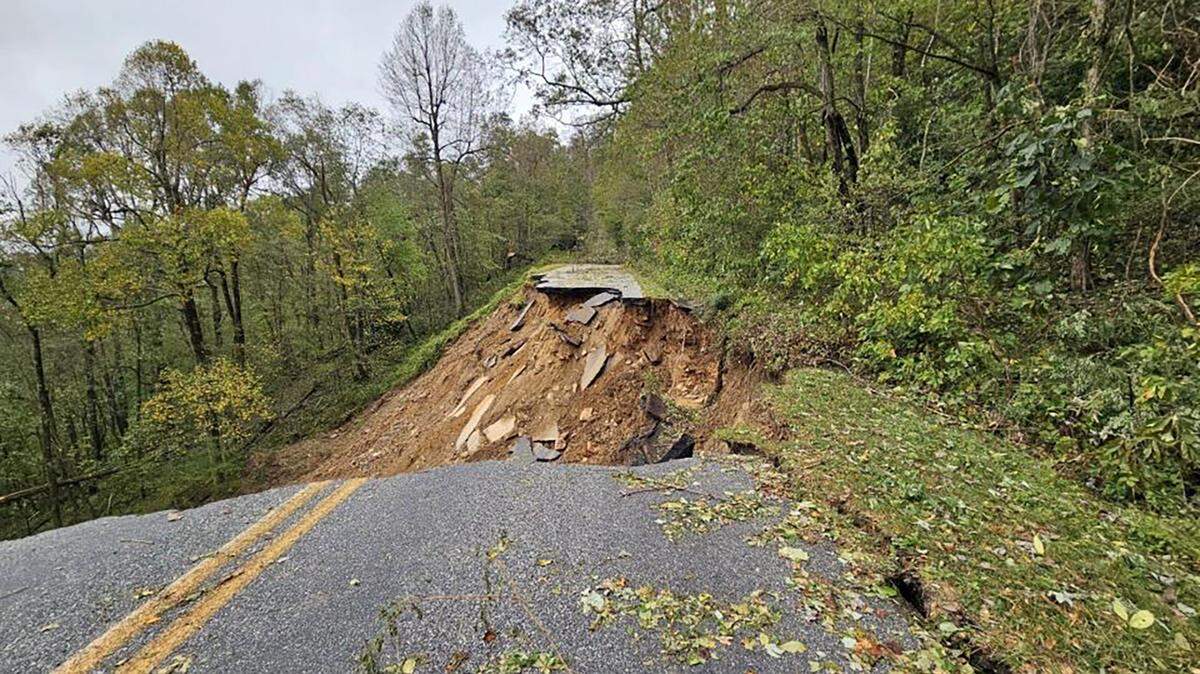
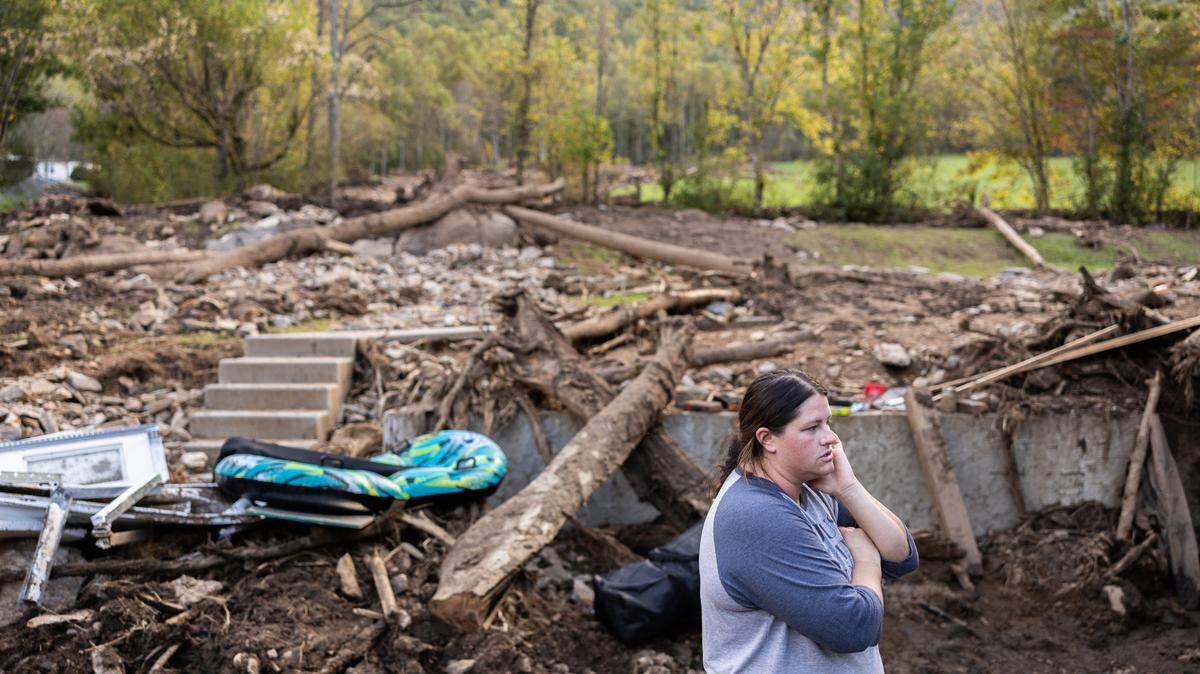
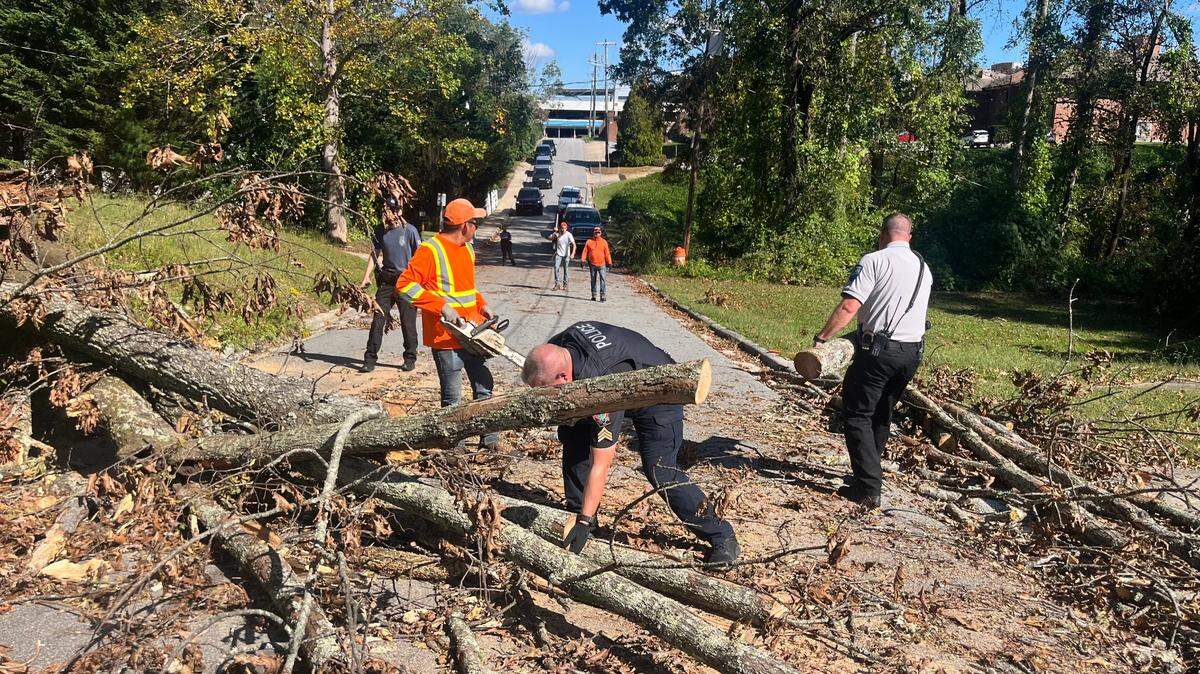
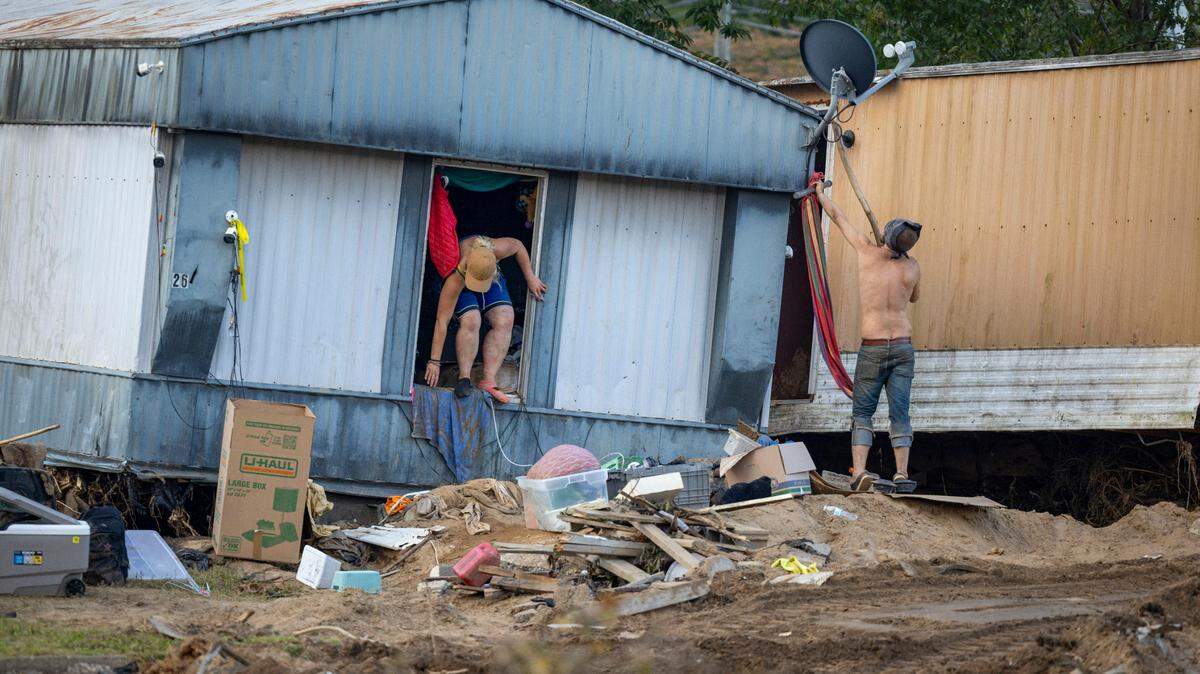
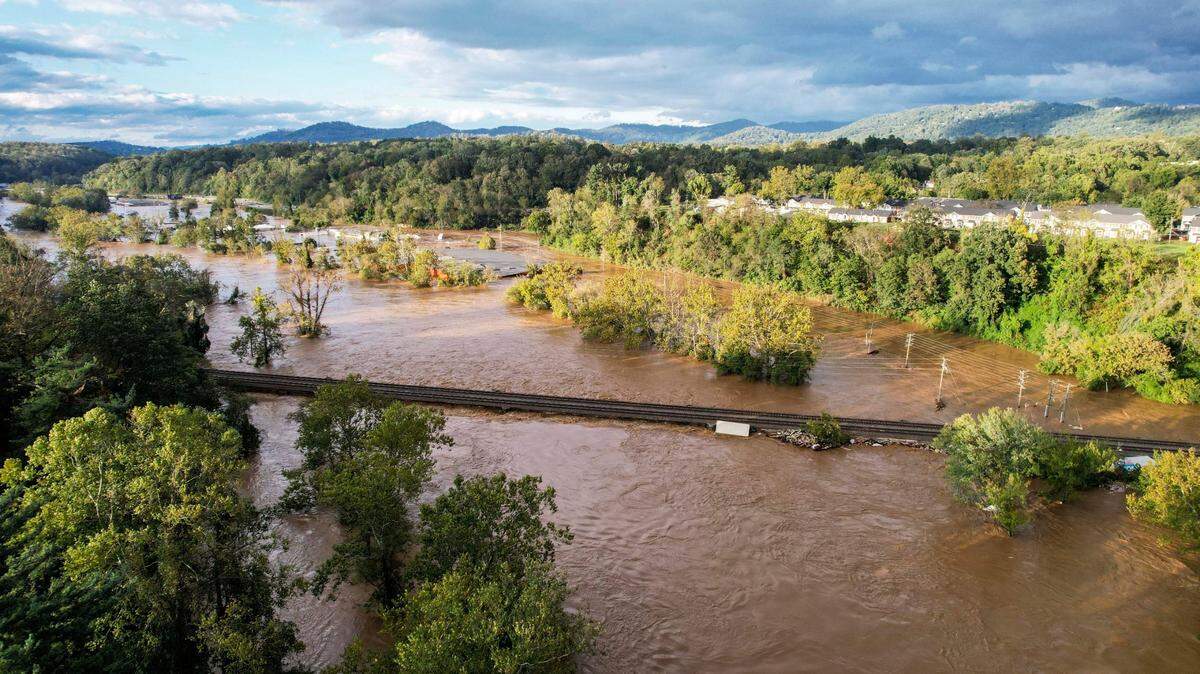
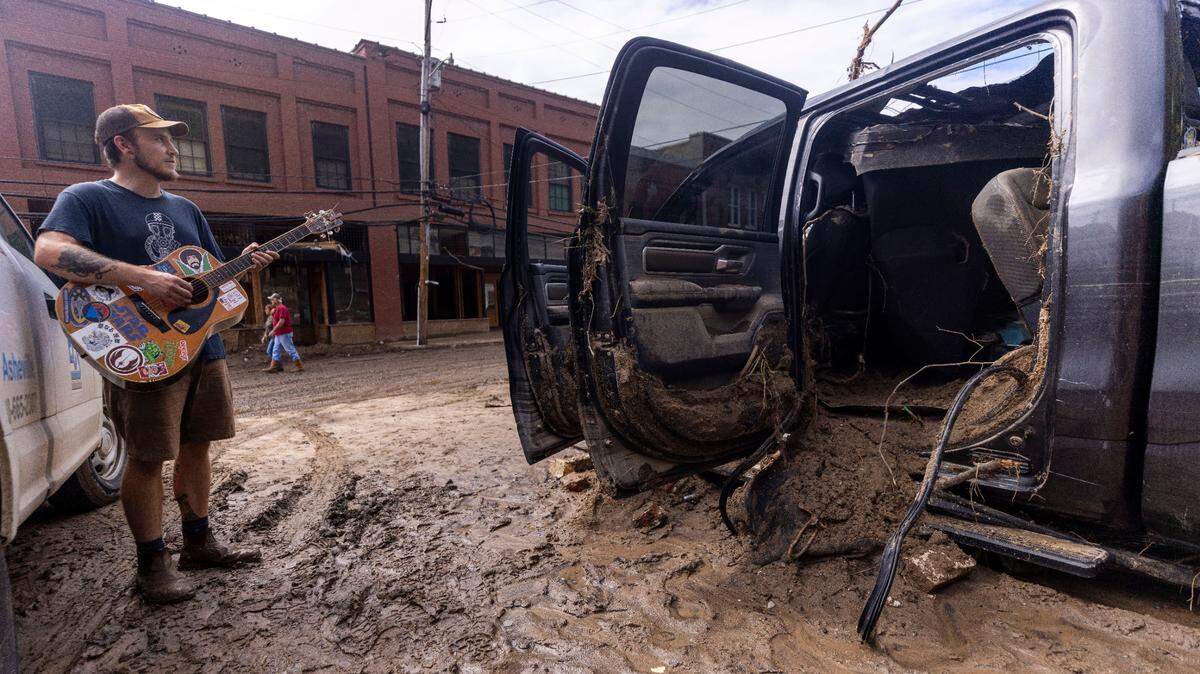
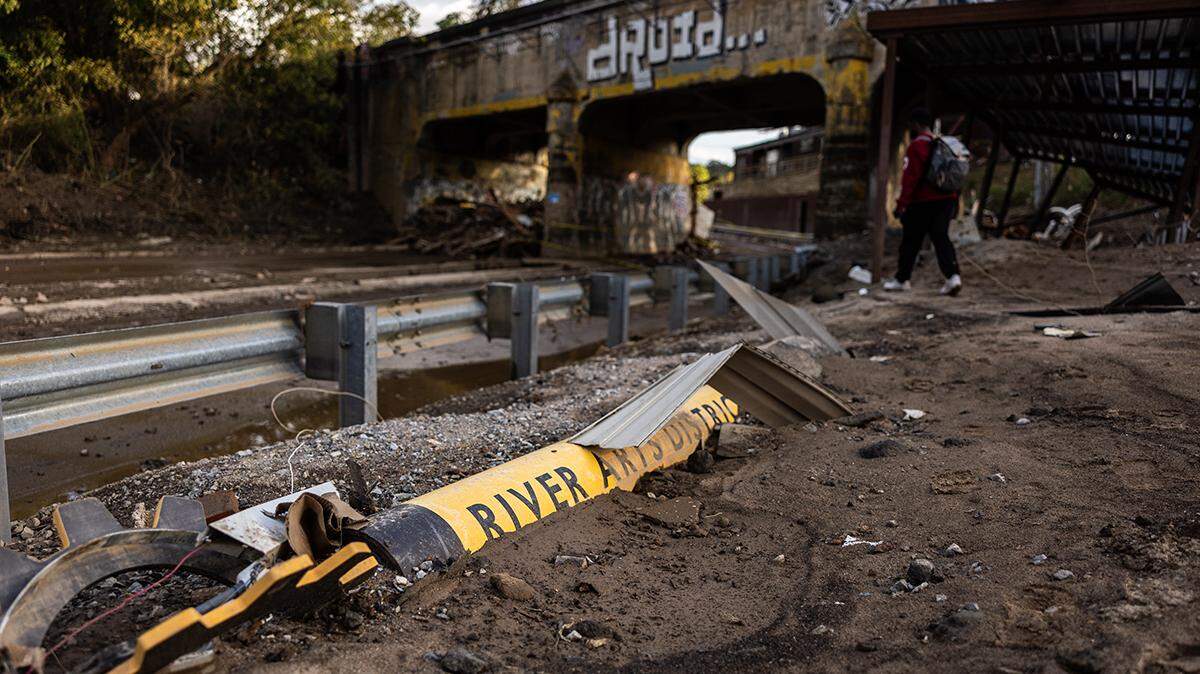
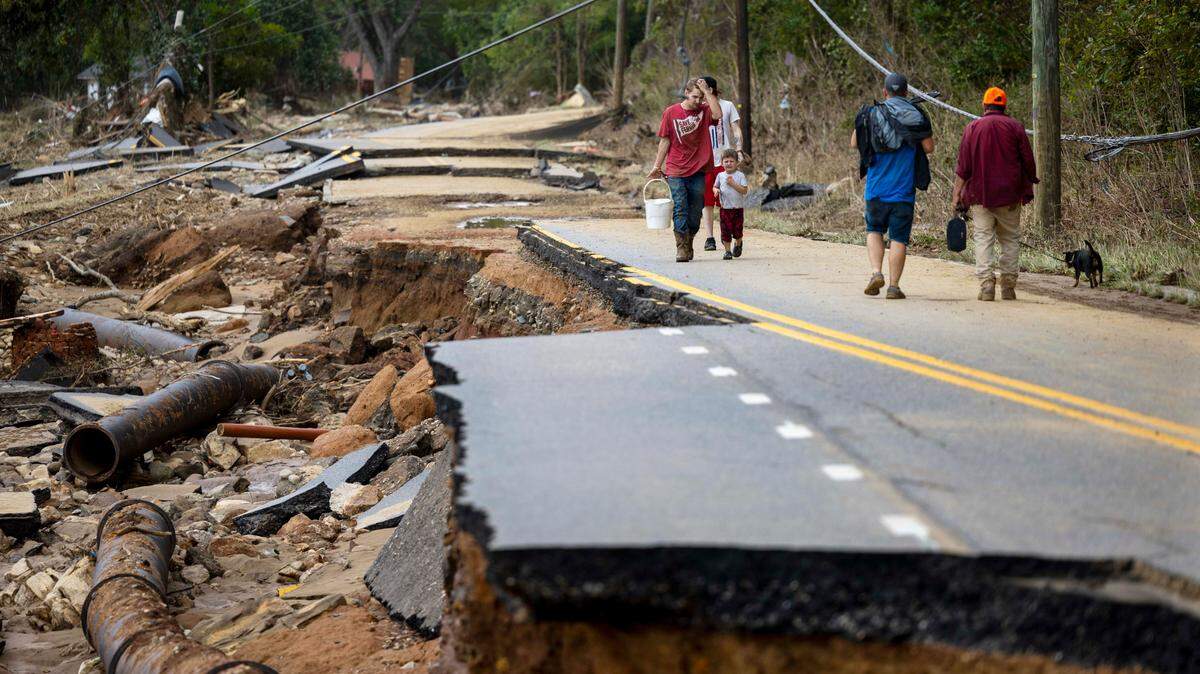
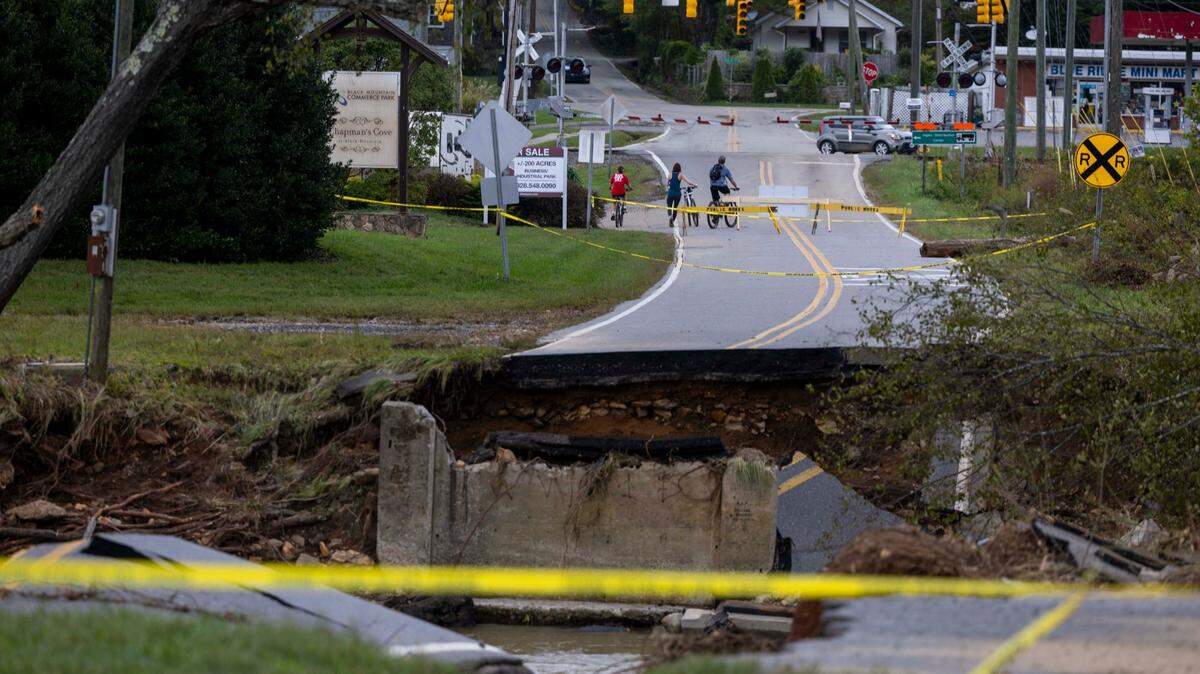
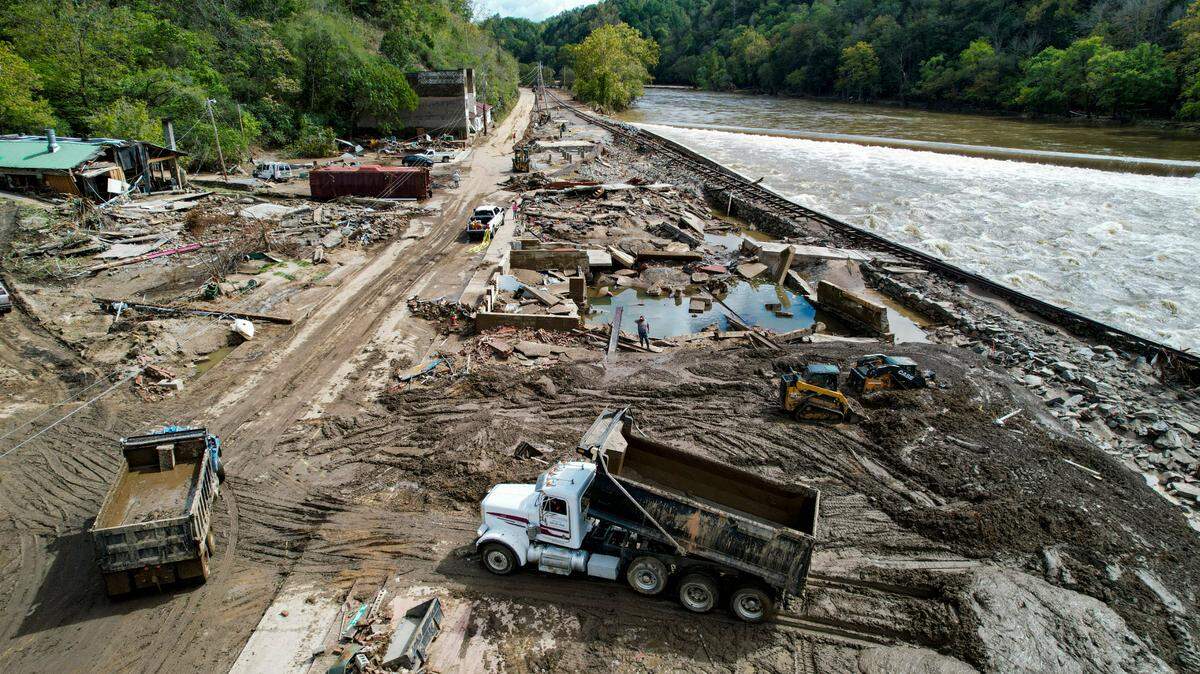
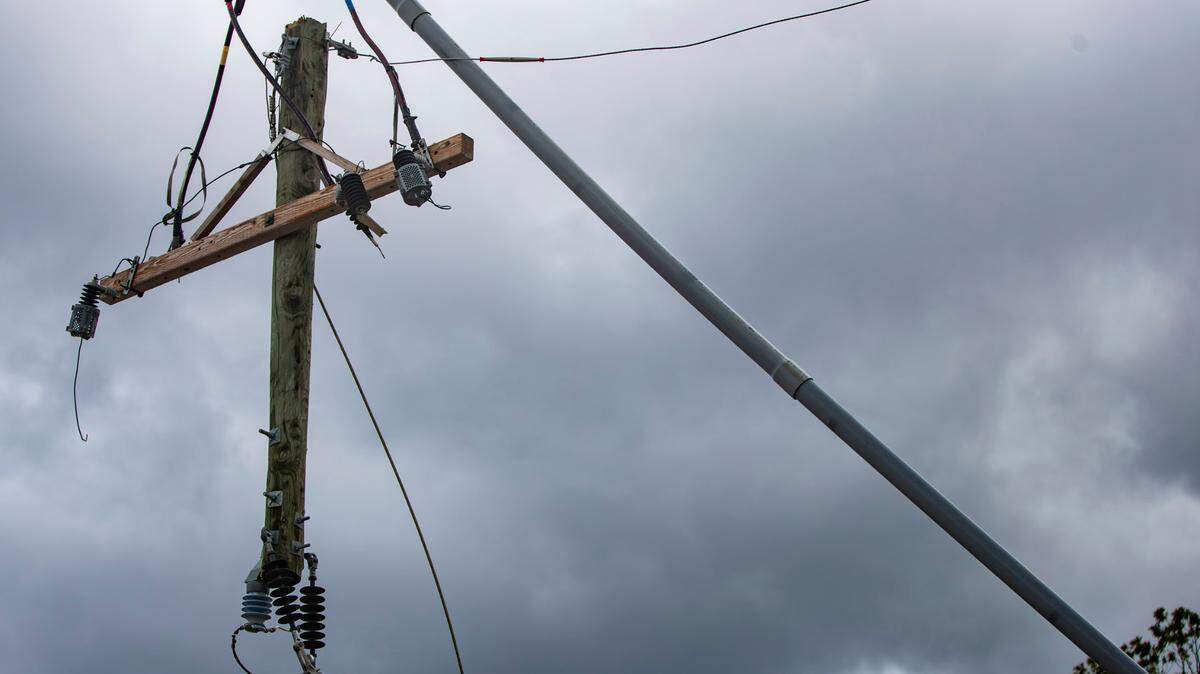
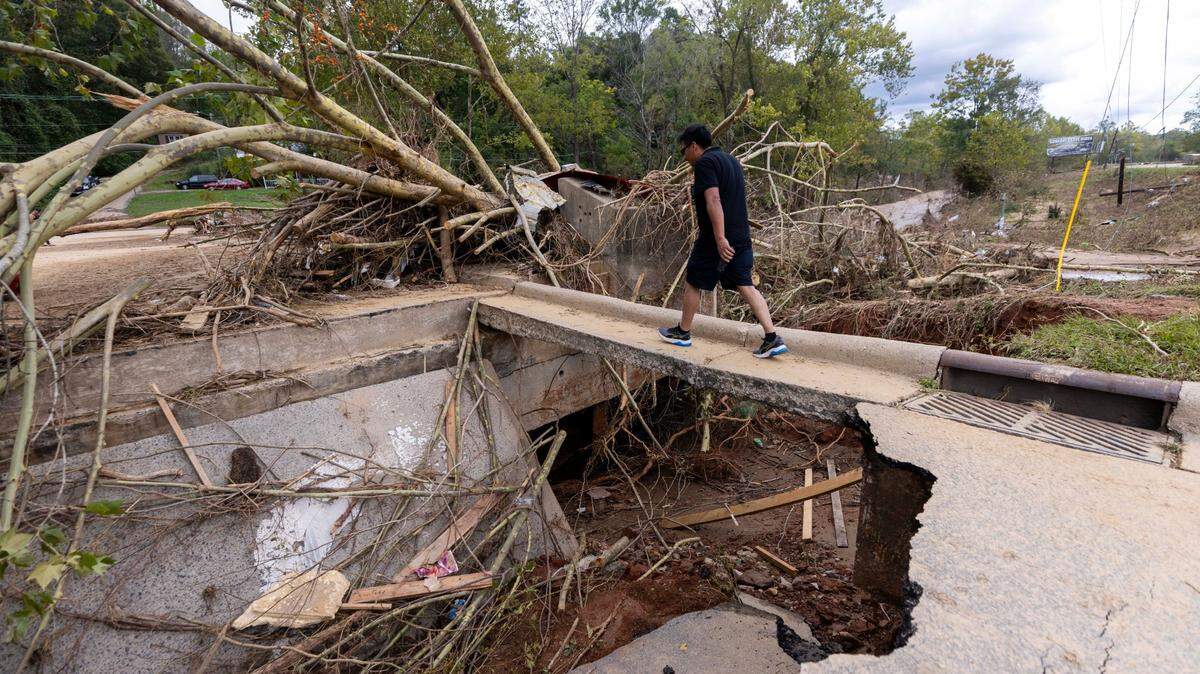
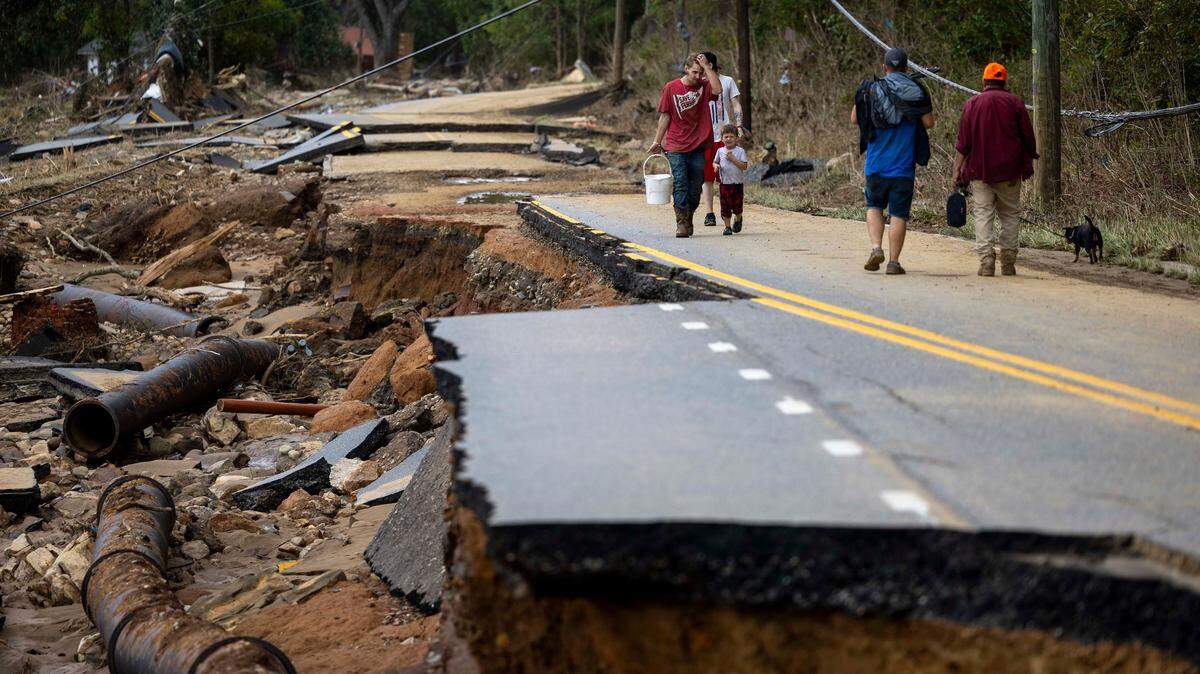
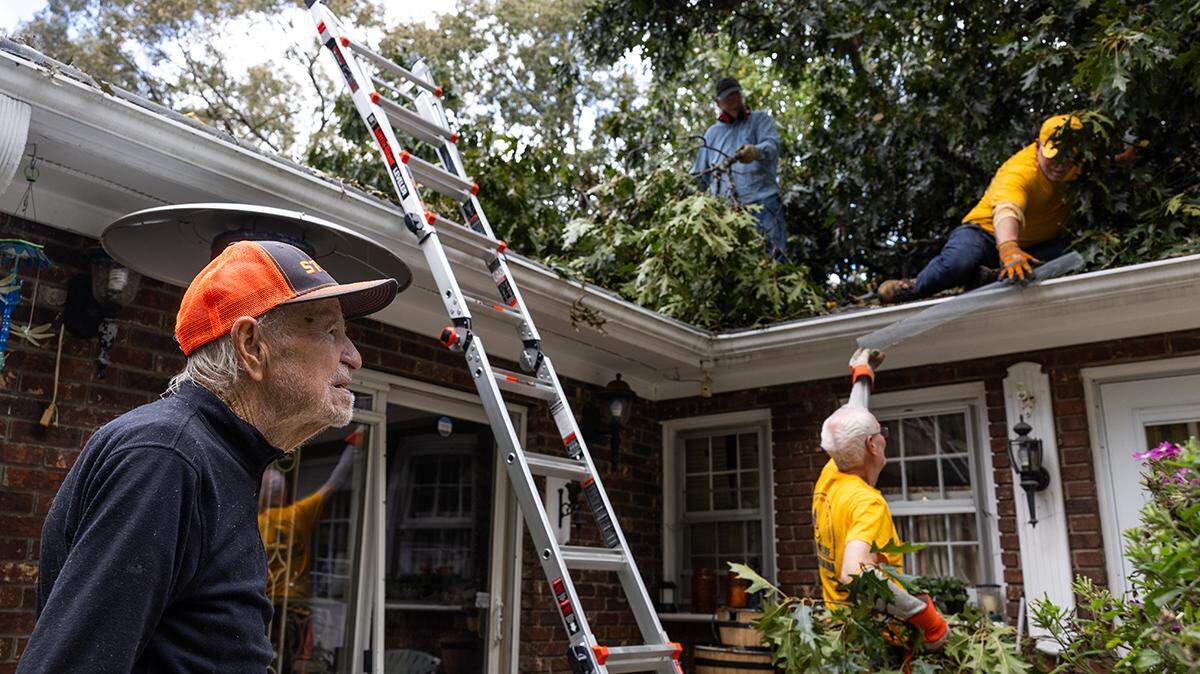
Hurricane Helene swept across the Southeast, causing major flooding and destruction throughout North Carolina. Here is ongoing coverage from The News & Observer and The Charlotte Observer about Hurricane Helene and the aftermath, particularly in Western North Carolina.
Expand All
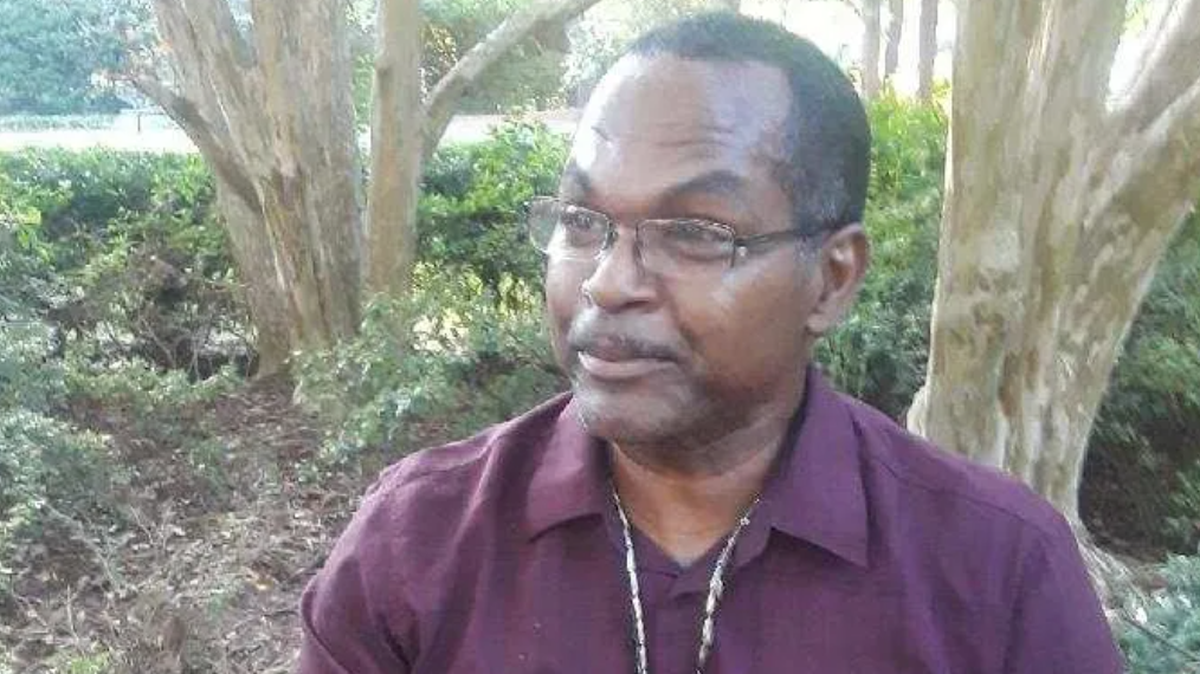
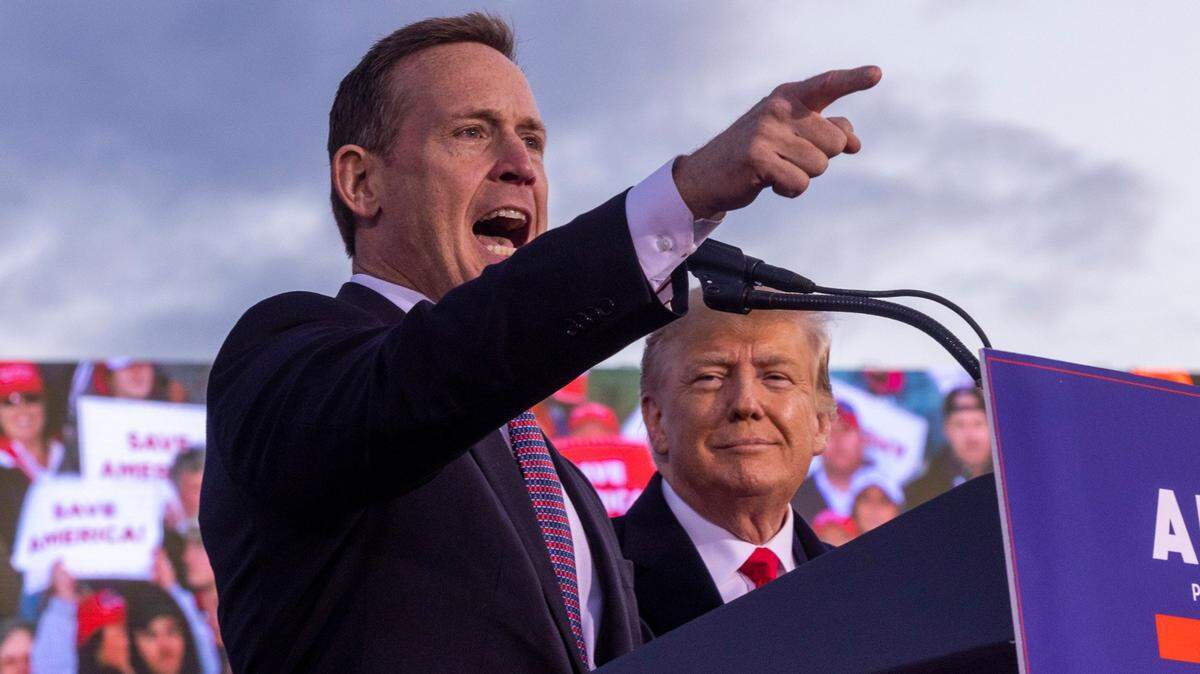
Sen. Ted Budd and Rep. Dan Bishop have been criticized for voting against funding the Federal Emergency Management Agency ahead of Hurricane Helene.
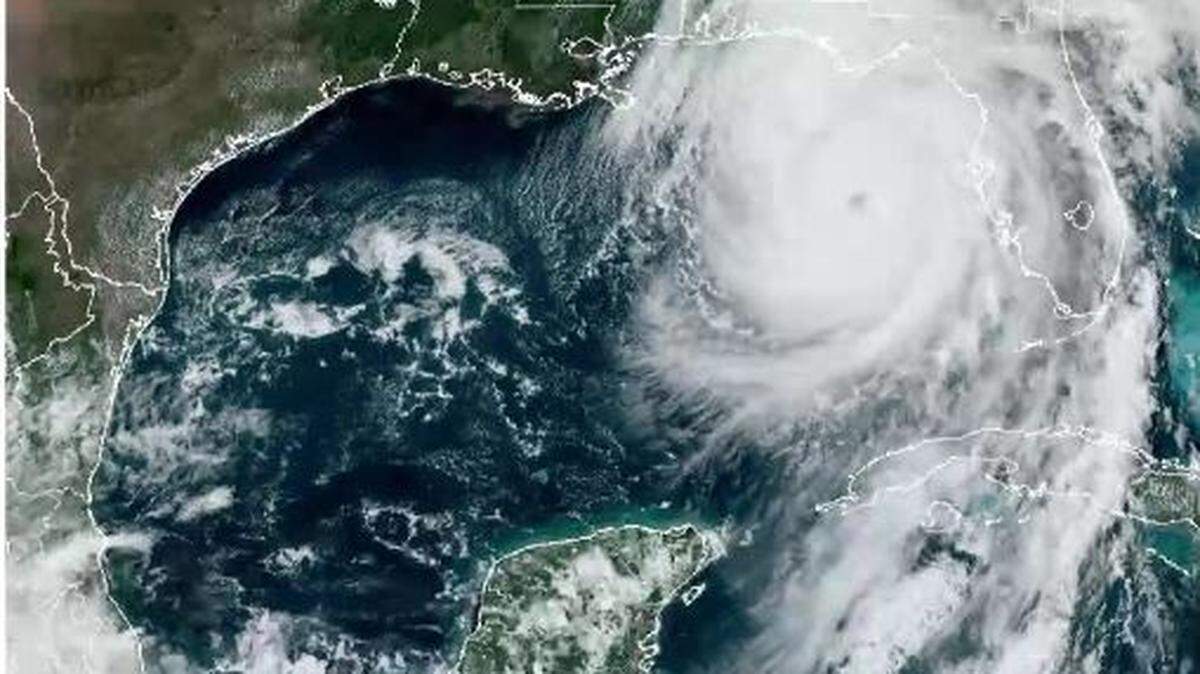
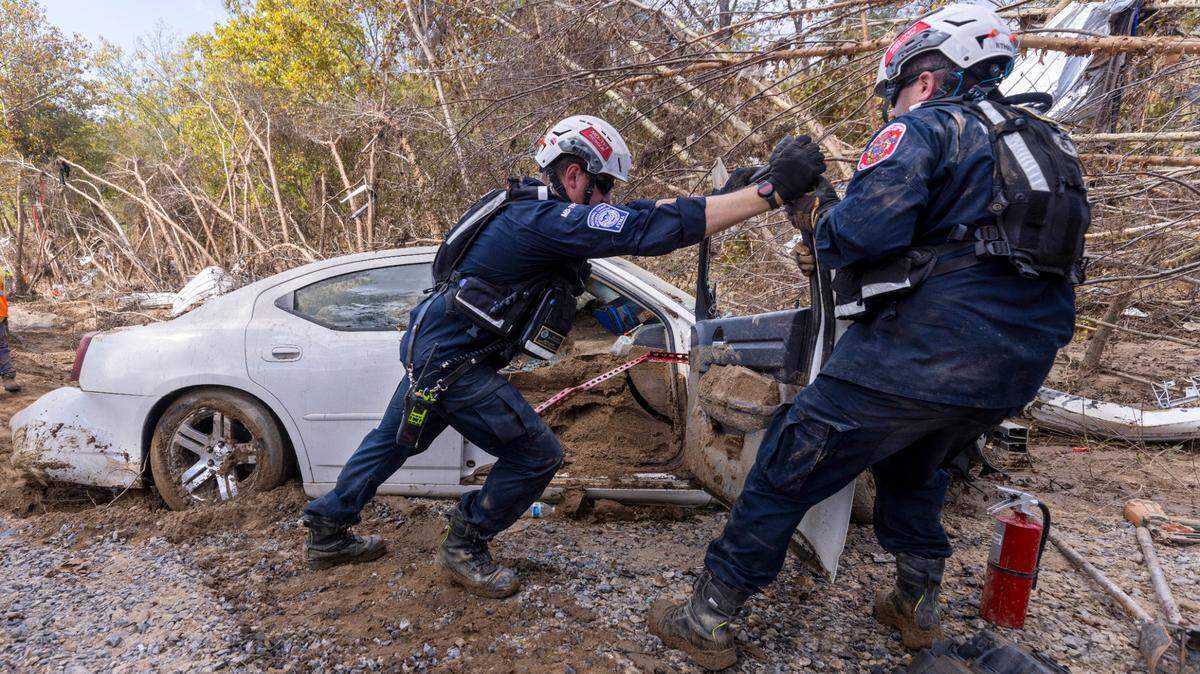
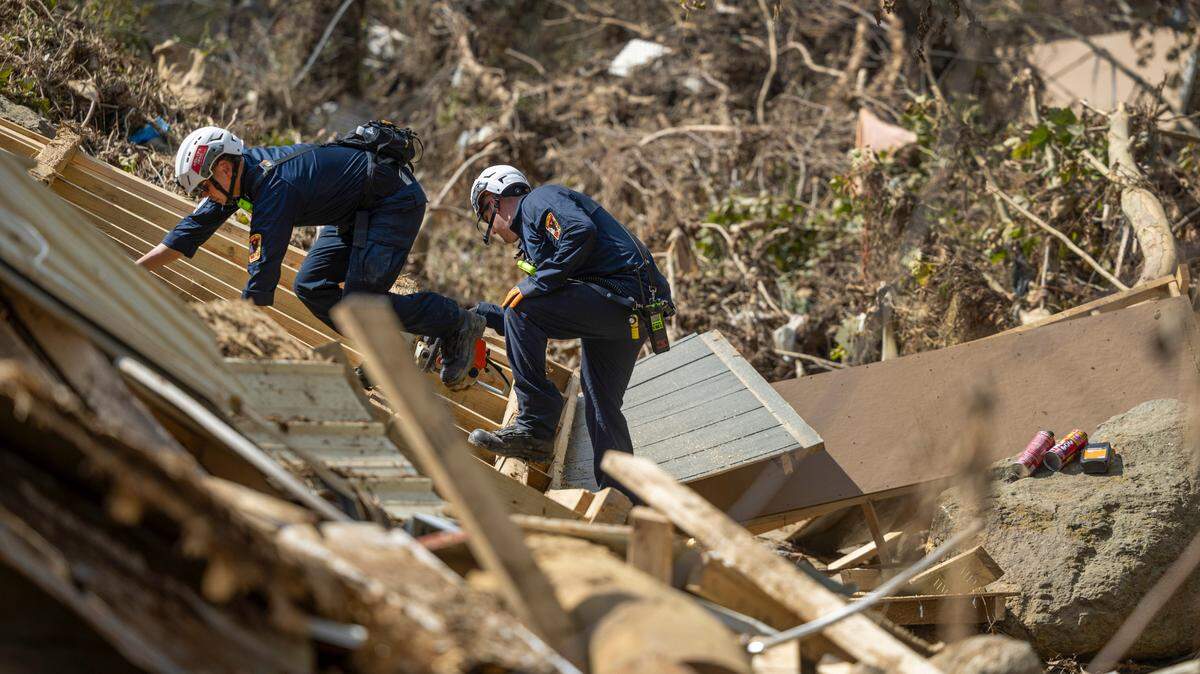
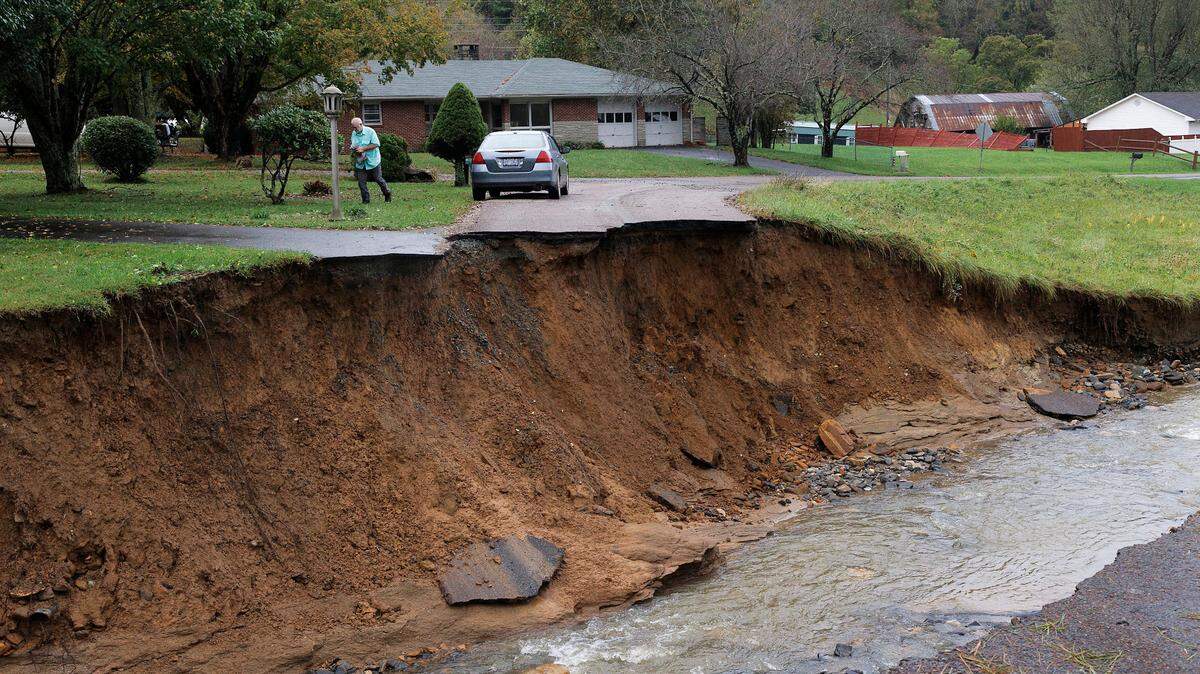
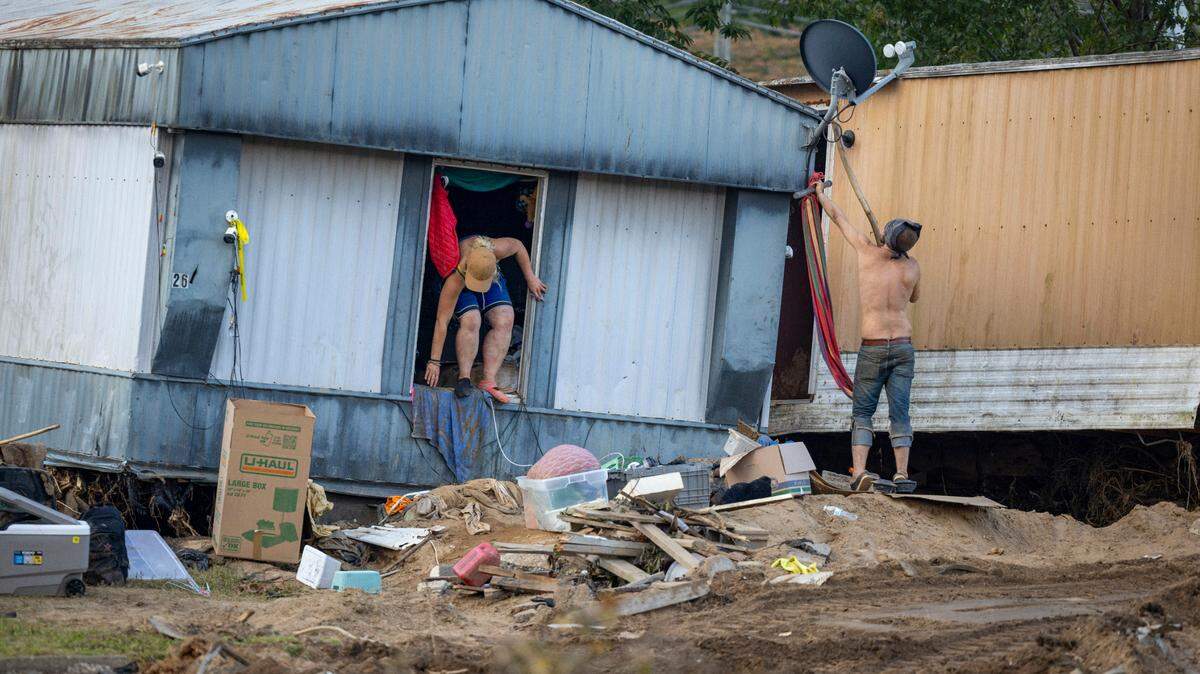
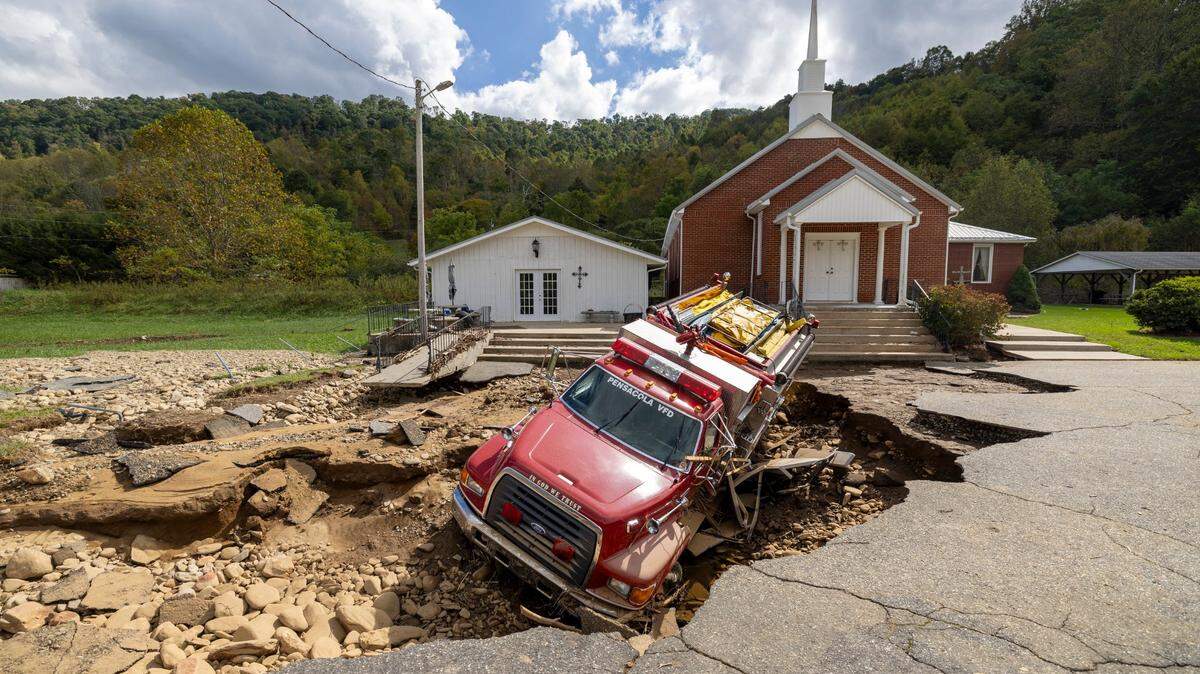
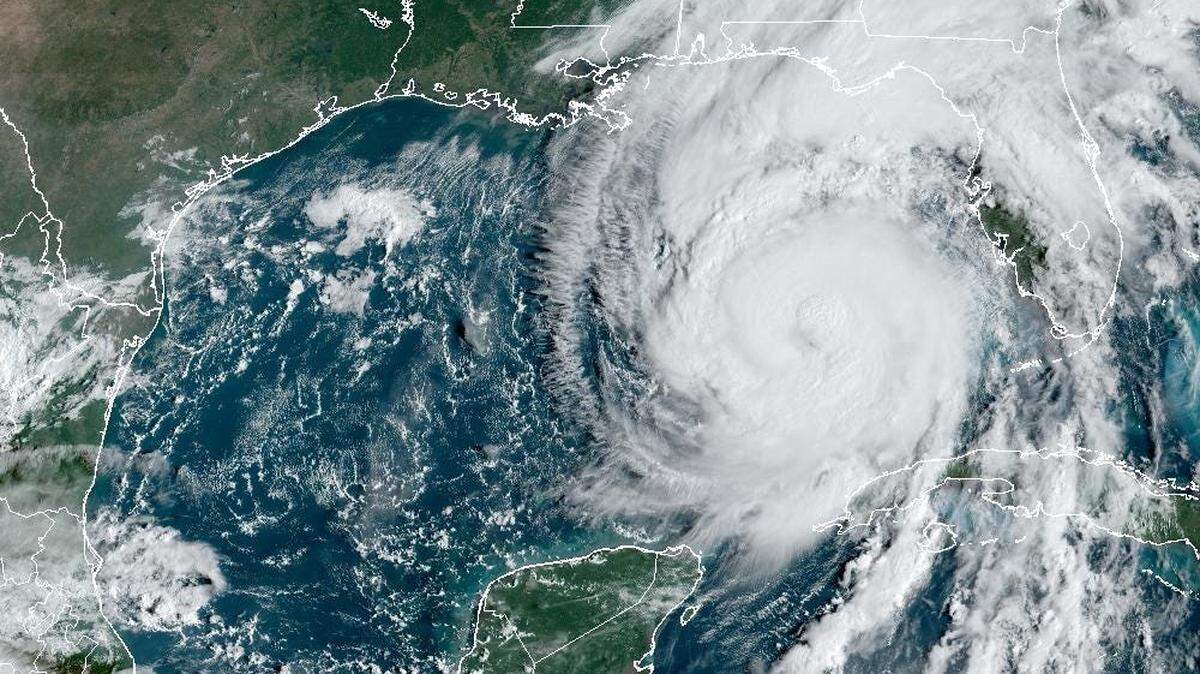
The storm made landfall on Sept. 26 as a Category 4 hurricane and tore up the East Coast, leaving a path of devastation behind.
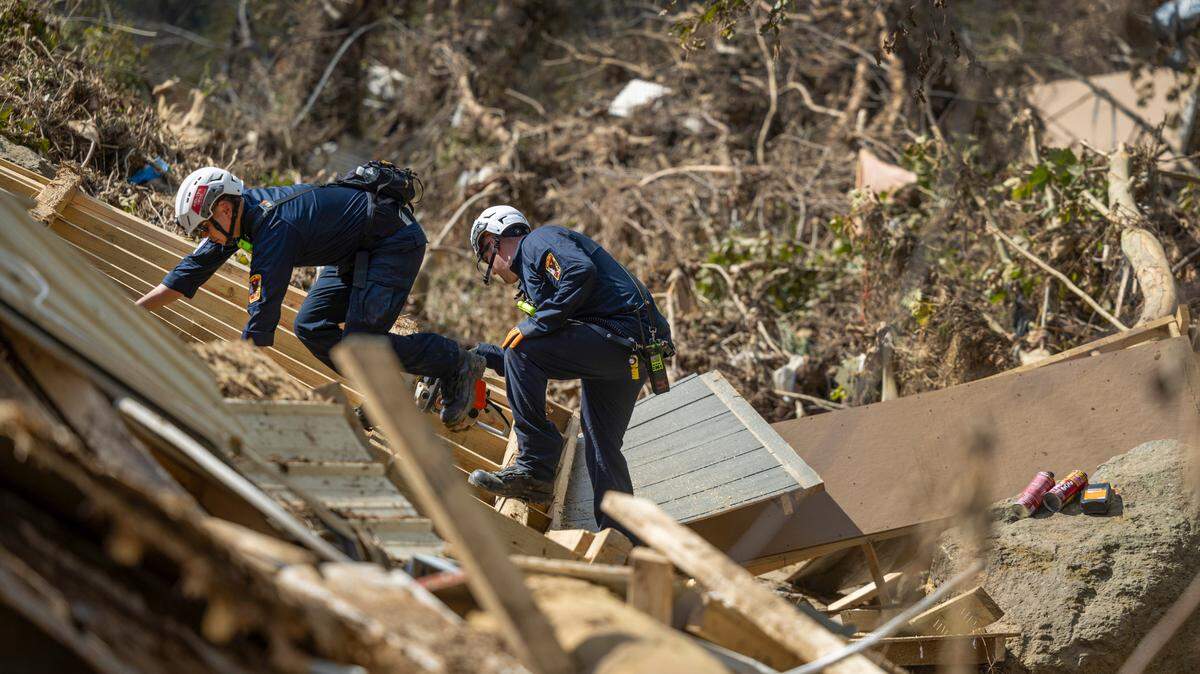
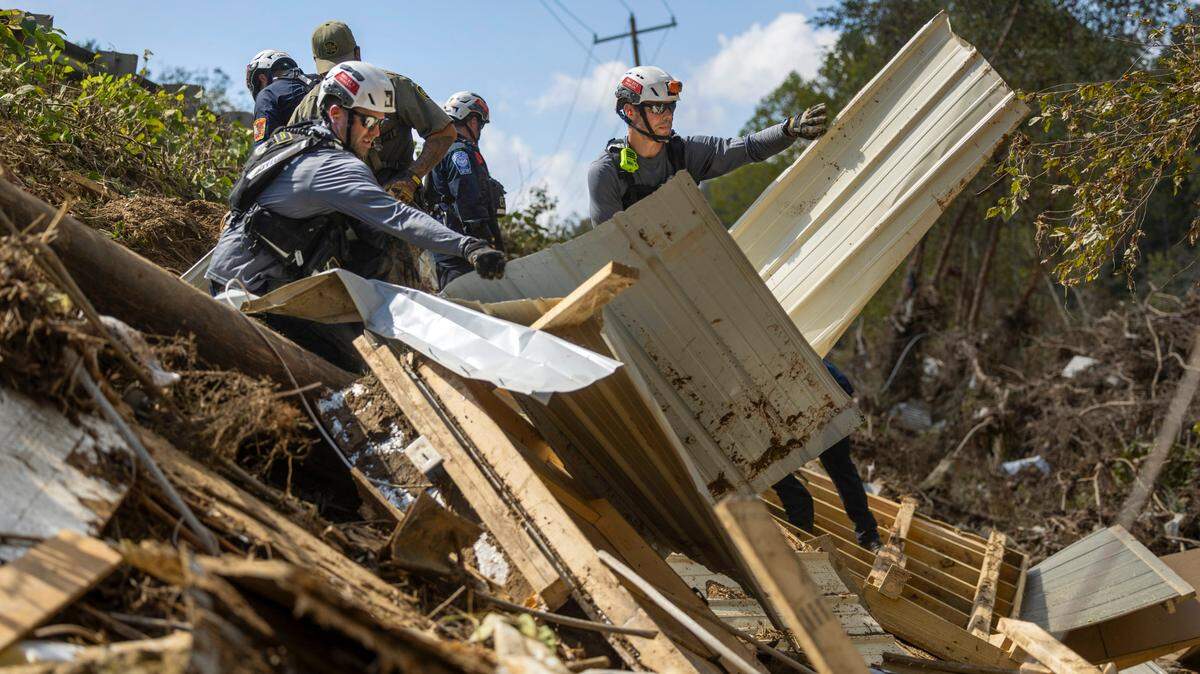
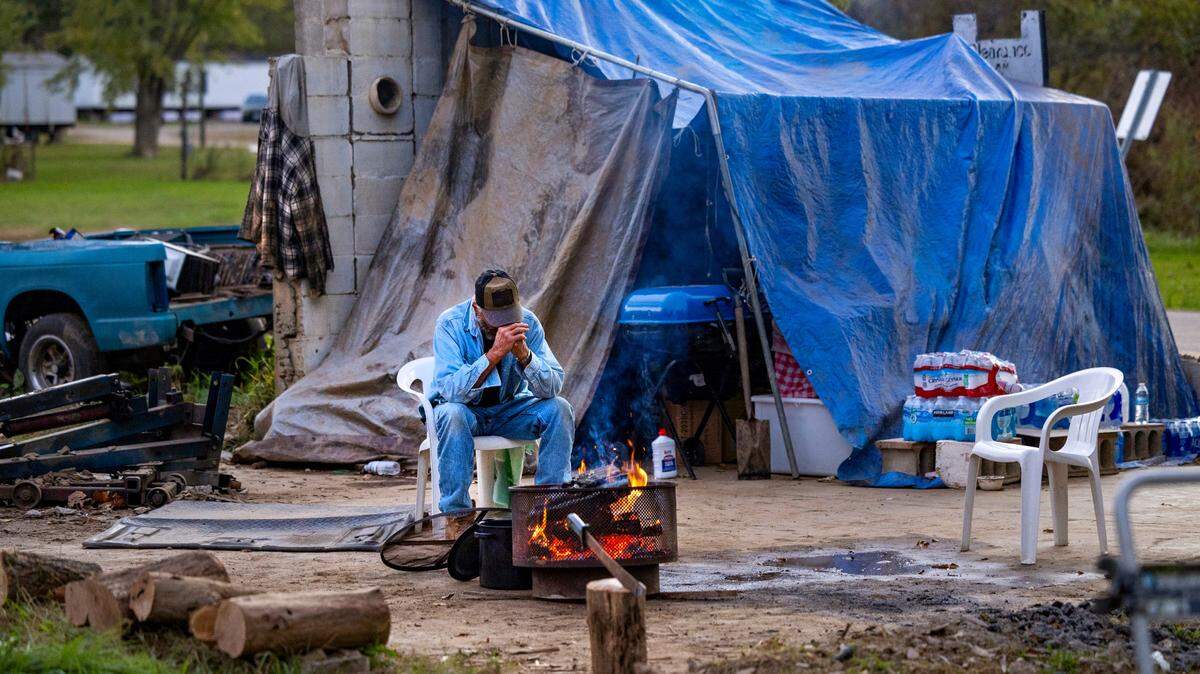
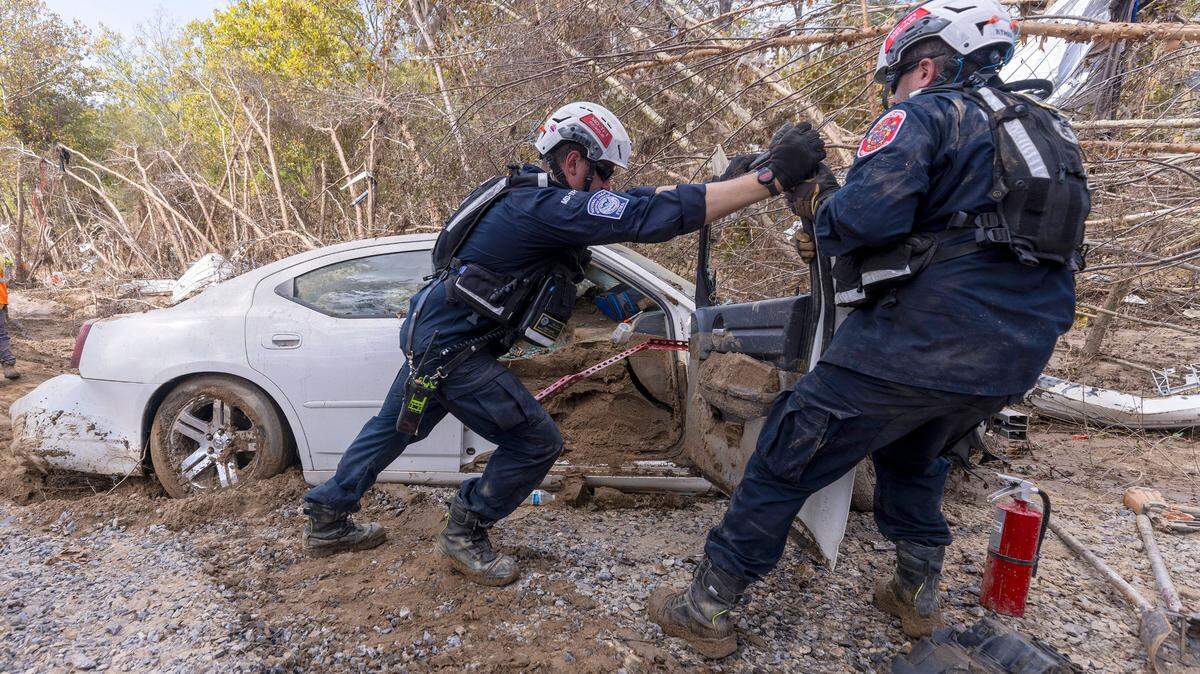
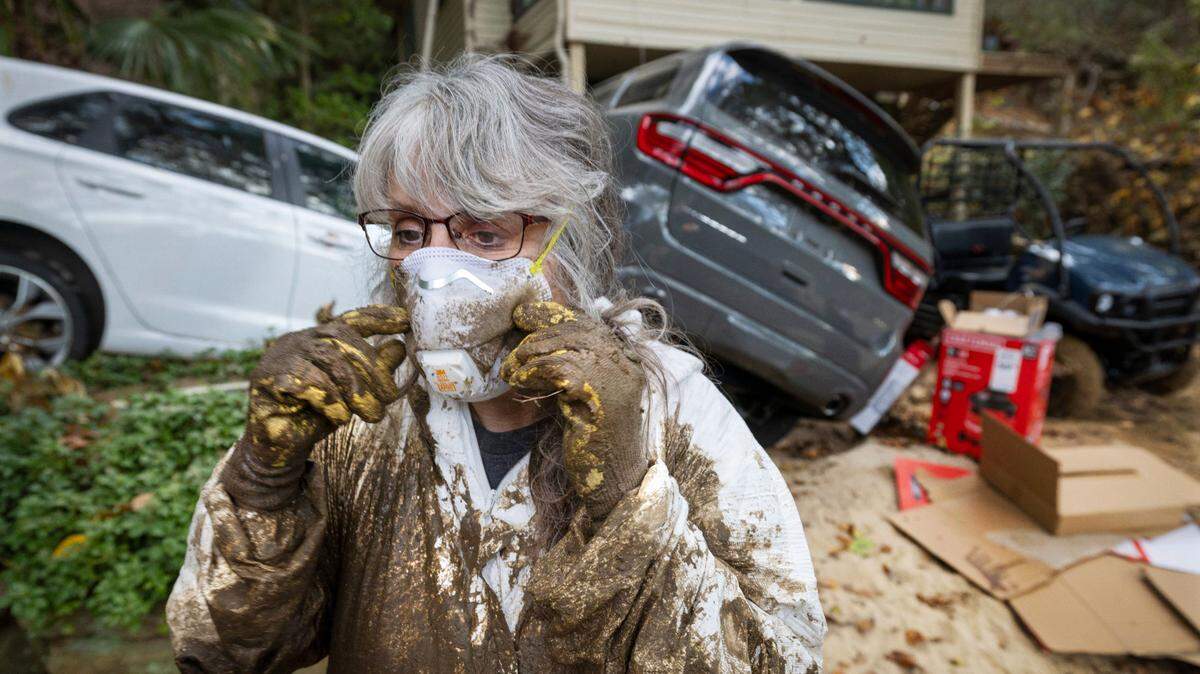
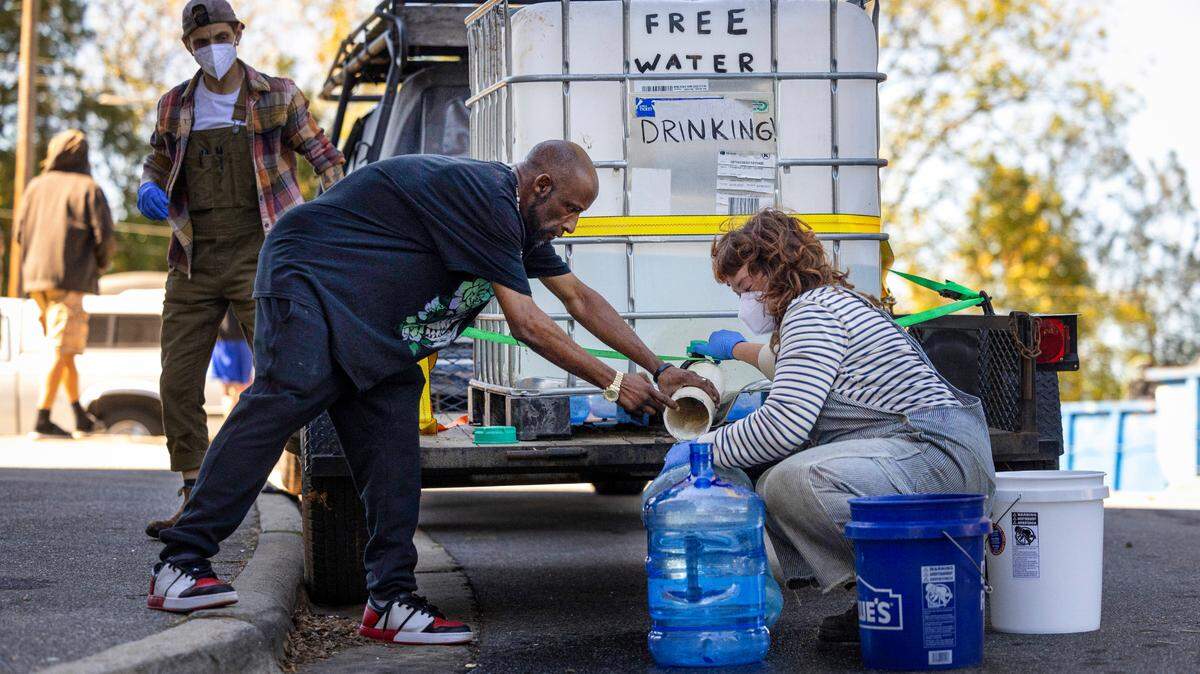
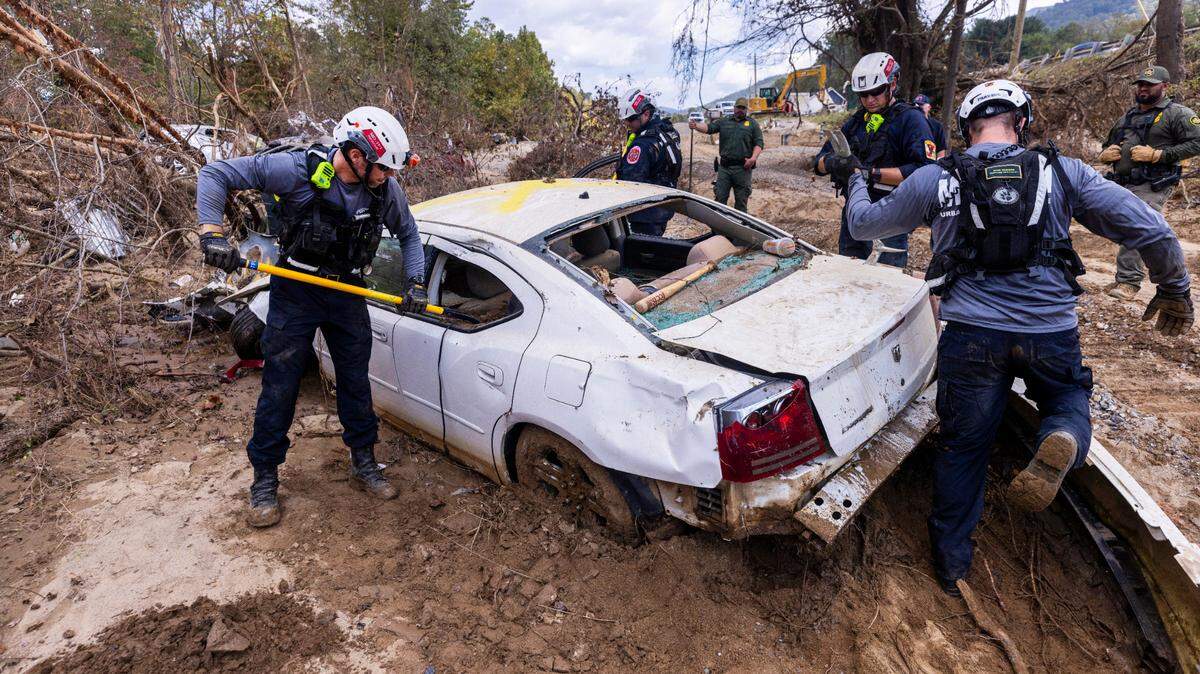
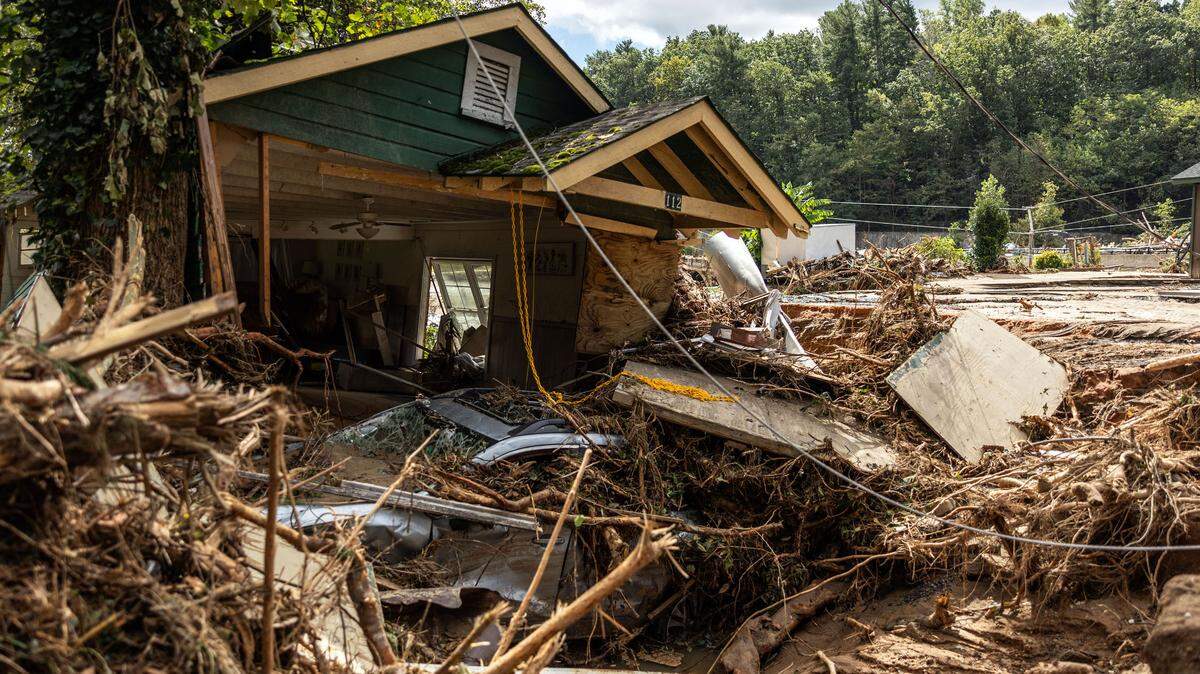
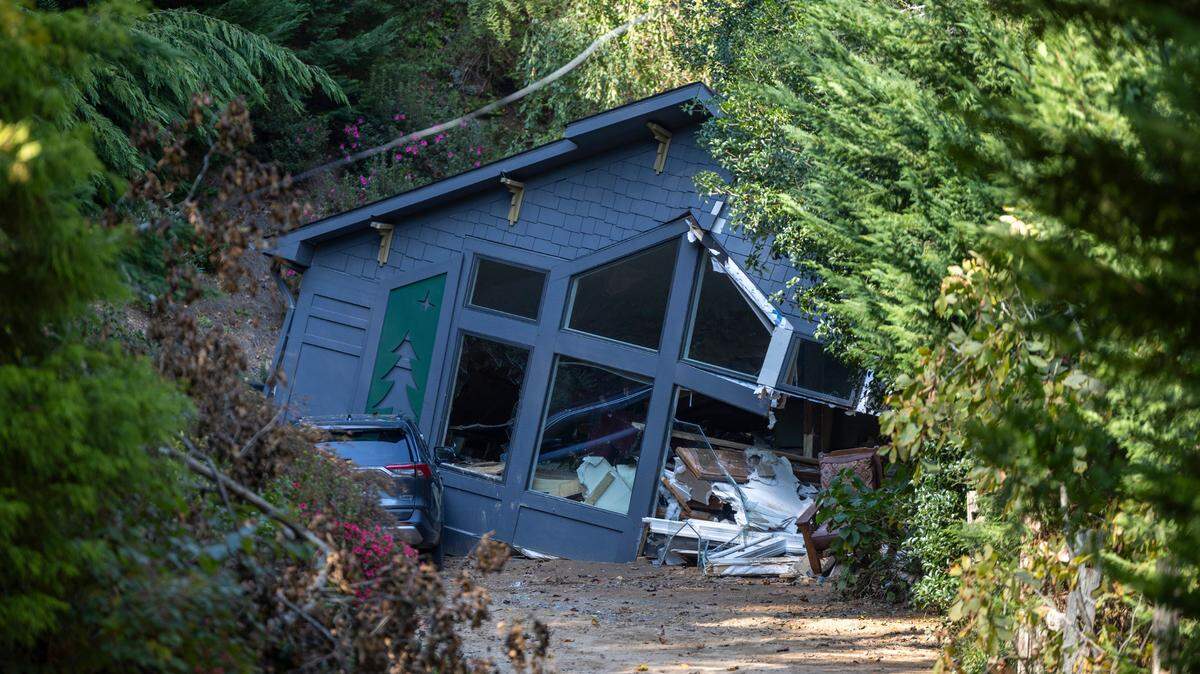
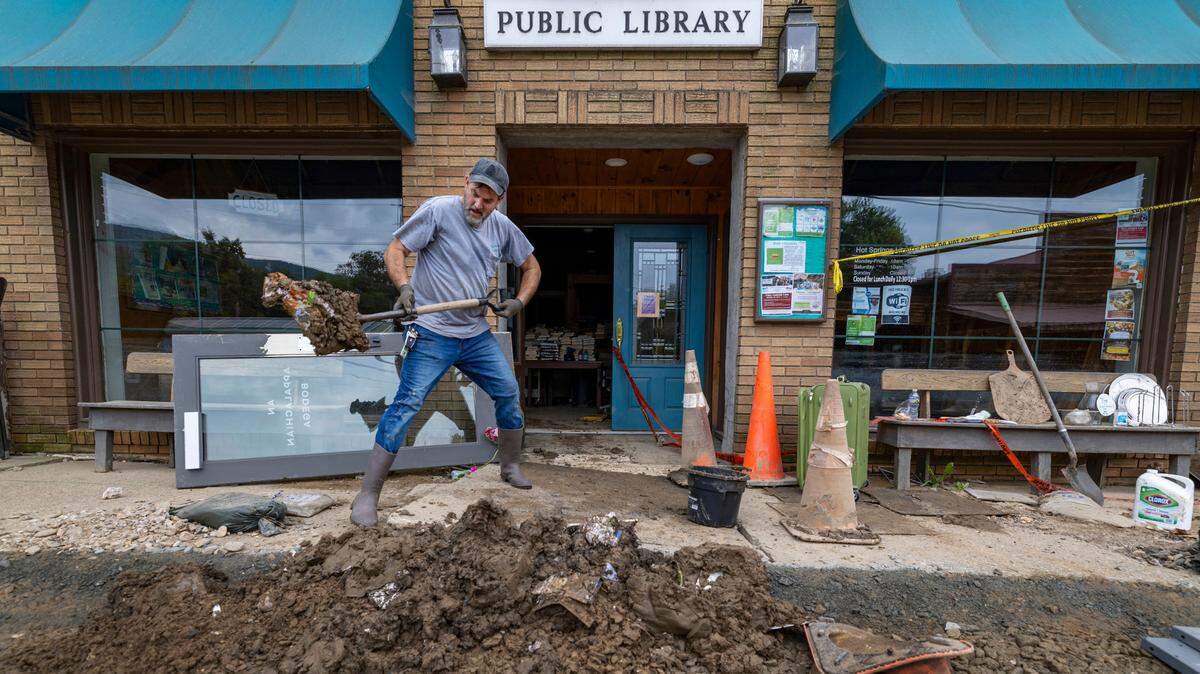
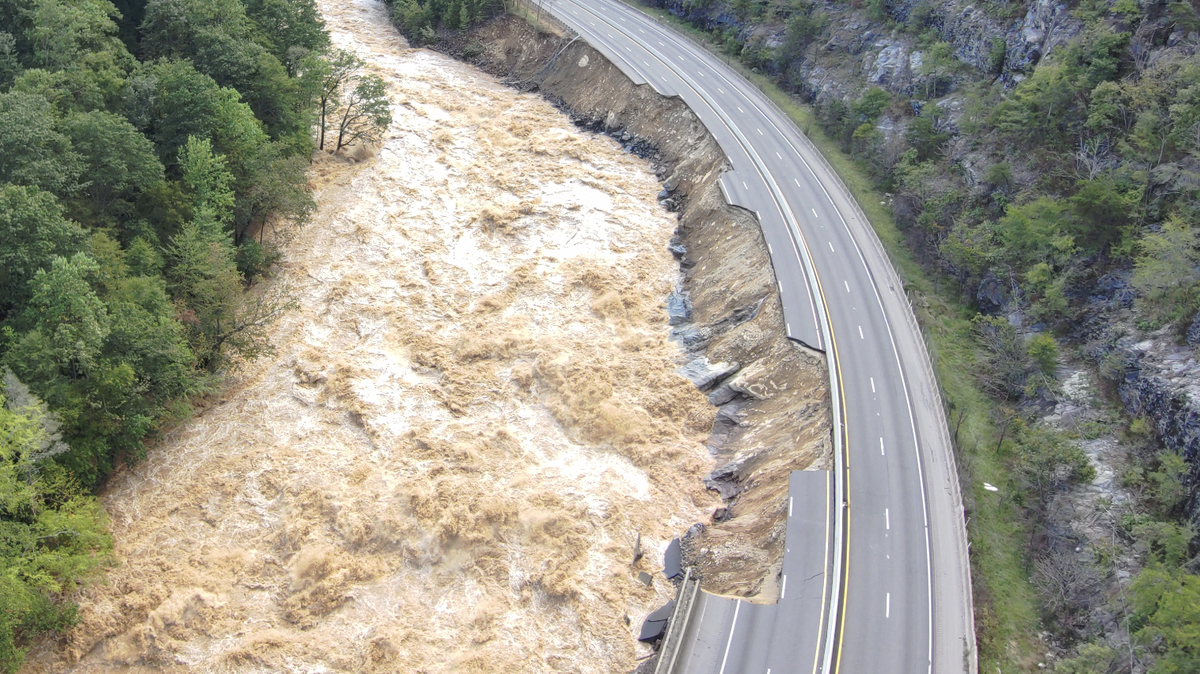
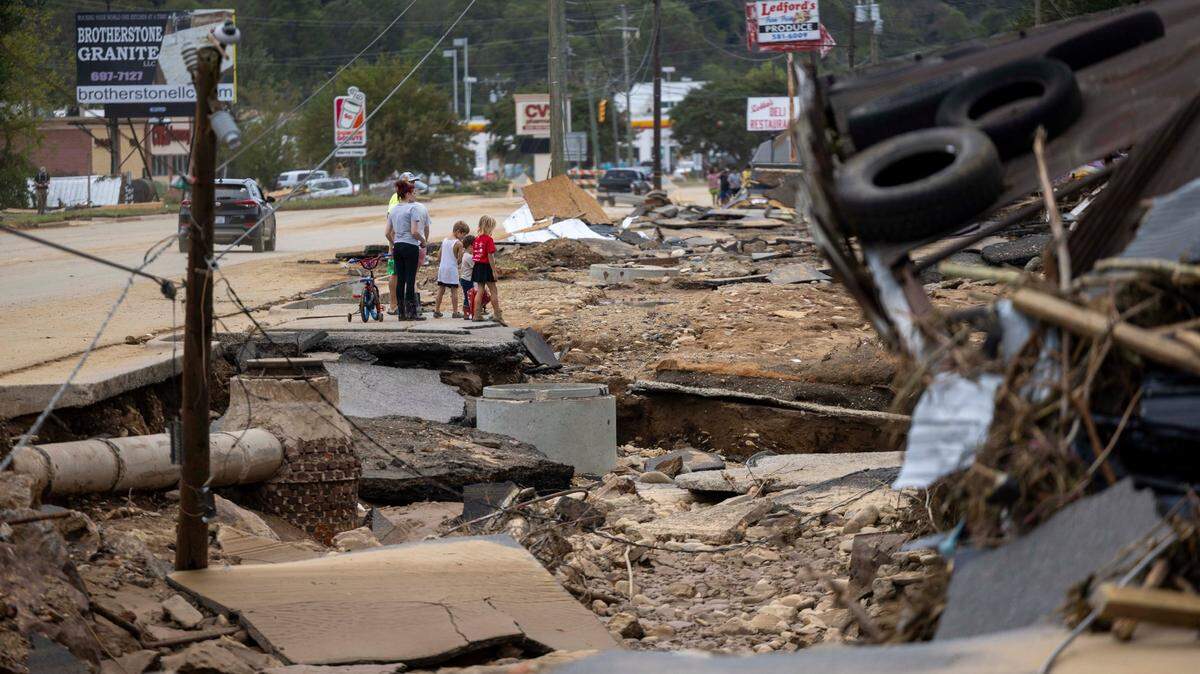
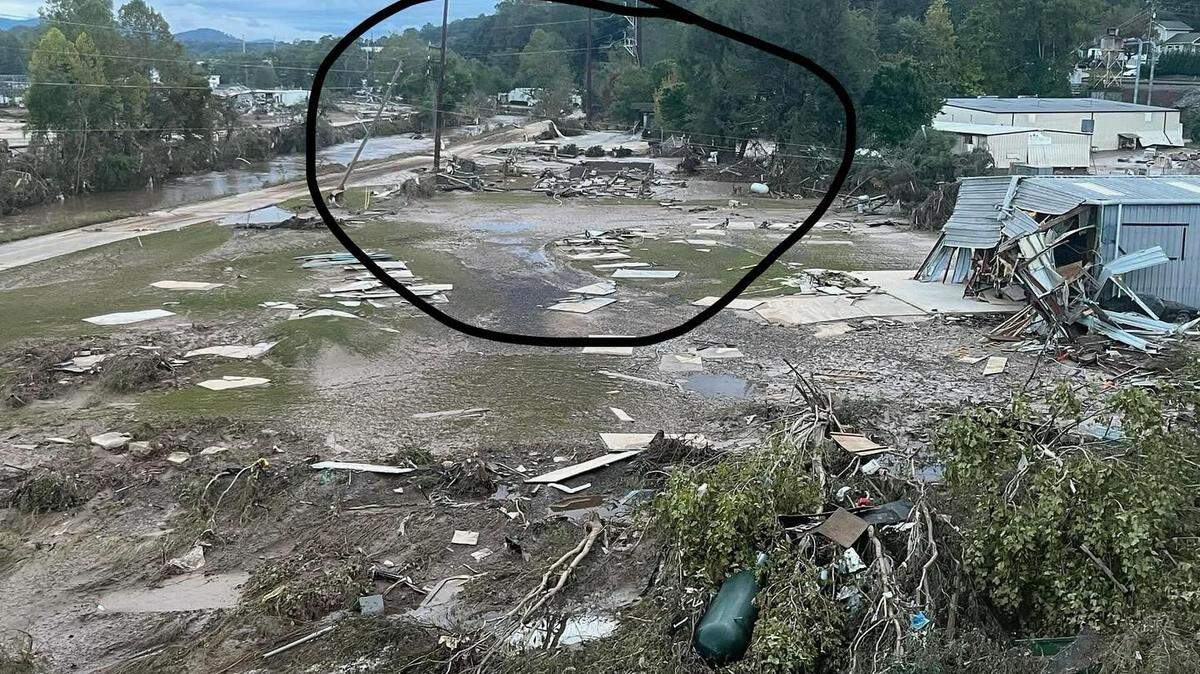
Helene killed more than 230 people, decimated communities across Western North Carolina as well as other states, and will cost well into the $100 billion range in relief aid.
And just days before the storm hit, Congress went home while ignoring requests for billions of dollars of additional disaster relief funding.
But that’s not what Budd and Bishop are being criticized for. The two Republicans are under fire for voting against a continuing resolution to keep the government funded at its current levels through Dec. 20. The CR refilled FEMA’s $20 billion budget.
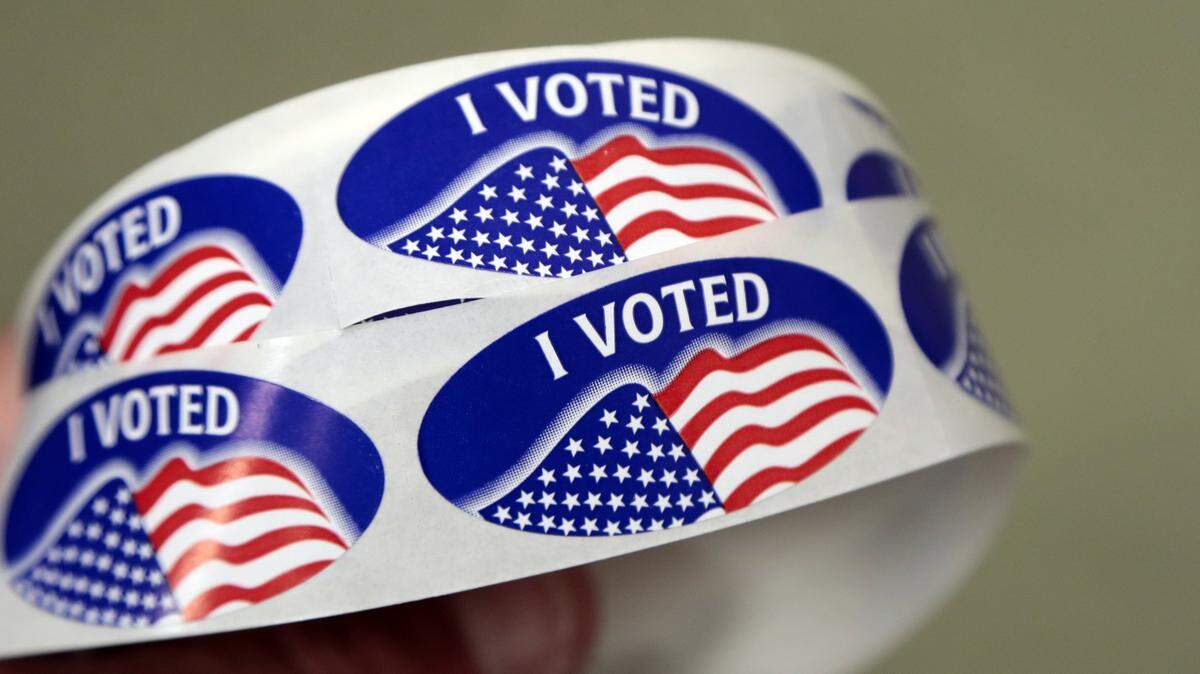
Eighteen senators and 82 House members voted against the package.
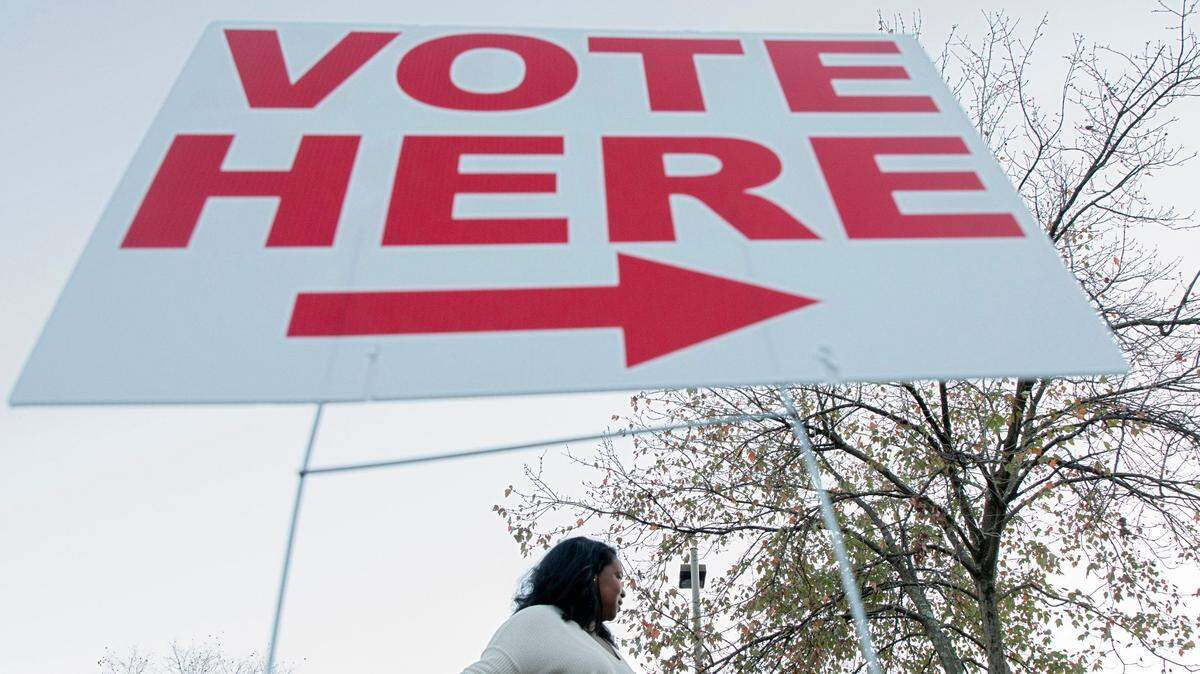
Vice President Kamala Harris’ campaign and others have used the vote to criticize Budd, Bishop and the other 98 lawmakers for voting against disaster relief funding.
But is that a fair assessment?
Voting against appropriations
“Appropriations bills are large, unwieldy pieces of legislation by design,” said Chris Cooper, a political science professor from Western Carolina University. “While it is true that the bill they voted against would have included FEMA funding, it also would have included a host of other provisions that have absolutely nothing to do with emergency management or disaster relief.”
After the bill passed the House, 341-82, Bishop quickly took to social media to explain his vote. Bishop said he won’t vote to spend billions on things the country doesn’t need when he has concerns about the election and “our debt is sky-rocketing.”
“Today’s vote sets up another monstrous December omnibus and worsens the swamp spending addiction,” Bishop wrote.
Bishop is running for attorney general against fellow Rep. Jeff Jackson.
Budget negotiations
This session of Congress will go down in history as one of the least productive on record. The first year was mired by Republican infighting, and that largely stemmed from negotiations over 12 appropriation bills.
The infighting got so severe that it cost House Speaker Kevin McCarthy his leadership role, caused him to resign from Congress, led to Rep. Patrick McHenry, a Republican from North Carolina, becoming an interim speaker for the first time in the nation’s history, and then set up three weeks of Republicans trying to elect a new speaker.
Most of those events happened in October 2023, but it wasn’t until March that Congress passed those 12 appropriation bills that make up the government’s budget.
And now they have to do it again.
Budd’s vote
As for Budd, he didn’t put out a public statement following the vote, but his staff provided an explanation in an email to McClatchy Tuesday.
“Senator Budd wanted to see reform to the broken budget process instead of setting in motion a process that will lead to a massive take-it-or-leave-it spending bill before Christmas,” said Curtis Kalin, Budd’s spokesman. “... when the government overspends on things it shouldn’t, it crowds out the real responsibilities it has, like disaster relief.”
Disaster relief
Since Helene hit Western North Carolina, Budd has been one of the lawmakers who immediately called for relief to those affected.
He and Sen. Thom Tillis wrote a joint letter asking for congressional leadership to consider bringing members of Congress back during their October recess to pass disaster relief aid.
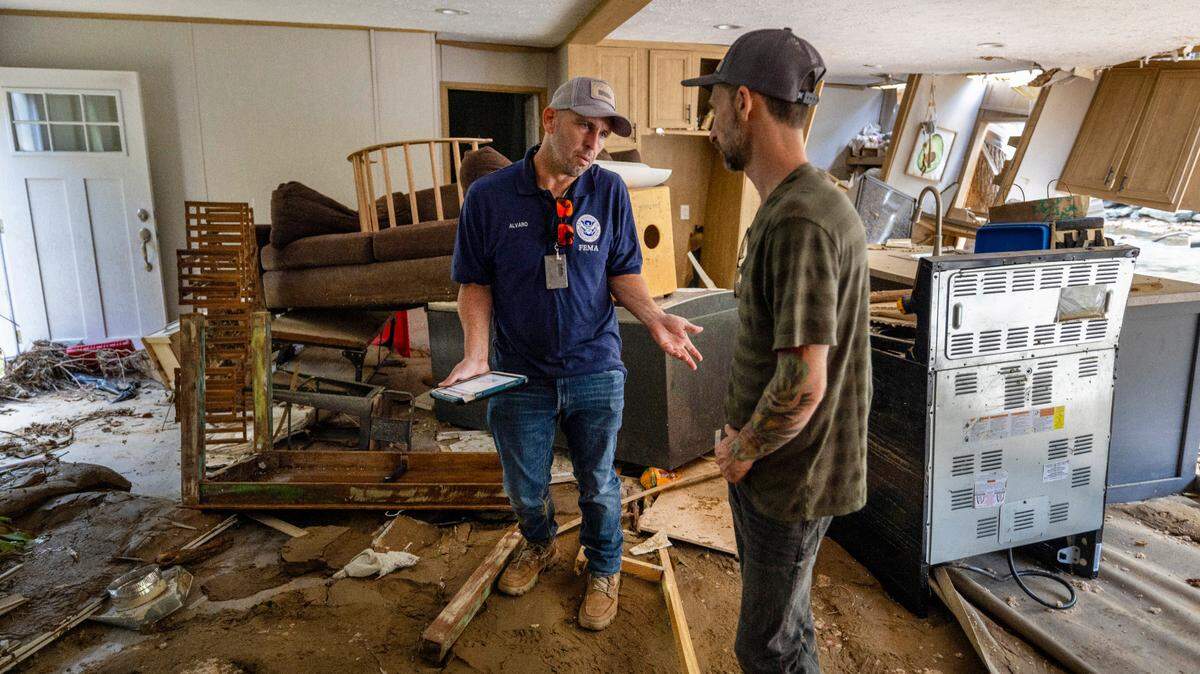
FEMA officials stated that the agency has the money for an immediate response and recovery to Helene.
But long-term, both Republicans and Democrats, including President Joe Biden, have called on Congress to do more.
And overnight, Hurricane Milton made landfall in Florida, causing widespread damage and flooding in its path.
This story was originally published October 10, 2024 at 10:59 AM.














.jpg)



.jpeg)

.JPG)



























.JPG)