‘Apocalyptic’ damage: Helene kills at least 30 in Western NC, severs power, water, roads
READ MORE
Hurricane Helene Aftermath
Hurricane Helene swept across the Southeast, causing major flooding and destruction throughout North Carolina. Here is ongoing coverage from The News & Observer and The Charlotte Observer about Hurricane Helene and the aftermath, particularly in Western North Carolina.
Expand All
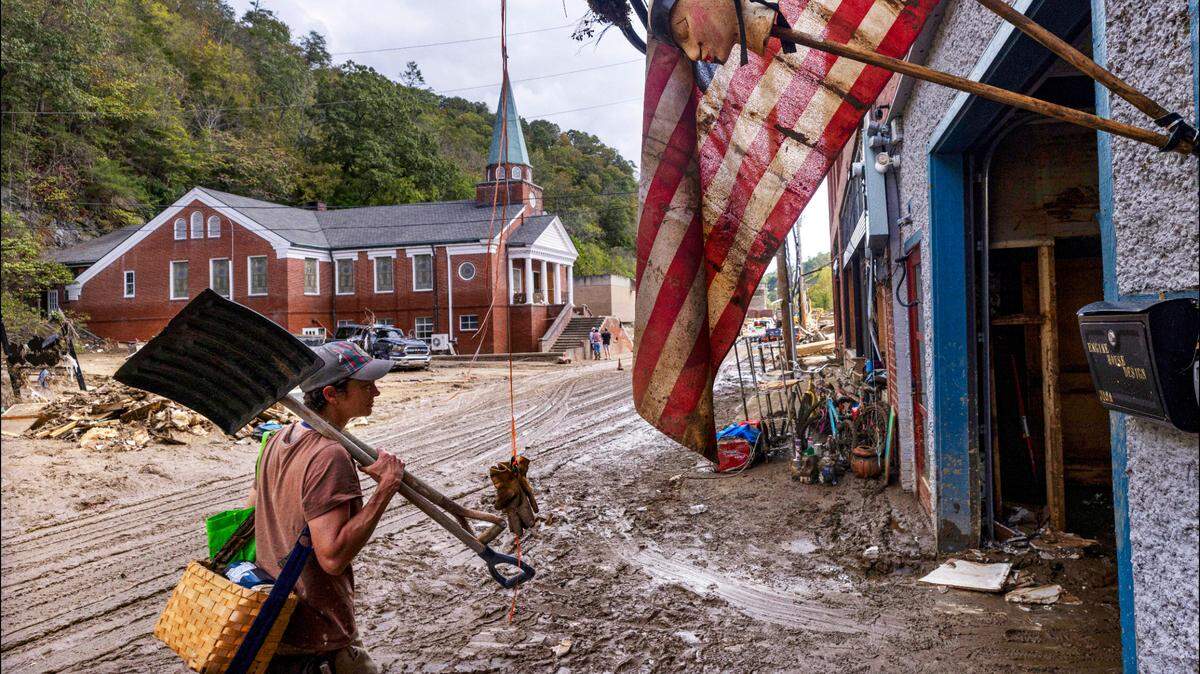
In the Western North Carolina town of Canton, Mayor Zeb Smathers has never seen anything like it.
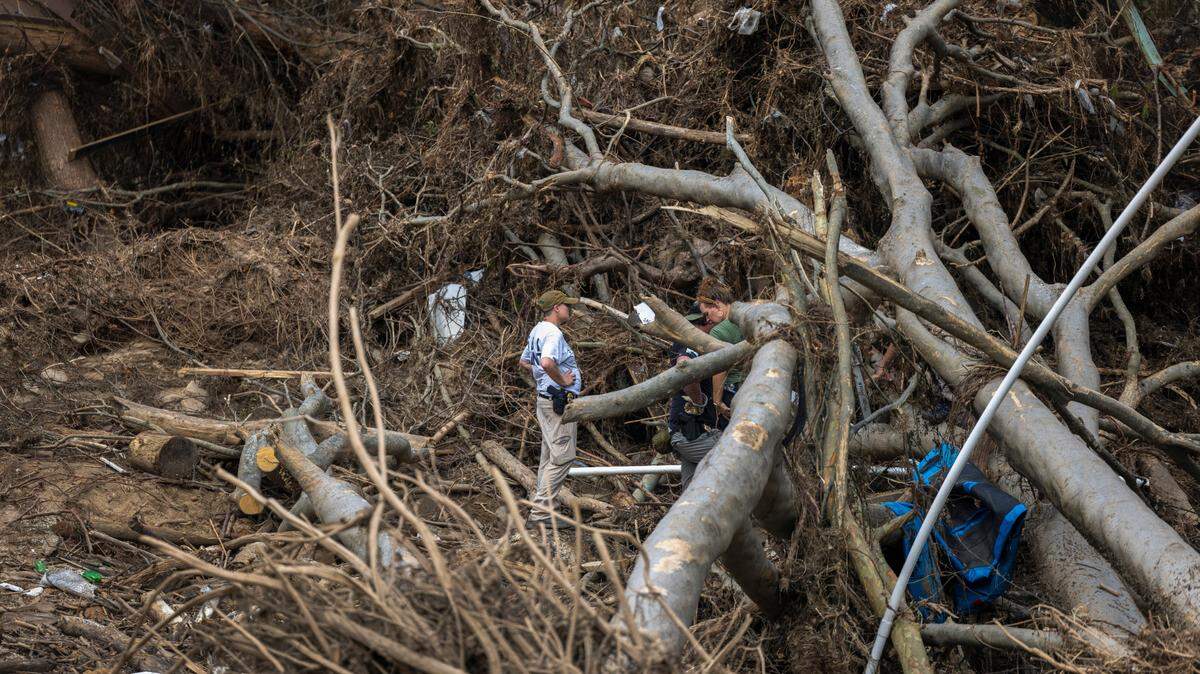
“It is truly the worst storm we have faced, and not just us, but our friends across the mountains,” Smathers said. “The word I keep coming back to ... is apocalyptic.”
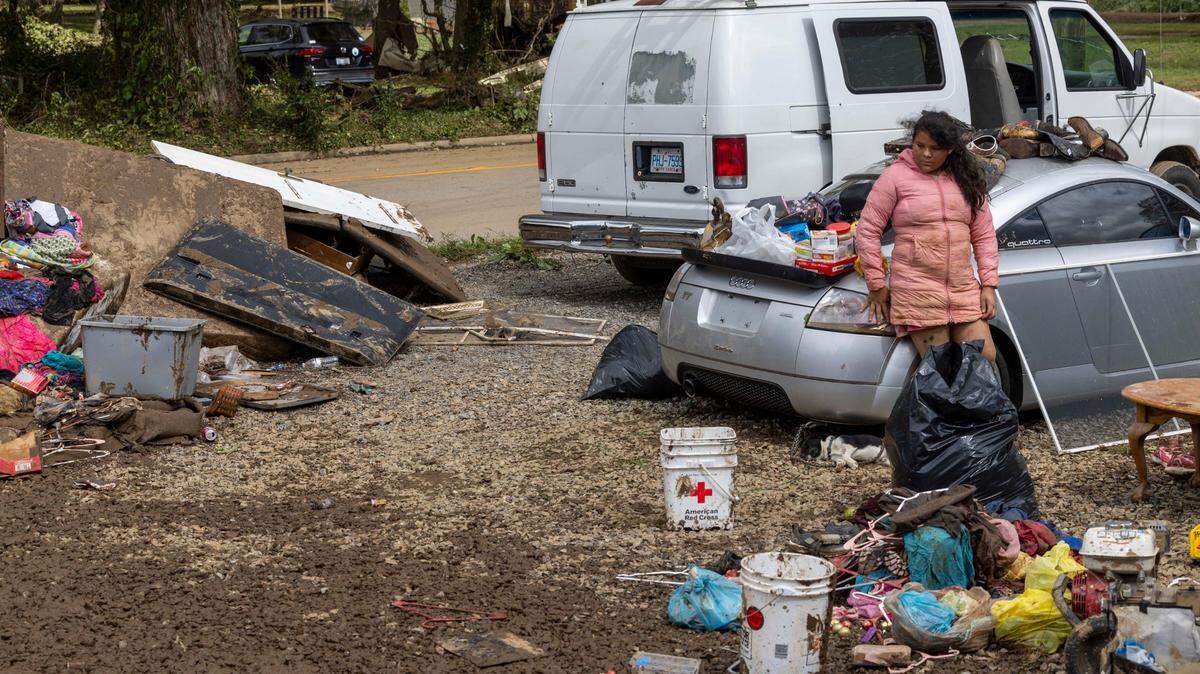
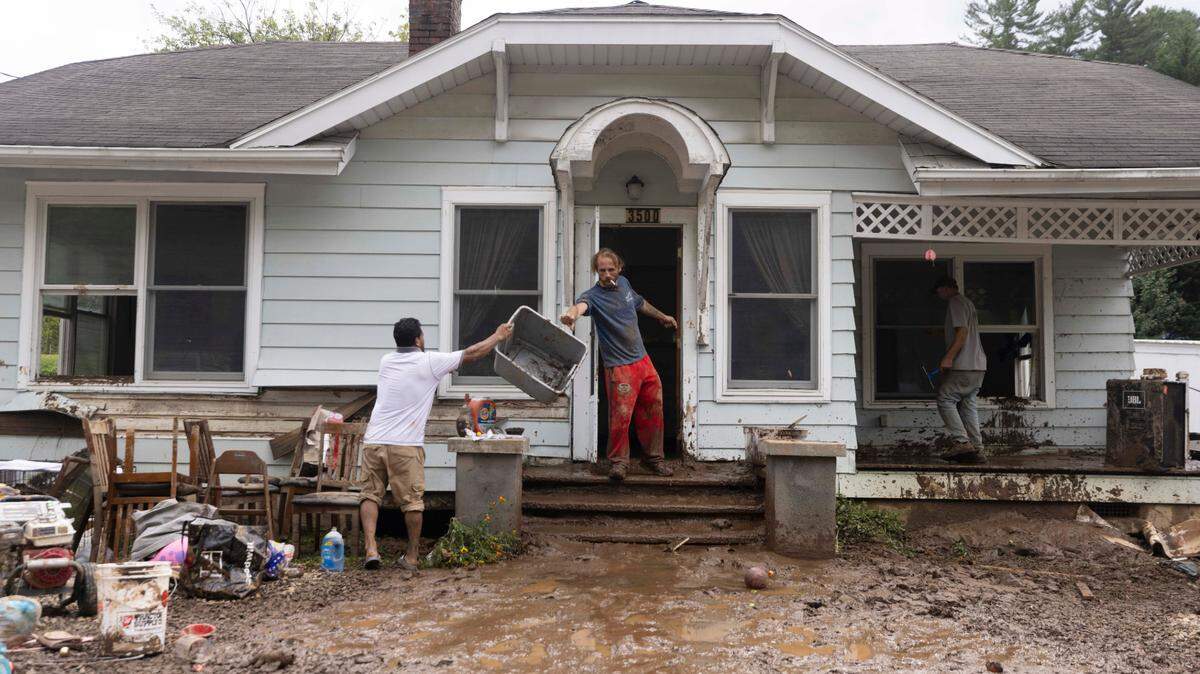
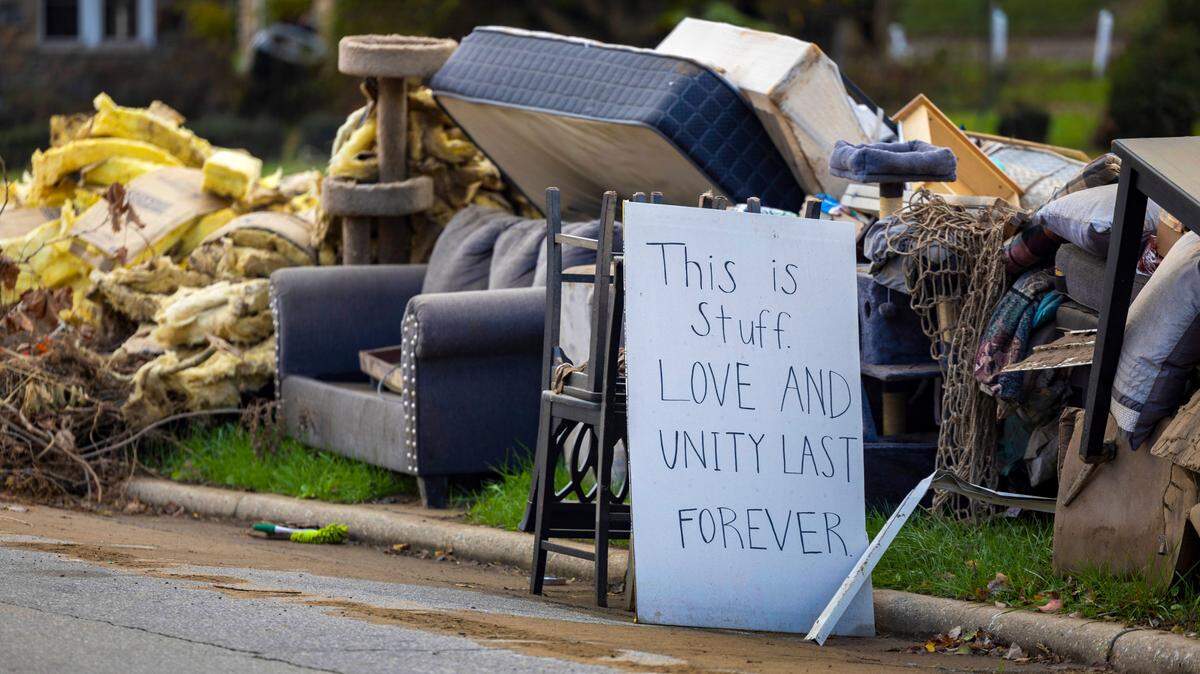
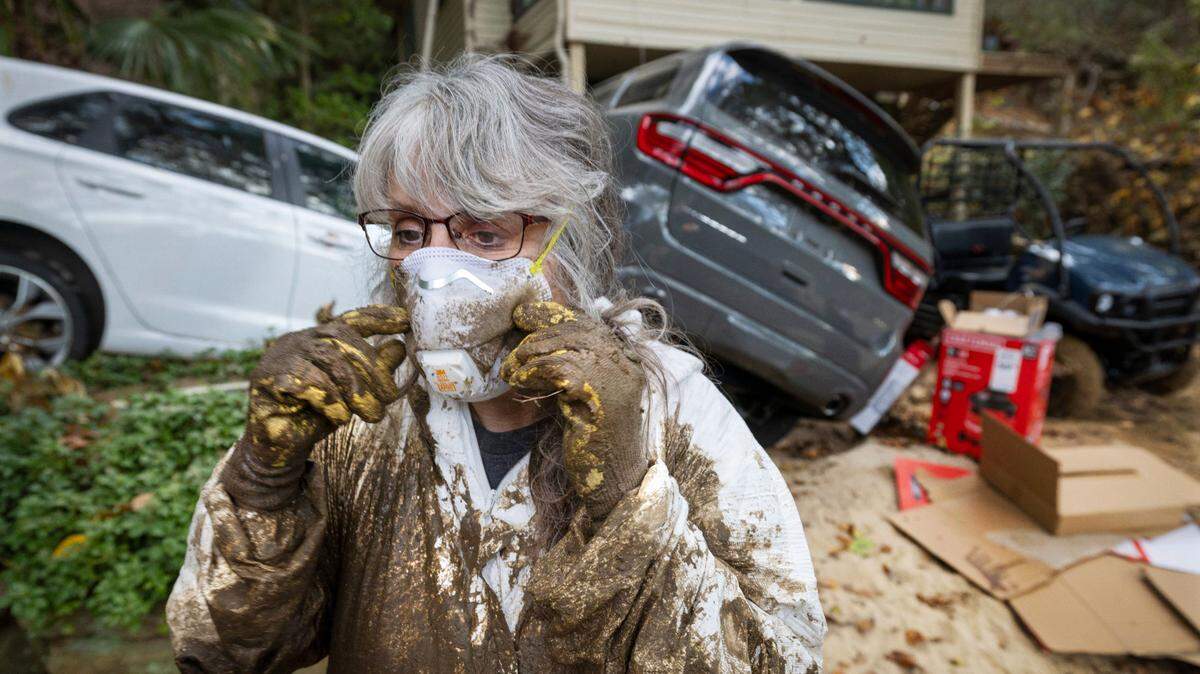
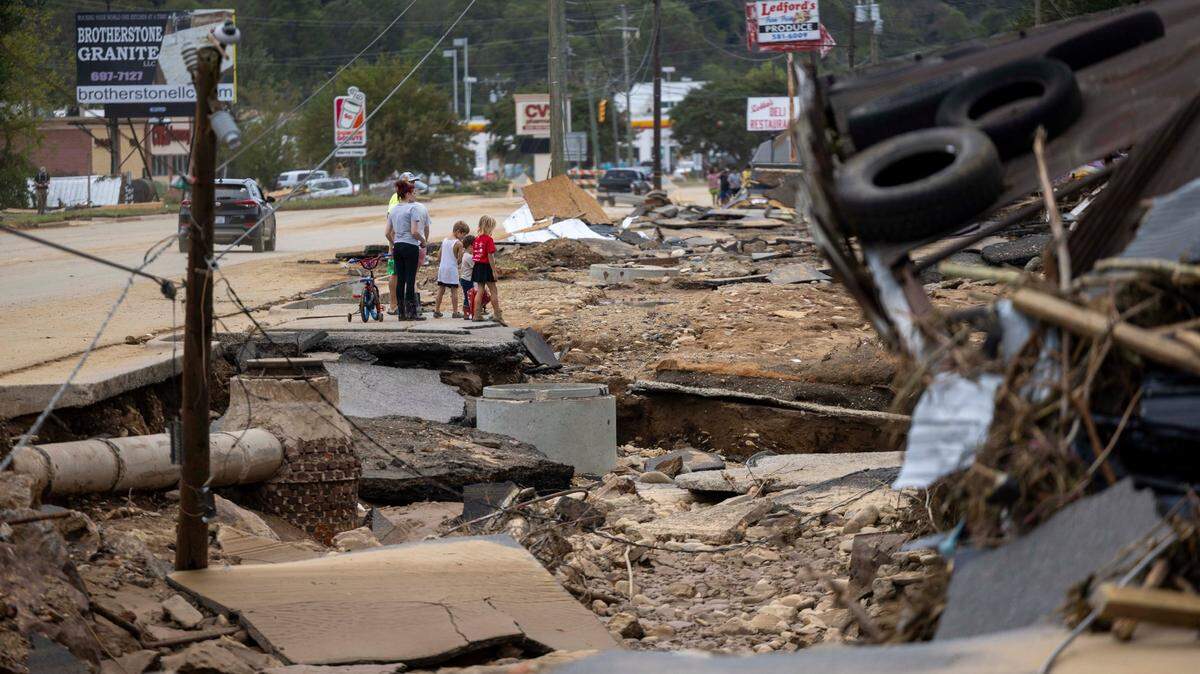
Across North Carolina, many residents are voicing similar sentiments about the devastation left by Tropical Storm Helene, a disaster that has left thousands without power, safe roads, cellphone service or potable water.
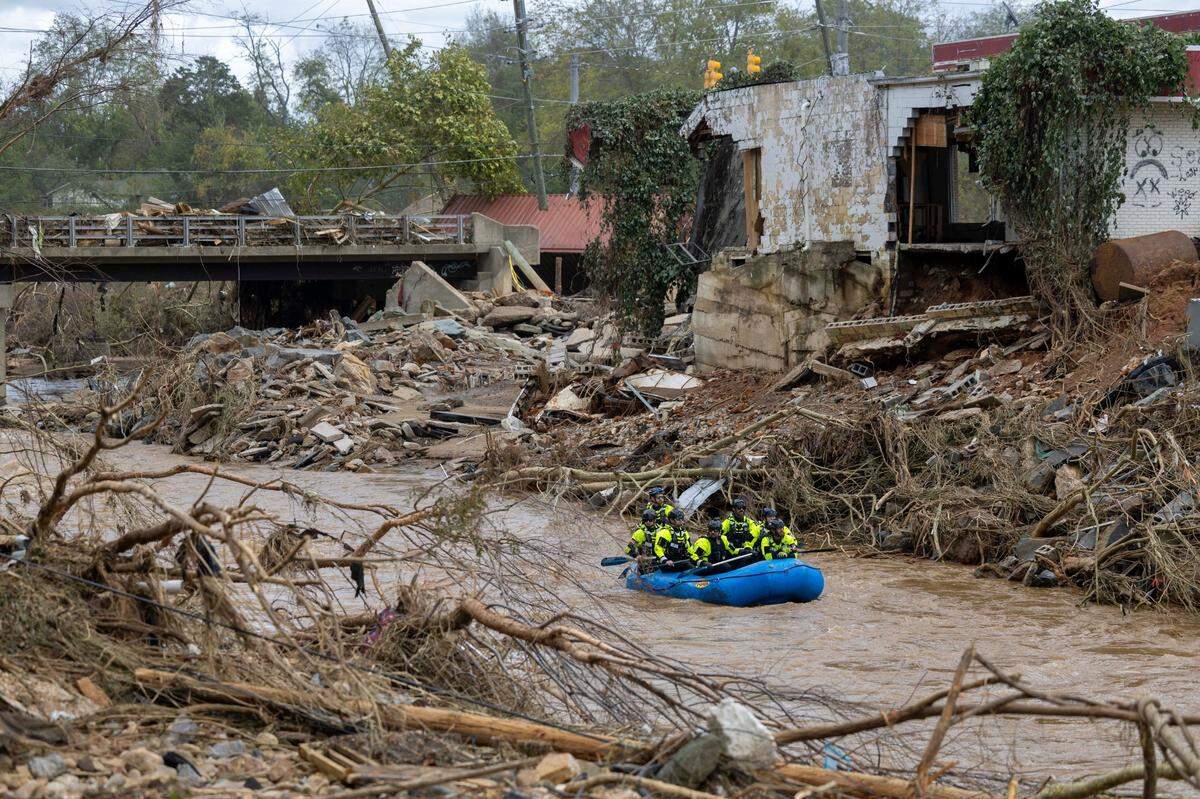
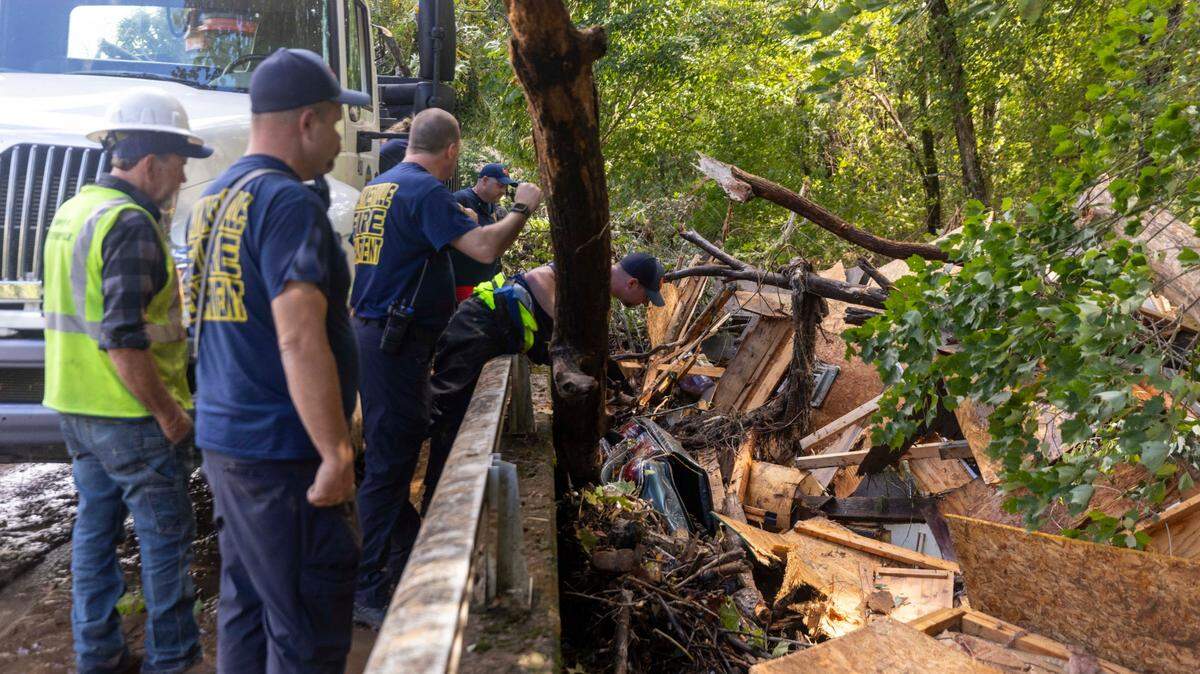
At least 30 people have died in Buncombe County alone, Sheriff Quentin Miller announced in an afternoon press briefing.
“Tragically, we know there will be more,” Gov. Roy Cooper said at an earlier news conference Sunday, in which 11 deaths were announced.
“Many people are cut off because roads are impassable. They don’t have power or communications.”
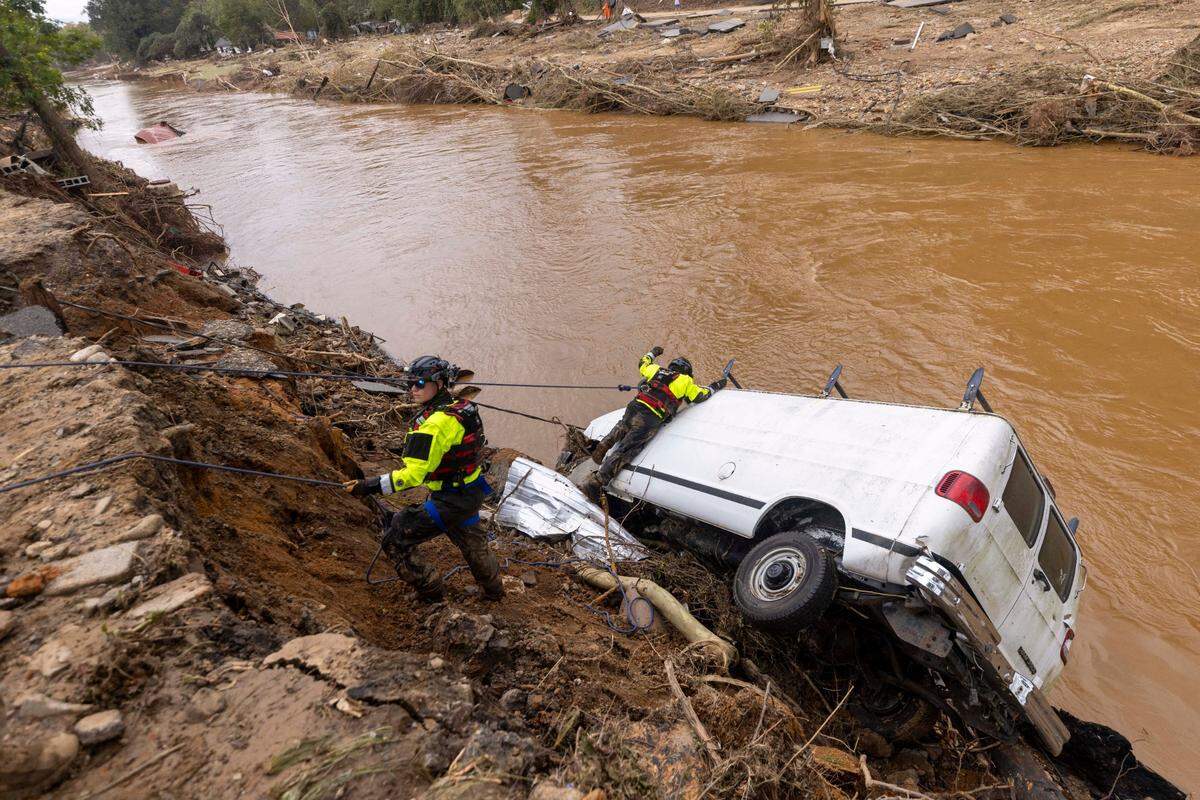
President Joe Biden has agreed to provide immediate federal help to 25 western North Carolina counties battered by Helene, the White House announced Saturday night.
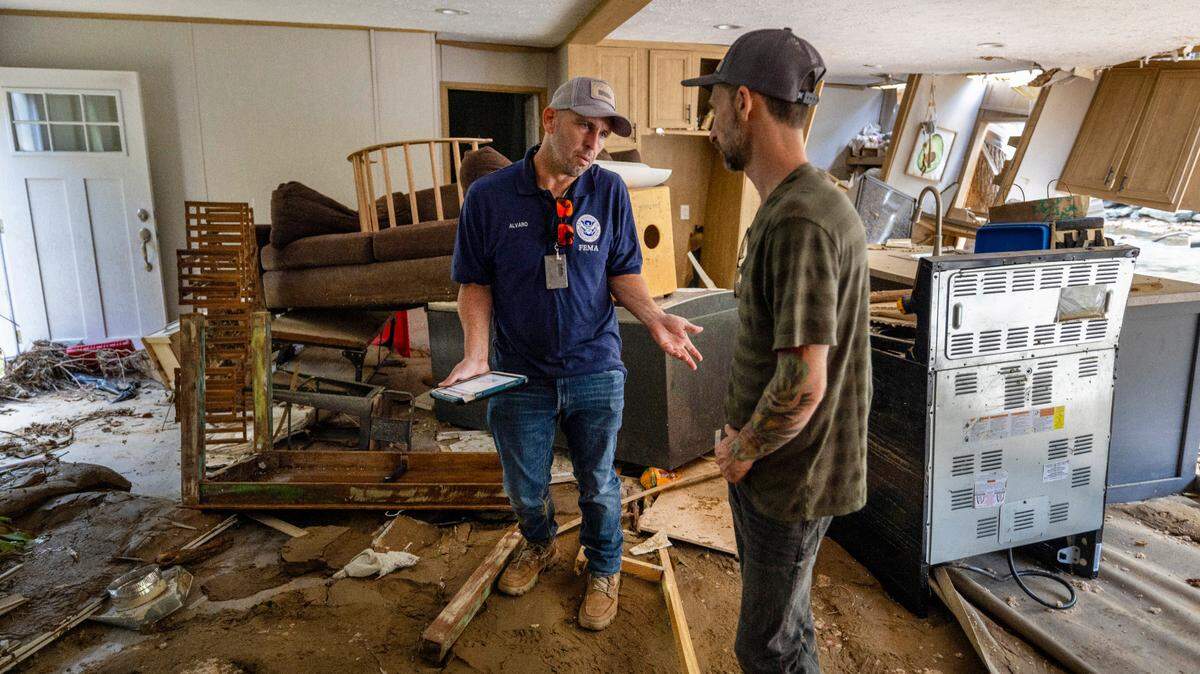
The “major disaster” declaration, approved at Cooper’s request, means FEMA will be able to provide quicker additional help to those who need it. The federal government says it will also reimburse local governments, state agencies and nonprofits for repairing facilities, roads and other infrastructure.
The counties in the declaration are Alexander, Alleghany, Ashe, Avery, Buncombe, Burke, Caldwell, Catawba, Clay, Cleveland, Gaston, Haywood, Henderson, Jackson, Lincoln, Macon, Madison, McDowell, Mitchell, Polk, Rutherford, Transylvania, Watauga, Wilkes, and Yancey. The Eastern Band of Cherokee Indians is also included.
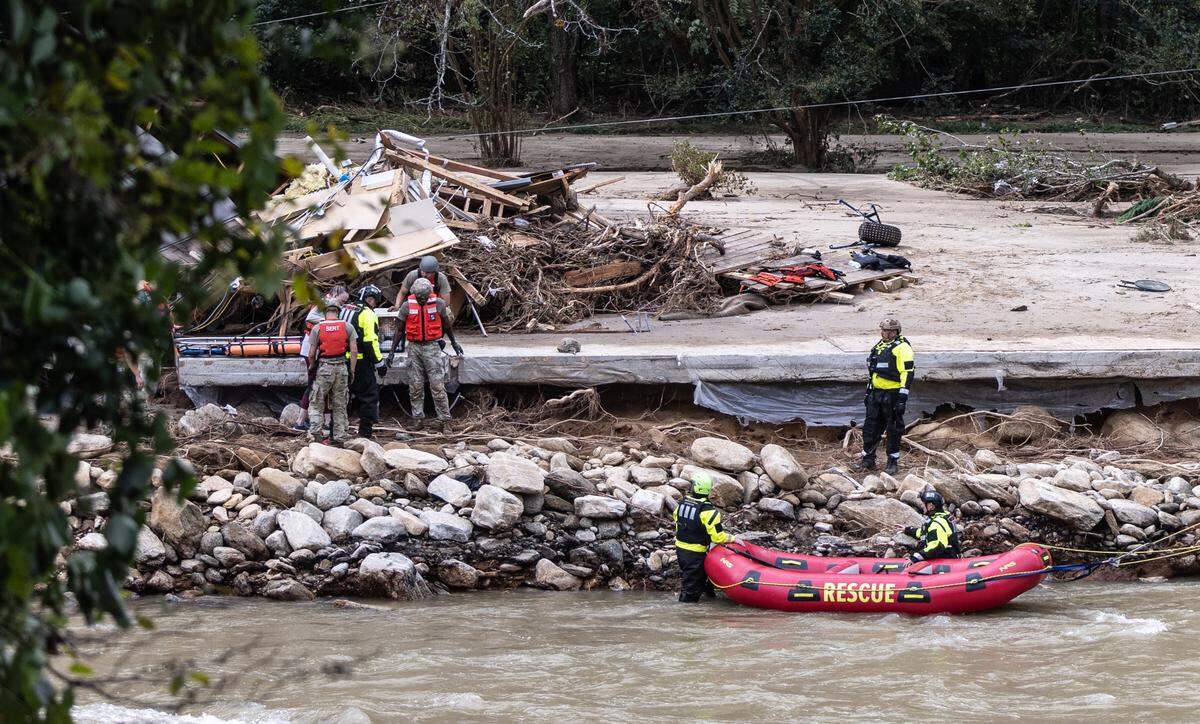
Cooper had requested a disaster declaration for 38 North Carolina counties. It was not immediately clear why 13 of those counties weren’t included, but Cooper’s office said more counties may be added.
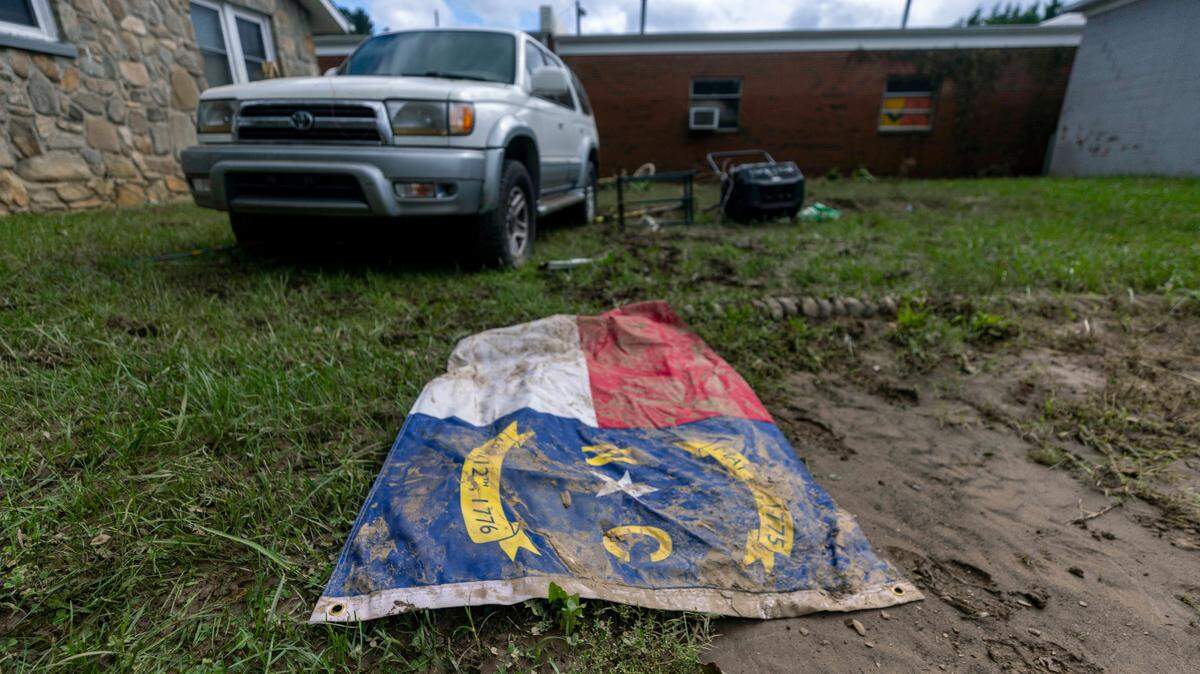
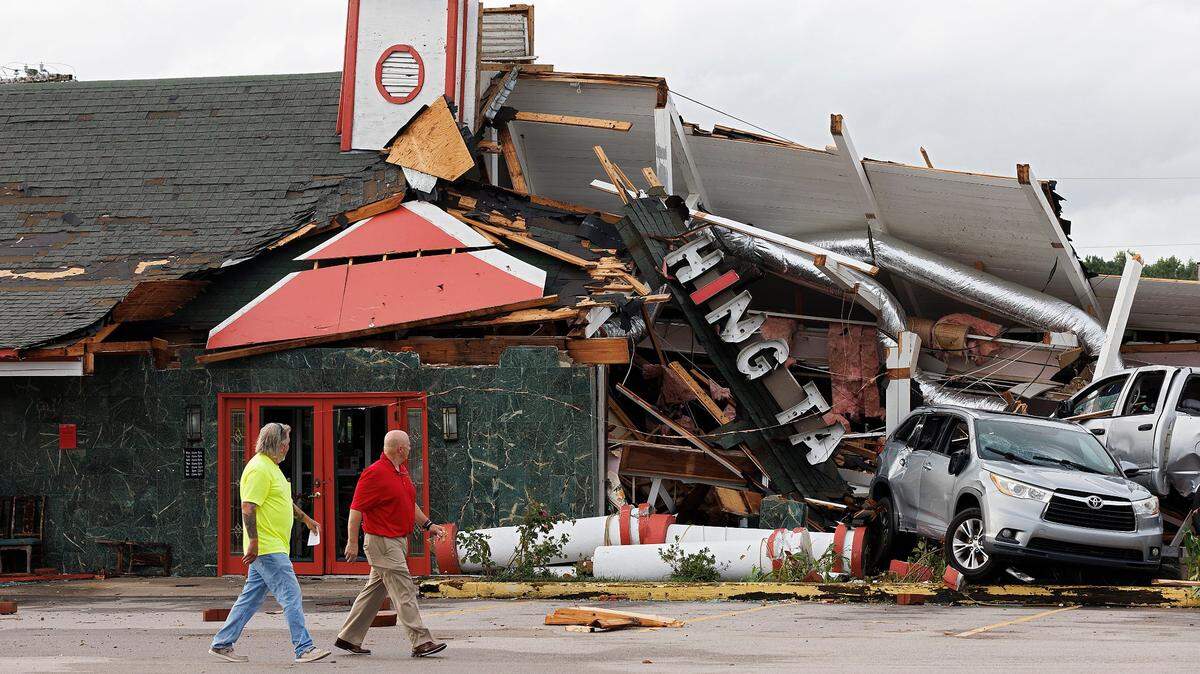
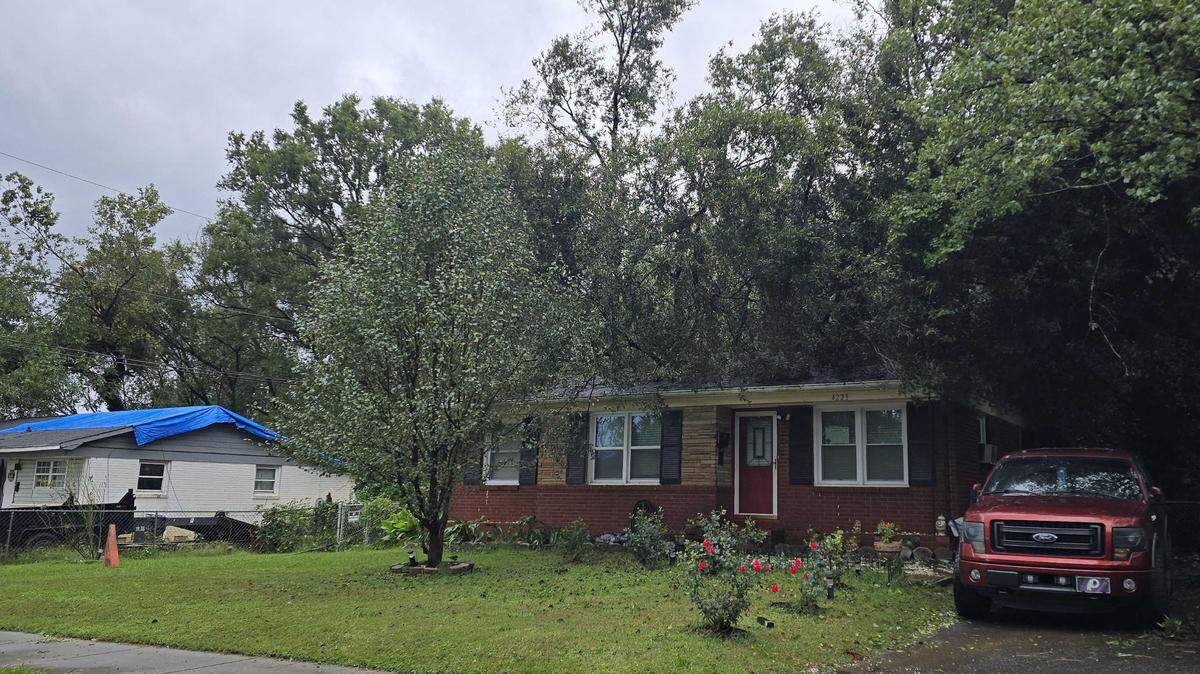
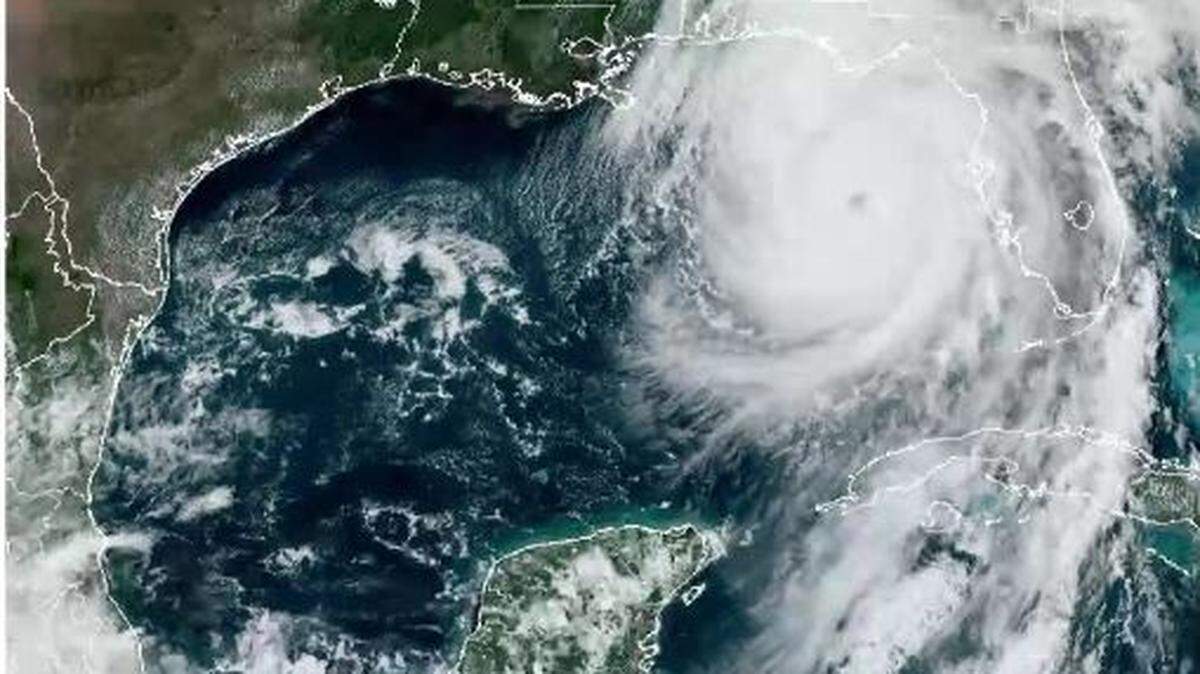
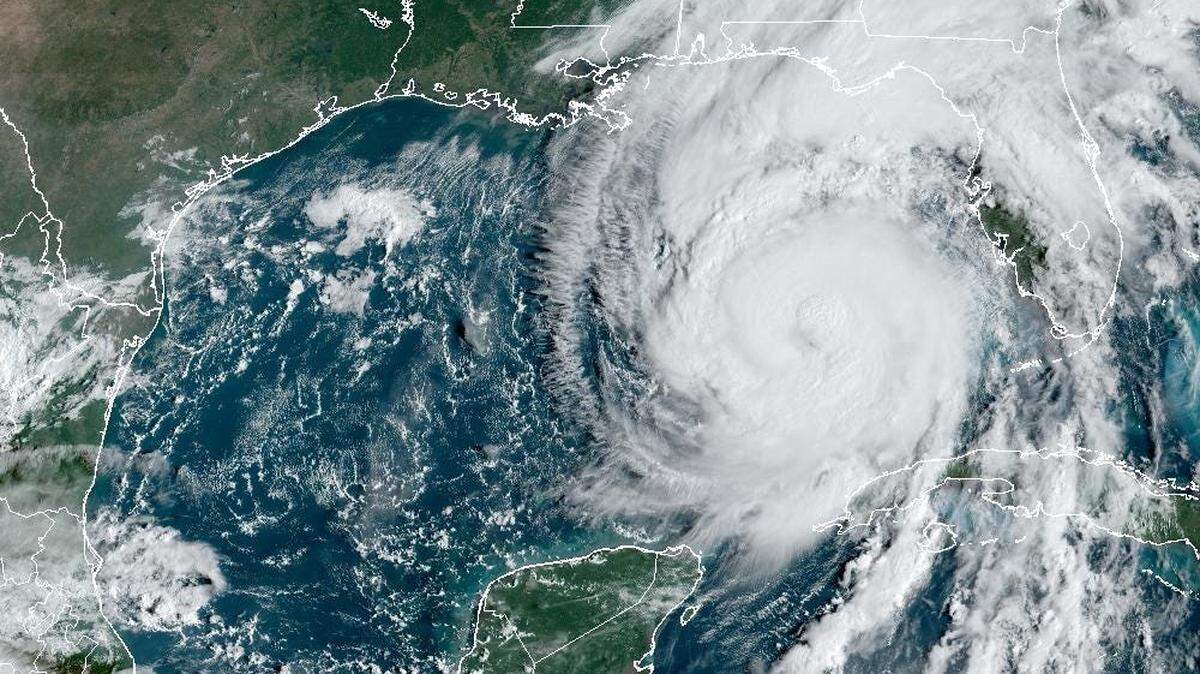
The tropical storm that was once Category 4 Hurricane Helene made it to North Carolina Friday and touched all parts of the state. It led to flash flooding in the Triangle, a tornado in Rocky Mount and historic levels of devastation throughout the Western North Carolina mountains.
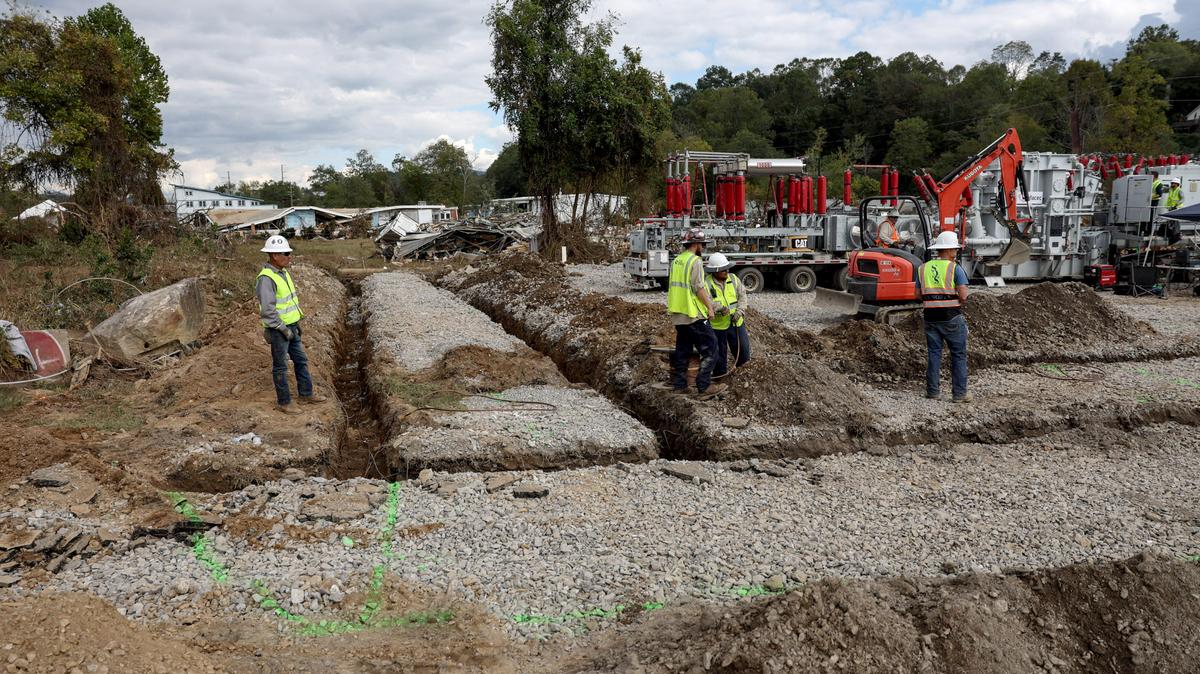
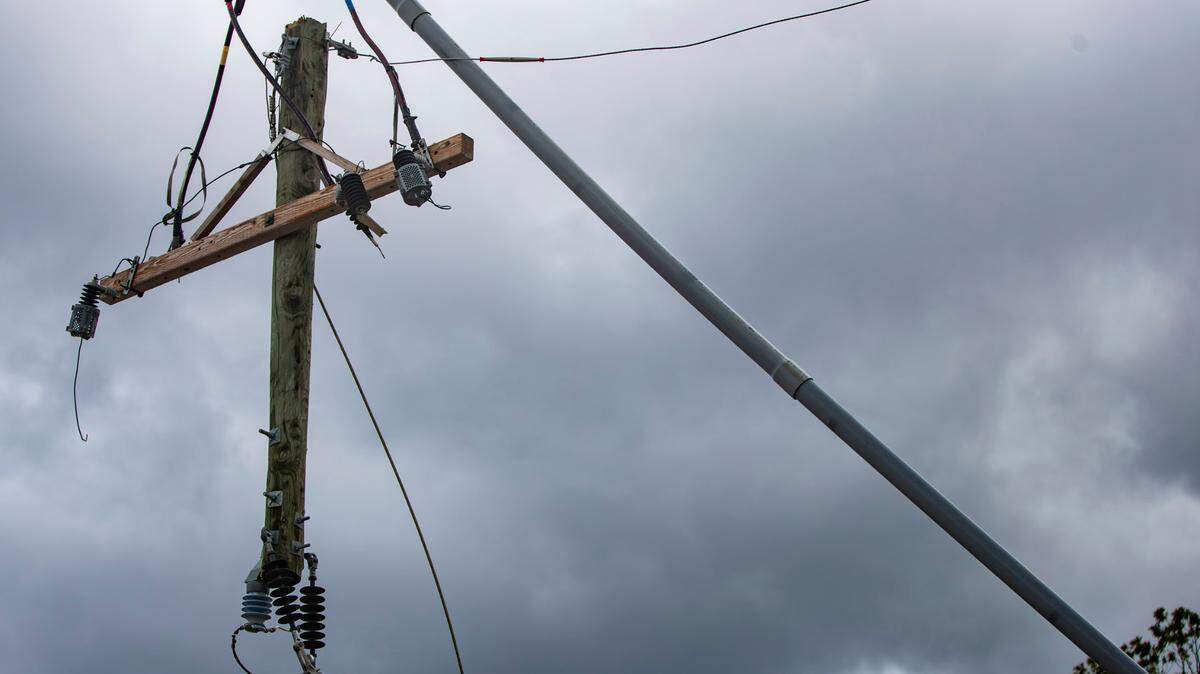
The full extent of the damage in Western North Carolina continues to unfold. By midday Sunday, nearly 464,000 customers still lacked power, Cooper said. More than 500,000 in South Carolina remained without electricity, according to Duke Energy’s outage map.
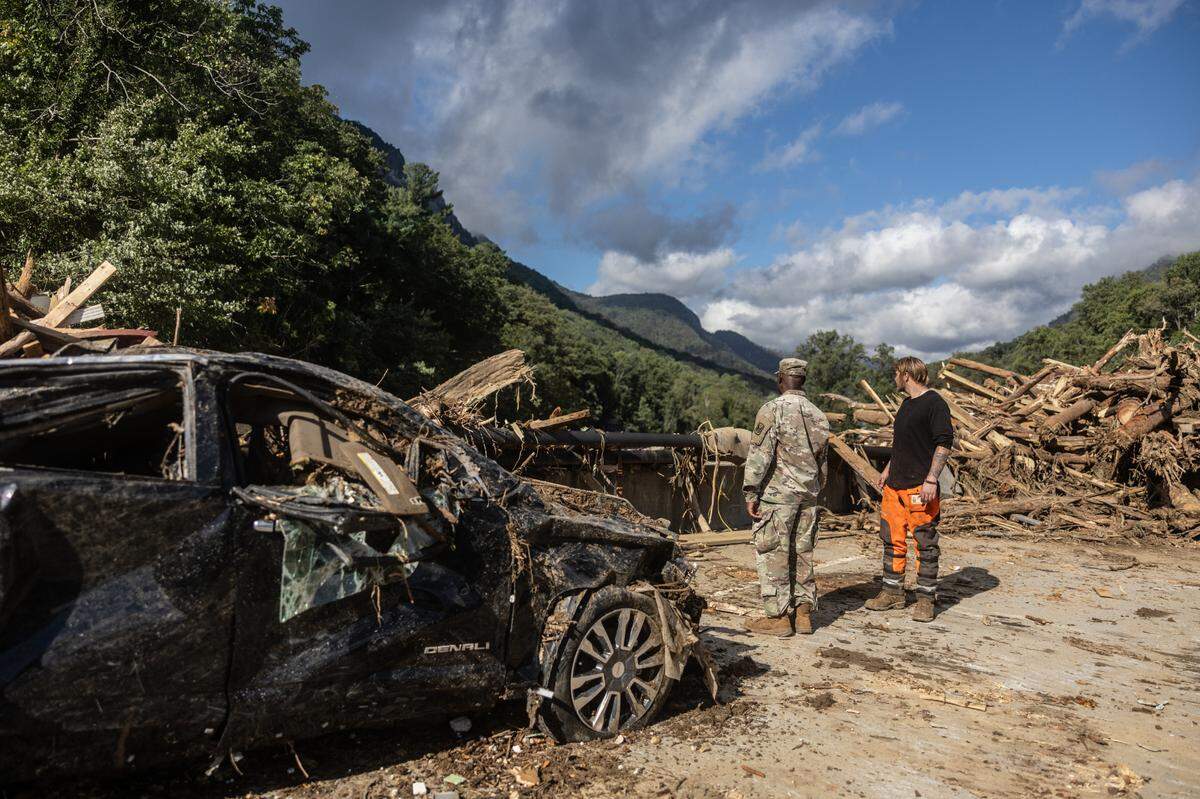
On Sunday morning, Duke Energy said that nearly all of its customers outside of western North Carolina should have their power restored by midnight. Many will have power before then, Duke said.
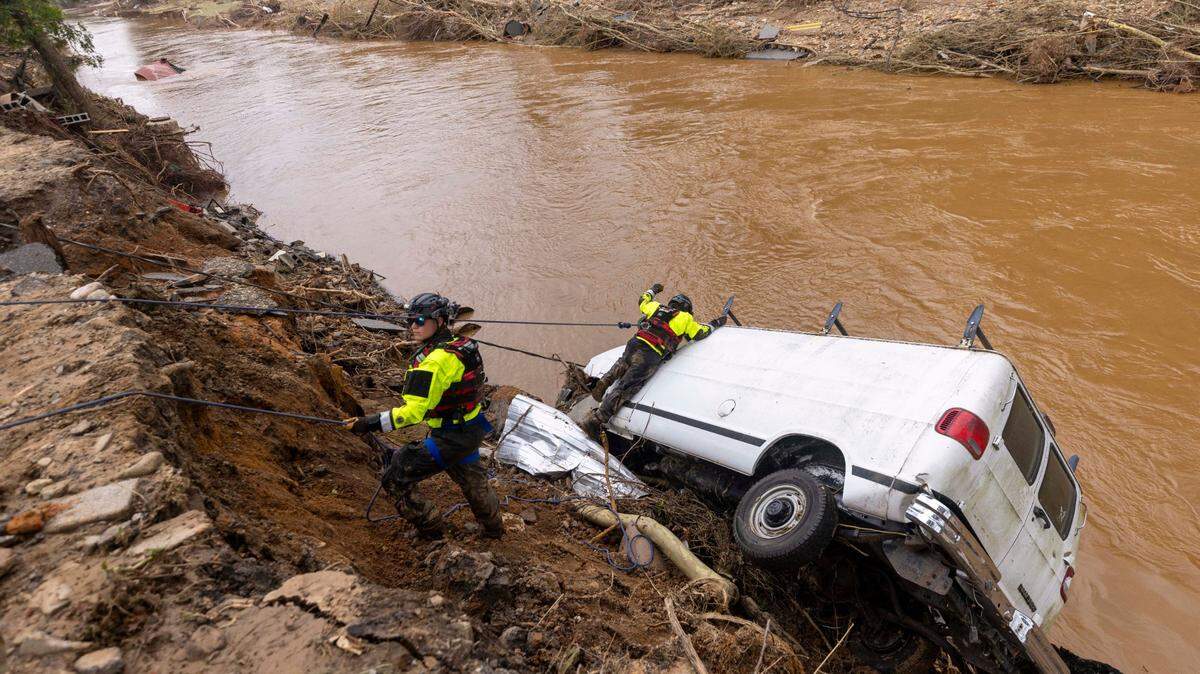
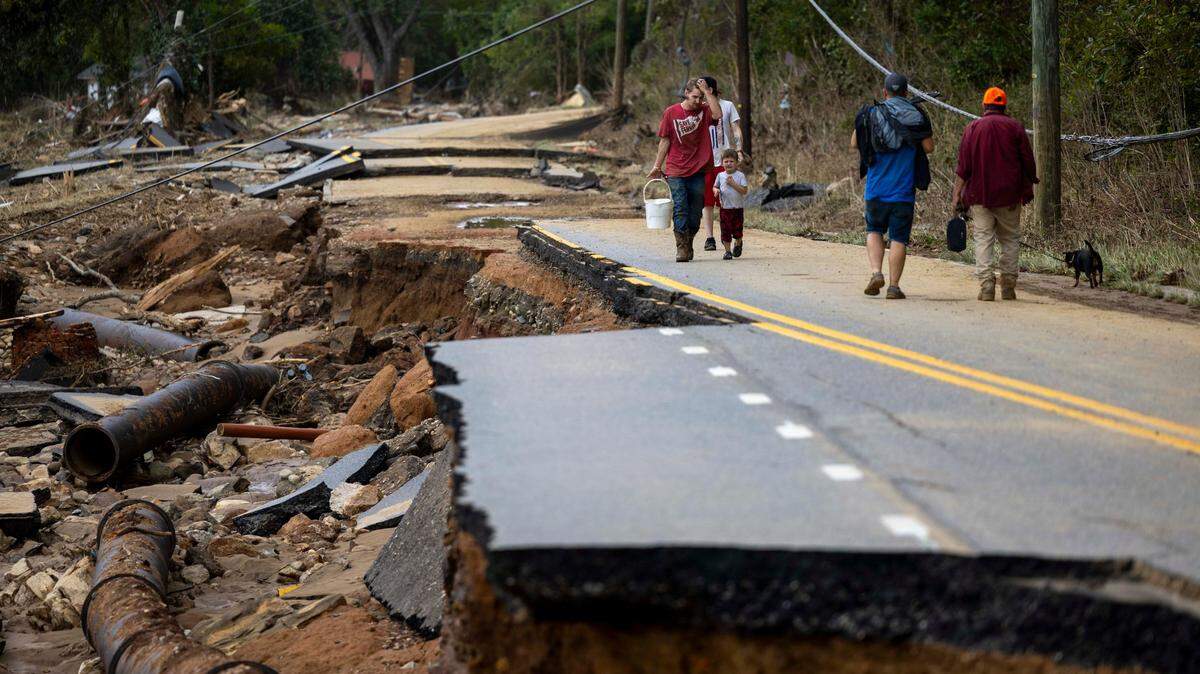
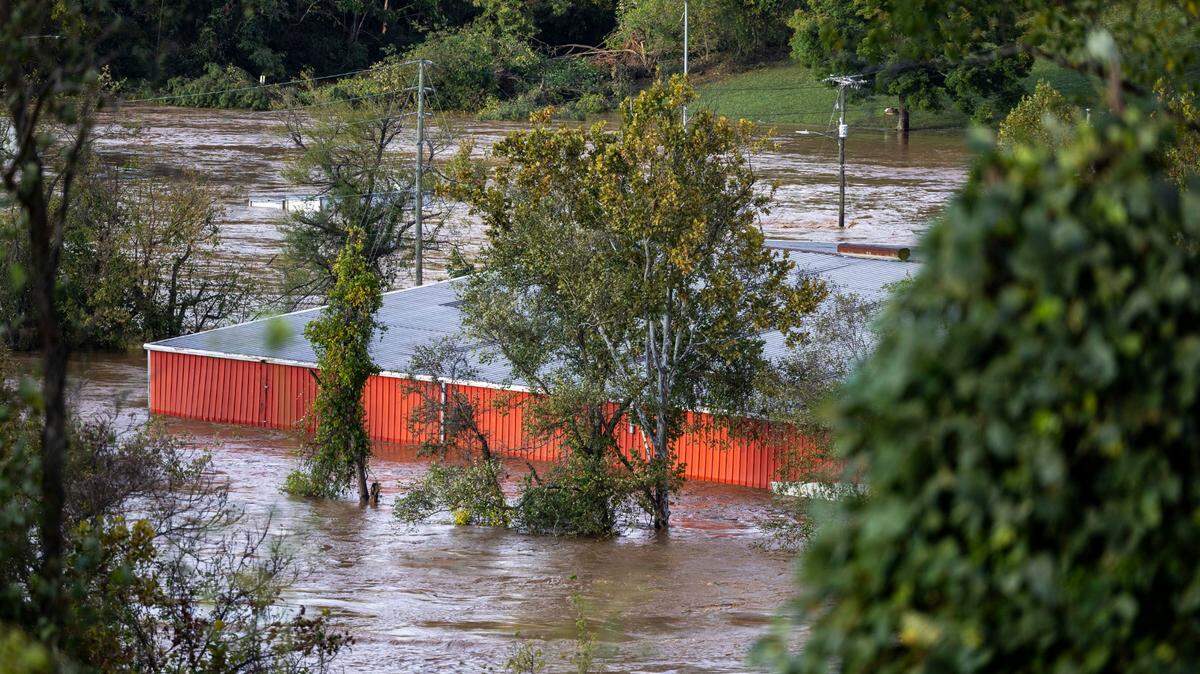
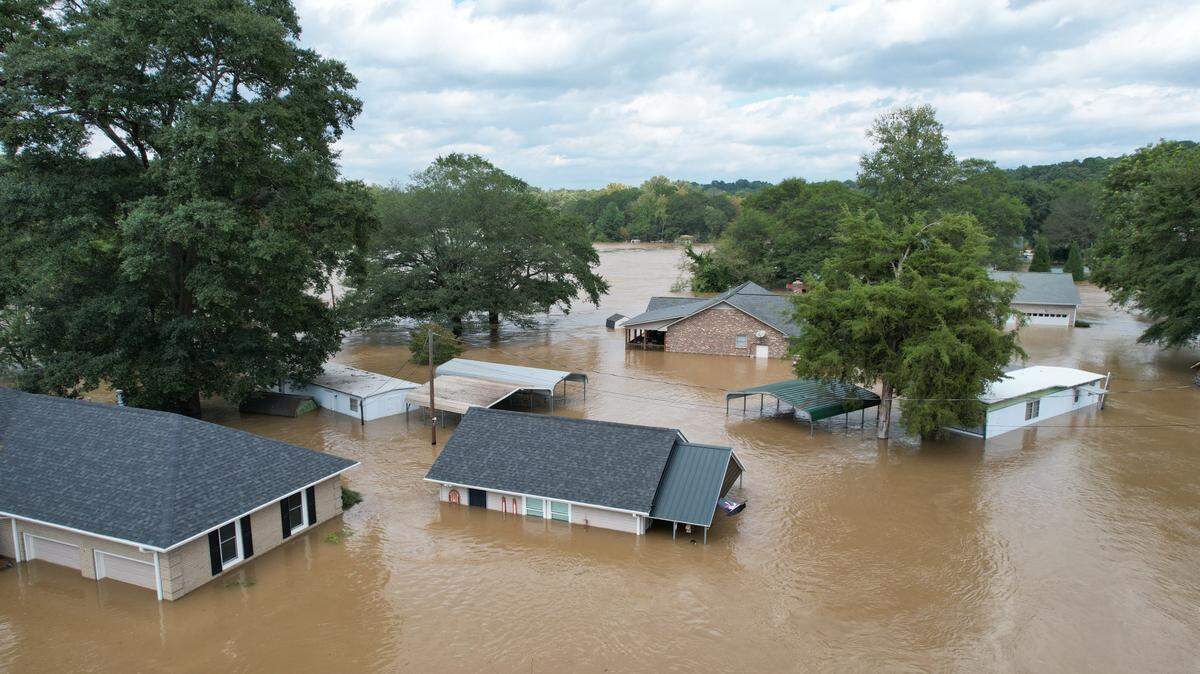
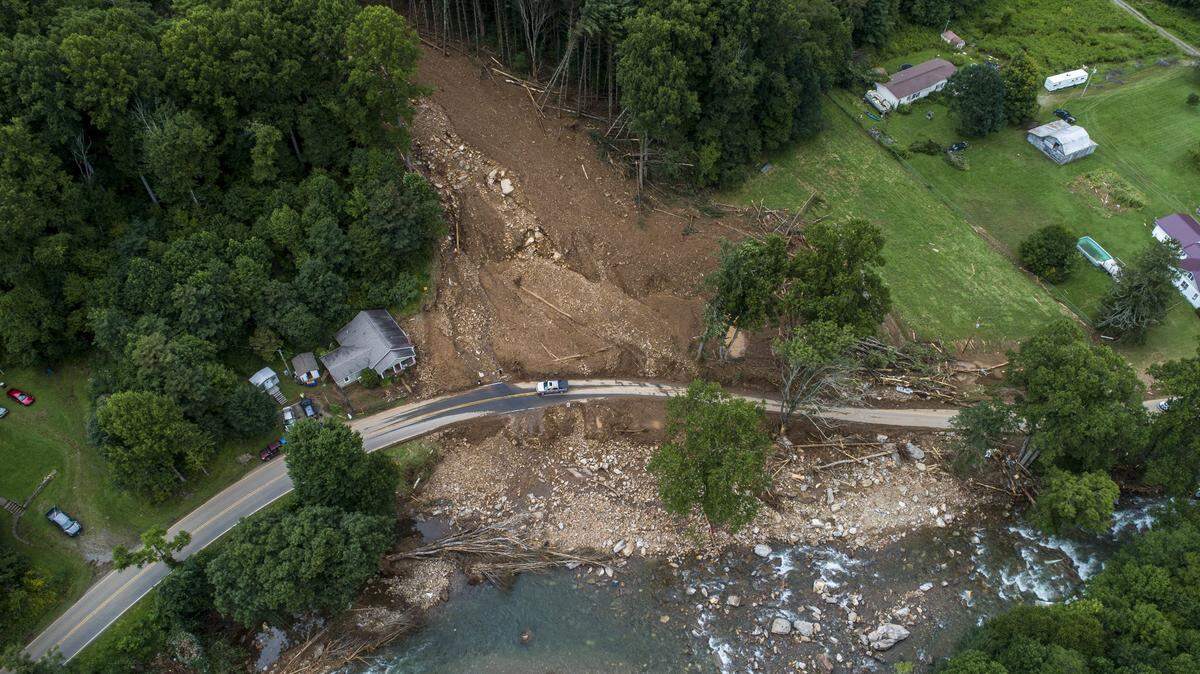
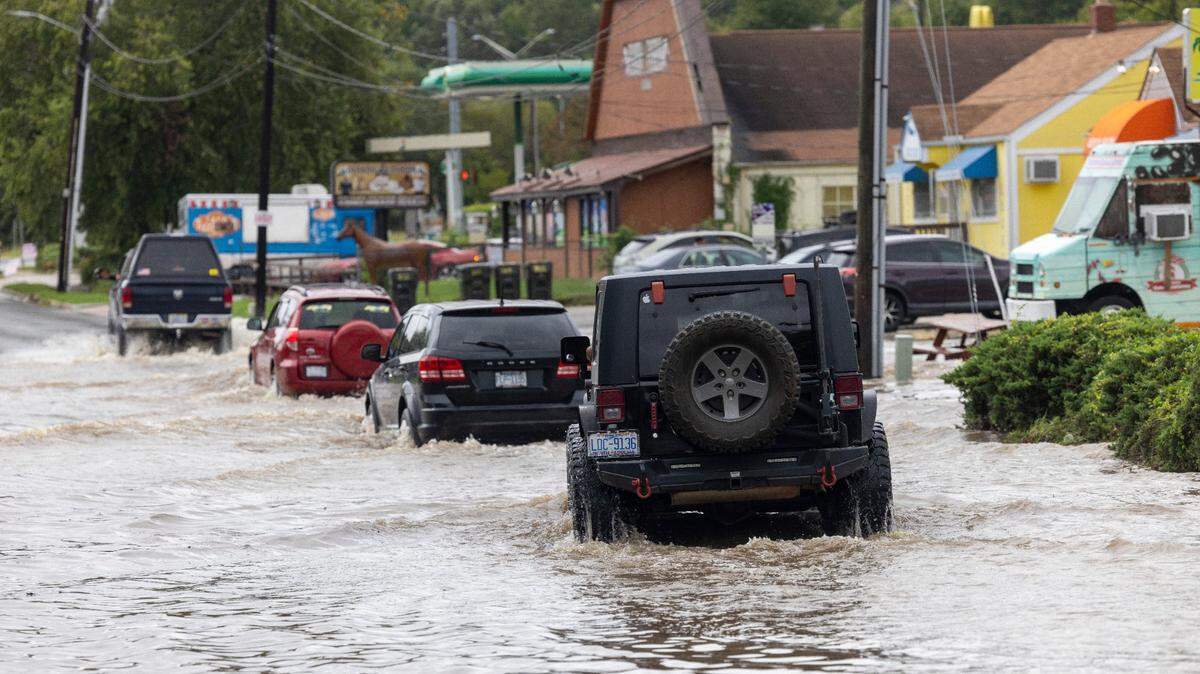
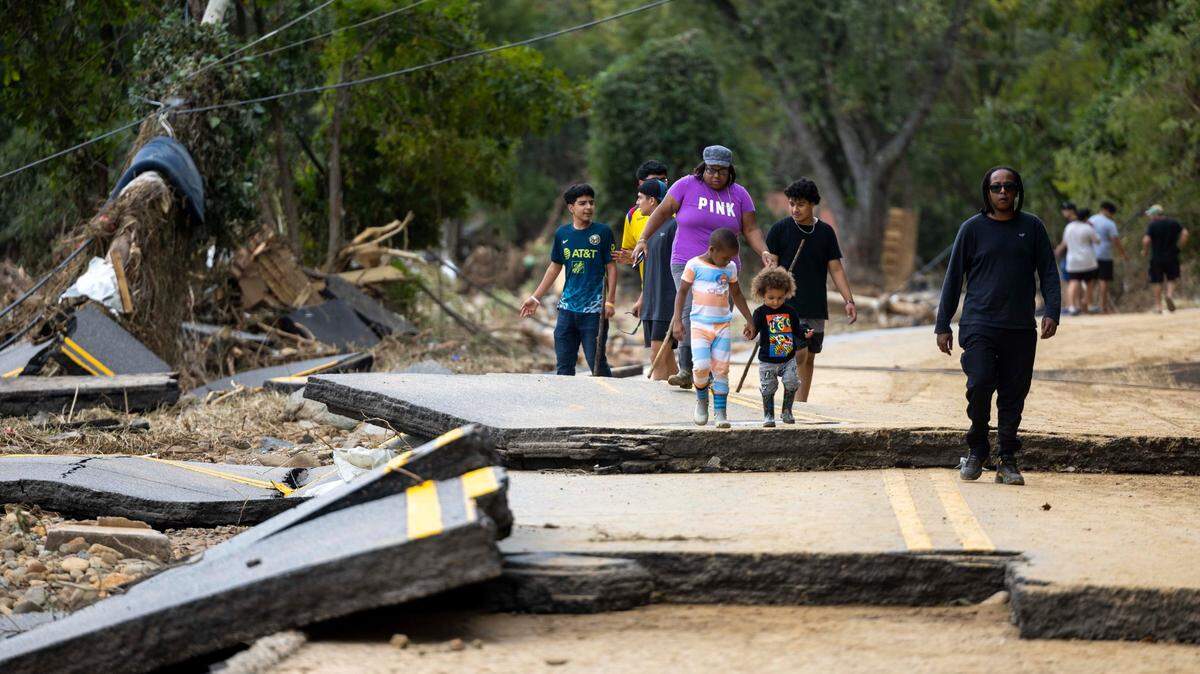
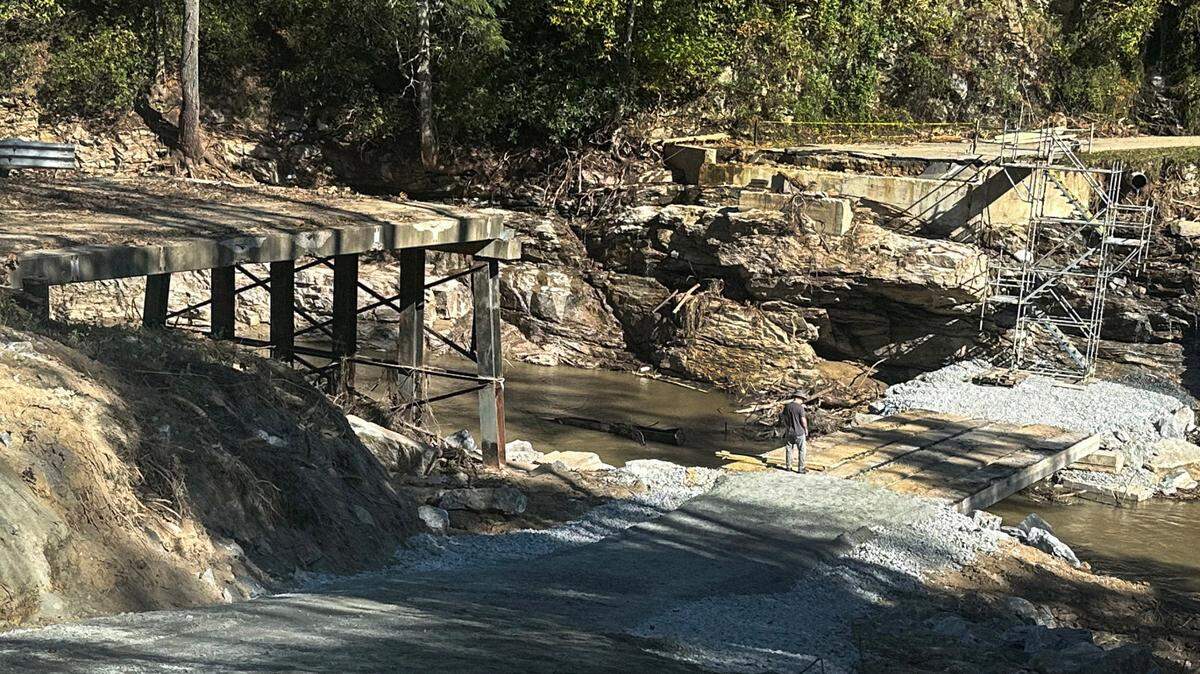
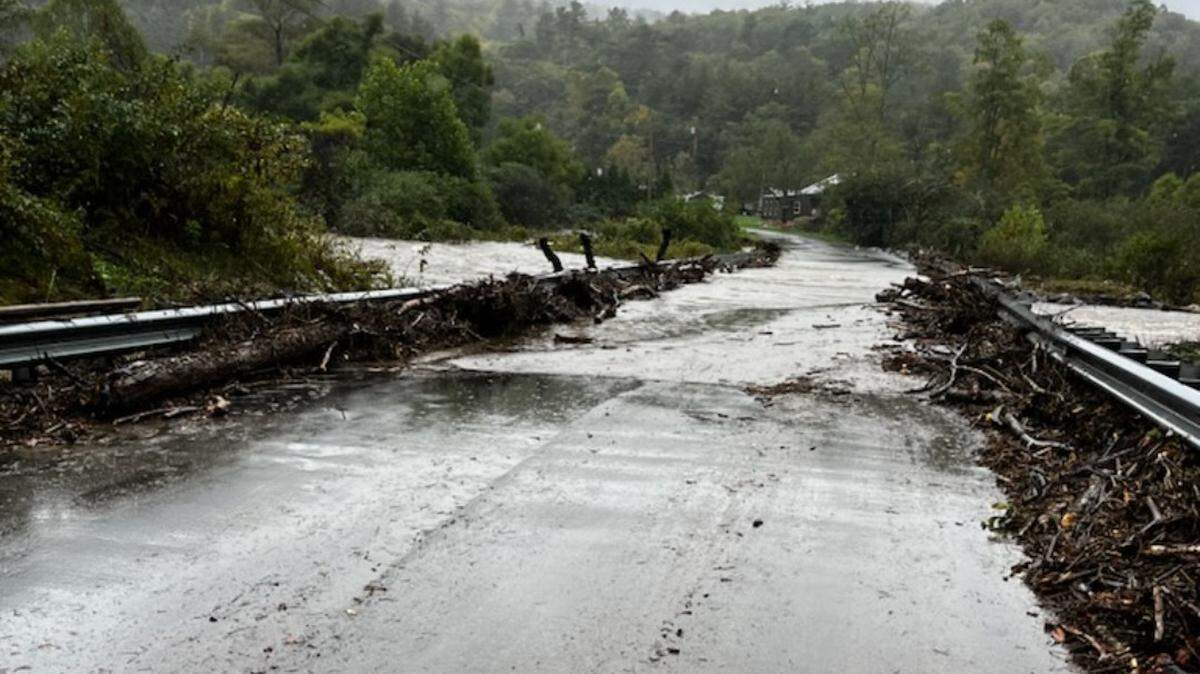
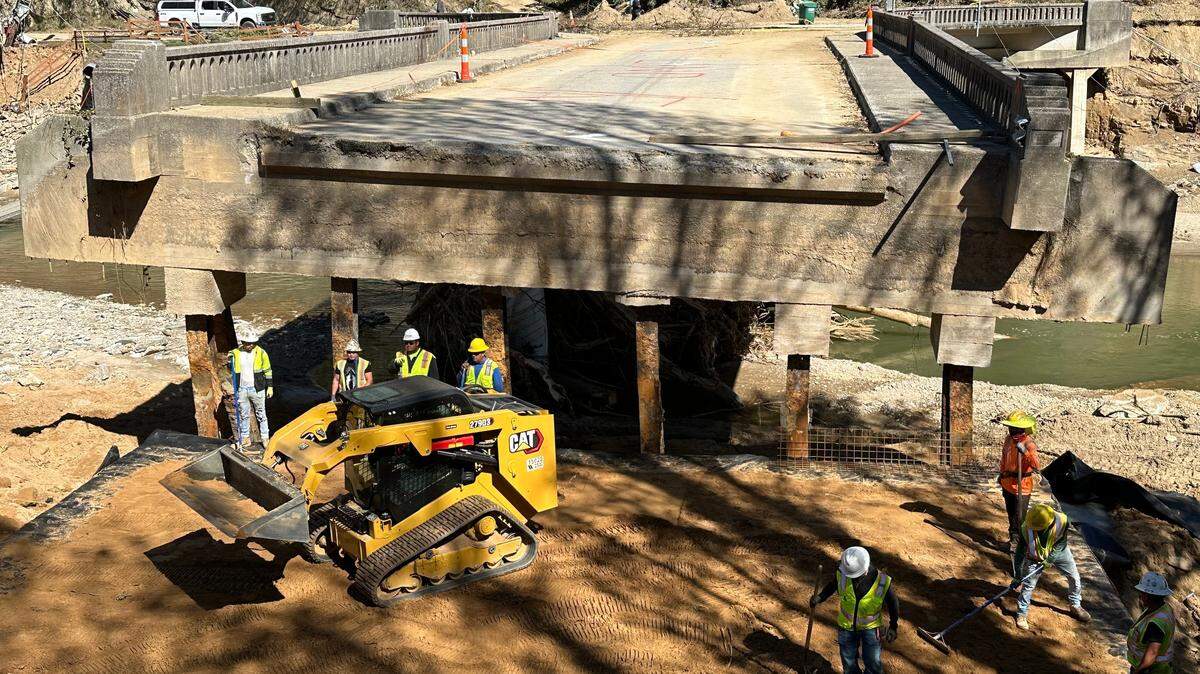
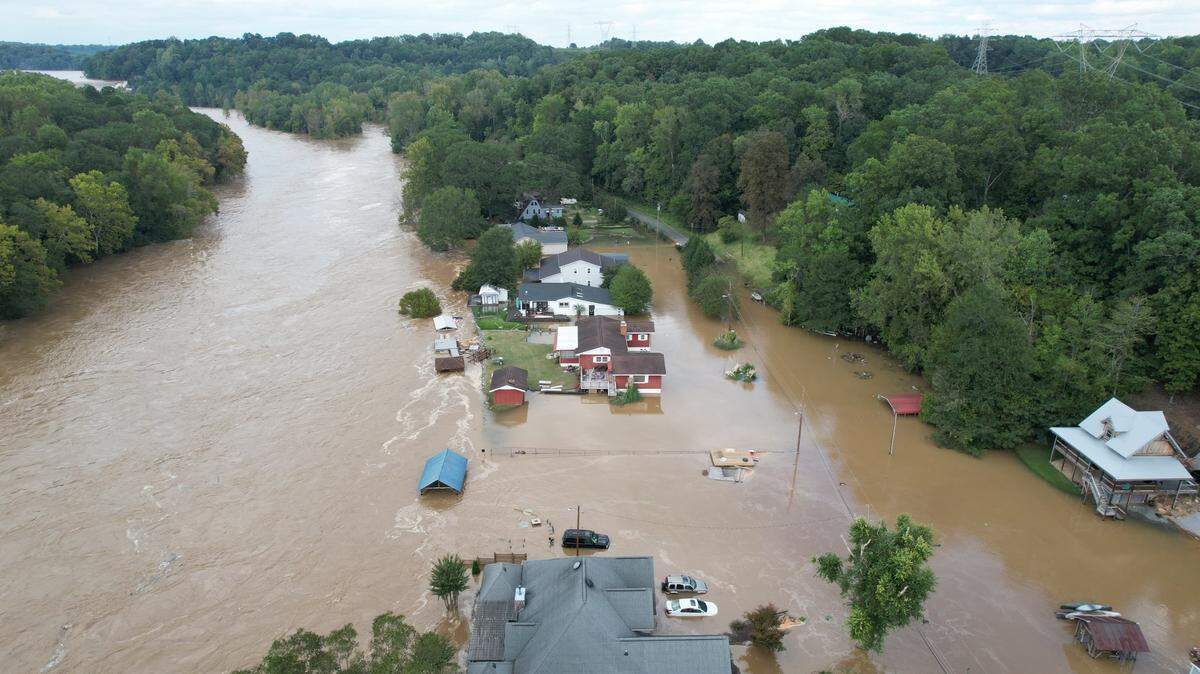
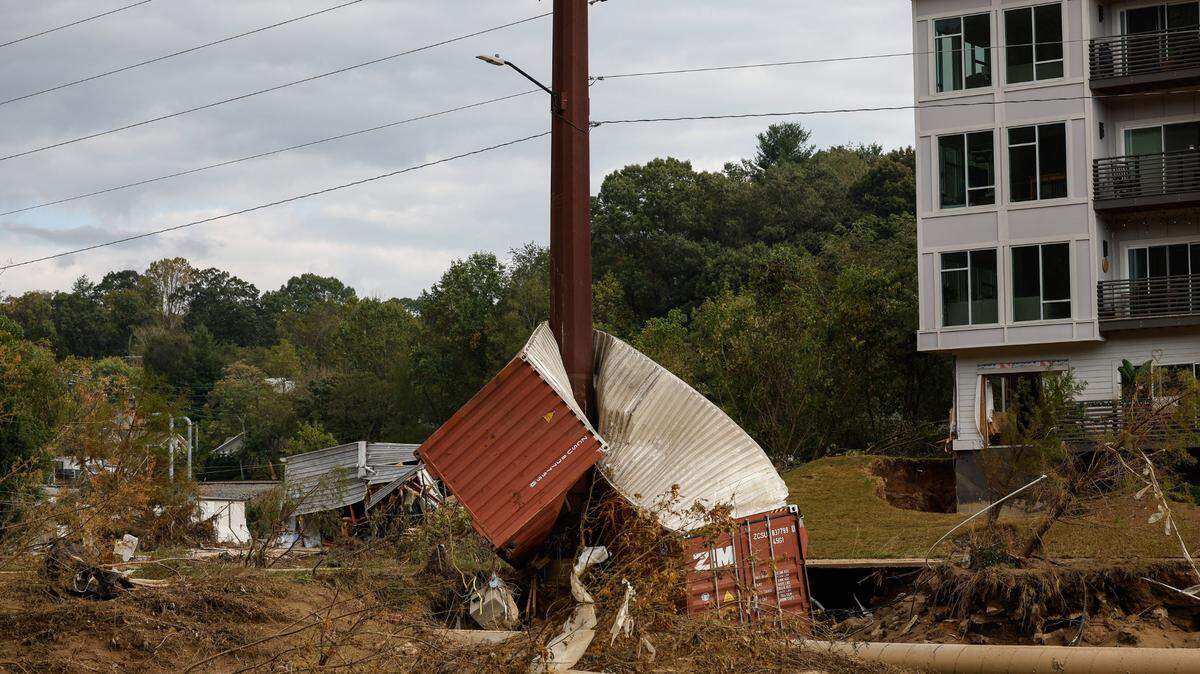
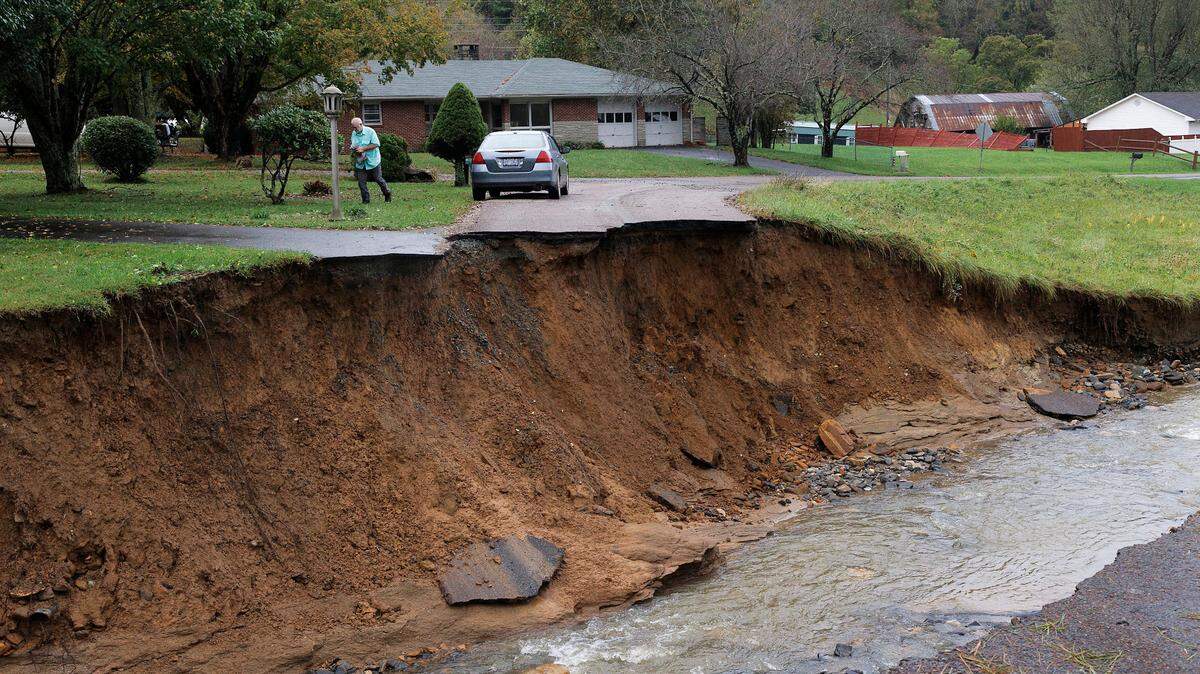
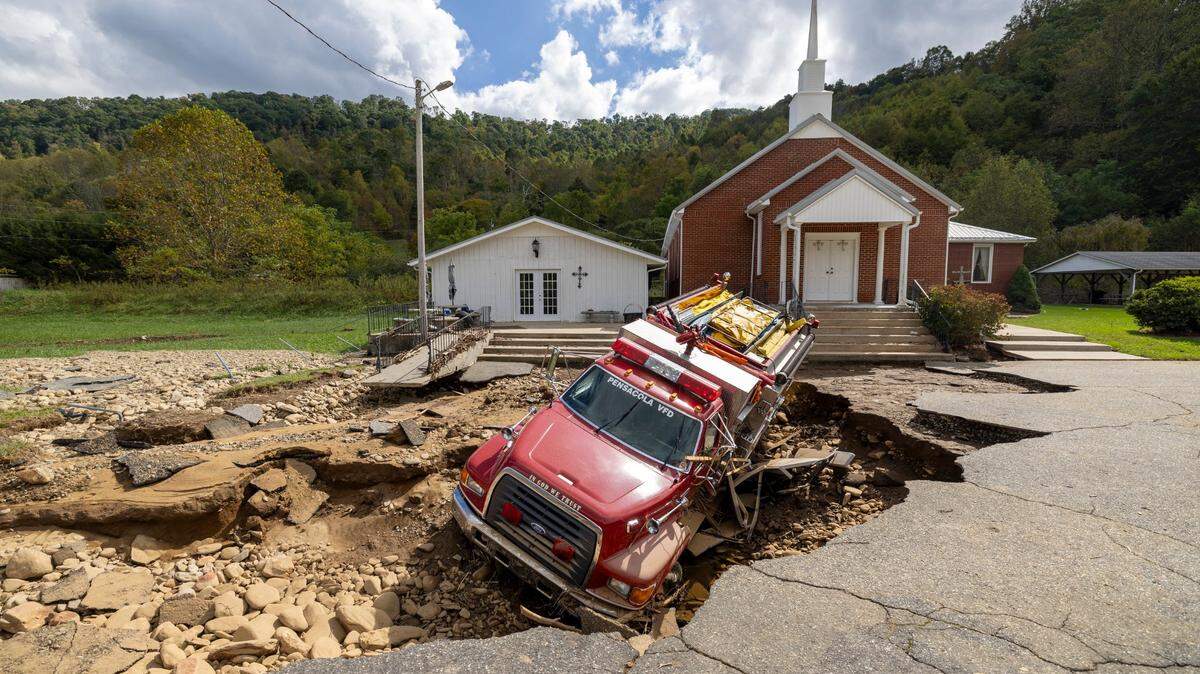
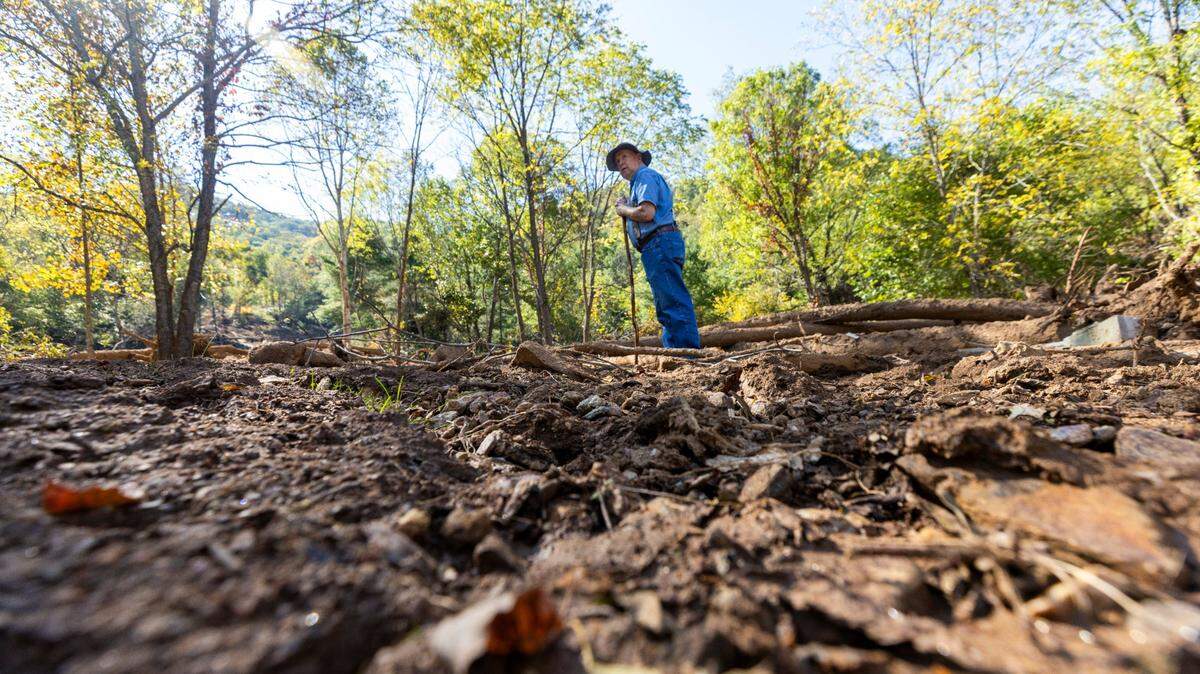
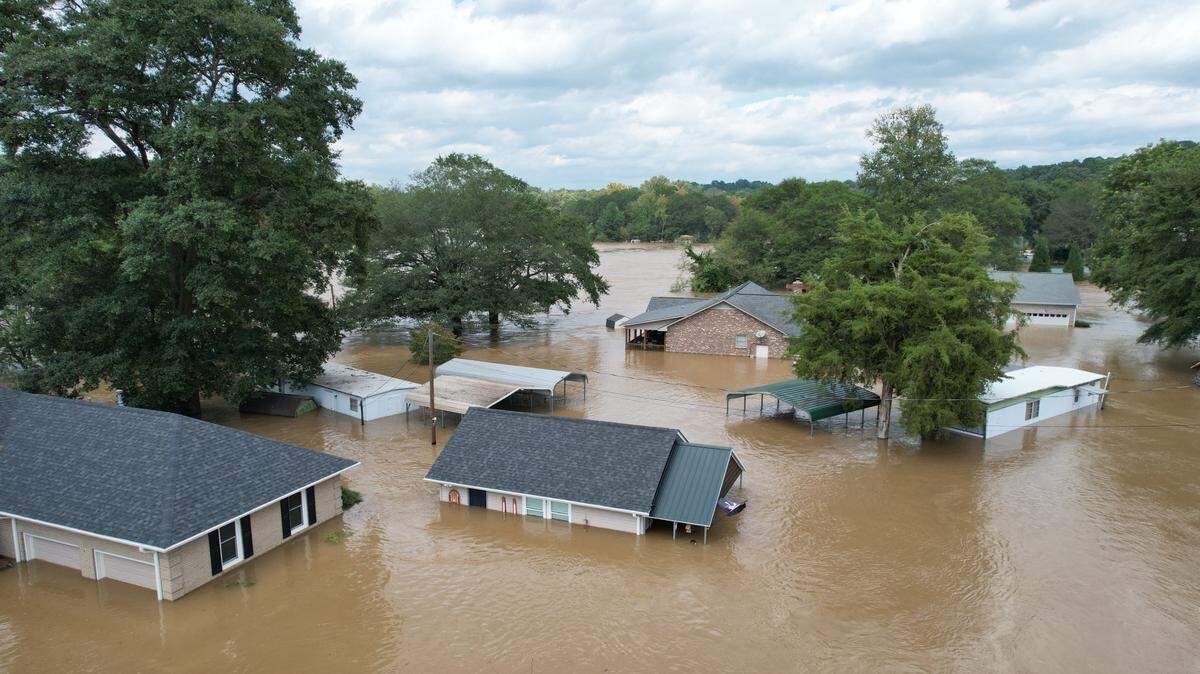
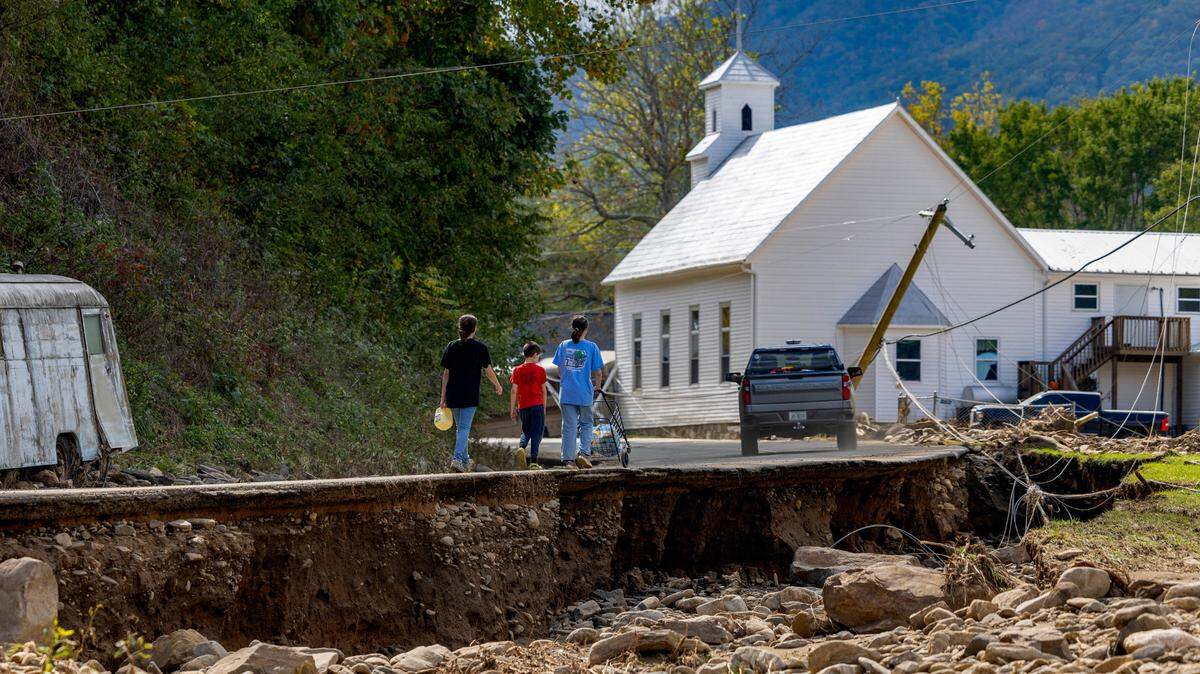
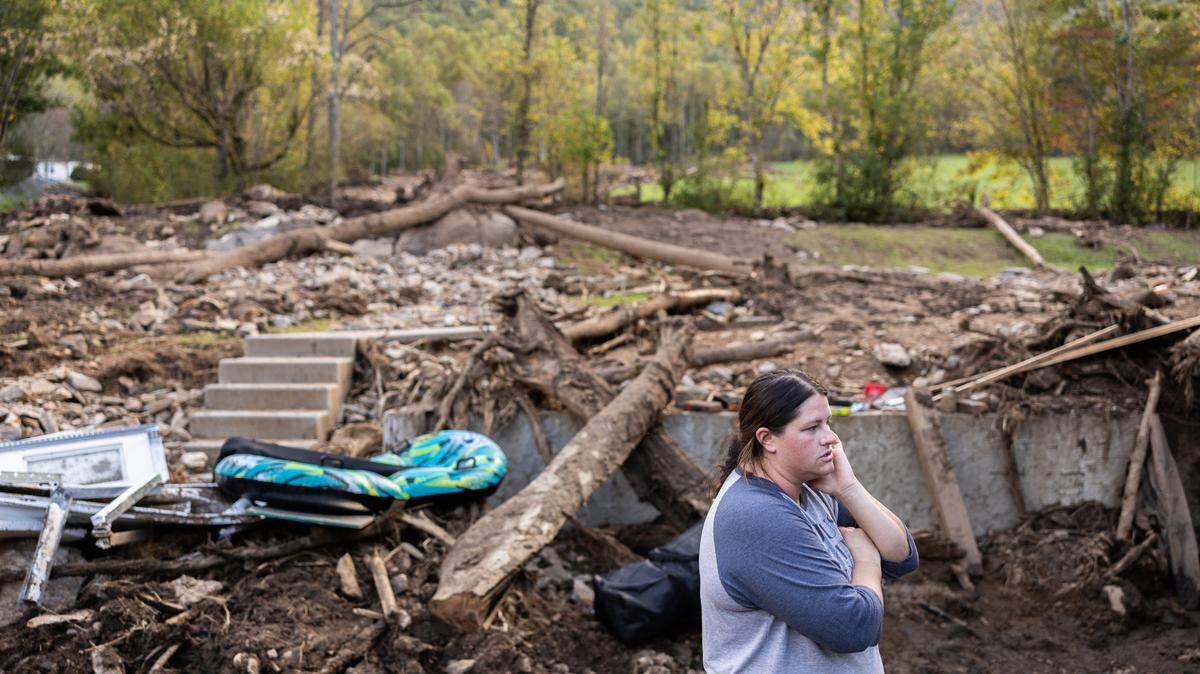
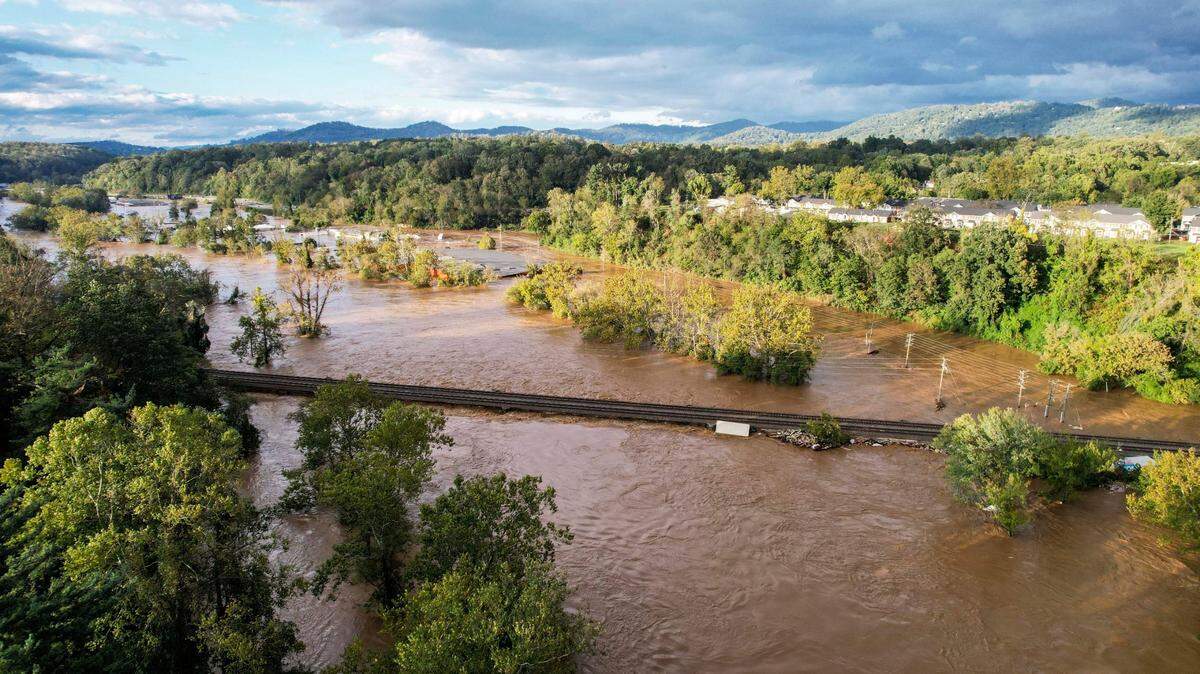
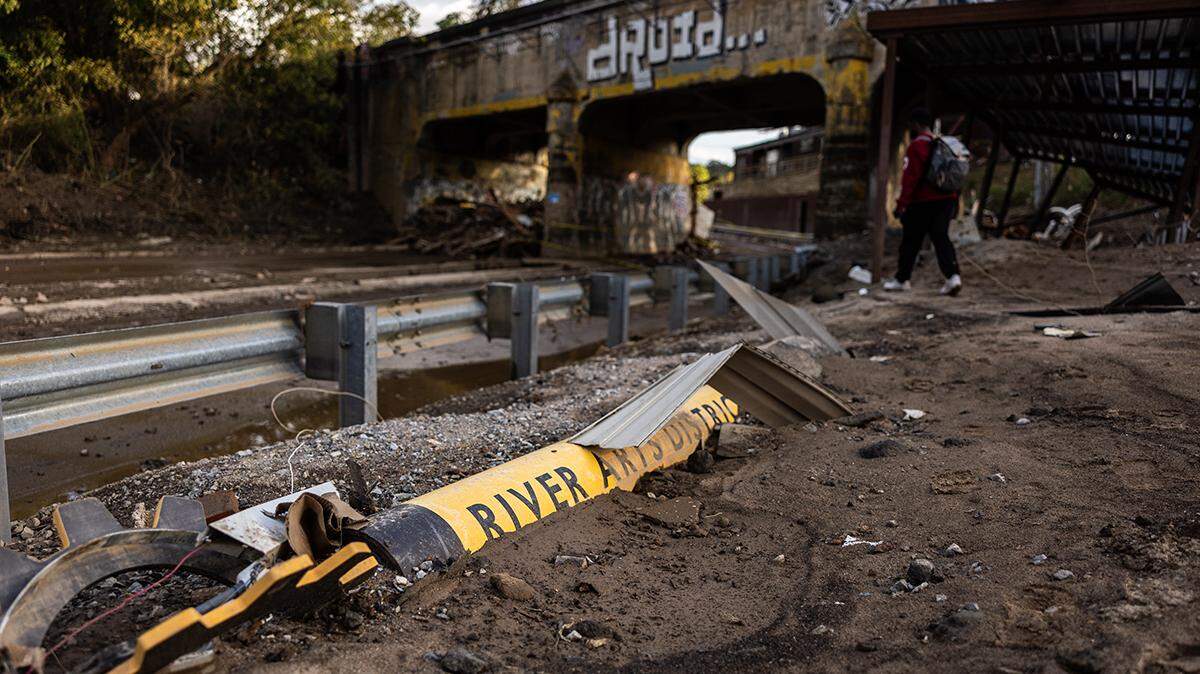
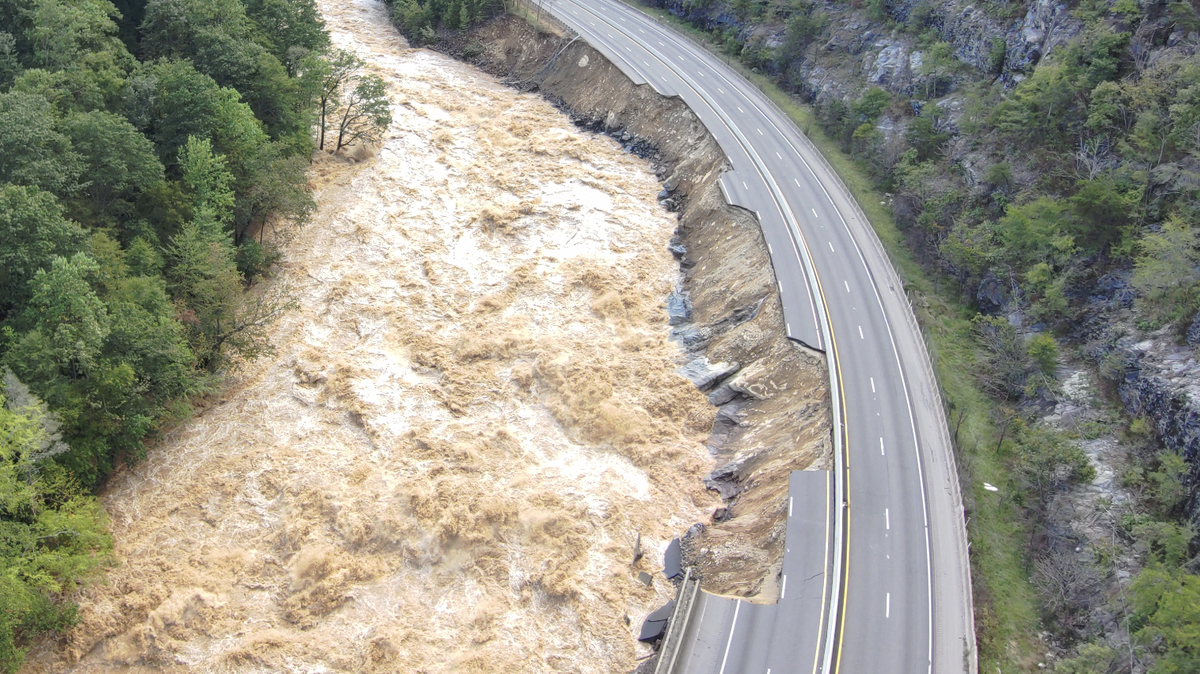
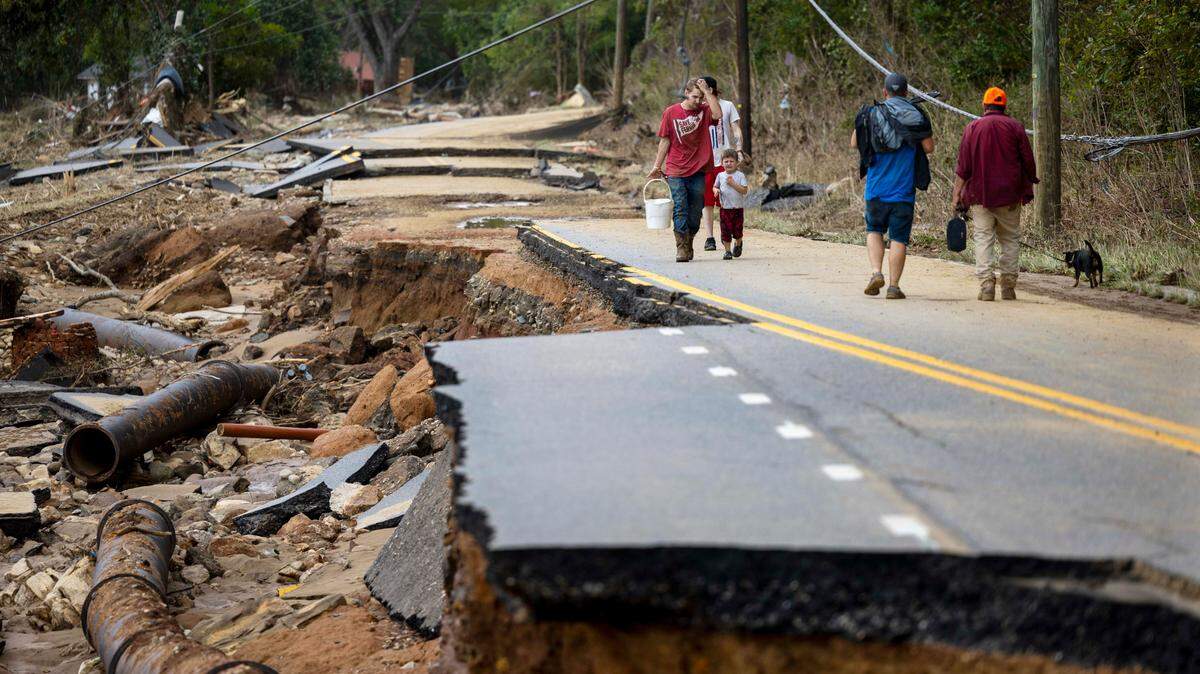
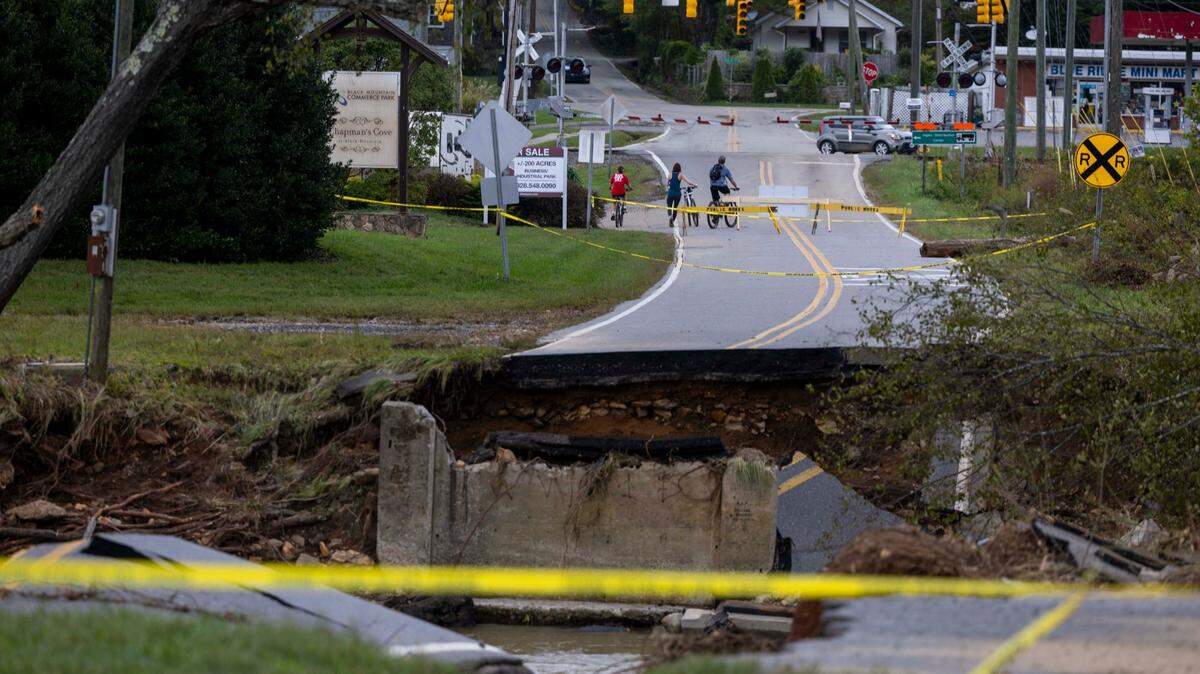
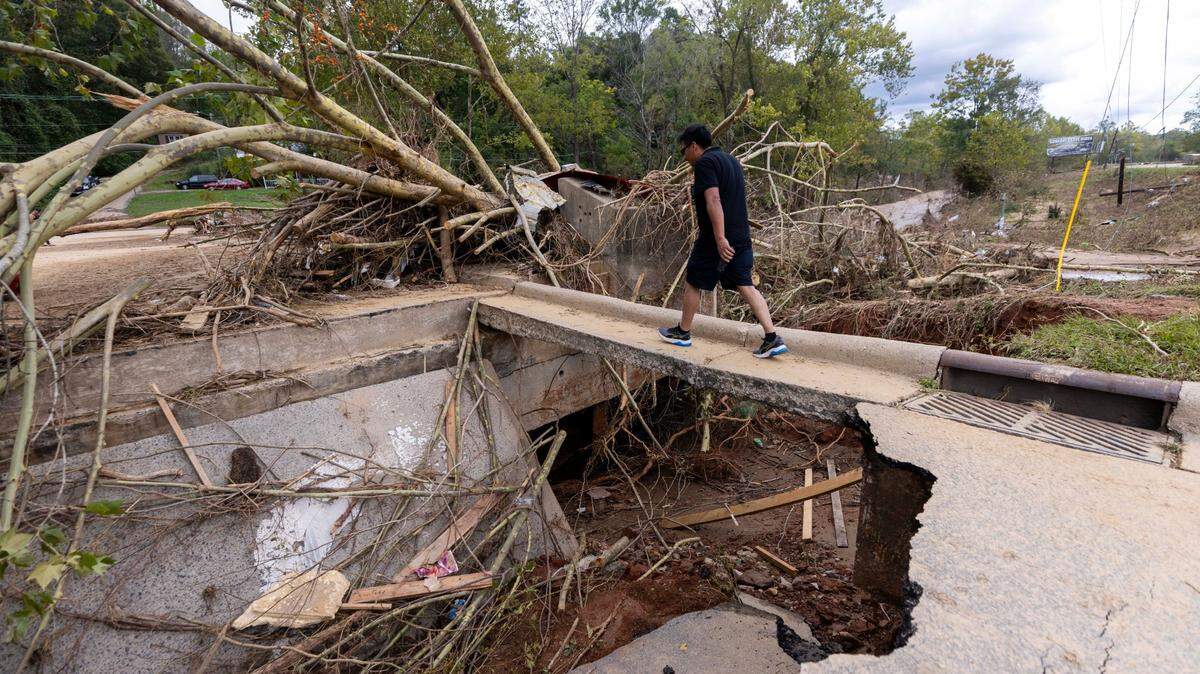
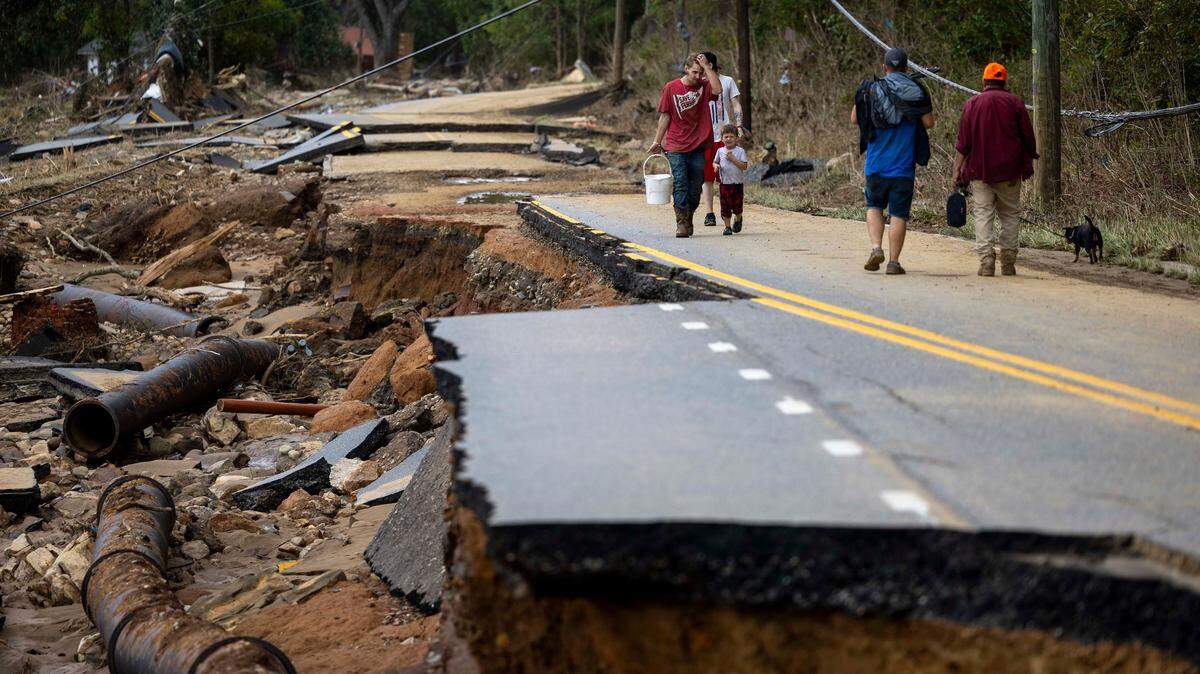
Floodwaters on Friday wiped out bridges, remote highways and sections of interstates — not only cutting off travel to and through the region, but isolating those sheltering in place during the storm.
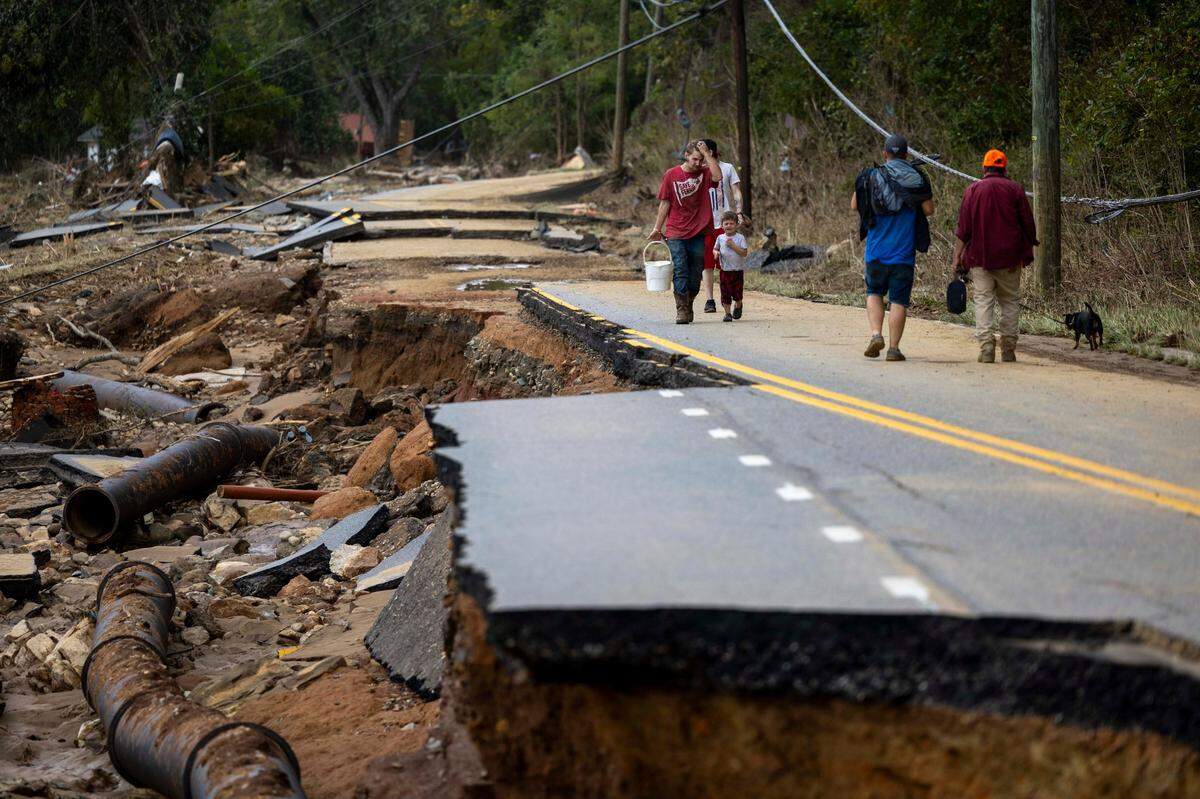
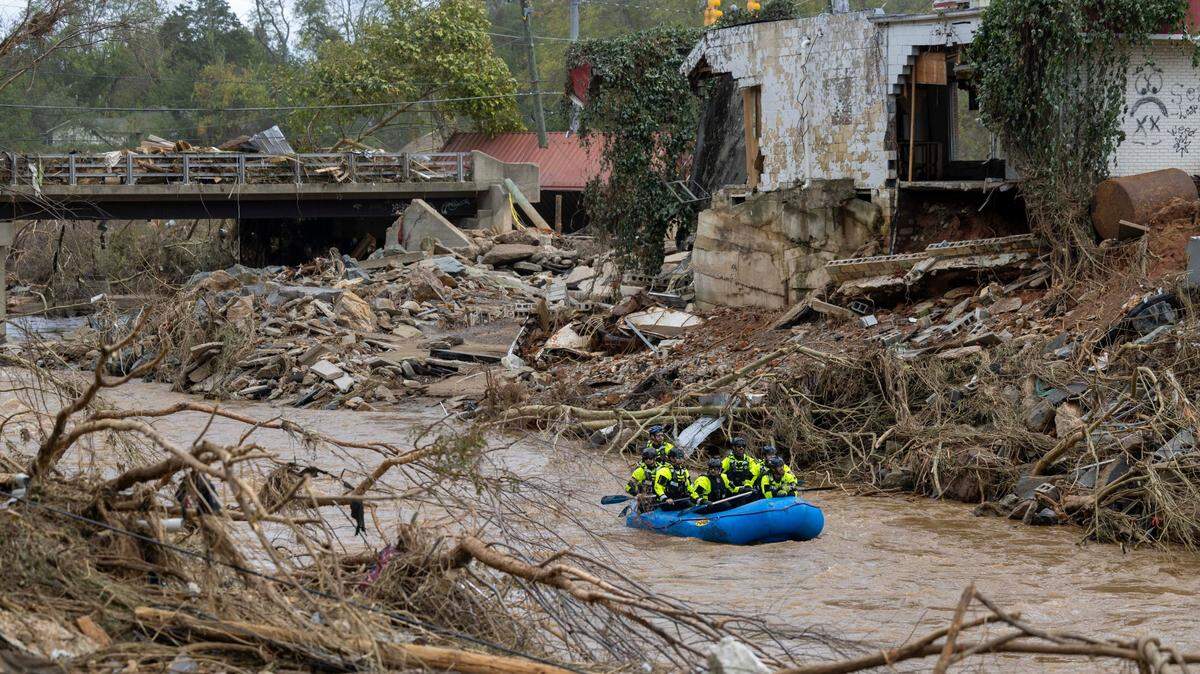
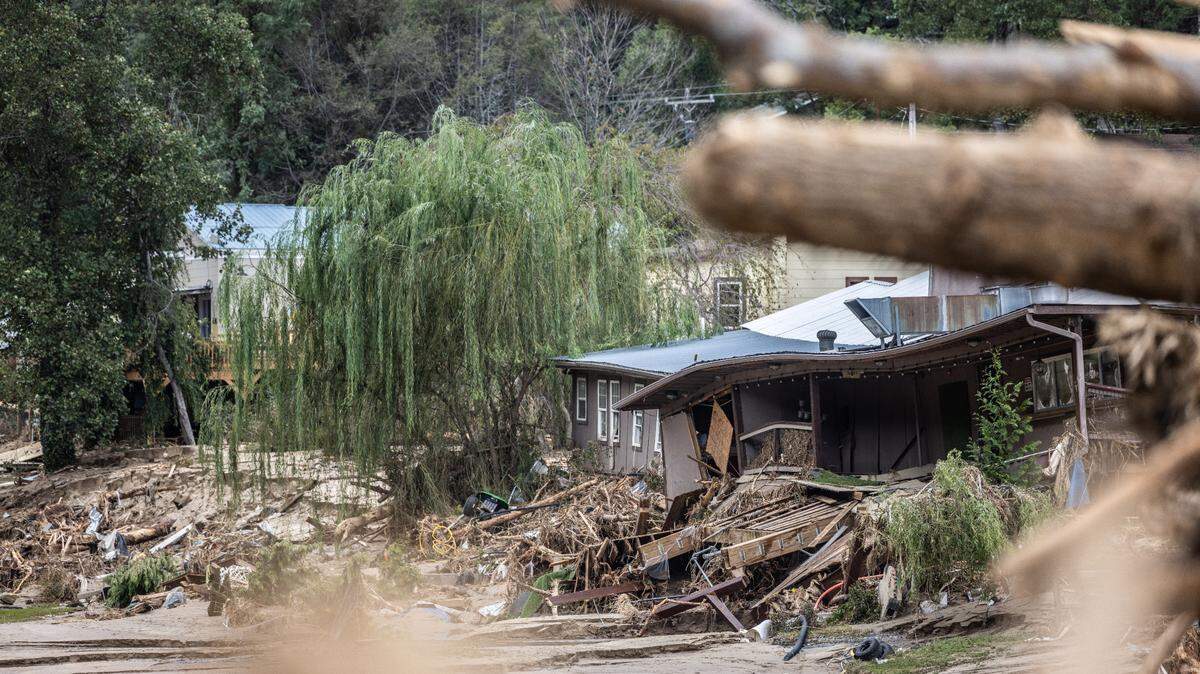
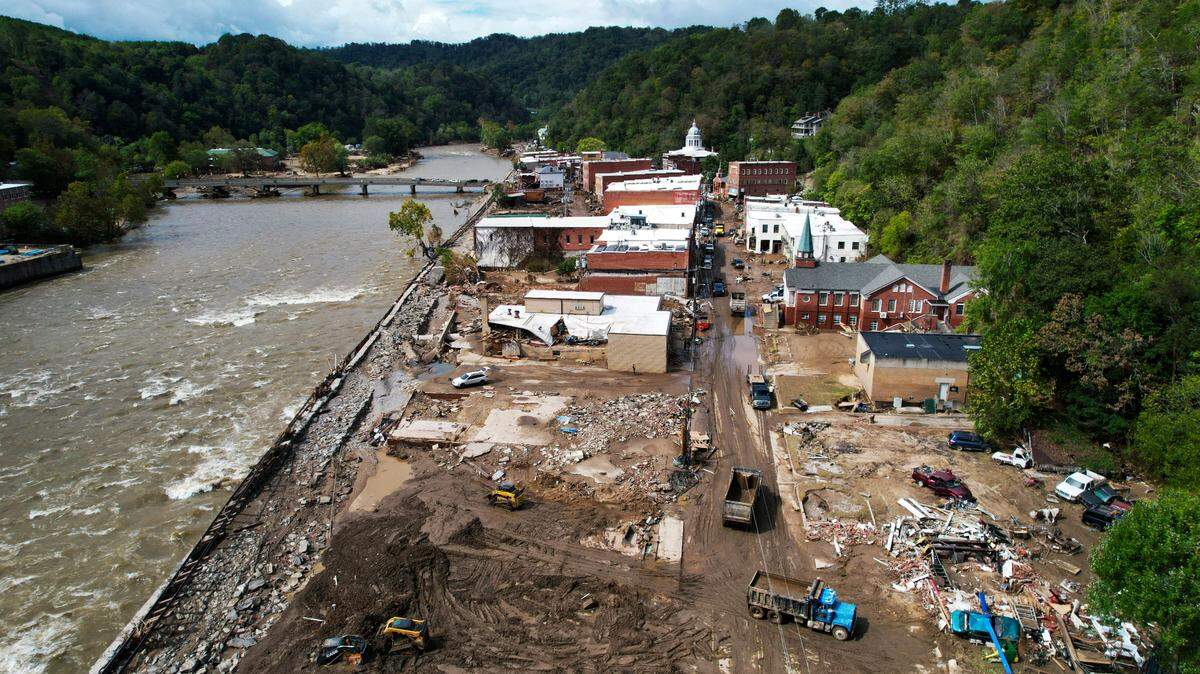
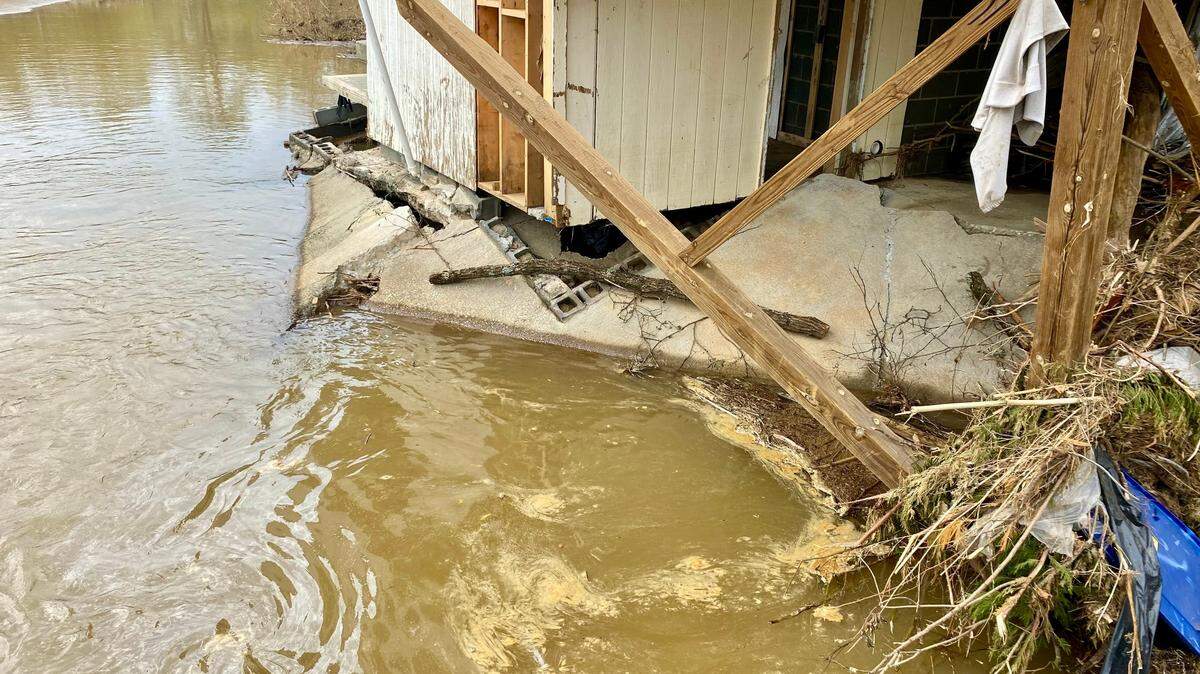
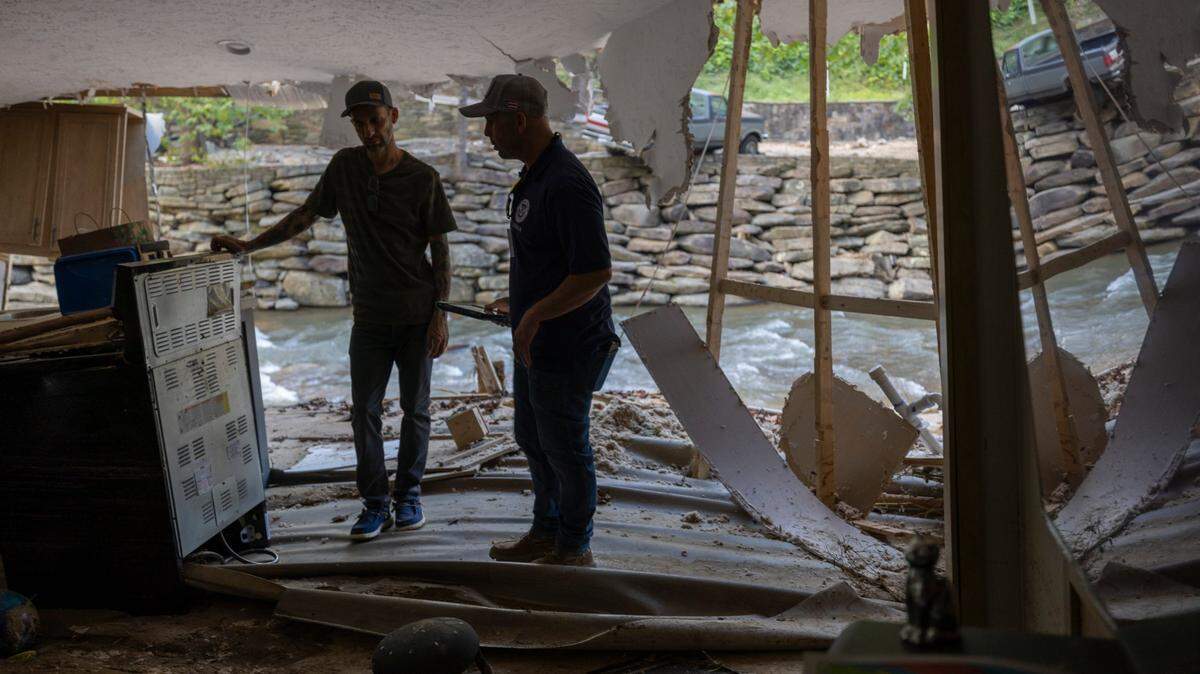
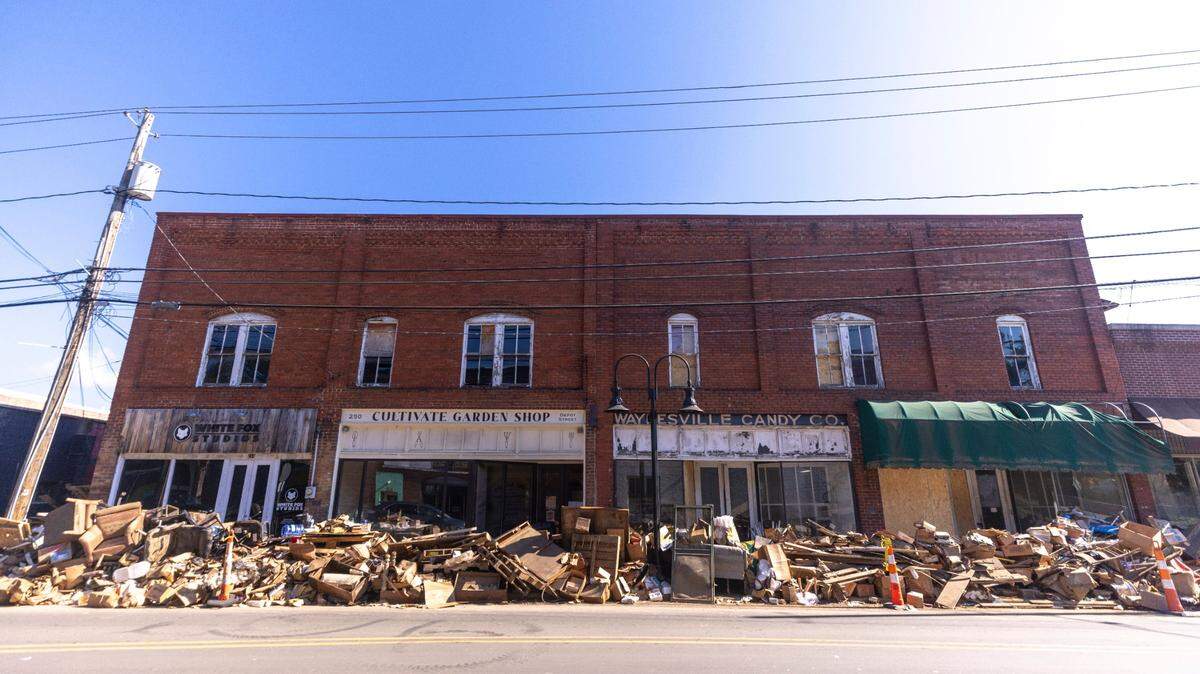
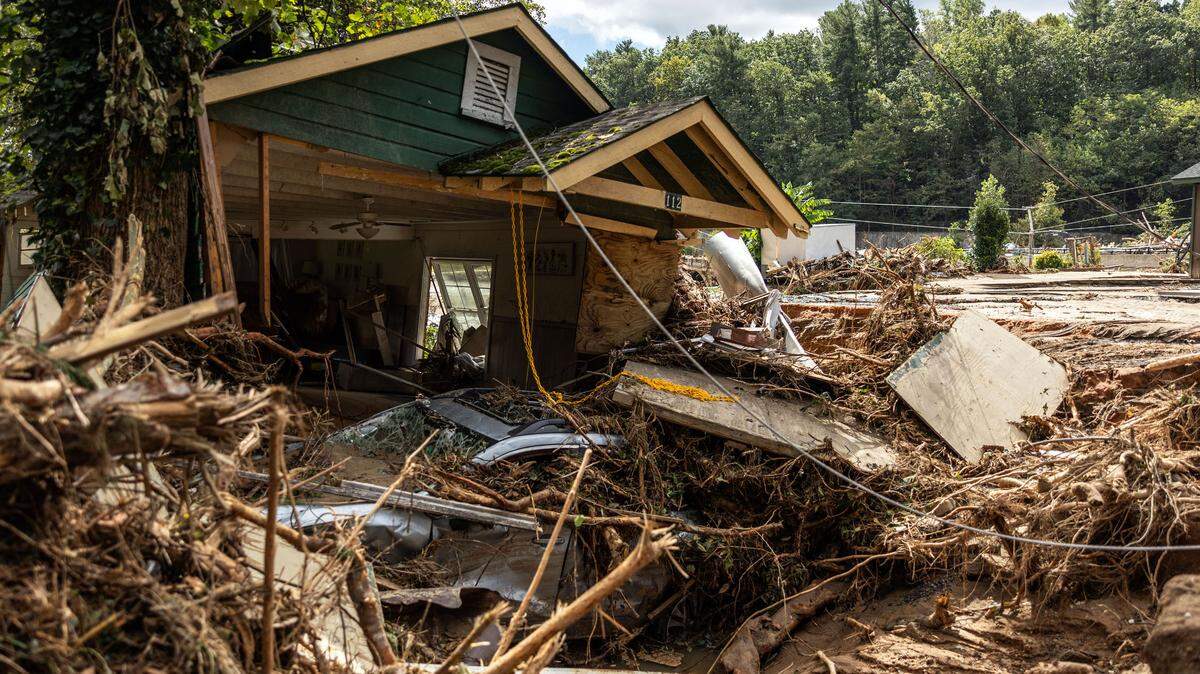
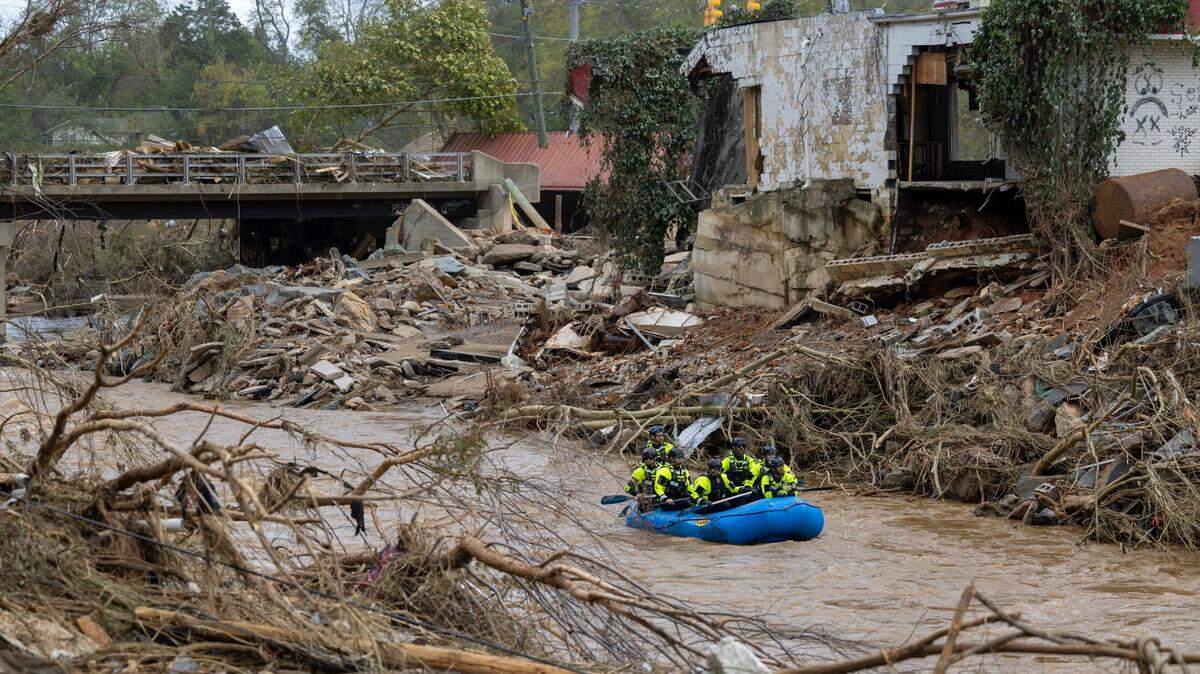
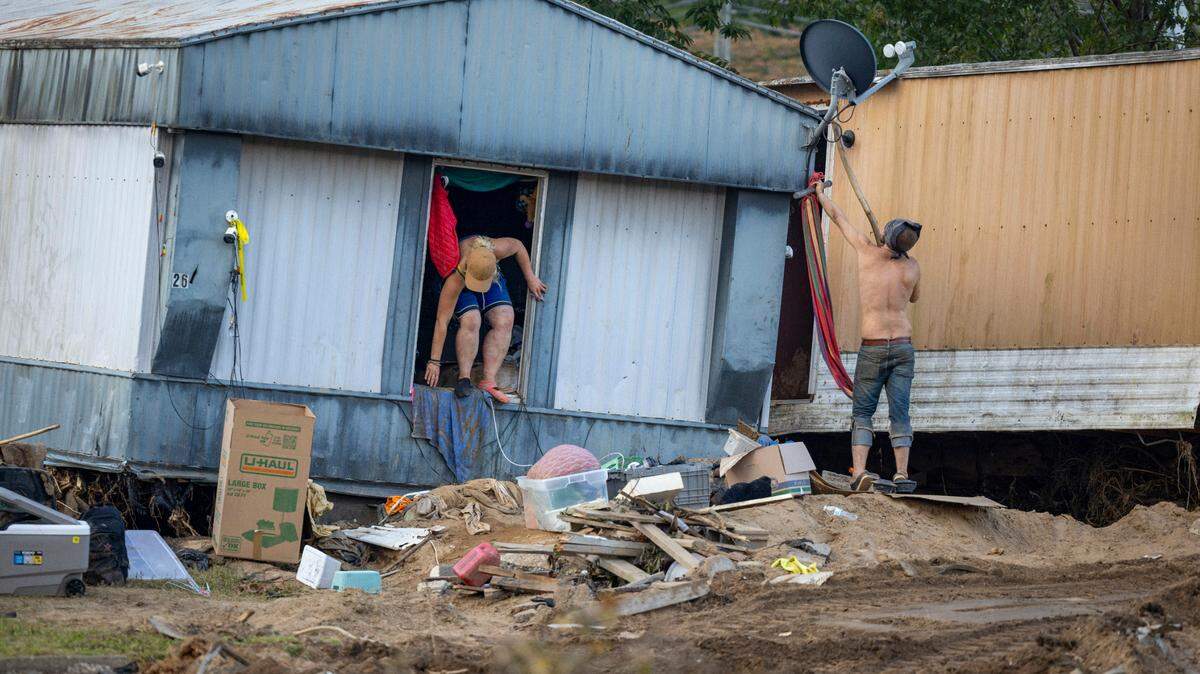
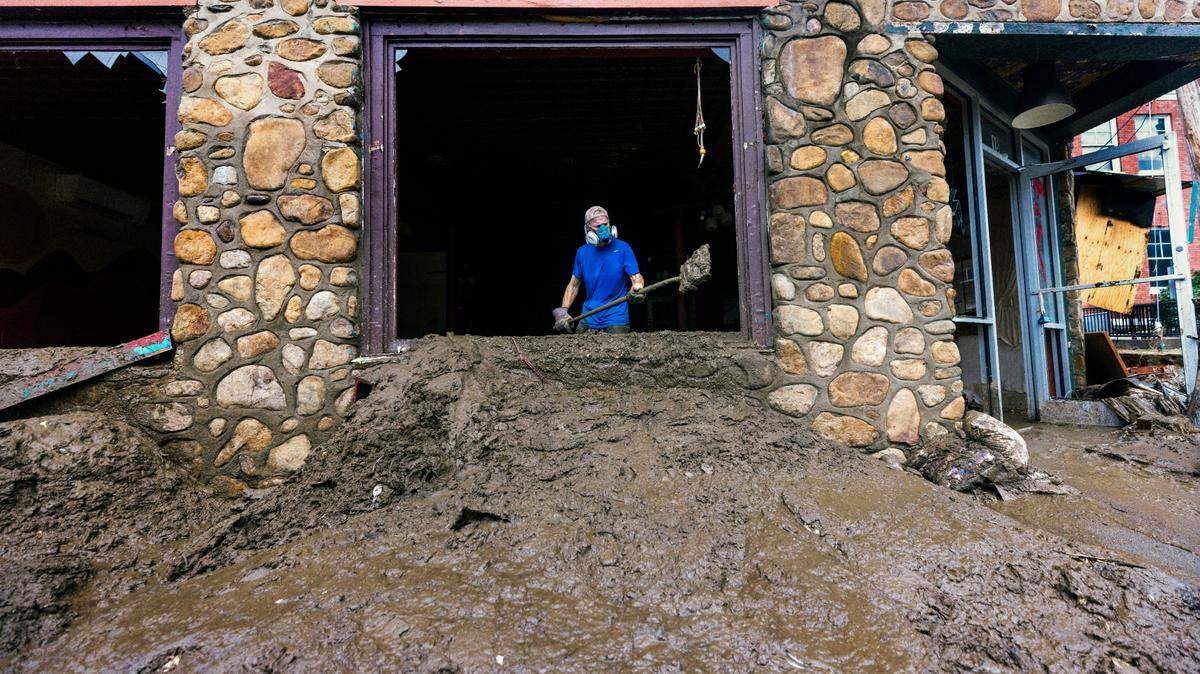
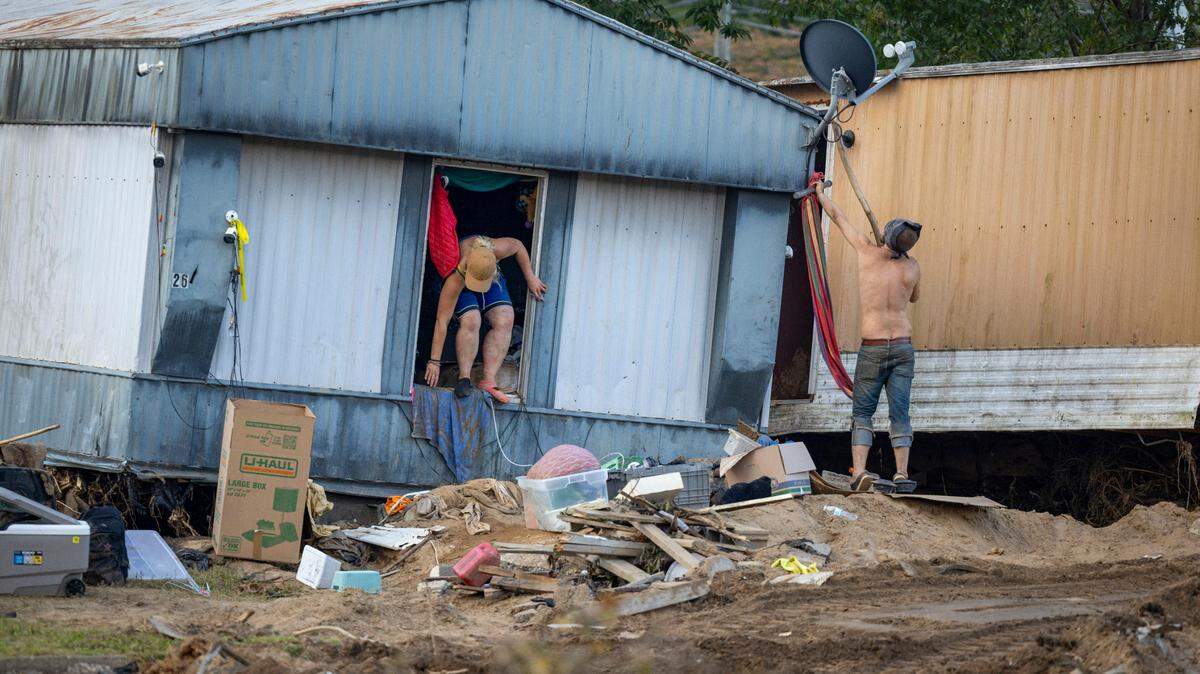
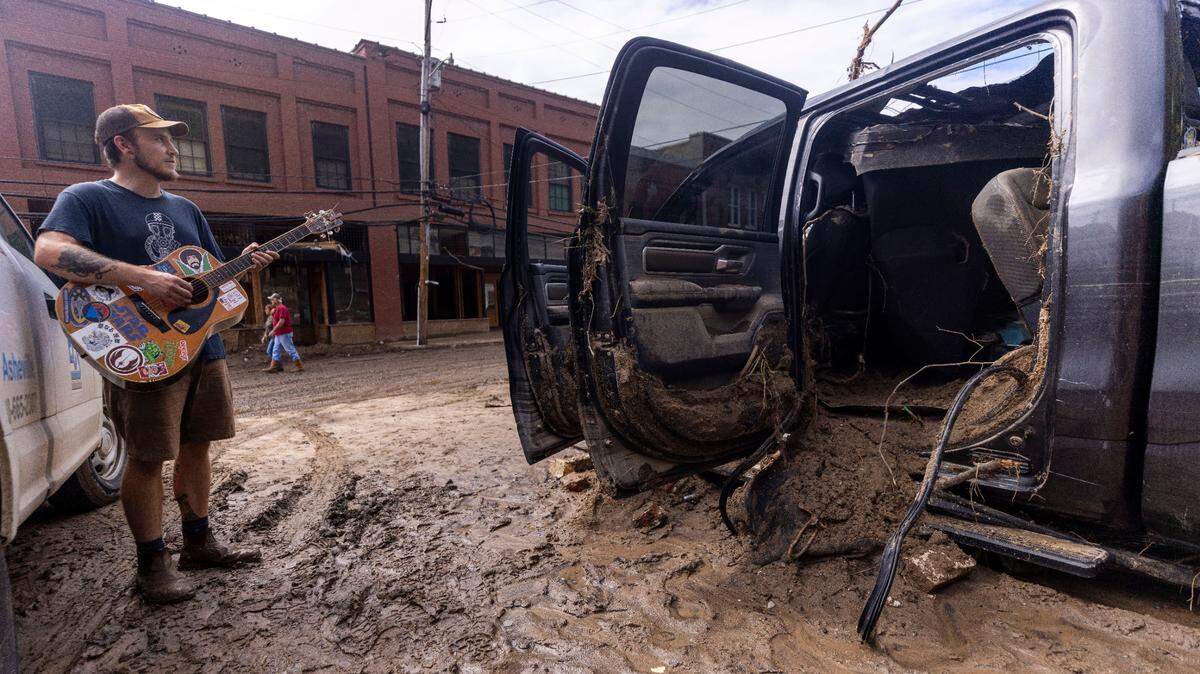
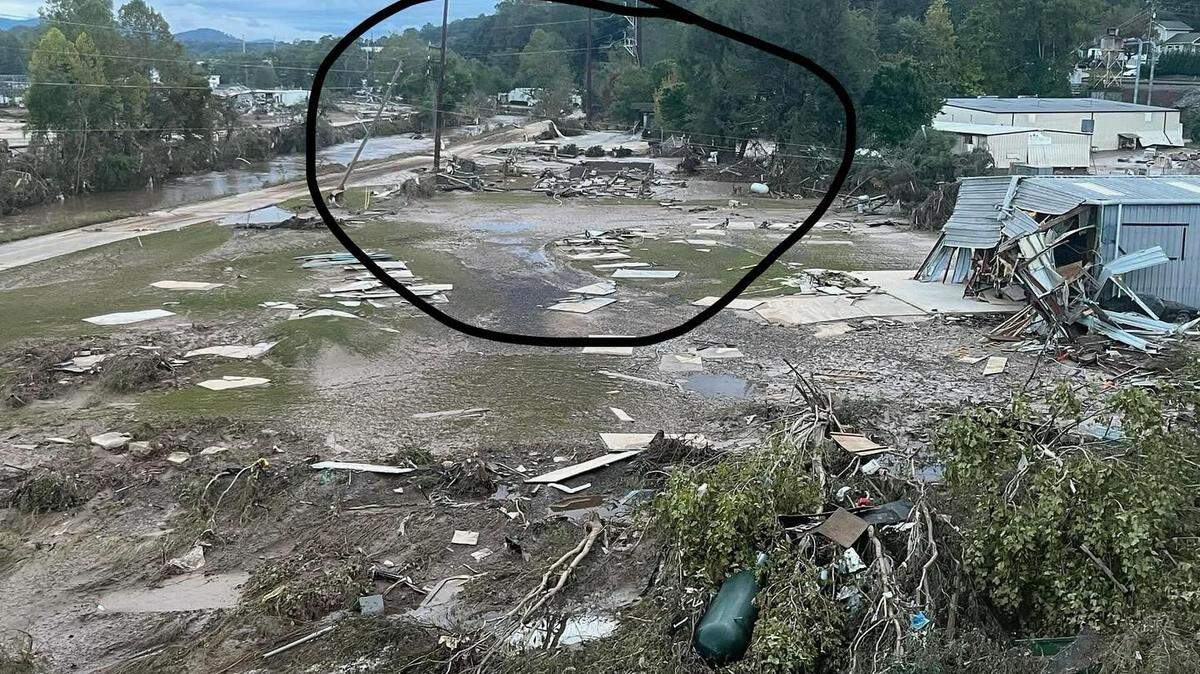
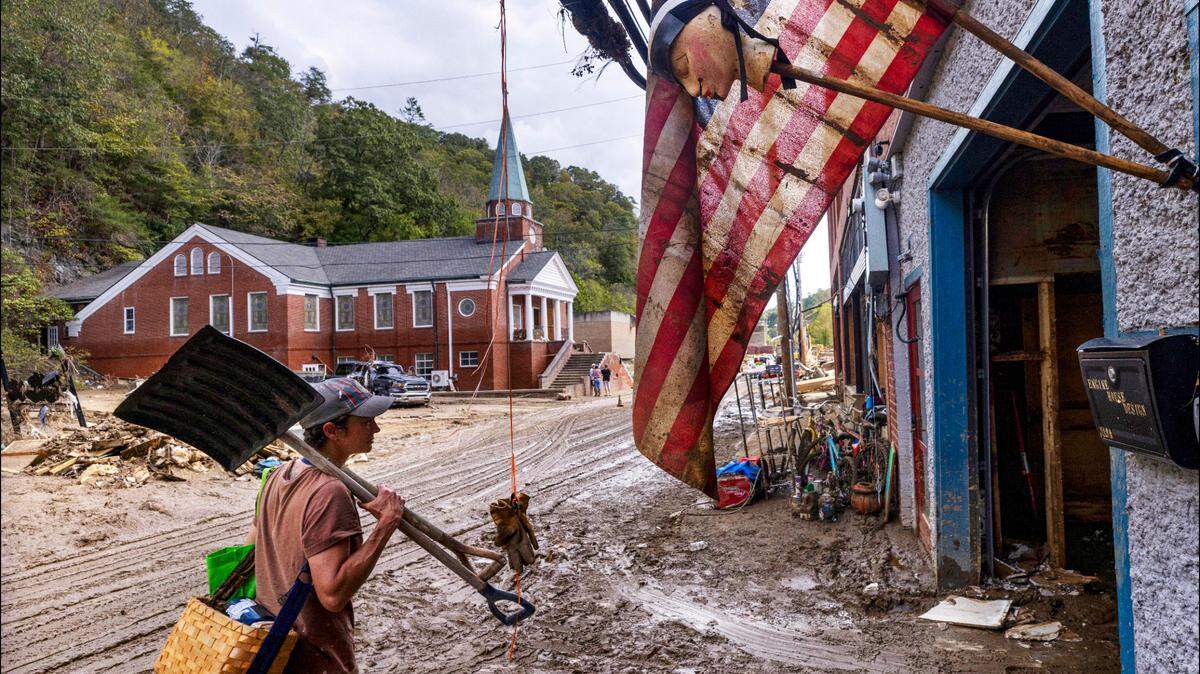
In Asheville, residents were stunned to see houses and businesses swept into the Swannanoa River.
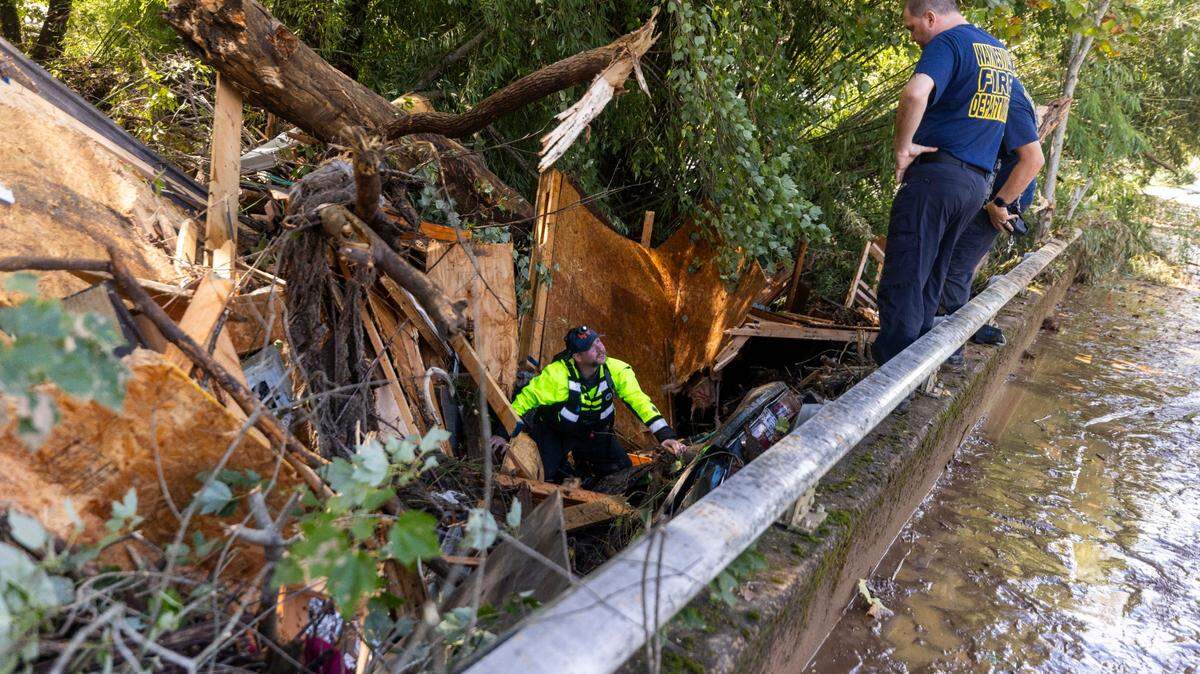
As of Sunday morning, about 1,000 people in Buncombe County were unaccounted for, according to Miller, the sheriff. But county officials expect that number will drop once cell and internet service are restored.
Two sheriff’s officers are among those who’ve died, the North Carolina Sheriff’s Association said in a Facebook post. The deputies, from the Macon and Madison county sheriff’s offices, “were tragically killed in raging flood waters,” the post said.
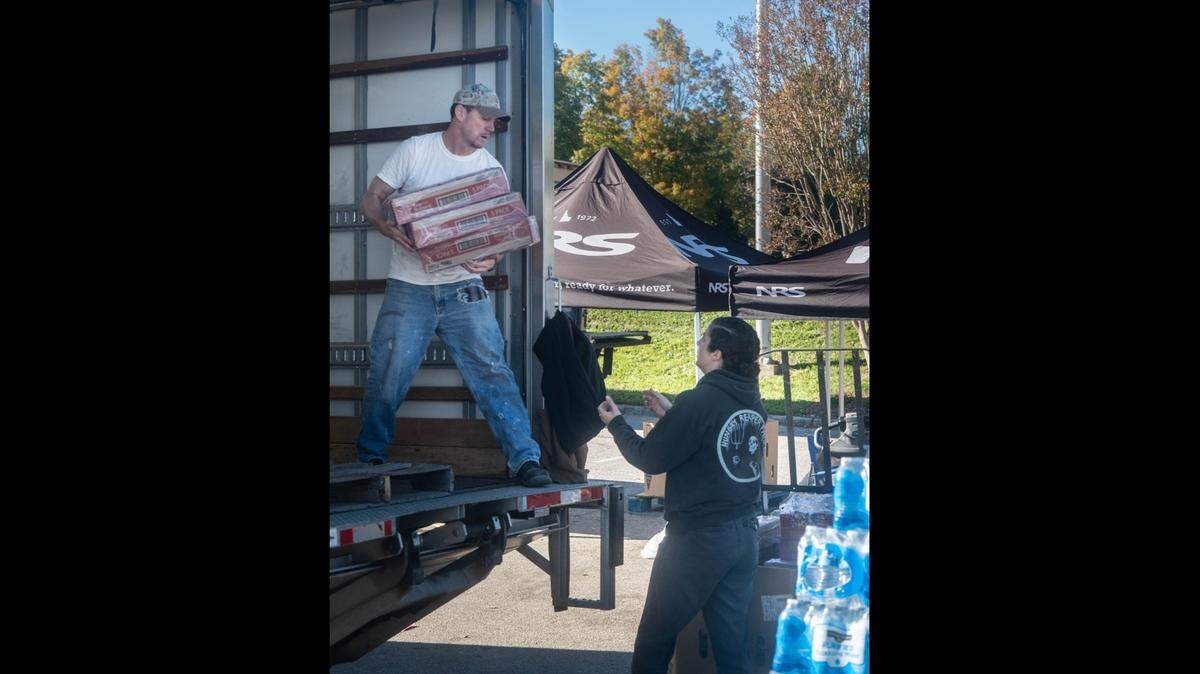
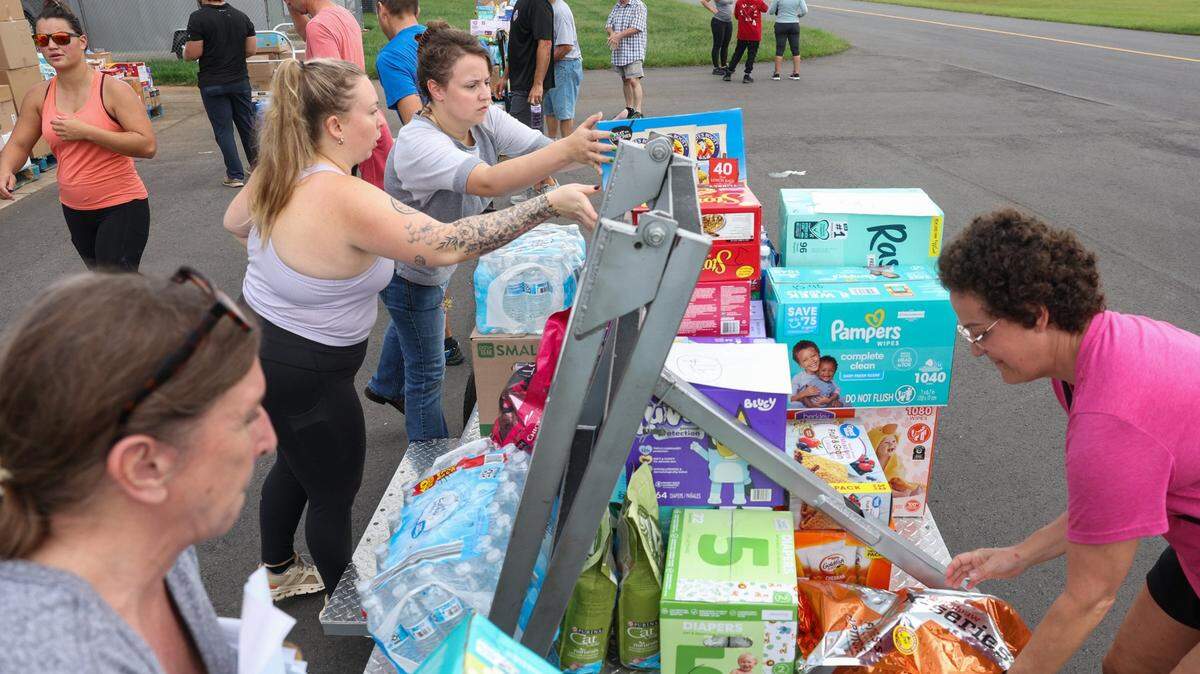
“The people in western North Carolina are hurting from this devastating storm and we are all working to get resources to people as fast as we can,” Cooper said in a news release Sunday. “We have deployed rescue teams, transportation crews, water, mobile kitchens and more. This is going to be a long-term recovery and this federal declaration will help us respond.”
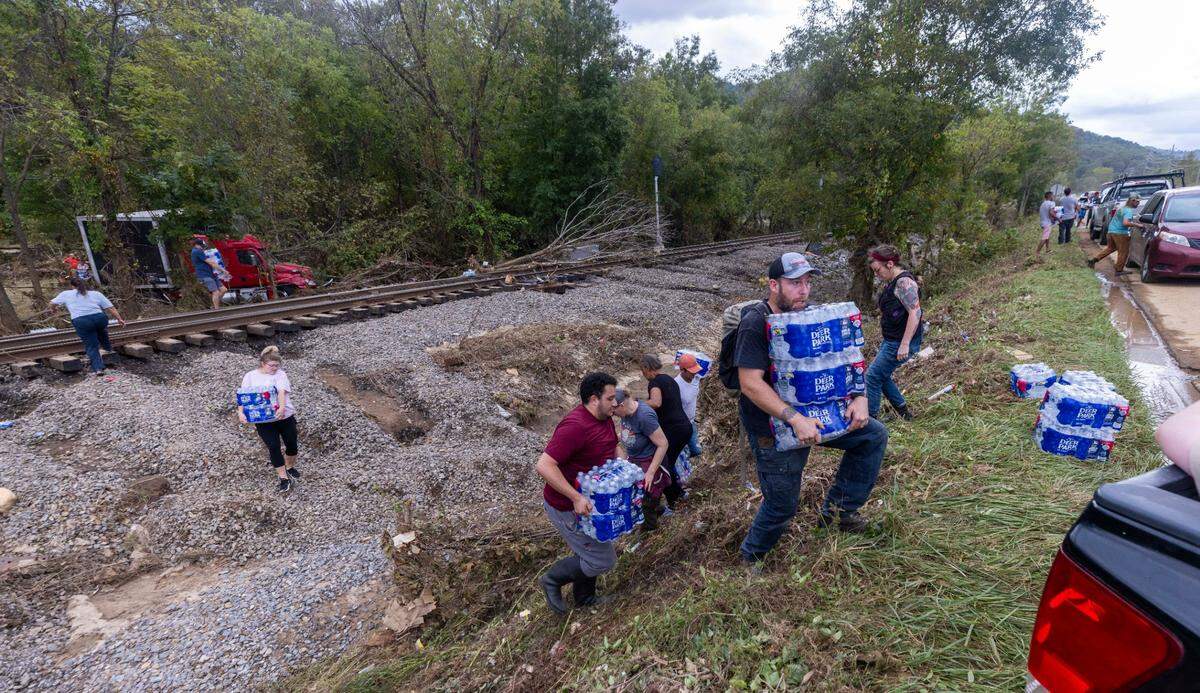
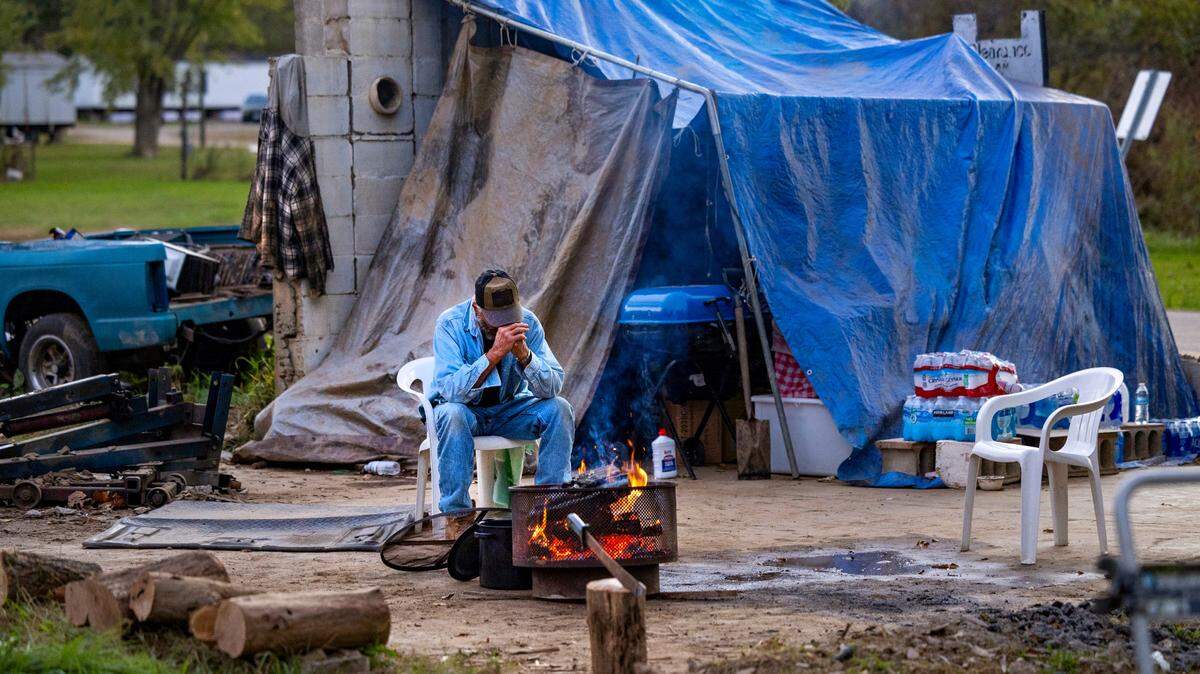
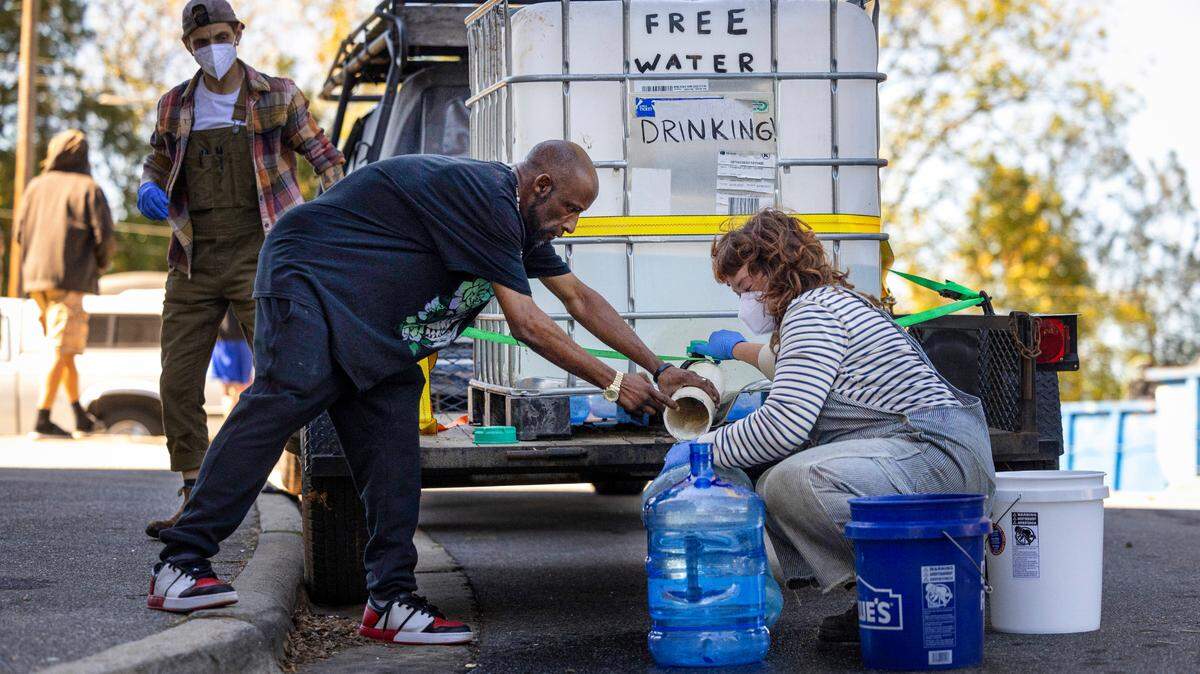
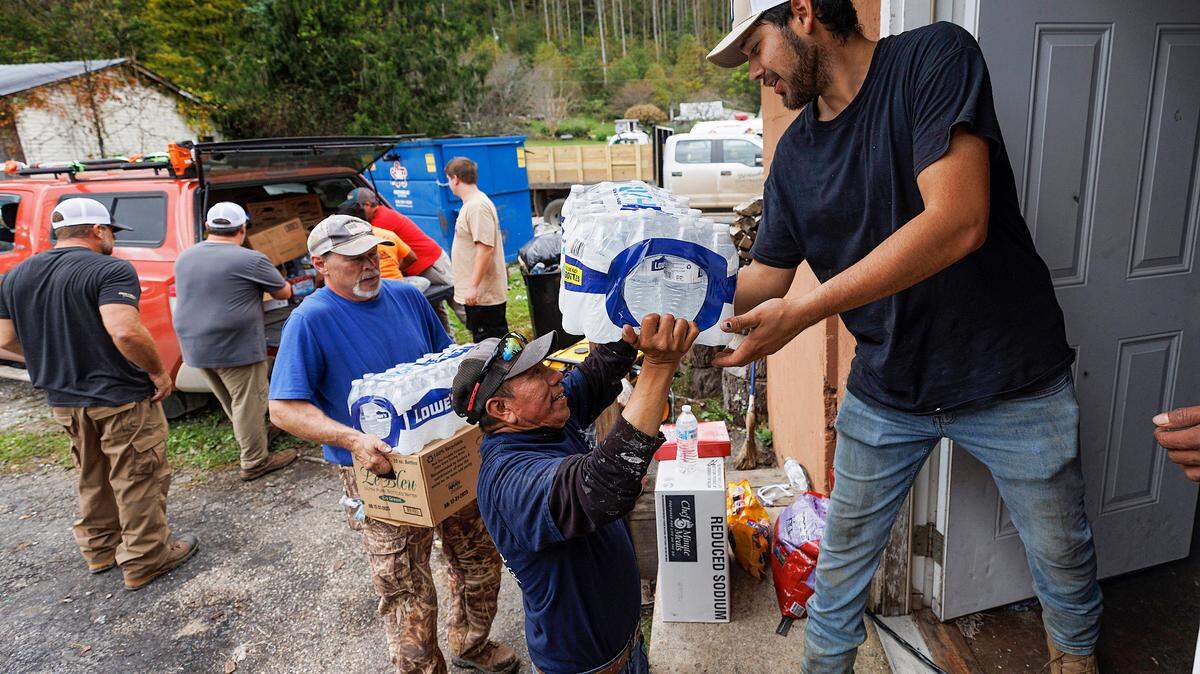
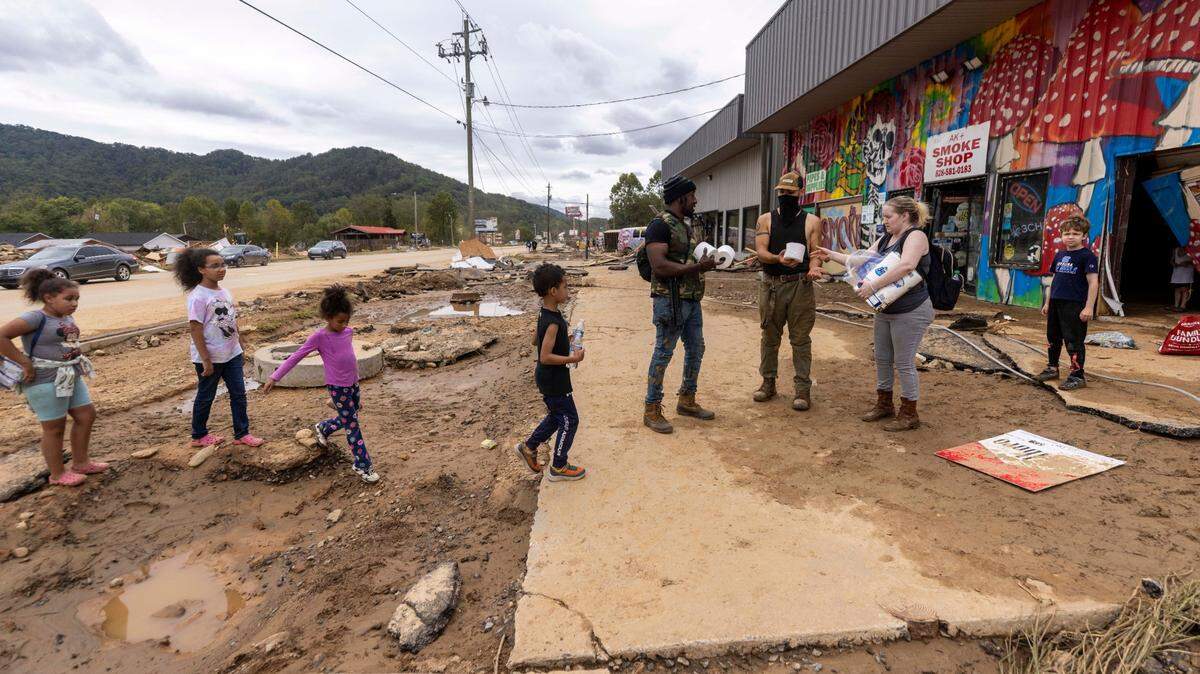
Many in Western North Carolina remained without fresh water, internet or cell service. Seven water plants in Avery, Burke, Haywood, Jackson, Rutherford, Watauga and Yancey counties are closed, according to a news release issued by Cooper’s office Saturday night. That affects nearly 70,000 households.
More than 50 water plants have no power, state Emergency Management Director Will Ray said at a news conference Sunday. Those who rely on water from 93 other systems have been advised to boil water before using it, he said.
“Flooding damages infrastructure and wells with contaminants,” Ray said. “Only use bottled, boiled or treated water for drinking, cooking and personal hygiene in impacted areas. For more information, please visit your local health department, social media platforms or websites.”
Stay clear of western NC roads, officials say
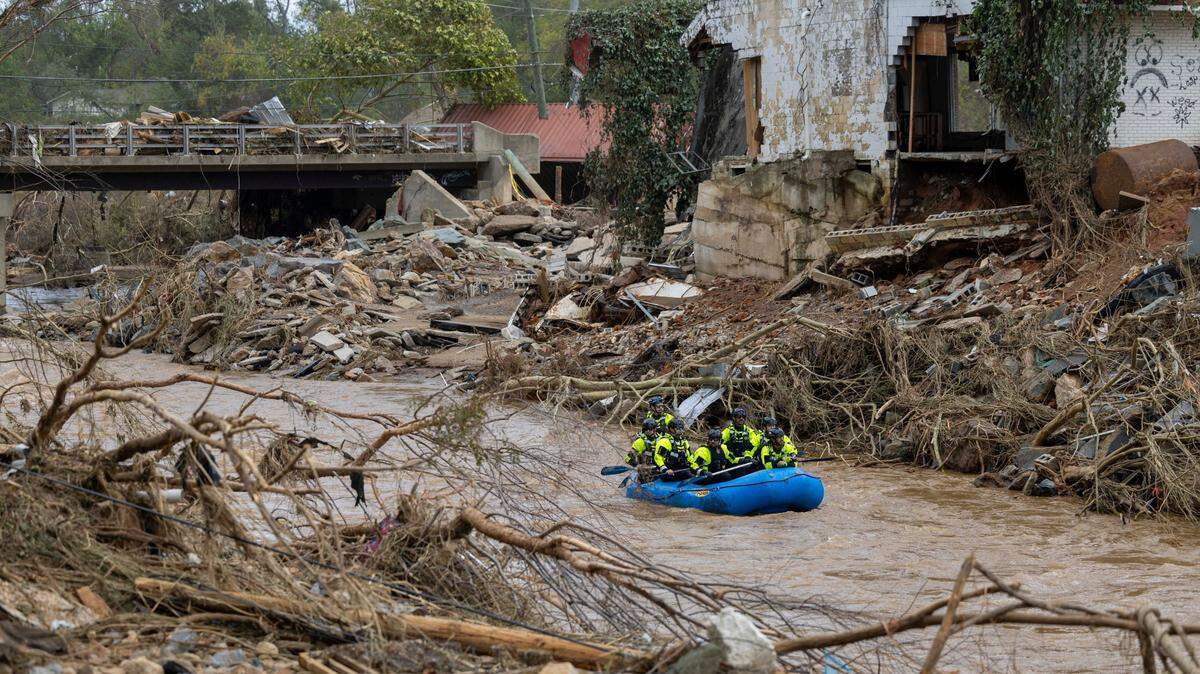
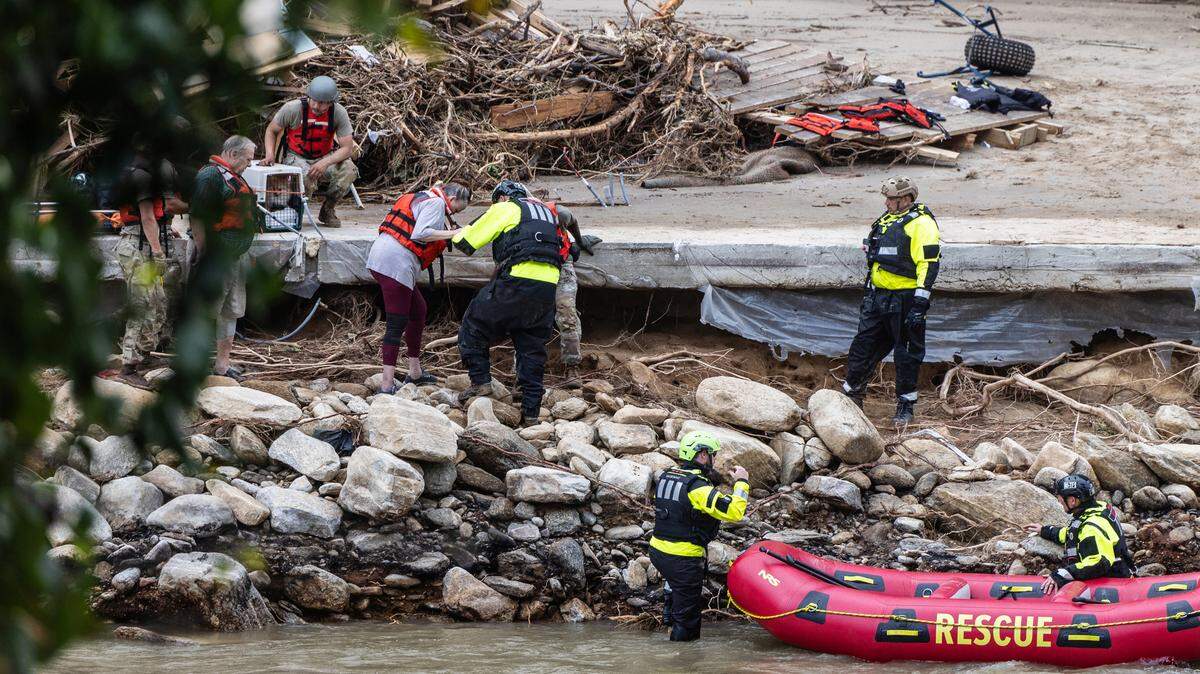
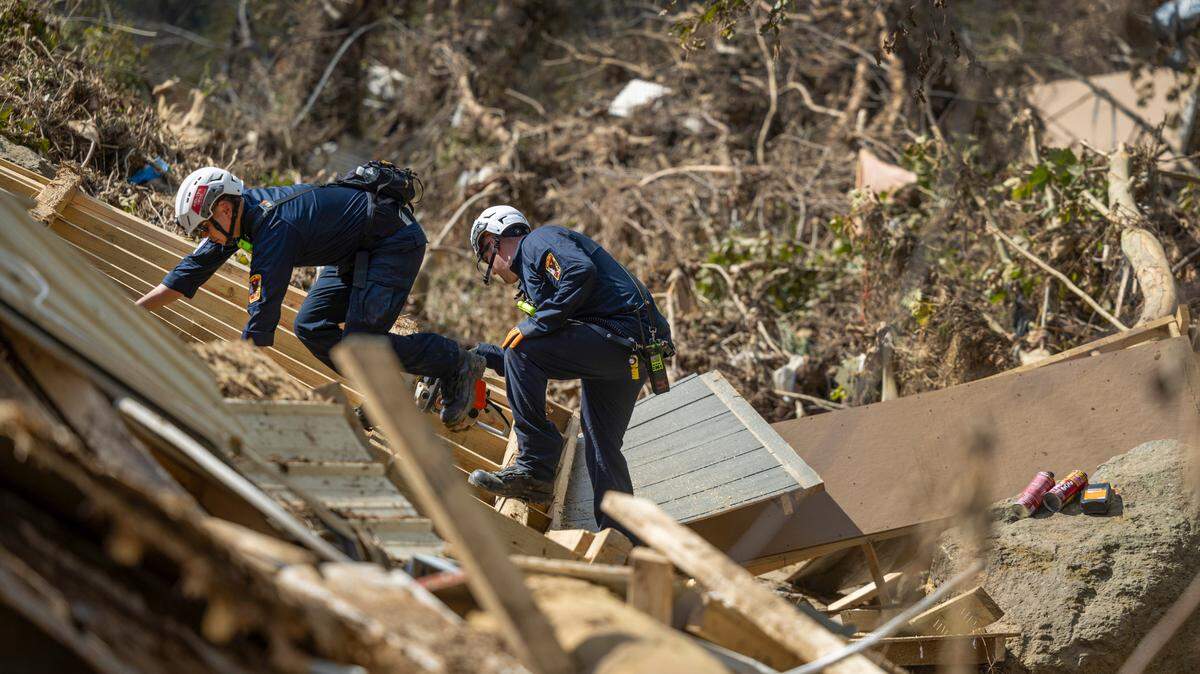
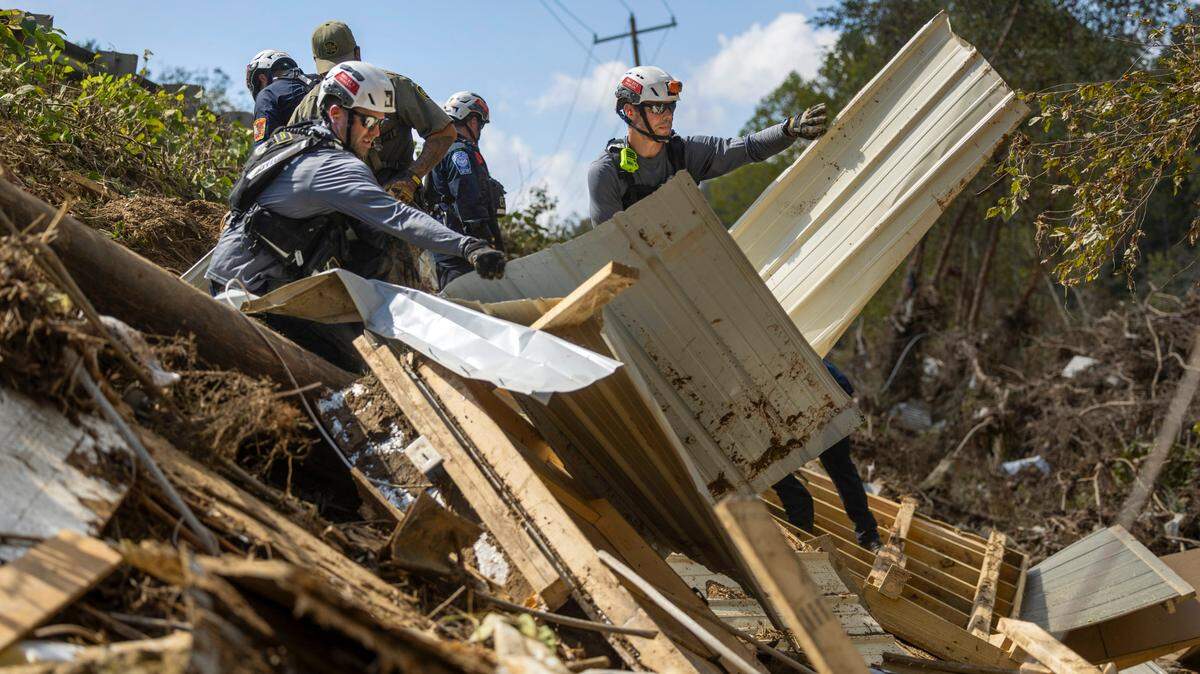
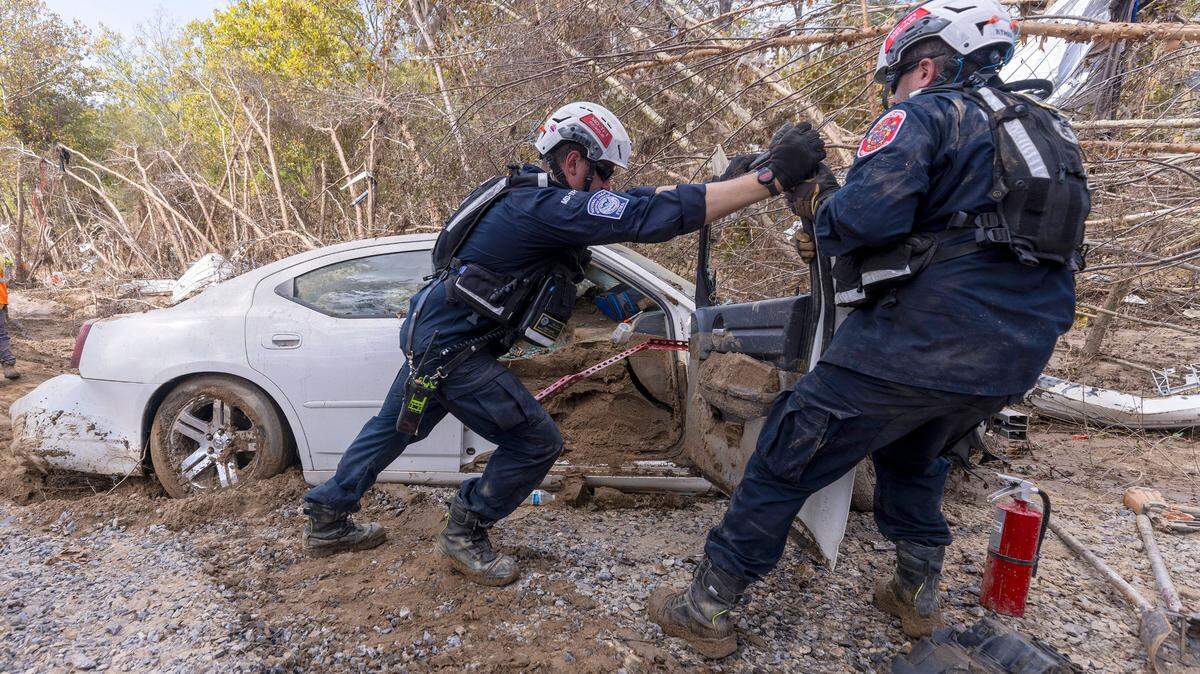
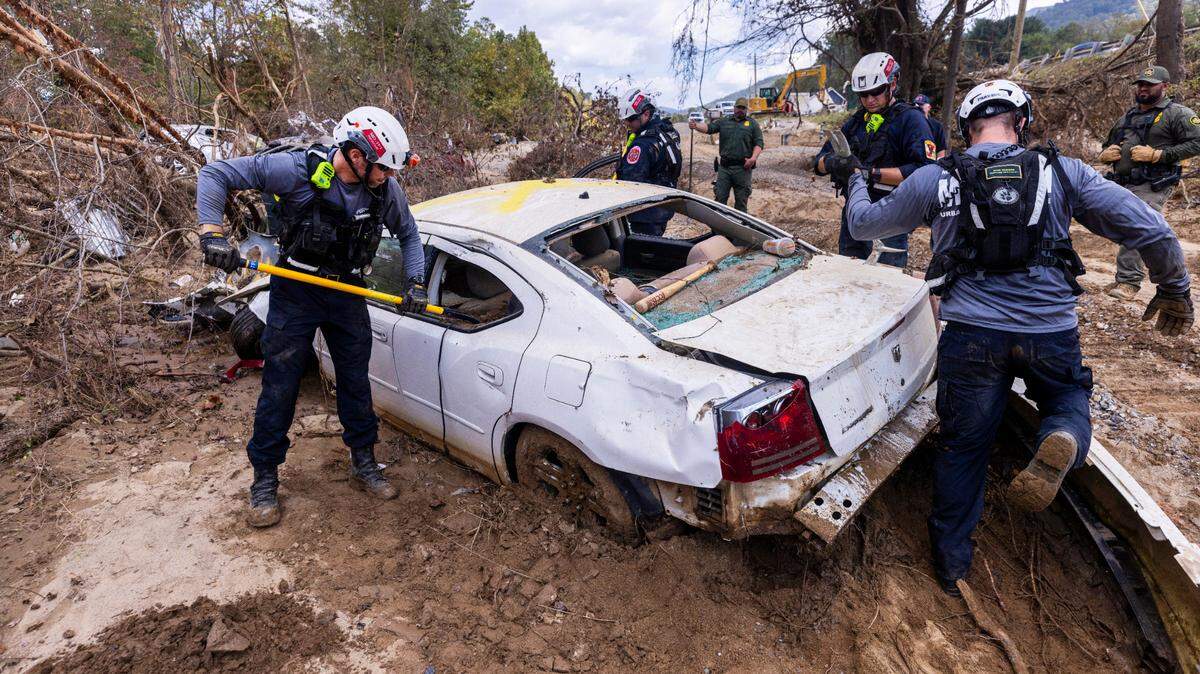
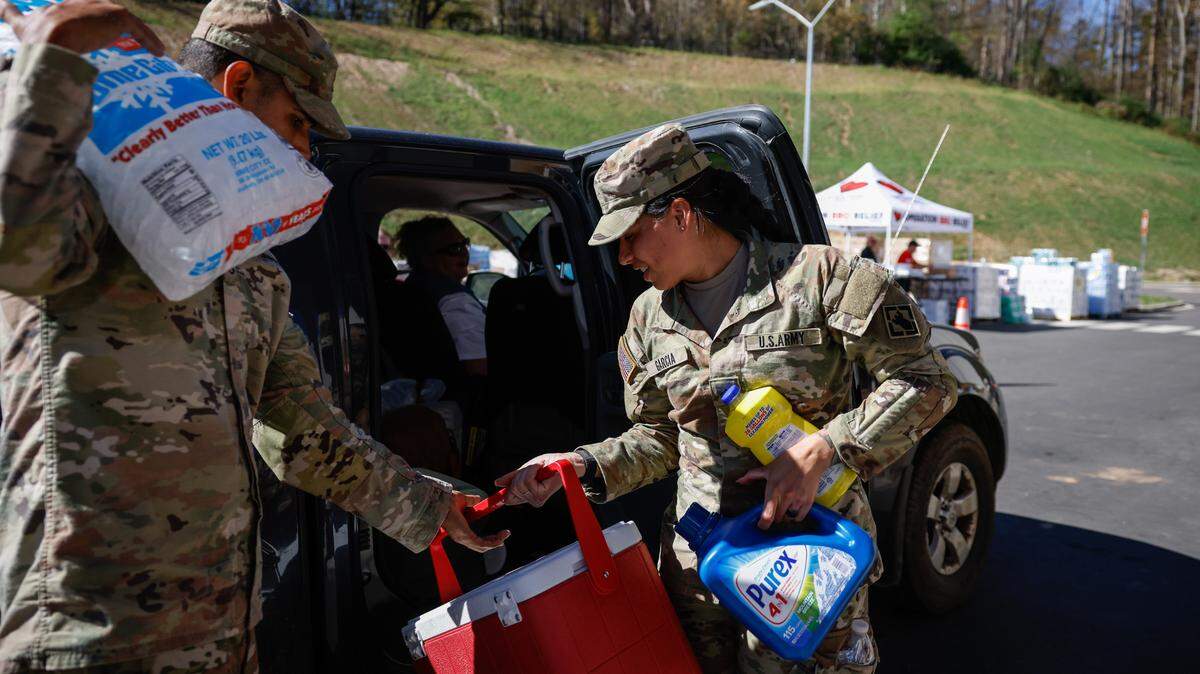
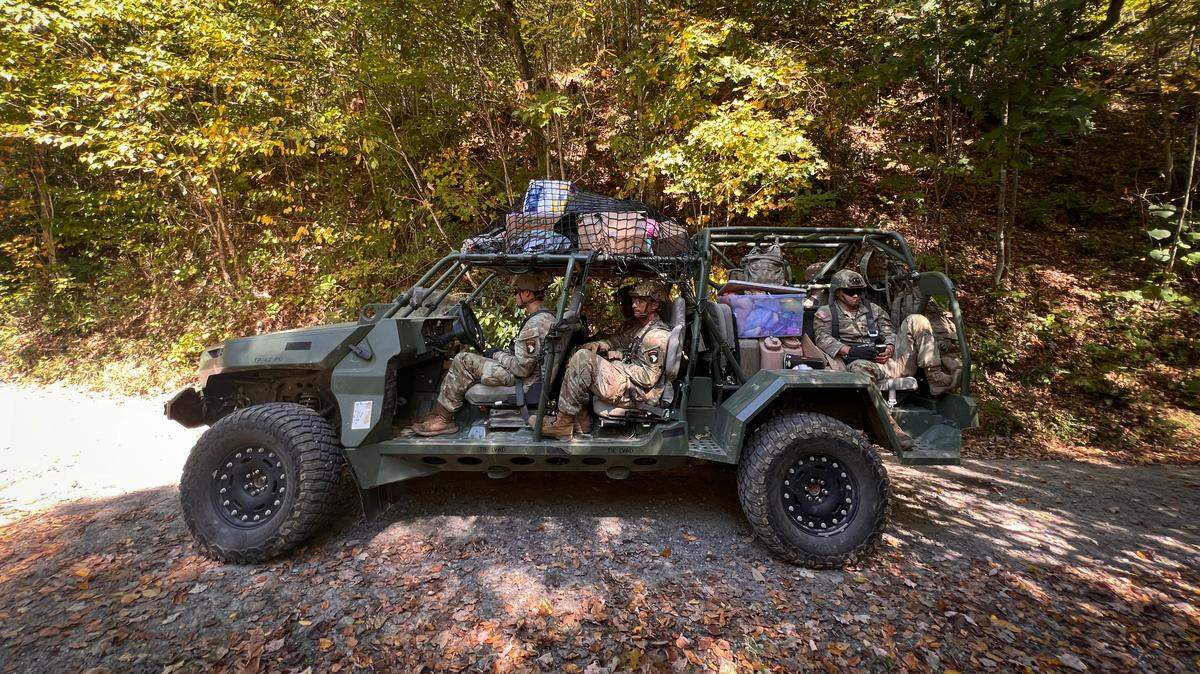
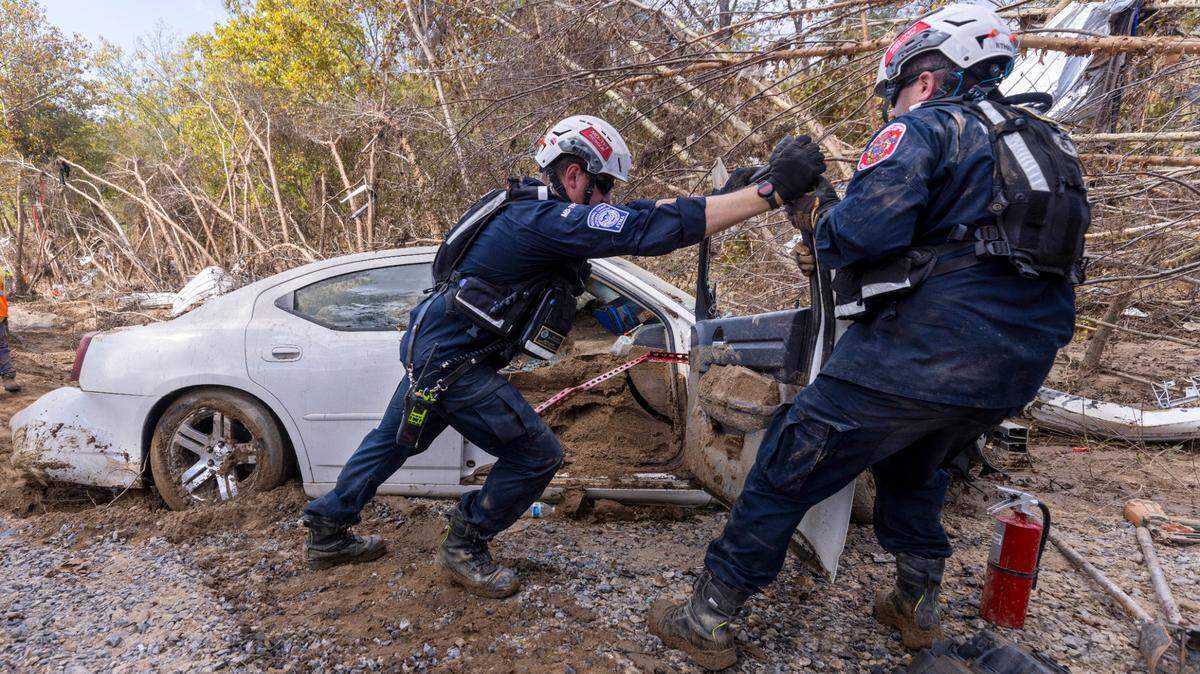
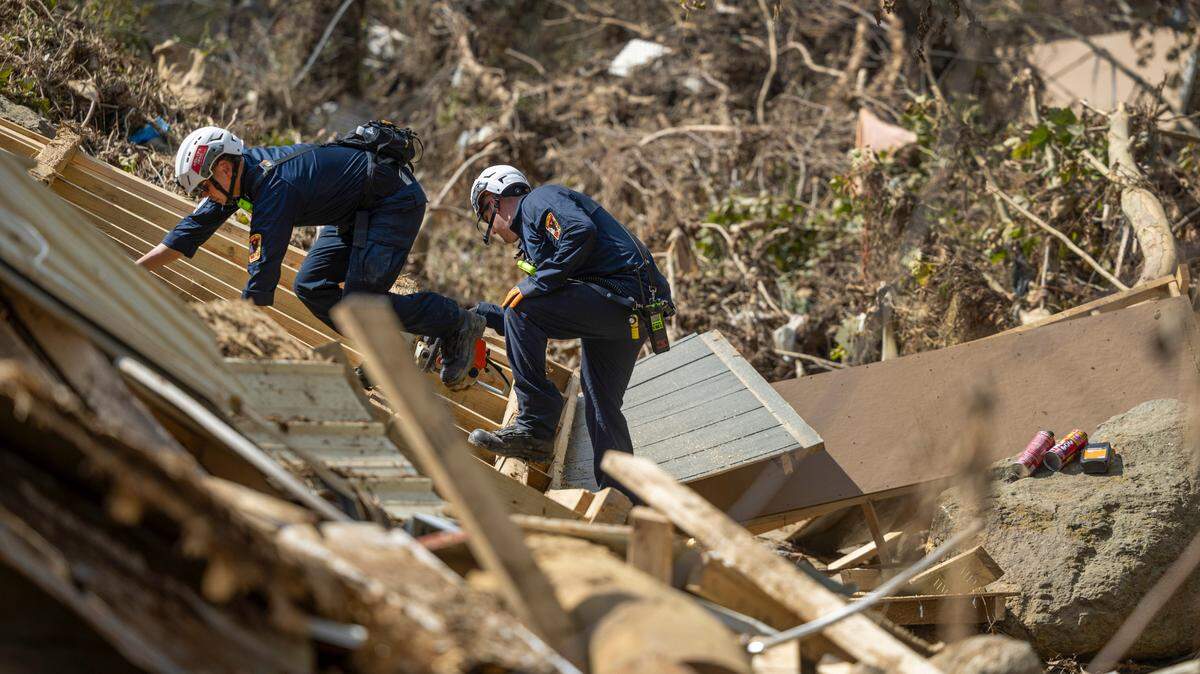
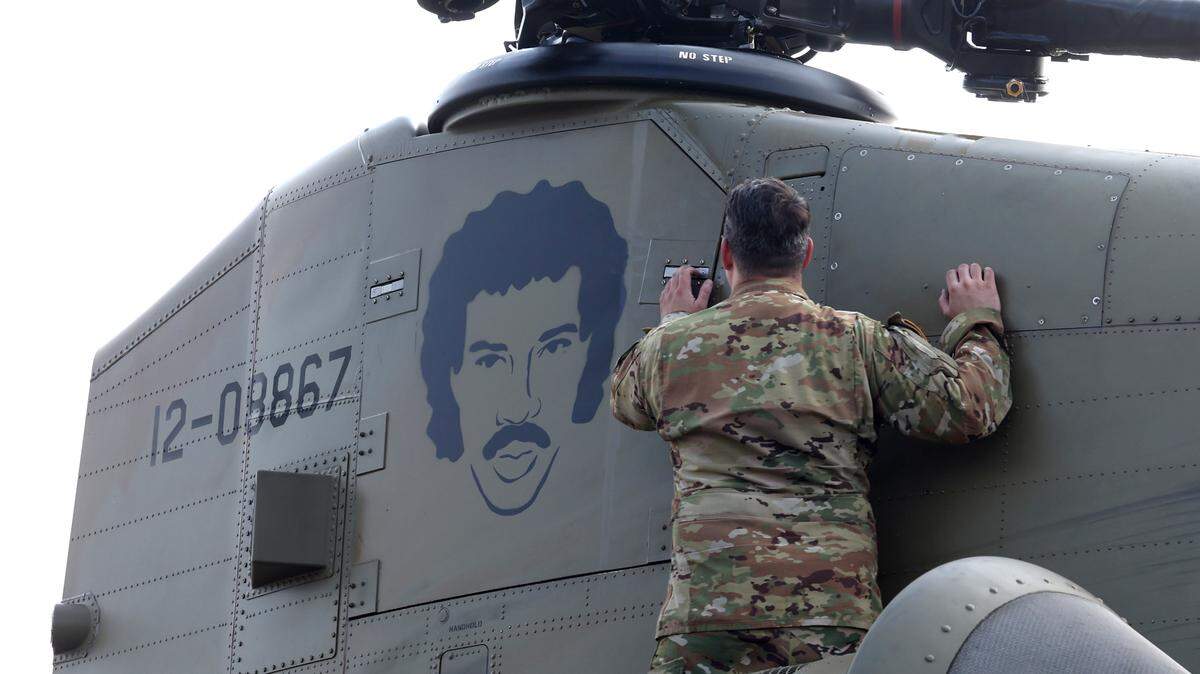
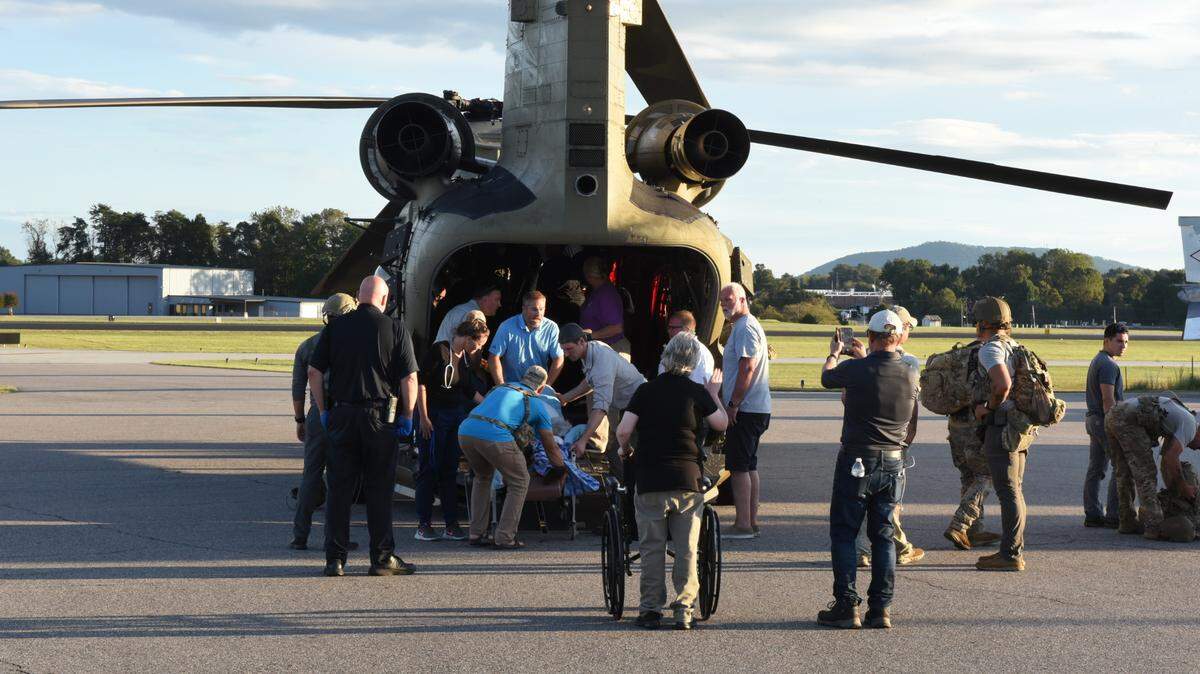
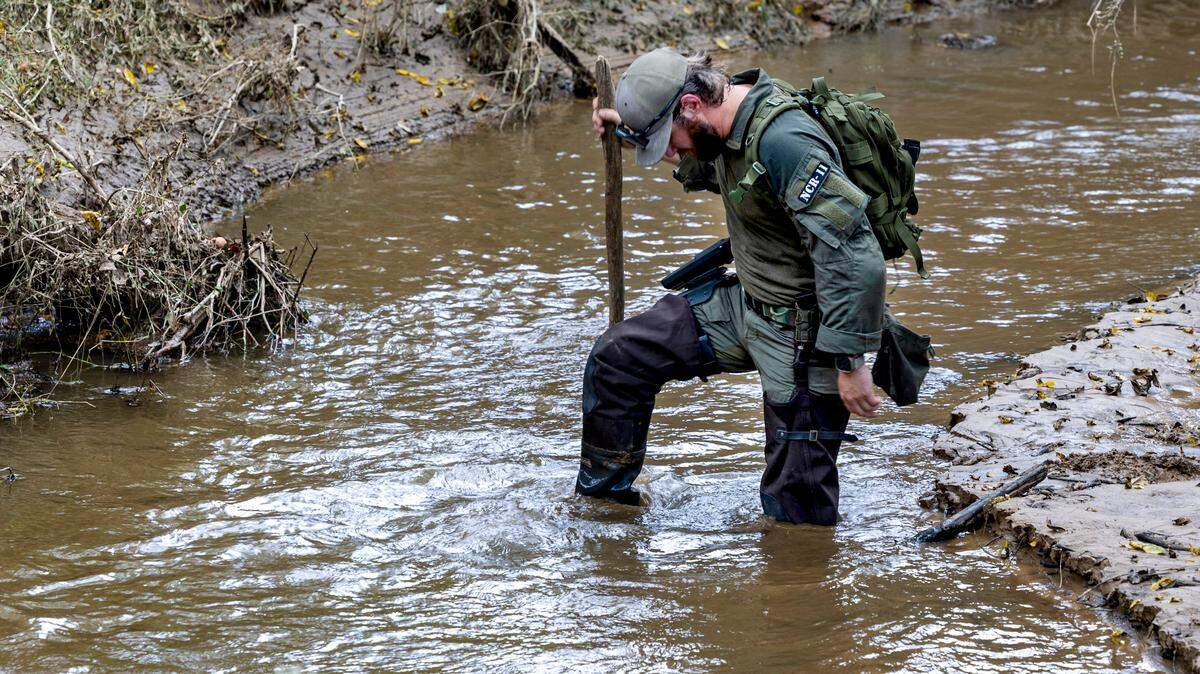
More than 200 people were rescued from flood waters, Cooper’s office said. The governor has deployed the North Carolina National Guard — with about 550 troops, more than 100 vehicles and 11 aircraft — to help with rescues, transport patients to medical care, and deliver personnel and equipment to where they’re needed.
On Saturday, emergency workers rescued 117 people, including a baby, according to Todd Hunt, adjutant general of the North Carolina National Guard. They also brought 11 pets to safety.
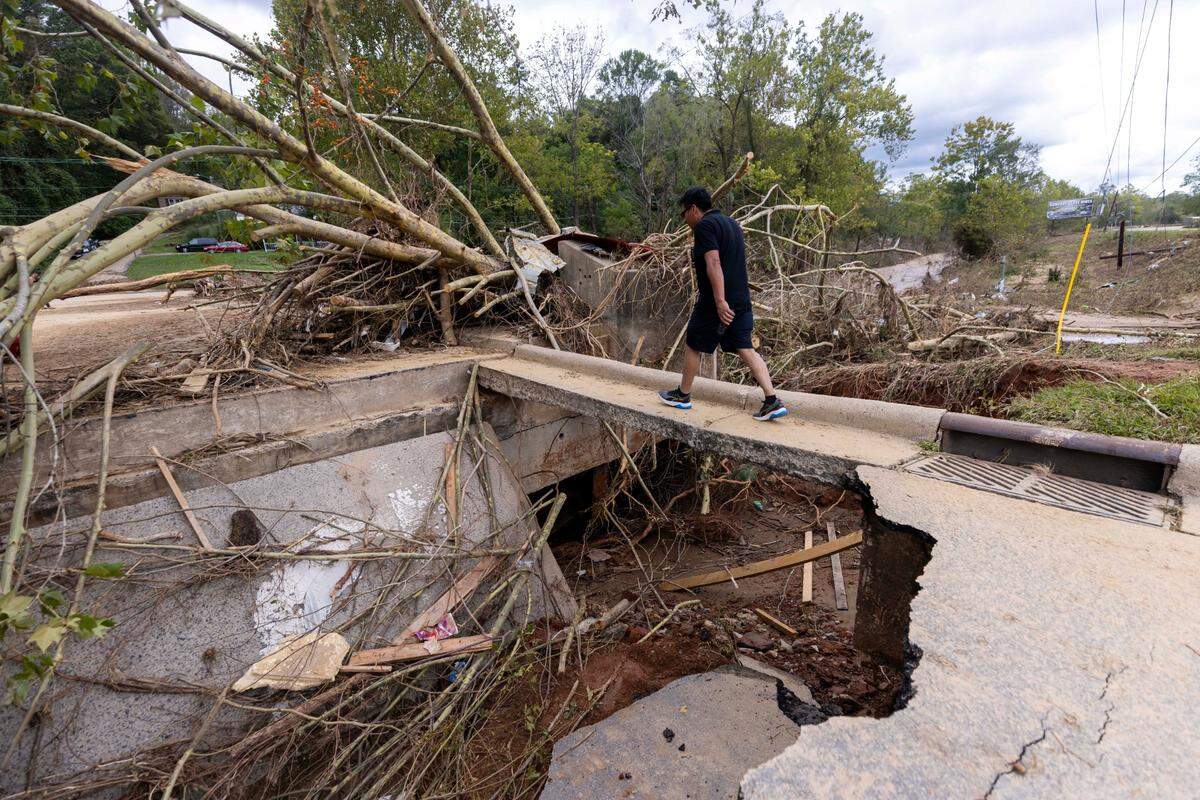
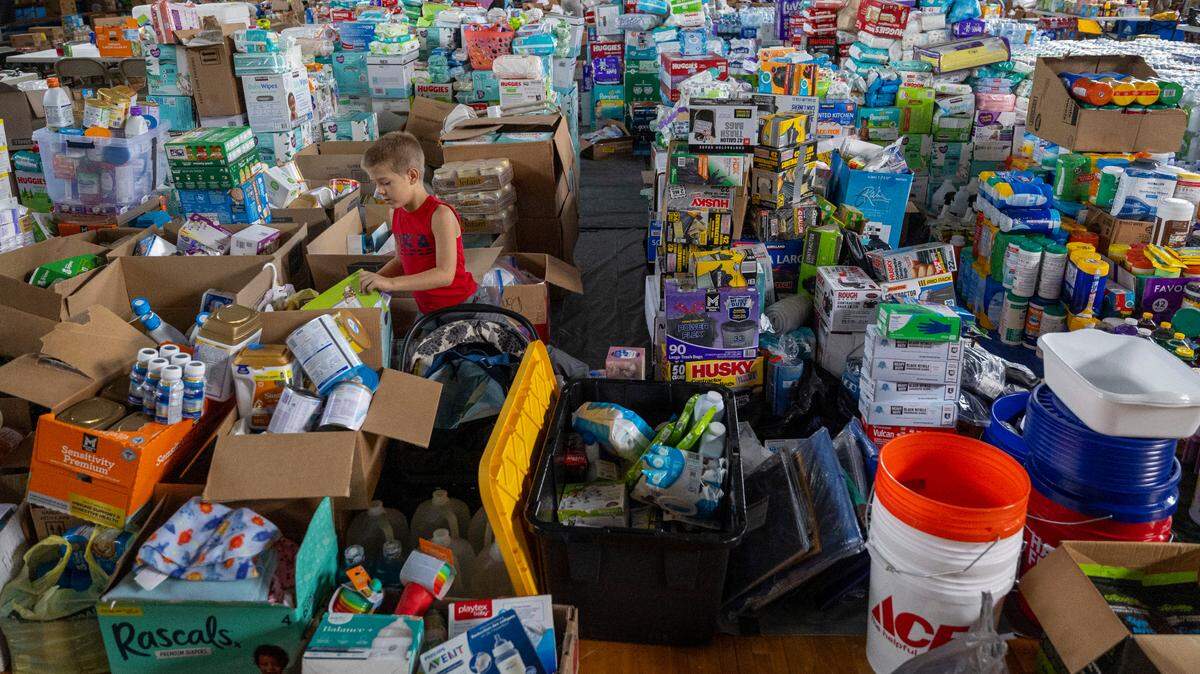
Twenty-four shelters, with room for 1,000 people, have also opened. Information about shelters, road conditions, power outages and evacuation routes can be found at readync.gov.
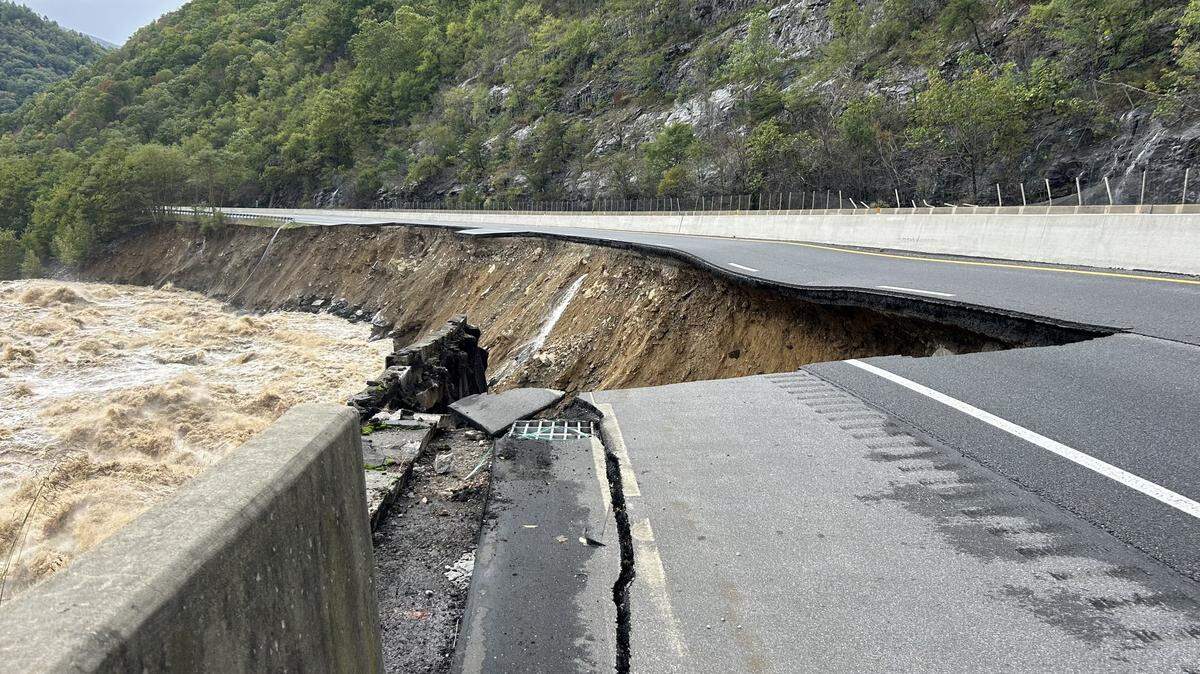
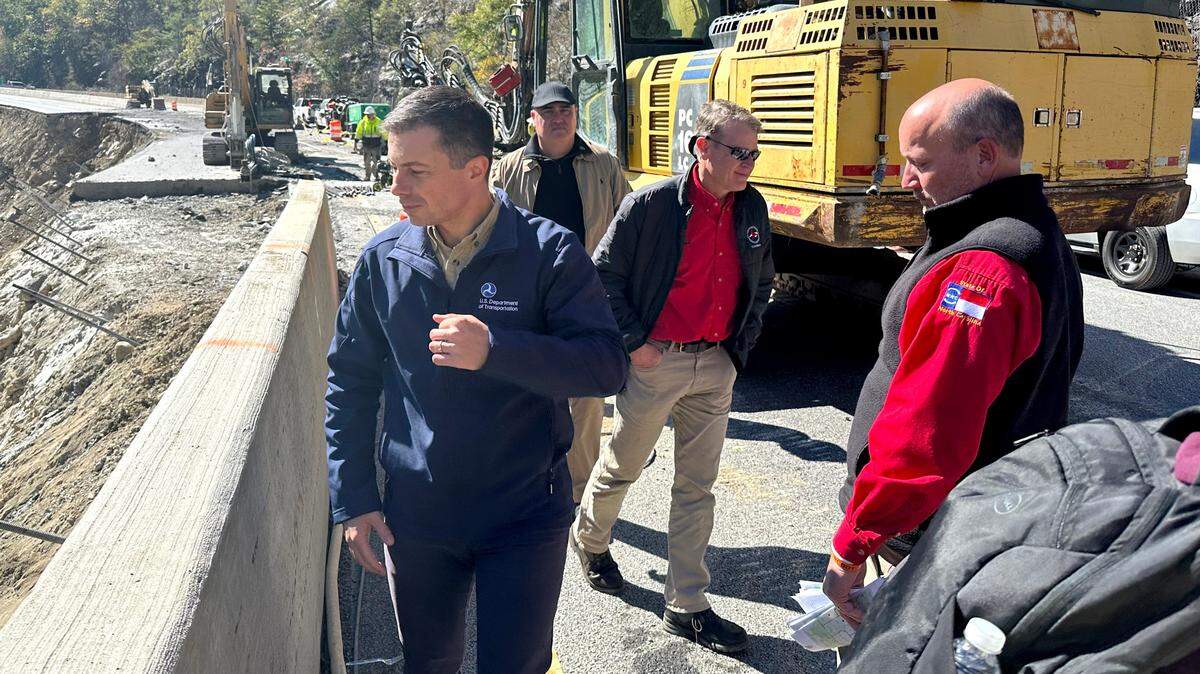
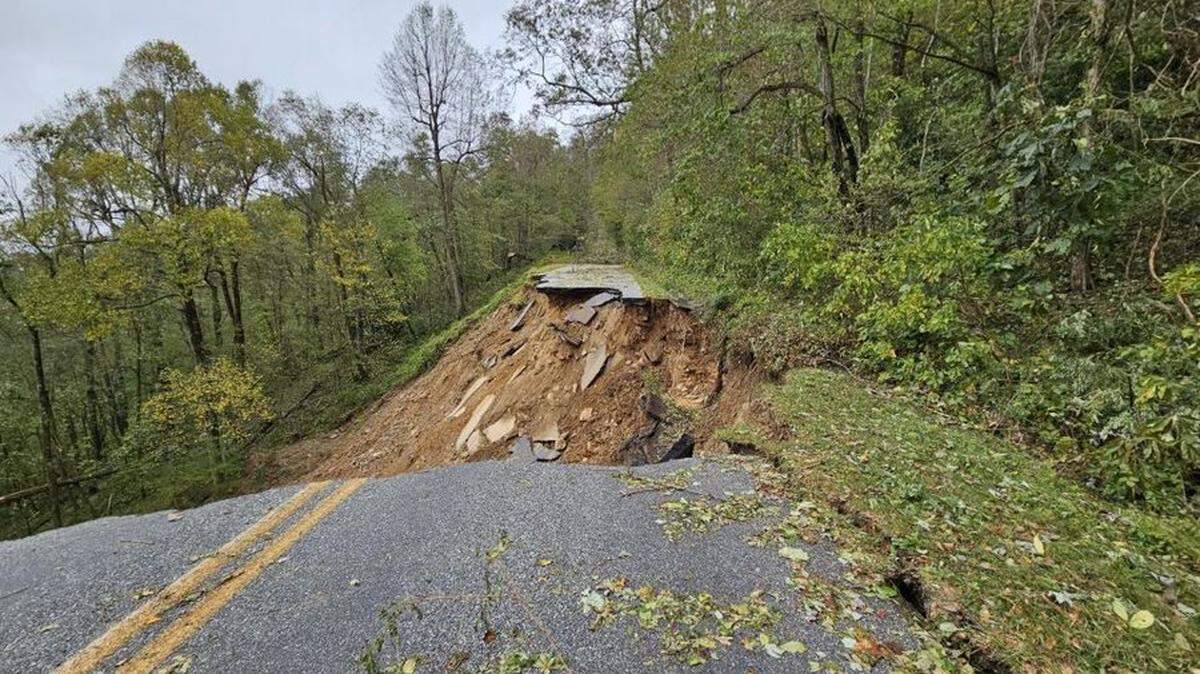
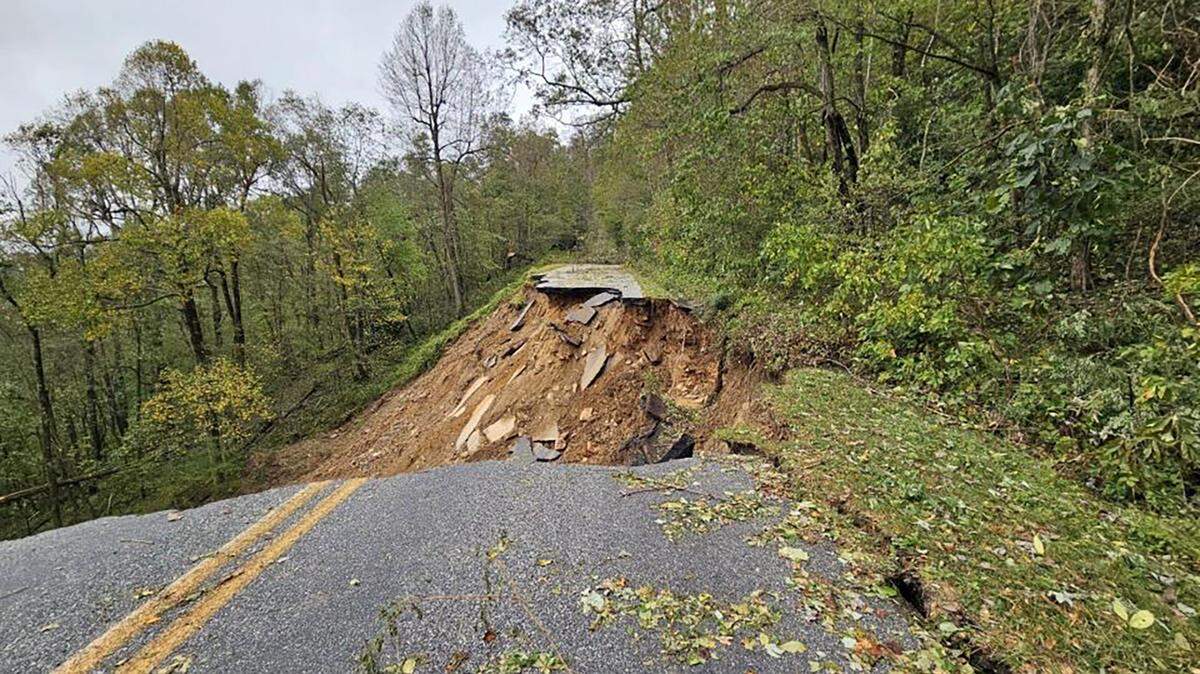
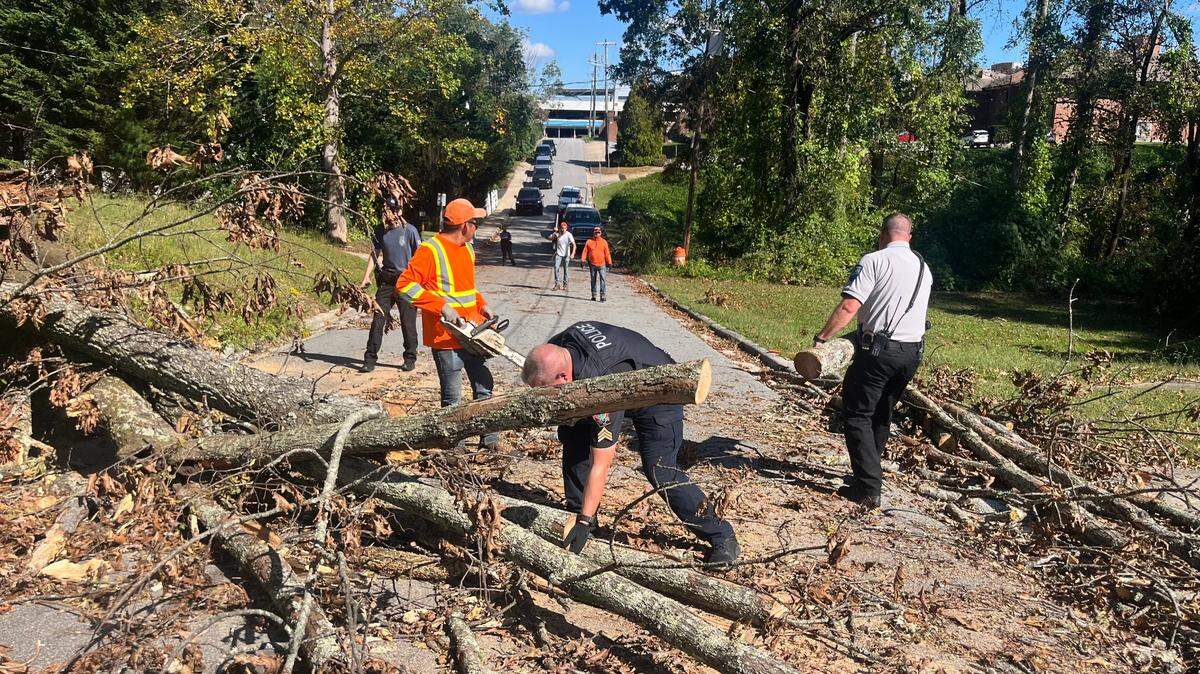
State transportation officials urged people to avoid travel anywhere in Western North Carolina. About 280 roads and dozens of main highways remained closed Sunday due to flooding, downed trees, landslides or storm damage. Parts of Interstate 40, a major thoroughfare into and out of the region, were closed Sunday, though a closed section of Interstate 26 was reopened.
One section of the eastbound lanes of I-40, three miles from the Tennessee border, washed out and fell into the Pigeon River.
“It will take a long time to fix that,” Transportation Secretary Joey Hopkins said at Sunday’s news conference. “We’re probably talking months at best.”
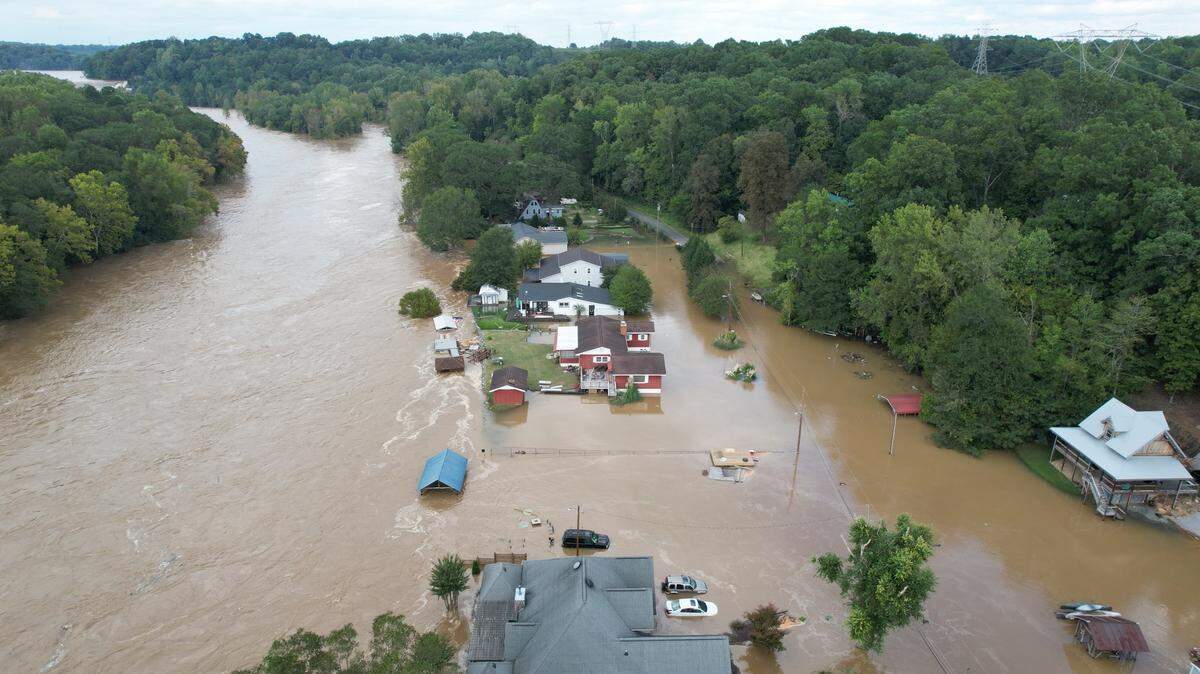
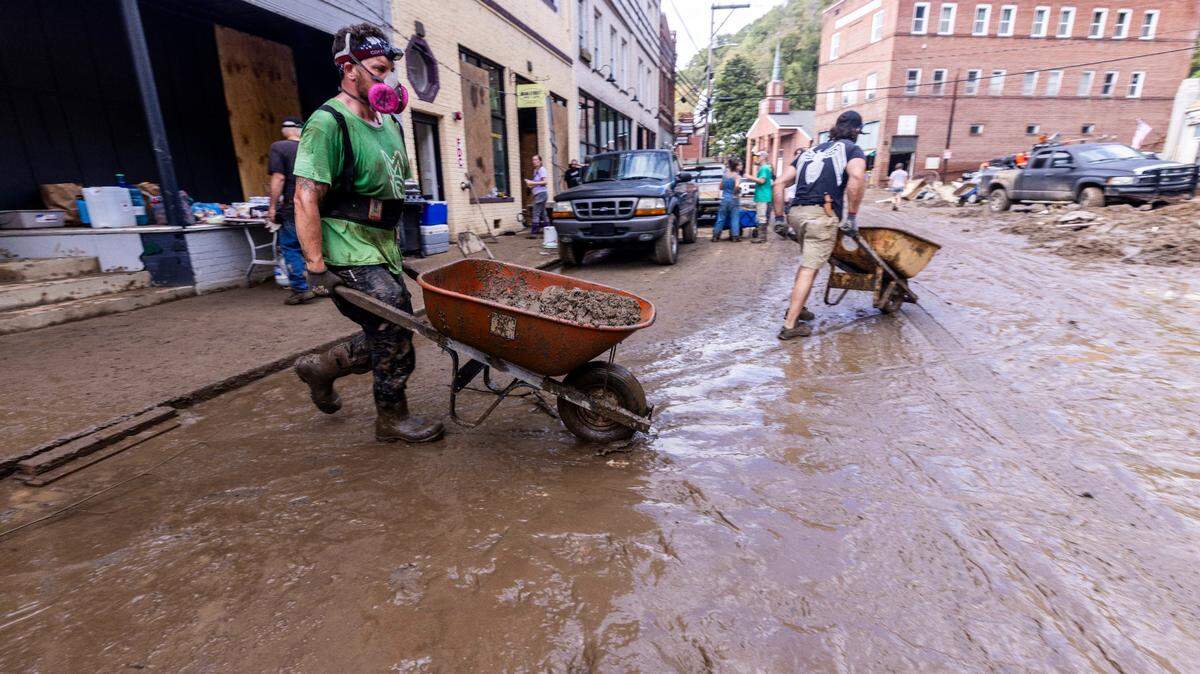
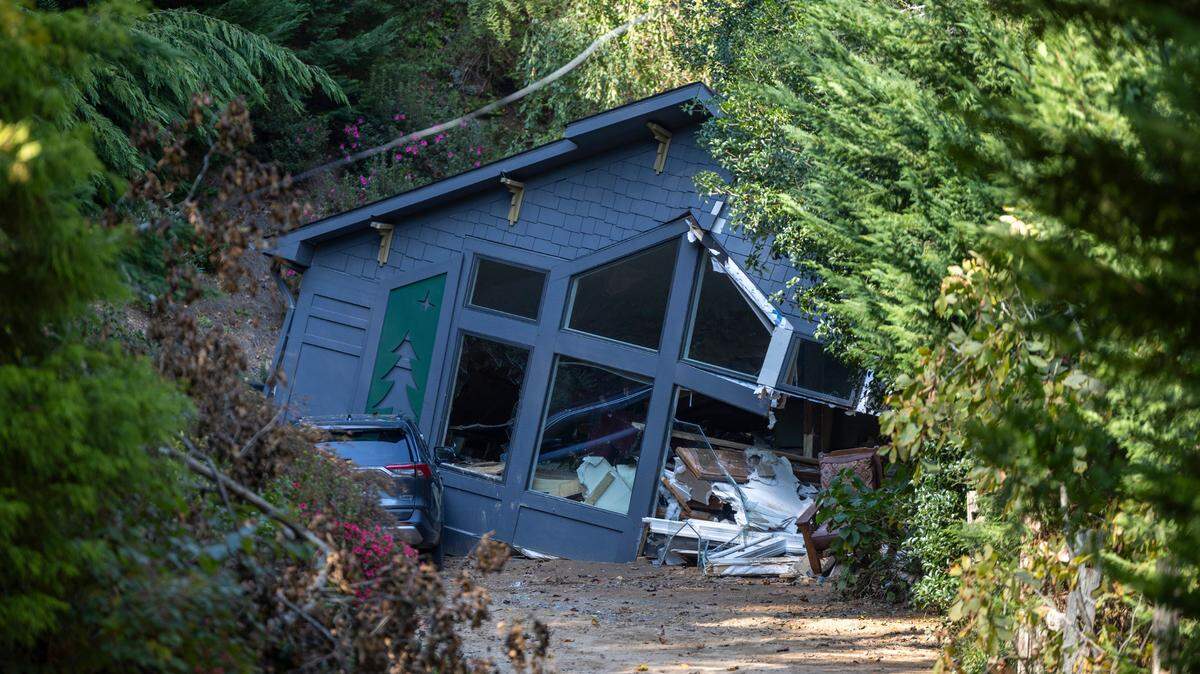
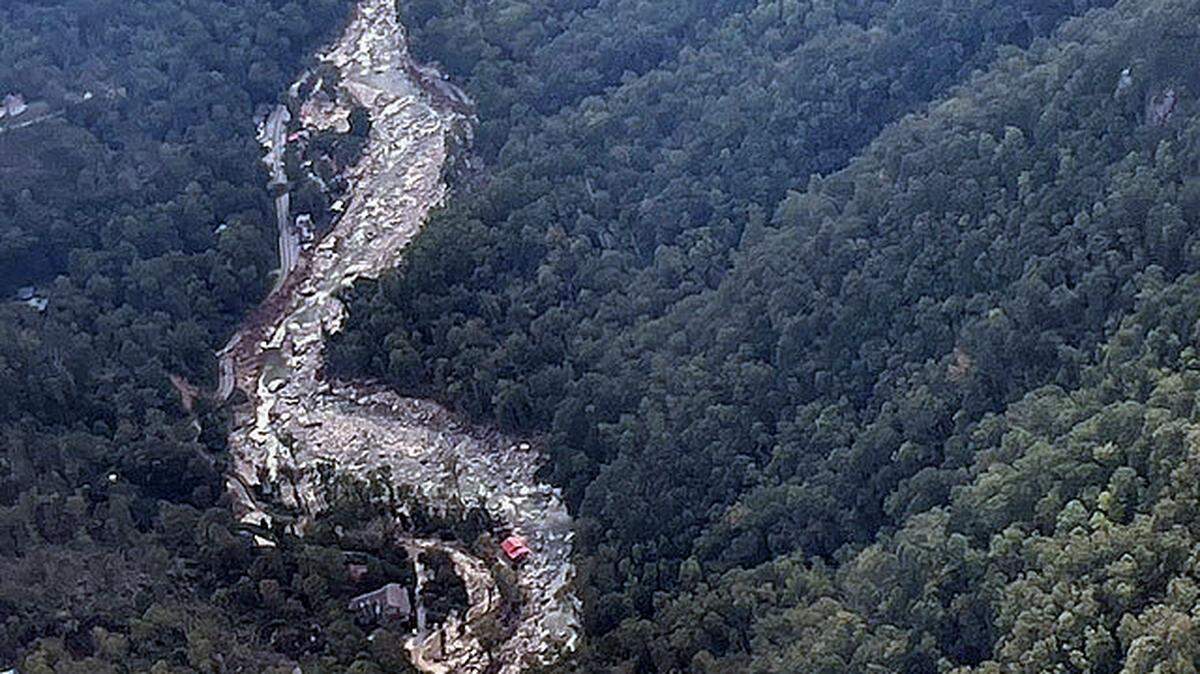
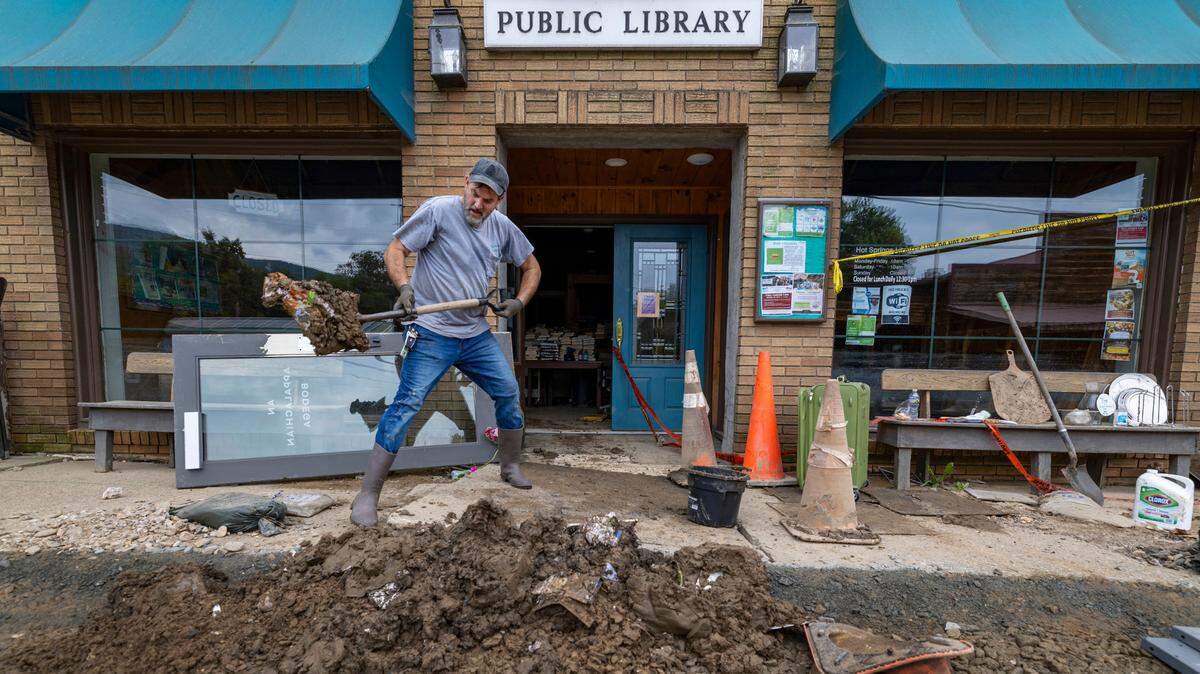
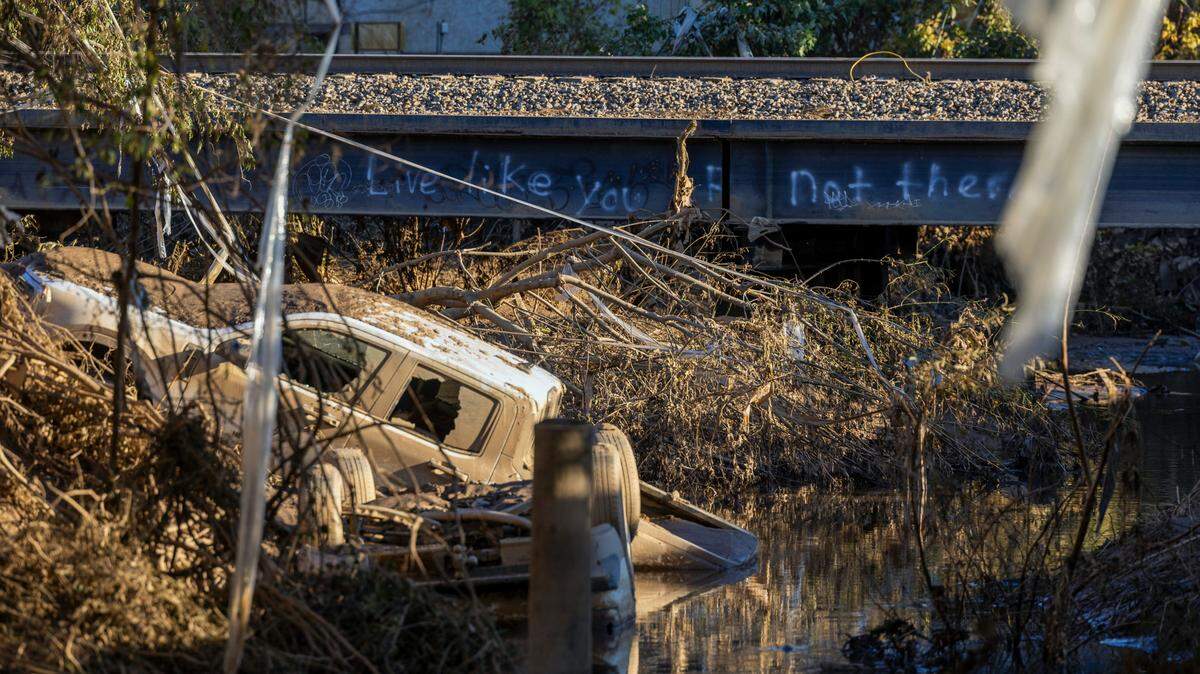
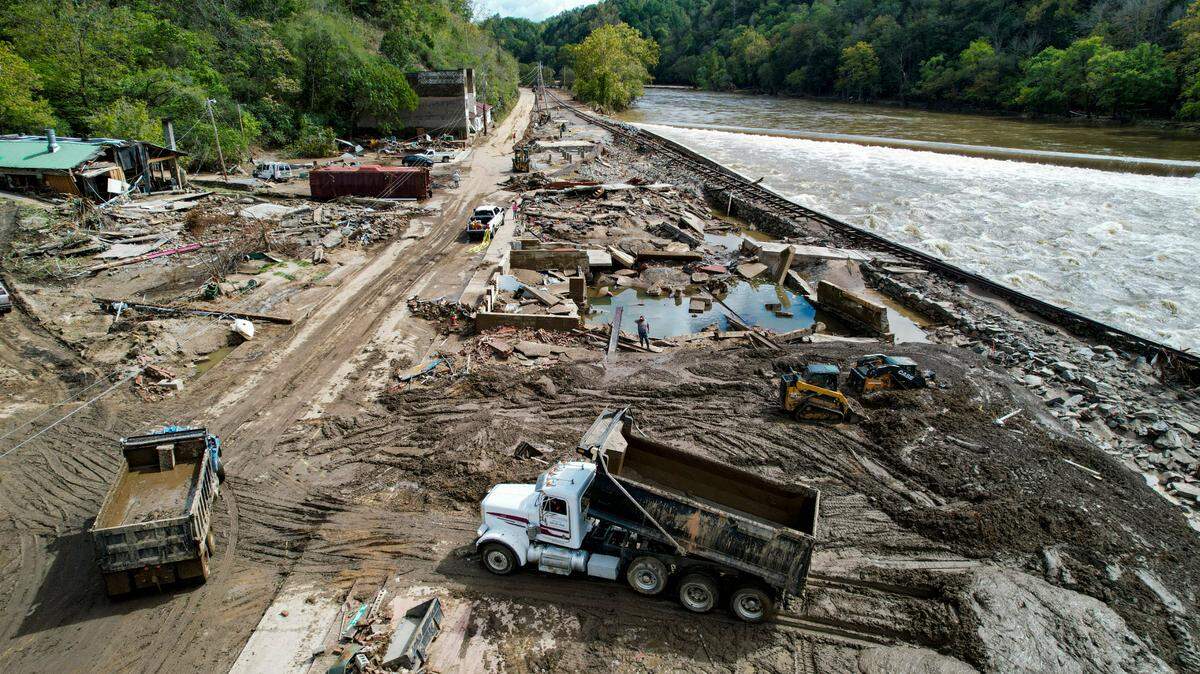
Images from newsrooms and social media showed submerged cars, houses floating down a muddied French Broad River, and the town of Chimney Rock seemingly erased by a mudslide.
“The images and reports we’re getting from Western North Carolina are heartbreaking and devastating,” North Carolina Senate leader Phil Berger said in a news release Sunday afternoon. “Entire towns have been flooded beyond recognition and roadways have been washed out.”
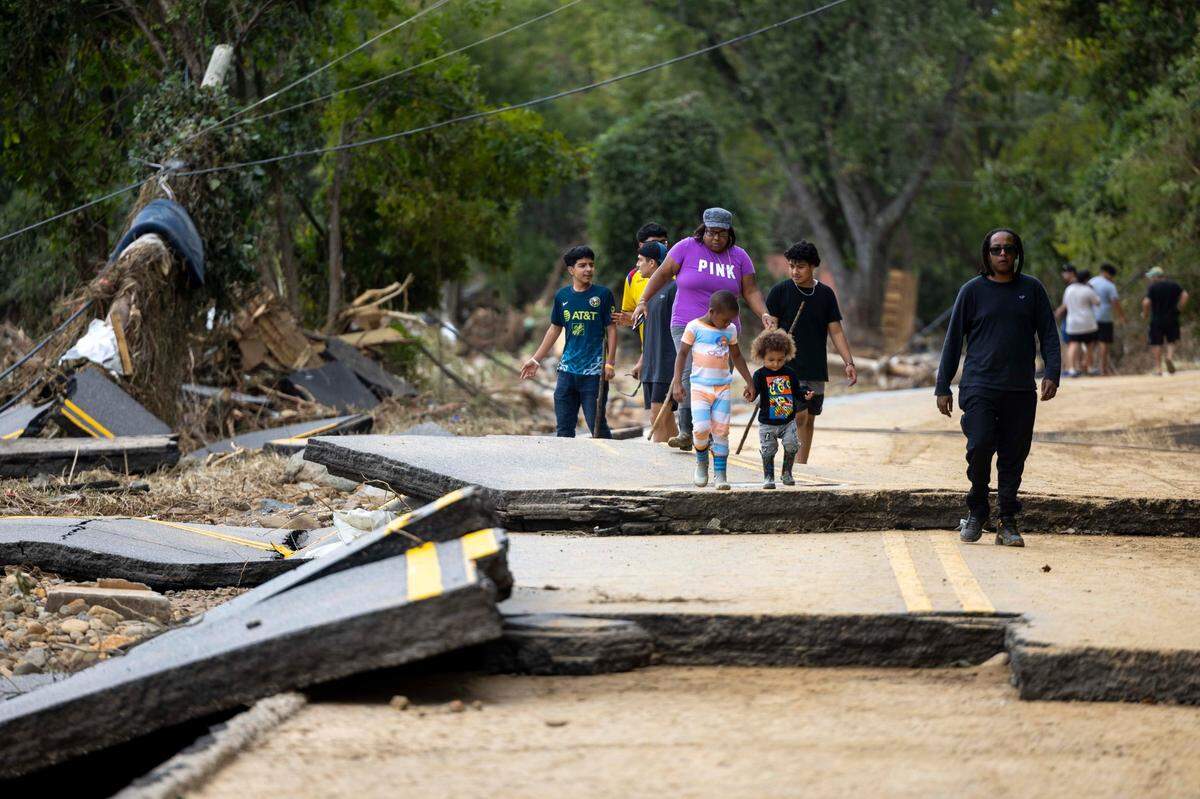
More than 30 inches of rain fell in parts of Western North Carolina. Adding to the devastation: winds that gusted up to hurricane strength.
At the Asheville station, the French Broad peaked at 24.67 feet Friday evening, a level surpassing the Great Flood of 1916, which the city says crested at 21 feet and killed 80 people.
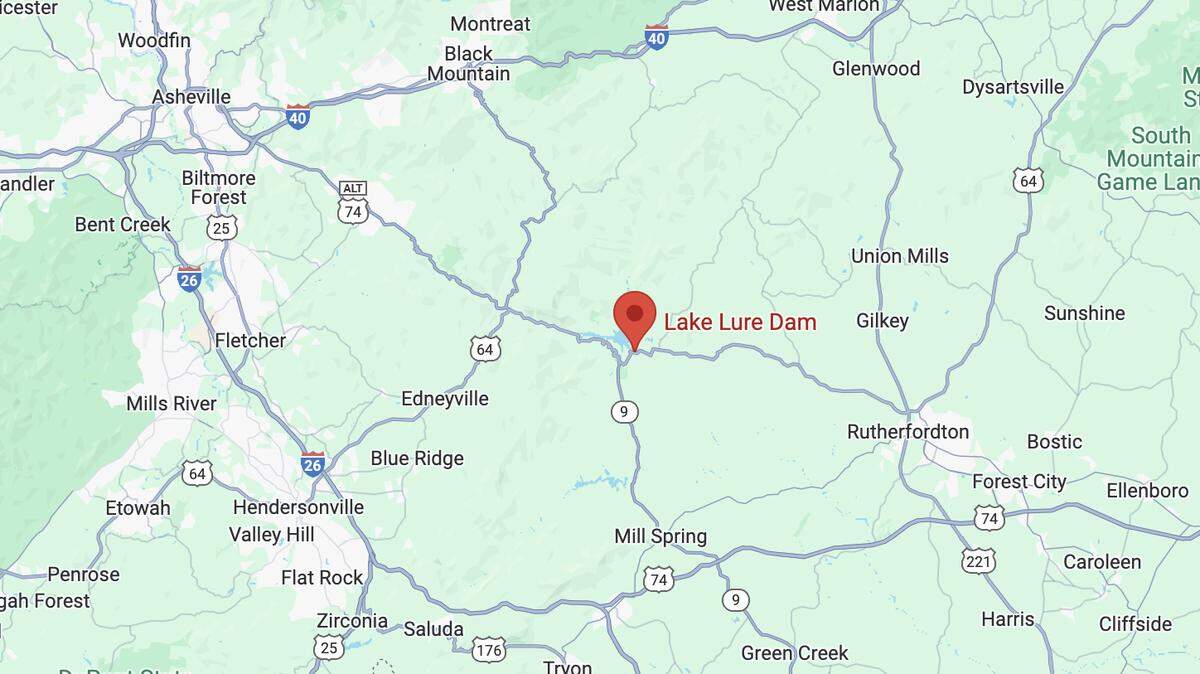
The rain also gathered in the Catawba River Basin. Lake James, northwest of Charlotte, was 10 feet over its “full-pond” level. Duke Energy starting Friday moved water from Lake Norman to Lake Wylie to ease flooding. That movement, though, worsened flooding around Mountain Island Lake. As of Sunday, the weather service still declared emergencies in Lake James, Mountain Island Lake and the Catawba River.
Cell phone blackout, long waits for gas
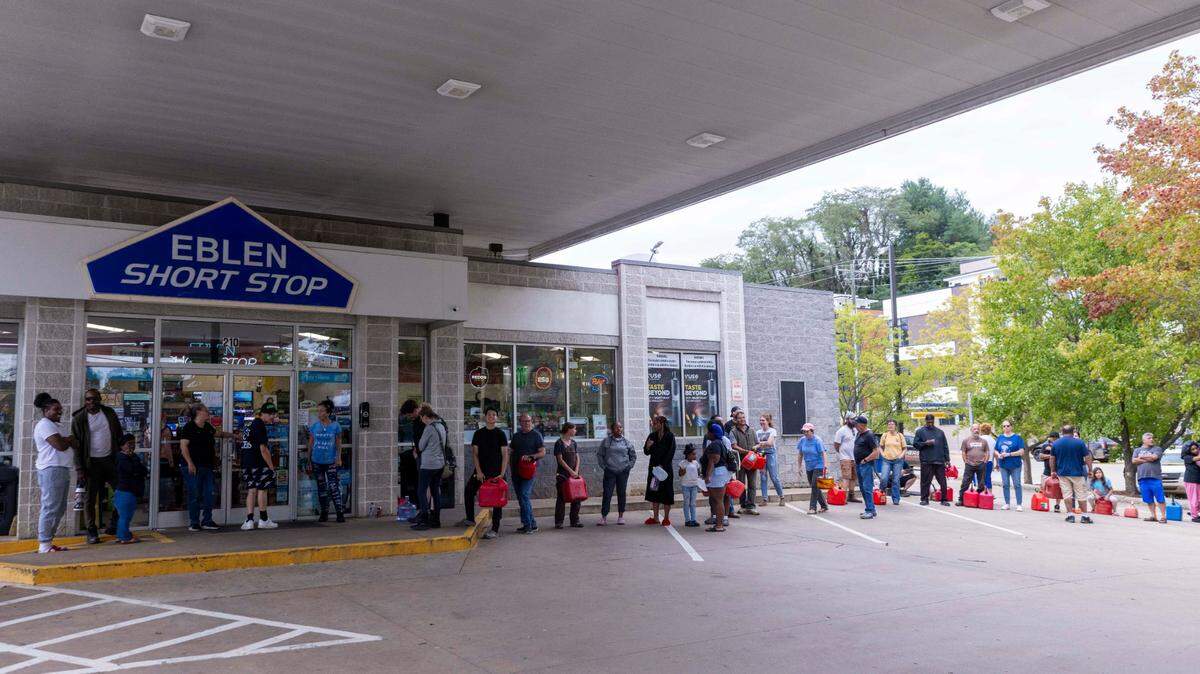
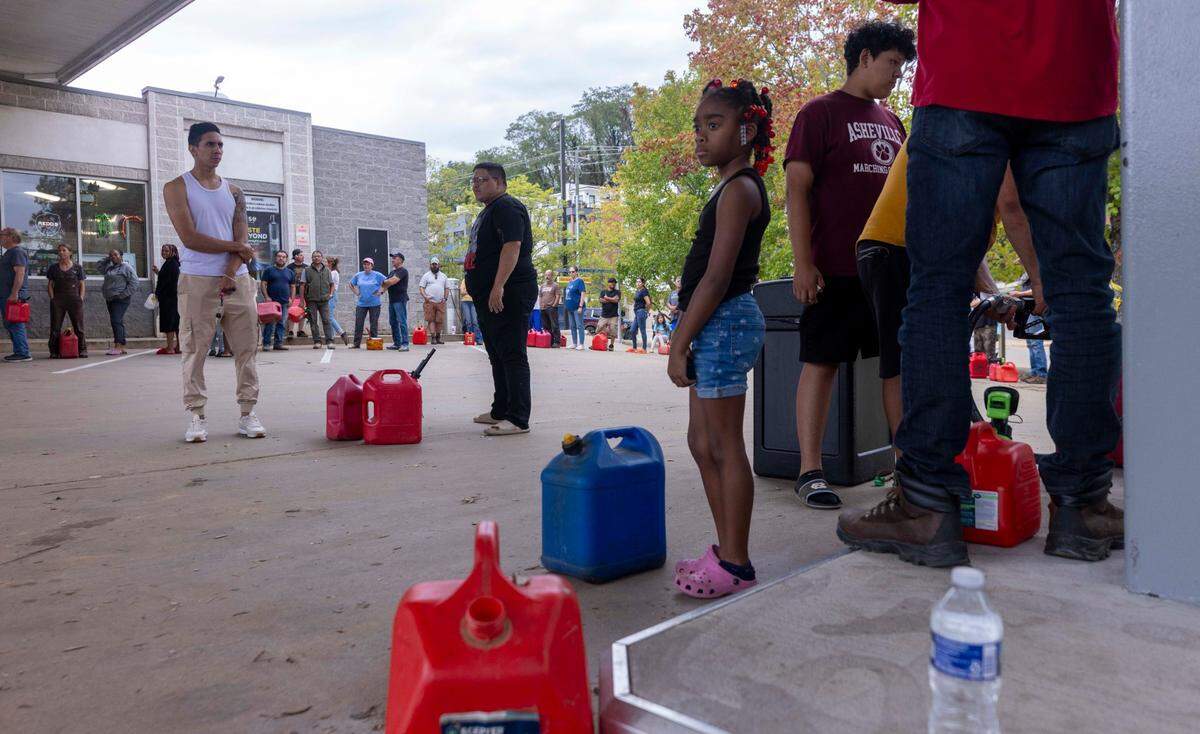
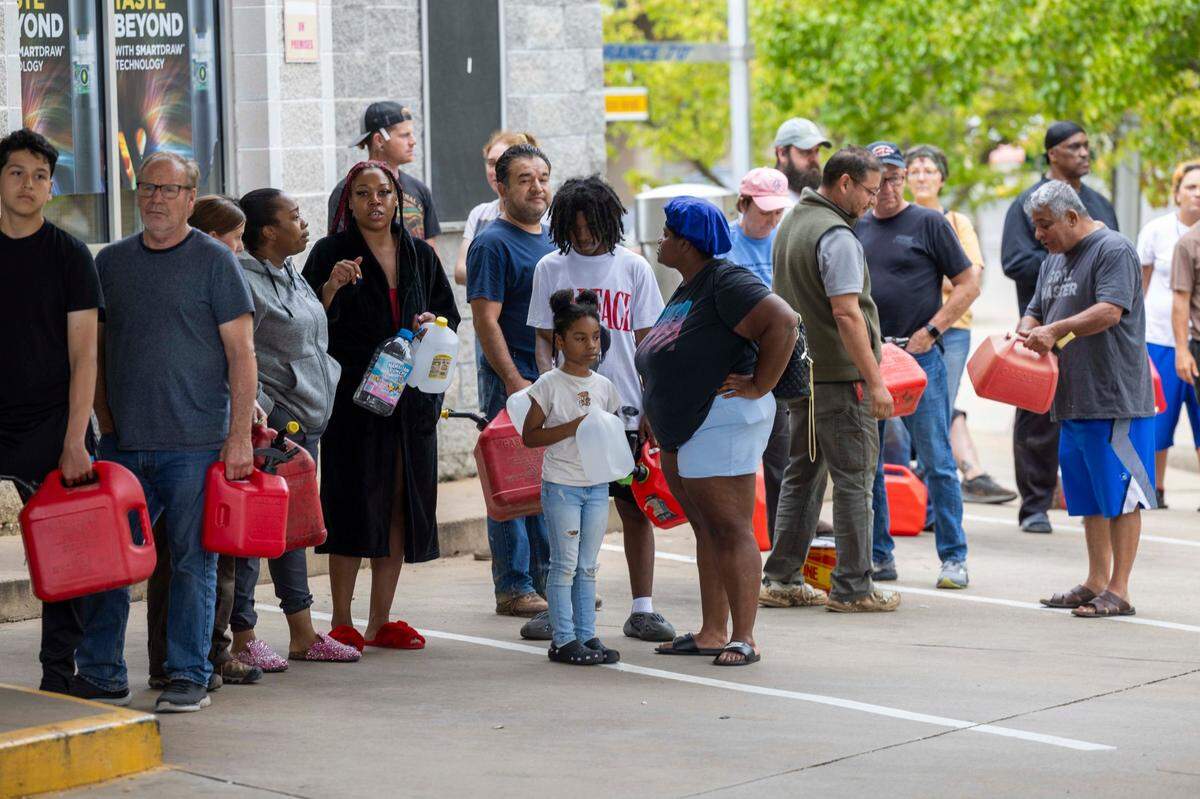
In many Western North Carolina towns, people have waited in long lines for gas, only to find that the stations only took cash.
Bobby Thompson, who’s lived in Clyde for 57 years, was able to gas up at a BP station after about an hour of waiting.
“This is by far the biggest water event (I’ve seen),” he said.
And in Canton, Mayor Smathers said the town faces massive flooding, building collapses, and probable loss of life. On Saturday, a cellular service blackout there left people unable to communicate with one another and with first responders.
“I’ve had tears fill my eyes from random people reaching out to me, looking for their loved ones, because they cannot communicate,” Smathers said. “It is unacceptable and disgusting that in our time of need, cellular service for the entire region is blocked out. There’s no excuse for that. I mean, we knew the storm was coming. I can’t believe this is a normalcy.”
Ray, the state emergency management director, urged residents in Western North Carolina to turn their cellphones off and on periodically to allow them to connect to a network. On Friday, telecommunications partners activated disaster roaming on all networks, meaning that any any carrier can access any network to place calls, Ray said.
But Smathers said the lack of cellphone service remained widespread Saturday. The road to recovery will be long, he said.
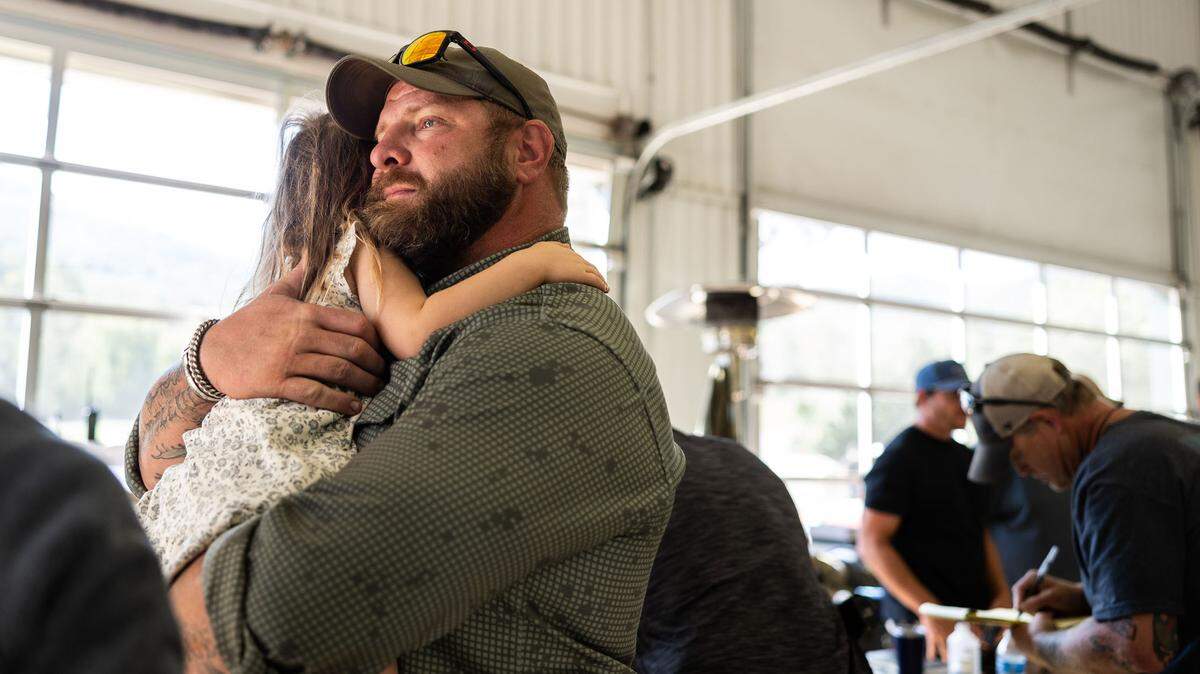
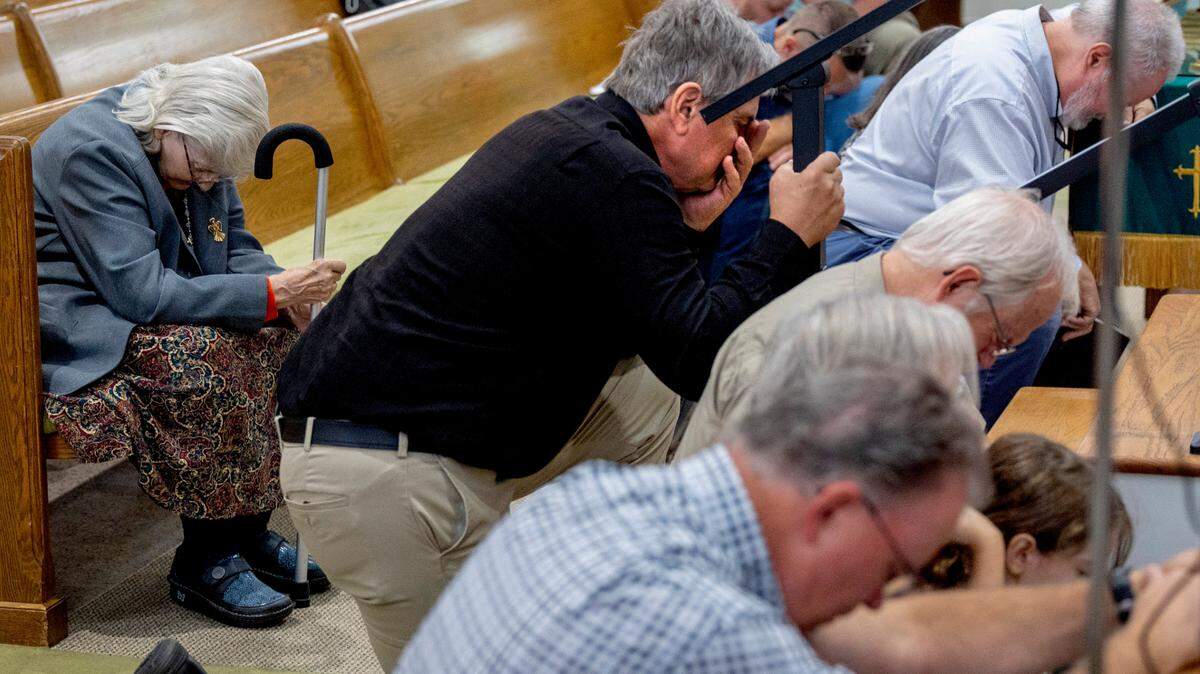
“We need prayers,” he said. “This is not a Canton issue alone. We share it with every community, town, city in west North Carolina. This is a regional apocalypse.”
Editor’s note: Those in 25 western North Carolina counties who had uninsured damage or losses caused by Tropical Storm Helene may be eligible for FEMA disaster assistance. How to apply: Go online to DisasterAssistance.gov, use the FEMA App or call 800-621-3362 from 7 a.m. to 11 p.m. ET daily.
This story was originally published September 29, 2024 at 9:48 AM.
.JPG)






.jpg)

.jpeg)
.JPG)















.JPG)