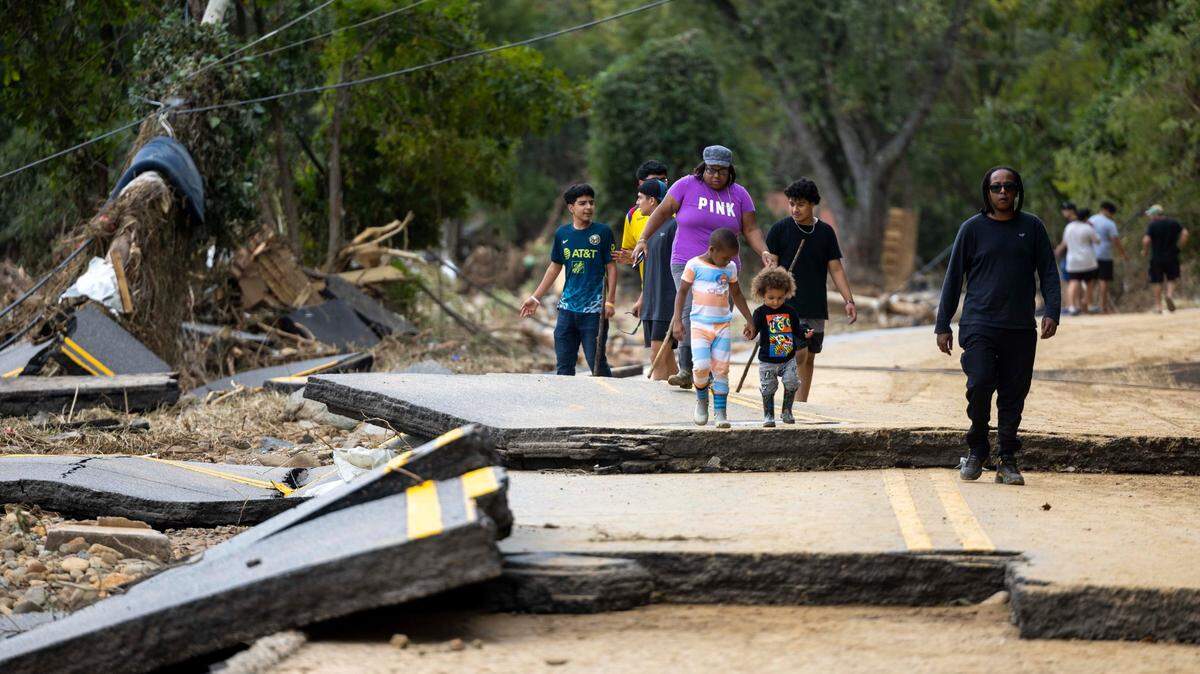
After Helene, can NC businesses and tourist sites restore ‘the magic of Asheville’?
READ MORE
Hurricane Helene Aftermath
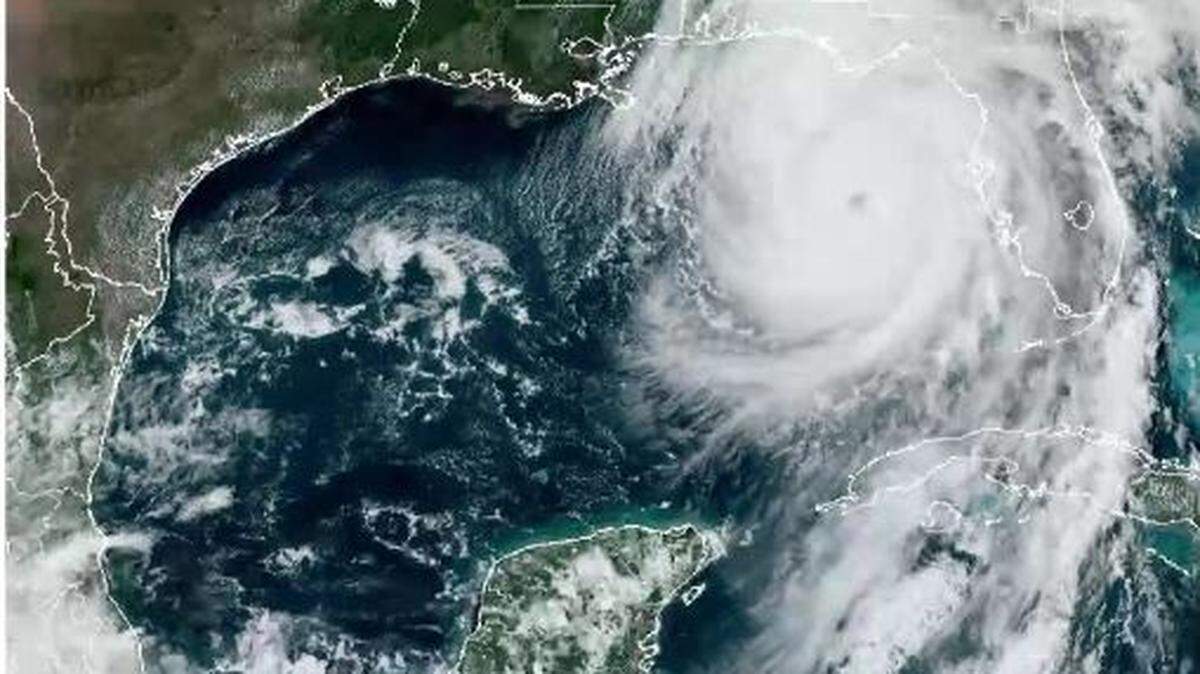
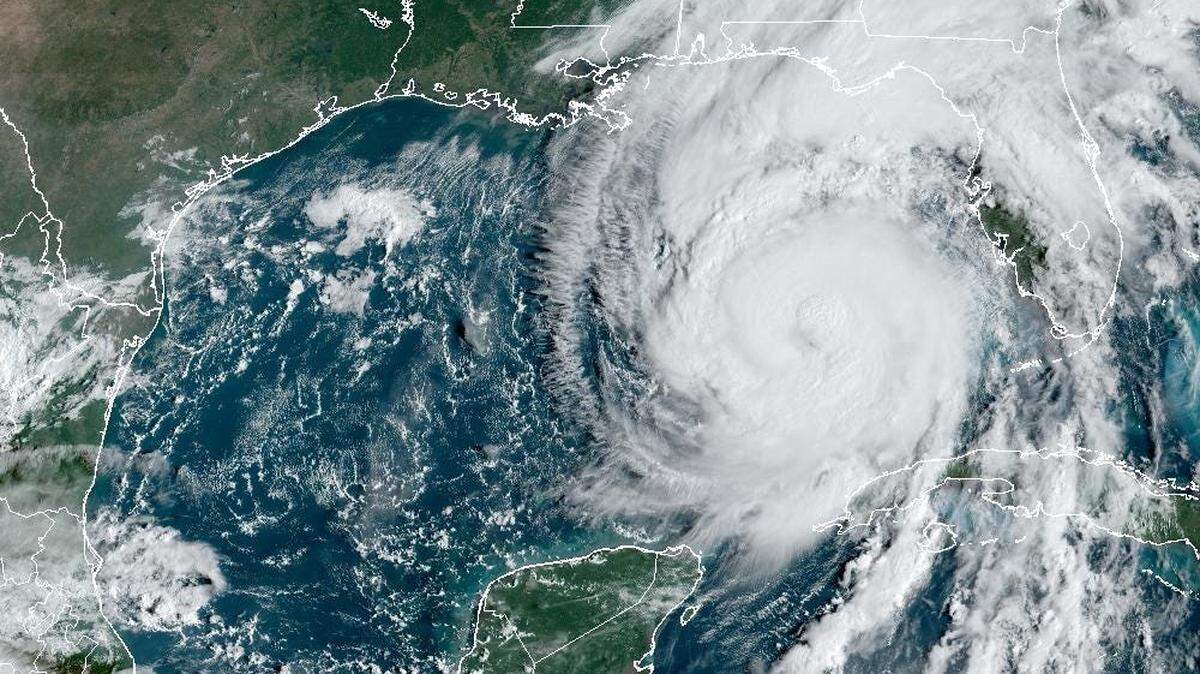
Hurricane Helene swept across the Southeast, causing major flooding and destruction throughout North Carolina. Here is ongoing coverage from The News & Observer and The Charlotte Observer about Hurricane Helene and the aftermath, particularly in Western North Carolina.
Expand All
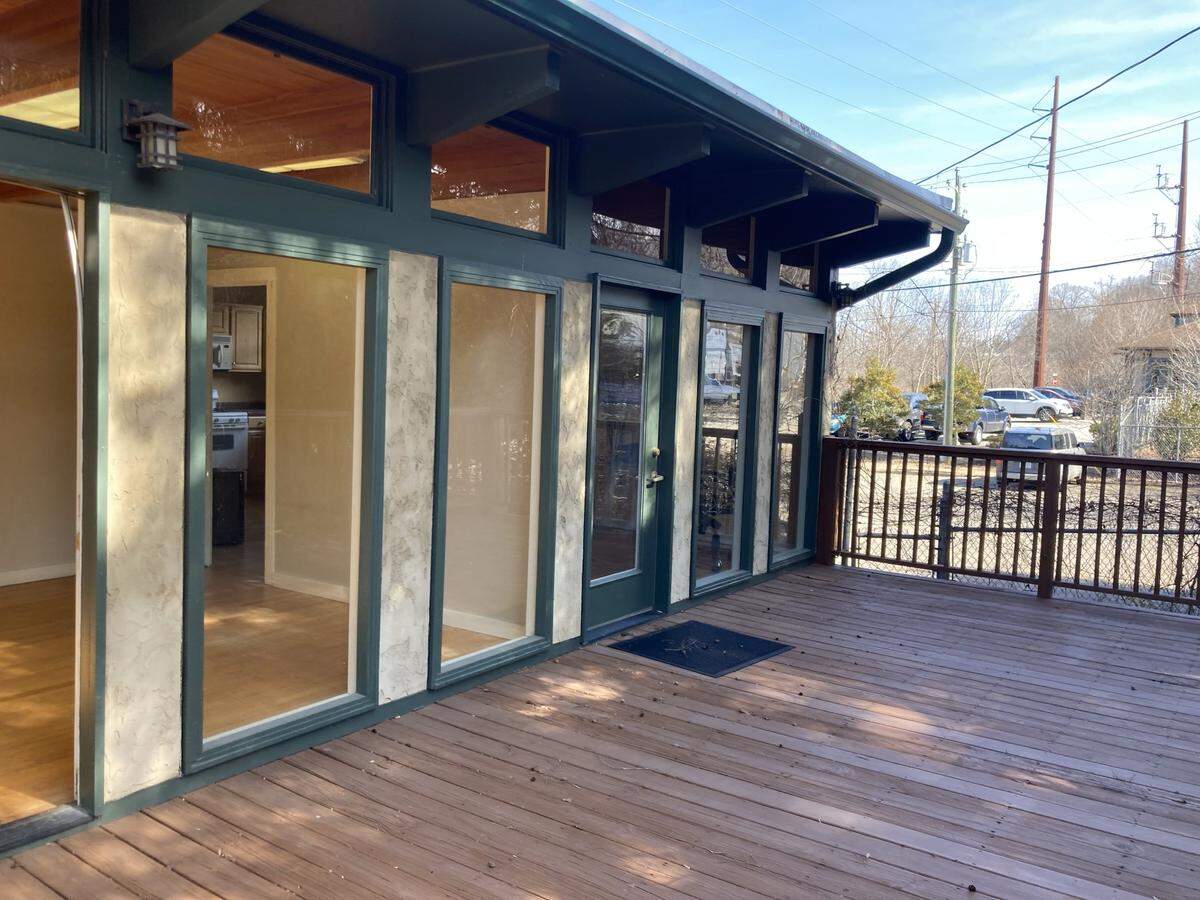
Jessie Dean, her sister Melissa and the Asheville Tea Company team spent all of last Thursday, Sept. 26, preparing their production center for Hurricane Helene.
The facility beside the Swannanoa River and down the road from Biltmore Village in Asheville is where the group blended and packaged their tea bags for the past eight years. For hours, Dean said the team raised as many items as they could off the ground, anticipating that some water from the river would seep into the building.
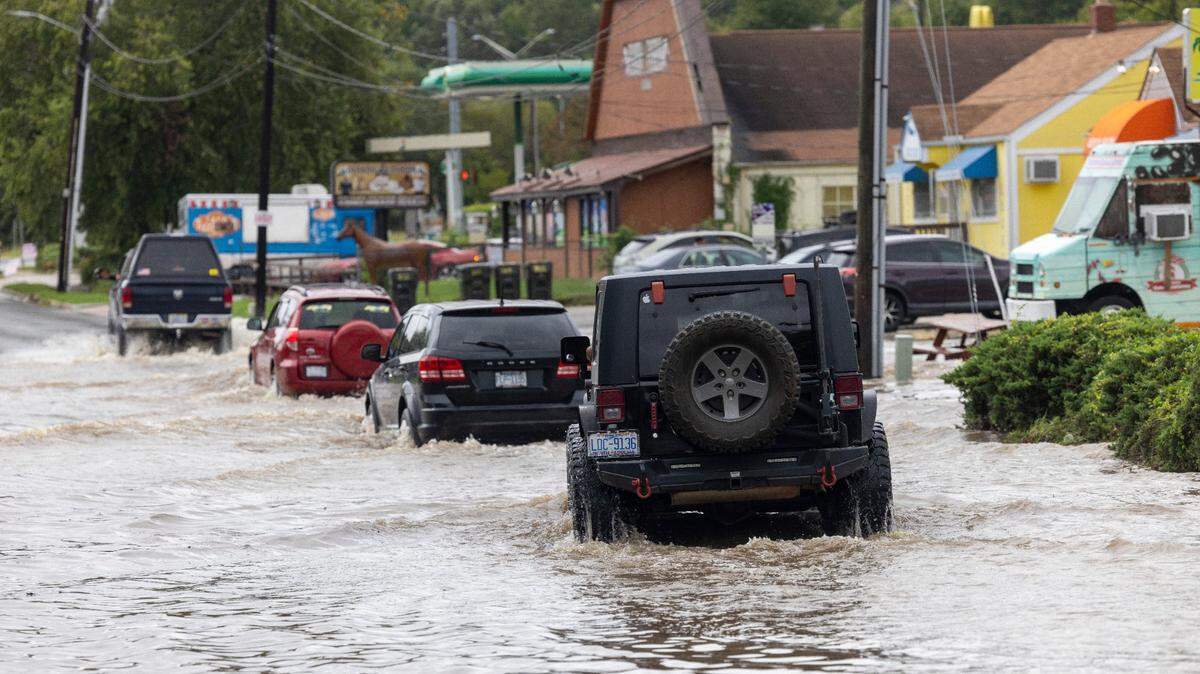
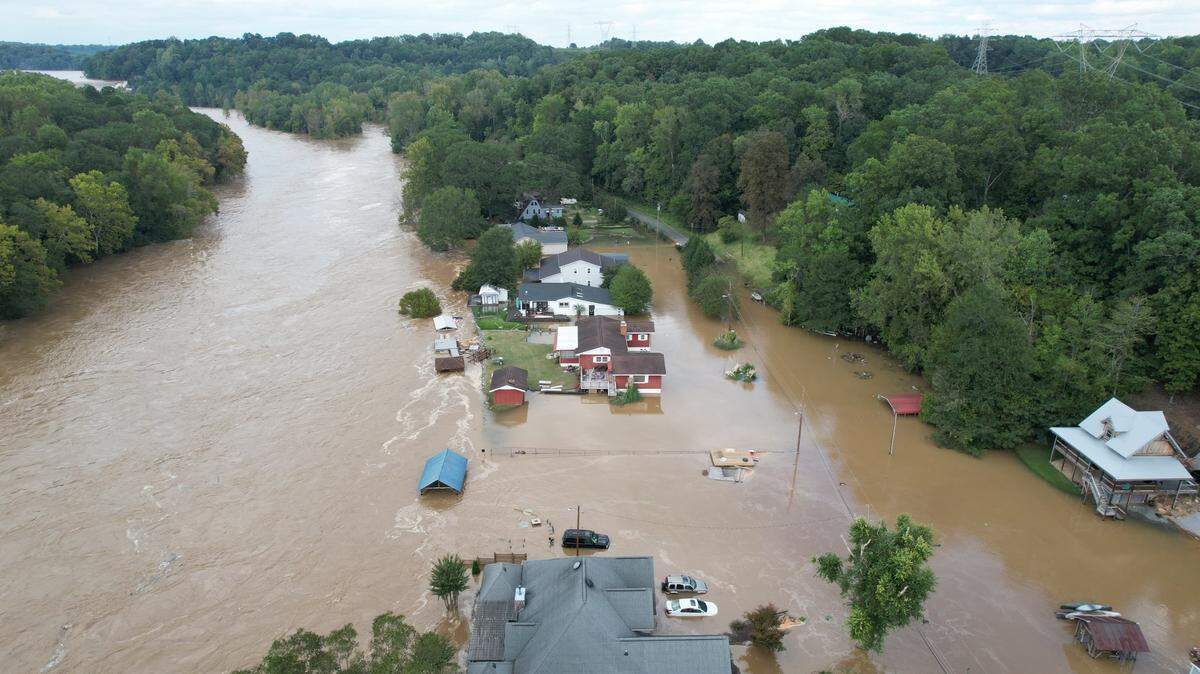
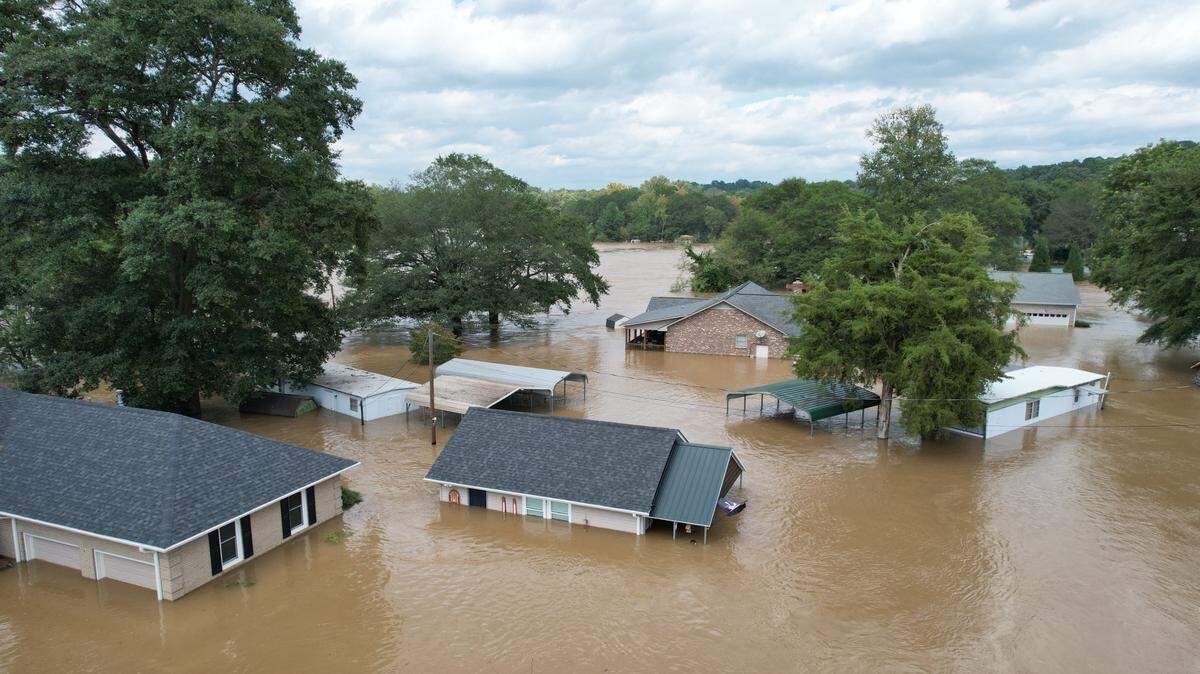
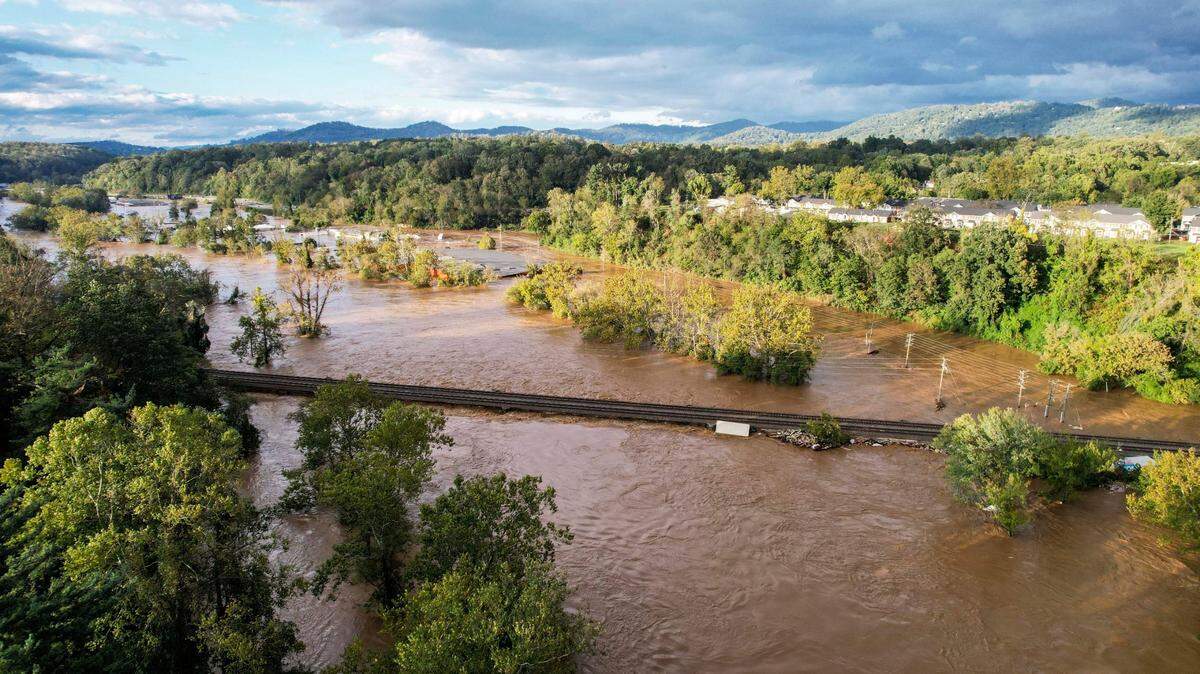
Some water quickly turned into unprecedented flooding.
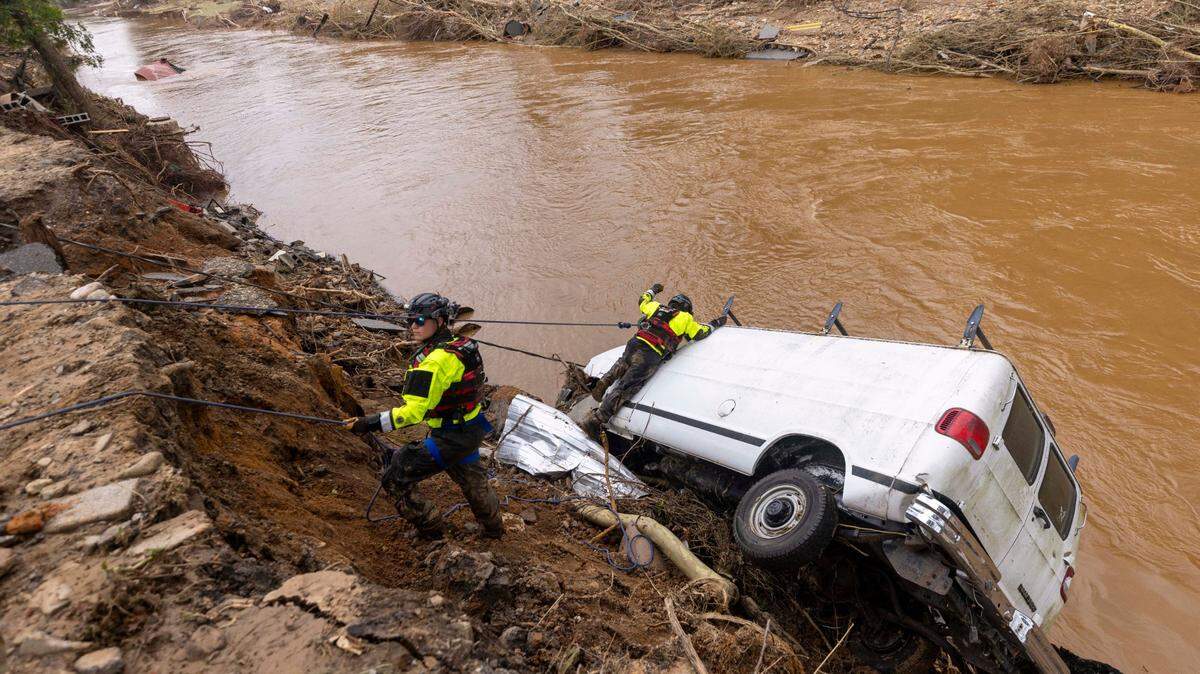
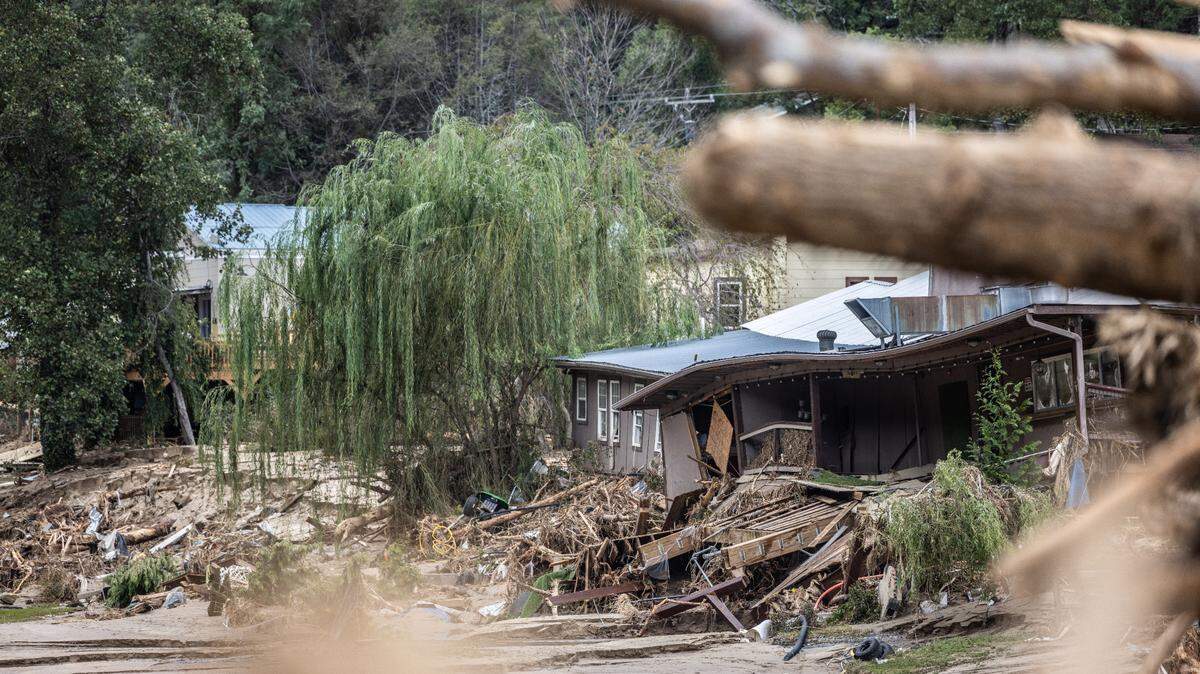
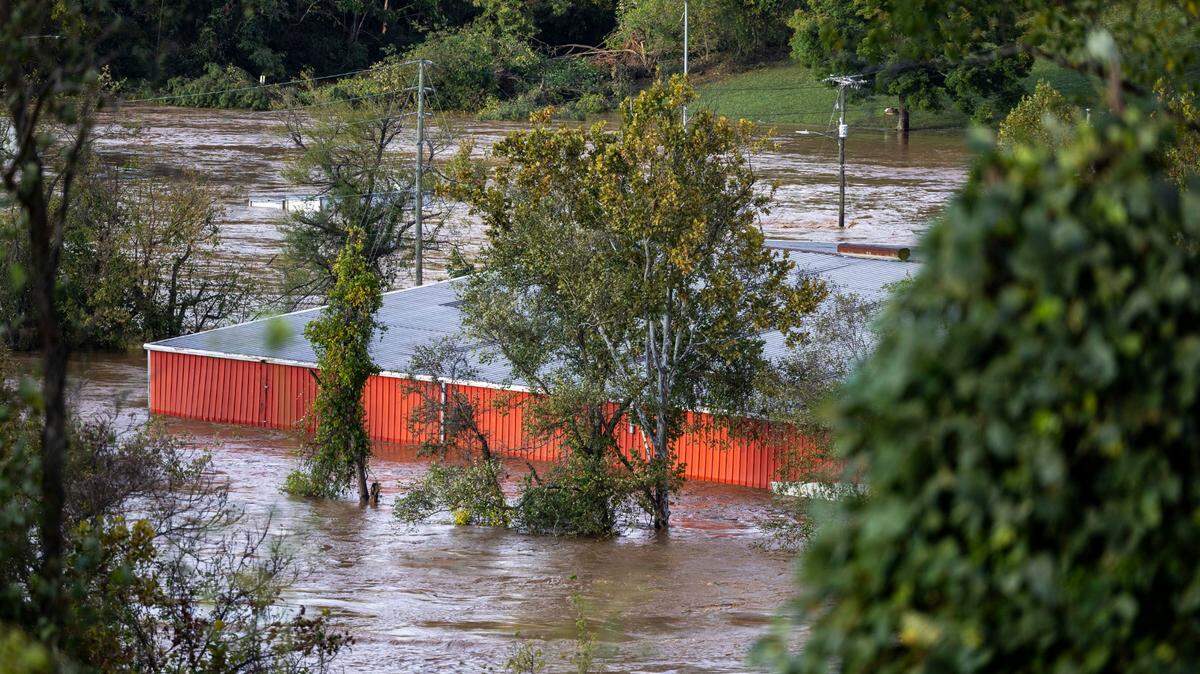
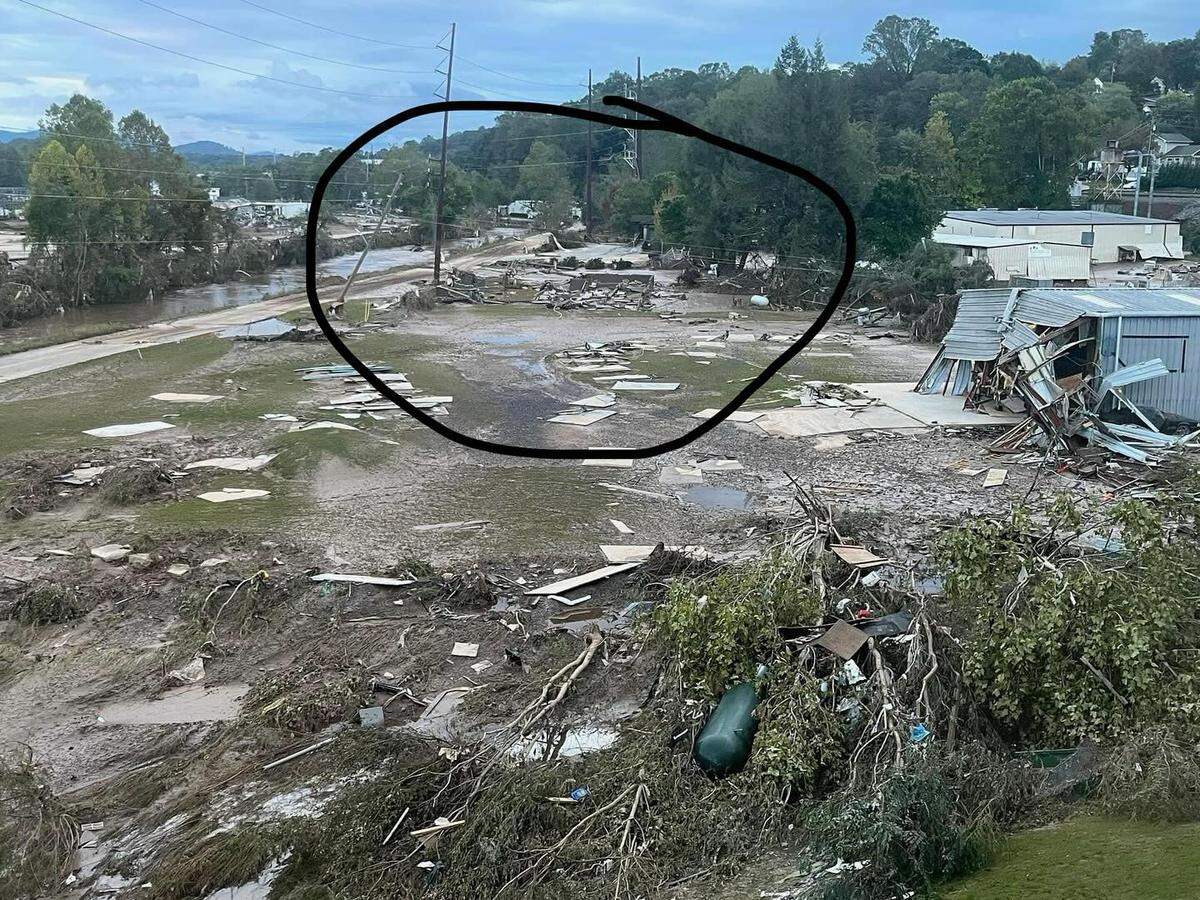
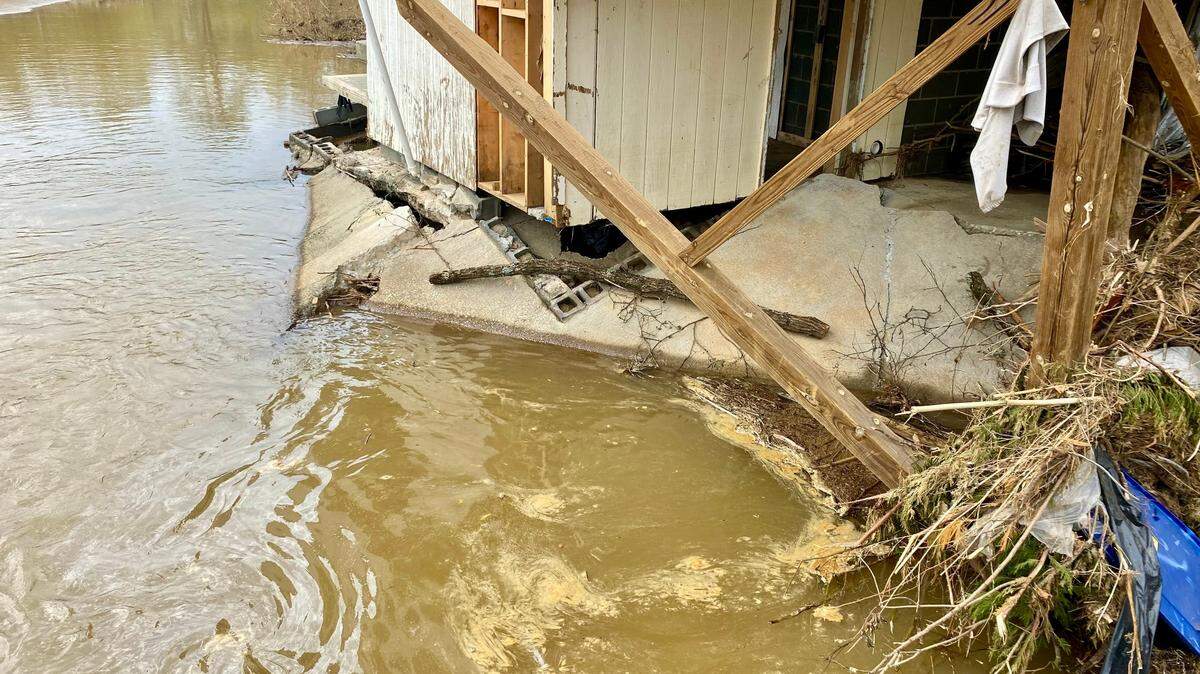
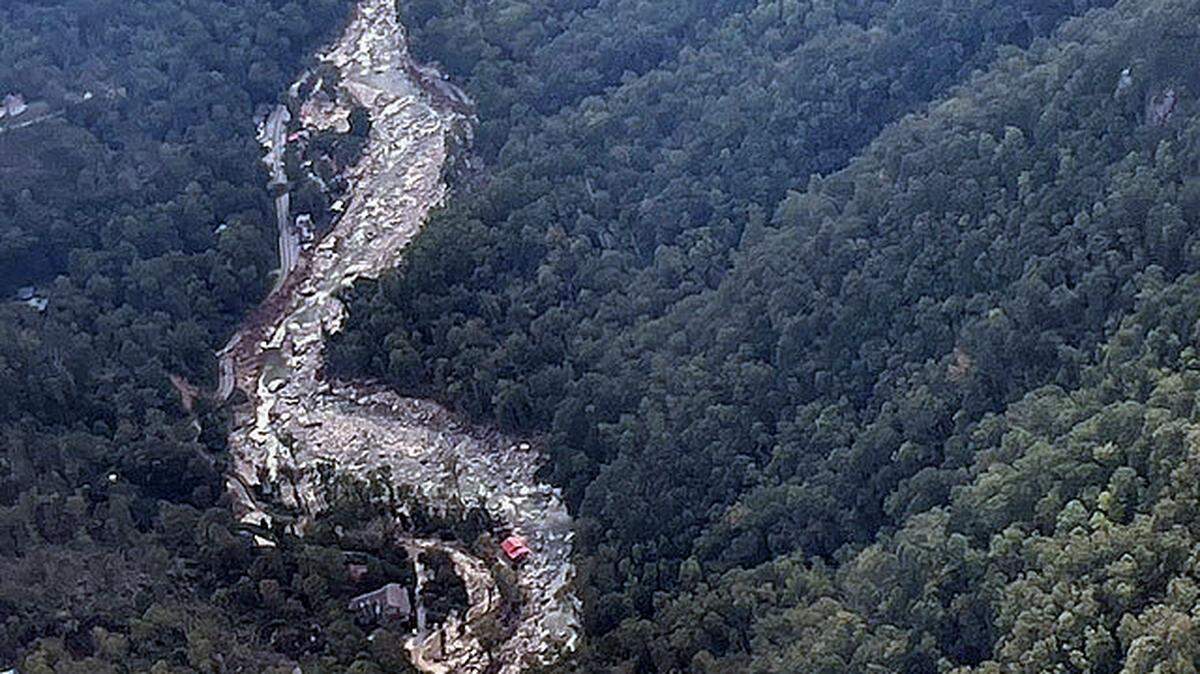
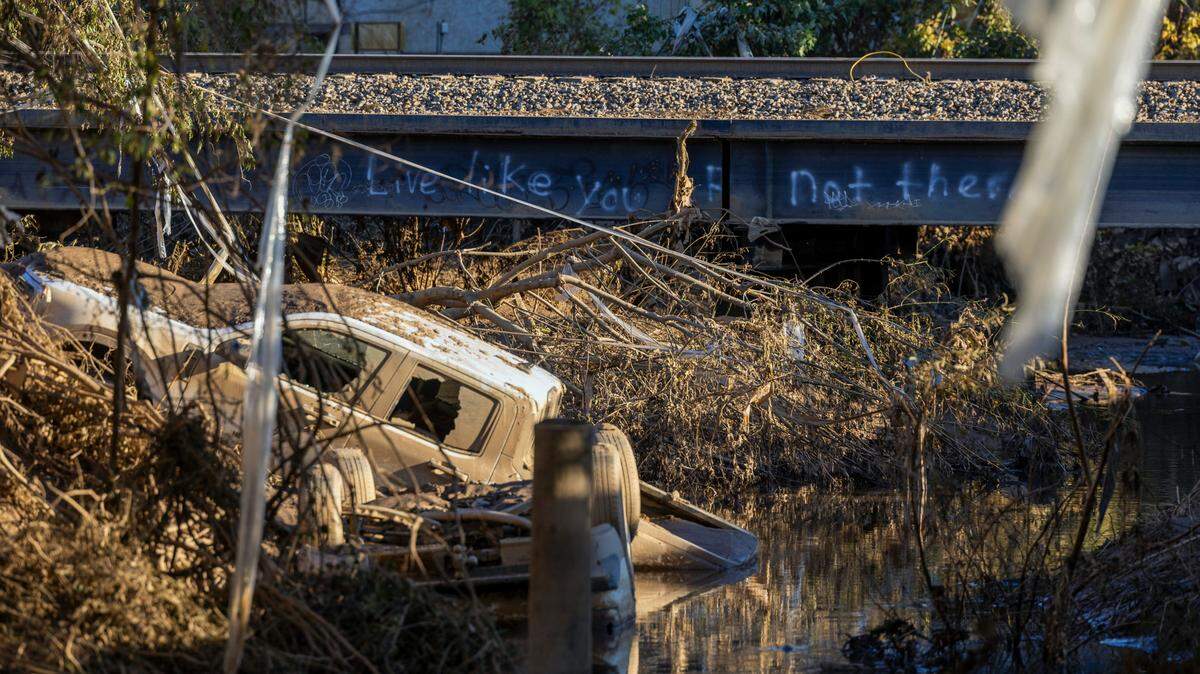
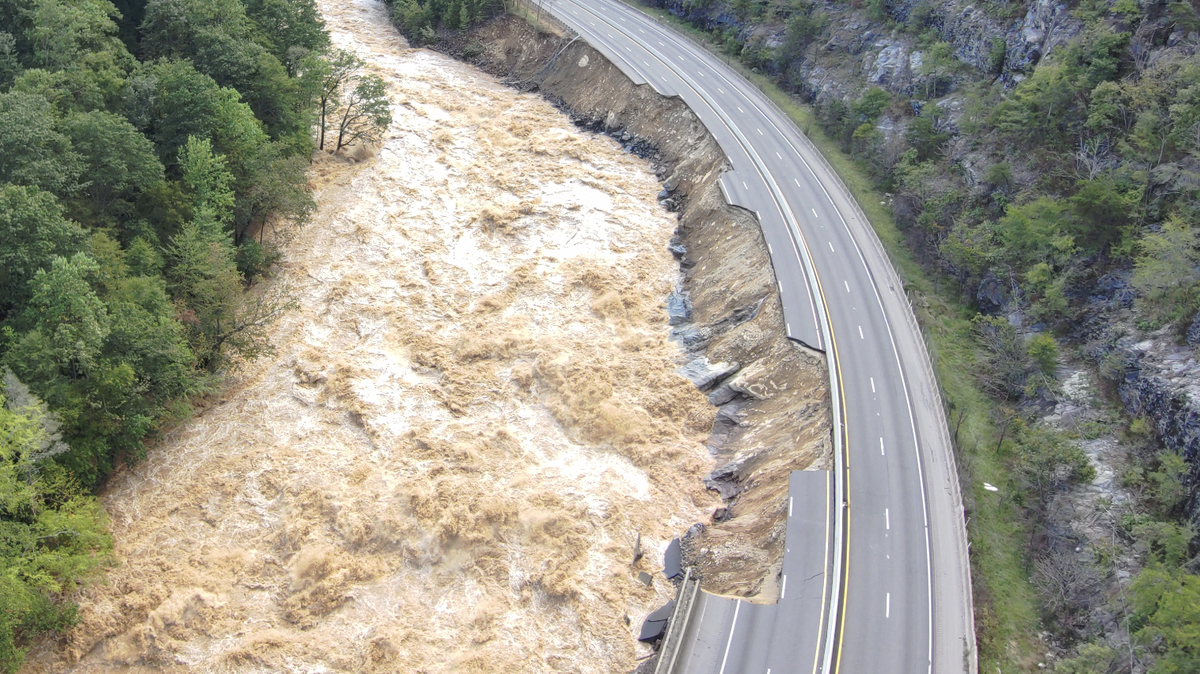
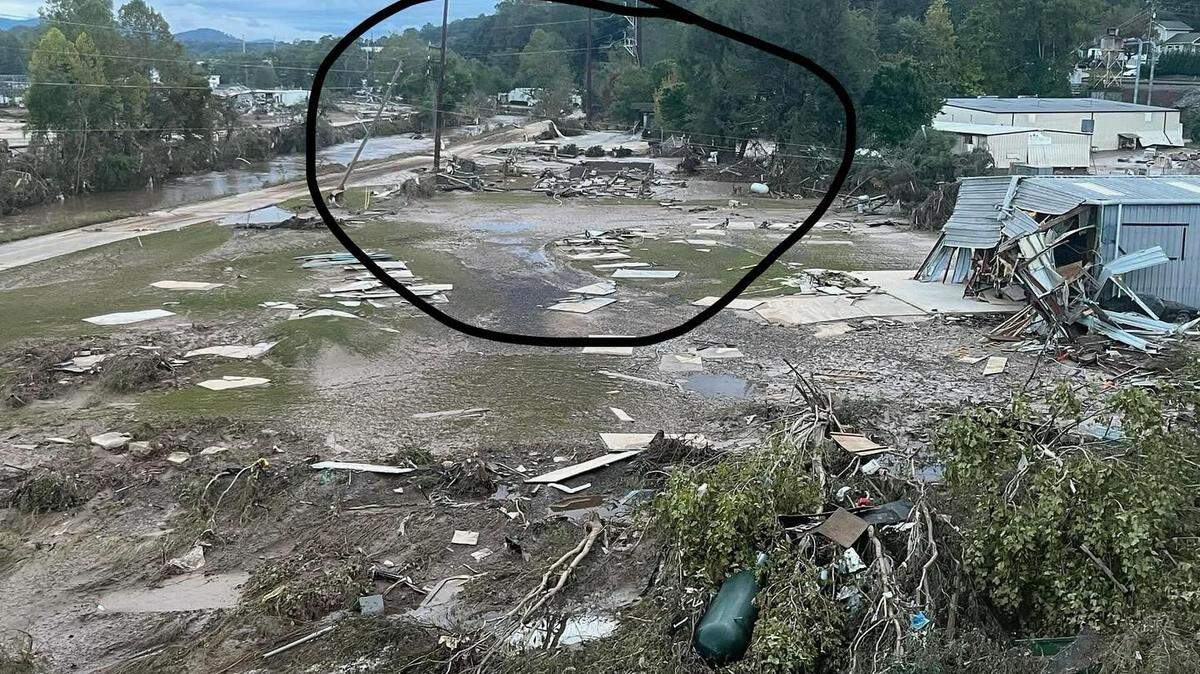
Most everything near the Swannanoa River was swept away, including Asheville Tea’s facility. The river rose more than 26 feet on Sept. 27, according to the National Oceanic and Atmospheric Administration.
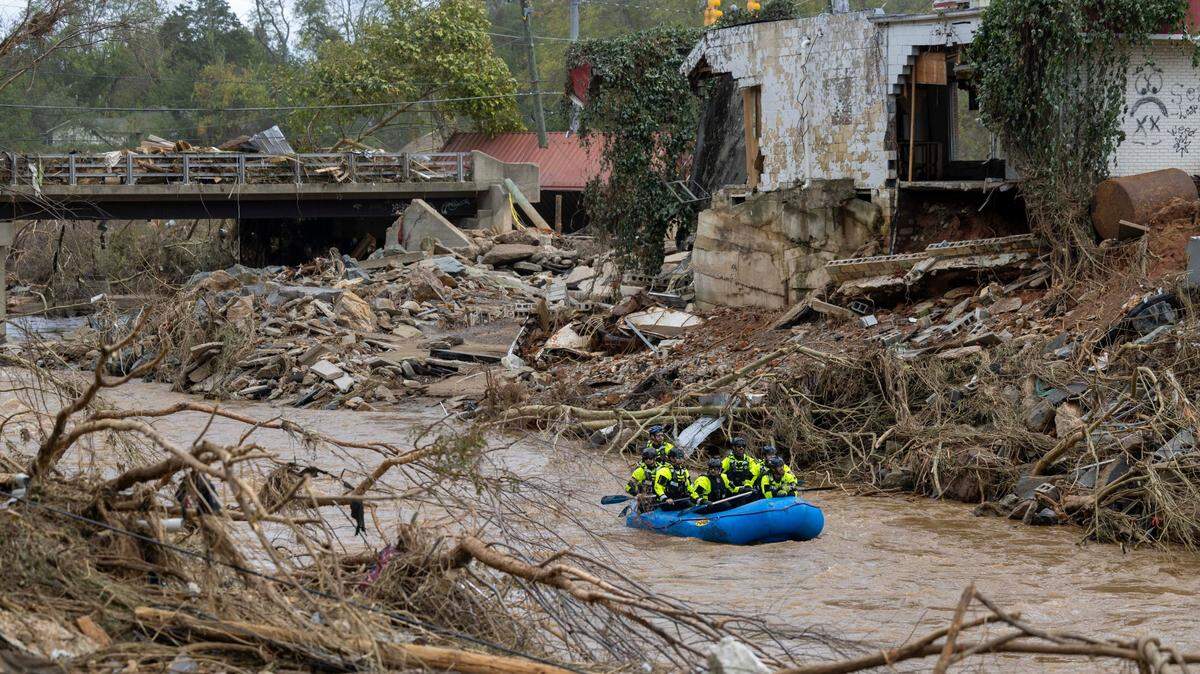
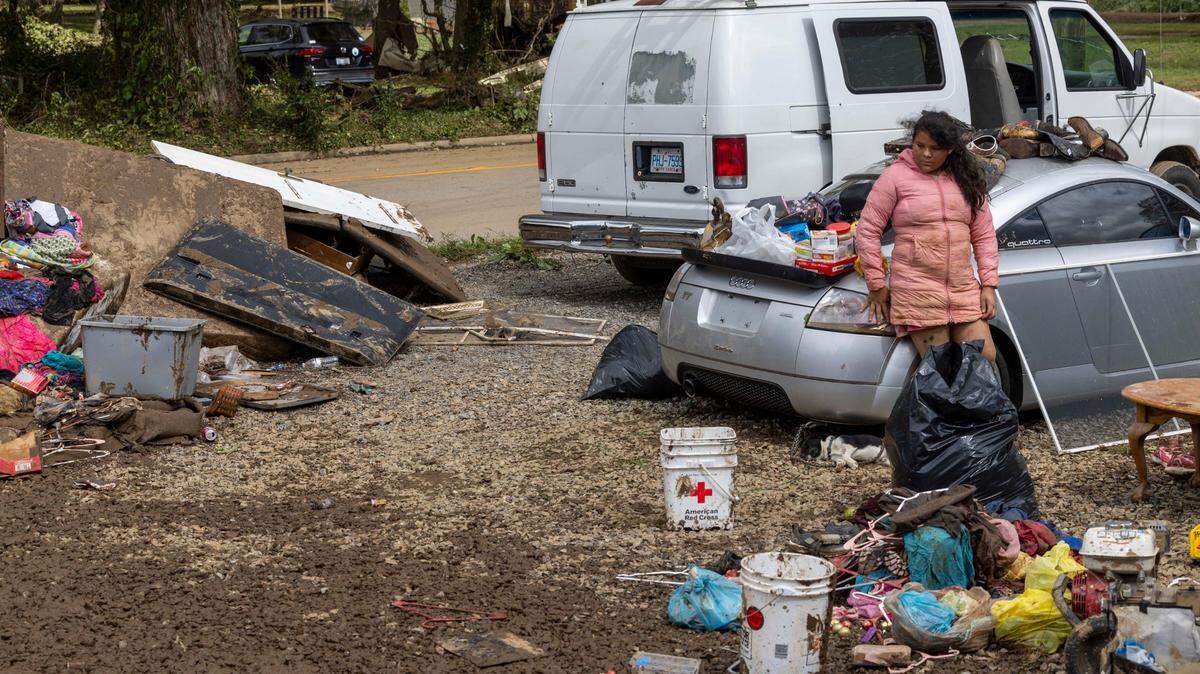
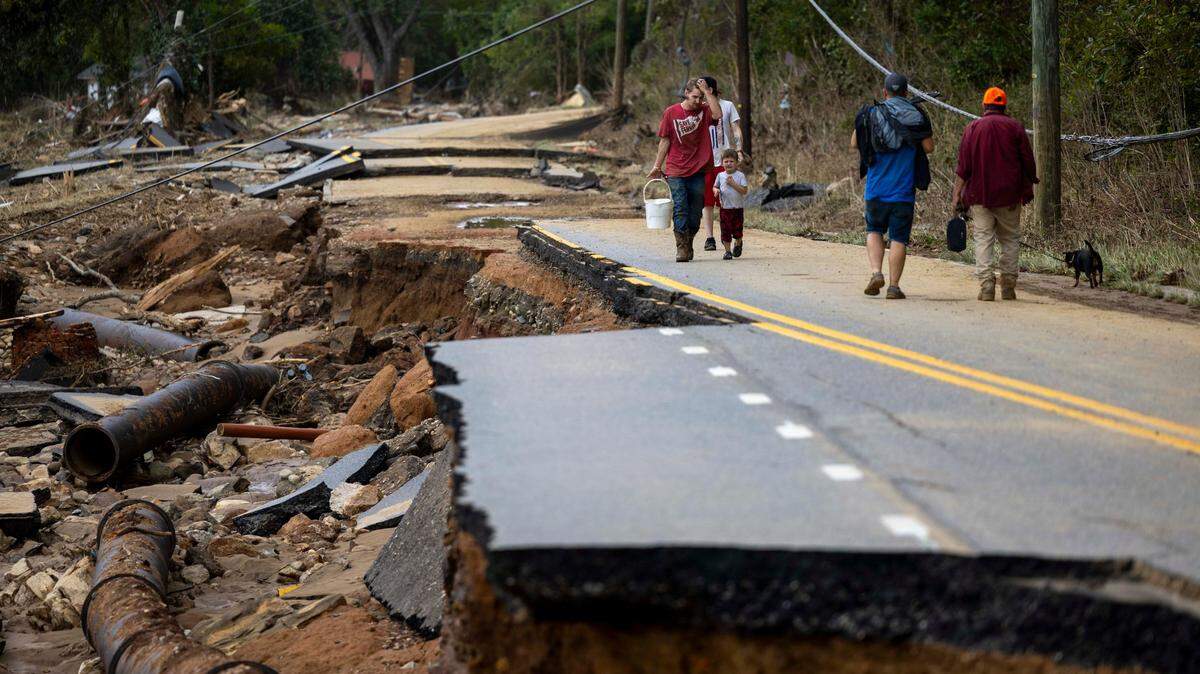
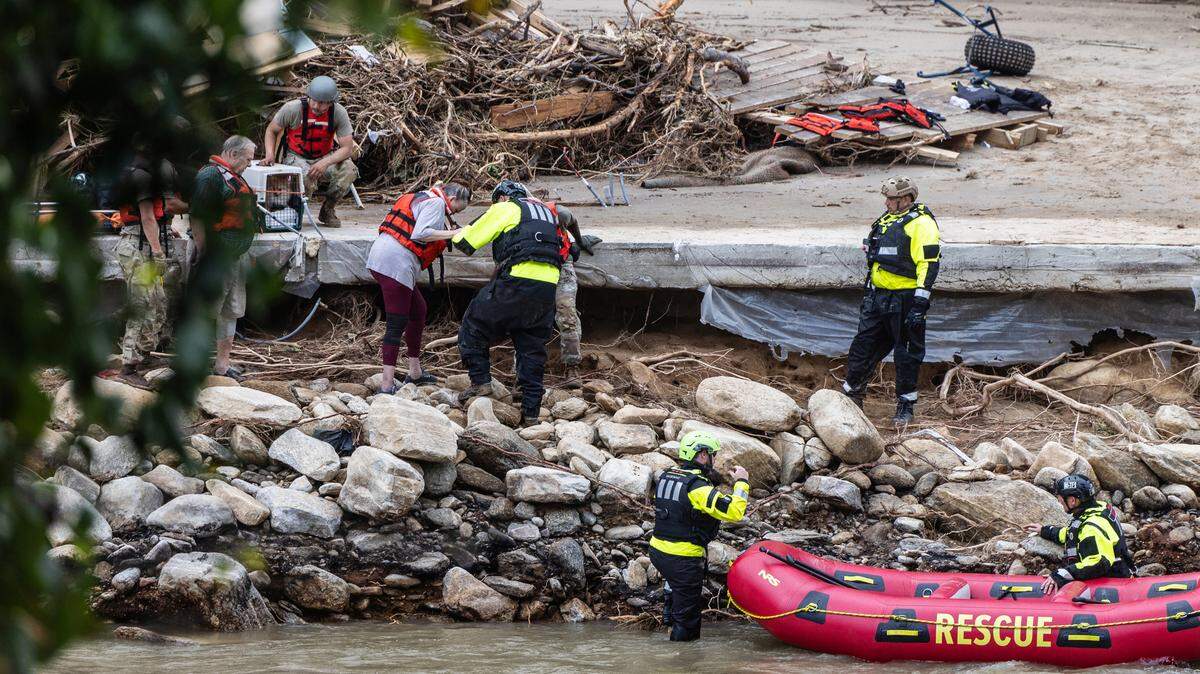
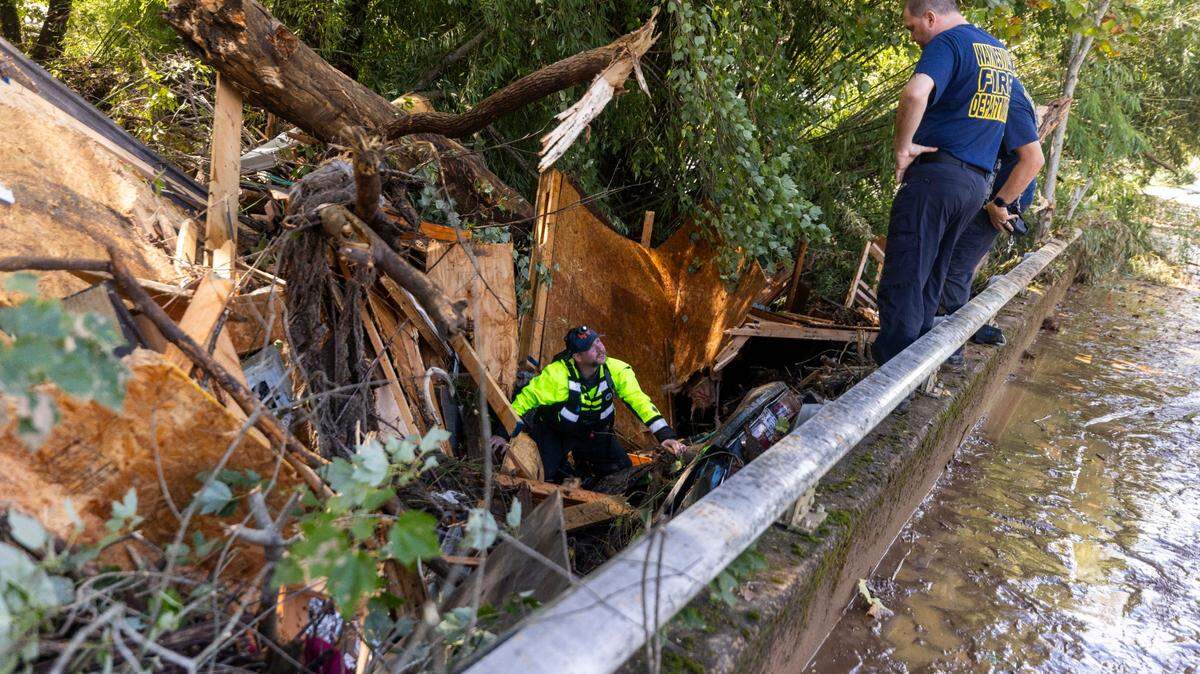
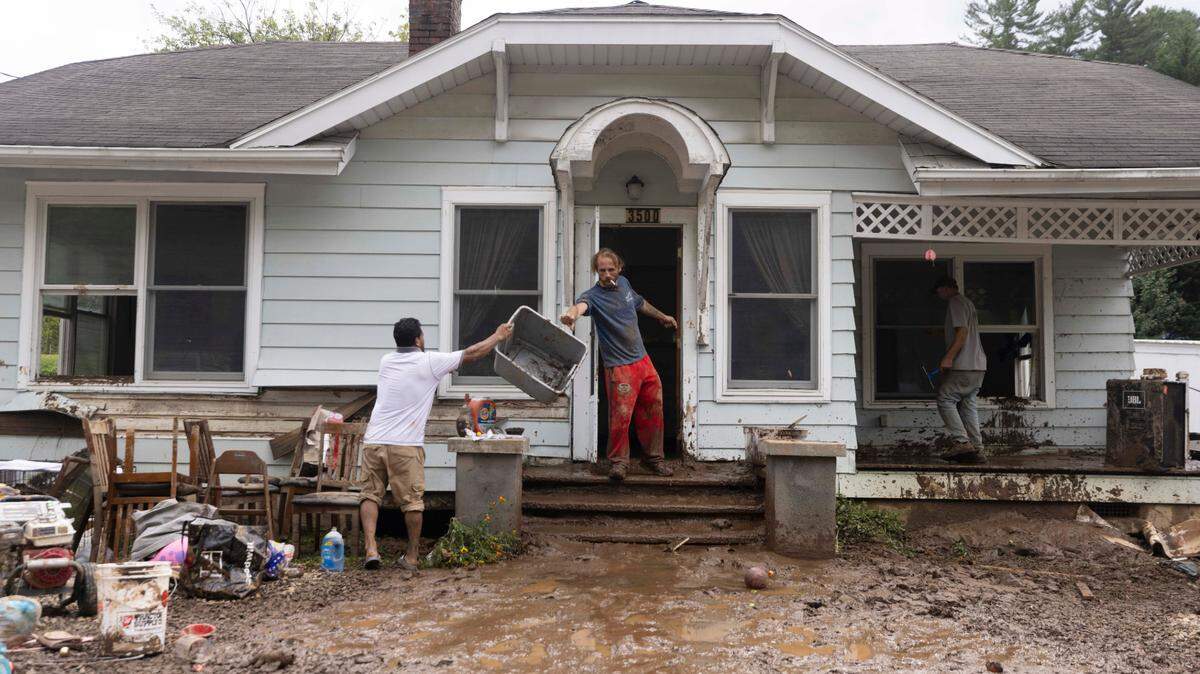
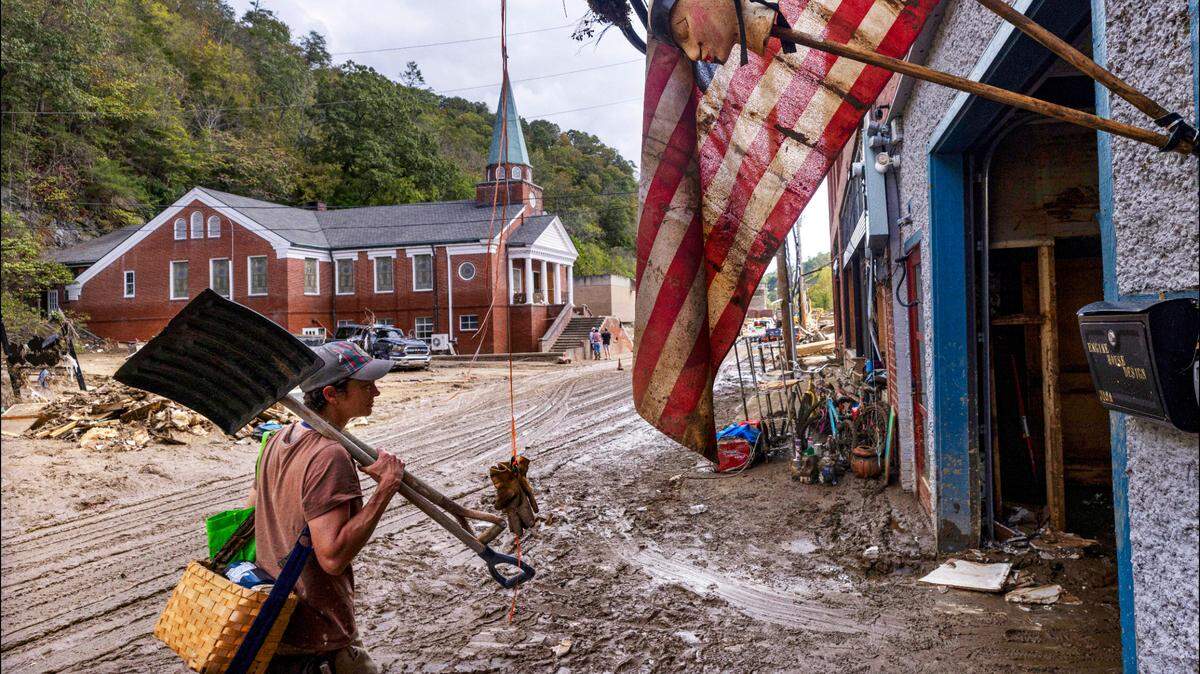
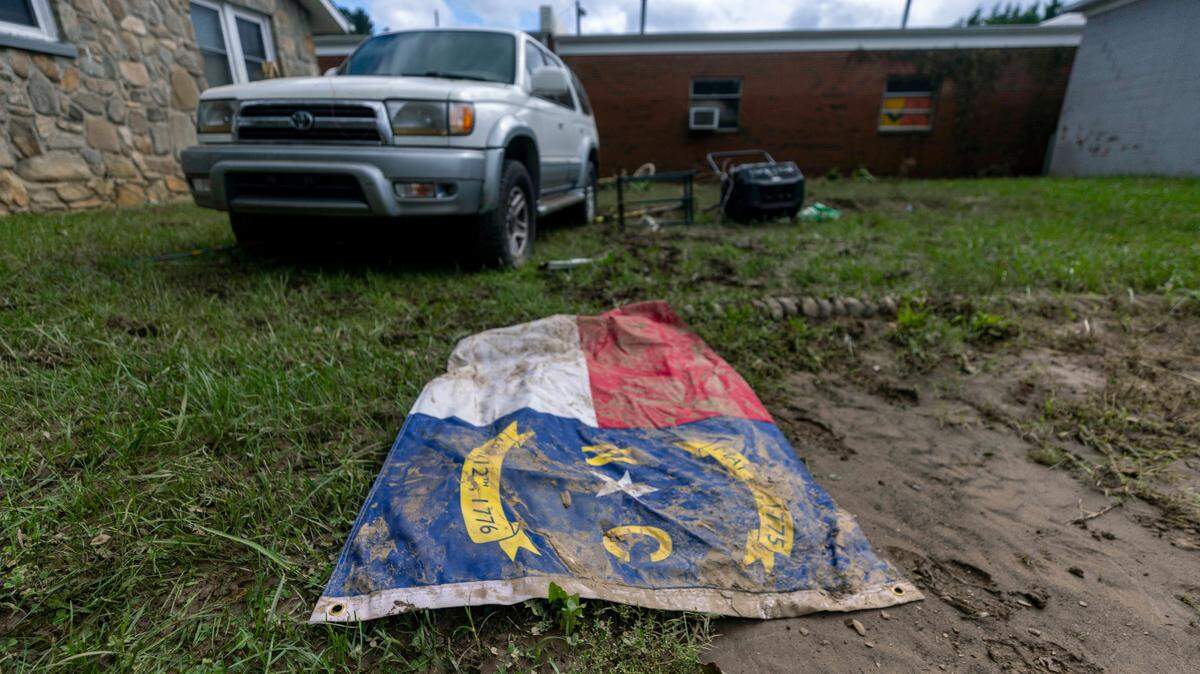
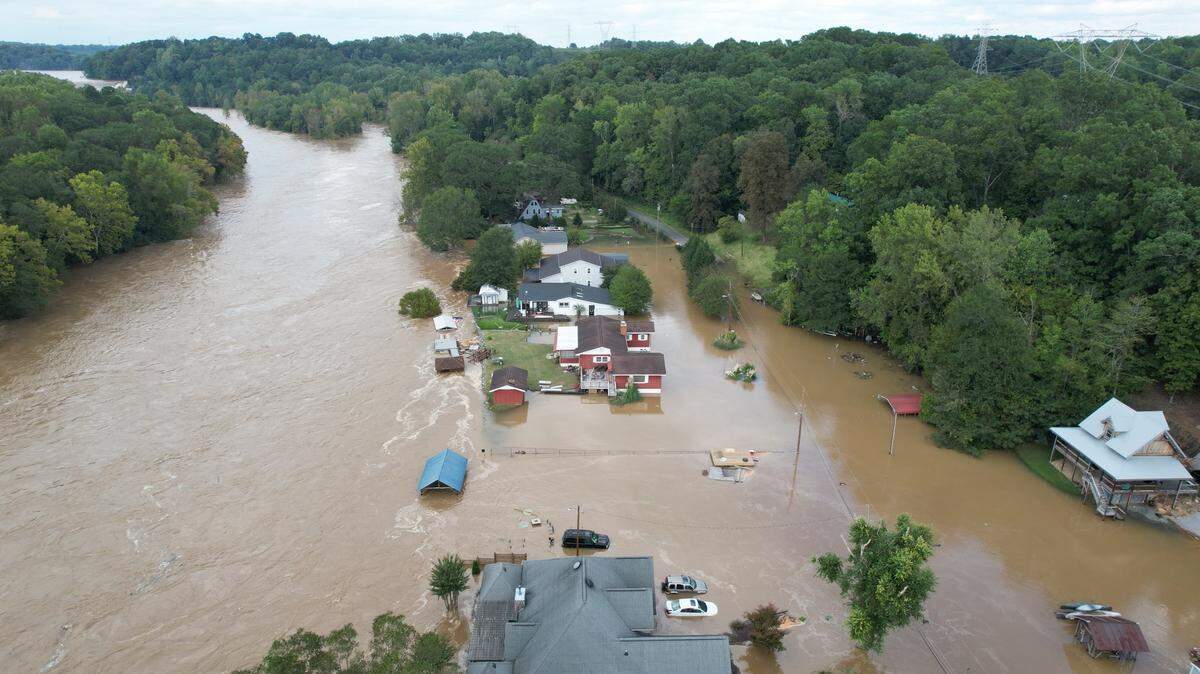
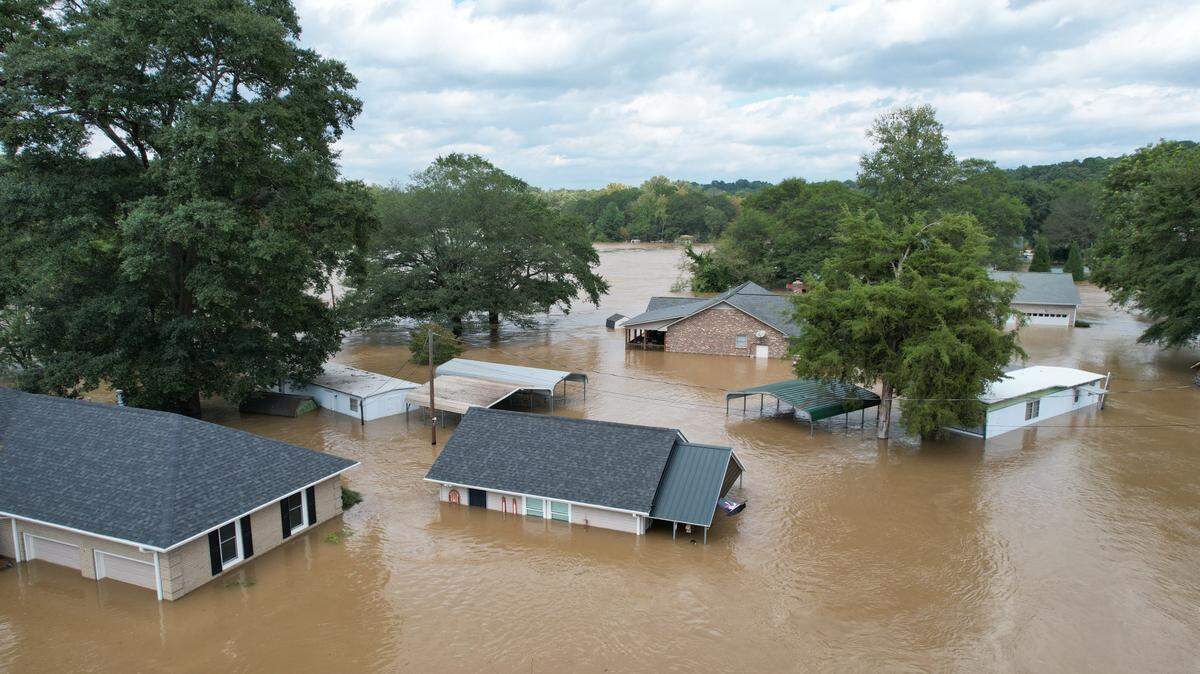
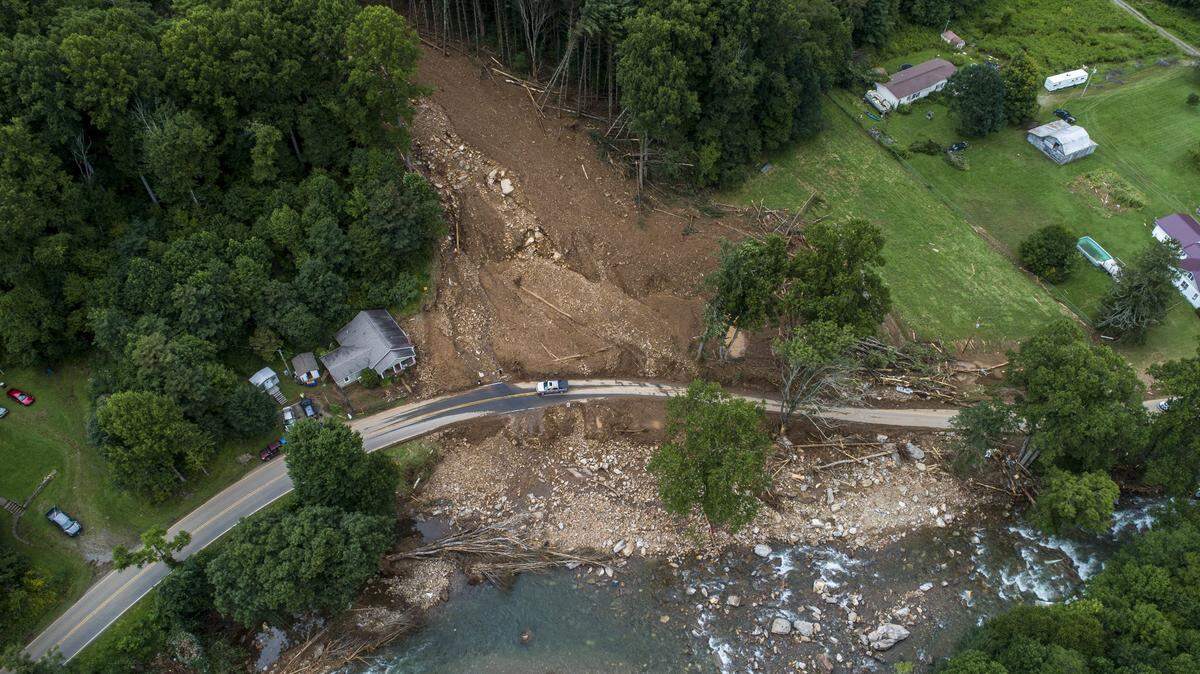
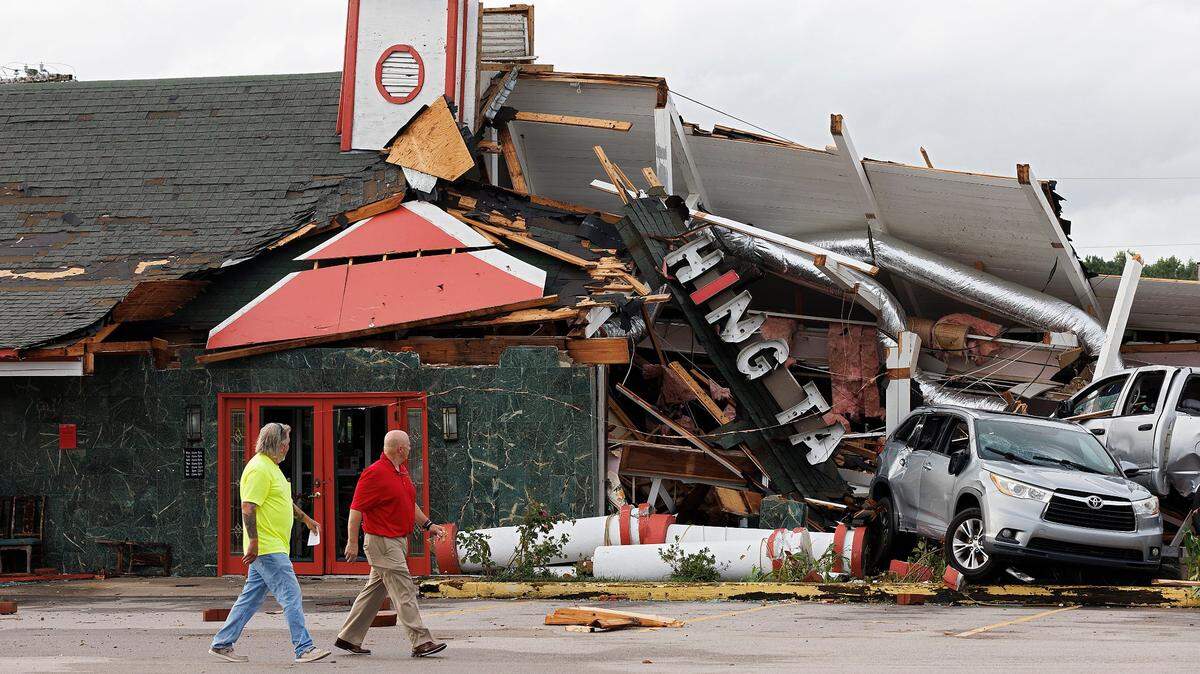
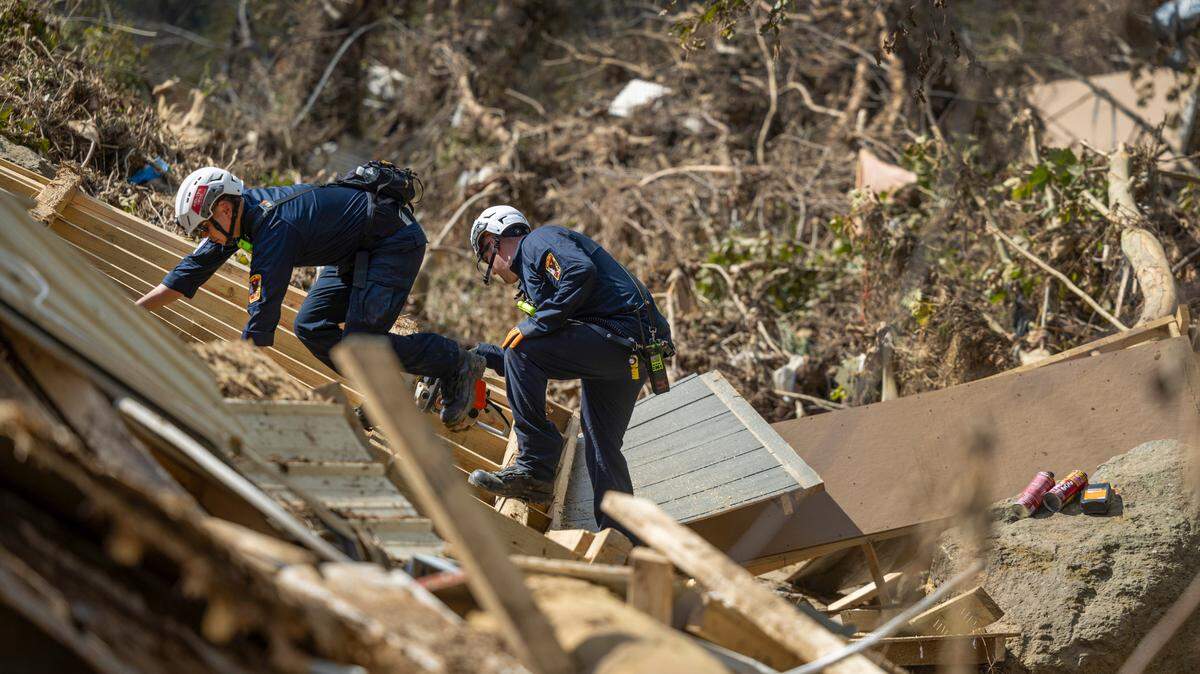
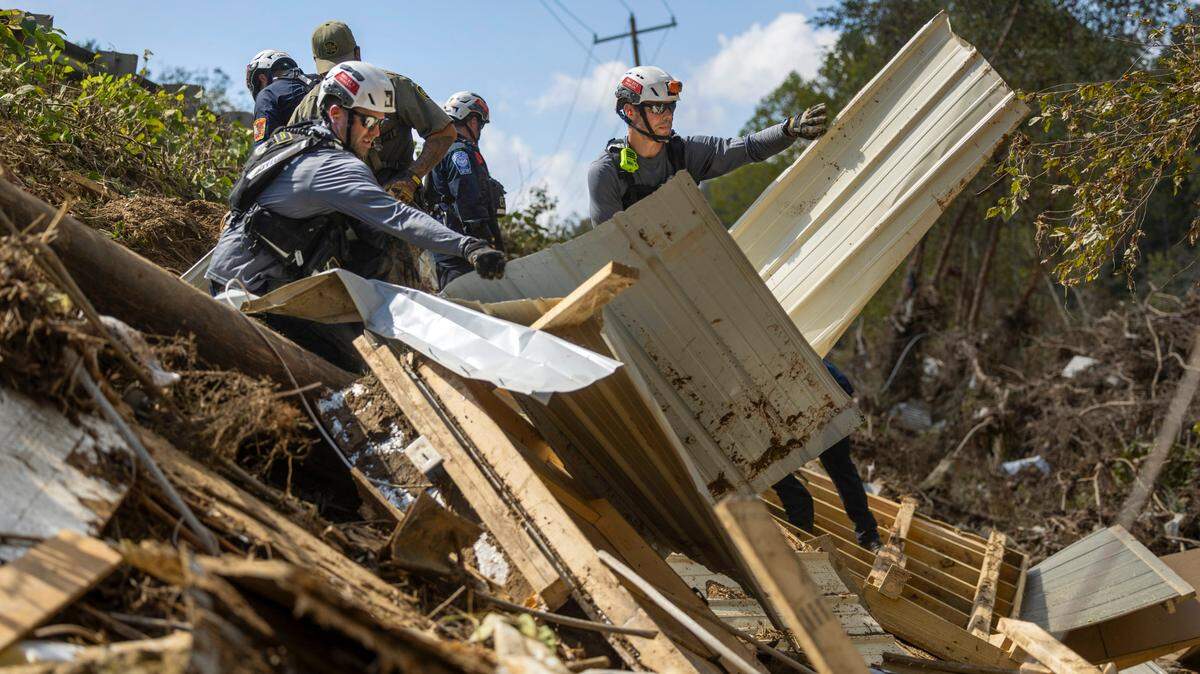
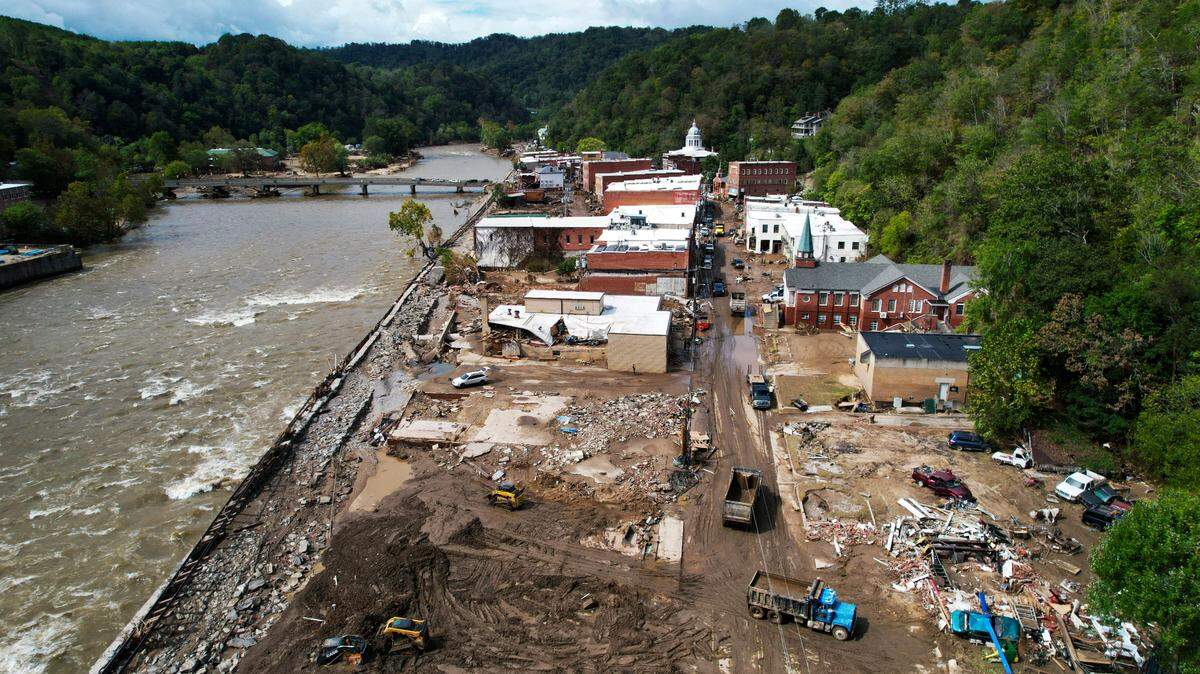
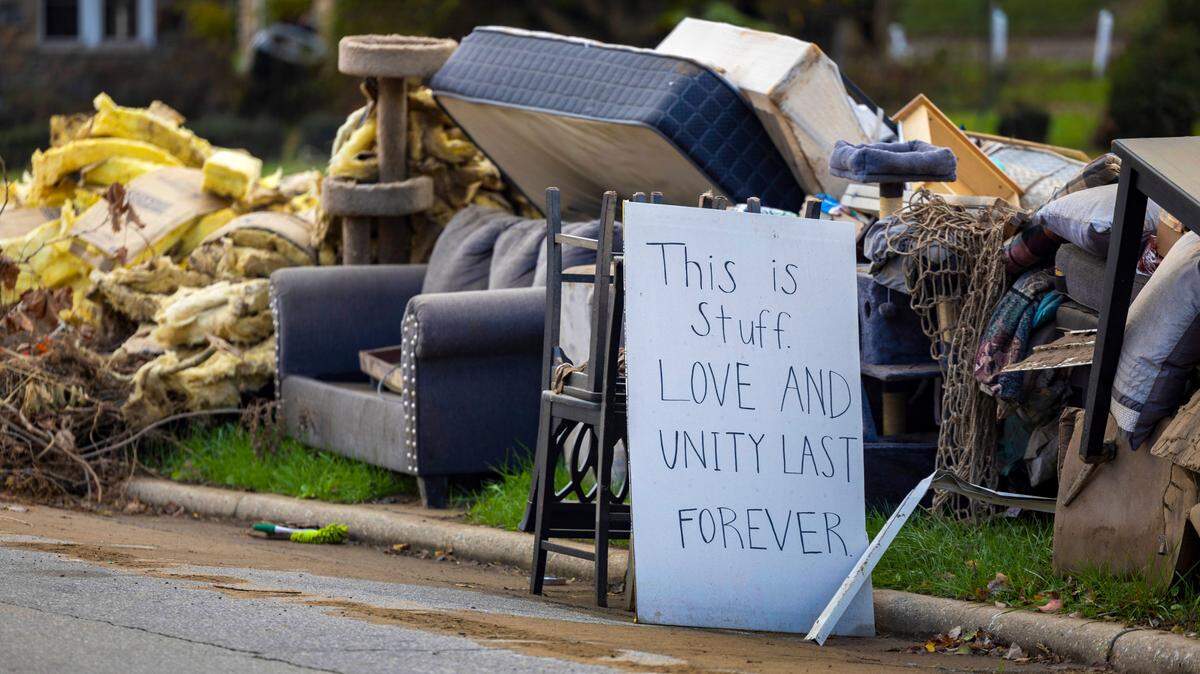
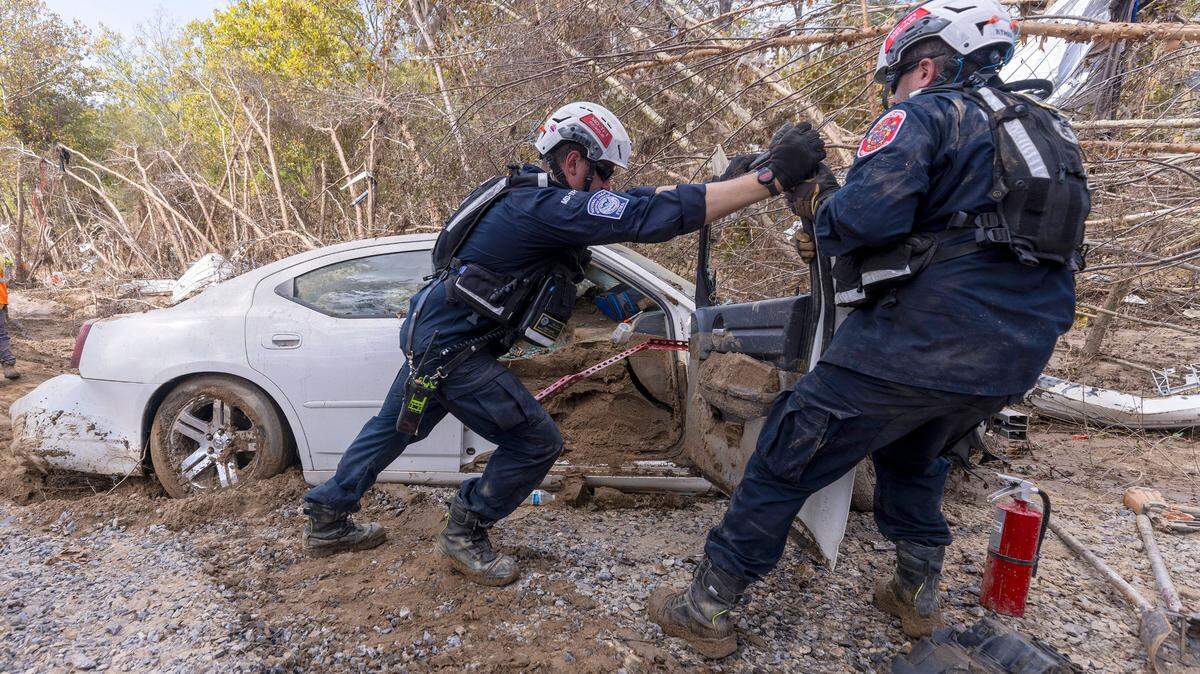
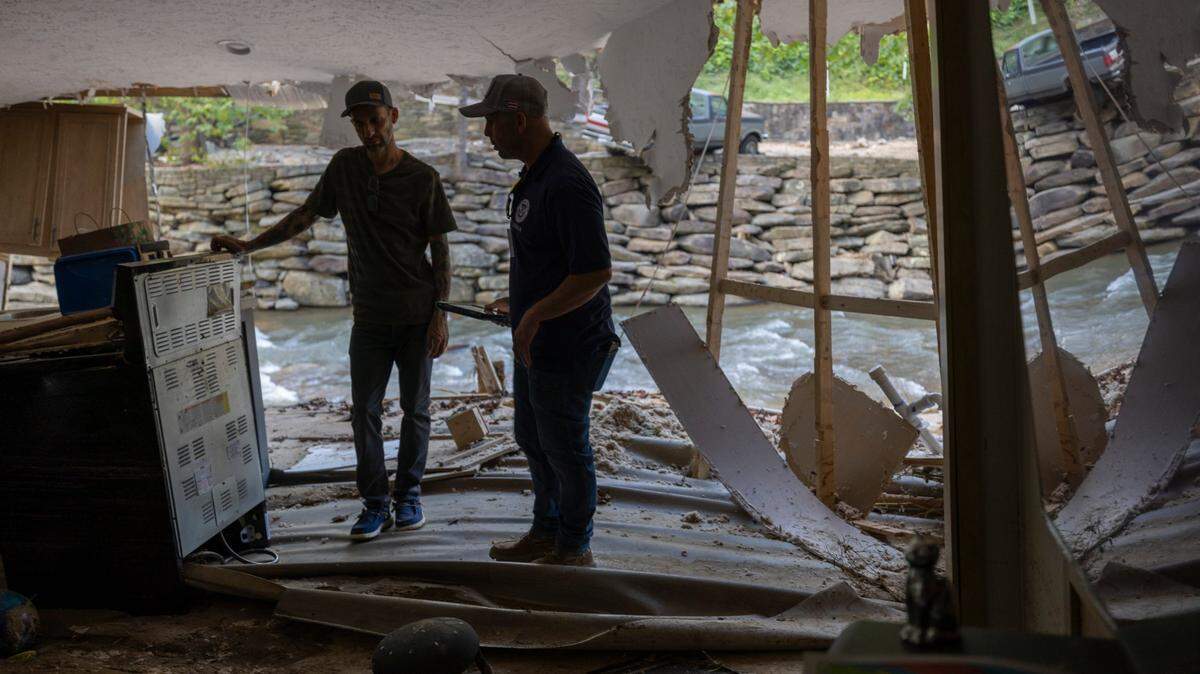
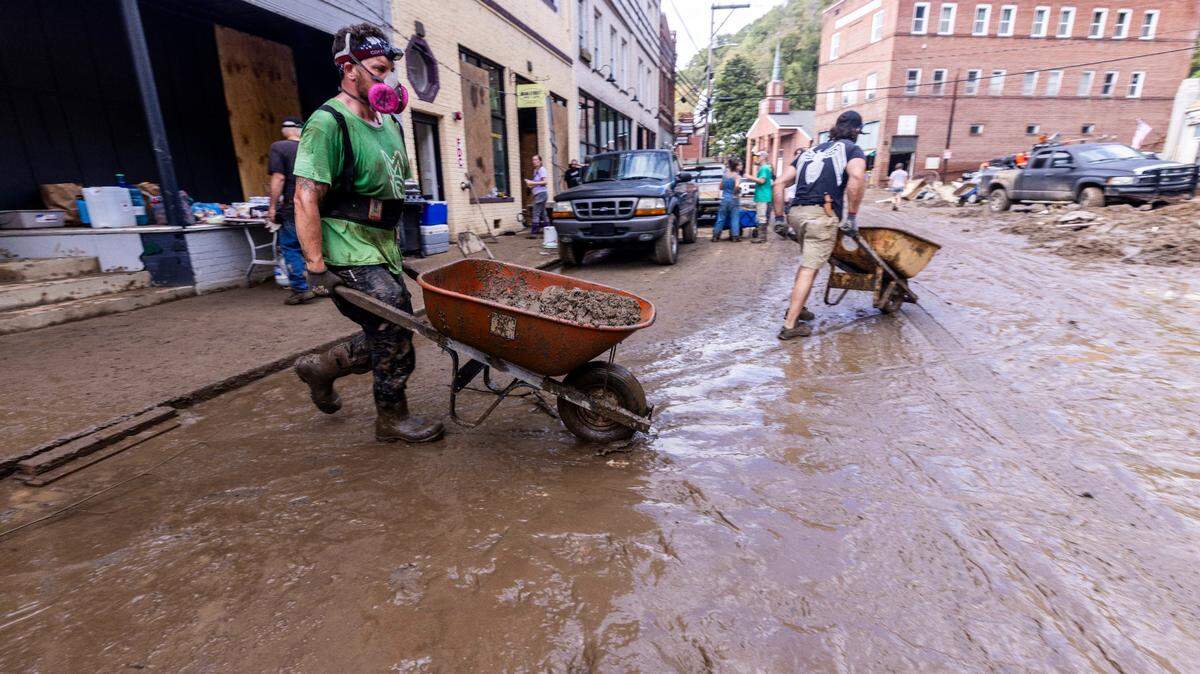
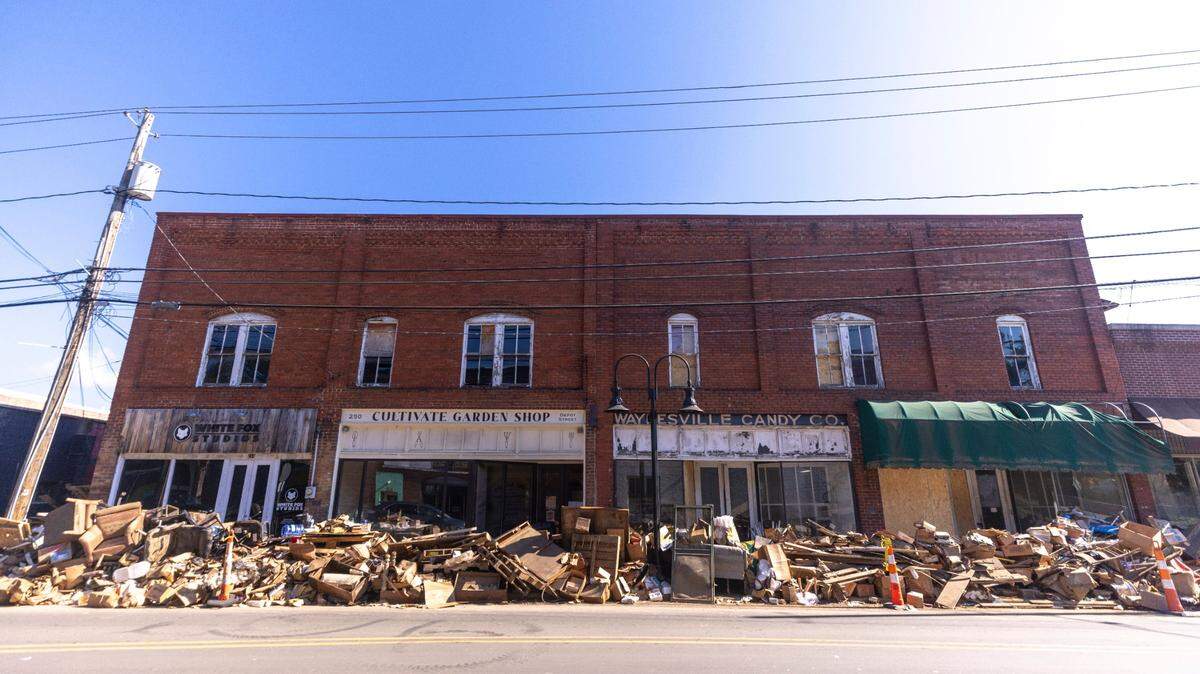
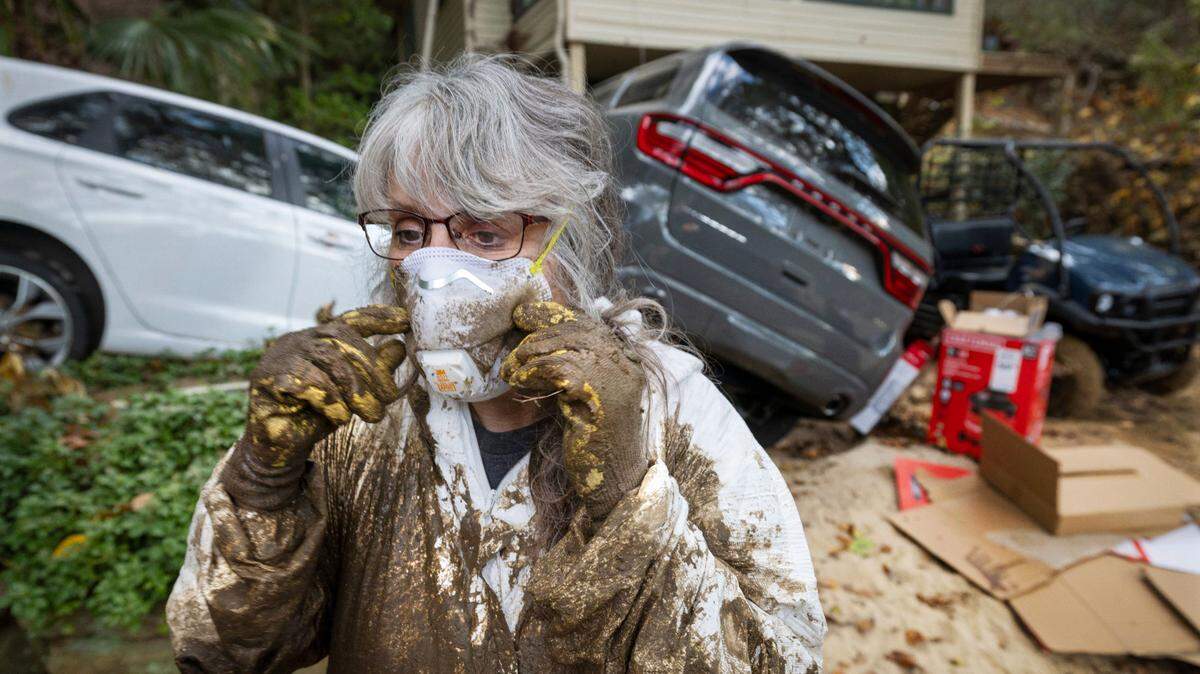
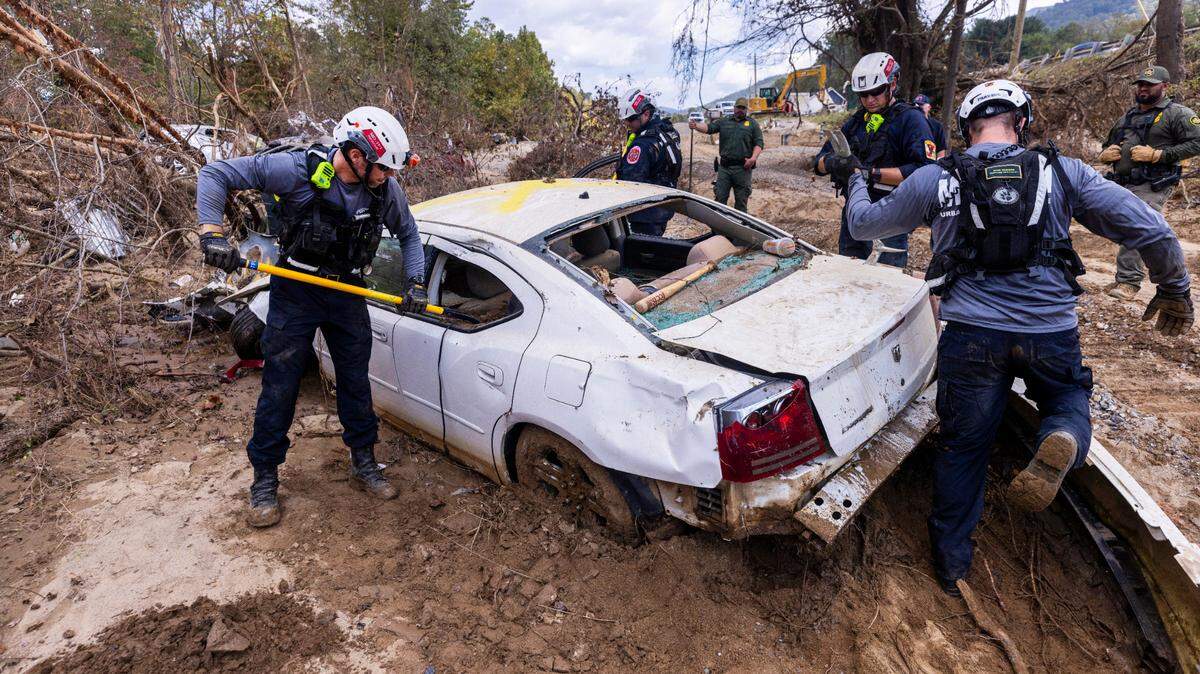
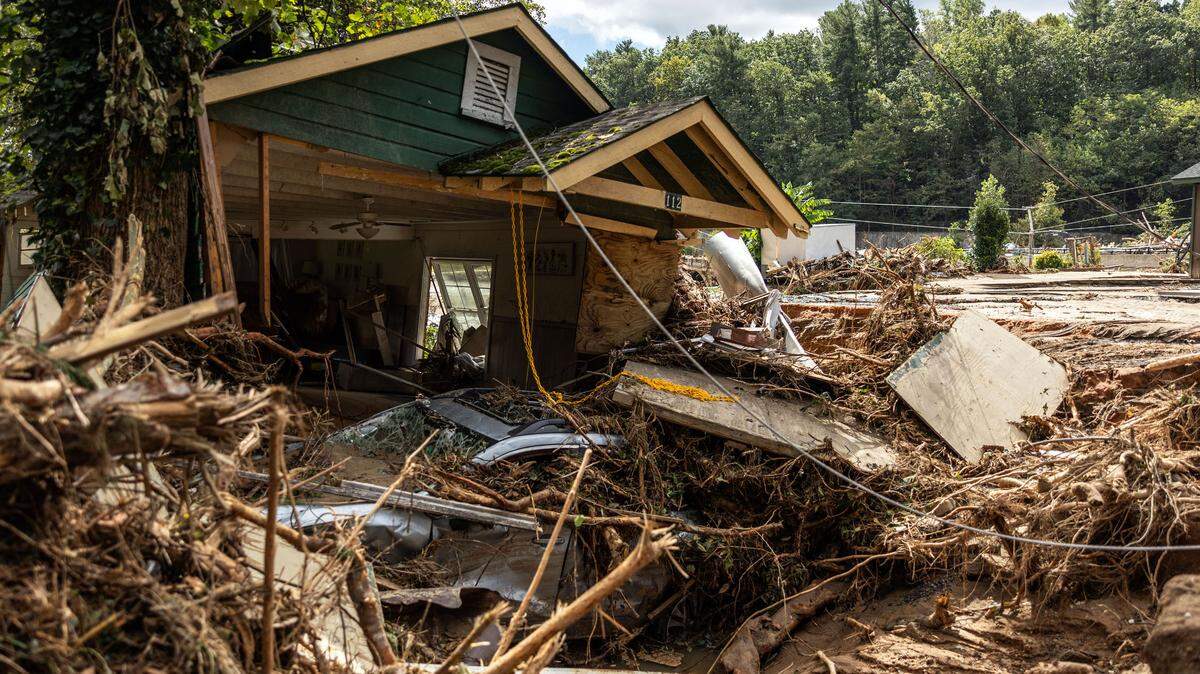
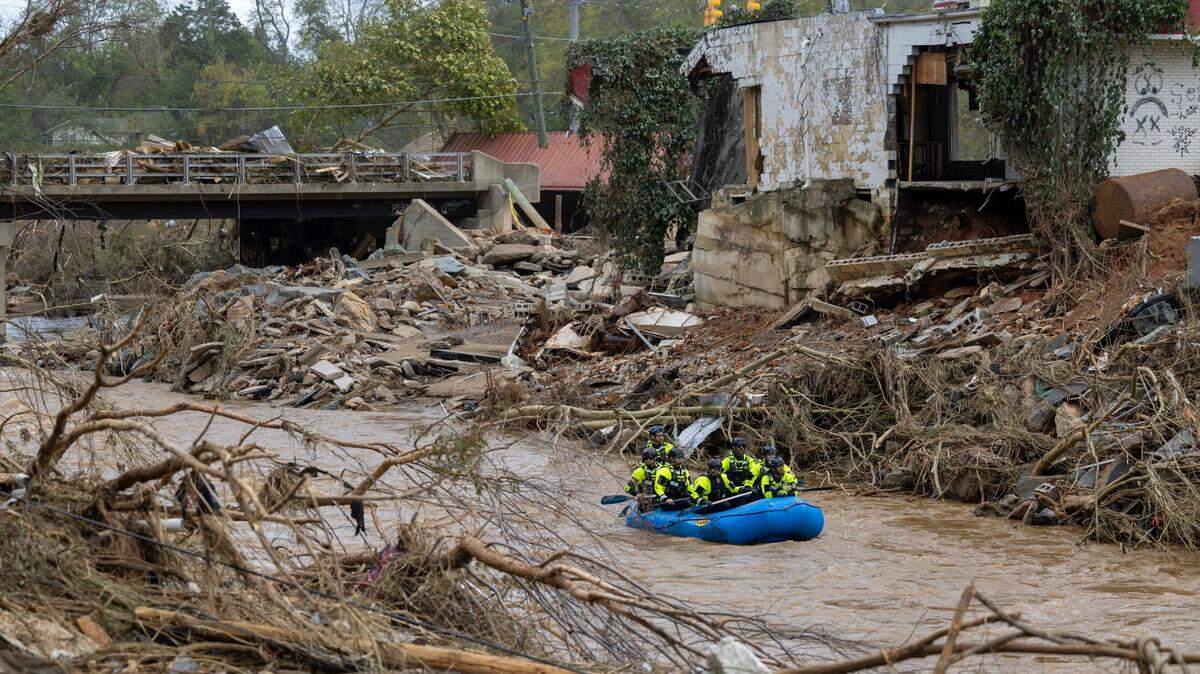
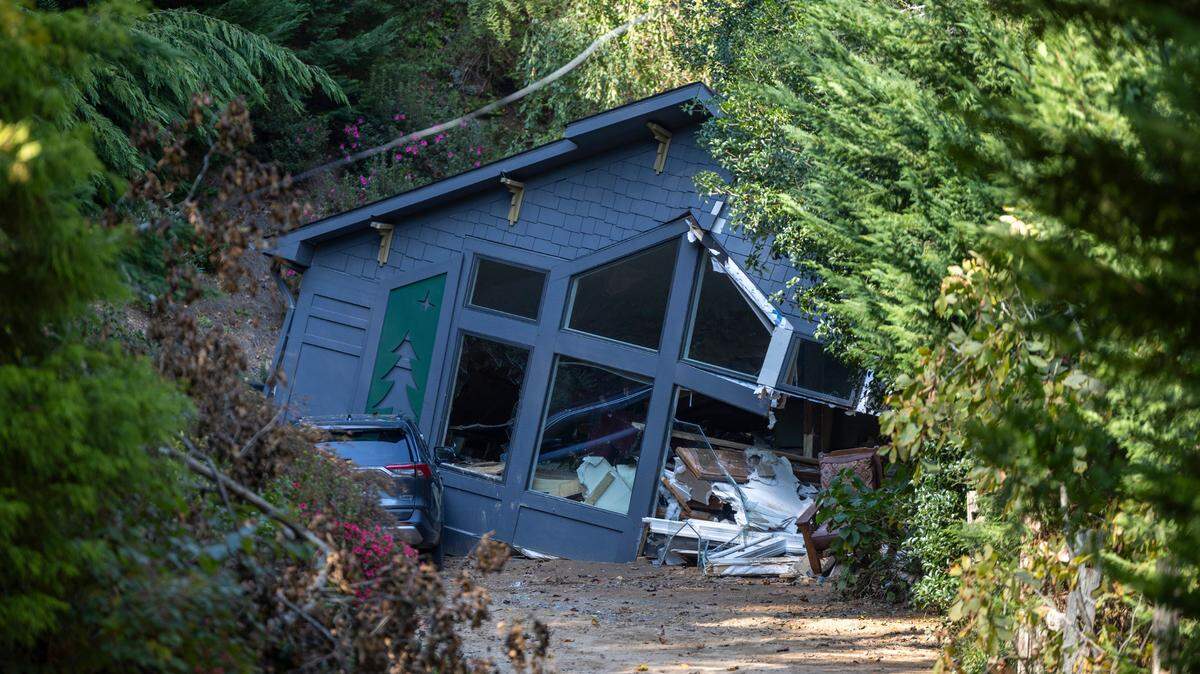
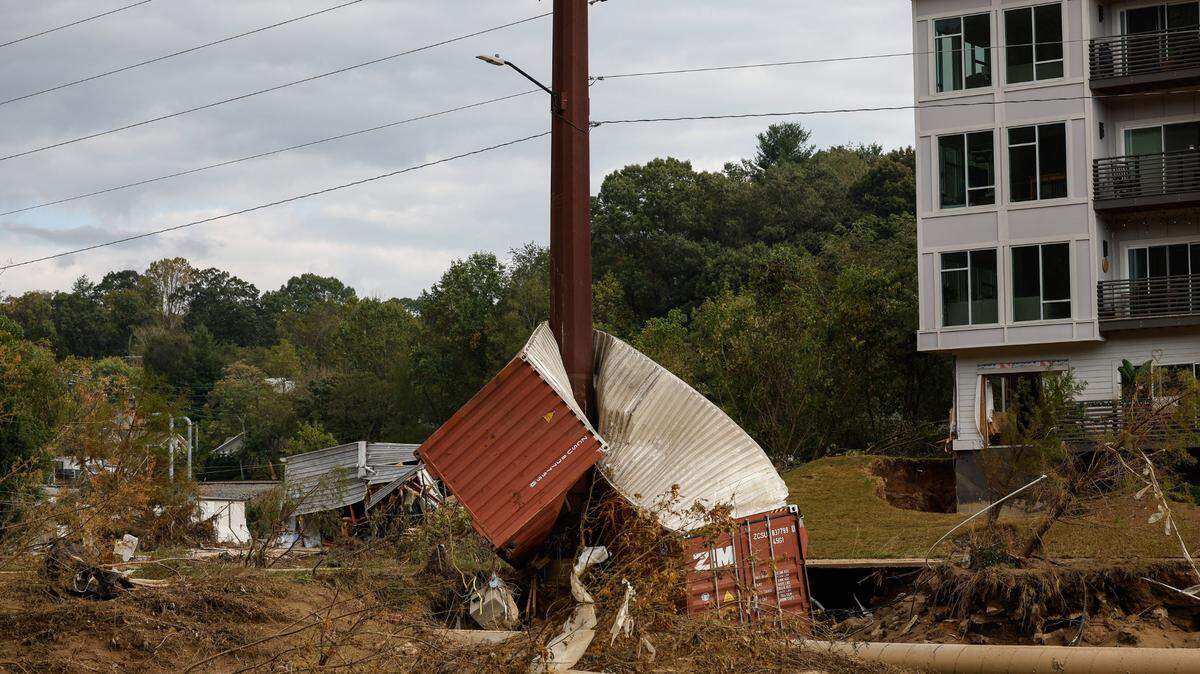
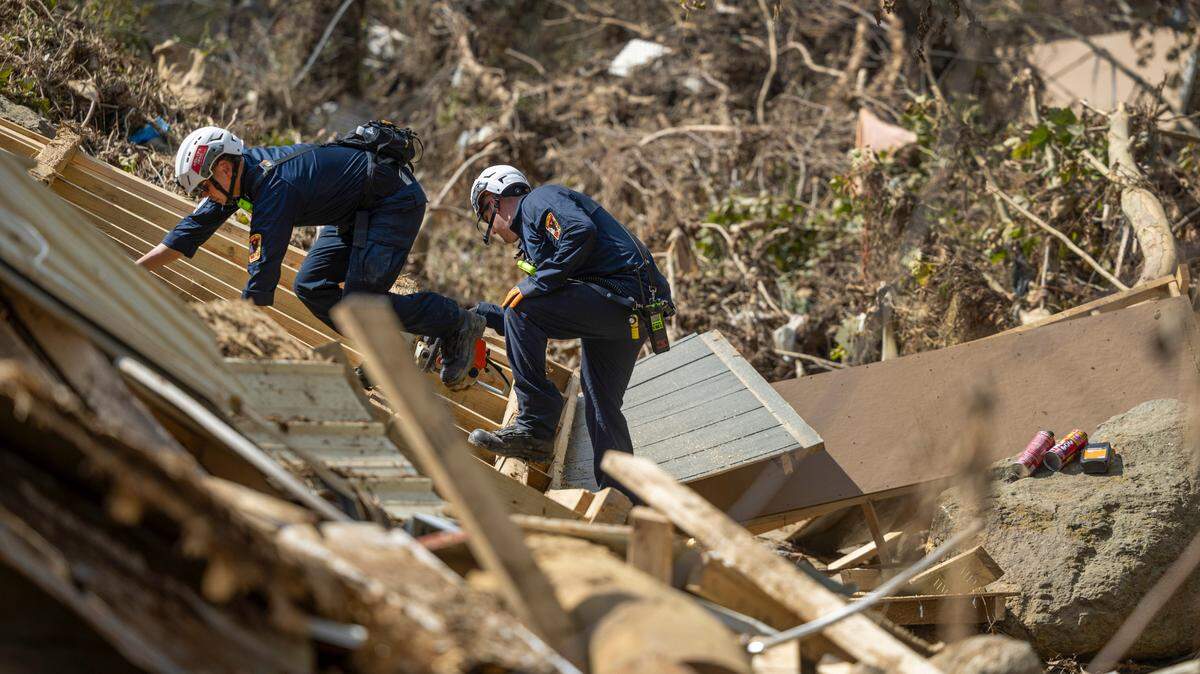
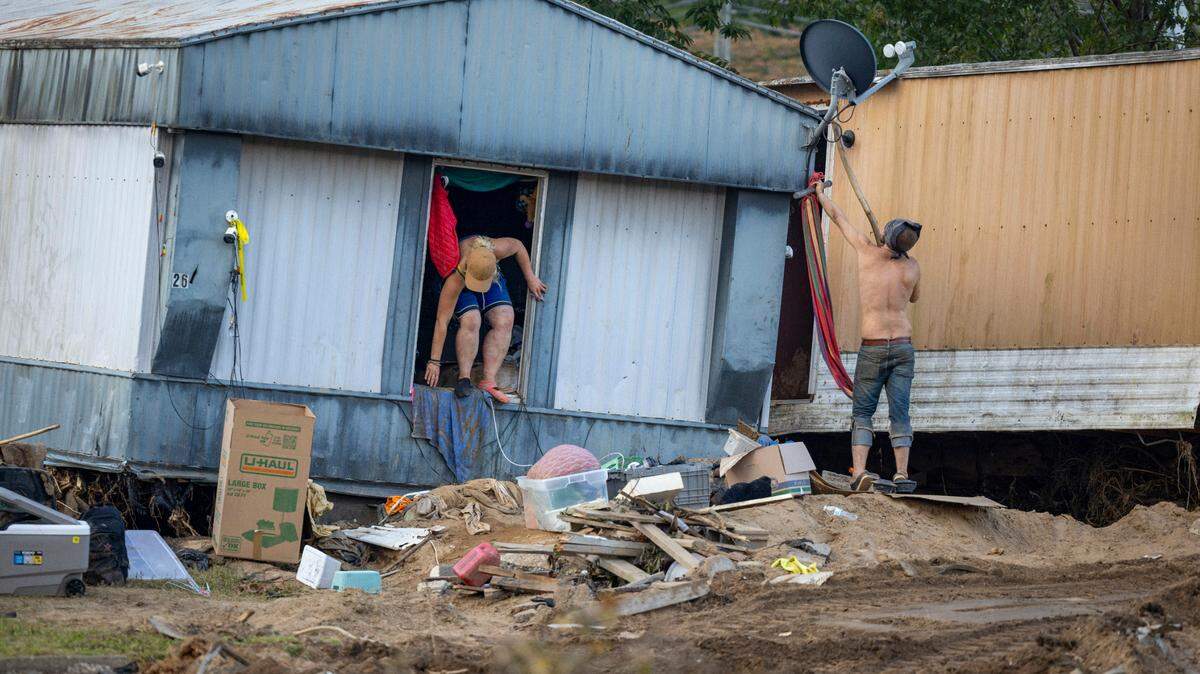
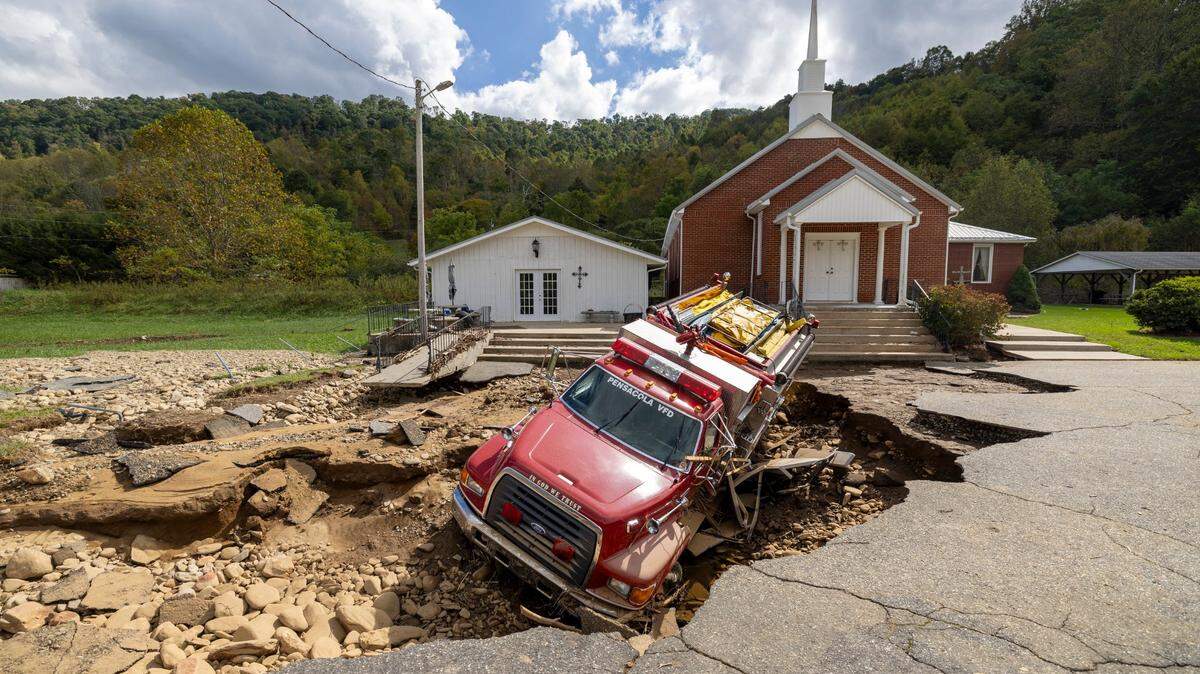
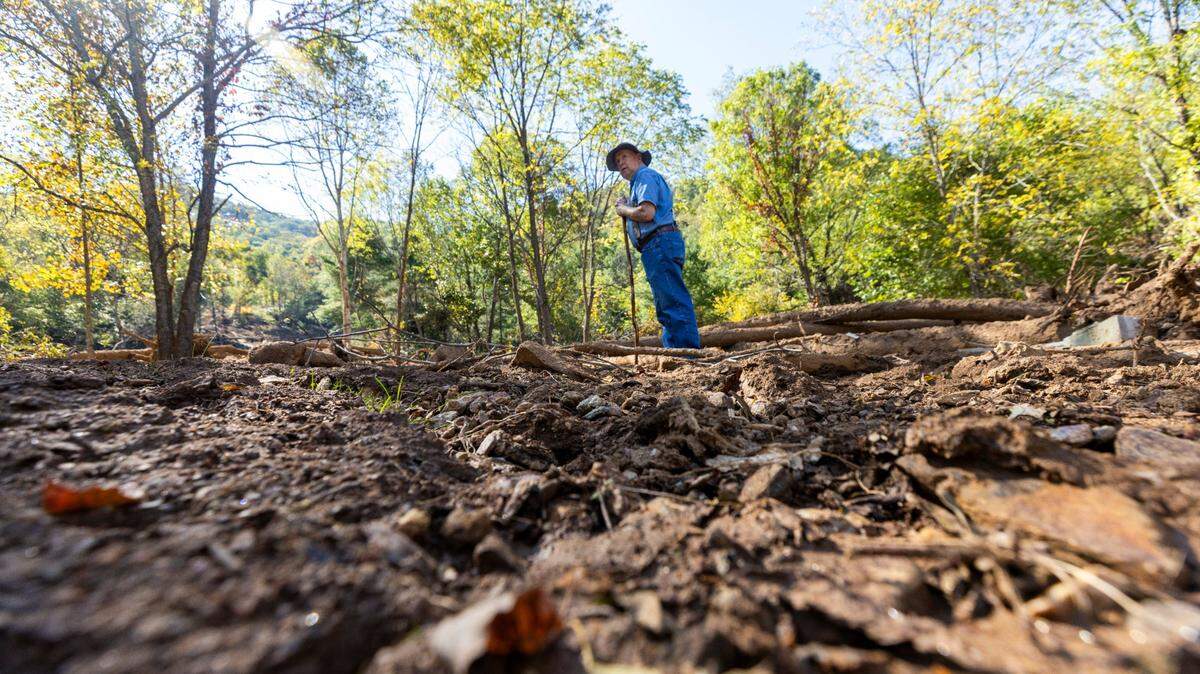
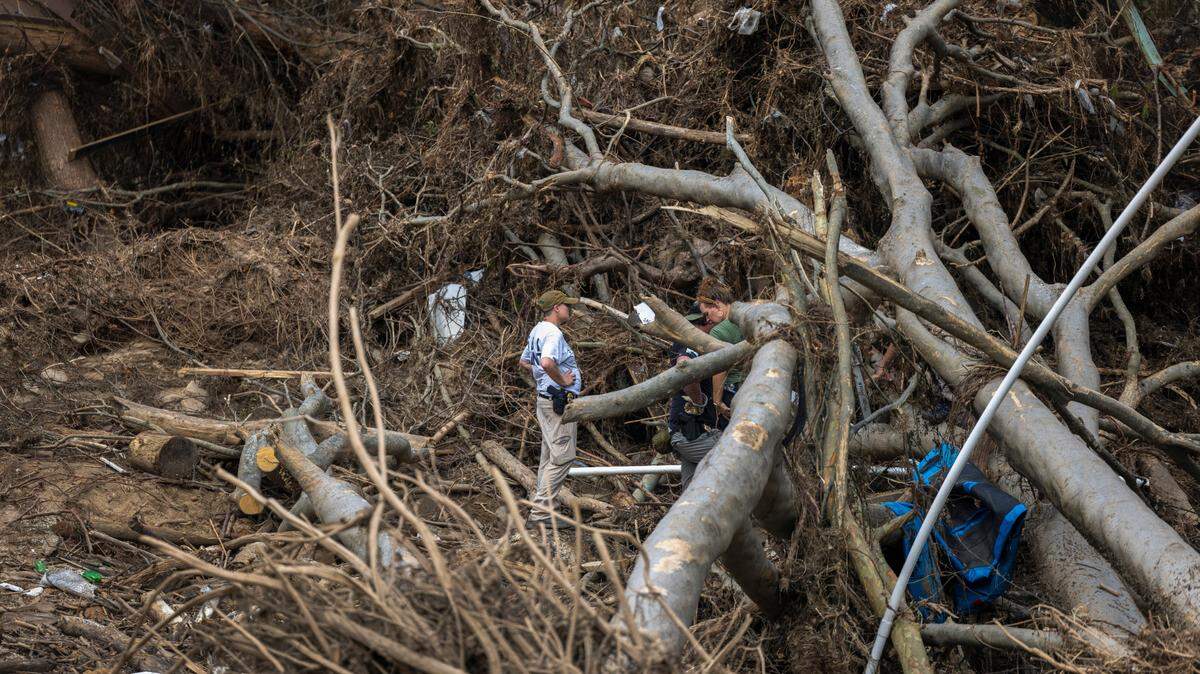
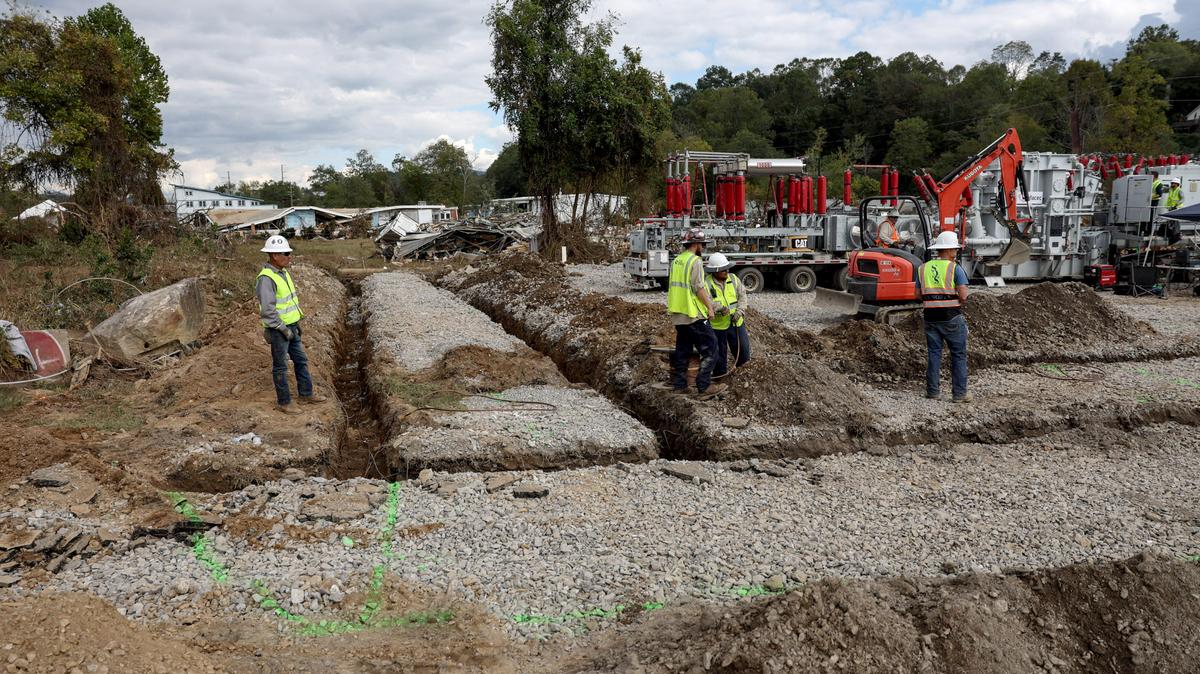
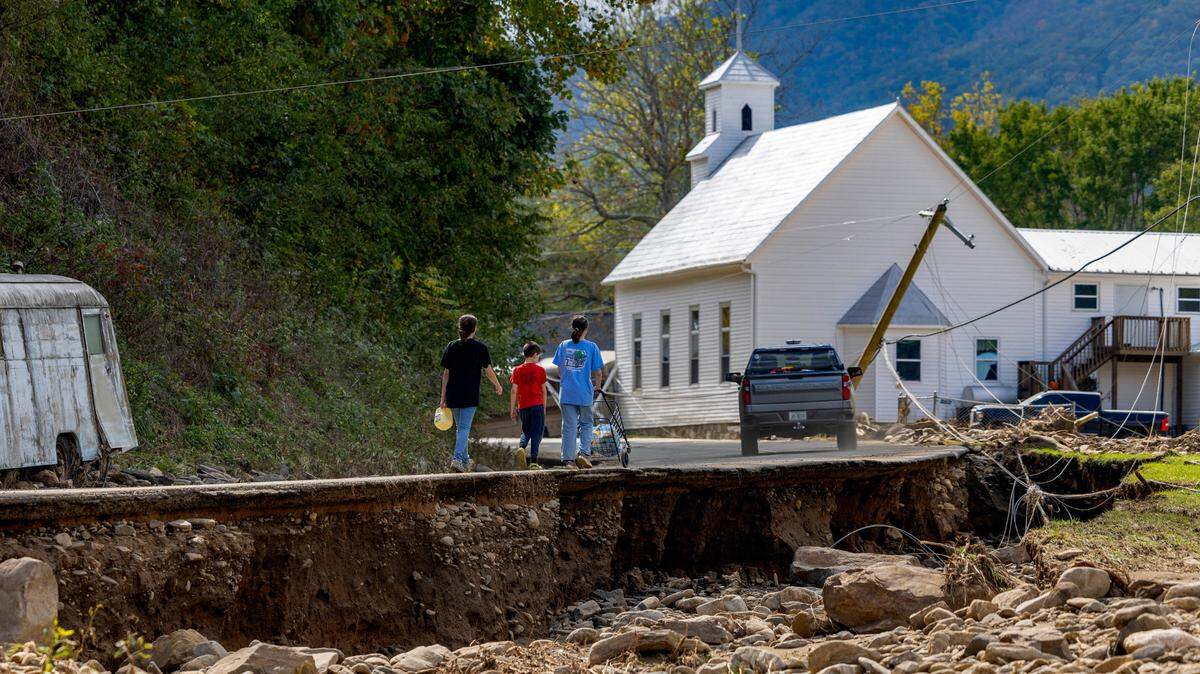
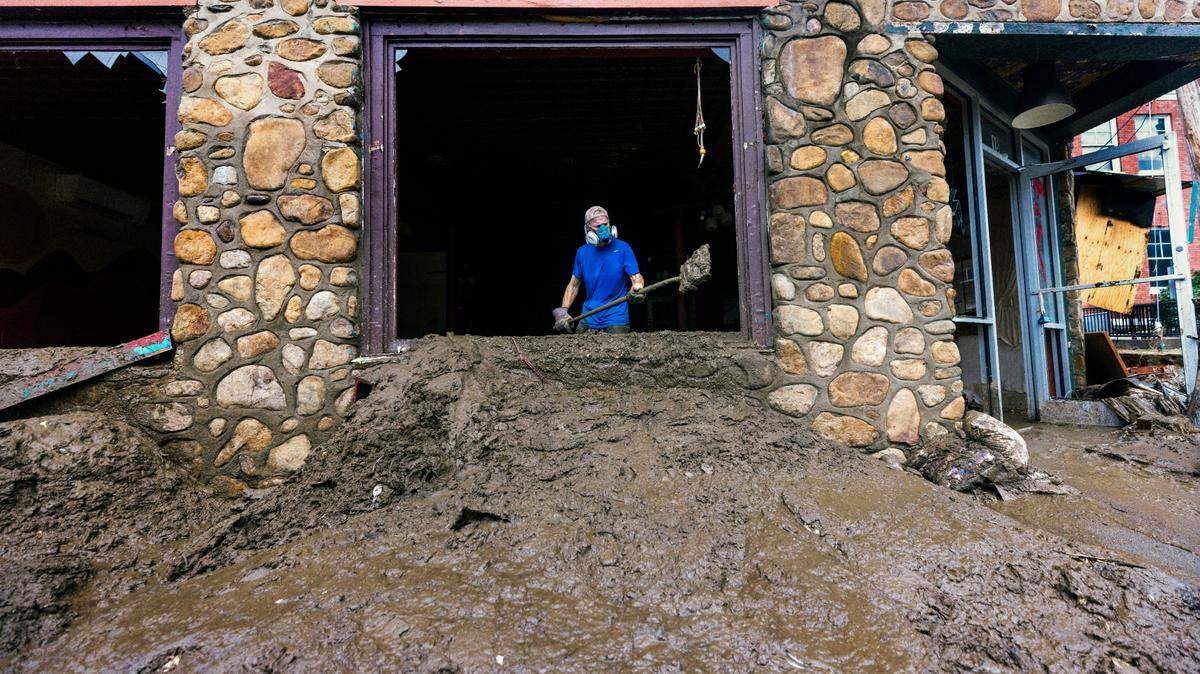
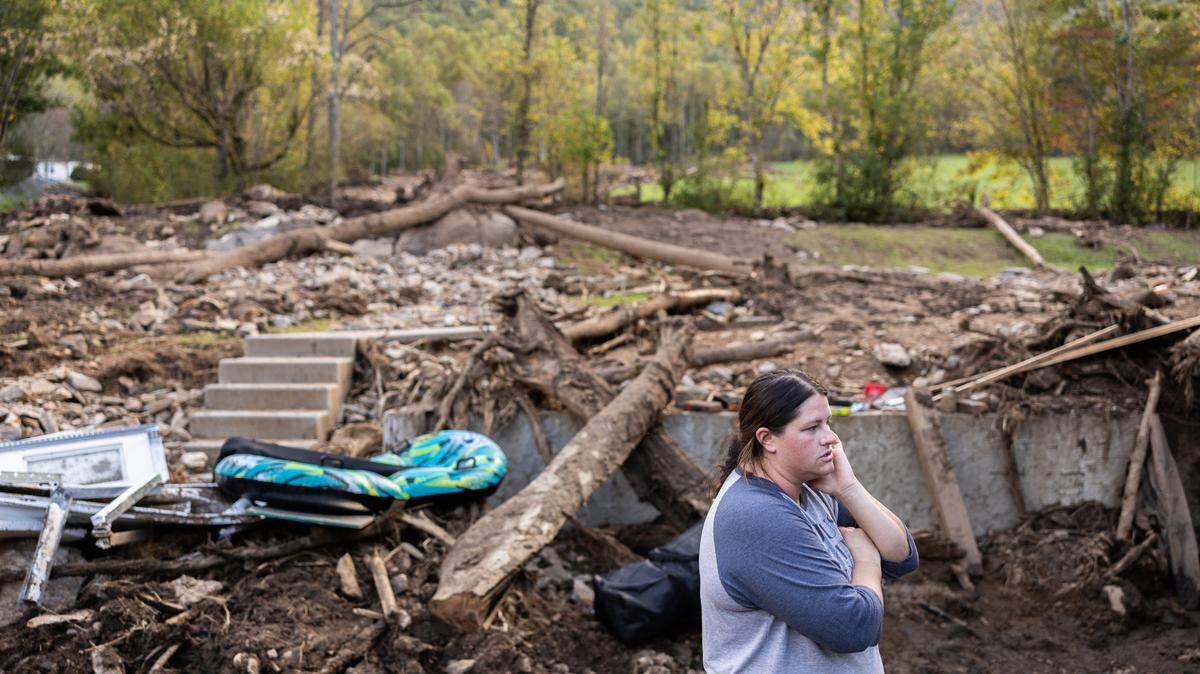
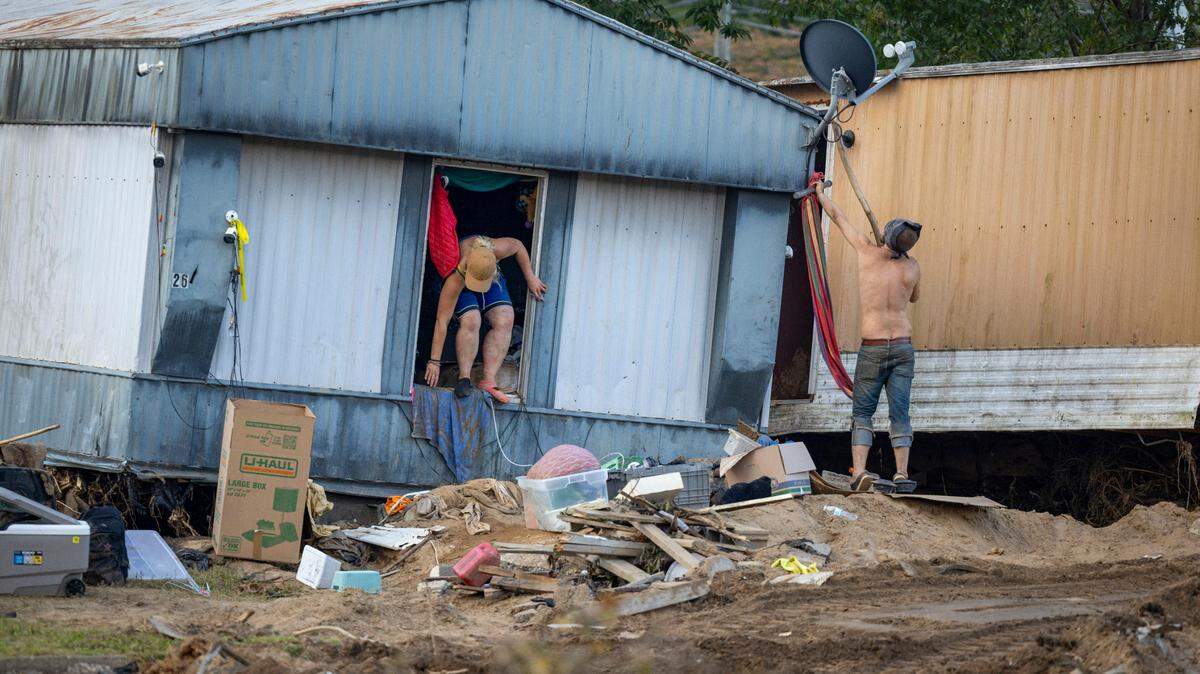
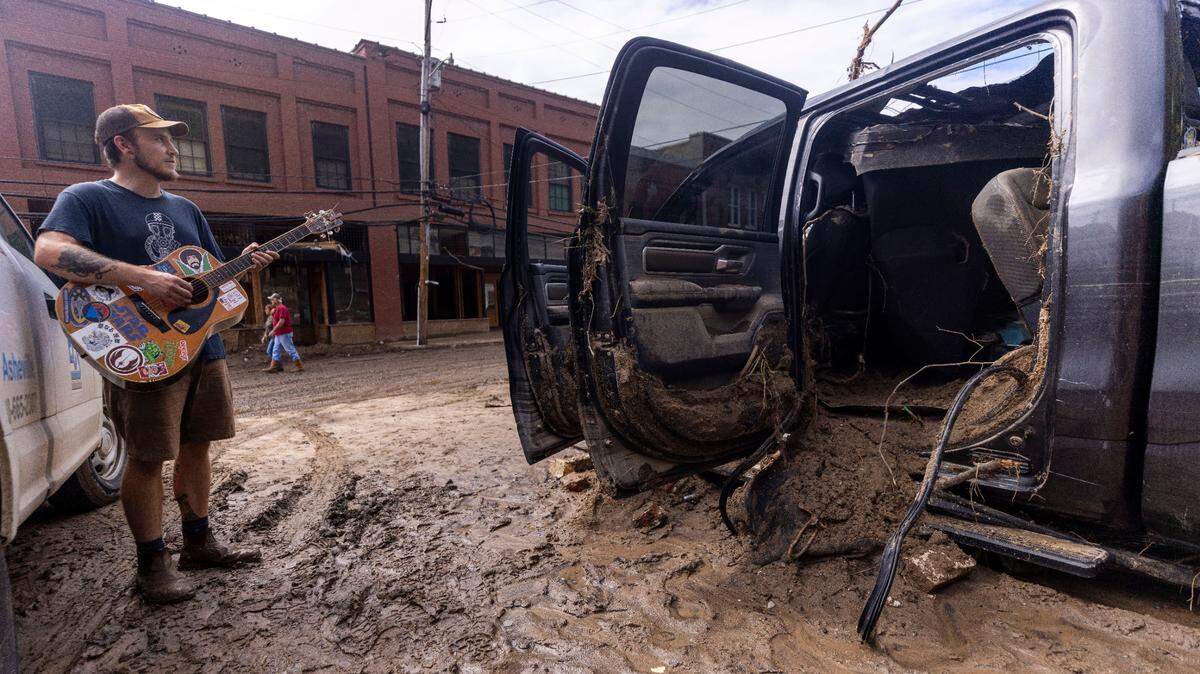
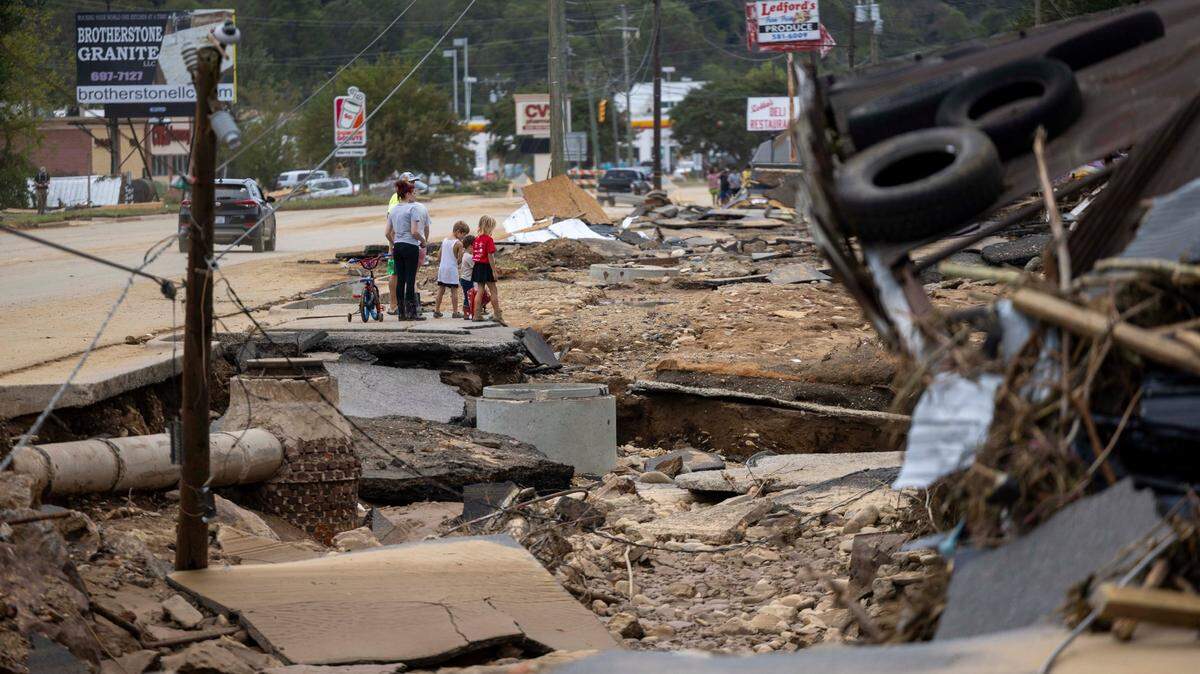
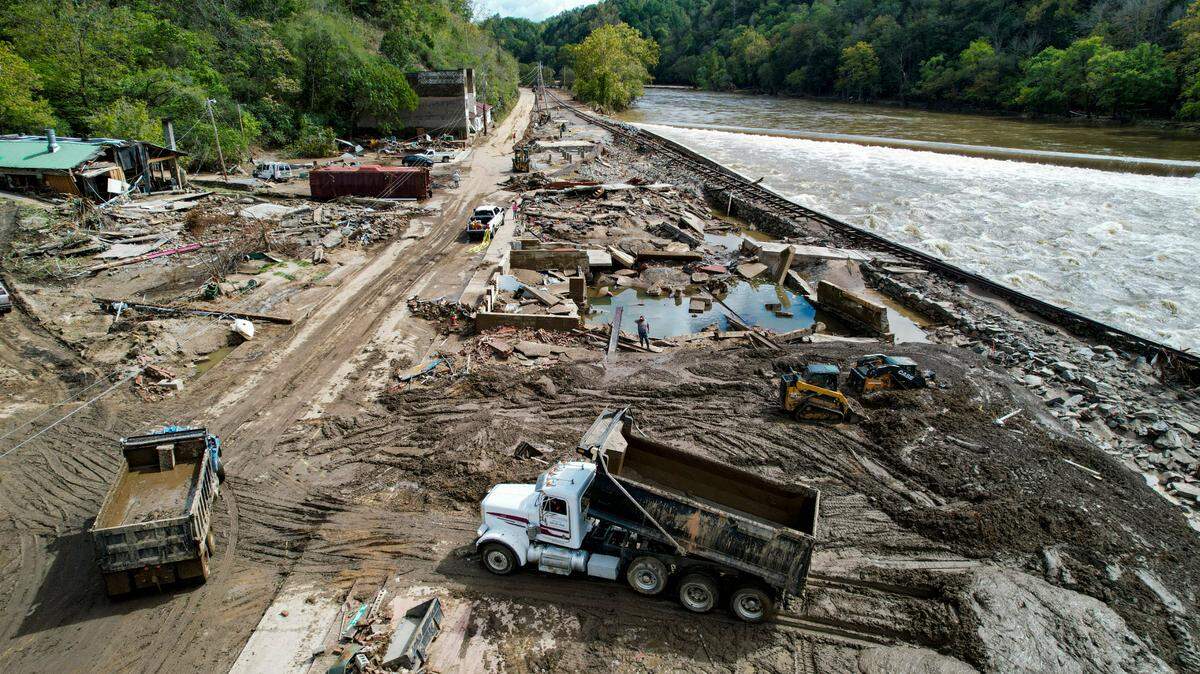
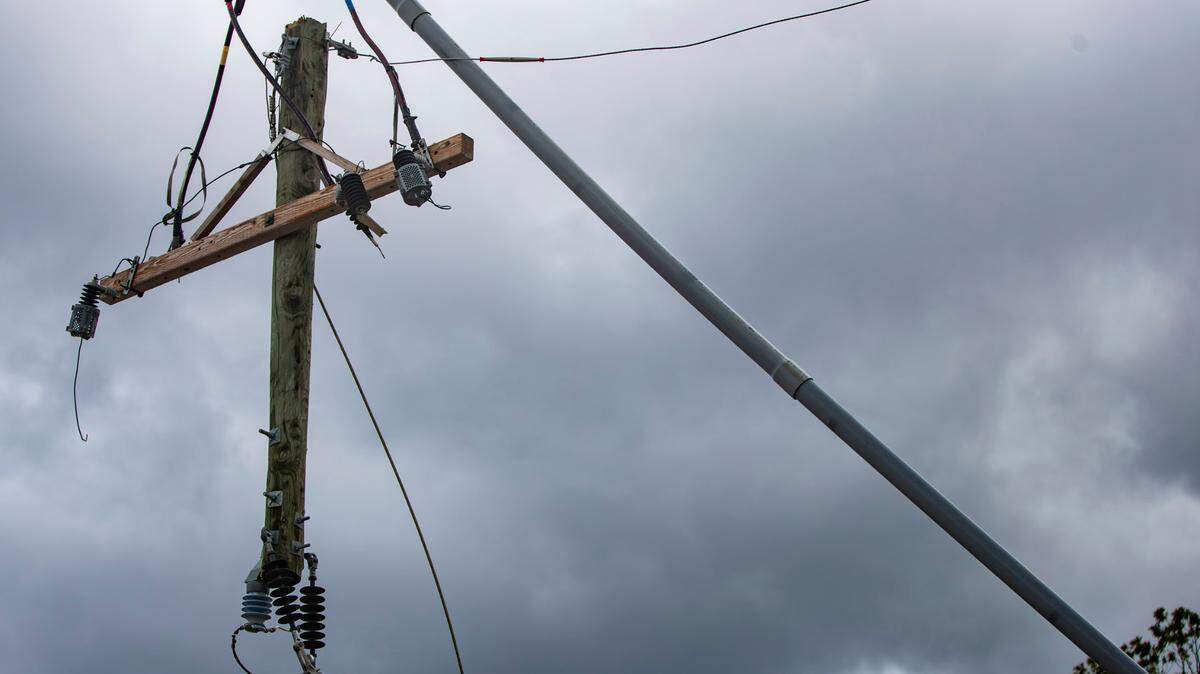
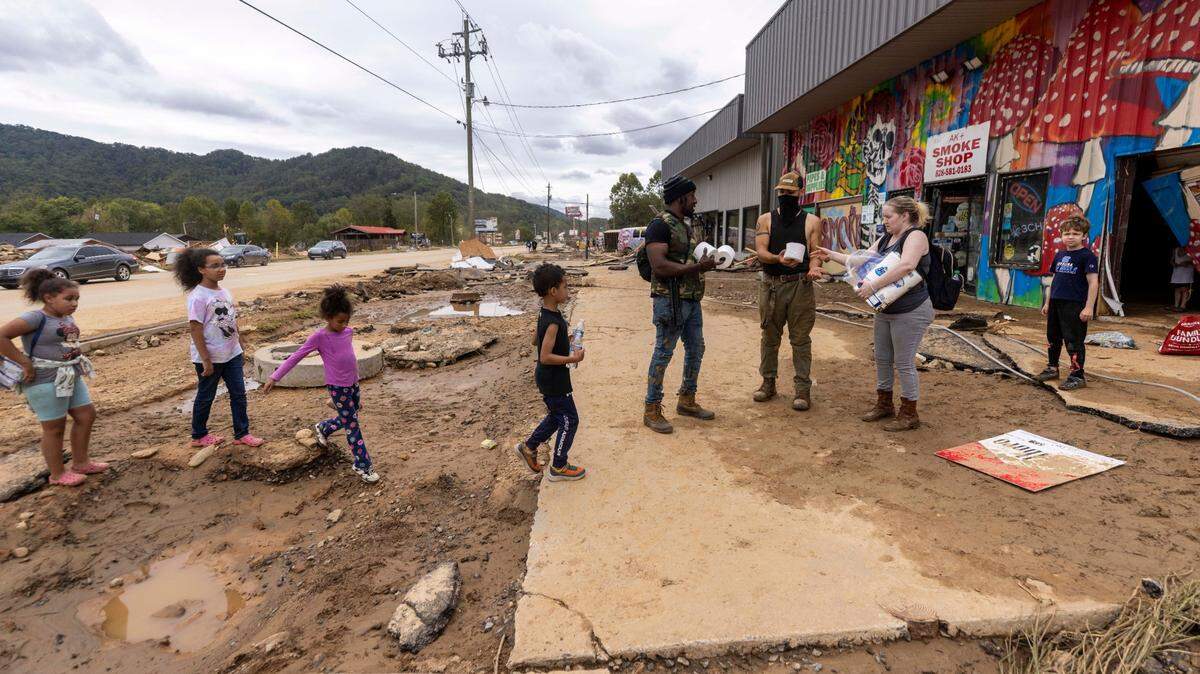
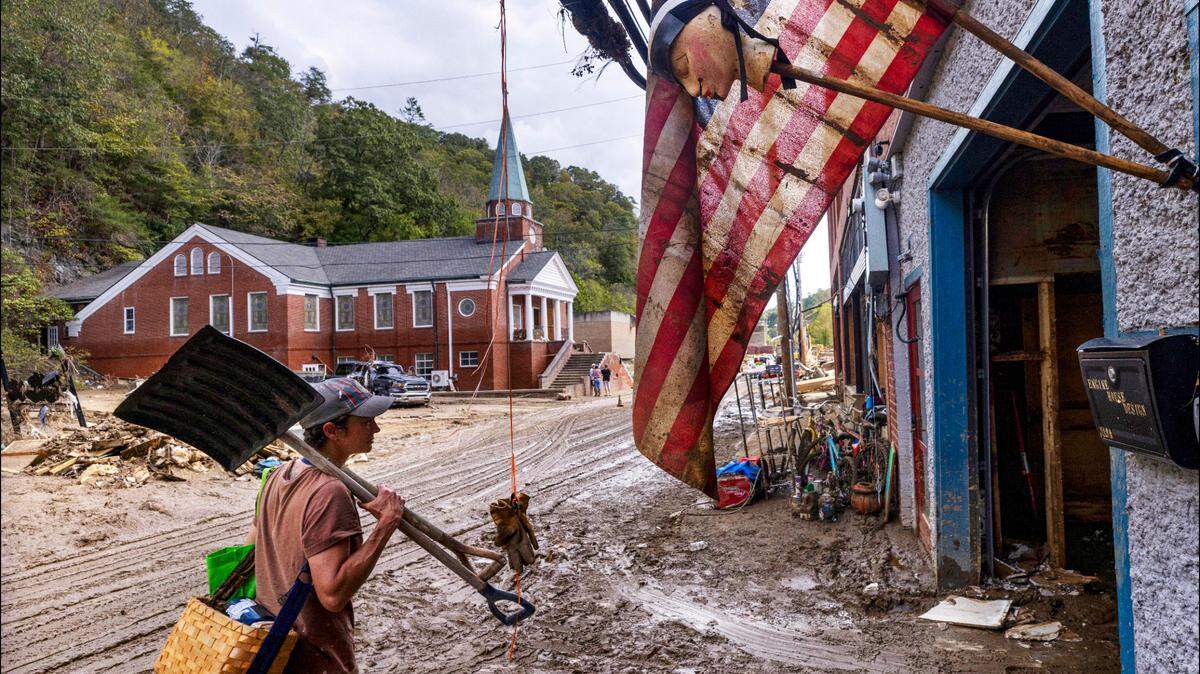
Hurricane Helene raged through western North Carolina, destroying homes, local businesses and thriving tourist areas from Asheville to the town of Chimney Rock.
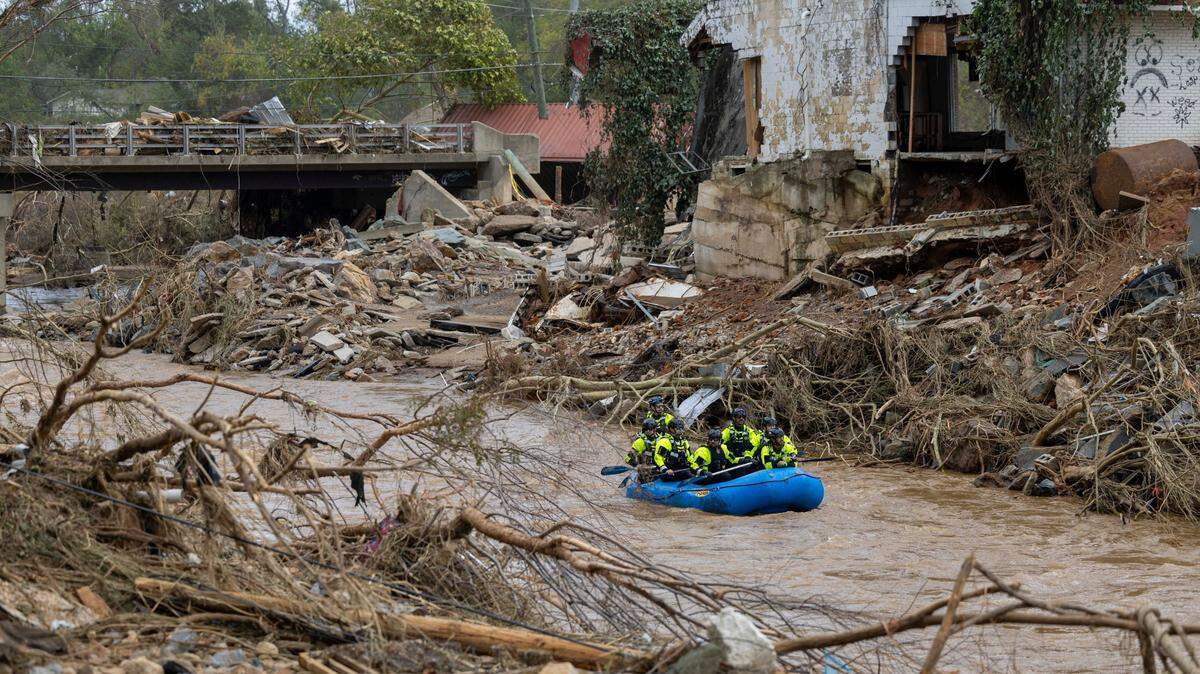
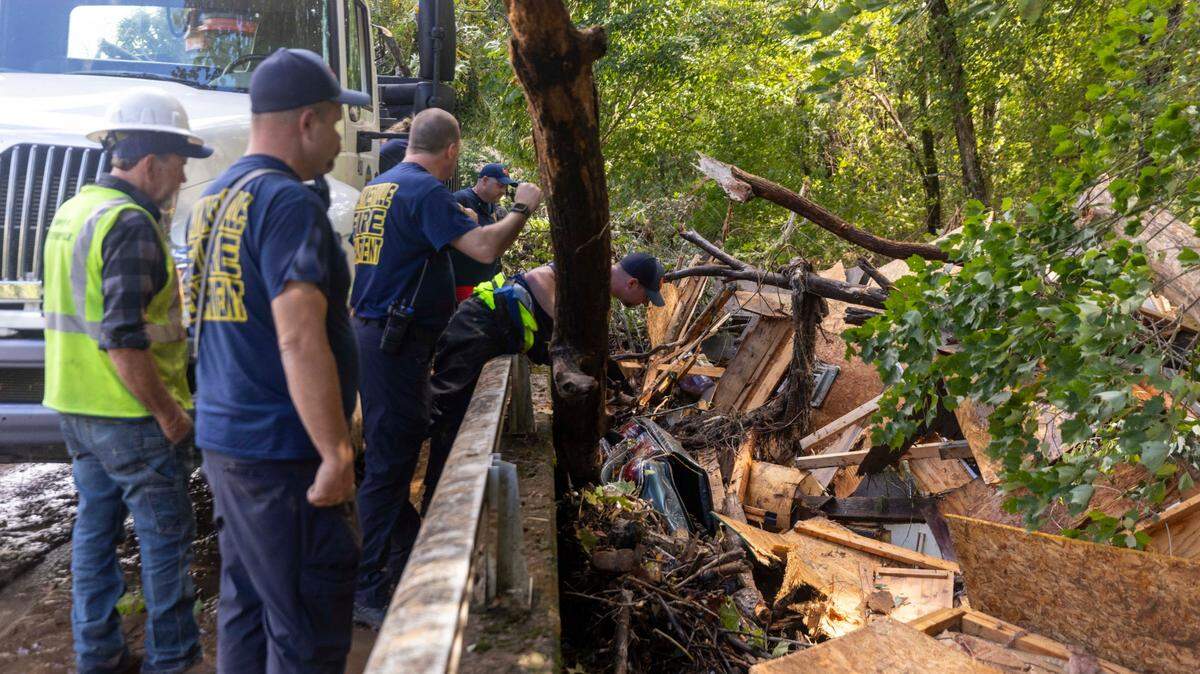
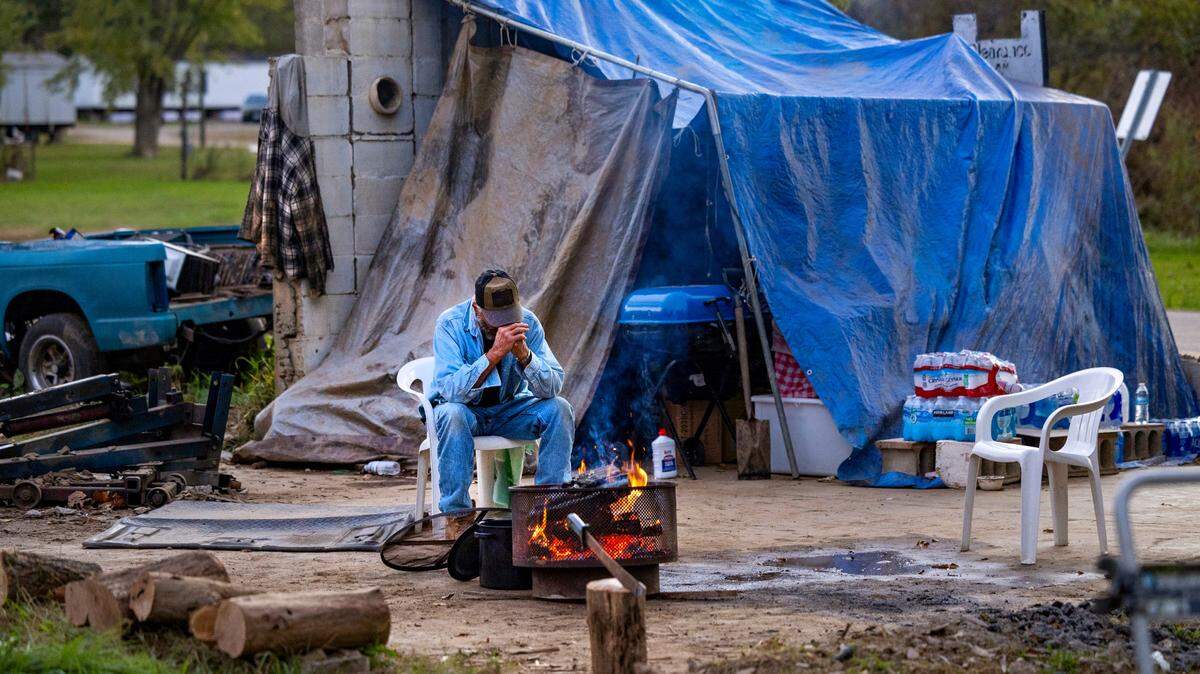
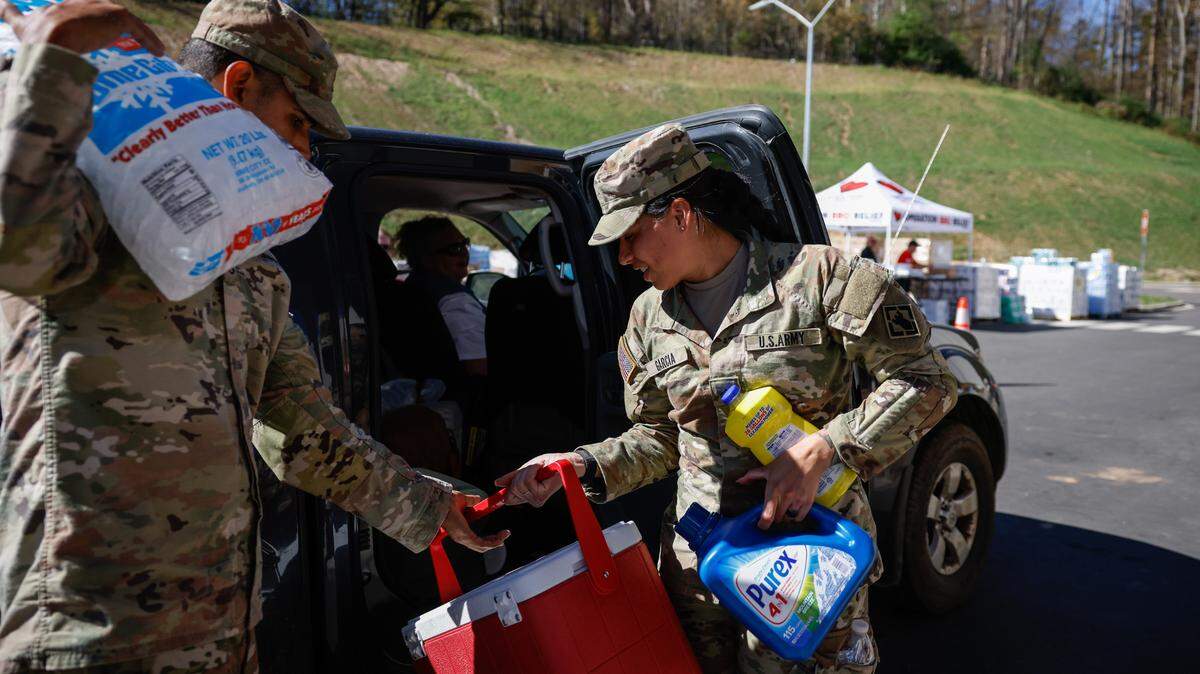
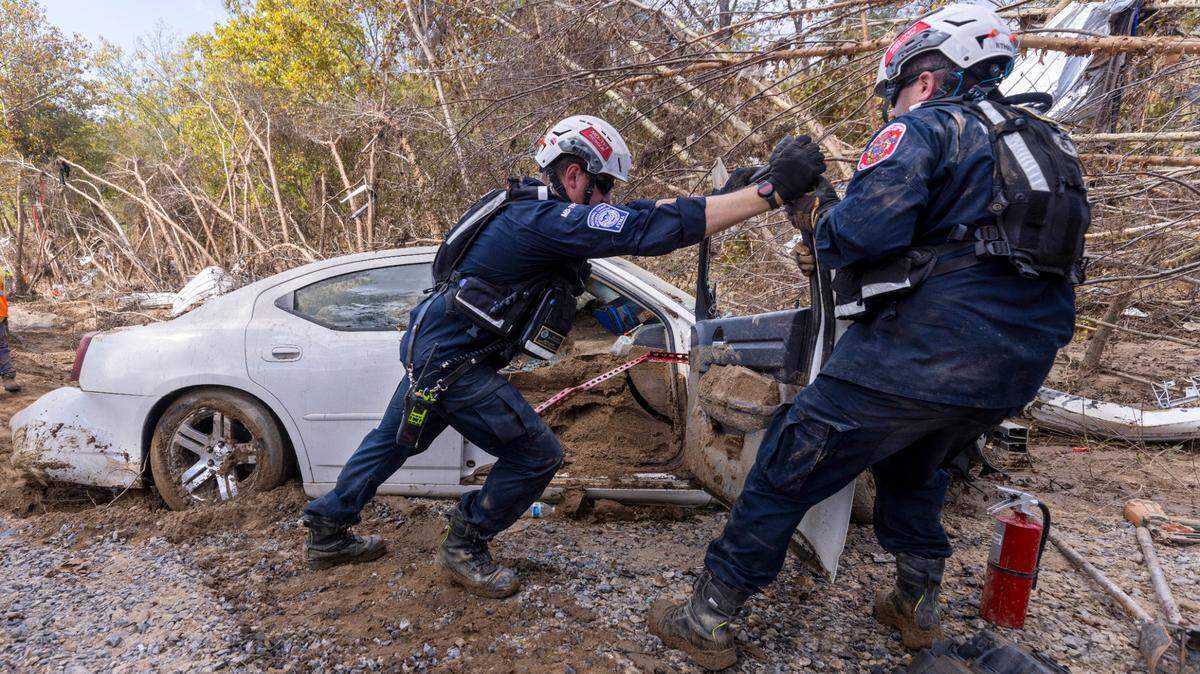
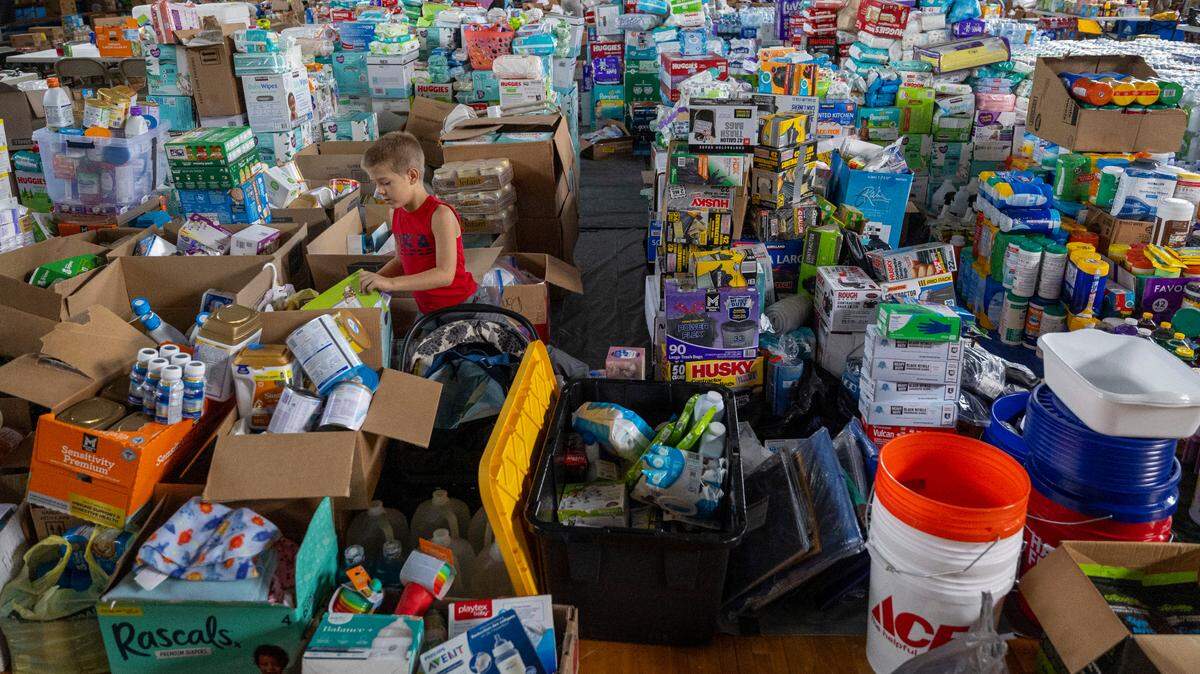
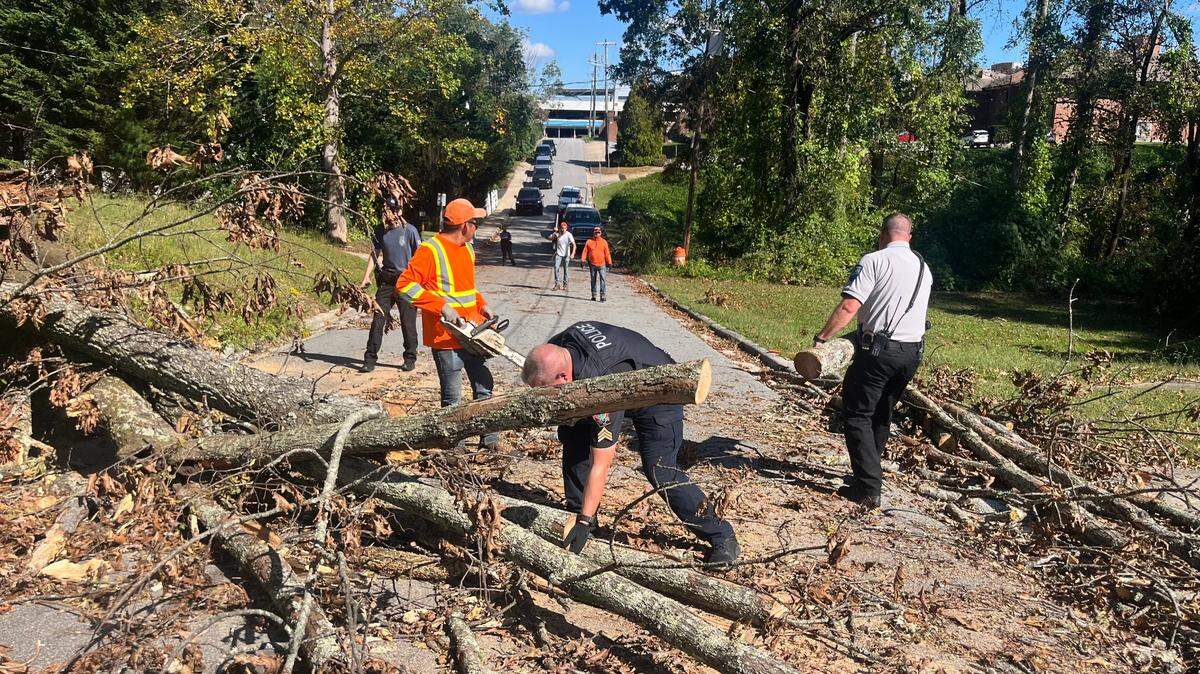
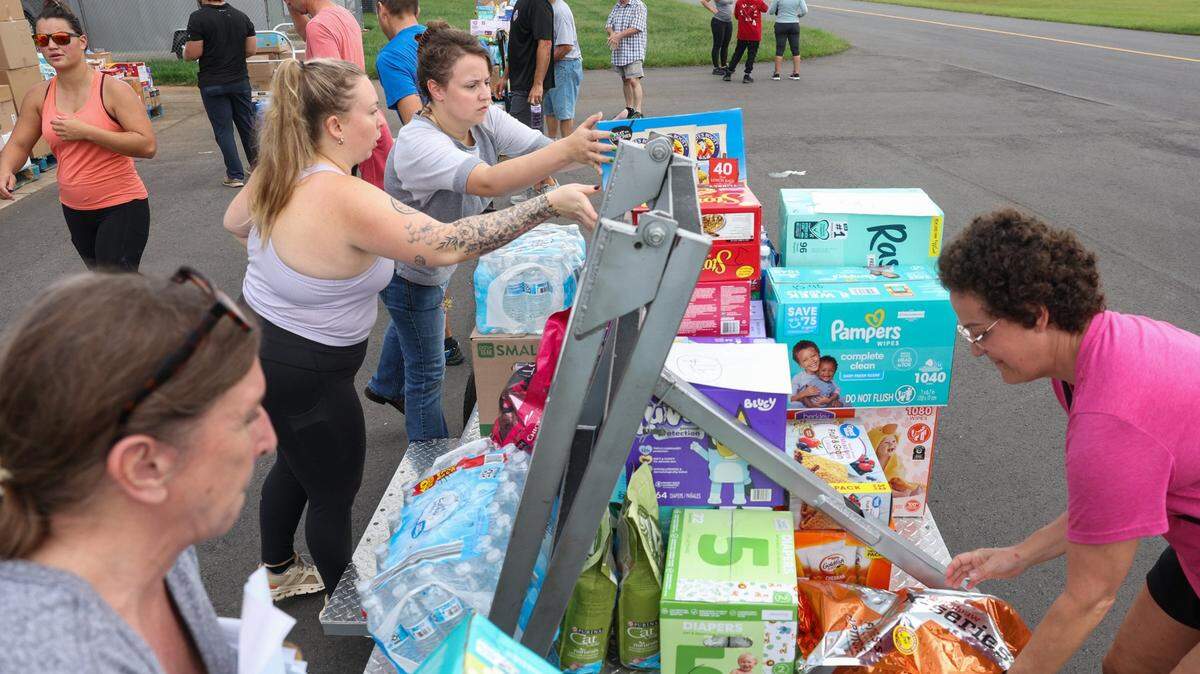
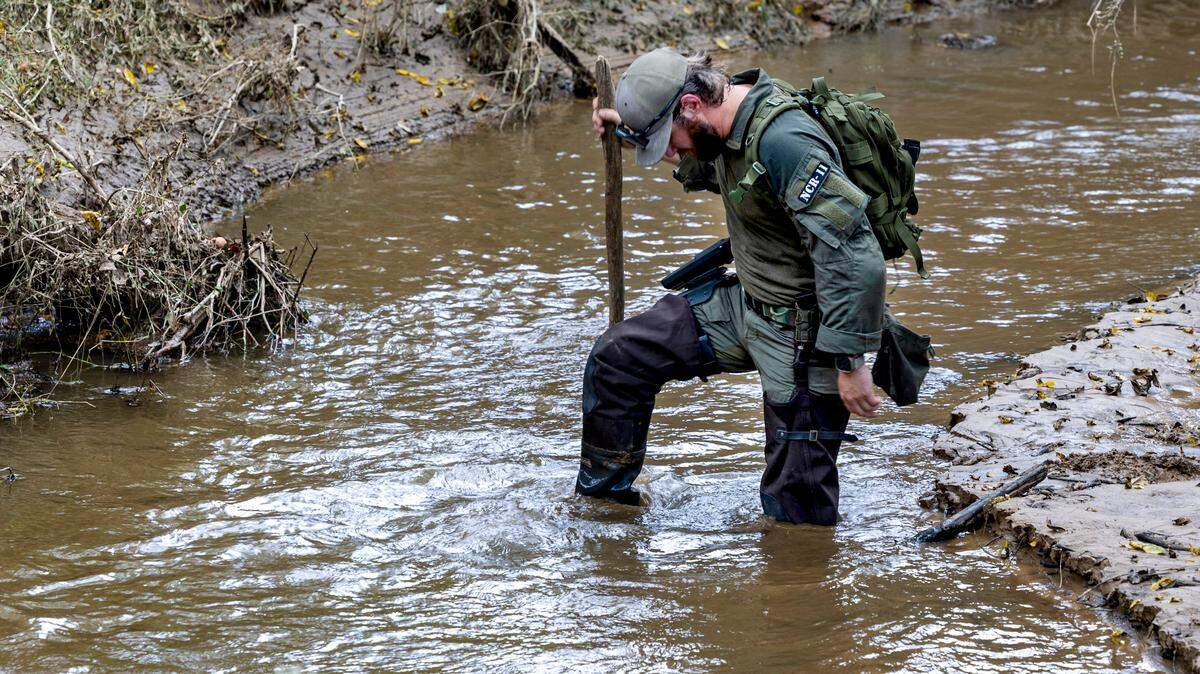
While local, state and federal agencies are focused on search and rescue operations, and delivering necessary supplies to the area, local communities are starting the long road to rebuilding and facing whatever the economic fallout may be.
“I was able to get to higher ground on Friday to try and see the state of the building and it was gone. It was just all water and it was completely gone,” Dean said. “Everything was in that building. Everything is gone…
“Then we started seeing pictures of where the building was, and then a video of our building floating down the Swannanoa and it getting cut in half by a pole.”
Economic impact of the storm
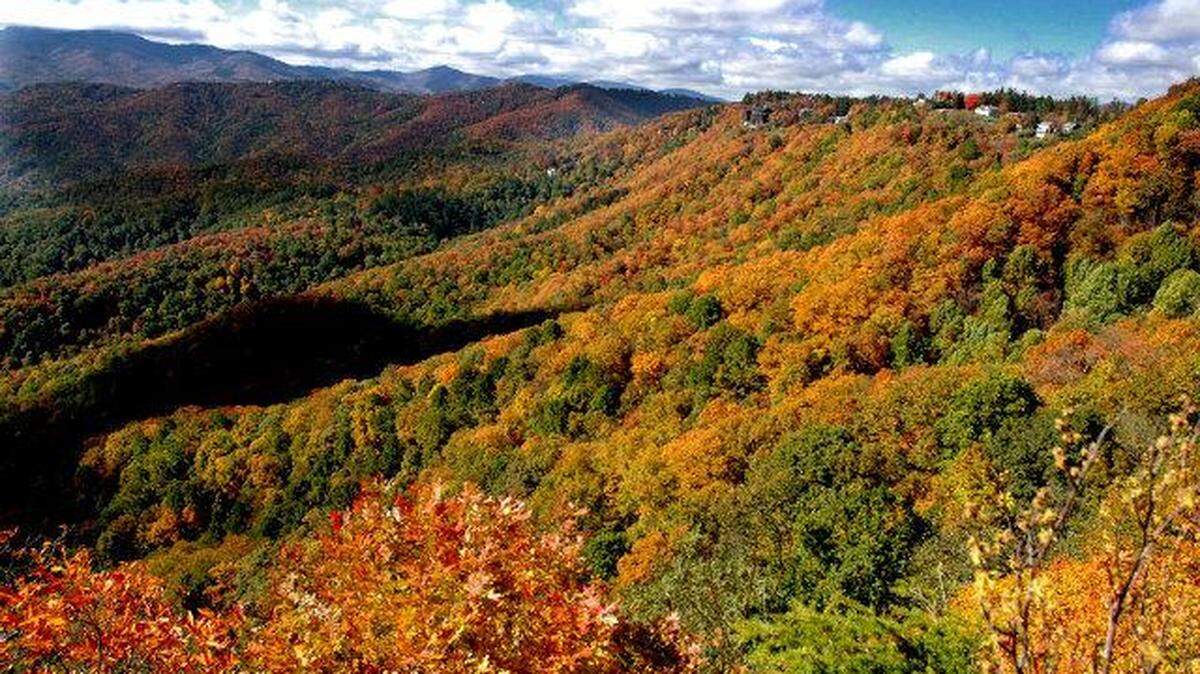
The fall season is a busy time for areas in western North Carolina, “both visually across the Blue Ridge Mountains and for our economic vitality,” said Luisa Yen, director of public relations with ExploreAsheville, the city’s tourism guide. Many people come to gaze at the colors of the fall foliage, for instance.
Tourism is one of the area’s biggest economic drivers, particularly for Asheville and Buncombe County. And last year was record-breaking. About 14 million people visited the region, spending about $3 billion, according to a local Tourism Economic Impact Report produced by the county tourism agency.
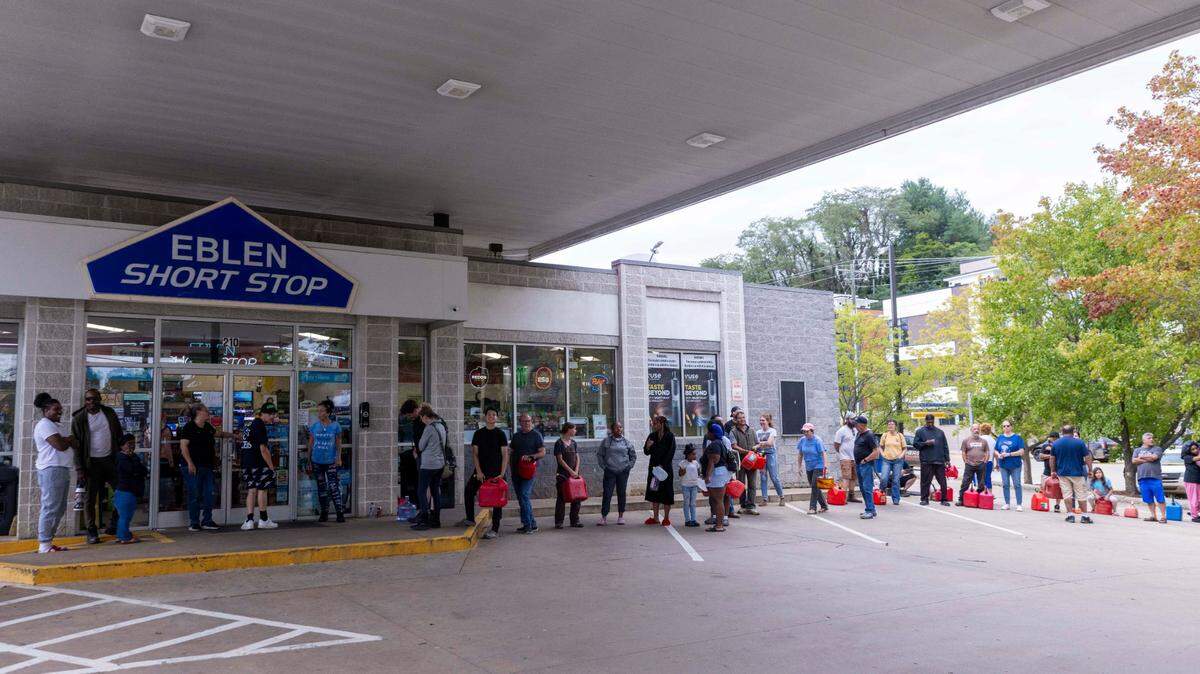
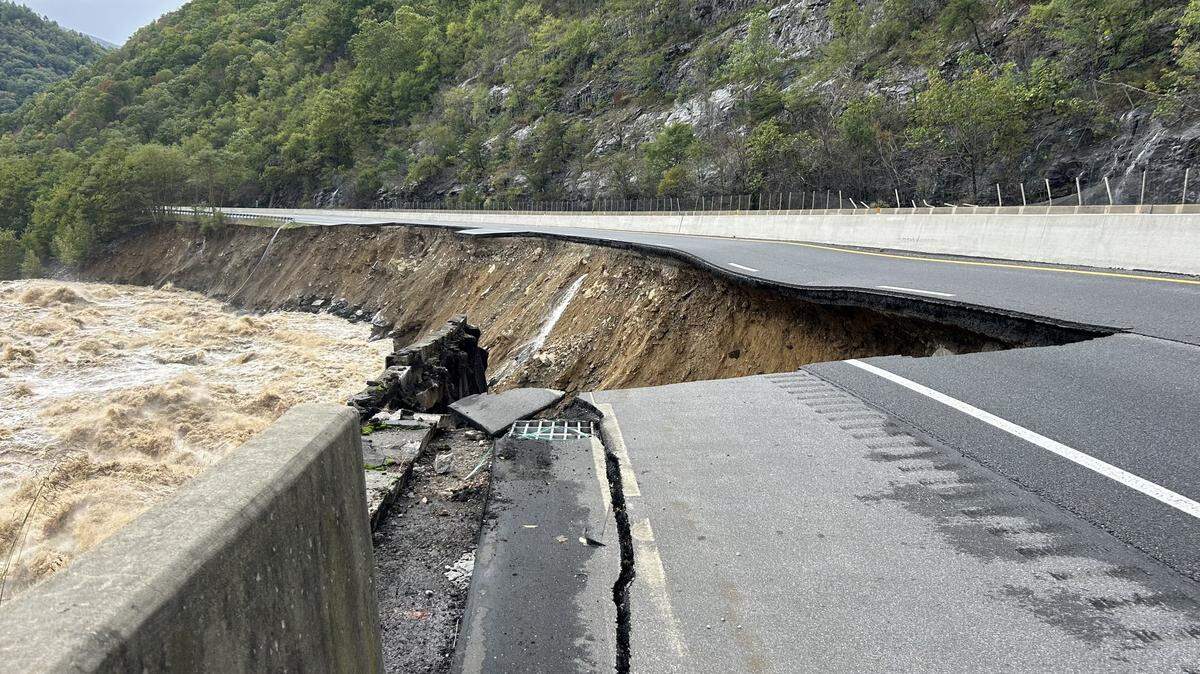
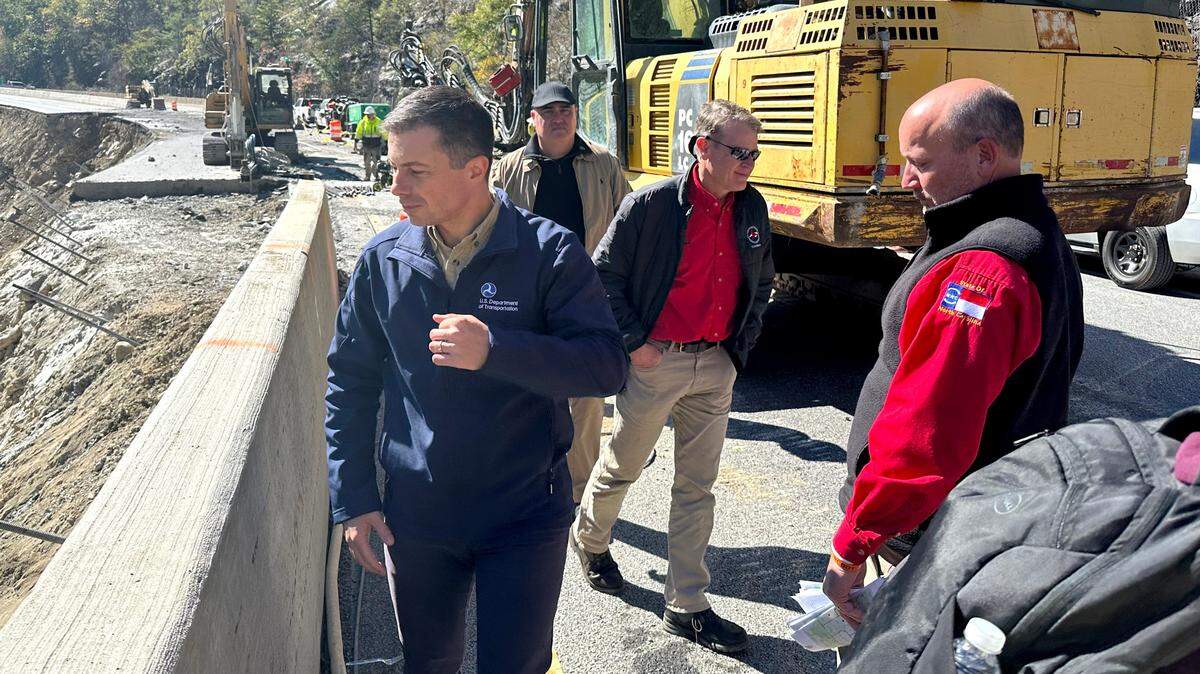
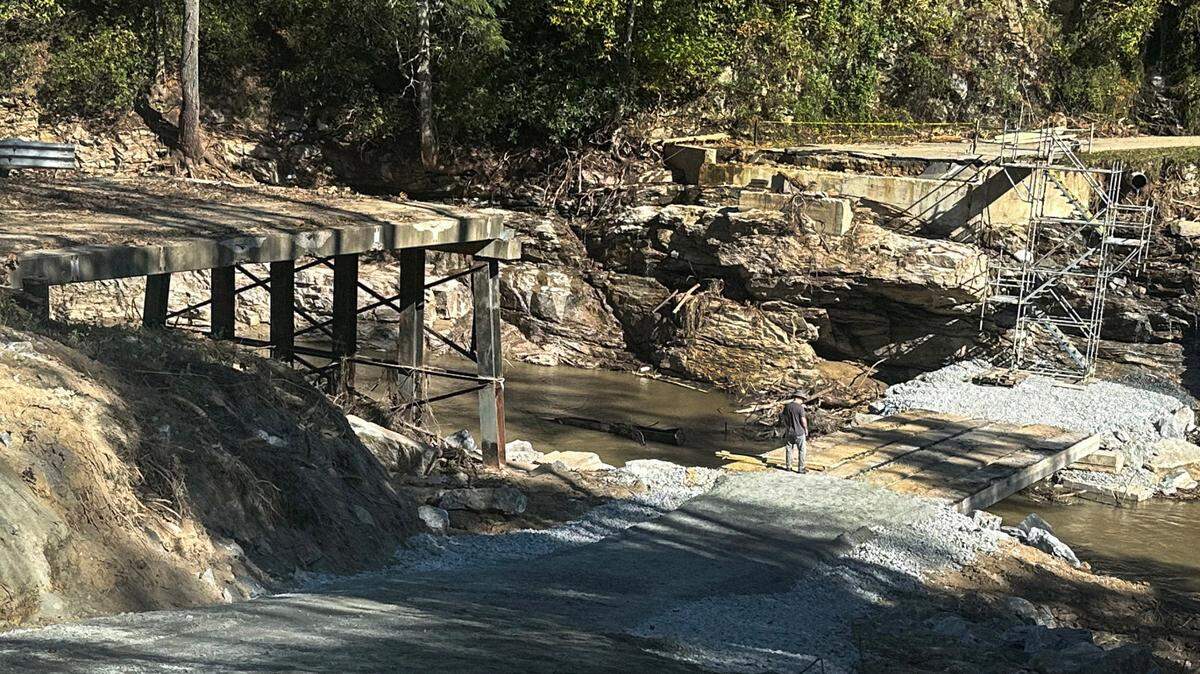
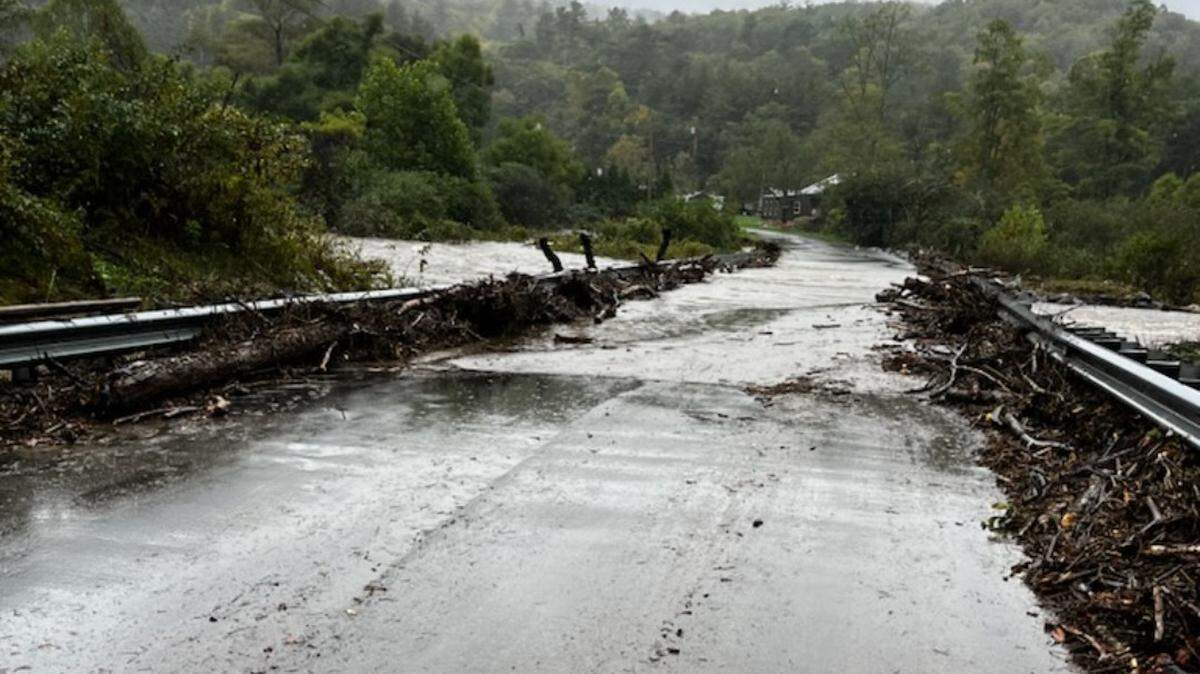
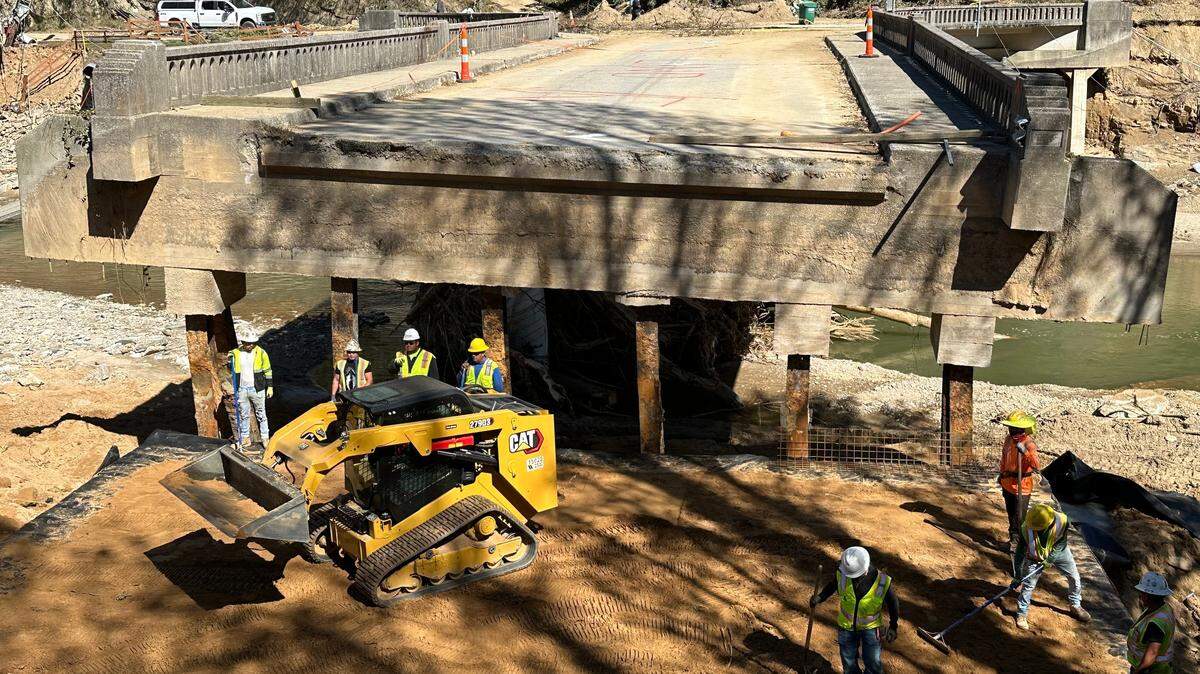
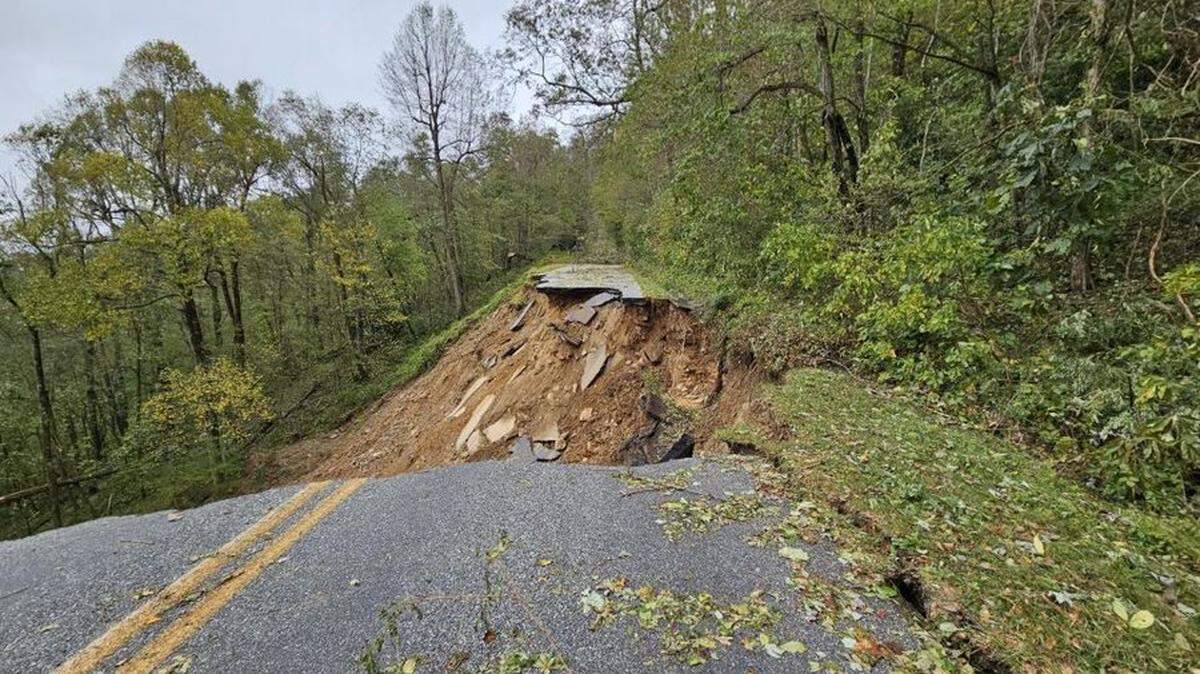
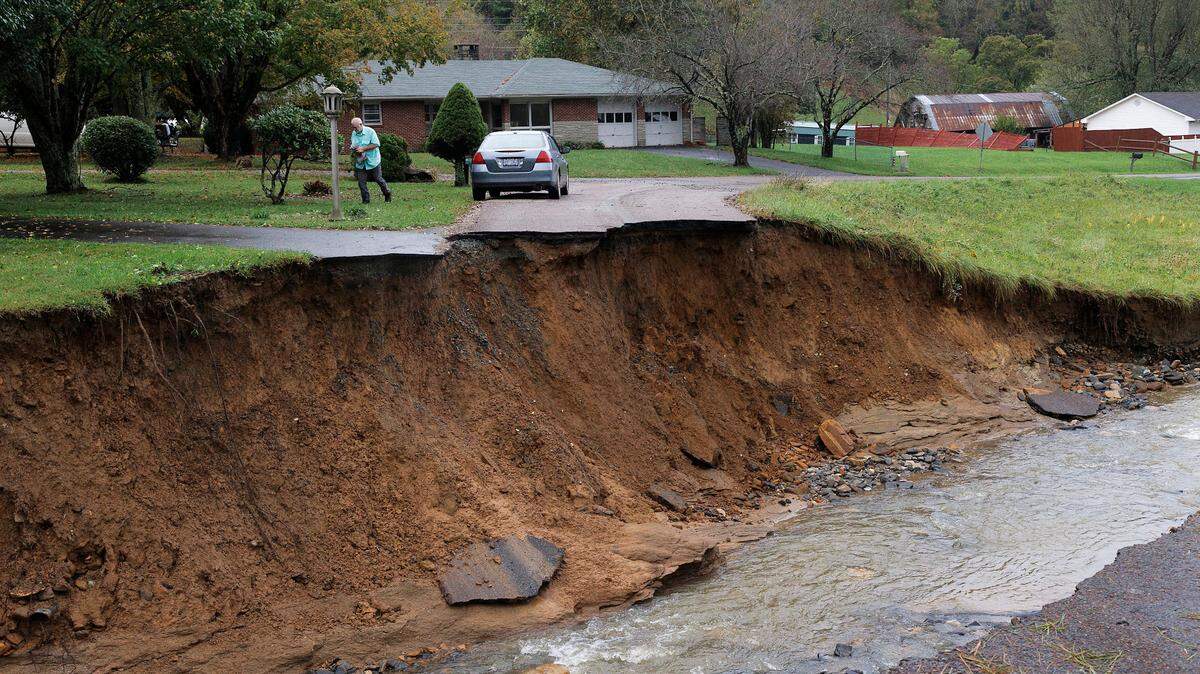
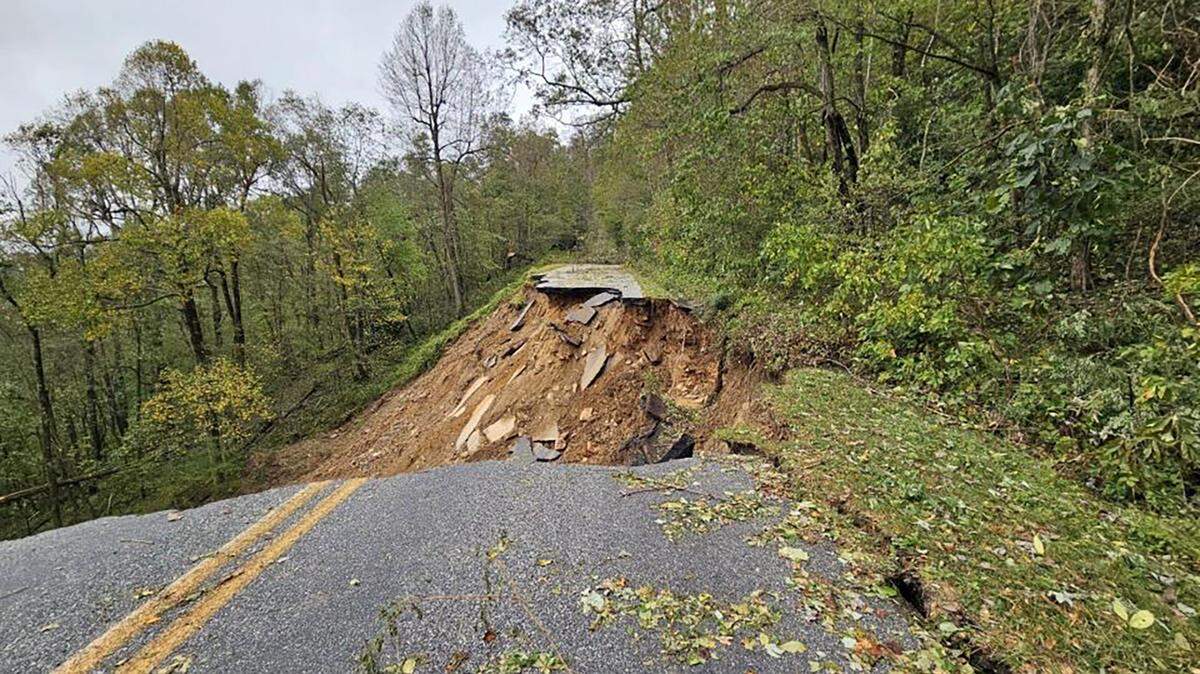
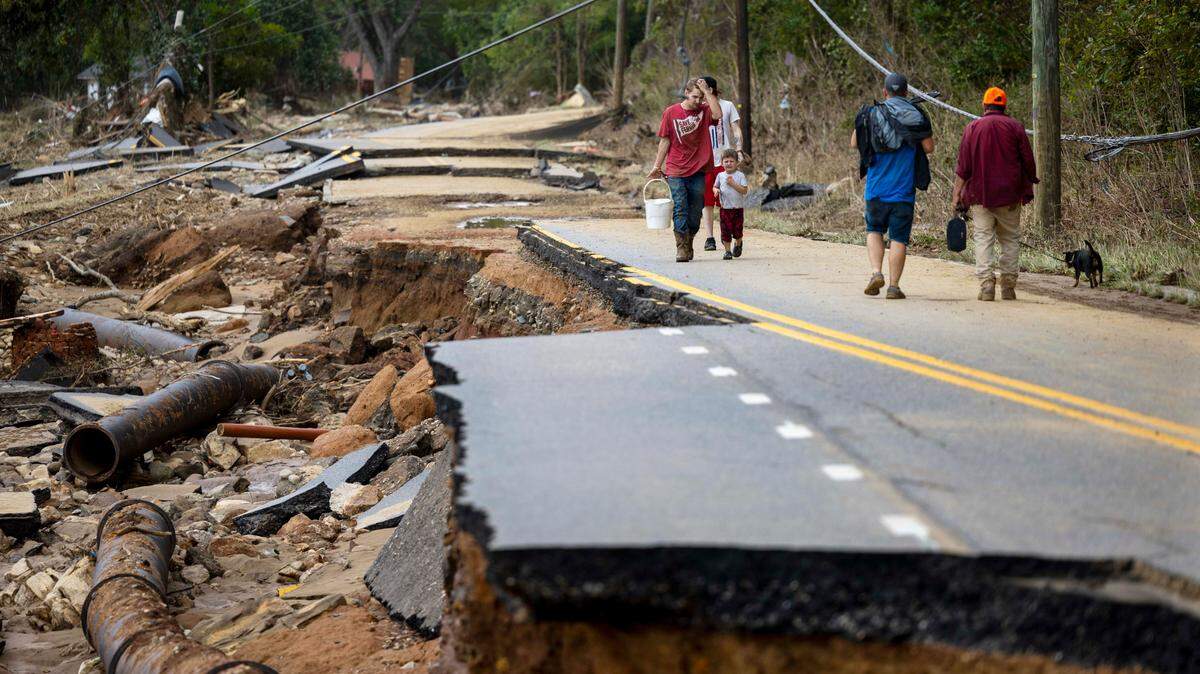
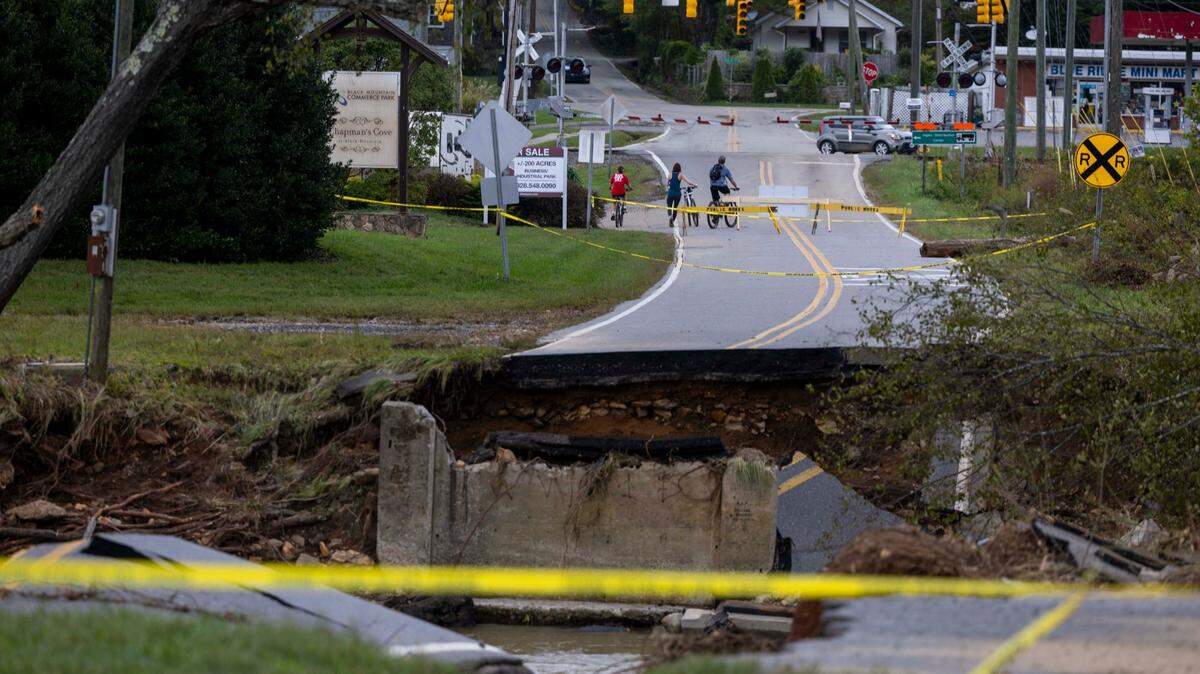
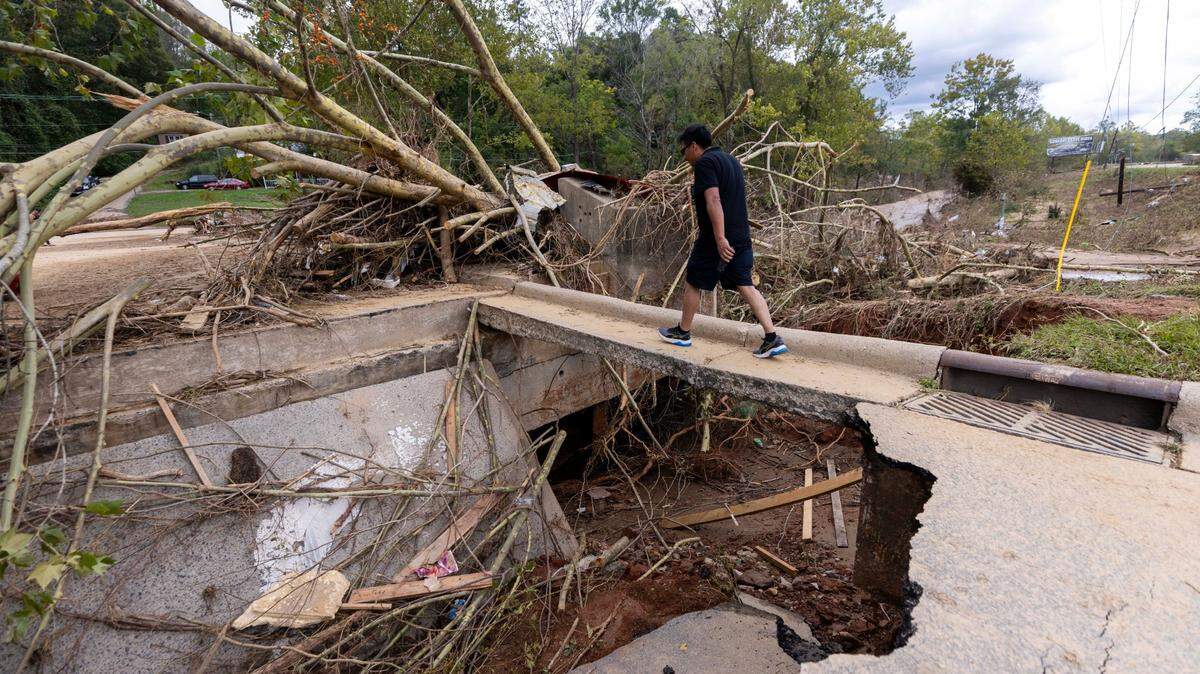
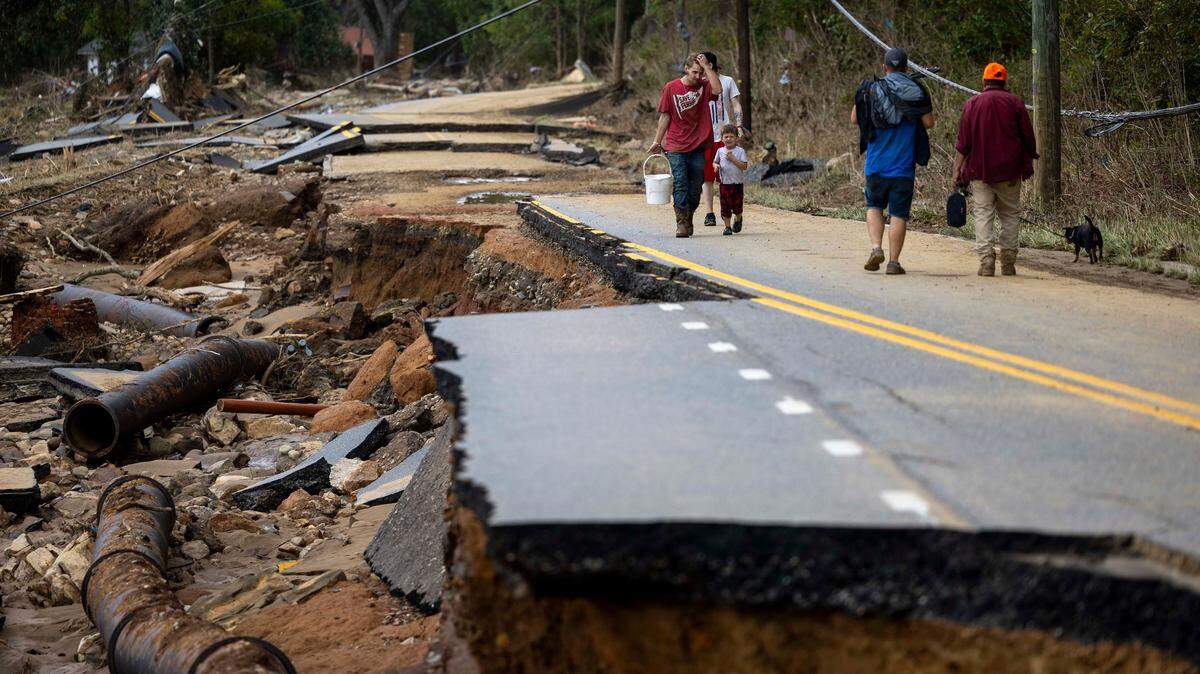
But as of now, Asheville and Buncombe County are isolated, with numerous roadways destroyed. And many attractions remain closed, including the historic Biltmore Estate. Or some have been completely swept away, like Main Street in the town of Chimney Rock.
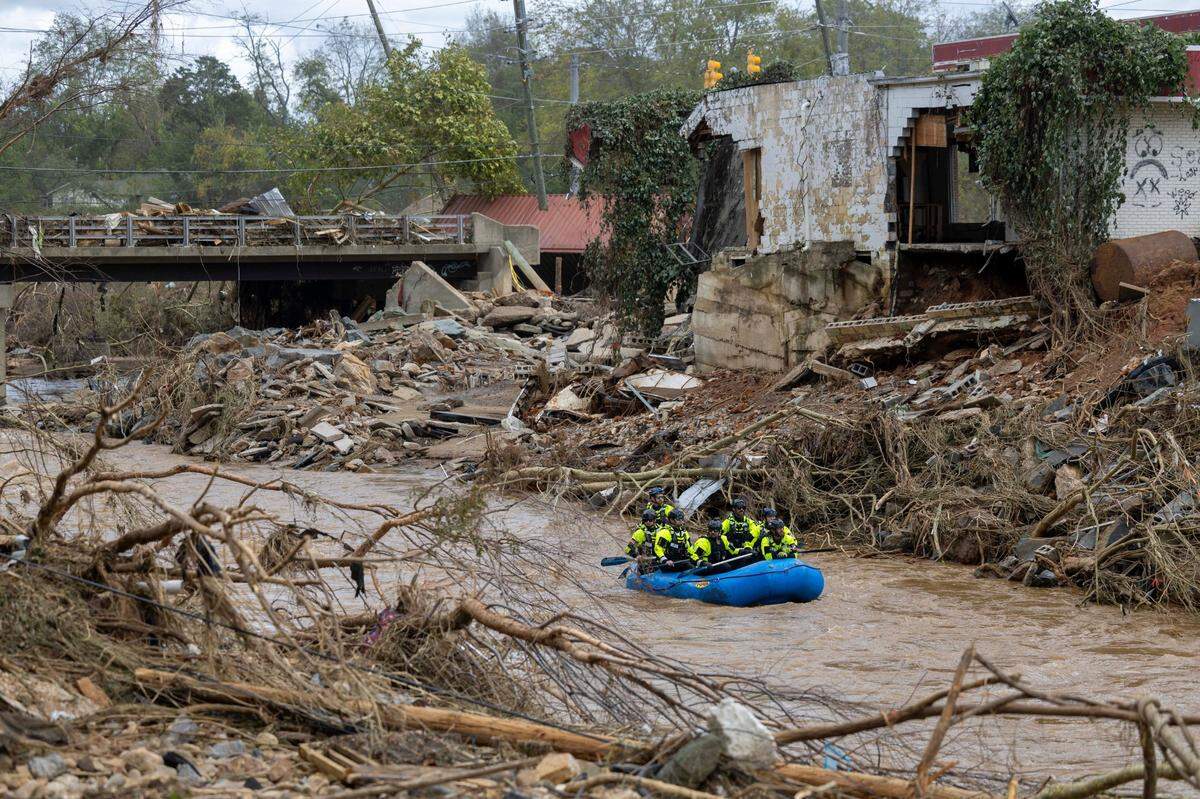
According to AccuWeather, total damage and economic loss from the storm is totaling between $145 billion and $160 billion for the states. And that figure could increase as more damage across the Carolinas, Florida, Georgia, Virginia, West Virginia, Kentucky and Ohio are assessed.
“This is definitely going to hurt. Our hearts and minds are focused on supporting our community right now and starting to lay the foundation for recovery in the days and months ahead,” Yen said in an email interview with The Charlotte Observer.
The Biltmore Estate after Helene
About 70% to 80% of the arts buildings in the popular River Arts District were “compromised,” according to Heather Divoky, marketing co-chair for the historic creative hub.

The district sits near the French Broad River, which crested close to 25 feet on Sept. 27. It’s a popular area to visit and explore the work of local artists.
While some of the buildings experienced minimal flooding, the art was still compromised, Divoky wrote in an email, noting that humidity will eventually cause mold, and some artwork is on paper.
“We have 355 artists and organizations in the (district), and in one way or another all of our creative lives have changed,” Divoky wrote.
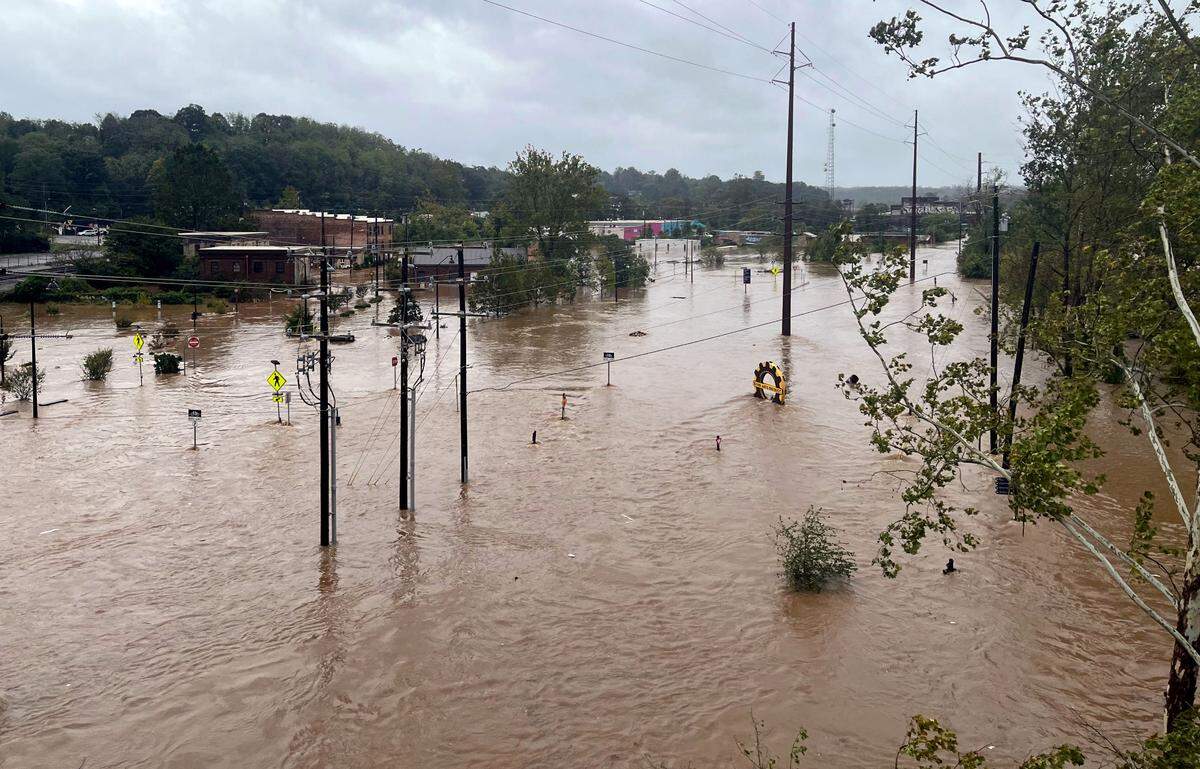
Biltmore Village is another popular destination filled with local boutiques and history. It also has suffered heavy damage from the storm. Like Asheville Tea Company, it sits along the Swannanoa River and remains very inaccessible.
Biltmore Estate, which is south of the village, will remain closed through Oct. 3. It’s unclear whether one of the state’s most popular attractions, a Gilded Age, 175,000-square-foot home built by George Washington Vanderbilt II, sustained any damage.
But it sits closer to the French Broad River. A Biltmore Estate official could not be reached for comment Wednesday.
Other lodging sites, including the upscale, historic Omni Grove Park Inn and Wrong Way River Lodge & Cabins, which is known for its A-frame cabins, are also closed. On social media, Wrong Way said it sustained significant damage and the Omni said it is without water or power.
East of Asheville, the town of Chimney Rock, another popular tourist destination, was mostly wiped away by rising water from the Broad River.
Next steps after Helene
For all of these communities, next steps include a search for funding to help them rebuild.
Yen said ExploreAsheville has a list of organizations on its website that people can support, including MANNA FoodBank. Divoky said the River District is taking donations that will directly go to artists affected by the damage. Arts North Carolina, a nonprofit that supports the art industry in the state is also accepting donations for creatives.
“Our next step is to create a path forward,” wrote Jeffrey Burroughs, president of the district. “We are only just beginning to communicate via text as of (Monday). We are looking to raise money for our artists, clean up, and building support...It will take a great effort to rebuild, but we are artists, we live to create and are up for the task at hand.”
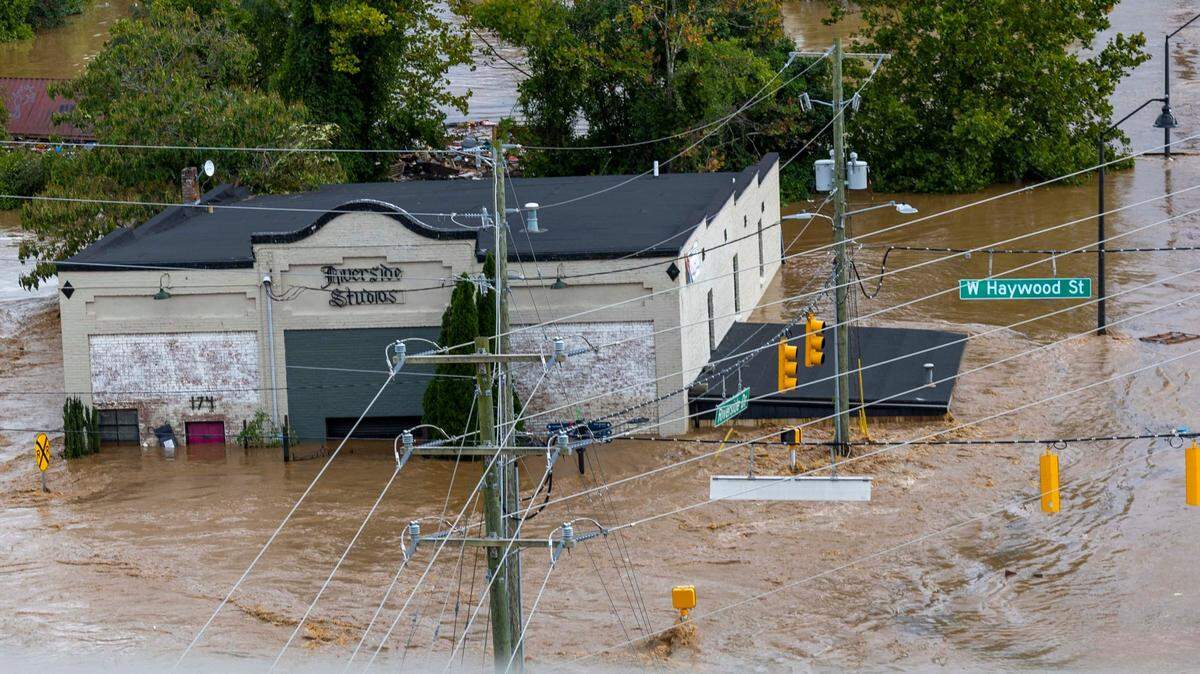
For Asheville Tea, Dean said the team is “committed to the long ride” of rebuilding and helping out the community. Asheville Tea is also asking for donations, as well as looking into federal aid.
It’s unclear what the economic landscape will look like for western North Carolina. Dean said the road to normalcy will be long but the community already knows how to stick together.
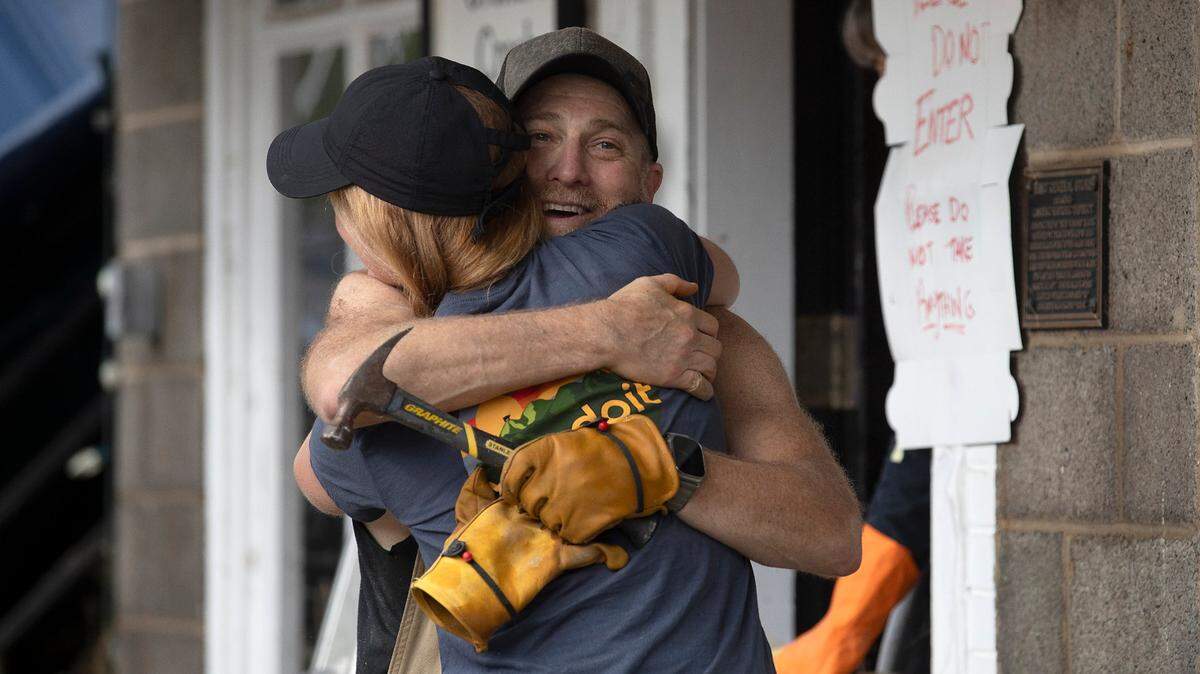
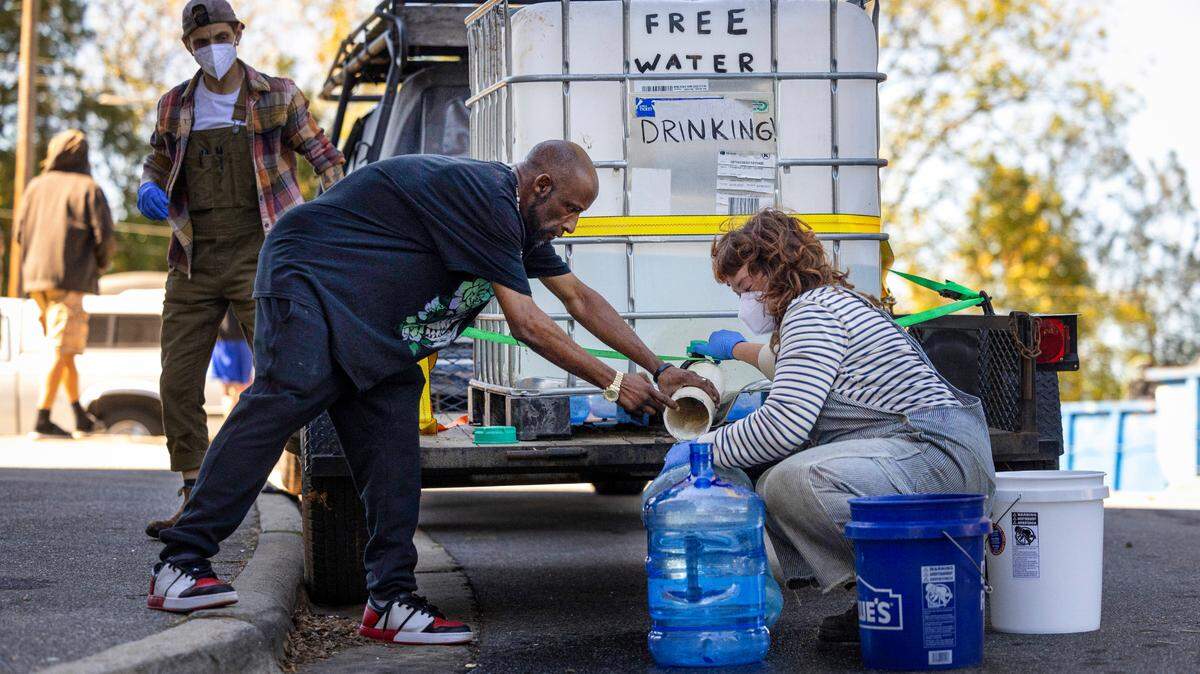
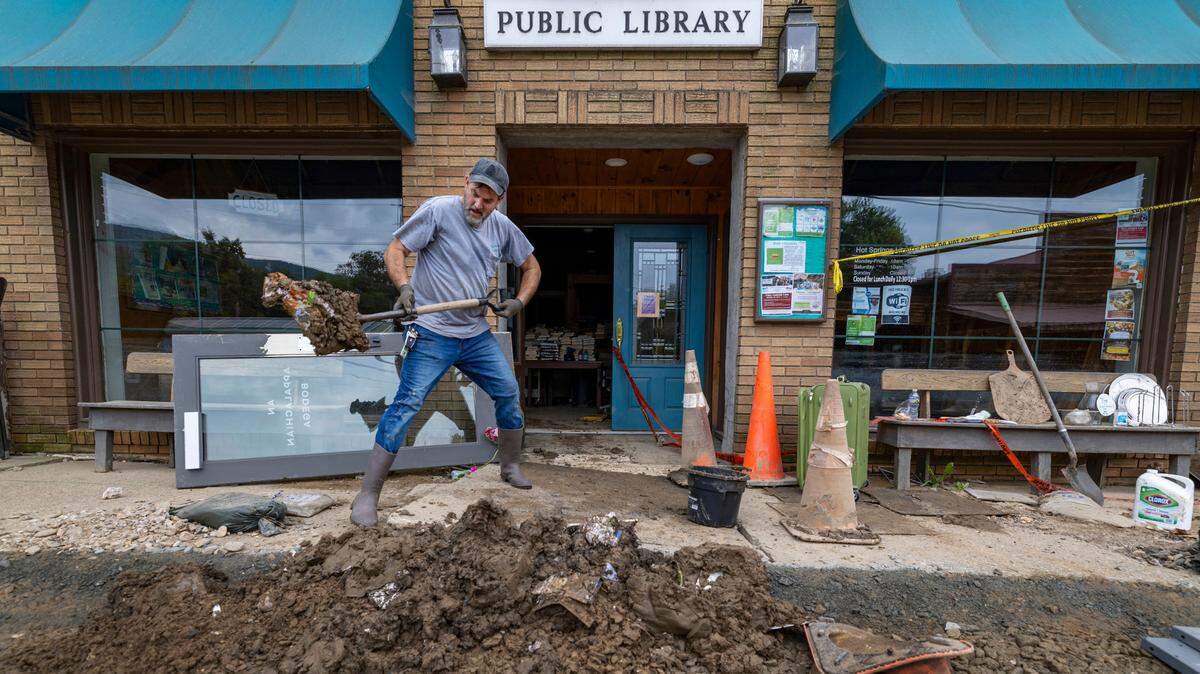
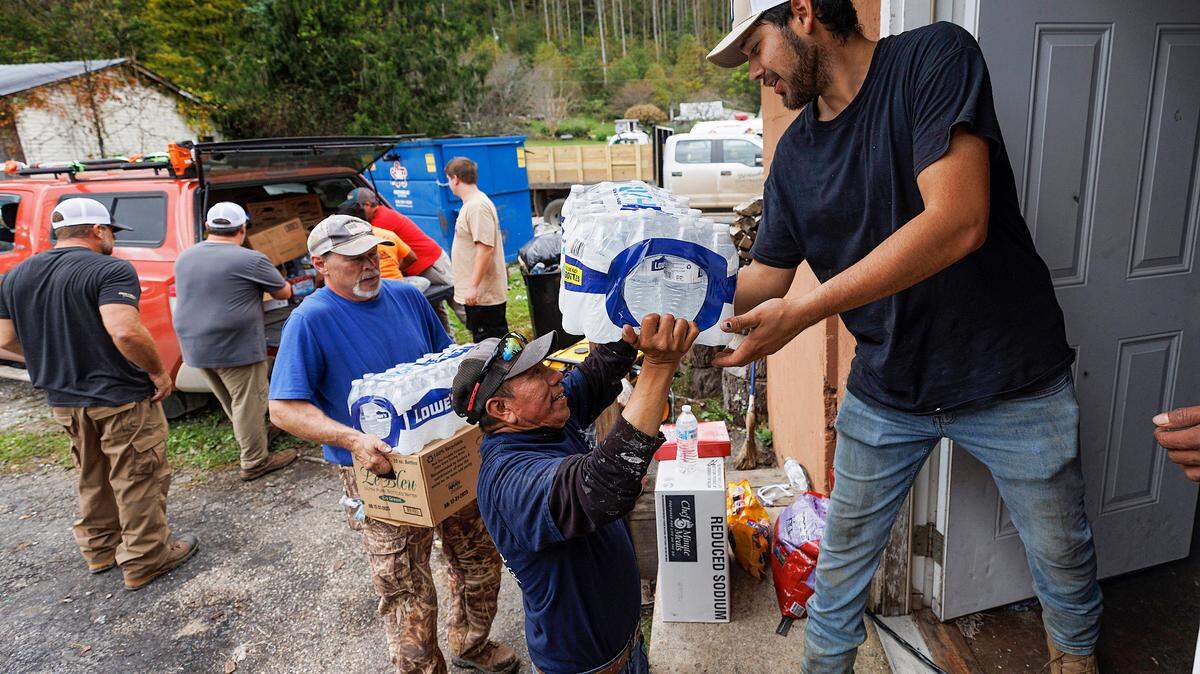
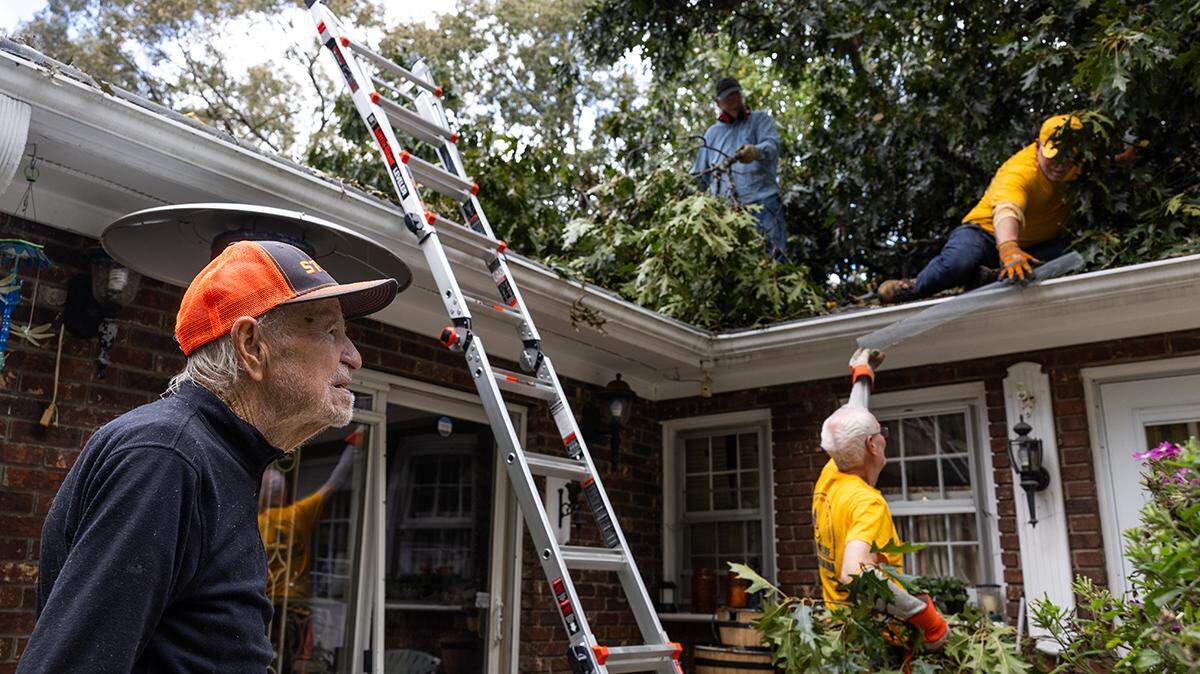
“Neighbors are out and helping each other. Cooking for each other and going into their friends’ properties and trying to help restore anything that can be restored,” Dean said. “There’s just a huge immediate outpouring of love and effort within Asheville and that’s really special.
“The magic of Asheville will rebound, it’s just going to take a long time.”
This story was originally published October 2, 2024 at 5:40 AM.







.jpg)

.jpeg)
.JPG)


















.JPG)