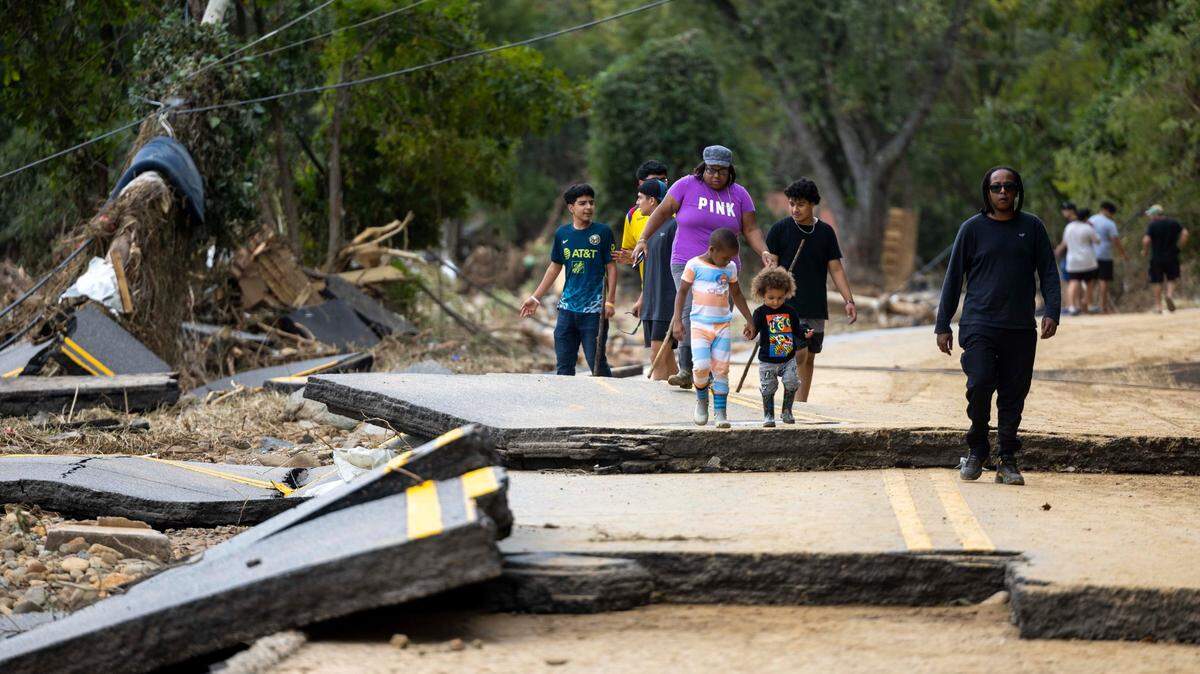
Fake, misleading images of Helene spread on social media. Here’s how to spot them.
READ MORE
Hurricane Helene Aftermath
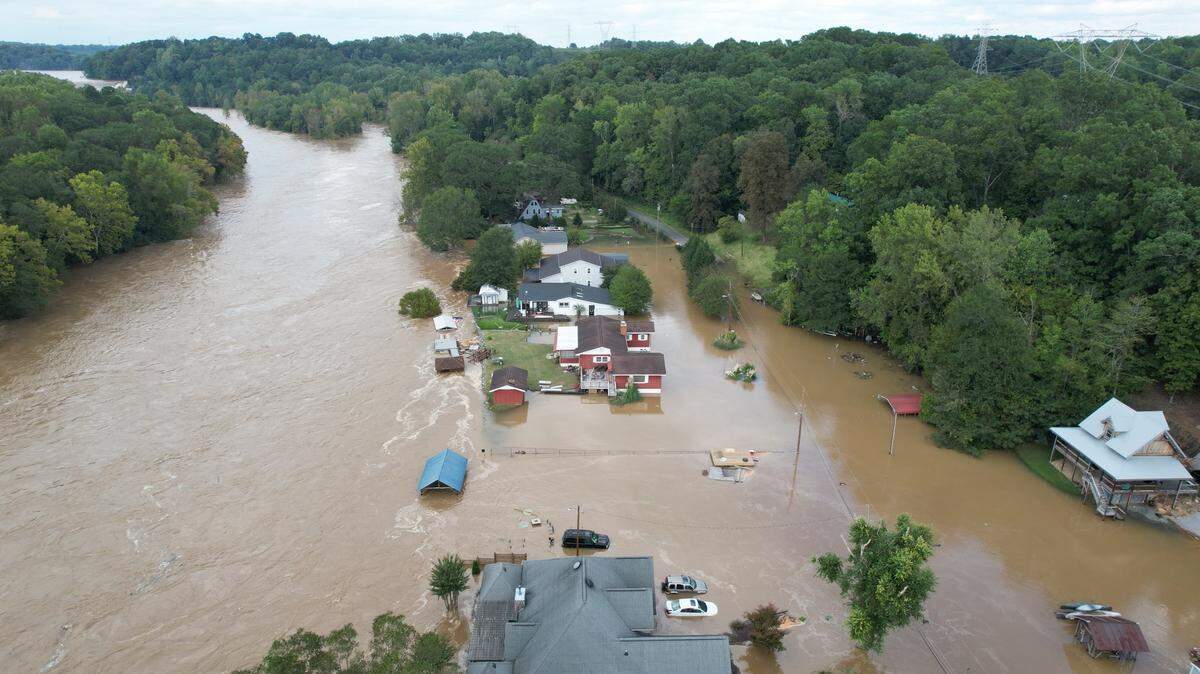
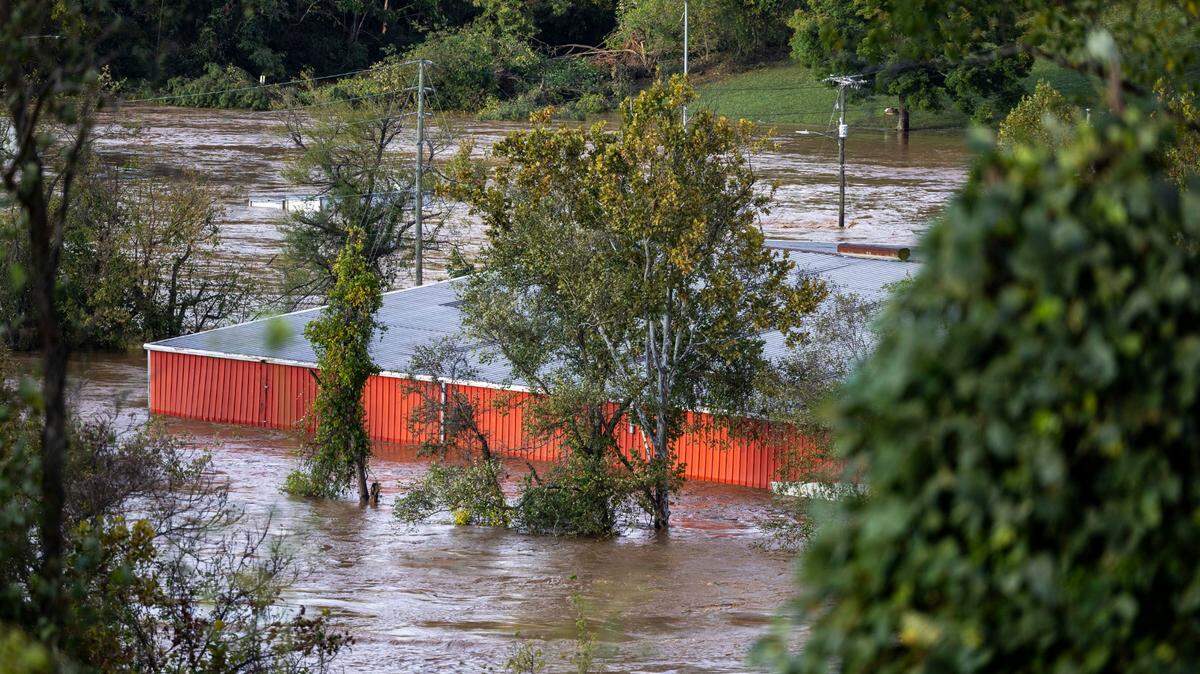
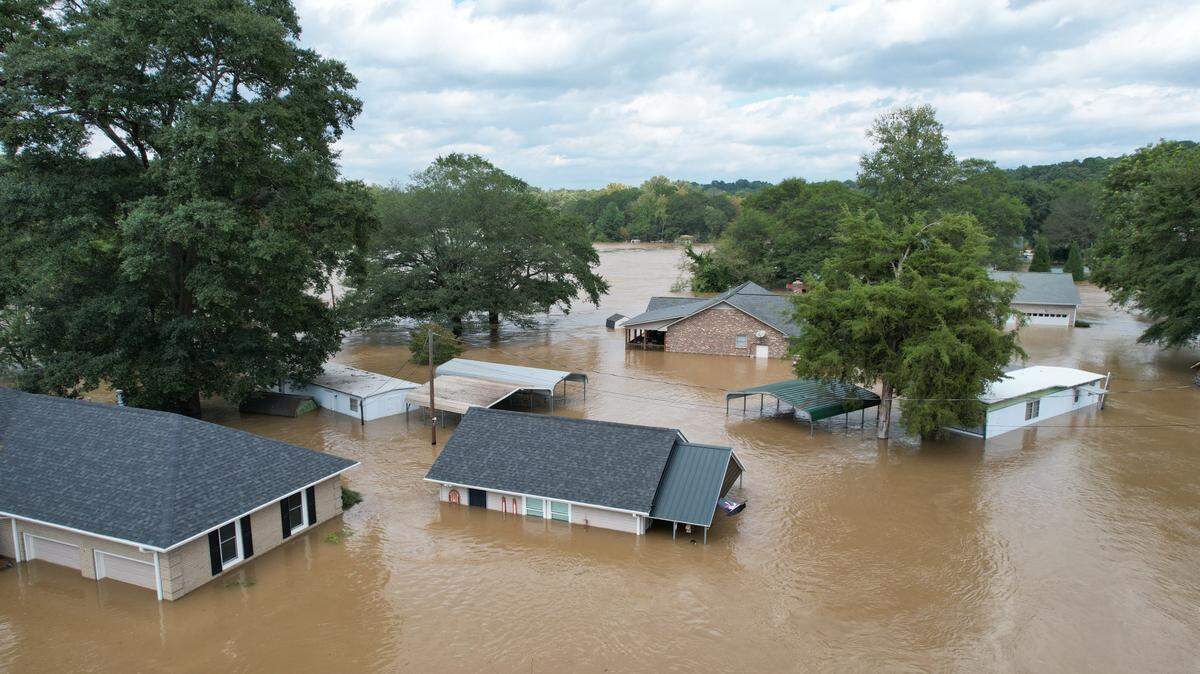
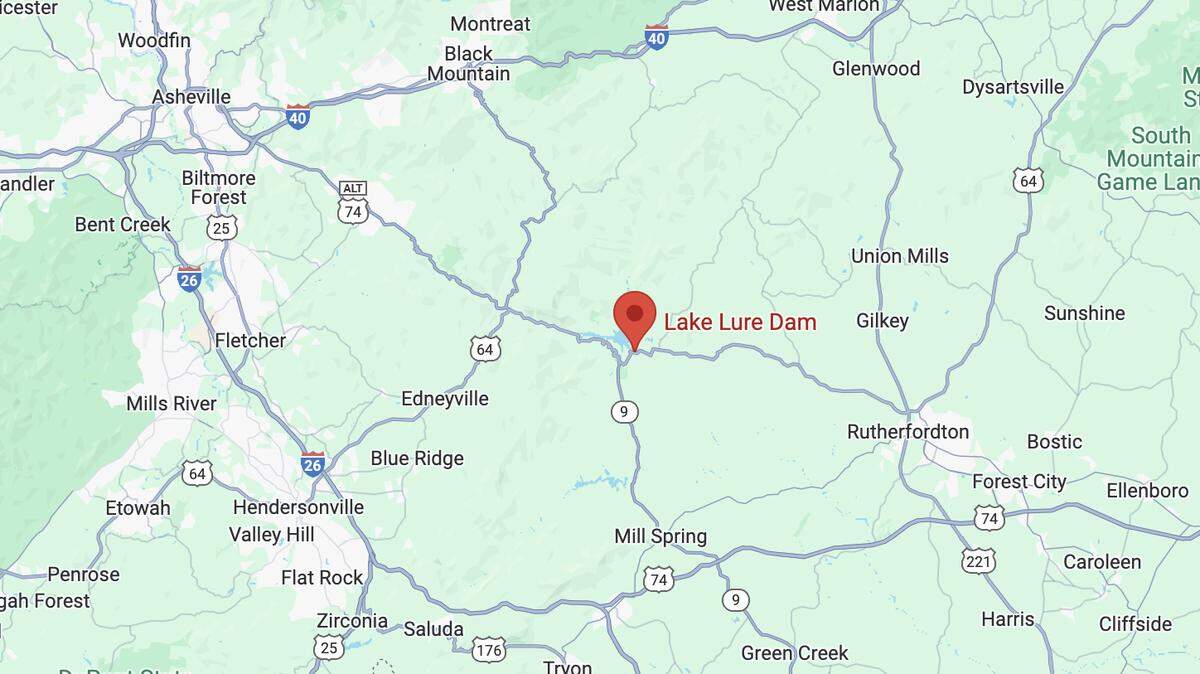
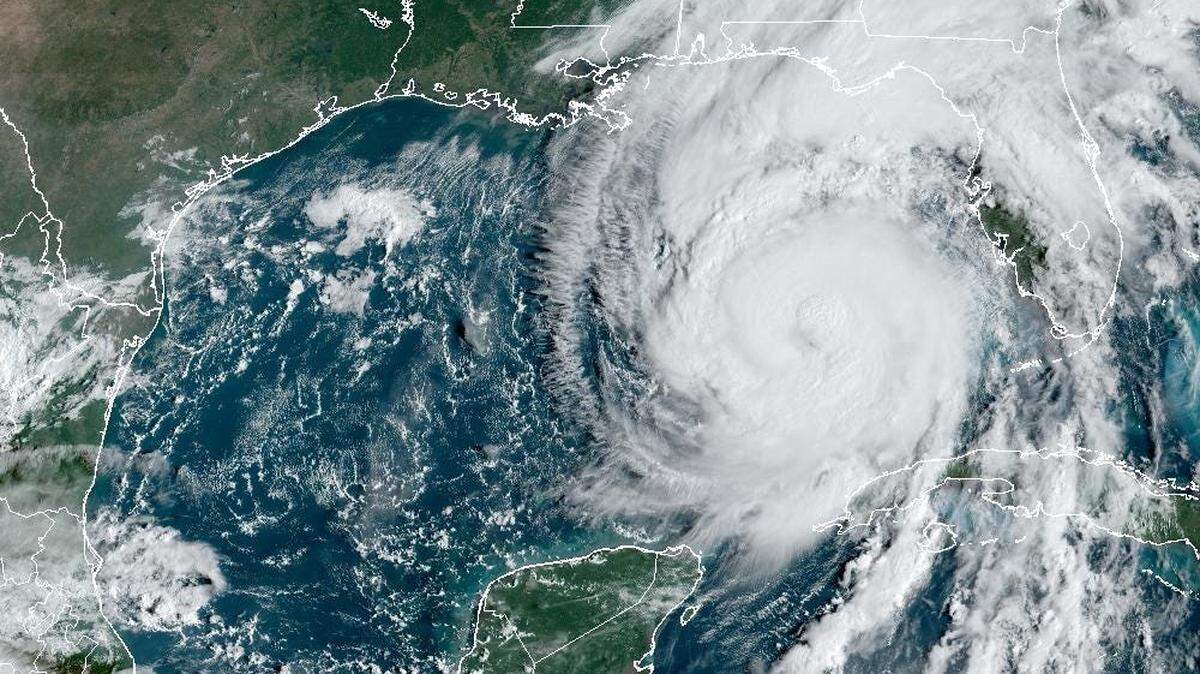
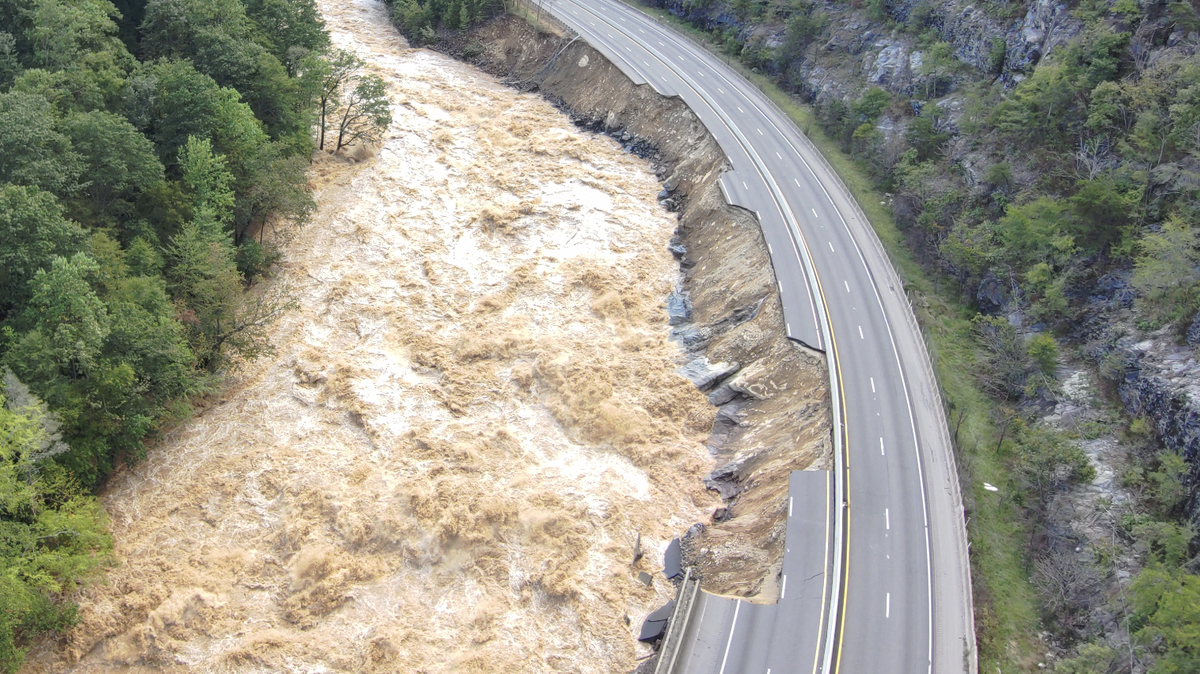
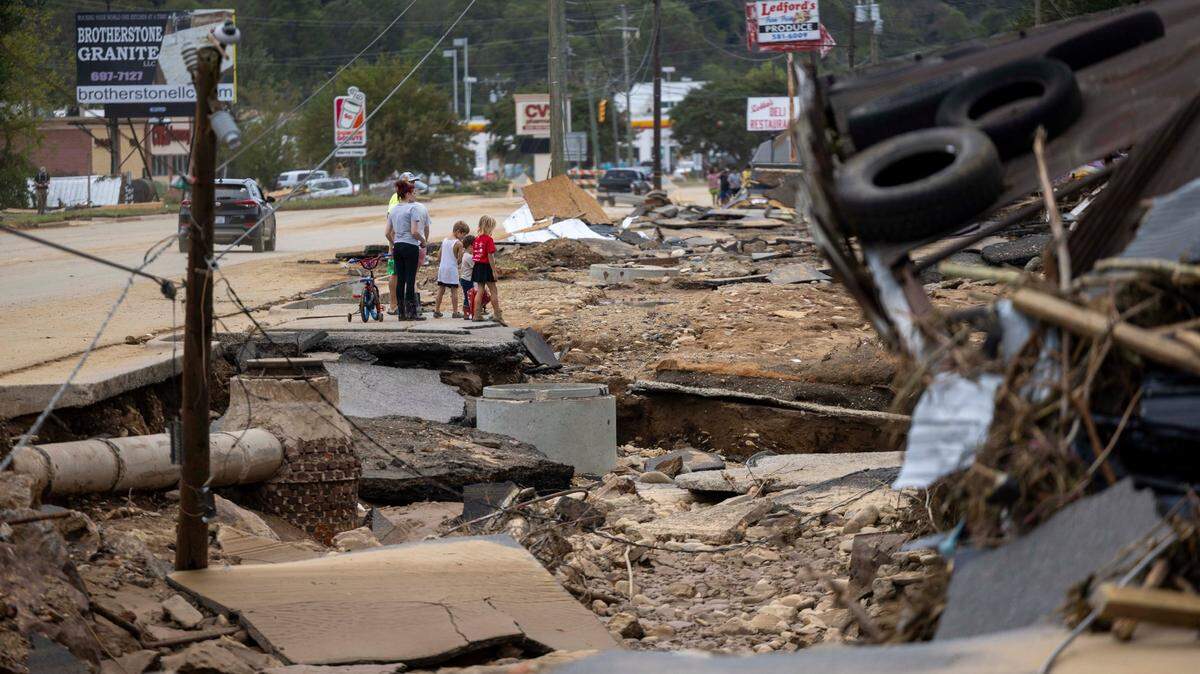
Hurricane Helene swept across the Southeast, causing major flooding and destruction throughout North Carolina. Here is ongoing coverage from The News & Observer and The Charlotte Observer about Hurricane Helene and the aftermath, particularly in Western North Carolina.
Expand All
Amid the fallout from Hurricane Helene, deceptive images claiming to show the storm are circulating on social media.
One video on Facebook that claimed to show footage of Helene in North Carolina spliced a series of flood videos with the sound of screams and gunshots. But many clips are outdated and from other locations, a reverse Google image search of several frames shows: One seems to be of flooding in Sioux Falls, South Dakota; another shows a bus operated by a city in Ontario, Canada; and one is July footage of Aguascalientes, Mexico.
Another image, widely shared on X, Threads and right-wing social media site Gab, shows a herd of cows following four dogs swimming through a river.
“Farm dogs leading away from flood waters in NC,” one user captioned the photo in a post that garnered nearly 10,000 likes.
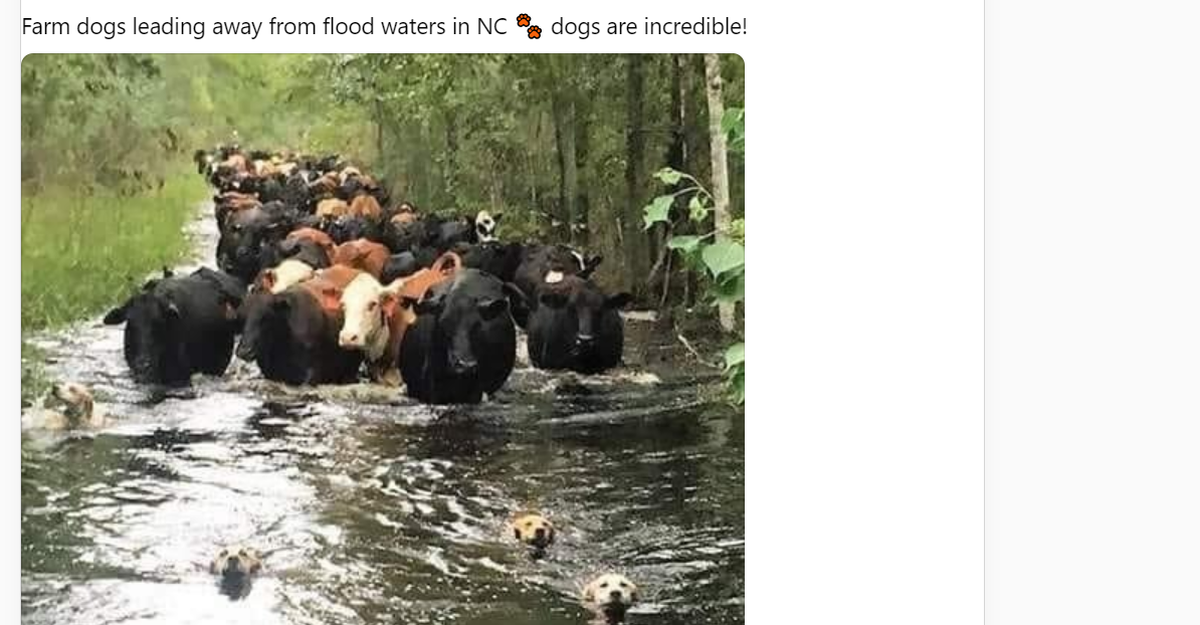
The photo, which is at least seven years old, isn’t of Helene. It was posted after several hurricanes, but it appears to have first surfaced online after Hurricane Irma swept across Florida in 2017.
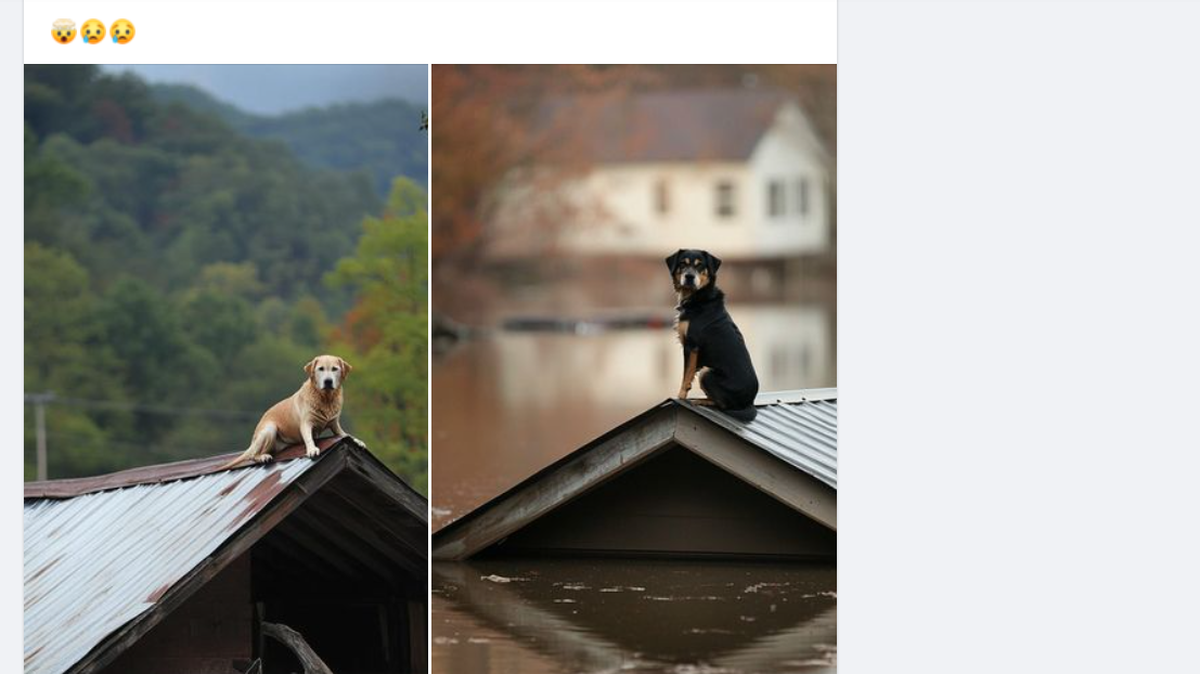
Other photos are generated using artificial intelligence. Many seem designed to evoke an emotional reaction and depict dogs or other animals stranded in floodwaters or being rescued by humans.
In one fake image posted on Facebook, a man lifts a dog from a roof as he stands in torso-deep water. The man has six fingers and a disfigured face, both signs of an AI-generated image. Even so, the post fooled some.
“This man is my hero,” wrote one commenter.
How to spot misleading images
If you suspect an image is deceptive, link or upload it to Google’s reverse image search to trace its origin. If you want to search for a video, take a screenshot of a frame and upload it.
Similar to Google’s tool is TinEye, a free website that allows you to search an image and sort results by “most changed” to identify manipulated images.
How to spot AI-generated images
Josephine Lukito, an assistant professor at the University of Texas at Austin’s School of Journalism and Media, said being able to detect artificial intelligence is becoming an important part of media literacy. “But,” she added, “it is also something that will become increasingly challenging.”
AI-generated images may appear too perfect, yet they tend to poorly depict details. In fact, Lukito said details can be the biggest hint that an image or video is artificially generated.
“Several giveaways tend to be if you look around kind of the edge of the individual, or you look at kind of nuanced details, things like fingers or patterns,” she said. Text in photos and videos may also appear misspelled or incomprehensible.
A set of AI-generated images posted on Facebook ostensibly showed boaters conducting “deer rescue operations” in floodwater. In one, a deer’s antlers appear unnaturally thick, almost like a tree branch. A man’s arm blends into a deer’s torso in another.
People in AI-generated photos may have:
Unlikely body proportions
Extra or missing fingers or limbs
Overly shiny eyes
Waxy skin
Also look for implausible situations, like a photo shared on Facebook of a dog wearing sunglasses and floating through floodwater in an inner tube. A closer look at the image reveals that a glass appears to be hovering on top of the float, violating the laws of physics — another indication of an AI-generated image.
Also, consider the account that posted the photo. If it frequently shares AI-generated images, be wary.
“I do think that these sorts of cases are becoming increasingly common, especially in video and audio form,” Lukito said of artificially generated content.
This story was originally published October 2, 2024 at 6:00 AM with the headline "Fake, misleading images of Helene spread on social media. Here’s how to spot them.."



.jpg)
.jpeg)
.JPG)















.JPG)