In Helene’s aftermath, FEMA search-and-rescue teams know they now search for victims
READ MORE
Hurricane Helene Aftermath
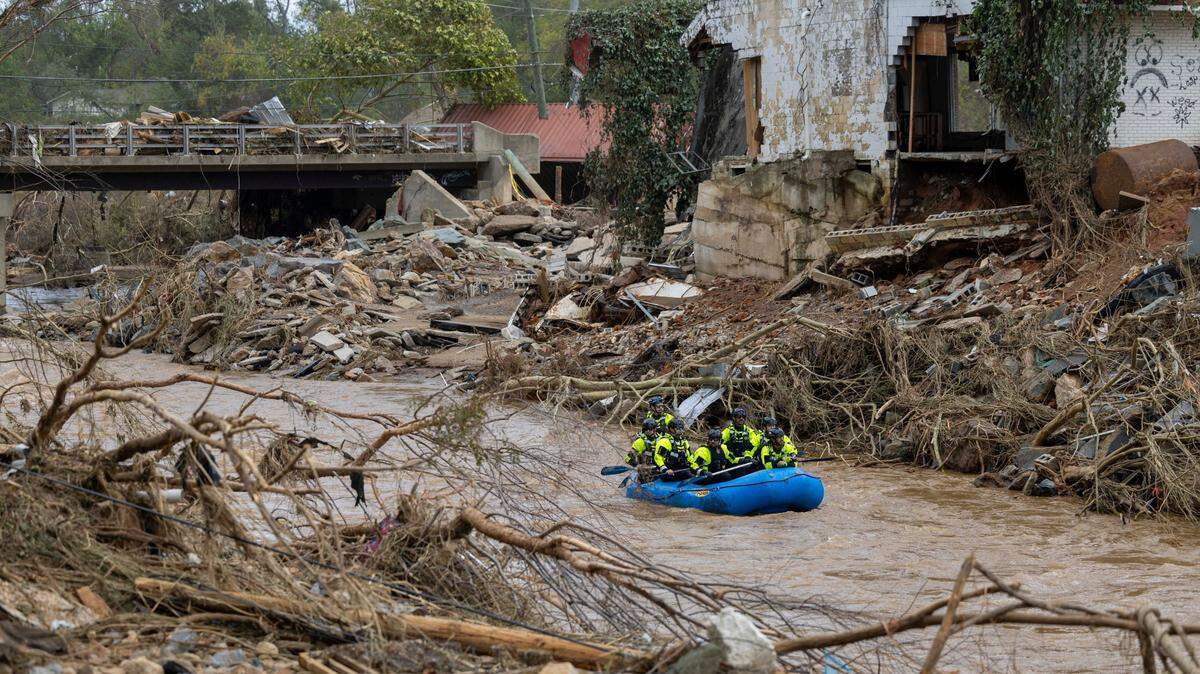
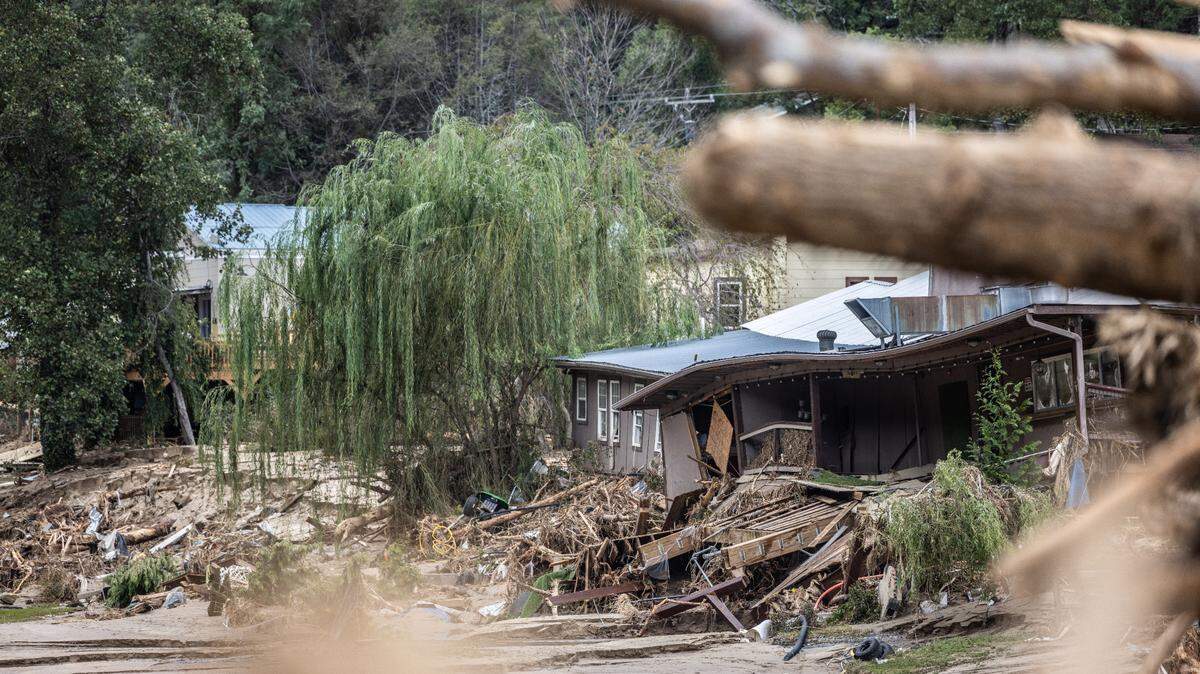
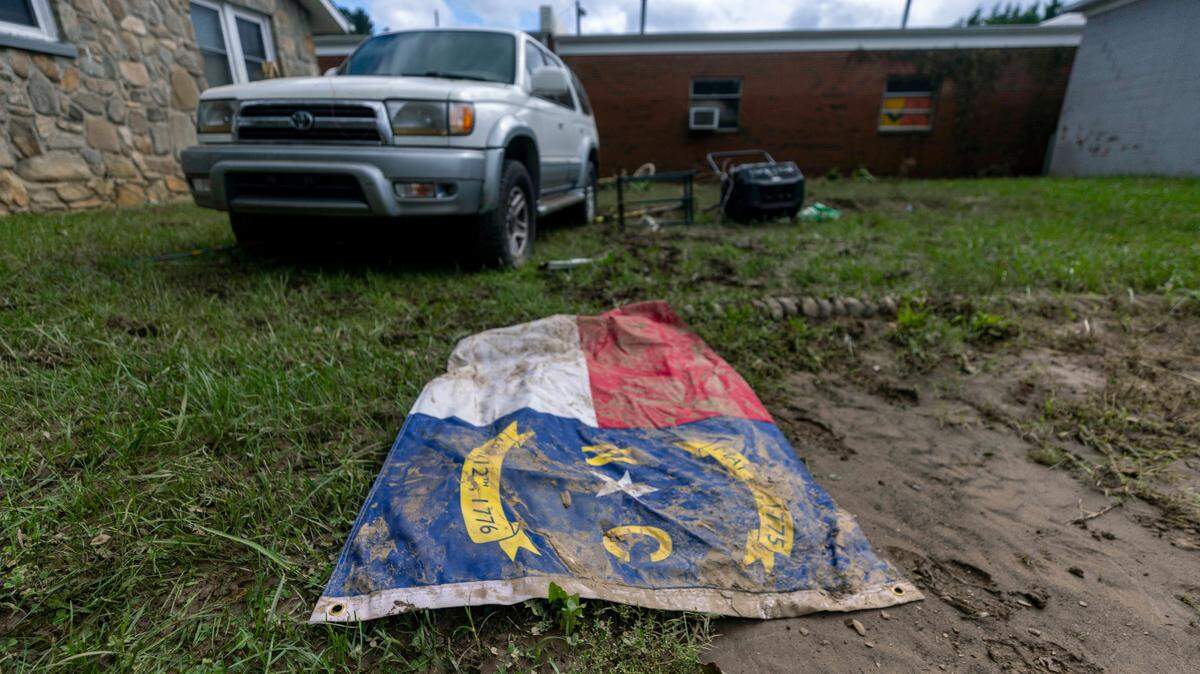
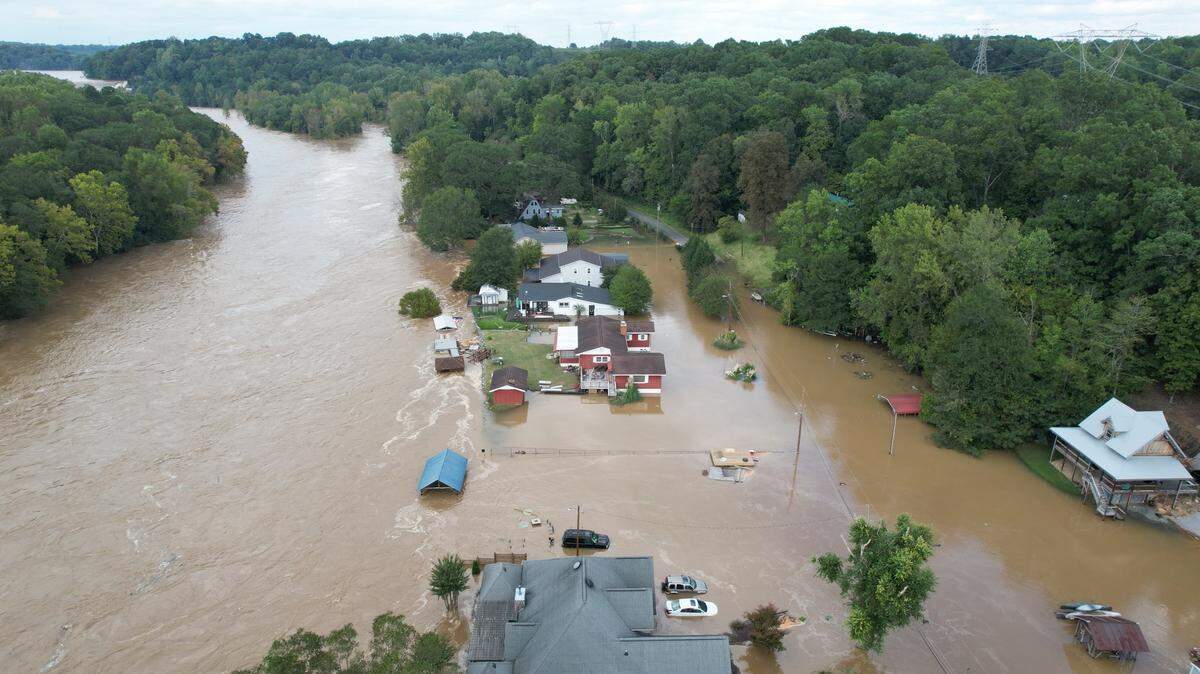
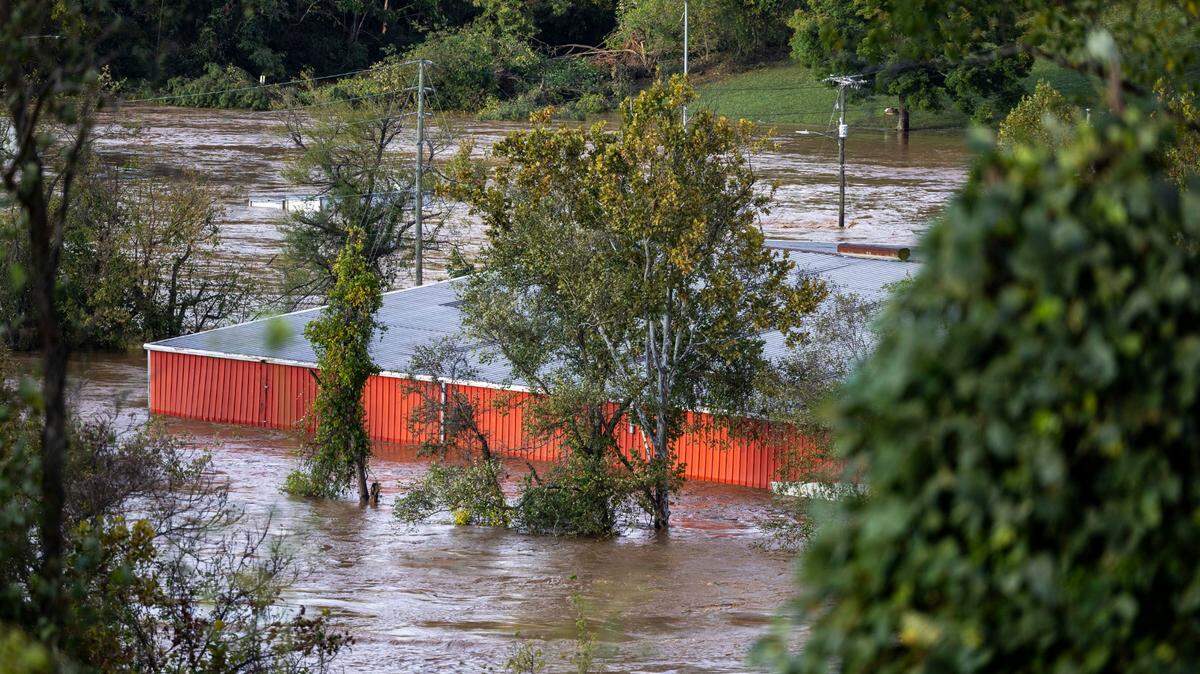
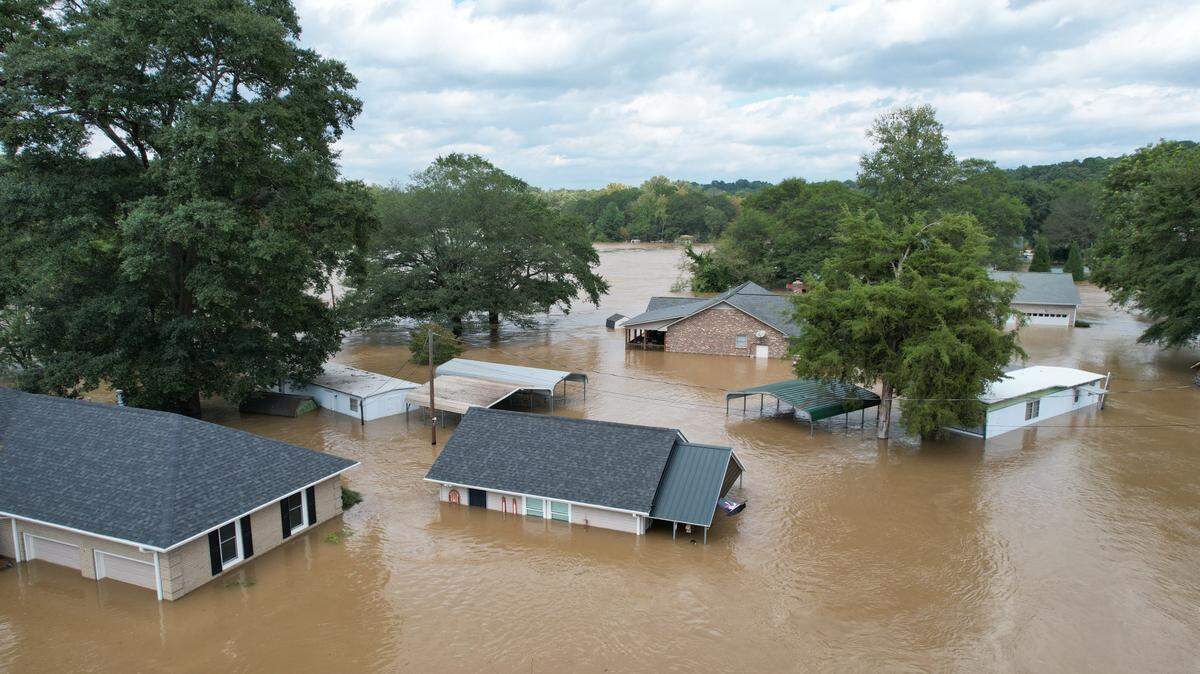
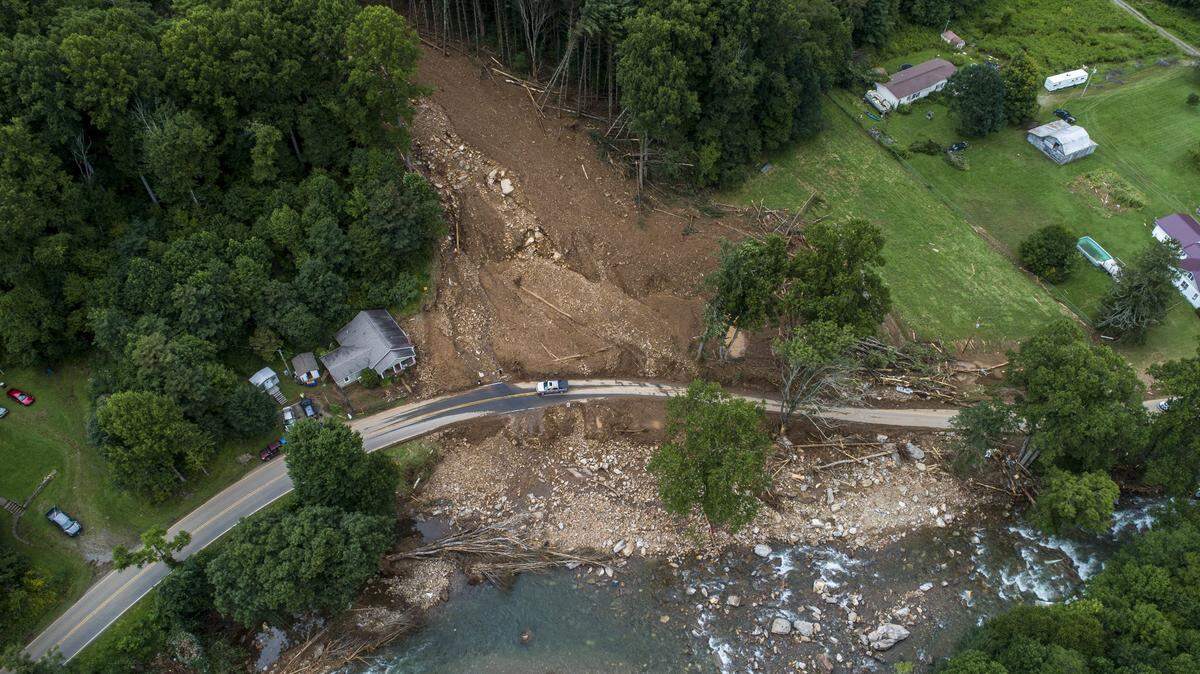
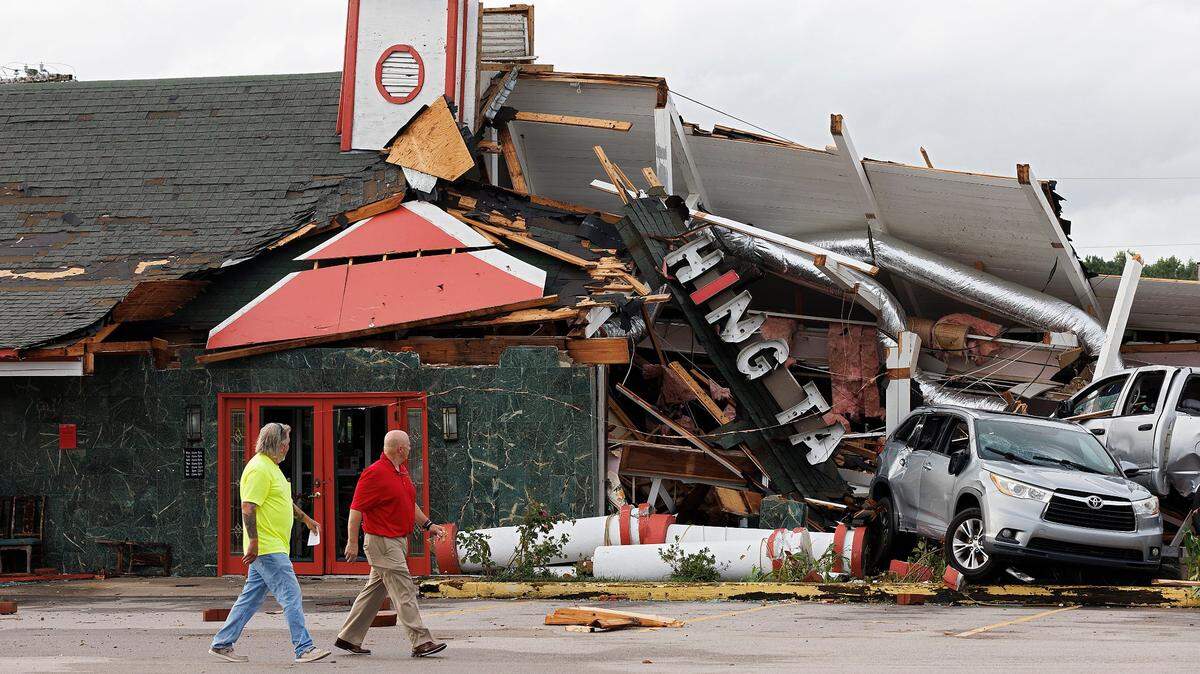
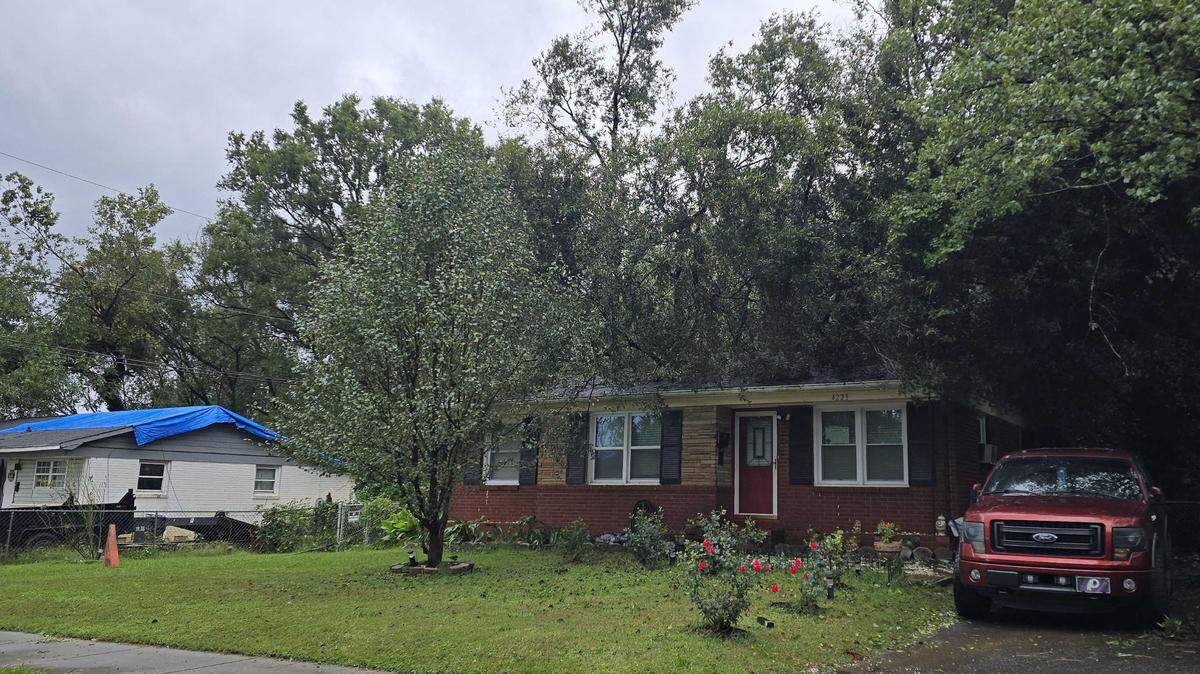
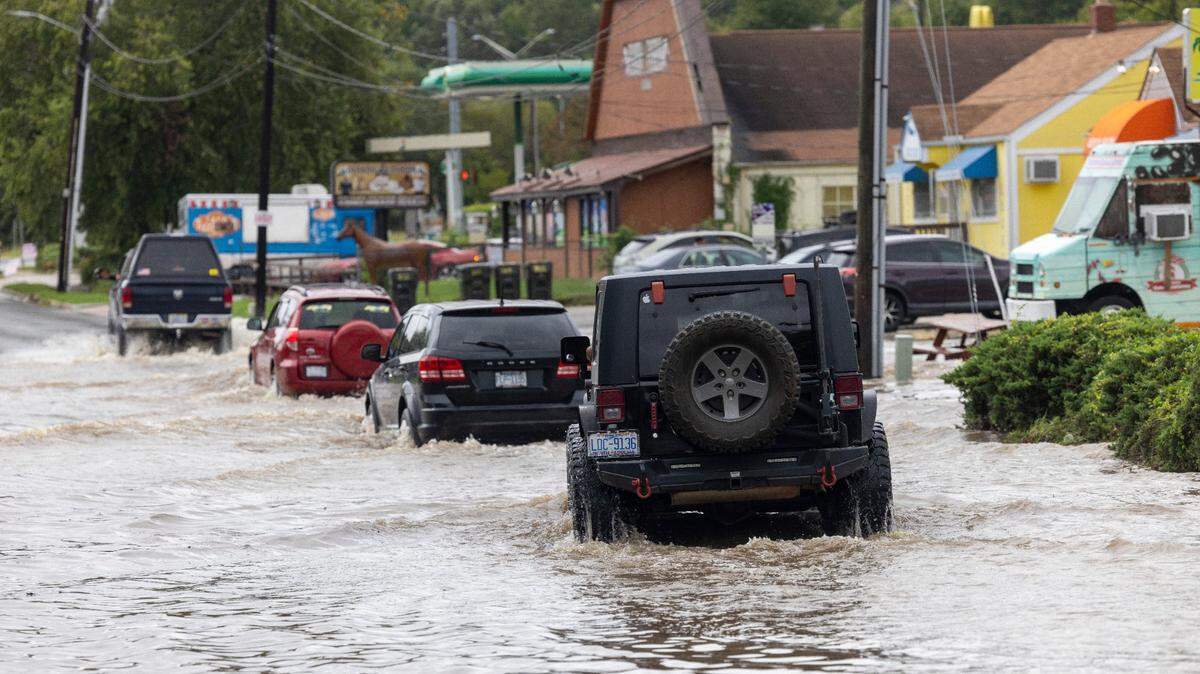
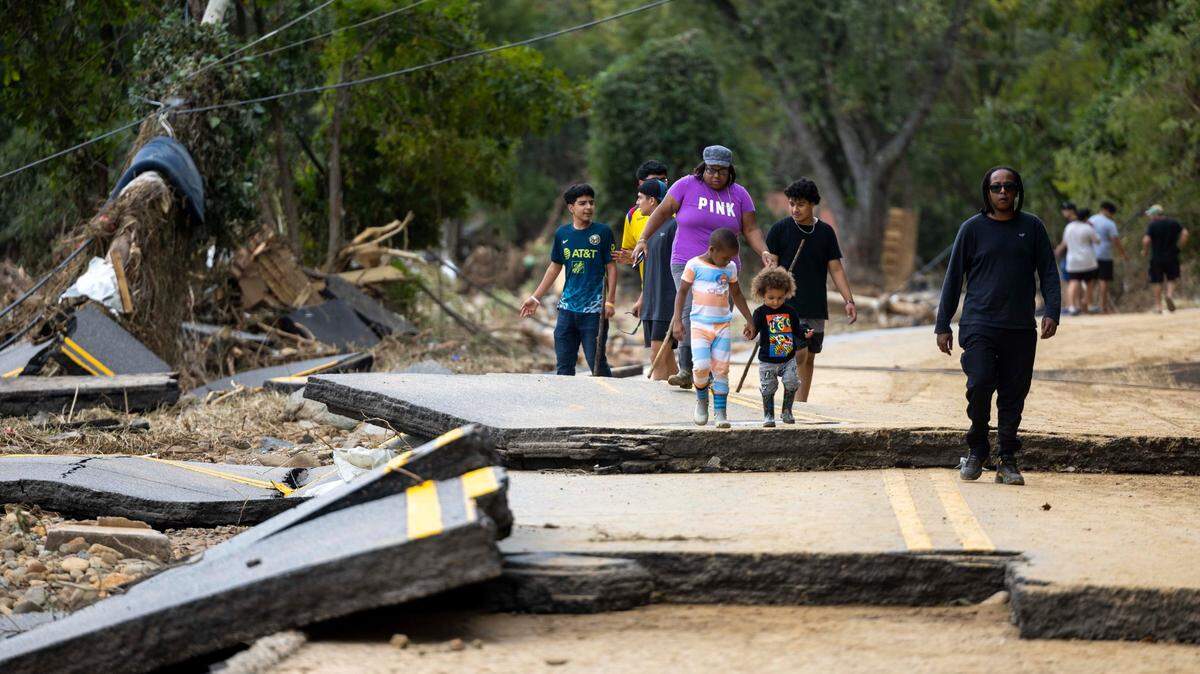
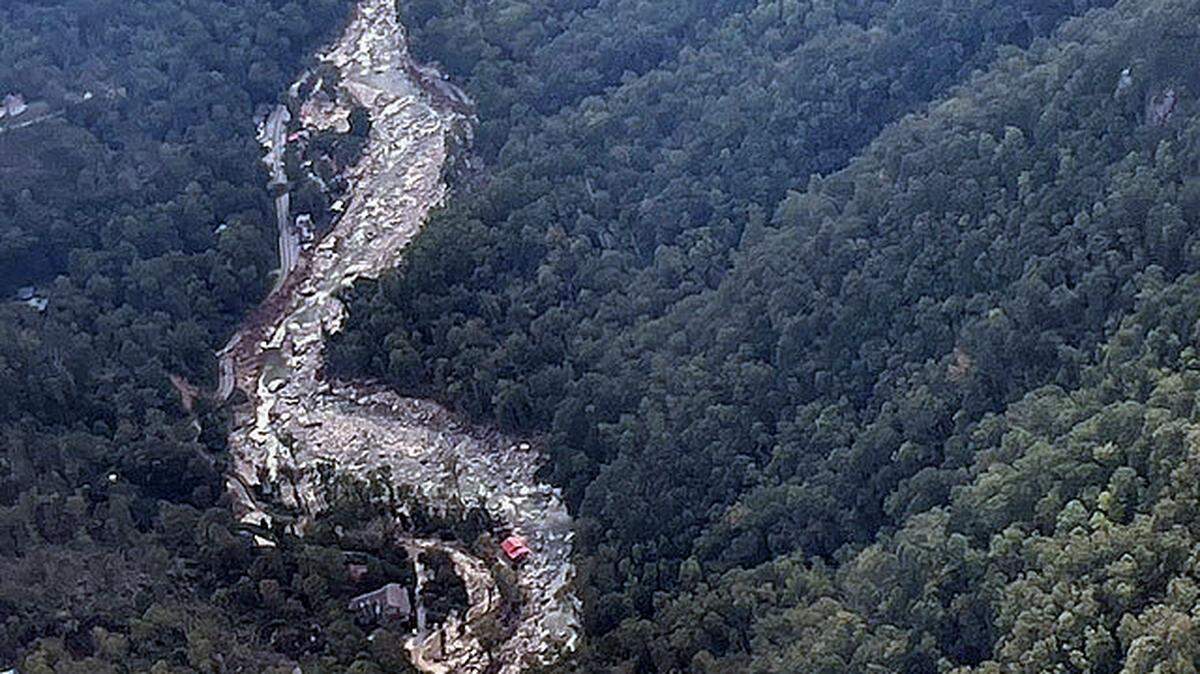
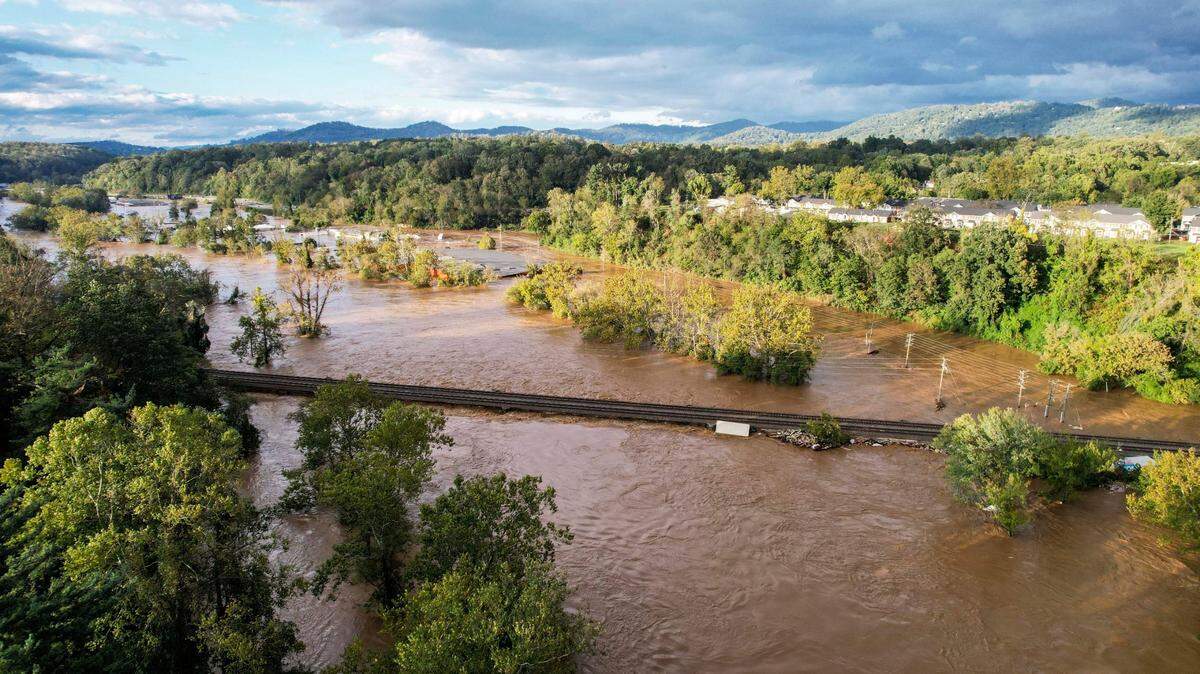
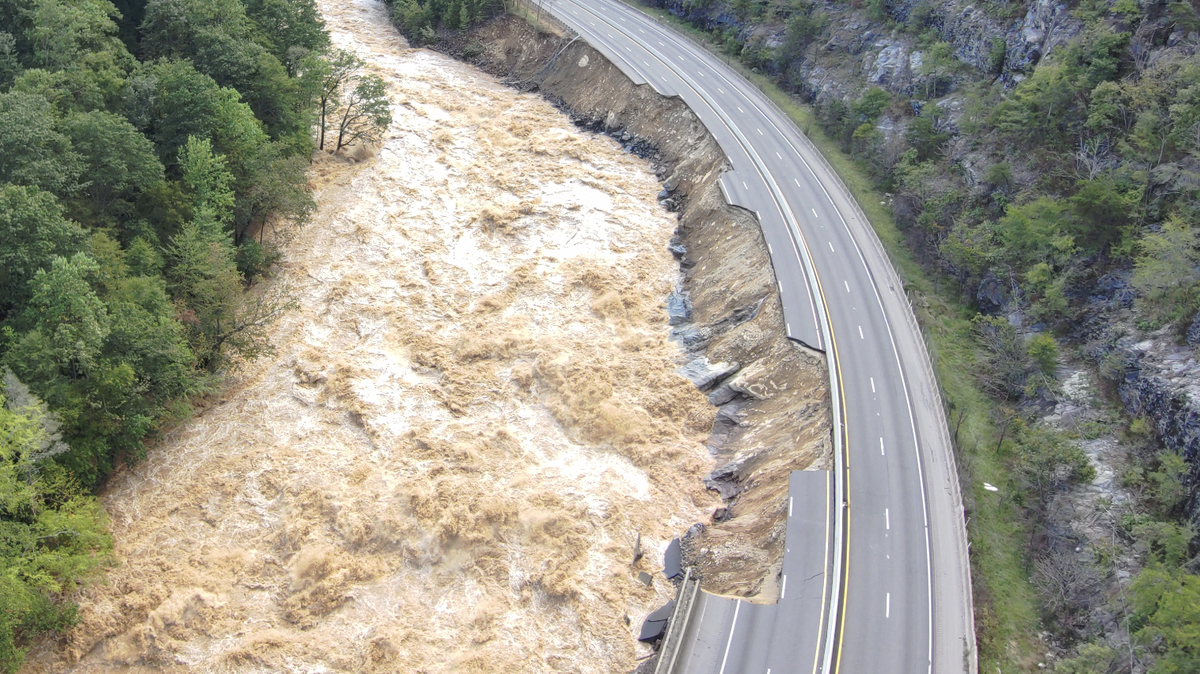
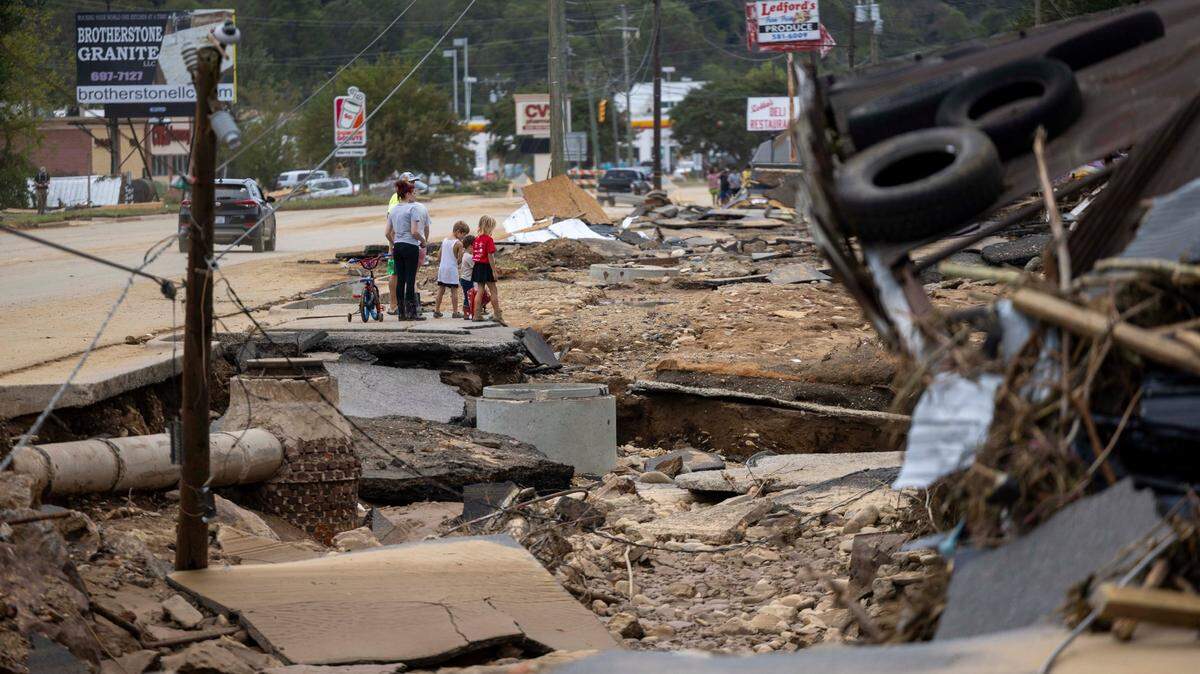
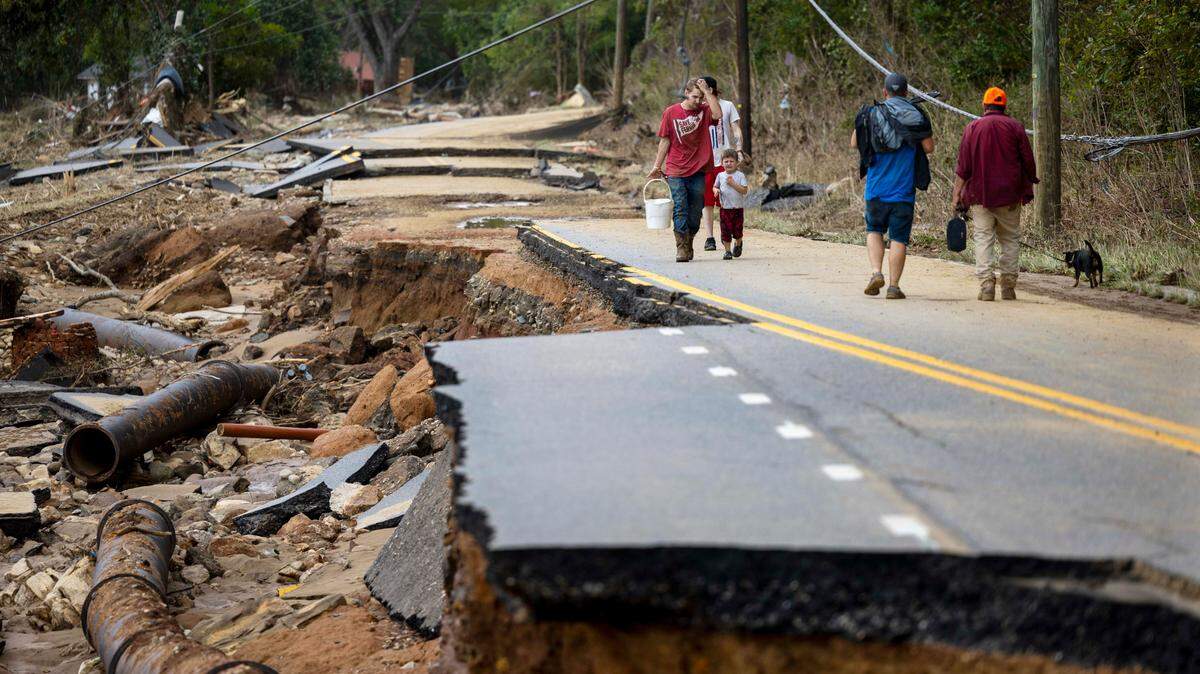
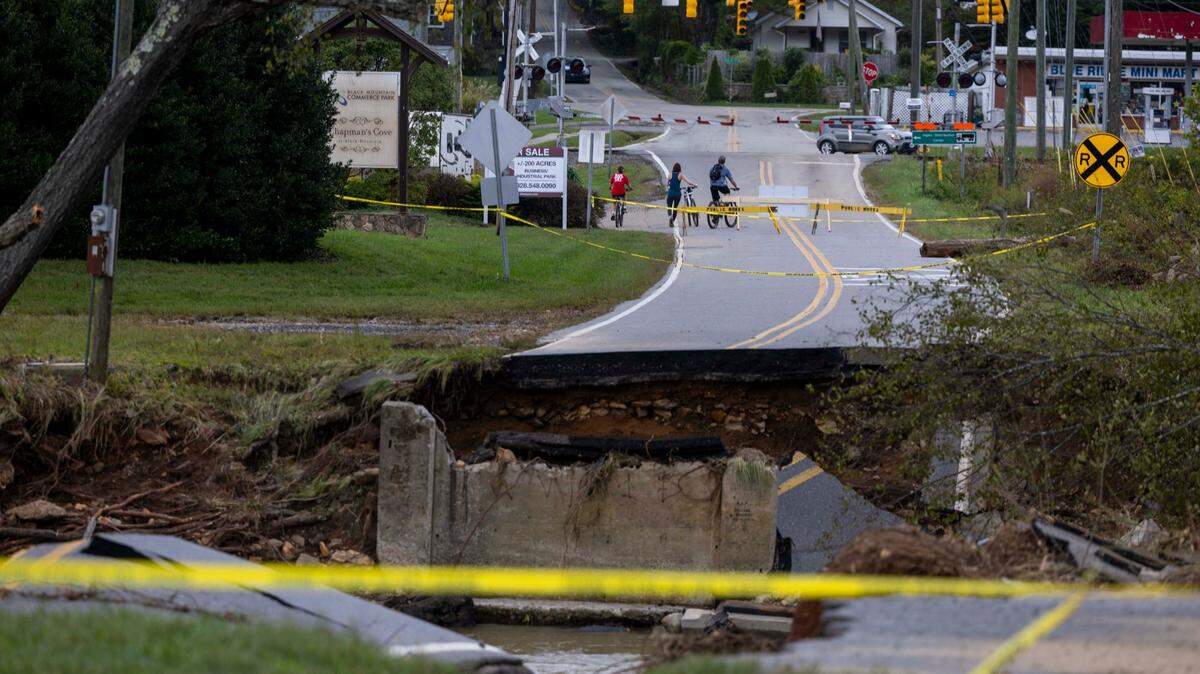
Hurricane Helene swept across the Southeast, causing major flooding and destruction throughout North Carolina. Here is ongoing coverage from The News & Observer and The Charlotte Observer about Hurricane Helene and the aftermath, particularly in Western North Carolina.
Expand All
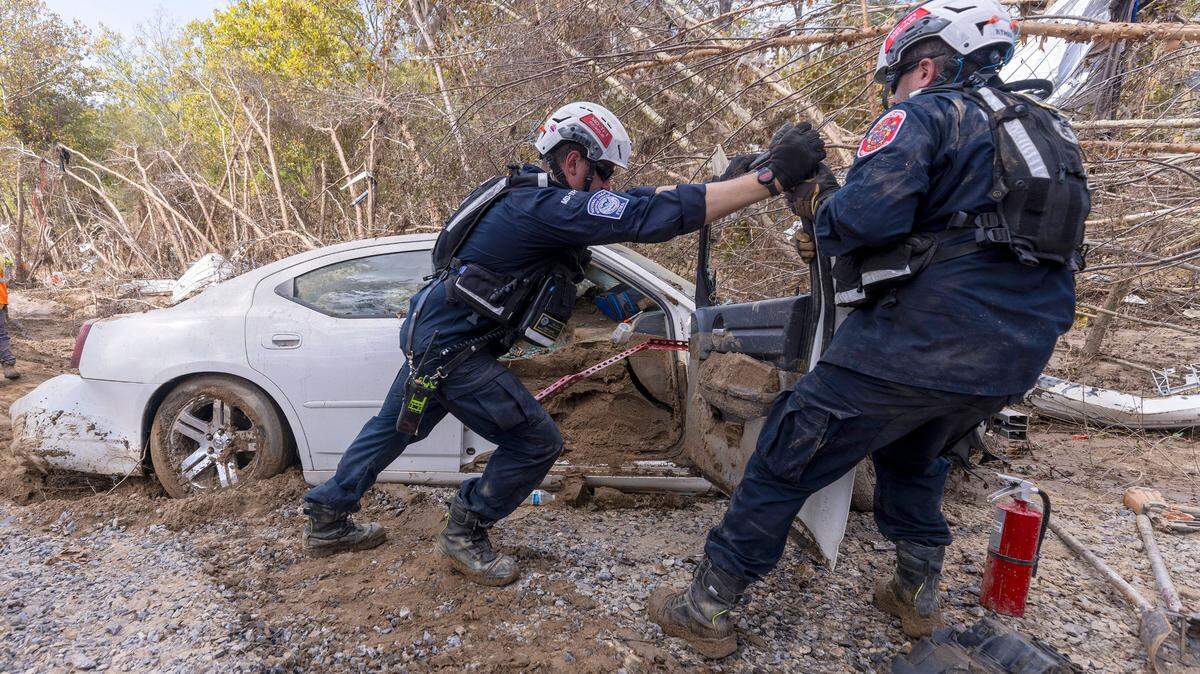
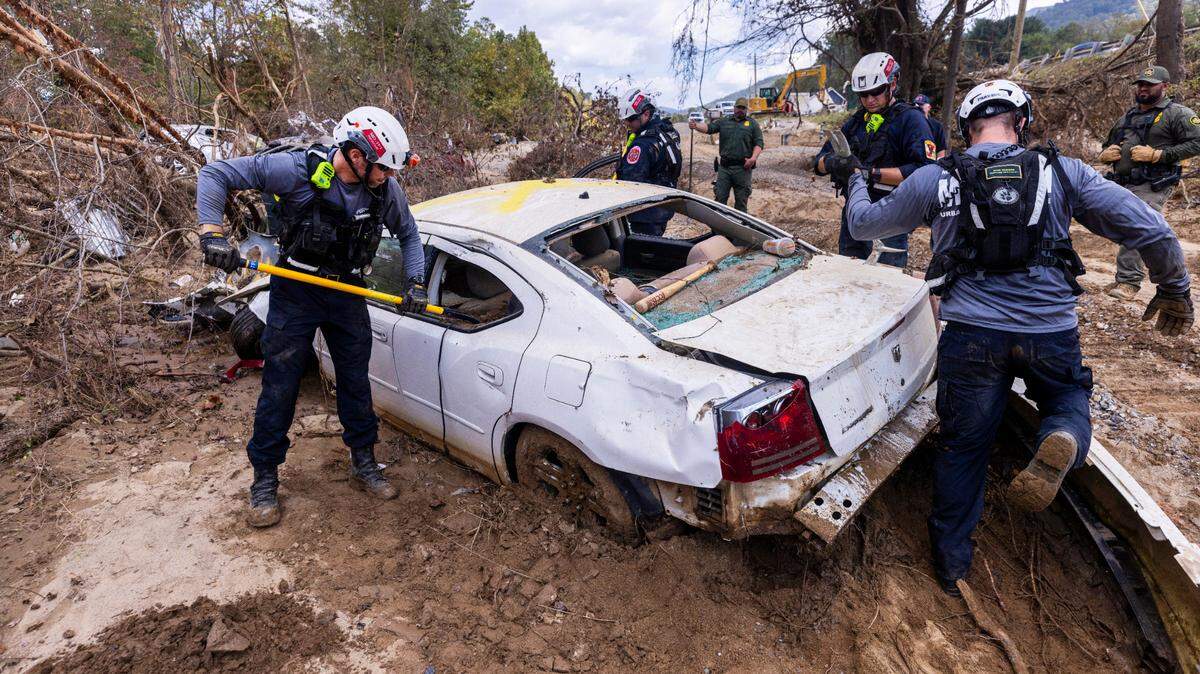
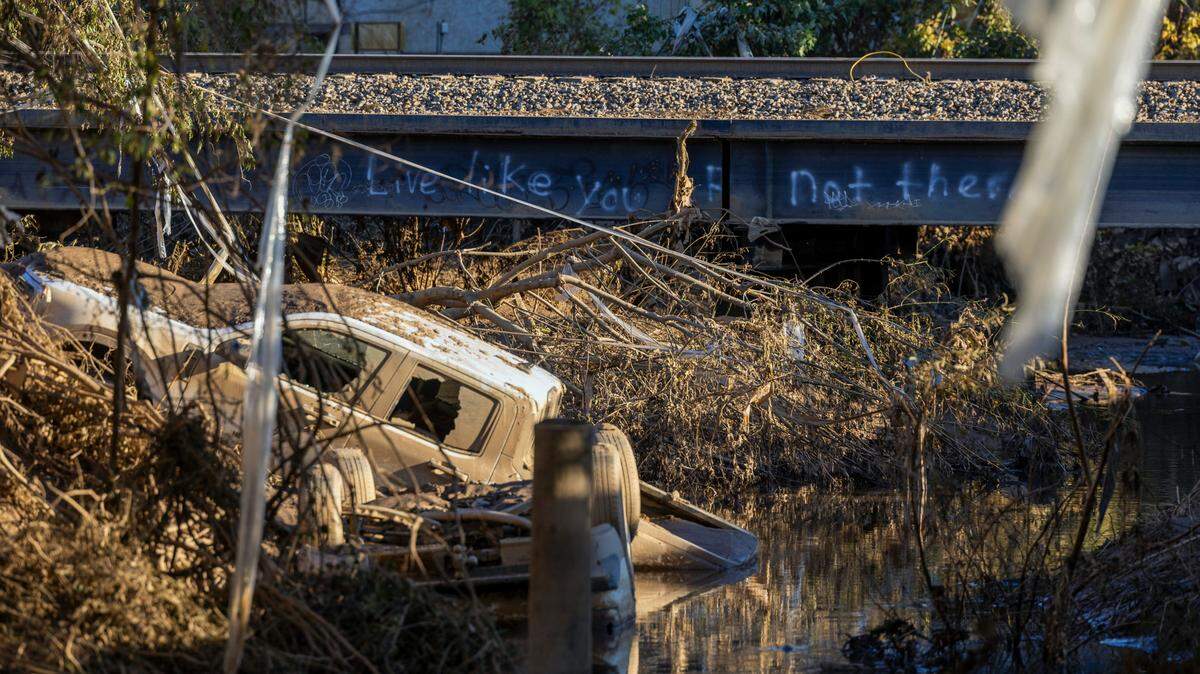
When the excavator’s claws clenched and lifted the white Dodge Charger out of the Swannanoa River on Sunday, brown water and mud poured from its undercarriage.
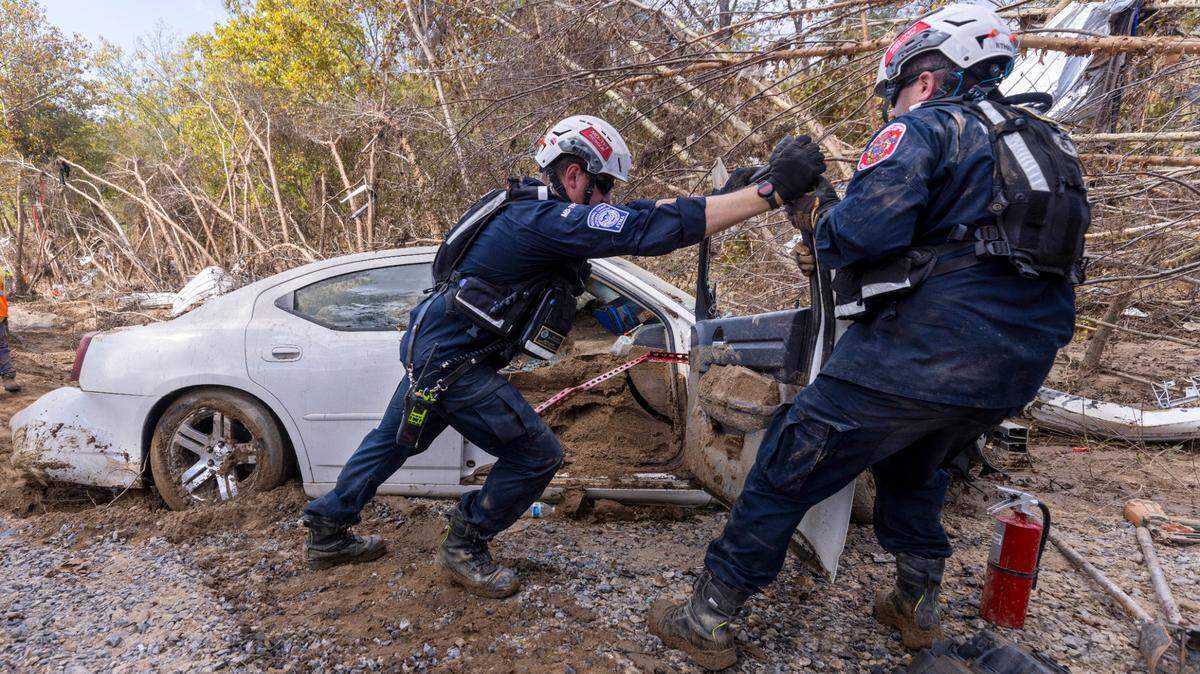
Once the car had landed on the ground with a loud thunk, four men dressed in blue swarmed it with crowbars and shovels. These were members of Maryland Task Force One, a federally funded Montgomery County, Maryland-based urban search-and-rescue team that has been part of FEMA’s response to Helene.
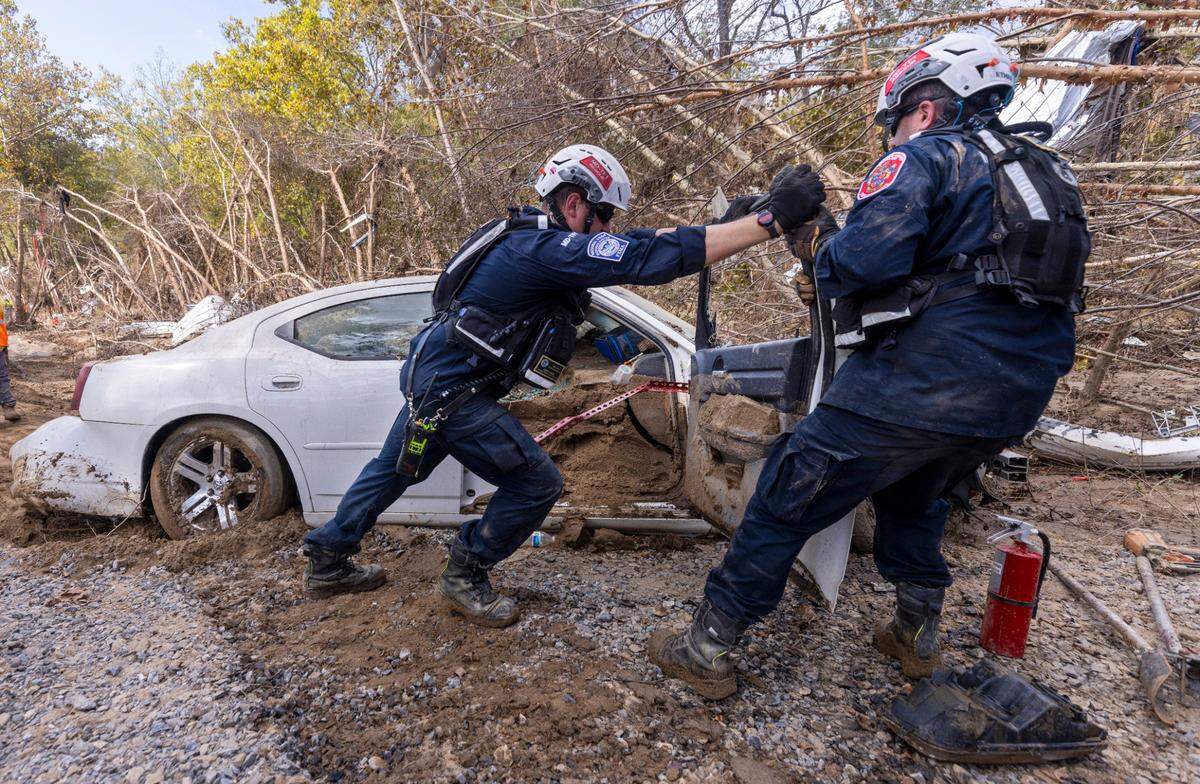
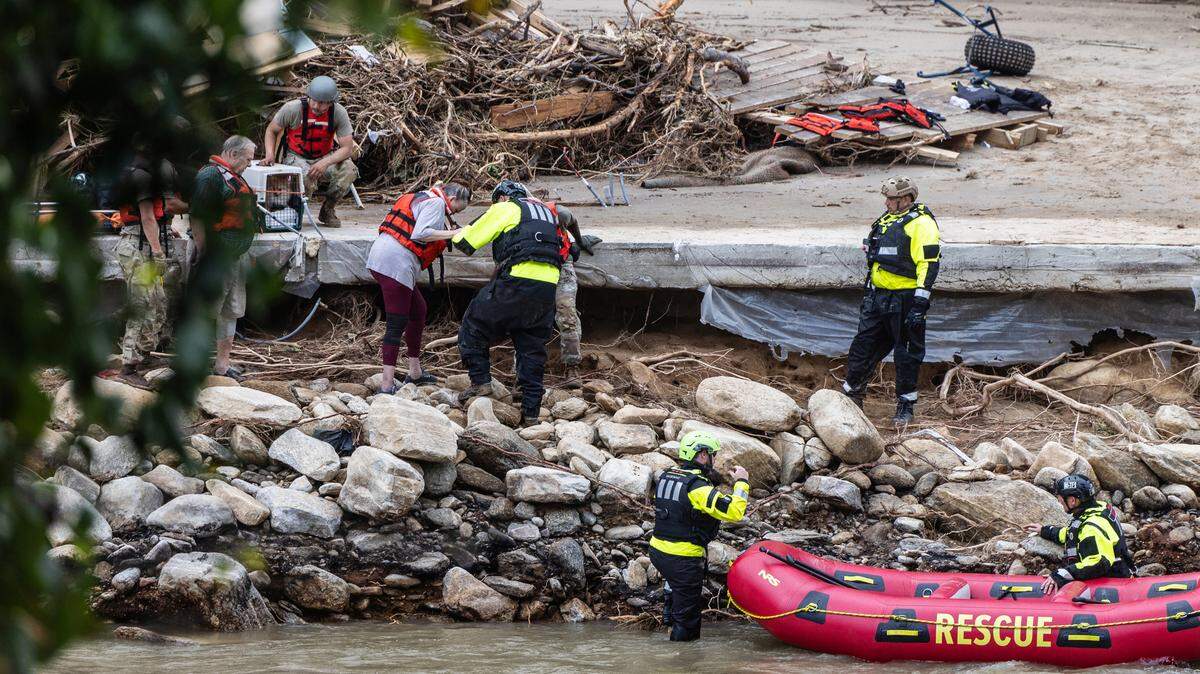
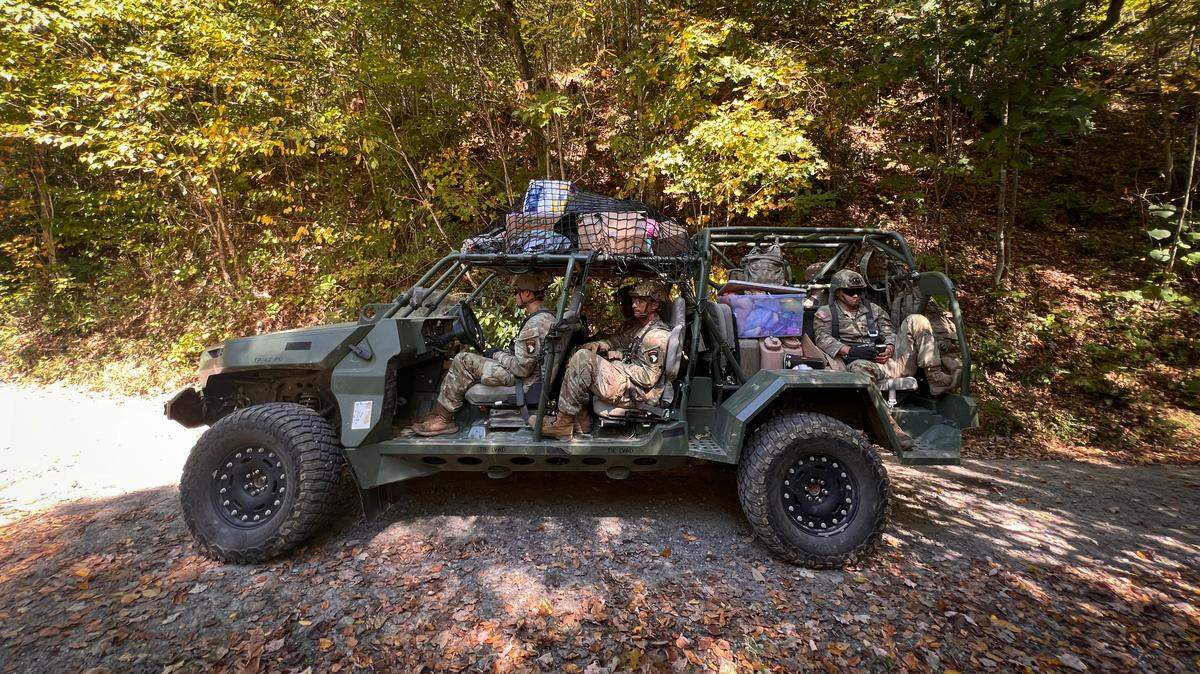
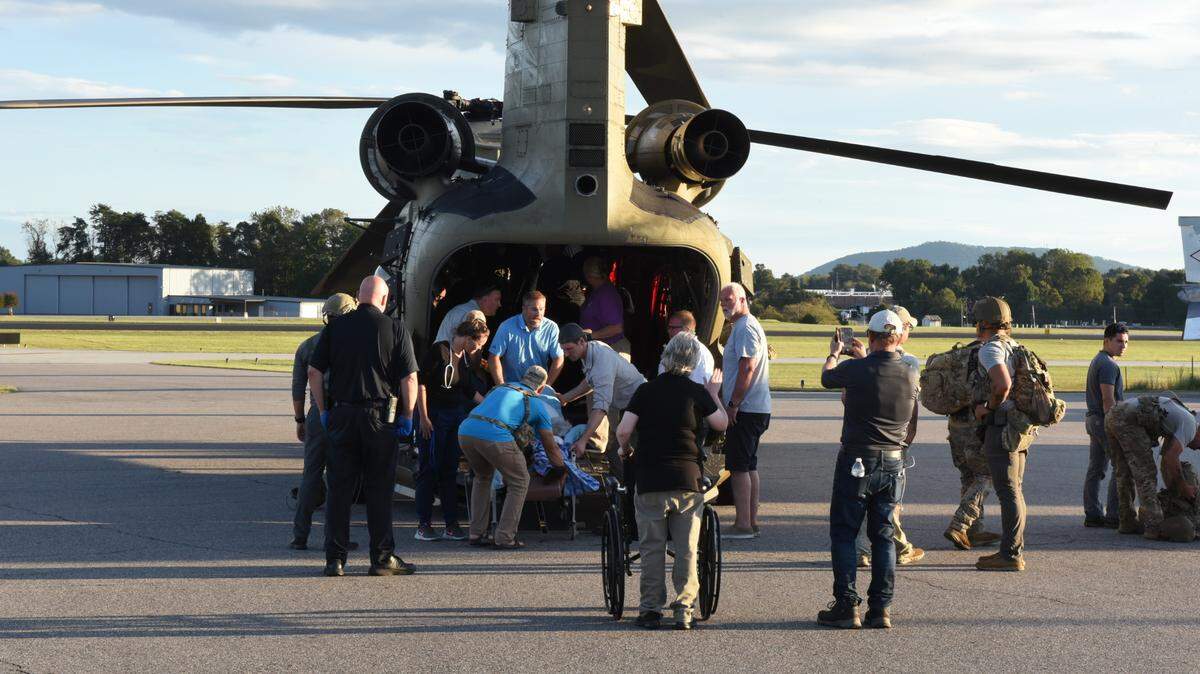
FEMA has sent more than 1,200 urban search-and-rescue personnel to North Carolina as part of the Helene response.
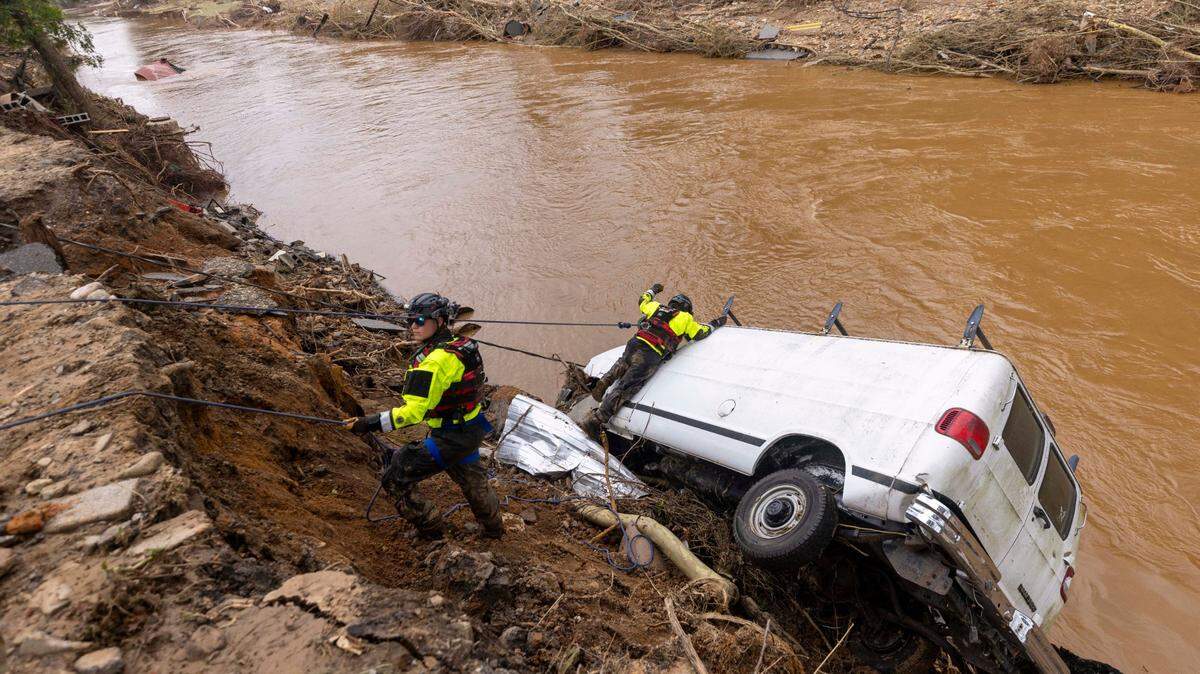
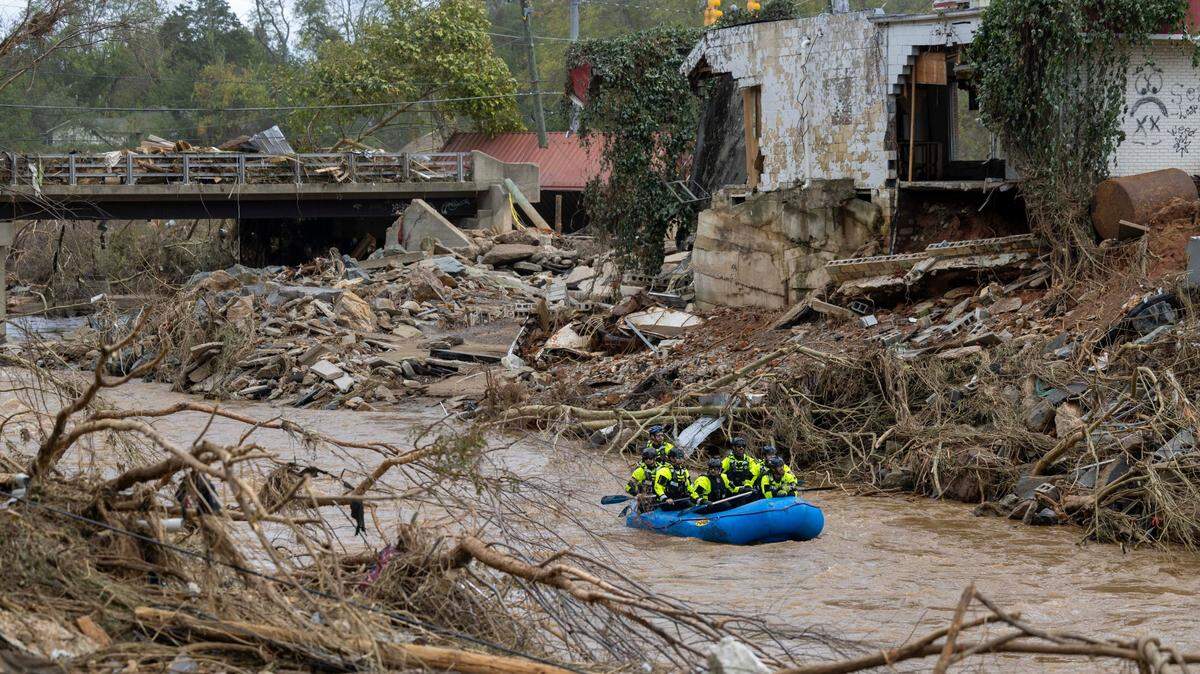
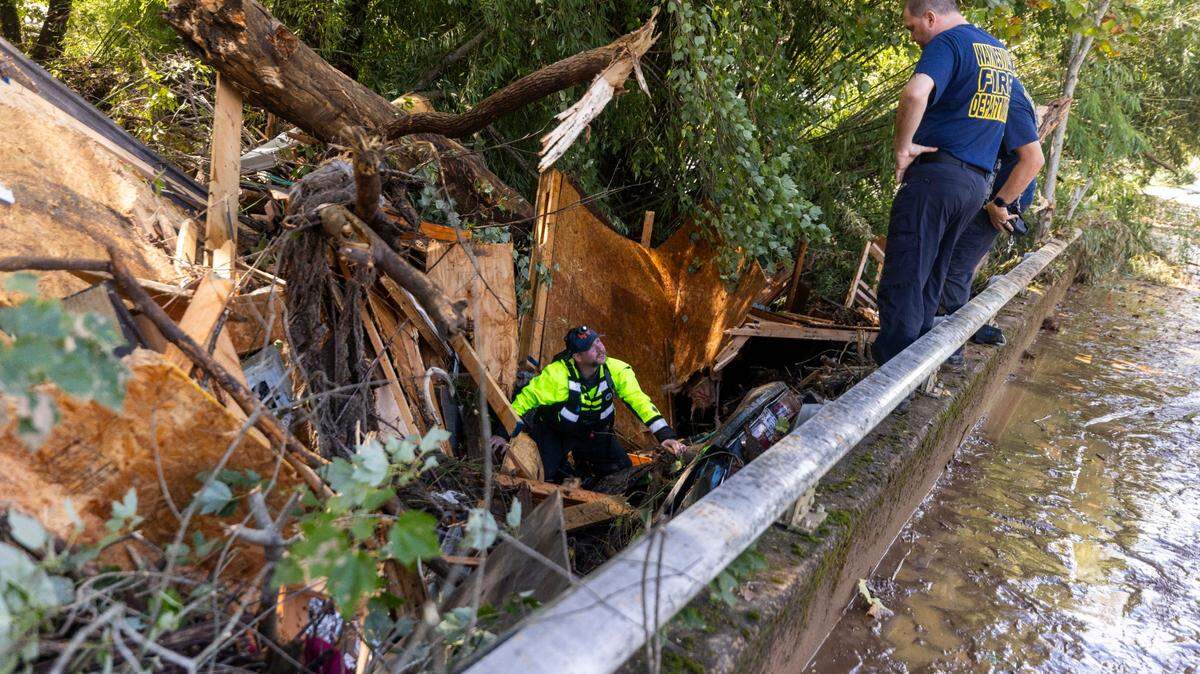
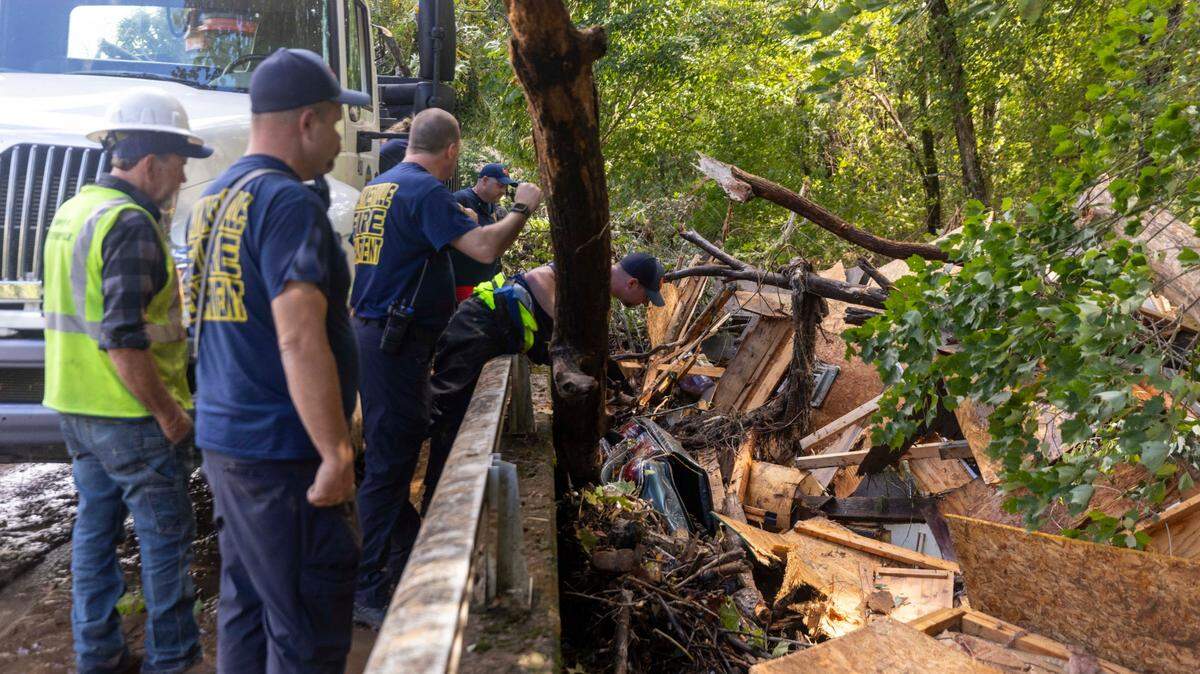
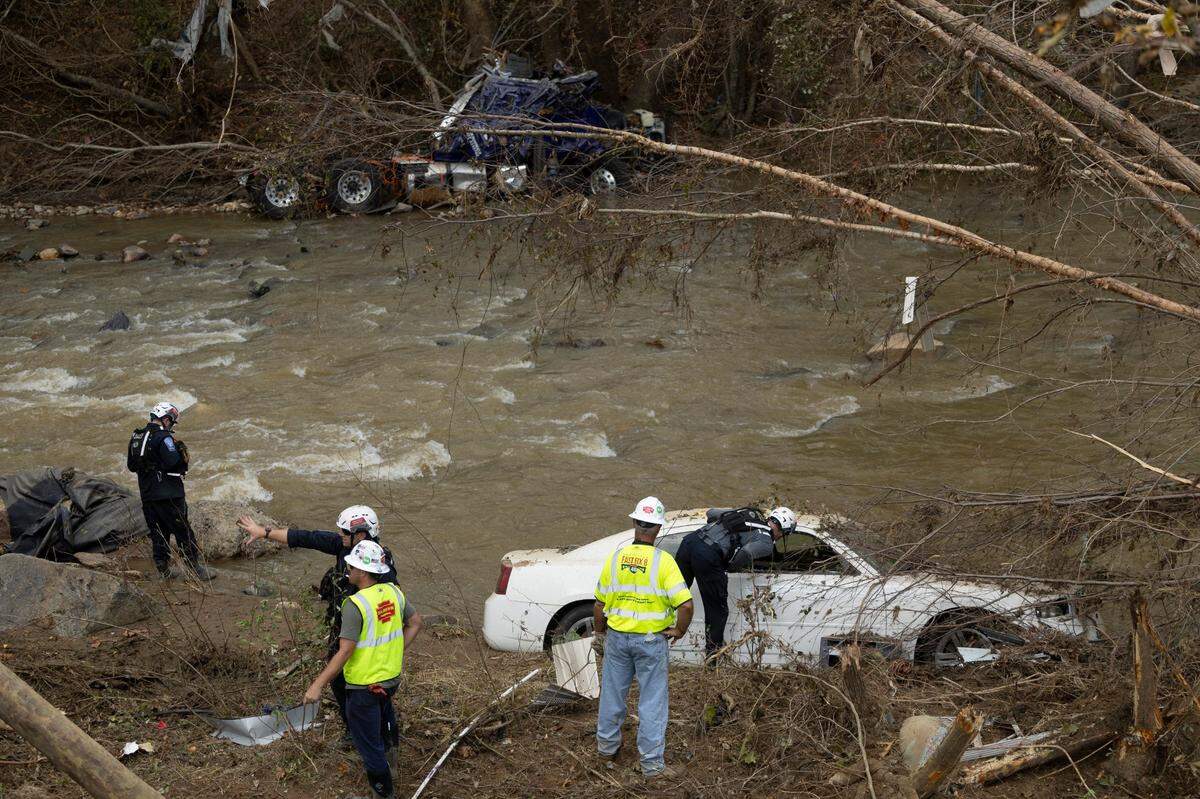
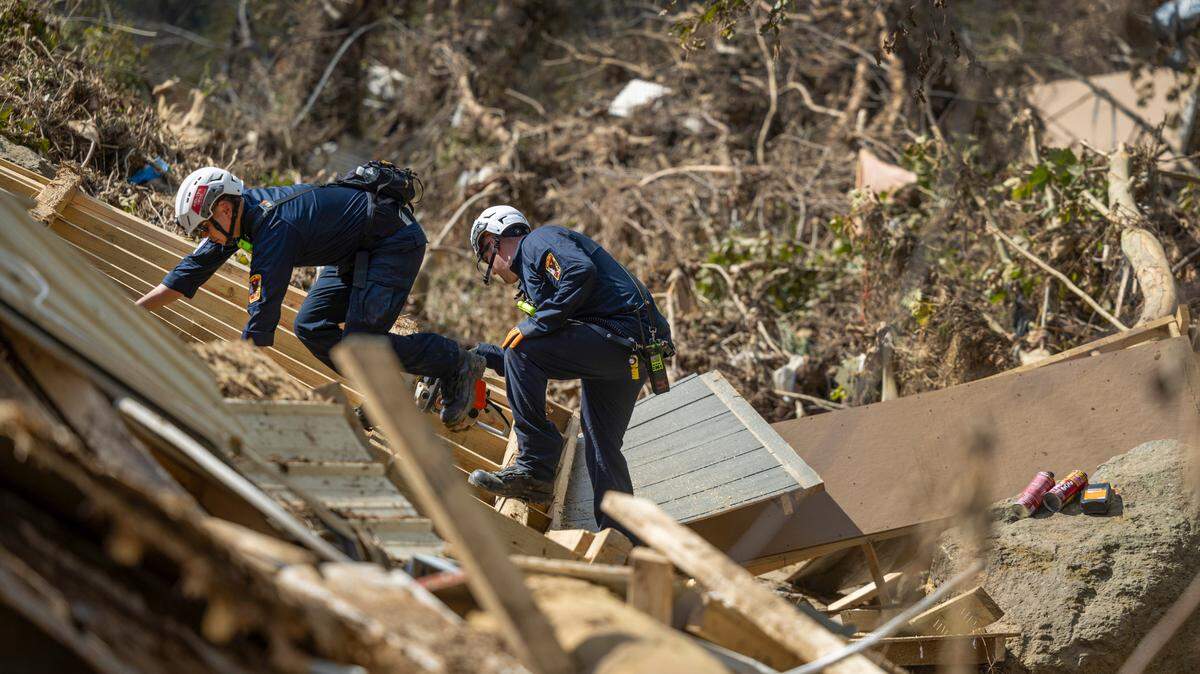
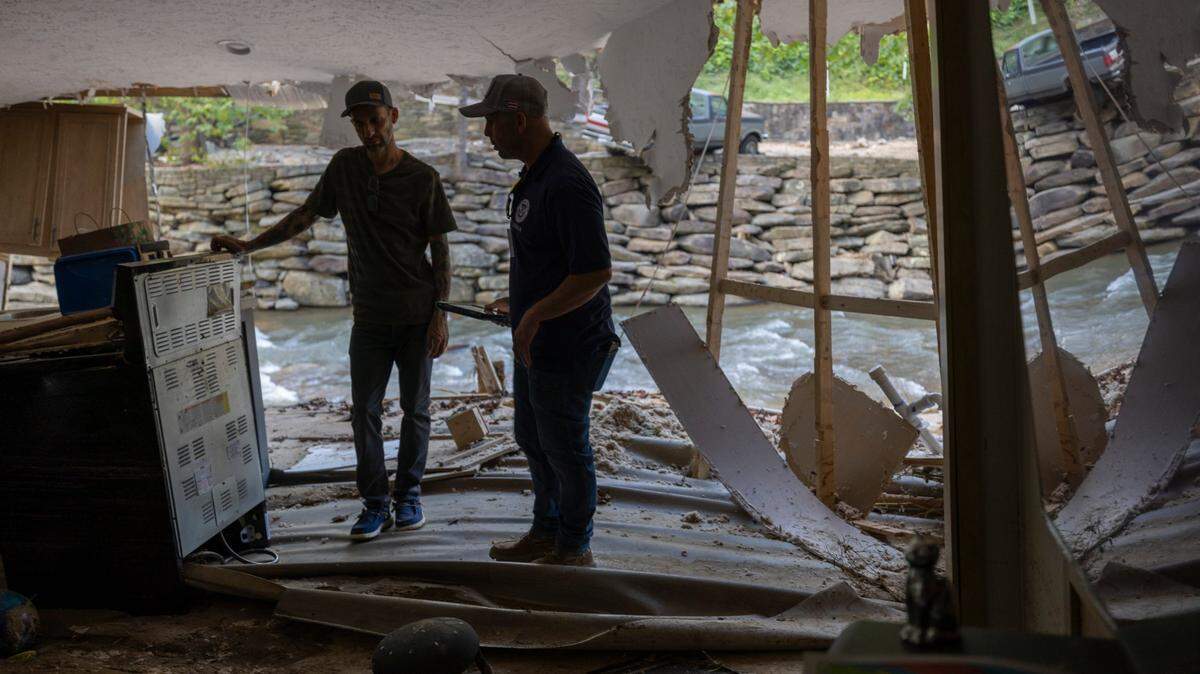
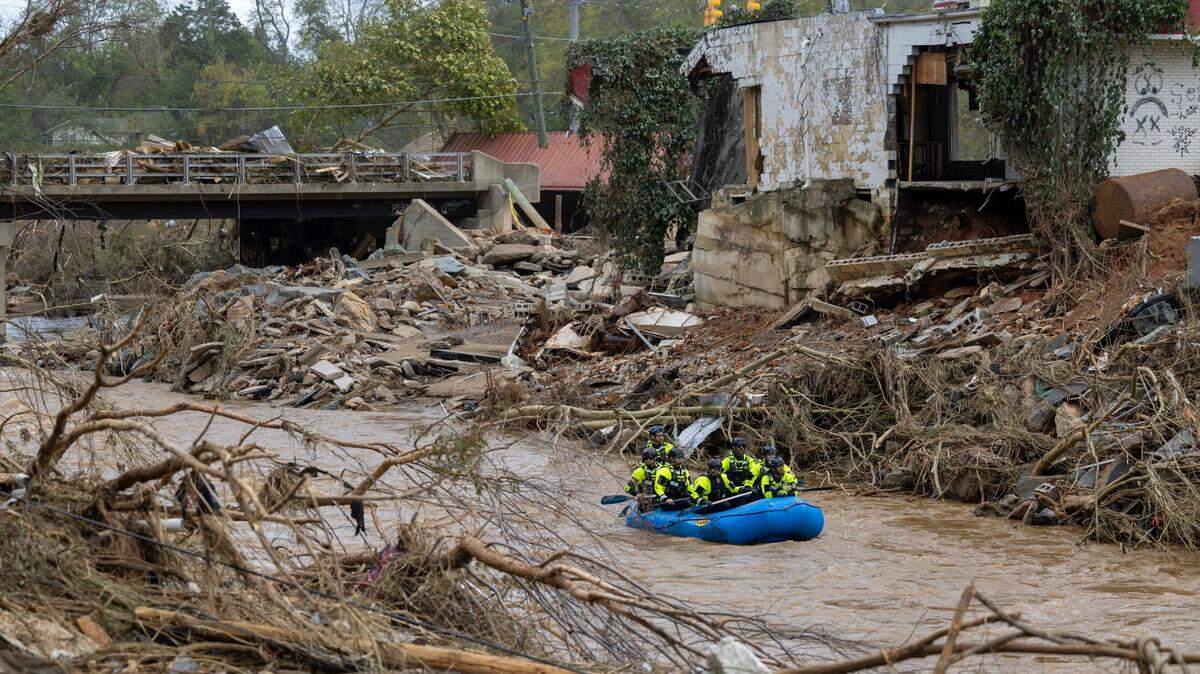
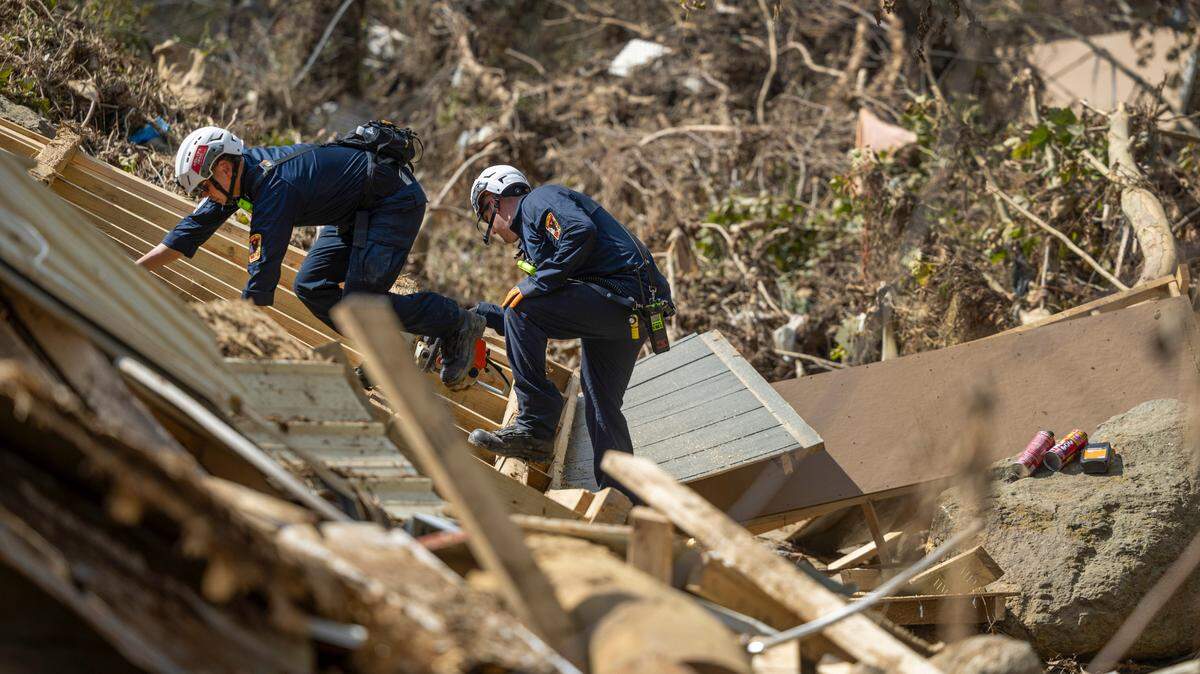
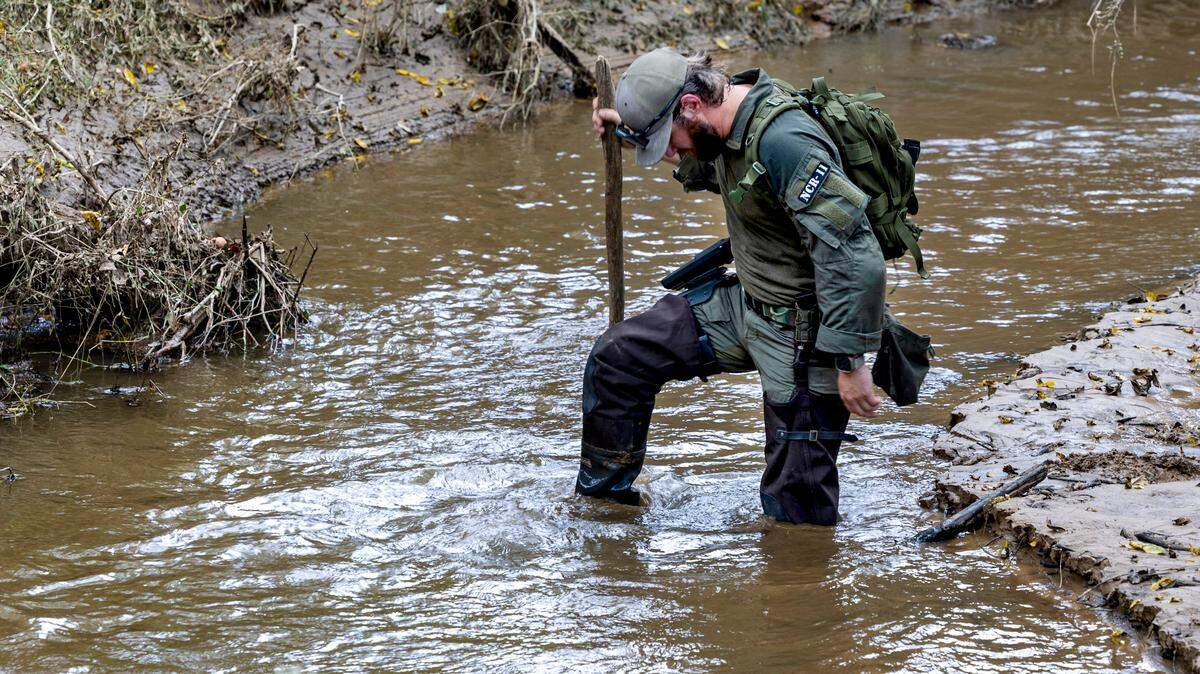
On Sunday, part of that task force was scrambling across a hillside on the southern bank of the Swannanoa River, just east of the Whitson Avenue Bridge. They were looking for people who died during Helene, as search team dogs had indicated there could be human remains in the Dodge Charger partially sunk into the bank and in the debris of a structure that had been smashed against the U.S. 70 embankment by the floodwaters.
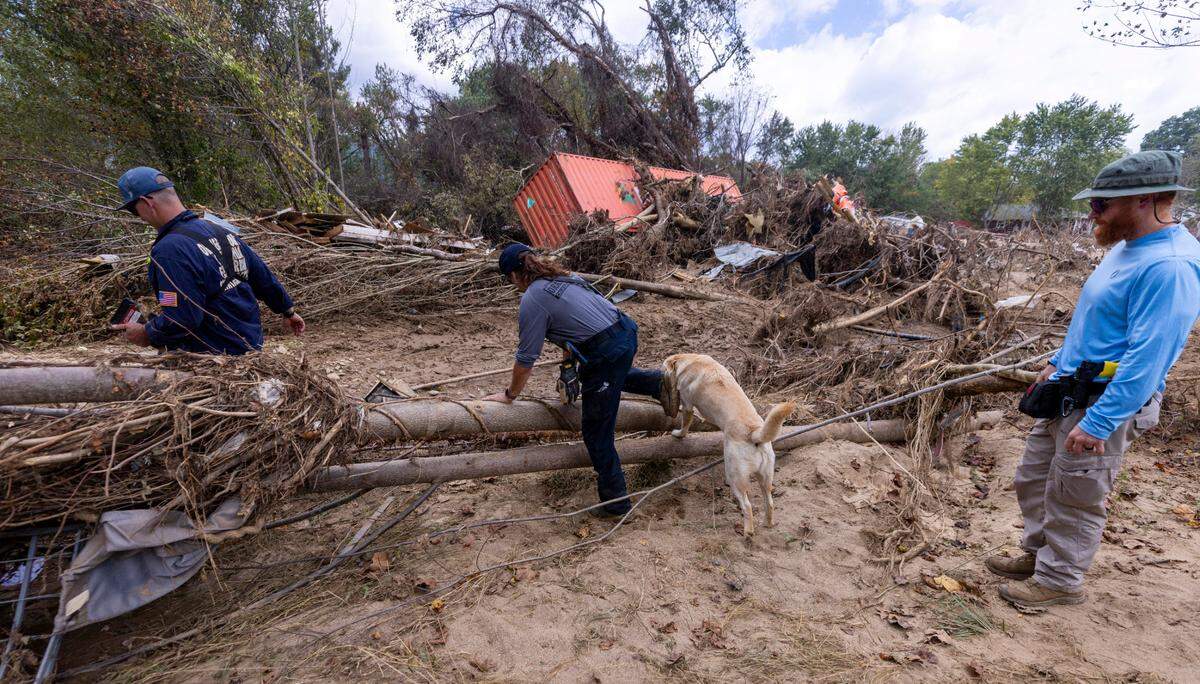
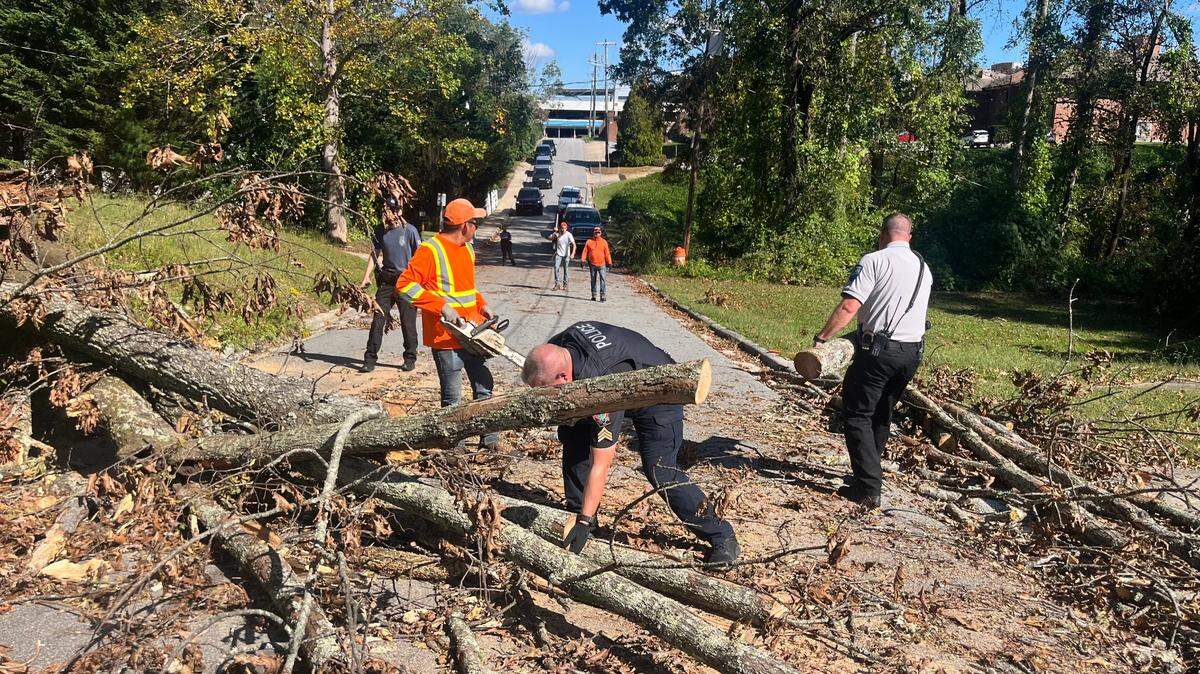
Moving brush and debris
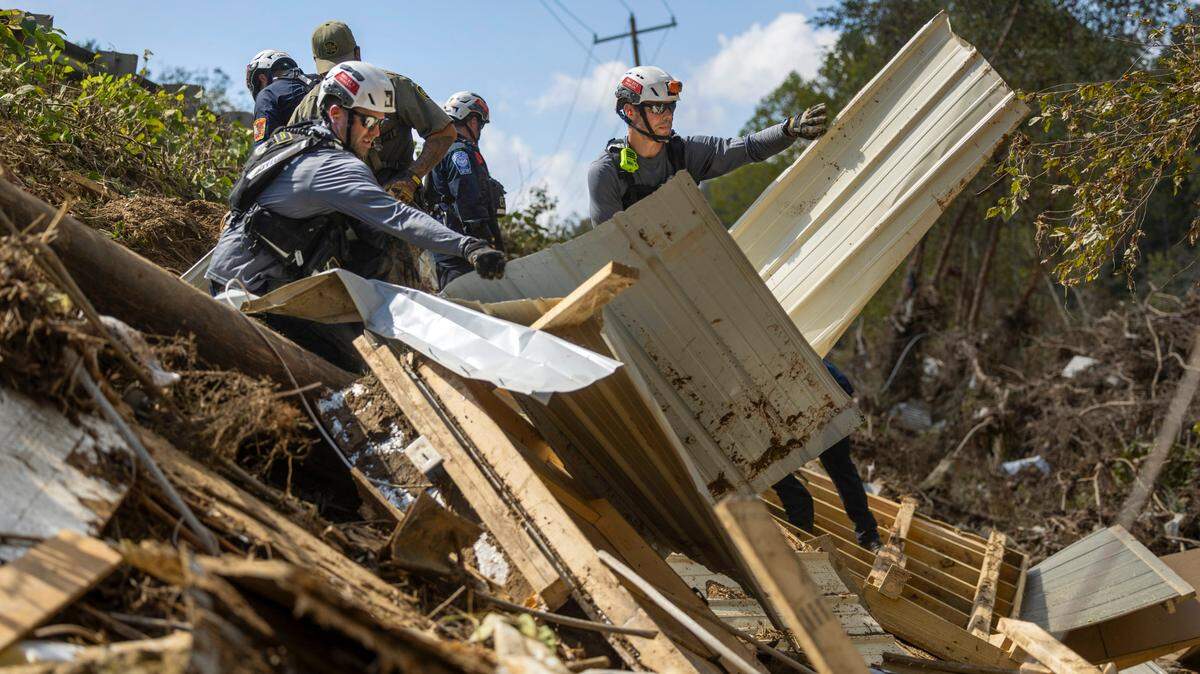
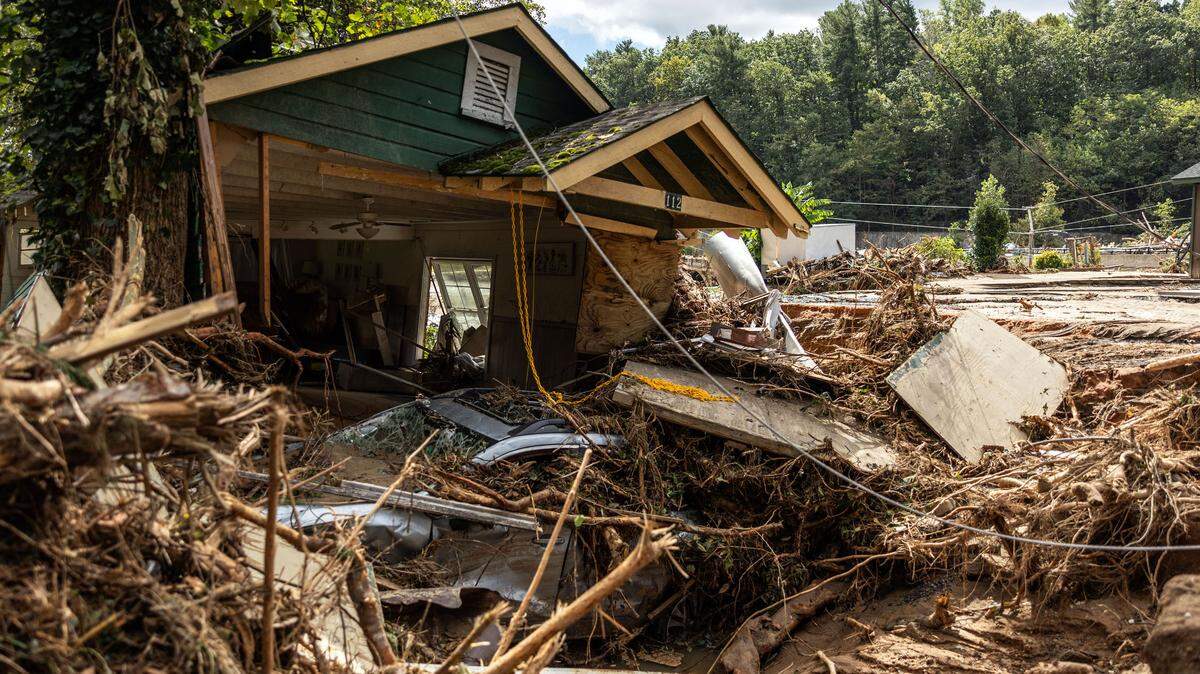
Largely using chainsaws, team members dismantled what was left of the building. They pulled off a piece of sheet metal here, lifted a two-by-four wood plank away there, quickly but methodically taking the ruins apart to try to find whatever the dog had smelled.
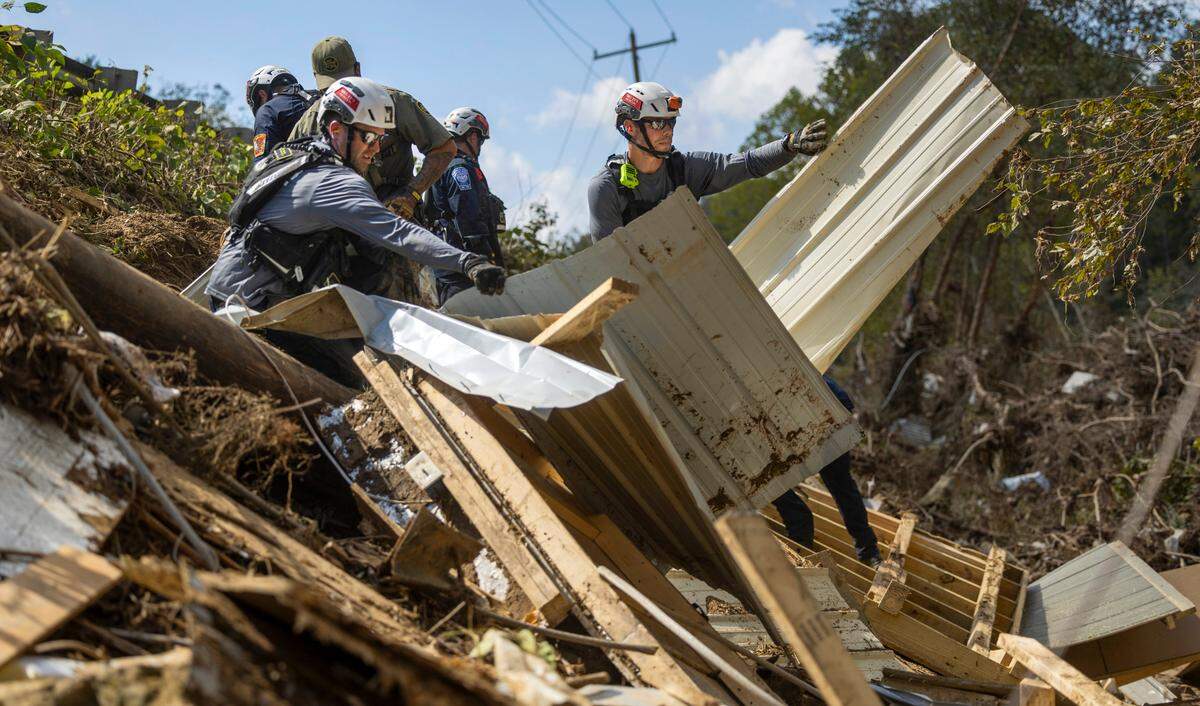
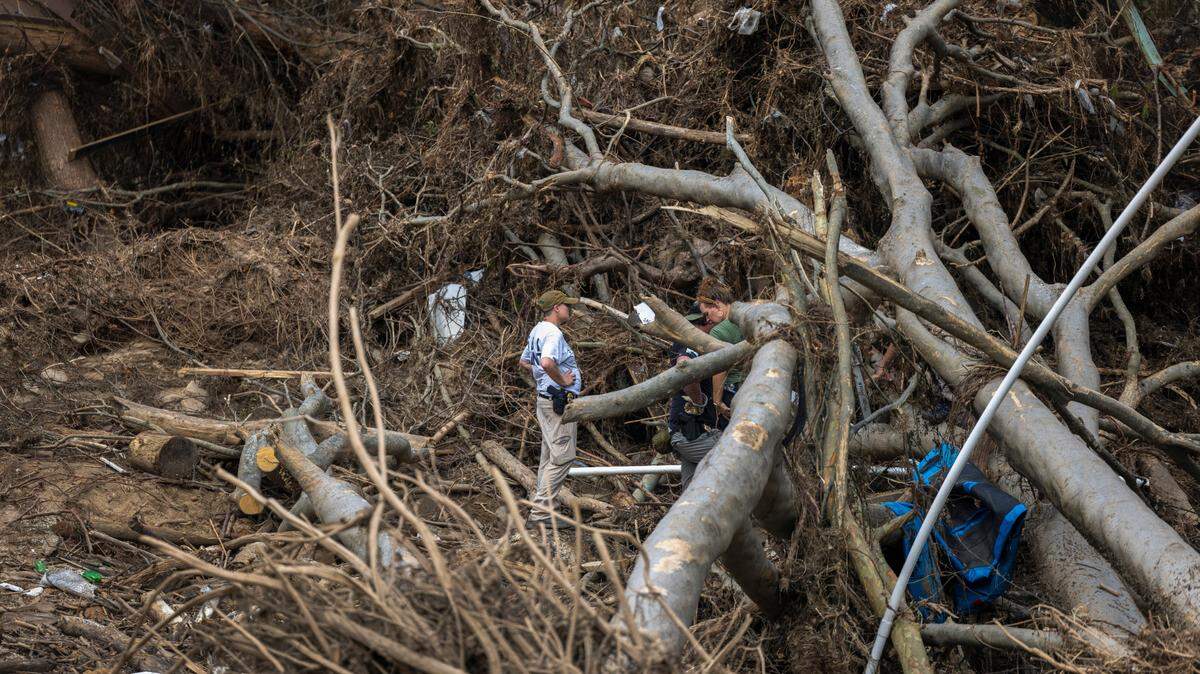
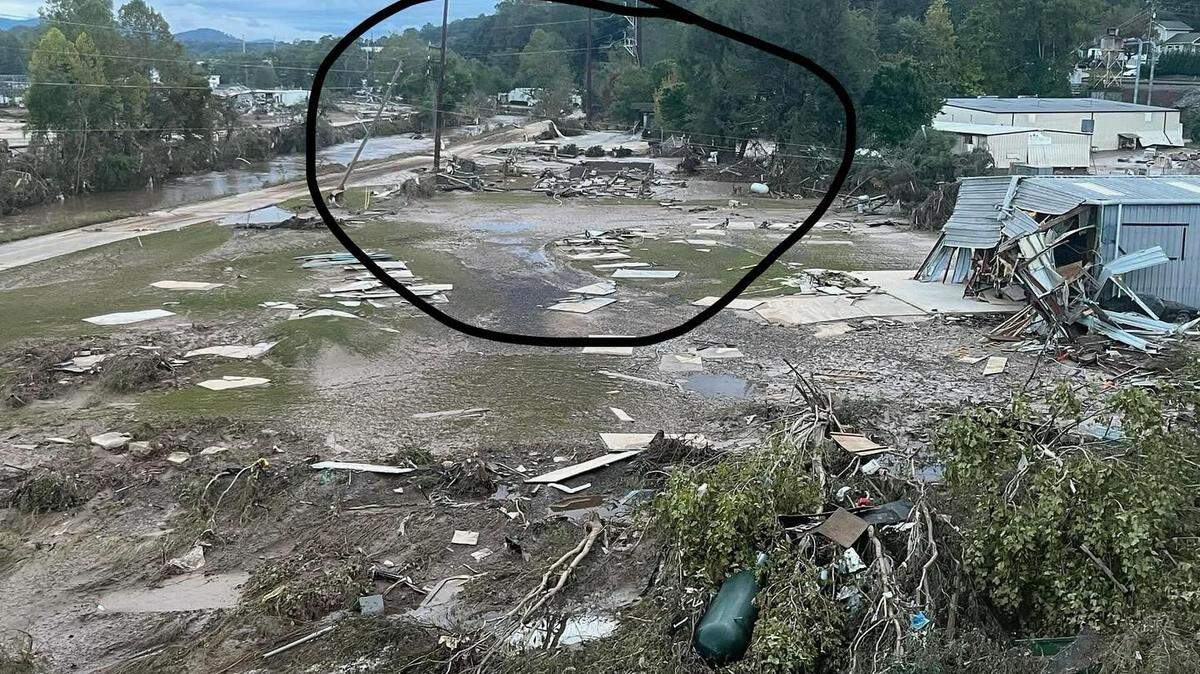
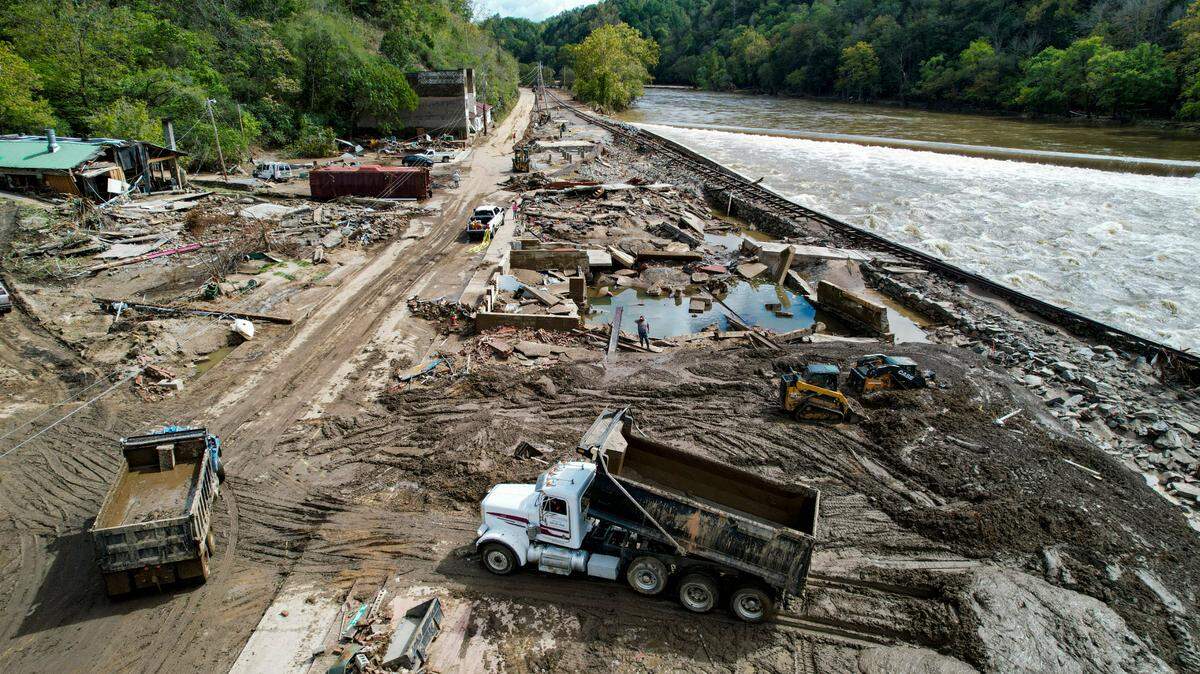
Before Helene, the area where the team worked had been a forested bank of the Swannanoa, tucked between the river and U.S. 70.
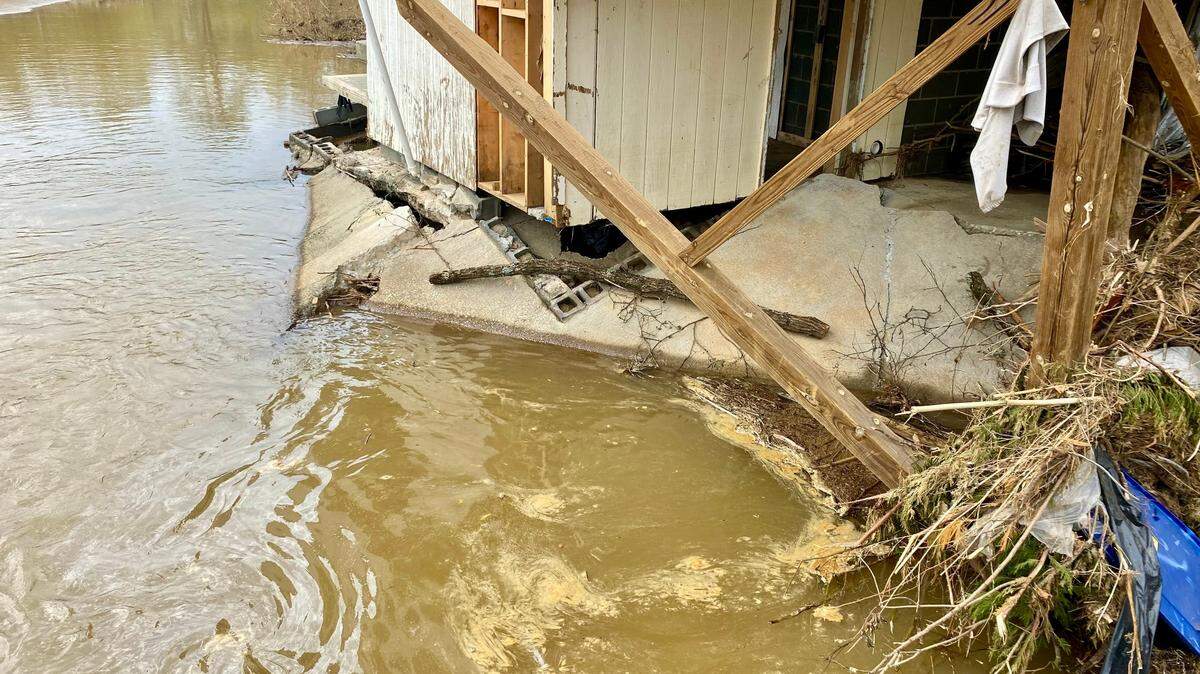
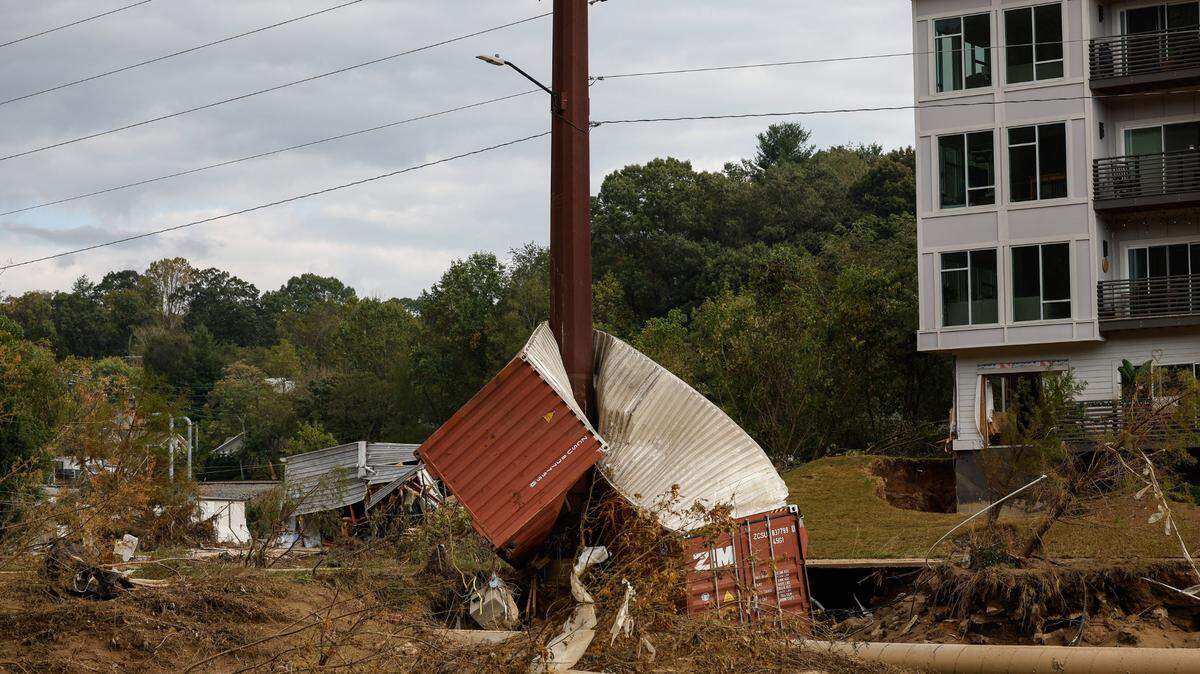
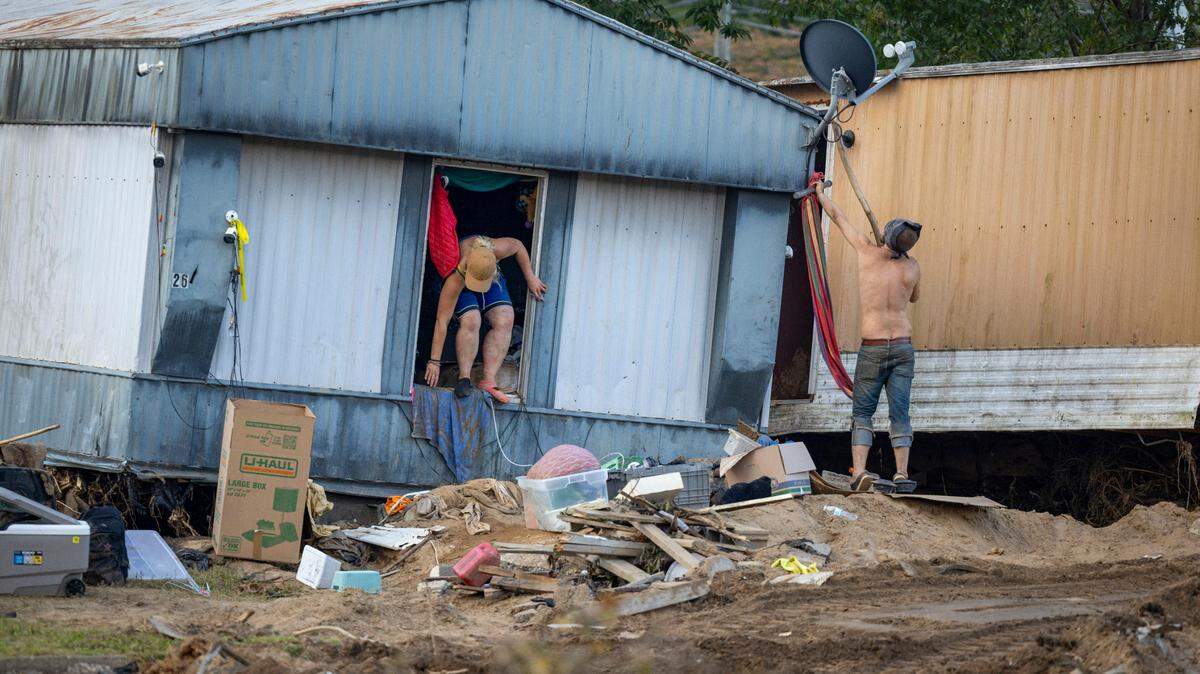
Now, many of the trees had fallen and cars were littered throughout the area, some of them tossed onto their sides by a river that had risen to historic levels. It was impossible to tell what building the long ribbons of sheet metal high up in the trees had started on, or whether they’d started nearby at all.
Many of those cars were marked with a spray-painted X. That’s a sign that the car or structure has been searched.
When members of the search team enter the structure, they spray paint a slash mark to indicate that they’re in it. They also spray paint the date and time. When they leave, they put another slash, along with the number of people found there and symbols for any known hazards, Robert Lipp, a FEMA spokesman, explained as he walked past several buildings and cars marked with different colors of paint.
That’s partially for safety, in case something happens while the searcher is inside the building, and partially to keep rescue teams from duplicating efforts.
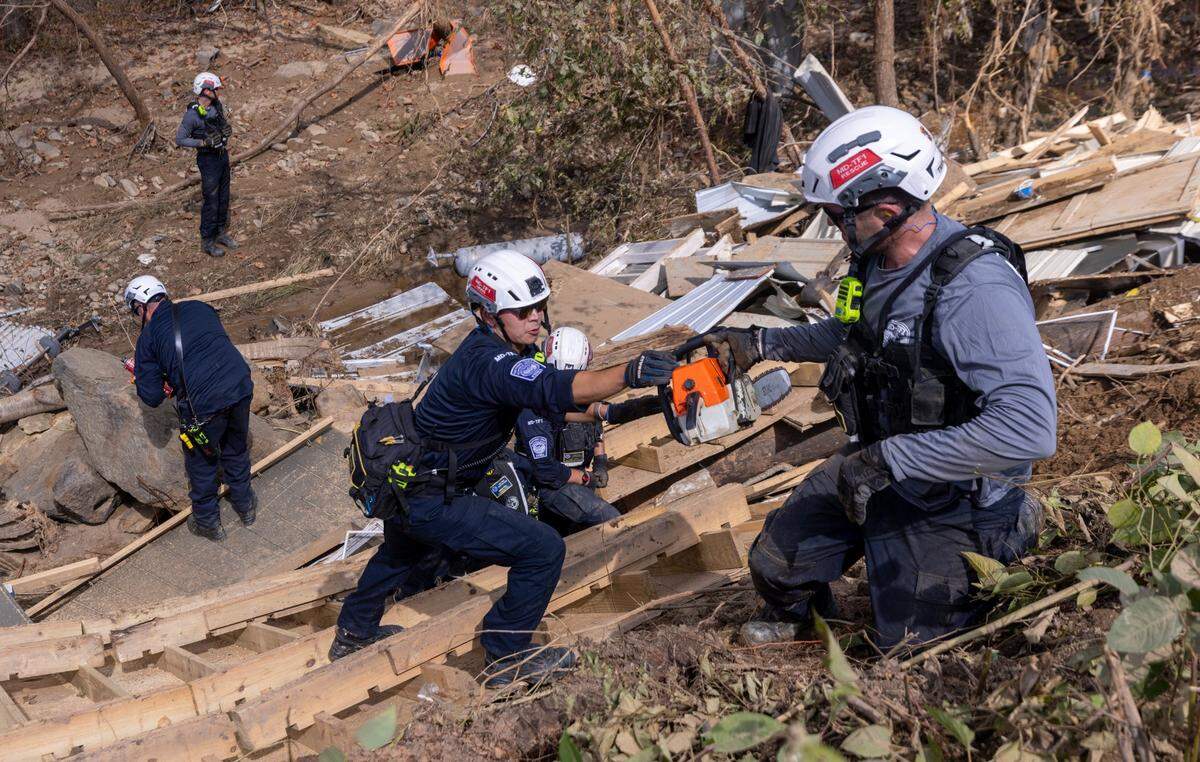
Teams have helped more than 6,500 people
As of Sunday afternoon, nearly 50 search-and-rescue teams working in Western North Carolina had rescued, evacuated or helped 6,586 people, according to a release from Gov. Roy Cooper’s office.
While the unofficial death toll from Helene is well over 100 in North Carolina, Cooper’s office said 77 deaths have been confirmed by the state medical examiner’s office. That number will rise as the Maryland team and others like it locate victims.
“It’s one of those things where somebody’s got to do it and we hate to see a disaster happen, but the majority of us are firemen, and if there’s a disaster and somebody needs to help, we want it to be us,” Josh Kurland, the leader of Maryland Task Force One, told The News & Observer.
Kurland’s team was originally deployed to Georgia on Sept. 25, arriving by noon the next day. Helene hit in the early hours of the 27th, and Maryland Task Force One was woken up at 4 a.m. to respond to a two-story brick building that had collapsed in Valdosta, Georgia.
After working there for two days, the team was sent to Cherokee, North Carolina. Operating from, they worked in Haywood County for two days before being sent to Swannanoa.
A typical day right now in Helene’s response lasts from 7 a.m. to 5 p.m., with a lengthy drive on each end.
“They’re long days,” Kurland said, also acknowledging that at this point there are fewer rescues and more recoveries of those who died in the storm.
A car full of mud
On the banks of the Swannanoa, the search team knew that it needed to reach the Charger. First, though, a member of a construction crew who was operating an excavator needed to move a silver Toyota SUV and several trees that had either fallen or were leaning precariously where the floodwaters had rushed past.
Claw-full by claw-full, the excavator worked through the brush and debris until he reached the Charger itself. Then, after some discussion with rescue team members about where it should go, he lowered the claw, closed it around the car’s hood and dragged it out of the mud.
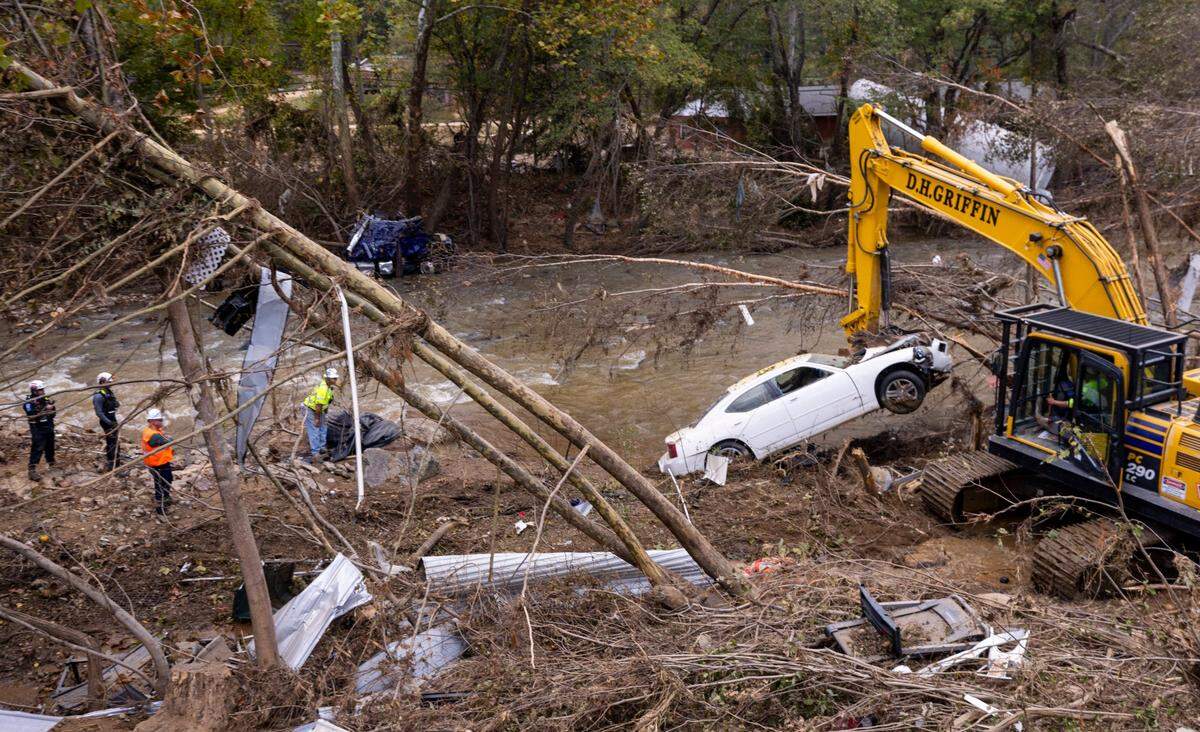
When the car came down with a thud, the search-and-rescue team members surrounded it.
They smashed out its remaining windows using shovels and a baton handed over by a U.S. Border Patrol Agent who was watching.
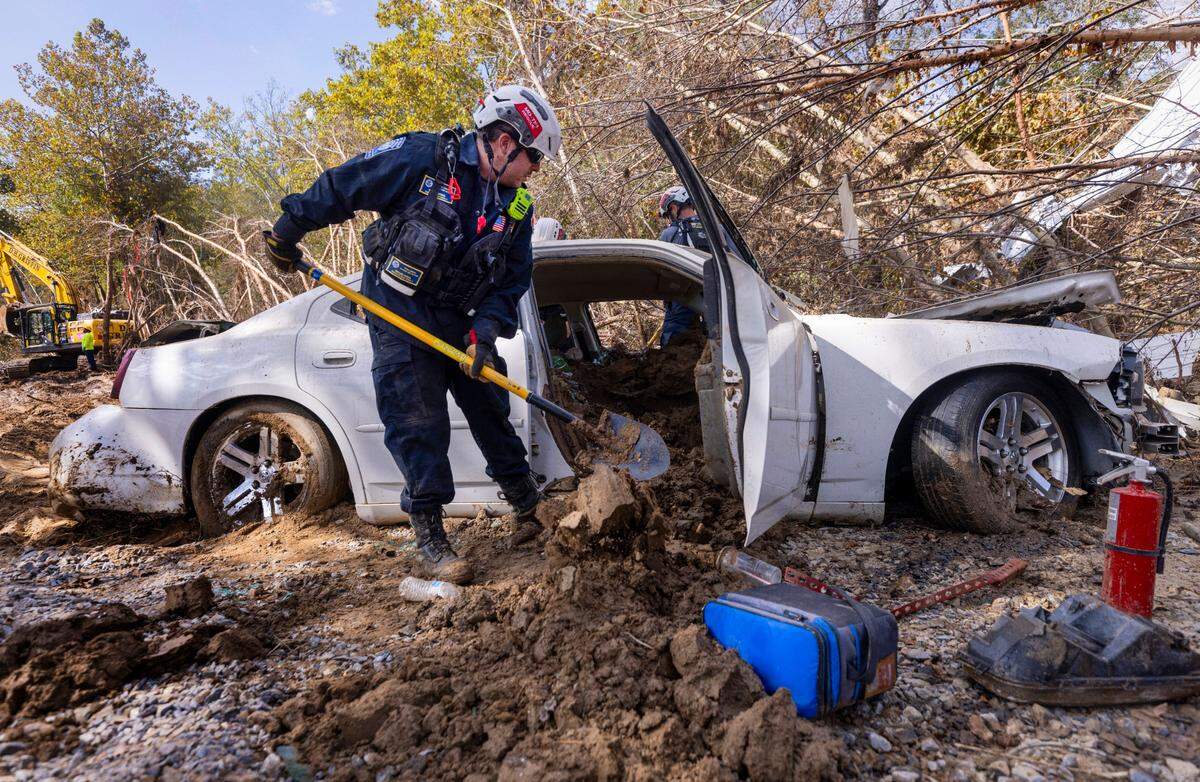
When the front doors opened, the car’s interior was filled nearly to the windows with mud. A foul odor hit some onlookers.
The search and rescue team pulled the silt out gently, shaking it out on the ground to make sure they weren’t missing anything important.
Then they moved to the backseat, asking the construction crew to bring in a smaller excavator that could pull the rear door of the car off entirely. With the crunching of glass and mangling of twisted metal, the excavator did just that.
As the mud was lifted out of the car, it became clear that no one was inside. In fact, the owner arrived, searching for the wallet he thought he’d left in the center console. He had to settle for the pair of prescription sunglasses that were in the car, still sealed inside their case.
Lipp, the FEMA spokesman, recalled seeing similar small pieces of people’s lives recovered after other disasters.
“It seems really tiny,” Lipp said, “but for him I’ll bet it’s a little bit of a bright spot in his day.”
This story was produced with financial support from the Hartfield Foundation and Green South Foundation, in partnership with Journalism Funding Partners, as part of an independent journalism fellowship program. The N&O maintains full editorial control of the work. If you would like to help support local journalism, please consider signing up for a digital subscription, which you can do here.
This story was originally published October 7, 2024 at 5:15 AM with the headline "In Helene’s aftermath, FEMA search-and-rescue teams know they now search for victims."

.jpg)
.jpeg)
.JPG)






.JPG)