Charlotte-area campuses, Atrium & labs anxious over fate of millions in U.S. grants
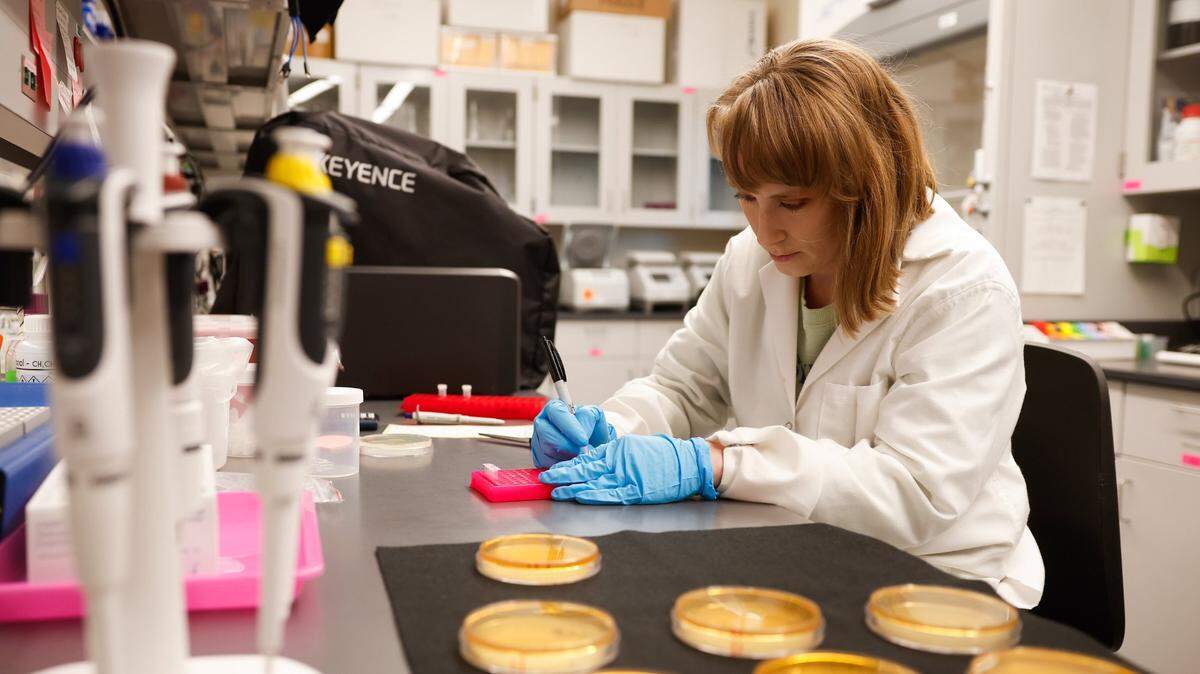
The Trump administration’s plan to slash several billion dollars in health research funding remains entangled in legal challenges from North Carolina and other states.
Around Charlotte, that high-profile fight is being watched anxiously in labs, hospitals and universities, and by people like Dr. Charles Lee.
Lee is COO of a medical research company focusing on liver health called VitriStor, which rents research space at UNC Charlotte. The university is the region’s largest beneficiary of funding from the National Institutes of Health, the agency at the center of the fiscal fight.
At stake is tens of millions of dollars in NIH funding for researchers and institutions across the Charlotte metro region. Since fiscal year 2015, area organizations received $108 million from the NIH, a Charlotte Observer analysis of NIH data found.
Lee also works at the university as director for the Center for Biomedical Engineering and Science. And his biotech company has received critical NIH funds.
“If everybody is having a hard time trying to get funding or being able to sustain it, a lot of these medically helpful technologies are never going to get into the clinical space,” Lee said. “That will definitely impact a lot of sick people.”
NIH claimed that the cuts, sought by the newly installed Trump Administration, will save taxpayers $4 billion annually. The agency is the largest public supporter of U.S. medical research.
Most NIH grants consist of direct” payments for conducting the studies and “indirect” payments for administrative costs like building maintenance, lab staff, legal compliance and utilities.
The government and research institutions negotiate indirect rates, which historically added around 27% to the award totals (major institutions often received 50% or more to support indirect expenses.) But the NIH recently announced that it would limit indirect funding to 15% on all grants.
Lee said the 15% would not be enough to pay all the people who help administer research in his lab. And those people are needed, he stressed.
“We’re scientists,” Lee said. “We’re great at doing experiments and studies. But we’re not bookkeepers and we’re not accountants.”
UNC Charlotte and NIH funding
NIH funding to local groups has increased steadily since fiscal year 2015, according to the Observer’s analysis.
Most of NIH money sent to the Charlotte region over the past decade — about $67 million involved “direct” payments, with another $22 million for “indirect” payments, according to NIH data. The remaining $19 million was not categorized as either direct or indirect costs.
The bulk of the region’s money, some 250 awards totaling about $87.5 million, went to organizations in the city of Charlotte, the Observer found.
UNC Charlotte received the most NIH funding in the area — $56 million since the 2015 fiscal year. The university received money for a range of research topics, including Alzheimer’s disease, suicide detection and breast cancer.
The university’s focus on research reached a major milestone this week. It officially achieved Research 1, or R1, status after doubling its research spending over the last decade. That designation establishes the school as a top research university in the U.S. and will potentially help attract faculty and students alike.
When asked how the potential loss of NIH funding could impact UNC Charlotte, university officials declined to say.
“Like most other research universities, we are closely following the executive directives and subsequent litigation related to research funding,” university spokeswoman Christy Jackson said. “We will await greater clarity regarding the outcomes of these changes before commenting on any potential impacts on our campus.”
Atrium impacts
Atrium Health’s Carolinas Medical Center received about $24.5 million, the second highest total in the region, the Observer analysis found.
When asked about concerns about possible funding losses, Atrium said in a statement it is reviewing the recent executive orders and assessing any potential impact to the health care system.
Projects that CMC received funding for in recent years cover research on a number of topics, including nutrition, sepsis and inflammation of the heart.
Supporting research in Cornelius
Another beneficiary of NIH grants is Phase, Inc. is a 3-D printing company in Cornelius that received more than $2.1 million from the agency in recent years.
Funding from the institute was instrumental for making organ-on-chip devices used to test new drugs for diseases such as cancer and Alzheimer’s, co-founder Jeff Shultz said.
The NIH funds helped Phase hire employees, contribute to Lake Norman’s economy and develop biotech in the U.S.
“We hope the NIH and other government research entities can continue to support U.S. small businesses that are the driver of economic growth and elevate America’s standing as a global technological leader,” Shultz said in a statement to The Charlotte Observer.
‘It’s just impossible’
VitriStor produces technology to preserve large amounts of organoids (3-D structures mimicking the architecture and function of the human liver) for cell therapy. The researchers work in Charlotte and help colleagues at the Mayo Clinic in Rochester, Minnesota, with artificial liver devices.
VitriStor is in the process of applying for more NIH grants, Lee said. The company received $374,262 in fiscal year 2021 from NIH.
“The combination of (direct and indirect costs) are very helpful because you can’t do one without the other,” Lee said.
He is concerned for colleagues with startups who need the money to pay for lab space, electricity and water bills, and for assistants. “I can tell you no biotech startup can run on 15% indirect cost,” Lee said. “It’s just impossible.”
Lee is closer to retirement age and wants to follow through with his work along with others at the Mayo Clinic. But they’re worried about funding too, he said.
“Maybe the writing’s on the wall,” Lee said. “If they don’t fund it, maybe it’s better to retire than to continue working. And a lot of these new technologies will never get translated to help patients.”
This story was originally published February 14, 2025 at 10:21 AM.