Charlotte has rattlesnakes. Learn where they hide & how to identify them
Spring is in full swing, which means you’re more likely to get a visit from a noisy reptile in the Tar Heel State.
Rattlesnakes usually come out in North Carolina when the weather starts to warm up, Skylar Hopkins, an assistant professor of applied ecology at NC State University, told The Charlotte Observer.
There are two types of rattlesnakes in the state, Hopkins said: the timber rattlesnake, sometimes referred to as a “canebrake rattlesnake,” and the diamondback rattlesnake.
Here’s what to know about them.
Does Charlotte have rattlesnakes?
The timber rattlesnake is relatively widespread, meaning it can be found in the mountains and coastal plains of North Carolina, Hopkins said, adding that they can also be spotted in some areas of the Piedmont region.
But the diamondback rattlesnake is “really rare, and it has really limited occurrence in the state, so it’s basically only found on a couple of federally protected lands,” she added.
As for their habitats, the timber rattlesnake generally prefers wooded areas, where they can hide underneath logs and stay out of sight.
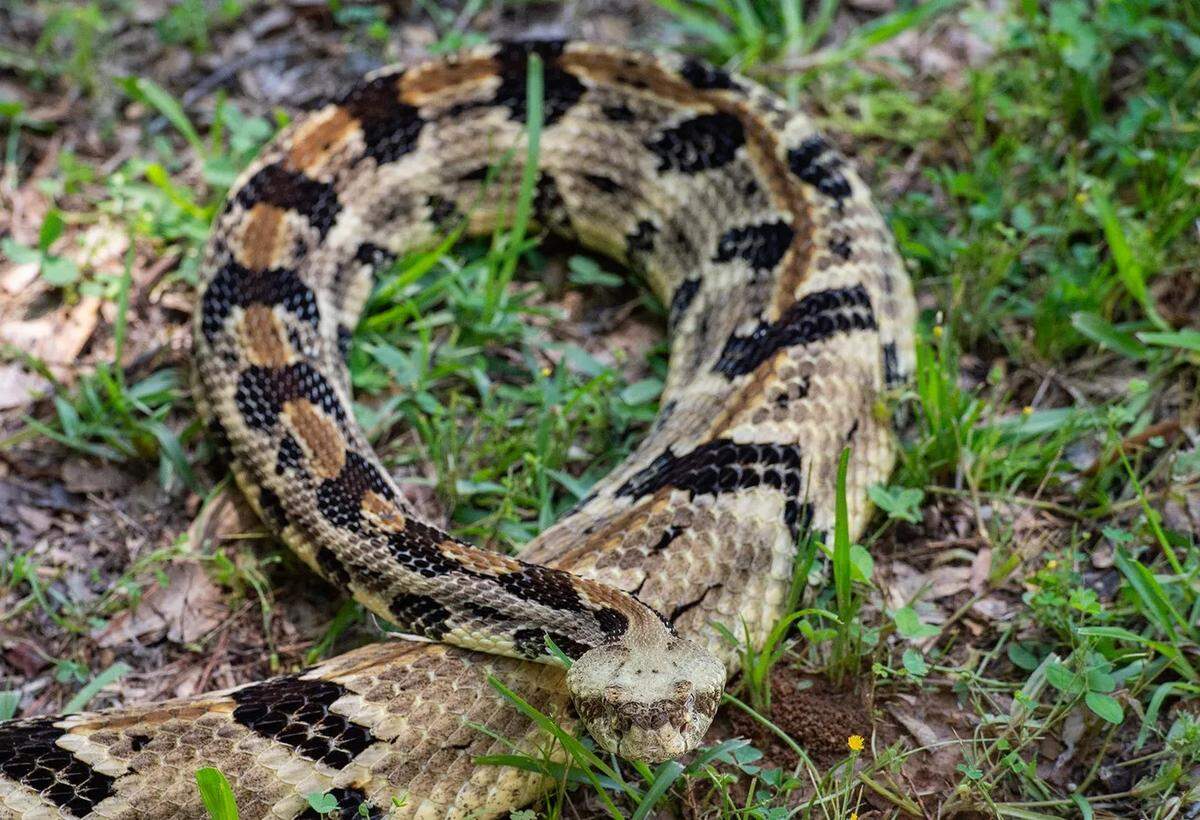
What do rattlesnakes look like?
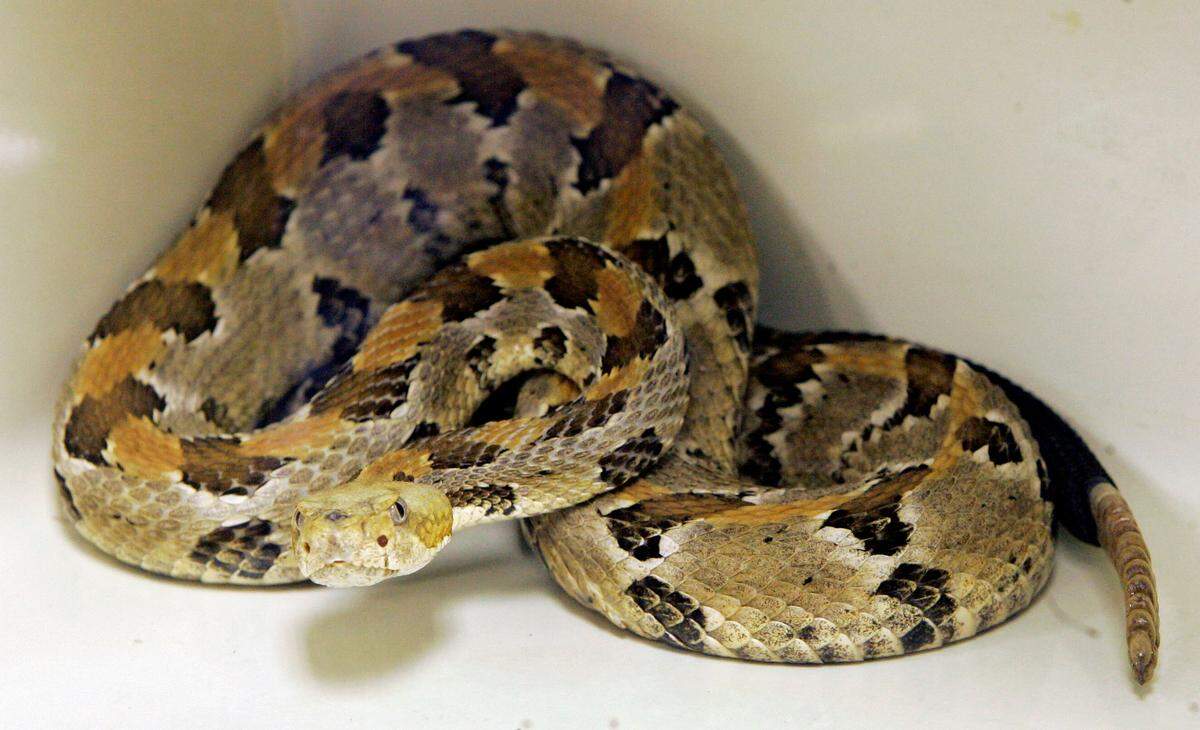
The most obvious sign that you’re dealing with a rattlesnake is the rattle on the ends of their tails, Hopkins said.
She also pointed out that timber rattlesnakes also have a “very distinctive pattern” of dark W-shaped bands on their bodies and are typically “fat and flat” compared to other snake species.
A common misconception is that all venomous snakes have triangular-shaped heads, Hopkins said.
“That’s actually not a good indicator to tell the difference between a rattlesnake and something else,” she said. “A lot of our snake species, when they feel threatened or scared, they have the ability to flatten their head, make it wider and make it more of a triangle shape.”
How likely are rattlesnakes to bite?
Not very likely, Hopkins said.
“Rattlesnakes really do not want to have any interactions with people,” she said. “People are a lot bigger than rattlesnakes.”
Hopkins explained that rattlesnakes’ venom is designed to kill much smaller prey, such as rats and other rodents, and that rattlesnakes generally prefer to stay hidden.
“They have really good camouflage, that’s what they’re the best at,” said Hopkins. “Most of the time you’re going to walk right by a rattlesnake and never know it’s there, because it’s not going to move a muscle.”
What should you do if you’re bitten by a rattlesnake?
If you’re bitten by a rattlesnake, the first thing you should do is get a safe distance away from the snake, Hopkins said.
Once you do that, if possible, Hopkins said you can take a photo of the snake and post it to the NC Snake Identification & Education Facebook Group, where users can help you identify the type of snake that bit you.
However, if you notice any adverse reactions to the snake bite, such as swelling or hives, you should seek help from a medical professional, Hopkins said.
She also advised against common snake bite remedies, such as taking Benadryl, applying a tourniquet and sucking out the venom — so these methods aren’t effective against snake bites and can be dangerous.
Pet bitten by rattlesnake
Move your pet away from the snake immediately, Veterinary Emergency Group says.
After your pet is safely away from the snake, you should contact an emergency veterinarian and explain to them what happened, the clinic says.
Your veterinarian will likely give antivenom to your pet to keep the bite from worsening, antibiotics to protect against infection and recommend rest for your pet when you take them home, according to the clinic.
“Once you have your dog back home, it’s crucial that they rest for a couple of weeks,” the clinic says. “Do not exercise them or allow them to over-exert themselves any more than is absolutely necessary. While they may go on short leashed walks to do their business outside, they needs to take it easy otherwise.”
Here are some ways you can protect your pet from snake bites, according to Embrace Pet Insurance:
Keep pets on a short leash during walks
Avoid rocky or dense brush and grassy areas
Keep grass cut short and remove brush, toy and rock piles
Keep food, fruit and birdseed out of your yard
Install hardware cloth on the base of your fence
If you encounter a snake, calmly and slowly back away from it
Dog bitten by snake
Many pet owners report that their dogs have been fine after being bitten by copperheads, but Dr. Steven Marks, associate dean and director of NC State Veterinary Medical Services, previously told The News & Observer that dogs bitten by copperheads should “a hundred percent, see a vet right away.”
Any time a dog has been “bitten or envenomated” it should “absolutely” see a vet, he said. Veterinary treatment is especially important with smaller dogs — and with cats.
How to prevent rattlesnake bites
Hopkins said snake bites can be prevented by wearing protective clothing outside, such as long sleeves, pants and shoes.
You should also be wary when walking in wooded areas, since rattlesnakes like to hide under logs and brush.
“If you’re ever going to step over a log, you should always check and see that there’s no snake on the other side of the log before you step over,” Hopkins said.
.JPG "Serpentarium (4).JPG")
How to keep rattlesnakes away from your home
Snakes prefer yards for one of two reasons, Hopkins said, but there are ways to keep them out.
“Generally, the reason why you’re going to have snakes in your guard is because you have habitat for the snakes and you have food for the snakes,” Hopkins said.
One way to keep snakes away from your home is to reduce the number of rodents around your home, Hopkins said. This can be done by using traps and eliminating any water sources.
You’ll also want to get rid of anything in your yard that snakes could consider a habitat, such as any logs or piles of brush.