Levine Foundation announces plan to spend down billions, then dissolve itself
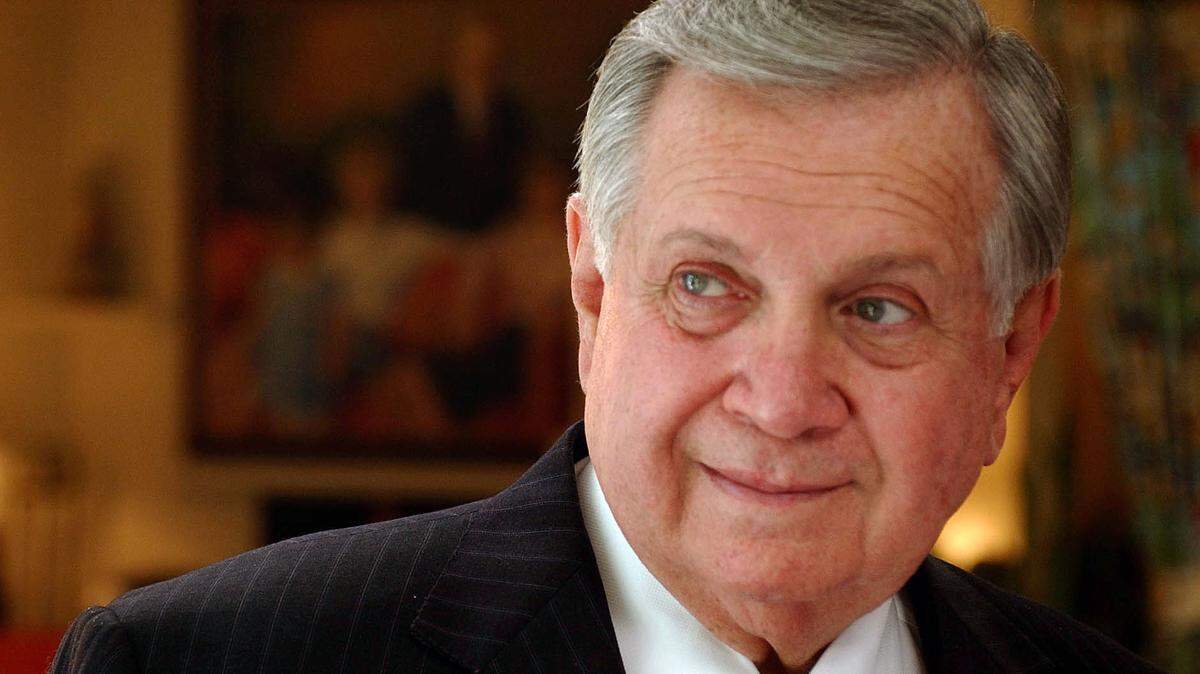
Leon Levine’s name is etched across Charlotte, a testament to decades spent investing in the state he cherished. But it’s his final act of generosity, a posthumous directive to dissolve the very foundation he built, that he hoped would ultimately fulfill his promise to underserved Carolinians and the Jewish community.
“He wanted us to be part of the permanent solution,” said Tom Lawrence, president and CEO of the Leon Levine Foundation. “It’s more about self-sufficiency for our neighbors than it is self-preservation for the foundation.”
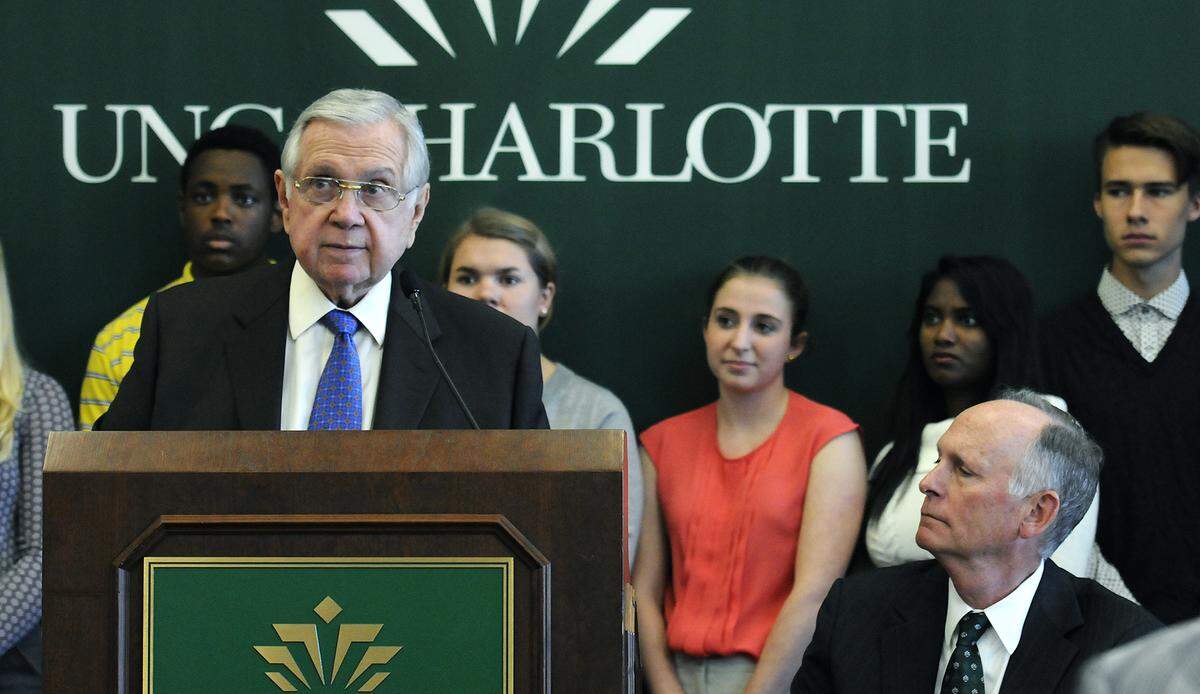
On Tuesday, the foundation announced it will cease operations in 50 years, honoring Levine’s final directive to distribute all of its assets within that time frame. But those assets have nearly tripled to $2 billion since his death in April 2023, pushing foundation leaders to adjust their strategies for the time they have left.
Levine, the founder of Family Dollar, left the bulk of his fortune to the foundation. With his estate now settled, annual giving is expected to rise from about $35 million to $100 million. The foundation has already begun preparing for the transition, expanding its board, refining its strategy, and steadily increasing its grantmaking.
“He acted with urgency because he knew that folks needed help,” said Lawrence, who also leads the Levine family office. “That’s what he charged us with.”
Since its founding in 1980, the Levine Foundation has partnered with more than 400 organizations across the Carolinas, awarding $590 million to causes spanning education, health care, human services, and Jewish values. Many of those nonprofits support the same underserved communities that gave Family Dollar its first customers, driving Levine’s success and ultimately helping him establish one of the largest private foundations in the Southeast.
Today, those communities face renewed challenges. Political pressure and funding cuts have shaken the charitable sector since President Donald Trump took office in January, leaving many funders rethinking the communities they support. Fears of government investigations and threats to charitable tax status have prompted many larger foundations to lie low, some scrubbing websites of language or programs that could invite scrutiny.
“A lot of the folks that you would expect to be more bold in this moment have been shying away and backing off,” said Jennifer Amuzie, director of strategic communications for the National Committee for Responsive Philanthropy, based in Washington, D.C. “Seeing that in this moment has been very disappointing and frustrating.”
The consequences are already hitting nonprofits across North Carolina, many of which are floundering as their largest sources of funding dry up. Bert Armstrong, co-founder of Armstrong McGuire, a Raleigh-based firm that advises nonprofits and foundations, said he has seen a surge in urgent calls from groups that once relied on grant funding and are now unsure how to keep their staff.
Funders, too, are feeling the strain. Armstrong said many are reacting to the political climate with increased caution, slowing the flow of resources and increasing the time it takes for grants to reach communities.
“Foundations have to be mindful of the stewardship of their dollars,” said Armstrong. “And sometimes, that runs counter to what the community may need. People are starting to feel that pinch and that pain in pretty significant ways.”
Levine Foundation steps up
But the Levine Foundation is taking a different approach. It’s leaning in, expanding its funding and shifting toward an impact-driven model where every dollar is directed toward measurable social change.
That shift includes not only widening its network of partners but also awarding larger, more transformational gifts than ever before. These investments are designed to help organizations create lasting solutions to major challenges, and sustain themselves long after the foundation winds down.
“Some foundations are set up to do charitable giving, and some foundations are set up to do intentional philanthropy,” said Lawrence. “What we’re talking about here is being more strategic.”
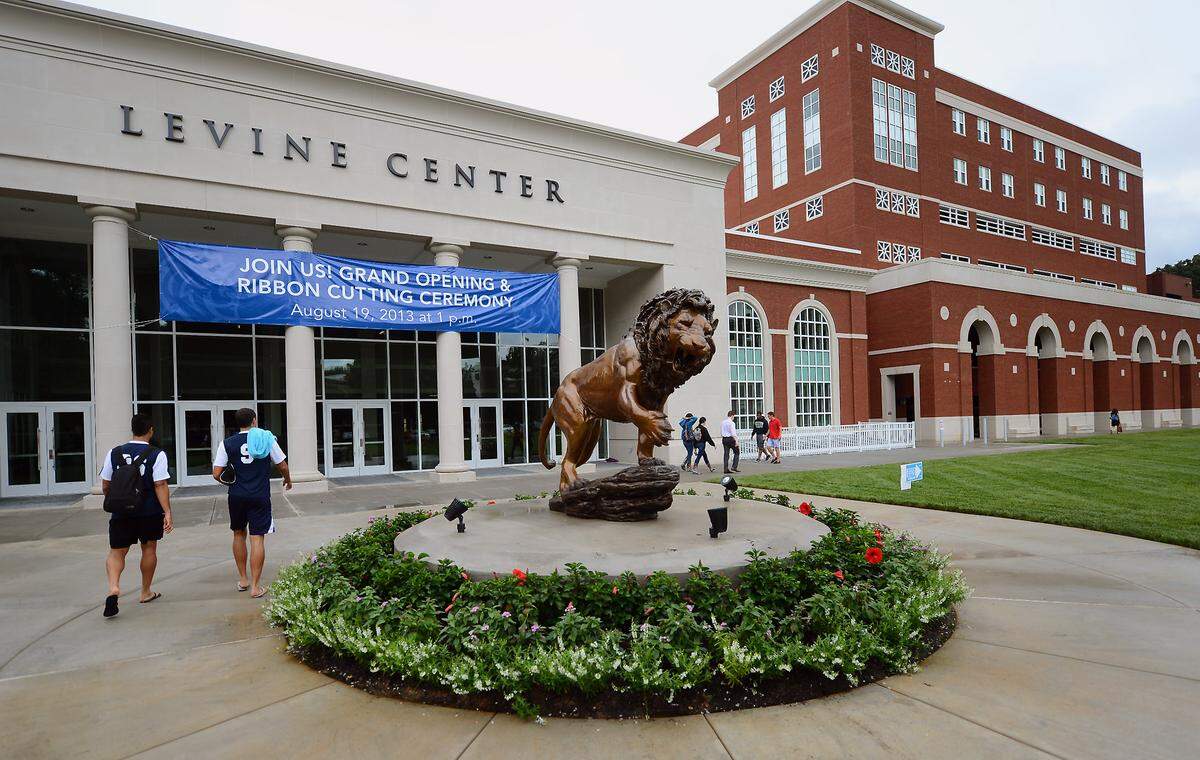
Over four decades, Levine and his foundation donated hundreds of millions to causes across the Carolinas, including $10 million to launch the Levine Children’s Hospital, $25 million to expand the Levine Cancer Institute, and $7.4 million to establish the Levine Scholars Program at UNC Charlotte. His philanthropy also supported education and the arts, with gifts including $15 million to the Levine Center for the Arts and $8 million to Queens University for a wellness and recreation center.
And the need for those dollars is immediate. In March, the Charlotte Center for Legal Advocacy announced the cancellation of a $230,000 contract for refugee resettlement, placing critical programs in jeopardy. Pilgrims’ Inn, a Rock Hill nonprofit that provides emergency services and shelter for women and children, saw its food pantry funding cut in half after a months-long pause in federal support. Roof Above, which serves people experiencing homelessness, has paused new entries into its rent assistance program while awaiting funding.
Local seniors employed through the Senior Community Service Employment Program have been furloughed as the initiative awaits congressional funding. At the same time, health care access for hundreds of thousands of North Carolina residents is at risk after a sweeping domestic policy bill slashed federal Medicaid funding to help finance tax cuts.
The Levine Foundation has already responded with targeted support, including a grant to expand mental health services for children in underserved communities and another to support Jewish federations across the Carolinas as they assess community needs, data that will guide frontline organizations in delivering targeted services.
“It’s so hopeful when you do see funders leading with courage,” said Aaron Dorfman, the president and CEO of the National Committee for Responsive Philanthropy. “It makes people feel like a powerful institution has their back, that they’re in this fight with you.”
Levine’s connection to underserved communities dates back to his earliest business decisions. He studied supermarket parking lots for fresh oil stains, signs of aging cars, as a way to identify where affordable goods were needed most. That’s where he opened new Family Dollar stores, eventually growing the chain to more than 8,000 locations by 2019.
In the second half of his life, Levine turned his attention to philanthropy, channeling his resources into the same communities that once supported his stores. He worked to build trust with the organizations that served those neighborhoods, and in many ways, that mission has never been more urgent.
“The Levine name is on a bunch of buildings,” said Michael Tarwater, chairman of the foundation’s board, “but what you see visibly in the community is the tip of the iceberg. And the iceberg is growing underwater now.”