Trump admin cuts may open ‘significant service gaps,’ Charlotte-area nonprofits say
A Charlotte nonprofit focused on homelessness. A city trying to shore up its water supply. A group serving domestic violence survivors.
They’re just some of the local impacts of massive shake-ups to the federal government in the first 100 days of President Donald Trump’s second term in office — a mark of early progress that arrived this week.
Since taking office in January, the Trump administration has slashed spending and the federal workforce. While uncertainty surrounds many of the efforts because of legal challenges, organizations across the Charlotte region say the sweeping changes are already affecting their day-to-day operations and future planning.
Groups such as Roof Above — which serves about 1,200 people every day through programs such as street outreach, day services, an emergency shelter and permanent supportive housing — are grappling with lost funding that means skimming down programming.
“I thought I was fairly well versed in federal funding,” CEO Liz Clasen-Kelly said. “But honestly, I’ve learned a lot since that Tuesday in January when they announced there would be a freeze on federal funding.”
Charlotte-area nonprofits navigate cuts, uncertainty
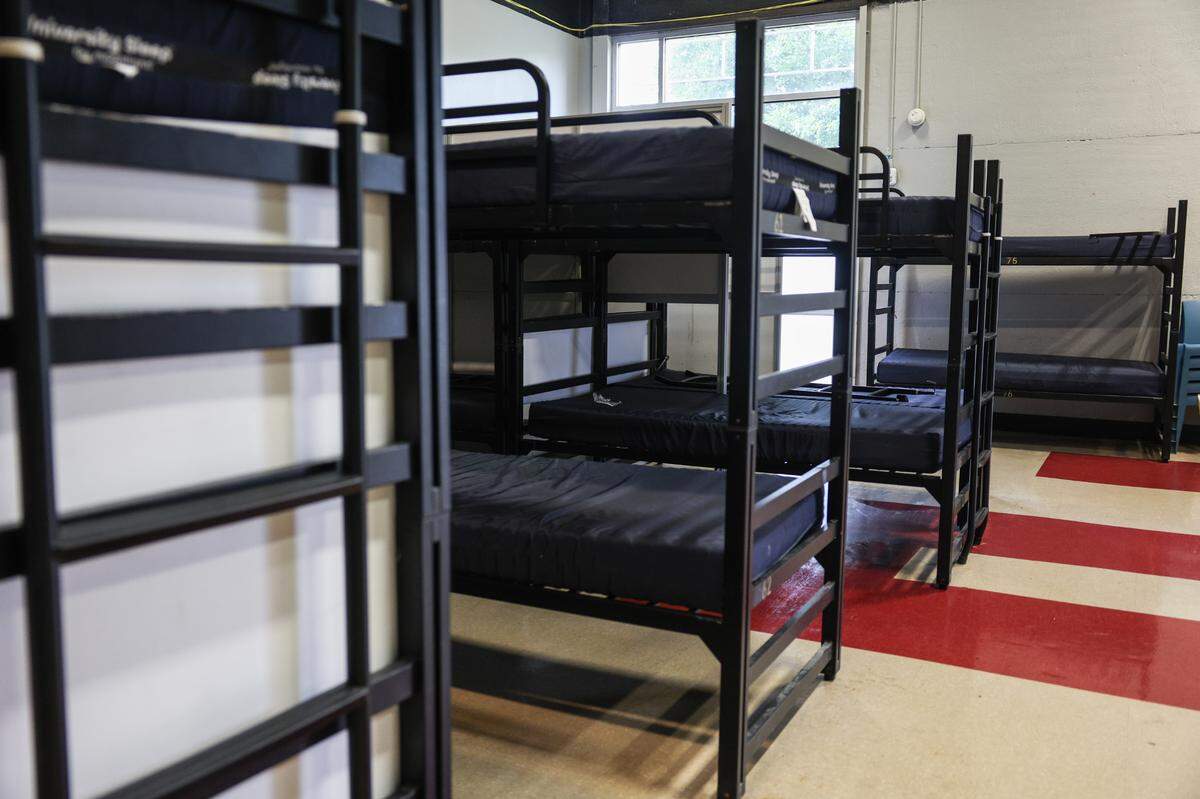
Roof Above typically receives $40,000 to $90,000 annually from the Federal Emergency Management Agency to support its emergency shelter, Clasen-Kelly said. But the program “is kind of paused indefinitely” at a time when Roof Above would typically be reapplying for its next round of funding.
Clasen-Kelly said Democratic U.S. Rep. Alma Adams’ office told Roof Above that FEMA hasn’t disbursed all money allocated by Congress since Trump took office and it’s unclear if they will.
“It’s very hard to understand what’s happening with FEMA right now,” Clasen-Kelly said.
Roof Above is also worried about its Continuum of Care program, which provides housing subsidies to young adults experiencing homelessness. U.S. Housing and Urban Development already awarded the grant, but the agency hasn’t sent out a draft contract ahead of Roof Above’s contract expiring at the end of April.
Without a new deal, Roof Above can’t get its money, Clasen-Kelly said. The group paused new entries into the rent assistance program for now.
“We are trying to be patient with the process, but also we feel the urgency of our work every day to end homelessness,” Clasen-Kelly said.
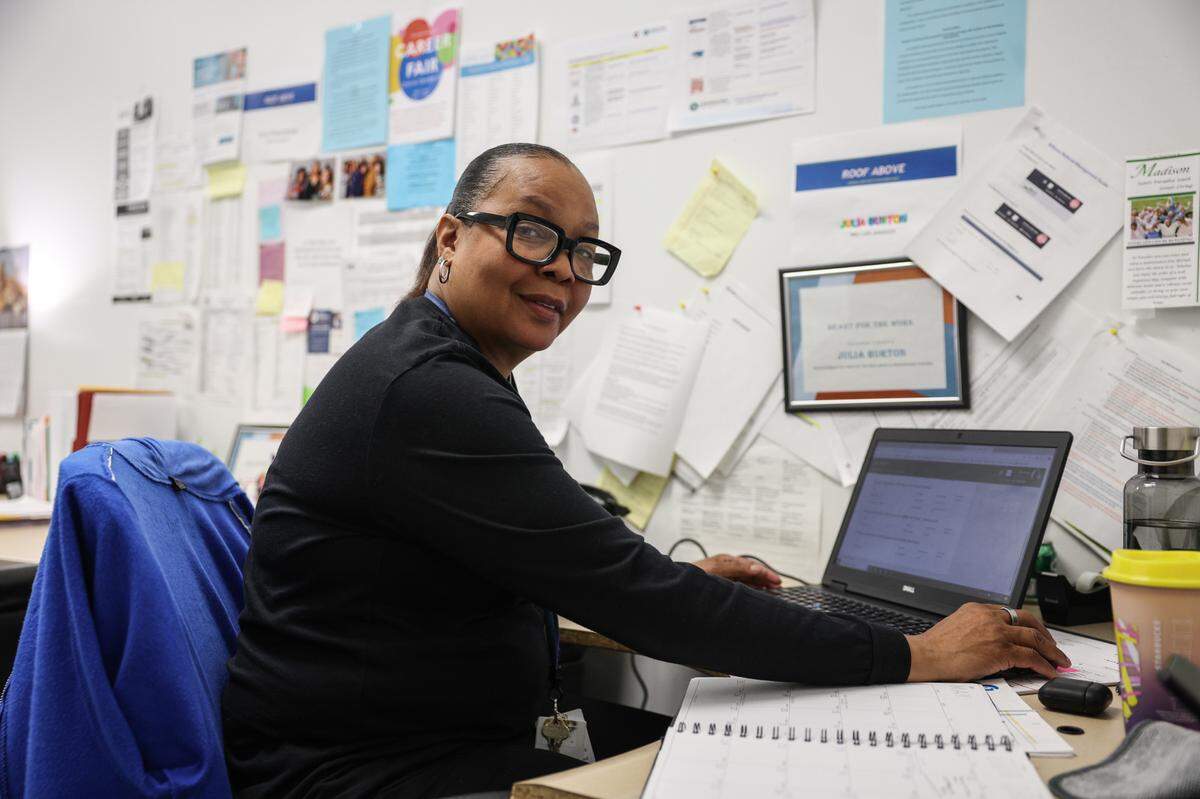
Pilgrims’ Inn, a Rock Hill nonprofit that offers a women and children’s shelter and other emergency services, reported federal resources for its food pantry were cut in half as a result of a monthslong funding pause.
The organization will no longer receive frozen meat, vegetable, fruit and dairy shipments, though independent donors can still give those foods to the pantry.
That accounts for about 75,000 pounds of lost food for Pilgrims’ Inn, according to executive director JaVonda Palmer, or a quarter of its total food supply.
It all adds up to confusion for nonprofit leaders, United Way of Greater Charlotte President Kathryn Firmin-Sellers said. Her organization is trying to help other nonprofits navigate that uncertainty, including a partnership with other leaders to host a learning series for CEOs on what’s fact, what’s speculation and how to stay resilient.
“It’s hard to imagine all the different ways that you might need to navigate or pivot if this funding source is lost, or that funding source is lost,” she said.
Trickle-down impacts
Crisis Assistance Ministry, which serves Mecklenburg County residents facing housing instability, receives few federal dollars directly, spokesperson Tovi Martin wrote in an email to the Observer. Instead money trickles down from state and municipal funds.
So, changes to federal money destined for state and local governments left the organization uncertain about potential impacts.
“That could lead to more of our neighbors losing essential utilities or being evicted from their homes,” Martin said about governmental funds being cut.
Care Ring provides health services for uninsured and underinsured people in Mecklenburg County. The organization receives some money through the Department of Health and Human Services, which is seeing significant personnel cuts, grant cuts and office consolidations, Care Ring CEO Tchernavia Montgomery noted.
“It’s a waiting game, and it is very frustrating because we need to be able to plan,” she said of waiting to hear about the fate of her group’s federal dollars.
Care Ring is adopting a more conservative spending approach as it maps different scenarios with limited information, Montgomery said.
“If you’re on a five-year grant and you’re doing everything you need to do — you’re being productive, you have quality-based outcomes, you’re getting good feedback from whoever your officer is — you feel confident walking into next year, and you can plan,” Montgomery said. “Many of us are unable to do that right now because we don’t know. Tomorrow, there could be an announcement.”
Nonprofits fear layoffs if cuts remain
The United Way doesn’t rely heavily on federal funding. But Firmin-Sellers predicts every nonprofit, including her own, will feel repercussions.
Safety net programs such as Medicaid, food stamps, housing support and early education are on suspected cut lists. Less funding means fewer jobs and nonprofit layoffs, which Firmin-Sellers said could cause an economic downturn and leave fewer donations to backfill lost funding.
It’s speculative, but together could mean increased demand for services when nonprofits’ capacities are diminished, Firmin-Sellers said.
“There is potential for significant service gaps to open,” Firmin-Sellers said.
Safe Passage — a Rock Hill-based nonprofit serving survivors of domestic violence, sexual assault and child abuse — helped more than 1,900 people last year.
About 60% of its funding comes from the federal government, and some grants pay employee salary and benefits, said executive director Adrienne Woods. It instituted a hiring freeze and is searching for ways to reduce expenses without dropping employees.
In February, the Justice Department’s Office on Violence Against Women removed all grant opportunities from its website, which Woods said had been a reliable source of funding for decades.
Nonprofits are turning to their respective state legislatures in hopes they’ll step up with more money.
“If we don’t receive all of our federal funding from the federal government, and then we’re hit with a lack of funding at the state level, what does that mean for the majority of our agencies?” Woods said. “That literally means that our doors could close.”
The U.S. government also shuttered the arm of the U.S. Centers for Disease Control and Prevention that distributed Safe Passage’s $40,000 rape prevention education grant, Woods said. The grant paid a portion of employee salary and helped place advocates in schools and prisons to talk about sexual assault and dating violence.
Safe Passage will scale back its prevention efforts as a result and focus on keeping its victim services intact and employees on the payroll.
“If you have to let go of staff, people won’t be served. That’s the reality. People tend to think, ‘Well, they’ll just do more with less,’” Woods said. “We don’t have the capacity to do more with less.”
Potential delays for ‘critical project’

It’s not just nonprofits navigating funding cuts.
The city of Salisbury anticipates it will lose a $22.5 million FEMA grant to relocate a raw water pump station on the Yadkin River, which moves untreated water to a treatment plant.
The current pump has been increasingly impacted by floods, “which are getting more and more frequent and more intense,” Salisbury-Rowan Utilities Director Jason Wilson told the Observer. Floods can damage the facility and create a dangerous situation for crews sent out to do urgent repairs.
“It compromises our ability to operate and maintain our pump stations, to protect the raw water supply for 53,000 customers in Rowan County,” Wilson said.
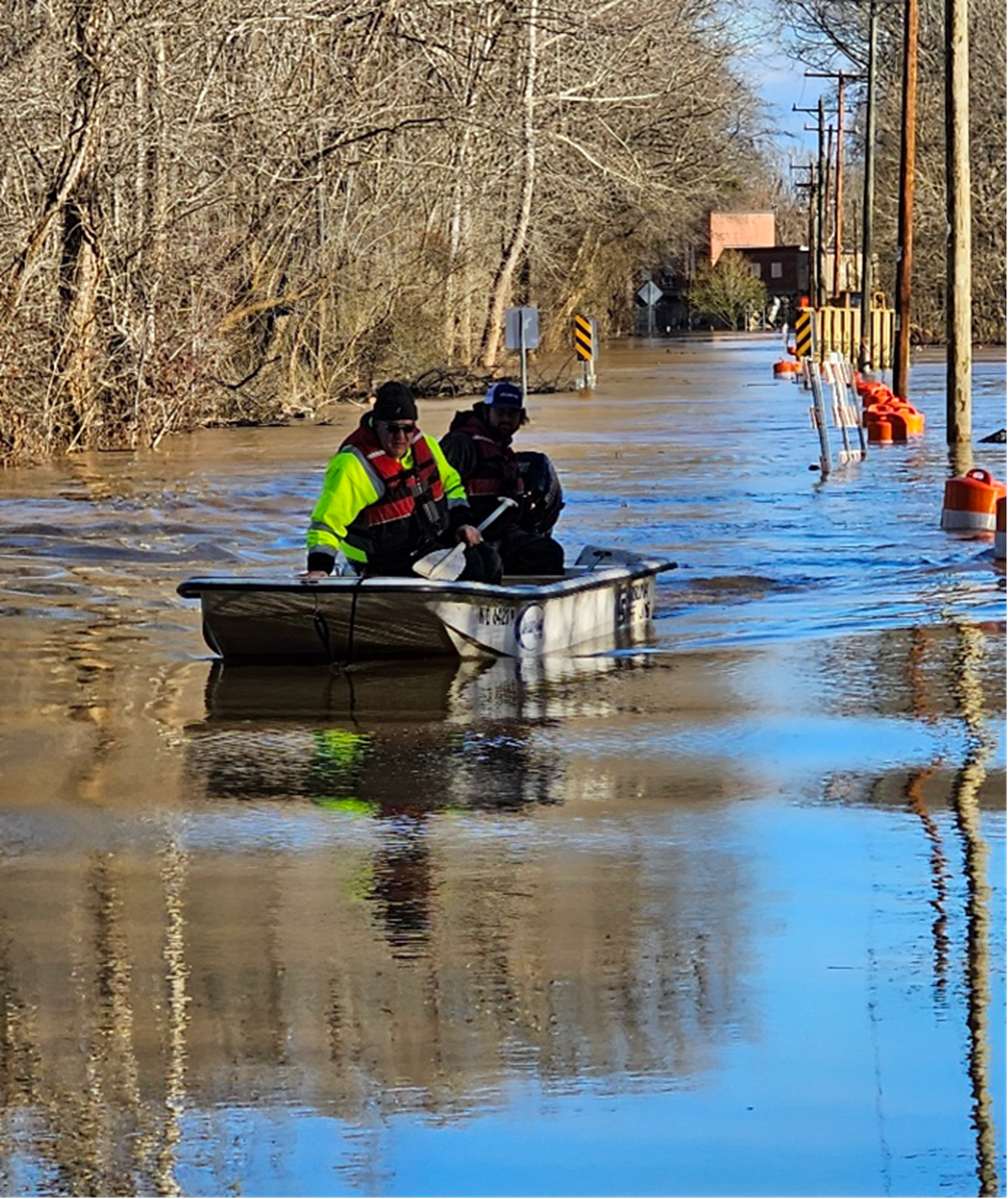
The utility planned to move the pump station downstream to a better location as part of a multi-year, $31.5 million Water Resiliency Project funded in part by the FEMA dollars.
But the federal agency said in an April news release it was canceling Building Resilient Infrastructure and Communities grant applications, calling the program “yet another example of a wasteful and ineffective FEMA program.”
Salisbury hasn’t received direct communication from FEMA, Wilson said, but plans on not getting the money. That means trying to find other funding sources to prevent delays in completing the project that’s vital for “longer term sustainability,” Wilson said.
“From the utility standpoint, this is our most critical project that we have on our plate right now,” he said.
This story was originally published April 30, 2025 at 5:00 AM.