Union County mayor candidate faces ethics questions over nonprofit money vote
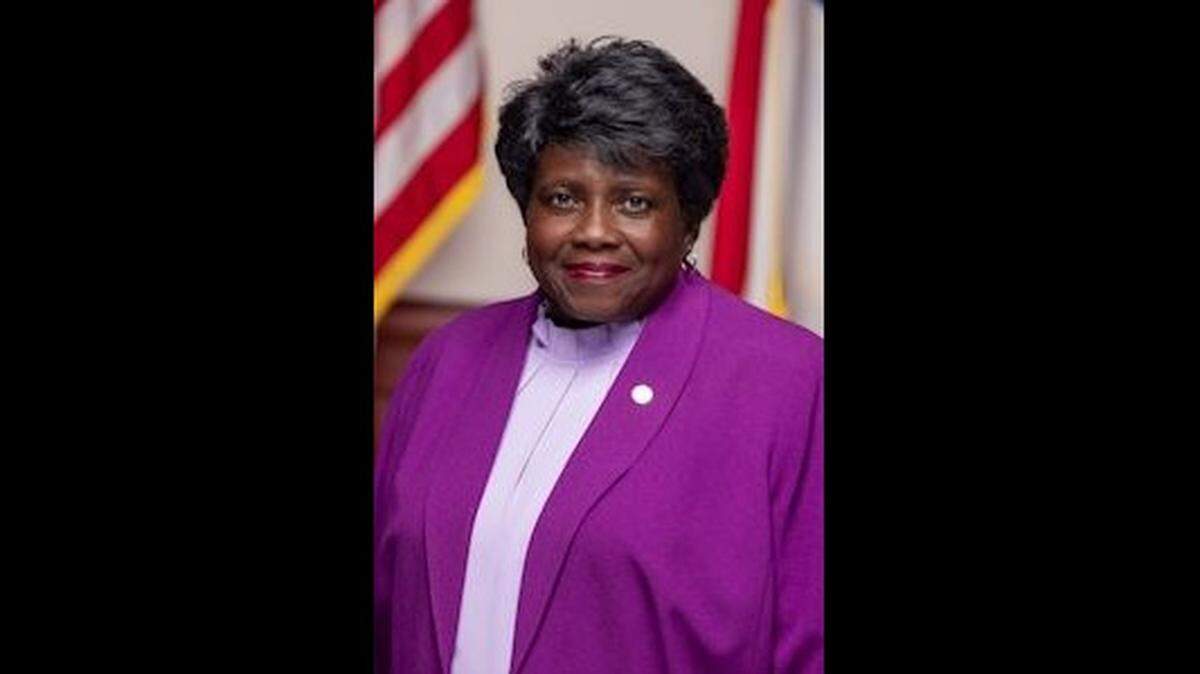
A Monroe council member and mayoral candidate faces scrutiny after she helped approve city funding for a nonprofit where she’s a board member.
Surluta Anthony, Monroe’s mayor pro tem, sits on both the city’s General Services Committee, which reviews outside agency funding, and serves as board vice president for Community Health Services of Union County. The nonprofit received city money in fiscal year 2026 and is being considered for more in 2027. But North Carolina law bars local officials from knowingly participating in certain funding decisions involving nonprofits where they serve as officers, directors or governing board members, and the situation has drawn questions from residents and the city’s incumbent mayor about whether proper disclosure or recusal occurred.
Public records and meeting materials reviewed by The Charlotte Observer show CHSUC received $30,000 in city funding in the adopted FY2026 budget. Anthony was serving on the committee that reviewed and recommended outside agency funding at the time and participated in the process without recusing herself, according to meeting minutes.
While the city is currently considering funding requests for next fiscal year, the General Services Committee on which Anthony serves voted to recommend funding for CHSUC and send that recommendation to the full council. The budget has not yet been approved, and no funds have been awarded for next year.
North Carolina law prohibits local officials from knowingly participating in the making or administration of contracts, grants or appropriations involving nonprofits where they serve as officers or board members. Participating includes both deliberating and voting. The law states that a knowing violation is classified as a Class 1 misdemeanor.
The state previously focused conflict-of-interest law on whether officials directly benefited financially from contracts, according to the UNC School of Government, but in recent years expanded restrictions to include officials who serve as officers or board members of nonprofits receiving public funds.
What does Anthony say about vote?
Anthony acknowledged in an interview with the Observer that she serves on the nonprofit’s board and has done so for over a decade, describing the role as volunteer work and emphasizing that she receives no financial benefit. Anthony described CHSUC as a longstanding community resource that provides free medical care to residents who might otherwise go without it.
The claims that she may have violated state law, she said, are politically motivated.
“These claims are ridiculous, and it’s all part of a scheme to discredit me,” Anthony said. “I receive no financial benefit, no monetary benefit… there’s nothing criminal about it” she said.
Anthony said funding decisions for nonprofits follow a standardized process in which staff review applications and present recommendations to the General Services Committee, which then forwards those recommendations to the full council. She also said she did not formally recuse herself because her role with the nonprofit was widely known.
“That’s what they’re hawing about, saying that I should have disclosed. It’s no secret, everybody knows that I serve on the committee,” Anthony said. “I’ve never hidden it, because there’s no reason to hide it. For me, everything begins and ends with integrity.”
Anthony initially told The Observer that Monroe’s city attorney said she did not violate the law. After a reporter contacted the attorney for clarification, Anthony followed up to say she had been told she did not knowingly violate the law. She also said she was not aware of the statute at the time.
“I did meet with our city attorney afterward, and I want to make sure that I don’t say that he told me that there was no violation,” Anthony said. “He did tell me that I didn’t knowingly violate anything and that I had no financial gain or any favor... I think they just found out that that is a statue.”
The Observer has asked the city attorney to clarify what guidance was provided.
What are critics saying?
Monroe Mayor Robert Burns, who is not running for reelection and plans to run for governor in 2028, said the situation raises concerns about how the city handles potential conflicts involving public funds.
“At the very least, this is an ethics violation, and at the most, we’ll leave that up to the courts,” Burns told the Observer. “It’s disappointing to find out this information, and I will let the authorities do their job, but this is why citizens need to question everything in government, and this is why… I will always question decisions.”
Questions about Anthony’s participation have also been raised publicly by residents who reviewed city records and meeting videos.
Lisa Metzger, a former Monroe resident who said she has business investments in the city, said the issue centers on whether rules were followed. Metzger posted on Facebook about the situation and spoke at a recent council meeting.
“The issue is whether proper disclosure and recusal occurred… when a council member participated in funding decisions tied to an organization where she holds a leadership role,” Metzger said.
Metzger said she is not making a legal determination but believes the overlap between Anthony’s board role and committee responsibilities warrants closer examination.
“My goal is clarity and transparency, not speculation,” she said.