NC city dug up dozens of graves and could use land for industrial development
By the time Lori Deans learned in early-July the city of Monroe planned to relocate dozens of graves from Billy Woods Cemetery, including her relatives, the city council had already approved the project.
A few weeks later, crews began exhuming the remains.
City leaders say the process was handled with care, moving bodies from a neglected patch of woods to a city-maintained cemetery where loved ones can visit more easily. But Deans said she was never notified about the change and the process lacked transparency and respect.
“It’s horrifying,” Deans said. “I feel like I stepped into a Stephen King novel.”
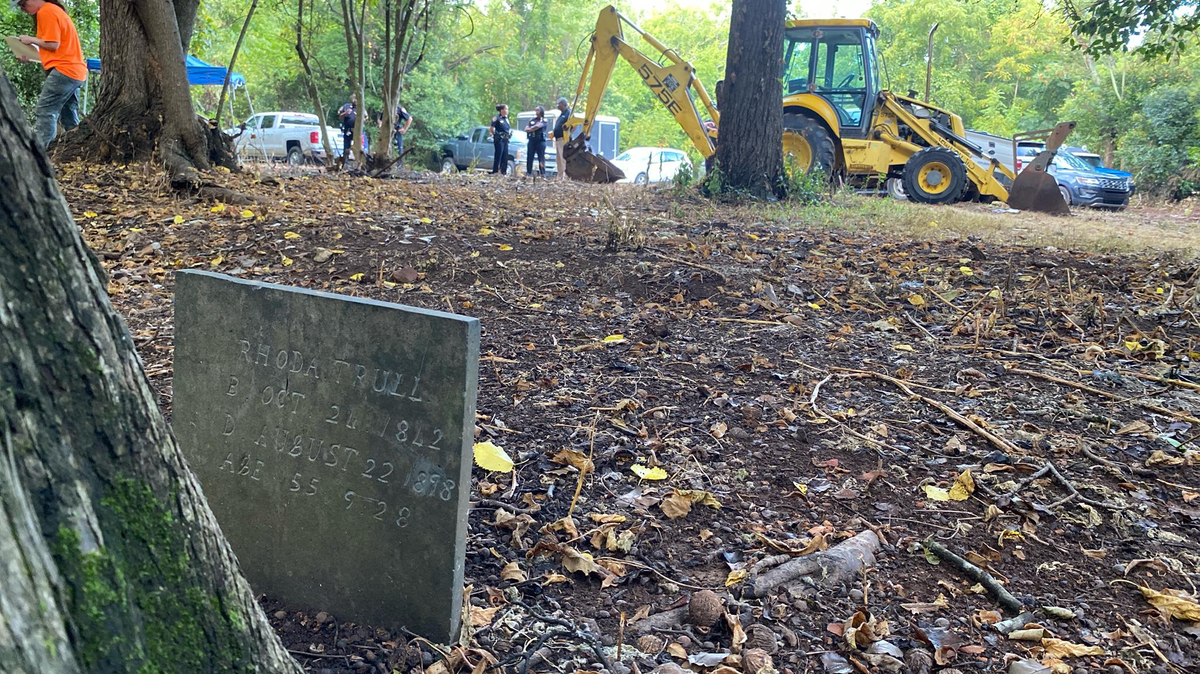
Crews began moving dozens of graves from the Billy Woods Cemetery, located at 1541 N Sutherland Ave. in Monroe, to the city-run Suncrest Cemetery at the end of July. Mayor Robert Burns told The Charlotte Observer the cemetery was on an inaccessible and neglected piece of land the city had purchased in 2018. Burns said the city does not plan to use the land for residential purposes, but could use it for industrial and business purposes in the future.
He said the city considered relatives throughout the entire process.
“We’ve taken deep care, extreme care of this graveyard and in the way we’re doing it to put these loved ones into a place where individuals and family members can come and pay their respects in a very accessible way,” Burns said. “What once was a forgotten graveyard is now going to be one that is properly documented and taken care of by the city for the long foreseeable future.”
Were relatives notified about the change?
The city hired a company named Richard Grubb & Associates for a historical investigation, genealogical research, grave identification, excavation and reinterment, said Monroe Assistant City Manager Jeff Wells, who managed the project.
According to the historical study conducted on the site, Billy Woods Cemetery was created in the mid-1800s and was maintained until the early-1900s. It was a rural family cemetery, and primarily for members of the Helms and Boyte families.
However, the study states, it can be difficult to identify all individuals buried in abandoned family cemeteries. In the South especially, these cemeteries may contain remains of enslaved people, sharecroppers or others who lived on the land but did not own it.
Monroe City Manager Mark Watson said around 50 graves were identified by grave markers and research, and 20 more unexpected ones were discovered in the moving process.
Richard Grubb & Associates contacted 170 descendants of four people– William Helms, Rebecca Hinson, Malcolm McPherson Boyte and Barbara Long – to let them know the graves would be moved, according to the study.
But Deans said she wonders why she wasn’t told her relatives would be moved.
She has known about her relatives buried in the cemetery for a decade. Deans discovered her fourth great grandparents, third great grandmother and third great aunt and uncle were buried at Billy Woods Cemetery through working with a historian at a Union County Library and genealogical websites like FindaGrave.com.
Deans said she felt powerless as the city dug up their remains and moved them to the new cemetery.
“It’s really affected me badly,” Deans said. “I’ve had anxiety and (have been) crying over this and feeling so helpless.”
Moving the remains
The physical work of relocating the graves began in late July. Wells said ground-penetrating radar was not used because it wasn’t necessary for the level of digging planned and can sometimes give false readings. Workers placed each set of remains in a pine box, as very little of the original boxes remained, Wells said.
Under the direction of archaeologists and funeral directors, each set of remains is being reinterred in the exact same position relative to other remains as they were at Billy Woods, Watson said.
“If you go to the Suncrest Cemetery, after all the reinterments are completed, everybody will be in exactly the same spot, the same position as they were in,” he said.
Wells said all of the headstones will be preserved. Some that were in good shape only require cleaning, and the city will work with organizations to repair others.
But Deans, who said she visited the site nearly every day since work began, described what she saw as surreal.
“They dug them up, and they put them in small wooden boxes that are about two feet long,” she said. “It’s surreal. No coffins, no vaults – like nothing.”
Now, Deans said she hopes there will be some sort of memorial or ceremony to honor the dead. She is upset that the decision to move the remains is not for a public project, but for potential industrial development.
“I understand it has to happen sometimes to put through a highway or something important,” she said. “But this is pure greed.”
This story was originally published August 11, 2025 at 5:00 AM.