
‘What’s happening to me?’ How toxic fumes are sickening pilots and passengers

On an October 2024 flight, a strange odor seeped into the cockpit of a regional jet.
The pilot, feeling faint, struggled to breathe. The first officer did, too. The priority, the pilot recalled, was urgent: “Remain conscious and get the plane on the ground safely.”
That same month, the crew of a 757 encountered a powerful smell that left both pilots with throat and nose irritation. Worried they might become incapacitated, the captain decided to land immediately.
Three years earlier, a 737 crew preparing to board their aircraft saw a flight attendant being taken away in a wheelchair. The plane’s previous crew members were headed to the hospital because of a “fume event” — and warned the incoming crew not to board. But they did. Soon, they too began feeling severe headaches and nausea.
In confidential reports submitted to NASA, flight crews describe being overwhelmed by noxious fumes — struggling to stay conscious, land planes safely, or simply breathe — part of a larger body of evidence suggesting that contaminated cabin air is a recurring threat.
While some recover from fume exposure in a few days, others have reported that they were left with severe and lasting health problems that ended their careers.
Precisely how often these incidents happen is unclear.
Searching the FAA’s database of “service difficulty reports,” which document mechanical issues that could affect flight safety, The Charlotte Observer found more than 650 reports in 2024 that include the words “fume” or “fumes.” During the past decade, there were a total of more than 3,700 such reports.
The Federal Aviation Administration says such problems are rare, and that the air quality aboard commercial planes is on par with offices and homes. One FAA report found that cabin air quality events happen on less than one of every 30,000 flights.
But others who’ve studied the problem have concluded it’s much more common than the FAA suggests.
A 2016 study, which looked at the incidence of the problem on more than 30 aircraft models, concluded that it happens on more than 1 of every 5,000 flights. That’s roughly nine incidents a day across the U.S.
And a Wall Street Journal investigation published in September found that the rate of such incidents has been accelerating in recent years. In 2014, the Journal found, there were about 12 fume events per million departures. By 2024, the newspaper estimated that there were at least about 100 and possibly as many as 800 fume events per million flights (meaning, at minimum, a handful per day) in the U.S.
Judith Anderson, an industrial hygienist with the Association of Flight Attendants, is one of the world’s leading experts on cabin air contamination. Over the past 25 years, she says, she has heard from more than 2,000 people who reported being sickened by airline fumes.
“The industry has not properly addressed this hazard,” Anderson told the Observer. “It’s been known about for decades. They carry on business as usual, and that’s not right. And people get hurt and get seriously injured in some cases.”
The publicly available reports from NASA’s Aviation Safety Reporting System don’t specify what airports the planes were flying to and from. But a number of complaints over the years have focused on planes in Charlotte, news stories show.
In late June, crew members were sickened by odors on a plane at Charlotte Douglas International Airport that had not yet taken off. Six crew members and a gate agent were taken to the hospital. While most of them had minor symptoms, one experienced serious effects, MEDIC told local press.
American Airlines investigated the incident and its maintenance personnel determined that a fuel leak may have been to blame.
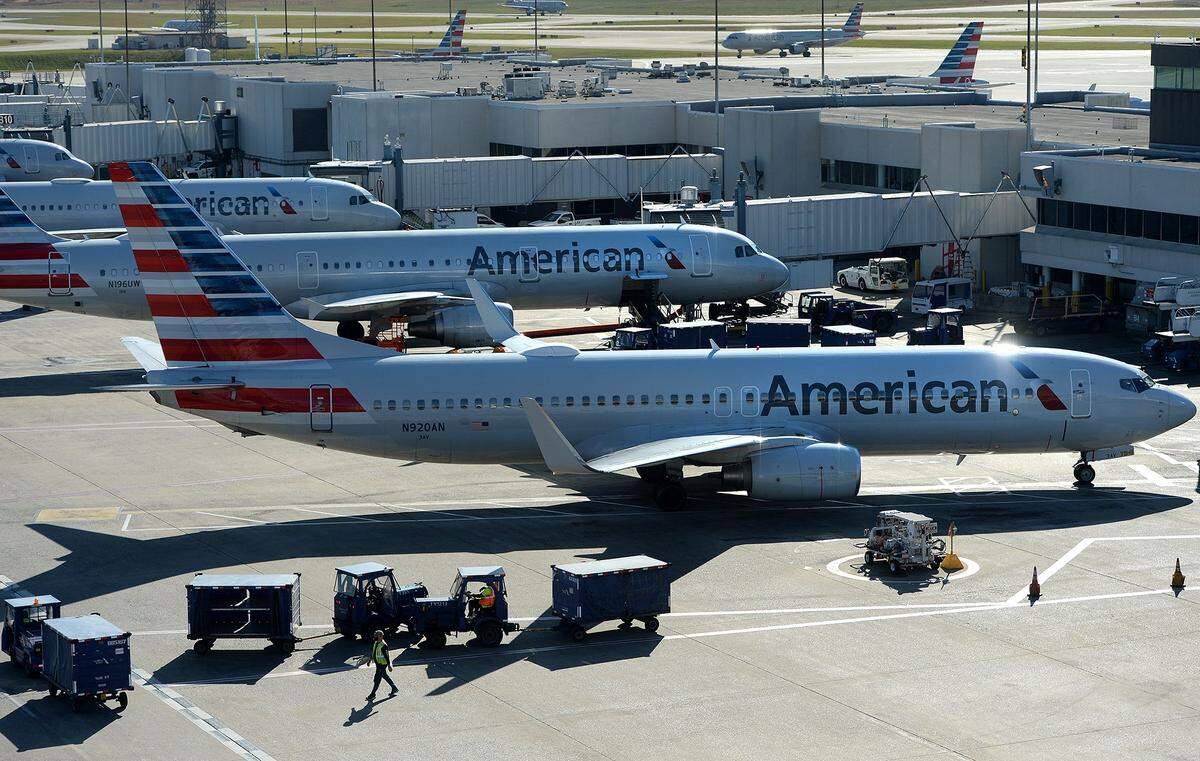
“Before passengers boarded, the flight crew reported fumes in the flight deck and subsequently the cabin,” an FAA spokesperson wrote in an email to The Charlotte Observer. “Airline maintenance personnel found a fuel leak in the Auxiliary Power Unit and replaced the affected component.”
American Airlines declined to discuss the June incident — or to detail how often it receives reports about such events. But airline spokesman Dan Landsen said such occurrences are rare, noting that the airline operates 6,500 flights a day globally.
“The safety of our customers and team members is our highest priority,” the airline said in a statement to the Observer. “We have robust policies and procedures in place, as well as crew and other team member training and resources, regarding the prevention and handling of these types of events.”
Career-ending illnesses
On Jan. 16, 2010, toxic fumes seeped into the cabin and flight deck of a US Airways Boeing 767-200 carrying seven crew members from Charlotte to St. Thomas in the U.S. Virgin Islands and back, a less-than-four-hour flight each way.
In the aftermath, the crew collectively suffered some of the most severe consequences ever associated with a fume event: The pilots and at least three of the flight attendants never worked another flight due to health problems; in the 15 years since, both pilots and one of the flight attendants have died, including Capt. David Hill, who took his own life in 2016.
Two of the surviving flight attendants attribute a laundry list of ailments to the exposure, and argue that the fume event didn’t merely put them out of work. “It ruined all of our lives,” said retired flight attendant Sylvia Baird of High Point.

More recent incidents abound. Among those involving fumes on flights either departing from or arriving in Charlotte:
- On June 21, 2023, four American Airlines crew members were taken to the hospital for evaluation after they were sickened by fumes on a plane preparing to depart Cleveland for Charlotte, according to a local news report.
- On Jan. 31, 2018, another American Airlines plane heading from Charlotte to the Dominican Republic had to turn around mid-flight after passengers and crew members noticed a strong odor in the cabin of the Airbus 330. Two passengers were checked by medics, and a flight attendant was taken to the hospital, according to WSOC. One passenger told WSOC that she felt light-headed; another said the odor resembled “a motor burning up.”
- And on Jan. 3, 2017, a flight from Charlotte to Orlando had a similar problem. Seven crew members reported headaches and a strange odor onboard. They were briefly hospitalized, WCNC reported. An American Airlines spokesperson later said they could not find the source of the fumes.
What’s in the air
On most commercial jets, outside air is compressed and heated by the engine before it’s routed into the cabin. It’s a system that’s been used for more than 60 years, and it’s usually safe. But it isn’t foolproof. Mechanical problems, such as leaking engine seals, can let fumes from oil and hydraulic fluid seep into the cabin air.
Passengers and crew members often describe the fumes as smelling like dirty socks. But scientists have long known it can be more than just an annoyance. Heated engine oil can release carbon monoxide — a gas that can cause dizziness, headaches, even unconsciousness and death. Engine oil also typically contains tricresyl phosphate, or TCP, a toxic additive that can damage the nervous system.
Pilots and flight attendants have been hospitalized after being overwhelmed by fumes, according to reports made to NASA. Many described dizziness, brain fog, nausea, headaches, a burning sensation in the eyes and throat — even trouble breathing.
Regulators have also failed to do enough about the problem, critics say.
“They are not enforcing the regulations that they have to ensure that the air that’s supplied to the passenger cabin is free from harmful or hazardous concentrations of gasses or vapors,” said Anderson, the industrial hygienist.
In its cabin air quality fact sheet, the FAA said it enforces strict air quality standards and requires manufacturers to ensure aircraft are free from harmful levels of smoke or fumes during normal operations and likely failures.
Most commercial planes use filters that remove 99.97% of particulates, the agency said, and airlines must report any fume incidents for investigation. The FAA says it is “committed to protecting the safety and health of passengers and cabin crews.”
One passenger’s ordeal
Despite these safeguards, troubling incidents continue to occur.
On July 31, shortly after boarding a Frontier Airlines flight from San Francisco to Atlanta, passengers began noticing a strange odor in the cabin.
From her seat in Row 3, Patricia Mahoney said the smell reminded her of exhaust from an old diesel car.

Her throat felt dry and sticky, and a metallic taste crept into her mouth — “like I had a dirty quarter in there.”
Soon, she said, a flight attendant asked if anyone on board was feeling nauseous or faint. Several passengers raised their hands.
The plane returned to the gate and was evacuated. Emergency medical technicians met passengers as they deplaned. One firefighter checked Mahoney’s blood pressure: It was 198 over 100 — a dangerously high reading, he told her.
He urged her to go to the hospital by ambulance. Mahoney, 62, declined and returned to her home near San Francisco instead. But her symptoms lingered.
For days, she said, she battled a dry, persistent cough. When a reporter reached her by phone a week later, her voice sounded hoarse. “I still have laryngitis,” Mahoney told the Observer.
What’s stayed with her most, she said, is a new fear.
“I now have a concern about flying that I’ve never had before.”
Asked about the incident, Frontier spokesperson Jennifer de la Cruz said two passengers requested an evaluation by paramedics but no passengers or crew members were transported to hospitals. The flight eventually departed on a different plane.
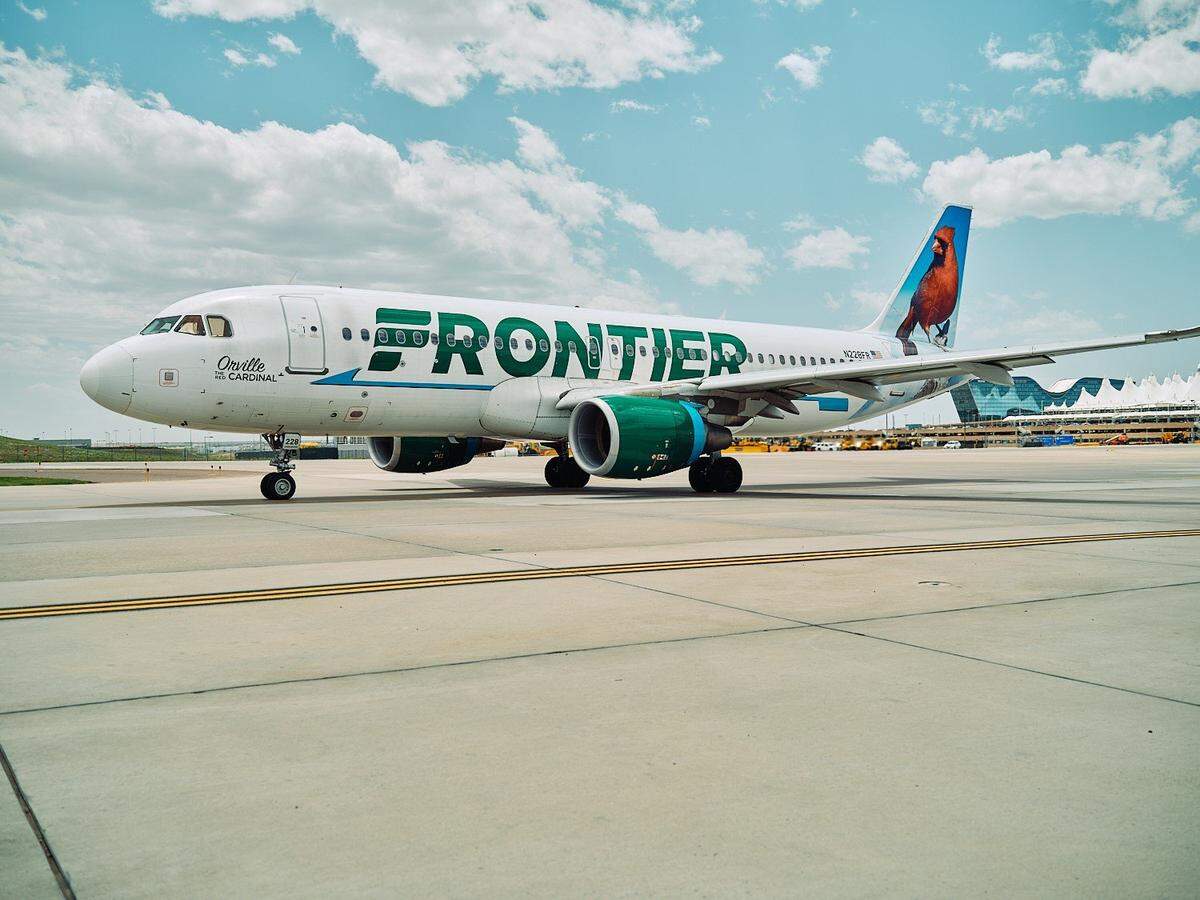
“The original plane was thoroughly evaluated and no issues were identified,” de la Cruz said in a statement. “No subsequent cabin odor events have occurred with the aircraft in question. It is possible the odor stemmed from ground equipment in operation at SFO.”
De la Cruz said the safety of passengers and crew members is “our top priority.” Such incidents are rare, she said, but they are taken “very seriously.” Frontier thoroughly evaluates aircraft to determine the causes of such incidents, she said.
‘What’s happening to me?’
Doctors and researchers are increasingly sounding the alarm about the health risks of toxic fumes on aircraft. One 2023 study warns that inhaling these fumes “is increasingly recognised to cause acute and long-term neurological, respiratory, cardiological and other symptoms,” and that repeated low-level exposure “may be exacerbated by a single higher-level exposure.”
Former British Airways pilot Tristan Loraine used to be so fit he ran marathons. But, he said, repeated exposure to airline fumes eventually made him so sick he couldn’t run a mile.
“I was feeling like I had this brain fog,” he said. “I felt totally out of it. My fingers were numb, my feet were numb, and I used to get this really bad nausea at work.”
“What’s going on?” he remembers thinking. “What’s happening to me?”
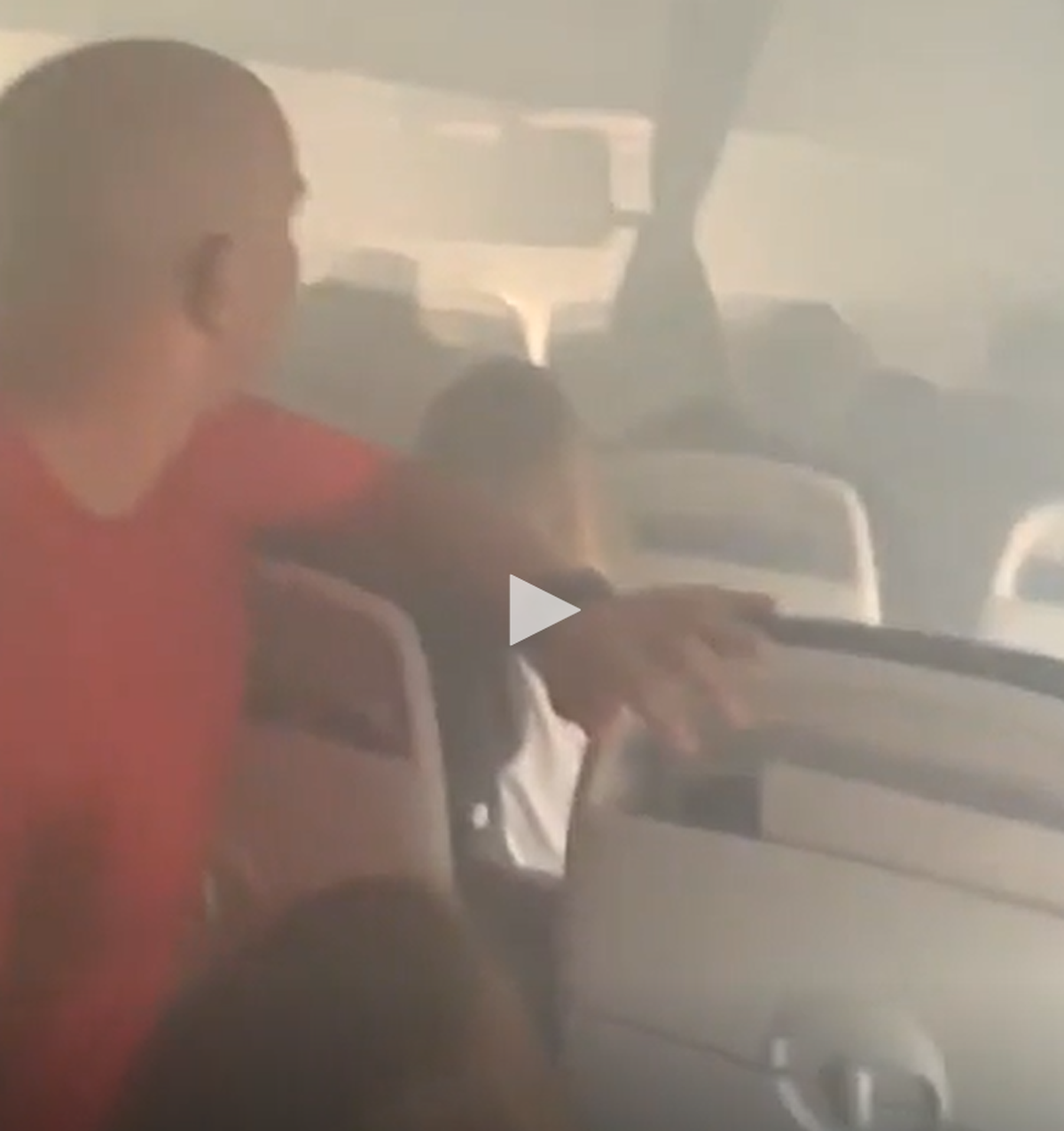
Doctors told him the likely culprit was toxic oil fumes. His medical problems were reported to the United Kingdom’s aviation safety regulator, the Civil Aviation Authority, which in 2006 revoked the medical certificate he needed to keep flying. He was just 44 at the time.
“I felt sometimes I was flying the plane and I just wasn’t 100% sharp, and I thought if anything was to happen one night and people got killed, I couldn’t live with myself,” he said.
After investigating what happened to him and others, Loraine in 2019 completed a documentary film about his findings called “Everybody Flies.” In it, he examined the health risks of contaminated air inside commercial aircraft cabins, and the failures of the industry and regulators to address the problem.
“There’s so many great aspects to the aviation industry, and I applaud lots of what it’s done,” Loraine said. “But on this specific issue, air quality, the industry knows it has a design that fails dangerously, and rather than fix the problem, they try to downplay it.”
Penalized for reporting problems
Hindering efforts to combat the problem: Many fume events aren’t reported, safety advocates say. Regulators have acknowledged that problem.
“There have been concerns raised about numerous reports of ‘smoke/fumes in the cockpit/cabin’ events on commercial air carrier/operator aircraft,” the FAA wrote in one service bulletin. “During the FAA’s analysis of this data, it appears as though there are numerous air carriers/operators who may not have reported these events as required by regulation.”
Flight attendants who are sickened by fumes often lose pay if they say they aren’t well enough to continue a trip, Anderson said. In the anonymous reports to NASA, several flight attendants said they were penalized — docked sick or attendance points — after falling ill from fumes.
One of those flight attendants spoke about what happened after a 2023 flight in which crew members and passengers were sickened by fumes.
“Weeks later, my crew and I are being bullied and intimidated by our company,” the flight attendant said in an anonymous report to NASA. “We have been reprimanded and penalized for reporting this event.”
In 2023, OSHA fined American Airlines $6,837 for retaliating against an employee for reporting illnesses that resulted from fume events. The airline entered into a formal settlement with the department and the citation was deleted.
American Airlines did not answer the Observer’s questions about the terms of the settlement. But in a statement to the Observer, a spokesperson for American said the airline encourages team members to report safety concerns, “including exposure to odors and fumes, so that we can investigate and mitigate any potential issues.”
Overlooked solutions
There are potential fixes. But they’ve mostly been ignored.
Boeing has built a plane — its 787 Dreamliner — that prevents contaminated air from entering the cabin. In that plane, the air pumped into the cabin isn’t pulled off the engine. It’s supplied by electrical compressors.
Why don’t all planes use that system? The Charlotte Observer asked Boeing that question, but the company did not answer it.
In a statement to the Observer, Boeing maintained that cabin air on its airplanes is safe, citing extensive research by independent experts and regulators showing low contaminant levels and no proven link to significant health effects. The company says it “continues to work with scientists to improve our understanding of cabin environmental factors and to study potential new technologies.”
A spokesperson for Airbus, meanwhile, said the company’s planes “are designed and manufactured according to all relevant and applicable airworthiness requirements. We are committed to continuously enhancing our products, and working closely with operators and regulators to ensure the best possible cabin environment for passengers and crew.”
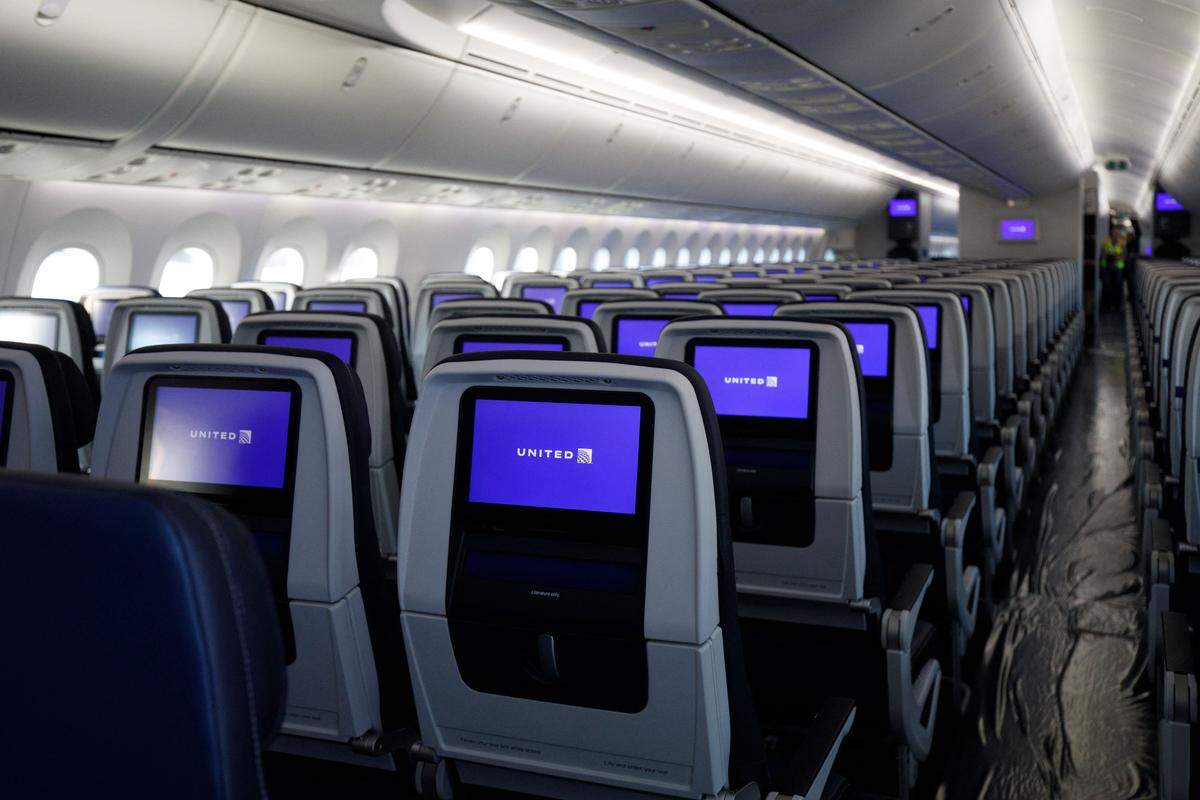
Requiring less-toxic oil and more-effective placement of air filters could also help, experts say. Nearly all commercial aircraft use HEPA filters to remove particulates from recirculated air — that is, cabin air that has already been used and mixed with fresh air before being circulated again. But such filters are not required on the so-called “bleed air” supply (the air drawn directly from the engines), making it possible for contaminated air to enter the cabin.
Aircraft manufacturers could also install air sensors on planes so that crew members know when contaminated air has entered a plane, safety advocates note.
North Carolina law requires that carbon monoxide detectors be installed in hotel rooms when they are adjacent to heaters or other appliances that burn fossil fuels. But there’s no such requirement for commercial planes.
Flight attendant unions have pushed for the right to carry and use personal air quality monitoring devices onboard aircraft. But the FAA has refused to require that airlines allow flight attendants to carry such devices, Anderson notes.
Asked about that, an FAA spokesperson said in an email to the Observer that “it’s up to airlines to decide whether to allow cabin crew to bring their own air monitors on board. This is not an issue that FAA regulations cover.”
Laws offer few protections
Federal legislation passed last year requires the FAA to take a closer look at the air quality inside planes, set up better ways for crew members to report fume and smoke events, and step in quickly to fix any safety problems caused by bad air.
But other legislative proposals have repeatedly stalled.
A bill introduced several times by U.S. Sen. Richard Blumenthal, D-Conn., would have required air quality monitoring and reporting on commercial planes. Another federal bill introduced last year — the Safe Air on Airplanes Act — would have gradually phased out the use of bleed-air systems that lead to fumes events on commercial aircraft.
Those bills, like several others, languished in committee.

Fear of lawsuits appears to have stymied efforts to install air-monitoring equipment in planes. A Boeing engineer has acknowledged in a deposition that company officials were concerned that if air sensors were put in planes, that data could be used in lawsuits against the company, the Los Angeles Times reported.
Given the number of reports about oil byproducts entering the bleed-air ducts on Boeing 757 planes, “I would have thought the FAA would have forced the issue,” the engineer wrote in a 2007 email to co-workers. “ … Bottom line is I think we are looking for a tombstone before anyone with any horsepower is going to take interest.”
Under current law, airlines aren’t even required to tell passengers when they’ve been exposed to potentially toxic fumes on board planes.
Said Loraine: “You cannot be exposing pregnant passengers to these chemicals or the elderly. It’s just not right. You know, people deserve to be told.”
Staff writer Théoden Janes and former staff writer Gavin Off contributed to this story.
This story was originally published October 29, 2025 at 5:01 AM.