Once federal agents move on from Charlotte, where does our city go from there?
It’s not something the average Charlottean really, truly could have expected to see happening within the boundaries of our city when 2025 started.
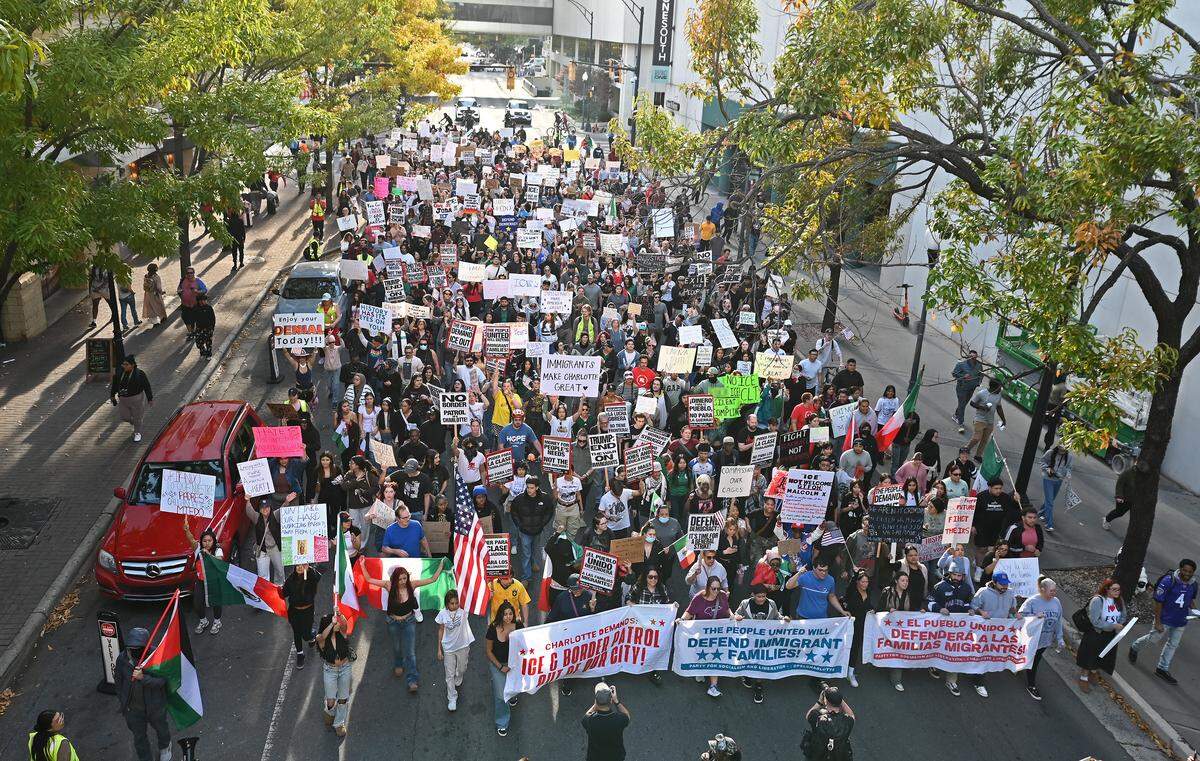
The sight of U.S. Border Patrol agents and ICE agents wrestling Latino-looking pedestrians to the sidewalk and then hauling them off in unmarked cars, storming restaurants and hospitals to collar Latino-looking staff, smashing windows and pulling people who might be aiding and abetting out of vehicles in broad-daylight confrontations.
Los Angeles, Miami, even Chicago, sure. Conceivable, given President Trump’s priorities.
For Charlotte residents, however, it can feel surreal to behold these types of bold, brash immigration raids up-close in this smaller Southern city — no matter what your politics are.
“It’s just like, gosh, you know, you drive down Queens Road, and you see Border Patrol chasing lawn workers, and you just can’t —“ says Bob Henderson, senior minister at Covenant Presbyterian Church in Charlotte, who pauses mid-sentence before finishing the thought:
“It’s hard to be prepared for that. It’s hard to fathom that that’s happening in our street.”
“Chicago,” adds Stefan Latorre, a Charlotte immigration lawyer and host of Spanish language radio show, “La Verdad de la Ley,” “is a huge city that has a lot of issues the administration didn’t like. Politics they don’t like. They had a lot of crime there. They had a very contentious relationship with the mayor and the governor. They had a lot of reasons to stay in Chicago.
“I was surprised they picked Charlotte, honestly.”
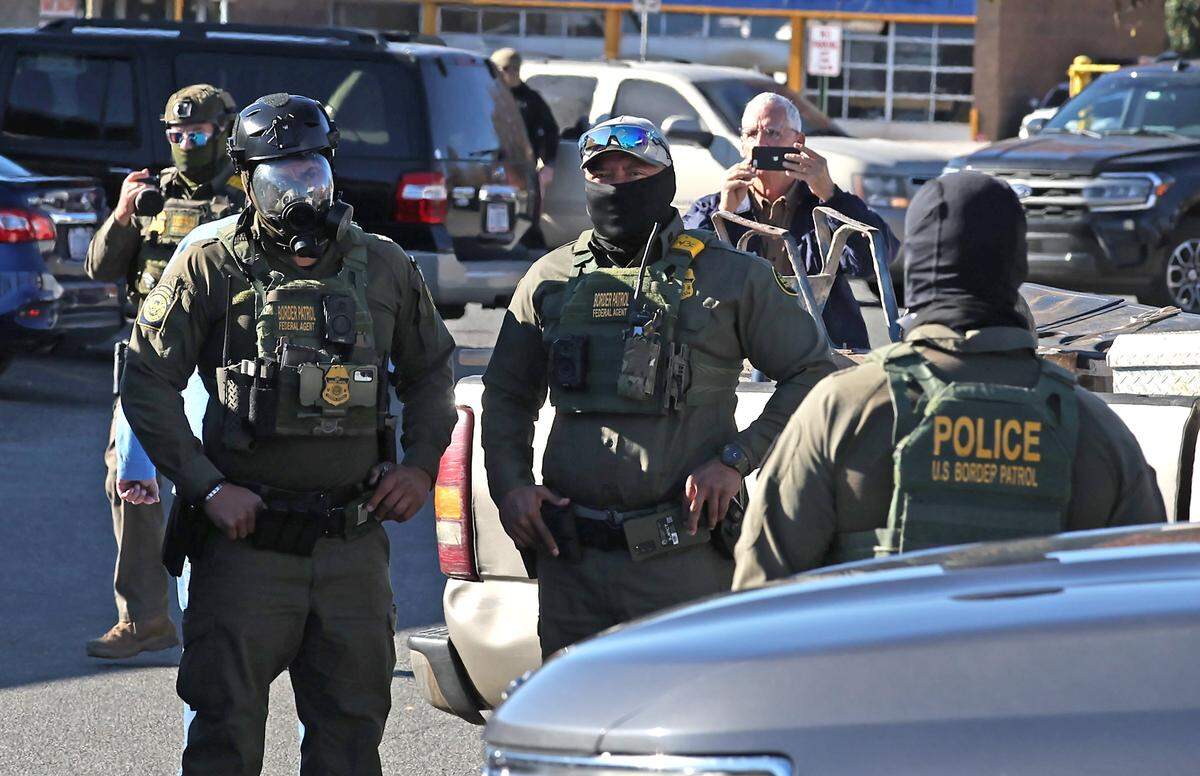
But they did. And while it’s hard to predict how long the Department of Homeland Security’s immigration blitz here will last, and whether opposition to it will incite an increased amount of violence from either agents or the community or both if it drags on, it’s worth contemplating a bigger-picture question:
What could this do to Charlotte’s collective psyche, and will we react with strength or weakness as a community once they leave?
An immigration problem comes to a head
Charlotte and Latinos have a complicated history.
On the one hand, the Latino population has exploded over the past few decades, going from less than 7,000 in Mecklenburg County in 1990 (about 1% of the area’s total population) to a figure that now exceeds 200,000, according to Census Bureau estimates.
Thirty years ago, there was perhaps one Mexican grocery store of note within the city limits. Today, the South Boulevard corridor, significant swaths of East Charlotte, and pockets of the University area bustle with shops and restaurants owned, operated and frequented by Latino immigrants. Hispanic churches also now abound.
At the same time, Charlotte has been beleaguered for years by immigration issues, mainly since the Mecklenburg County Sheriff’s Office in 2006 became an official partner with the U.S. Department of Immigration and Customs Enforcement through its 287(g) program — through which state and local law enforcement officers collaborate with the federal government to enforce federal immigration laws.
That partnership continued until Garry McFadden became sheriff in 2018, when he followed through on a campaign promise to end it.
The Charlotte-Mecklenburg Police Department, meanwhile, never linked itself to 287(g). But in 2015, the City Council passed a civil rights resolution that explicitly included a provision stating that CMPD would not enforce immigration law.
In May 2022, Charlotte became the Southeast’s first “Certified Welcoming City,” a designation bestowed by the nonprofit Welcoming America for “cities and counties that have created policies and programs reflecting their values and commitment to immigrant inclusion.” It doesn’t fit the definition of the political term “sanctuary city,” as it does not formally limit cooperation with federal immigration authorities.
Trump and other prominent Republicans have, however, declared it a “sanctuary jurisdiction.”
“And what I think we’re seeing now,” says Janeen Bryant, executive director of the Charlotte-based nonprofit Community Building Initiative, which promotes equity and inclusion, “is that there’s a deep values conflict in how ICE and Border Patrol are showing up in our city that is inherently opposed to how we view ourselves as a city. Because, historically, we view ourselves as being congenial. ...
“But what is always a bit startling to me is that some people don’t want to recognize that they have locked themselves into a glass tower until they get a knock on the door. ... So they just seem flabbergasted that people actually came to Charlotte. And I thought to myself, Were you not paying attention?
“Were you willfully not paying attention?”
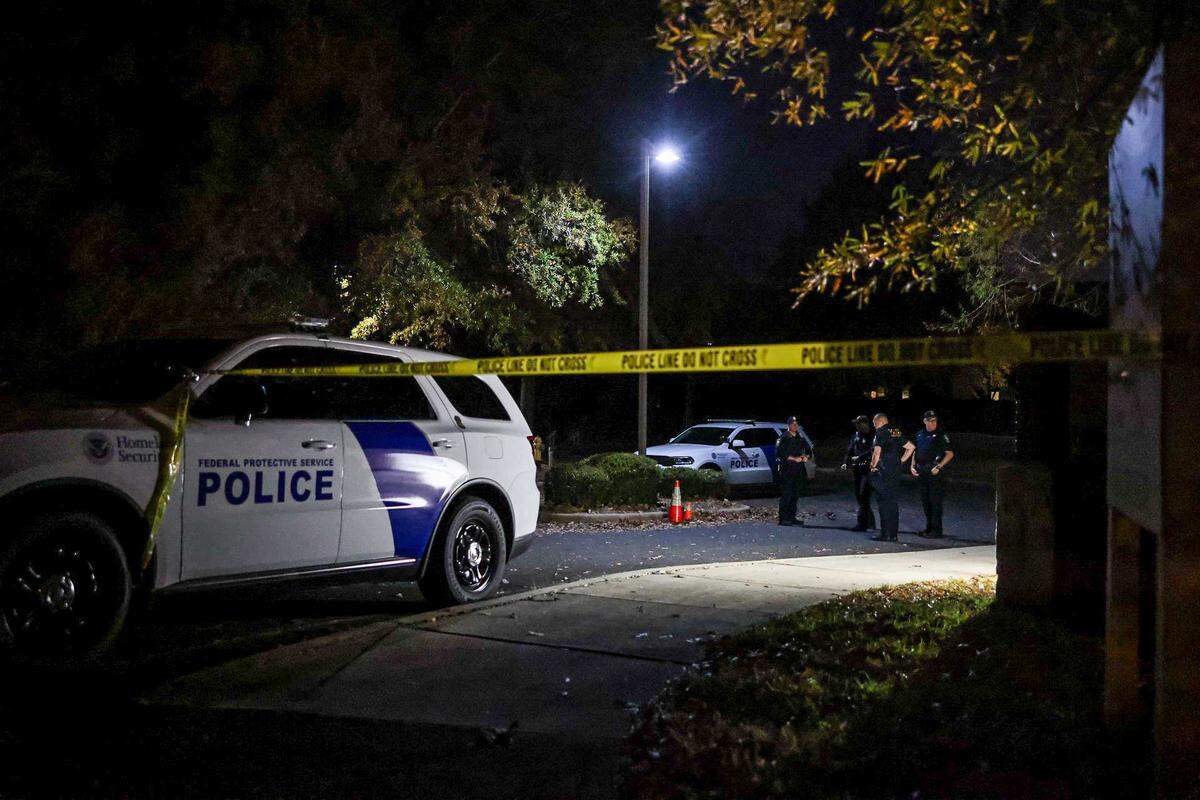
When Charlotte is tested by racial strife
This certainly is nowhere near the first time the city has been under national scrutiny in the face of adversity.
On a broad scale, perhaps the notable instance was during the 2008 financial crisis, when Wachovia collapsed, Bank of America needed a government bailout, and more than 10,000 in the industry lost jobs.
But it also gave Charlotte an opportunity to prove its resilience. “I saw a lot of adaptation,” says Henderson, Covenant Presbyterian’s minister. “I saw a lot of people saying, ‘OK, well, this is our new reality. We’re gonna adapt and make something of this.’ I saw a lot of industry and initiative from people who were at the heart of an economic earthquake.”
Those wounds may have healed over better, however, than the ones made by instances in which our reputation as a welcoming city with a baked-in Southern hospitality were put to the test amid racial strife.
The most-classic historical example: In 1971, when the Supreme Court decided in Swann v. Charlotte-Mecklenburg Board of Education that the district had to create a busing plan to desegregate schools after districts nationwide dragged their feet to comply with Brown v. Board of Education’s integration mandate. Result: Outcry at first, leading some white families to move to the suburbs or private schools in protest. But, eventually, tremendous success.
A more-modern example: In 2016, the killing of Keith Lamont Scott by a CMPD officer. Result: Three days of protests that put us at the center of the Black Lives Matter movement. But they included a riot that killed a protester and injured numerous cops.
The latest example: Just two months ago, the killing of Ukrainian refugee Iryna Zarutska on a Charlotte light rail train by a Black man experiencing homelessness and mental illness. Result: Trump called for the death penalty for the suspect, and began intimating that Democratic-leaning Charlotte supported “soft-on-crime policies.”
In all three of those examples, like with the current situation involving the local immigration raids, the conflict was fueled by divisive attitudes surrounding race and ethnicity.
And if those past examples and their results tell us anything, it’s that the current situation could easily produce mixed ones, too.
“I think culturally, we love to dwell on hurts. We focus on offense. We focus on pain in a personal way as well as a community way that sometimes creates a (negative) atmosphere,” says Rusty Price, CEO of Camino, a faith-based non-profit that provides health and social services to the state’s Latino population.
“I do think there’s time for that. ... But if it becomes the prominent day-to-day focus, you know, it seems to just make everybody depressed and angry.”
“Most of my world,” Price continues, “has always been a group of very conservative people, and I’m seeing a lot of concern from my friends about what’s going on. I think everybody feels like, ‘Hey, we’ve gone too far.’
“My hope and prayer is that that will help correct it. I think if we can learn from this, we can correct it.”
But what does that look like, exactly?
What, for example, will life in Charlotte look like for Latinos once the federal agents clear out? And perhaps equally important: What will Charlotte’s relationship with Latinos look like after all this is over?
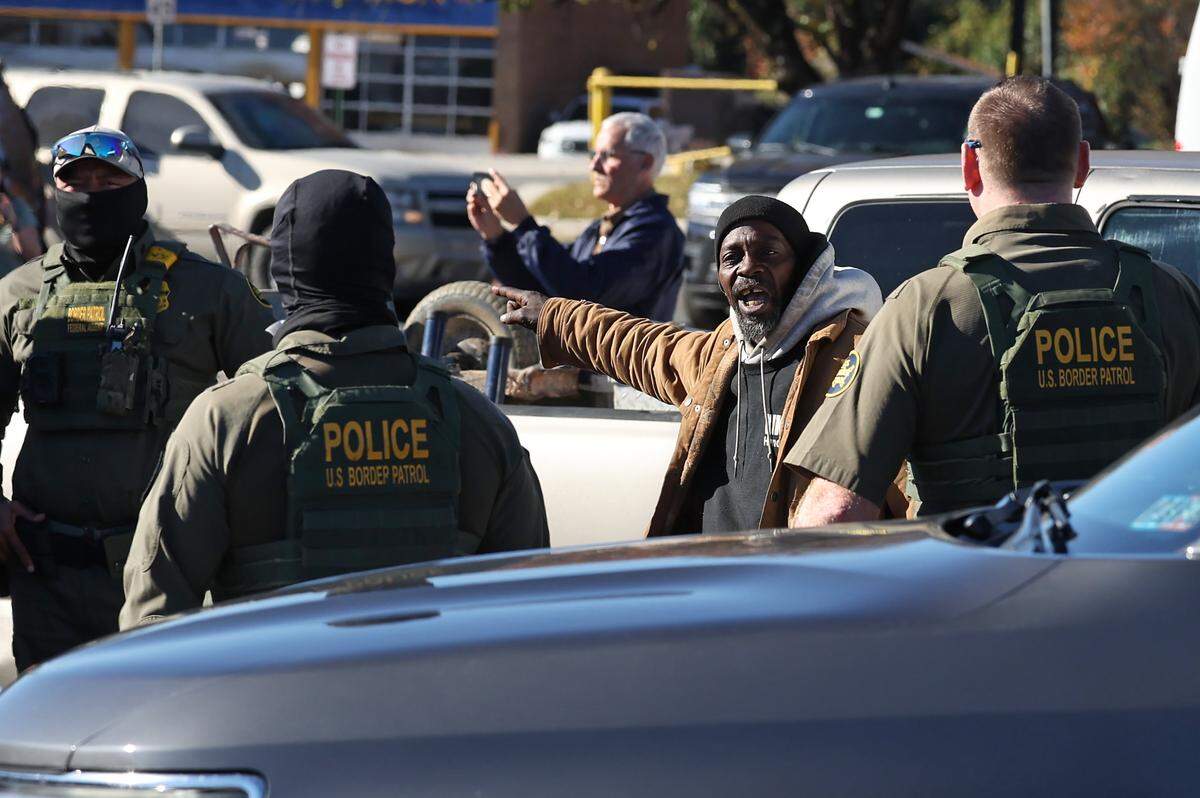
‘There’s going to be deep scar tissue’
Some of that might hinge on how long the Border Patrol and ICE stick around.
If it ends two days from now, there will still be issues to sort out, but the long-term damage might be relatively minimal. If it doesn’t stop for two months, though — “This will be very big,” says Latorre, the Charlotte immigration lawyer. “This’ll be a real problem.”
The number of undocumented immigrants swept up in the raids (or who leave voluntarily) could change the face of industries from construction to landscaping to housekeeping. Latino-owned and Latino-friendly businesses that have decided to close while they try to wait out the Border Patrol and ICE could eventually lose a large-enough chunk of revenue that they have to shutter permanently. Events aimed at Hispanics are being postponed or canceled, while the ones that stick to the plan are in some cases having to resort to using code names on RSVP lists.
A long-term occupation also could create a culture of fear for Latino immigrants that lingers long after the federal agents pack up and go.
“I think there’s going to be deep scar tissue there,” says Ann Caulkins, who was publisher of The Charlotte Observer from 2006 to 2018. “I think that they’re going to feel tentative. I think they’re going to feel unsafe. ... Even once these people are gone, I don’t think they can feel like it’s back to normal.”
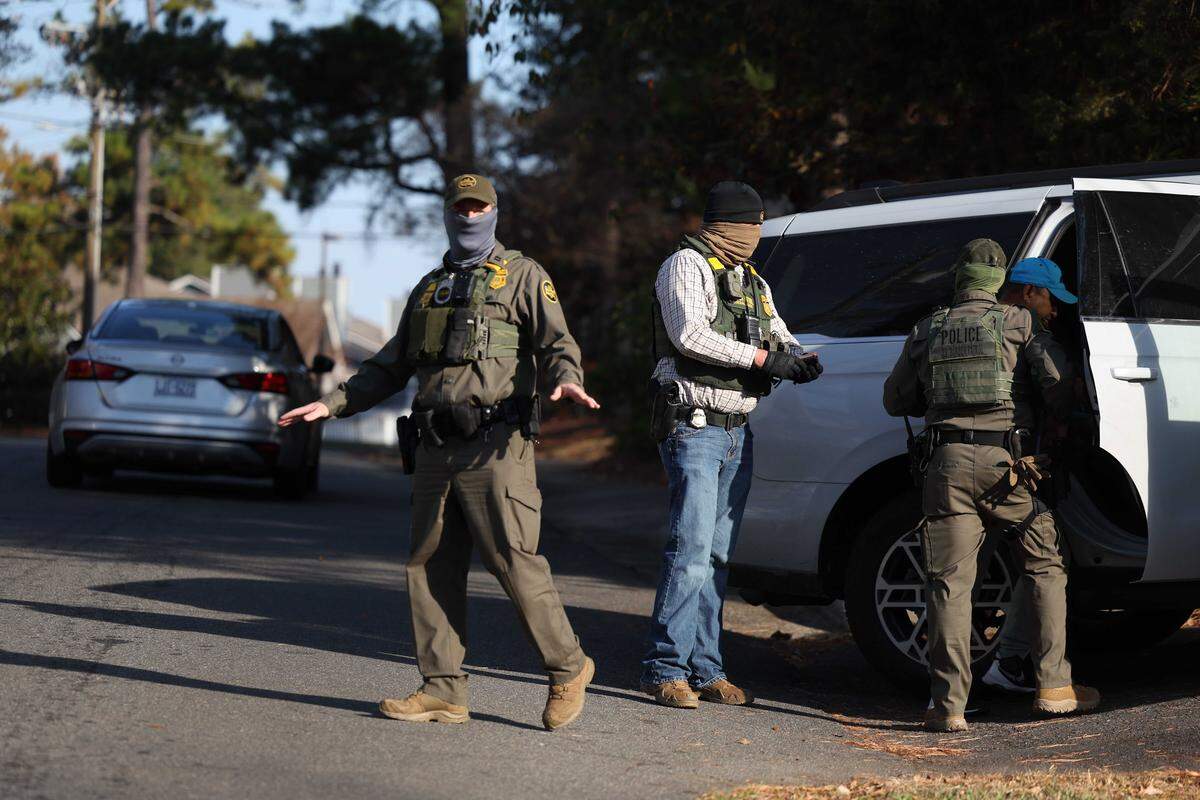
The questions we need to start asking ourselves, says Edwin Peacock III, a moderate Republican who lost his race for an at-large seat on the Charlotte City Council in this month’s elections, are: “How do we as a state and we as a community help people come out of the shadows? How do we help get them into an expedited program to become citizens of this country, on a fast-track path? ...
“This is an execution of a federal policy, being manifested on a local level, that is really waking people up to (the fact that) we have a broken immigration system.”
Peacock’s worry is that the wake-up call could ultimately go unheeded.
“I mean, is this analogous to, like, a mass shooting?” he wonders. “Is that the path here, where we ... talk about how awful it is, and then go, ‘What are we gonna do?’ And the answer is, both camps are so entrenched — and they’re not gonna move.”
Could little things lead to big change?
There is a sense, though, that the city will have an opportunity to spin this into a positive, especially if it can make it through this without a major escalation of violence from its citizens.
“My hope,” Henderson says, “is that Charlotte would embody — in our systems, in our congregations, in our institutions — a post-traumatic growth response and, yes, turn something good out of this.
But, he stresses, “it needs to be kind of a systemic growth and appreciation in the nature of community and the social fabric and governance practices that foster a safe environment for all of our residents. ... I don’t want to just say, ‘Oh, we went and bought some pastries at a Mexican bakery.’ That’s not good enough for this kind of trauma.”
At the same time, Caulkins says, it can be little things that add up to greater change.
She says when federal agents arrived in town, the owner of her landscaping company reached out to say he was suspending service for the time being. So, she was surprised when she saw one of his men working on her yard when she returned home from a trip earlier this week. They ended up having a conversation about what was going on, and how he was feeling about it.
“I’ve certainly never gone out there and talked to my guys that do my lawn before about (immigration issues). Ever. I just never thought to. So if we can have some meaningful conversations with these important community members, we might get answers to some of these big questions that just keep sitting out there,” Caulkins says, echoing Peacock: “How can these people become citizens? What is the path that is doable for them?
“We need a solution. We need a solution. Because what is there today is not working for them.”