
Charlotte Catholic bishop faces pushback, but says he’s just aligned with pope
Nearly two years into his tenure as the Charlotte bishop leading nearly 600,000 Catholics, Bishop Michael Martin this month announced his vision for the church’s future as he faces pushback for controversial changes he has already made.
In a pastoral letter and videos played at Masses across western North Carolina, Martin laid out the need for parishioners to go well beyond believing to engaging in proactive evangelism. That message, he said, has been well-received initially — a welcome change, no doubt, from the displeasure some priests and laypeople have expressed to some of Martin’s earlier pronouncements.
There are some parishioners who believe Martin is a breath of fresh air, an approachable leader who seeks to challenge them to be better Catholics. Others say the changes Martin has made to some traditional practices is leading the church in the wrong direction.
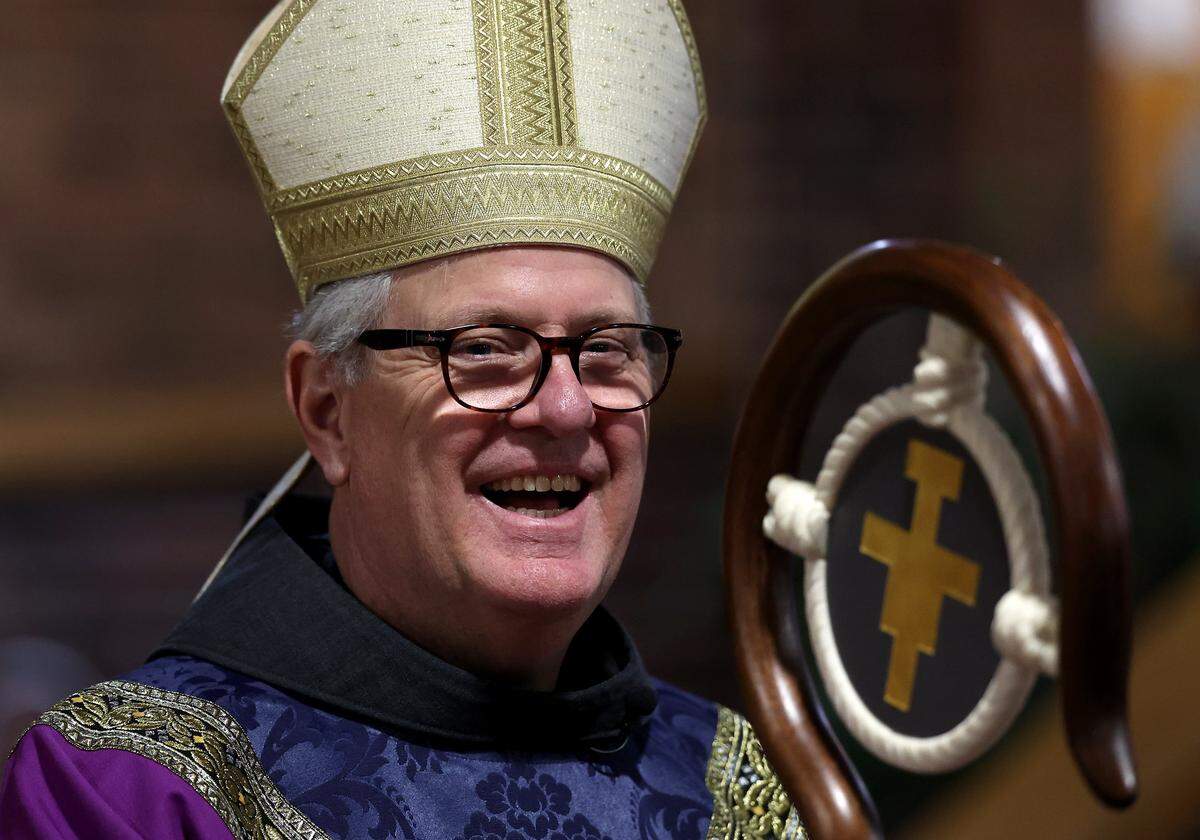
Following the release of his pastoral vision for the Diocese of Charlotte, Martin sat down with The Charlotte Observer to talk in detail about how he believes God is leading him to move the church forward and to address concerns that have stemmed from changes he says were made to align the diocese with universal norms.
Despite the pushback, Martin says he wants his vision to be the main focus.
“What I’m most passionate about is the vision I’ve just put forward. That’s what gets me out of bed every day. That’s what I want to spend time on. That’s where I want to really pour resources into and engage quite a bit”
The pushback
Concerns began last summer when Martin limited the practice of traditional Latin Mass to one parish in Mooresville. One main difference with traditional Latin Mass is the priests face the altar rather than the congregation.
In his written notice posted on the diocese website, Martin said the change was to bring the church in accordance with norms set by Pope Francis in 2021.
“It is my heartfelt desire and prayer that this implementation of Traditionis Custodes will further promote the concord and unity of the Church among the People of God in the Diocese of Charlotte so that, as Jesus prayed to His Father, we may all be one,” he wrote in his statement.
Tensions flared again last winter when Martin ordered the removal of altar rails and kneelers during communion.
Martin said these changes were again made to bring the church in accordance with a norm that had been in existence since the 1960s. Since the Second Vatican Council, a council which modernized and renewed the Catholic Church, the norm of receiving communion is to extend the hand or open one’s mouth to receive the bread.
The removal of altar rails and kneelers from the church doesn’t prohibit parishioners from kneeling if they choose, Martin said.
Pushback did not come only from parishioners but from a group of priests within the diocese. In January, 31 priests submitted a dubia — or formal request for clarification — to the Vatican. According to the National Catholic Register’s review of the dubia, priests asked the Vatican if Martin had “the legitimate authority to prohibit the erection of altar rails within churches or other sacred places in his diocese.”
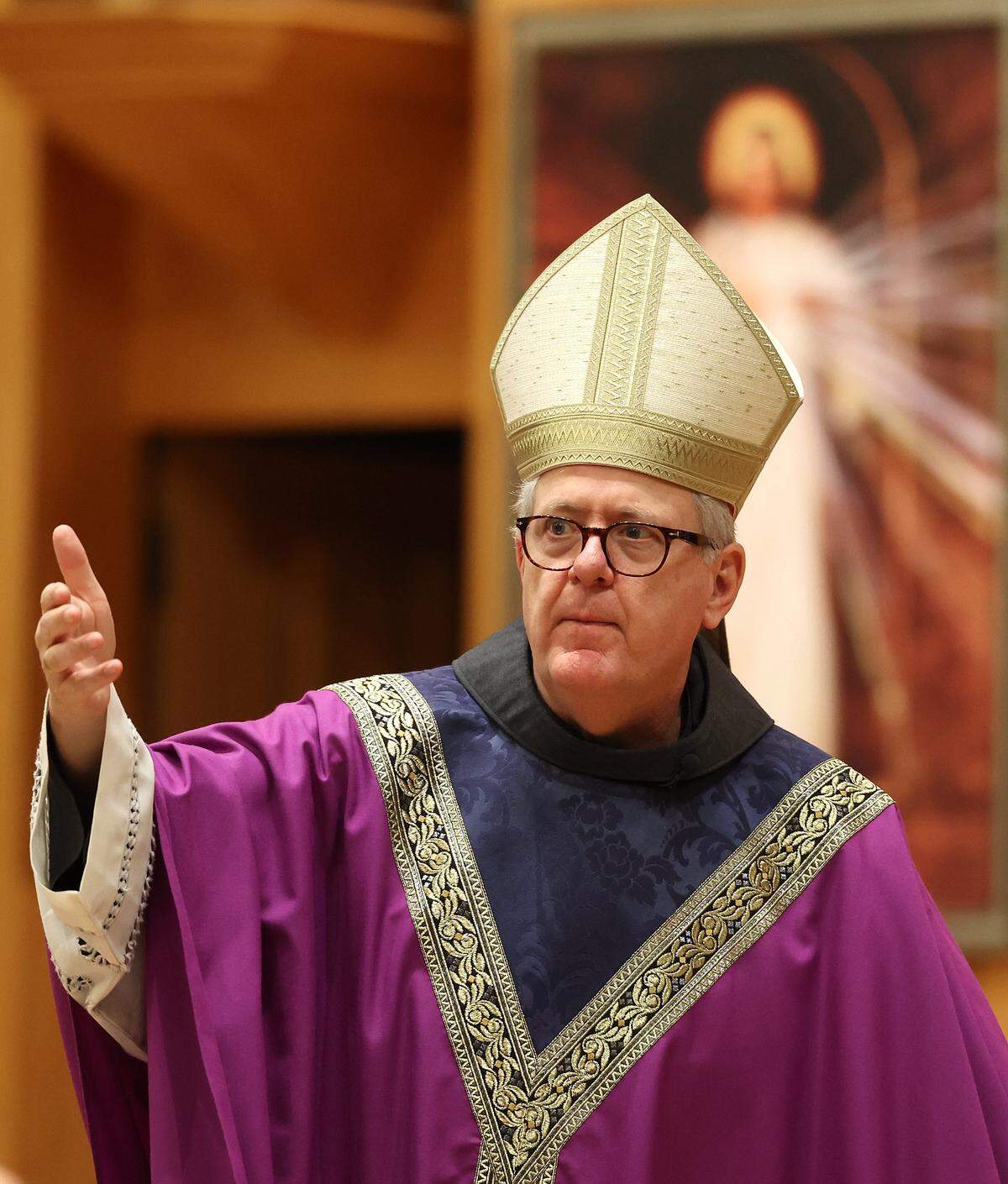
It’s an action that a Catholic law professor told the National Catholic Register was “unusual” and described by a popular Catholic blogger in the Washington Post as “a vote of no confidence.”
Martin said if the Vatican were to come back and ask him to shift his position he would. But it’s unclear when or if the Vatican will respond to the priests’ questions.
“I have worked with our priests to try to help us all to see why we’re doing this,” Martin said. I understand for some of them it’s very difficult because it’s something they’ve gotten used to as well. All of us deal with change a little bit differently. But for the men who had some questions, God bless you. I’m not afraid of questions. And again, if I’m doing this incorrectly, I want to be corrected. I’ll change if that’s what the Holy Father wants.”
Parishioner concerns
John Martin, a parishioner at St. Thomas Aquinas Roman Catholic Church, said he believes Martin has overstepped his bounds as bishop in instituting these changes.
It was traditions like Latin Mass and kneeling during communion that brought him back to the church after some time away. There’s a deep sense of reverence and beauty he finds in these traditions.
The act of kneeling during communion shows that he believes in what that moment represents.
“I think he’s doing a disservice for the parishioners,” John Martin said, “instead of offering a certain amount of charity in the fact that these communities, these churches in particular have grown, have flowered in the face of the tradition.”
Mary Catherine Surface has attended St. Matthew in Charlotte since 2004. While she appreciates Martin’s focus on evangelism, she finds some of his liturgical changes disappointing.
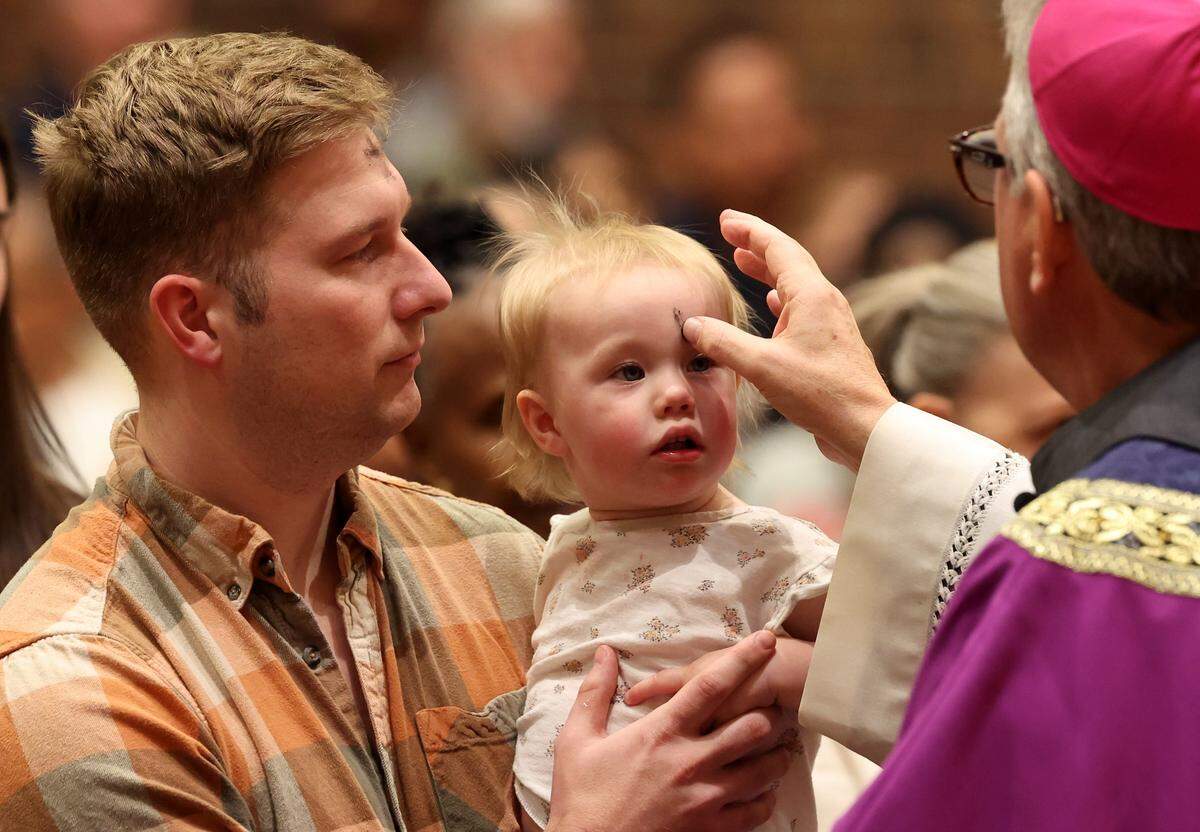
For Surface, kneeling during communion shows the posture of her heart, she said in an email to the Observer. It’s a moment that allows her to slow down and focus on God’s presence. While she acknowledges Martin’s intent with these changes is unity, they have come off as rigid and insensitive, she said.
“His stated desire is to create unity, but the Church has always taught that unity doesn’t mean everyone has to express their Catholic faith in exactly the same way,” she wrote.
Some parishioners like Clay Presley, who attended St. Peter Catholic Church for 17 years, feel the debate over tradition has been a distraction.
He attended one parish where he found the culture unwelcoming and put the priests on too high a pedestal. Leadership under “Bishop Mike,” as Presley calls him, has been the opposite.
“He has just been a breath of fresh air to have a bishop that is willing to sit down and have a conversation,” he said. “Whether to challenge you and do it in such a way that you feel OK. I’m learning something from him.”
Despite the opposition, Martin said he feels supported by priests and the congregation about his stated vision.
“I didn’t sort of dream this up. It’s, I hope, an inspired way of framing what Jesus and the Church have already been telling us for 2000 years.” While the shift can be uncomfortable, offering this correction is his duty as bishop, Martin said.
“It’s my responsibility to say, Hey folks, here’s our norm. Here’s why this is our norm. And here’s why this is beautiful too,” he said. “But even though that might be beautiful and good, it ... can be a challenging message to present without folks getting a little upset.”
This story was originally published February 26, 2026 at 5:00 AM.