NC drought worsens as weather forecast shows little relief ahead for Charlotte area
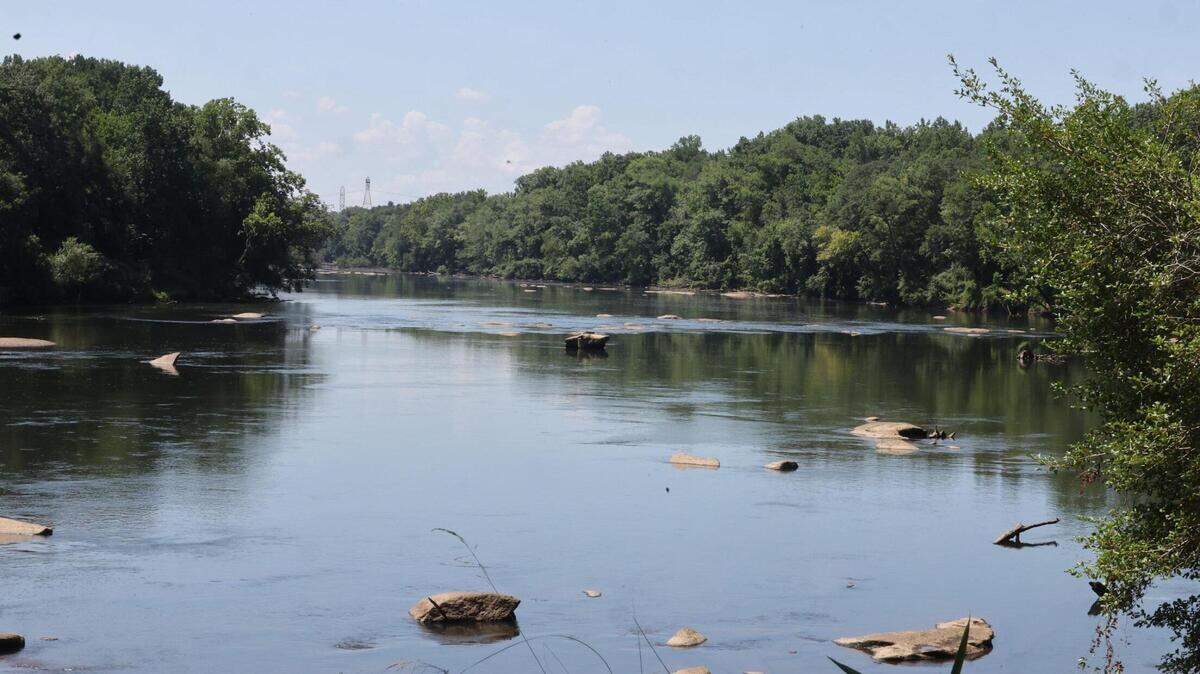
Drought conditions worsened slightly across North Carolina this week, keeping much of the Charlotte region locked in severe to extreme dryness.
The latest update from the U.S. Drought Monitor shows Mecklenburg County and surrounding areas remain firmly in drought. Some of the county is still classified as facing severe drought while nearly 60% is facing extreme drought, the second-worst drought category before “exceptional” drought.
Conditions have worsened compared to earlier this month as the area has seen little meaningful relief after months of below-average rainfall.
As The Charlotte Observer previously reported, the state has been dealing with compounding dry conditions since the fall, driven in part by a lack of tropical rainfall and a dry winter pattern that has left streams, soil moisture and reservoirs below normal levels.
“There is no indication, climatologically, that we’ll be able to really work off a lot of a deficit. But that being said, there’s no indication that the drought is going to get any worse,” said Patrick Moore, a meteorologist with the National Weather Service in Greenville-Spartanburg, of the 90-day forecast. “When we’re in this bad of a drought, you know, it can’t really get a whole lot worse.”
Moore said a weather system expected this weekend could bring some rain to the Charlotte area, with the highest chances arriving Saturday. But totals are expected to be limited, around a quarter of an inch in many places, which is not enough to meaningfully improve drought conditions.
Another system moving through early next week could bring more widespread rainfall, with some areas potentially seeing around an inch or more. That could help in the short term, Moore said, especially for plants and surface soil, but it would take sustained rainfall to make a meaningful dent in the region’s significant deficit.
Moore said it would take about 13.6 inches of rain over a month for the Charlotte area to return to normal conditions. It would take less rain to simply improve conditions.
The broader outlook suggests little change in the drought picture. Seasonal forecasts show near-normal precipitation in the coming months, Moore said. That’s not enough to significantly reduce the deficit, but also a sign conditions won’t worsen dramatically.
The timing of the drought is also somewhat unusual, Moore said. While droughts in the Carolinas more commonly develop in the fall or early winter, this year’s conditions have carried into the spring, a period when rainfall can be more inconsistent and harder to rely on for steady recovery.
The last time drought was this bad in Charlotte was in August 2008, Moore said.
If dry conditions persist into the warmer months, impacts could become more noticeable. Higher temperatures increase evaporation, and water demand typically rises as people water lawns and gardens.
In more prolonged droughts, some residents, particularly those relying on wells, could begin to feel the strain on their drinking water. Moore said residents are discouraged from any type of outdoor burning activities, since wildfires can spread quickly in dry conditions particularly in areas with lots of downed trees like in Western North Carolina.
Conservation efforts across region
For now, municipalities across the Charlotte area have encouraged residents to conserve water where possible.
In Mecklenburg County, officials are asking residents to voluntarily reduce nonessential water use, including limiting outdoor watering and avoiding activities like washing hard surfaces or running half-full loads of laundry. Charlotte Water has asked customers to cut usage by about 3% to 5% to help protect the region’s supply and avoid stricter measures if the drought worsens.
A statewide burn ban also remains in effect, prohibiting all open burning until further notice due to elevated wildfire risk. Officials say dry conditions, low humidity and wind can cause fires to spread quickly, and residents are urged to use caution with any potential ignition sources.
Elsewhere in the region, communities are taking similar steps. Concord is encouraging residents to shorten showers, fix leaks and limit outdoor watering, while Union County has moved into Stage 1 of its water conservation plan, urging customers to reduce usage and prepare for the possibility of tighter restrictions. In Gaston County, the municipal utility is asking residents to voluntarily cut water use as part of a basin-wide drought response.
Officials say early conservation efforts could help prevent more severe restrictions later if dry conditions continue.