Charlotte boosts rail fare enforcement. ‘Politically expedient’ or helping safety?
The Charlotte City Council is stepping up enforcement on the transit system with the approval of a new fare enforcement program that will start on the city’s light rail.
The move comes after a difficult year that placed the Charlotte Area Transit System in the spotlight due to concerns of security and safety. The newly approved fare ambassador program is the latest in a series of steps the transit system has since taken.
The three-year fare inspector ambassador program is expected to cost $5 million a year through a contract with Kentucky-based vendor Block by Block.
In April, Brent Cagle, the interim CEO of CATS, told the city council that around half of all bus and light rail riders are not paying their fares, with rail evasion being the most common. He said at the time it cost the city upwards of $5 million in annual revenue.
The fare inspector ambassador program is expected to “strengthen safety” through a uniformed presence, according to council documents.
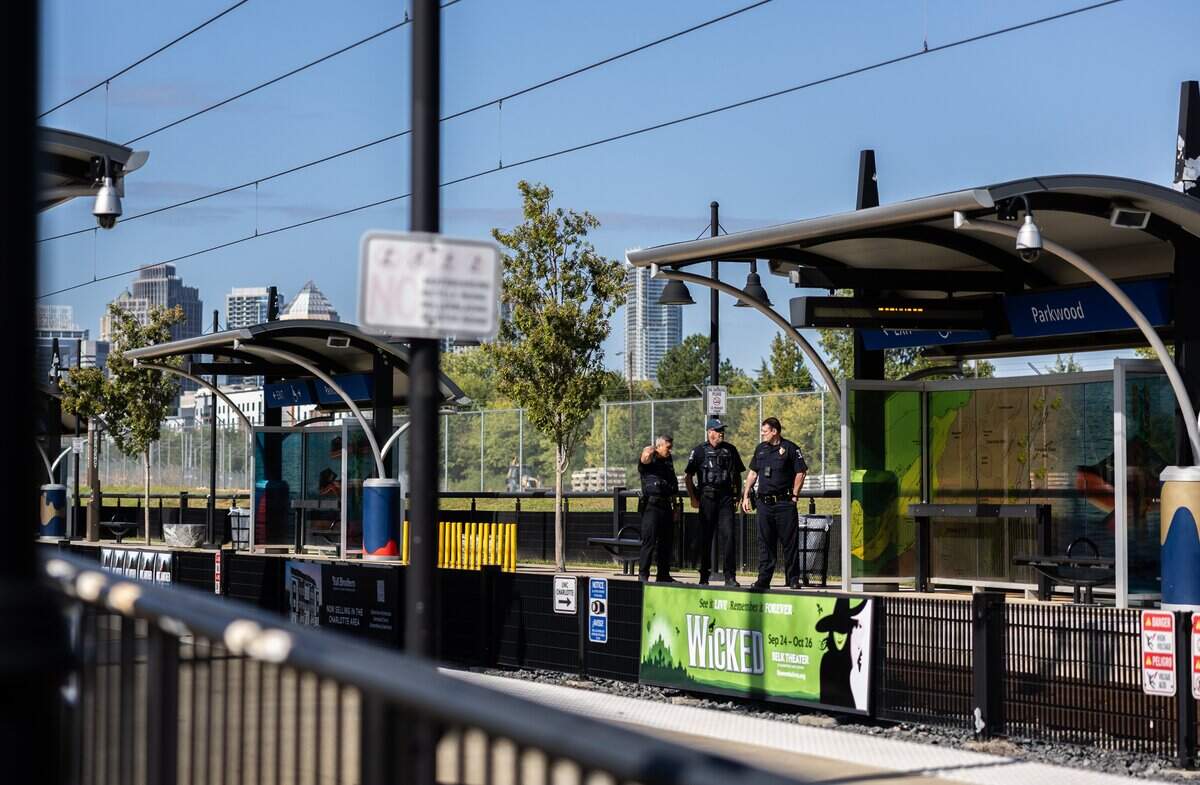
Would better fare enforcement equal more safety?
But research on the ties between fare enforcement and safety in other transit systems shows mixed results. A 2025 study by the Center for Policing Equity found enforcement on the Bay Area Rapid Transit system, or BART, by inspectors between 2018 and 2023 did not result in significant new revenue, nor did it meaningfully improve riders’ feelings of safety.
Similarly, a study on fare evasions in New York’s transit system between 2018 and 2023 by the John Jay College Research and Evaluation Center found no statistically significant associations between fare evasion enforcement and total arrests for felonies and misdemeanors.
“Enforcement does not necessarily line up in my mind and in the literature and in broader considerations about public transportation very well with safety because those are two very different issues,” said Jean-Claude Thill, an economic geographer at UNC Charlotte who focuses on urban and regional transportation and mobility issues.
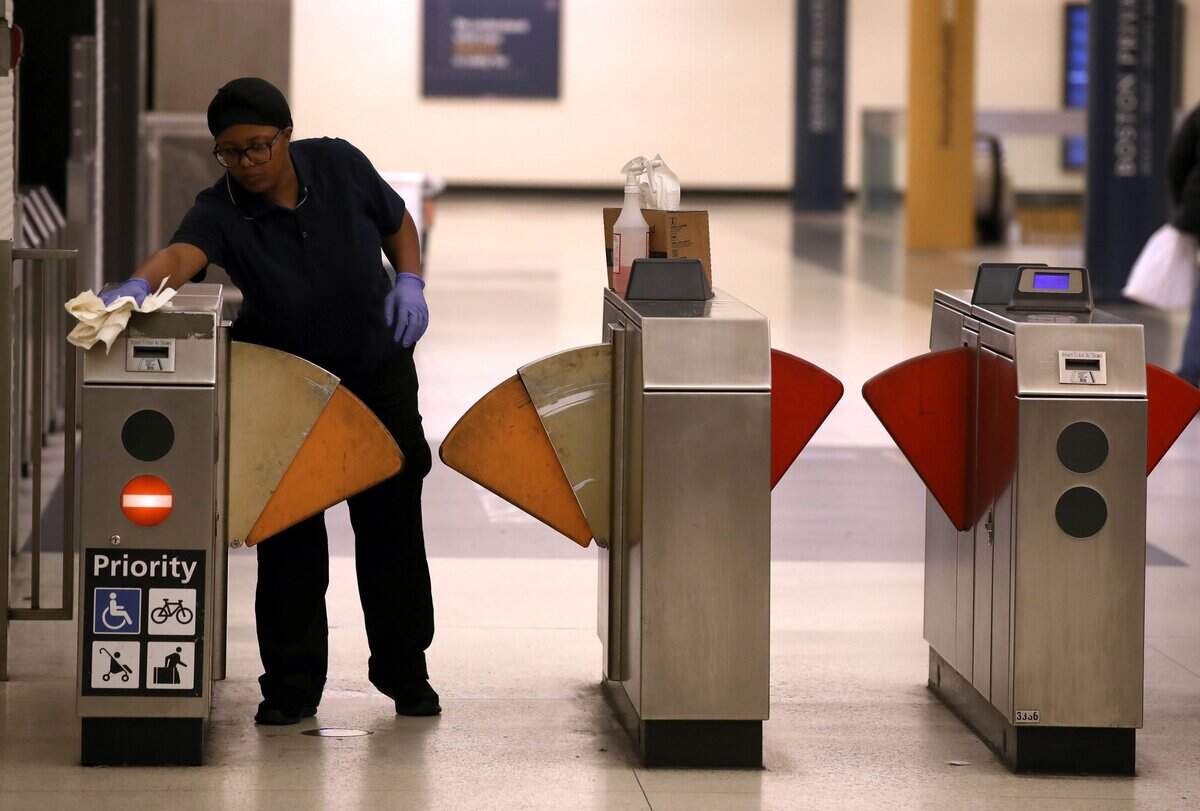
But BART reported earlier this year an improvement in safety after the installation of new Plexiglass fare gates throughout its system, something that would be structurally hard for CATS to replicate in Charlotte.
Despite this, CATS similarly said it’s seen a decrease in overall transit crime prior to the approval of the program. But while crime on public transit is rare, a February Charlotte Observer investigation found violent incidents were more likely to occur on buses rather than light rails, and that bus drivers were especially vulnerable.
“It seems maybe that it’s politically expedient to conflate the tool for enforcement and safety which should not necessarily be the case,” Thill said. “There is a relationship, but one does not imply the other. It’s not deterministic in that sense.”
CATS did not respond to a request for comment.
Charlotte’s new fare enforcement program
The Charlotte Observer previously reported that public records showed fare enforcement efforts decreased between 2015 and 2024, with collected evasion fees dropping from over $10,000 to just $600. The man charged in the high profile death of Ukrainian refugee Iryna Zarutska last year also did not purchase a ticket, according to officials.
The transit authority has since said it wants to dedicate more than 60 positions to fare enforcement. The ambassadors, as they are called, are expected to conduct proof-of-payment inspections on trains and platforms. They will also provide customer assistance and help riders understand any fare requirements.
The new program is expected to begin with the Blue Line, it will then be phased in on the Gold Line.
.JPG "IMG_TRANSIT_3_1_IHPQD5KR_L864318573 (1).JPG")
Thill said while there is no substitute for security officers on board the ambassadors could help to make public transportation more welcoming for riders.
“I’m not sure that the answer they came up with is the answer to the question that is on everybody’s mind, which is probably more about safety,” Thill said.
He added the cost of the program and the cost of fare evasions to the city was practically a wash.
Systemwide improvements
The approved program is part of a broader fare modernization effort Charlotte’s transit system has undertaken. Recent changes include streamlining fare prices, expanding electronic fare validation across the system, and fare capping: where riders stop paying once they reach the cost of a daily, weekly or monthly pass. It’s expected to take 12 to 18 months for the changes to go into effect.
Cagle has said officials are also looking at ways to use artificial intelligence to increase security.
Eric Zaverl, urban design specialist with Sustain Charlotte, said revisiting the system as a whole was needed. He added in his experience in dealing with fare ambassadors in other places like Seattle and Portland that they have been very helpful in navigating their systems.
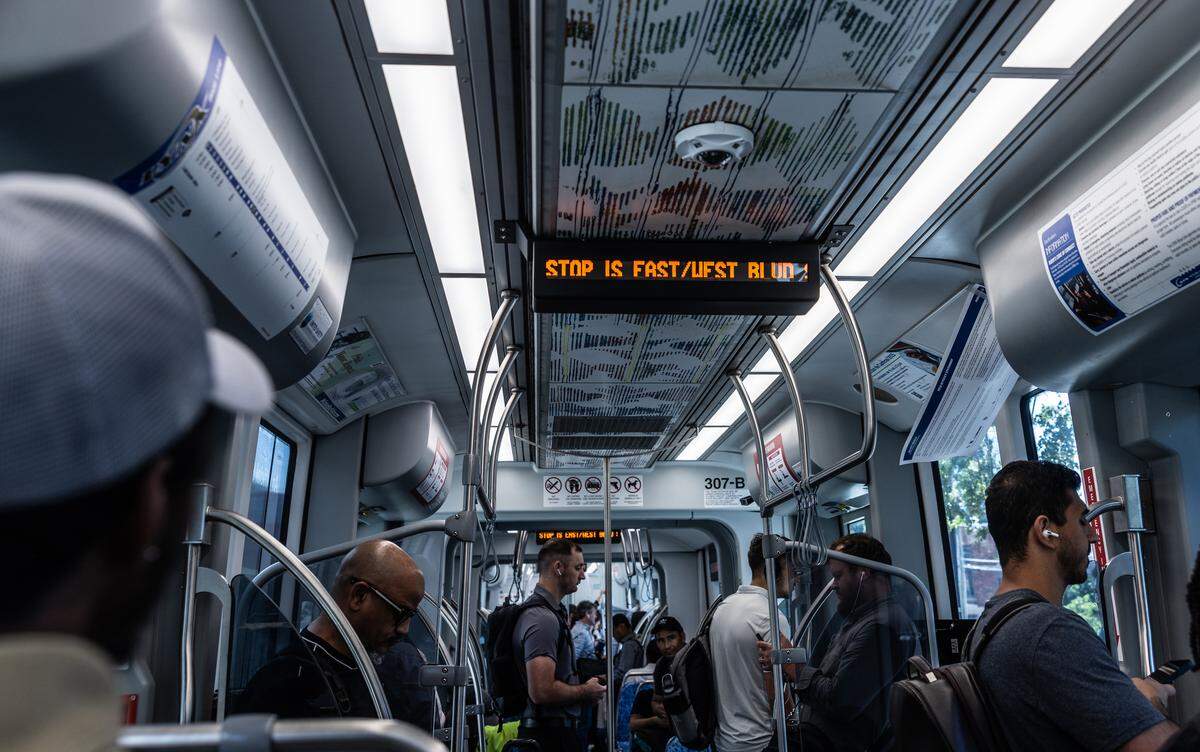
“I think that’s where the word ambassador really makes more sense in their role because that’s probably what they’ll end up doing at the end of the day,” he said. “It’s more of a customer service component.”
Zaverl said having more eyes on the buses and light rail could still help provide a sense of security for riders even if that’s not the ambassador’s role first and foremost. He added every city has its own unique challenges, but cities that prioritize people and moving them around safely, conveniently and efficiently are the ones with successful public transit systems.
“All those things are needed,” he said. “It’s not one simple thing, but all of those multiple efforts coming together will create something much more experiential, and I think that will draw more people to using public transit.”