‘Pray you make it home:’ Why driving a CATS bus in Charlotte is dangerous work
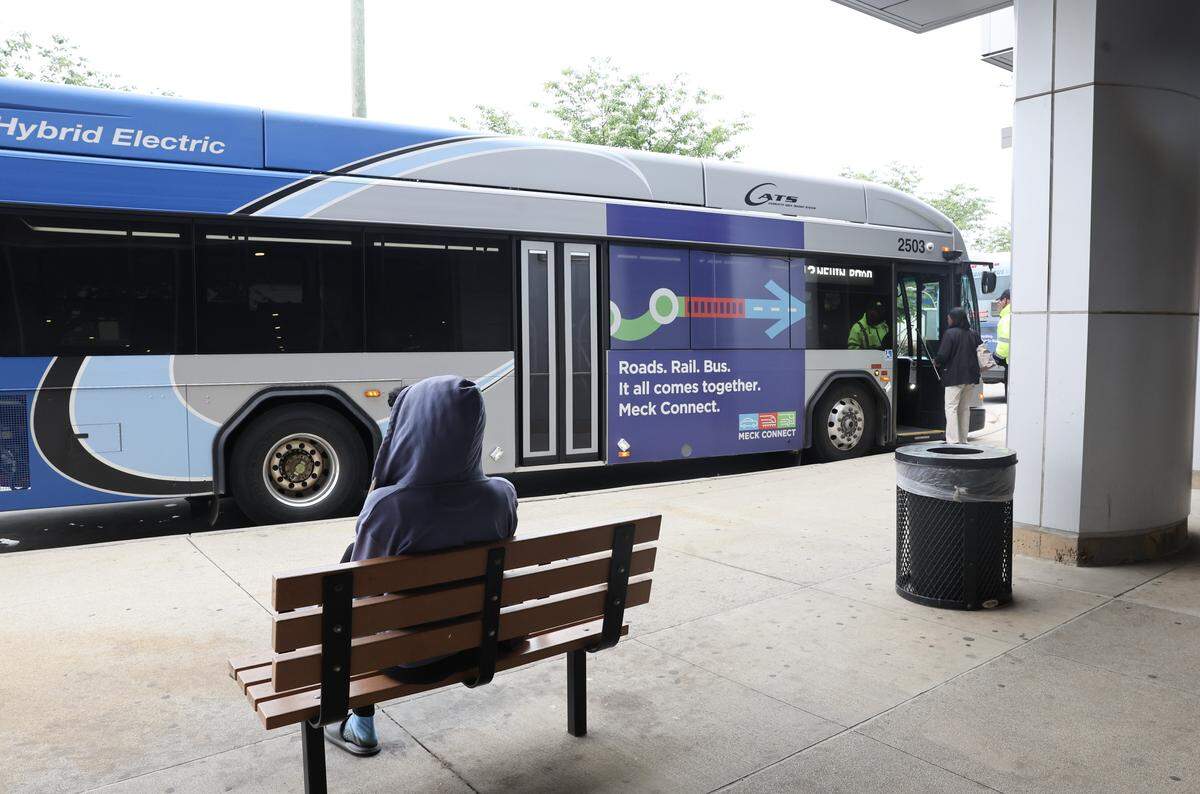
On a chilly January night in 2025, CATS bus driver Sheila Andrews buckled her seatbelt at the uptown Charlotte transit center as passengers boarded. That’s when two drunk teen girls attacked her.
Her only help came from a passenger who yanked the girls away.
Terrified. Powerless. Alone. CATS bus drivers before her had experienced these feelings, and drivers after her would too.
Here’s why: Charlotte Area Transit System bus drivers are three times as likely to be physically or verbally assaulted than the average bus driver nationwide, a Charlotte Observer analysis of federal data found.
The Observer analyzed Federal Transit Administration and city crime databases, reviewed police records and interviewed five former bus drivers, a national union leader, CATS officials and transit experts. Our research found:
- Charlotte bus drivers were physically or verbally assaulted at least 200 times in the three years following the 2022 shooting death of a CATS bus driver in a road rage incident by another driver. That’s an average of nearly six per month.
- There have been four assaults on CATS light rail operators from 2023 through 2025, three of which were verbal. In contrast, bus drivers endured at least 37 physical attacks, with at least five people requiring medical attention.
- Former CATS bus drivers described lax security, slow responses to calls for help and minimal support from management for drivers who were threatened or hurt by riders. Ineffective passenger bans and the lack of serious charges against perpetrators leave attackers with scant consequences, they said.
Last summer, CATS’ security was thrust into the national spotlight after the high-profile stabbing death of Iryna Zarutska on a light rail train. The case was quickly politicized. CATS beefed up security and planned changes to improve safety.
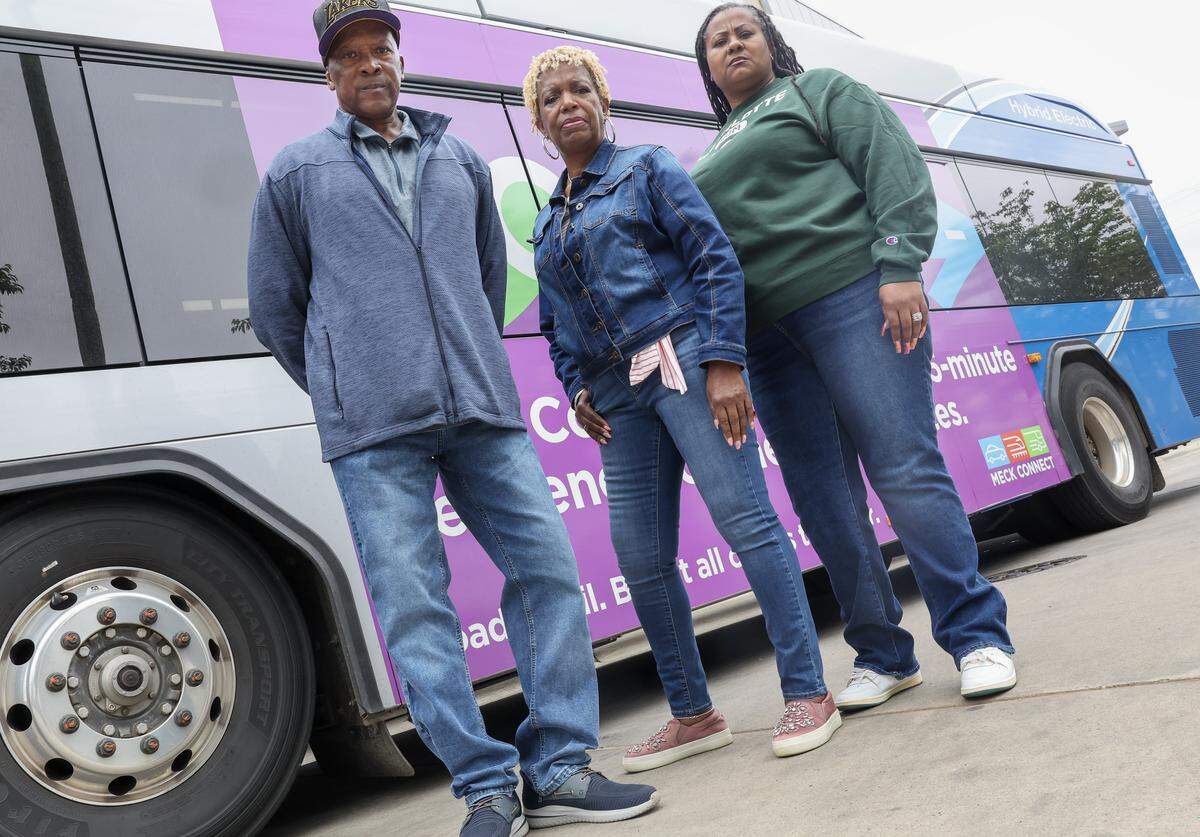
In a news release last Friday, May 29, CATS said the agency is now seeing results after enhancing transit security over the last three years, including improved communication and response times during emergencies.
The ex-bus drivers say security overhauls have been needed for a long time. Before Zarutska was killed, a bus driver was shot and killed in a 2022 road rage incident. A year later, a driver ended up in a shoot-out with a passenger.
Delaney Evans, who drove a CATS bus for 10 years, said she has been spit on, threatened, cursed at, stalked.
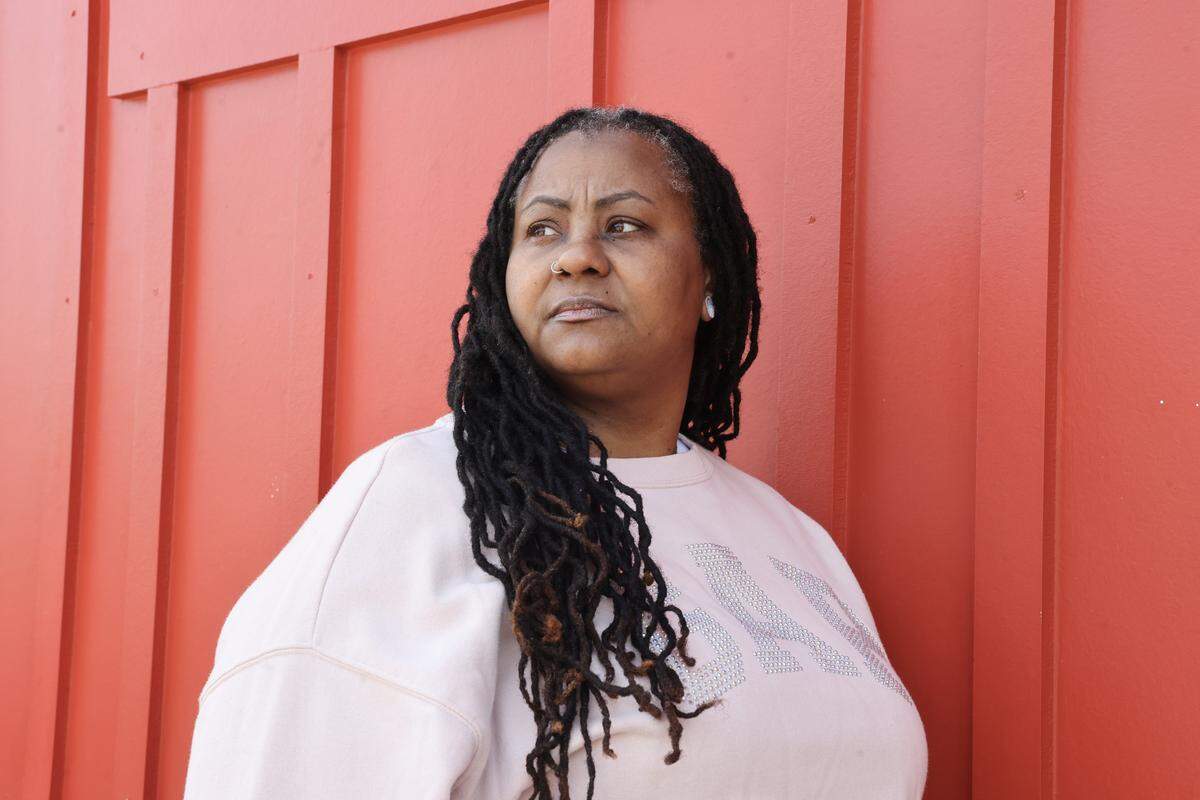
She learned to keep her sunglasses on and avoid engaging with passengers. Evans was pretty much on her own, she said, except for the one time a passenger cared enough to finish her route with her so she wasn’t left alone with a rider who was pacing the bus, yelling.
“Every day you have to wake up and pray that you’re gonna make it home the same way you left,” she said.
Feeling powerless driving a CATS bus
At times, drivers work on high alert, unsure whether passengers who are threatening them will get physical, the former bus drivers said. But they’re largely powerless to do anything about it.
CATS drivers are supposed to radio the bus operations center if a passenger causes problems, or if someone boards who was banned for previous bad behavior. But they often get the same response: “Let ‘em ride,” former drivers said.
They’re not allowed to carry weapons or pepper spray. They can get in trouble if they drive by someone at a stop who had threatened them earlier.
And they are not allowed to carry cell phones to make sure they stay focused. So they can’t dial 911. The phone rule is standard protocol nationwide, according to the American Public Transportation Association.
People who were banned for dangerous behavior often still find a way to ride.
More than a dozen people who were banned last year were banned a second time for another offense even as they were prohibited from using the system in the first place, CATS records obtained by the Observer in a public records request show.
“(Management) doesn’t care about what happens to the driver,” Andrews said, “as long as there’s someone in the seat.”

CATS drivers work for a private company, not the city. Transit Management of Charlotte contracts with CATS for the drivers, who are subject to rules from both.
CATS establishes some policies, such as the weapons ban, while the private company handles discipline.
Drivers could be penalized or fired if they talk to reporters without authorization, according to a vice president with their union. San Francisco-based WeDriveU, the parent company for Transit Management of Charlotte, declined a request from the Observer to interview current bus drivers.
Instead, WeDriveU provided a statement from Oluseyi Osiyemi, a general manager in Charlotte.
The company is grateful to its bus drivers, Osiyemi stated. “The safety of our bus operators and passengers is our number one focus, and we’re pleased to collaborate with CATS on enhancements that are making a positive impact.”
Shoot-out on a CATS bus
About 160 of the 200 reported driver assaults were verbal harassment, threats or attempts at physical harm, according to the Observer analysis of federal data. But these interactions can sometimes escalate into physical violence.
In the spring of 2023, while in a CATS break room, driver Tierra Mack’s coworker shared that a man was threatening him on his route.
That coworker, David Fullard, started carrying a handgun on the bus.
When the threatening passenger pulled a gun on Fullard on the bus, he grabbed his own weapon and both men fired. Both Fullard and the man were injured but survived.
After the shootout, CATS vowed to double its security spending, replaced its security contractor and launched what it called de-escalation training.
Fullard did not face charges but was fired. A different company, RATP Dev USA, employed bus drivers then.
“Who’s backing you up? You’re going to lose your job, or you lose your life,” said Mack, an eight-year CATS veteran who left in 2024. “That’s what most of the talk was.”
‘Twenty minutes of torture’
Fullard should have radioed the bus operations center for help, CATS officials said at the time, instead of wielding a gun. But former drivers said that drivers knew that help came too late when they called.
“By the time it takes for them to get to your bus,” Mack said, “if you have a situation, you could already be dead.”
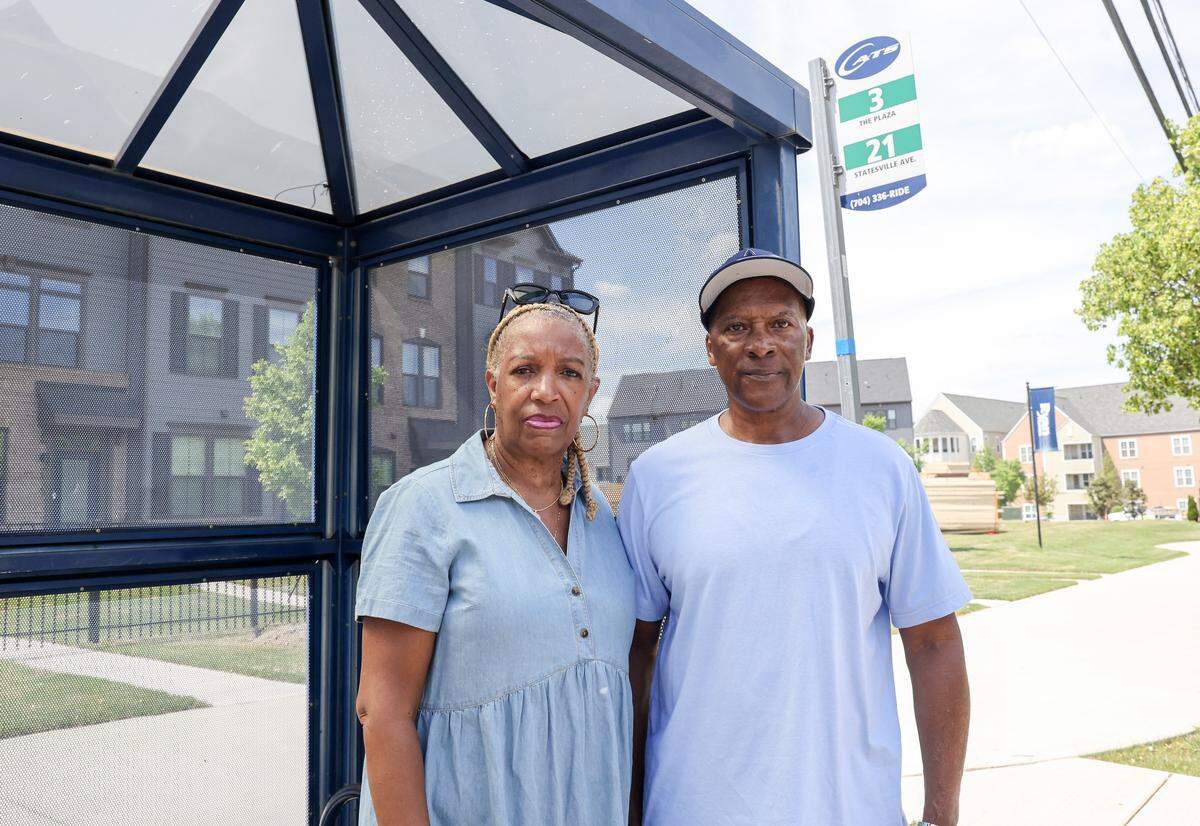
Trouble on a couple of routes is driving the higher-than-normal assault rates CATS sees, according to Brent Cagle, interim CEO of CATS. Police officers focus on those lines: Route 11, which travels along Tryon Street between uptown and UNC Charlotte, and Route 21, which runs parallel to Interstate 77 almost to Interstate 485.
But Mack, who now works for the Central Florida Regional Transportation Authority in Orlando, thinks the higher assault rate in Charlotte has to do with sparse driver support from management.
Over the last several years, the Orlando agency recorded about nine driver assaults per 10 million passenger trips.
Charlotte had about 77.
One of the biggest changes for Mack in Florida: security response. Recently, a man on her bus started getting loud and cursing. She said security was at her side almost immediately after she called for help. They removed the man, and Mack kept on rolling.
In Charlotte, she was left to defend herself when she radioed for help.
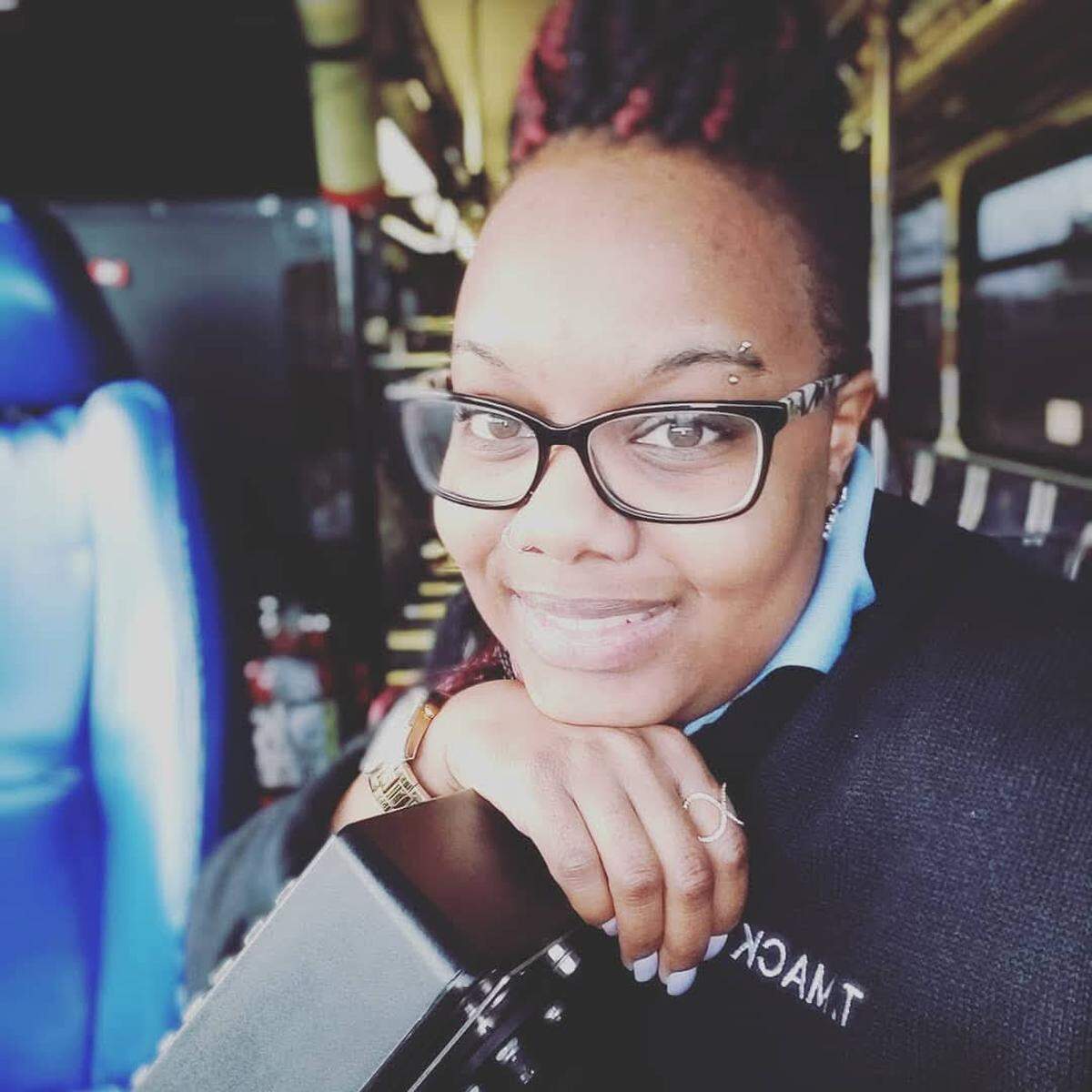
On a January 2024 morning in West Charlotte, a woman boarded her bus on Route 1 in Northwest Charlotte with a child in a stroller. Mack told her she’d have to take the kid out of the stroller before she could drive, for their safety.
The woman started cursing her out. Mack radioed the bus operations center for help. She wound up waiting at least 20 minutes for police officers to arrive.
Mack called it “20 minutes of torture.”
She got off the bus before the officers arrived. The woman followed her, shouting. Seemingly out of nowhere, people on the sidewalk joined her and started hurling objects at her.
A bottle of MD 20/20 fortified wine hit her leg. Others threw bricks and a metal pole.
She couldn’t call 911 because she wasn’t allowed to have a phone on her. Mack pulled out the one contraband item she had: a pocketknife. The crowd backed off, enough for her to get space before the police arrived.
CATS Light rail in focus, while buses have most trouble
Much of the public focus on CATS security has centered around the light rail after Zarutska was killed, but former bus drivers say buses should get more attention.
In February, Federal Transit Administrator Marcus Molinaro visited Charlotte to assess how CATS was responding to safety concerns, and rode the light rail — but no buses.
During an April CMPD news conference, police officials boasted a 69% reduction in violent crimes on the Blue Line compared to last year, but said nothing about crime trends on buses.
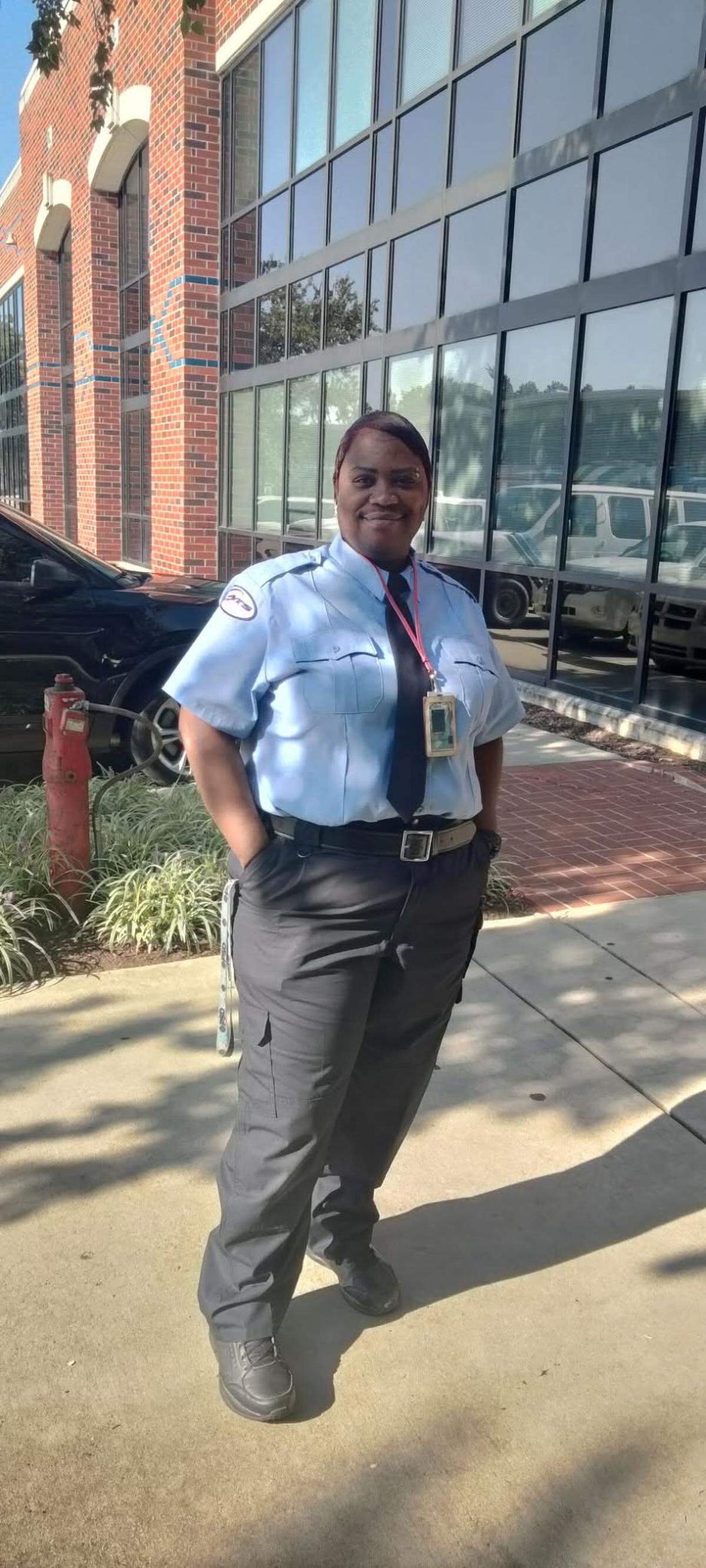
But bus drivers endure assaults far more often than light rail operators.
Buses present security challenges that light rail does not. On the light rail, drivers are in a separate cab and do not interact with passengers. On the bus, the driver is exposed to every rider.
“The industry has found no solution for that,” Cagle said.
Off-duty police officers routinely ride the light rail. But it’s not feasible for them to ride buses like that. There are too many routes and too many vehicles, Cagle said.
Doris Edwards rejected that notion. She drove CATS buses for about four years and said it’s “totally insane” that officers ride the light rail but not buses.
“The people don’t have access to the train operator. They’re safe. We’re right in the open,” Edwards said. “They don’t give a darn about us. All they’ll do is put somebody else in the seat if something happened to you.”
Security workers on their phones
CATS contracts with Professional Security Services for unarmed and armed security personnel. PSS has been the sole security contractor since December 2024.
Prior to that, a different company provided armed guards while PSS provided unarmed guards for a couple of years. The other company, Strategic Security Corp, was dropped because it wasn’t doing a good enough job, according to the Office of the State Auditor for North Carolina.
PSS did not return requests for comment.
The security workers that Edwards and Andrews encountered did not make them feel safer, they said. Andrews referred to them as “kids,” the unarmed security employees who sometimes rode on the bus with her.
Andrews and Edwards said security workers often sat on their phones, not watching their surroundings. One time, the pair on Andrews’ bus were so absorbed with their screens they didn’t notice she snapped a photo of them at the end of her route when she was done driving, she said.
Passengers got in Edwards’ face several times when she worked at CATS, she said, and security never helped her.
In 2024, when PSS and Strategic Security Corp shared security duties, one man got angry because Edwards wouldn’t stop the bus when he demanded. The man then sought her out at the transit center in uptown days later.
“B----, I will slap the s--- out of you,” he said to her.
She screamed for security. Instead, a male bus driver came to her aid and told the guy to move along.
CATS works on security updates
Last week, CATS touted security upgrades that could address some of the former drivers’ criticisms.
Radio controllers now have real-time video access to see what’s happening inside transit vehicles and new protocols for prioritizing calls for help from buses.
CATS also created a chief safety and security officer position last year. During a Metropolitan Public Transportation Authority meeting in March, that officer, Eric Osnes, said his team now studies footage of assaults on drivers to learn lessons that may mitigate future conflicts.
But Osnes was not available for an interview for this story, said Catherine Kummer, spokeswoman for CATS. When asked why, she said: “He’s doing his job.

“He’s got a lot going on right now. So having him sit down and do this interview ... he’s got some other priorities right now,” Kummer said.
CATS asserted that it is seeing “a significant downward trend” in crime: there were 67% fewer physical assaults of bus drivers or passengers in the first quarter of this year, compared to the first quarter of last year.
But that amounts to a small shift over a narrow time period. In the first quarter of last year, bus drivers were assaulted three times. During the first quarter this year, they had two assaults. Passenger-on-passenger assaults dropped from three to zero.
More changes are coming. They may include forming CATS’ own law enforcement agency, a move the new Metropolitan Public Transportation Authority is considering following voter approval for the transit tax last November.
CATS is also adding more security guards and more dispatchers who coordinate emergency response when drivers call for help, while off-duty CMPD officers provide extra coverage.
“Assaults are horrible anywhere, and to anyone to which they happen. We’re doing the best that we can,” Kummer said. “We know that there’s a lot more work to do.”
It is unclear how much off-duty officer time is dedicated to buses. Kummer referred the Observer to CMPD, who didn’t answer questions about bus staffing. The agency’s emailed response referred only to patrolling the Blue Line light rail.
A bus driver’s last day at CATS
Before working at CATS, Andrews drove charter buses. She loved that job. Clients respected her on long, fun drives across the country, and managers treated her right.
She left that Richmond, Va., job in 2015 for a move to Charlotte to be closer to her grandchildren.
About a decade later, Andrews was parked at the uptown transit center around 7 p.m., getting ready to drive CATS Route 16, which runs south on Tryon Street to the McDowell Nature Preserve area.
The regular working-class crew heading home for the day filed onto her bus when a supervisor popped by the front door and motioned to two teen girls. He told her not to let them board, then vanished.
Andrews couldn’t close the doors. About 30 people were boarding.
So the teens slipped on. They were rowdy. They were drunk.
A CATS ambassador was on board, going home for the day. Ambassadors are part-time employees who wear yellow vests, provide customer service to passengers and look out for suspicious activity.
The drunk teens stood between her and the ambassador, who asked loudly enough for them to hear if she should go find security.
That set the teens off.
They came barreling toward Andrews, reached around the barrier at the front of the bus and started hitting her. One of them decked her in the nose, breaking it. Another passenger pulled the girls off her.
Andrews was unable to defend herself while wearing her seat belt, she wrote in her employee statement that day.
Her nose healed. But over the coming months, she realized she was struggling with vision loss.
Her doctor could not tie her new problem to the assault, but Andrews wonders if the blow to her face triggered it.
Her managers never reached out to ask how she was doing, she said.
If they did, she’d tell them this: She wasn’t ready to quit working at 62. She wanted a few more years. Now, she doesn’t know what to do with herself.
Andrews planned to go back to charter buses one day.
But Jan. 2, 2025, the day she was attacked, was the last day she ever drove a bus.
Coming next: Later this week, we will publish a story that digs into what happens after drivers are assaulted, and their frustrations with lack of justice. To reach reporter Caitlin McGlade, contact her at cmcglade@charlotteobserver.com
NC Reality Check reflects the Charlotte Observer’s commitment to holding those in power to account, shining a light on public issues that affect our local readers and illuminating the stories that set the Charlotte area and North Carolina apart. Have a suggestion for a future story? Email realitycheck@charlotteobserver.com
This story was originally published June 2, 2026 at 5:00 AM.