Mecklenburg approves new transit tax to pay for multibillion dollar regional plan
Mecklenburg County voters approved a tax referendum Tuesday that will set in motion a multi-billion dollar regional transportation overhaul.
Voters cast their ballots on Election Day and throughout early voting to approve a new 1% sales tax rate increase to fund a slate of road, rail and bus projects.
With all 195 precincts across the county reporting, the pro-referendum vote led anti-referendum vote by a margin of 52.1% to 47.9%, according to the State Board of Elections. The “for” vote led all evening, even as the margin shrank with new Election Day votes.
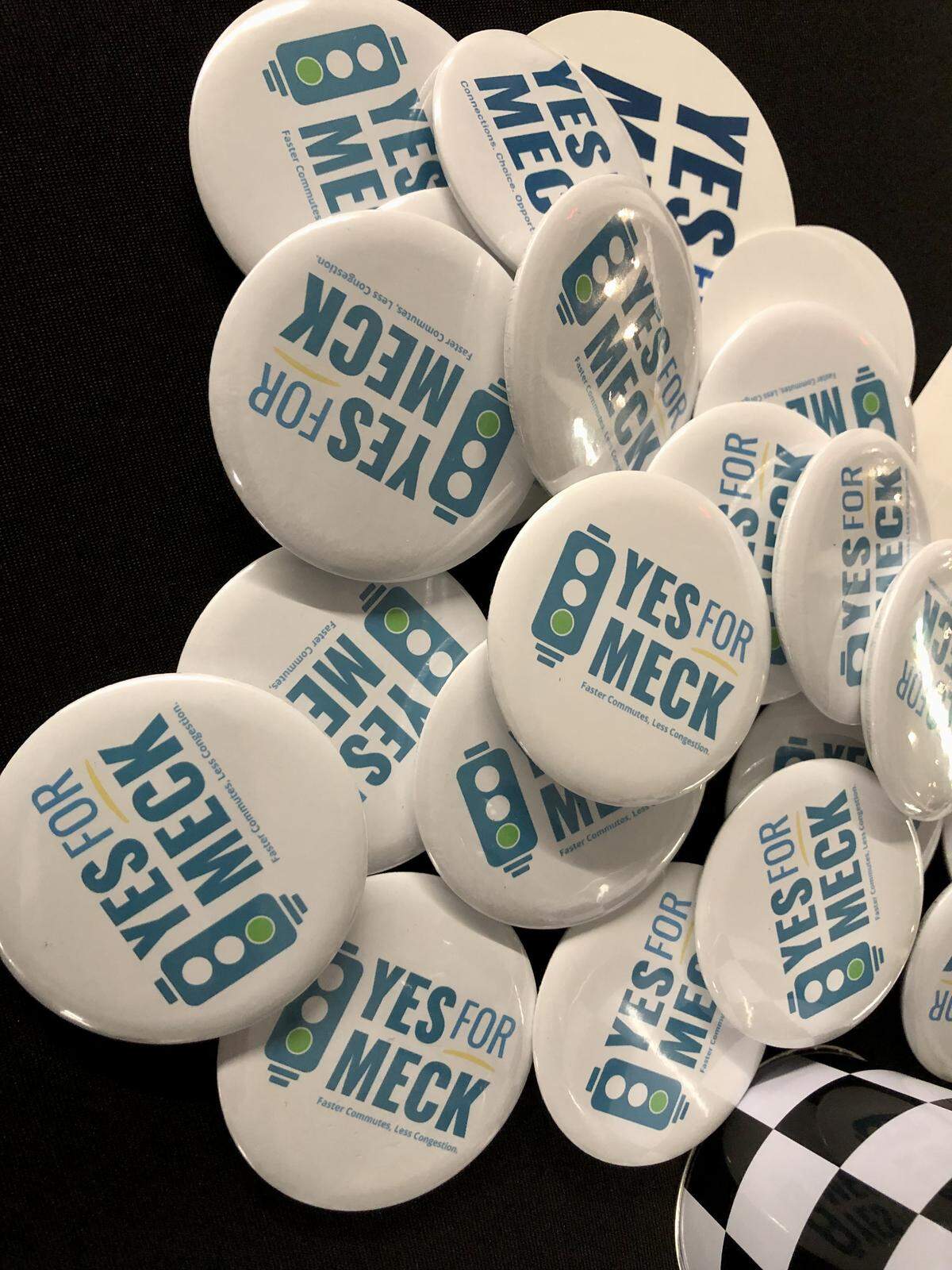
At the pro-referendum “Yes for Meck” campaign’s election night party, Charlotte Regional Business Alliance Board Chairman David Longo declared victory at about 10:20 p.m. The Alliance led the “Yes for Meck” campaign with support from major businesses including Atrium Advocate Health and Bank of America.
CLT Alliance CEO Robert McCutcheon told the crowd Tuesday night the victory “strengthened the foundation of our region’s future, not just for those who live here today, but for the companies and the talent that we aim to attract tomorrow.”
Supporters closely monitored results throughout the night with cautious enthusiasm. Notable attendees included former Charlotte Mayor Harvey Gantt, Mecklenburg County Commission Chairman Mark Jerrell and Charlotte City Council members Dante Anderson, Ed Driggs and Malcolm Graham.
The hours of nervous excitement culminated in cheers and congratulatory hugs as final results rolled in.
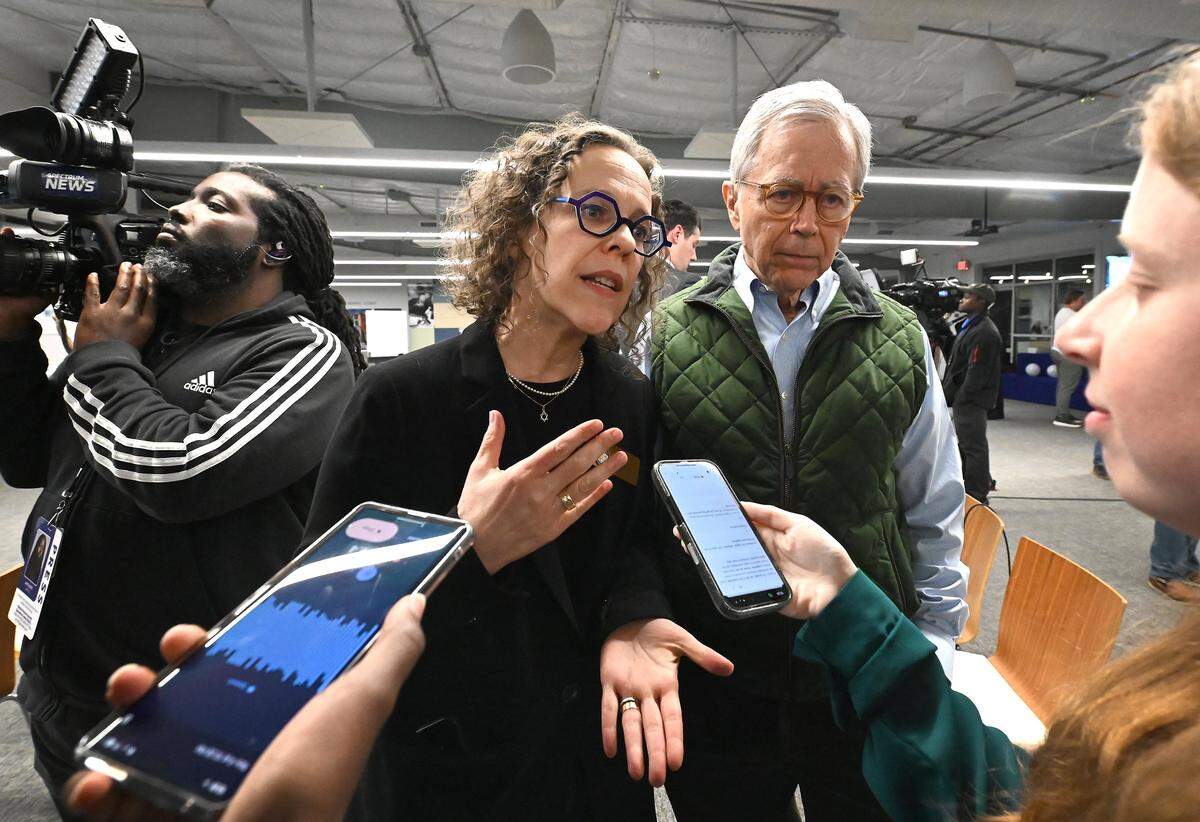
Mecklenburg County Commission Vice Chair Leigh Altman said she was “so proud of the collaborative effort” to pass the referendum.
“This is a celebration, not just of a victory, but of a promise for the work ahead to deliver on all that we’ve been talking about,” she said.
End of long campaign

Mecklenburg County got the state’s blessing to hold a referendum this summer after years trying to persuade legislators to sign off. The Mecklenburg County Commission then voted to put it on the November ballot.
Opponents of the referendum called out the regressive nature of a sales tax increase, which takes a larger percentage of income from low-income taxpayers than from high-income taxpayers. They also questioned whether the transportation plan does enough for transit-dependent communities and to avoid displacement.
The progressive group Action NC, one of the leaders of the anti-referendum campaign, said in a statement on social media that while they “fell short” they’ll continue to push for protections against displacement from transportation-related development.
Driggs, who chairs the City Council’s transportation and development committee, said Charlotte will work to implement anti-displacement efforts and reach out to opponents of the transportation plan.
“There was a diversity of opinion about it, and I want the people who had their doubts about it to be confident that in the end, it’s going to work out well for everybody,” he said.
What’s next for transportation plan?
The tax increase is projected to generate more than $19 billion over 30 years. The state law authorizing the referendum allocates 40% of the new revenue to road projects and 40% to rail projects. The other 20% is designated to the region’s bus system.
Projects on the docket include the Red Line commuter rail to the Lake Norman area, an abbreviated west-to-east Silver Line light rail and an expansion of the Charlotte Area Transit System’s rideshare-like microtransit service.
A new regional transit authority will take over oversight of the public transit system run by Charlotte. It will be led by a new board made up of local and state appointees.
Charlotte officials estimated the tax increase would cost the average Mecklenburg County household $240 annually, though that number will vary based on a person’s spending habits.
This story was originally published November 4, 2025 at 8:46 PM.