Charlotte’s water restrictions rely on the honor system. Is it actually working?
Charlotte water restrictions are successfully curbing nonessential water use amid an ongoing drought.
The city “has seen a meaningful reduction” since mandatory restrictions took effect May 1. Residents faced new limitations on when they could water their lawns and are no longer allowed to wash their cars at home, among other constraints. Enforcement relied largely on the honor system and on residents to report their neighbors if they break the rules.
That approach is working. Water demand was down by about 15% as of June 26, according to Charlotte Water. The goal was to conserve 5% to 10%.
“While we’re encouraged by the community’s response, continued conservation remains important,” Charlotte Water spokesperson Jennifer Frost said in a statement. “Current drought conditions persist, and ongoing efforts from residents and businesses will help protect our water supply and reduce the need for additional restrictions.”
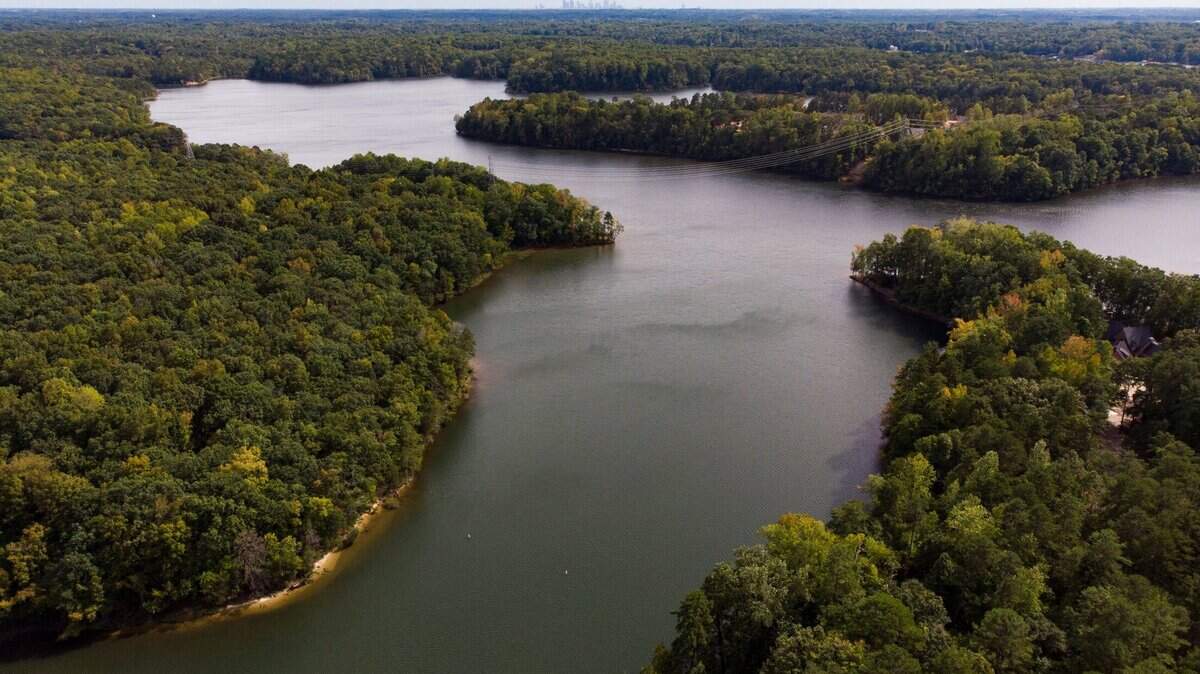
Charlotte Water draws from the Catawba River basin, which has experienced a decline in reservoir levels and stream flows. All of Mecklenburg County remains under moderate to severe drought conditions, according to the U.S. Drought Monitor. Surrounding areas are also facing a drought and have imposed their own restrictions.
Charlotte is operating under the third of five drought response stages, with restrictions getting more serious at each stage. Conserving water now helps prevent the city from moving to a stricter stage later, according to the city.
Breaking the rules could also cost money. Violators could pay anywhere from $100 on their first violation to $600 on their third.
That hasn’t been an issue so far, Frost said. Nobody has been fined.
“Charlotte Water’s enforcement approach has focused first on education and achieving voluntary compliance whenever possible. Our goal is to help our customers understand and follow the restrictions, with enforcement serving as a tool to encourage compliance,” Frost said.
Charlotte Water investigates violations through staff observations and reports by residents. Customers can report suspected violations through 311 or an online reporting form.
As of July 6, there have been 1,355 violations reported and 272 violations issued.
The city also approves variances for customers whose water use is “necessary for healthy, safety, regulatory compliance, or critical business operations,” according to the Charlotte Water website. There have been 235 variance requests, with 138 of those requests getting approved.