Charlotte shootings and homicides rise despite lower crime rate. Is pandemic to blame?
More than six months into the coronavirus pandemic, overall crime in Charlotte is down, but violent crime has risen.
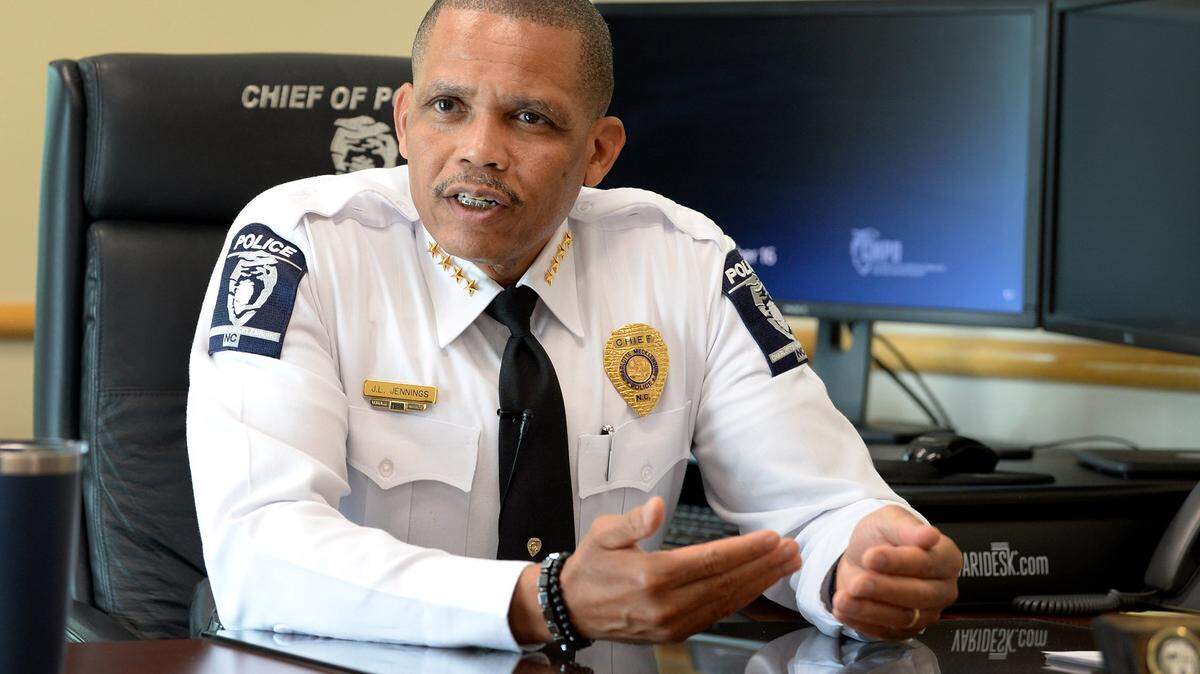
On Wednesday, Charlotte-Mecklenburg Police Chief Johnny Jennings said in a press conference that violent crime has increased 11% while overall crime is down 10% compared to this time last year.
“When you read the statistics of criminal activity, you have to know that ... there are human beings behind those,” Jennings said.
The increase in violent crime is largely driven by a 23% increase in aggravated assaults and a 13% increase in homicides. Rapes and burglaries, which are also designated as violent crimes, are down or similar compared to last year.
Homicides are also on track to surpass last year’s total with 89 homicides, compared to 77 this time last year — which was the city’s worst homicide rate in a decade.
Many of the victims are young, Jennings said.
“That’s one of the things that really raises an eyebrow,” he said. “When you see the ages of individuals who have firearms.”
Some other statistics from CMPD, three-fourths into the year:
▪ Property crime is down 14%.
▪ Car-related larcenies and robberies are down 17% and 12%, respectively.
▪ Burglaries and sexual assault are both down around 22%.
Is it related to the pandemic?
Jennings said there is no way to know for sure that the violence is related to the pandemic, but in Charlotte gun violence often starts from small disputes.
“There’s a short fuse out there,” he said. “There are people who would (rather) pick up a firearm and solve their differences than talk it out or even fight it out.”
While it’s too early to know for sure, University of South Carolina professor Ashley Mancik said there are two theories to how crime could be affected by the pandemic.
On one hand, less activity means fewer opportunities for people to engage in crime. On the other, violent crimes such as homicides and aggravated assaults usually occur between people who know each other; with social distancing, people are more likely to interact only with people they’re familiar with.
For a crime to be considered an aggravated assault, the incident typically would include either a weapon of some kind or physical injuries that result in more than two days of recovery in a hospital, Mancik said in an interview.
“I do think the pandemic is playing a role in that, but anything we observe right now, I would caution and say it’s probably an anomaly,” she said.
Recent research from the University of Pennsylvania shows that crime in cities across the U.S. has also declined in the pandemic, with the exception of homicide.
Community activist Charles Robinson said he believes economic instability has led people to resort to crime to pay their bills. He said he’s seen the need first-hand with lines at food pantries and meal donation sites.
“A person in survival mode just doesn’t know where their next meal is coming from,” he said. “It’s sad but dangerous.”
This story was originally published October 8, 2020 at 3:51 PM.