A deadly year: 2019 murder rate was Charlotte’s worst in more than a decade
READ MORE
A Deadly Year in Charlotte
2019 ended with 107 people in Charlotte killed, the highest number of homicides in a single year for the city since 1993. Charlotte’s homicide rate is the highest it’s been in more than a decade.
Expand All
Charlotte just posted its highest murder rate in more than a decade, prompting city leaders to say the violence should be treated as a public health crisis.
The city’s rate — 11.6 homicides per 100,000 people — is the highest since 2005 and more than double the rate from just six years ago. That year, 2014, remains Charlotte’s lowest on record. The rate takes into account population growth and is one way to look at deadly violence in Charlotte over time.
This month, city leaders have raised concerns following the 88% increase in the number of homicides in 2019 — 107 — compared with 57 in 2018.
As the violence mounted last year, officials with the Charlotte-Mecklenburg Police Department said they were arresting more people and removing more guns from the street than before but also warned: The issue would not be solved by arrests alone.
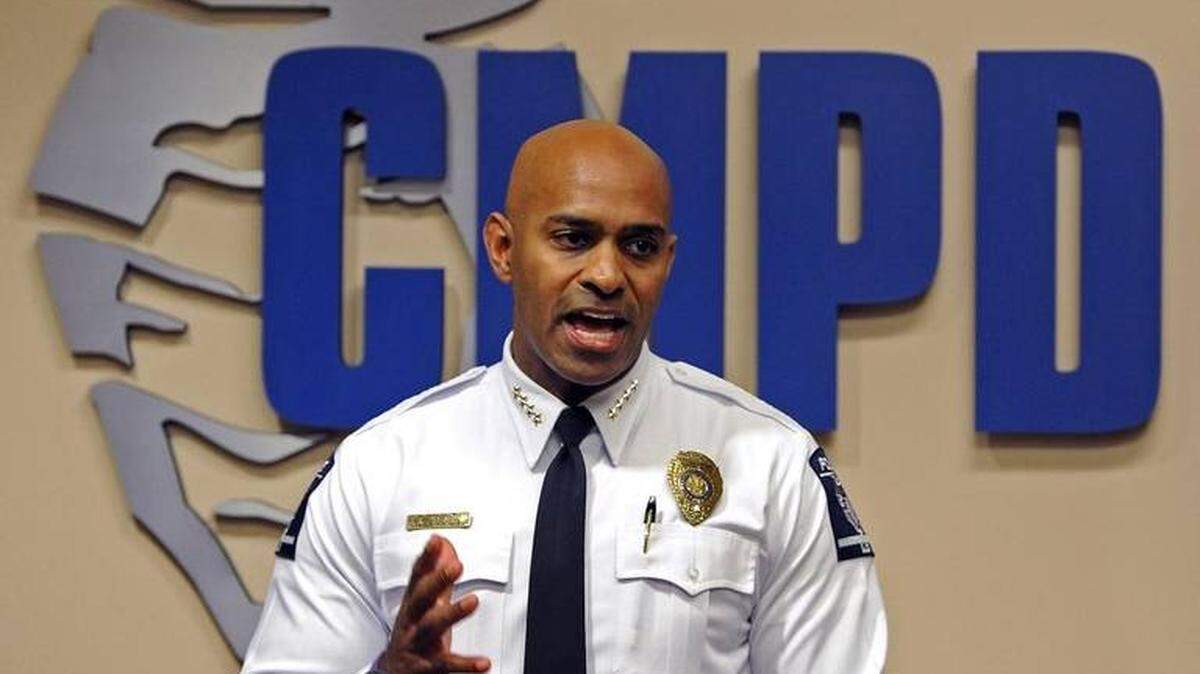
Police Chief Kerr Putney has criticized judges granting bail to people charged with murder, denounced the rate of dismissed criminal charges by Mecklenburg County prosecutors and called for more investment in community groups, especially those that mentor young black men.
In explaining the increase in violence last year, Putney and other police officials have said many shootings and some murders arose from conflict over minor disputes, including fights about fast food and small amounts of cash.
“Right now we’re having young people — just like last year and the year before — make bad choices,” he said in November.
And, Putney said, too often CMPD officers find themselves arresting people for murder who have lengthy criminal histories but whose past charges were dropped. In about half of the 76 homicide arrests from last year, the suspects charged have been arrested before for gun crimes.
The criminal justice system, Putney said, “is failing our public in the area of accountability.”
One crime analyst, a professor who also worked for the New York City Police Department, said Charlotte’s most-recent homicide statistics indicate the city is experiencing a “homicide wave.”
Comparison to 1993
Large cities rarely see more than a 10% change in the number of homicides year over year, said Chris Herrmann, assistant professor at the John Jay College of Criminal Justice in New York and former NYPD crime analyst.
In four of the past five years in Charlotte, the city has recorded a 10% or more increase in homicides.
Herrmann says the numbers reflect the problem is growing.
“To me, that’s like a huge red flag,” he said.
UNC Charlotte professor Joe Kuhns said homicides make up only a small percentage of violent crime in Charlotte and periods of increase and decrease are expected. Several categories of violent crime increased in 2019 compared to 2018 in Charlotte including aggravated assaults, for a total of a 12% uptick, CMPD data show.
“It was a fairly substantial increase this year relative to last year, so it’s cause for paying attention, but we’re not at a peak point,“ he said.
Charlotte’s peak was in 1993 and 1991, when the city saw 122 and 115 homicides, respectively.
Last year was the only other year on record that Charlotte had 100 or more homicides.
Compared with 1993, Charlotte’s population is now twice as large and CMPD’s jurisdiction is much bigger. (After 1993, the Charlotte Police Department merged with Mecklenburg County Police Department to become the Charlotte-Mecklenburg Police Department.) The homicide rate now is less than half of what it was in 1993.
From the late 90s through the mid-2010s, Charlotte’s homicide rate generally declined aside from some years of slight increases. Beginning in 2014, the city’s rate began to climb again.
Still, last year’s violence has city leaders worried.
‘Change the path’
In December, as Mayor Vi Lyles was being sworn in for her second term, she called on city officials to review the year’s homicide cases and identify public policy options to intervene at the neighborhood level.
“We must change the path that we’ve taken this year,” she said. “We must change that path.”
As she spoke, the course of violence was continuing in Charlotte.
A 911 call came in from east Charlotte. The caller offered little information — only that he’d heard gun shots and there was a parked vehicle outside his home — before hanging up.
When police arrived, they found 49-year old Perry Bostic inside the car. He’d been shot and the car set ablaze.
CMPD officers and paramedics tried to save Bostic as firefighters put out the car fire. But Bostic died.
Three days later, police records show, officers arrested Lambert Smith, 61, for murder.
Bostic was one of 89 people killed by gunfire in Charlotte last year.
Who were the victims?
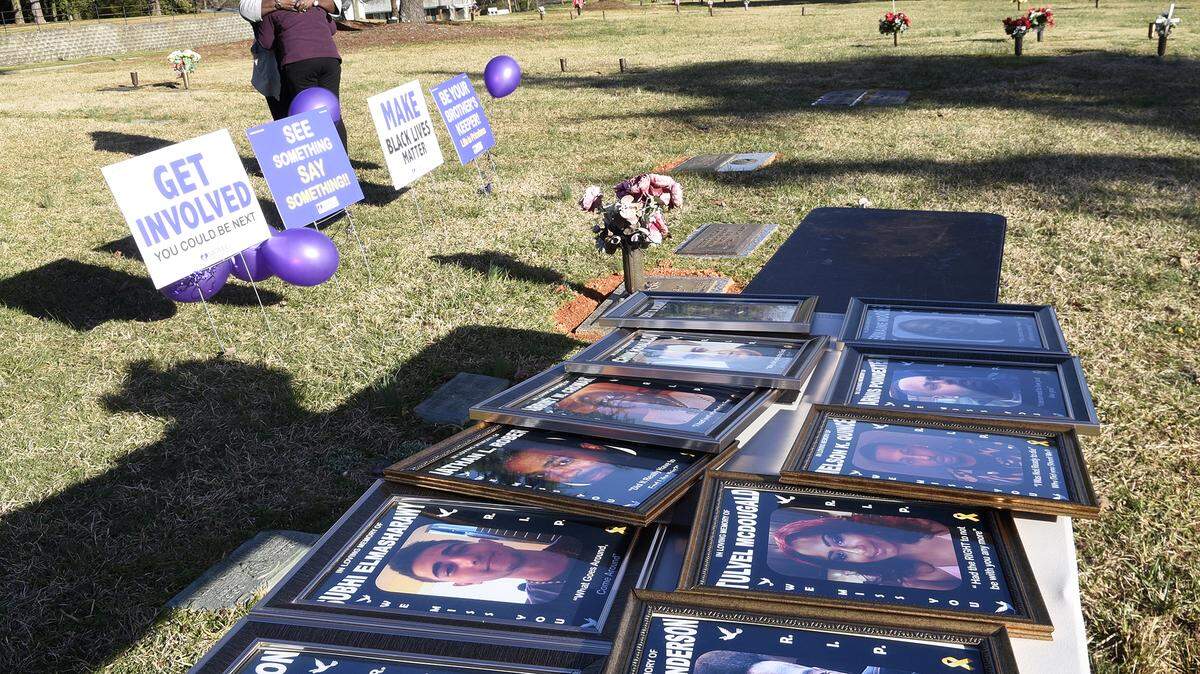
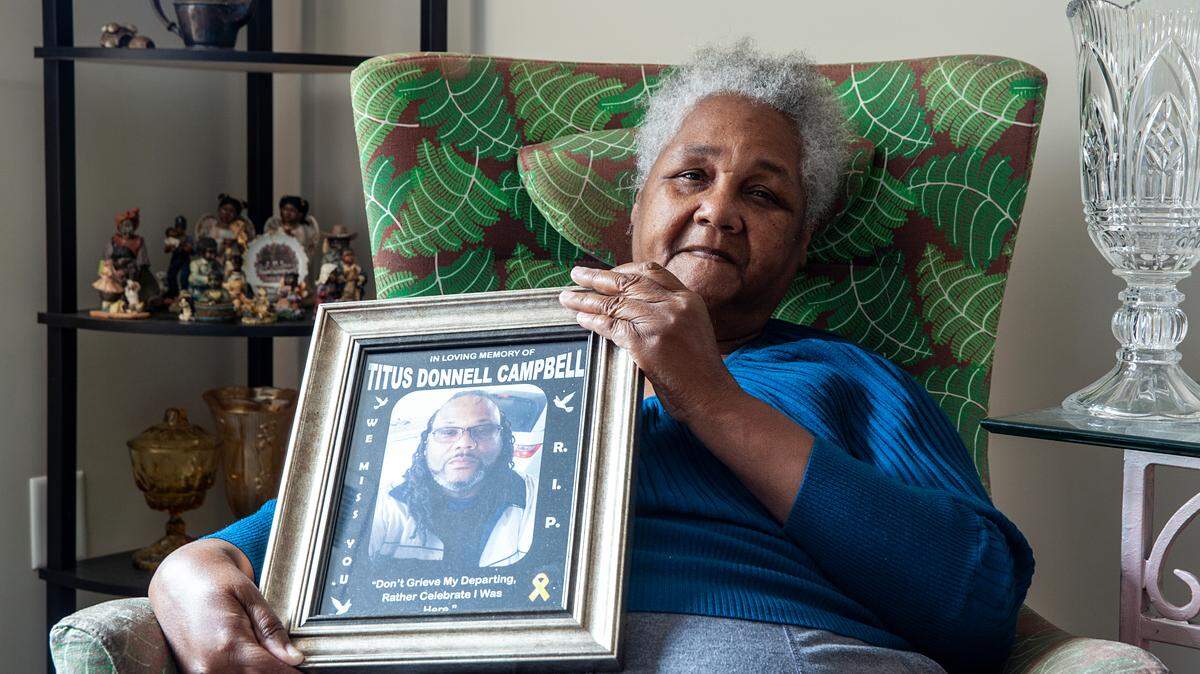
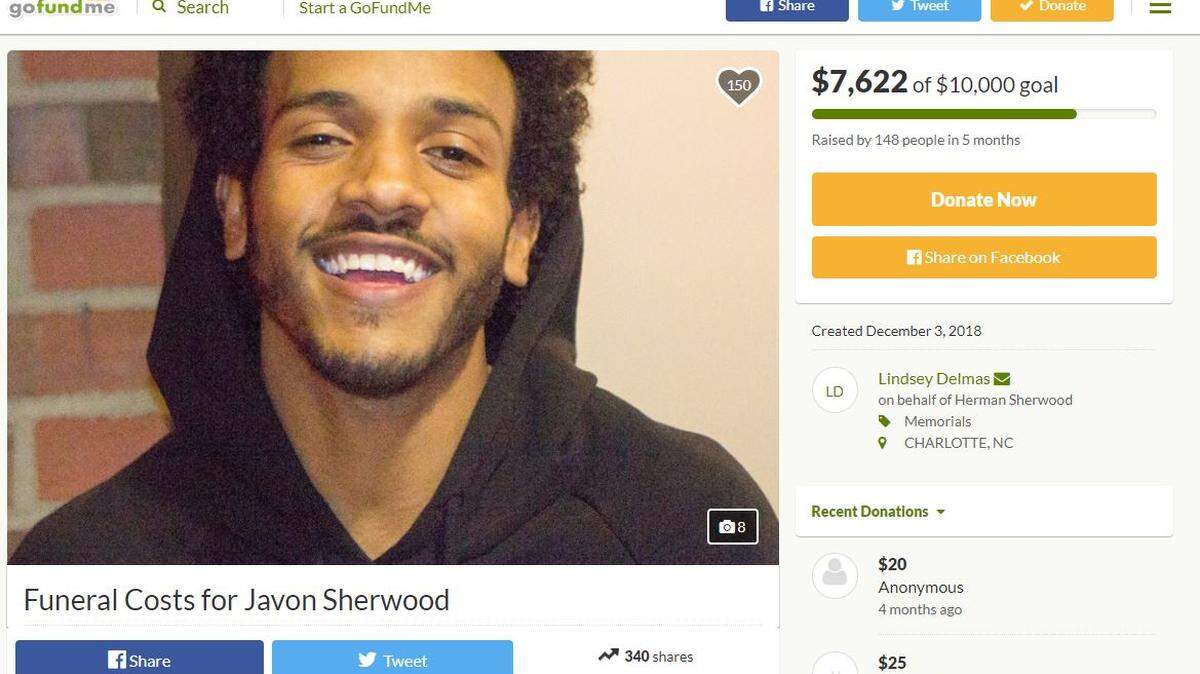
Deadly violence in Charlotte last year disproportionately affected black men, data show.
Although only 35% of the city’s population is black, according to U.S. Census Bureau estimates, the majority — 80% — of 2019 homicide victims were black, according to the Observer’s analysis of data provided by CMPD. Of those killed, 80% were men.
Half of the victims, both men and women, were under 30 years old.
Arrests have not been made in around one-third of the 2019 murder cases. Of the 107 homicides, officers have closed about 78 cases.
Because investigations are ongoing, complete demographic information on people charged with murder is not available. Statistics from homicide cases from 2016 to 2018, however, indicate some trends, CMPD says.
▪ 90% of homicide suspects were male
▪ 85% were black
▪ 41% were between 18 and 24 years old, a segment which makes up just 10 percent of the population
▪ Victims were usually killed by someone they knew. 10% of homicide victims were killed by a stranger
▪ 26% of suspects had been convicted of a previous felony and 41% had a past felony charge
The demographics of those killed and those arrested are similar to the national trend, UNC Charlotte’s Kuhns said. Poverty, unemployment rates and unstable housing contribute to higher crime rates, he said.
“It’s part of the nationwide pattern … There’s disproportionate victimization among minorities,” he said.
Stopping the ‘cycle’
City leaders believe the city can interrupt the violence.
According to CMPD, one-fourth of homicides from 2017 to 2019 were preceded by an argument and one-fifth were domestic violence between family members or romantic partners.
In the first meeting of the Charlotte City Council this year, members said the surge in homicides is a public health crisis and that youth diversion and community-based mediation programs could be part of the solution.
“It can’t just be about policing anymore,” Lyles said. “It’s just not possible. ... We want to actually figure out how to make change sustainable.”
Reversing the “cycle of violence” is possible, Putney says, but results could take years.
“I think we’re doing fantastic work that will pay dividends five and ten years down the road,” he said.
This story was originally published January 15, 2020 at 5:00 AM.





.jpg)