He evaded the FBI for weeks. So why is a judge removing NC man’s ankle monitor?
READ MORE
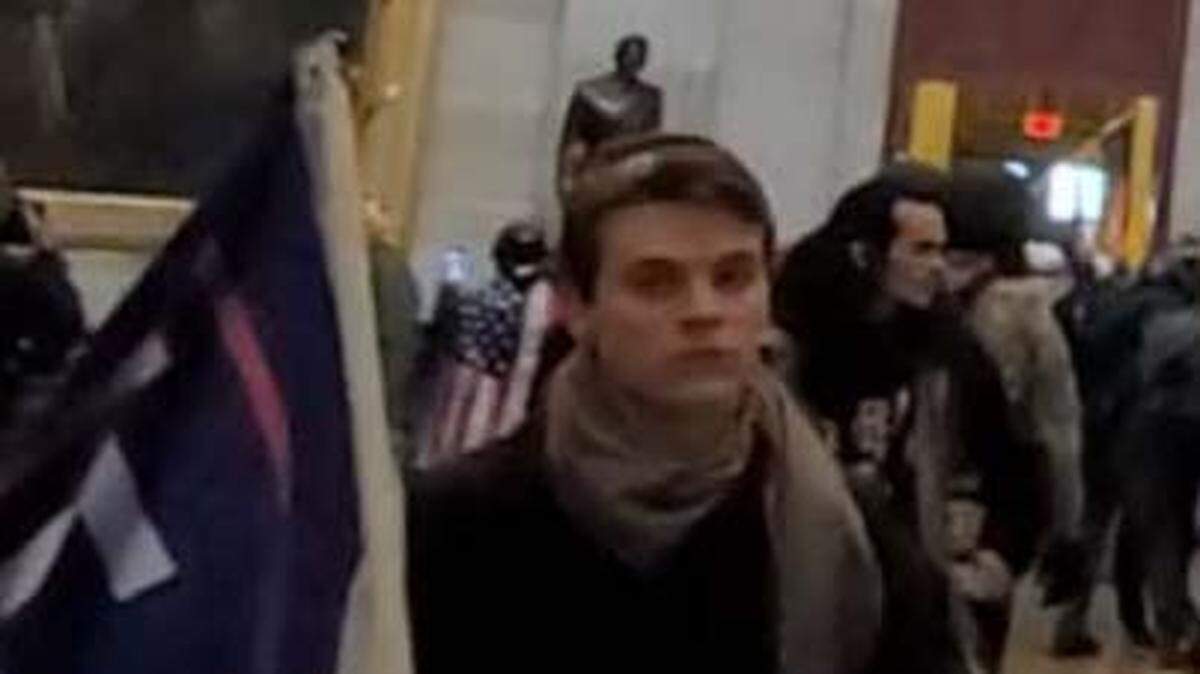
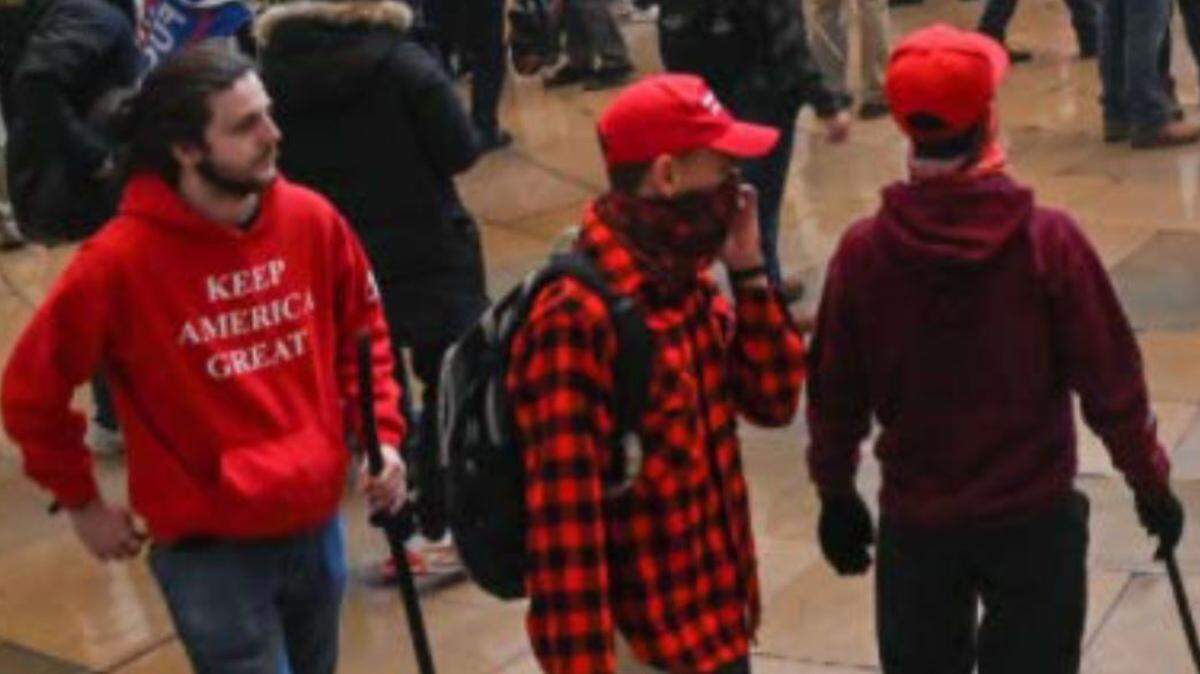
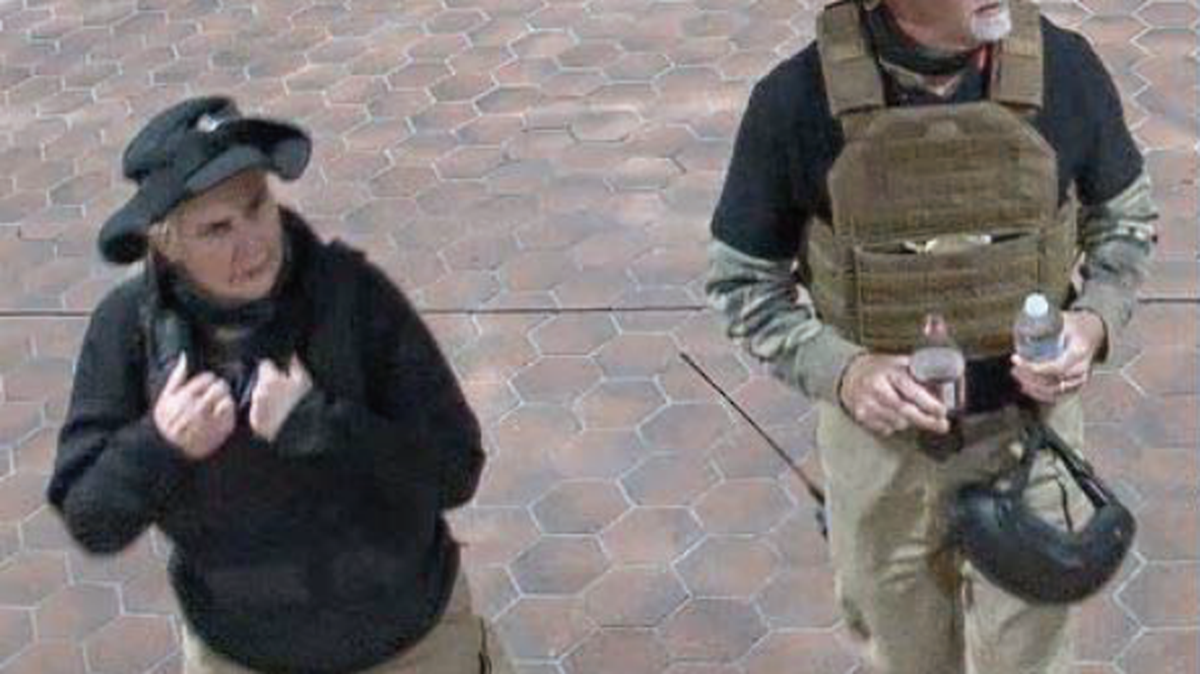
NC links to US Capitol riot
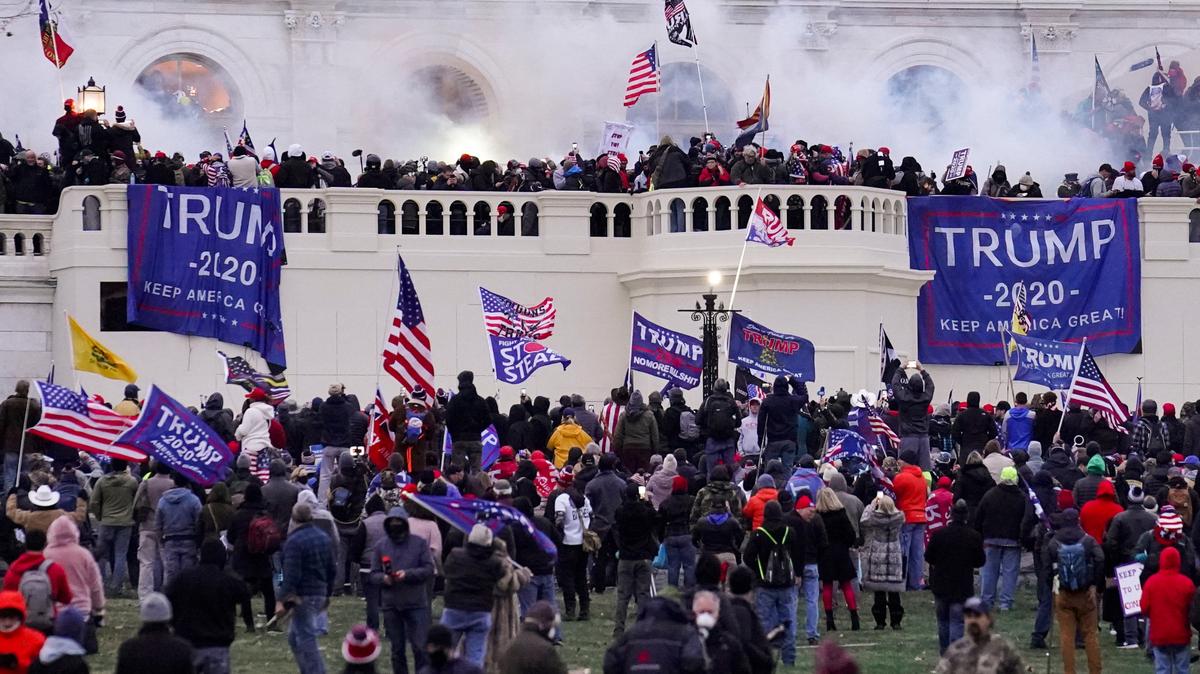
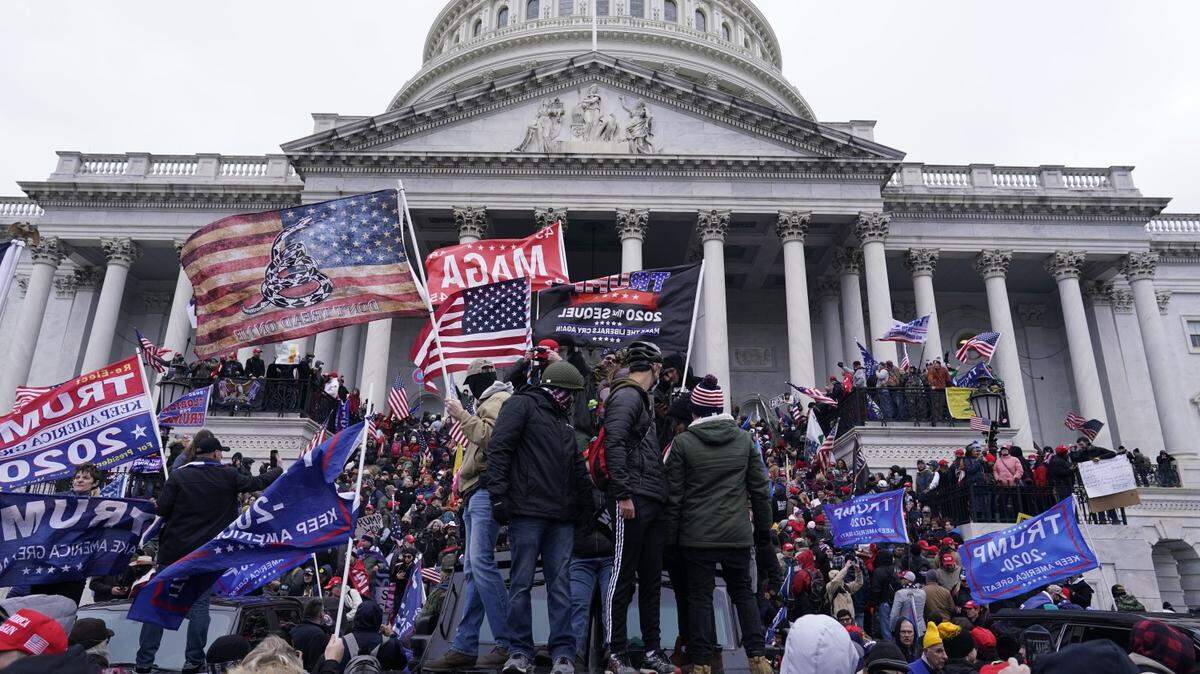
Federal prosecutors have charged at least 23 North Carolina residents for their suspected roles in the assault on the U.S. Capitol by hundreds of Donald Trump supporters on Jan. 6, 2021.
Expand All
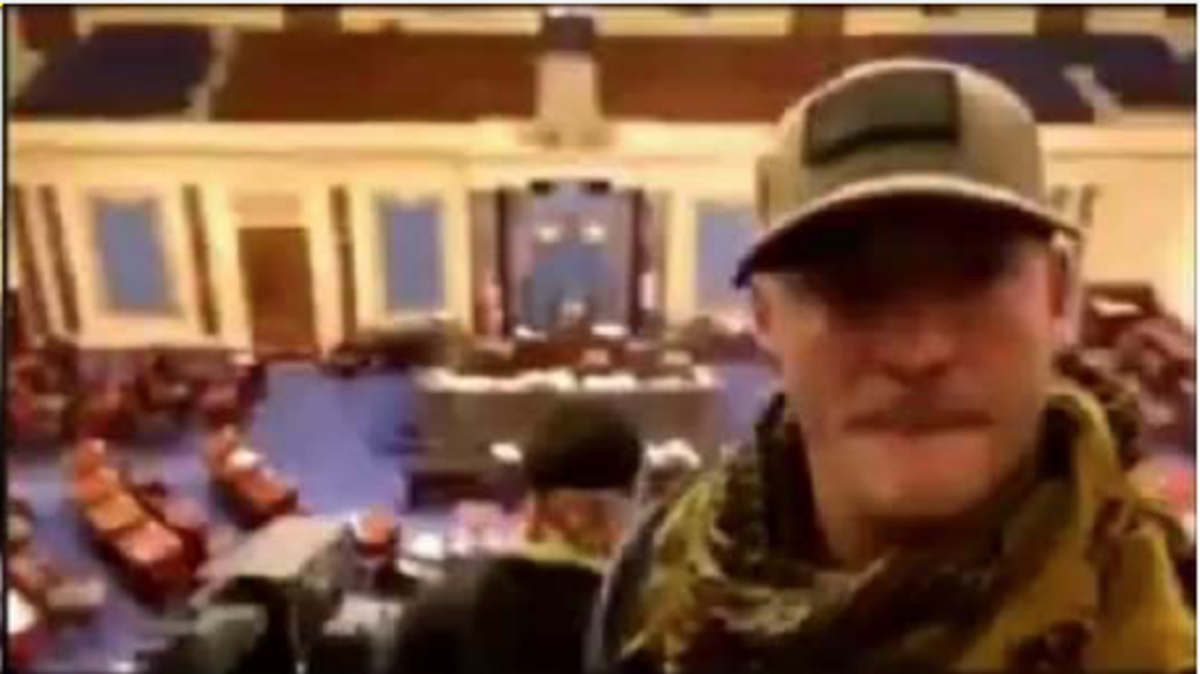
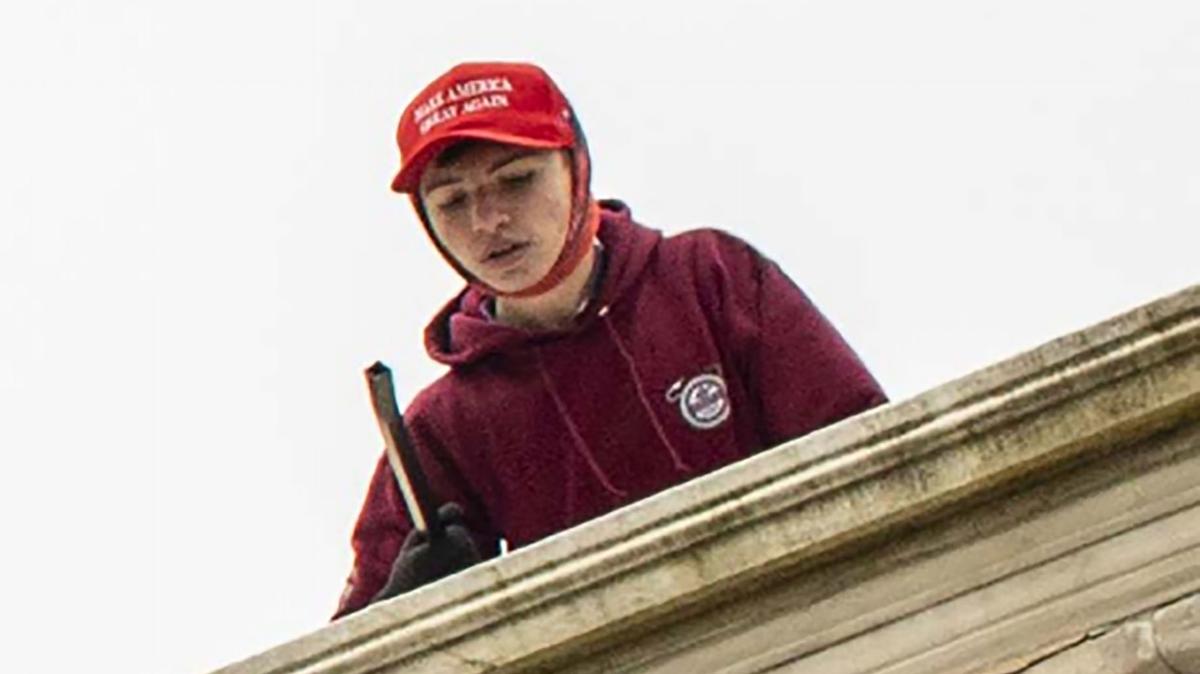
Brad Bennett still faces trial on felony charges — and a possible prison sentence — tied to the violent Jan. 6 assault on the U.S. Capitol.
But at least for now, he won’t be wearing an ankle monitor.
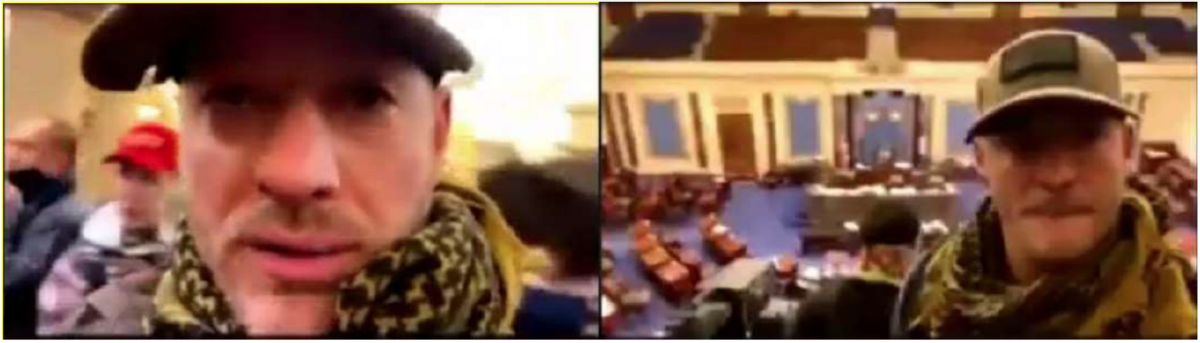
On Friday, a federal judge in Washington agreed to remove the device from the Huntersville resident, who had been required to wear it since his pretrial release from federal custody in June.
The decision by U.S. District Judge James Boasberg, which he filed without any explanation, followed a Thursday motion by Bennett’s lawyer arguing that the monitor was no longer necessary.
St. Louis attorney Albert Watkins said the device kept Bennett from attending services at Freedom House church in Mecklenburg County, stopped him from traveling to help infirmed family members in High Point and High Rock Lake, disrupted his career as a health and wellness coach, and even delayed Bennett’s plan to buy a house in Charlotte.
But the judge’s decision also removes the government’s last means of electronic surveillance of a defendant whom they’ve repeatedly described in court filings as a flight risk, who evaded capture by the FBI for almost three weeks, and who had demonstrated “a complete unwillingness to abide by any conditions if released, and an utter disrespect for our legal system.”
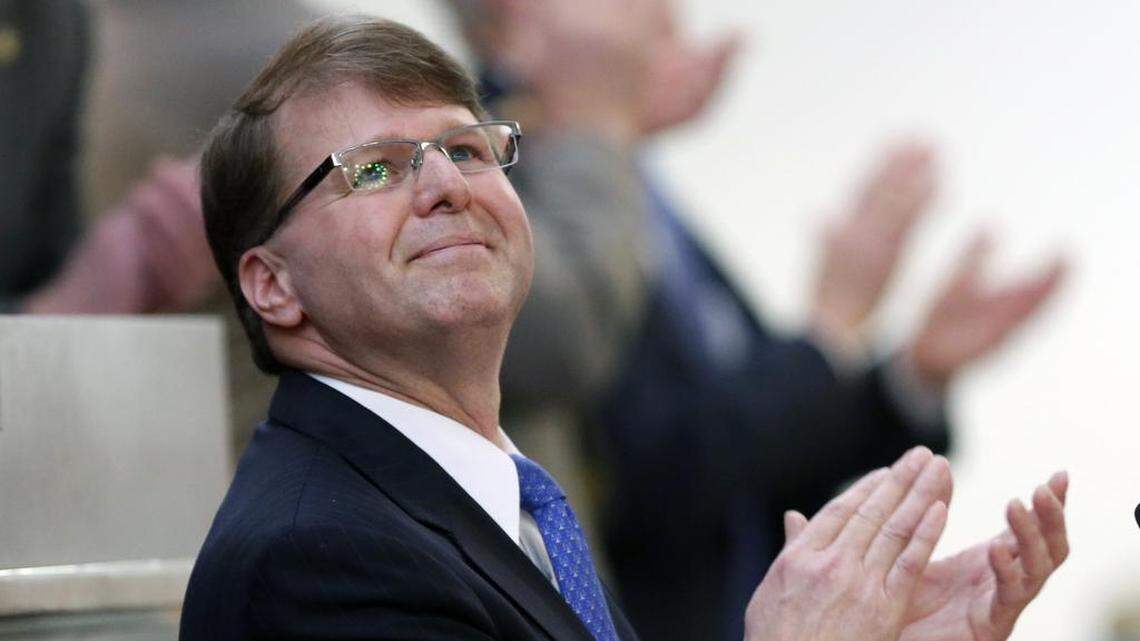
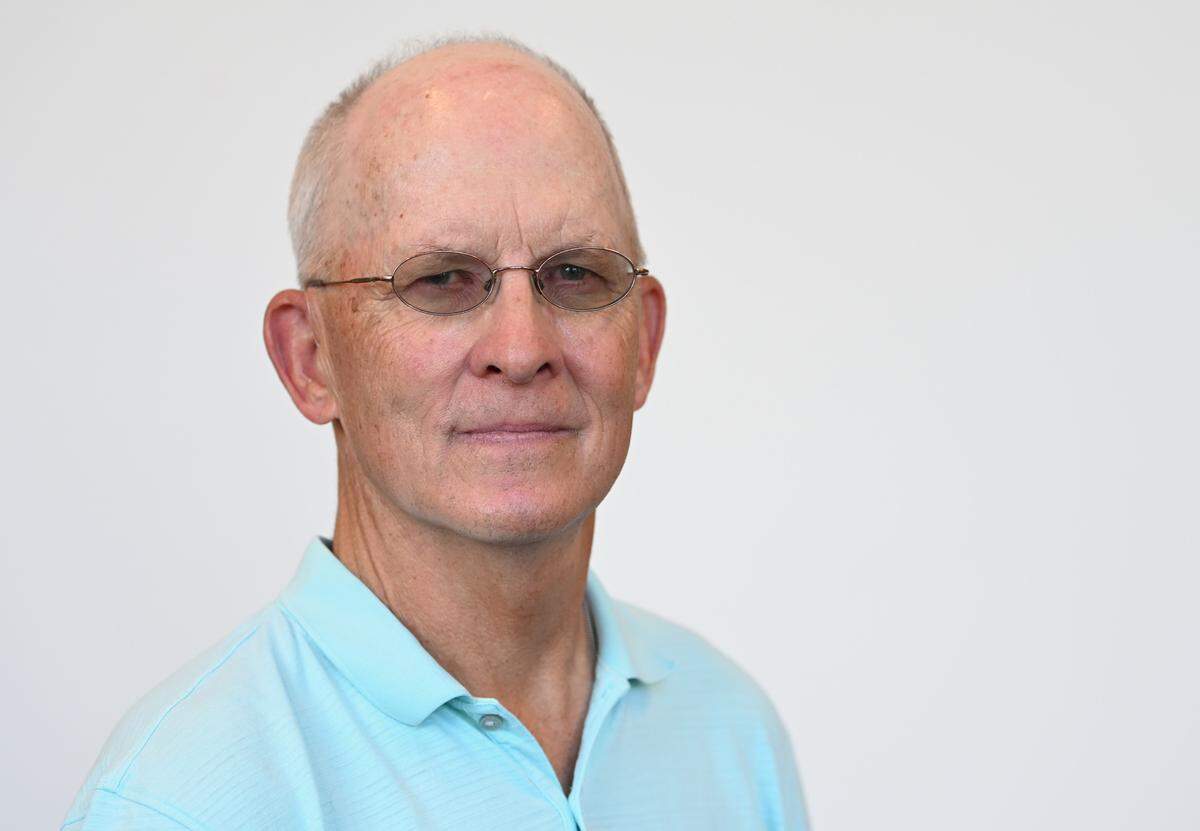
Duke law professor Jim Coleman says Boasberg’s order — and the government’s decision this month not to fight Bennett’s release — seems odd given the charges involved and Bennett’s previous behavior.
“The alternative to an ankle bracelet is that he sits in jail,” Coleman said. “A monitor is not an onerous requirement ... assuming that the government thought it necessary to keep track of his activities. Given the 20-day period in which he evaded arrest, there appear to be grounds to believe that the closer he gets to his trial the chances increase that he might take off.”
As for Bennett’s desire to return to church, help his family and buy a home, Coleman said, “Hell, he wouldn’t be able to do any of that if he were still in jail.”
Riot debate: Felony or misdemeanor
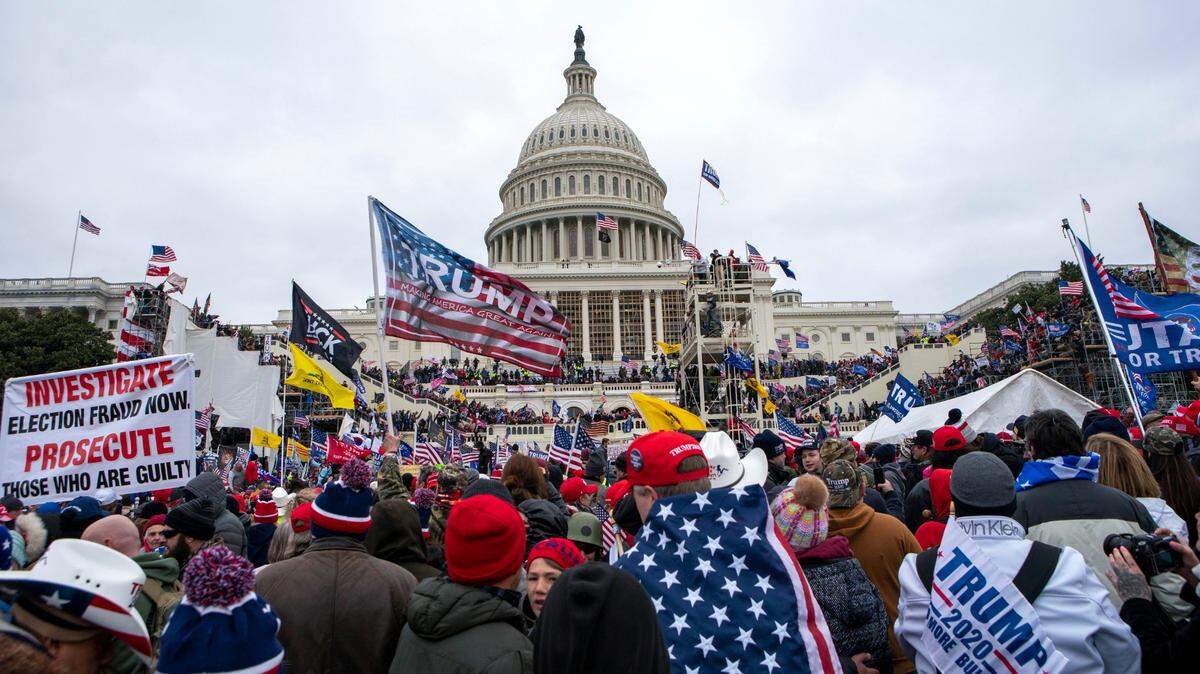
The order by Boasberg, who was appointed to the D.C. federal bench by President Barack Obama, comes as the country and the courts continue to debate the government’s treatment of the hundreds of protesters arrested in connection with the Capitol uprising, when supporters of former President Donald Trump tried to block congressional certification of Joe Biden’s presidential win.
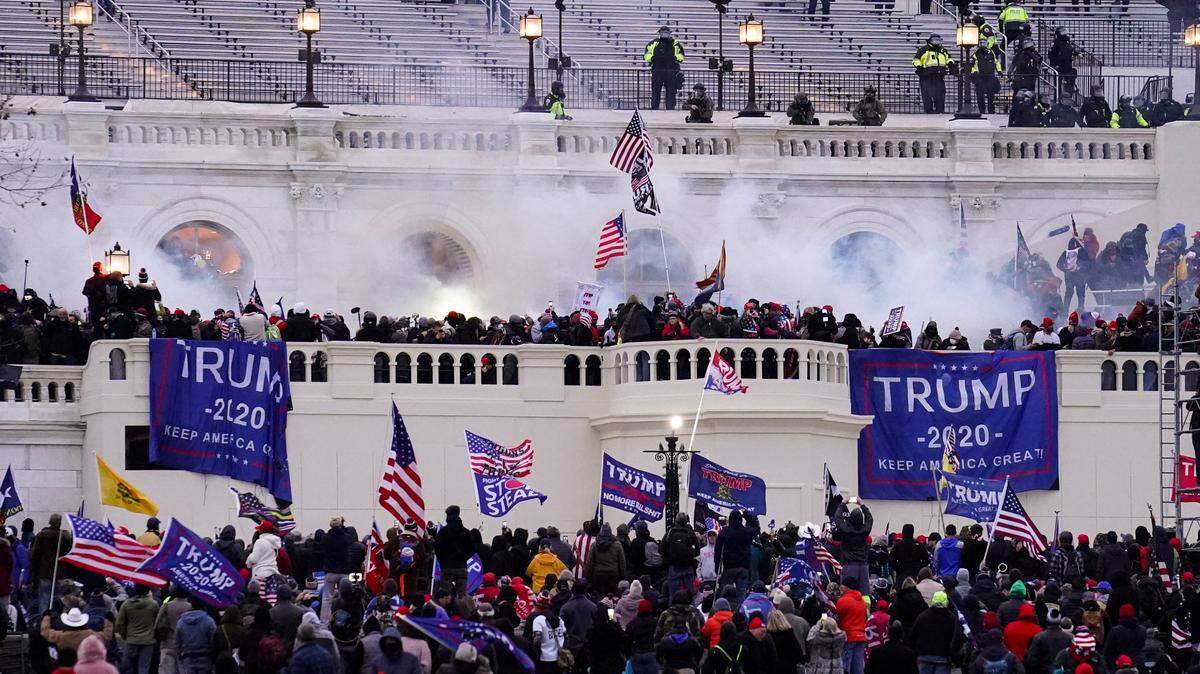
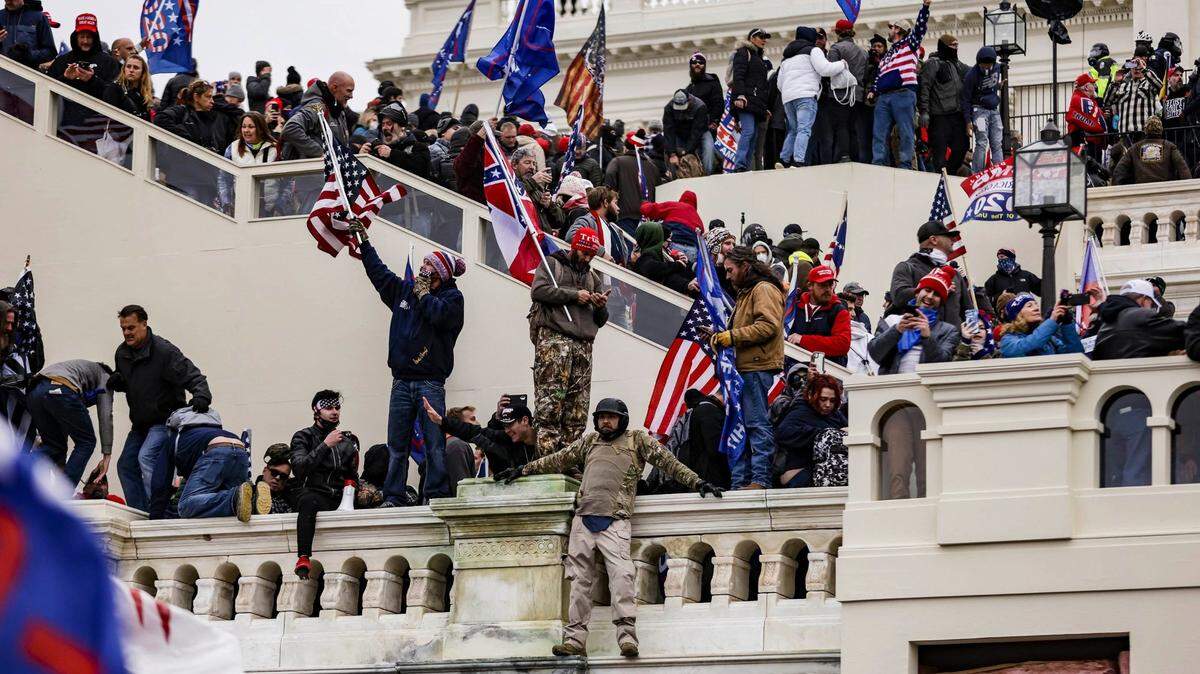
The building was ransacked. Some 140 police officers were injured. Five deaths have been linked to the worst violence on Capitol Hill since the War of 1812. In all, 13 N.C. residents have been among the more than 600 charged.
On Saturday, thousands of Trump supporters are expected to return to Washington to protest the continued captivity of the so-called “political prisoners” still jailed for their alleged roles in the riot.
In the D.C. federal courts, several judges have begun questioning the constitutionality of government decisions to charge some Capitol defendants — including Bennett and five other North Carolina residents — with more serious felony obstruction charges while others have been tagged with misdemeanors for similar behavior.
Former High Point police Officer Laura Steele, who prosecutors say took part in an organized storming of the Capitol by the militia group known as the Oath Keepers, is among those who have called on the courts to throw out charges that her attorneys described as improperly vague, documents show.
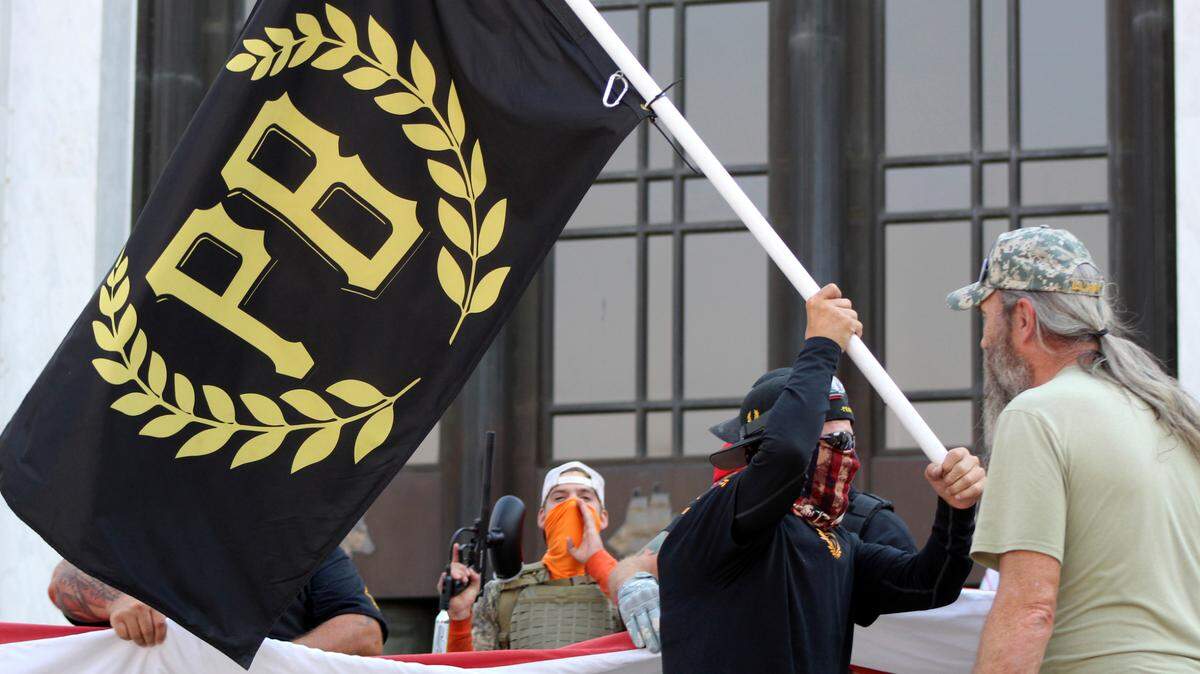
Meanwhile, multiple defendants on pretrial release have petitioned the courts to remove their ankle monitors. They include a suspected member of the right-wing Proud Boys militia group who says his device beeps too loudly and disrupts conversations with potential customers of his Florida construction company.
Prosecutors are expected to oppose the monitor removal in the Florida case. But they had nothing to say in court filings about Bennett’s ankle monitor last week, and they refused to discuss the case with the Observer on Friday.
Watkins said Bennett’s prosecutors did not oppose his motion to remove the device at least in part because the government is now making more independent assessments of the individual Jan. 6 cases.
“It demonstrates what I see to be an increased willingness on the part of the Department of Justice to stray away from trying to label all those who appeared at the Capitol as possessed of nefarious motives, insurrectionists and threats to society,” Watkins said in an email to the Observer.
“This trend has been a function of those up the DOJ’s chain of command actually listening to their boots-on-the-ground (prosecutors) rather than making optics-driven decisions.”
QAnon disciple, survivalist, flight risk
Coleman, a Charlotte native and one-time prominent criminal defense attorney, said the recent maneuverings within the Bennett case raise broader issues of consistency and fairness.
“The government hasn’t been consistent in how it treats these folks,” Coleman said in a Monday phone interview with the Observer. “It treats some of these people like Jan. 6 was all some kind of college prank, and it’s treated others like they were (Oklahoma City bomber) Timothy McVeigh.”
Prosecutors, Coleman said, “need to figure out who these people are and determine which ones are threats to the democracy and which ones were just sort of hanging out. If they said they wanted to overthrow the government, I would take them at their word and treat them like that.”
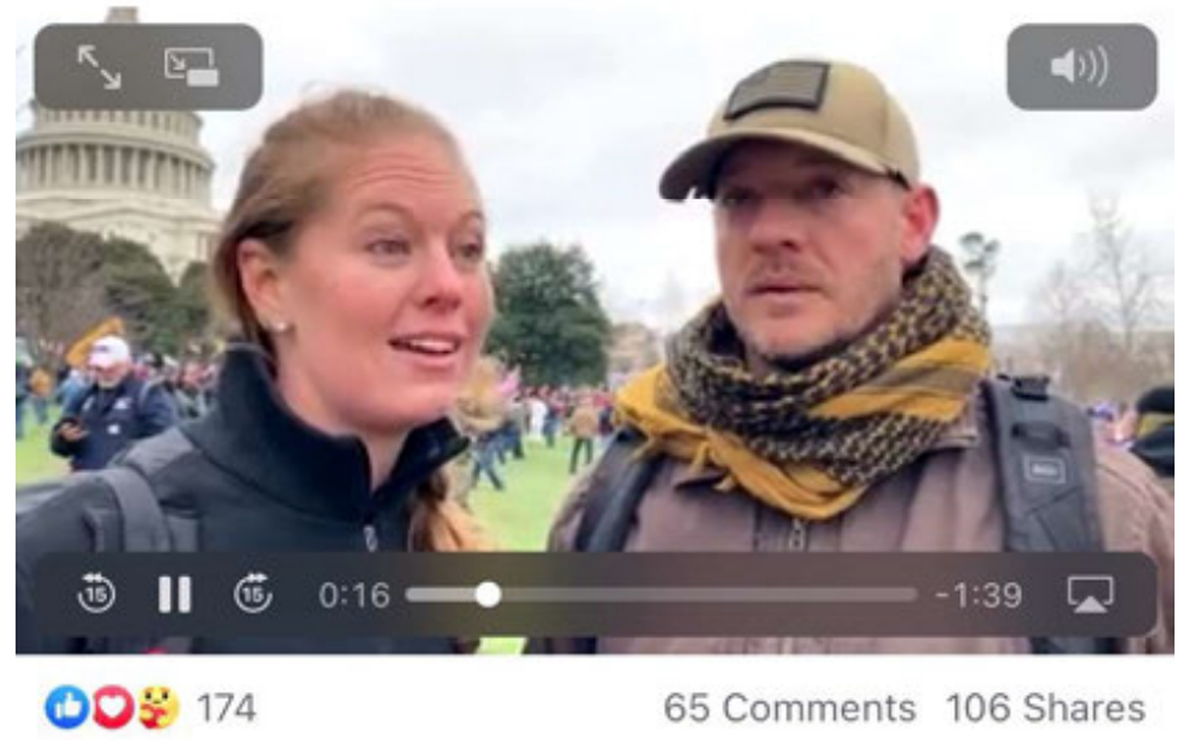
Up to now, the government has had plenty to say about Bennett. In earlier filings, prosecutors described him as a QAnon disciple and one-time survivalist trainer who went online in the days leading up to the Capitol assault to drum up attendance and warn of violent reprisals if Trump were not returned to the White House.
“FAIR WARNING,” Bennett said on his Facebook page. “IF THIS ELECTION IS STOLEN FOR BIDEN ... PATRIOTS WILL GO TO WAR.”
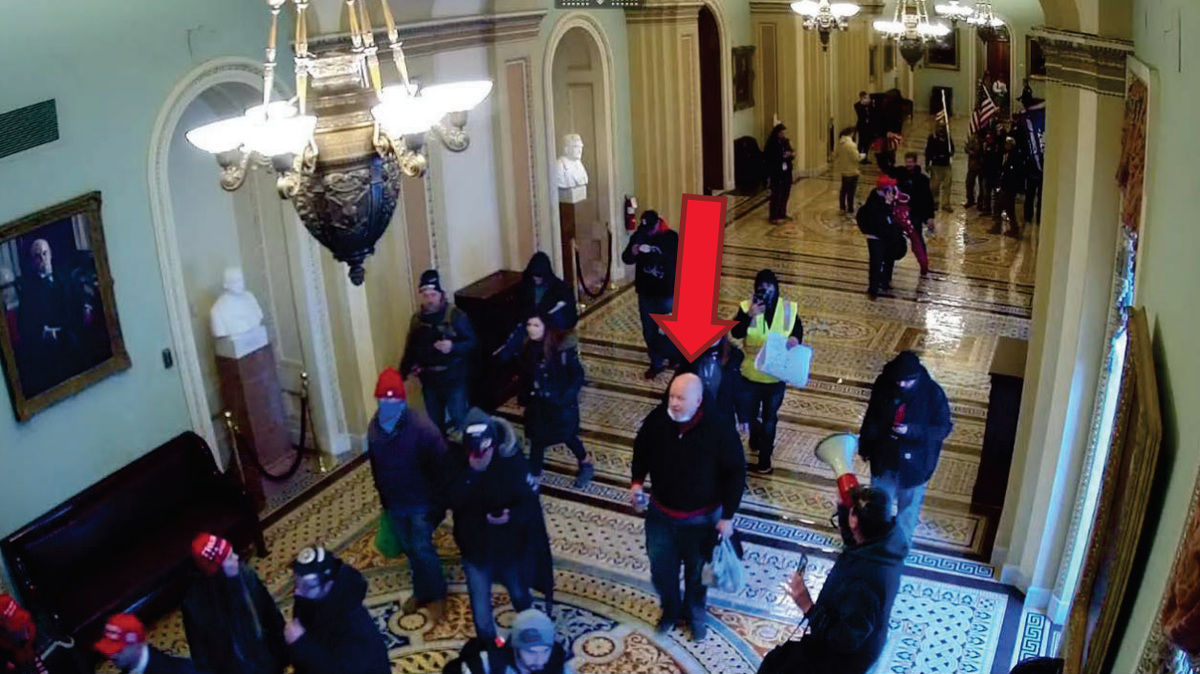
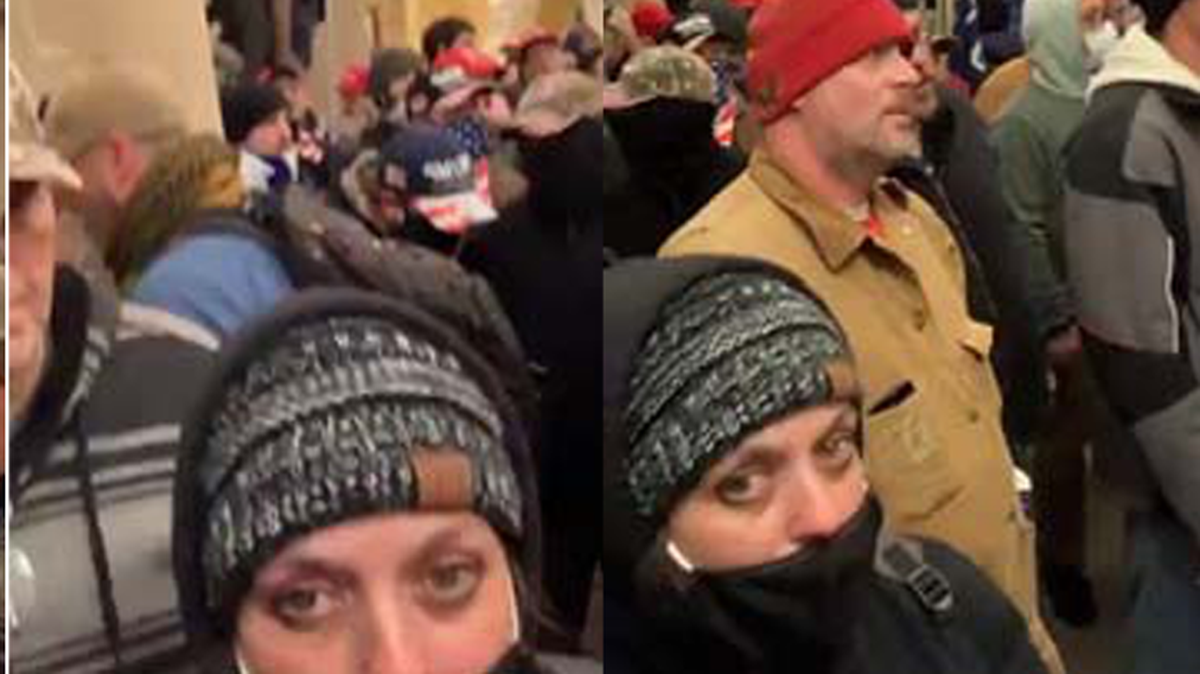
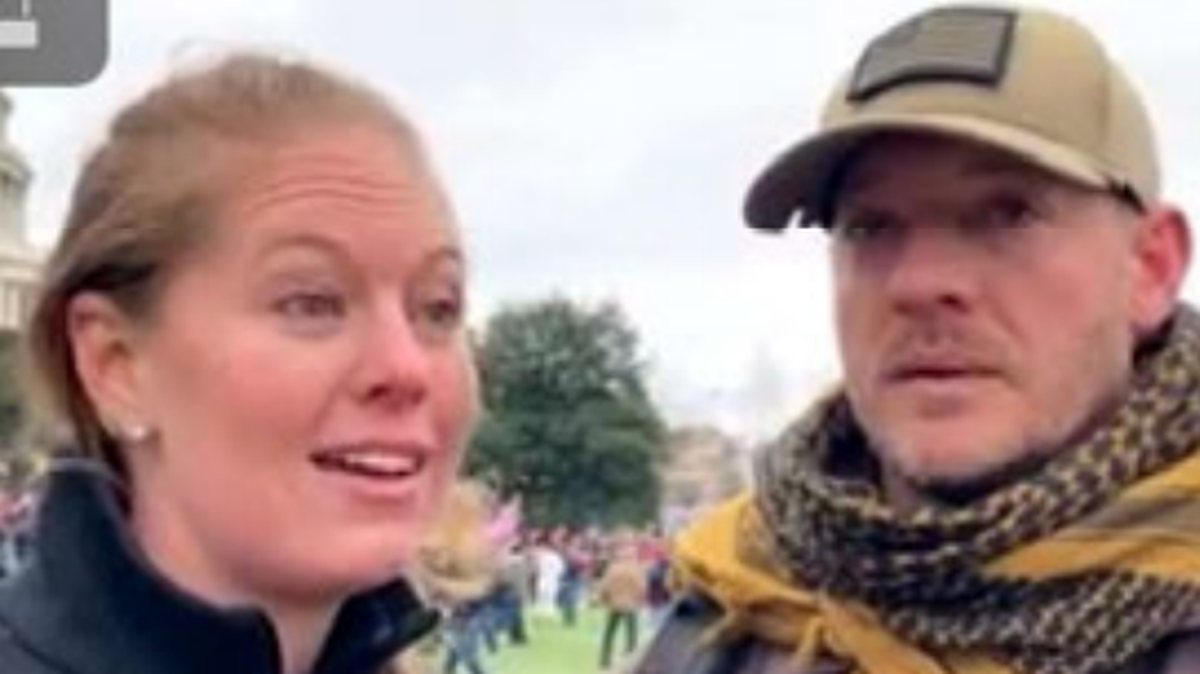
Court documents and social media posts indicate Williams and his then-Texas girlfriend, Elizabeth Williams, spent time inside the Capitol on Jan. 6. But there’s no indication either took part in the violence. Yet documents say Bennett faces up to 3 1/2 years in prison if convicted of the felony obstruction charge. He’s also been charged with five misdemeanors. Williams is charged with misdemeanors only.
Bennett once offered online instruction “on everything a typical American needs to know to prepare for any form of chaos or emergency in these tumultuous times ... Learn about which foods, shelter, water & weapons work best for surviving and thriving.”
Last spring, Bennett may have put some of his tips in use. Federal prosecutors say he evaded the FBI for 20 days in and around Charlotte until he turned himself in at the federal courthouse on West Trade Street.
He spent 11 days in the Mecklenburg County Jail before being transferred to federal custody in Washington.
On April 30, the D.C. federal court ruled Bennett was a flight risk and denied his release.
Watkins filed another motion for his client’s release in late May. This time the government did not oppose it — as long as Bennett remained on house arrest and wore a monitor, among other conditions.
With the monitor now gone, Bennett remains on house arrest. According to Watkins’ motion, Bennett can receive treatment for several physical problems as well as his psychological care.
Bennett’s next court appearance is scheduled for Sept. 23.
This story was originally published September 14, 2021 at 6:20 AM.
.jpg)
.jpg)