A community of their own: Therapy shows moms of incarcerated children they are not alone
Every Thursday evening, Camille Stephens shows up to the Plaza Road Academy with a question for the women of her Parent Talk Therapy group to discuss.
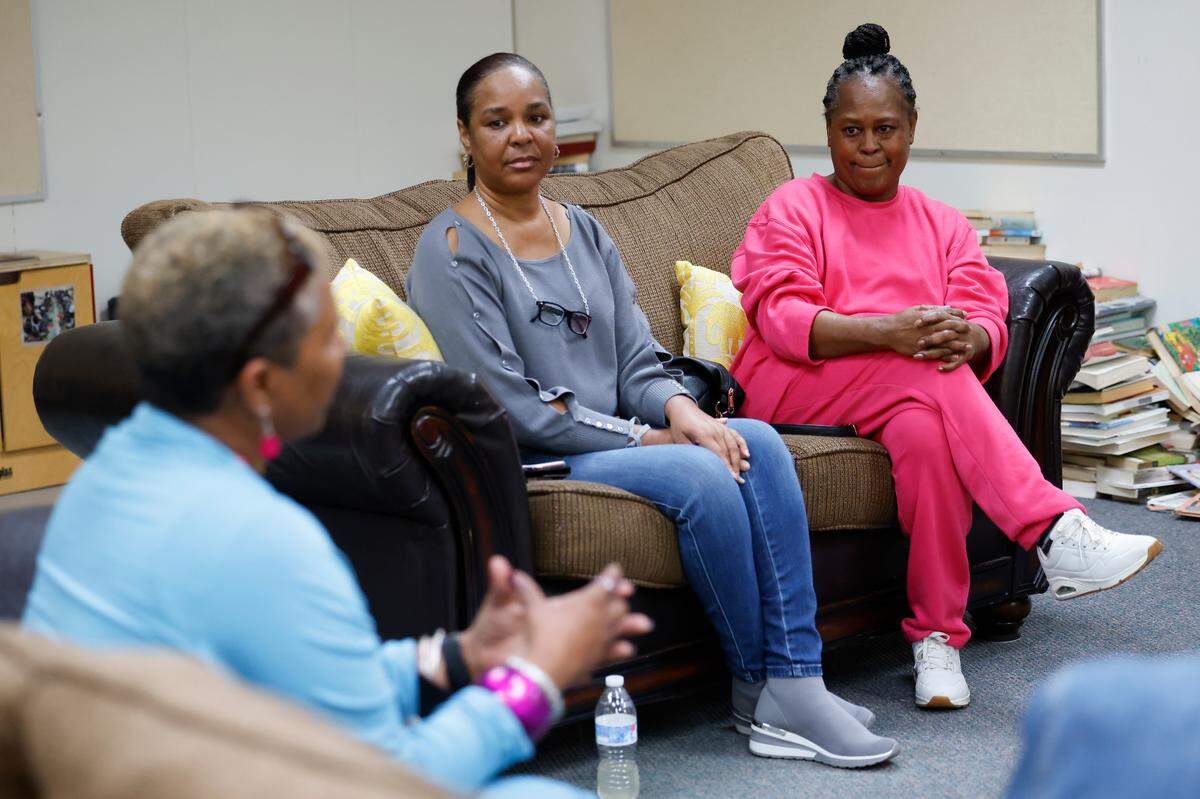
Then, she sits in a small room with an unfinished ceiling and toys in the back on one of two worn-out couches. Sometimes, her grandchildren are with her, and she waits for mothers and grandmothers who have children involved in the juvenile or criminal justice system to trickle in at 6 p.m.
On this particular Thursday, Stephens was joined by three other women, all single parents of grown children.
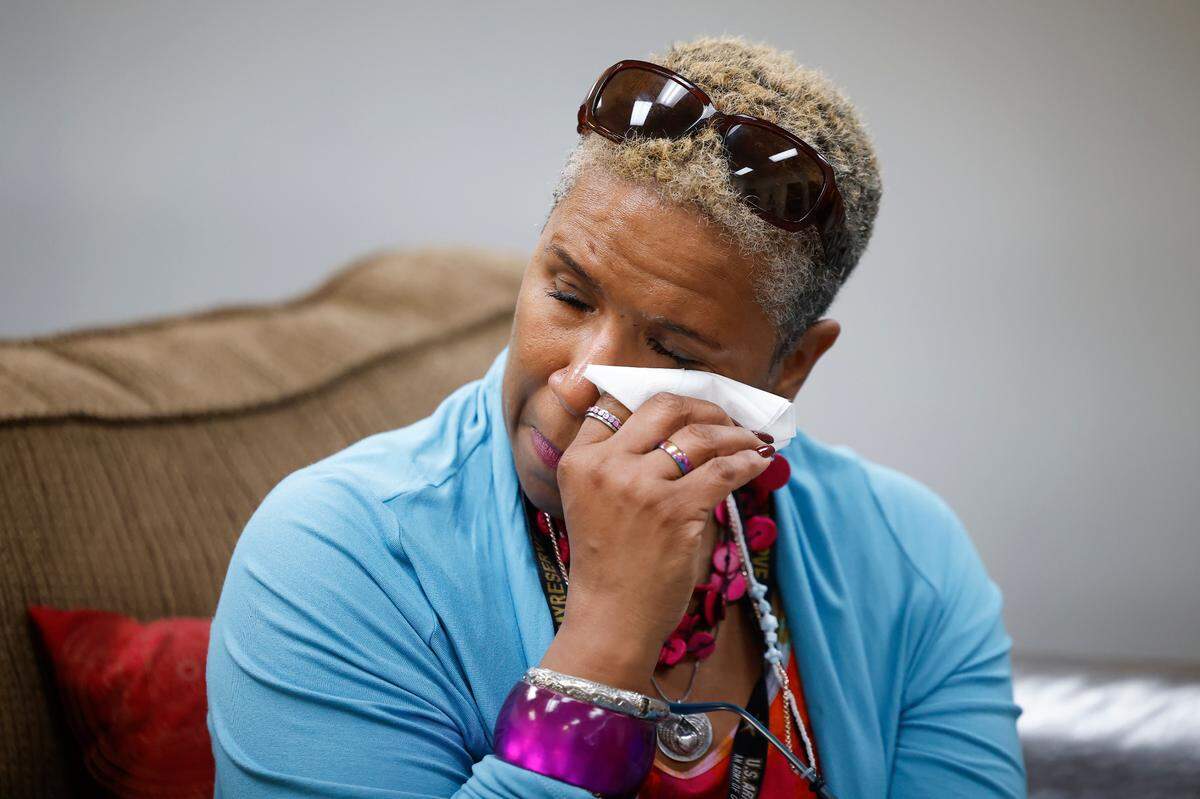
Terry Stokes, one of the women in the group whose son was in the system, said the group is invaluable to her and parents like her.
At one point during Thursday’s group session, Stokes and Stephens started crying at the same time. They shared a pack of tissues as they discussed the impact both of their sons’ involvement in the criminal justice system had on their mental health.
Stephens and Stokes expressed that they felt alone, embarrassed, and questioned what they might have done wrong as parents.
“I would feel so sad,” Stokes said, “because I blamed me. Any time your child gets in trouble, you automatically blame yourself.”
Stokes said it took time, but through her relationship with her son, her other children and revelations she had in the community with other mothers who shared her experience, she learned she wasn’t to blame.
There is a stigma, and a sense of shame that comes with being a parent whose child has gone into the criminal justice system, Stokes said.
And it makes you close yourself off and be unwilling to speak about it. She said it’s important to find people who have gone through the same experience, like the women in the group.
‘Even family members don’t understand’
Stephens said she started the therapy group because through her work in the juvenile justice system, she frequently worked with parents who lacked support and didn’t know who to turn to.
“They say other people don’t understand, even family members don’t understand what they’re going through,” Stephens said. “So to have a group, a support group, that somebody can come to and speak about whatever it is that they’re feeling or speak about what’s going on, whether it be the loved one or whether it be your child, you have a safe space.
“And that’s really important.”
Parent Talk Therapy is hosted by the Mecklenburg Council of Elders, a nonprofit made up of 15 grassroots organizations, as part of the offerings for its Juvenile Court Intervention Program.
The therapy group meets each Thursday from 6 to 7 p.m. at the Plaza Road Academy, 1000 Anderson St. It is free to the public. For more information contact Maria Macon at 980-202-9149 or Angela Whitmore at 662-744-0673.