‘Accountable for the wrong you do.’ 2 years after Capitol riot, NC footprint still grows
Two years removed from the riot at the U.S. Capitol, the case file of the United States of America vs. residents of North Carolina continues to thicken.
The list of N.C. defendants facing federal charges linked to the violence on Jan. 6, 2021, almost doubled during 2022, reporting by The Charlotte Observer shows.
In the coming weeks, several state residents accused or convicted of serious Jan. 6 crimes will either be sentenced or brought to trial.
More N.C. arrests are expected. Emails in November and December from the Federal Public Defender’s Office in Charlotte seeking legal representation for Jan. 6 defendants say 700-1,200 new cases are pending nationally, most of them felonies. That could more than double the number of arrests accumulated over the past two years.
The FBI also is seeking the public’s help in identifying some 350 people believed to have committed violent acts on the Capitol grounds, including more than 250 who attacked police.
Meanwhile, the new year opens with two North Carolinians — Jeremy Bertino of Belmont and Charles Donohoe of Kernersville — expected to give potentially pivotal insider testimony in the ongoing sedition trial of the leaders of the Proud Boys, a right-wing militia group with strong ties to the state. Both Bertino and Donohoe were ranking Proud Boys members who helped plan or carry out the group’s Jan. 6 strategy, prosecutors say.
Likewise, William Todd Wilson of Newton Grove, an eastern North Carolina leader of the Oath Keepers, another extremist group, has also been cooperating with the government, which already has landed seditious conspiracy convictions against group founder Stewart Rhodes and a top Florida operative.
In fact, based on the evidence presented in the massive prosecution so far, North Carolina’s role as a recruiting, training and planning ground for the Jan. 6 attacks by both the Proud Boys and Oath Keepers is largely unmatched by any other state, says Jonathan Lewis, a research fellow at George Washington University’s Program on Extremism.
“Other than maybe Florida, North Carolina has played one of the most significant roles in connection to Jan. 6, not only in the terms of individuals involved but specifically individuals who held authority in these extremist organizations and who played key roles in the mobilization of these groups to the U.S. Capitol.”
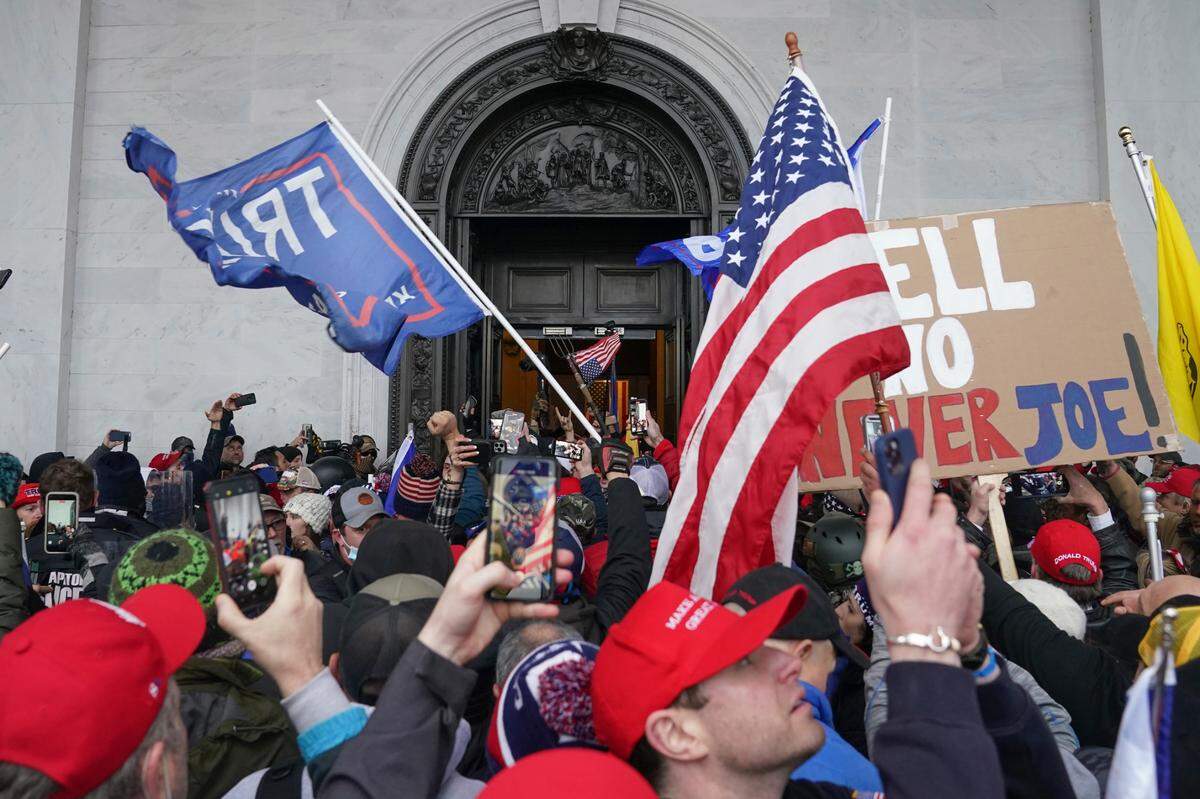
Wilson and Bertino already have pleaded guilty to the historically rare charge of seditious conspiracy, an admission that they took part in their groups’ plans to use force to stop the peaceful transfer of presidential power. Donohoe, a former Marine and state president of the Proud Boys, has pleaded guilty to conspiracy.
In the Proud Boys trial, Bertino and Donohoe “can both speak to a significant level of (pre-insurrection) planning. You can’t overestimate the significance of that kind of testimony ... that they understand they were part of a conspiracy,” Lewis says.
Bertino’s attorney, Assistant Federal Public Defender JP Davis of Charlotte, declined comment.
‘Bending toward accountability’
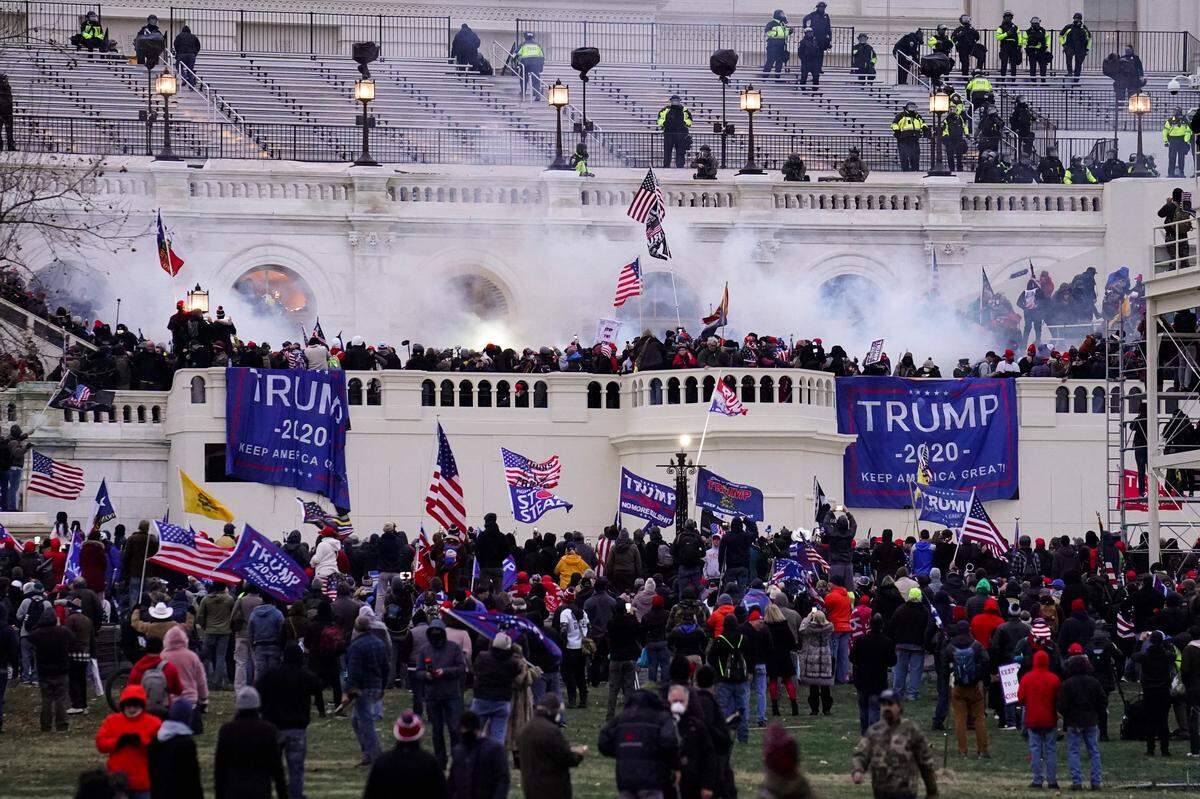
The mob assault by supporters of Donald Trump to stop the transfer of power, which was fueled by the former president’s baseless claims of a stolen election, has been linked to up to five deaths, injuries to some 140 police officers, and some $2.57 million in damages to the Capitol.
Two years later, the federal criminal cases against North and South Carolinians continue to mount.
During the past year, the number of N.C. residents charged with federal crimes tied to the Capitol violence jumped from 14 to 25. At least 19 South Carolinians, including multiple residents of York County, also have been federally charged.
An additional nine N.C. residents were arrested on lesser Jan. 6-related charges that were handled by the Superior Court of Washington, D.C. Most of the cases have since been dropped.
Nationally, the FBI so far has made more than 950 arrests, a number that increases by the week.
Multiple criminal investigations remain open — from the role played by the Trump White House, where former N.C. congressman Mark Meadows served as chief of staff, to the hundreds of everyday people, whom the militias referred to as “normies,” who assaulted police and overwhelmed the Capitol.
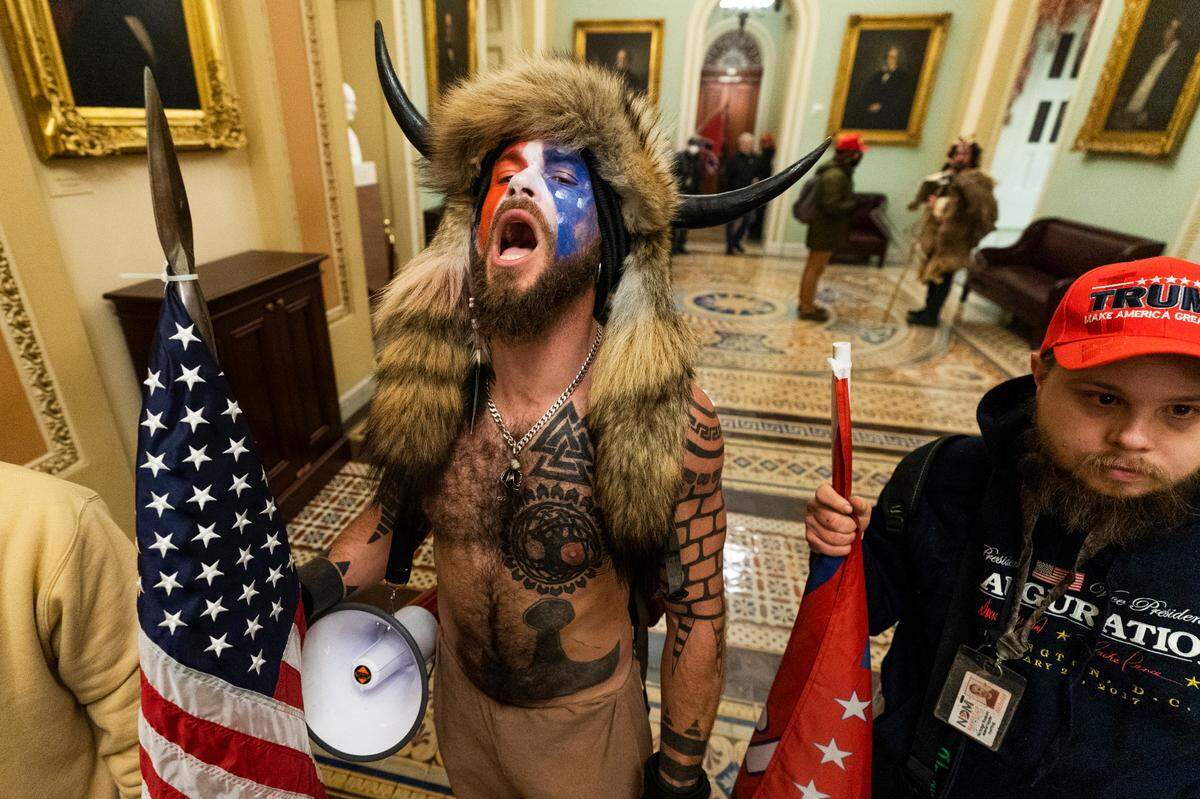
In December, the owner of a Sylva tea shop was sentenced to five months in prison for a Jan. 6 felony. By late February, a Catawba County farming couple could become the state’s first husband and wife imprisoned for riot-related crimes.
In early February, a former veteran female High Point police officer facing more than 40 federal charges goes on trial with other accused Oath Keepers. Meanwhile, a Cary man, who was only 18 at the time of the riot, could receive the longest prison sentence yet handed down to an N.C. defendant.
More than a dozen other felony trials of North Carolinians remain pending.
“Like the arc of the moral universe, which slowly bends toward justice, for the past two years this investigation has been bending toward accountability,” says Norm Eisen, a senior fellow at the Brookings Institution who previously served as a special counsel for the first House impeachment of Trump.
“If you break the law, you’ve got to face the consequences. We have one legal system — for normies, militia members or former presidents of the United States.
“You’re accountable for the wrong that you do.”
What’s next?
According to Lewis, the investigation of the Jan. 6 riot has “three buckets” of defendants:
Those who broke into the Capitol. Those who committed violence outside the building. And those who took part in the militias’ plots to forcibly block the exchange of presidential power.
“The mob-sized elephant in the room is the 12,000 to 13,000 people on the Capitol Grounds that day who because of DOJ decisions will not be charged,” Lewis said. “Beyond the arrests, there’s a far broader universe of individuals who will likely never be picked up.”
Court documents in the militia cases offer possible N.C. leads that the investigation might follow: From the 40 to 50 Oath Keepers who bused up from North Carolina on Jan. 6 to the unidentified members of a heavily armed N.C. “Quick Reaction Force” waiting at a Virginia hotel for a call to the Capitol.
However, most of the more jarring acts of violence caught on camera that day were the work of the so-called everyday people, not the militias.
“I want to see thousands of normies burn that city to ash today,” a Proud Boys leader said before the riot, according to court documents cited by the New York Times.
After the riot, according to Lewis, hundreds of the rioters “went home, doubled down and said, ‘What’s next?’ They’re waiting for the right-wing media system to point them at their next enemy.”
Charlotte attorney Elizabeth Greene, a former state and federal prosecutor who handled criminal conspiracy cases in the Western District of North Carolina involving dozens of defendants, believes that the Jan. 6 investigation will continue, and that the Justice Department appears “100% committed to charging and convicting everybody they can who took part in the assault on democracy.”
Part of that is accountability, Greene said. Part of that is also a warning.
“They’re sending a message,” she said, “not only to the people they are charging but to anybody contemplating similar actions in the future — if they don’t like the results of an election.”
This story was originally published January 6, 2023 at 6:00 AM.