Purgatory behind bars: He’s spent 11 years in jail — and no one knows if he’s guilty

READ MORE
Purgatory Behind Bars
A Charlotte murder suspect has spent 11 years in jail — and no one knows if he’s guilty. This Charlotte Observer investigation shows how a cold case murder from 2005 could force 37-year-old Devalos Perkins to spend his life in jail for a crime he’s not even convicted of.
Expand All
Devalos Perkins stood in front of his cell door — deranged, and clinging to the metal shard he’d ripped from the sprinkler head. A jail sergeant ordered him to drop the weapon.
“F–k you, come and get it,” Perkins yelled.
Ten minutes earlier, as alarms blared, detention center officers rushed to mop the floor. They didn’t realize he had the piece of metal that could be used to hurt them.
Now more alarms were sounding.
Four officers with a specialized guard unit — the Mecklenburg County Sheriff’s Office Direct Action Response Team — were called in to take him down, jail records show.
They wrestled with him, trying to angle each wrist and ankle into restraints.
But Perkins fought back.
They used a stun gun on him — once, twice, finally, a third time.
The prongs caught the inside of Perkins’ thigh, delivering painful electrical shock waves. He gave up.
The guards slapped a pair of handcuffs on his wrists and hoisted him to his feet. Two guards walked him backwards to a waiting restraint chair.
The chair was not yet a familiar place — but it would become one.
A decade of jail bunks and hospital beds
Perkins would have worse episodes over the next 10 years.
He’d been to jail and even prison plenty of times before. But on Oct. 1, 2012, he entered purgatory.
His mental spiral began almost immediately.
Perkins, now 37, has been behind bars in North Carolina since he was in his 20s for a murder case that went cold seven years before he was arrested.
An investigation by The Charlotte Observer spanning more than a year found shocking insights into a broken system for mentally-ill North Carolinians involved with courts. Perkins’ case is among the worst documented in public records.
The picture reporters pieced together from hundreds of documents and extensive interviews provides details into the life of a man who has spent over a decade watching the world through a cell window for a crime he’s not even been convicted of.
Over the years he has flung urine and feces at guards; attacked officers and nurses; racked up thousands of dollars in fines for destroying jail property; and told doctors there’s a global cabal of imaginary enemies listening to his thoughts, according to jail and court documents.
He’s had pepper spray pumped into his cell and lived in solitary confinement for days at a time during an endless shuffle between hospital beds and jail bunks.
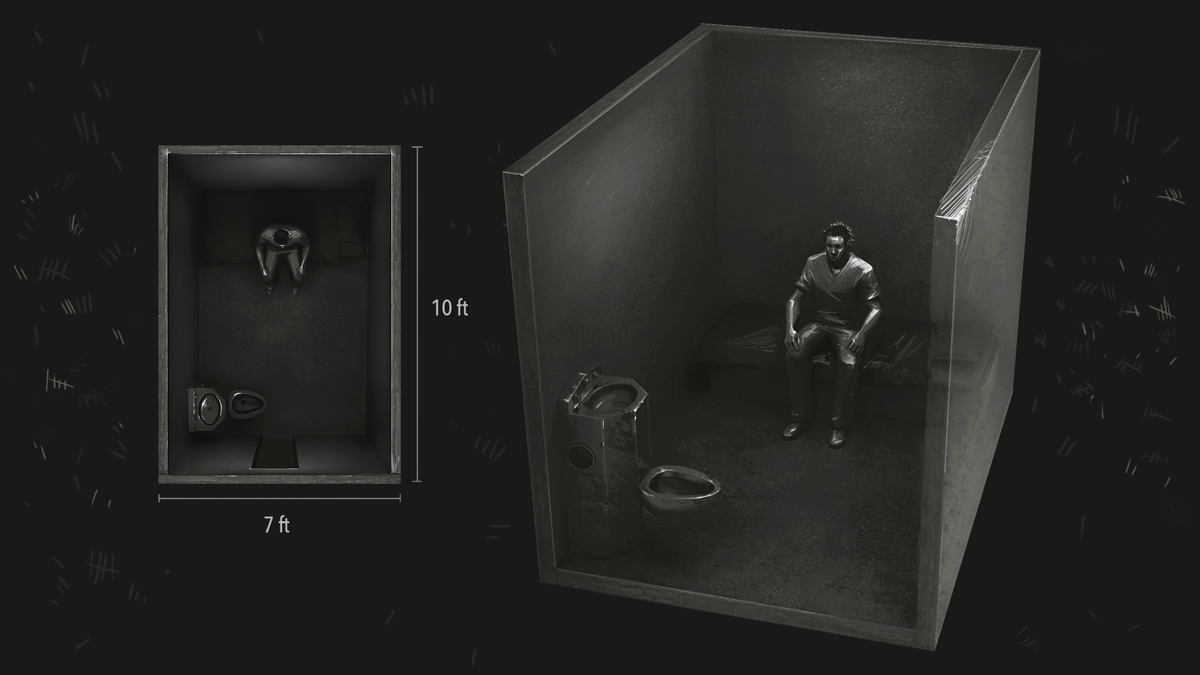
His incarceration is marked by his time on-and-off suicide watch and in-between a revolving door of judges and lawyers, including one who withdrew from his case telling the court he was “so concerned for his personal safety that he could not provide effective assistance of counsel if required to sit near (Perkins)“ in court.
Perkins has been evaluated again and again by psychiatrists, most of whom say the same thing: He’s not capable of standing trial to determine if he’s guilty of murder. Judges have signed off on the cycle that has left him in a purgatory-like place — neither convicted nor cleared of the crime.
Timeline of Devalos Perkins in jail
Year 11 of purgatory
Cases like Perkins’ have drawn criticism from criminal justice reform and victims’ rights advocates and even some law enforcement officials. In Perkins’ case, Mecklenburg County’s sheriff has called out his lengthy stay in the detention center in Charlotte, saying such situations have worsened overcrowding in the jail.
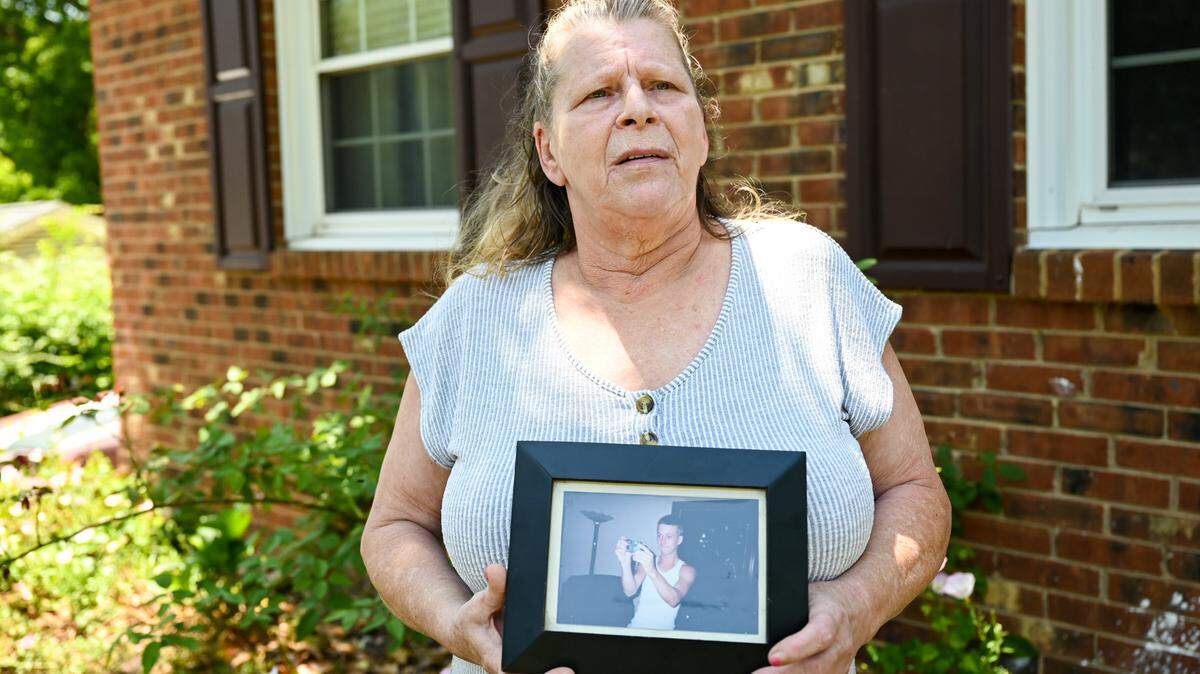
A Charlotte mother just wants closure, and hopes that someday, Perkins will admit he pulled the trigger of the gun that killed her 20-year-old son in 2005.
The chances of a successful prosecution generally decrease as the case gets older, acknowledges Bill Bunting, Mecklenburg County’s assistant district attorney in charge of the homicide unit. The DA’s office otherwise generally refused to comment on Perkins’ case.
Perkins says it’s well past time he has his day in court. Five years into his detention he wrote a letter pleading with a judge:
“I been back and fourth from the mental hospital for evaluations. Now I am compitint to go to trial, I notice my lawyer is not.”
But despite the case not going to trial, a single word in a provision of state law keeps Perkins in jail — and threatens purgatory forever, as this multi-part investigative series by The Charlotte Observer shows.
The biggest kicker? As he stays in jail, authorities have already set free two other men originally believed to have been involved in the crime.
This story was originally published July 13, 2023 at 3:00 PM.