
Renowned lawyer Julius Chambers may replace Confederate namesake at Charlotte’s Vance High
Charlotte-Mecklenburg Schools leaders want to rid Zebulon B. Vance High School of its Confederate general namesake, and rename it after a pioneering Charlotte civil rights attorney.
After a summer of gathering community feedback, Superintendent Earnest Winston will recommend that the CMS board rename the school in honor of Julius Chambers, district spokeswoman Yaviri Escalera told the Observer Monday.
Chambers, best known as the lawyer who argued a landmark school desegregation case that mandated countywide busing to integrate CMS, was a leader in the fight for racial justice and equality in the 1960s and beyond.
If the renaming is approved by the board at its planned meeting Tuesday night, it would be the first time a CMS school has gone through such a renaming process, the district says.
In June, amid nationwide and local protests over the police killing of George Floyd in Minnesota, school board leaders said they would begin researching and renaming schools that were named after Confederate figures. The protests gave ongoing, informal conversations among board members about renaming schools increased urgency, board chair Elyse Dashew said at the time.
The board will look at all school names, but Dashew earlier told the Observer that Vance was an obvious example the board could quickly take action on. During the Civil War, Vance served as a Confederate military captain, and historians have long made note that Vance and his family owned slaves. After the war, Vance — who served in the Senate and twice as governor of North Carolina — continued to attempt to keep Black citizens from voting.
Vance High School, which opened in 1997, serves roughly 2,000 students and is located near University City and Governor’s Village.
Over the summer, the district gathered feedback from the community for possible names for the school. Nearly 1,200 alumni, parents, faculty and others with connections to Vance responded to a survey, which identified Chambers as the top choice among community members.
In a survey of nearly 500 students, the top choice for a name was University City High School.
Board policy states that schools must be named for the geographic area in which it is located, a historical figure or location, or for a person whose name has special significance or who made “an outstanding contribution to the school or school system.”
Chambers, who died in 2013 at age 76, opened the state’s first integrated law office and pushed forward groundbreaking civil rights cases on integration, including one involving the district itself.
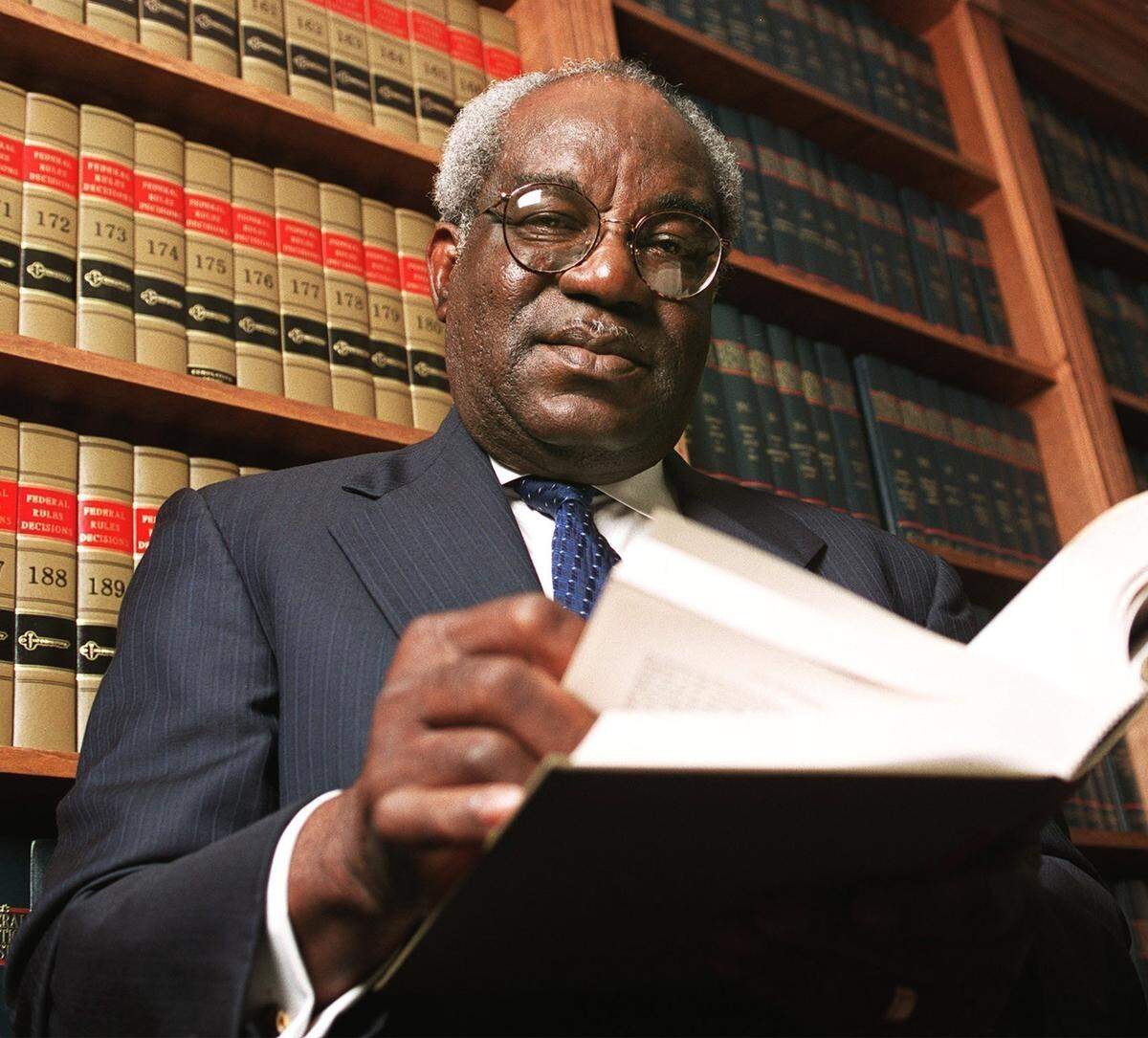
In 1965, Chambers filed a lawsuit against the district on behalf of Darius Swann, whose son was assigned to an all-Black school even though the family lived in a neighborhood zoned for an integrated school. Though the district was operating under a desegregation plan at the time, it still assigned most Black students to all-Black schools.
The case made its way to the Supreme Court, which ruled in 1971 that busing was an appropriate remedy to desegregate public schools. After the ruling, white parents hurled rocks at buses, Black and white students fought and small riots closed some Charlotte schools.
The district ultimately crafted a mandatory busing plan that resulted in CMS being one of the country’s most integrated districts for nearly three decades. But that integration plan was overturned when a white parent sued the district alleging that his daughter did not get into a magnet program because of her race.
Chambers’ work touched other facets of education and schools in North Carolina.
Shortly after he opened his office, Chambers filed a restraining order in a case that led to the integration of the Shrine Bowl, an annual charity football game between the best high school players from North Carolina and South Carolina.
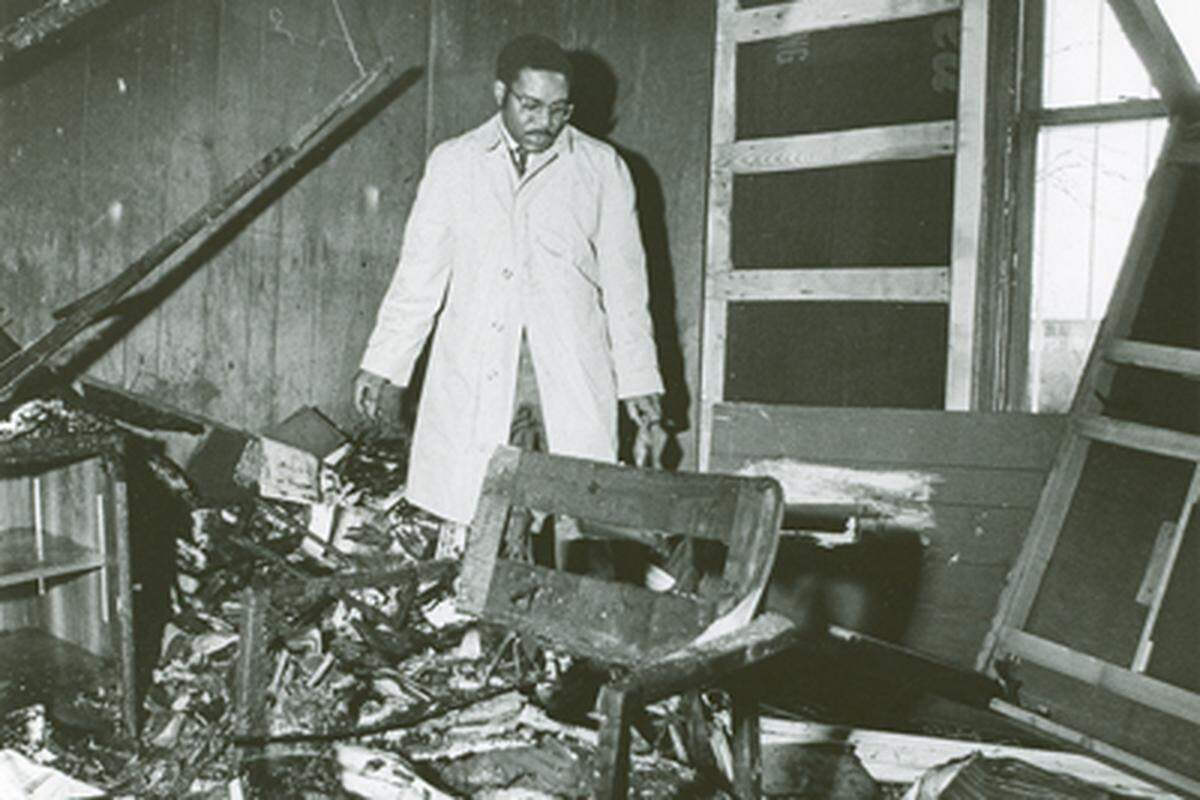
Chambers personally faced threats from those opposed his work on civil rights. In 1965, two bombs exploded in his home and his car was firebombed. After the Swann ruling, his office was burned to the ground.
This story was originally published October 12, 2020 at 5:46 PM.