What’s next for Charlotte schools named after Confederate figures?
READ MORE
Name changes in Charlotte
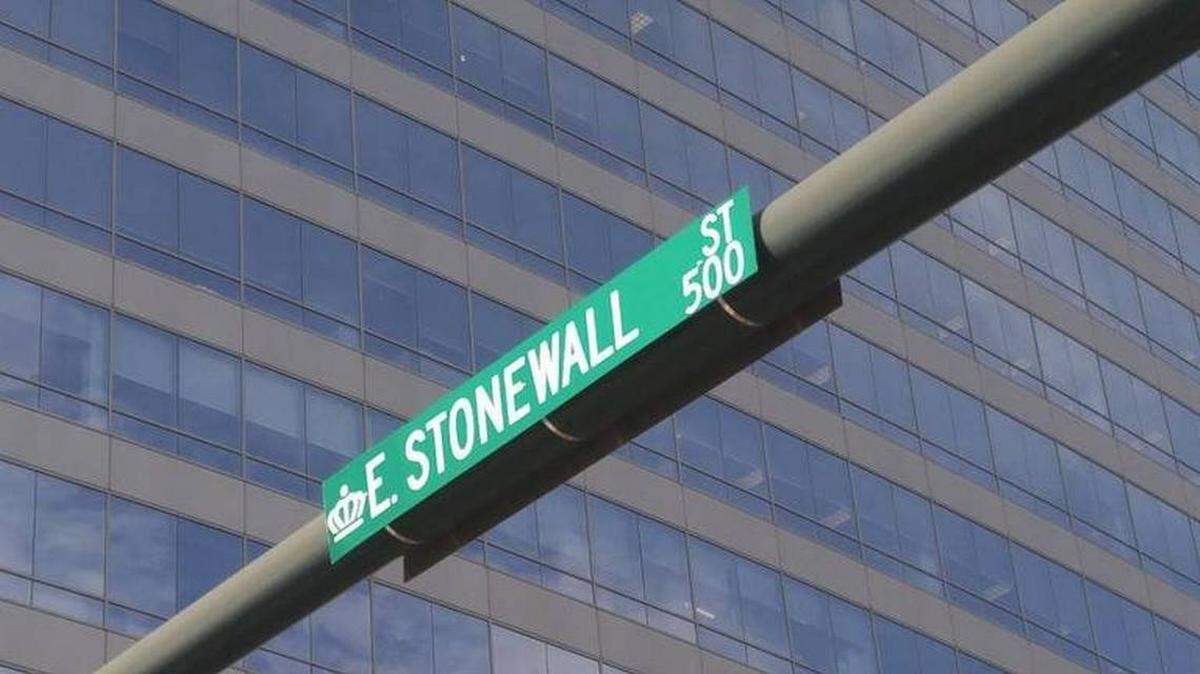
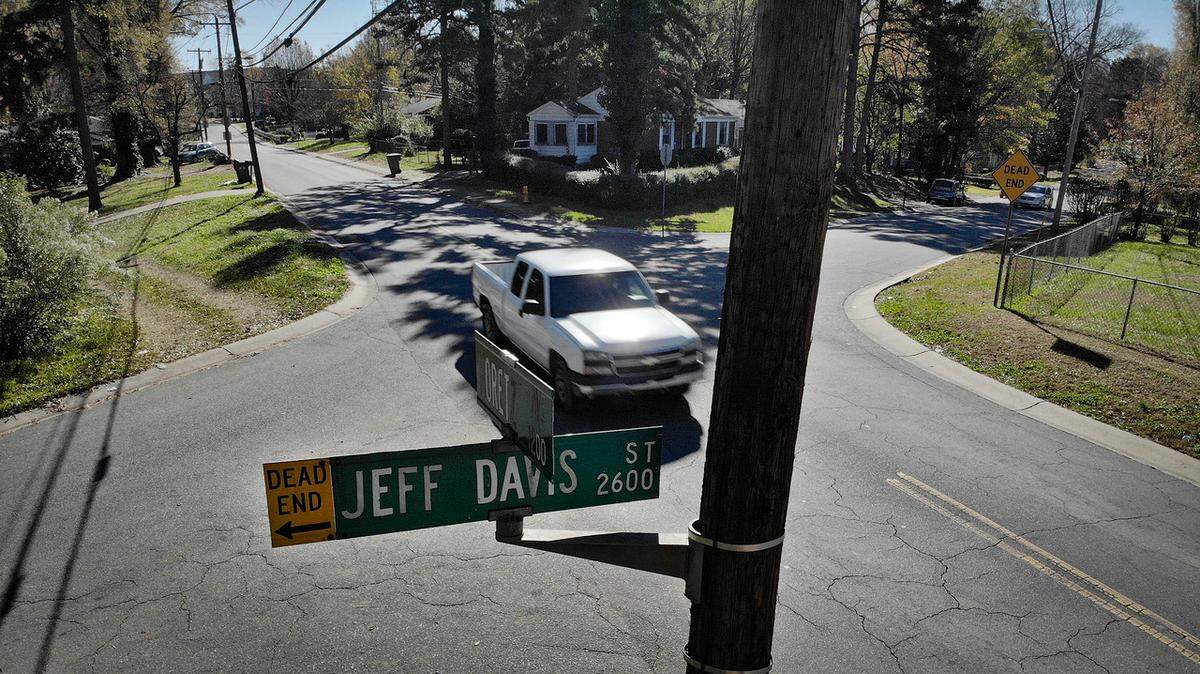
Righting past wrongs and honoring civil rights heroes: Increasingly, local leaders are examining the history of Charlotte and choosing to rename some streets and buildings, including schools.
Expand All
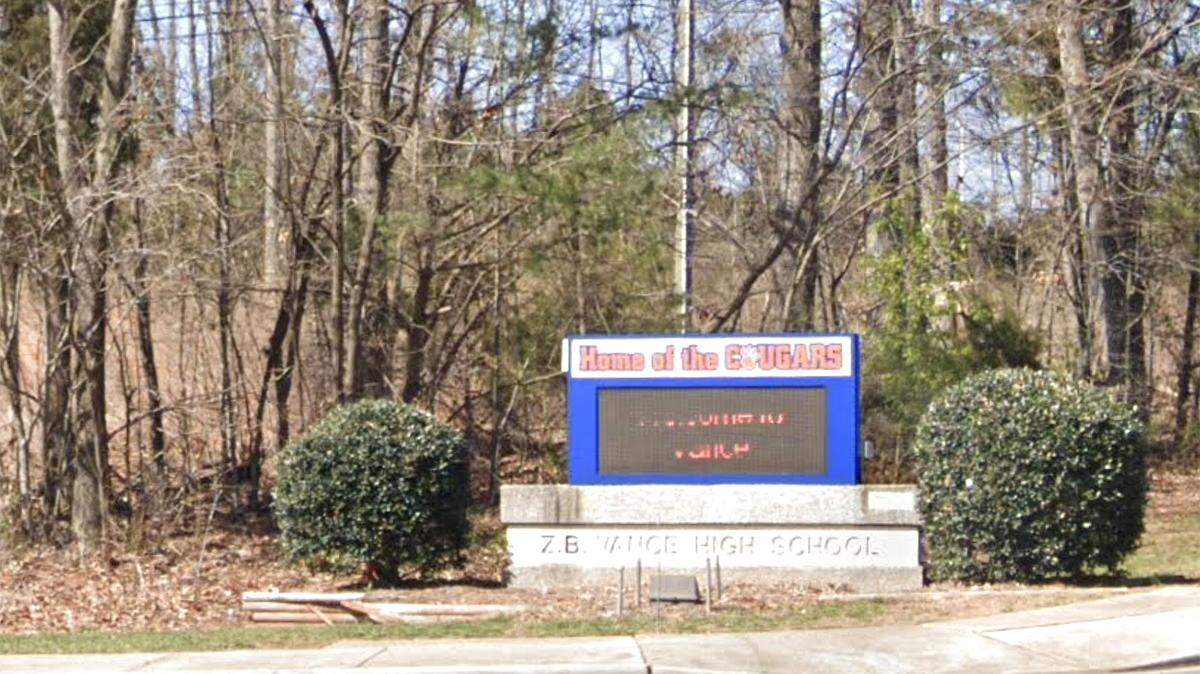
Vance High School alumni and local historians had mixed reactions to the Charlotte-Mecklenburg school board’s plan to discuss renaming Vance High at its next meeting. The school is named after Zebulon B. Vance, a Confederate colonel, U.S. senator and N.C. governor.
The announcement comes as districts across the country are examining school names with ties to Confederate figures after the killing of George Floyd by white police officers in Minnesota. In North Carolina, the Wake County school board unanimously voted Tuesday to rename Josephus Daniels Middle School, which was named after a white supremacist who was a publisher of Raleigh’s News and Observer in 1898.
“There’s just a lot of momentum in the world right now for anti-racism action,” said CMS board Chair Elyse Dashew.
She announced the plans to rename Vance High in a Facebook post on June 17.
According to a 1999 biography of Vance published in American National Biography, Vance’s family owned slaves. Despite some documented disagreements with Confederate authorities, he remained loyal to the Confederacy.
Scott Lane, a 2007 graduate of Vance High, said he was surprised by the CMS board’s announcement to address school names with Confederate connections.
“I honestly did not expect them to fairly quickly and very definitively take such action,” Lane said.
Another alumnus of Vance High, Gary Young, said CMS has more pressing problems, such as social and economic segregation.
“When you invest so much energy into changing the name of a school, I don’t see how that’s going to overall change the system,” Young said.
Others question the parameters for renaming Vance High and advise caution when trying to apply 21st-century values to historical figures.
“(Vance) had the same views and perspectives, as bad as they were, as the vast majority of whites in America,” said historian and UNC Charlotte professor David Goldfield.
Goldfield wrote “Still Fighting the Civil War,” a book analyzing the remnants of the Civil War, including monuments and school names, that still exist today. He said deciding to rename schools or take down monuments is a complex process and should be considered on a case-by-case basis.
In addition to military involvement with the Confederacy, Vance spoke against anti-Semitism in a well-known speech titled “The Scattered Nation.” According to Goldfield, historical figures such as Vance should be researched fully to avoid making a blanket decision to rename associated schools.
“What the CMS board is doing is giving us a good learning experience,” Goldfield said.
RENAMING PROCESS
“The school community will have a voice in determining the new name,” Dashew wrote in her Facebook post about renaming Vance High.
By the current CMS naming facilities regulation policy, which was last revised in 2001, the principal of Vance High is responsible for appointing an advisory committee that represents the school’s community. This advisory committee will create a list of name recommendations, which the principal will then forward to the regional assistant superintendents and deputy superintendent.
Ultimately, the board will consider the recommended names and make the decision.
The name recommendations must follow these criteria, according to the CMS board policy:
- The advisory committee must get input from the community groups.
- Consensus from the committee on names for the list.
- Names should be easily identifiable and have a meaning to the community.
- The names cannot conflict with existing CMS names.
- Names can be based on geography or historical figures.
- A summary of research for each name goes with the list.
CMS SCHOOLS AFTER VANCE HIGH
A 2008 Observer article referenced several CMS school names with potential ties to the Confederacy, including Vance High, Alexander Graham Middle School and Barringer Academic Center, originally Barringer Elementary School.
Records from the Carolinas Room of the Charlotte Mecklenburg Library show a 1952 Observer article about the original naming of Barringer Elementary School after General Rufus Barringer and his son, Paul Brandon Barringer. The article states that Rufus Barringer moved to Charlotte in 1872 after “illustrious service in the Confederate cavalry during the Civil War.”
But according to a CMS webpage about Barringer Academic Center, it was named after Osmond L. Barringer, Rufus Barringer’s son, who donated land for the school as part of his development of the Revolution Park neighborhood.
Dashew wrote that after discussing Vance High, the CMS board will review the names of other school buildings with historians and school communities.
“This is one step in a long journey,” Dashew wrote.
This story was originally published June 20, 2020 at 1:08 PM.