‘Names and symbols matter.’ Barringer school, named for white supremacist, to get new name
READ MORE
Name changes in Charlotte
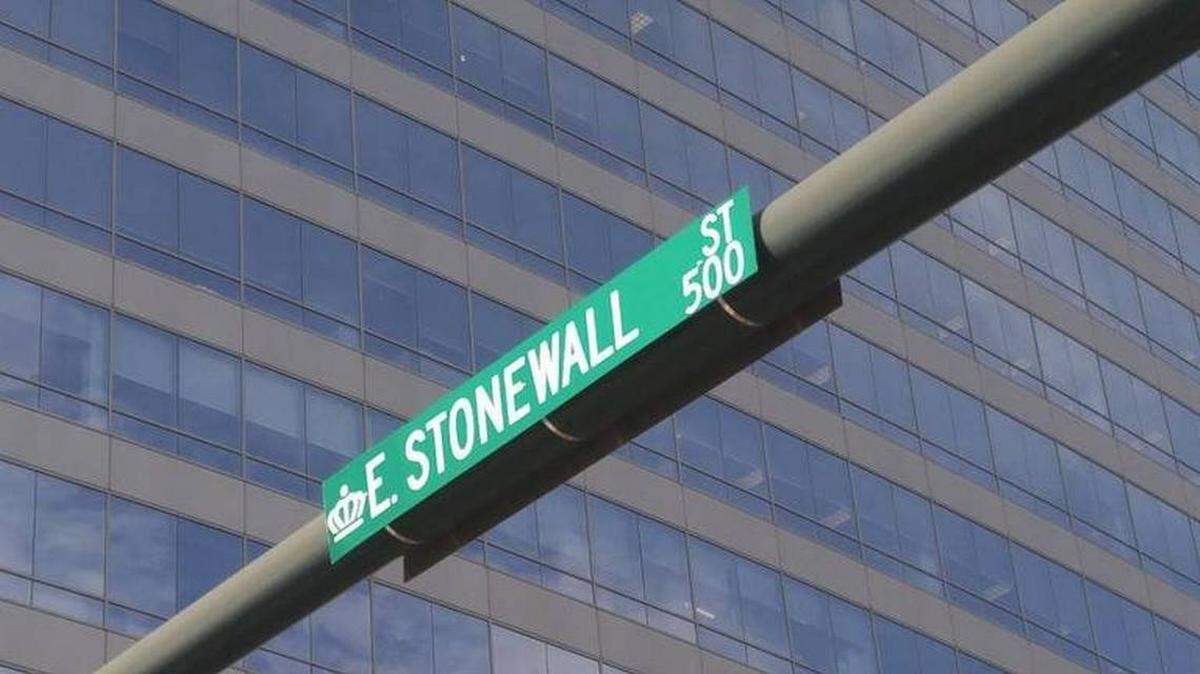
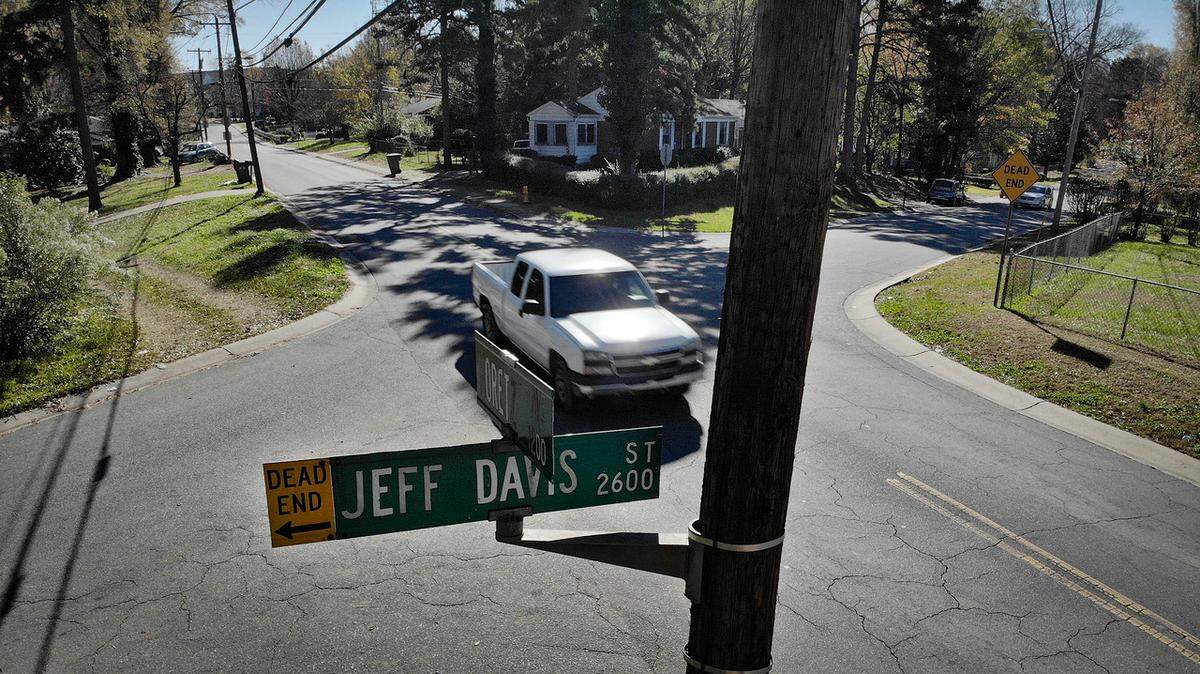
Righting past wrongs and honoring civil rights heroes: Increasingly, local leaders are examining the history of Charlotte and choosing to rename some streets and buildings, including schools.
Expand All
Charlotte-Mecklenburg school board members began the process Wednesday of renaming Barringer Academic Center, named for a Charlotte developer who was a white supremacist.
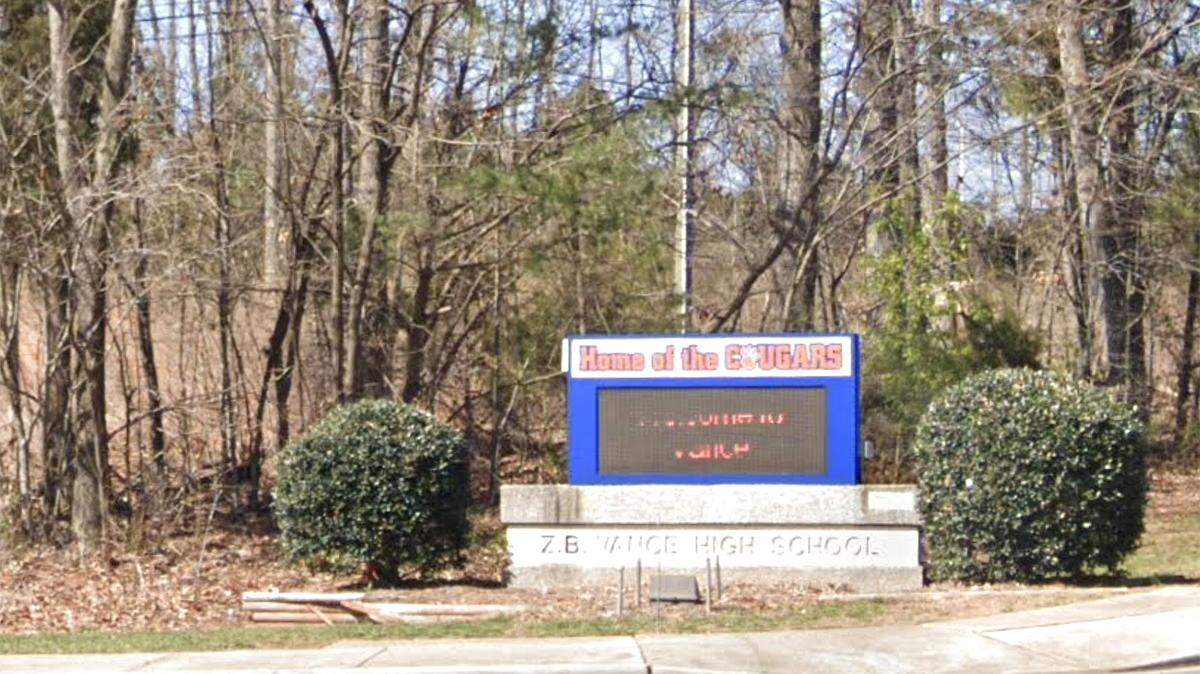
The move comes two weeks after the board stripped Zebulon B. Vance High School of its Confederate, slaveowner namesake and renamed Julius L. Chambers High for the pioneering civil rights lawyer whose work led to a brief period of integration in CMS.
Board member Thelma Byers-Bailey said it’s important for school names to reflect the district’s values and ideals, and that schools should provide inspiration to every student.
“Renaming Vance was the first step in an important endeavor,” she said. “Names and symbols matter. They reflect who we are and what we believe. Our country’s painful, shameful history of racial injustice is the backdrop to this endeavor. It’s a reminder when we take a wrong turn, it’s important to reset.”
Barringer Academic Center hosts a magnet program for gifted students. The district will begin a process of seeking community input to choose a new name for the school.
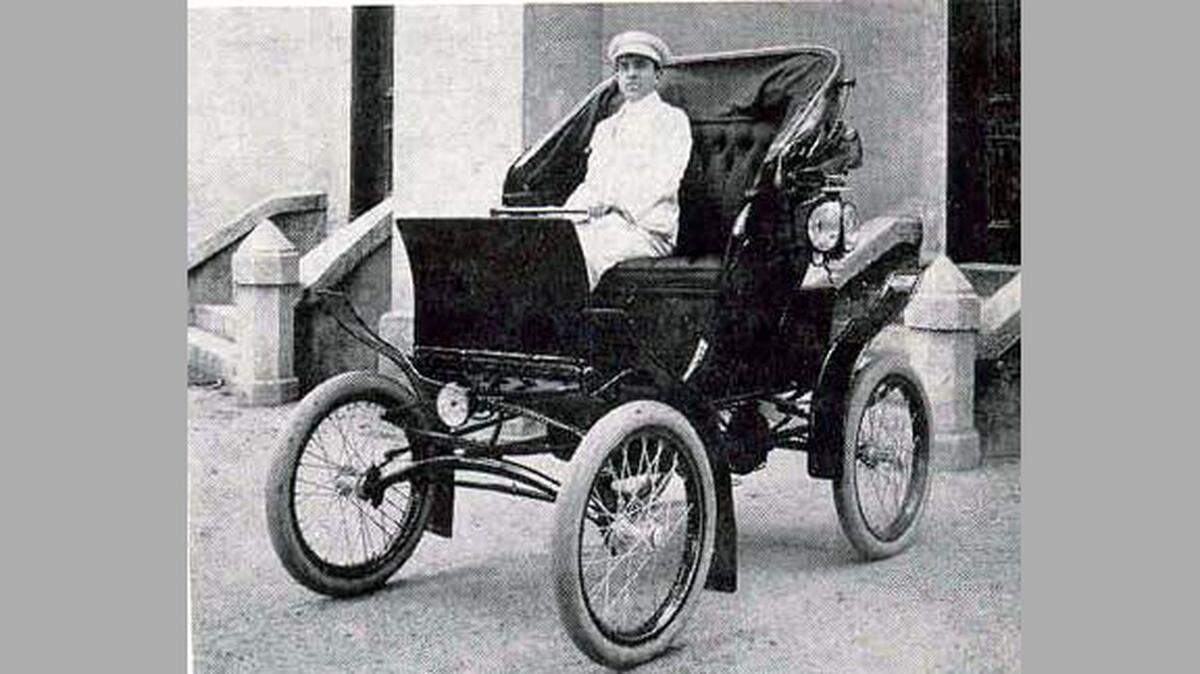
Osmond L. Barringer was an early 20th century automobile enthusiast who developed the Revolution Park neighborhood, near where the school is located in west Charlotte.
The developer was the first North Carolina resident to own a car and the first person in the city to own an automobile— a steam-powered Locomobile in 1900, according to the school’s website. He was the first automobile dealer in Charlotte, a co-owner of the first Charlotte Speedway, and drove four presidents when they visited the area.
A history of racism
But Barringer and his family were also vocal white supremacists, active during the White Supremacy Campaign of 1898 to 1900, according to research assembled by historian Tom Hanchett for CMS.
“Back then, it was assumed in the South by the folks who were leading, that leadership was a white thing,” Hanchett said. “People who had contributed to the leadership were pretty much assumed to be what we would now called white supremacist.”
In 1900, Barringer led a massive parade through the city, where hundreds marched for “a white men’s government” as part of the state’s Red Shirt Movement. The campaign led to a rewriting of the state constitution, requiring a poll tax and literacy test that disenfranchised Black voters.
“These folks in 1900 were marching down Tryon,” Hanchett said. “It’s not something the news media put on them, but they literally had a banner they proudly carried declaring themselves white supremacists, and Barringer was at the head of that parade.”
In the 1950s, the NAACP sued Barringer and others to desegregate a public golf course at Revolution Park. According to a Charlotte Observer article from the time, Barringer had donated the land for the park with a clause that would revert the gift if Black people were permitted to use the space.
According to a 1952 Charlotte Observer article, Barringer named the school after his brother, Paul, and his father, Rufus, described as “two of the outstanding pioneers of this section.”
Though Rufus Barringer worked to keep North Carolina in the Union, he ultimately joined the Confederate army and rose to the rank of brigadier general. He was the son of a wealthy slave-owning family in Cabarrus County.
Hanchett said that Paul Barringer was a leader of the “scientific racism” movement, which tried to use science to argue for the inferiority of Black people, and that he advocated for segregation and eugenics as a means to preserve white racial purity. In 2019, the University of Virginia stripped the Barringer name from a hospital wing because of his promotion of racism.
Byers-Bailey, the school board member, said while the district has the ability to initiate renaming processes at individual schools, it does not have a process in place to look at the appropriateness of all school names.
She said the board and the superintendent would work to establish a plan to examine all school names in CMS.
“I know I speak for my colleagues in that I hope the process is created sooner rather than later,” she said. “Certainly if our naming process works as it should, the school now known as Julius L. Chambers High School reflects our commitment to equity, equal access and opportunity for all.”
This story was originally published October 29, 2020 at 7:30 AM.